History History 4 min read

America through songs

10 songs that preserve America’s greatest stories

Image: Anmol Arora / Chris Robert

Music has always been a way for Americans to reflect on their shared history, both struggles and victories. From heartfelt anthems about our most beautiful landscapes to bittersweet reflections on failed dreams, there is no shortage of melodies that place America at their center. Hum along with us through these 10 unforgettable songs that blend art and history, making us reflect on what was gained and lost along the way.

1
"Born in the U.S.A." – Bruce Springsteen

Image: Jose Antonio Gallego Vázquez

This 1984 anthem by "The Boss" captures the struggles of Vietnam veterans returning to a country that seems to have forgotten them. While often mistaken as a patriotic rally cry, its verses lament economic hardship and societal neglect.

Springsteen's raw vocals and gritty lyrics juxtapose against its rousing melody, making it one of America’s most misunderstood yet powerful songs. The album was a commercial success, solidifying its place in rock history.

2
"American Pie" – Don McLean

Image: Priscilla Du Preez

Released in 1971, McLean’s eight-minute epic recounts America’s loss of innocence following Buddy Holly’s death in 1959. The song’s nostalgic tone and layered storytelling made it an instant classic, with its complex lyrics referencing a myriad of cultural and political events of the 1960s.

While the song is known for its deep, almost cryptic lyrics, McLean chose not to explain its meaning for many years, allowing listeners to interpret it as they saw fit. When asked about the song’s significance, McLean humorously responded, "It means I never have to work again."

3
"We Didn’t Start the Fire" – Billy Joel

Image: Matt C

Another hit song known for its rapid-fire, name-dropping lyrics, "We Didn’t Start the Fire" chronicles major American events and figures from 1949 to 1989—a true history lesson packed into a pop hit.

According to Joel, the idea came from a conversation with a younger friend, who suggested that no era could have been more chaotic than the one they were living in. This prompted Joel to write a song demonstrating that every era has its own share of turmoil, showing that there’s nothing new under the sun.

4
"Take Me Home, Country Roads" – John Denver

Image: Mario Scheibl

This 1971 ode to West Virginia celebrates the beauty of rural America. Denver’s tender vocals and vivid imagery perfectly capture the essence of small-town life and evoke a sense of nostalgia for simpler times.

In the chorus, Denver depicts the roads to West Virginia as a guiding force, leading him back to a place where he truly belongs, affectionately calling the state "Mountain Mama." The song has since become a symbol of Appalachian pride, performed at countless events, and even adopted as an official state anthem.

5
"Paradise" – John Prine

Image: Albert Hyseni

Prine’s 1971 bittersweet ballad tells the story of a small Kentucky town destroyed by coal mining. Although Prine was from Chicago, his family hailed from the Appalachian region, specifically the town of Paradise, Kentucky.

Large-scale strip mining from the 1950s to the 1970s wiped Paradise off the map, as thousands of acres were stripped. During that time, regulation of strip mining was minimal at best, and even today, the environmental and societal scars of this practice are still visible.

6
"Casey Jones" – Mississippi John Hurt

Image: Tim Wildsmith

"The Ballad of Casey Jones," also known as simply "Casey Jones," is a traditional American folk song about railroad engineer Casey Jones and his death while driving the train he was operating.

Although Mississippi John Hurt isn’t the only artist to cover this subject, his version neatly and beautifully sums up the story of this almost forgotten American hero — a heroic railroad engineer who sacrificed his life to save passengers during a train crash in 1900.

7
"Pancho and Lefty" – Townes Van Zandt

Image: Cemrecan Yurtman

Though originally written by Van Zandt, Willie Nelson and Merle Haggard’s 1983 rendition made this tale of two outlaws iconic. It tells the mysterious story of Pancho, a legendary gunslinger betrayed by his partner Lefty.

One reason the song remains so enduring may be its open-ended lyrics, which invite listeners to imagine the untold parts of the story. Plus, who doesn’t love a song about outlaws on the run in the good old days?

8
"The Night They Drove Old Dixie Down" – The Band
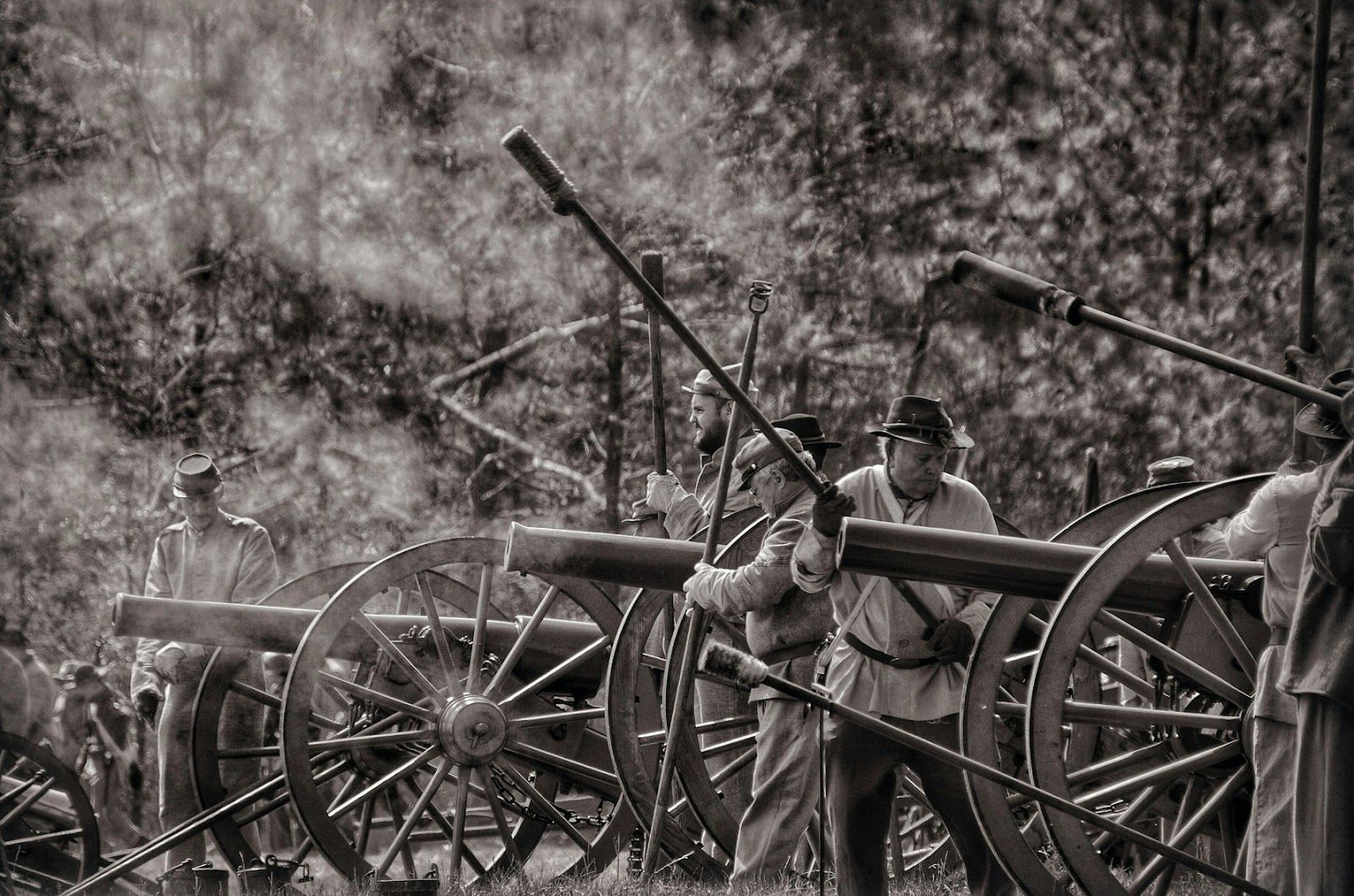
Image: Rick Lobs

This 1969 song tells the story of a Confederate soldier reflecting on the fall of the South during the Civil War. Its deeply human perspective makes it stand out, resonating with empathy on the subjects of war and its aftermath.

One of the group's most successful songs, its carefully crafted lyrics bring an overwhelming human sense of history, reminding us of the suffering of those who were quickly forgotten after the war.

9
"Pastures of Plenty" – Woody Guthrie

Image: Samantha Sheppard

This 1941 song tells the story of Dust Bowl migrants seeking work in California. Guthrie's soulful lyrics seek to capture their resilience amid poverty and displacement.

Written as a tribute to these migrant workers, the song evokes the world described in John Steinbeck’s The Grapes of Wrath . Curiously, the tune is based on the ballad "Pretty Polly," a traditional folk song from the British Isles that was also popular in the Appalachians.

10
"Wabash Cannonball" – Roy Acuff

Image: Paul Arky

An anthem of railroad culture, "Wabash Cannonball" follows the predicaments of a mythical train of the same name. There are many theories about the origin of "The Wabash Cannonball." Some believe it originated in American hobo culture, serving as a "death coach" that appeared at the death of a hobo to carry his soul to its reward.

Another theory suggests the song is based on a popular tall tale about Cal S. Bunyan, Paul Bunyan's brother, who supposedly constructed a railroad so the train could travel so fast it arrived at its destination before it even departed.
Culture Culture 3 min read

Height Hall of Fame

Did you know what the average height is for American men?

Image: Mike Goad / Kranich17

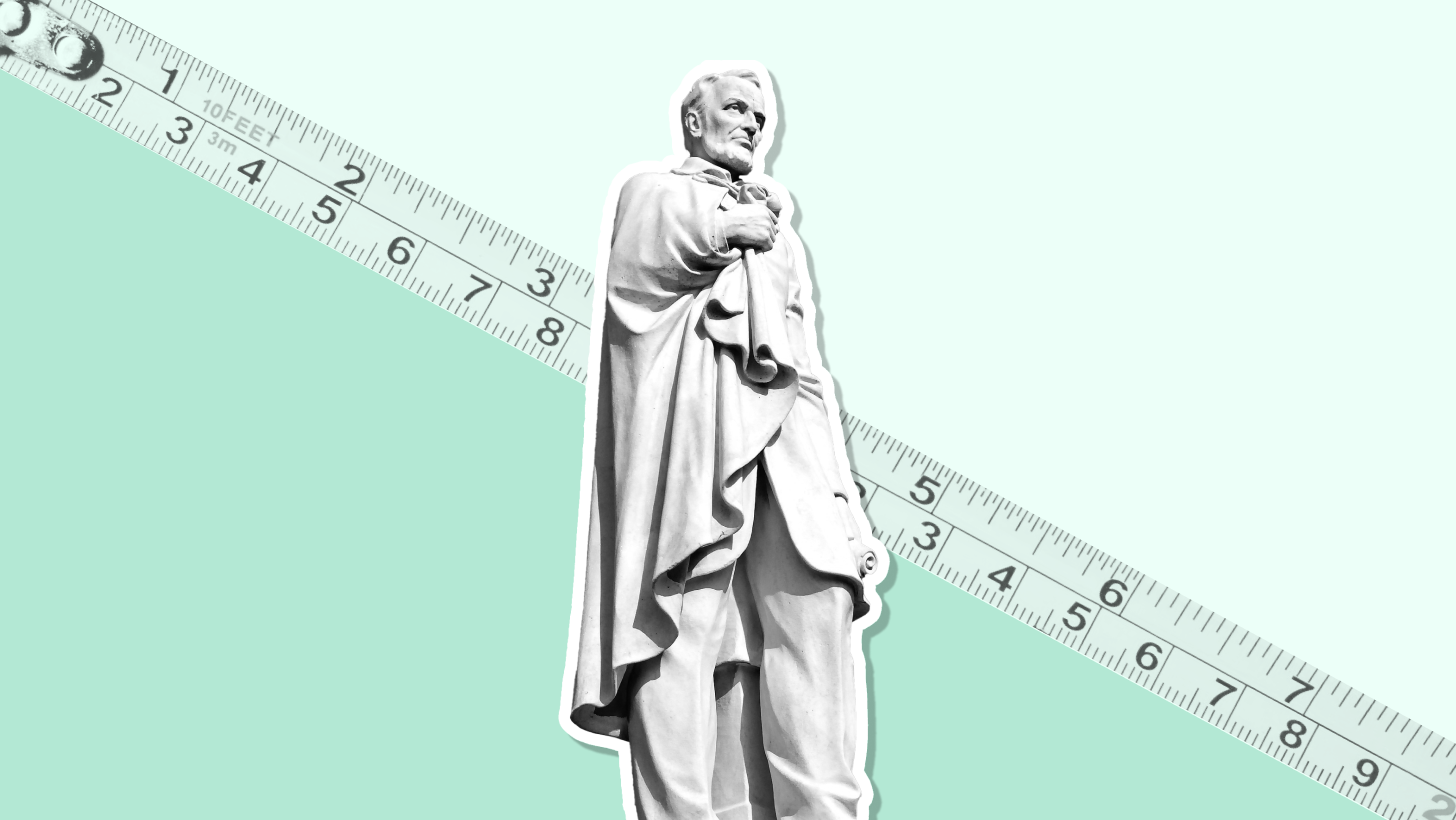
Today, the average height of American men is about 5'9". However, many presidents were much taller than that, while others were quite a bit shorter. We all know who the tallest US president was: Abraham Lincoln! But how tall were the others? If you're wondering about the height range of US presidents, this article is for you. Let's get started!

1
Abraham Lincoln

Image: Jacob Thorson

"You have to do your own growing no matter how tall your grandfather was" is an iconic line attributed to Abraham Lincoln. The funny thing is, he was indeed very tall, remarkably so. In fact, he holds the title of the tallest US president! At 6'4", Honest Abe was a really tall man for his era (and also by today's standards). Plus, his trademark stovepipe -where he was said to keep papers and documents- added even more inches!

2
Thomas Jefferson

Image: David Trinks

Thomas Jefferson was not only one of the Founding Fathers; he was also one of our country's tallest presidents. At 6'2.5", Jefferson was pretty close to the towering Lincoln!

In addition, there are records that speak of his large hands and feet, and it's stated that he wore size 12 shoes, which were considered very large.

3
George Washington

Image: Dave Lowe

At 6'2", the first President of the United States, George Washington, was also one of the tallest Commanders-in-chief. However, there was much more than just his height.

According to historical records, The Father of His Country was also strong and muscular, standing out from a young age in disciplines such as horseback riding and wrestling.

4
George H. W. Bush

Image: David Everett Strickler

During his youth, George H. W. Bush played as the captain of Yale University's baseball team, where his 6'2" height made him stand out. In fact, he ranks 5th among the tallest US Presidents. However, several other presidents also stood at 6'2", including the aforementioned George Washington, Franklin D. Roosevelt, Bill Clinton, and Chester A. Arthur, who all share the fifth spot.

5
Ronald Reagan

Image: Nicolas HIPPERT

Ronald Reagan, the 40th President of the US, stood at 6'1", which made him about 4 inches taller than the average height of men in his time. As is well known, Reagan maintained an athletic body from a young age and well into adulthood, enjoying activities like horseback riding and swimming.

Even before his political career, Reagan's height and presence -along with his skills and charisma- helped him get acting roles in Hollywood, where he went on to star in dozens of films.

6
John F. Kennedy

Image: Florida Memory

Although several presidents were taller, John F. Kennedy still stood above the average at 6'1".

You've probably seen images of JFK standing beside his opponent, Richard Nixon, during the 1960 US presidential campaign, right? As you can see in those pictures, as well as in the famous TV debate, Kennedy appears quite taller than Nixon. Additionally, JFK's voluminous hair -one of his trademarks- added a few more inches.

7
Richard Nixon

Image: History in HD

Some specialists claim that a candidate's height may influence the outcome of presidential elections, tipping the balance in favor of the taller candidate. They say this might have been the case in the 1960 election. However, Richard Nixon's 5'11" didn't stop him from becoming the 37th President of the United States. He won the 1968 election, defeating Hubert Humphrey (also 5'11"), and was re-elected in 1972 with a victory over George McGovern (6'1").

8
Jimmy Carter

Image: Suzy Brooks

Just one inch shorter than Nixon, President Jimmy Carter stood at 5'10", surpassing the average height for an American man by a hair's breadth but falling just below the average presidential height of 5'11".

From a young age, Carter was involved in various sports and outdoor activities, and his tendency to maintain an active lifestyle was emphasized during his presidency.

9
John Adams

Image: sarina gr

Now, it's the turn of presidents whose heights were slightly below the average for American men. Among them is the extraordinary John Adams, the second President of the United States, who stood at 5'7".

What distinguished this Founding Father wasn't his physique but his amazing intelligence, charisma, and strong character, which were fundamental in shaping our nation.

10
James Madison

Image: Richard Hedrick

Finally, we come to James Madison, the 4th US President and the Father of the Constitution. At 5'4", Madison was the shortest president in American history. Some portraits of the time depict him alongside his wife, Dolley Madison, who was not only slightly taller but also wore hats that added extra inches to her height.

However, despite Madison's shorter stature, it's undeniable that his role in shaping the United States was immense.

History History 4 min read

Do you practice any of these?

From RSVPs to sunglasses: 12 etiquette rules that deserve a comeback

Image: Artem Beliaikin

Etiquette may sometimes seem old-fashioned, but there are a few rules from the past that deserve a comeback. Little things like taking off your sunglasses indoors, standing up when greeting someone new, or writing a thank-you note after receiving a gift may feel a little dated, but they’ve got a charm that’s hard to ignore. Do you think these 12 small rules should be brought back?

1
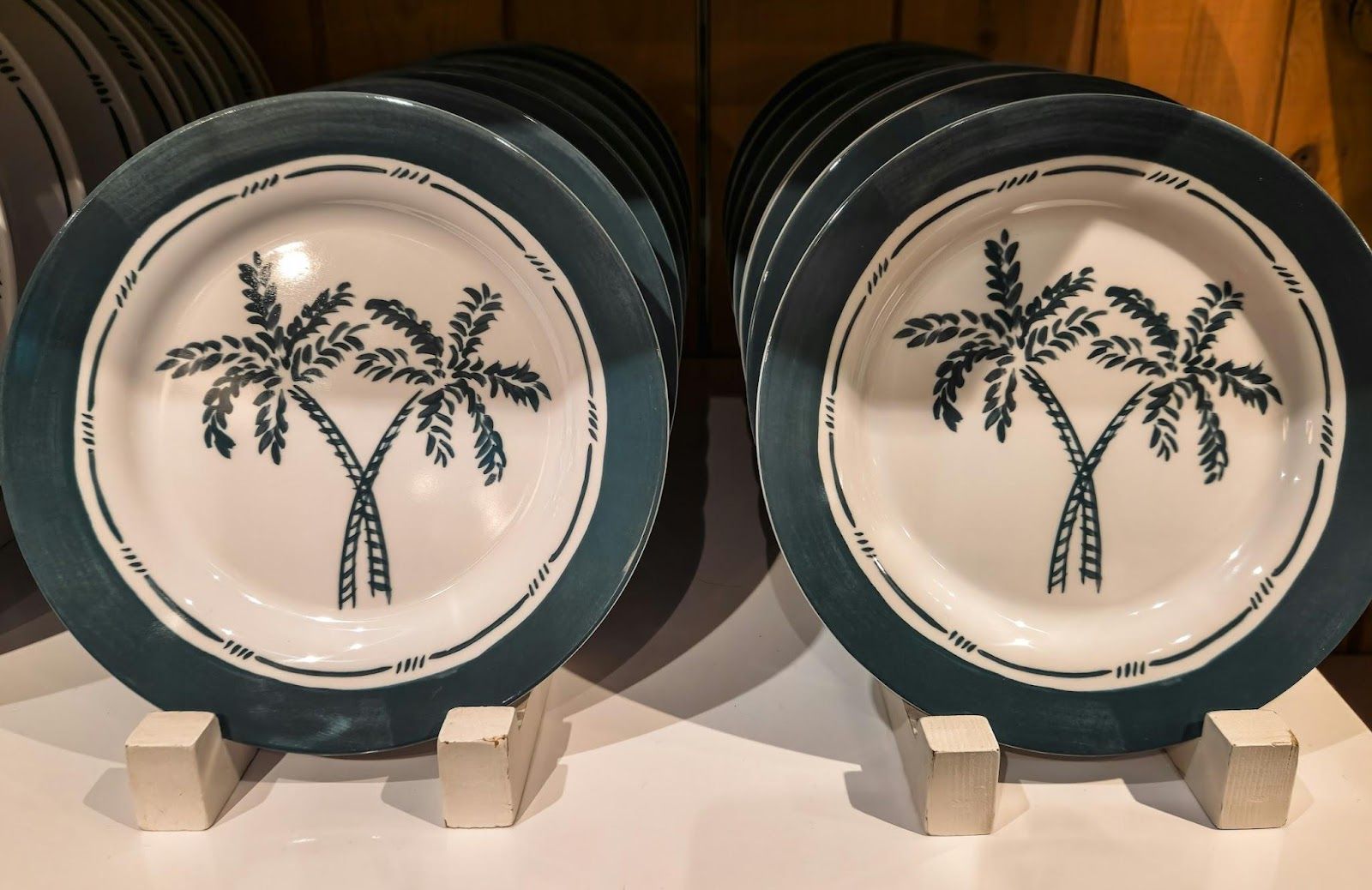
Pulling out the good china

Image: Zoshua Colah

In the past, people often had a set of special dishes reserved for holidays or important guests to make meals feel more memorable.

Today, many people use just one set of dishes and often eat casually, sometimes even standing over the sink. Taking the time to create a pleasant dining experience can show respect not only for your guests but also for yourself .

2
Good table manners

Image: Noah Samuel Franz

Good table manners are often mistaken for being overly formal or pretentious, but that couldn’t be further from the truth.

The true purpose of practicing polite dining habits is to make sure everyone enjoys a relaxed and pleasant meal together , and it’s often easier to practice than most people realize.

3
Not taking off your shoes in public

Image: Beth Macdonald

Recently, there’s been a noticeable trend of people going shoeless in places like airplanes and restaurants. As society grows more casual, some even put their bare feet on seats, armrests, or tables.

However, it's best to keep your shoes on in public unless your host specifically asks you to remove them.

4
Standing when greeting someone new

Image: Musemind UX Agency

When meeting someone for the first time or welcoming someone into a group, it's polite to stand as a gesture of acknowledgment .

This simple act, expected of both men and women, conveys both warmth and respect.

5
Making introductions

Image: Elevate

Making introductions is becoming less common, yet it remains one of the most valuable social skills. Even if you forget someone’s name, it’s always better to ask than to risk letting them feel left out in a group.

Good manners are all about helping others feel at ease , and introductions don’t have to be uncomfortable or awkward when done with a little thought and effort.

6
Thank-you notes

Image: Kelly Sikkema

While everyone enjoys being thanked, it has become rare for people to express gratitude in a lasting way. Any form of thanks, including a text or email, is appreciated, but a handwritten thank-you card remains the most meaningful .

The personal touch of seeing your handwriting shows thoughtfulness, and many people cherish and keep these cards, something that’s much harder to do with digital messages.

7
Asking permission

Image: Dias ^

In a society where people often say, "It’s easier to apologize than to ask for permission," many act without asking, whether it’s hugging someone, posting their picture online, or taking a bite of their food.

However, it’s always more polite to ask before doing anything that involves or affects someone else . A simple question like "Are you okay with this?" can go a long way toward showing respect without taking up much time.

8
Opening doors for men and women

Image: Jan Tinneberg

Chivalry may have some outdated interpretations, but politeness is something everyone can practice, regardless of gender . Simple acts like holding the door open are easy to do and appreciated by everyone.

9
Holding the elevator

Image: Derrick Treadwell

In today’s world, many people are either too wary of strangers or adopt a "not my problem" attitude when seeing someone struggle in public. But as long as there’s no safety concern, it's important to continue practicing simple courtesies, like holding the elevator door for someone in a hurry .

10
Returning phone calls

Image: Hassan OUAJBIR

As society evolves, so does etiquette, especially with the rise of new technology, but some shifts aren't always for the better. A common example is responding to a phone call with a text message.

While some people may prefer texting over speaking on the phone, it’s still considered polite to return a call with another phone call , particularly when someone has taken the time to reach out to you.

11
No sunglasses indoors

Image: Lucas George Wendt

These days, it’s common to see people wearing sunglasses everywhere, even in places like movie theaters, but it raises a question: Are we avoiding others, or simply hiding behind our shades?

Eye contact is essential for effective communication, as it demonstrates respect and facilitates understanding. While it's fine to wear sunglasses outdoors, it’s best to take them off indoors to engage properly with others.

12
RSVP’ing promptly

Image: Artsy Vibes

With the rise of casual invites, often sent by email or social media, RSVPing has become increasingly rare. Failing to respond to an invitation is not only poor etiquette but also inconsiderate.

Hosts put significant time and effort into planning events, from buying food to organizing entertainment. Not RSVPing or waiting until the last minute only makes their job harder.

Explore more American facts

Choose your favorite category!

General
General

As American as apple pie—the very best America has to offer!

Culture
Culture

Delve into the astounding richness of American lore.

Geography
Geography

Hop in and explore vast and diverse American landscapes.

History
History

Discover the key moments that shaped the United States.