Culture Culture 5 min read

Double feature

10 times movies with identical plots were released at the same time

Image: cottonbro studio

After years of cinema history, it's hard to find a narrative that's a hundred percent original. Everything seems to take inspiration from something that's come before, but sometimes Hollywood takes this to the extreme. Twin films —two feature films with a striking resemblance and released at roughly the same time— are a fascinating cinematic phenomenon. Sometimes, both movies do relatively well at the box office; other times, one film completely buries the other. In this article, we have compiled 10 pairs of cinematic doppelgangers that offer two compelling versions of the same story. Can you think of other examples?

1
Elvis & Priscilla
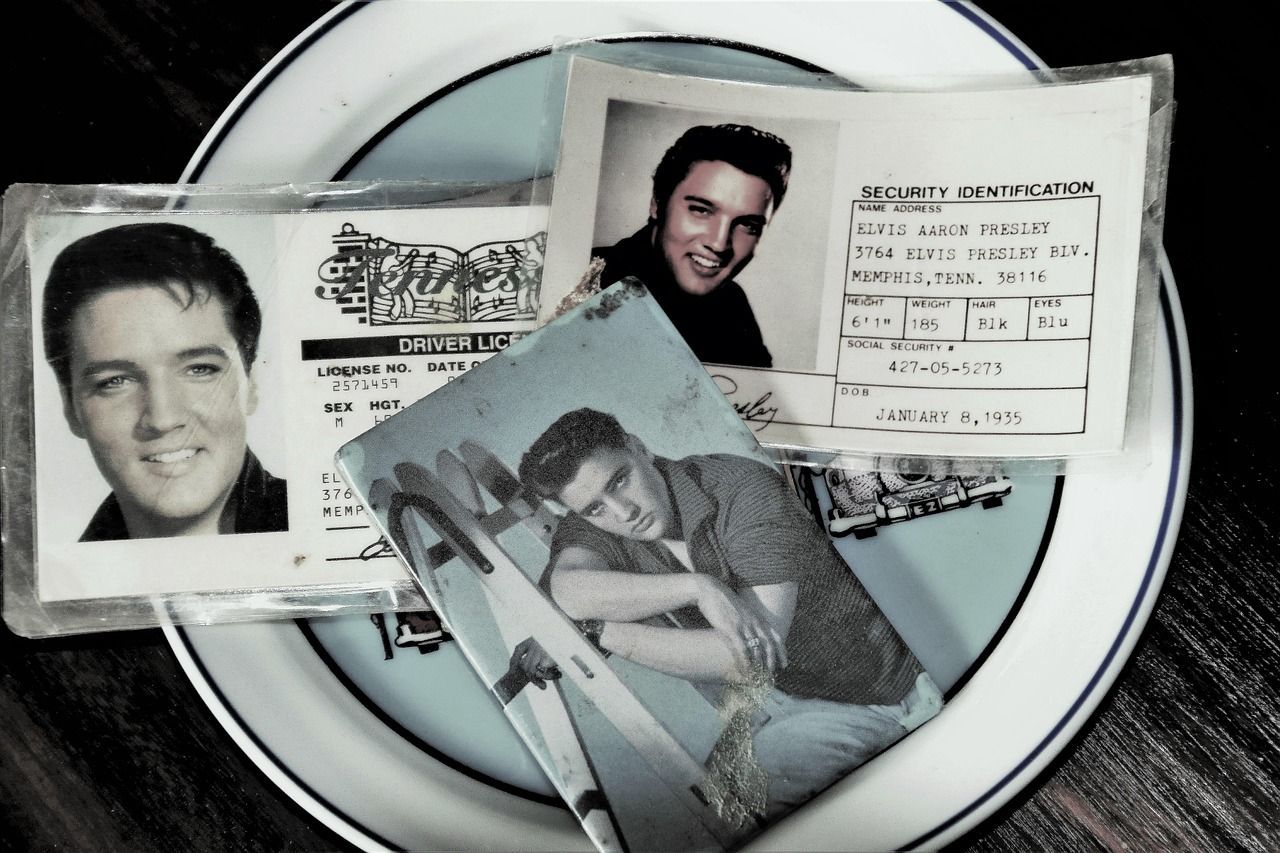
Image: pasja1000

Elvis (2022) is an original script based on the life of Elvis Presley, directed by Baz Luhrmann, starring Austin Butler and Tom Hanks. On the other hand, Priscilla (2023) is based on the autobiography Elvis and Me, written by Priscilla Presley and directed by Sofia Coppola.

Although based on the life of the same public figure, the two films have their unique tone, extremely distinct executions, and different goals in mind. While Elvis focuses on the King of Rock and Roll himself and covers a lot more ground, Priscilla is much more intimate and has his wife and her experience at the center of the plot.

2
Top Gun & Iron Eagle
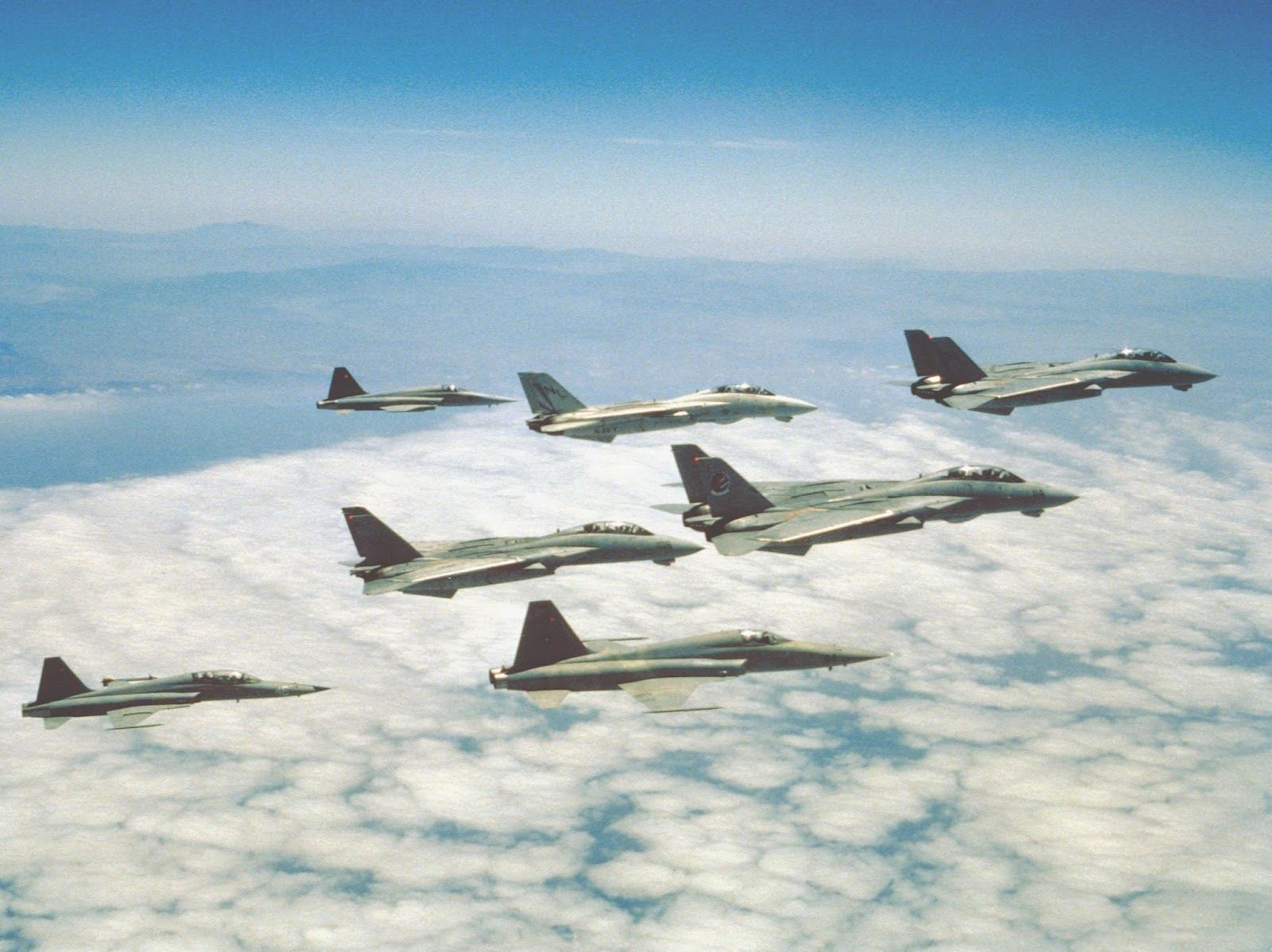
Image: LCdr. David Baranek, U.S. Navy, Public domain, via Wikimedia Commons

You've almost certainly seen Top Gun at some point. The 1986 hit that launched a young Tom Cruise to stardom as naval aviator Pete "Maverick" Mitchell was the highest-grossing title of that year, even though it was not only competing with a very similar film but wasn't even the first to be released.

Four months earlier, Iron Eagle , the story of brave fighter pilots battling in the skies, had been premiered. Although the Jason Gedrick-starring film had three sequels, none came close to the $1 billion mark that Top Gun grossed.

3
The Truman Show & EDtv

Image: Nathy dog

The Truman Show (1998) and EDtv (1999), both about a man whose life is filmed 24 hours a day for a TV show, were inspired by the then-emerging reality television.

While Truman is unaware that his life has been broadcast since he was a baby, Ed Pekurny is fully willing to air his daily life on TV —at least at first. Perhaps that lack of mystery, combined with a premiere just a few months after The Truman Show , meant that EDtv couldn't win over the audience. Would it be more popular if it had premiered earlier? Maybe, but it's hard to deny that The Truman Show is a masterpiece that will go down in cinema history.

4
Capote & Infamous

Image: Eric Koch for Anefo, CC0, via Wikimedia Commons

Truman Capote was a seminal writer in American literature. His life is full of exciting stories, so it's not surprising that his biography inspired several movies and TV series. Yet, in the case of Capote (2005) and Infamous (2006), this happened almost simultaneously.

Even more unusual, both films chose to tell the author's process that led him to interview the killers of the Clutter family and that would later become his most successful work, In Cold Blood . Capote stars Philip Seymour Hoffman and Toby Jones gives an excellent performance in Infamous . Which was your favorite?

5
Deep Impact & Armageddon

Image: Javier Miranda

In the summer of 1998, Deep Impact hit the cinemas, and just a few months later, Armageddon was released. Since both movies have similar plots —basically a comet or asteroid threatens to destroy the Earth—we can focus on which one had the better cast. On one side, you have Robert Duvall, Elijah Wood, Tia Leone, and Morgan Freeman. On the other, Bruce Willis, Ben Affleck, Billy Bob Thornton, Steve Buscemi, and Liv Tyler team up to save the world.

Looking at the box office returns, however, it's clear which one reigned supreme. Armageddon became the highest-grossing film that year, even though it received mostly negative reviews and was criticized for its scientific inaccuracies. All that said, Armageddon and Deep Impact are the pairing to go with if you're ever in the mood for a double feature.

6
Saving Private Ryan & The Thin Red Line
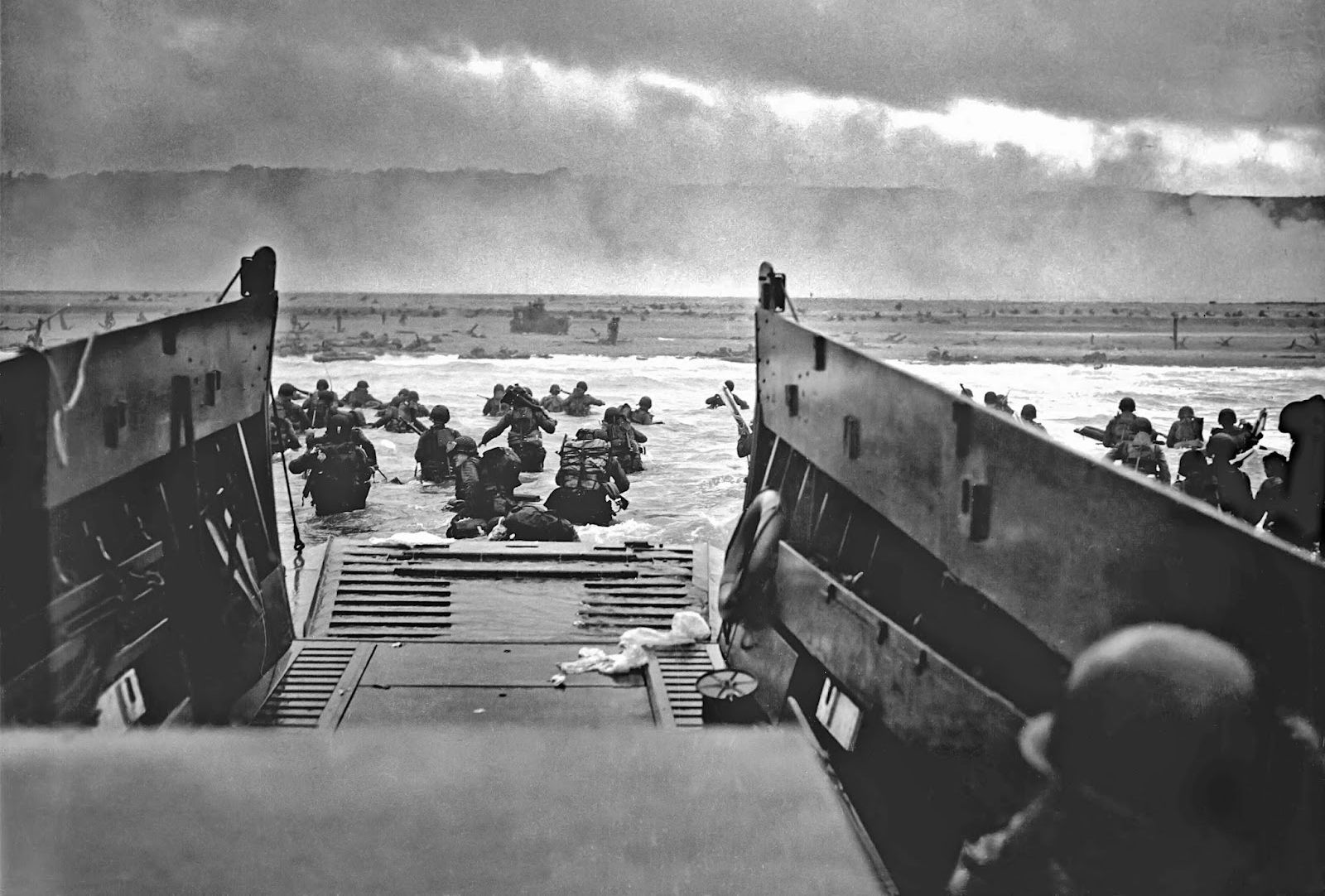
Image: Chief Photographer's Mate (CPHOM) Robert F. Sargent, U.S. Coast Guard, Public domain, via Wikimedia Commons

In 1998, Saving Private Ryan was one of the defining films of the year and captivated audiences with its heart-wrenching story and realistic portrayal of World War II. Shortly after making a fortune at the box office and scoring 11 Oscar nominations, The Thin Red Line hit the cinemas.

Both films feature similar themes and setups, but while Steven Spielberg’s take is a bit commercial and has a more straightforward narrative, the nearly three-hour-long version of Terrence Malick is more on the artistic side. That said, and despite the unfortunate coincidence, both movies are worth seeing if you like crude, realistic depictions of war.

7
The Prestige & The Illusionist

Image: jasper benning

For some reason, magic, a centuries-old form of entertainment, had its revival at the beginning of the 21st century thanks to cinema. While The Illusionist (2006) tells the story of Eisenheim, a Viennese magician who must confront Prince Leopold to avoid being discredited, The Prestige (2006) focuses on two rival magicians competing to win over late 19th-century London audiences. The two films, though different in style and tone, are excellent for any magic enthusiast.

8
Churchill & Darkest Hour

Image: Barthelemy de Mazenod

England's most famous Prime Minister, Winston Churchill, is one of the most revered leaders of World War II. Proof of that are the biographical films Churchill and Darkest Hour , released in 2017. Although both follow the same historical figure, they are very different in style, tone, and setting.

Churchill , starring Brian Cox, focuses on the last period of his wartime career, before the Normandy invasion. Released later but set earlier in time, Darkest Hour portrays Winston Churchill, played by Gary Oldman, as he holds the fate of Western Europe at the beginning of the war. The latter film turned out to be the more successful of the two, even winning an Academy Award for best actor.

9
K-9 & Turner and Hooch
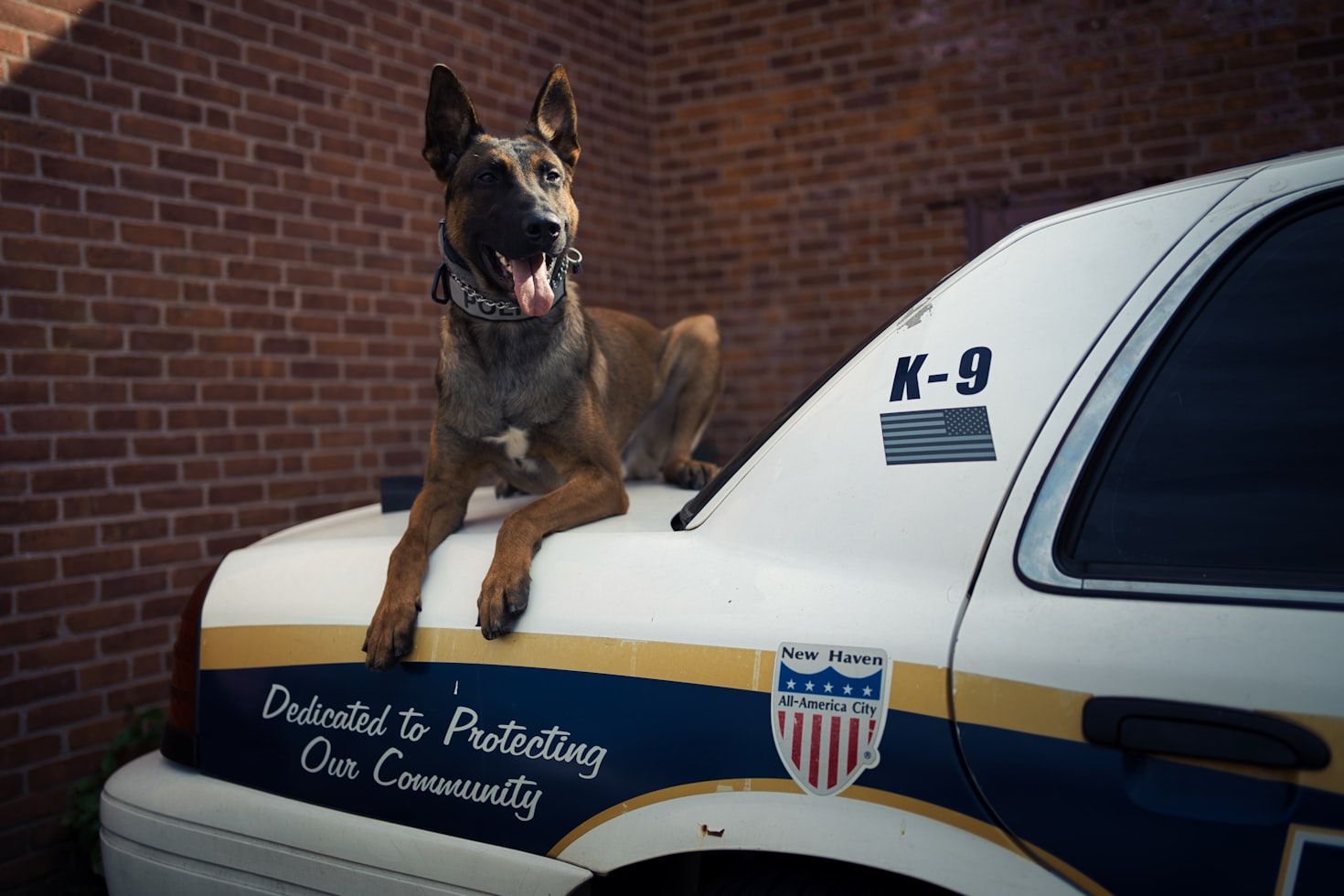
Image: Martin Podsiad

In 1989, there were not one but two films that portrayed police officers teaming up with a dog to fight crime. The first was K-9 , starring Jim Belushi as the angry police detective Michael Dooley. Instead of taking a human partner, Dooley decides to get a German Shepherd named Jerry Lee. From there, all kinds of antics ensue.

Just a few months later, Tom Hanks played a meticulous police investigator who's forced to take a troublesome dog who's the only witness to a horrible crime in Turner and Hooch . Obviously, a lot of the humor from both of these movies stems from the erratic behaviors of their titular canines. So, if you are into dog jokes, then you'll probably find something to like here.

10
No Strings Attached & Friends with Benefits

Image: cottonbro studio

In 2011, two romantic comedies were released centered around the idea of friends casually hooking up to end up realizing they were in love. No Strings Attached had Natalie Portman and Ashton Kutcher in the leading roles, while Friends with Benefits starred Mila Kunis and Justin Timberlake.

Although they are practically the same movie, they had some success. Both of them made about 150 million at the box office. However, if you have a problem telling them apart, don't worry, you are not alone!

Culture Culture 4 min read

They said, "No Thanks."

These 10 stars did not accept their awards. And they had their reasons!

Image: Mirko Fabian

Have you ever imagined yourself winning an Oscar or an Emmy? While that might sound like a dream come true for many people, some stars have actually turned down major awards. From clashes with fellow nominees to political statements, each had their own reasons. Keep reading to discover why these 10 famous stars said "no thanks" to these recognitions.

1
Marlon Brando

Image: Trailer screenshottrailer at IMDB, Public domain, via Wikimedia Commons

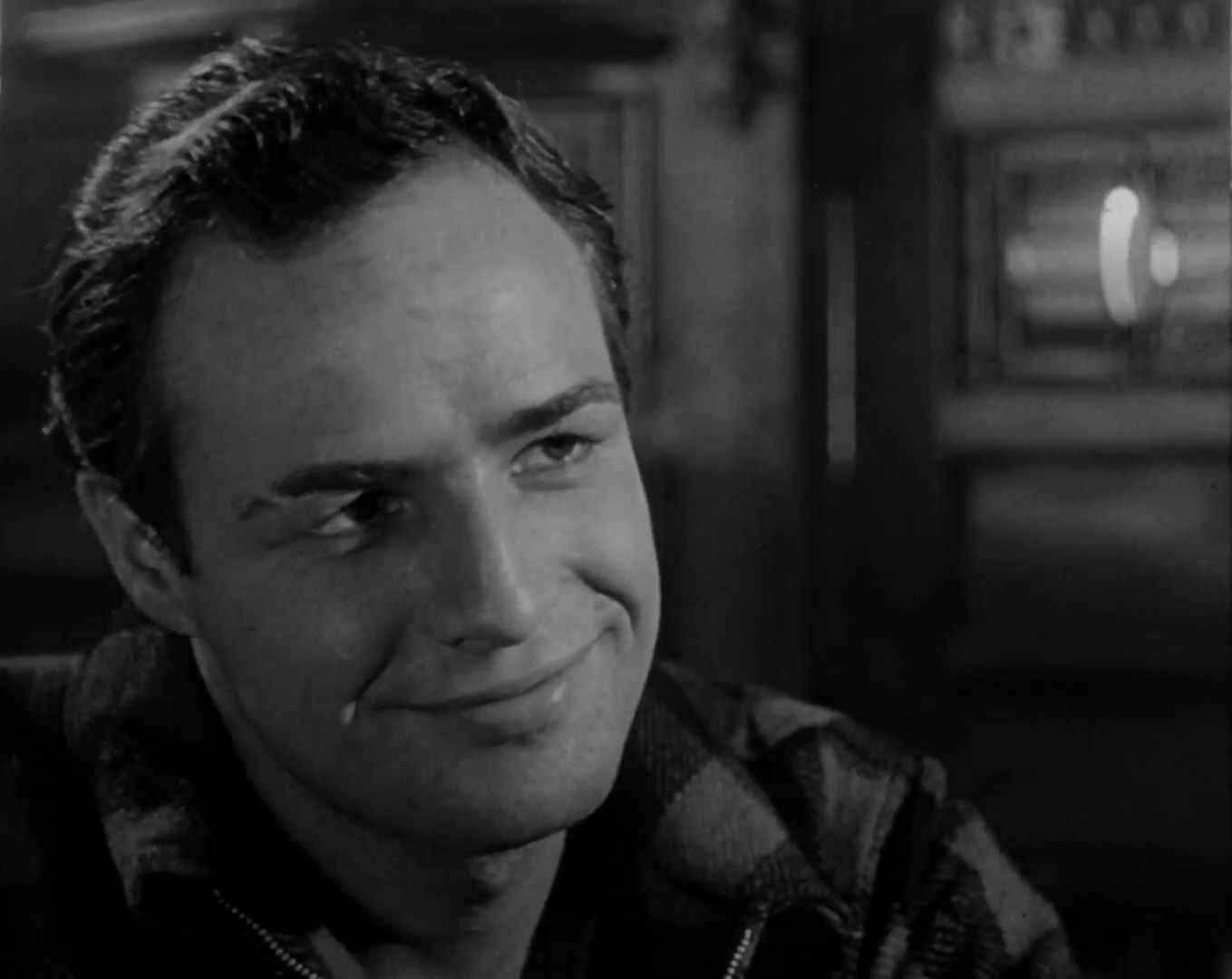
Marlon Brando was one of Hollywood’s most iconic stars, admired for his talent, charisma, and unforgettable roles. He won his first Oscar for On the Waterfront (1954), but things took a very different turn with his second win. When The Godfather earned him another Academy Award in 1972, Brando refused to attend and sent a Native American representative in his place, using the moment to protest Hollywood’s mistreatment and misrepresentation of Indigenous peoples.

2
Tom Cruise

Image: Gabriel Hutchinson Photography, CC BY-SA 4.0 <https://creativecommons.org/licenses/by-sa/4.0>, via Wikimedia Commons

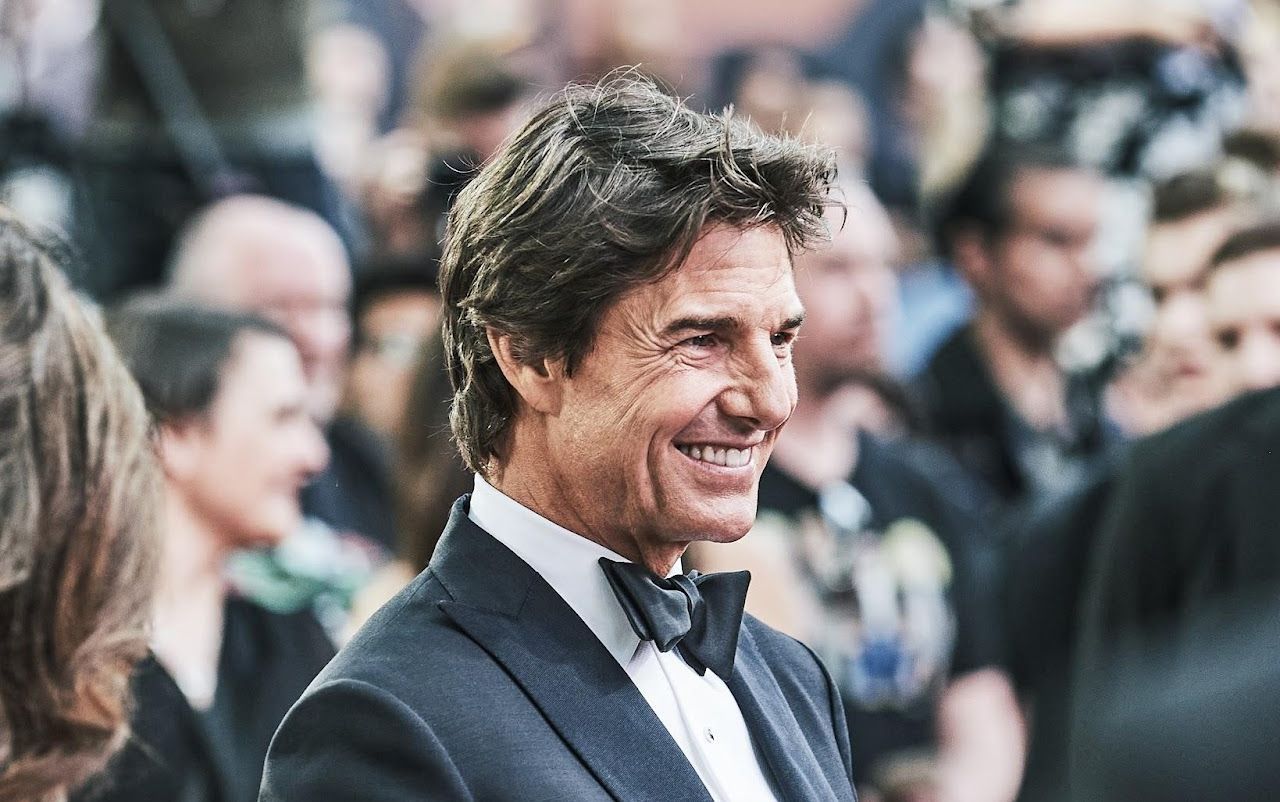
Like many of the actors on this list, Tom Cruise is a global icon whose career has earned him three Golden Globes: Best Actor for Jerry Maguire (1996), Best Actor for Born on the Fourth of July (1989), and Best Supporting Actor for Magnolia (1999). But in 2021, he made headlines for a very different reason: he returned all three awards. According to reports, Cruise did so as a protest against the ethics and lack of diversity within the organization behind the Globes.

3
Woody Allen

Image: Andreas Tai, CC BY-SA 3.0 <https://creativecommons.org/licenses/by-sa/3.0>, via Wikimedia Commons

Woody Allen is known for refusing to participate in awards season, despite earning many nominations throughout his career. With around 24 Academy Award nominations, he has attended virtually none of the ceremonies. He has won four Oscars, but he never went to pick them up, though he did not decline or return them. And it’s not just the Oscars: Allen rarely attends any award ceremonies, including the Golden Globes.

4
George C. Scott

Image: Directed by Stanley Kubrick, distributed by Columbia Pictures, Public domain, via Wikimedia Commons

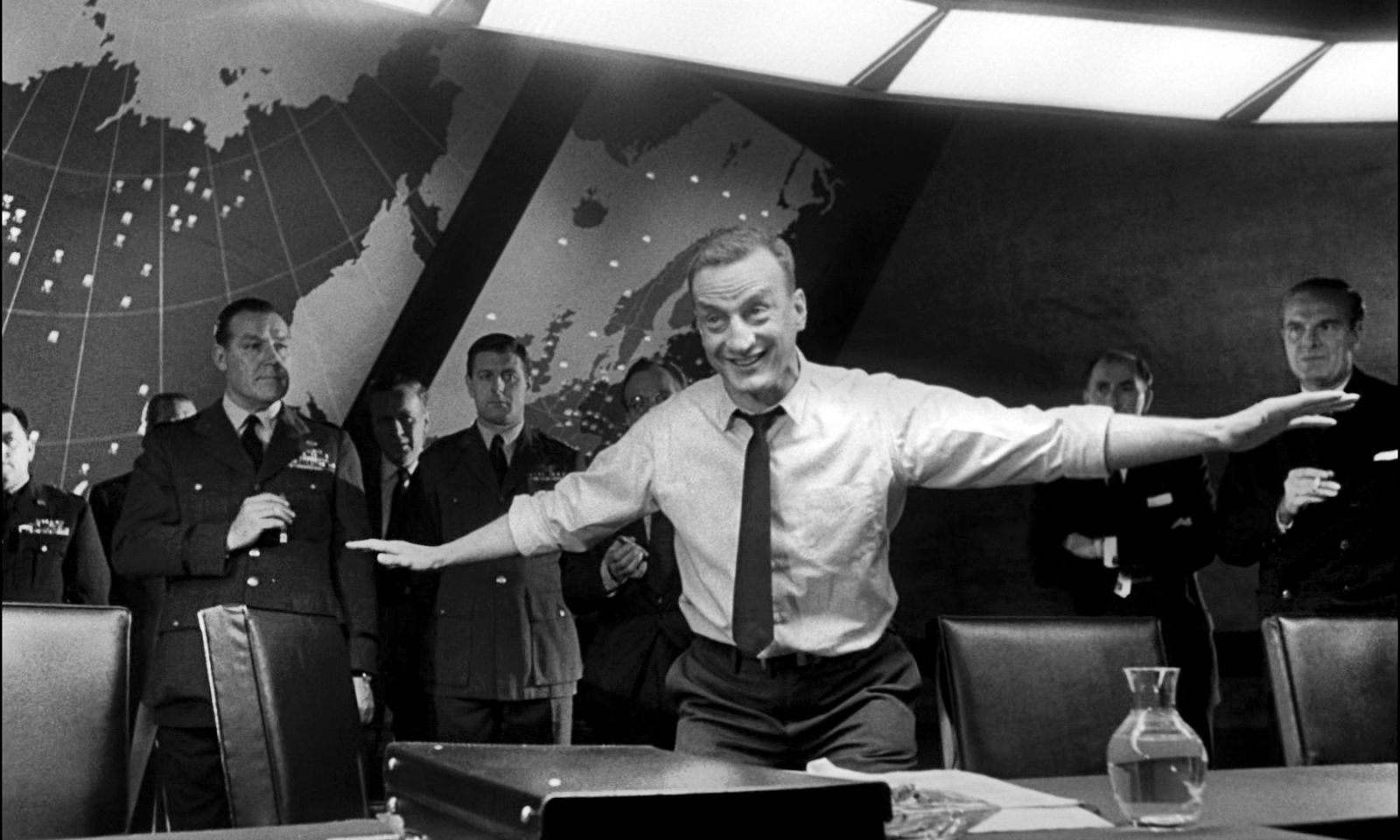
George C. Scott was one of Hollywood’s great classic stars, celebrated for his powerful work on both stage and screen. And he was also the first actor in history to refuse an Oscar. Not only did he decline nominations for The Hustler (1961) and The List of Adrian Messenger (1963), but he also rejected the Best Actor award he won for Patton (1970). Scott believed that each performance is too unique to be ranked against another, and that art should never be treated like a competition. What do you think?

5
Dolly Parton

Image: https://upload.wikimedia.org/wikipedia/commons/0/08/Dolly_Parton_with_guitar.jpg

Actors aren’t the only ones who turn down awards; musicians do it too. One of them is Dolly Parton, who has declined more than just music honors. She was selected three times for the Presidential Medal of Freedom and turned it down each time. The first two refusals were during the pandemic, and the third came from her concern that accepting might seem politically partisan. In addition, in 2022, she also declined a nomination to the Rock & Roll Hall of Fame, saying she hadn’t yet "earned that right."

6
Katharine Hepburn

Image: Metro-Goldwyn-Mayer Studios; Restored by Adam Cuerden, Public domain, via Wikimedia Commons

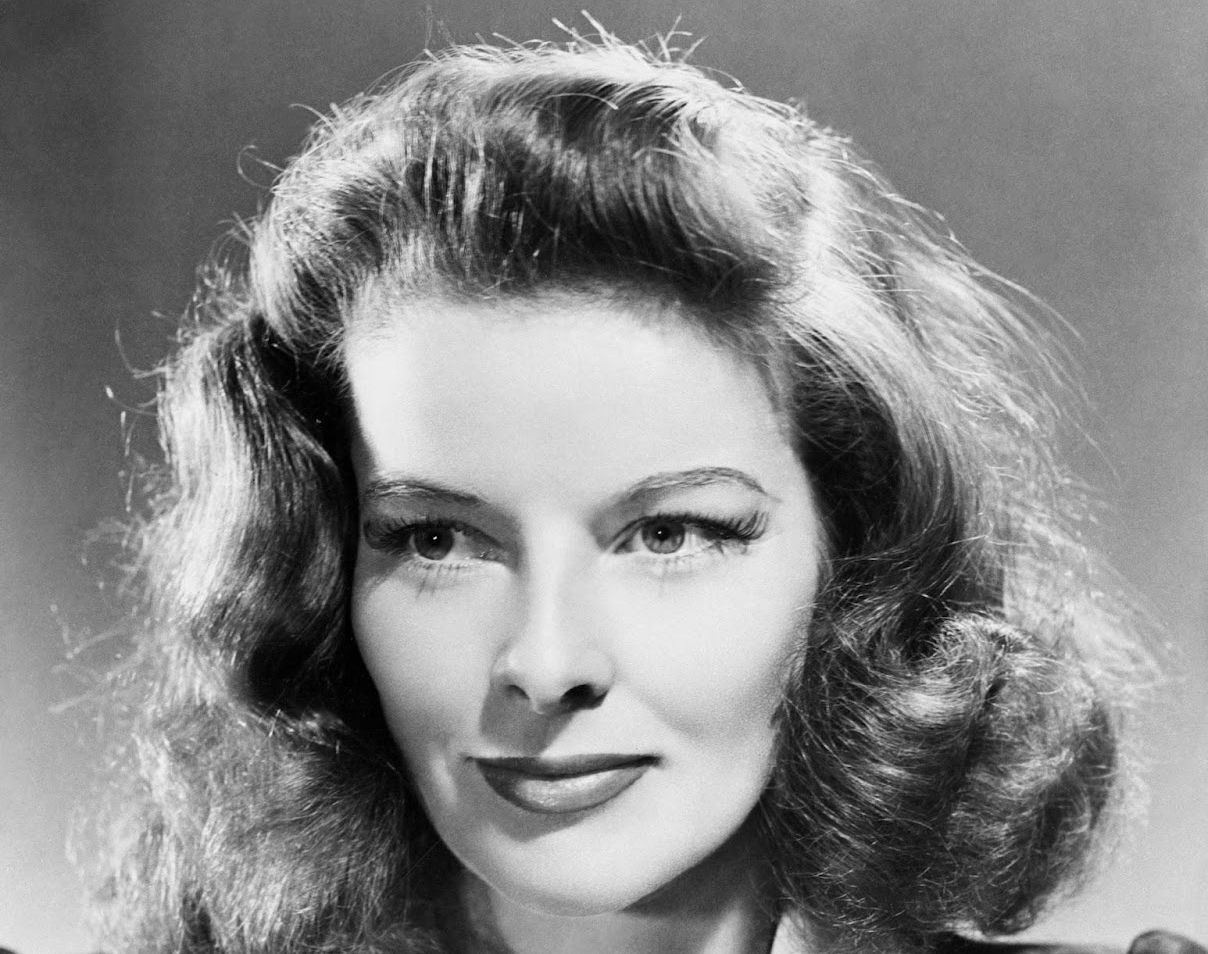
The incredible Katharine Hepburn won four Oscars! But she never showed up to collect a single one. She always sent someone else to accept them on her behalf. In fact, she only attended the Oscars once, and it wasn’t to receive an award but to present one. When asked why she stayed away, she summed it up perfectly: "Awards are nothing; my reward is my work."

7
Julie Andrews

Image: Eva Rinaldi, CC BY-SA 2.0 <https://creativecommons.org/licenses/by-sa/2.0>, via Wikimedia Commons

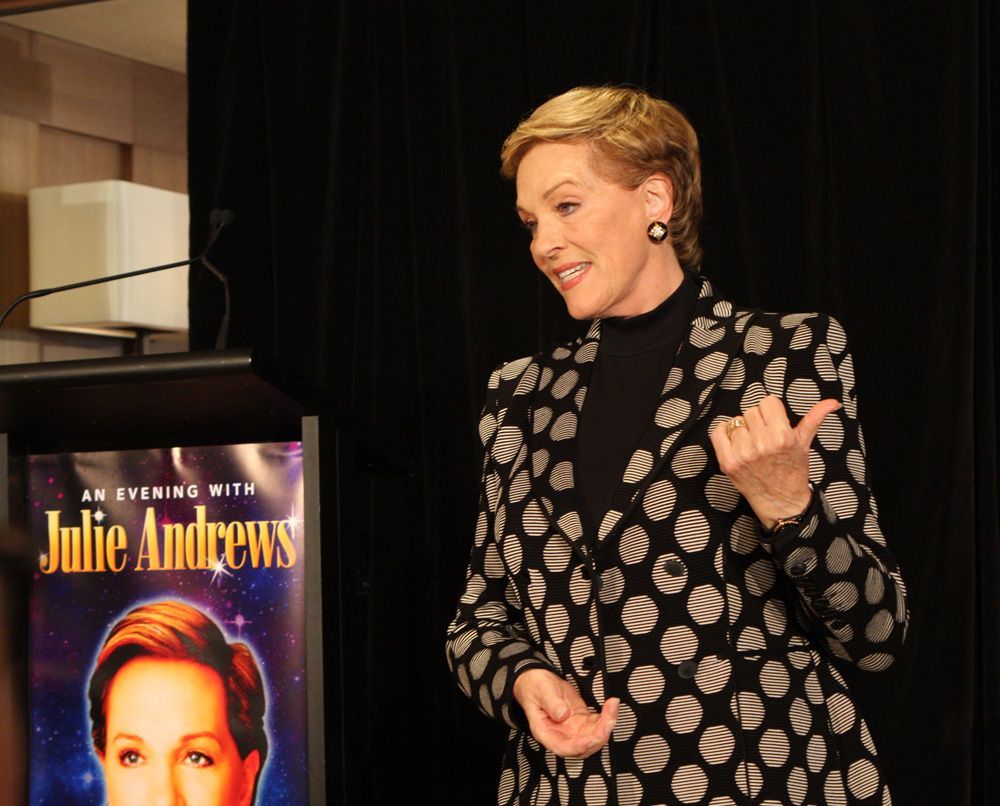
Born in the United Kingdom, Julie Andrews is adored by Americans for many reasons, including the unforgettable films, such as Mary Poppins (1964) and The Sound of Music (1965). But beyond her cinematic gems, she also built a remarkable career in theater. In 1996, she received a Tony nomination for her role in Victor/Victoria , and chose to decline it. Why? Because she was the only member of the entire cast and production recognized, and she simply didn’t think that was fair.

8
Will Smith

Image: photo by Alan Light, CC BY 2.0 <https://creativecommons.org/licenses/by/2.0>, via Wikimedia Commons

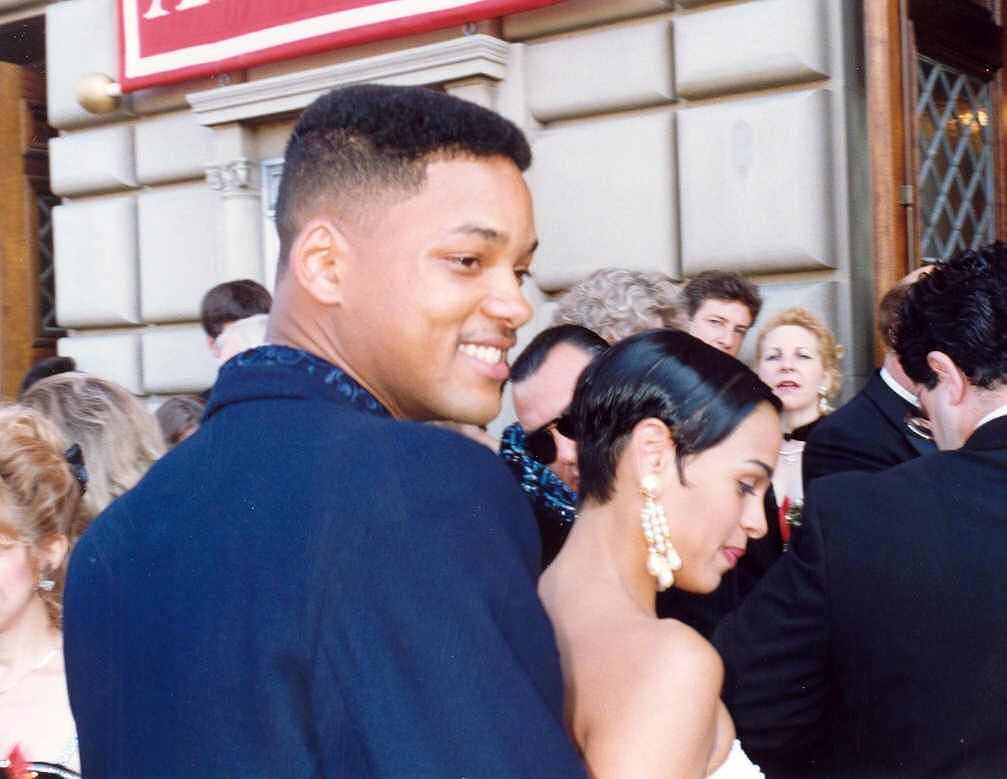
In the late 80s, Will Smith and DJ Jazzy Jeff won the first-ever Grammy for Best Rap Performance. But when they learned that their category wouldn’t be televised, they chose to boycott the 1989 Grammy Awards in protest. They didn’t turn down the award itself, but their stand made an impact: the following year, the rap category was broadcast on air, finally receiving the same visibility as the others.

9
Sinéad O'Connor

Image: Globe photo/Dave Shea, Public domain, via Wikimedia Commons

Sinéad O'Connor was world-famous, and in America, we remember her mainly for the unforgettable hit "Nothing Compares 2 U." As a passionate activist, she carried her convictions into her career choices, which led her to turn down her Grammy nomination. She specifically asked that her name be withdrawn, arguing that the Grammys were too commercial and rewarded popularity over ethics, artistry, and musical integrity.

10
Nick Cave

Image: Raph_PH, CC BY 2.0 <https://creativecommons.org/licenses/by/2.0>, via Wikimedia Commons

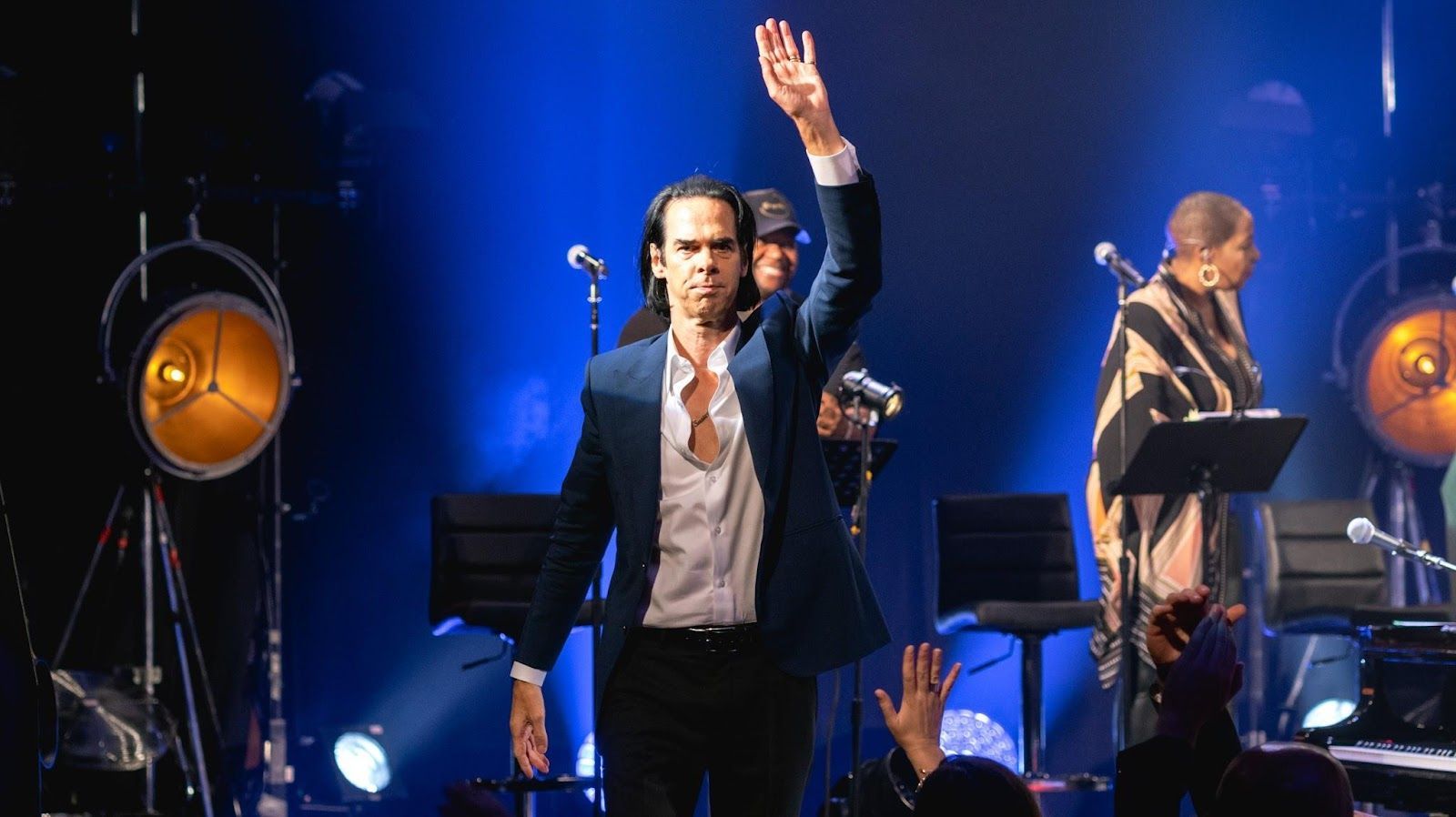
Australian artist Nick Cave declined his nomination for Best Male Artist at the 1996 MTV Video Music Awards. He even sent a formal letter asking that his name be withdrawn, famously saying: "My muse is not a horse, and I am not in any horse race."

General General 4 min read

Put the pedal to the metal

Start your engines and discover 10 of the most iconic American cars!

Image: cozmicphotos

It shouldn’t come as a surprise that America loves cars : Our country is synonymous with the freedom to hit the road and drive wherever the wind takes us. In that sense, America has produced its fair share of amazing cars, that have transcended their status as mere machines to become full-pledged cultural icons. With that in mind, we have selected 10 American cars that truly defined their respective times, with the hopes of being able to pay homage to all these incredible vehicles. Enjoy!

1
Ford Model T

Image: Matthew Lancaster

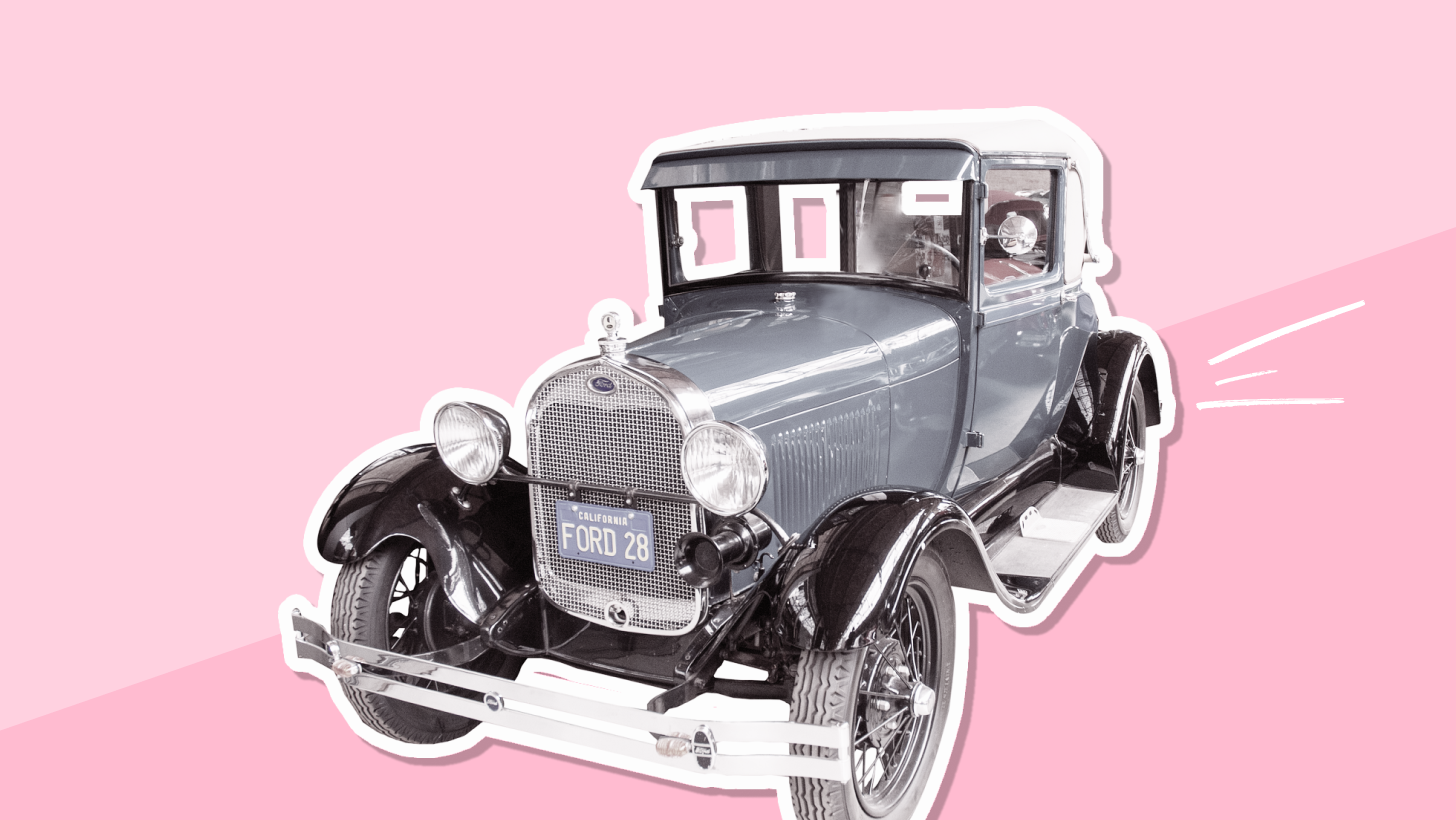
We’ll begin this article with the car that started it all. The Model T is considered by historians to be the very first mass-produced and affordable car, thanks to Henry Ford’s incredible innovation with the introduction of the assembly line. In the 1999 "Car of the Century" competition, the Ford Model T was named the most influential car of the 20th century, and with good reason: the creation of this groundbreaking vehicle is considered one of the most revolutionary events in the past few centuries.

2
Ford Mustang

Image: Joey Banks

The Mustang has been Ford’s most famous vehicle since 1964, with new series and models coming up to this day. Just like its name suggests, the Mustang is what is known as a "pony car": Affordable, compact, and, above all, highly styled. However, at the time of its launch, the Mustang was also synonymous with speed, debuting as a safety car in the 1964 Indianapolis 500. Not only that, it won the 1964 Tour de France international rally.

3
Chevrolet Corvette

Image: Deepthi Clicks

Few sports cars are as iconic and instantly recognizable as the Corvette. First introduced in 1953, the Corvette is still manufactured to this day, with its latest generation introduced in 2020. Experts recognize this car for its stylish design, excellent performance, and competitive pricing. These qualities have turned the Corvette into an undisputed American icon.

4
Cadillac ElDorado

Image: Evgeni Adutskevich

In the 1950s, when it came time for Cadillac to name their new luxury car model, they naturally chose to name it after the mythical city of "El Dorado." After all, what can be more luxurious than a legendary Colombian city made entirely of gold? The Eldorado was created to celebrate Cadillac’s "golden" anniversary, but it quickly became this manufacturer’s most popular vehicle, produced for over 50 years until 2002.

5
Jeep Wrangler

Image: Thomas Tucker

During WWII, the U.S. Army introduced the Willys MB, an off-road vehicle also known as the "Jeep." By the end of the war, a civilian-friendly model of the Jeep, known as the "CJ-1", was introduced to the American public with great success. Cut to 40 years later, in 1986, when Jeep introduced its now-iconic Wrangler. Its maneuverability and power were (and still are) only comparable to its comfort and style.

6
Pontiac Firebird

Image: Reinhart Julian

Whenever you see Pontiac’s black and golden phoenix in the hood of a car, you know you are in the presence of one of the most iconic American cars in history. Produced from 1967 to 2002, the Pontiac Firebird was first created as a "pony car" to compete with the Ford Mustang. With 4 different models, the Firebird is definitively synonymous with speed, performance, and, above all, style.

7
Oldsmobile 88

Image: Anton Imbro

The Oldsmobile 88 is this manufacturer’s best-selling and most famous vehicle, and with good reason. Since its introduction in the 1950s, this full-size car was extremely popular for its light weight and powerful V8 engine. Not only that, many experts believe that its large and high-performance engine made the 88 the very first muscle car in history.

8
Dodge Charger

Image: Cook aynne

In the late 70s, a now-legendary show called "The Dukes of Hazzard" introduced the world to "them Duke Boys," two cousins who engaged in high-adrenaline adventures through rural Georgia in their trusted Dodge Charger named "General Lee." The popularity of this show made the Charger familiar to America since the high-speed chases showcased by the show allowed the public to see first-hand all the perks the Charger had to offer.

9
Volkswagen Microbus

Image: Ian Usher

So far, we’ve been focusing on cars known for their speed or power, but what about comfort? This isn’t to say that the vehicles we’ve mentioned before are not comfortable, but this entry is known as the go-to car for those seeking to explore the gorgeous landscapes of our country. Since Volkswagen is a German manufacturer, the Microbus is not technically an American car, but let’s be honest: This car has been synonymous with American road trips since its inception.

10
Lincoln Continental

Image: Marty Maguire

In the early 40s, Edsel Ford, son of legendary industrialist Henry Ford, commissioned the construction of a comfortable luxury personal vehicle. The result was the Lincoln Continental , which quickly evolved from that sole prototype into one of the most iconic American cars in history. The name comes from the car’s European "continental" styling elements, like a modern design and a rear-mounted spare tire.

Explore more American facts

Choose your favorite category!

General
General

As American as apple pie—the very best America has to offer!

Culture
Culture

Delve into the astounding richness of American lore.

Geography
Geography

Hop in and explore vast and diverse American landscapes.

History
History

Discover the key moments that shaped the United States.