History History 4 min read

Olympic legacy

United States at the Olympics: Gold, Glory and Greatness

Image: Anna Shvets

Team USA has dominated the Olympics for over a century. Our athletes have racked up medals, broken records, and hosted the most events. From teen champions (do you know how old the youngest athlete was?) to historic gold medal sweeps, American athletes have made their mark. From swimmers to gymnasts to track stars, they have brought speed, skill, and power to the Olympic Games. We're here to explore some of the coolest records and achievements that make the US an Olympic powerhouse!

1
The US: The ultimate Olympic host

Image: Obed Hernández

If hosting the Olympics were a sport, the US would take home the gold medal, as America has welcomed the Games eight times —more than any other country.

The Summer Olympics have taken place in St. Louis (1904), Los Angeles (1932, 1984), and Atlanta (1996), while the Winter Olympics have been held in Lake Placid (1932, 1980), Squaw Valley (1960), and Salt Lake City (2002).

And that’s not the end—Los Angeles is gearing up for 2028, so it’s safe to say the torch never stays away for too long!

2
Winning more medals than anyone else

Image: Ethan Wilkinson

If there’s one thing Team USA knows how to do, it’s win medals—a lot of them. As of 2024, the US has claimed a staggering 2,765 Summer Olympic medals (including 1,105 golds) and 330 Winter Olympic medals . No other country even comes close.

Whether on the track, in the pool, or on the ice, American athletes have consistently outperformed the competition.

3
Dominating track, field, and the pool

Image: Austris Augusts

Certain sports just seem to bring out the best in American athletes . From Jesse Owens on the track to Katie Ledecky in the pool to Carl Lewis soaring through the air, American athletes have rewritten the record books time and time again.

In track and field, for example, the US holds the record for the most gold medals, with over 400.

When it comes to swimming, Team USA has made an even bigger splash, earning more than 570 total Olympic medals—the most in any single sport.

4
Michael Phelps: The GOAT of the Olympics

Image: Braden Egli

Speaking of rewriting the record books, we need to talk about Michael Phelps—the most decorated Olympian of all time.

With 28 medals (23 gold, 3 silver, 2 bronze) , the legendary swimmer dominated the pool across five Olympic Games. His eight gold medals at Beijing 2008 were a record-breaking feat, proving that when it comes to Olympic greatness, no one comes close. Phelps didn’t just set records—he shattered them, leaving behind a legacy that may never be topped.

5
Winter Games greatness: Apolo Ohno’s record run

Image: Filip

While the Summer Olympics have clearly brought in the most medals, the US has had its fair share of Winter Olympic heroes.

The most decorated of them all? Apolo Ohno , the short-track speed skating sensation. Ohno raced to eight Olympic medals, cementing his place as America’s greatest Winter Olympian. You simply had to watch him dodge crashes, make last-second moves, and celebrate with his signature goatee.

6
When the US brought home 83 golds in one year

Image: Viktor Forgacs

The 1984 Los Angeles Olympics marked a golden era for Team USA—and we mean that quite literally.

With the Soviet Union and several other countries boycotting the Games, American athletes dominated, winning 83 gold medals —the most ever at a single Summer Olympics.

7
The only time the US won just one gold

Image: Matthew Fournier

But it wasn’t always like that—there were times when the story went differently for Team USA. While 1984 was all about collecting golds, 1980 was a different story.

That year, Team USA won only one gold medal… but what a gold it was! The US men’s hockey team, made up of young college players, pulled off the famous "Miracle on Ice , " defeating the heavily favored Soviet team before going on to win gold. One gold medal? Sure. But it was one of the greatest moments in Olympic history.

8
A medal sweep like no other

Image: Mia de Jesus

The 1904 St. Louis Olympics were unlike any other—and not just because it was the first time the Games were held in the US.

Due to travel difficulties and a lack of international participation, Team USA won over 80% of all medals awarded . While it wasn’t exactly a fair fight, it still stands as the biggest medal sweep in Olympic history. Sometimes, just showing up is half the battle, you know?

9
Youngest US champion: A 13-year-old diving prodigy

Image: Austrian National Library

Most Olympic champions train for years before making their mark—but that wasn’t the case for Marjorie Gestring , who won a gold medal in diving at just 13 years and 268 days old at the 1936 Berlin Olympics. While most kids her age were just starting middle school, she was standing atop the Olympic podium. To this day, she remains the youngest US Olympic champion ever.

10
Simone Biles: The queen of US gymnastics

Image: Brian Wangenheim

When it comes to American gymnastics, Simone Biles is in a league of her own. With 11 Olympic medals (7 gold, 2 silver, 2 bronze), she is the most decorated US female gymnast in history.

Her powerful routines, gravity-defying skills, and unmatched mental toughness have made her an icon, inspiring future generations of gymnasts. Whether she’s flipping, twisting, or making history, Biles continues to raise the bar—literally.
Culture Culture 5 min read

Let’s hit the road: The 12 most iconic cars in film history

Image: dhans360

In the world of movies, a car can be much more than just a ride: it can be a star in its own right. Some roll onto the screen with such style and personality that they become as memorable as the actors behind the wheel. From gleaming convertibles to rumbling muscle cars, these unforgettable machines have carved out their well-deserved place in film history. Buckle up—here are 12 cars that earned both a standing ovation and a friendly honk.

1
Goldfinger: Aston Martin DB5

Image: Ulf Meyer

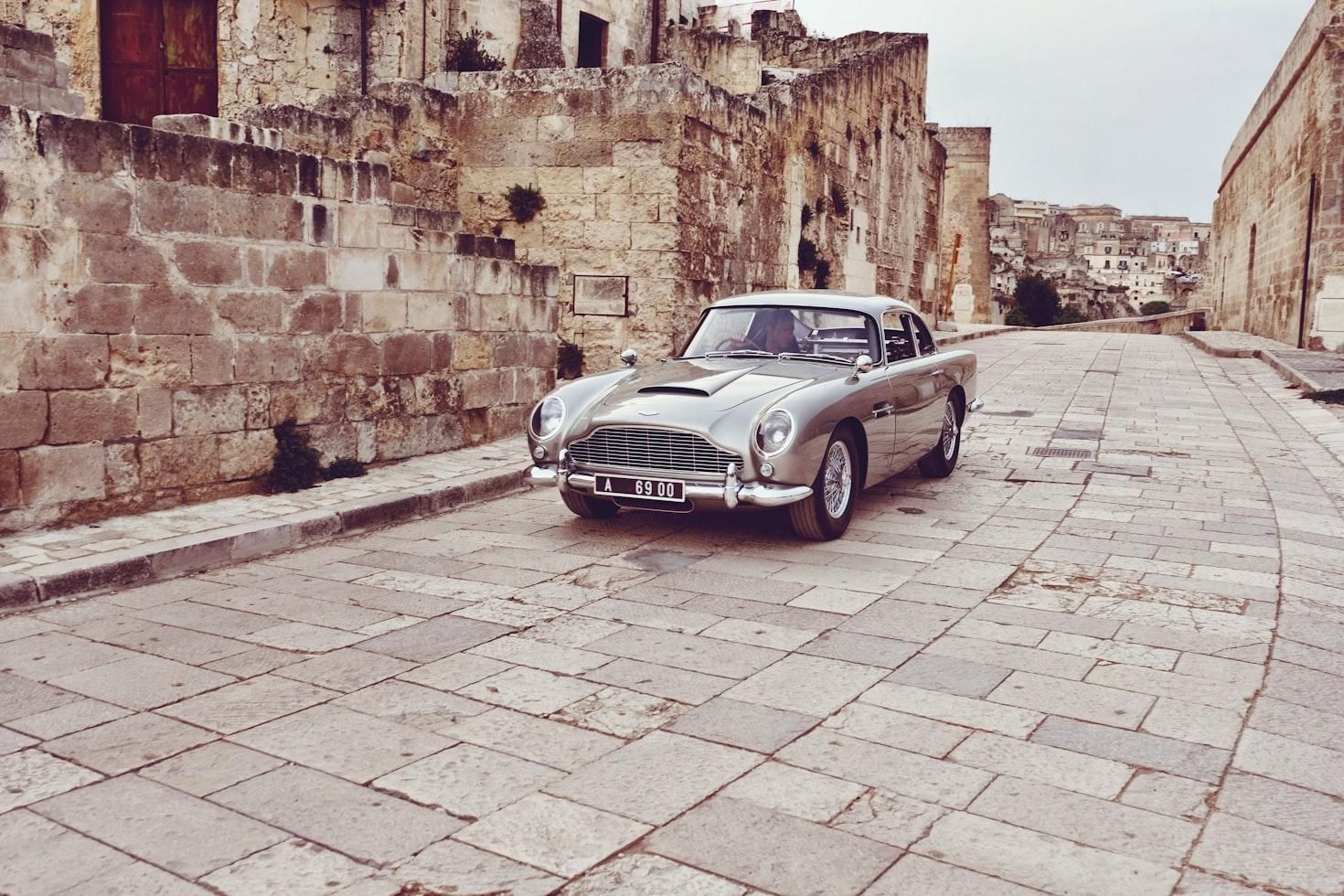
The ultimate Bond ride came dressed in silver-gray elegance, blending timeless style with secret-agent swagger. Beneath its polished curves, it packed a clever arsenal—hidden machine guns, retractable defenses, and even an ejector seat! Tipping the scales at roughly 3,300 pounds, it could push up to 145 miles per hour, a thrill worthy of 007 himself. And while that famous red eject button looked ready for action, it was all Hollywood magic—no villains actually took flight.

2
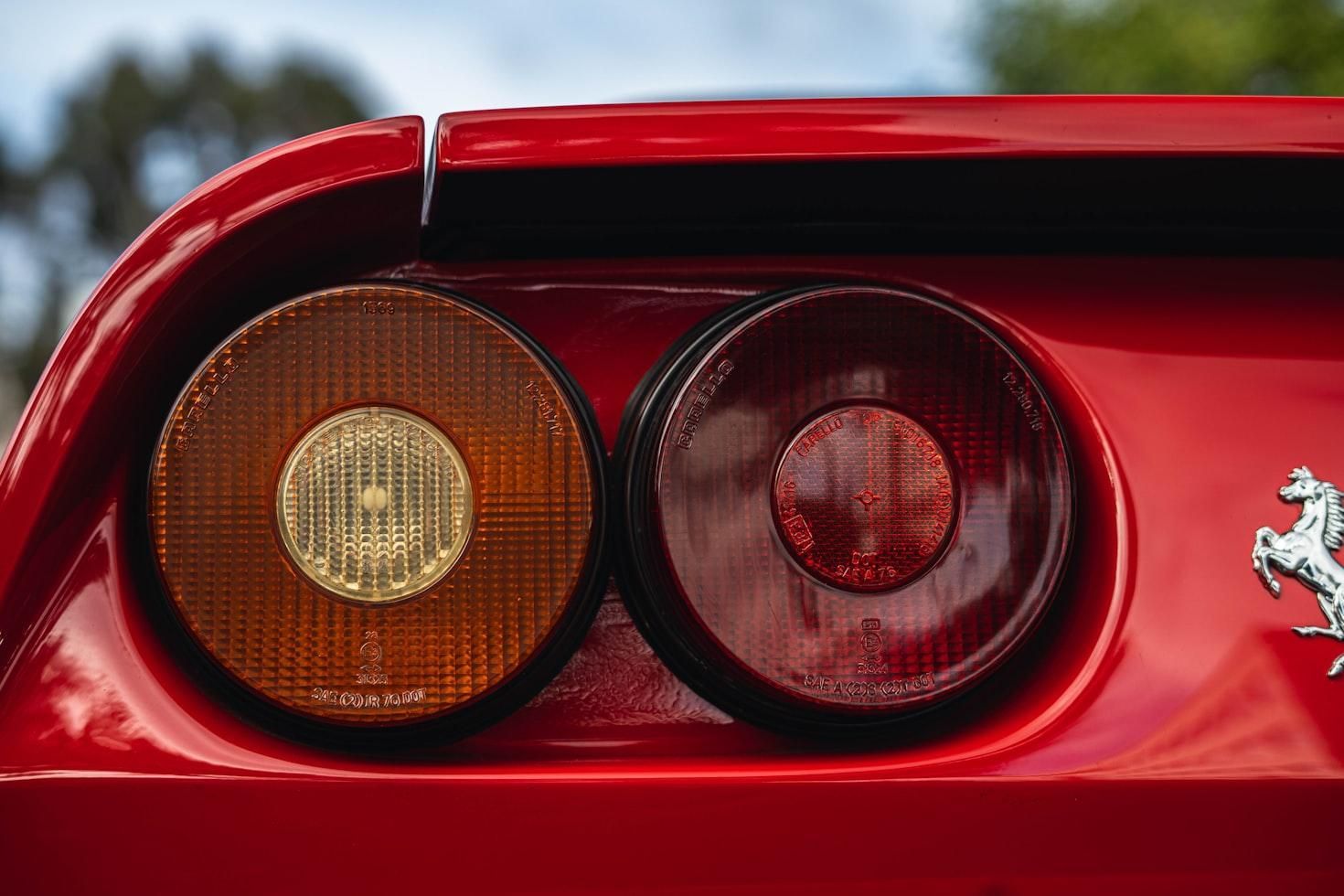
Ferris Bueller’s Day Off: Ferrari 250 GT California

Image: Joshua Koblin

Even though the Ferrari in John Hughes’ popular teen comedy, Ferris Bueller’s Day Off, was actually a replica —made to protect the real $250,000 classic from any on-set mishaps—it looked every bit as stunning as the genuine Italian beauty. With its smooth, elegant curves and that unmistakable engine roar, it captured the hearts of viewers and brought pure charm to the big screen. The Ferrari 250 GT California is as much a star as Ferris himself.

3
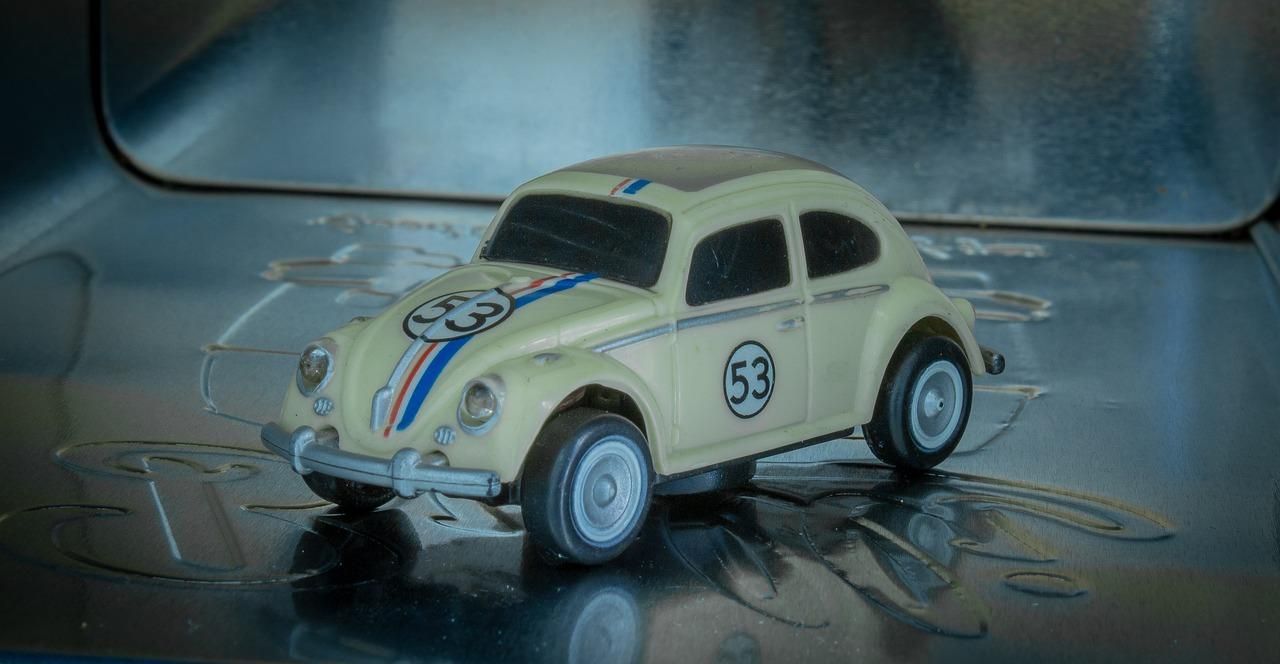
The Love Bug: Volkswagen Beetle

Image: kampfmonchichi

"Herbie" wasn’t just a car—he was a character with personality, spunk, and a soft spot for underdogs. Painted bright white with bold racing stripes and the unmistakable number 53, this little Volkswagen Beetle won hearts on and off the track. And here’s the charming part: no fancy computer wizardry brought him to life. Every wink, bounce, and "expression" you saw was pulled off with clever mechanics and old-school camera magic.

4
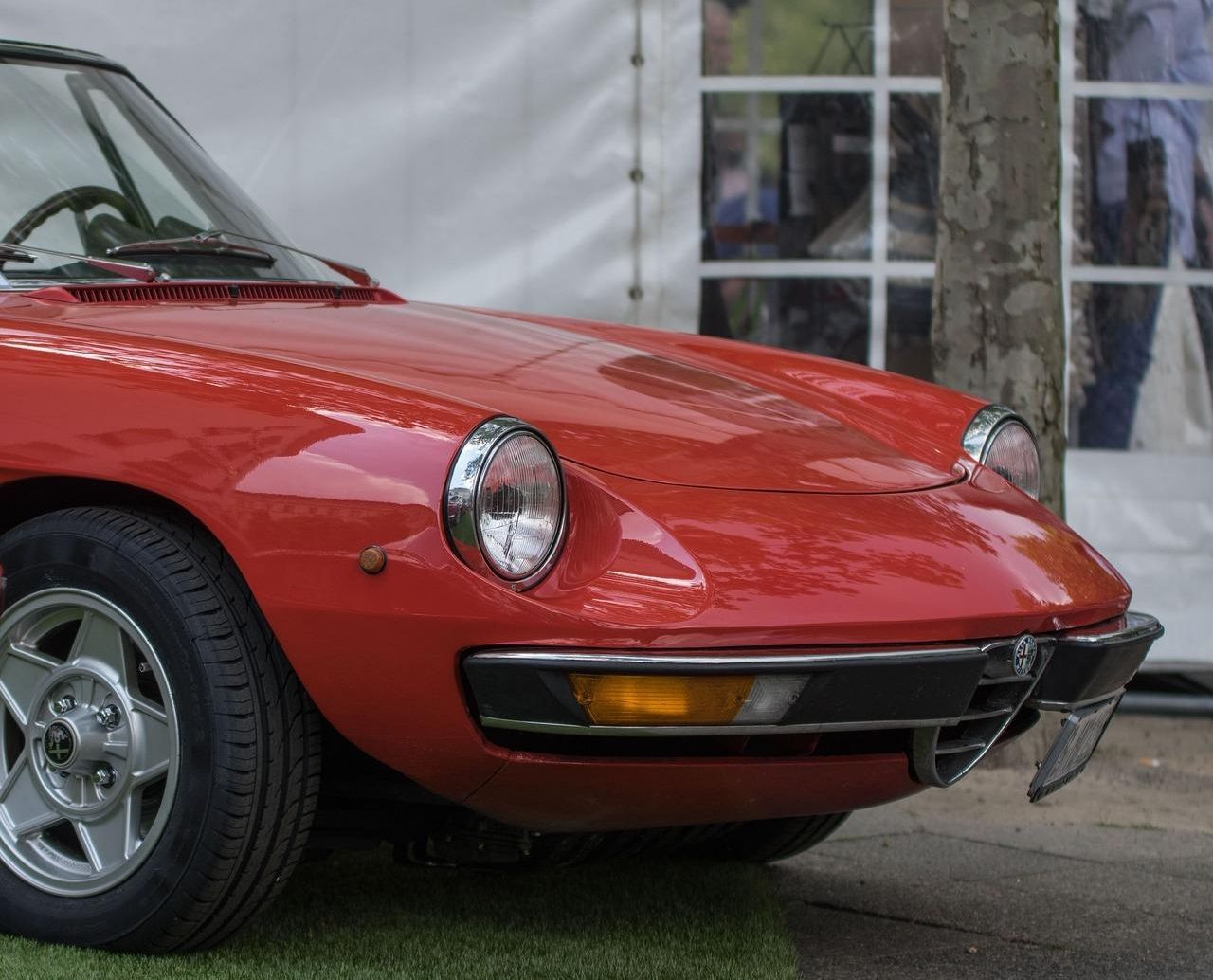
The Graduate: Alfa Romeo 1600 Duetto Spider

Image: emkanicepic

This bright red convertible became nearly as iconic as the tune "Mrs. Robinson" itself. Sleek, nimble, and full of charm, it could glide along the road at around 118 mph, turning heads wherever it went. More than just a prop, it became part of the film’s personality. And here’s a little nugget of trivia: before filming began, Dustin Hoffman had never driven a stick shift. Once he got the role, he had to master the art of shifting gears in record time, adding a dash of real-life nerves to those on-screen drives.

5
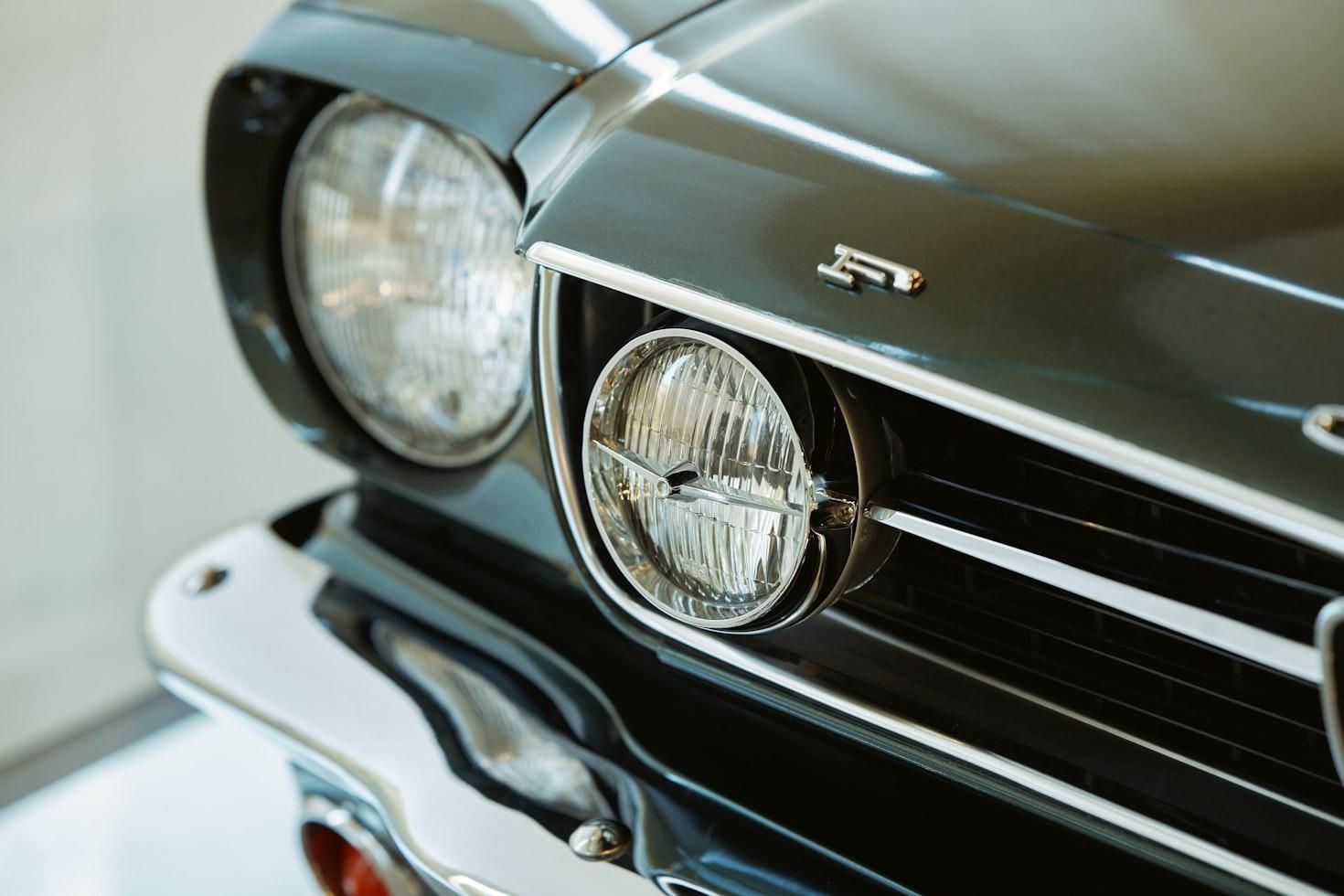
Bullitt: 1968 Ford Mustang GT 390

Image: Zhiqiang Wang

Steve McQueen and this dark green Mustang delivered pure cinematic thrills on the steep streets of San Francisco. The chase ran close to 10 full minutes—a rumbling, tire-squealing ballet that filmmakers have tried to imitate ever since. Under the hood, a growling V8 provided the muscle, while McQueen himself slid behind the wheel for many of the hair-raising maneuvers. Every jump, skid, and sharp corner helped cement it as one of cinema’s all-time great rides.

6
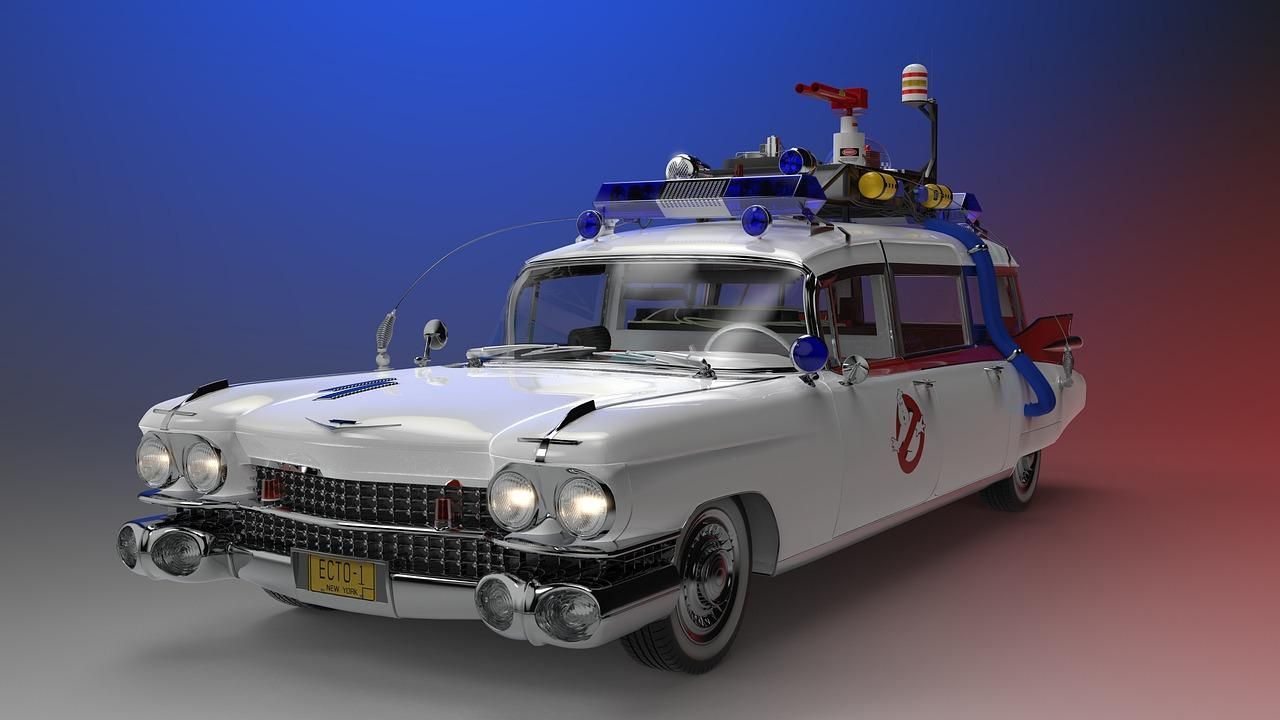
Ghostbusters: 1959 Cadillac Miller-Meteor

Image: voltamax

The Ghostbusters’ unforgettable Ecto-1 was based on a 1959 Cadillac Miller-Meteor ambulance/hearse. For the movie, it was transformed into a quirky, gadget-covered ghost-chasing machine, complete with flashing lights, sirens, and a roof stacked with mysterious equipment. This Cadillac became as much a character as the crew itself. Its over-the-top look made it instantly recognizable and turned it into a pop culture legend.

7
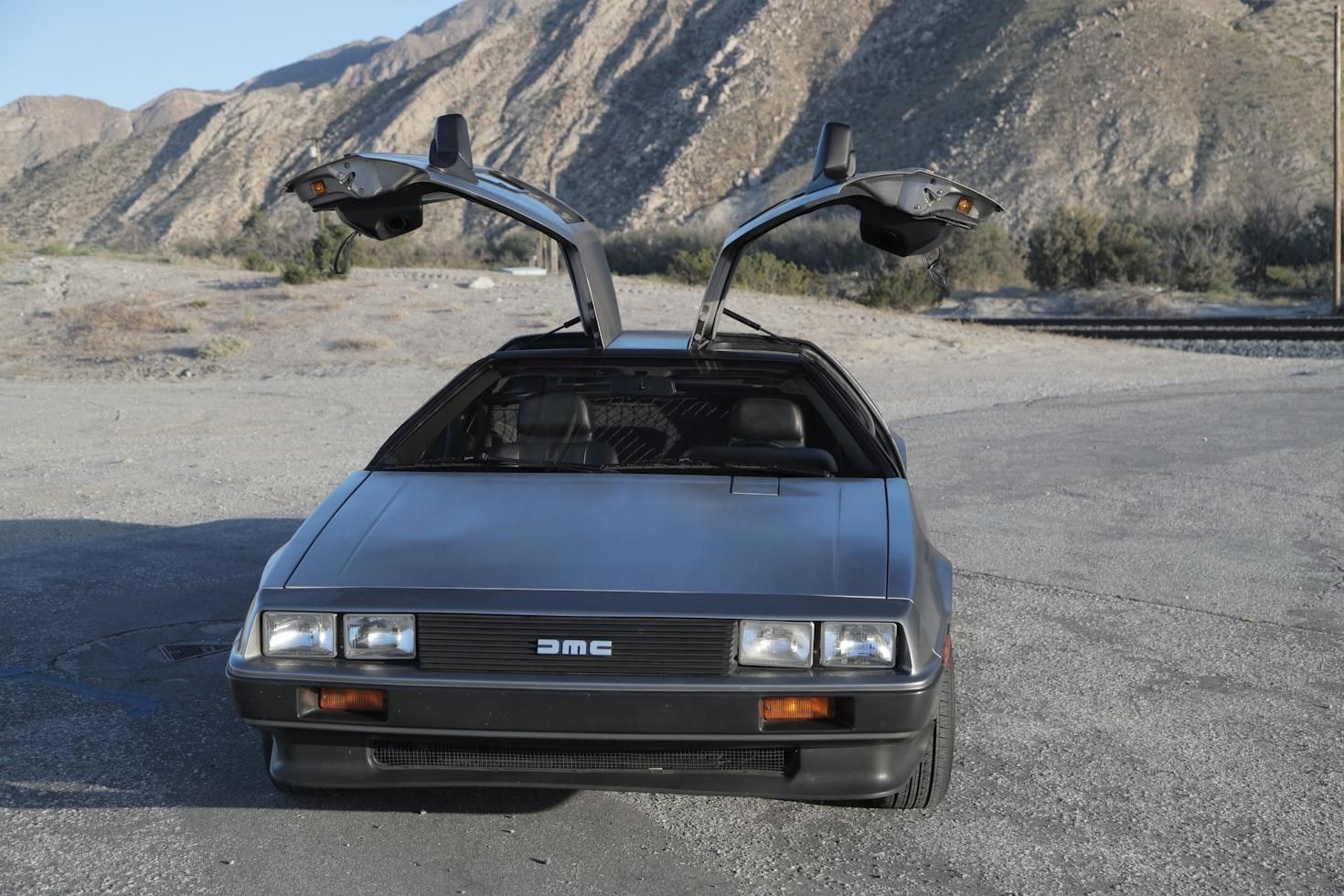
Back to the Future: DeLorean DMC-12

Image: Joel Muniz

With its brushed stainless steel body and those dramatic gull-wing doors that unfolded like a bird in flight, the DeLorean already looked futuristic before the time-travel magic began. On screen, it came equipped with the now-legendary "flux capacitor," a gizmo that, sadly, was pure movie magic. Even so, the rules of the story were clear; if you wanted to bend the laws of time, you had to floor it to exactly 88 mph. And yes, fans still quote that number like gospel.

8
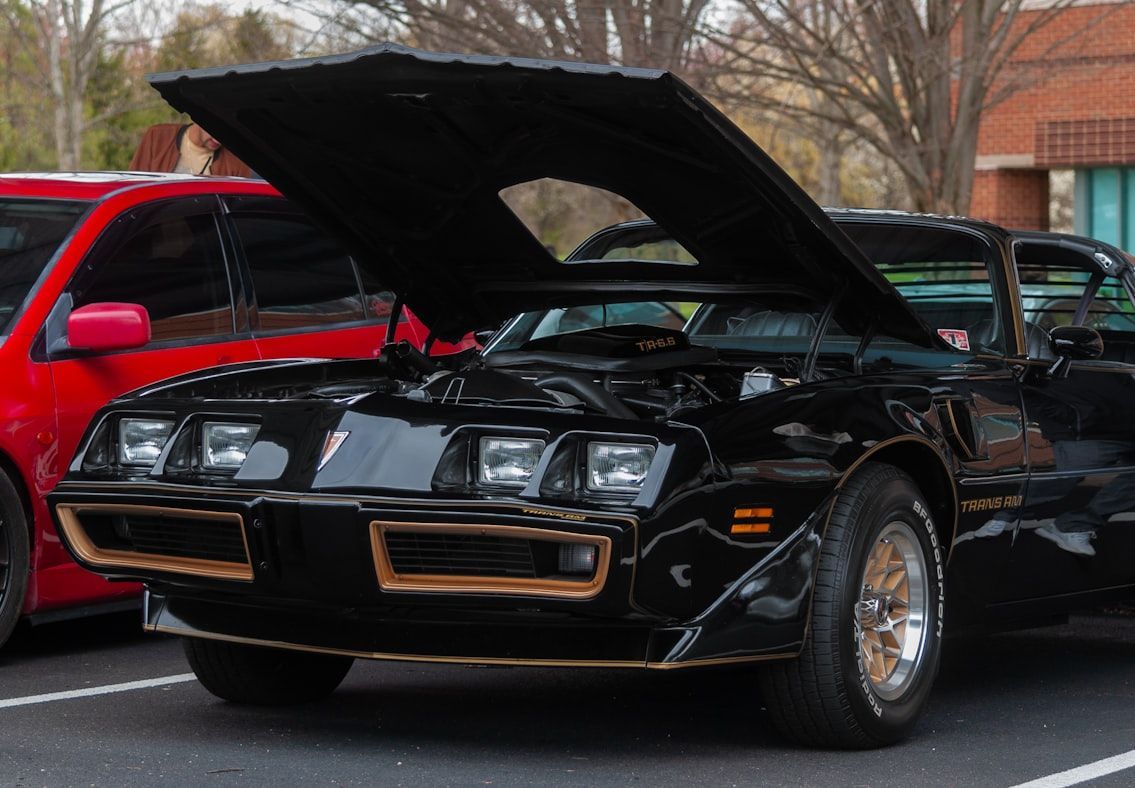
Smokey and the Bandit: 1977 Pontiac Trans Am

Image: Photogon (Warren Valentine)

Burt Reynolds and that sleek black Trans Am—complete with the glittering golden firebird splashed across its hood—were a match made in movie heaven. With a top speed around 110 mph, it wasn’t just for show; this car had the muscle to back up its attitude. The stunt work was just as daring as it looked, with jaw-dropping jumps that thrilled audiences. Of course, the landings weren’t always smooth—more than a few Trans Ams met their end for the sake of those unforgettable scenes!

9
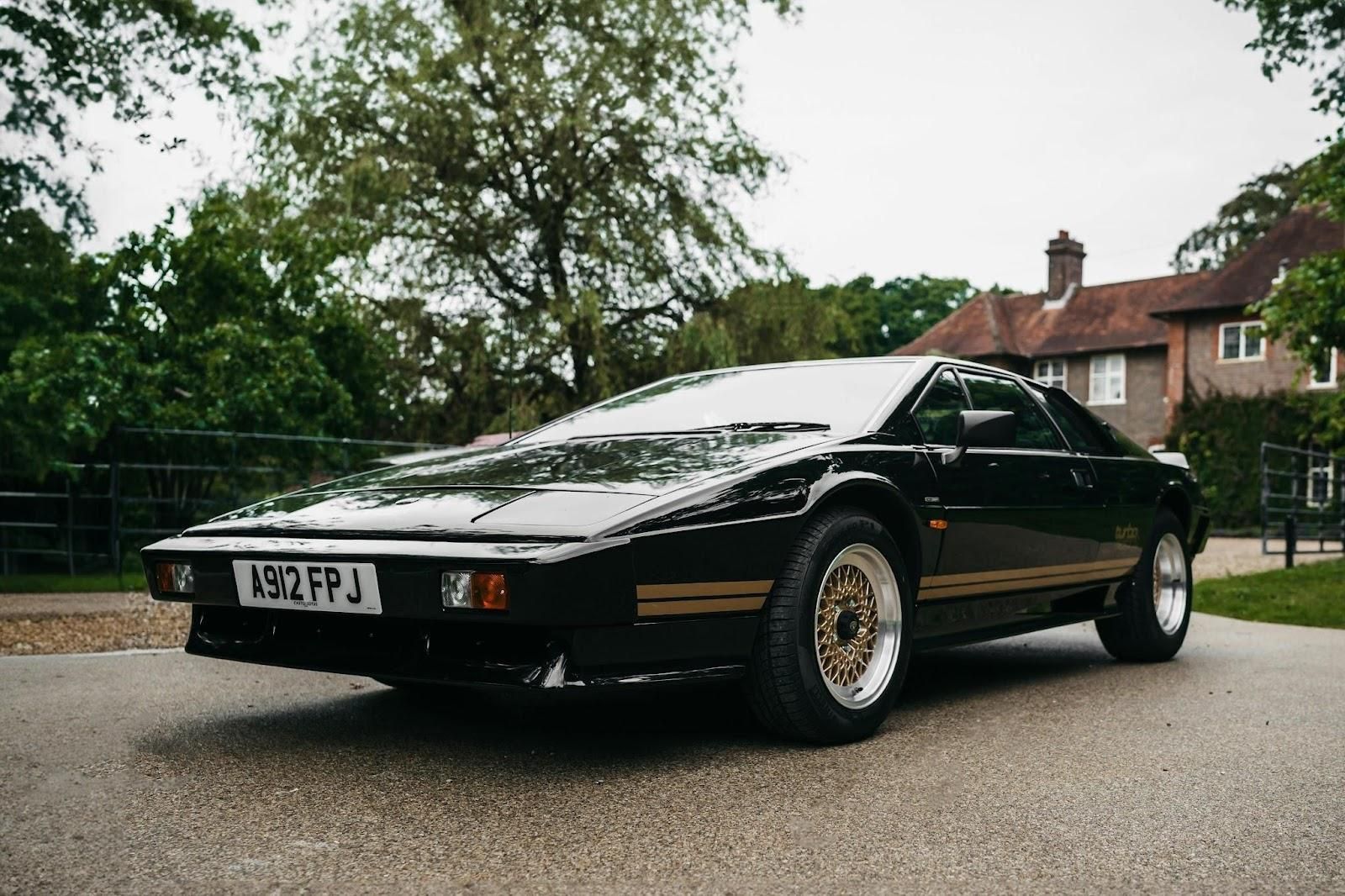
The Spy Who Loved Me : Lotus Esprit Series I

Image: Andras Stefuca

In the 1970s, more sleek, wedge-shaped sports cars replaced the curvy styles of earlier years. Cars like the Lancia Stratos and Lamborghini Countach changed the game with their sharp, futuristic look. Following that trend, Roger Moore slid behind the wheel of a white Lotus Esprit Series I in The Spy Who Loved Me . But what people remember the most about it is when Bond drives it straight into the sea, where it morphs into a fully equipped submarine! Fins and stabilizers pop out as it glides underwater, then it drives back onto the beach, leaving onlookers truly amazed.

10
The Italian Job: Mini Cooper S 1275

Image: Alex P

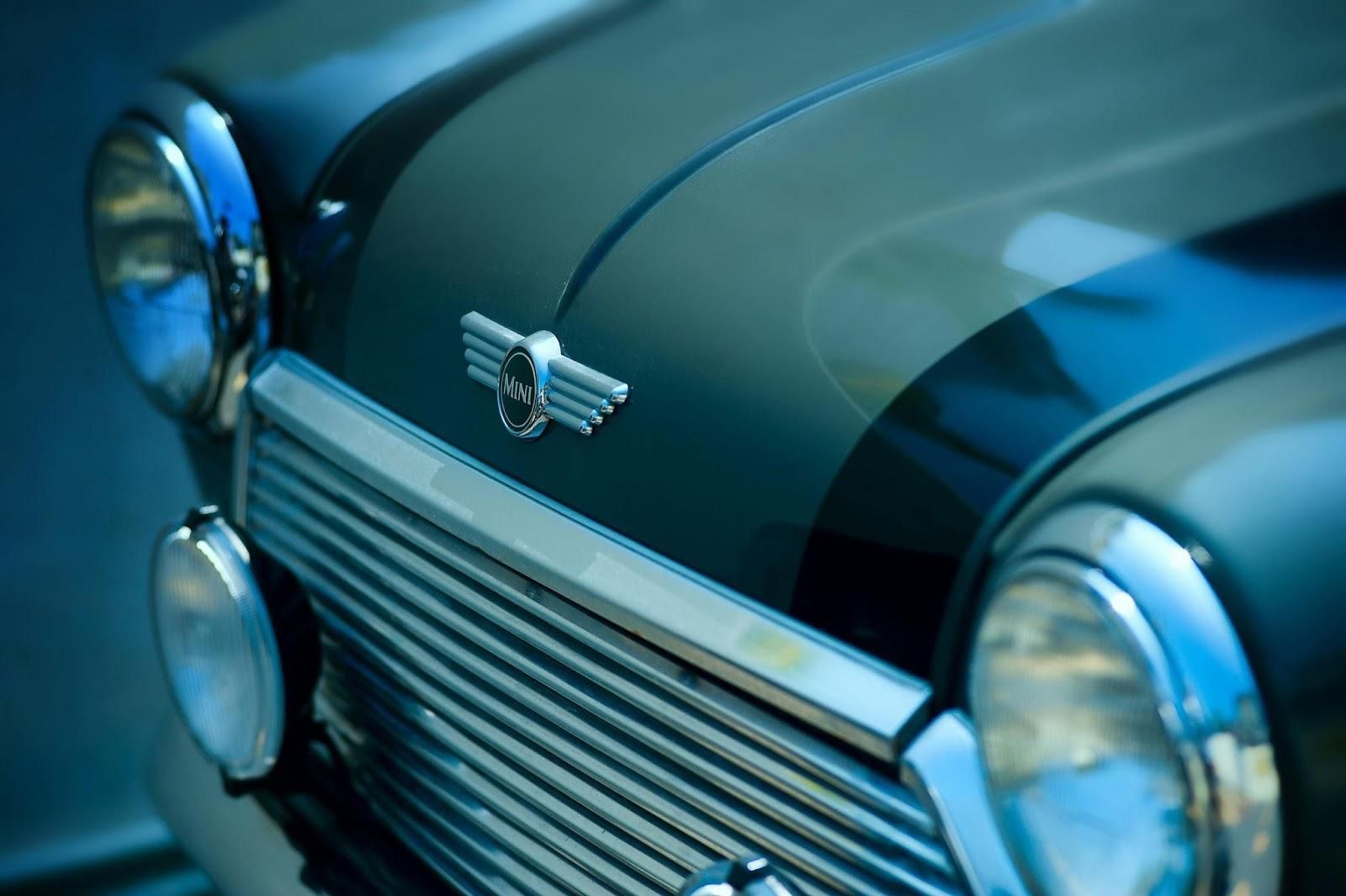
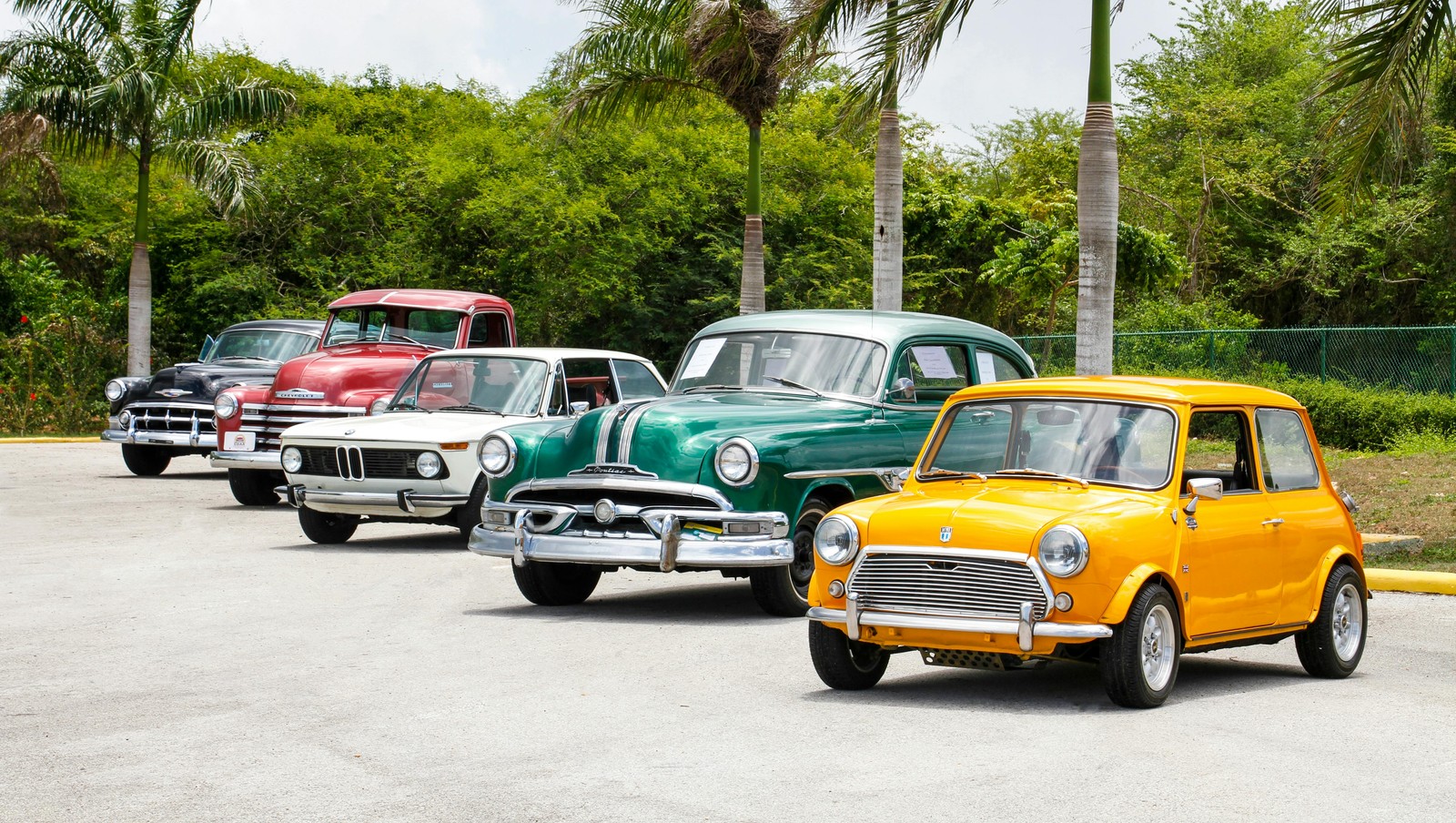
Compact, nimble, and unmistakably British, the Mini Coopers in The Italian Job didn’t just drive—they darted. On screen, they bounced down staircases, squeezed through narrow alleys, and even sped through tunnels like they were built for it. The funny part? British Motor Corporation wanted nothing to do with the film, so the production had to buy 36 cars outright. And here’s a bit of trivia to impress your friends: despite being the star, Michael Caine never once drives any of the Minis in the movie .

11
Vanishing Point: 1970 Dodge Challenger R/T

Image: Jonathan Nabais

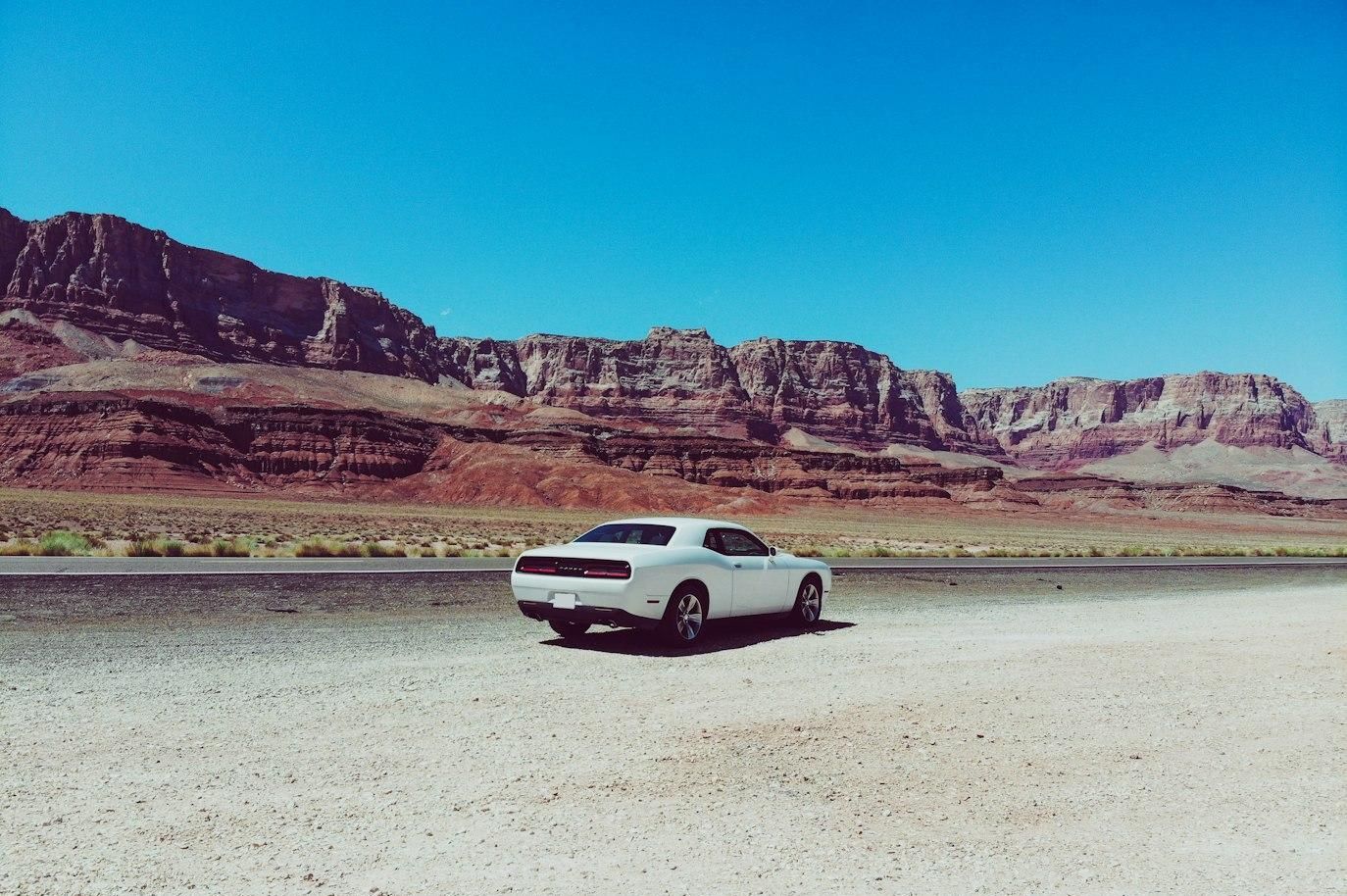
This powerful white muscle car tore through the roads from Denver to San Francisco, racing against the clock. Weighing roughly 3,800 pounds, it packed a mighty HEMI engine under the hood—enough raw power to leave most challengers in the dust. With speed, grit, and sheer determination, it pushed the limits, turning the journey into one thrilling, high-octane ride to remember.

12
Batman: Lincoln Futura

Image: Bull-Doser, Public domain, via Wikimedia Commons

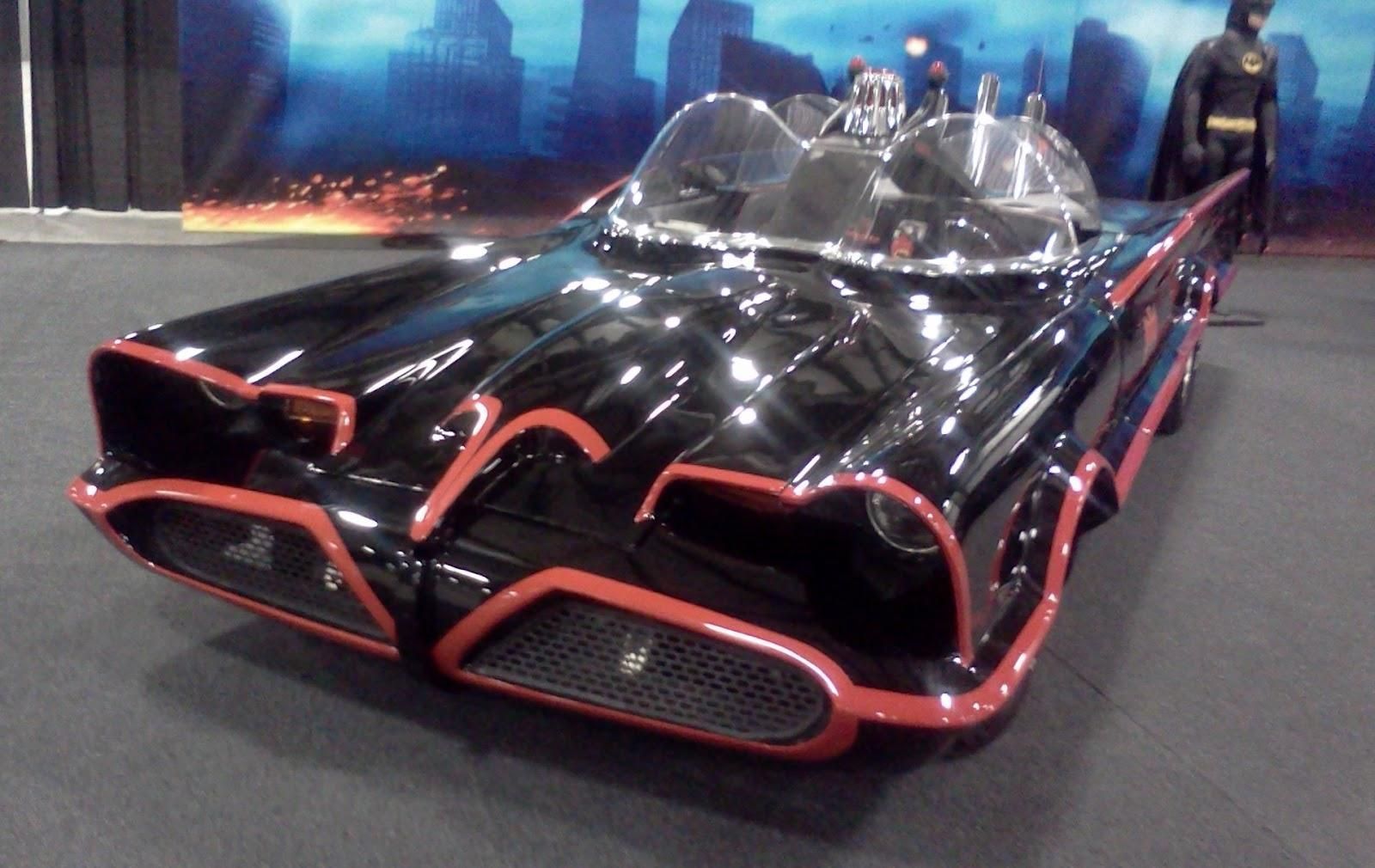
Before it became the legendary Batmobile we all know, this 19-foot futuristic prototype was showing off its sleek lines at auto shows. Then, in just 15 days, American designer and builder of Hollywood custom cars, George Barris, worked his magic. He added those unforgettable fins, jet engines, and clever gadgets that turned the Lincoln Futura into a TV icon. What began as a simple concept became one of the most recognizable cars in television history.

Culture Culture 4 min read

WHERE IS KAMCHATKA, ANYWAY?

Which Are The 10 Most Popular Board Games In America?

Image: Mesh

Even in this day and age, most board games are stacked and forgotten in some dusty closet. However, everyone holds memories of sharing many hours playing with friends and family over a board of Monopoly, Scrabble, or one of thousands of other options. We have narrowed that number to a mere ten, focusing on the most popular ones in America. Which ones have you played?

1
Pictionary

Image: Kelly Sikkema

Who hasn’t played Pictionary at least once in their life? The whole gameplay boils down to drawing a picture so that others can guess what it is. It’s like "charades" with drawings instead of actions.

While this is a board game, the board itself is the least important part of the game. The only things that matter are the drawings and how people guess what they are. Anybody of any age can get into the game and have a good time.

2
Game of Life

Image: Jaciel Melnik

One of the most popular board games of all time, the Game of Life, was created in 1960. The idea is that you want to end the game with more assets than anyone else. The basic gameplay involves spinning the spinner and making a handful of key decisions at intersections. It is in those moments that you influence which way your "life" will turn out.

The whole game is, like life itself, very luck-driven and not very strategic. This game laid the groundwork for many modern, narrative-driven games.

3
Clue

Image: Towfiqu barbhuiya

Clue was the first mass-market game to make bluffing and deduction an explicit part of the game. During gameplay, you’re always trying to analyze your opponents’ moves and react accordingly.

A game that spawned a million more games, Clue takes its participants on a journey to solve a murder using a series of clues given throughout the session. Even if you never played it (and chances are that you have), you know it.

4
Chutes And Ladders

Image: Biao Xie

Chutes and Ladders was inspired by an ancient Indian board game that originated around the year 200 BC. The game is luck-driven; there is no strategic element to either the ancient or the modern version.

Just like in The Game of Life, the gameplay involves spinning a spinner and advancing the specified amount of spaces it indicates. Ladders move you up higher on the board, and chutes drop you down to lower spaces.

5
Risk

Image: Dave Photoz

Risk has one of the most recognizable boards of any board game, with its colorful map divided into strange countries. The focus is set on one of the oldest of human ambitions: to conquer the world.

It is not the kind of game you want to play if you only have a few minutes to spare, since the entire gameplay can take up to a few hours. But, if you have the time and at least one other player, it is well worth it.

6
Trivial Pursuit

Image: Claudia Wolff

If answering questions about different topics of general human knowledge is your thing, then Trivial Pursuit is definitely your game. The board itself is not the center of the game. It serves the purpose of marking which theme must be answered in each turn and where each player is in the gameplay.

Some prefer the questions about sports, while others hope to get the questions about culture. But there is always something for everyone.

7
Scrabble

Image: John Benitez

Another well-known board game, Scrabble is the foundation of just about every word-based tabletop game that has come since its first appearance in 1948. In this game, the pieces you work with are thrown into a bag and doled out by random chance.

You can make maneuvers to benefit yourself and to block others, but the real advantage is in the hands of those with a strong vocabulary and a good memory to recall the words at the right time.

8
Checkers

Image: Gabriel Meinert

A game so simple that it can be played and enjoyed by children, Checkers is a very straightforward strategy game, similar to Chess in some aspects (especially the board) but simpler in many others.

The gameplay, intended for two players, involves forward movements of uniform game pieces and mandatory captures by jumping over opponent pieces.

9
Monopoly

Image: Joshua Hoehne

Another all-time modern classic, Monopoly shares a similar objective as the previously mentioned The Game of Life: finishing the game with the most properties and money possible.

Monopoly has many themed versions and variants, including popular culture themes, and digital versions. But the gist in all of them is: roll the dice, buy properties, pay rent to other players, and pray not to land on Boardwalk or Parkway Avenue, especially if there are hotels (unless you own those two).

10
Chess

Image: Randy Fath

Let us finish this list with the Game of Kings itself, Chess : the best-selling game of all time, played by countless generations across the globe. Learning the basic moves is simple; mastering them is something different altogether.

Whether you are an advanced player, an aficionado, or someone who is considering learning it, Chess is good for you. It provides excellent exercise for your brain, infinite hours of fun, and can be played at any age.

Explore more American facts

Choose your favorite category!

General
General

As American as apple pie—the very best America has to offer!

Culture
Culture

Delve into the astounding richness of American lore.

Geography
Geography

Hop in and explore vast and diverse American landscapes.

History
History

Discover the key moments that shaped the United States.