General General 5 min read

14 NBA players who had their jersey numbers retired by multiple teams
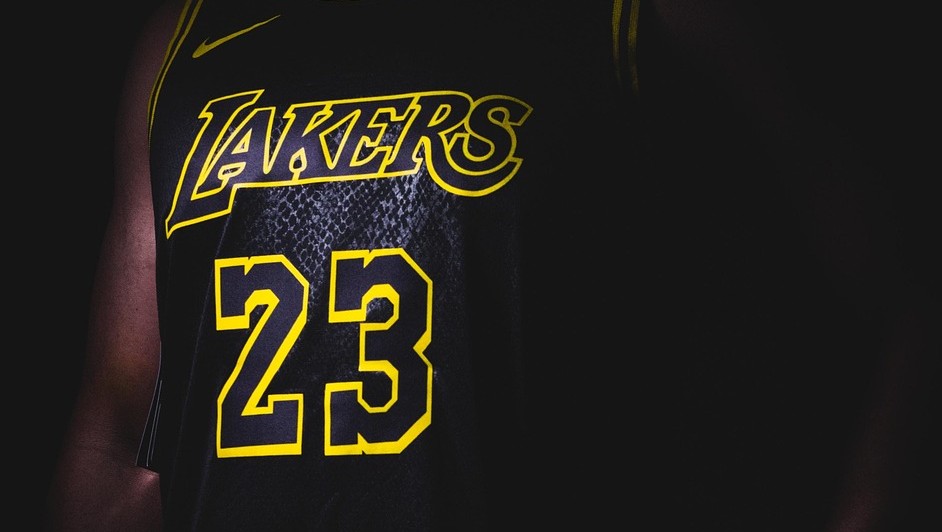
Image: albertoadan

Having your jersey permanently displayed in the rafters is a huge honor that only a select number of NBA players have earned. But imagine having your number retired not by just one team, but by two—or even three! For a rare few, that distinction stretches beyond a single city, as their talent and impact left lasting impressions from one arena to another. From coast to coast, the numbers of these legendary players rest in the rafters, each banner telling its own story of loyalty, triumph, and unforgettable nights on the hardwood. Can you guess who made the list?

1
Nate Thurmond
Image: Salah Regouane

In the 1960s and early ’70s, Nate Thurmond anchored the middle for the Golden State Warriors, outmuscling giants and grabbing rebounds as if the ball belonged only to him. Later, with the Cleveland Cavaliers, he became the kind of veteran every young team needs—steady, selfless, and always doing the dirty work that doesn’t make the headlines but wins the crowd’s respect. Both franchises retired his No. 42, a fitting tribute to a blue-collar superstar.

2
Pete Maravich
Image: daschorsch

Playing in the 1970s, Pete "Pistol Pete" Maravich starred for the Atlanta Hawks and later the New Orleans Jazz. His ball-handling and creativity—whirling passes, deep jumpers—looked like magic tricks that made crowds gasp. After a 10-year professional career and being named an All-Star five times, Atlanta retired his No. 44, and both the Utah Jazz and the New Orleans Pelicans hung his No. 7 jersey.

3
Moses Malone
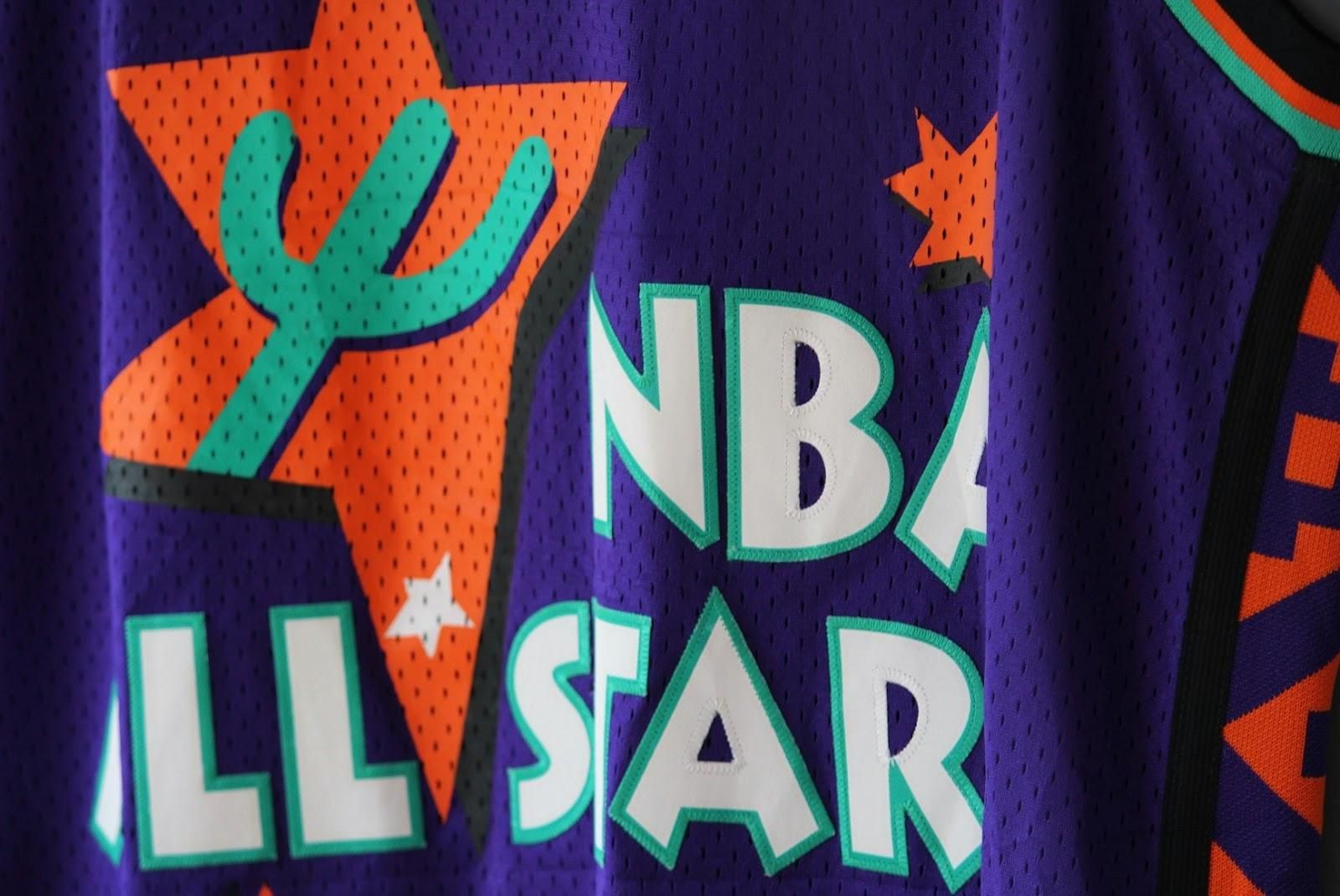
Image: Abhay siby Mathew

Moses Malone was a rebounding machine, plain and simple. He dominated the boards for the Houston Rockets and then the Philadelphia 76ers, where he helped deliver a championship after famously predicting "Fo’, fo’, fo’." Both franchises honored him by retiring his No. 24 (Rockets) and No. 2 (76ers), a fitting salute to one of the game’s toughest, hardest-working big men.

4
Bob Lanier
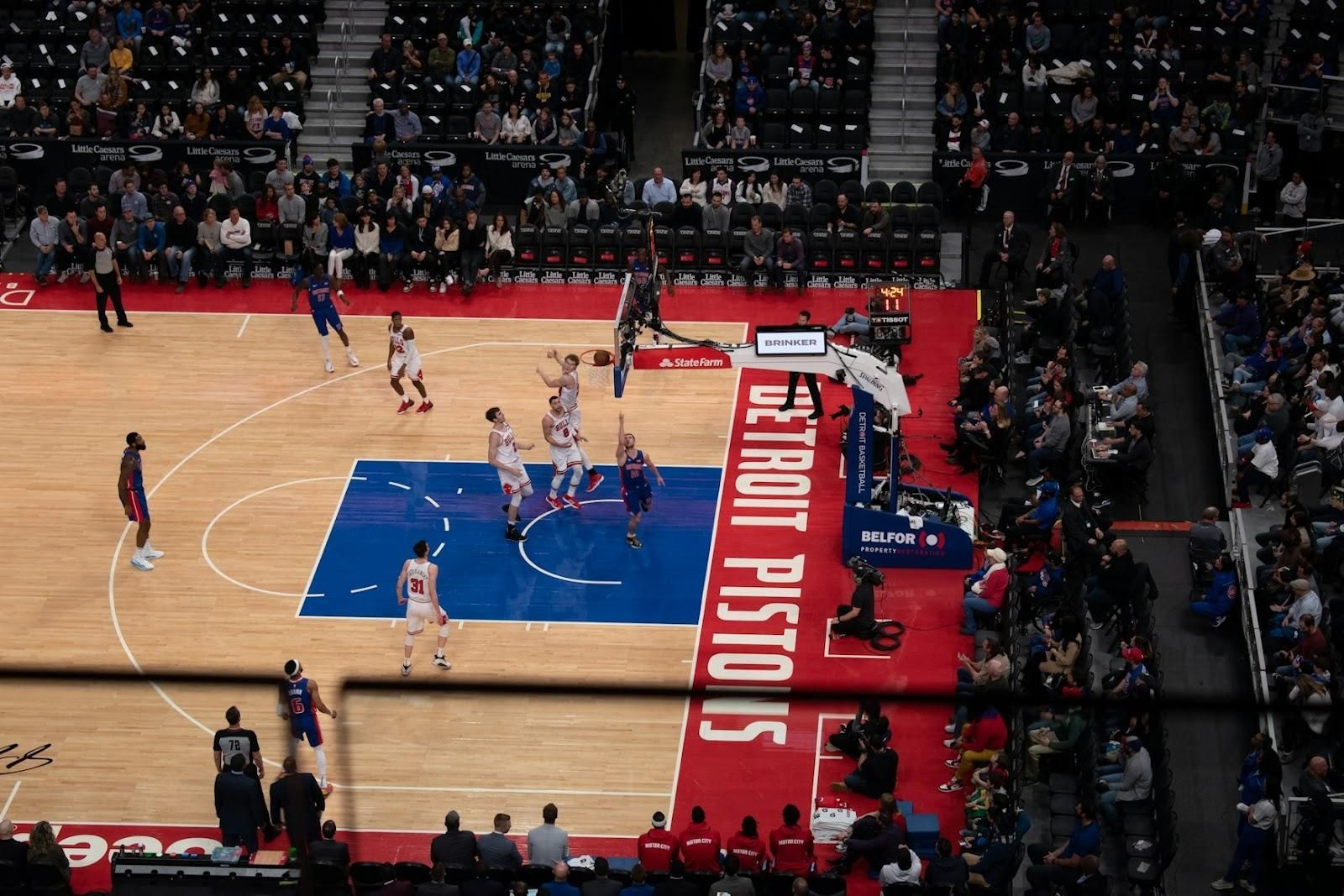
Image: Batu Gezer

Bob Lanier, known both for his silky post moves and those legendary size-22 shoes, was a true powerhouse of the 1970s. With the Detroit Pistons, he combined strength and finesse, scoring with a soft touch and rebounding like a man on a mission. Later, in Milwaukee, he brought the same fire and leadership to a younger Bucks team, proving that experience could be just as valuable as raw talent. It’s no wonder both Detroit and Milwaukee raised his No. 16 to the rafters, honoring a giant whose big shoes came with an even bigger heart.

5
Charles Barkley
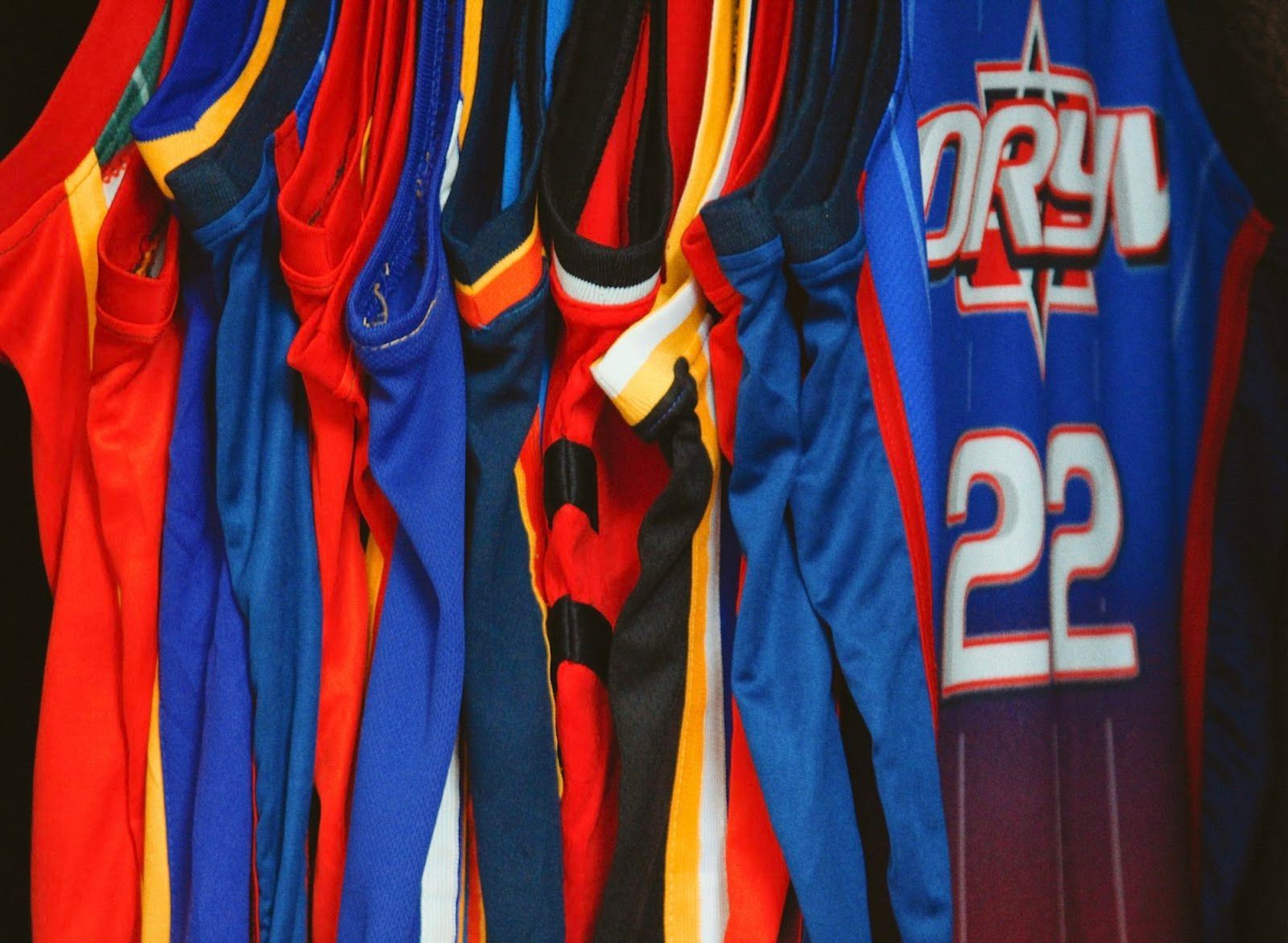
Image: Abhay siby Mathew

Charles Barkley was never the tallest guy on the court—just 6 ft 6 in—but with roughly 252 pounds of muscle, grit, and pure attitude, he played like a bulldozer on wheels. Known as "The Round Mound of Rebound," he crashed the boards with fearless energy. In Philadelphia, he became a fan favorite for his fiery play and quick wit; in Phoenix, he shone even brighter, winning MVP and taking the Suns all the way to the Finals. Both franchises hung up his No. 34 as a salute to a player who made hard work look heroic.

6
Earl Monroe
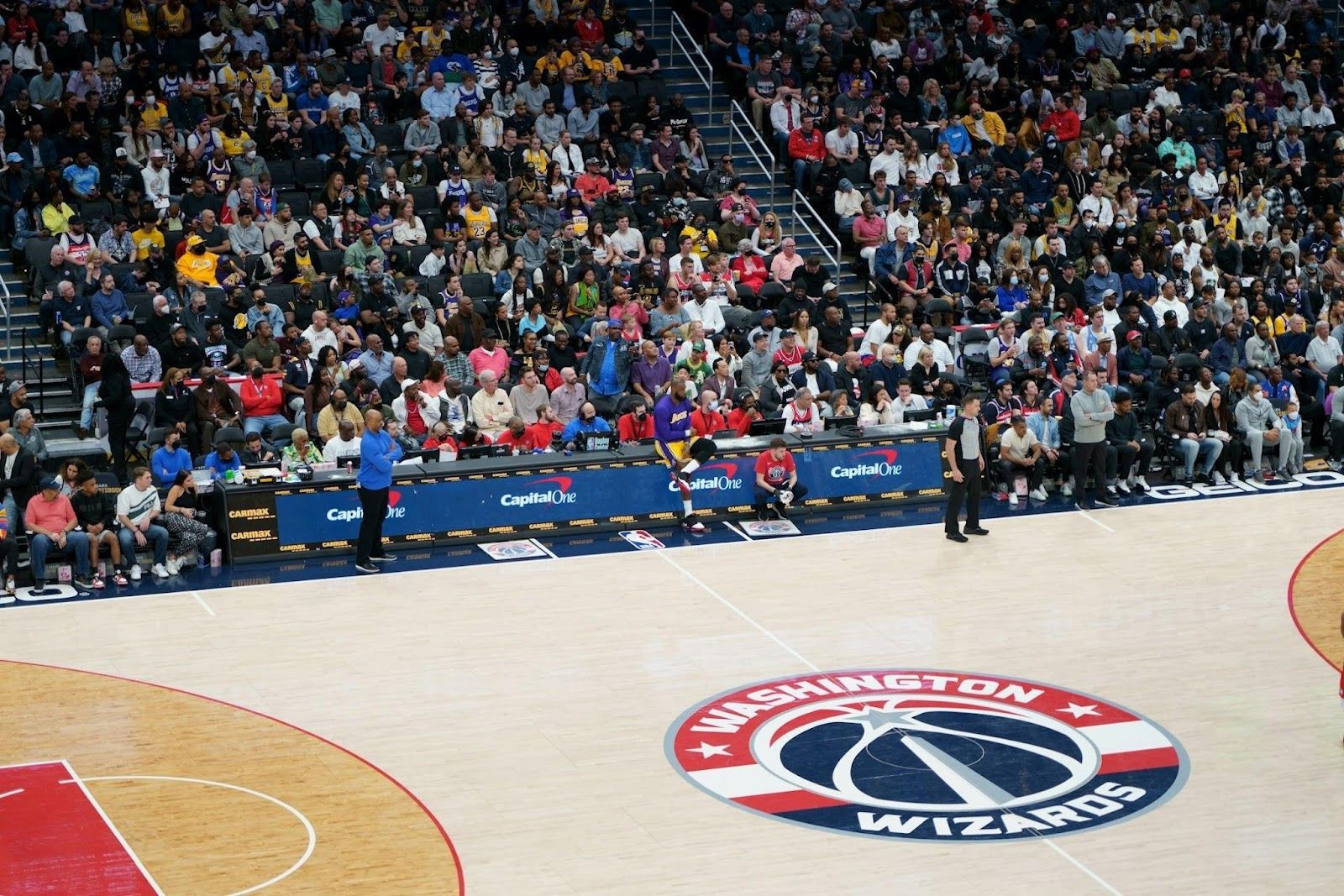
Image: Chaojie Ni

Earl "The Pearl" Monroe brought poetry to the hardwood. In the 1960s and ’70s, his smooth, stop-and-go style made defenders freeze, and fans fall in love. Starting in Baltimore (now the Washington Wizards ), he turned the Bullets’ offense into a show: spin moves, crossovers, and jump shots that seemed to hang in the air. Then came his move to New York, where he teamed up with Walt Frazier to create one of the most graceful backcourts the NBA has ever seen. Both the Knicks and Wizards retired his No. 15 and No. 10: Monroe’s creativity made basketball feel like jazz.

7
Clyde Drexler

Image: Markus Spiske

In Portland, Clyde "The Glide" Drexler soared with effortless grace, gliding past defenders and making the rim look weightless. His mix of speed, style, and quiet confidence made him the heartbeat of the Trail Blazers through the 1980s and early ’90s. When he returned home to Houston in the mid-’90s, he helped secure a championship ring for the Rockets . Today, his No. 22 jersey hangs in the rafters in both Portland and Houston—a lasting tribute to a man who truly lived up to his nickname.

8
Oscar Robertson

Image: Abhay siby Mathew

What if you averaged a triple-double before anyone thought it was possible? Oscar Robertson did just that in the 1960s, stuffing the stat sheet for the Cincinnati Royals (now Sacramento Kings ) and later winning a title for the Milwaukee Bucks, cementing his legacy as one of the game’s all-time greats. Both franchises retired his numbers 1 and 14, honoring the "Big O," one of the greatest players in NBA history.

9
Julius Erving
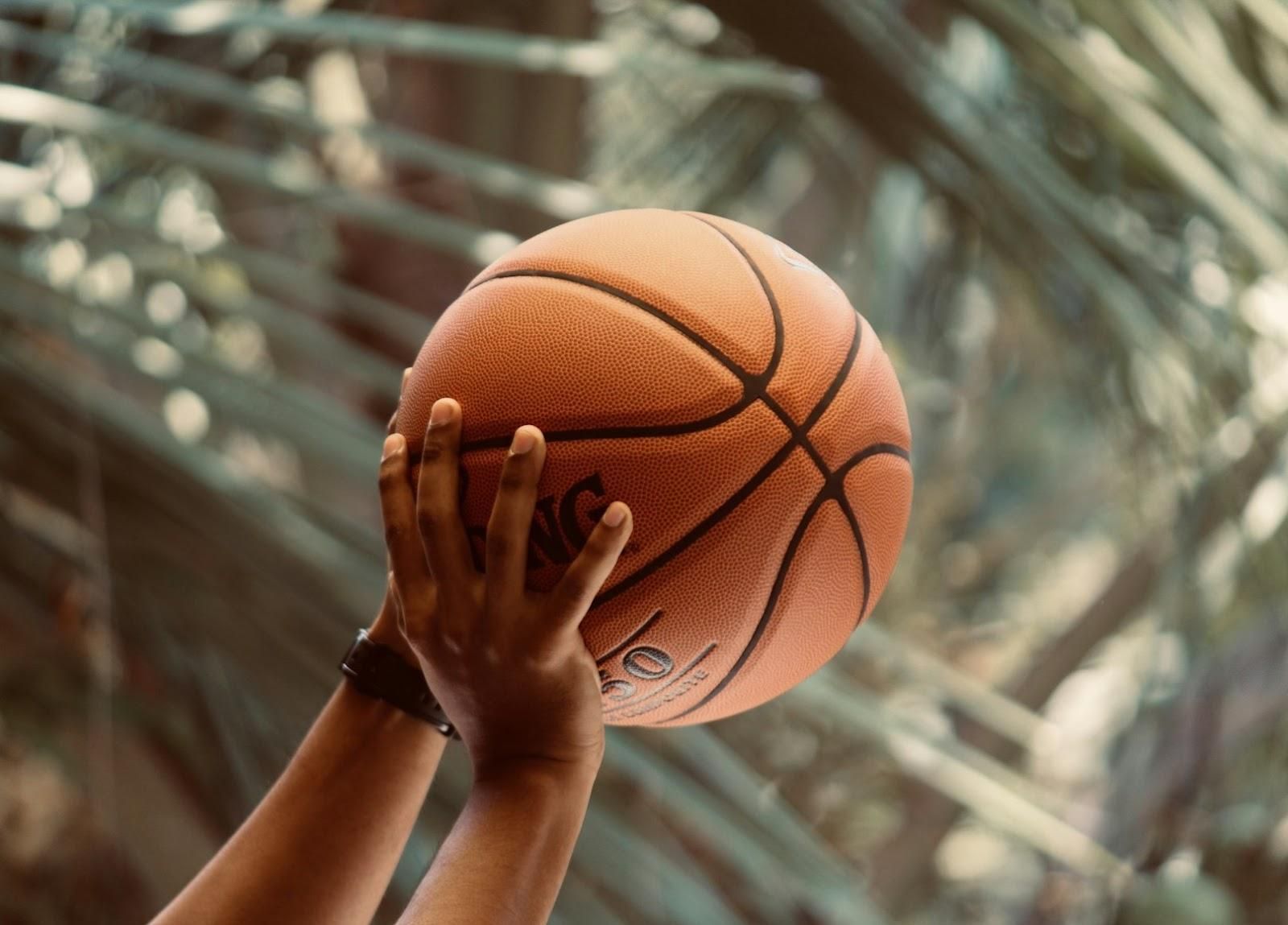
Image: Abhay siby Mathew

Long before modern dunks, Julius "Dr. J" Erving was taking flight, turning layups into art and slam dunks into poetry. He first captivated fans with the Nets in the ABA before becoming a true icon in Philadelphia . Both teams honored his brilliance: the Nets retired his No. 32 , and the 76ers lifted his No. 6 into the rafters. When you change the game, you don’t just earn a banner—you earn two.

10
Wilt Chamberlain

Image: Tim Hart

Not many players inspire stories that sound too wild to be true, so if basketball had tall tales, Wilt Chamberlain would star in all of them. A 7-foot-1 force of nature, a giant with legendary scoring numbers—including a 100-point game—Wilt’s dominance stretched across the Golden State Warriors, Philadelphia 76ers, and Los Angeles Lakers. All three teams retired his No. 13.

11
Shaquille O’Neal

Image: Luis Montejo

A 7-foot-1, 325-pound tower of strength, Shaq shook backboards, rims, and entire defenses. After playing college basketball, O'Neal was drafted by the Orlando Magic, where he played for four years. Later, he starred with the Lakers, winning three consecutive titles, then helped the Miami Heat capture its first championship. All three franchises retired his No. 32 and No. 34 jerseys, because when Shaq arrived, the fun—and the winning—followed.

12
Kareem Abdul-Jabbar
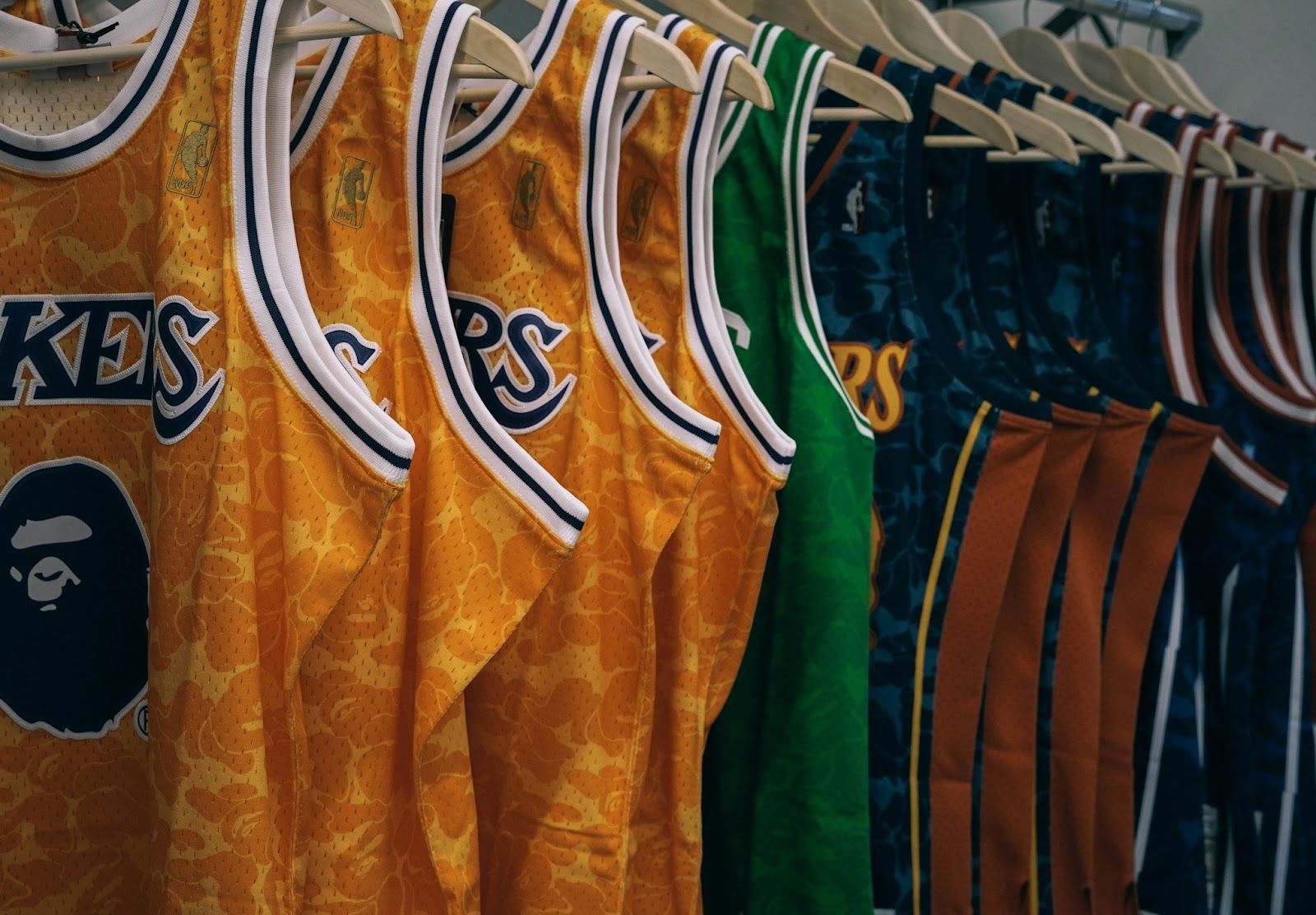
Image: Alex Haney

With his skyhook reaching somewhere near the clouds, Kareem Abdul-Jabbar scored more points than anyone in NBA history for decades. He led the Milwaukee Bucks to a title, then added five more with the Lakers. Both franchises retired his iconic No. 33, honoring a player who blended grace and dominance like no one else.

13
Dikembe Mutombo
Image: Finnian HaDiep

One of the best shot-blockers and defensive players of all time, Dikembe Mutombo protected the paint like a personal fortress. He blocked shots, grabbed rebounds, and smiled through it all. The Denver Nuggets loved him. The Atlanta Hawks loved him. Both retired his No. 55. And yes, fans still remember that famous wagging finger after a big block.

14
Michael Jordan
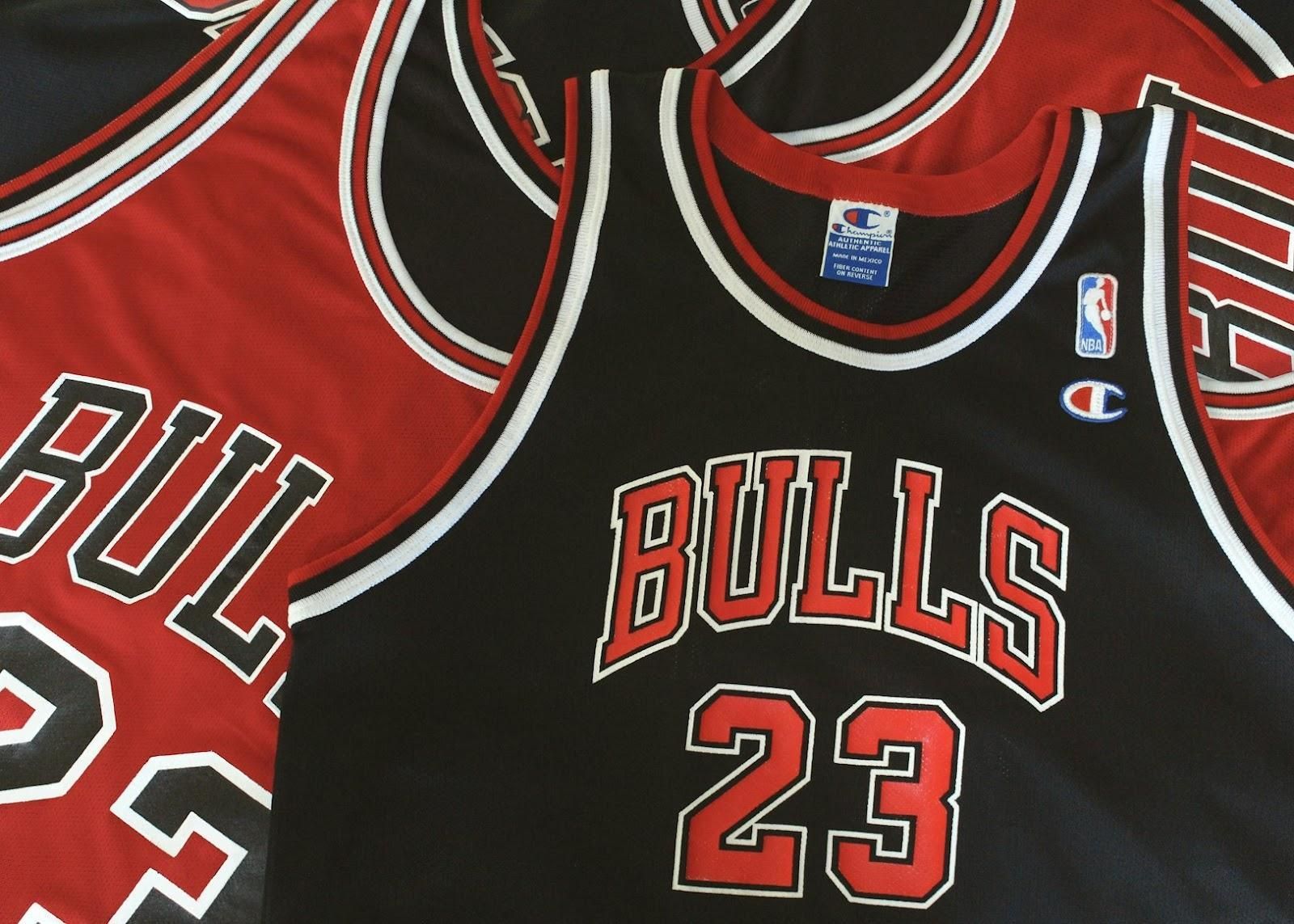
Image: Abhay siby Mathew

Of course, "His Airness" would be on this list! Michael Jordan’s No. 23 isn’t just a jersey—it’s an icon. In Chicago, it hangs high as a symbol of six championships, clutch shots, and a golden era that fans still replay in their minds like a favorite movie. But there’s more: the Miami Heat have honored his number too, even though Jordan never suited up for them. Call it courtesy, call it class, but wherever you go, No. 23 still means one thing: Michael Jordan was here.
General General 3 min read

Your garden, your rules

12 common garden pests in the U.S. and how to control them

Image: Anna Shvets / Igor Son

Even on the smallest possible scale, nature is wild, and garden pests are a clear expression of that reality. Holes in leaves, small grubs around the roots of container plants, speckled foliage, and skeletonized leaves are just a few signs that pests may be present in your garden.

Check your plants often, and act quickly as soon as you spot a problem. Your garden will thank you!

1
Spotted and striped cucumber beetles

Image: Alexandria Szakacs

Striped and spotted cucumber beetles favor cucumbers and melon vines. These insects spread bacterial wilt from plant to plant, a disease that is often fatal. When striped cucumber beetles are a chronic problem, the best course of action is to choose bacterial-wilt-resistant cucumber varieties .

2
Colorado potato beetle

Image: Олександр К

As the name implies, the surest way to attract Colorado potato beetles to your garden is by planting potatoes. These insects lay clusters of orange-yellow eggs on the undersides of leaves, which hatch into highly destructive orange larvae that feed voraciously and grow quickly. While beetles can be killed at any stage, it's easiest to remove the adults and eggs by hand .

3
Eggplant flea beetle

Image: Weronika Romanowska

Eggplant flea beetles can destroy an eggplant plant in just a few days. While many insecticides can kill these pests, the most effective method requires protecting plants with summer-weight floating row covers. These covers transmit enough sunlight while physically blocking the beetles from the plants.

4
Harlequin cabbage bug

Image: David Clode

These insects might look striking, but they are the worst enemy of summer kale, broccoli, and other brassicas. They suck the sap from leaves, leaving behind unsightly pockmarks.

Harlequin cabbage bugs can be picked off by hand , and wearing a face mask can help you avoid the unpleasant odor they emit. Also, spraying them off with a jet of water will help knock them back.

5
Mexican bean beetle

Image: Viktor Talashuk

In a similar case to the one we mentioned earlier, it’s the larvae of Mexican bean beetles that cause the most damage. The adults emerge in late spring but usually don’t become a serious problem on bean plants until midsummer.

The best way to deal with this pest may seem harsh, but necessary if you want to keep your other plants safe: you must completely harvest and remove the infested plants from the garden . After picking all the beans, the entire plant should be pulled, bagged, and taken far away from the garden.

6
Red spider mites

Image: adege

Tiny red spider mites live on the undersides of leaves, where they feed on plant sap. To control them, the best approach is to increase humidity and, if growing under glass, introduce a biological control . Alternatively, organic sprays can also be effective.

7
Codling moth

Image: Mikkel Frimer-Rasmussen

These moths are responsible for the maggots found in apples. To avoid these, spray emerging caterpillars twice with bifenthrin , starting in midsummer. Another useful method involves hanging pheromone traps in late spring to catch male moths and prevent them from mating.

8
Winter moth

Image: Erik Karits

Winter moth caterpillars hide inside webbed leaves on fruit trees during the spring. One effective way to control these pests is by applying sticky traps to capture the adult moths before they lay eggs.

9
Scale insects

Image: efraimstochter

Scale insects cluster on branches and beneath leaves, often leading to poor plant growth. Other common symptoms include sticky excretions (called honeydew) and the development of sooty mold, especially on evergreens. The solution is to wash off the mold and spray the plant with horticultural oil .

10
Viburnum beetle

Image: Grant Ofstedahl

The Viburnum beetle and its larvae can create holes in the leaves. The answer to this is to spray the areas affected during the spring with bifenthrin or thiacloprid .

11
Adult vine weevil

Image: Henry Lai

The adult weevil is a nocturnal, flightless insect that makes notches in the leaves of your plants. To control this pest, apply nematodes by mixing them with water and applying the solution to the soil in the affected area.

12
Rose slug

Image: Naoki Suzuki

The rose slug is easy to overlook until its feeding starts to damage the leaves. Rose slugs feed on the undersides of leaves, out of sight, nibbling on the tissue between the veins. By the time they’re done, the leaves often resemble skeletons.

Luckily, the solution only requires blasting the slugs off the roses with a spray of water or treating them with spinosad, a bioinsecticide derived from soil bacteria.

Geography Geography 3 min read

Carved in stone

Who nearly replaced Roosevelt? 10 truths about Mount Rushmore!

Image: Takefreebies

We've all seen Mount Rushmore, whether in person or on screen. But this monumental landmark is more than just four giant heads carved into granite. If you want to discover some surprising facts they don't teach in schools, read on!

1
A tough decision

Image: Spencer James Lucas

While the first three figures —Washington, Jefferson, and Lincoln— were almost unanimously agreed upon, there was some debate over who should be the fourth face on Mount Rushmore. Gutzon Borglum, the sculptor, advocated for Theodore Roosevelt, but others believed Woodrow Wilson should be included. In the end, Borglum stuck with his original choice, and that's why today we see Teddy Roosevelt up there on America's Shrine of Democracy.

2
The original plan

Image: Jon Sailer

While it's hard to picture the Black Hills without the iconic faces of Washington, Jefferson, Roosevelt, and Lincoln, the original idea for Mount Rushmore was actually quite different. At first, Sculptor Gutzon Borglum envisioned a more complex job (yes, even more complicated than it already is!) In his original plan, he imagined not just the presidents' heads but their upper bodies as well! There was even talk of including other key figures from American history, like explorers Lewis and Clark.

3
14 long years

Image: piotr sawejko

We can assume that carving the giant heads of 4 presidents into the granite was no easy task. But do you know how long it took to complete the monument we see today? 14 years! That's right; 14 years of hard work, 400 men, and a whole lot of dynamite went into bringing this colossal project to life.

4
The first

Image: Spencer James Lucas

As the first President of the United States and widely known as the "Father of His Country," George Washington was a must for this incredible monument. In fact, his face was the first to be completed and was officially dedicated in a grand ceremony. In addition, as part of the powerful symbolism behind the work, Washington's sculpture is also the most prominent.

5
Starting over

Image: Raimund Schlager

One of the many unexpected construction challenges involved the placement of Thomas Jefferson's sculpture.

The original plan was to place Jefferson's face to the left of Washington. However, when the dynamiting process began, they found quartz beneath the surface, which made it impossible to continue carving in that spot. After 18 months of work, they "erased" (yes, again, with dynamite) what they had of Jefferson and started over to the right of Washington, where it is today.

6
The secret door

Image: Tommy Bond

Did you know there's a secret room hidden behind the 60-foot-tall heads on Mount Rushmore? The sculptor had big plans for the monument, including a Hall of Records carved into the mountain to store important national documents like the Constitution. And he started to build it! However, when Congress found out that part of the budget was set aside for the Hall of Records, they asked Borglum to focus solely on carving the heads.

7
The last one

Image: caleb weiner

After Washington's, the other faces followed: Jefferson's was dedicated second, and Lincoln's was officially unveiled in 1937. So, which one came last? That's right! The last to be completed was Theodore Roosevelt's, with his iconic mustache included! Of course, members of the Roosevelt family attended the big ceremony.

8
The legacy

Image: Ashim D’Silva

Building Mount Rushmore took many years. Unfortunately, Gutzon Borglum, the mind behind the project, didn't get to see it fully completed, as he passed away just a few months before the work officially ended. However, it was his son Lincoln who stepped in to complete the great work his father had started.

9
An extra foot

Image: Andrew Ling

Borglum believed this monument should stand the test of time, built to inspire and be admired for thousands of years to come. So, how did he achieve that? Some historical sources suggest one of Borglum's techniques was adding extra material to certain angled areas of the sculpture, like Washington's nose, for example. That's right! It's believed that the author added an extra foot to George Washington's nose to help it better withstand erosion over time.

10
The man behind the name

Image: Pamela Huber

Long before the presidents were carved into the Black Hills, a New York lawyer paid a visit to the area, and that visit wouldn't go unnoticed. In 1885, attorney Charles E. Rushmore was at the site for business, and he asked for the name of a particular peak. When they told him it didn't have a name, he jokingly suggested they could call it "Rushmore Peak." Charles E. Rushmore was actually the first person to make a private donation to get the project started: $5,000! And so it was that his name stuck.

Explore more American facts

Choose your favorite category!

General
General

As American as apple pie—the very best America has to offer!

Culture
Culture

Delve into the astounding richness of American lore.

Geography
Geography

Hop in and explore vast and diverse American landscapes.

History
History

Discover the key moments that shaped the United States.