General General 4 min read

Bizarre legal disputes that reached the United States Supreme Court

America's weirdest Supreme Court cases: When justice gets strange

Image: Tim Mossholder

The Supreme Court typically handles weighty constitutional matters, but sometimes the cases that reach our highest court are just plain bizarre . From flying chickens to psychic predictions, these ten real cases prove that truth is definitely stranger than legal fiction. Let's dive into some of the oddest disputes that actually made it all the way to the Supreme Court.

1
The case of the suicidal chickens (1932)

Image: Ben Moreland

In A.L.A. Schechter Poultry Corp. v. United States, a Brooklyn, New York poultry dealer found himself in hot water for selling "unfit chickens" and violating New Deal regulations. The case became known as "the sick chicken case" because Schechter was accused of selling diseased birds that should have been condemned .

The Supreme Court ultimately ruled in favor of the chicken seller, striking down key portions of FDR's National Industrial Recovery Act. The justices decided the federal government had overstepped its authority in regulating local businesses.

2
The tomato identity crisis (1893)

Image: Avin CP

Nix v. Hedden asked the Supreme Court to settle a burning question: Is a tomato a fruit or a vegetable? This wasn't just philosophical pondering—tariff laws taxed vegetables but not fruits, so there was serious money at stake for New York importers bringing tomatoes into the country.

The Court unanimously decided that tomatoes are vegetables for legal purposes, even though botanically they're fruits.

3
The stripper and the sales tax (1991)
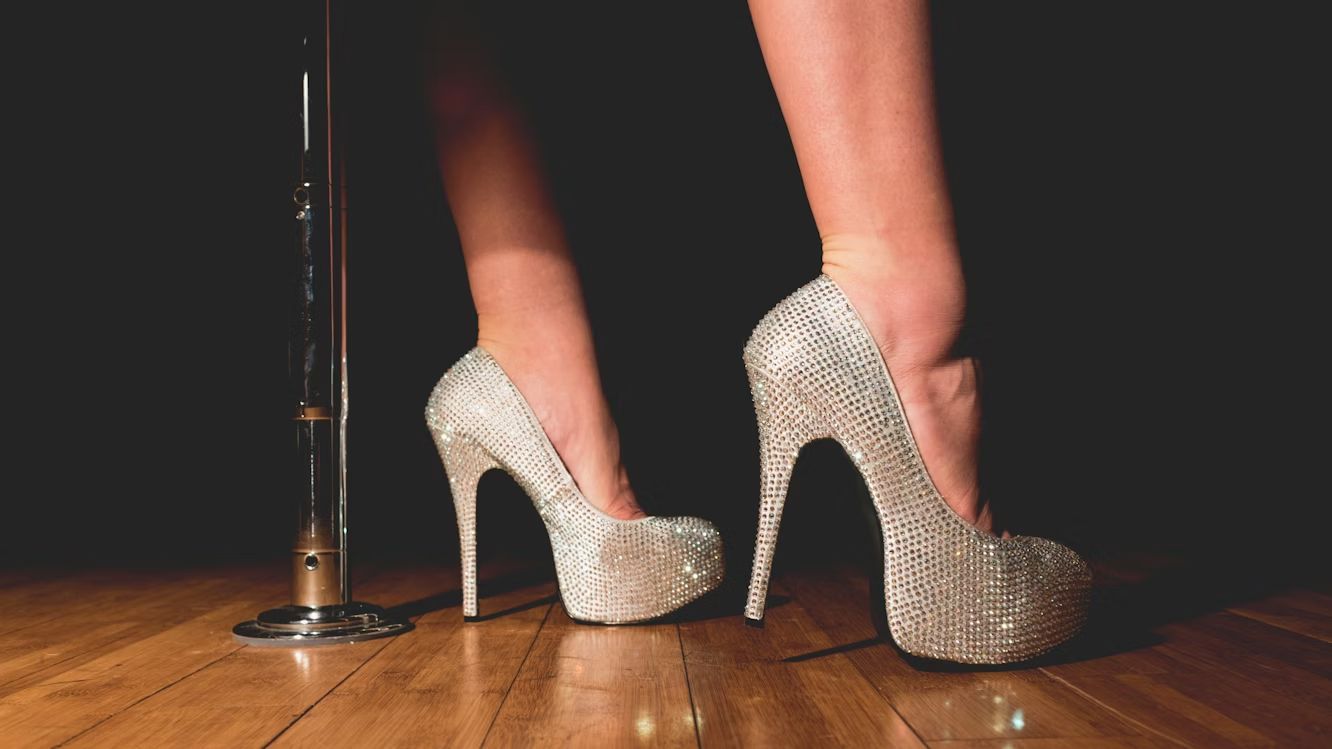
Image: Eric Nopanen

In Barnes v. Glen Theatre, Inc., the Supreme Court had to decide whether nude dancing qualified as protected expression under the First Amendment . An Indiana law required dancers to wear at least pasties and a G-string, and adult entertainment establishments in South Bend challenged this as censorship.

The Court ruled 5-4 that states could require minimal clothing without violating free speech rights. Chief Justice Rehnquist argued that the law wasn't targeting expression but public nudity itself. The dissenting justices felt this was government overreach into artistic expression, making this one deeply divided decision about very little clothing.

4
The prisoner who sued over chunky peanut butter (2011)
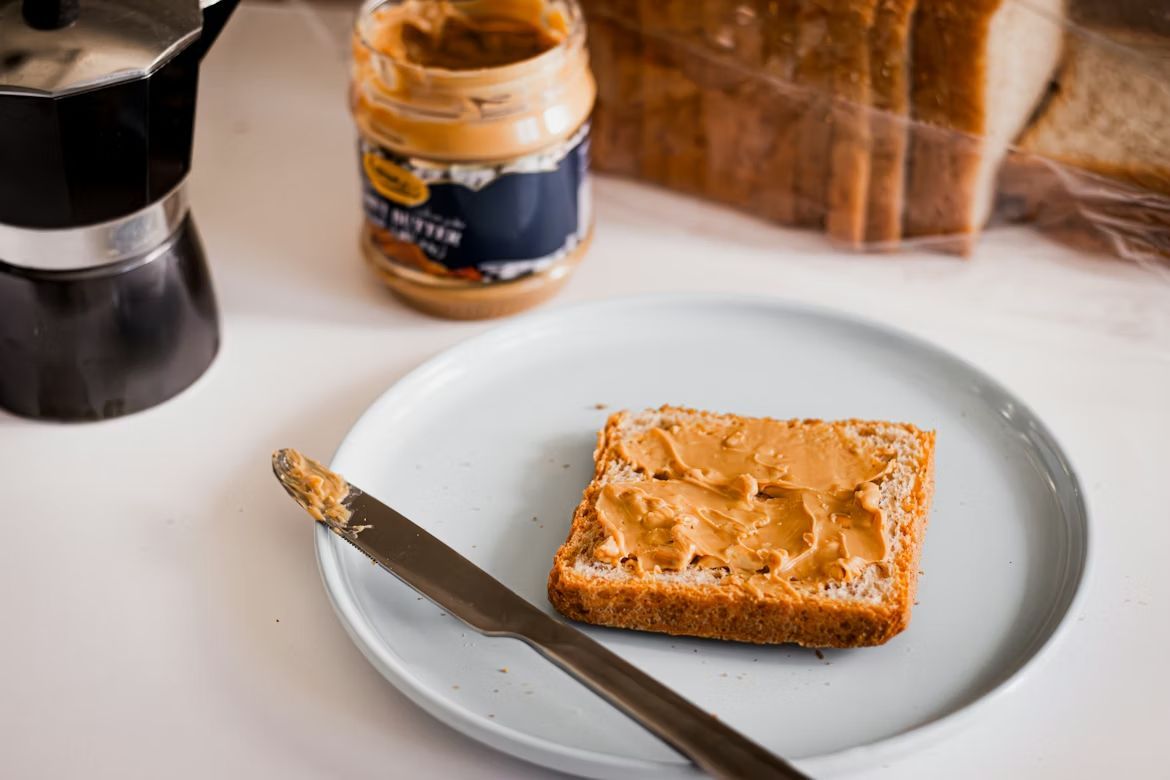
Image: The Design Lady

Michigan inmate Robert Procup filed a lawsuit that eventually reached consideration by the Supreme Court, claiming that being served chunky peanut butter instead of smooth violated his rights . He argued this constituted cruel and unusual punishment because he had digestive issues and his religious beliefs required smooth spreads.

The Court declined to hear the case, letting lower court rulings stand that dismissed his claims. While prisoners do have constitutional rights, the justices apparently felt that peanut butter texture preferences didn't rise to that level.

5
The monkey selfie dispute (2018)
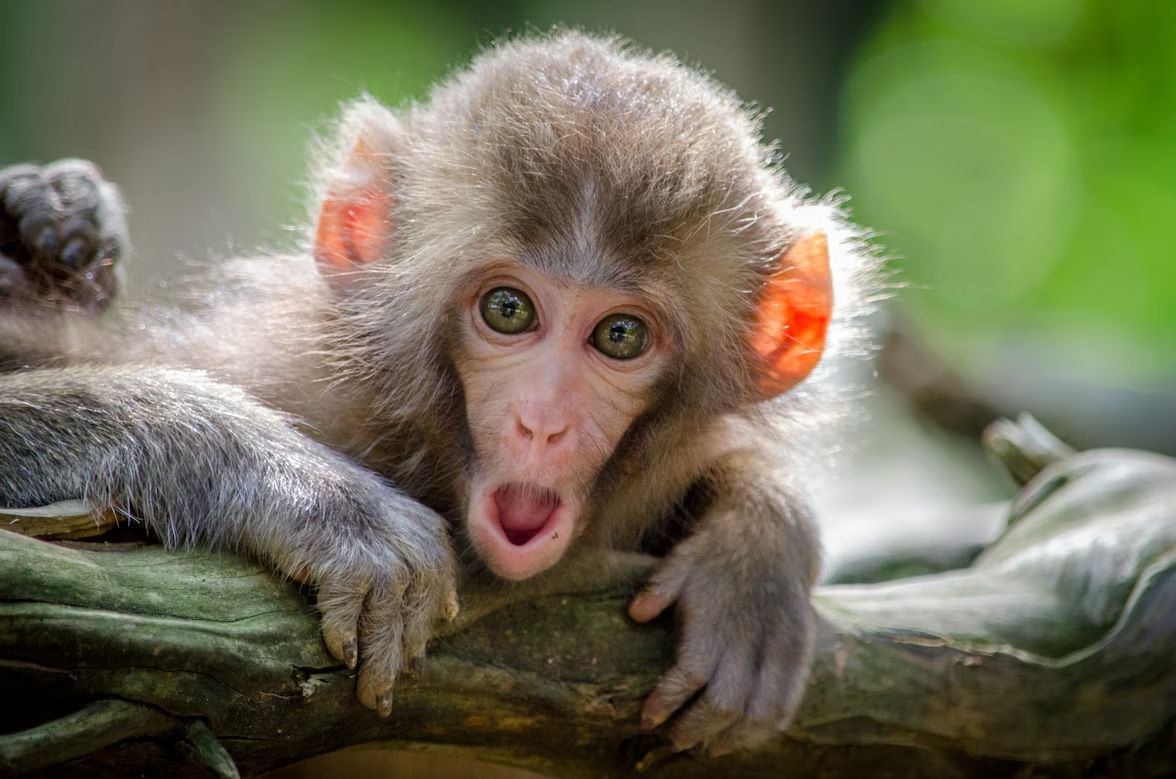
Image: Jamie Haughton

In Naruto v. Slater, a macaque monkey in Indonesia took selfies with a photographer's camera, sparking a bizarre copyright battle that reached federal courts. PETA sued on behalf of the monkey, arguing that Naruto owned the copyright to his own selfies, while California photographer David Slater claimed ownership.

The Supreme Court declined to hear the appeal, letting stand the lower court's ruling that animals cannot own copyrights under U.S. law. The case was eventually settled, but it raised fascinating questions about who owns creative works when the "creator" isn't human.

6
The psychic and the IRS (1986)

Image: Ksenia Yakovleva

In United States v. Zolin, the case involved a psychic in California who claimed the Church of Scientology had tampered with evidence. But the real weird twist was that it raised questions about attorney-client privilege when the communication involved potential criminal activity —in this case, schemes discussed during what were supposedly confidential legal meetings.

The Court established the "crime-fraud exception" to attorney-client privilege, ruling that lawyers can't help clients plan crimes and then hide behind confidentiality.

7
The case of the stubborn mule (1842)

Image: Jeff King

Swift v. Tyson didn't actually involve a mule, but it dealt with commercial disputes in New York that were about as exciting as watching one stand still. A man bought some land using a promissory note, but the land deal turned out to be fraudulent, and he didn't want to pay.

The Supreme Court created the "Swift doctrine," which allowed federal courts to ignore state court decisions in certain commercial cases. This ruling stood for almost 100 years before being overturned .

8
The singing telegram drama (1988)

Image: Vitaly Gariev

Hustler Magazine v. Falwell stemmed from a parody ad suggesting Virginia televangelist Jerry Falwell's "first time" was with his mother in an outhouse . Falwell sued for emotional distress, arguing the fake interview was defamatory and intentionally hurtful, seeking millions in damages.

The Court ruled 8-0 that parody and satire about public figures are protected speech, even when offensive and outrageous. Chief Justice Rehnquist wrote that public figures can't recover damages for emotional distress without proving actual malice.

9
The hotel that discriminated against dogs (1964)
Image: fatty corgi

In Heart of Atlanta Motel v. United States, a Georgia motel owner challenged the Civil Rights Act, claiming the government couldn't force him to rent rooms to Black customers. While the racial discrimination was a serious issue, the owner's backup argument was truly bizarre: he claimed interstate commerce laws didn't apply because his guests' dogs didn't cross state lines .

The Supreme Court unanimously upheld the Civil Rights Act, rejecting all the motel's arguments, including the dog defense. This landmark case confirmed that businesses serving interstate travelers couldn't discriminate, regardless of where anyone's pets came from.

10
The battle over raisins (2015)

Image: Karyna Panchenko

Horne v. Department of Agriculture involved California raisin farmers who refused to surrender part of their crop to a government "raisin reserve" designed to stabilize prices . The farmers argued this was an unconstitutional taking of private property without just compensation, turning dried grapes into a constitutional matter.

The Court ruled 8-1 in favor of the raisin farmers, saying the government can't just seize personal property without paying for it, even if the goal is market stabilization. This case about wrinkled grapes actually reinforced important Fifth Amendment protections. Sometimes defending your raisins means defending everyone's property rights.
History History 5 min read

MILLION DOLLAR ARTICLE

10 Fun Facts about American Currency

Image: Jp Valery

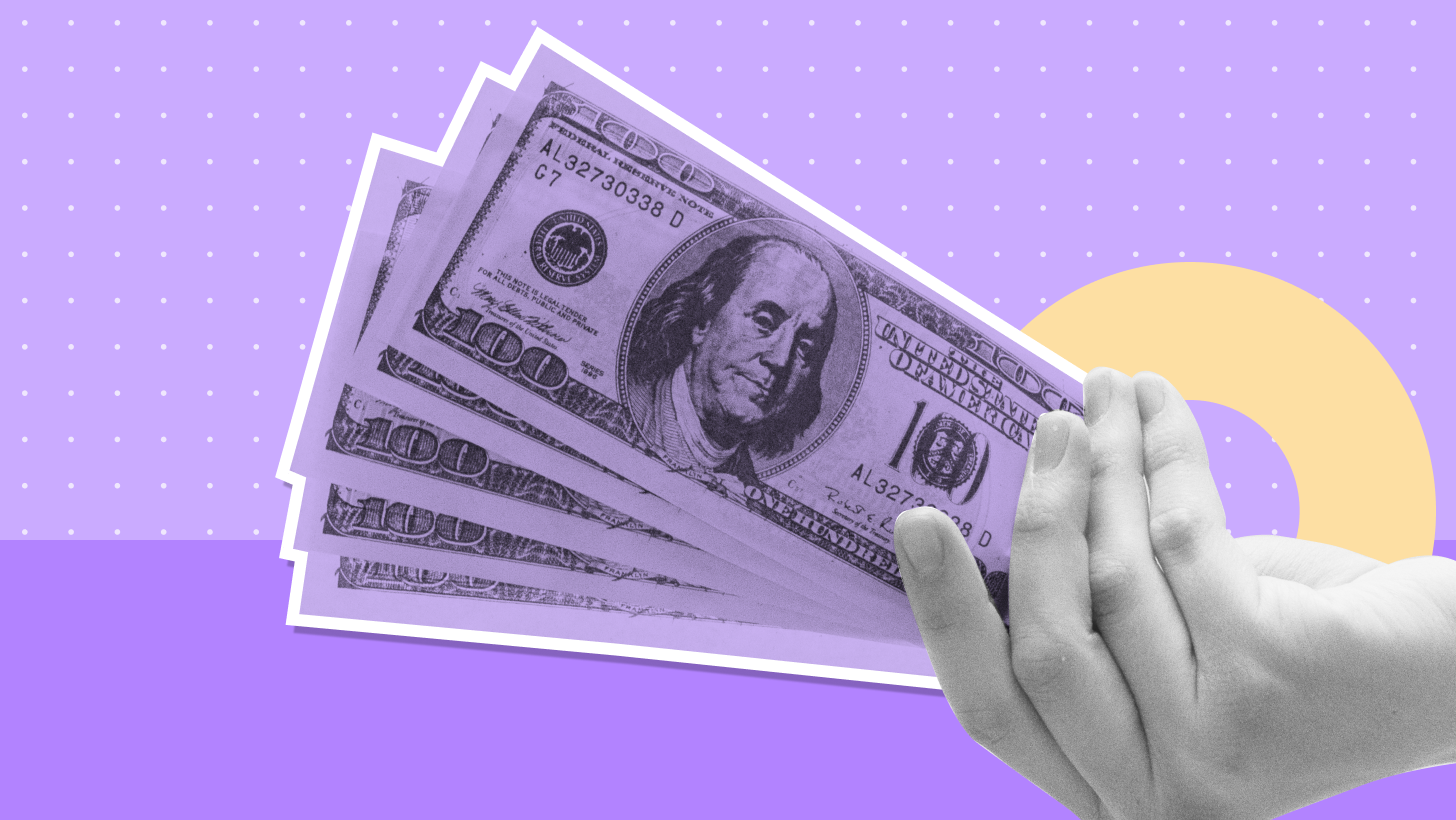
We bet you have never stopped to think about the dollar bills and coins you carry in your pocket, even if you do use them every day. The U.S. currency has purchasing power, of course, but it is also full of interesting facts and quirky details that are a testimony of the nation’s culture, history, and values.

Do you know how many folds it takes for a U.S. bill to tear? Do you know what the bills are made of? In this article, we’ll go through some of the most interesting facts about the history of our money. Read on and find them out!

1
Money Materials

Image: Jorge Salvador

We call them paper bills, but do they undergo the same process as any other paper? Naturally, they don’t. U.S. bills are mainly made of two materials: 75% of their composition is cotton and the 25% left is linen. Besides, they have randomly disbursed red and blue security fibers embedded in the paper.

This special blend is made by only one company in America and that is Crane & Co . The company, based in Massachusetts patented this special blend and it has been the sole provider of paper for currency since 1879.

2
Origin of the U.S. dollar symbol

Image: Paris Bilal

The dollar sign is a matter of debate. One line or two across a capital S, the symbol is today a worldwide sign for money, but where does it come from?

Even if there are several theories as to where the U.S. dollar symbol comes from, all of them agree that it was derived from the Spanish peso . When the time came, and the new nation needed its own currency, the basis was that of the Spanish coinage, which was the most common currency in the colonies before the country’s independence.

The adoption of the sign was made official in 1785, and today, the United States is not the only country that uses this symbol, Canada, Australia, and New Zealand do too!

3
Who appears on the bills?

Image: AR

Having your face forever stamped on the little piece of paper that rules the world should be a milestone in your career, right? However, there were certain rules as to who qualifies to be granted this honor .

Probably, the most surprising, yet the most logical one is that no living person can be portrayed in American currency. Since the Founding Fathers considered it unpatriotic to be portrayed while alive, this was first a tradition and then made official in an Act of Congress in 1866 .

However, contrary to popular belief, this honor is not only reserved for presidents! Anyone who contributes to the nation can be portrayed.

4
Folding Papers

Image: Emilio Takas

Bills come and go all the time. We take them out of our pockets and put them in our purses only to take them out again a few hours later and give them to the shop assistant. For a life that busy, we can only hope the paper is tough enough , right?

Well, as a matter of fact, it is. Compared to regular paper, which can only be folded 400 times before it breaks, money paper can be folded up to 8,000 times before it breaks .

It's not that you’re going to try it out and see, but you can rest assured: Fold your bills away, they can handle it!

5
Damaged Goods

Image: Jp Valery

Even if they can be folded that many times, the life of bills is limited, not to mention accidents happen. Who hasn’t sent a bill to the washing machine by chance?

So, what happens when a bill is damaged? Well, at least 50% of it has to be clearly identifiable for the bank to replace it , otherwise, you’ll just lose your money. You don’t feel like folding them much now, right?

On the other hand, and mainly due to time damage, at least 70% of the new bills are used to replace old bills . These bills, once taken out of circulation are shredded and sent to companies that can recycle them!

6
Security Features

Image: Colin Watts

Counterfeiting has been a problem ever since paper money was created and statistics about which countries counterfeited most of the money are simply shocking. But we won’t get into that.

What we will say is that thanks to technological advancement, the U.S. bill is getting harder and harder to counterfeit. In modern bills, there are at least six security features which are: UV security ribbon, raised printing, microprinting, 3D security ribbon, color-shifting ink, and traditional watermarks. Do you pay attention to them?

7
U.S. Coins

Image: Kenny Eliason

Coin production in America is in charge of the U.S. Mint and there are four production facilities across the country. They are located in Philadelphia, Denver, San Francisco, and West Point.

It is estimated that every year the Mint produces about 16 trillion coins which are valued at over $1.09 billion dollars. What is truly impressive is that Americans throw away an estimated 62 million dollars worth of coins every day!

They may not be worth much alone but don’t throw them away, all of them together can make you rich!

8
Green Ink

Image: maria pagan

Have you ever wondered why the U.S. dollar bills were green? It is not about design or aesthetics, even if we think they look pretty.

The decision to use green ink was a matter of security, in order to prevent counterfeiting. Back then, black and white ink made it easier to create photographic fakes. For that reason, green was the color of choice, and, when paper money was standardized in 1929, it had great acceptance due to the positive connotations of the color . Do you like it?

9
Andrew Jackson’s Take on Paper Money

Image: Elsa Olofsson

Every denomination has an important figure stamped on the front. In the case of the 20-dollar bill, Andrew Jackson was the chosen one.

Jackson was the seventh president of the United States and, even if it is not a rule that only presidents can be portrayed, his contributions gained him this honor.

Ironically, Jackson was not in favor of using paper money. For him, only gold and silver coins should have remained legal tender. After learning this, one can only assume he wouldn’t be so happy to be the face of the 20-dollar bill, right?

10
Facelifts and redesigns

Image: Kenny Eliason

One of the ways of keeping paper money safe and hard to counterfeit is by giving the bills new designs.

New faces were expected to appear in future bills, but, in the meantime, the changes always had to do with the proportions of the elements within each denomination. Bigger faces, rearrangement of the signatures, stuff like that.

Now, these changes and facelifts haven’t reached all the bills. 1-dollar bills haven’t been changed or redesigned ever since 1929. Why is that? Because it is not worth the trouble for criminals to counterfeit. One dollar won’t take them too far!

Culture Culture 6 min read

STORIES BEHIND THE STARS

Hollywood Walk of Fame: take a stroll down 10 stars and their backstories

Image: Ahmet Yalçınkaya

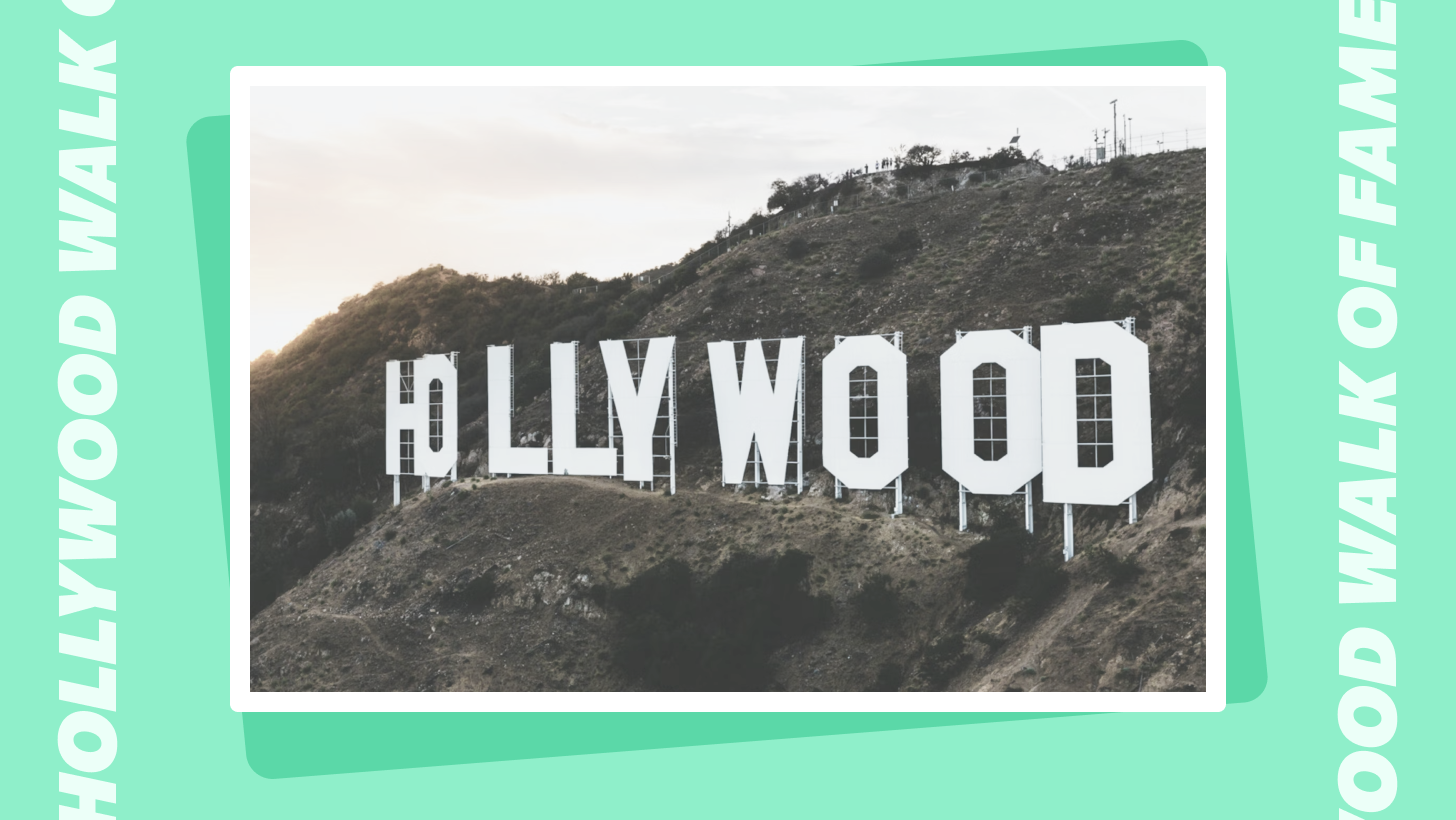
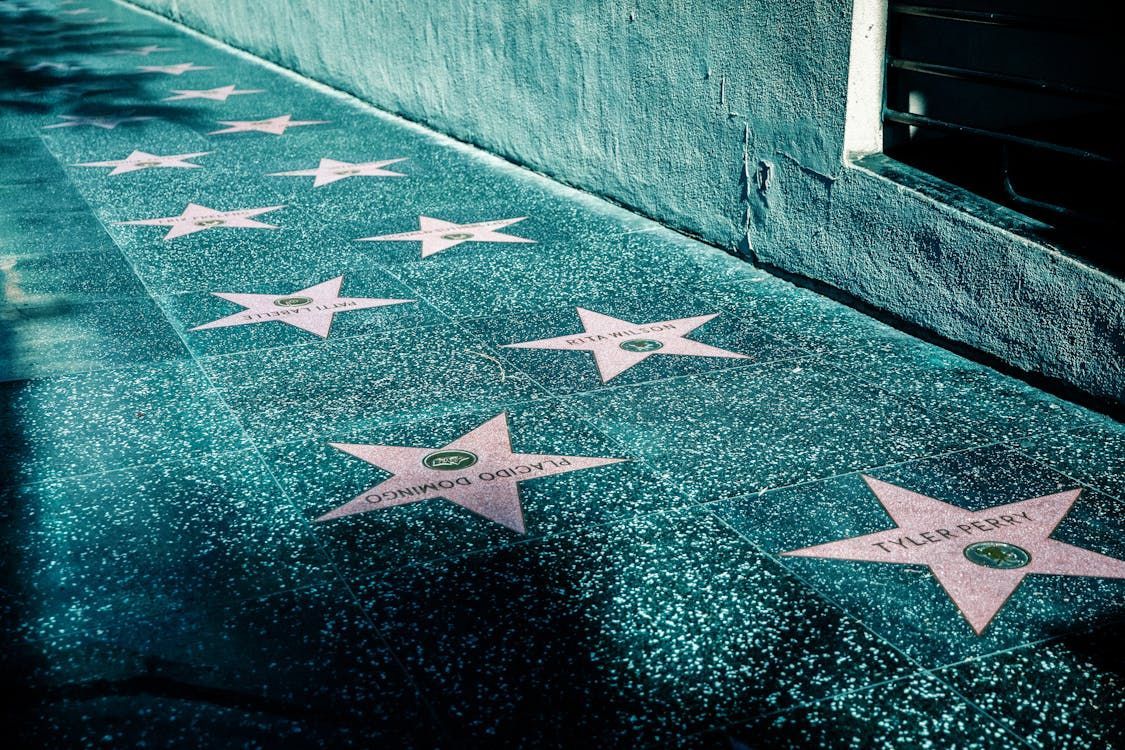
The Hollywood Walk of Fame began in 1958 as a way to celebrate the best of the best in showbiz. Stretching along Hollywood Boulevard and Vine Street, this sidewalk superstar tribute honors actors, musicians, directors, and even a few surprises. To receive a star, celebs are nominated, a fee is paid, and they must attend the big reveal. With over 2,600 stars, it’s the ultimate stroll down memory lane for entertainment lovers. In this article, we’ve gathered ten names that received a star. From the fictional to the very real, here are 10 names that have a star on the Boulevard and an anecdote to go with it!

1
Mickey Mouse: first fictional character

Image: Skitterphoto

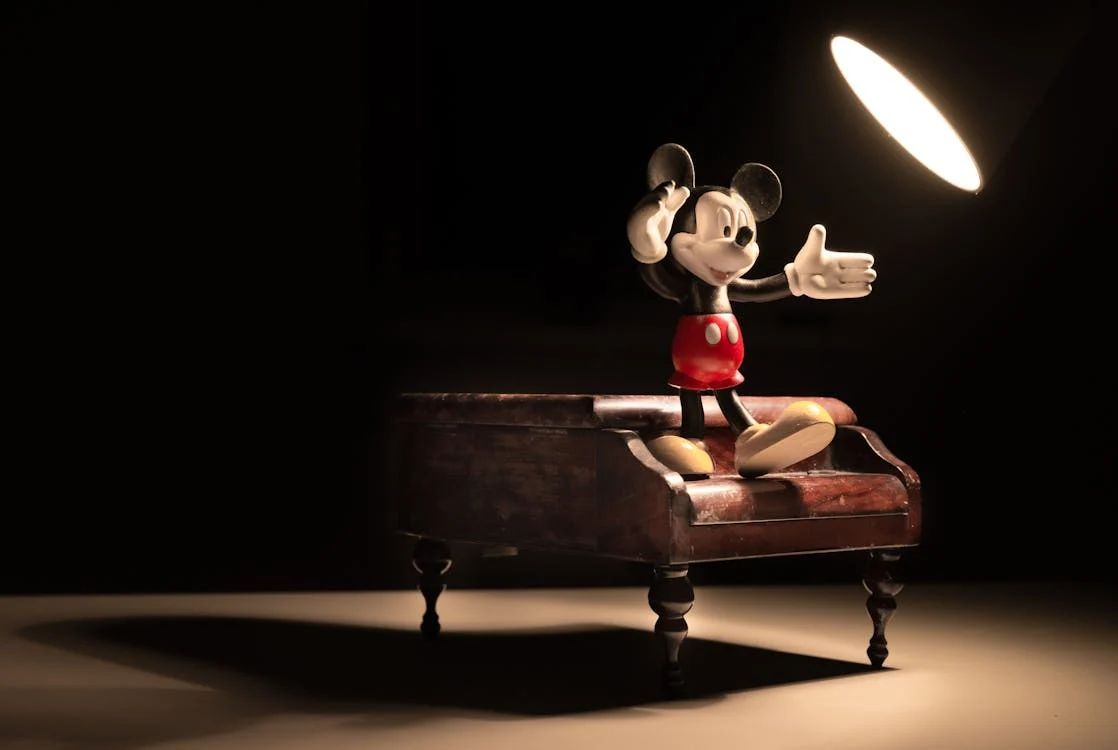
Mickey Mouse, the iconic character created by Walt Disney, became the first fictional character to receive a star on the Hollywood Walk of Fame. Honored in 1978, Mickey’s star celebrates his influence on entertainment and his status as a cultural icon.

The ceremony marked the 50th anniversary of Mickey’s debut in Steamboat Willie , a milestone in animation history. The star is located at 6925 Hollywood Boulevard, a fitting tribute to the mouse who built an empire. Mickey's star paved the way for other beloved fictional characters to be recognized. Animation also holds a special place in Hollywood’s heart!

2
Joanne Woodward: first to be photographed

Image: Noom Peerapong

The beginning of the Walk of Fame was a process rather than a moment, which is why we cannot appoint a single person as the first one to receive this honor. However, Joanne Woodward, an accomplished actress of the 1950s, was the first person ever photographed with a star on the Walk of Fame.

Awarded in 1960, she was part of the very first group of stars to be unveiled. Her star, located at 6801 Hollywood Boulevard, honors her remarkable career in film and television, including her Academy Award-winning performance in The Three Faces of Eve . The image of her kneeling beside her star became an iconic moment in Hollywood history and it was the moment that set the future ceremony tradition around the stars!

3
Gene Autry: how many?

Image: Colton Jones

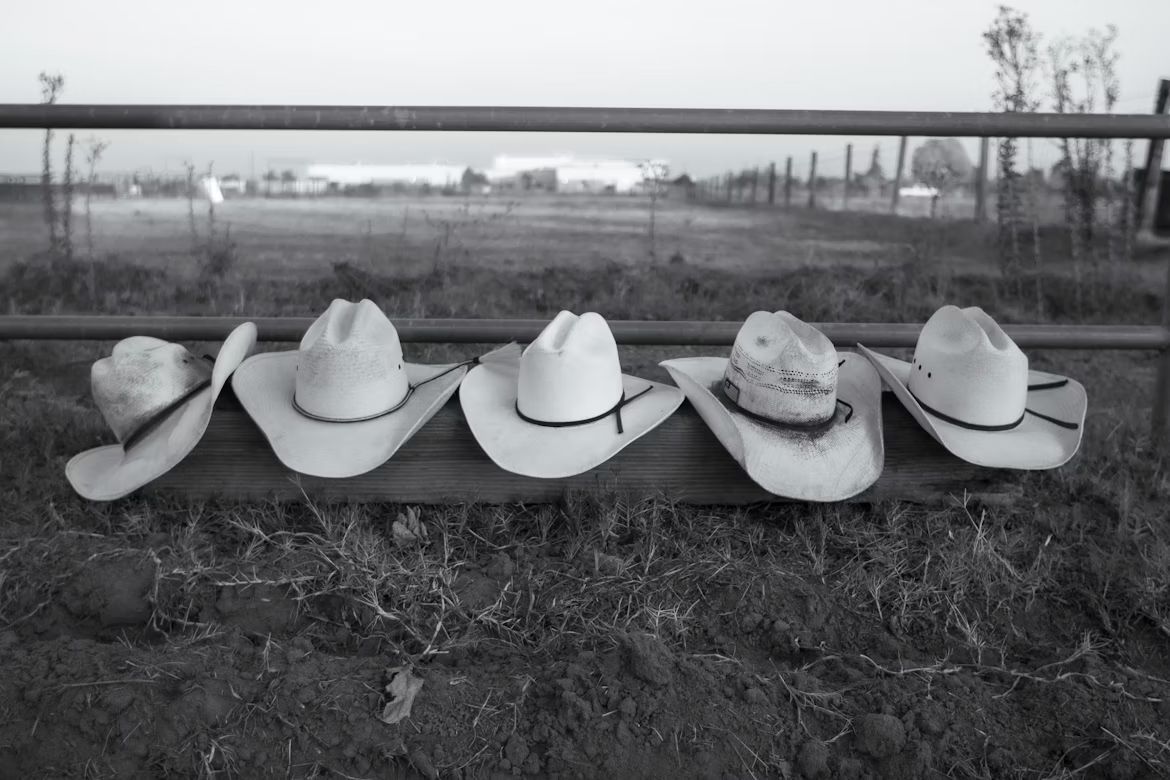
Known as the "Singing Cowboy," Gene Autry is the only entertainer with not one, not two, not even three… but five stars on the Hollywood Walk of Fame! What an accomplishment, don’t you think?

His stars are scattered along Hollywood Boulevard and each one of them represents his contributions to different areas of entertainment: film, television, music, radio, and live performance. Autry’s career spanned decades, and he was a pioneer in popularizing country music and Western films. With so much on his resume, five stars are suddenly not enough!

4
Harrison Ford: which one of them?

Image: Ekaterina Belinskaya

The name "Harrison Ford" appears twice on the Hollywood Walk of Fame, but this is not like Gene Auntry’s case. The two "Ford" stars honor two different individuals. Do you know who they are?

The first star, located at 6665 Hollywood Boulevard, belongs to the silent film actor Harrison Ford, who was active in the early 20th century. The second star, located at 6801 Hollywood Boulevard, honors the modern-day actor known for his roles in Star Wars and Indiana Jones .

Despite sharing the same name, these stars commemorate different careers. It’s a quirky detail that adds an intriguing layer of Hollywood history to the Walk of Fame, don’t you think?

5
Bugs Bunny: what’s up, walk of fame?

Image: Nate Biddle

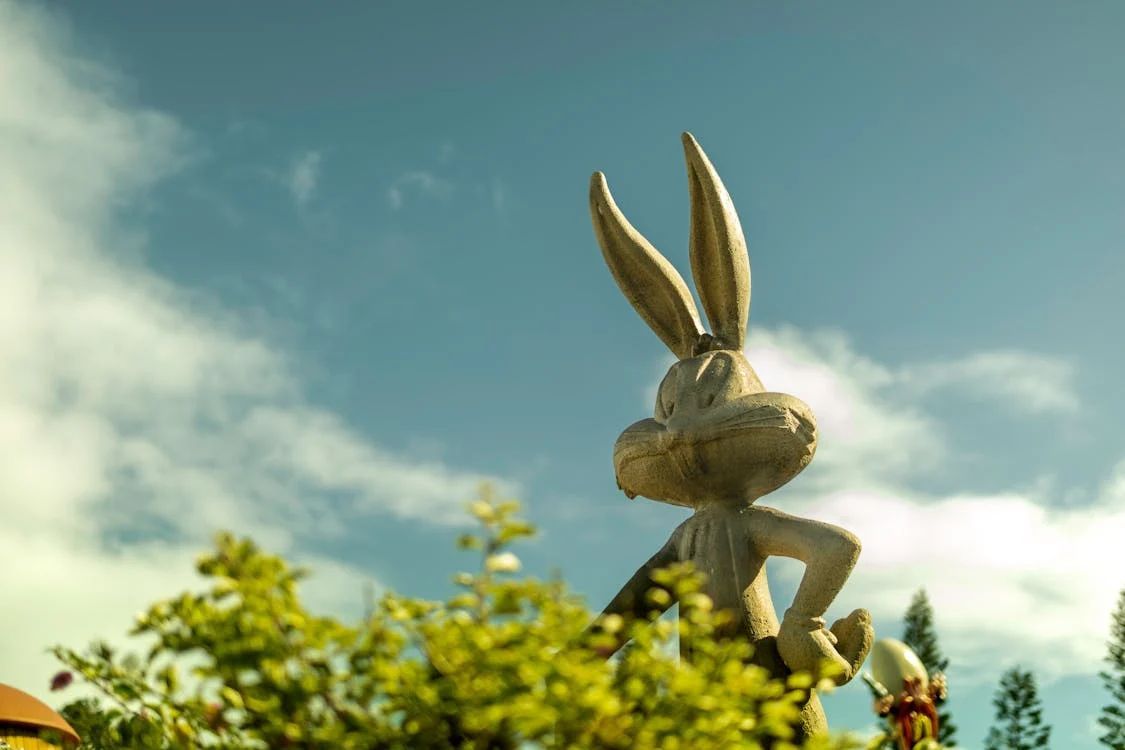
What’s up, doc? Bugs Bunny hopped onto the Hollywood Walk of Fame in 1985, making him one of the most famous cartoon characters to get a star. Voiced by the incredible Mel Blanc, Bugs is known for his snappy comebacks and carrot-chomping swagger.

His star, located at 7007 Hollywood Boulevard, celebrates his role as the ultimate animated troublemaker. Bugs is so much more than just a cartoon character, he has brought laughter and joy to many generations. His star is a fitting tribute to the bunny with brains, who said the Hollywood Walk of Fame was just for real-life entertainers?

6
Ray Bradbury: writing his way to the stars

Image: freddie marriage

Just as fictional characters can have a great impact on Hollywood, so can writers. After all, writers and their work have inspired many movies and series. True as that can be, only two writers have stars on the Walk of Fame.

Ray Bradbury, the literary genius behind Fahrenheit 451 and The Martian Chronicles , got his own star on the Walk of Fame in 2002 . Bradbury’s imagination took us to distant planets and dystopian futures, and Hollywood couldn’t help but take notice. His star at 6644 Hollywood Boulevard honors his profound influence on movies and TV through his books. Only two novelists have stars on the Walk, and Bradbury’s spot is well-deserved. Curious about the other novelist with a star? It’s Sidney Sheldon!

7
Disneyland: a magical addition

Image: Aubrey Odom

If you thought a fictional character receiving a star was a bit unusual, wait until you find out that even some corporations have their own star! But it’s for a good reason, trust us!

Disneyland, the happiest place on Earth, got its own star on the Walk of Fame in 2005. Though it’s not technically on the Walk (city rules, go figure), the star sits right next to it, near Disney’s Soda Fountain on Hollywood Boulevard.

Opened in 1955, the park is a cornerstone of entertainment history, which is why it has received a star. Even without a spot on the official Walk, Disneyland’s star shines just as bright. It’s the ultimate fairy-tale ending!

8
Julia Louis-Dreyfus: a star with a funny twist

Image: cottonbro studio

Now, you haven’t heard the quirkiest detail. The Hollywood Walk of Fame is a place of honor, but that doesn’t mean it’s free of mistakes.

In 2010, Julia Louis-Dreyfus, the comedy queen from Seinfeld and Veep , received her star on the Hollywood Walk of Fame. But here’s the kicker: They misspelled her name as "Julia Luis Dreyfus" at first!

The mistake was quickly fixed, and it became a hilarious story. But a star for a comedian like her couldn’t go without a funny anecdote. Now, her star at 6250 Hollywood Boulevard is spelled correctly and honors her amazing TV career.

9
Dick Van Dyke: spelling erratum

Image: Annie Spratt

Dick Van Dyke, the man who made us all want to sing and dance, received his Walk of Fame star in 1993. But, oops! They misspelled his name initially too! His star read "Vandyke" when it was first installed, but don’t worry the mistake was soon fixed.

The mix-up was corrected, and his star at 7021 Hollywood Boulevard now proudly displays his name the right way. Van Dyke’s star honors his legendary career in TV and film, from Mary Poppins to The Dick Van Dyke Show . The little hiccup just adds to the fun-loving spirit of his legacy. After all, if anyone can laugh off a typo, it’s Dick Van Dyke!

10
Lassie: everyone’s best friend

Image: Kanashi

Who didn’t wish to have a dog like Lassie at home? Lassi is the most famous collie in the world and she got her star on the Hollywood Walk of Fame in 1960. Well, at least the character did because, spoiler alert, Lassie was played by many dogs!

Lassie’s star, located at 6368 Hollywood Boulevard, honors her role as TV’s favorite four-legged hero. She’s one of only four dogs to receive a star, and honestly, she deserves it for all the lives she’s "saved" on screen.

The star isn’t just for one dog, it’s for every amazing canine that played Lassie over the years. It was only fair that a man’s best friend received a star on such an iconic street!

Explore more American facts

Choose your favorite category!

General
General

As American as apple pie—the very best America has to offer!

Culture
Culture

Delve into the astounding richness of American lore.

Geography
Geography

Hop in and explore vast and diverse American landscapes.

History
History

Discover the key moments that shaped the United States.