Geography Geography 5 min read

Tales from the Heartland

Bread, lakes, and planes: 10 fascinating facts about the American Midwest
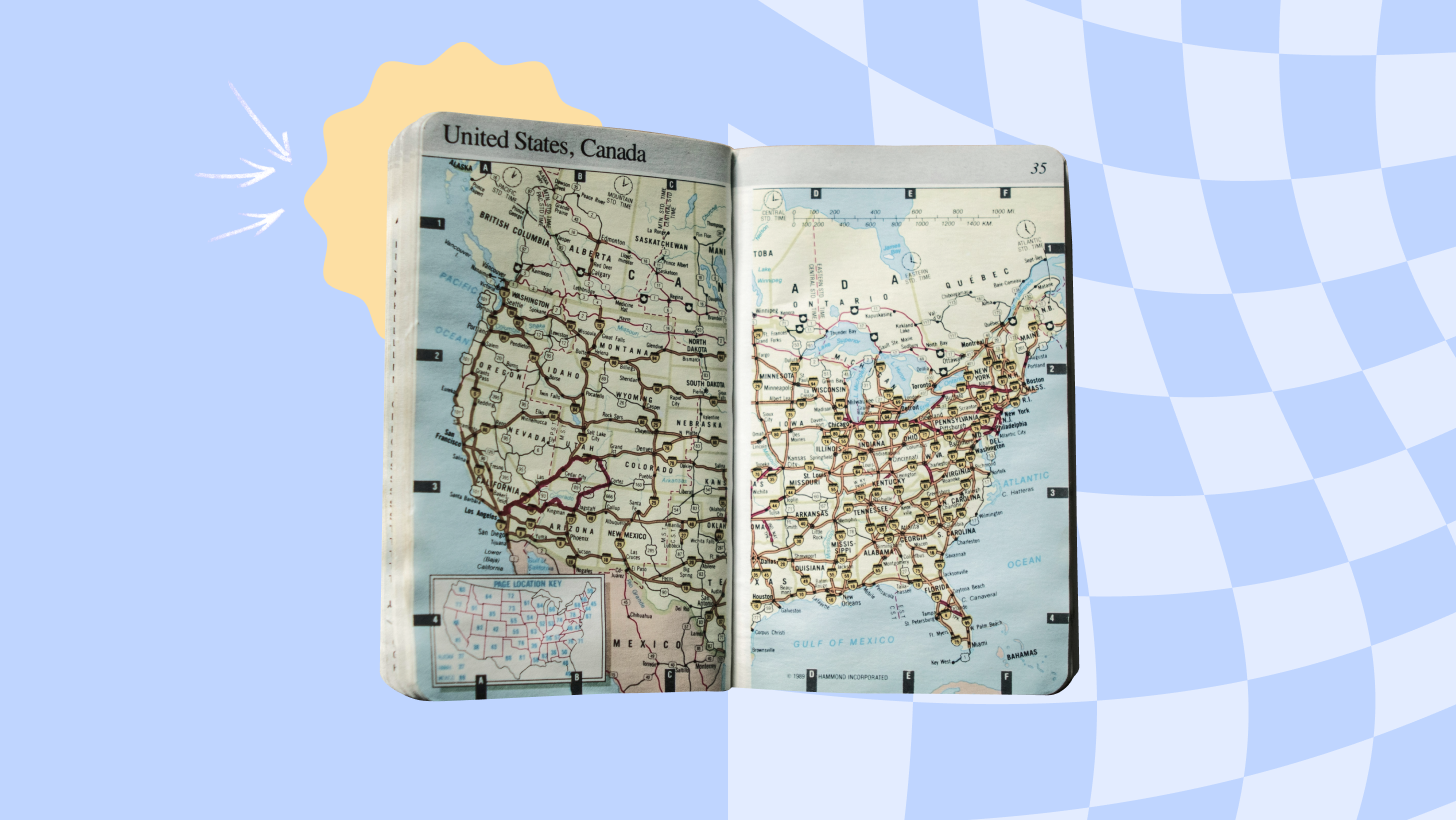
Image: Domino Studio

Often referred to as America’s Heartland, the Midwest safeguards a treasure trove of history, culture, and natural beauty. More than just the nation’s breadbasket, it has helped shape the very essence of the American identity. From airplanes to Mount Rushmore, it boasts a legacy that's hard to top! Join us as we explore some fascinating facts that prove the Midwest is still pumping blood into the veins of America.

1
Ohio: Birthplace of aviation

Image: History in HD

Ohio proudly claims the title "Birthplace of Aviation," being the home state of the Wright brothers. While the first successful flight actually took place in North Carolina, above the sand dunes of Kitty Hawk, most of the brothers' ideas were first developed back in their bicycle shop in Dayton, Ohio.

Their achievement made headlines worldwide, and soon the brothers secured their first military contract for the aircraft that would become the first practical airplane sold commercially. As symbols of American ingenuity, these two Ohioans are remembered for their innovative spirit and determination to succeed—qualities central to the Midwest spirit.

2
Michigan: Freshwater coast
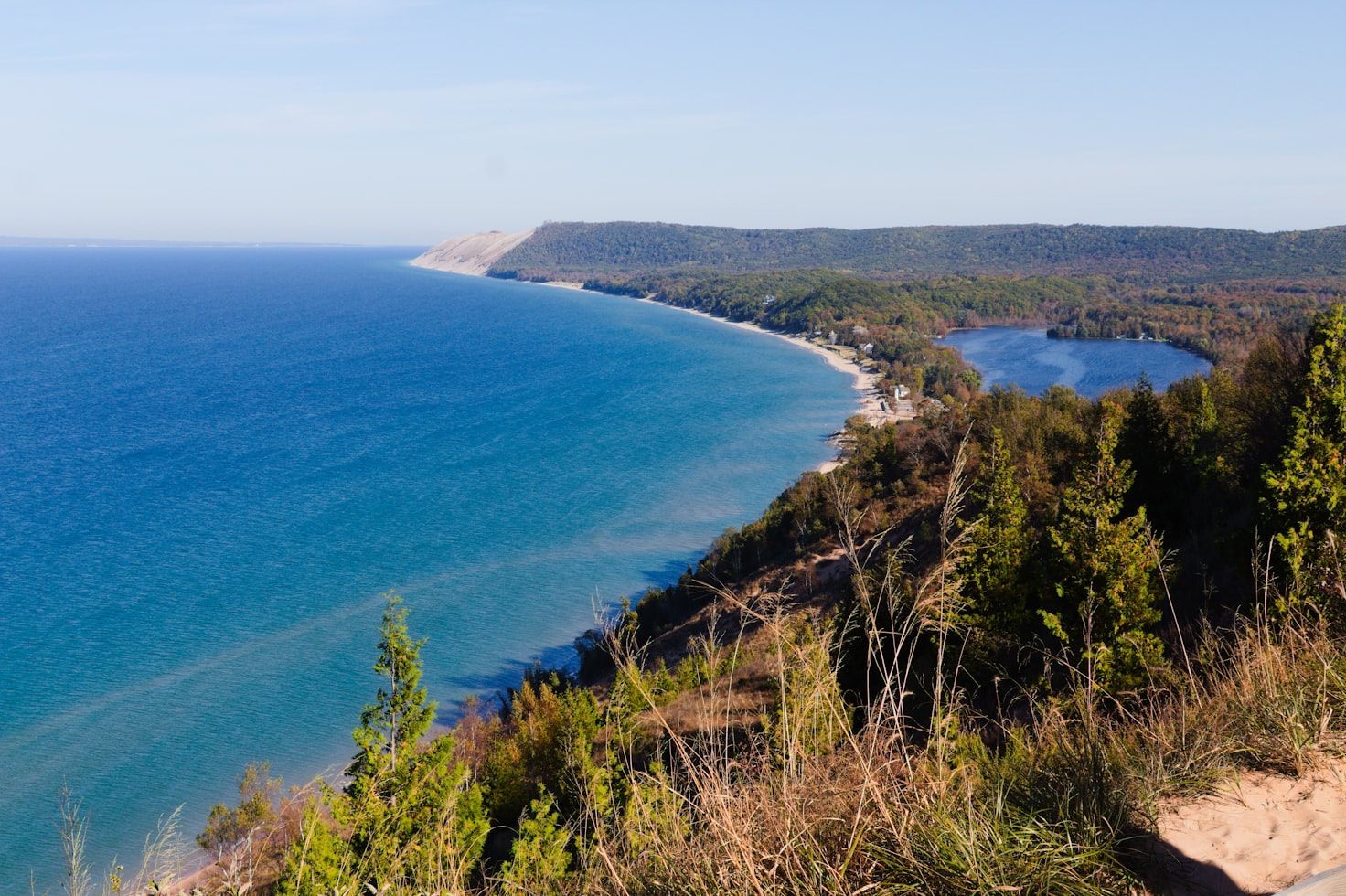
Image: Jeff DeWitt

Michigan is home to the largest freshwater coastline in the United States, thanks to its proximity to four of the five Great Lakes. This vast "unsalted" coast is a crucial part of America’s natural heritage. In fact, Michigan has the highest percentage of water area among all states, with a whopping 41.5% of its surface covered by water!

Its 3,288 miles of freshwater shoreline offer stunning scenery and numerous recreational opportunities, making it a popular destination for tourists. As part of the nation's natural legacy, the Great Lakes also serve as a vital resource, providing freshwater and transportation for neighboring states and industries.

3
Wisconsin: Dairyland legacy
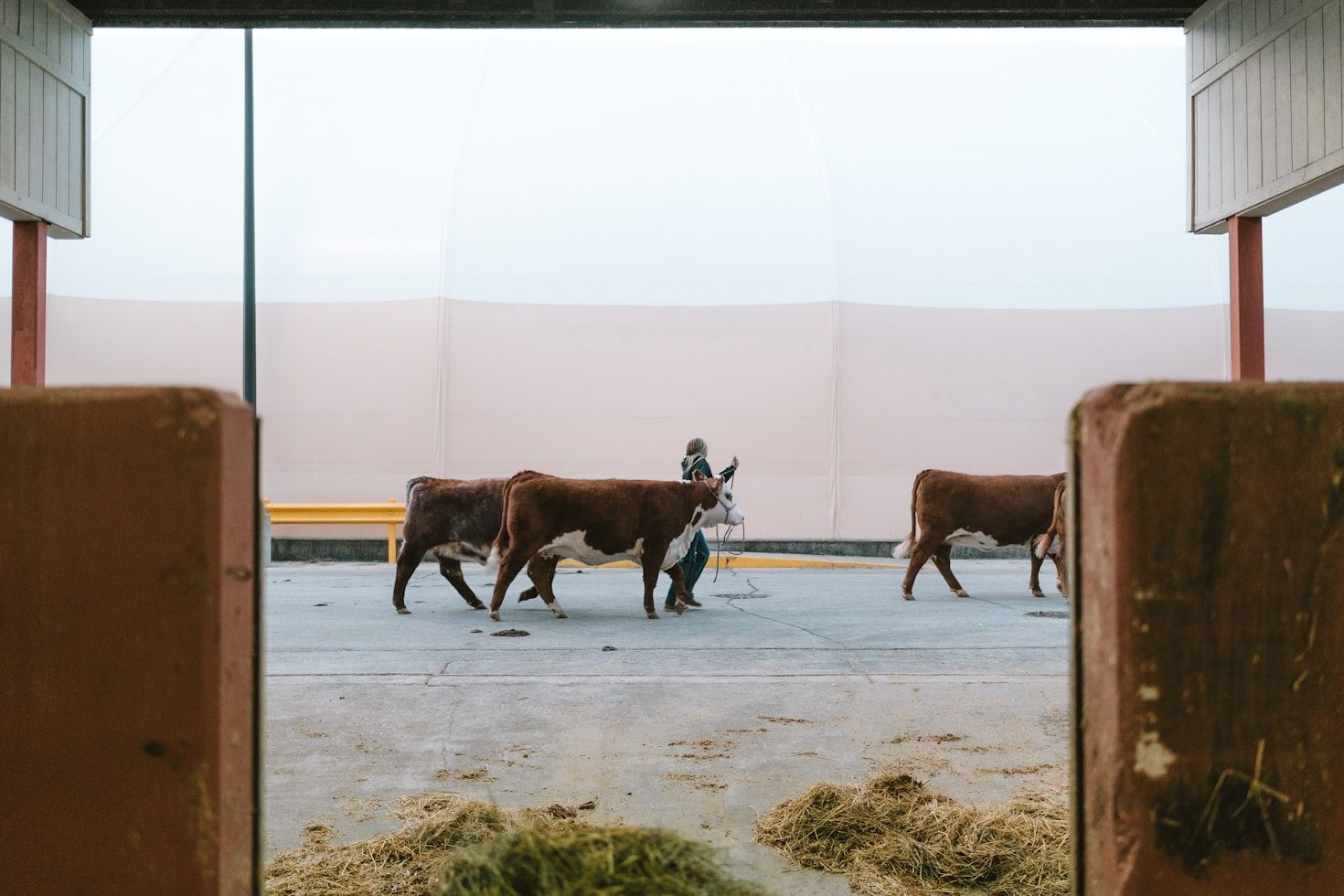
Image: Josh Turner

As the nation’s leading producer of cheese and other dairy products, Wisconsin is rightly known as "America’s Dairyland." Furthermore, the Badger State's dairy industry dating back to the 19th century, is deeply intertwined with its cultural and economic identity.

The commitment of Wisconsin's farmers to quality and innovation has made the state a cornerstone of American agriculture. Wisconsin cheese, renowned for its variety and excellence, is a staple of the American diet, enjoyed by millions across the nation.

4
Illinois: Land of Lincoln
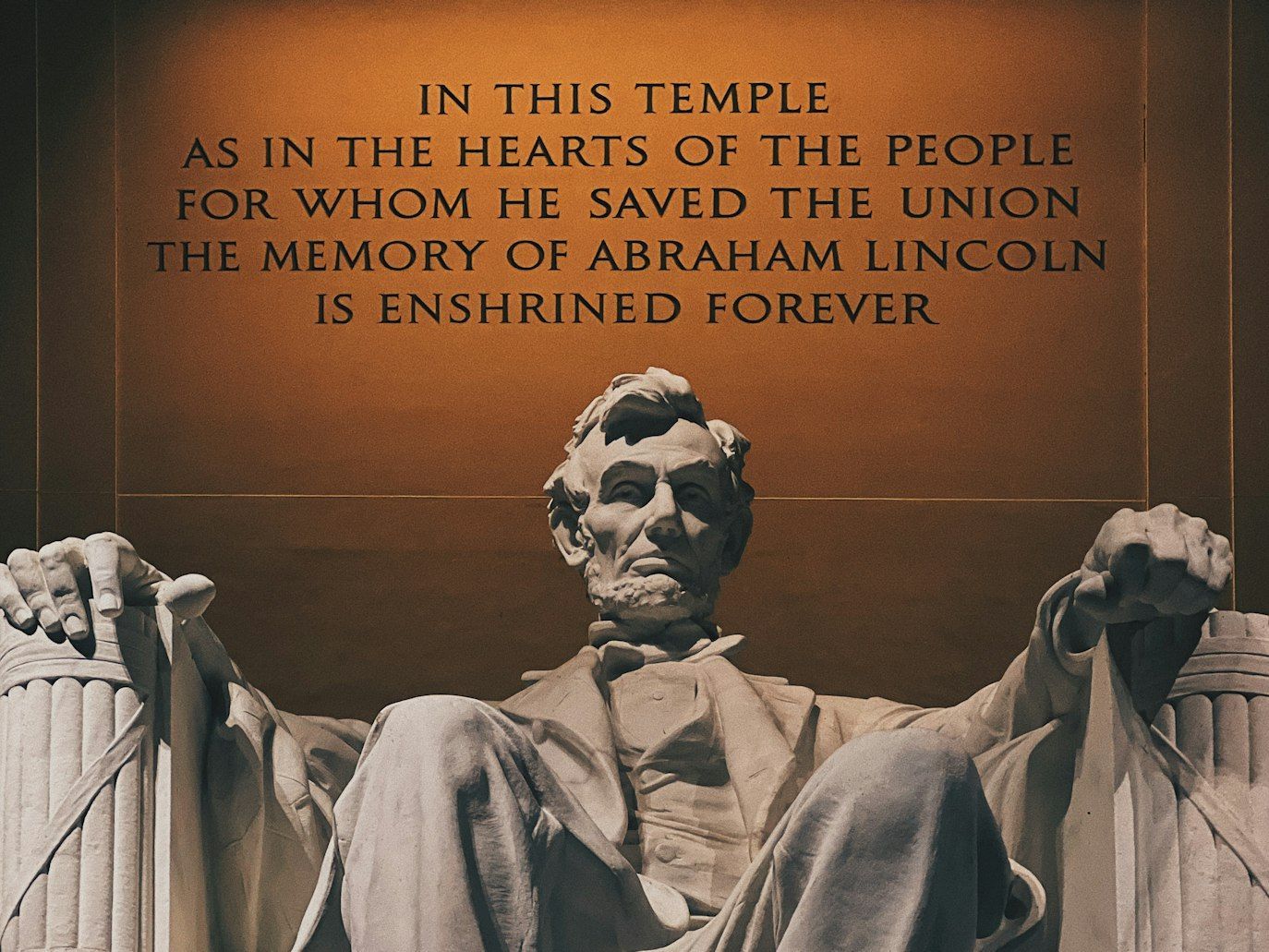
Image: Naomi August

Illinois is often referred to as the "Land of Lincoln," honoring its deep connection to Abraham Lincoln, one of America’s most revered presidents. Though Lincoln was actually born in Kentucky, he spent his formative years in Illinois.

It was here that he began his political career and developed the ideals that would guide the nation through its most challenging period. Illinois honors Lincoln’s legacy through numerous monuments and the Abraham Lincoln Presidential Library and Museum, which houses the largest collection of Lincoln-related documents and artifacts in the world.

5
Indiana: Racing capital
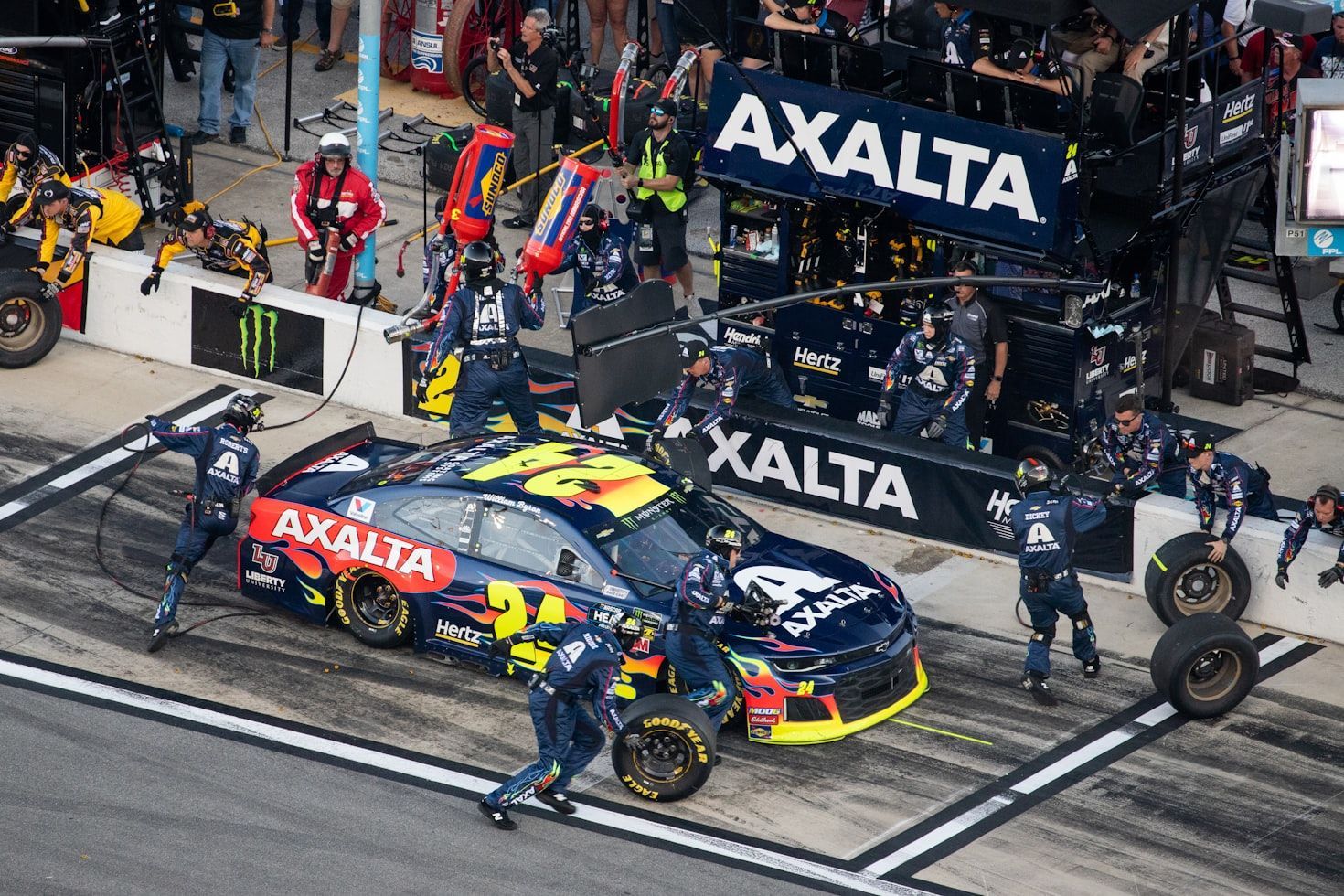
Image: Andrew Roberts

Indiana is home to the Indianapolis Motor Speedway, the world-famous venue for the Indy 500, a race that epitomizes America’s love for speed, engineering, and sportsmanship. Since its inaugural race in 1911, the Indy 500 has been a symbol of innovation and endurance.

These racing events are a key part of the region's identity, attracting hundreds of thousands of spectators annually, both nationally and internationally. Interestingly, the Indianapolis Motor Speedway is also one of the largest sports venues in the world, with a seating capacity of over 250,000.

6
Minnesota: The land of 10,000 lakes
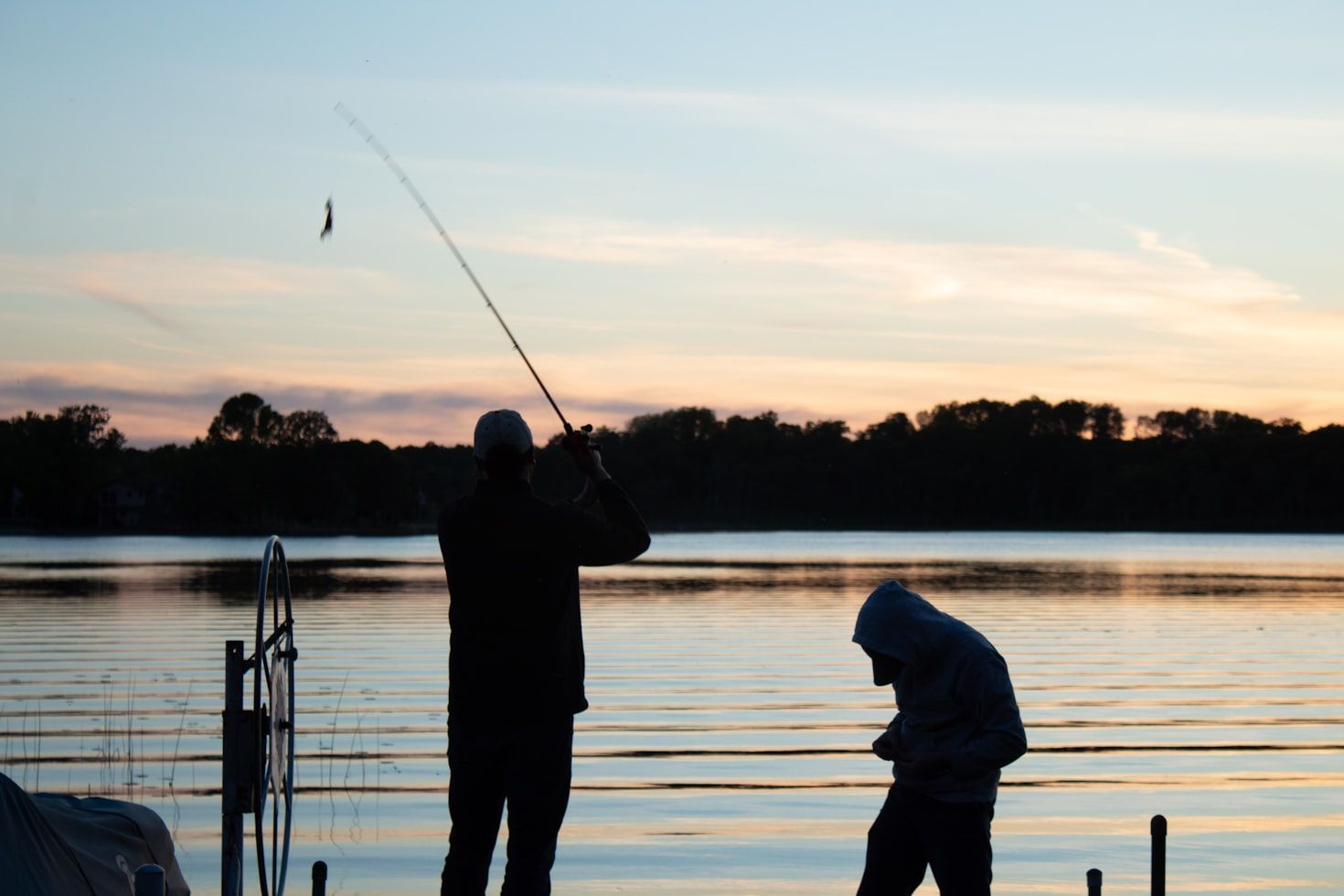
Image: Laura Kessler

Minnesota, known as the "Land of 10,000 Lakes," actually boasts over 11,000 lakes, making it a paradise for outdoor enthusiasts and a cornerstone of America’s biodiversity. The state's unwavering commitment to preserving these natural wonders has made these lakes a vital resource for both native wildlife and tourism.

The Boundary Waters Canoe Area, a wilderness area with over 1,000 pristine lakes, is one of the most visited natural attractions in the United States, drawing nearly 150,000 visitors annually. These lakes also play a crucial role in supporting diverse ecosystems, providing habitats for over 200 species of birds and countless other wildlife.

7
Missouri: The gateway to the West
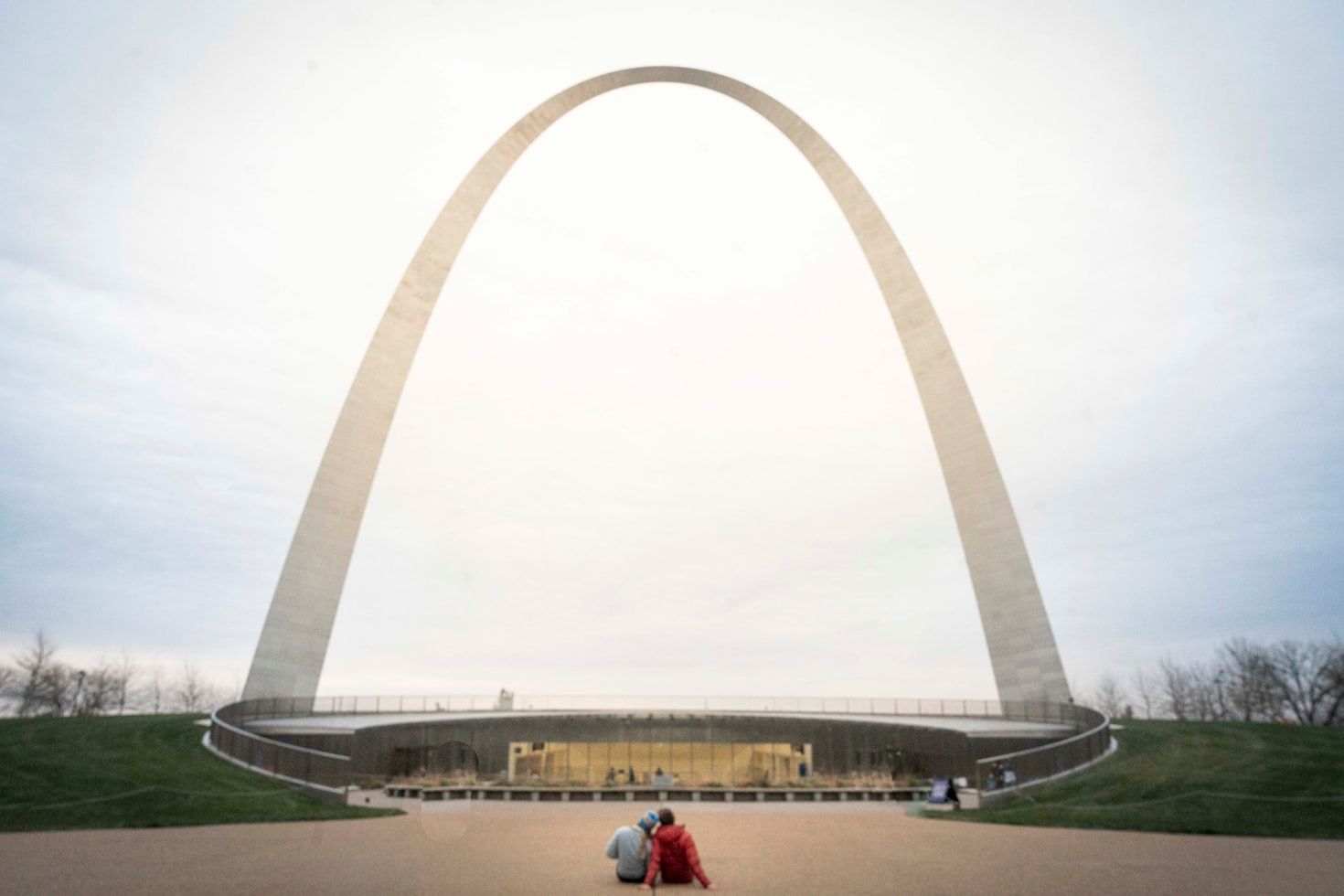
Image: Intricate Explorer

The Gateway Arch in St. Louis, Missouri, stands as a monumental symbol of America’s westward expansion and the pioneering spirit that built the nation. Located at the site of St. Louis's founding in 1764, on the west bank of the Mississippi River, the towering monument was designed by Finnish-American architect Eero Saarinen and completed in 1965.

The 630-foot-tall arch represents the "gateway to the West," honoring the daring pioneers who ventured into the unknown to expand the nation’s borders. The Gateway Arch is also the tallest man-made monument in the United States and is part of the Jefferson National Expansion Memorial, which commemorates not only the pioneers but also the Louisiana Purchase—a key moment in America's territorial expansion.

8
Kansas: America’s breadbasket
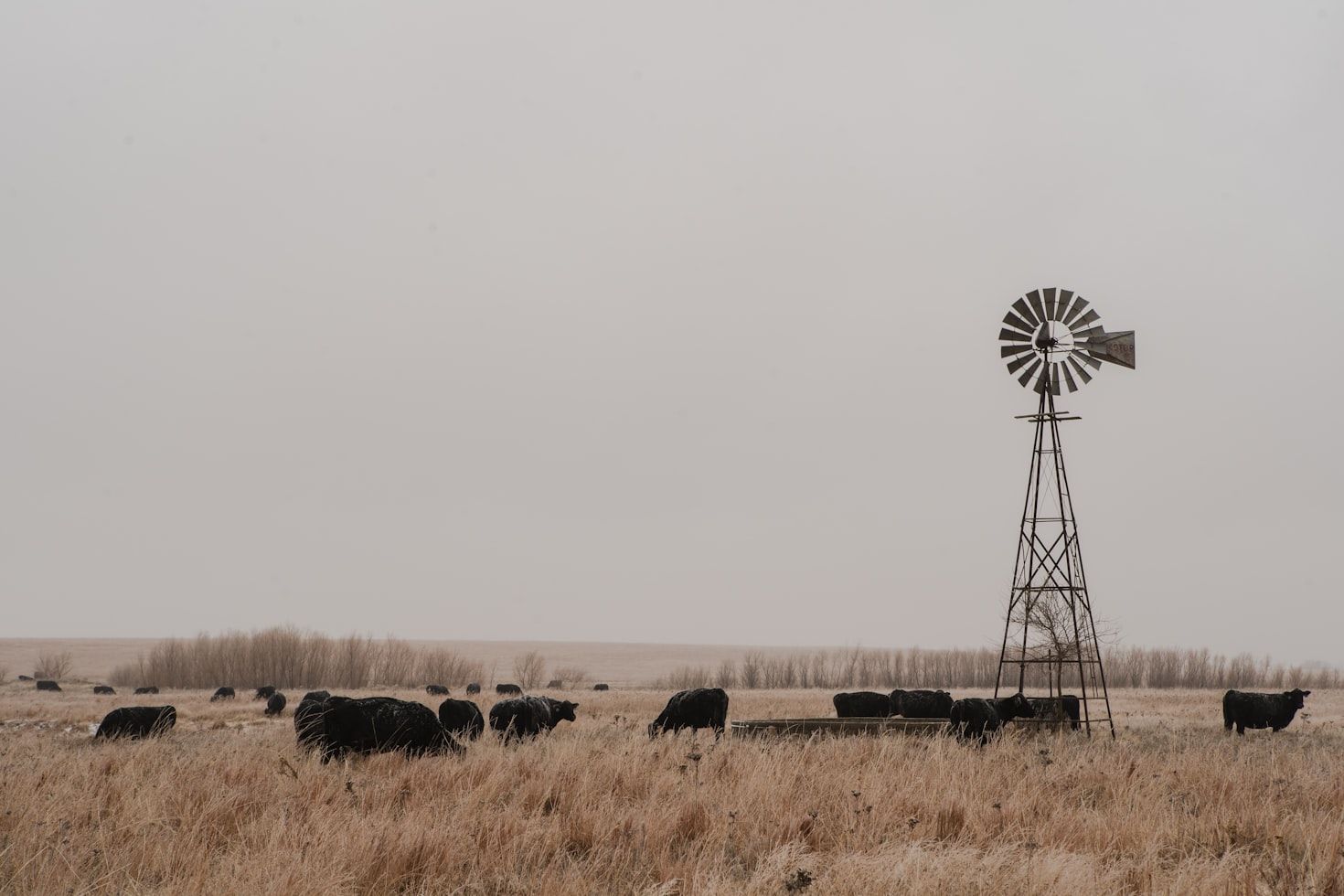
Image: Josh Redd

Often called the "Breadbasket of America" due to its vast wheat production, Kansas's wheat fields are a cornerstone of American agriculture, feeding millions both in the United States and around the world. With its rich, fertile plains, the state has been a major agricultural hub since the 19th century.

Kansas consistently ranks among the top wheat-producing states in the country, contributing approximately 15% of the total U.S. wheat supply. Other leading crops include alfalfa, hay, oats, barley, and corn. This significant output supports not only domestic food production but also exports to international markets, making Kansas a key player in global food security.

9
Iowa: First-in-the-Nation Caucuses

Image: Clay Banks

The Iowa caucuses have been the starting point for presidential campaigns since 1972, often setting the tone for the national race. This unique role gives Iowa outsized influence in American politics, as candidates focus their early efforts on winning over the state’s voters.

Although caucus-goers may not fully represent the nation’s overall demographics, the Iowa caucuses are still seen as a strong indicator of a candidate’s potential performance in subsequent contests. Candidates who perform poorly in the Iowa caucuses frequently drop out in the following days.

10
South Dakota: Mount Rushmore
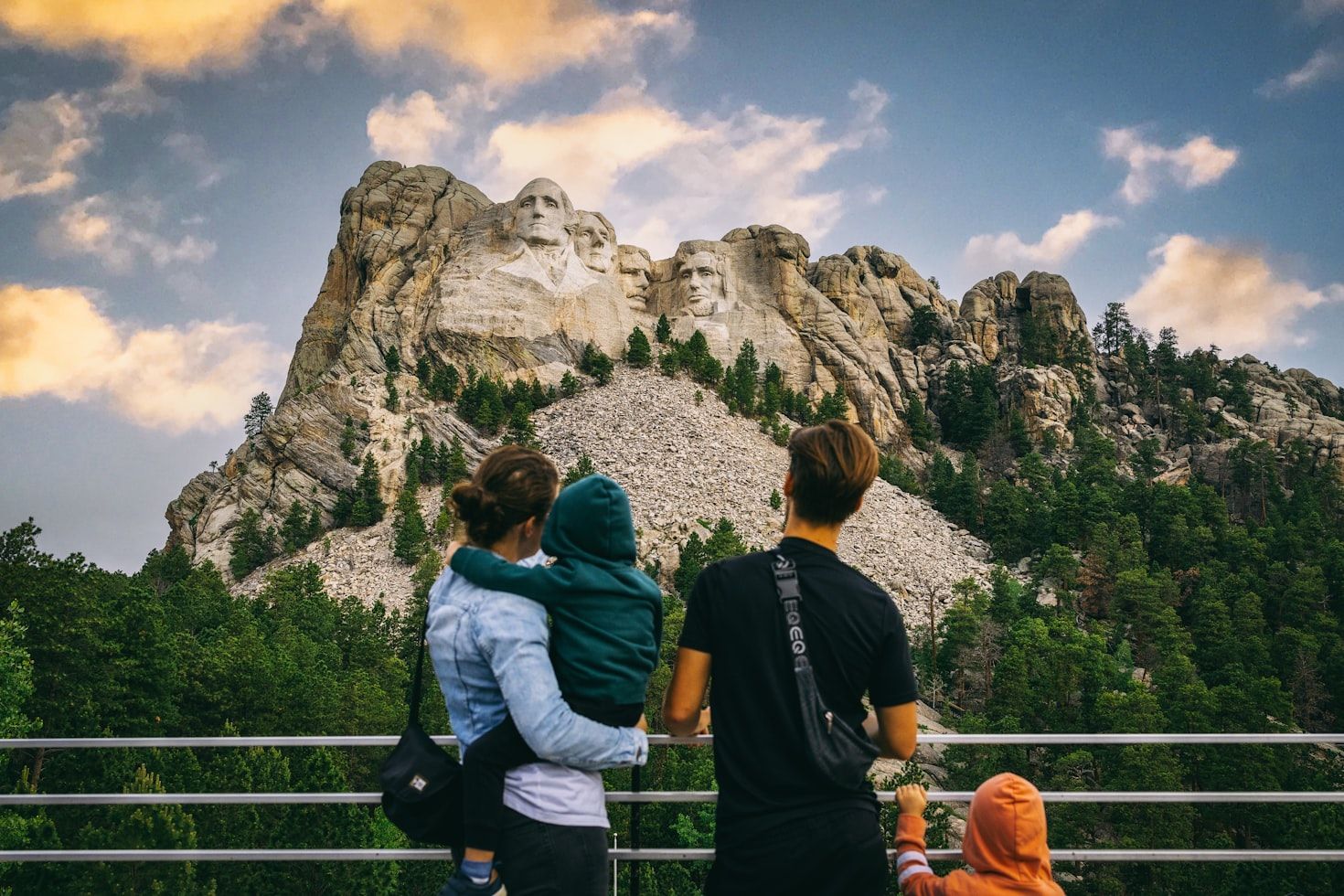
Image: Nils Huenerfuerst

Mount Rushmore, located in South Dakota, is one of the most iconic symbols of American history, featuring the carved faces of four U.S. presidents. Completed in 1941, Mount Rushmore celebrates the leadership and vision of Presidents George Washington, Thomas Jefferson, Theodore Roosevelt, and Abraham Lincoln.

This monumental sculpture represents the nation’s ideals and the enduring legacy of its leaders. Carved into the Black Hills, the granite faces on Mount Rushmore each measure about 60 feet tall. No wonder the entire project took 14 years to complete! Nowadays, the site attracts over 2 million visitors annually, making it a central landmark in American cultural heritage.

Culture Culture 3 min read

From fame to oblivion

History's hidden legends: How these Americans defied the odds

Image: The New York Public Library

America has produced more than its fair share of legends, but not all are remembered equally. From pioneers of technology to forgotten war heroes, each of these names once meant something big in the U.S. Here's a look at 10 American icons whose legacies deserve a second glance.

1
Hedy Lamarr

Image: Geoffroy Berlioz

Best known for her 1930s–40s film career, Hollywood icon Hedy Lamarr also co-invented frequency-hopping spread spectrum technology to prevent enemy jamming in WWII. And if you think it’s no big deal, know it’s the basis for modern Bluetooth and Wi-Fi!

While largely overlooked as an inventor at her time, she was posthumously inducted into the National Inventors Hall of Fame in 2014.

2
Sybil Ludington

Image: Taylor Brandon

According to many historians, at just 16 years old, Sybil Ludington rode about 40 miles through the night in 1777 to alert American militia of a British attack on Danbury, Connecticut.

This would make her ride roughly twice as long as Paul Revere’s . While some scholars question the veracity of her story, a statue stands in her honor in Putnam County, New York.

3
Bass Reeves

Image: Pramod Tiwari

Born into slavery in 1838, Reeves became one of the first Black U.S. Deputy Marshals west of the Mississippi. He made over 3,000 arrests during his law enforcement career.

Many historians believe his exploits may have inspired the Lone Ranger character, although his name rarely appears in history textbooks.

4
Mary Edwards Walker

Image: David Trinks

A Civil War surgeon and suffragist, Walker treated soldiers on the front lines and was even captured as a prisoner of war.

In 1865, she became the first woman to ever receive the Medal of Honor. Her unorthodox dress style and fearless activism made her a striking figure in 19th-century America.

5
Clara Barton

Image: Kevin Paes

Known as the "Angel of the Battlefield," Barton provided medical care during the Civil War and later founded the American Red Cross in 1881.

Though once a household name, her legacy has faded compared to other, more widely remembered wartime figures.

6
Joshua Lawrence Chamberlain

Image: Chris Chow

A college professor turned Union colonel, Chamberlain famously held Little Round Top during the Battle of Gettysburg, a pivotal moment in the Civil War.

He was awarded the Medal of Honor and later became governor of Maine, but his unexpected battlefield brilliance is often overlooked in Civil War discussions.

7
Robert Smalls

Image: Ian Hutchinson

In 1862, Smalls, a formerly enslaved sailor, seized a Confederate ship and delivered it to Union forces, securing freedom for himself and his crew.

He later served five terms in Congress, advocating for Black education and civil rights.

8
Harvey Wiley

Image: Diana Polekhina

Known as the "Father of the FDA," Harvey Wiley was a chief chemist in the late 1800s whose "Poison Squad" tested various food additives, leading to the 1906 Pure Food and Drug Act.

This law laid the foundation for the FDA and led to the removal of many dangerous substances from consumer products. Notably, it prompted Coca-Cola to eliminate cocaine from its formula in the early 20th century.

9
George Washington Carver

Image: Dan Meyers

More than just being associated with peanuts, George Washington Carver developed numerous innovative crop rotation methods and created over 300 uses for peanuts, sweet potatoes, and other plants to help Southern agriculture recover after the Civil War.

10
Joe Medicine Crow

Image: Boston Public Library

The last war chief of the Crow Nation, Joe Medicine Crow, completed several traditional war deeds during WWII—including counting coup and stealing enemy horses —and earned both the Bronze Star and the French Légion d’honneur.

Part of his legacy was bridging Native American warrior traditions with modern military service, honoring both cultural heritage and patriotic duty.

Geography Geography 3 min read

10 American train stations that are a work of art

Image: Brady Hood

Many of America's train stations are much more than just transit hubs; they are authentic architectural marvels with distinct designs and rich histories. Built mostly in the first half of the 20th century, these spaces reflect the culture and confidence in the future of our nation. Would you like to know more? Join us as we go through 10 railway stations that make this country proud.

1
Union Station, Washington, D.C.

Image: Caleb Fisher

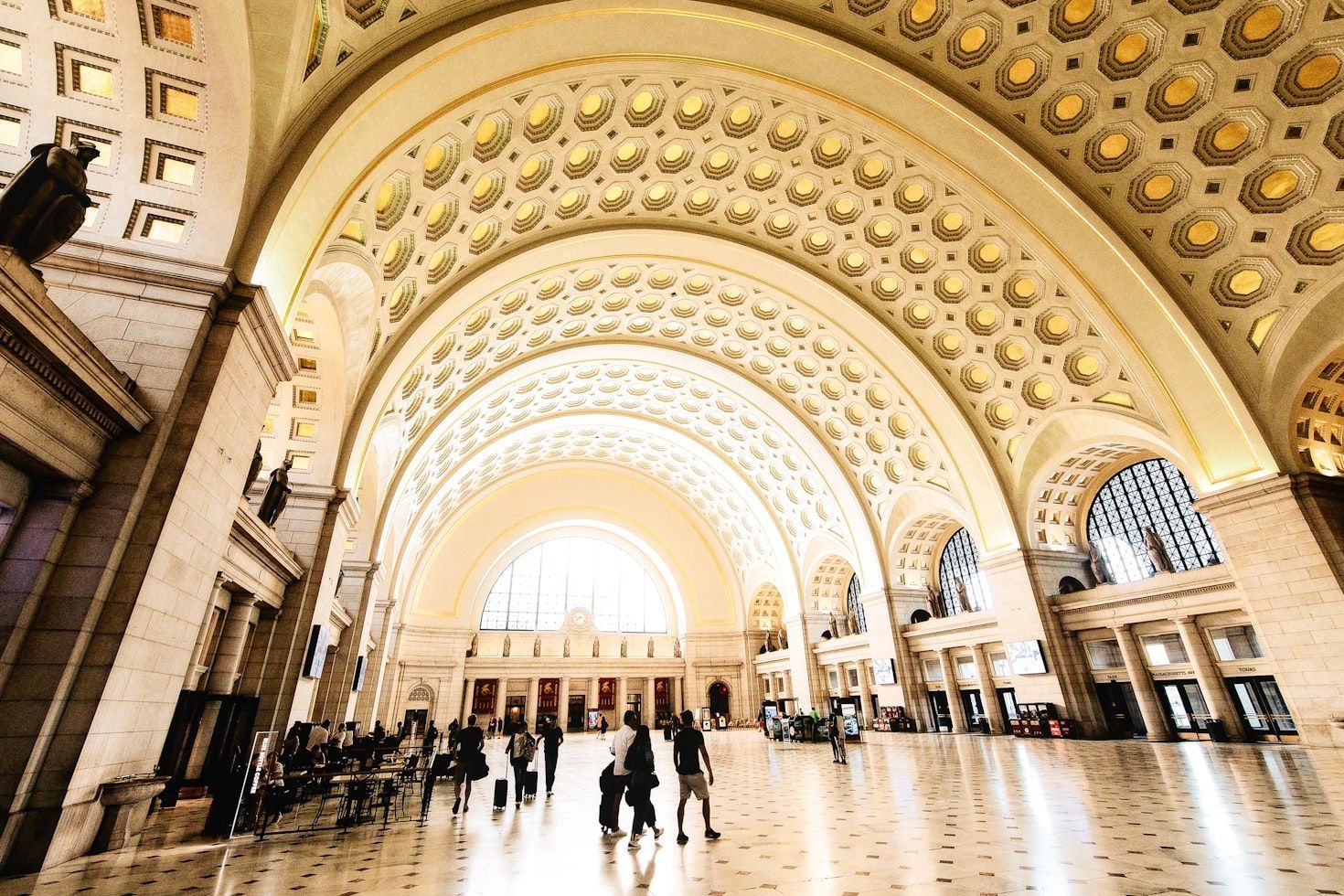
Washington Union Station, opened in 1907, is a fine example of Beaux-Arts architecture. Built to serve as one of the busiest transit hubs in the country, no expense was spared. The architect was inspired by ancient Roman baths. The main hall is guarded by rows of marble centurions, and the coffered ceiling is laced with gold leaf. If you want to contemplate marvellous architecture while having lunch alongside city workers and members of Congress, this is the place!

2
Penn Station, New York City

Image: c

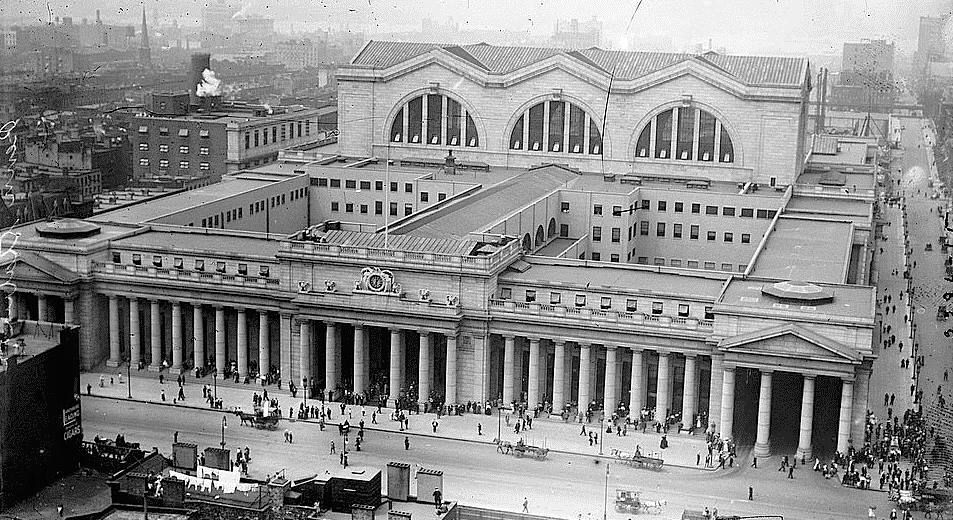
Probably one of the world’s greatest railway stations was built in New York in 1910. And we are not talking about the famous Grand Central Terminal. The original Beaux-Arts building that was once home to Penn Station in Manhattan was an architectural masterpiece. It boasted grandiose interiors, huge waiting areas, and granite Doric columns. Unfortunately, in 1963, it was demolished to make room for Madison Square Garden, forcing the station to go underground.

3
Penn Station, Newark

Image: Pixabay

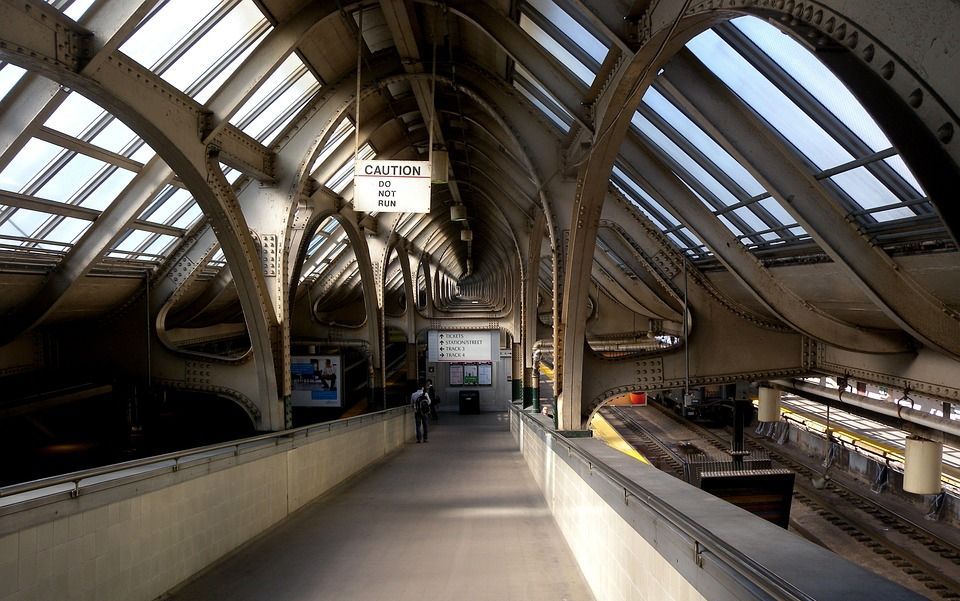
Penn Station in New York may not have survived, but a smaller-scale version still stands in Newark. New Jersey’s Neoclassical and Art Deco marvel was built in 1935 by the same architectural firm as the one in Manhattan. Featuring ornate archways, red terrazzo flooring, and green terracotta decorations, it may be less grandiose than its predecessor, but it still maintains much of its glamour.

4
30th Street Station, Philadelphia

Image: Nils Huenerfuerst

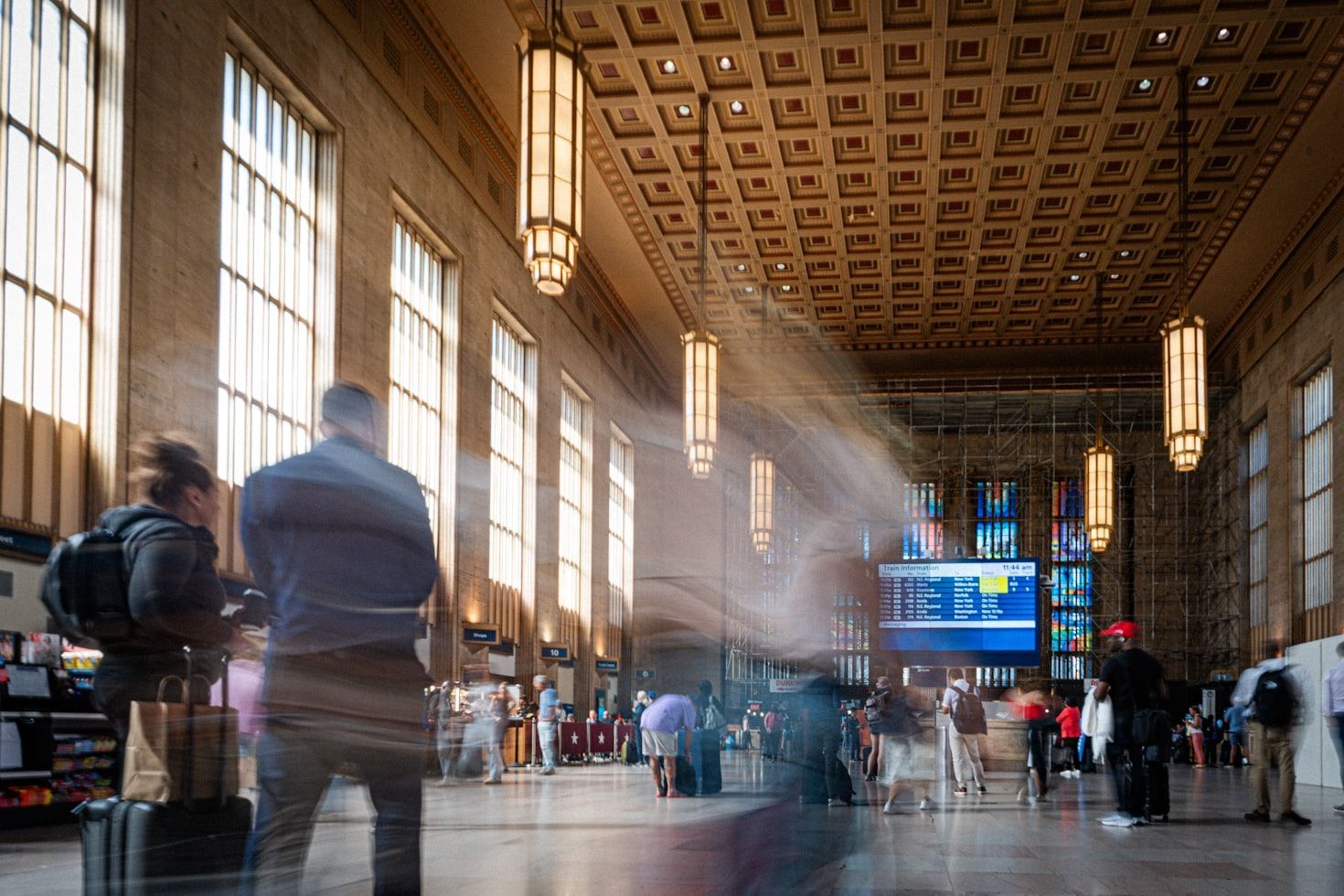
Completed in 1933, 30th Street Station in Philadelphia features a Neoclassical facade framed by 70-foot Corinthian columns. Inside, a spectacular Art Deco main concourse with a coffered ceiling adds to the station’s opulence. Fortunately, this terminal managed to preserve its former glory, and it is still in use today.

5
Main Street Station, Richmond

Image: Tangie Bodden

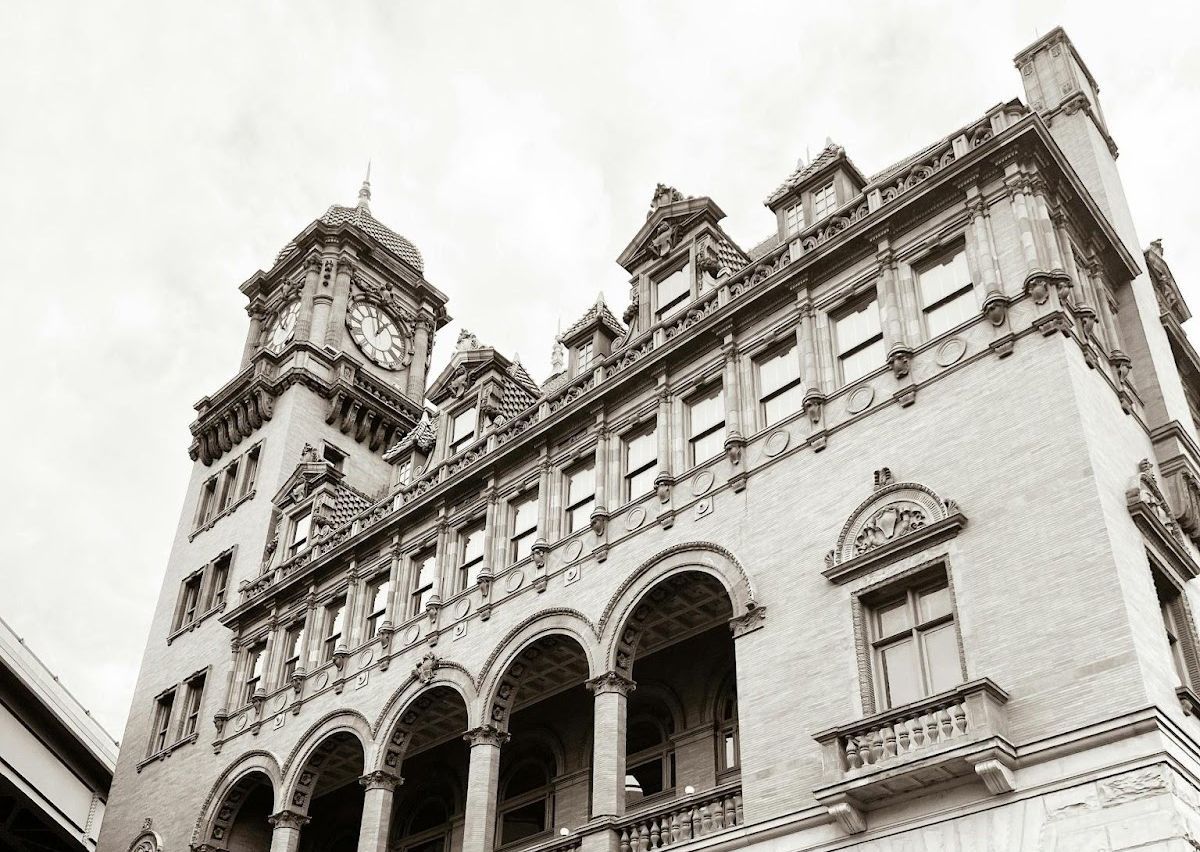
Main Street Station’s second Renaissance Revival architecture lights up the capital city of Virginia. Built at the turn of the century, it stands out mainly for its 110-foot brick clock tower. Past its glory days, it was neglected and suffered several damages, such as floods and fires. Fortunately, in 2003 it was restored, and today it is once again a major transit hub.

6
Birmingham Terminal Station

Image: Self-scanned, Public domain, via Wikimedia Commons

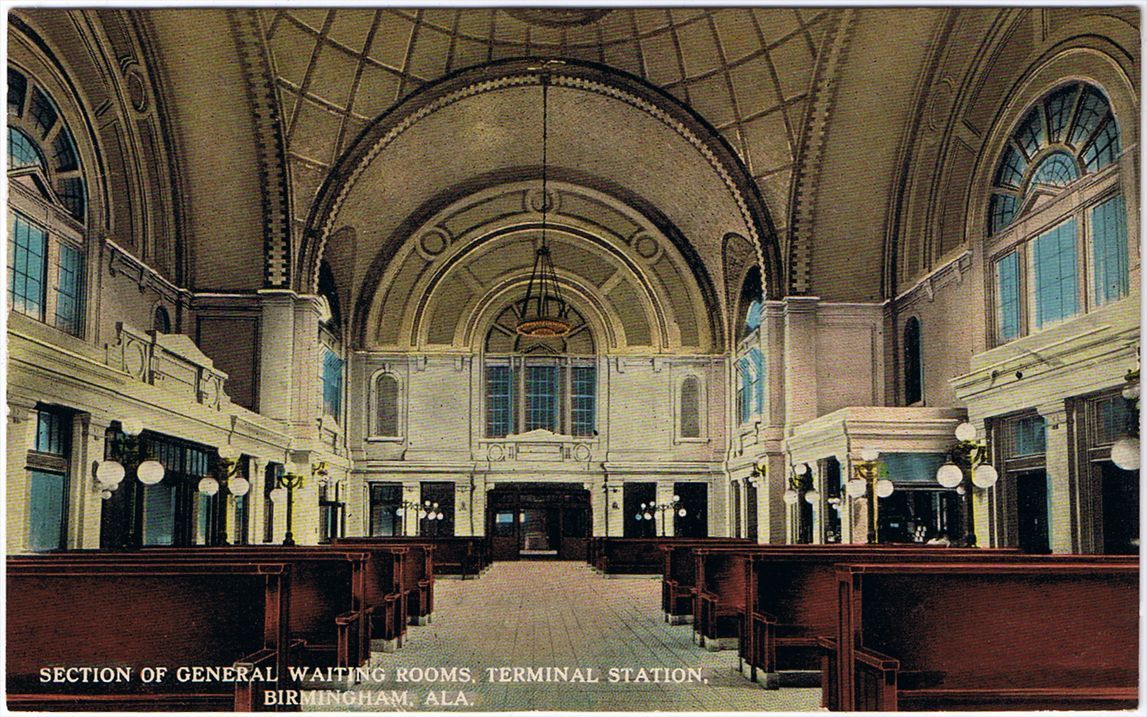
Meant to be travelers' first impression of the city, Birmingham Terminal Station once managed to astonish and amaze. Built in a Byzantine, Beaux-Arts style, it operated from 1909 to the 1950s. As automobile and air travel flourished, the station fell into disuse and was ultimately demolished in 1969 to make way for a new highway. A huge loss for the Magic City.

7
King Street Station, Seattle

Image: Zoshua Colah

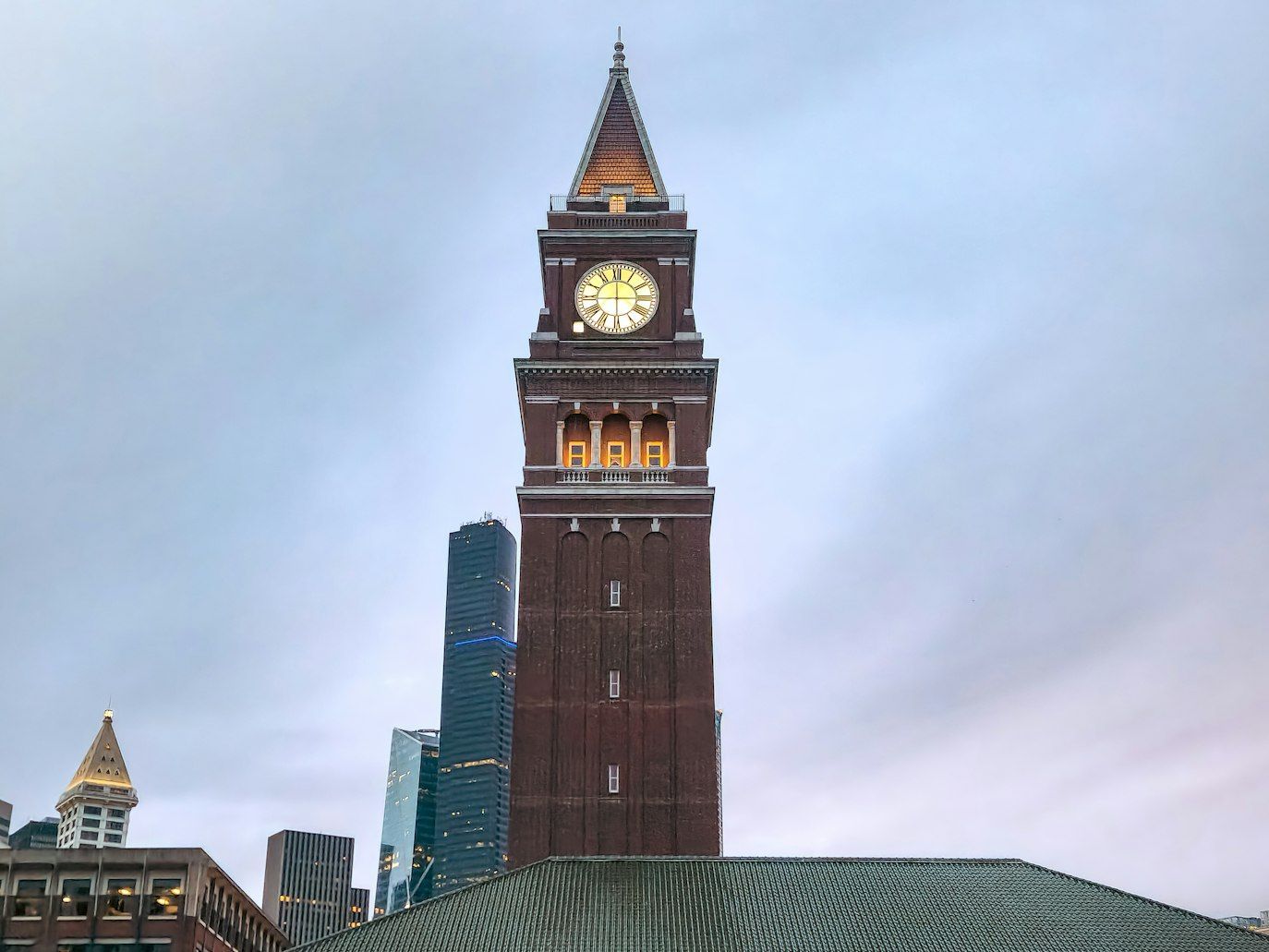
King Street Station in Seattle was built at the beginning of the 20th century with a mix of architectural styles. Its main feature is a 242-foot tower modeled after the grand Campanile di San Marco in Venice. King Street Station also boasts intricate terrazzo and mosaic floors and ornamental plaster ceilings that were restored in 2010 to their former splendor.

8
Cincinnati Union Terminal

Image: Sean Foster

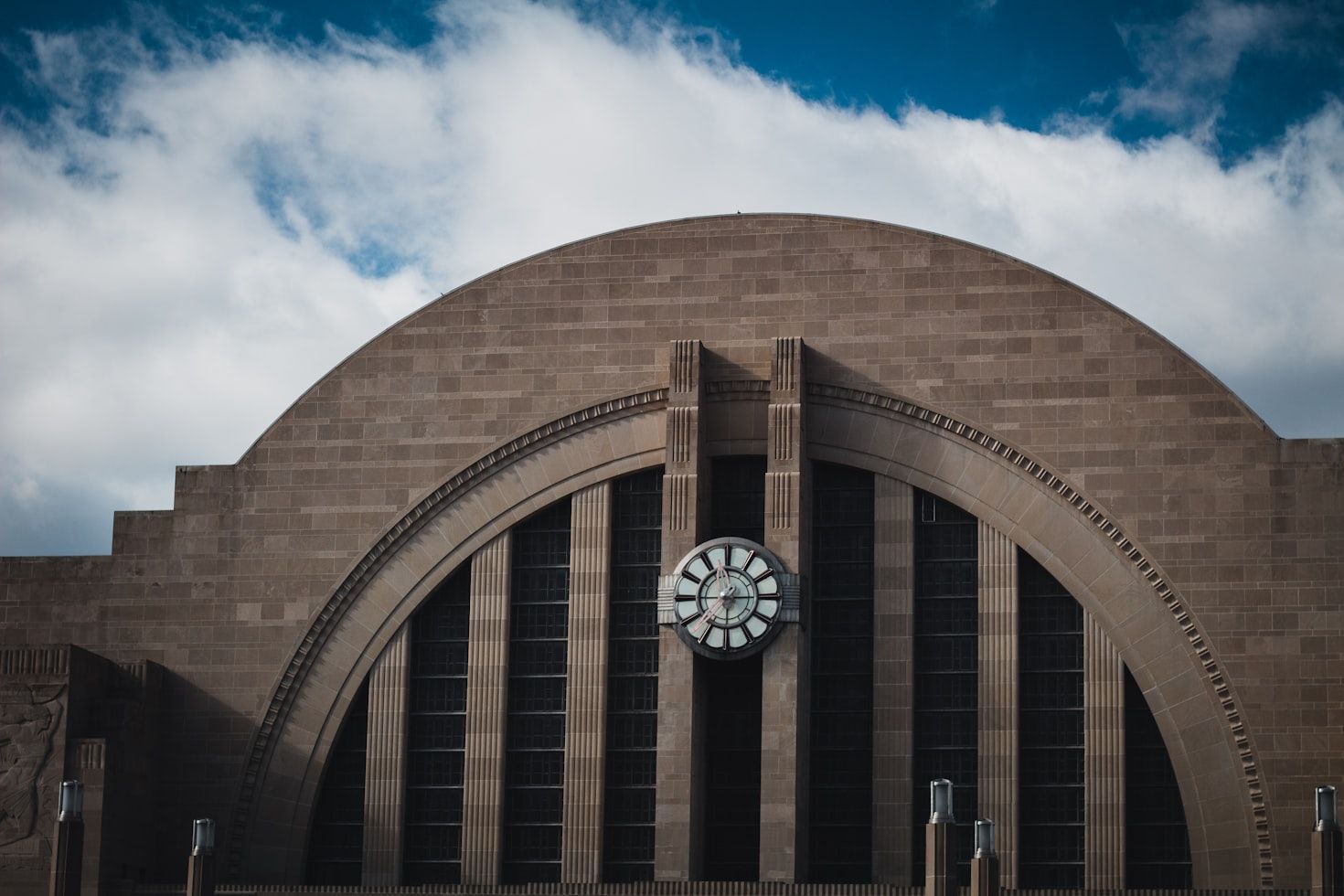
Cincinnati Union Terminal in Ohio is one of the boldest examples of Art Deco architecture in the United States. Its ten-story, half-domed entrance, green terrazzo, and the large rotunda decorated with industrial murals by Winold Reiss make this station a true architectural masterpiece. In fact, it is considered the greatest work of Alfred T. Fellheimer, who had previously designed Grand Central Terminal in New York City.

9
Union Station, Los Angeles

Image: Tichnor Brothers, Publisher, Public domain, via Wikimedia Commons

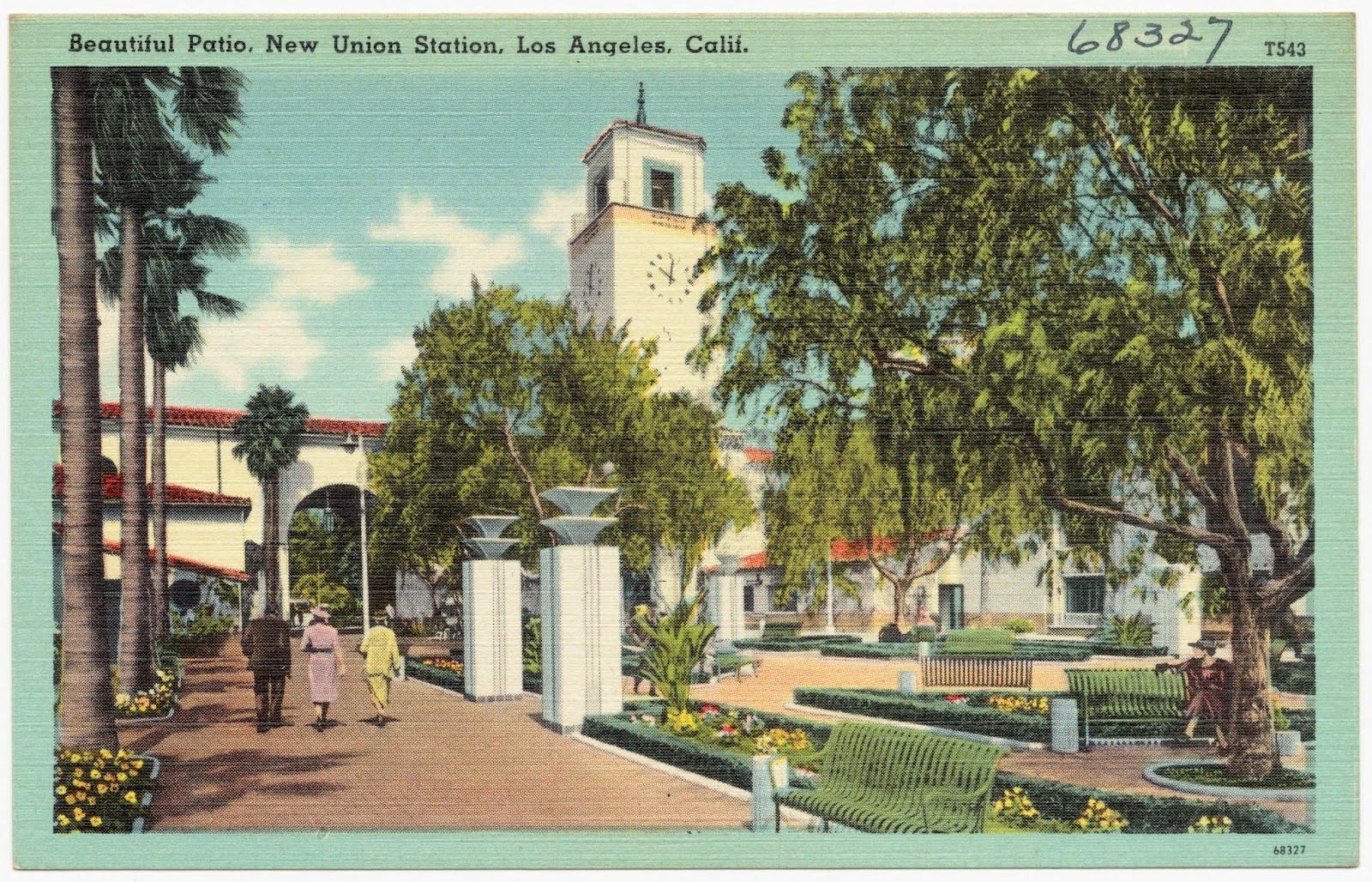
With a unique "Mission Moderne" style, Los Angeles’ main railroad station blends Spanish Colonial and Art Deco influences. Opened in 1939, it was built with a mix of terracotta and marble. It also features intricate tilework, beautiful courtyards, and a prominent 125-foot clock tower. Certainly a fine example of Southern California’s glamour.

10
Grand Central Terminal, New York City

Image: Robert Bye

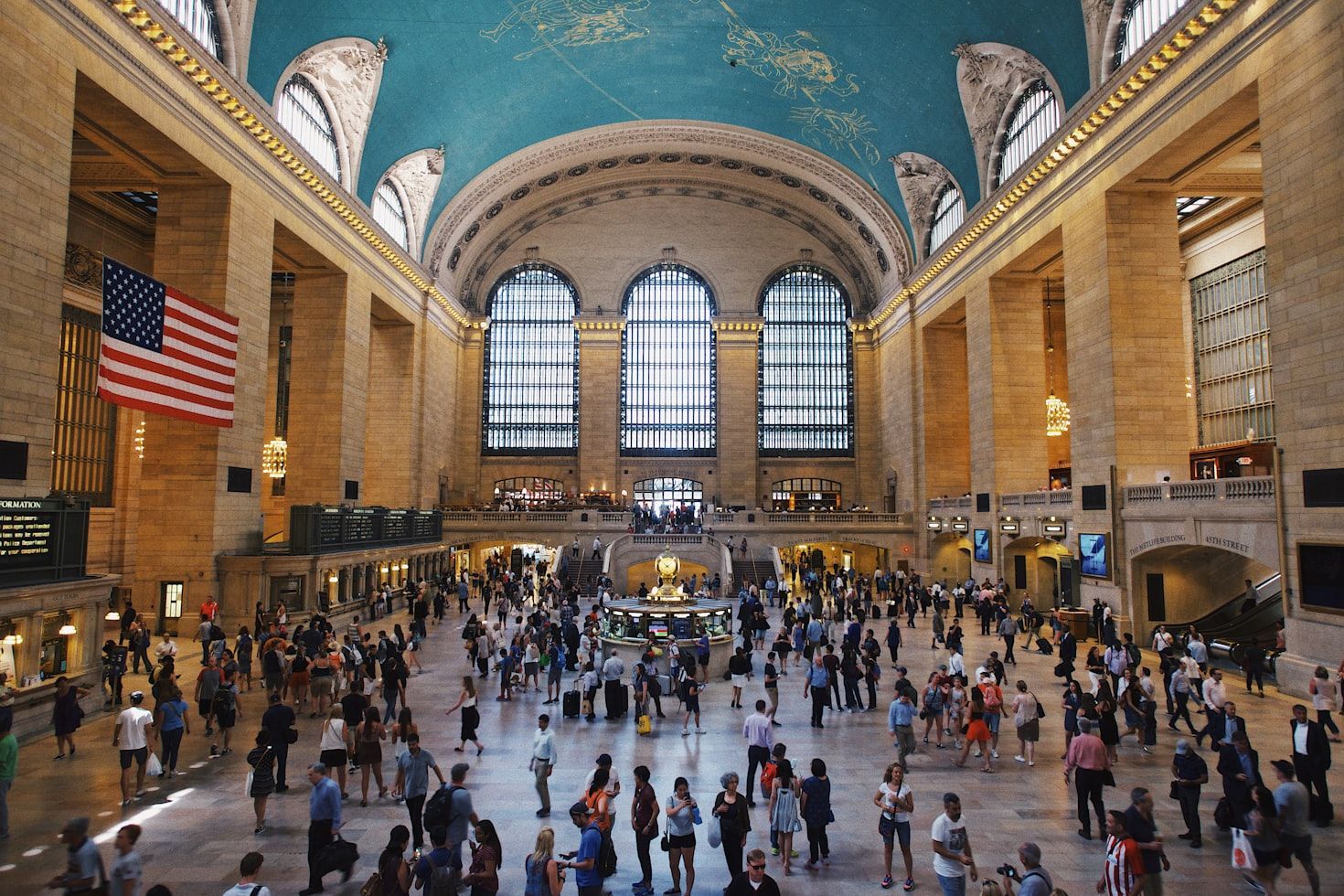
One of the nation’s busiest stations, New York City’s Grand Central, is famous for its magnificent Beaux-Arts style. The terminal, located in Midtown Manhattan, opened in 1913. It features a signature four-faced Tiffany clock and a celestial dome above the main concourse that draws the sighs of travelers from all over the world.

Explore more American facts

Choose your favorite category!

General
General

As American as apple pie—the very best America has to offer!

Culture
Culture

Delve into the astounding richness of American lore.

Geography
Geography

Hop in and explore vast and diverse American landscapes.

History
History

Discover the key moments that shaped the United States.