General General 4 min read

From coast to coast

Did you get these 10 US geography facts wrong too?
Image: Nick Seagrave

The United States is an extensive and diverse country, full of surprising geographic facts, some of which even break records! Perhaps that's why many people, even Americans, sometimes confuse certain details about our territory. For example, did you know that Maine is the only state among the 50 that shares its border with just one other state? Get ready to be shocked by some common misconceptions! Today, we're diving into 10 geographic facts about America that people often get wrong.

1
There's only one

Image: Keith Luke

How many states share a border with just one other state? Only one! Do you know which one it is?

Correct! It's Maine. The Pine Tree State, located in the northeastern United States, shares its only state border with New Hampshire to the west. But wait! It also borders Canada (the provinces of New Brunswick and Quebec) to the north and northeast, and the Atlantic Ocean to the east.

2
Alaska's distance

Image: Hari Nandakumar

If someone asked you what the shortest distance is between Alaska and the Lower 48 states, would you know the answer? Most people wouldn't! Well, the average distance between Alaska and the contiguous US is about 500 miles. But that's not the most interesting part. Believe it or not, Alaska is actually closer to Russia than to the mainland United States! At their closest point, Alaska and Russia are separated by just 2.4 miles across the Bering Strait.

3
The US-Canada border
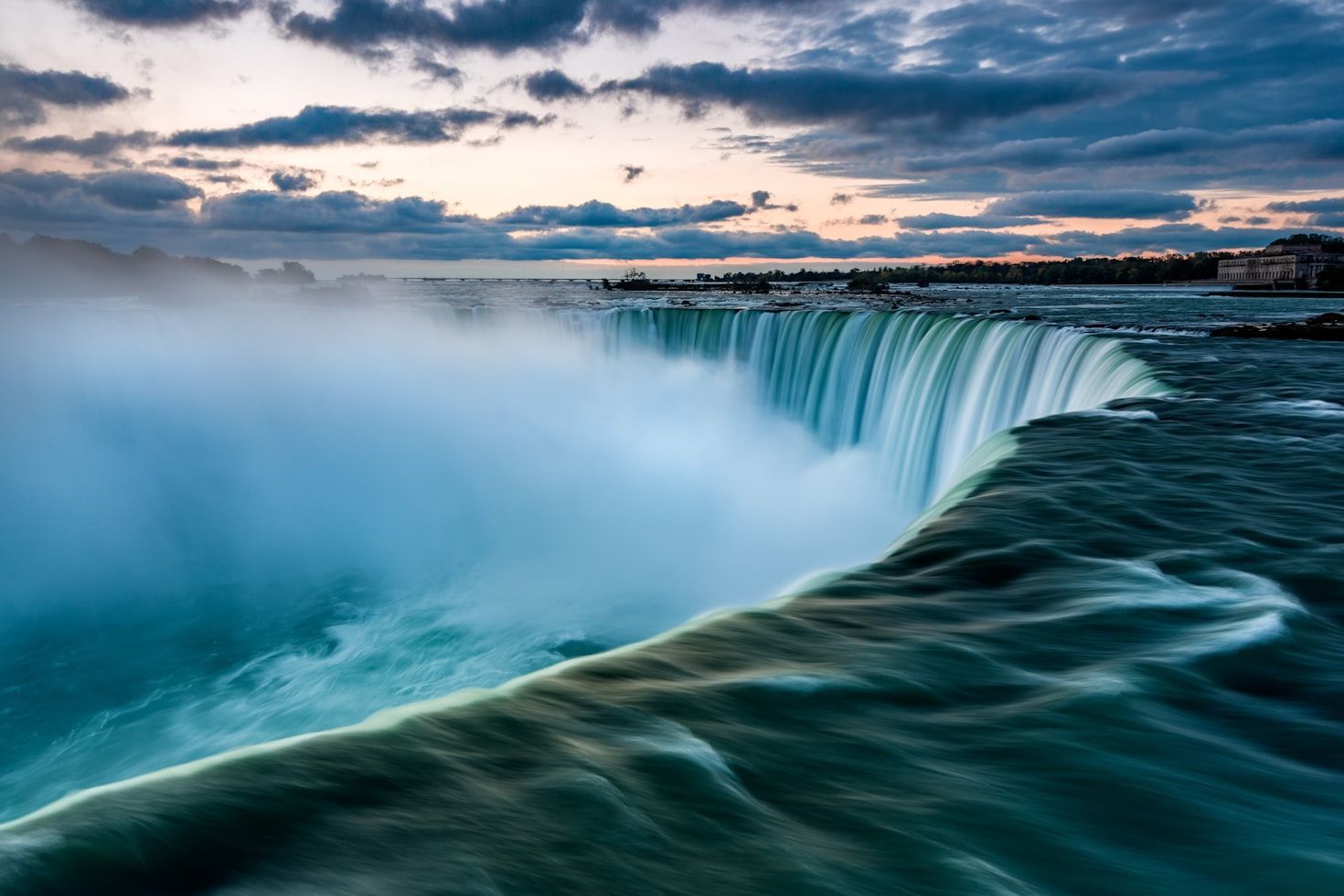
Image: Sergey Pesterev

You probably already know that, at 5,525 miles, the US-Canada border is the longest land border in the world. But there are still some fascinating details about it that many people haven't heard before.

The Haskell Free Library and Opera House (Derby Line, Vermont & Stanstead, Quebec) has an international border inside the building! You read that right: Americans enter through one door, Canadians through another. But be careful! International law requires that you exit through the same door you entered.

4
The largest freshwater lake

Image: Andrew Ling

The Great Lakes —Lake Superior, Lake Michigan, Lake Huron, Lake Erie, and Lake Ontario— are one of the natural wonders of North America, and they also hold a world record!

That's right! The largest freshwater lake in the world by surface area is right here in North America. We're talking about Lake Superior, which is shared by both the United States and Canada.

5
The most densely populated state

Image: Rob Curran

Since New York City is the most densely populated city in the country, many tend to believe that, as a result, New York State is the most densely populated. However, that's not the case.

The most densely populated US state is actually New Jersey! Its small size, combined with the large population in its urban areas and its proximity to New York City, has earned The Garden State this title.

6
The largest US state

Image: Jacob Vizek

Most Americans know which state is the largest by area. But outside the US, some get this fact wrong!

Many people answer "Texas" when asked which is the largest of the 50 states. But in reality, Alaska is far bigger, covering about 665,300 square miles compared to Texas's 268,600. This misconception may stem from Texas's reputation as a "large state" or from the way many maps distort Alaska's true size, making it appear much smaller than it actually is.

7
Florida's capital

Image: Meadow Marie

Miami is not only the most densely populated city in Florida but also one of its most famous, right up there with Orlando! Perhaps that's why many people mistakenly believe Miami is the capital city of the Sunshine State. However, the capital city of Florida is actually Tallahassee, which is smaller and doesn't quite receive as much attention.

8
The longest river

Image: Samantha Sheppard

Measuring the actual length of a river can be tough due to the serpentine shape that these bodies of water often take. This may be why many people are unsure about which river holds the title of the longest in the US.

Well, here's the truth: At 2,341 miles, the Missouri River is the longest river in the US, though just by a small margin. In second place is the Mississippi River, which stretches for some 2,320 miles and is often mistakenly thought to be the longest due to that small difference.

9
New York's capital

Image: Charlize Kruger

Similar to Florida, New York State's capital city is not its largest or most famous.

Contrary to what many people think, the capital of New York is not NYC, but Albany. Although Albany is smaller than NYC, it's an important economic and political hub, and it was chosen as the state capital because of its central location along the Hudson River.

10
Large population

Image: Satyan Chawla

The United States is known for having a large population, partly due to the large size of its territory. But did you know it's also one of the most populated countries in the world? In fact, it's the 3rd most populated, coming right after India and China! There sure are a lot of us, aren't there?

11

General General 5 min read

12 alternative Coca-Cola flavors that are as crazy as delicious!

Image: Olena Bohovyk

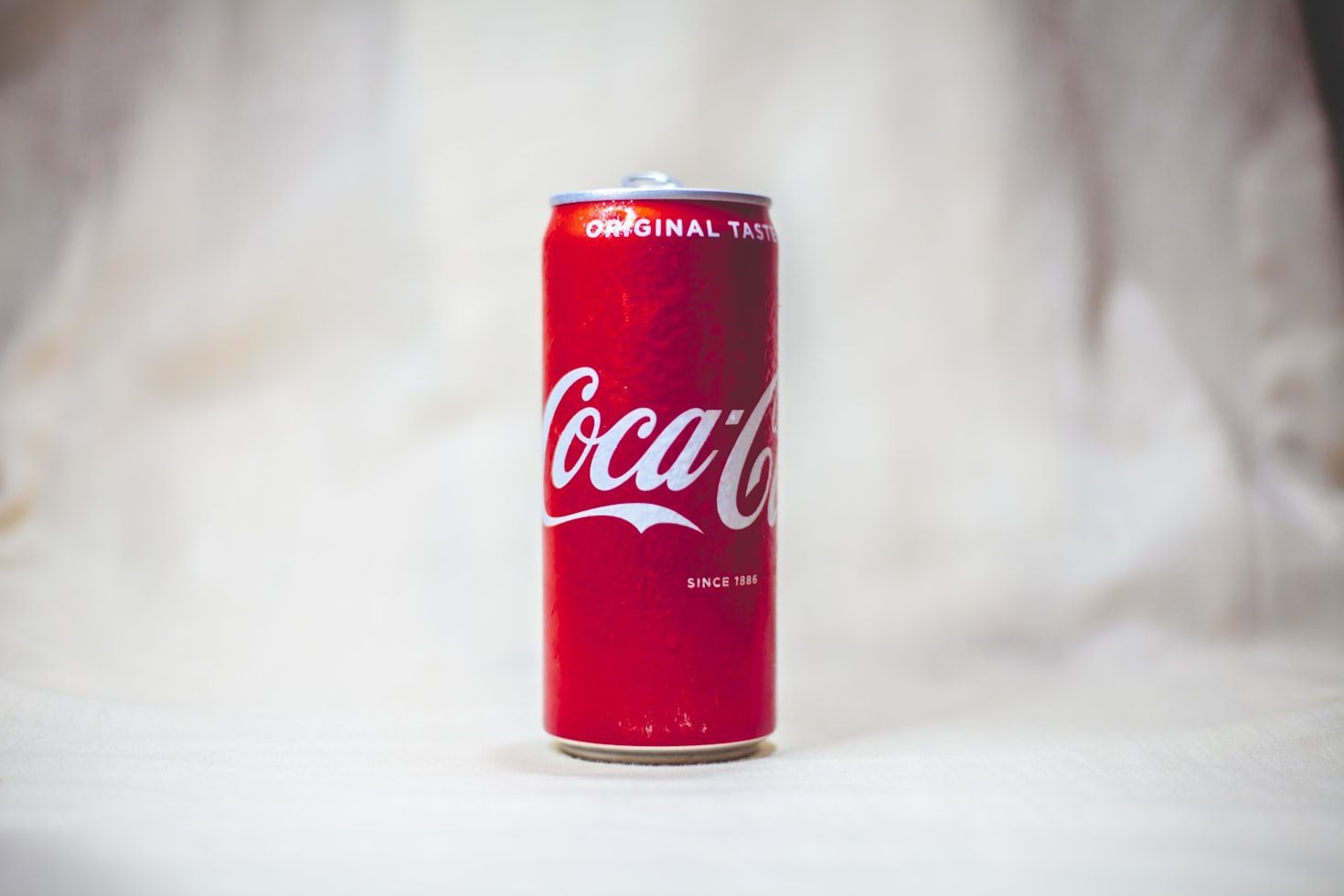
Just when we think we know the brand like the back of our hand, Coca-Cola surprises us with a new flavor that reminds us there is always room for creativity and originality. One of the most successful American companies, Coca-Cola is so much more than just a secret recipe. Throughout its history, it has introduced different versions of its signature drink. Some were a success —as is the case with Cherry Coke and Vanilla Coke— and others were more audacious and lasted only a short time in the market. Join us as we look back at 12 alternative Coca-Cola flavors that transformed a legendary beverage into a taste adventure. Check out if your favorites made it to the list!

1
Original Coke

Image: Deepal Tamang

How it all started. On May 8, 1886, Dr. John Pemberton served the world's first Coca-Cola at Jacobs Drug Store in Atlanta, Georgia, and American life would never be the same again. Based on coca leaf and cola nut, the recipe for the original Coke is one of the best-kept secrets in history. Since its invention almost 140 years ago, this mysterious, dark, sweet, bubbly, and stimulating liquid has become one of the world's most widely known and consumed soft drinks.

2
Vanilla Coke

Image: kkk

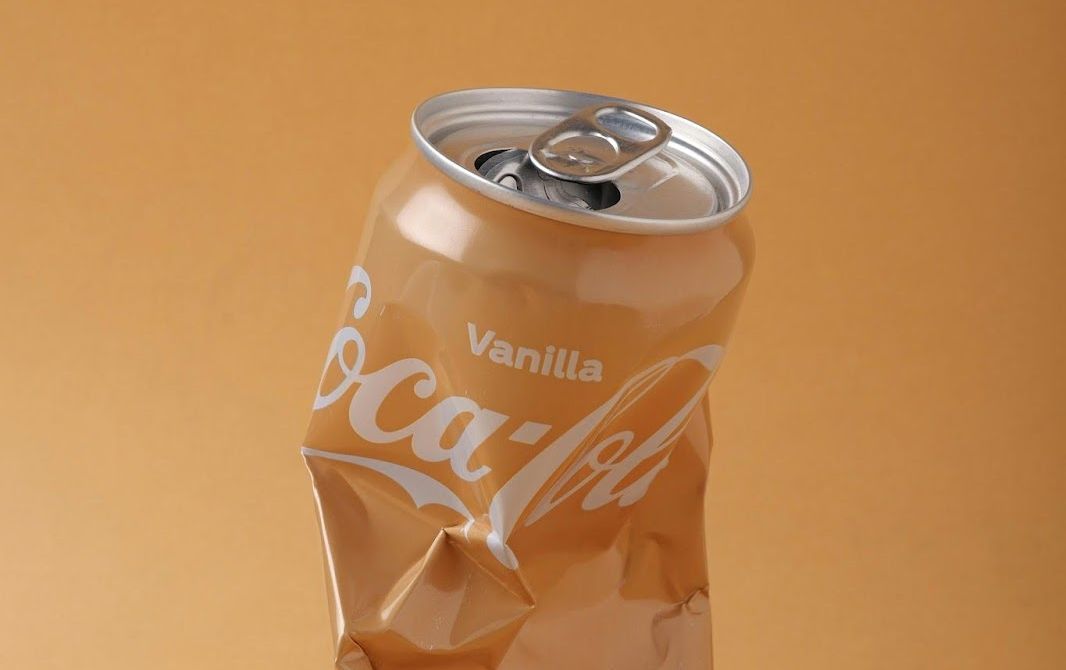
Vanilla Coke was first introduced in the United States in 2002. The new drink consisted of original Coca-Cola flavor with natural vanilla extract added to the formula. Shortly after its launch, the vanilla soft drink became a success, selling millions of units. However, by 2006, sales had dropped considerably, and the product was eventually withdrawn from the market.

Yet, Vanilla Coke would not give up so easily. Its fans began to campaign online to make the company reintroduce it. Luckily for them, the drink eventually returned to the shelves in 2007.

3
Coca-Cola with Lime

Image: stevepb

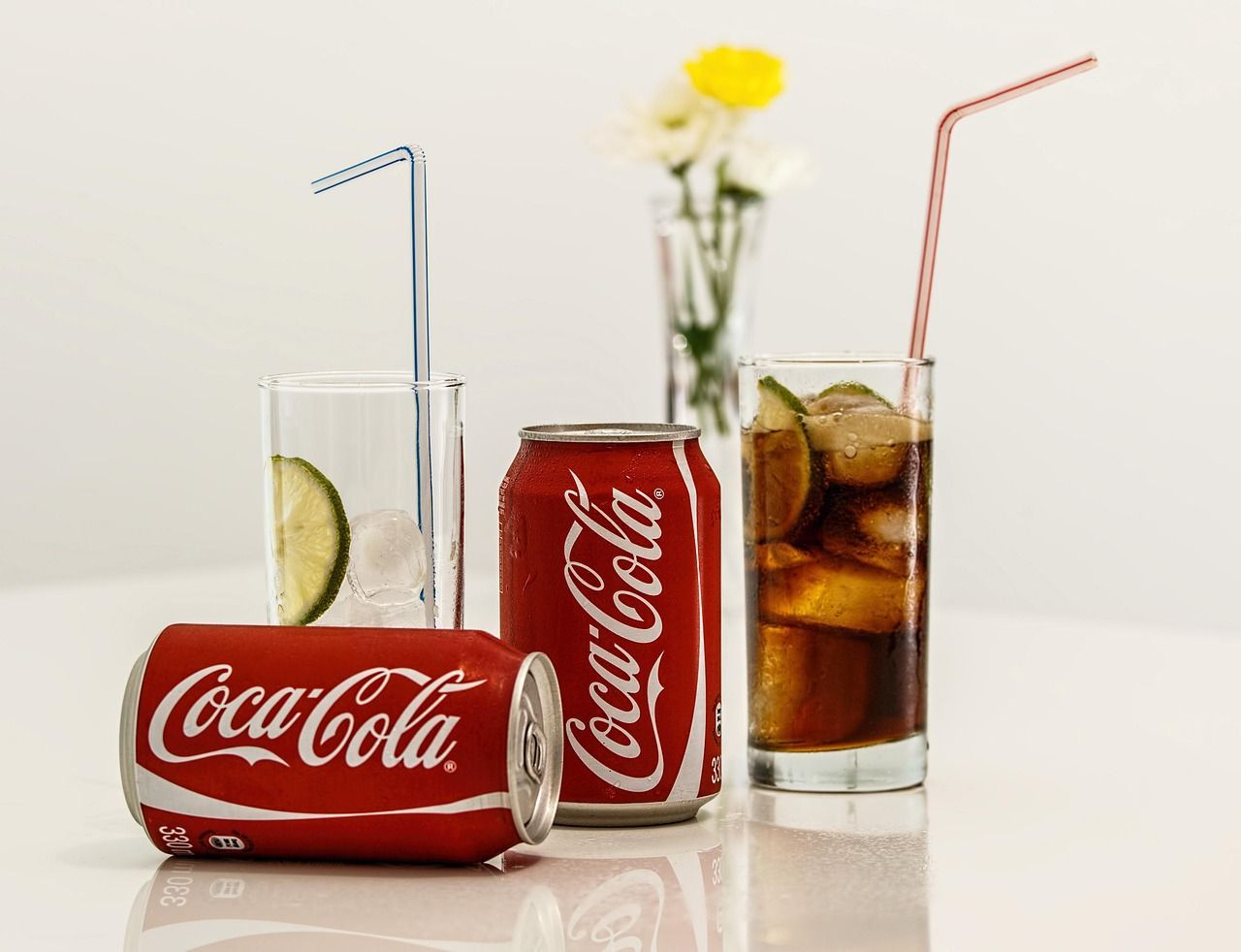
​​Many people add a few drops of lime to their glass of Coke, so why wouldn't the company launch a ready-to-drink product? Coca-Cola with Lime was first introduced in the United States in 2005 during a broadcast of American Idol. As the name suggests, it has the taste of Coca-Cola with the addition of lime flavor. Did you like it, or were you one of the many naysayers?

4
Starlight

Image: Joey Csunyo

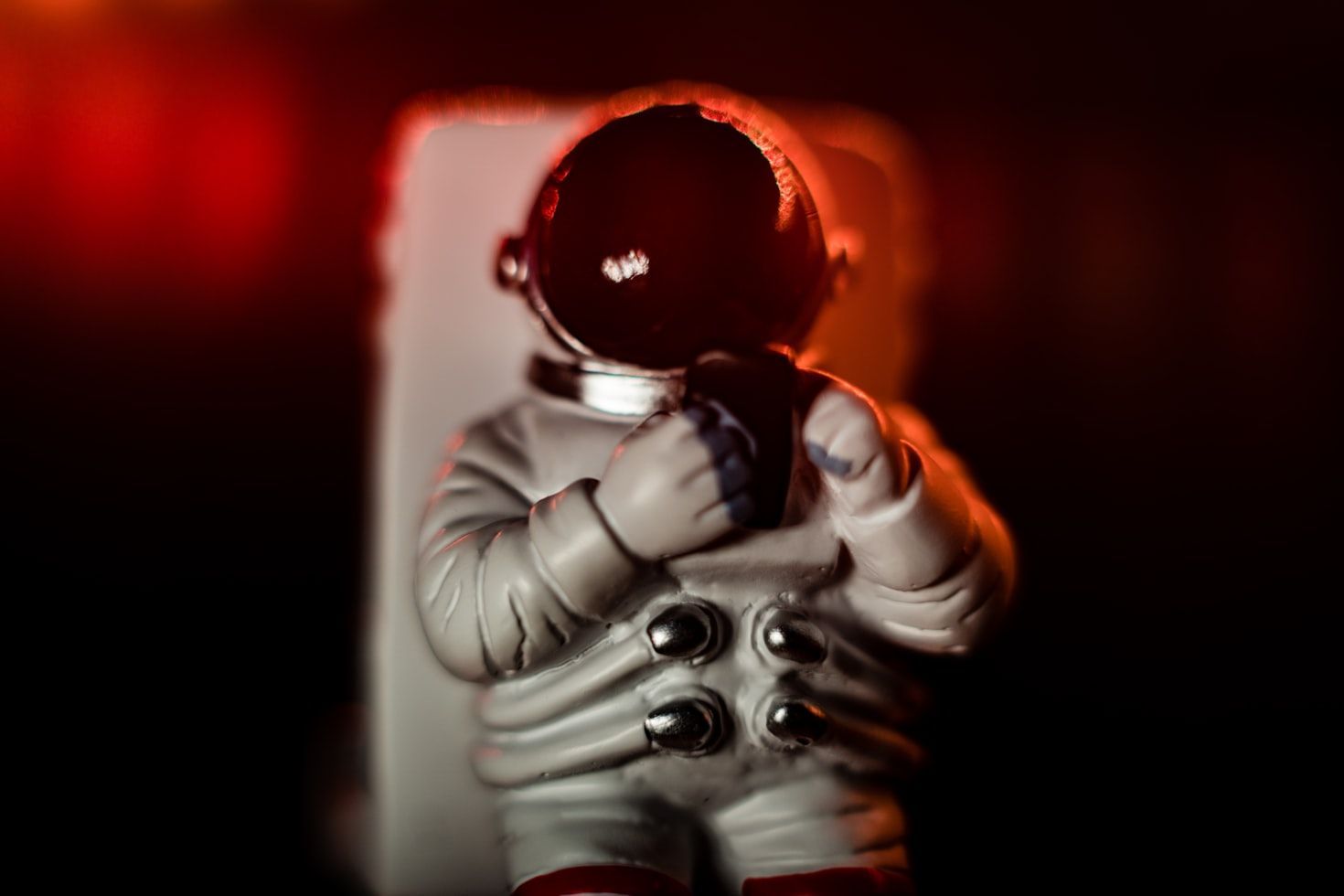
A Coke inspired by space? Believe it or not, in 2022, Coca-Cola launched —no pun intended— a variant of the drink to bring the taste of space down to Earth. You're probably wondering what it tastes like, and so are we! According to the company, Coca-Cola Starlight’s taste "includes additional notes reminiscent of stargazing around a campfire, as well as a cooling sensation that evokes the feeling of a cold journey to space." Would you dare to try it?

5
Dreamworld

Image: Marjan Blan

Like Starlight, Dreamworld was a 2022 limited edition. In this case, Coca-Cola wanted people to be able to taste dreams. We have no idea what that means exactly, but it sure has sparked our curiosity. Not convinced yet? According to the company, Coke Dreamworld "bottles up the technicolor tastes and surrealism of the subconscious." If only we could travel back in time to put it to the test!

6
Cherry Coke

Image: Frank Tunder

Based on a mix of cherry syrup and Coca-Cola, Cherry Coke was first introduced in 1982 at the World's Fair in Knoxville, Tennessee. It wasn’t until three years later that the new soft drink officially hit supermarket shelves worldwide. Cherry Coke was the first flavored Coca-Cola, and its success was so great that in the following years not only did Light and Zero versions emerge, but it also has a large and strong cult fan base.

7
Coca-Cola Blāk

Image: himanshu Chaudhary

As if the caffeine already in Coca-Cola wasn't enough to wake up any sleepyhead, in 2006 the company launched Coca-Cola BlāK. This soft drink that blends the taste of Coke with coffee was introduced in response to the overwhelming success of the early 2000s energy drinks and coffee chains. Despite its novel and sophisticated packaging design, consumers didn't quite like the sweetener’s artificial aftertaste, and it was finally discontinued just 2 years after its launch.

8
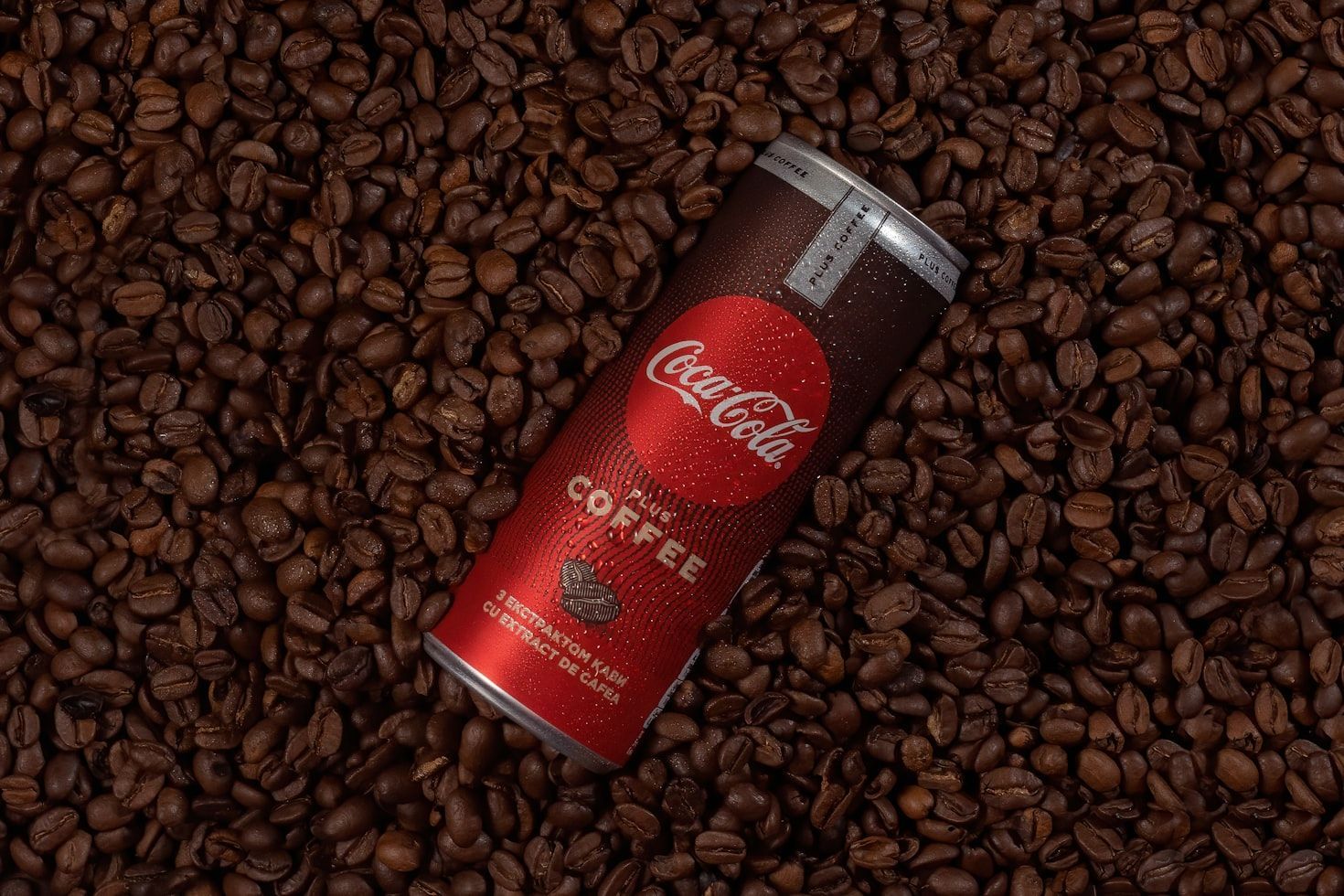
Coke Plus Coffee

Image: Nikolai Chernichenko

Coca-Cola Wouldn’t give up and, despite Coca-Cola BlāK's fiasco, in 2021 introduced a new product that paired the legendary soft drink with coffee. The difference with its predecessor was that Coke Plus Coffee contained more real coffee, specifically 100% Brazilian coffee. If you think the company got the experiment right this time, you're wrong. Coke Plus Coffee barely lasted a year on American shelves.

9
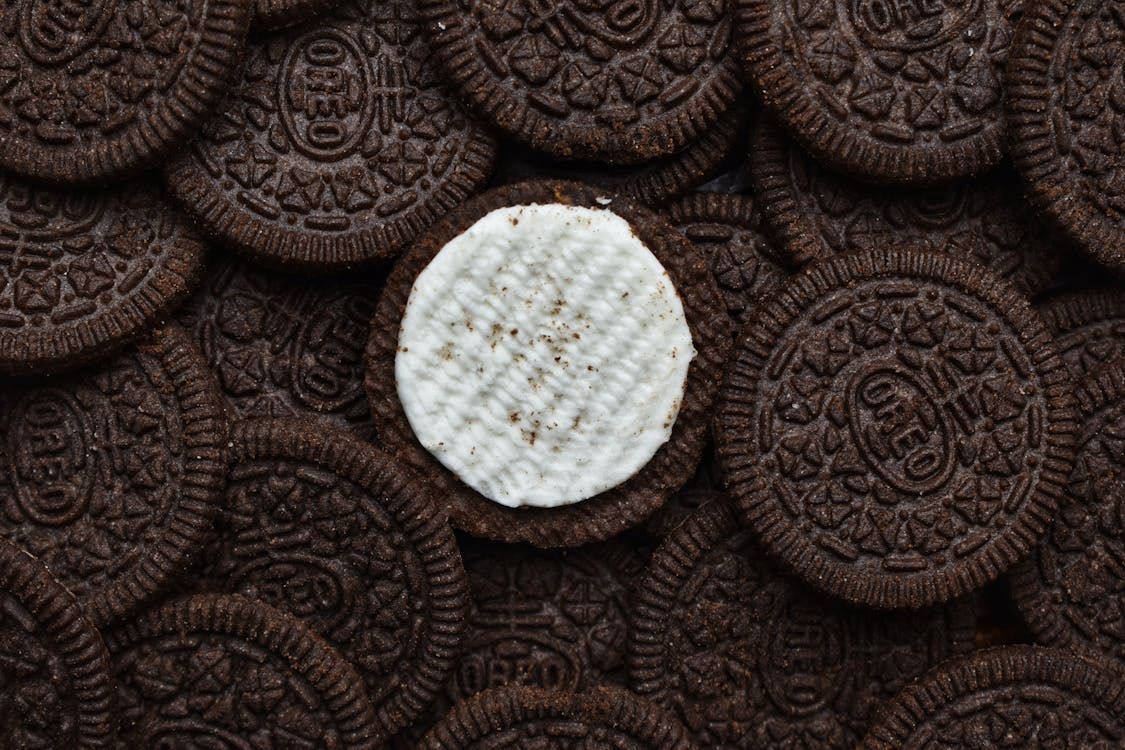
Coca‑Cola Zero Sugar OREO

Image: Shubham Kumar

Soda that tastes like cookies and cookies that taste like soda? Coca-Cola and Oreo thought this was a good idea and in 2024 launched a limited edition collaboration that included an Oreo-flavored Coca-Cola and a Coca-Cola-flavored cookie. According to the companies, the products are "a delicious duo that celebrates friendship with every sip". Those who have tried them claim that indeed the drink tastes like Oreo and the cookies like Coke —whatever that means. The Oreos even contain popping candy for a real fizzy vibe! Would you be willing to try them?

10
Coke Cinnamon

Image: Alex Bayev

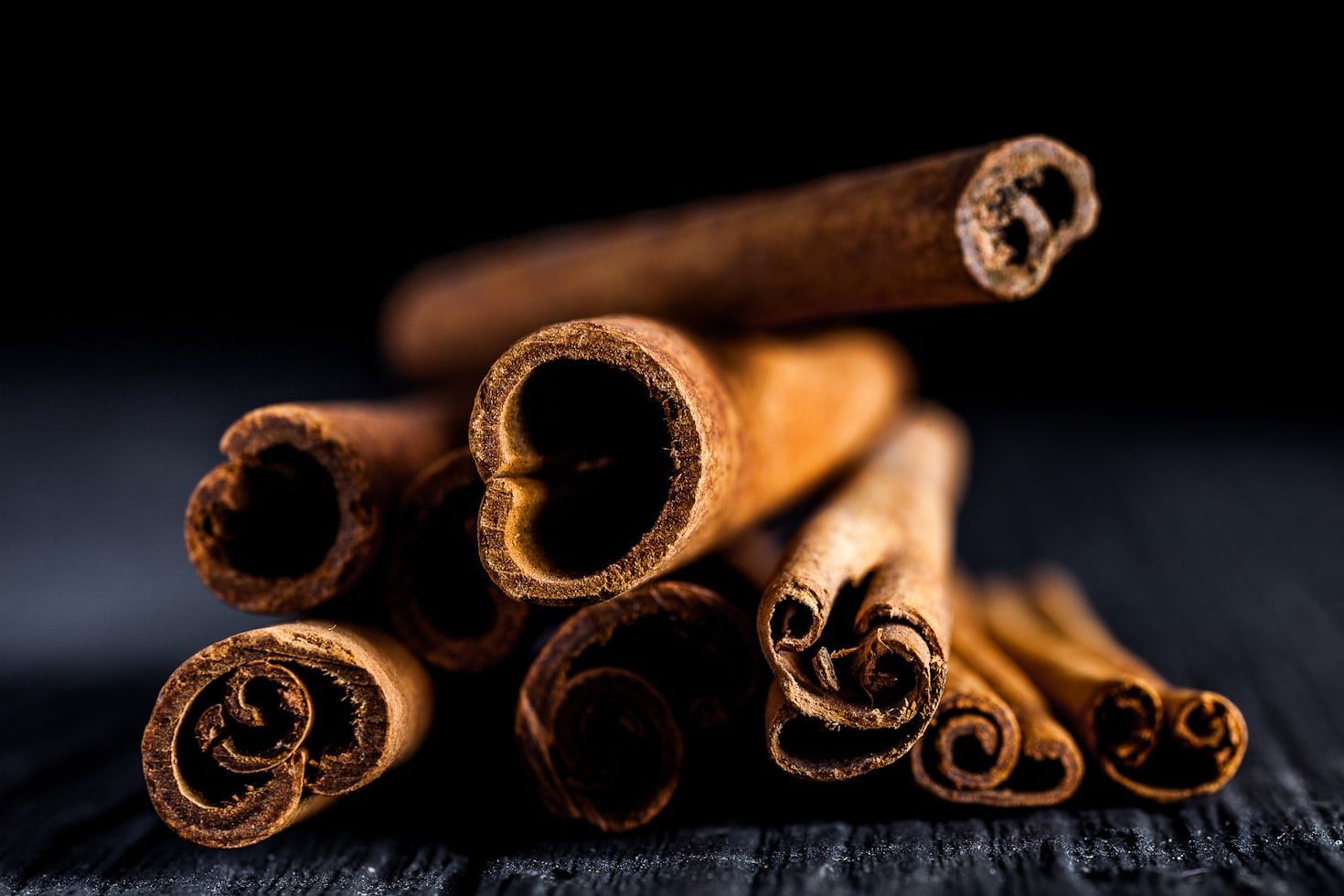
If they tried cherry, lime, and vanilla, cinnamon was the obvious next step. Coca-Cola Cinnamon was introduced in September 2019, just in time for the holiday season. It was supposed to be a limited edition, but it was such a success that it was re-released the following winter. The taste? As expected!

11
Diet Coke Plus

Image: Brett Jordan

With the turn of the century, sugary drinks got a backlash from groups advocating healthier eating. In an attempt to improve its image, in 2007, Coca-Cola launched Diet Coke Plus, a drink that, they claimed, was enriched with vitamins and minerals. The attempt ended up backfiring: the United States Food and Drug Administration wrote a warning letter to the company for violating its guidelines. Coca-Cola stated that Diet Coke Plus didn’t involve any health or safety issues, but the product was eventually discontinued.

12
California Raspberry and Georgia Peach

Image: One Day

Locally inspired by these states' signature fruits, California Raspberry and Georgia Peach were the first new Coca-Cola flavors since 2002. Launched in 2018 to compete with craft sodas, these new drinks promised to " add a pop of local flavor to the timeless taste you love." Although many people actually loved the new beverages, the company pulled them from the market in 2020. Ever got the chance to try them?

Geography Geography 4 min read

Behind tall faces

You know about the secret room in Mt. Rushmore. Did you know these facts?

Image: Jake Leonard

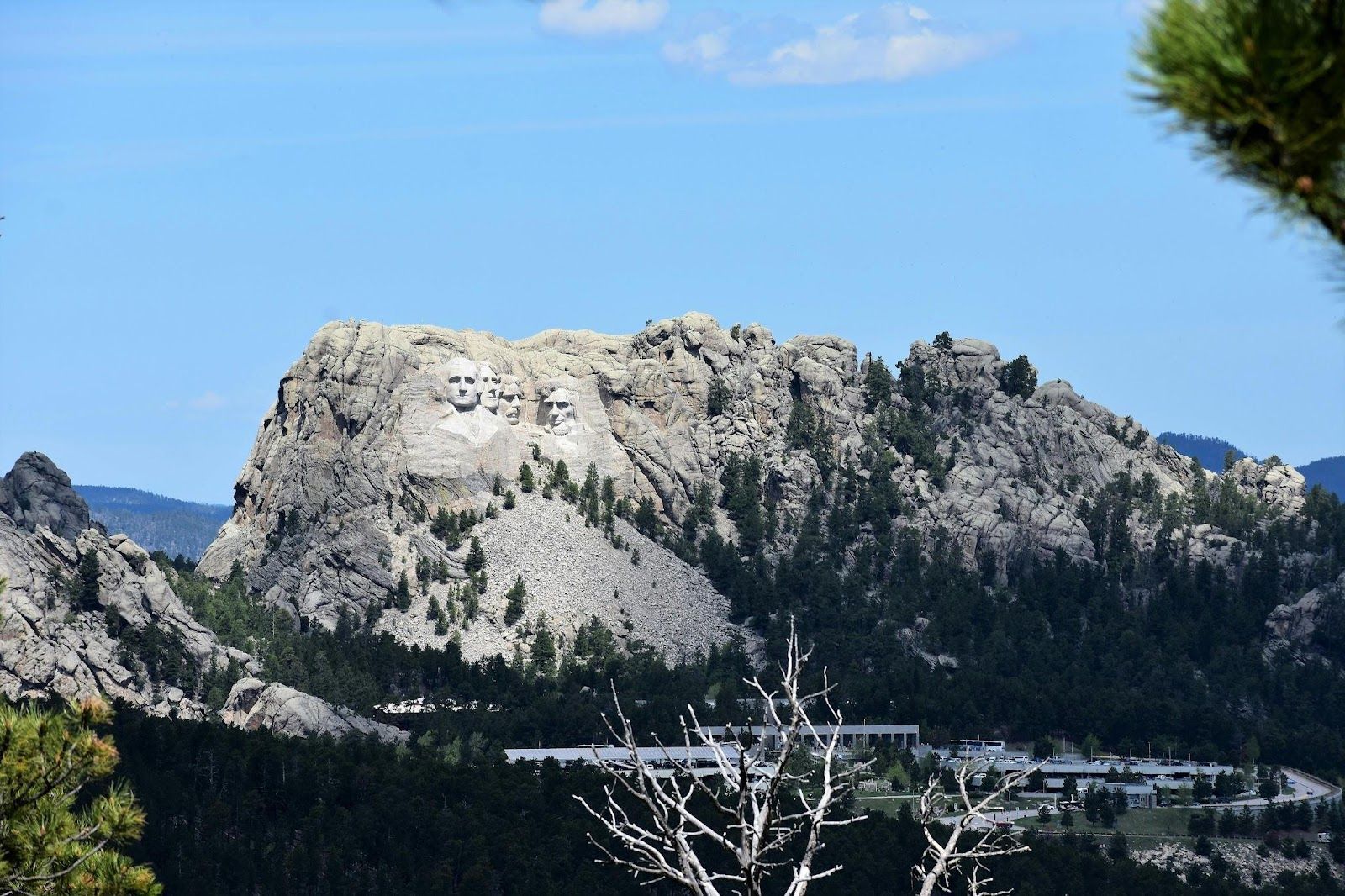
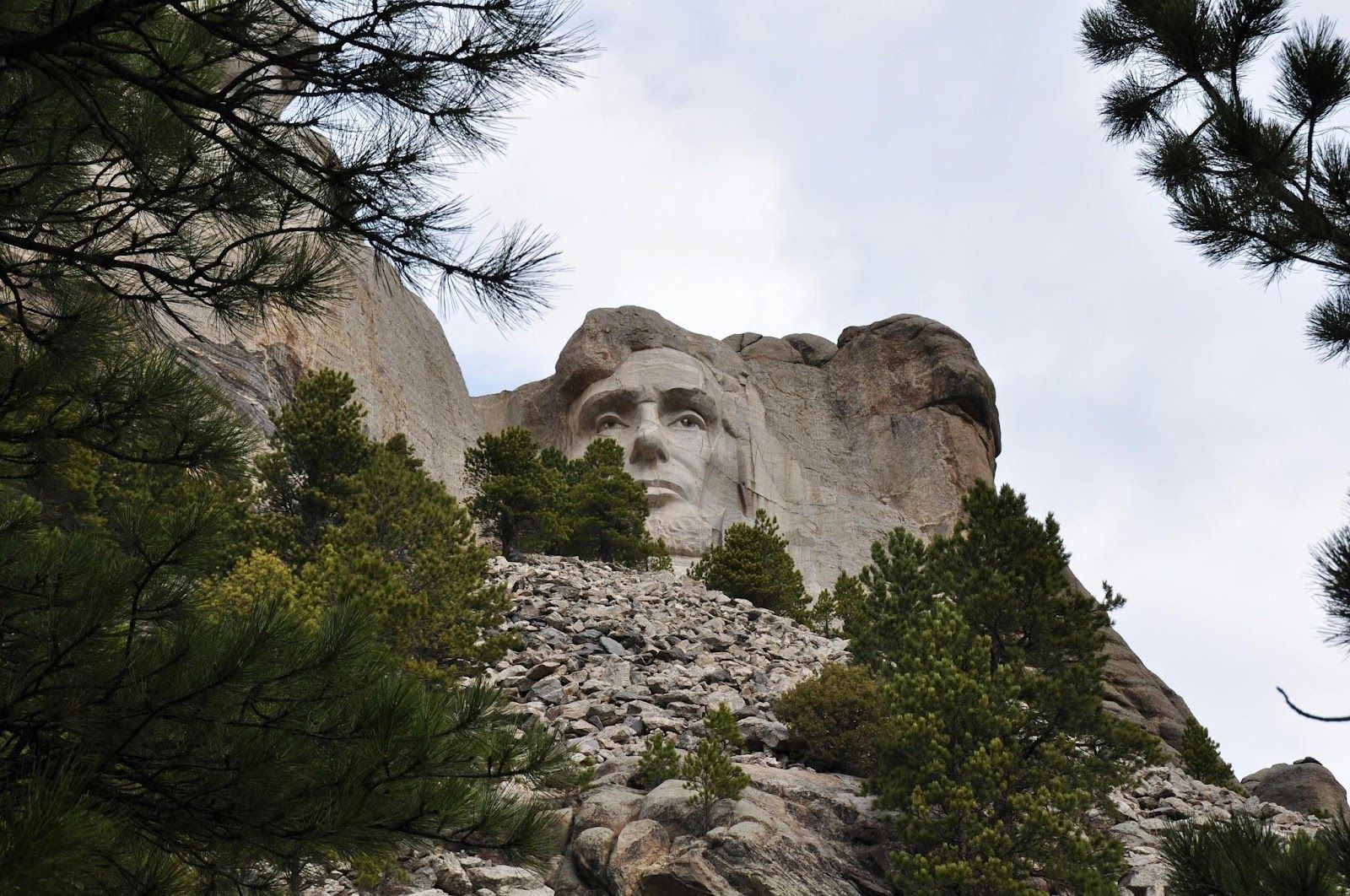
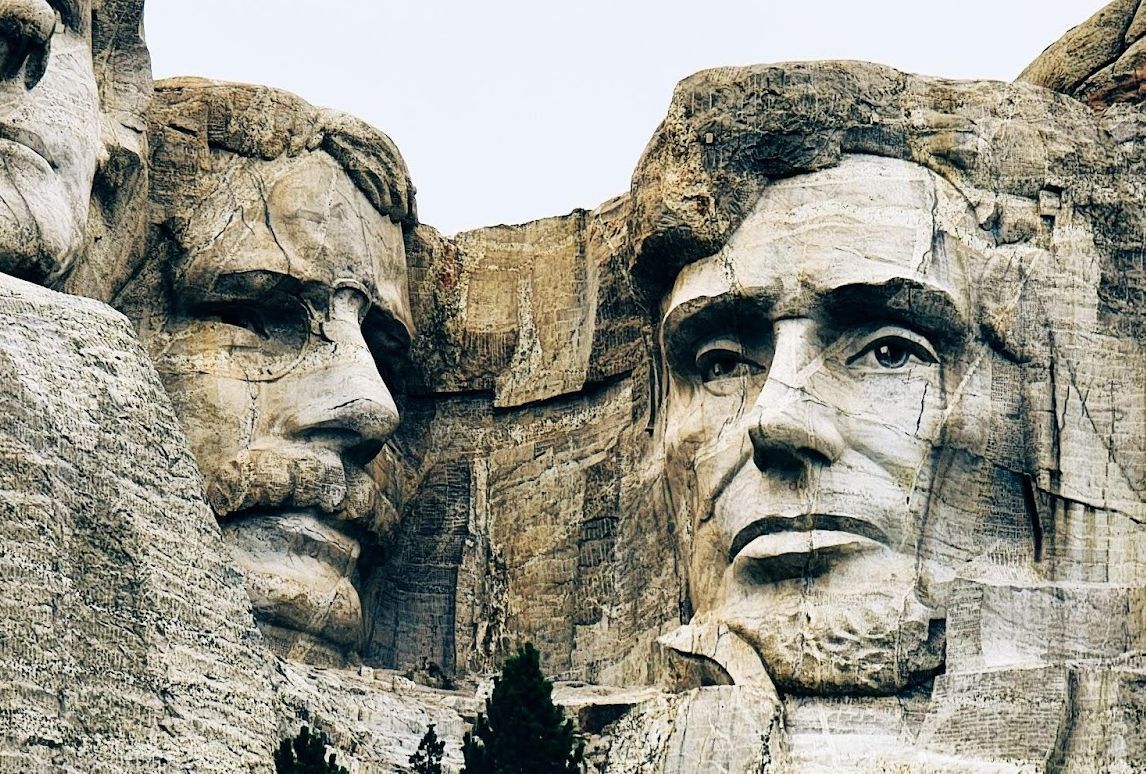
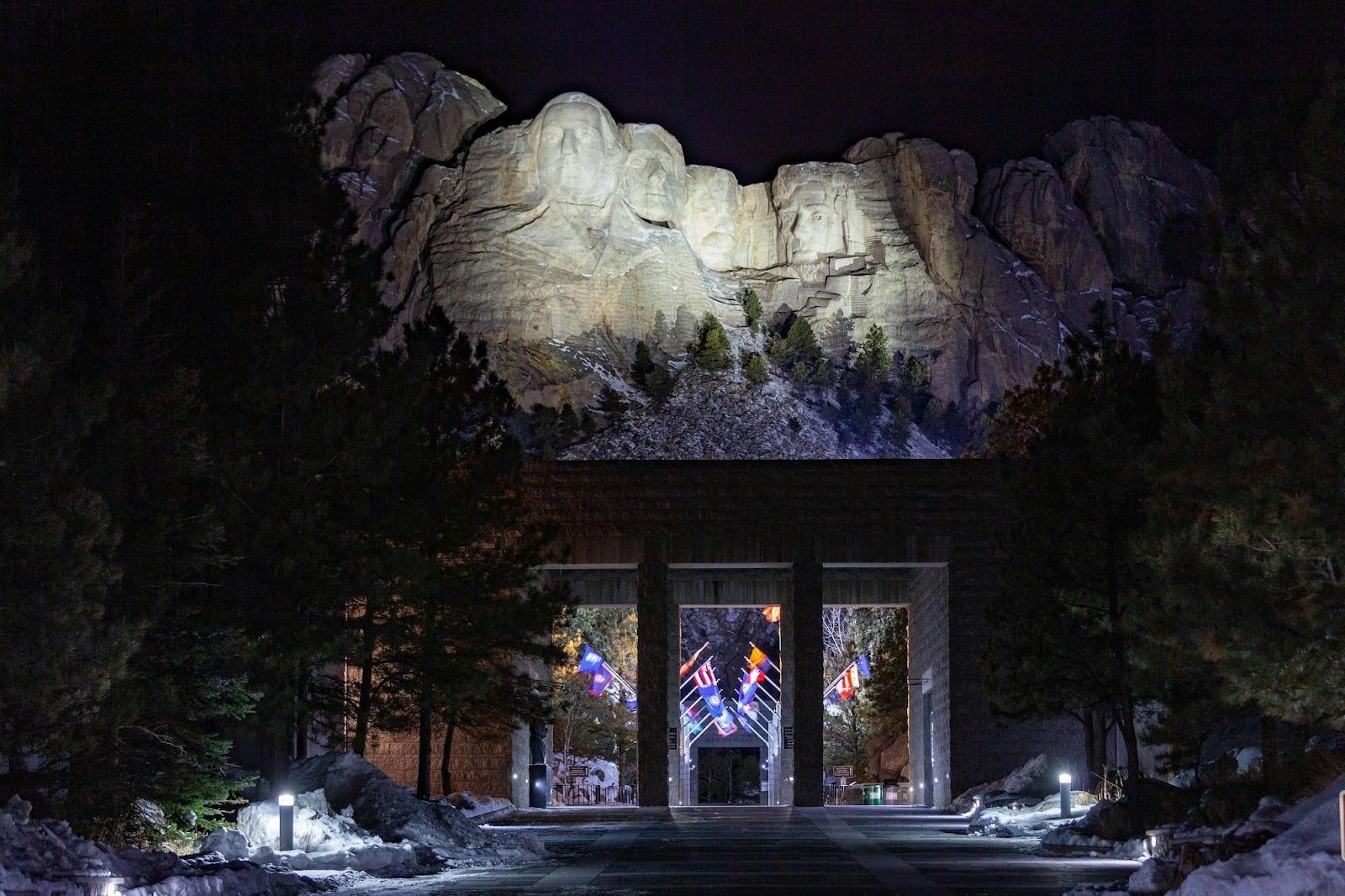
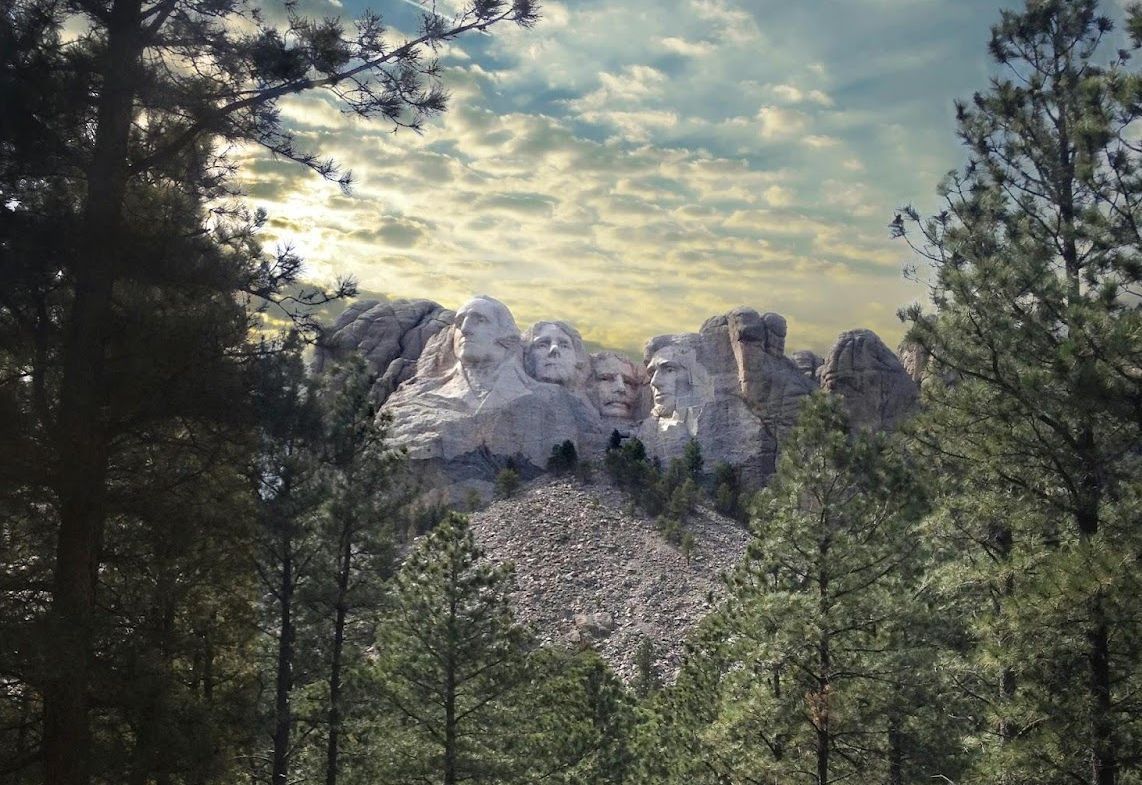
What famous woman’s face almost became the fifth face on Mount Rushmore? Did the sculptor Gutzon Borglum really intend to just carve out the heads? Why is the mount named that, and not Borglum? The answers to these questions are some lesser-known facts about one of the most famous landmarks and sights in our country. Let’s dive into these stories!

1
The original plan included full-body figures

Image: Thomas Shockey

Mount Rushmore was supposed to be even more colossal than it already is. Sculptor Gutzon Borglum envisioned the four presidents carved from the waist up .

He even made plaster models showing Abraham Lincoln's coat folds and Teddy Roosevelt’s hand clutching his lapel. But as costs went up, Congress said: "heads only, please."

2
Charles Rushmore was just a curious New Yorker

Image: Maarten van den Heuvel

Back in 1925, when the mount was about to be carved into a monument, Charles Rushmore wrote a letter explaining why the peak bore his name. He recalled that in the 1880s he was a young New Yorker working in the area, and fell fond of that particular granite peak .

When he asked the locals about it, they informed him that it had no name, but that if he wished so, they would just start calling it Rushmore Peak, or Mount Rushmore, or the likes. Years later, that very name had been inscribed in the public domain to designate the peak.

3
Yes, there’s a hidden room behind Lincoln’s head

Image: Laura Nyhuis

Behind Abraham Lincoln’s hairline lies a hidden chamber, part of Borglum’s lofty idea for a "Hall of Records." This room was meant to house foundational American documents like the Constitution or the Declaration of Independence.

Instead of that, in 1998, a titanium box was placed inside, filled with copies of important documents and biographies, as a time capsule to preserve the treasure of knowledge for future generations.

4
Thomas Jefferson was moved

Image: Dave Baraloto

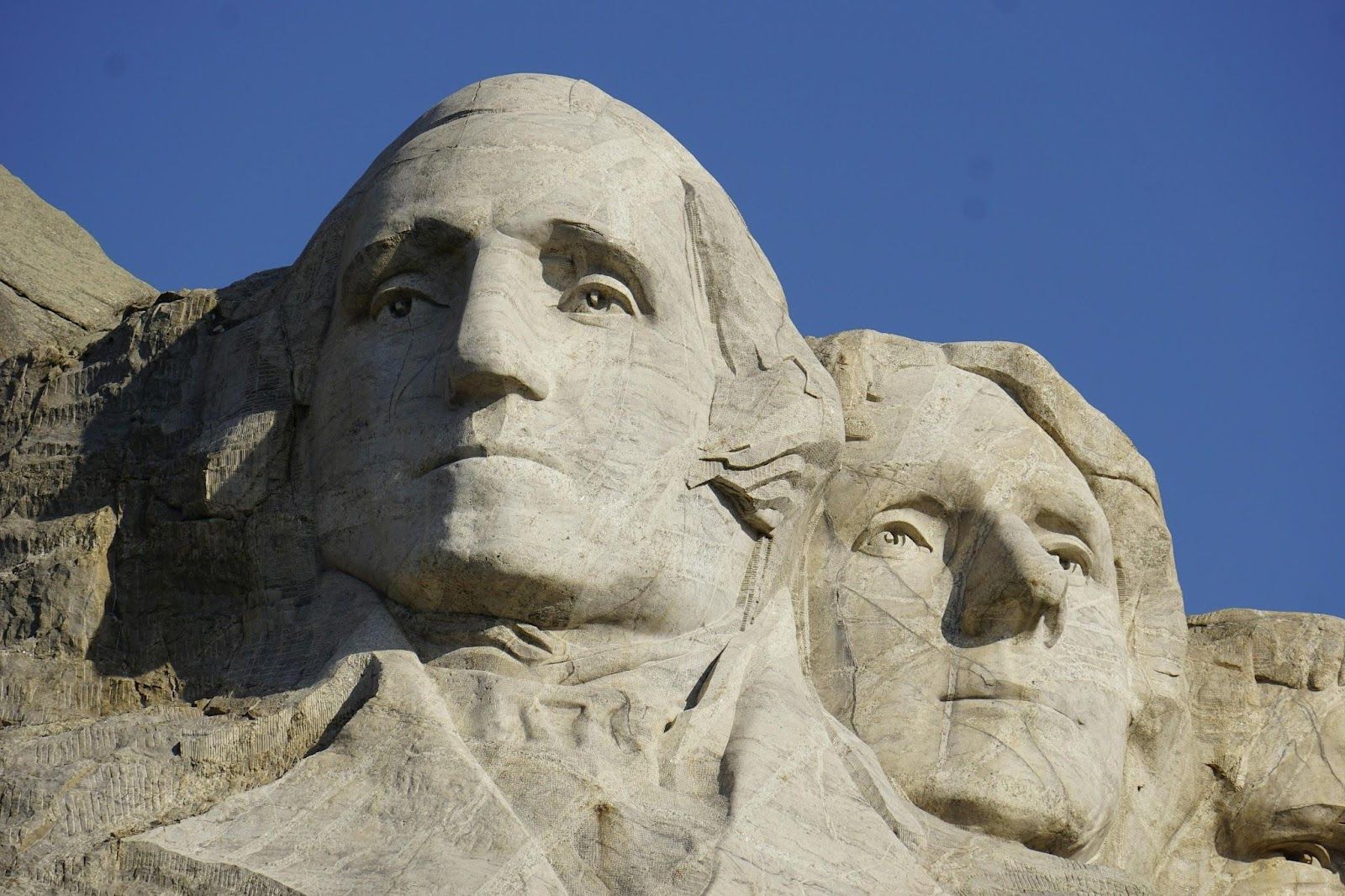
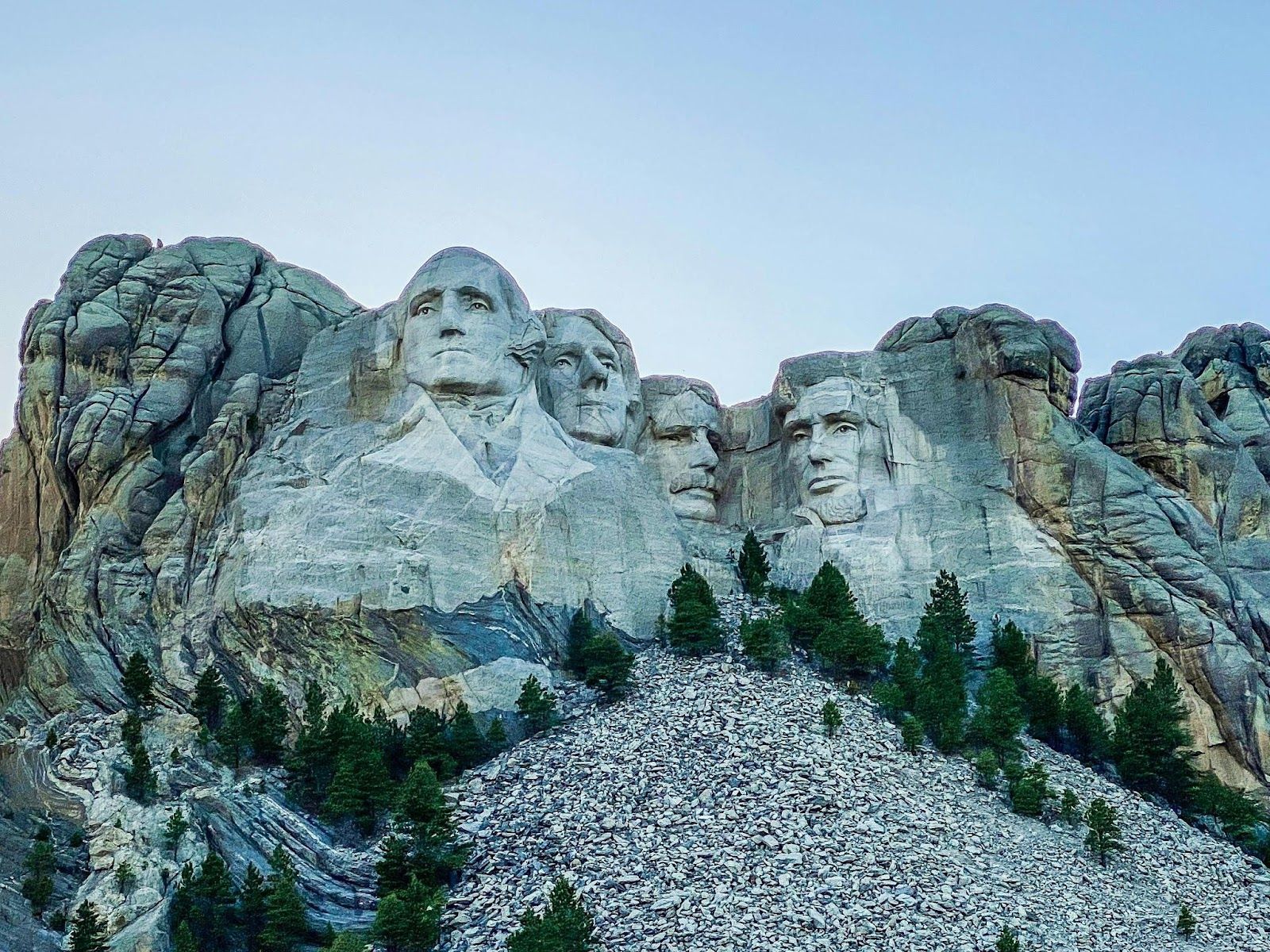
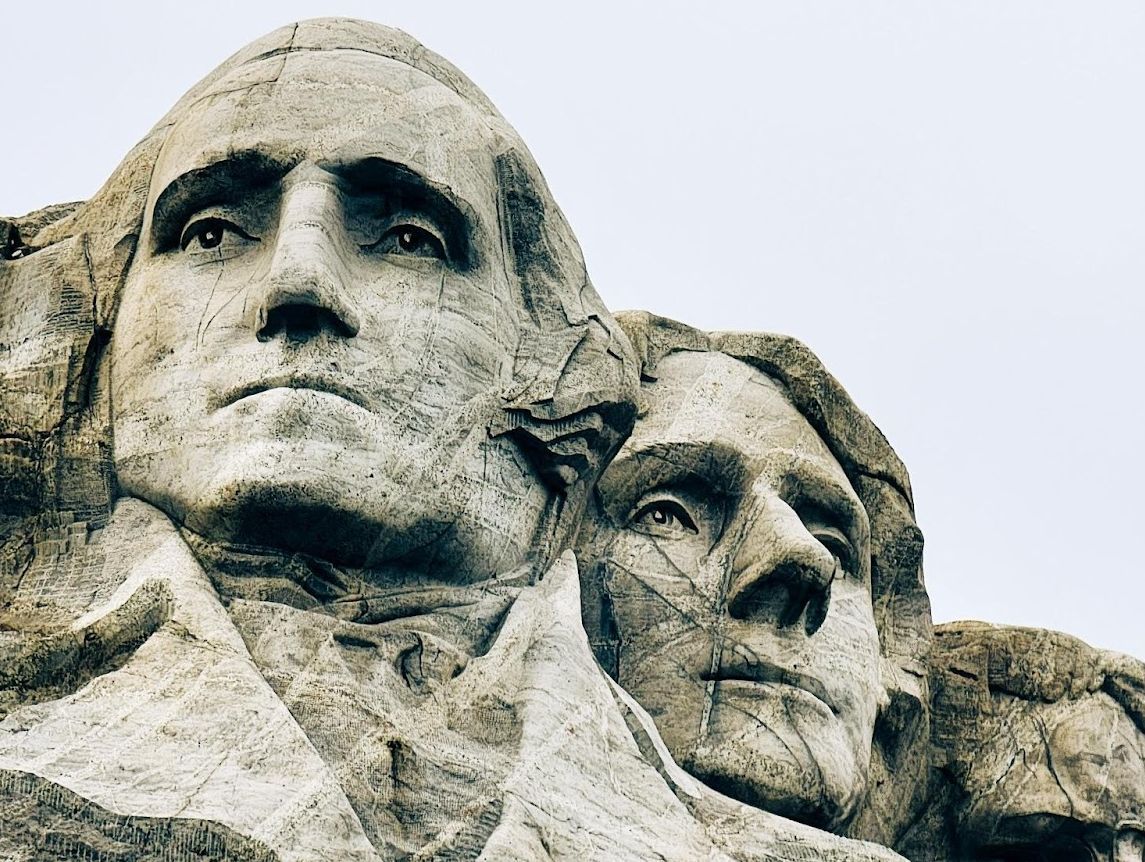
Jefferson was originally supposed to go to Washington’s right, but after 18 months of chiseling , the granite betrayed them. Cracks and flaws made the site unworkable.

Borglum made the painful decision to blast Jefferson’s half-formed face clean off and start anew on Washington’s left.

5
The mountain was almost a monument to western heroes

Image: Timberly Hawkins

Before presidents took over, the mountain was pitched as a giant tribute to the Wild West . South Dakota historian Doane Robinson wanted to see frontier legends like Lewis & Clark carved into the Black Hills.

But when Borglum came aboard, he had a grander (and more politically bankable) idea: four presidents to symbolize national unity and expansion.

6
A woman’s face was almost added

Image: Tom Fournier

In the 1930s, there was serious talk of honoring Susan B. Anthony alongside the Founding Fathers, as a nod to the women’s suffrage movement.

Borglum wasn’t opposed to the idea, but Congress quickly nixed it, stating that only U.S. presidents could be included.

7
The workers were mostly local miners and loggers

Image: Pixabay

They were neither sculptors nor artists. Most of the workforce came from nearby Keystone, South Dakota: miners, loggers, and hard-up laborers looking for work during the Great Depression.

Borglum trained them himself. There were no safety harnesses, and yet, remarkably, no one died on the job.

8
Dynamite did 90% of the work

Image: Alexander Paramonov

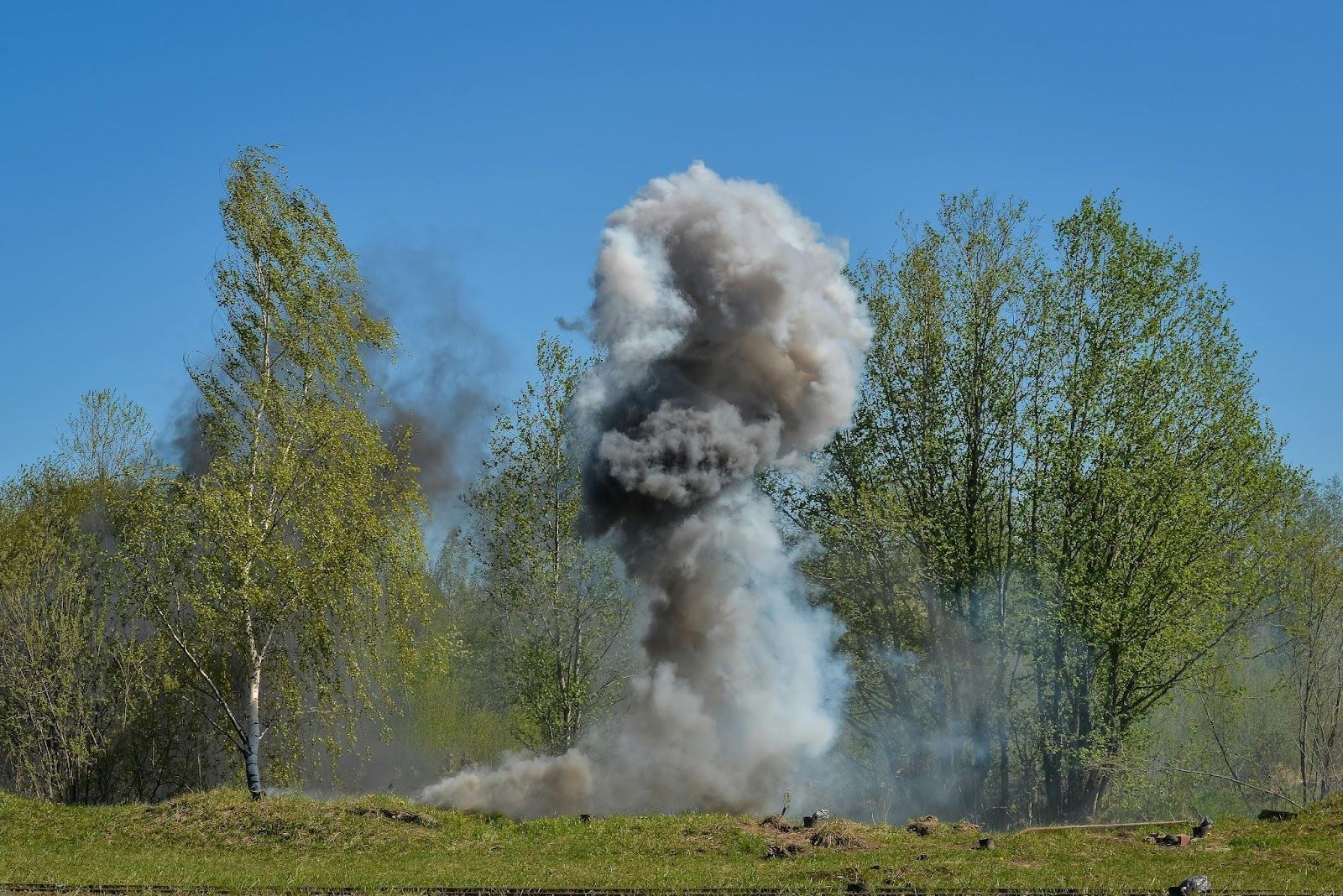
To carve the faces of Washington, Jefferson, Roosevelt, and Lincoln, workers used carefully timed dynamite blasts to remove over 450,000 tons of rock. They got so precise, they could blast within inches of where the final surface would be.

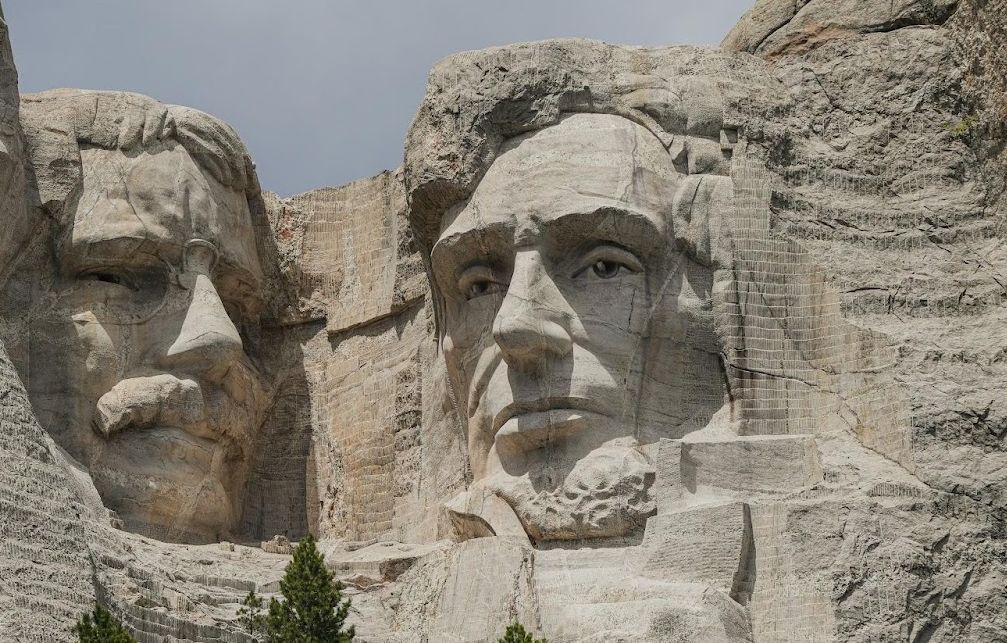
The last details, like wrinkles, pupils, or Roosevelt’s glasses, were done with jackhammers and chisels.

9
The noses are disproportionate

Image: Dudubangbang Travel

Standing in front of the mountain, the faces seem alright. But that’s a trick of perspective. Each presidential nose is a whopping 20 feet long .

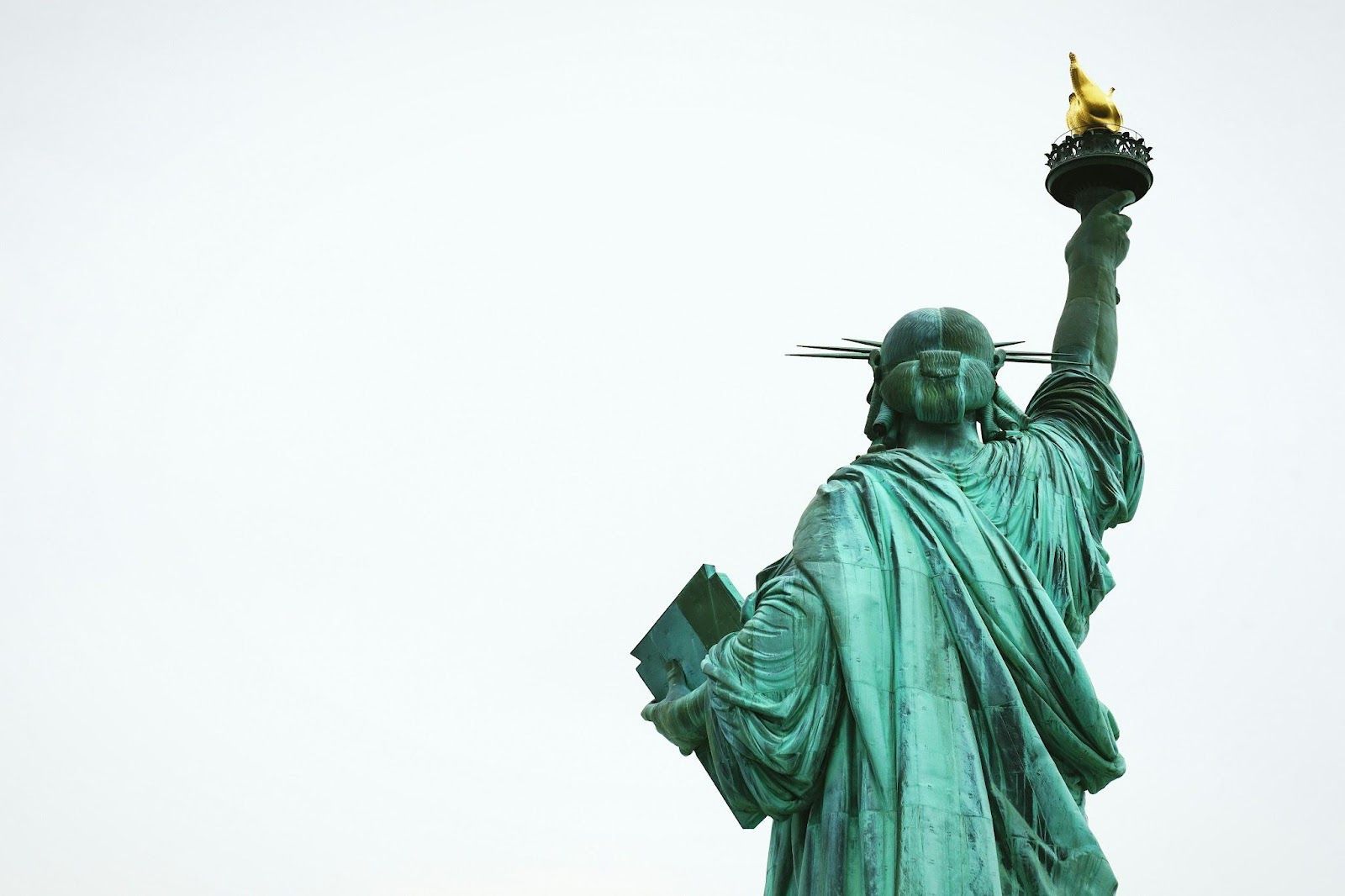
If the sculptures had included full bodies as planned, each figure would have stood 465 feet tall. That’s taller than the Statue of Liberty and most downtown skyscrapers.

10
Teddy Roosevelt was the most controversial pick

Image: Dudubangbang Travel

Washington, of course. Jefferson, made sense. Lincoln, sure. And Teddy? Some critics raised their eyebrows at Borglum’s fourth choice. Roosevelt had only recently passed away in 1919, and many questioned whether he'd stood the test of time.

But Borglum defended the decision Roosevelt’s role in breaking up monopolies, conserving national parks, and engineering the Panama Canal. Plus, Borglum had met him personally and was a fan.

11
It was supposed to have inscriptions

Image: Dan Pick

Borglum had grander plans than just four giant heads. He wanted to carve a massive inscription next to them, a timeline of America’s most important milestones , chiseled straight into the mountain. In time, the idea was scrapped for practical and aesthetic reasons.

12
The visionary died before completion

Image: Lisa Reichenstein

Gutzon Borglum, the visionary behind it all, didn’t live to see his masterpiece finished. He died in March 1941, just as the construction was reaching its end. His son, Lincoln Borglum (yes, named after that Lincoln), took over the project.

Still, with WWII drawing resources elsewhere, funding was slashed, and Lincoln had to wrap things up quickly . Some features, like Lincoln’s ear, were never fully detailed.

Explore more American facts

Choose your favorite category!

General
General

As American as apple pie—the very best America has to offer!

Culture
Culture

Delve into the astounding richness of American lore.

Geography
Geography

Hop in and explore vast and diverse American landscapes.

History
History

Discover the key moments that shaped the United States.