General General 3 min read

About the Star-Spangled Banner

Did you know these 11 obscure facts about our National Anthem?
Image: RDNE Stock project

How much do you really know about "The Star-Spangled Banner" ? It’s the song that kicks off baseball games, gives stadiums goosebumps, and has been passionately performed—or completely butchered—by countless singers. Its colorful story starts by crossing a poem and the tune of a British drinking song, runs through an electric guitar at Woodstock in the 60s, and keeps going. Read on to discover some surprising facts about America’s most patriotic anthem!

1
It had a different name

Image: Luke Michael

Originally, the lyrics came from a poem titled "Defence of Fort M’Henry," written by Francis Scott Key in 1814 after he witnessed the bombardment of Fort McHenry during the War of 1812. The sight of the American flag still flying after the battle inspired him.

The poem was printed in newspapers and set to music, but it wasn’t until more than a century later that it officially became the national anthem we know today.

2
It has four verses

Image: Serena Koi

Most of us only belt out the first one, but did you know "The Star-Spangled Banner" actually has four verses? The other three are rarely heard .

Francis Scott Key wrote additional verses exploring themes of resilience and freedom, but most people have never read those stanzas.

3
Key wasn’t a musician

Image: Steve Johnson

Contrary to what you might expect from the author of the nation’s most patriotic song, Francis Scott Key wasn’t a musician .

He was a lawyer and an amateur poet. He didn’t collaborate with a composer or choose a melody to set his lyrics to, either. He simply wrote the poem, which was later published nationally by The Analectic Magazine .

4
The tune was actually borrowed

Image: Ylanite Koppens

So how did the anthem get its music, then? A relative of Key realized that the lyrics of his poem fit perfectly with the tune of an already popular song, "To Anacreon in Heaven."

That song was actually a British drinking tune frequently sung in 18th-century gentlemen’s clubs. The melody was catchy, but its origins were anything but patriotic.

5
It was first sung in a Baltimore tavern

Image: andrew welch

One account claims that the anthem’s first public performance wasn’t at a grand concert or a government event, but in a Baltimore tavern in 1814.

According to the story, just weeks after Key wrote the lyrics, a local actor sang them to the tune of "To Anacreon in Heaven." The crowd loved it, and the song quickly spread.

6
It wasn’t the first choice

Image: Wesley Tingey

Believe it or not, "The Star-Spangled Banner" wasn’t America’s first choice for a national anthem. For over a century, songs like "Hail, Columbia" and "My Country, ’Tis of Thee" filled the role. It wasn’t until 1931 that Congress, under President Herbert Hoover, officially designated Key’s anthem as the nation’s song.

7
The tradition of singing it before sports

Image: Frankie Lopez

The tradition of singing the anthem at sporting events began during the 1918 World Series . The crowd’s emotional response was so powerful that more and more baseball games adopted the practice.

Today, it’s hard to imagine a baseball game without it. Many other sports—including American football, hockey, and basketball—have since followed suit.

8
Aretha Franklin’s rendition is the longest

Image: Stas Knop

Aretha Franklin's rendition of "Star-Spangled Banner" is the longest recorded performance of the national anthem, lasting an impressive 4 minutes and 55 seconds . In contrast, most renditions take under two minutes!

She performed it in 2016 at an NFL game, breaking the previous record set by Alicia Keys three years earlier, whose version lasted 2 minutes and 36 seconds.

9
An unsuspected first recording voice

Image: Sudhith Xavier

The first known recording of "The Star-Spangled Banner" was made in 1915 by Margaret Woodrow Wilson . Yes, the daughter of President Woodrow Wilson.

Her rendition, though not as polished as modern versions, marked the anthem’s entry into the world of recorded music. Who would have thought the president’s daughter would be a trailblazer?

10
Jimi Hendrix’s Woodstock performance

Image: Xie lipton

Jimi Hendrix’s electric guitar rendition of "The Star-Spangled Banner" at Woodstock in 1969 remains one of the most famous—and controversial—performances of the anthem.

His distorted, soulful, and modern interpretation hypnotized the crowds and became a powerful cultural statement amid the turbulence of the 1960s. Some saw it as a protest; others, as a masterpiece. Either way, we still talk about it.

11
A song for all occasions

Image: frank mckenna

Originally, "The Star-Spangled Banner" wasn’t intended solely as a national anthem. It was a patriotic song for all occasions —political rallies, public celebrations, and more. The anthem is as popular as it is versatile, and so it has been played in endless scenarios—and in countless versions!

History History 3 min read

I want to believe

Why do we knock on wood for good luck? 12 common superstitions explained

Image: Susannehs

We’ve all heard about the seven years of bad luck that are said to follow if we break a mirror, or why tossing salt over one’s shoulder is supposed to keep misfortune away. Superstitions have been a part of everyday life in the U.S., often passed down through generations without much thought to their origins. Let’s take a look at the origins of 12 common superstitions that continue to influence how people think and act today.

1
Breaking a mirror

Image: Savannah B.

As we’ve all heard, breaking a mirror is said to bring seven years of bad luck— a belief that dates back to the Romans . They thought a mirror didn’t just reflect your face, but also your soul.

Because the Romans also believed that life renewed itself every seven years, the curse was thought to last exactly that long.

2
Walking under a ladder

Image: Nick Fewings

This superstition has its roots in medieval Europe, where ladders leaning against walls formed a triangle, a shape that symbolized the Holy Trinity .

Walking through it was seen as breaking the sacred shape and inviting misfortune. Today, most people avoid it not only out of superstition but also for simple safety.

3
A black cat in your path

Image: Emmeli M

In the Middle Ages, black cats were linked to witchcraft and were thought to be witches’ companions—or even witches in disguise. Crossing paths with one was considered dangerous .

Though many cultures view black cats as lucky, in the U.S., the old stigma has persisted.

4
Knocking on wood

Image: Glen Carrie

The habit of knocking on wood to ward off bad luck likely comes from ancient pagan traditions. Trees—especially oaks—were believed to house protective spirits .

Touching or knocking on wood was a way to call on those spirits for protection. The phrase and the action traveled across centuries, and now it’s a common phrase in everyday conversations.

5
Opening an umbrella indoors

Image: Kato Blackmore 🇺🇦

The superstition that opening an umbrella indoors brings bad luck originates from 18th-century England. Early umbrellas were large, stiff, and often had metal spokes.

Opening one indoors could cause injury or break household items , so the "bad luck" warning worked as a practical safety rule.

6
Friday the 13th

Image: Nik

Friday has long been considered unlucky in Christian tradition because it was said to be the day of the Crucifixion. The number thirteen was also viewed as ominous, connected to the Last Supper .

When the two were combined, Friday the 13th gained its spooky reputation. Despite rational explanations, some hotels skip floor 13, and many people still avoid major plans on that date.

7
Spilling salt

Image: ekaterina shishina

Salt was once precious and expensive, symbolizing purity and friendship. Spilling it was considered wasteful and unlucky in ancient times.

The practice of tossing a pinch over your left shoulder comes from folklore, supposedly to blind the devil lurking there . It’s a tiny gesture that still lingers on dinner tables today.

8
Four-leaf clover

Image: Barbara Krysztofiak

The four-leaf clover is a symbol of good fortune dating back to the Celts, who believed the rare leaves provided protection against evil spirits .

Since clovers typically have only three leaves, the fourth leaf came to symbolize rarity and luck.

9
Rabbit’s foot

Image: Timofei Adrian

Carrying a rabbit’s foot for luck traces back to African and European folklore, where rabbits were seen as fertile, magical creatures .

The superstition spread through American culture in the 19th century, especially in the South. Even though it might seem unusual—and potentially unsanitary—the lucky rabbit’s foot remains a well-known charm today.

10
Wishbone

Image: Museum of New Zealand Te Papa Tongarewa

The tradition of making a wish on a wishbone originates with the Romans, who, in turn, borrowed it from the Etruscans. They believed that birds held divine powers .

Breaking the bone with someone else was thought to transfer luck to the person who ended up with the larger piece .

11
Coin in a fountain

Image: Lila Mitchell

Tossing a coin into water to make a wish has its roots in ancient Europe. Wells and springs were considered sacred, often associated with gods or spirits.

People dropped coins as offerings for health or good fortune . Today, fountains across the U.S. and around the world collect millions of coins.

12
Wishing upon a star

Image: Ali

The superstition of wishing upon a star comes from ancient Greece and Rome, where falling stars were believed to carry messages from the gods .

Even today, looking up at the night sky and spotting a shooting star inspires many people to make a wish.

Culture Culture 3 min read

TV Legends

From Sitcoms to Dramas: The 10 most beloved characters in TV history

Image: Aleks Dorohovich

Over the years, TV fiction has given us countless moments of entertainment, laughter, tension, and even love and sadness. Some of the characters who stuck with us season after season left a mark we still feel today. From the unforgettable Lucy Ricardo to the mysterious Mr Spock and the chaotic Michael Scott, today we’re looking back at 10 characters who’ve been living in our hearts rent-free.

1
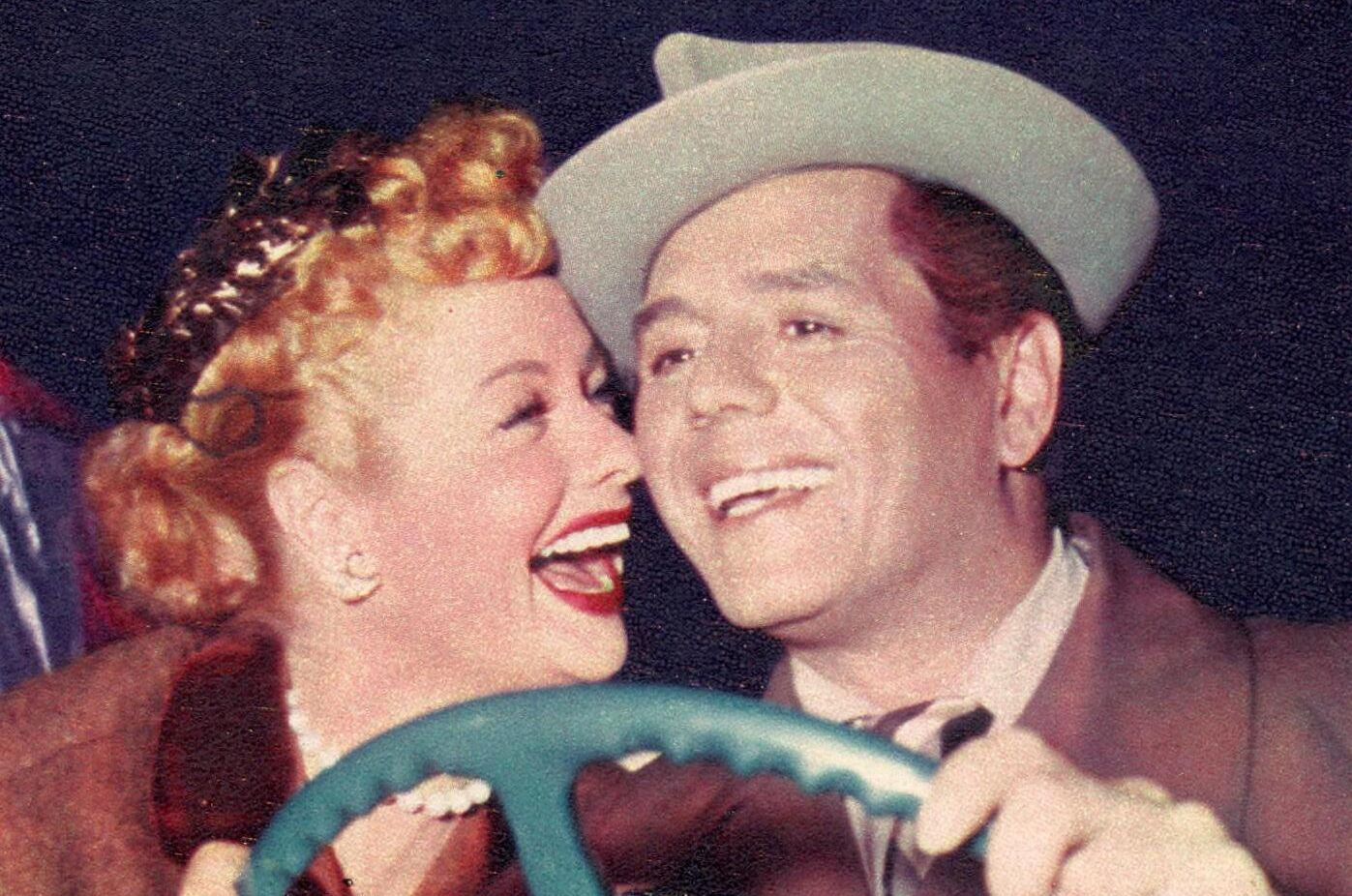
Lucy Ricardo ( I Love Lucy )

Image: TV Guide, Public domain, via Wikimedia Commons

Despite being a series from the 1950s, I Love Lucy made such a strong impact on American culture that it’s still remembered and referenced today. And it’s impossible to forget Lucy Ricardo, the lovable protagonist who was always chasing "a little more" out of life through daring and hilarious adventures with her husband and neighbors. The familiarity of the characters and the way they connected with viewers turned the show into a success that totally transcended its time.

2
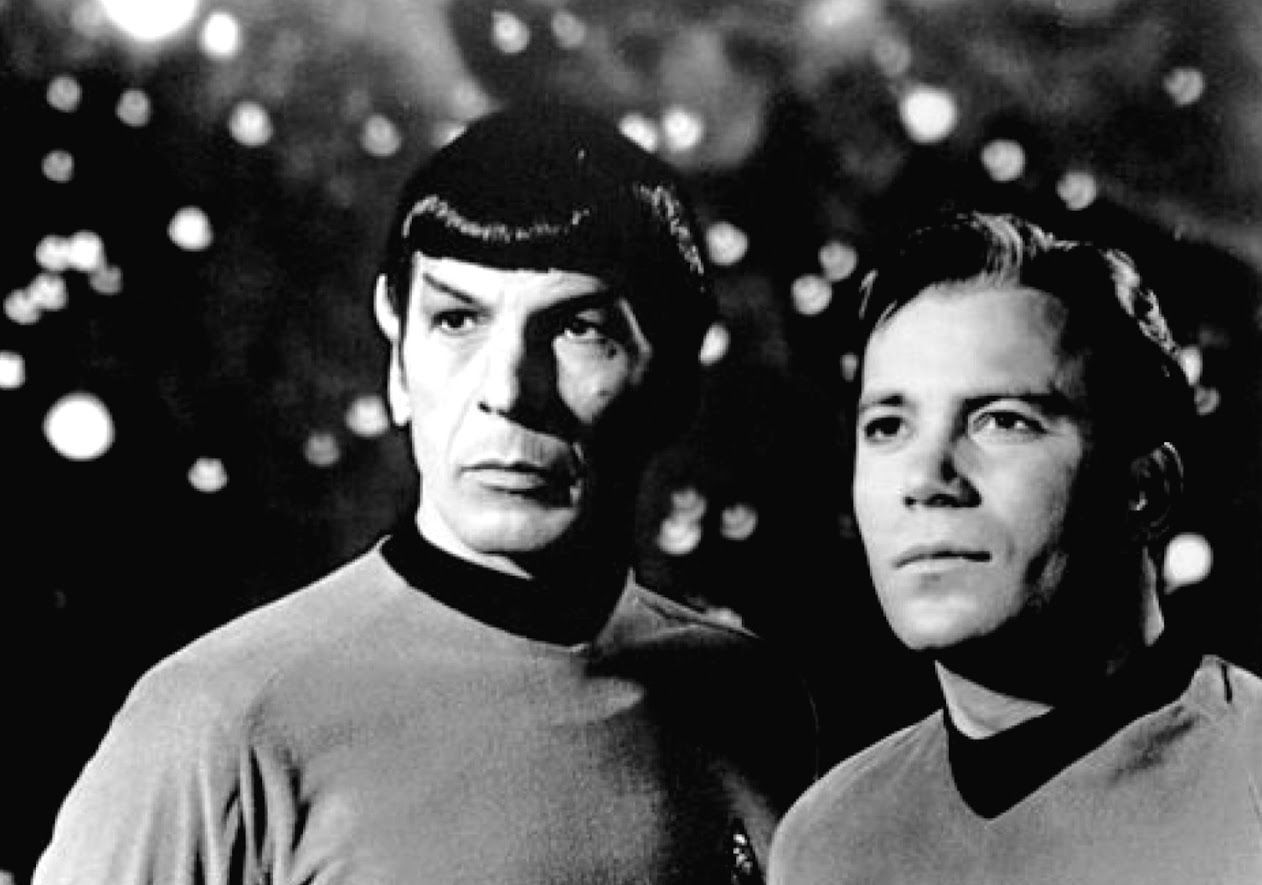
Spock ( Star Trek )

Image: NBC Television, Public domain, via Wikimedia Commons

This pair of pointed ears is really hard to forget. Mr. Spock, played by Leonard Nimoy in Star Trek , is easily one of the most memorable characters on TV, and we get why. His particular appearance and his calm, controlled demeanor made him irresistible to almost everyone in the audience. Alongside his discipline, strong values, and quiet reserve, his warm and empathetic human side would occasionally shine through, making him one of our favorites.

3
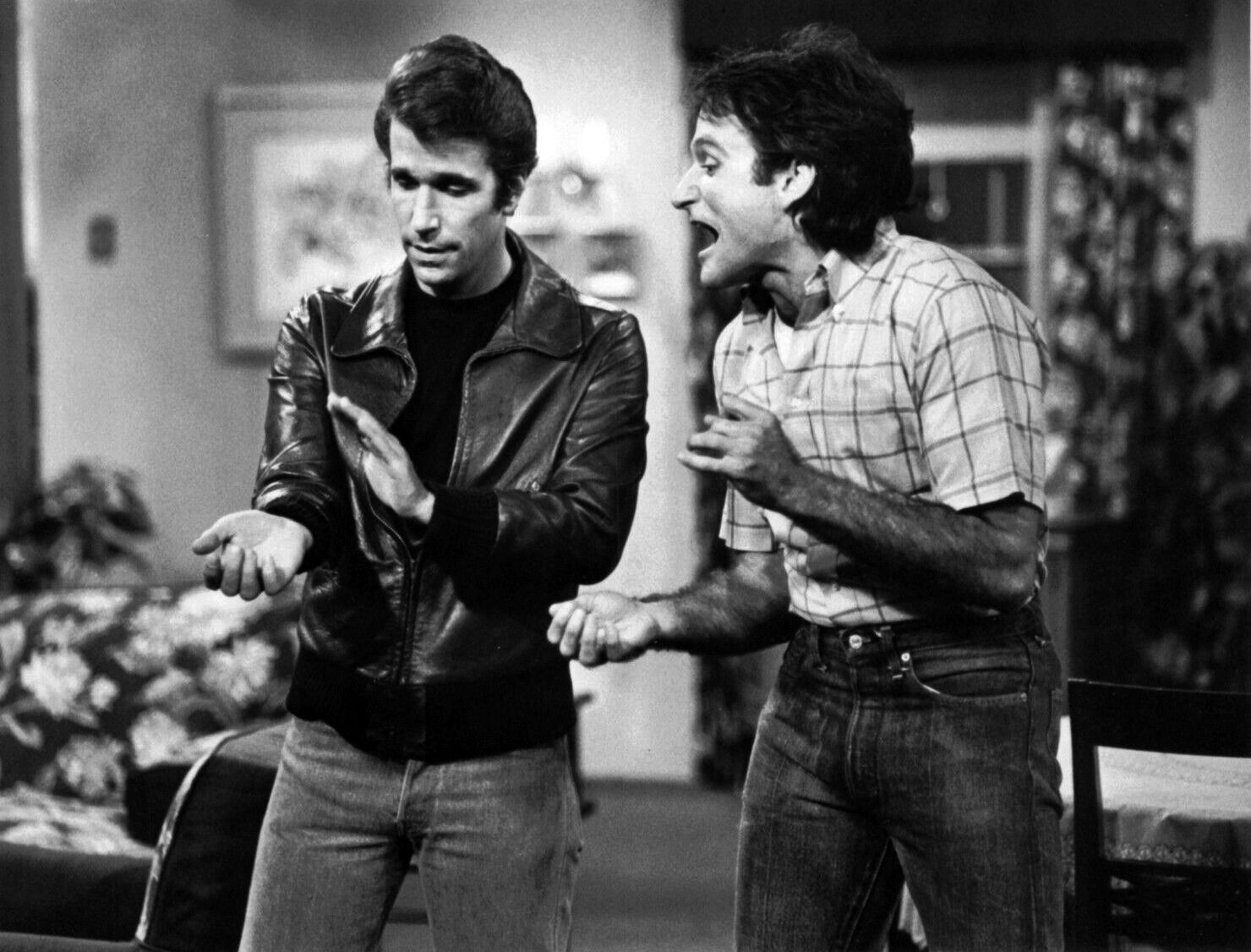
Fonzie "The Fonz" ( Happy Days )

Image: ABC, Public domain, via Wikimedia Commons

Fonzarelli, Fonzie, the Fonz: three names for everyone’s favorite character from Happy Days . Fonzie wasn’t just the epitome of cool; he also had a loyal, charismatic, and genuinely warm personality that made him impossible not to love.

4
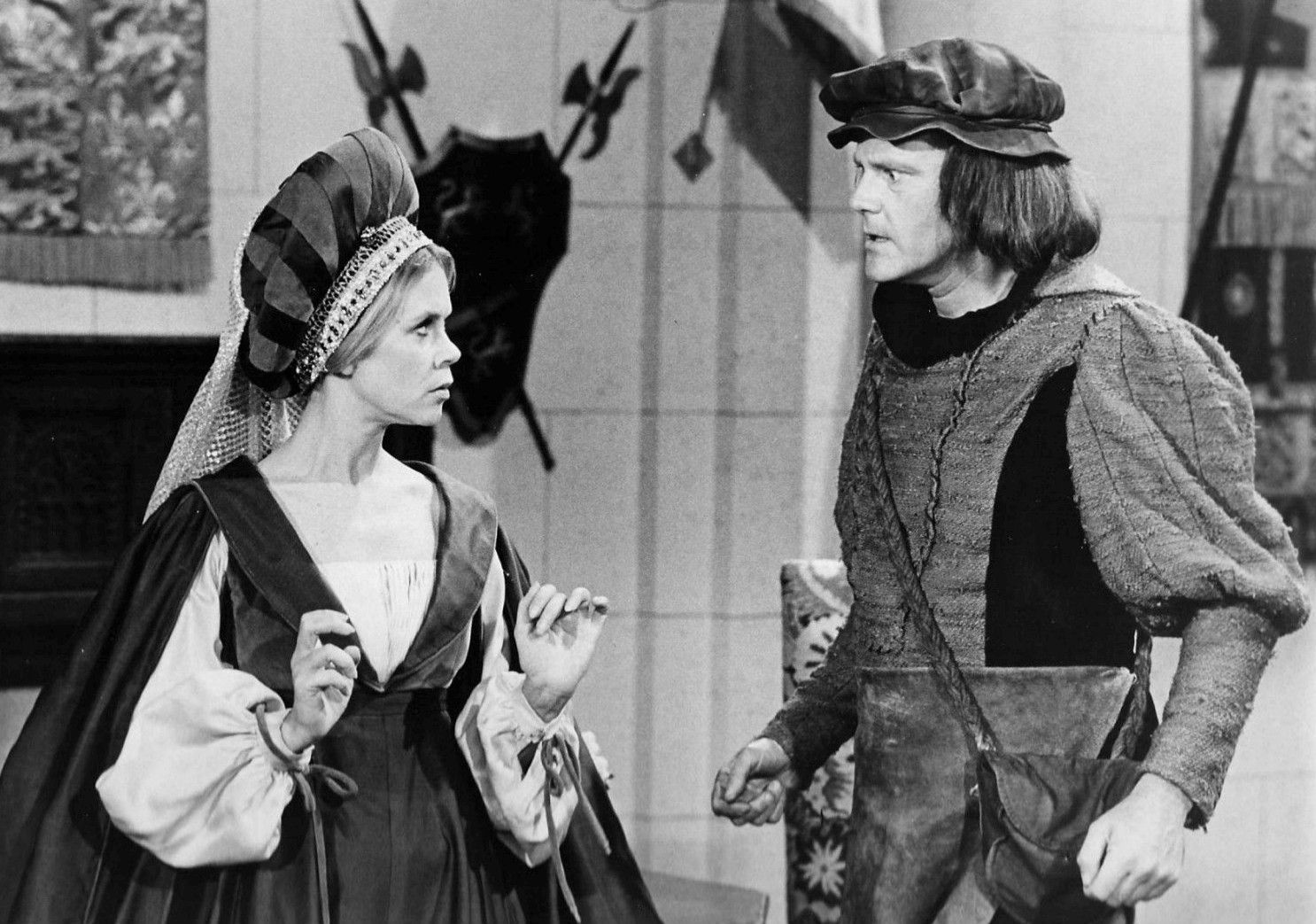
Samantha Stephens ( Bewitched )

Image: ABC Television, Public domain, via Wikimedia Commons

If you had magical powers, your life would probably resemble that of Samantha Stephens, the lovable star of Bewitched , and that's probably what made this series such a success. Samantha’s warm personality and intelligence (along with her powers, of course) allowed her to balance her magical world and her human life. And along the way, she gives us some really funny adventures!

5
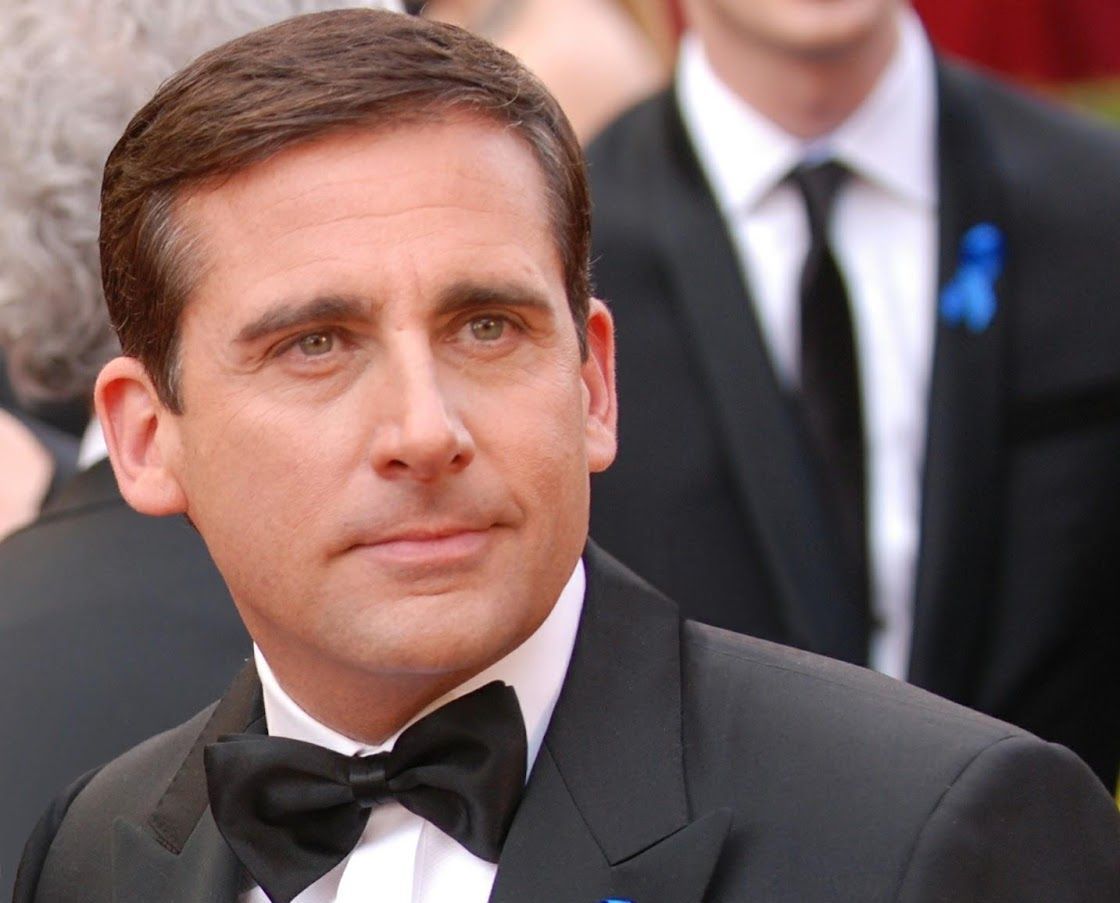
Michael Scott ( The Office )

Image: Steve_Carell_with_wife_Nancy_Walls_@_2010_Academy_Awards.jpg: Photo by Sgt. Michael Connorsderivative work: RanZag, Public domain, via Wikimedia Commons

Michael Scott may not seem like the nicest character ever, but it’s precisely his quirkiness and his desperate need to be liked that make us end up loving him so much. Well-intentioned but socially awkward, this character is so funny that no matter what he does, we can’t help but adore him.

6
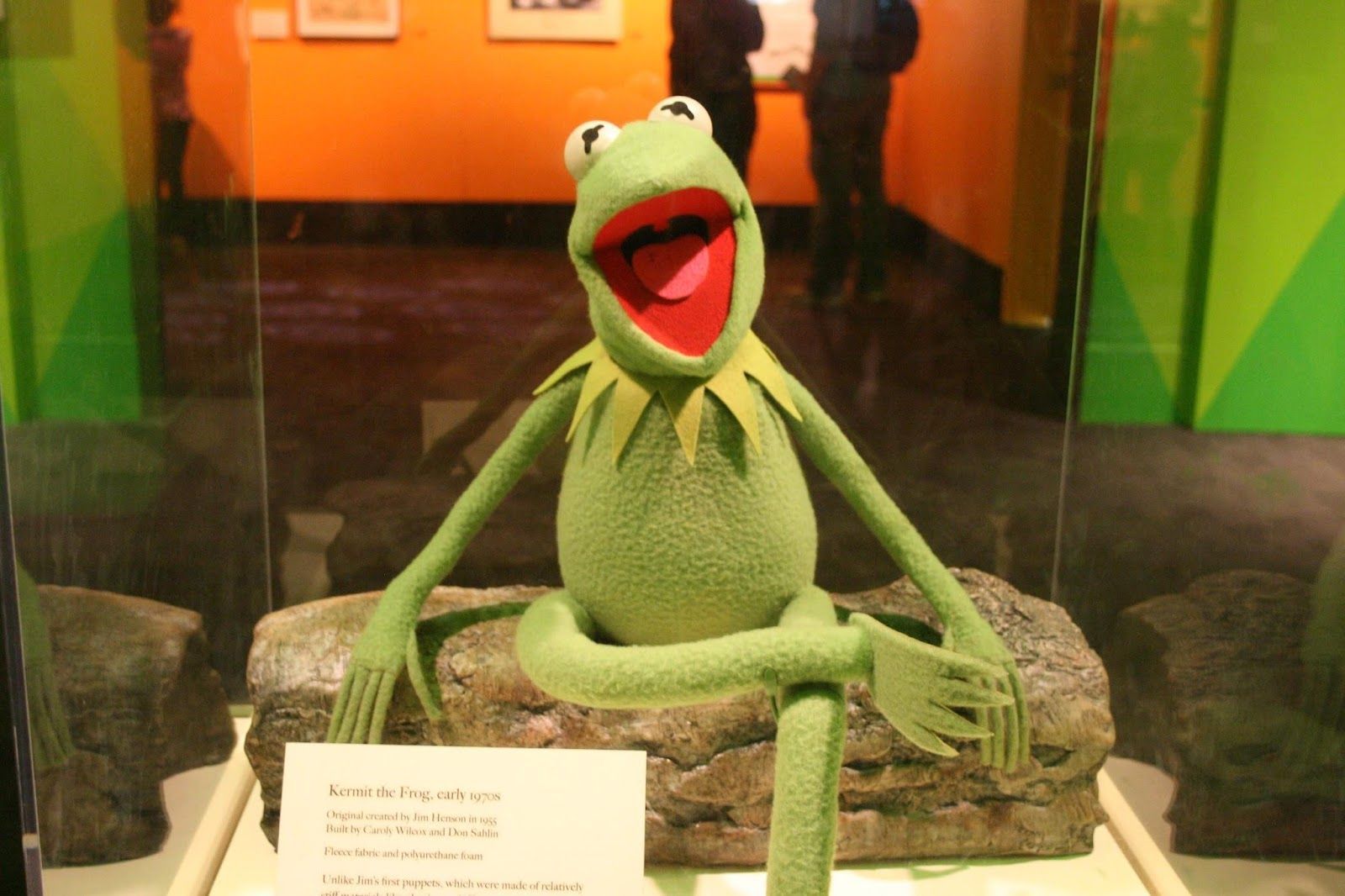
Kermit the Frog ( Sesame Street/The Muppet Show )

Image: Pattie, Public domain, via Wikimedia Commons

Who said all the characters on this list had to be human? No one would have guessed that a puppet could become a total celebrity, right? Well, that’s exactly what happened with Kermit, the most famous frog of all. The best part is that you don’t have to be a child to appreciate the optimism, warmth, and humor that make us all love dear Kermit.

7
Chandler Bing ( Friends )

Image: Tracie Hall from Orange County, us, CC BY-SA 2.0 <https://creativecommons.org/licenses/by-sa/2.0>, via Wikimedia Commons

Each one of the six main characters of Friends has a strong fan base, but one stands out: Chandler Bing. Undoubtedly one of the most beloved, Chandler won us over with his humble heart, his awkwardness in understanding and managing emotions, and, of course, his silly jokes that came out even at the most inappropriate moments.

8
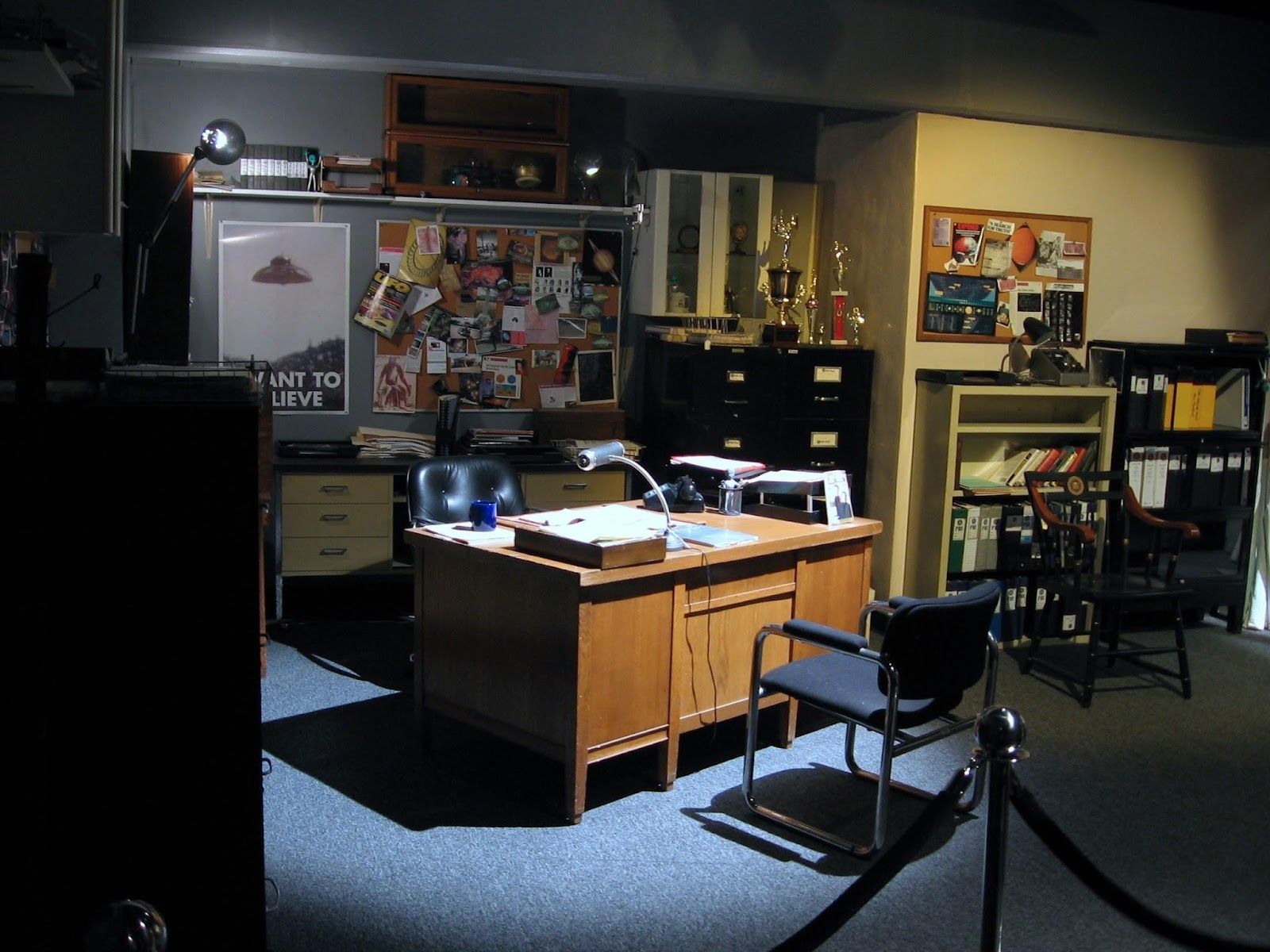
Mulder & Scully ( The X-Files )

Image: Marcin Wichary from San Francisco, U.S.A., CC BY 2.0 <https://creativecommons.org/licenses/by/2.0>, via Wikimedia Commons

We had to pick one, but we just couldn’t: Mulder and Scully are inseparable. Though very different, the two main characters of The X-Files won over audiences equally. Mulder, the believer and passionate investigator, and Scully, the skeptical but determined scientist, come together to complement each other in the most perfect way.

9
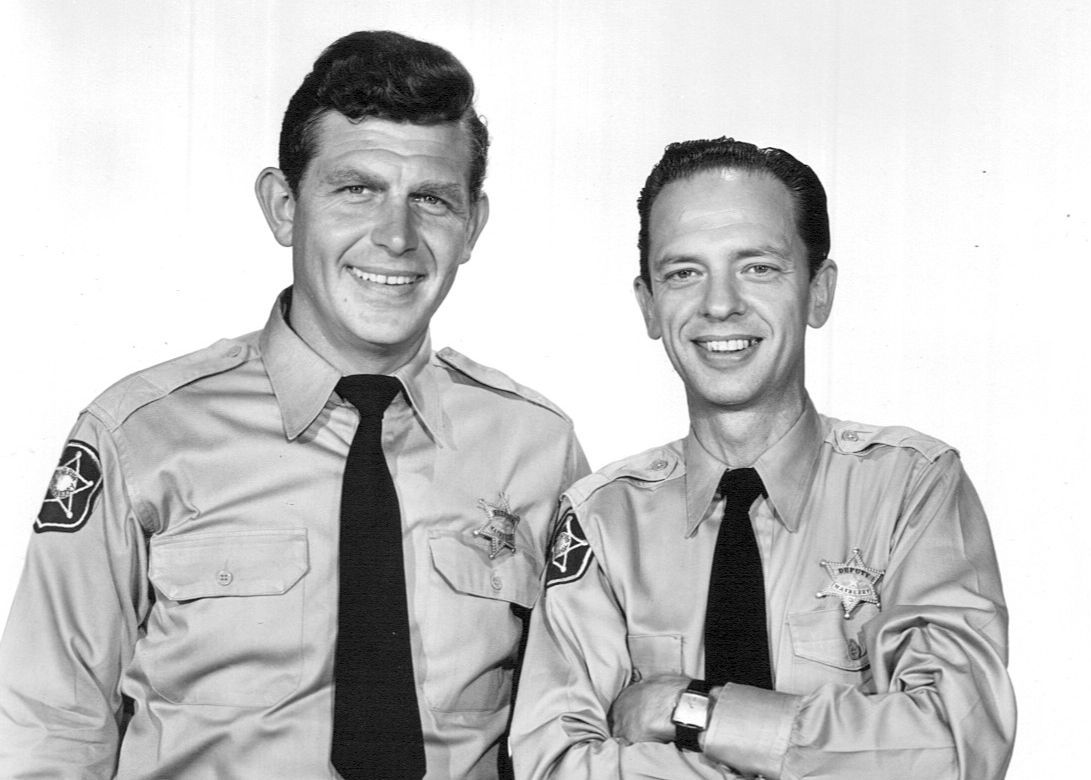
Sheriff Andy Taylor ( The Andy Griffith Show )

Image: Rogers & Cowan, Beverly Hills-publicity agency, Public domain, via Wikimedia Commons

That kind face was enough to win our hearts, but Sheriff Andy Taylor offers so much more: kindness, good intentions, and a calm demeanor, along with humor and intelligence. Often serving as the moral compass in The Andy Griffith Show , he became a familiar and trusted presence for audiences of all ages.

10
Sheldon Cooper ( The Big Bang Theory )

Image: MelodyJSandoval, CC BY 2.0 <https://creativecommons.org/licenses/by/2.0>, via Wikimedia Commons

His enormous intelligence and sharp logic make him stand out in the academic world, but his struggles with social connections complicate his personal life. This is Sheldon Cooper, one of TV’s most beloved "brainiacs." Despite his difficulty with sarcasm, his cold and distant demeanor, and his unbearably pragmatic nature, Sheldon has a certain charm that makes him impossible not to love.

Explore more American facts

Choose your favorite category!

General
General

As American as apple pie—the very best America has to offer!

Culture
Culture

Delve into the astounding richness of American lore.

Geography
Geography

Hop in and explore vast and diverse American landscapes.

History
History

Discover the key moments that shaped the United States.