History History 3 min read

The many faces of the flag

Our flag has changed 27 times: Explore its evolution
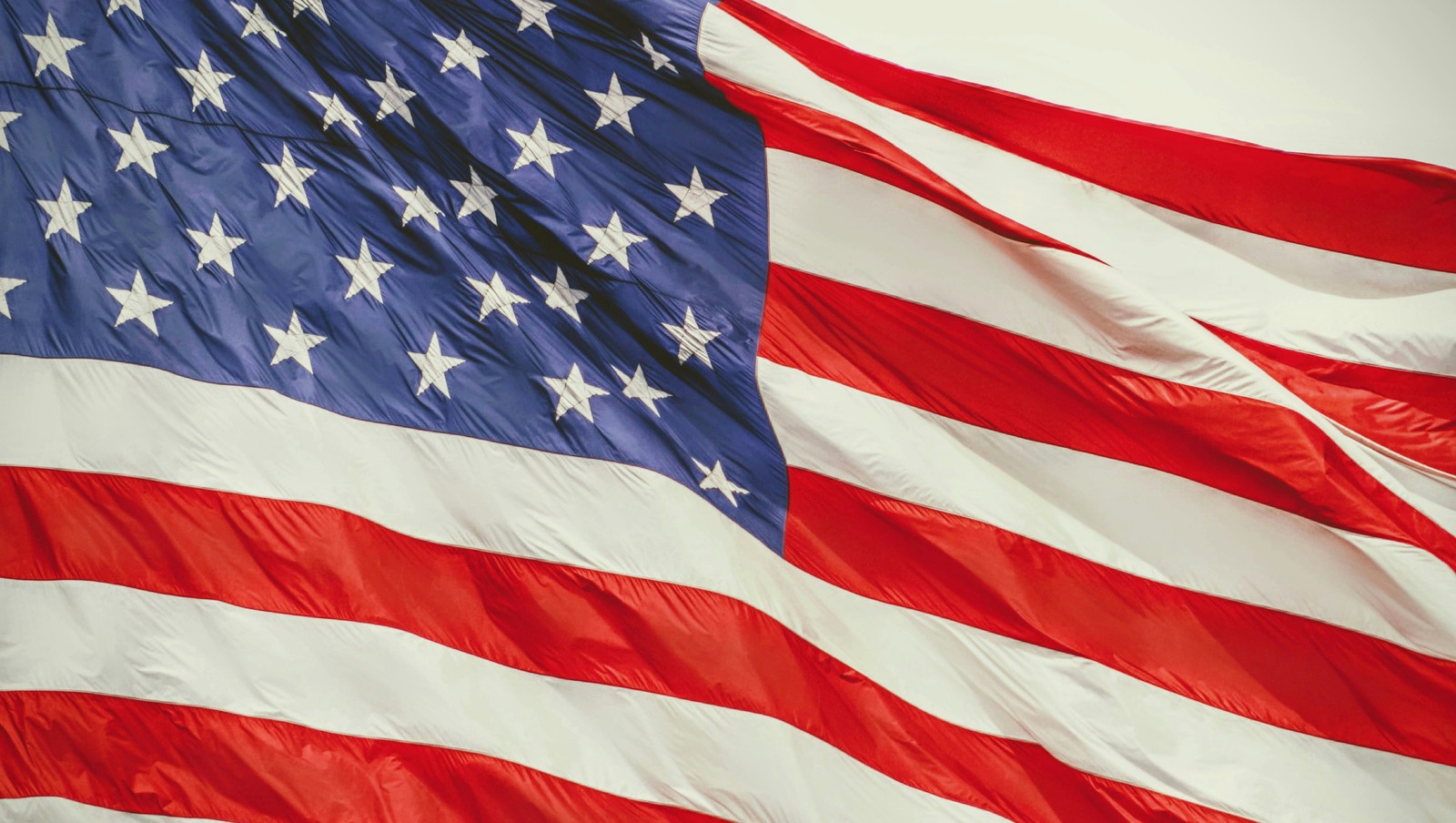
Image: Joshua Hoehne

The Stars and Stripes are now recognized around the world, but the US flag didn’t always look the way it does today. While the red, white, and blue colors have been there from the beginning, the design has changed about 27 times! And so have the rules for handling it. If you want to see what our flag looked like in the past, or learn more about the protocols and traditions surrounding it, keep reading!

1
1776
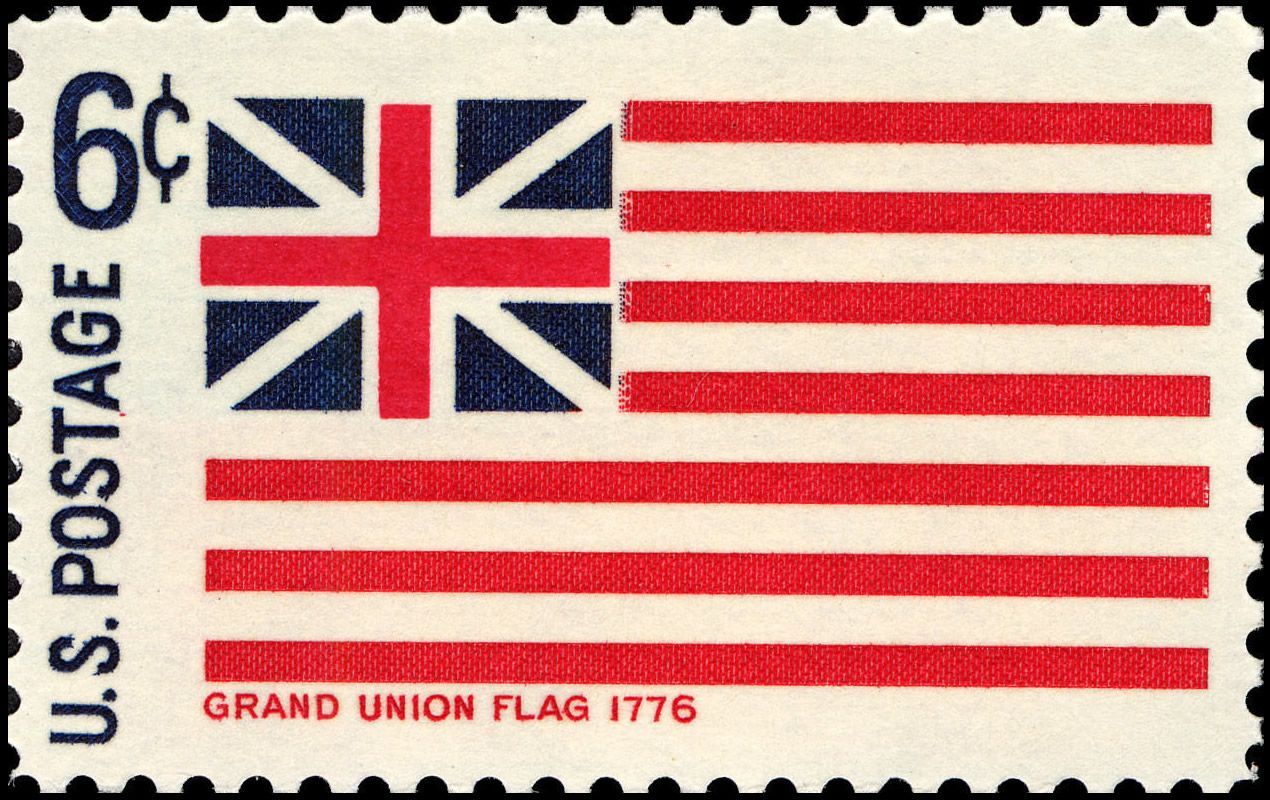
Image: Bureau of Engraving and Printing., Public domain, via Wikimedia Commons

During the American Revolution, the Grand Union Flag, also called the Continental Colors, was created to represent the colonies. It featured 13 alternating red and white stripes (symbolizing the original colonies), but instead of stars in the upper left corner like we see today, it displayed the Union Jack.

2
1777
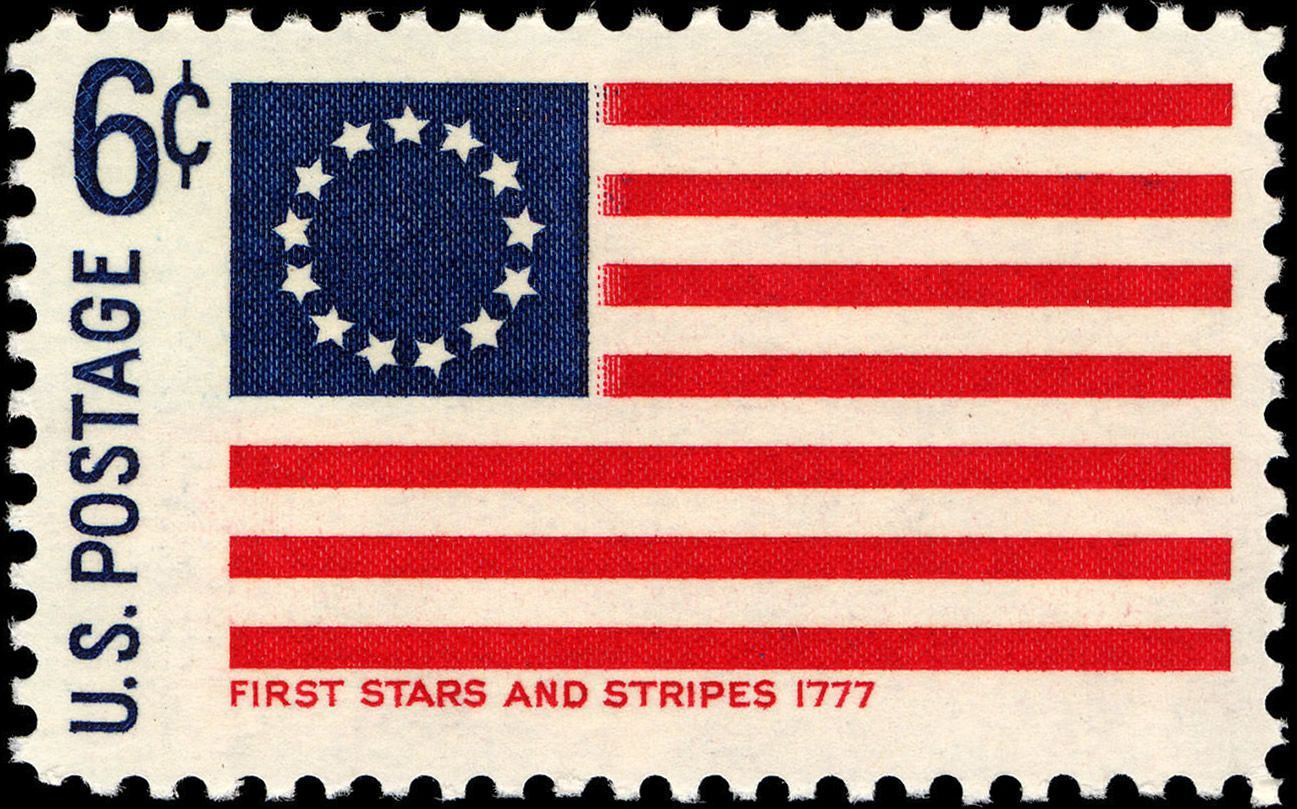
Image: Bureau of Engraving and Printing., Public domain, via Wikimedia Commons

In 1777, following the Declaration of Independence, the Continental Congress adopted the first official flag of the United States. It featured 13 alternating red and white stripes, which still honor the original colonies today. Replacing the Union Jack, it introduced a new element that would be key for the rest of its history: 13 white stars set in a blue field, or canton, arranged in a circle to symbolize equality and unity among the states.

3
1795
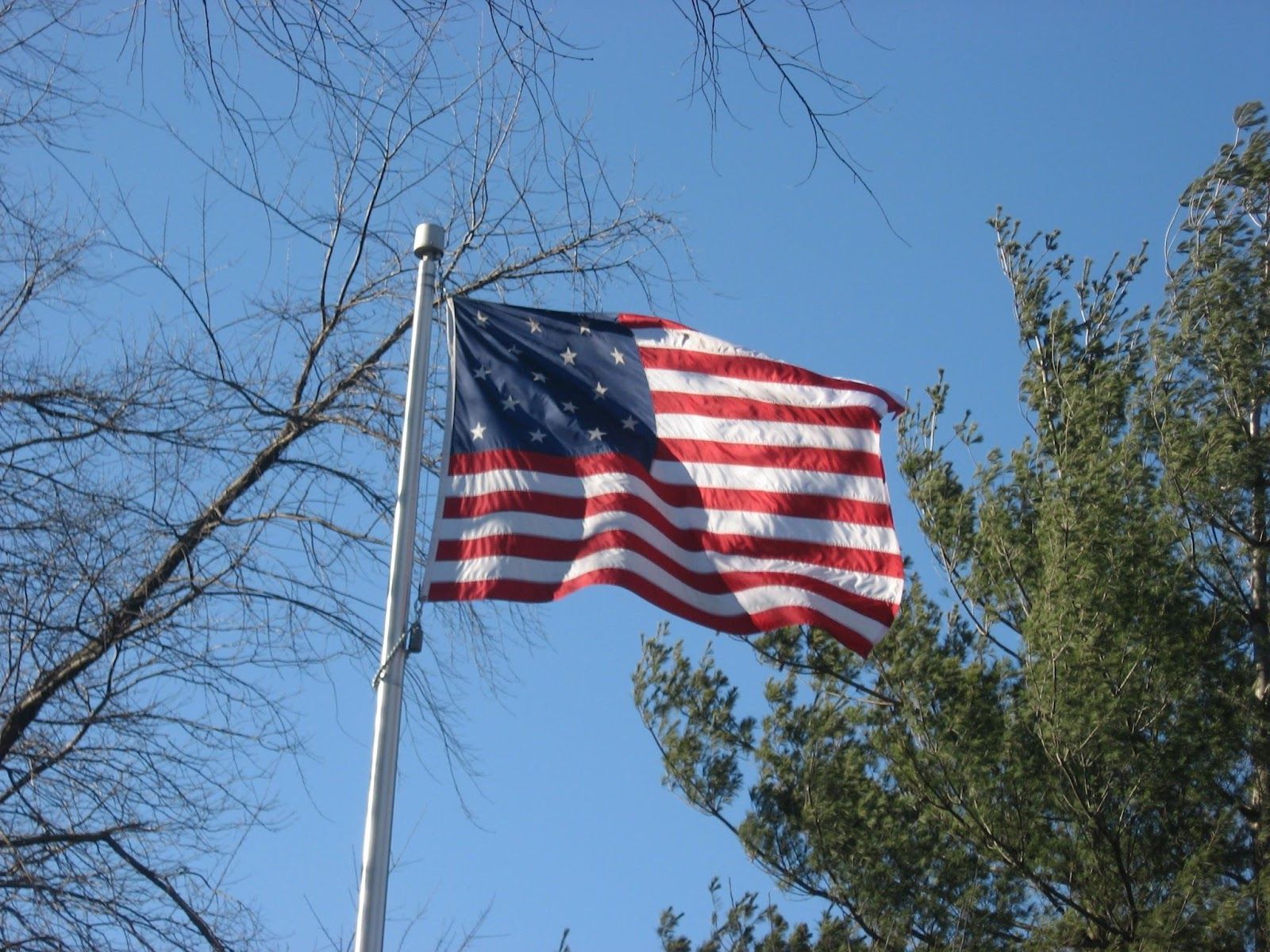
Image: Nyttend, Public domain, via Wikimedia Commons

It wasn’t until 1795 that the flag changed again, when two more stars and two additional stripes were added to represent the recently admitted states of Vermont (1791) and Kentucky (1792). This version was the only US flag to feature more than 13 stripes and later became known as "The Star-Spangled Banner", since it was the very flag that inspired Francis Scott Key to write the poem that would later be the lyrics of the national anthem.

4
1818
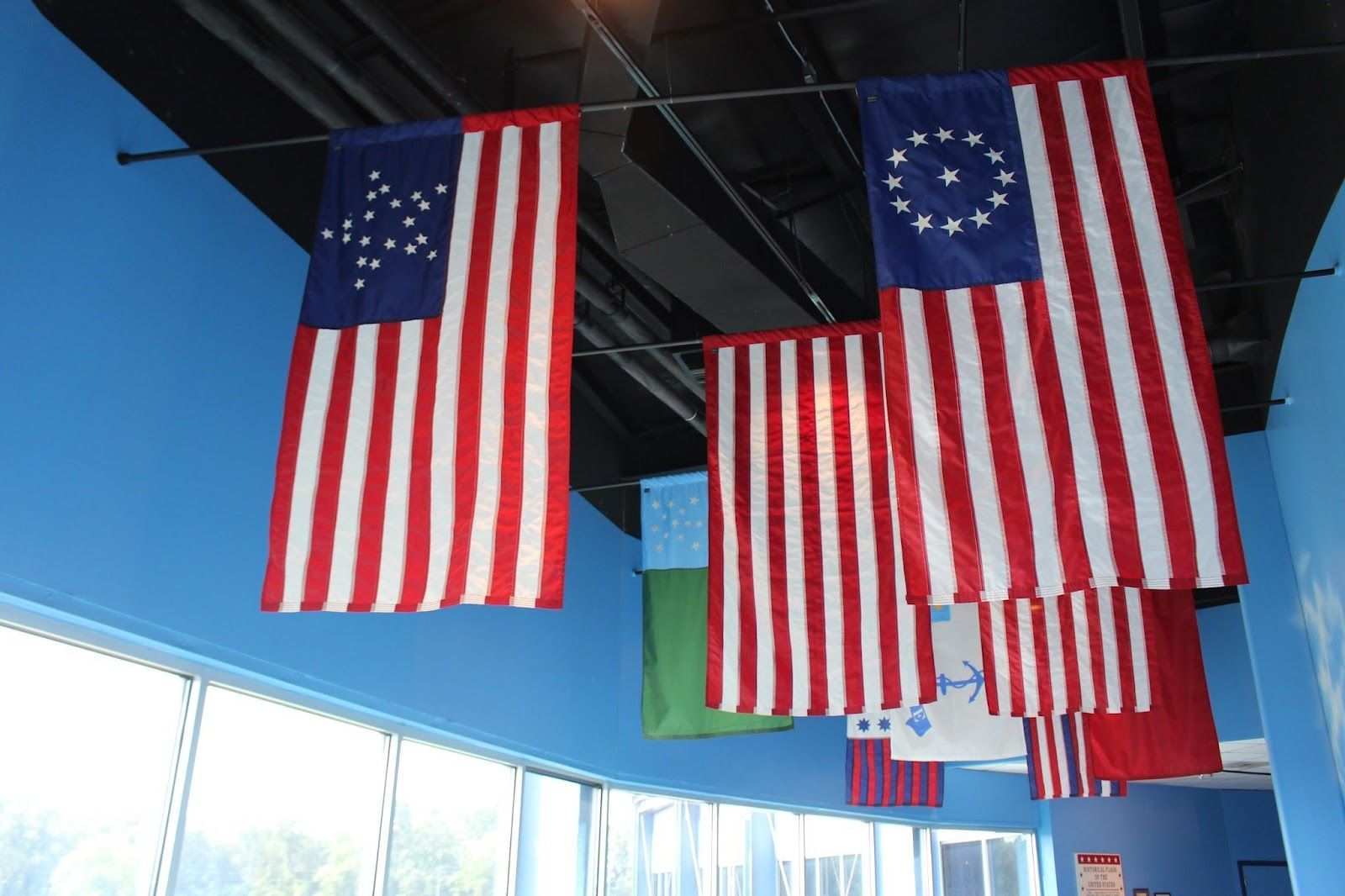
Image: Michael Rivera, CC BY-SA 4.0 <https://creativecommons.org/licenses/by-sa/4.0>, via Wikimedia Commons

In 1818, the flag’s design changed once again. The 15 stripes were reduced back to 13 to permanently honor the original colonies. Five new states had joined the Union, bringing the total number of stars to 20. These stars were sometimes arranged in straight rows and other times in the shape of a large star, which earned this version the nickname "The Great Star Flag."

5
1912

Image: This image is a work by Wikipedia and Wikimedia Commons user Aktron.When reusing, please credit me as: Aktron / Wikimedia Commons. I would appreciate being notified if you use my work outside Wikimedia.More of my work can be found in my personal gallery.csen+/−csenmkplsr+/−, CC BY-SA 3.0 <https://creativecommons.org/licenses/by-sa/3.0>, via Wikimedia Commons

Each new state joining the Union meant one more star on the flag. In 1912, when New Mexico and Arizona were added, the number of states reached 48, so their stars also took their place. That year, President Taft issued an executive order setting the official proportions of the flag and specifying that the stars should be arranged in six horizontal rows of eight.

6
1960
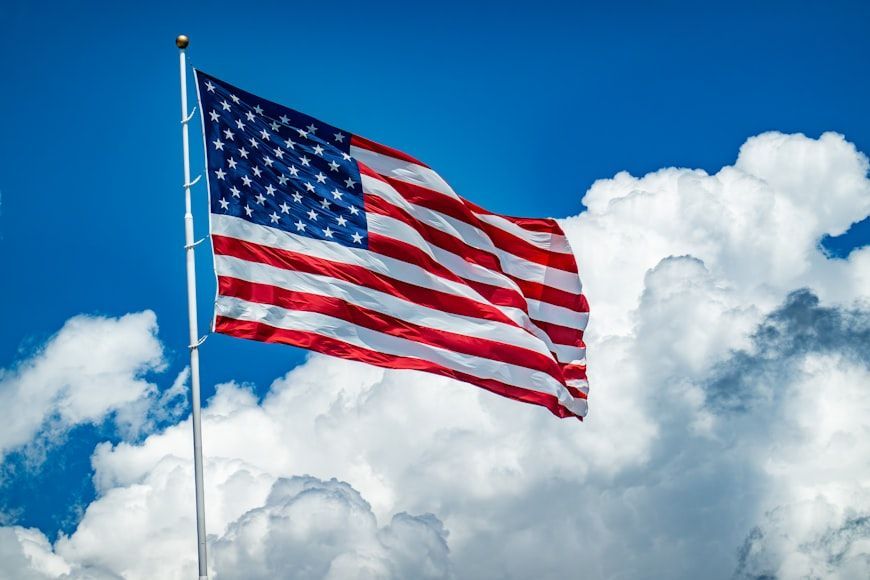
Image: chris robert

The most recent design change came in 1960. After Alaska and Hawaii joined the Union in 1959, two more stars were added, bringing the total to 50. They were arranged in nine alternating rows of six and five stars, like the official flags you see displayed across the country today.

7
Flag time
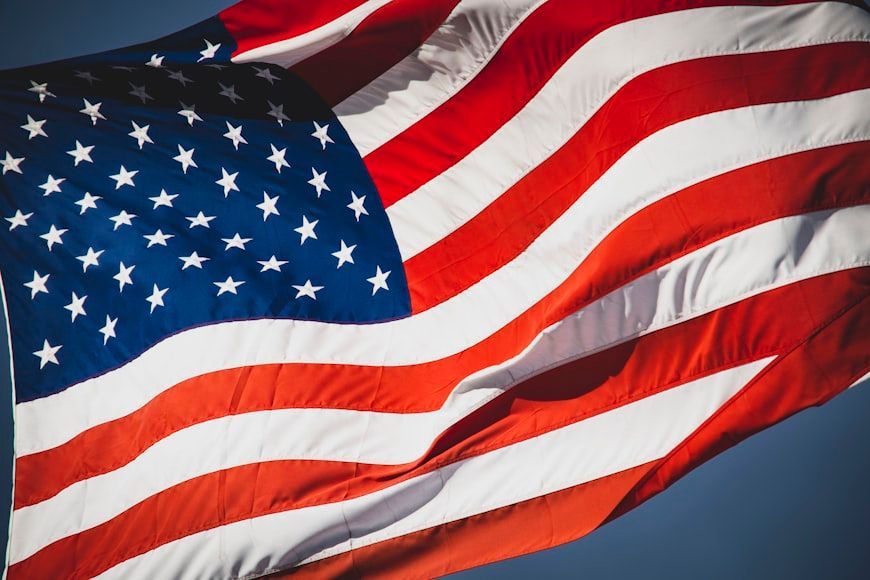
Image: Jon Sailer

Beyond its official design, the US flag follows a set of protocols established over the years. One key rule specifies the time to display it: generally, the flag should be flown from sunrise to sunset. If displayed at night, it must be properly illuminated.

8
Weather conditions
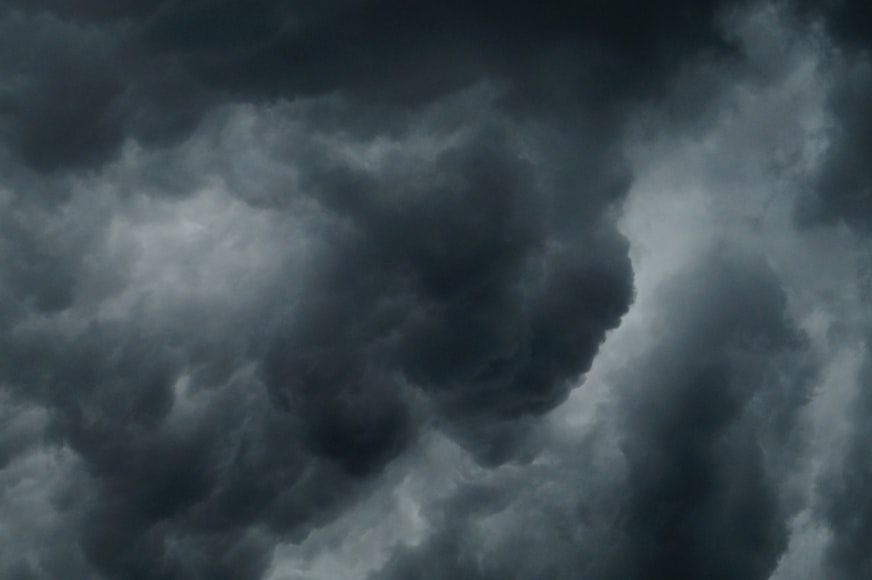
Image: Anandu Vinod

The flag code doesn’t just set the time of day; it also indicates the proper weather conditions for display. According to the protocol, the flag should not be flown in bad weather, such as rain, snow, or storms, unless it’s an all-weather flag designed for such conditions.

9
Position
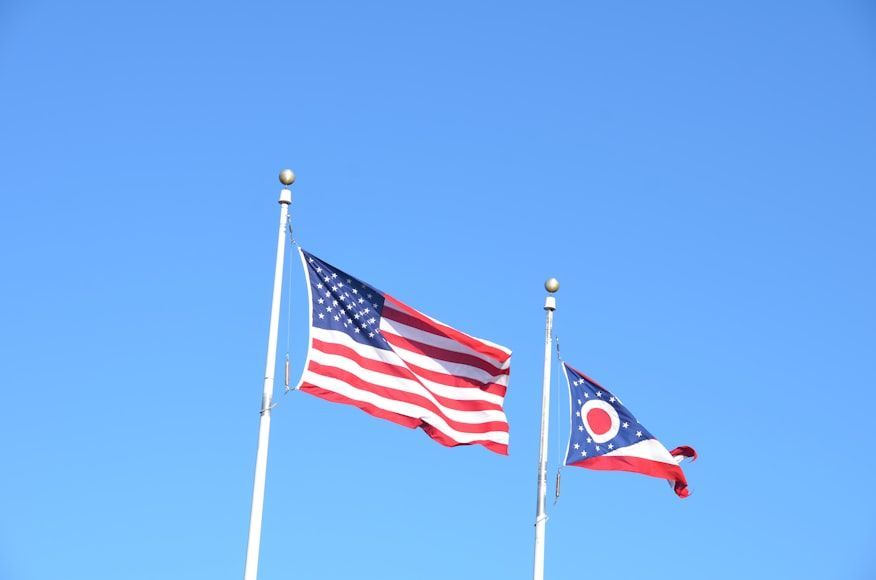
Image: Roger Starnes Sr

Of course, the flag must always have the blue canton in the upper left corner. But there are more rules for its position. When flown with other symbols, such as state flags, the national flag must be in the center and slightly higher. Additionally, if it needs to be lowered from the flagpole, the flag must never touch the ground.

10
Don'ts
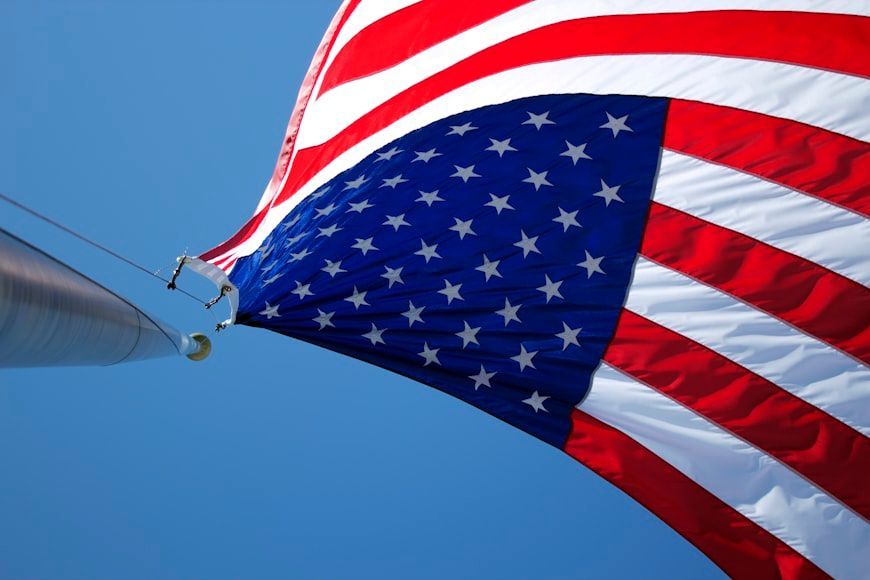
Image: Alex Martinez

If you need to handle the flag, it’s important to know the proper way. But it's also crucial to know what not to do. Some of the key "don'ts" include never letting it touch the ground, avoiding creasing it, not writing or drawing on it, and one that might surprise many: don’t use it as clothing or decoration.
General General 5 min read

Incredible creatures

You won't believe these 10 American animals' amazing traits and skills

Nature never ceases to amaze us. From mammals that can "glide" through the air to creatures that can twist their heads 180 degrees, America's wildlife is as diverse as it is impressive. While you probably recognize many of the animals in this article, they have some skills that could shock anyone. Join us to discover these 10 incredible American animals with amazing abilities and unique traits !

1
Blue jay

Image: Mark Olsen

The blue jay is a beautiful bird with –as its name suggests– striking blue plumage. It also has white feather details and a sort of black "collar" on its neck. But it is not just a pretty face; it also has wonderful abilities.

Blue jays are excellent mimics . They can imitate the calls of other birds, especially hawks, in order to frighten and scare away predators. Nature is wise!

In addition, these birds that live in family groups have a great memory . Blue jays have been seen storing nuts far from where they originally found them and then returning to those locations later without much effort.

2
Bald eagle

Image: Mathew Schwartz

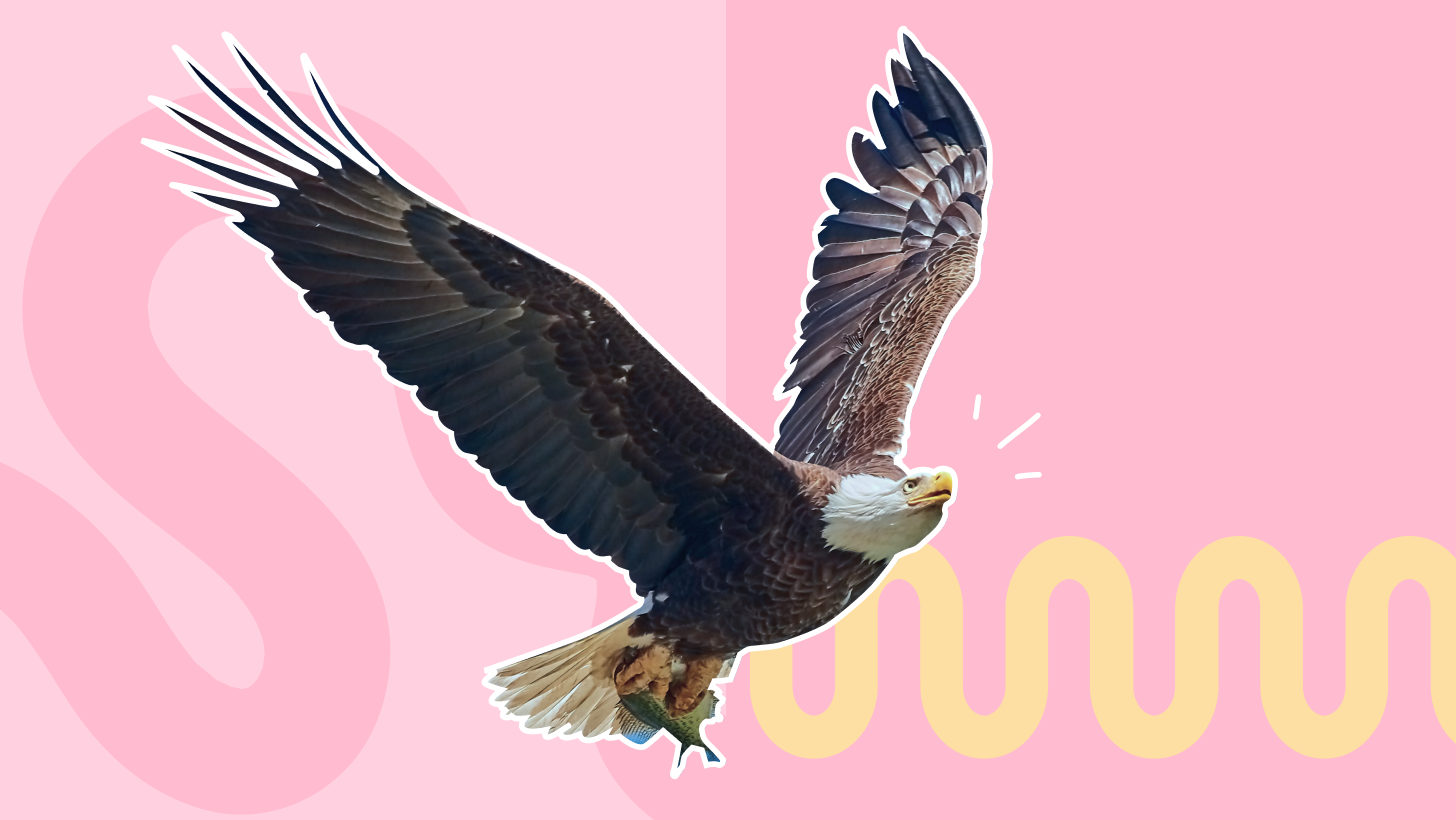
As one of America's most iconic symbols, the bald eagle makes an imposing impression just with its presence. It is one of the largest birds in the world, with a wingspan ranging from 6 to 7.5 feet and weighing between 3 and 6.5 pounds.

One of its most outstanding traits is its vision , considered by many experts to be 4 to 5 times sharper than human eyesight. This bird has such precise vision that it can spot its prey from several miles away while flying!

In addition to that, its hunting skills are exceptional. Bald eagles rarely fail to catch a snack, thanks to their large and powerful talons. Their prey can be quite large, as their grip strength can reach 400 pounds per square inch.

3
Pronghorn antelope

Image: David Thielen

Despite its common name, the pronghorn is not an antelope. In fact, it belongs to another family called Antilocapridae , exclusive to North America. Yes, they only exist here!

Pronghorns have several characteristics that make them unique, including their iconic horns . First off, pronghorns shed their horns every year (because who doesn't want to renew their outfit?). And, unlike many other species, it's not just the males that have horns; the females do too.

But here's its best feature: the pronghorn is nothing less than the fastest land animal in America, capable of reaching speeds of over 50 mph. And that's not all; this animal can sustain its speed for very long distances. A true runner!

4
American alligator

Image: Joshua J. Cotten

The American alligator can measure between 13 and 15 feet long and weigh more than 900 pounds, making it one of the largest reptiles in the USA.

But its size is not the only thing that impresses. The American alligator, which inhabits the southeastern United States, has one of the fiercest and most powerful bites in the entire animal kingdom, reaching 2,980 pounds of pressure per square inch. Just picture that destructive power!

Biting so hard must have negative consequences for the teeth, right? True. But this is not a problem for the American alligator, as this reptile has the ability to regenerate its lost teeth more than 50 times in its lifetime!

5
Barn owl

Image: Bob Brewer

The barn owl is one of the several owl species found in America. Its most characteristic feature is its heart-shaped face. This distinctive quality is not only cute, but it also serves a purpose: it directs sound into the bird's ear cavities. The barn owl has exceptional hearing , allowing it to detect the smallest prey in the dark.

On the other hand, one of the most striking features of owls is their ability to rotate their heads about 180 degrees and, in some cases, even more. If you found The Exorcist disturbing, you don't want to watch videos of owls rotating their heads!

6
Wood frog

Image: Richie Bettencourt

The wood frog is a small amphibian native to the northeastern states, famous for the dark markings around its eyes. These markings are like a mask that extends, much like when someone's makeup smudges.

But this frog's appearance is not the only thing that distinguishes it. It also has an incredible skill: the ability to withstand freezing temperatures. And that's not all; during the winter, their bodies can actually freeze solid and then thaw out in the spring without sustaining serious damage. Amazing!

Although it is not Captain America, this ability allows the wood frog to adapt very well to temperatures as low as -10°F for several weeks.

7
Flying squirrel

Image: Saori Oya

Have you ever dreamed of flying through the sky like a superhero? Who wouldn't want that? There is a squirrel that has this advantage, which is why it is commonly called the flying squirrel.

Despite its funny name, the flying squirrel doesn't actually fly but glides through the trees. Even so, watching this small mammal deploy a membrane between its limbs to glide with great precision from the heights is impressive. In addition, they can perfectly regulate speed and direction during their ride through the air.

Have you ever seen one of these creatures?

8
Gila monster

Image: David Clode

There is only one venomous lizard in the U.S., and that title goes to the great Gila monster.

This lizard, naturally found in the southwestern regions of our country, has unique abilities that set it apart from other animals. The "monster" in its name is no coincidence: this lizard has a fearsome bite , capable of injecting painful venom. The Gila monster's venom is delivered through grooves in its teeth, something extremely rare for a lizard.

And there's more. This animal can go several months without eating! This is due to its slow metabolism , which allows it to survive even when food is scarce.

9
Eastern diamondback rattlesnake

Image: Leah Storme

The eastern diamondback rattlesnake is one of the largest rattlesnakes that inhabit our country, reaching 6 feet in length and weighing around 10 pounds. Its characteristic diamond-shaped pattern on its back is what gives it its iconic name.

Besides having one of the most potent venoms among rattlesnakes, this snake has another important advantage. The diamondback rattlesnake has thermo-detecting pits. But what is that? They are tiny orifices located between its eyes and nose, which allow it to detect the temperature of its warm-blooded prey even in the deepest darkness.

10
American beaver

Image: Tim Umphreys

Beavers are amazing animals. These rodents that inhabit freshwater environments are like the architects of the animal world. They have impressive building skills, with dams being their primary type of construction.

The dams that beavers build with sticks, logs, stones, mud, and other materials from nature are designed to protect their community and lodges. Beavers' lodges are perfectly engineered, featuring underwater entrances that keep them isolated and safe, just like a natural bunker!

They are also excellent swimmers . They have an affinity for water and use it in very creative ways. For example, they slap their flat tails against the water's surface to alert their families when danger is near.

General General 5 min read

Culinary influences

Discover 10 "foreign" foods that are actually American

Image: Dyana Wing So

In the United States—the great melting pot—we have embraced countless delicious dishes brought by immigrants when they arrived in America. At the same time, this cultural exchange gave rise to new recipes that, while borrowing elements from cuisines around the world, were created entirely on American soil. For example, did you know that no one in Italy would serve meatballs and pasta in the same course? Or that there isn’t a single restaurant in Cuba where you can order an authentic Cuban sandwich? Read on to discover 10 dishes you thought were foreign but are, in fact, American!

1
Chimichangas

Image: Pedro Gil

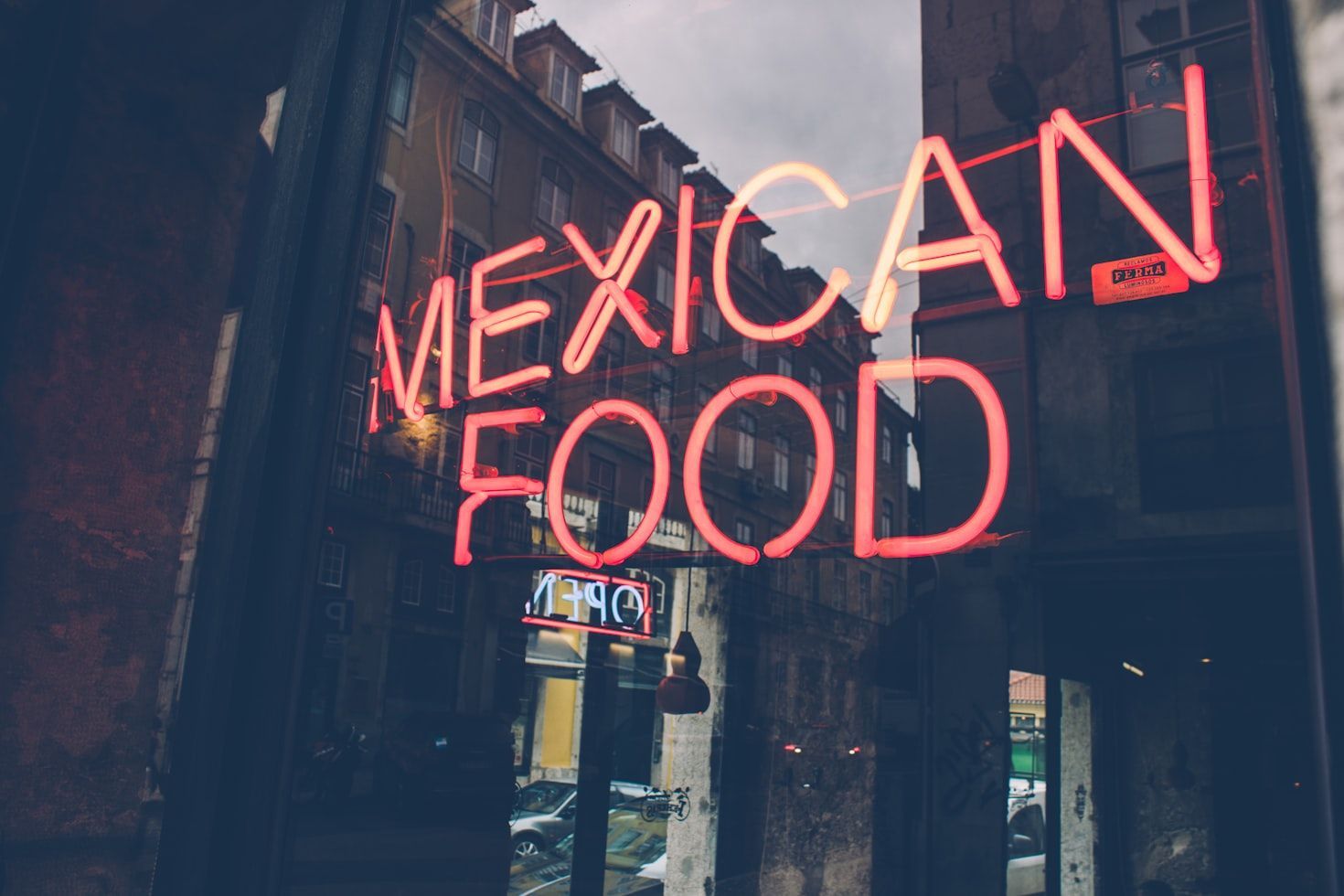
What do you mean it’s not a Mexican dish? The name sounds Mexican!" While two Mexican-American restaurants—one in Tucson and the other in Phoenix—dispute the authorship of this dish, one thing is certain: it originated in the United States, more specifically in Arizona .

Today, chimichangas— a stuffed burrito fried in oil or butter —are one of America’s favorite dishes. And although they could never have existed without the culinary influence of our southern neighbor, we also had a lot to do with their creation.

2
Chop suey

Image: Albert Stoynov

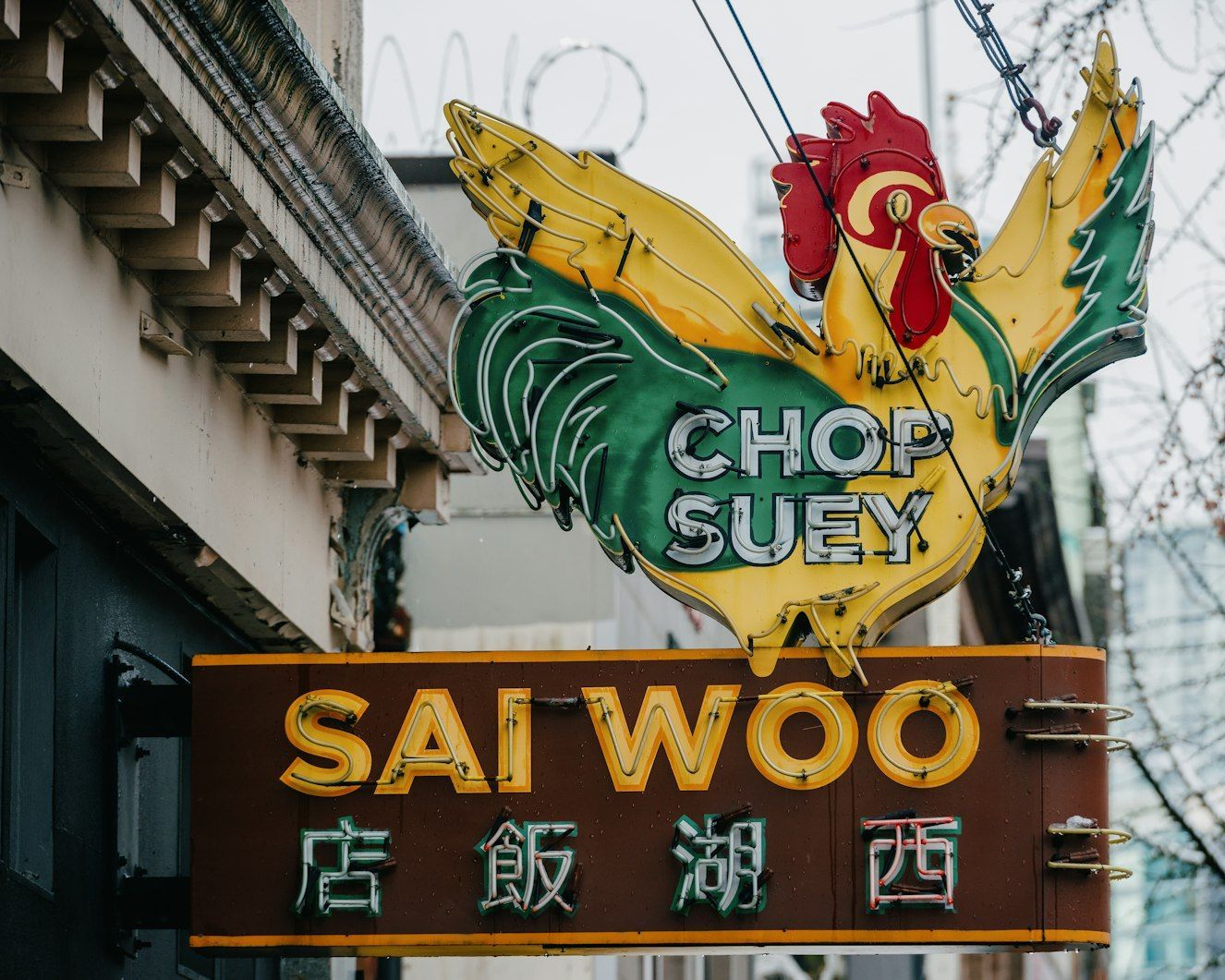
There are many theories about the origin of this popular dish, but one of the most widespread is particularly intriguing. According to lore, chop suey was invented in 1896 by the cook of the Chinese ambassador to the United States . Apparently, the diplomat, who was hosting a dinner for American guests, instructed the chef to prepare a dish that would appeal to both Eastern and Western palates.

While there is no dispute that similar dishes exist in Asian cuisine, this particular moment of cultural and culinary exchange is said to have sparked the American public's fascination with Asian flavors . Soon after, Chinese restaurants began to proliferate across the country, with chop suey as their signature dish.

3
Russian dressing

Image: Rachel Claire

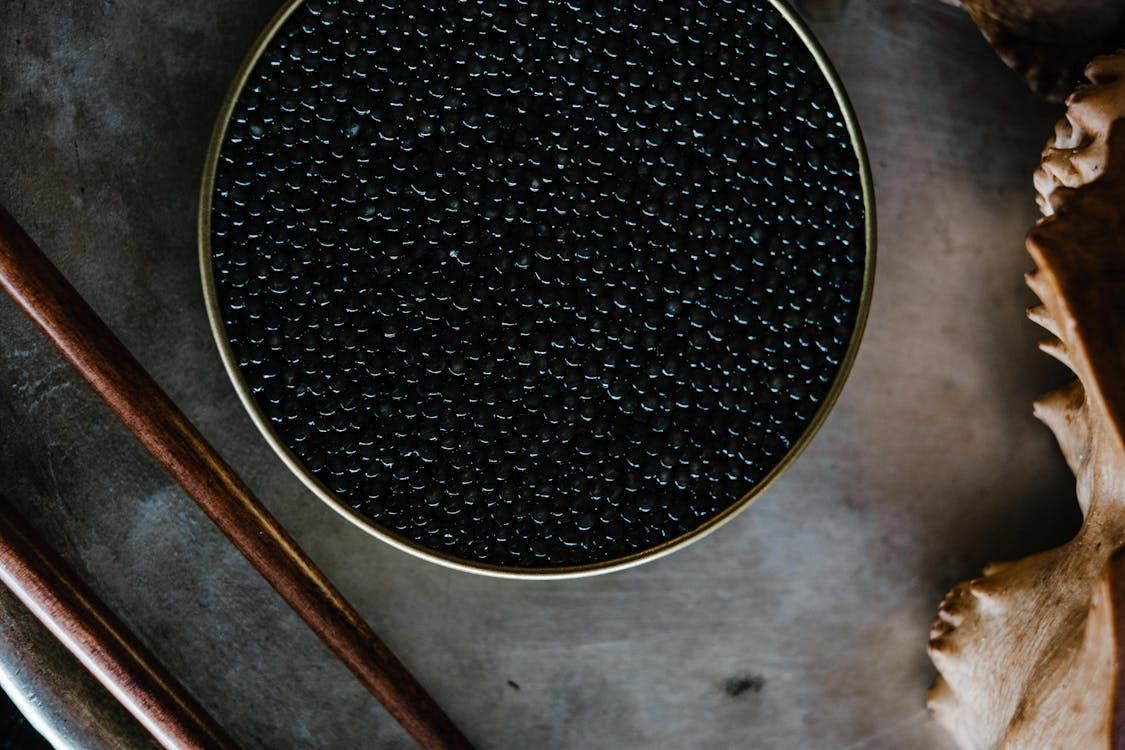
Did you know that nobody in Russia has ever seasoned their salad with Russian dressing? It doesn't exist there! This popular condiment is a completely American invention. It’s believed to have been created by a New Hampshire butcher in the early 20th century , who originally called it "Russian mayonnaise." Interestingly, he had no known ties to Russia, so it is unclear why he chose that name.

Perhaps the answer lies in one of the dressing’s original ingredients: black caviar, one of Russia’s most famous exports . Unfortunately, we’ll probably never know the full story. One thing is certain, though—Russian dressing was born in the United States!

4
Chili con carne

Image: https://images.unsplash.com/photo-1545433243-0a87e3fed9b4?q=80&w=1470&auto=format&fit=crop&ixlib=rb-4.0.3&ixid=M3wxMjA3fDB8MHxwaG90by1wYWdlfHx8fGVufDB8fHx8fA%3D%3D

Okay, chili may sound like a traditional Mexican dish, but this meaty version, chili con carne , was actually created in South Texas in the late 19th century . Not only did it feature added animal protein, but one of the key ingredients often associated with chili today—beans—was originally left out.

Chili con carne quickly became a national favorite. Families across the country began experimenting with their own versions, and soon, nearly every state had its own take on the dish . But nothing quite compares to the original Texan chili—the one that started it all!

5
Fortune cookies

Image: hannahlouise123

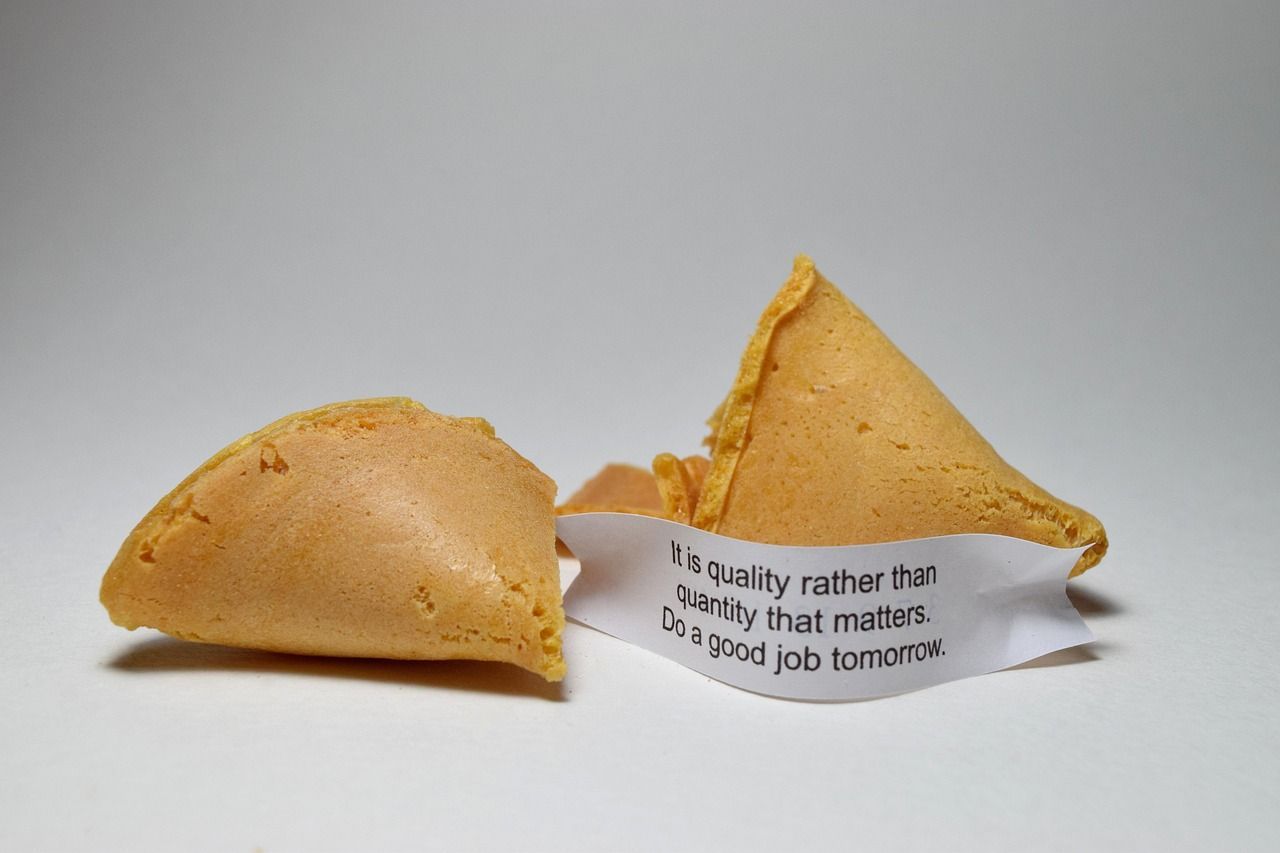
If you asked someone where fortune cookies come from, they’d probably say China. After all, they’re the quintessential treat served at Chinese restaurants around the world. But surprisingly, fortune cookies were invented in the United States —and they’re not even Chinese !

They were first created in the early 20th century in San Francisco , one of the American cities with the largest Asian immigrant populations. Even more surprisingly, they were invented by a Japanese man as a gesture of gratitude to the mayor who had hired him as a designer. He was inspired by a Kyoto tradition called omikuji , which involves offering a treat that contains a random fortune written on a slip of paper.

After World War II, many Chinese entrepreneurs took over Japanese bakeries in the Bay Area, helping to spread the cookie's popularity—and contributing to the common misconception about their origin.

6
Cuban sandwich

Image: Conor Brown

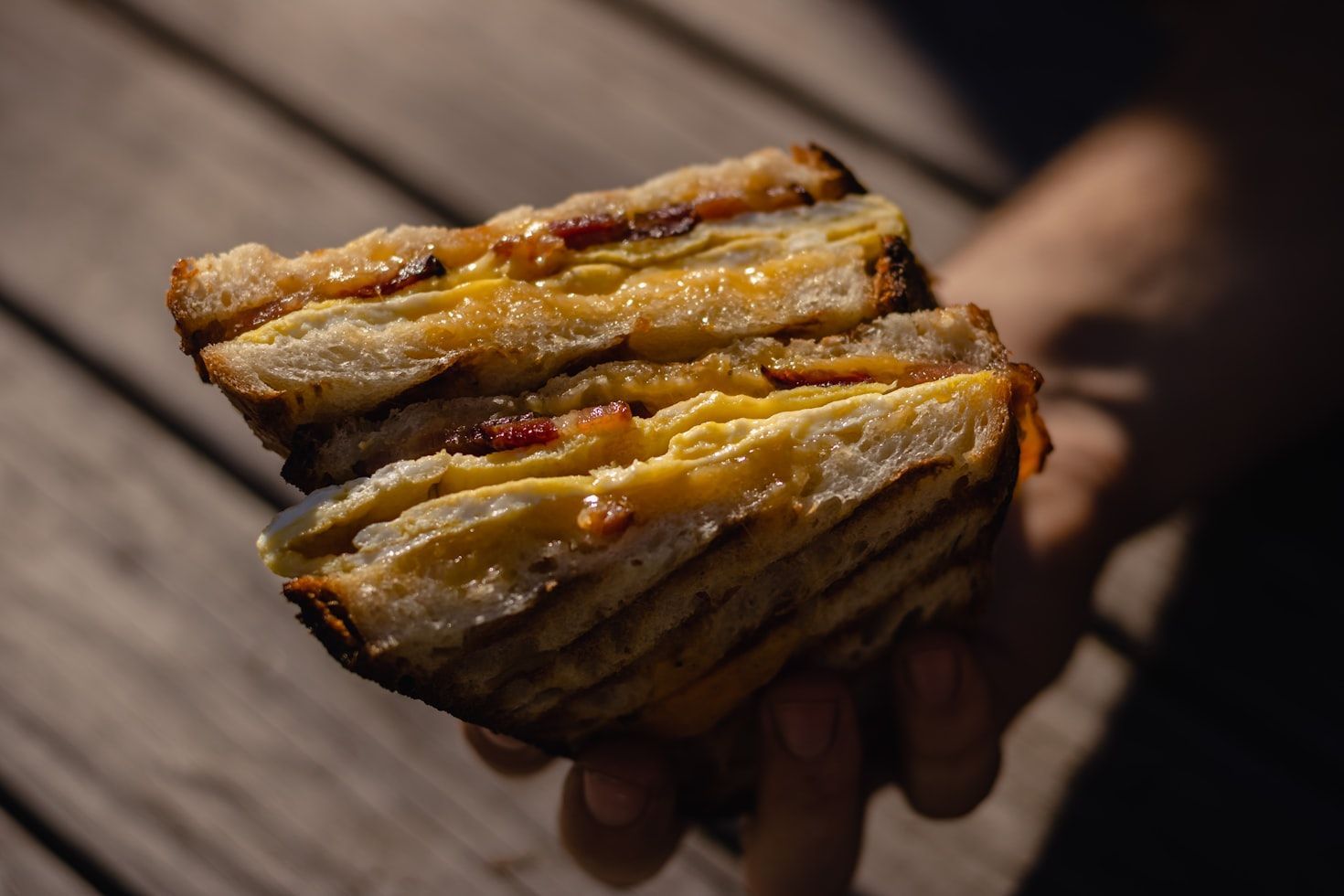
Despite its name, the Cuban sandwich originated in the Cuban-American communities of Ybor City, Key West , and Plant City , Florida , in the early 20th century. It later became popular in Miami and other American cities with large Cuban populations.

Interestingly, the ingredients vary from place to place. What all versions share, however, is Cuban bread —similar to a French baguette but made with slightly different ingredients and a unique baking method. So, is this bread authentically Cuban? Not exactly. It was actually created alongside the sandwich, right here in the United States!

7
German chocolate cake

Image: BraggsDiner

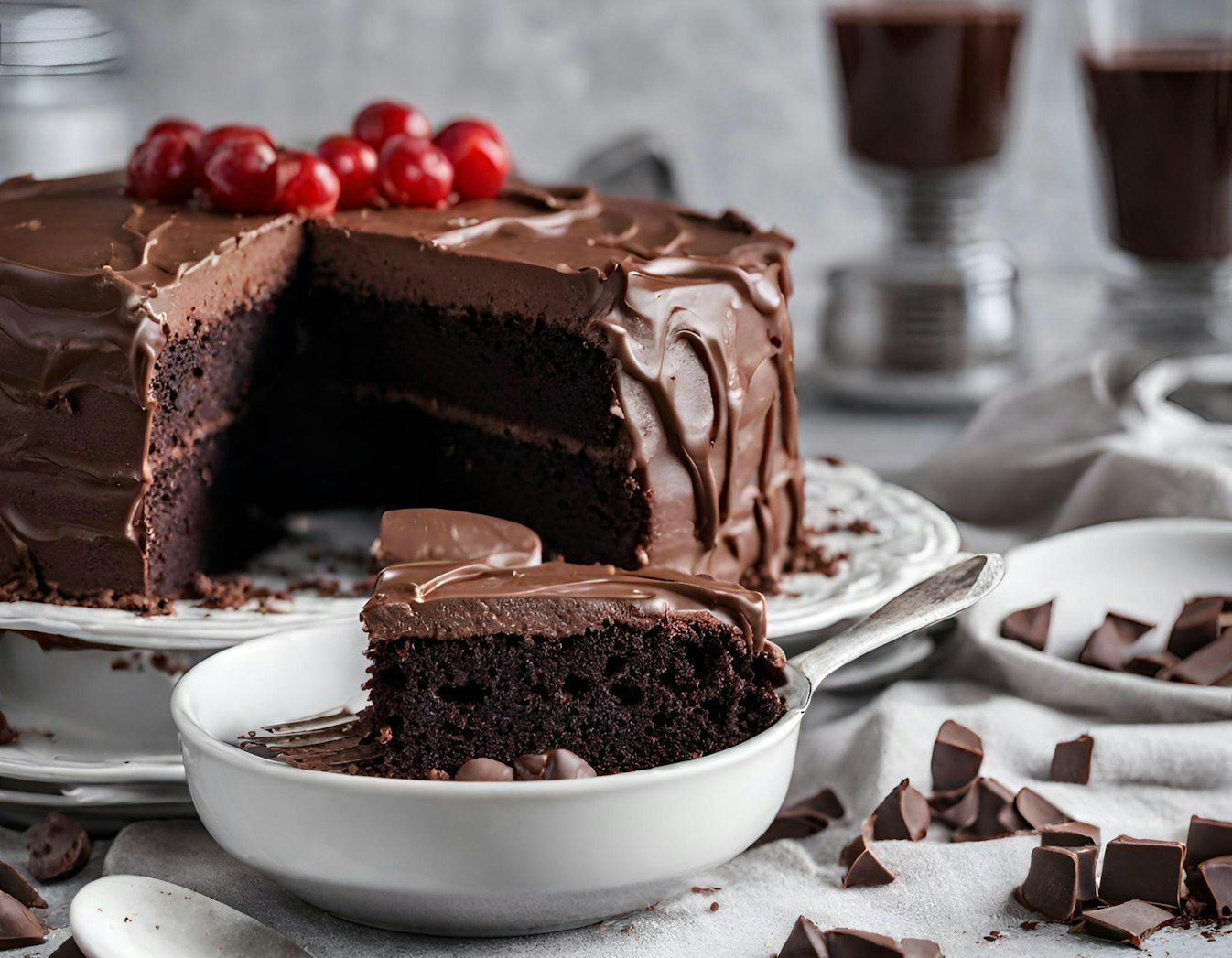
Despite its name, German chocolate cake has no culinary ties to Germany, nor is it named in honor of the country. In fact, it takes its name from Samuel German , a confectioner who, in the mid-1850s, developed a type of baking chocolate for the Baker's Chocolate Company of Boston, Massachusetts.

A century later, a recipe using German’s Sweet Chocolate appeared in the Dallas Morning News and became an instant hit among homemakers. Before long, Baker's Chocolate sales soared, marking a strong comeback for German's baking bar. Today, German chocolate cake is an American classic —and now you know its true origin!

8
Spaghetti and meatballs

Image: Ivy Farm

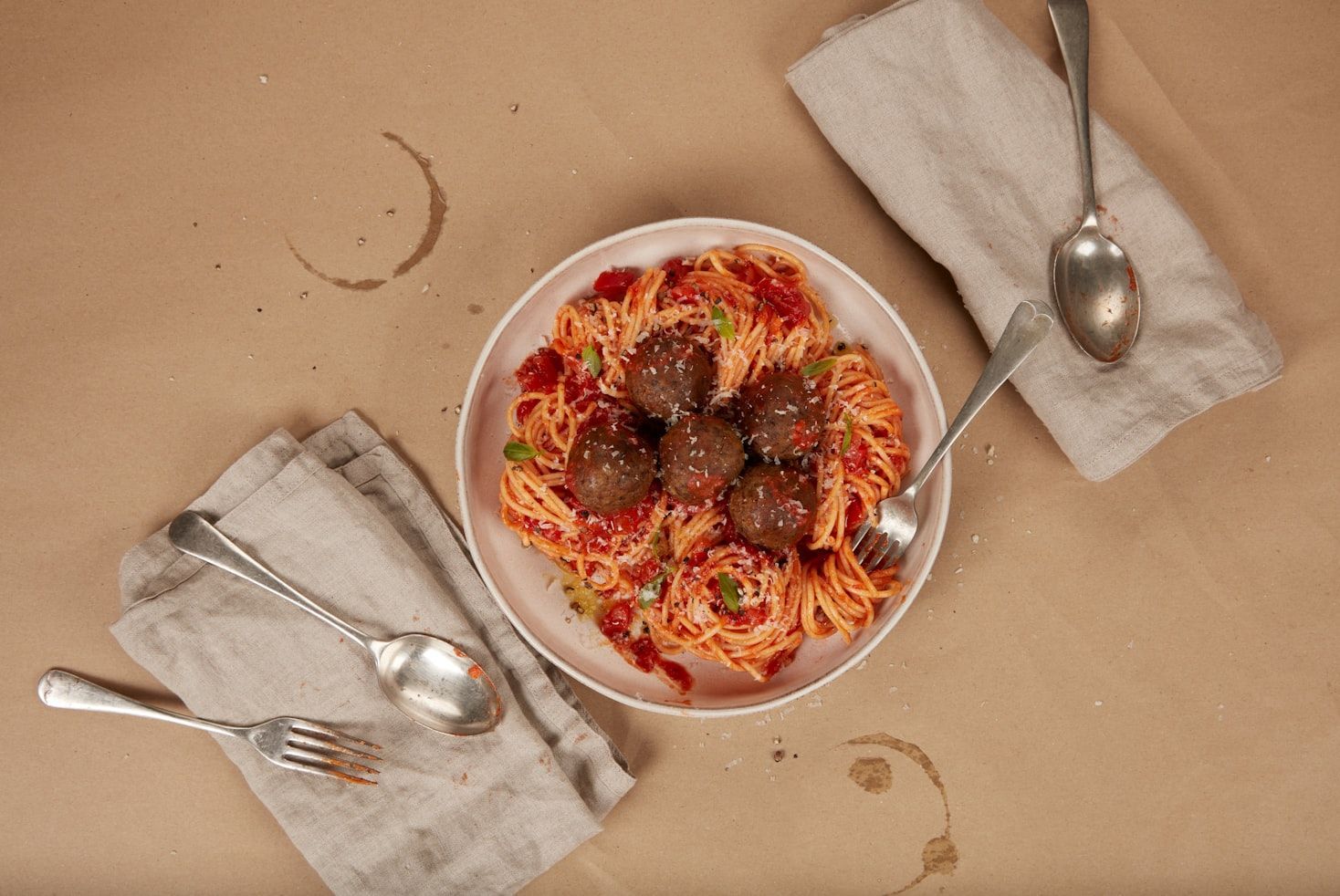
You probably thought this dish was authentically Italian your whole life. Well, we hate to break it to you, but spaghetti and meatballs are a hundred percent American invention, though it is, to be fair, a product of early 20th-century Italian immigration.

Meatballs were likely inspired by Italian polpette , a stew made of small balls of breadcrumbs mixed with meat or fish. However, in the Old World, polpette was never served with pasta and marinara sauce; it was a dish on its own. When Italian immigrants discovered how easy it was to buy beef in America, they began incorporating it into many dishes. And thank goodness they did!

9
Garlic bread

Image: Mariana Kurnyk

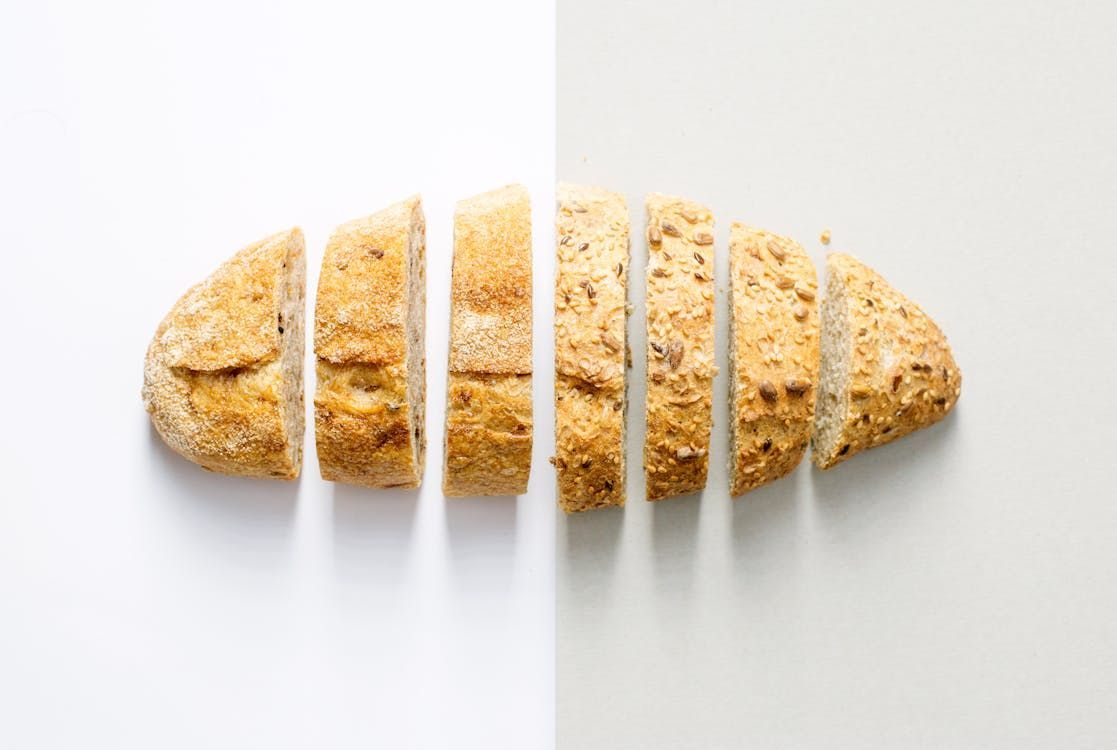
Another food with Italian influences but created in the United States is garlic bread. A staple of Italian restaurants, this side dish was introduced by immigrants who were likely trying to emulate the famous bruschetta .

However, they ran into an obstacle that led to the invention of something totally new—but just as delicious. Olive oil, so abundant in the mother country, was scarce and difficult to obtain in America. Therefore, they resorted to an ingredient found in abundance here: butter . And the rest is history!

10
Vichyssoise

Image: Julia Kicova

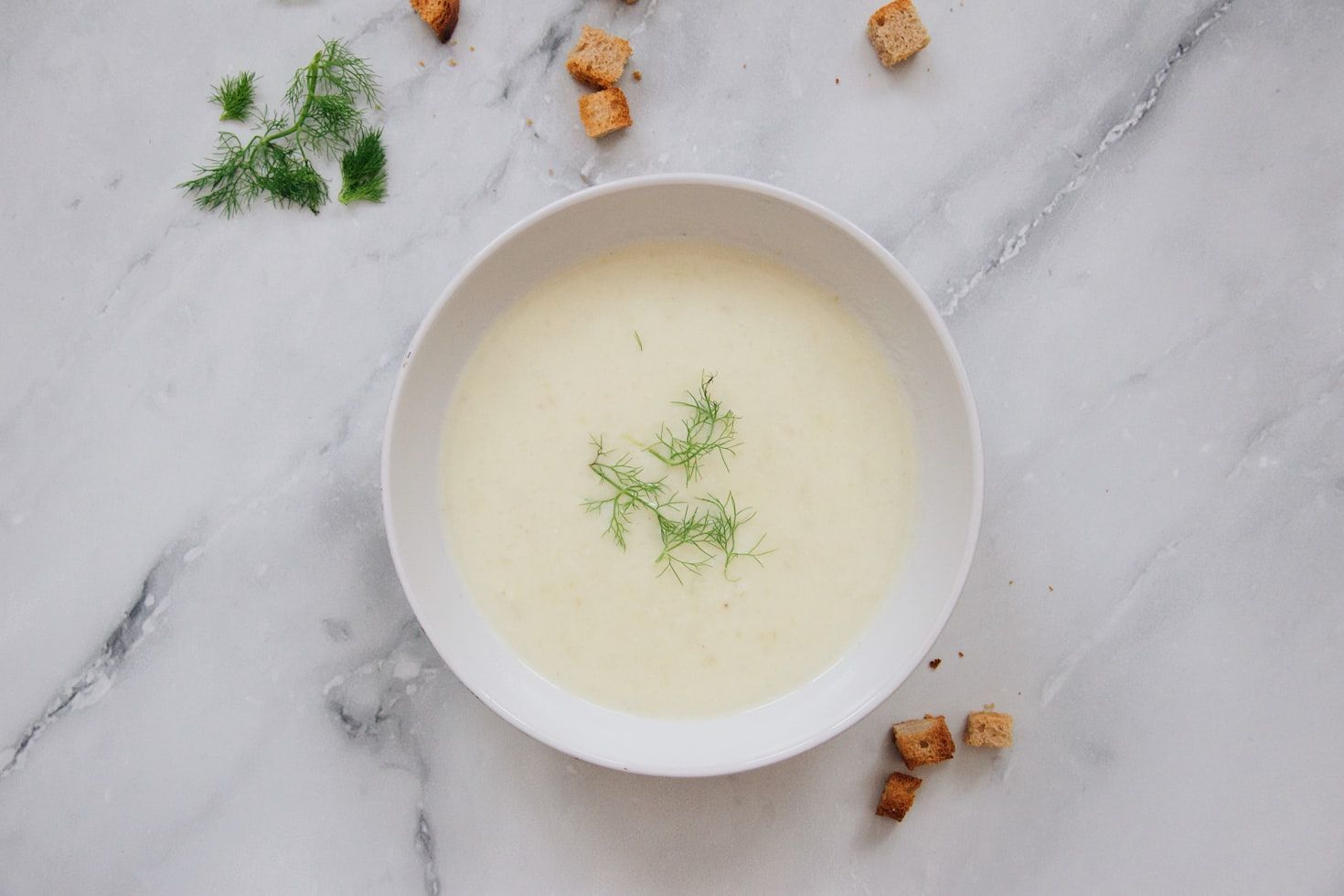
With such a name, you might think this dish is purely French! Well, not exactly. Although it was created by a French-born chef, it was first made in Manhattan, New York. In 1917, feeling a bit homesick for his homeland, Louis Diat, head chef of the Ritz-Carlton Hotel, wanted to recreate a potato and leek soup his mother used to make when he was growing up in Montmarault, France.

But there was a problem: it was summer. Finally, he came up with a brilliant idea—to thin down the hot soup with cold milk and cream . He named his invention after Vichy, the famous spa town near his hometown. The dish was an instant hit among the restaurant’s guests, who soon asked for it to be available year-round.

Explore more American facts

Choose your favorite category!

General
General

As American as apple pie—the very best America has to offer!

Culture
Culture

Delve into the astounding richness of American lore.

Geography
Geography

Hop in and explore vast and diverse American landscapes.

History
History

Discover the key moments that shaped the United States.