Culture Culture 3 min read

You say bark, I say bite

Take a look at 12 of America’s most famous rivalries in history

Image: maks_d

Whether we are talking about sports, politics, soda, sneakers, or even families (and, sometimes, especially families), rivalry runs deep in American culture. Some of these feuds built industries; others shaped history or pop culture. These 12 famous rivalries helped shape this country’s history. Which ones are more important to you?
1
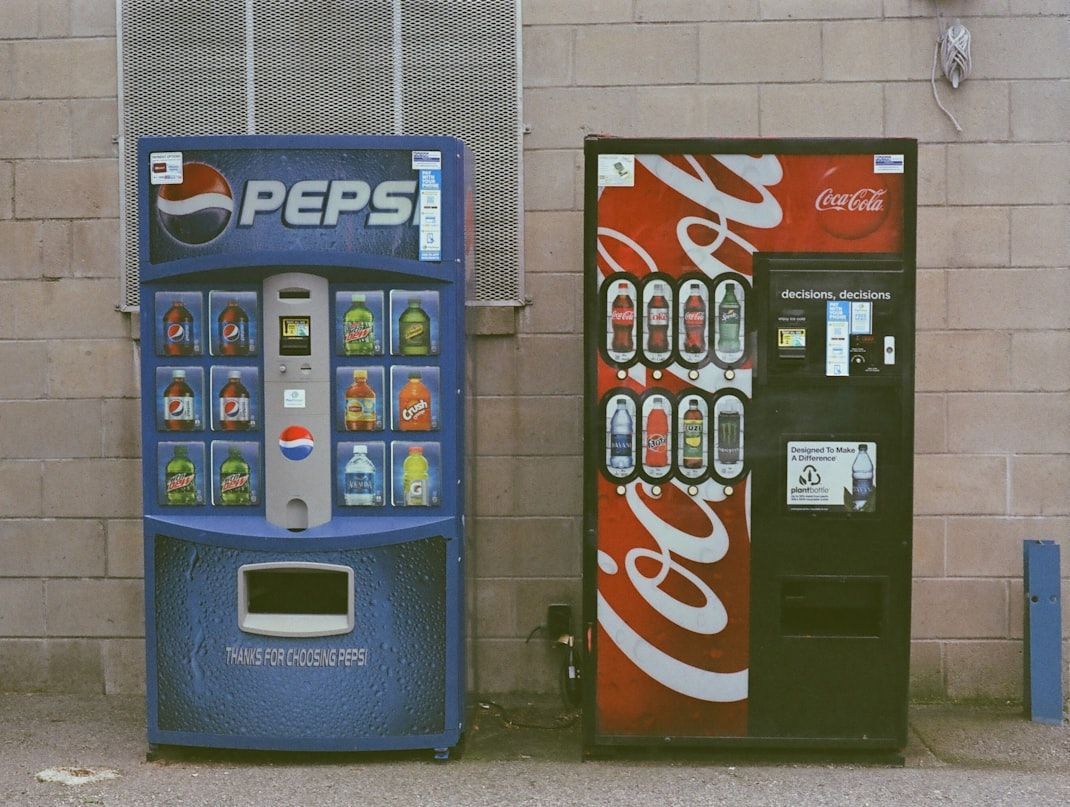
Coca-Cola vs. Pepsi

One could say that the "Cola Wars" began in the early 1900s, but in all truth, they exploded during the TV ad boom of the 1970s and 1980s . Both brands poured millions into marketing, celebrity endorsements, and taste-test campaigns.

While Pepsi tried to appear youthful and rebellious, Coke leaned on its classic Americana image. Everyone has a favorite. Which one is yours?
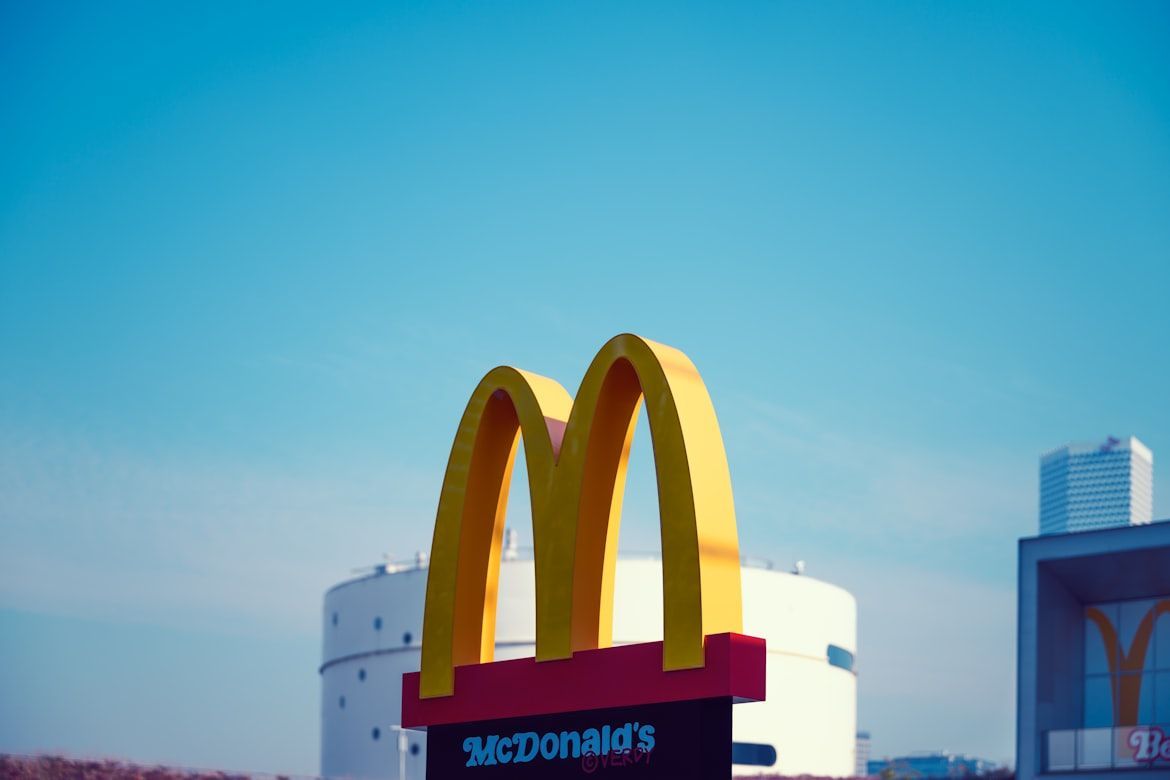
Image: Declan Sun

2
McDonald’s vs. Burger King

Since the 1950s, these two massive burger chains have fought to define the American fast-food experience. McDonald’s boasted consistency and golden arches recognized worldwide, while Burger King prided itself on flame-grilled flavor .

Each tried to outdo the other with catchy slogans and mascots. Even today, "Have it your way" and "I’m lovin’ it" can be heard and seen from locations all over the world.
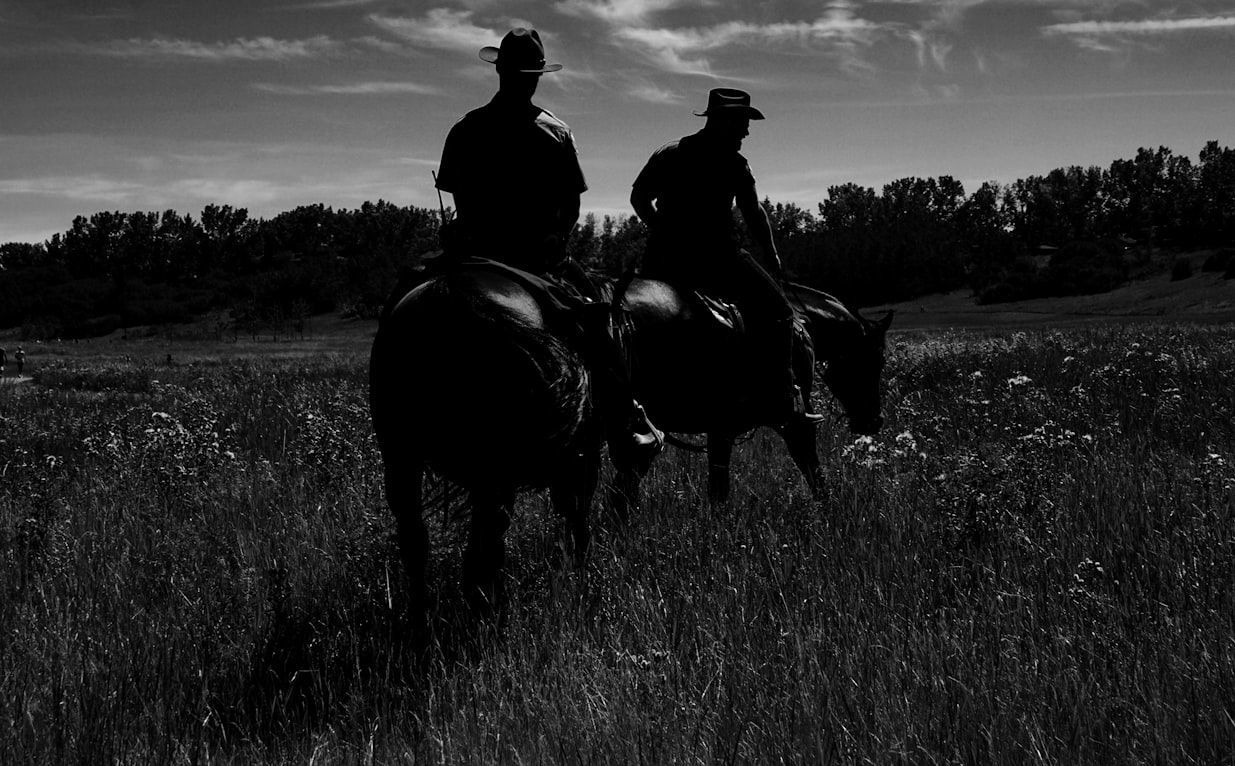
Image: P Kara

3
Hatfields vs. McCoys

In the hills along the border between Kentucky and West Virginia, two families embarked on a bloody feud after the Civil War. What began as a dispute over land and livestock transformed into years of violence and revenge .

The feud became a national symbol of rural grudges and lawlessness. Thankfully, today, descendants have made peace.
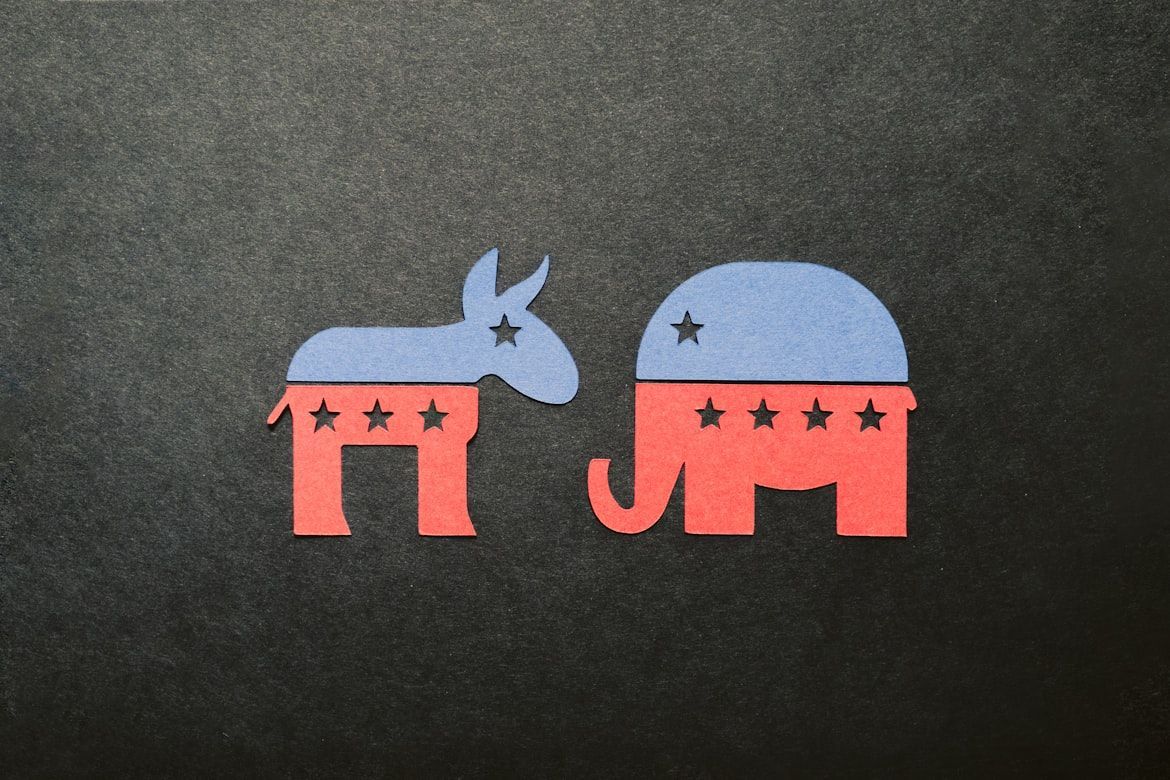
Image: Kelly Sikkema

4
Democrats vs. Republicans

Since the 19th century, America’s two main political parties have clashed over nearly everything : economics, social policy, and even the role of government itself. Their competition defines national elections.

Though the issues evolve, the rivalry remains constant. Campaign slogans change, but the fight for America’s political throne never ends.
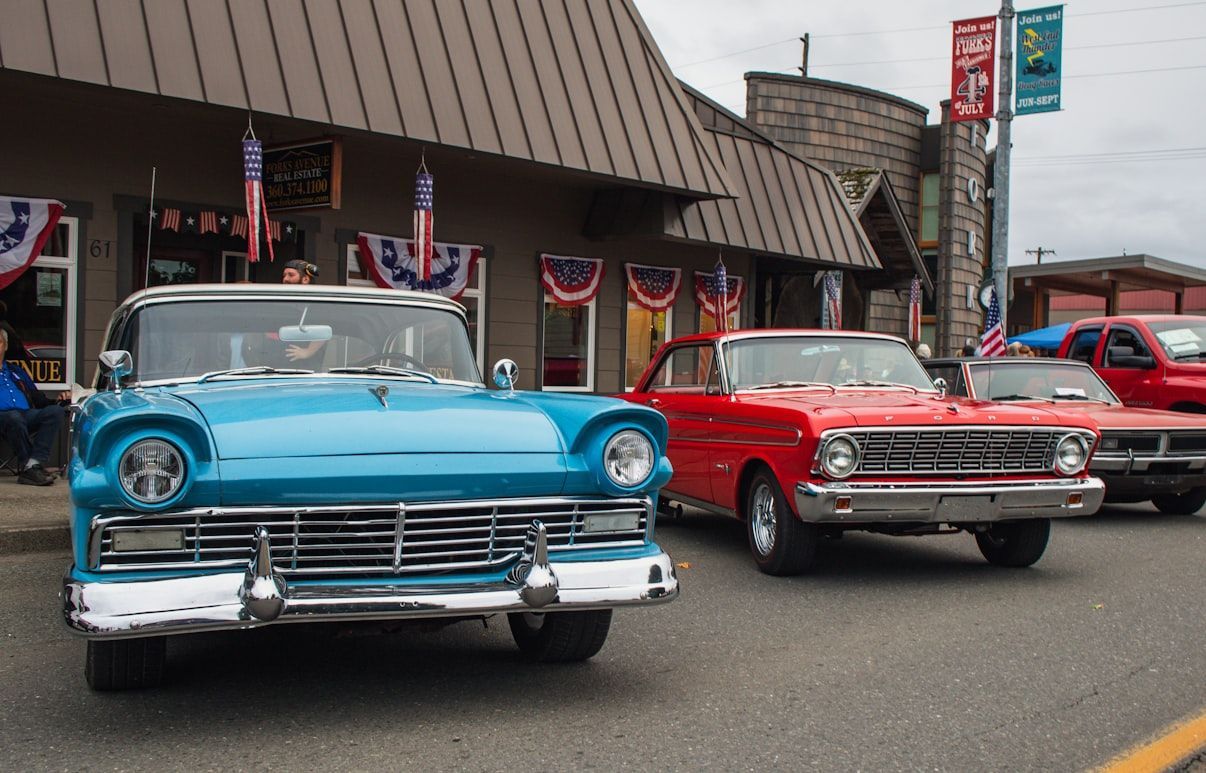
Image: Zoshua Colah

5
Ford vs. Chevrolet

In garages and racetracks across the country, Ford and Chevy fans have argued for generations . From muscle cars to pickup trucks, their rivalry helped shape the American auto identity.

Each brand claimed better performance, style, or reliability. "Built Ford Tough" and "Like a Rock" became slogans that shaped the automobile industry in America.

Image: Dimitri Karastelev

6
Apple vs. Microsoft

Two tech titans named Steve Jobs and Bill Gates , fought for control of the personal computer revolution for decades. Microsoft’s software dominated offices, while Apple excelled in design and innovation .

Their contrasting visions fueled decades of progress and shaped modern computing. Today, the rivalry continues in phones, tablets, and the cloud.

Image: Sahej Brar

7
Nike vs. Adidas

What began as a sneaker battle grew into a global pop culture competition . Nike’s swoosh symbolized American innovation, while Adidas built on European craftsmanship and sport heritage.

Athletes, rappers, and fashion icons fueled the feud. From basketball courts to runways, the feud is very much alive and well.
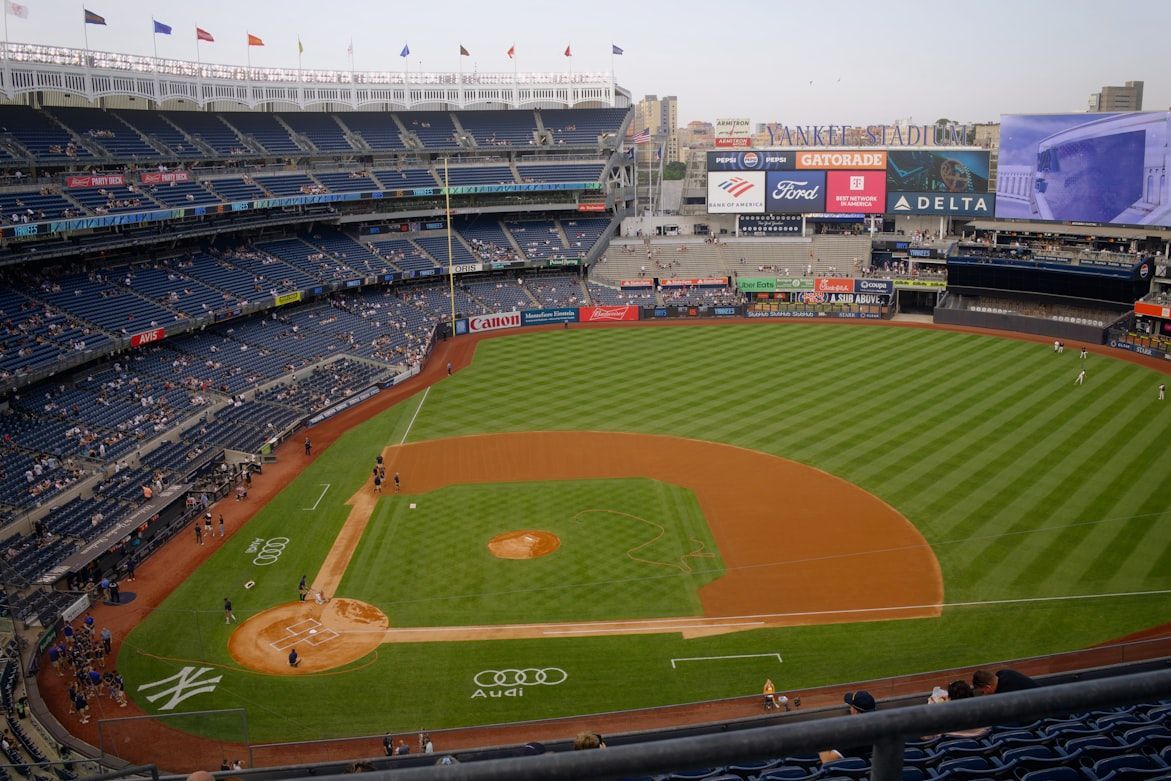
Image: Malia Moore

8
Yankees vs. Red Sox

Baseball’s most storied rivalry dates back to 1919, when Boston sold Babe Ruth to New York . The "Curse of the Bambino" haunted Red Sox fans for generations.

Decades of heartbreak and dramatic comebacks ensued, and the fans make sure to keep it that way, at least for the fun of it.
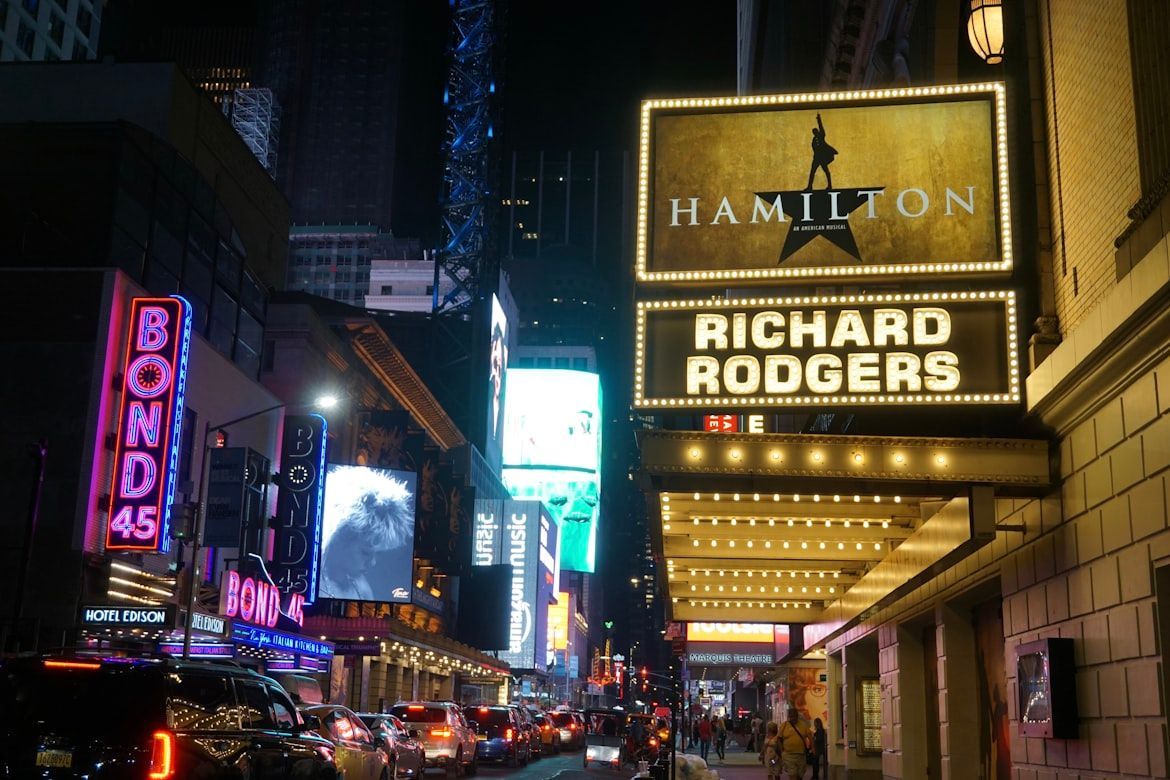
Image: Sudan Ouyang

9
Hamilton vs. Burr

In the early days of the country, Alexander Hamilton and Aaron Burr’s political rivalry turned into personal hatred. Their ideological clashes came to a head in 1804.

They met for a duel in New Jersey, where Hamilton was fatally shot . The tragic encounter became one of early America’s defining stories.
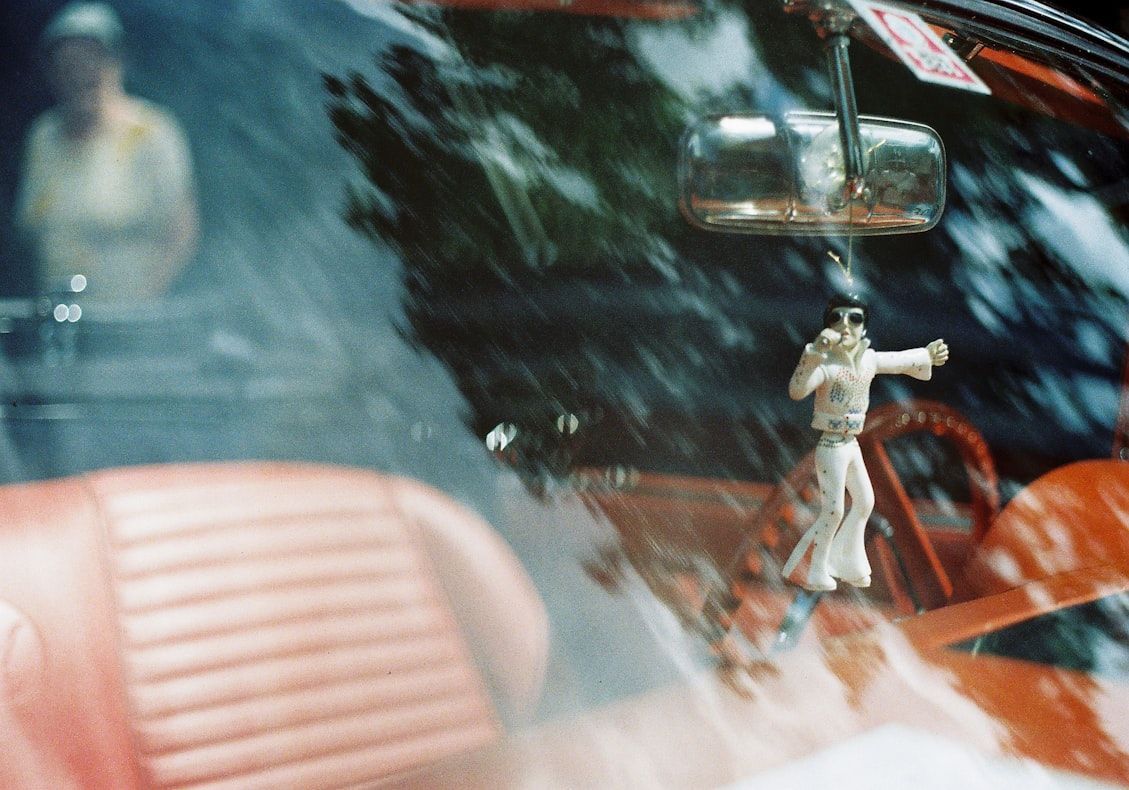
Image: Florian Herzog

10
Elvis Presley vs. The Beatles

When The Beatles first came to America in the 1960s, f ans drew lines between the King of Rock ’n’ Roll and the Fab Four . Each represented a cultural moment and a musical evolution.

Though they met once, their contrasting styles symbolized changing generations, and the fictitious rivalry was fueled by the fans.

Image: Max Kukurudziak

11
Edison vs. Tesla

The famous "War of Currents" placed inventor Thomas Edison’s direct current against Nikola Tesla’s alternating current . Both dreamed of lighting up America, but only one system could win.

Their competition sparked demonstrations, smear campaigns, and innovation. In the end, Tesla’s AC prevailed, but Edison’s legacy lives to this day.

Image: Alex Haney

12
Lakers vs. Celtics

For a long time, the NBA’s biggest rivalry has crossed coasts and generations. The Celtics dominated the early years, while the Lakers reigned in more recent decades.

From Russell vs. Chamberlain to Magic vs. Bird, their clashes created unforgettable moments in basketball history.
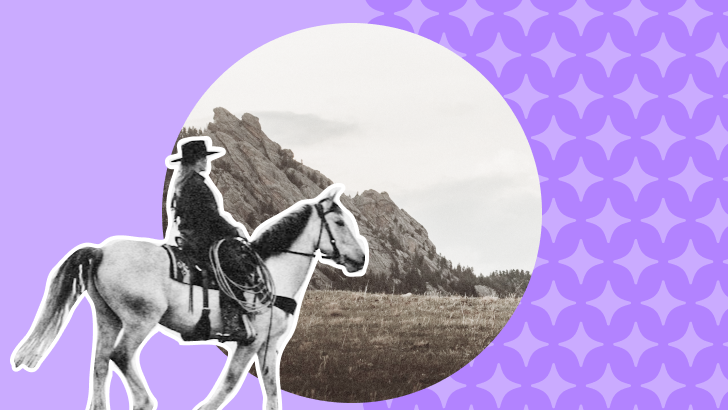
History History 4 min read

AMERICAN PIONEERS

Old West Tales: 10 Key Moments of the Wildest Frontier

Image: Eniko Polgar

The Westward expansion that defined the American frontier during most of the 19th century was a time of daring pioneers and boundless possibilities, which ultimately shaped the nation in profound ways.

This expansion of our Nation’s territory to the vast lands of the American West brought about innovation, and progress, but also conflict. From the Louisiana Purchase to the Dawes Act, let’s take a deep dive into the moments that defined the frontier spirit and solidified America's path to greatness.

1
Louisiana Purchase (1803)

Image: Nik Shuliahin

It sounds crazy today, but the Louisiana Purchase almost doubled the size of the United States overnight. Thomas Jefferson, at the time, the third to occupy the position of President of the United States, bought the massive 828,000 sq mi territory from France for $15 million, securing vital land and resources.

The purchase, however, didn’t mean that the United States also gained control of the totality of the territory, as it was inhabited by Native Americans. But in any case, the acquisition paved the way for westward expansion, providing a vast area for exploration and settlement, while enhancing America's geopolitical influence.

2
Lewis and Clark Expedition (1804-1806)

Image: Charles Marion Russell

Commissioned by Jefferson, Meriwether Lewis and William Clark then embarked on a mission to map the newly acquired lands and find a viable route to the Pacific. Their legendary journey revealed the rich diversity of the western territories and established crucial relationships with Native American tribes.

Sacagawea, a Shoshone woman, played a crucial role as an interpreter and guide, helping the expedition navigate difficult terrain and gain trust with native tribes, significantly contributing to the mission's success. Ultimately, their detailed reports opened the frontier to future explorers and settlers.

3
The Oregon Trail (1811-1869)

Image: Dana Davis

Originally laid around 1811 by fur trappers and traders, the Oregon Trail soon became a critical route for thousands of emigrants moving west. Spanning over 2,000 miles from Missouri to Oregon, it was a perilous journey marked by harsh landscapes and, more often than not, disease.

Despite the hardships, the trail was improved to become passable by wagons, and it facilitated the mass migration of over 400,000 settlers during its peak, significantly contributing to the population growth and development of the Western United States.

4
California Gold Rush (1848-1855)

Image: Viviana Rishe

The discovery of gold at Sutter's Mill in 1848 triggered a massive influx of fortune seekers to California. The Gold Rush not only boosted the economy but also accelerated California's admission claim as the 31st state in 1850.

While prospectors initially used simple techniques like panning, the increasing complexity of gold extraction eventually required significant financing, favoring mining companies. And though the gold rush generated wealth worth tens of billions in today's dollars, only a few became rich; most participants earned little more than they had started with.

5
Homestead Act (1862)

Image: Kevin Butz

Signed by President Abraham Lincoln, the Homestead Act offered 160 acres of public land to settlers willing to farm it for five years. The policy primarily encouraged individual farmers who were looking to operate their own farms, as opposed to slave owners who sought to buy large tracts of land and use slave labor.

The legislation encouraged widespread migration to the Great Plains, accelerating agricultural development and expanding American settlements across the West.

6
Building of the Transcontinental Railroad (1863-1869)

Image: Johannes Plenio

The completion of the first Transcontinental Railroad in 1869 revolutionized transportation in the United States. Connecting the East and West coasts, it facilitated trade, travel, and communication.

The extensive railroad network was built by three private companies on public lands, financed with federal bonds and various subsidies. Instrumental in the nation's economic growth, the Transcontinental Railroad also helped forge a sense of national unity and identity in the American consciousness.

7
The Great Sioux War (1876-1877)

Image: Popular Graphic Arts

Also known as the Black Hills War, the Great Sioux War was a series of conflicts between the United States and the Sioux tribes. The war was sparked by the encroachment of settlers and gold prospectors on Native lands, a conflict that had been escalating since the early 19th century.

Despite many Native American victories, such as the Battle of Little Bighorn - better known as Custer's Last Stand -, the war ultimately ended in the tribes' displacement. The conflict officially finished with the Agreement of 1877, in which the Sioux tribes were forced to cede property rights of their lands to the federal government, while clearly demarcated Indian reservations were established.

8
Oklahoma Land Rush (1889)

Image: Raychel Sanner

On April 22, 1889 - soon after the signing into law of the Indian Appropriations Act, which freed over two million acres of land for settlement - thousands of settlers raced to claim land in the Oklahoma Territory during the first of several land rushes.

Those who followed the rules and waited for the official start of the land rush were known as "boomers," while "sooners" sneaked into the territory before the designated time, risking penalties but gaining advantageous claims. This sparked hundreds of legal contests that had to be settled at local land offices or even by the U.S. Department of the Interior.

9
The Dawes Act (1887)

Image: Boston Public Library

The Dawes Act aimed to assimilate Native Americans by dividing tribal lands into individual allotments. While intended to promote agriculture and integration, it resulted in the loss of tribal lands and culture.

The act was a controversial effort to reshape Native American society in the image of European-American settlers. It wasn’t until the Indian Reorganization Act, passed during the Franklin D. Roosevelt administration, that Native Americans regained some of their rights to own land collectively and form self-government.

10
Closing of the Frontier (1890)

Image: Aaron Burden

In 1890, the U.S. Census Bureau declared the frontier closed, as there was no longer a discernible frontier line. This marked the end of a significant era of American expansion.

The closing of the frontier signified the nation's transition from a period of exploration and settlement to one of modernization and industrialization.

Geography Geography 3 min read

Go beyond Tahoe

Discover 12 lesser-known, but beautiful lakes to visit in the U.S.

Image: Timo Stern

America the Beautiful is filled with stunning natural landscapes for everyone to enjoy. However, for various reasons, some places are far more popular than others, and lakes are no exception to this phenomenon. While lakes like Tahoe and the Ozarks can get quite crowded, many lesser-known lakes offer equally breathtaking views—without the crowds. Take a look at the following 12 and see if any catch your interest!

1
Sunapee Lake, New Hampshire

Image: Jackson Hendry

This serene glacial lake in southwestern New Hampshire is nestled within Mount Sunapee State Park. Its visitors will find a spacious beach for swimming, a boat launch, and hiking trails within the park area.

Beyond the summer season, the lake is particularly beautiful during fall, when the surrounding trees display a vibrant array of colors.

2
Ross Lake, Washington State

Image: Paul Pastourmatzis

The remote Ross Lake, located in the North Cascades region of Whatcom County, Washington, is a hidden gem off the beaten path. This stunning lake winds its way through the landscape at 1,600 feet above sea level, framed on all sides by towering mountains.

Campsites accessible by boat or hiking are available, and backcountry camping is allowed with a permit. Visitors to Ross Lake come for trout fishing , canoeing , kayaking , and hiking .

3
Lure Lake, North Carolina

Image: Blake Wheeler

The gorgeous Lake Lure stretches along the base of Hickory Nut Gorge in the mountains of western North Carolina. If its shores look familiar, it’s because Patrick Swayze and Jennifer Grey filmed scenes here for the classic movie Dirty Dancing . The lake offers beaches and hiking trails for visitors to explore.

4
Ouachita Lake, Arkansas

Image: Aaron Burden

Nestled in the hills of the Ozarks, Lake Ouachita is home to a unique creature swimming beneath its surface—freshwater jellyfish. Unlike their saltwater relatives, these invertebrates are harmless and rarely found elsewhere. The lake also boasts over 200 uninhabited islands for visitors to explore.

5
Hamilton Pool Preserve, Texas

Image: Matthew Daniels

Located near Austin, the Hamilton Pool Preserve is a favorite summertime retreat for locals when the heat becomes overwhelming. This stunning natural pool was formed when the roof of an underground river collapsed after thousands of years of erosion.

Water from Hamilton Creek spills over the edge of the collapsed dome, creating a 15-meter waterfall that flows into the grotto below. The preserve also features hiking trails and picnic facilities for visitors to enjoy.

6
Almanor Lake, California

Image: Simon Berger

While most travelers visit the Northern Sierras for trekking, the region also boasts excellent swimming spots with magnificent backdrops —Lake Almanor being no exception.

This man-made lake sits within Plumas National Forest, adjacent to Lassen Volcanic National Park, offering visitors breathtaking views of the park’s namesake volcano.

7
Mono Lake, California

Image: Leo_Visions

Another California lake, Mono is not only the oldest in the entire US but also one of the oldest in the Western Hemisphere. Surrounded by the Sierra Nevada Mountains, it features towering limestone columns that rise dramatically from the lake bed. Mono Lake also serves as a vital habitat for migratory birds, which feed on the brine shrimp that thrive in its salty waters.

8
Bear Lake, Utah

Image: Daniel Bowman

When it comes to lakes in Utah, there’s more to explore than just the Great Salt Lake or Lake Powell. Bear Lake, a crystalline body of water straddling the Idaho–Utah border, is often called the " Caribbean of the Rockies " due to its striking bright blue hue, caused by suspended limestone in the water.

9
Blue Mesa Reservoir, Colorado

Image: Rocco Caruso

Next to the aforementioned Utah, Colorado is also home to a stunning yet relatively uncrowded lake—the Blue Mesa Reservoir. This picturesque body of water , surrounded by golden hills and rocky outcroppings, lies at the end of an hour-long hike down the Gunnison River Gorge.

10
Cave Run Lake, Kentucky

Image: Craig McLachlan

Cave Run Lake is located among the trees of Daniel Boone National Forest. The blue-toned water attracts fishermen, boaters, and swimmers alike to enjoy an escape from the heat, while its shores feature beaches and activity areas perfect for families.

11
Mooselookmeguntic Lake, Maine

Image: Les Anderson

This stunning Maine lake, part of the Rangeley Lakes region, is a renowned fishing hotspot . The distinctive shape of the lake can be appreciated from the Height of Land lookout, making it a must-visit for those seeking tranquility and outdoor adventure.

12
Hanging Lake, Colorado

Image: Irene Dávila

Reaching Hanging Lake requires a 1.2-mile hike, but the breathtaking views make the effort worthwhile. This stunning lake was formed by a geological fault , which caused it to separate from the valley above , leaving it suspended atop the cliffs of Glenwood Canyon.

Explore more American facts

Choose your favorite category!

General
General

As American as apple pie—the very best America has to offer!

Culture
Culture

Delve into the astounding richness of American lore.

Geography
Geography

Hop in and explore vast and diverse American landscapes.

History
History

Discover the key moments that shaped the United States.