History History 4 min read

Young bright minds

Did you know these 11 things were children's ideas?
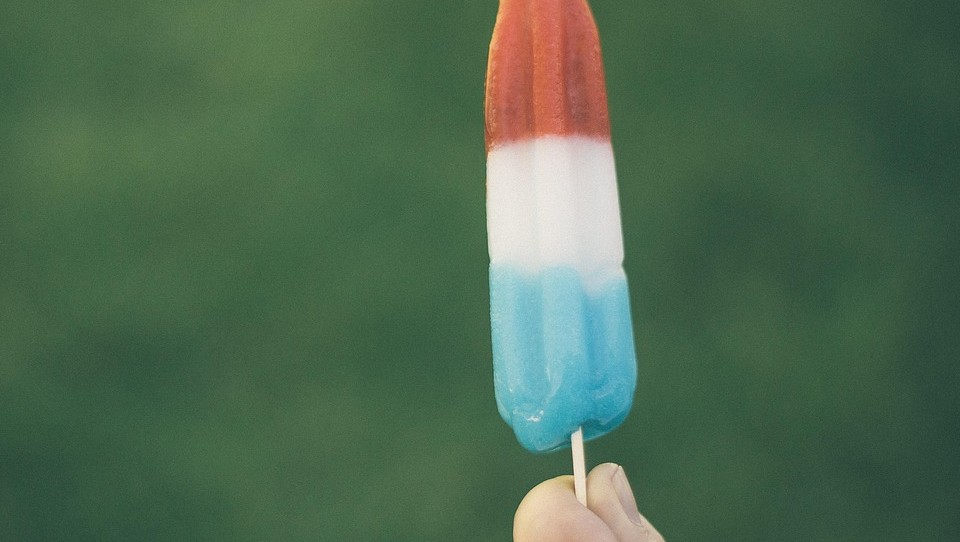
Image: Pexels

Do you remember how you spent your free time at age 12? As it turns out, some young creative minds were running around inventing things like popsicles, trampolines, and earmuffs. Sure, most kids come up with new stuff all the time, but today we’re looking at inventions that adults actually paid attention to—and they worked!

1
Swim fins
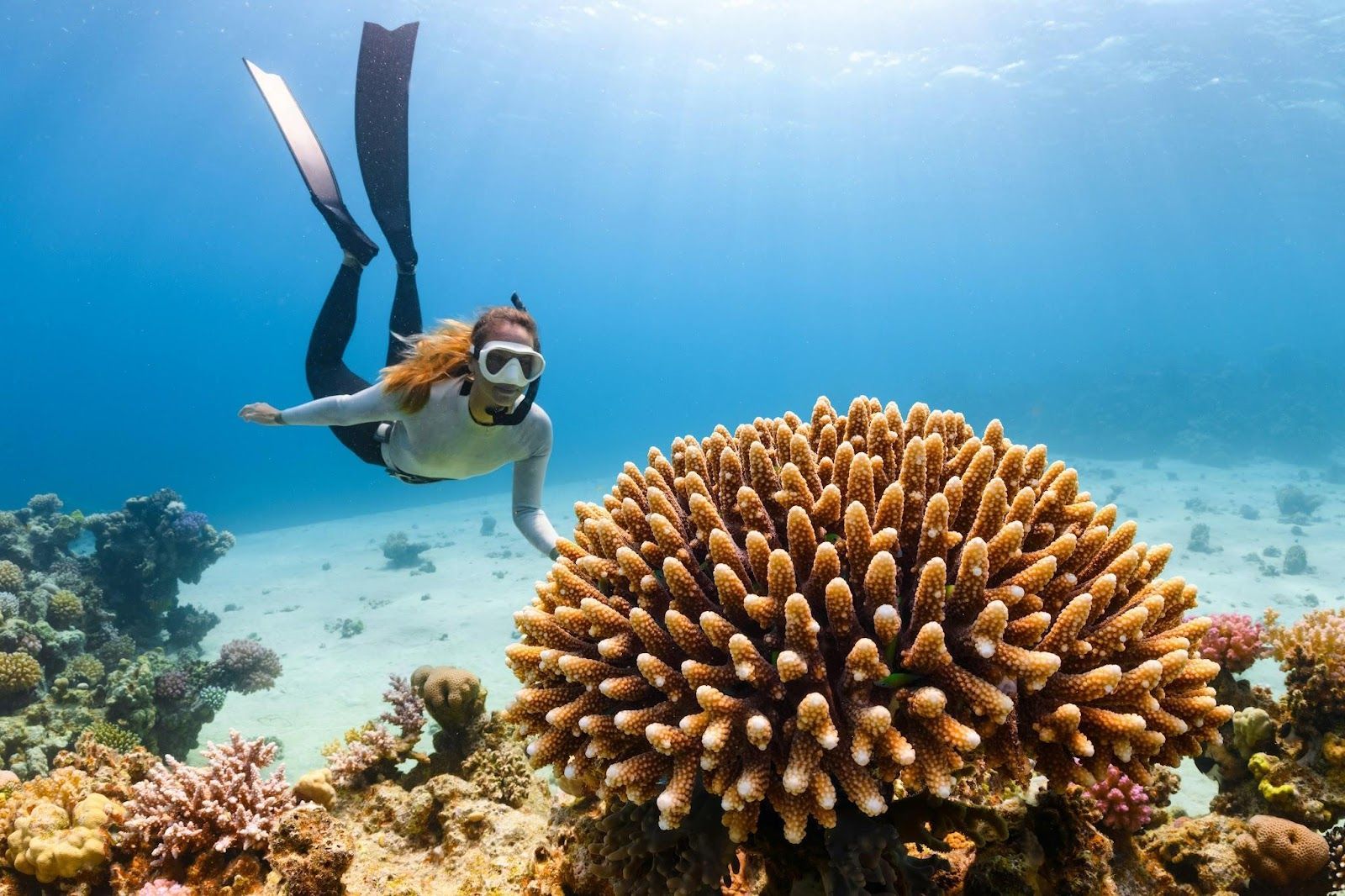
Image: NEOM

If you don’t know who invented swim fins, this one might startle you! Before he was flying kites in thunderstorms, Benjamin Franklin was just an 11-year-old boy who loved to swim.

He invented early swim fins, but not the kind we wear on our feet. He designed wooden paddles with thumb holes that could be held in the hands to help propel a swimmer through the water faster. He also tried strapping fins to his feet, but found them less effective and even painful.

2
Popsicles
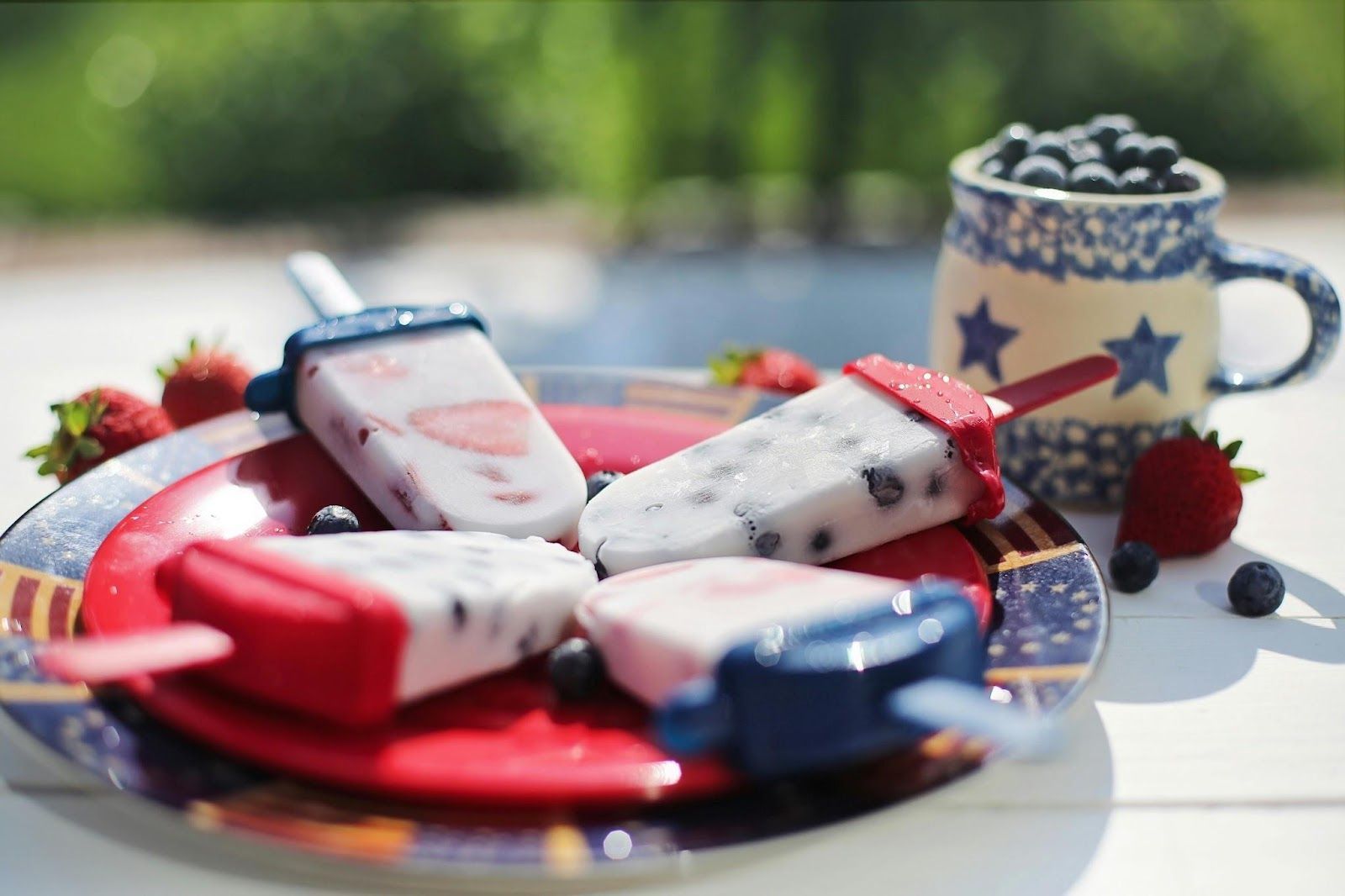
Image: Jill Wellington

The brand Popsicle tells the legendary story: eleven-year-old Frank Epperson left his soda drink with a stirring stick on the porch overnight. When he returned the next morning, he discovered a brilliant idea— frozen juice on a stick !

Originally named the "Epsicle" (after himself), the invention was patented in the 1920s. His children called them "Pop’s ’sicles," and the name Popsicle stuck.

3
Earmuffs
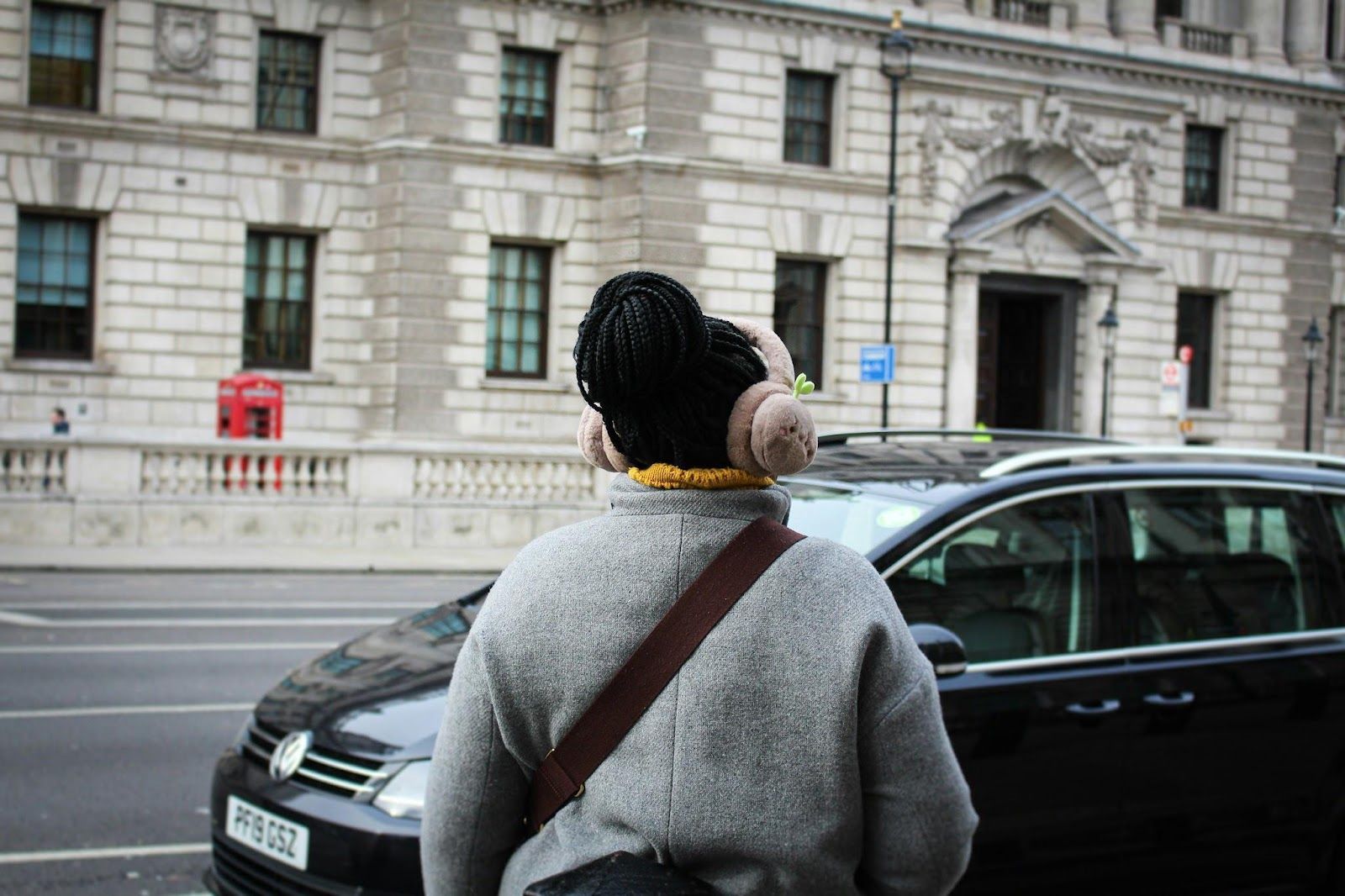
Image: Ellen Kerbey

Chester Greenwood couldn’t endure Maine winters. At 15 years old, his ears got cold, and he didn’t like the feeling of wool hats on his skin. So he devised a creative solution: his grandmother sewed beaver fur onto a wire headband that he shaped into circular ear loops.

That invention was later patented in the 1870s, becoming the world’s first earmuffs, according to historical records.

4
Toy trucks
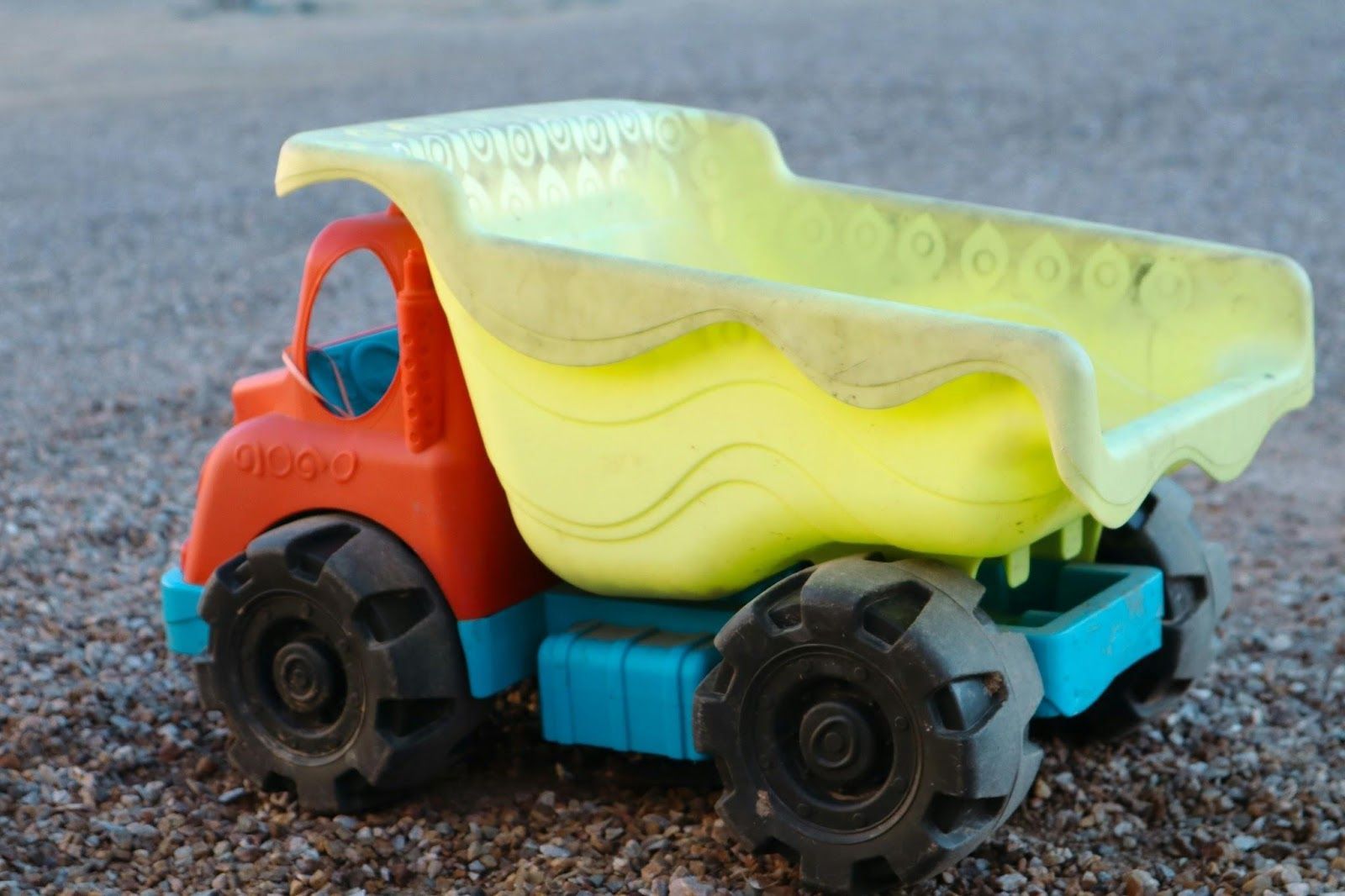
Image: Allison Astorga

Using bottle caps, cardboard, and ingenuity, Robert W. Patch created a toy truck that could transform into multiple styles: a dump truck, flatbed, or box truck. And he was only 5 years old.

The modular vehicle concept was so compelling that his father, who happened to be a patent attorney, filed for official recognition. By the time Patch turned six, he had been granted a U.S. patent, making him one of the youngest inventors in history.

5
Superman
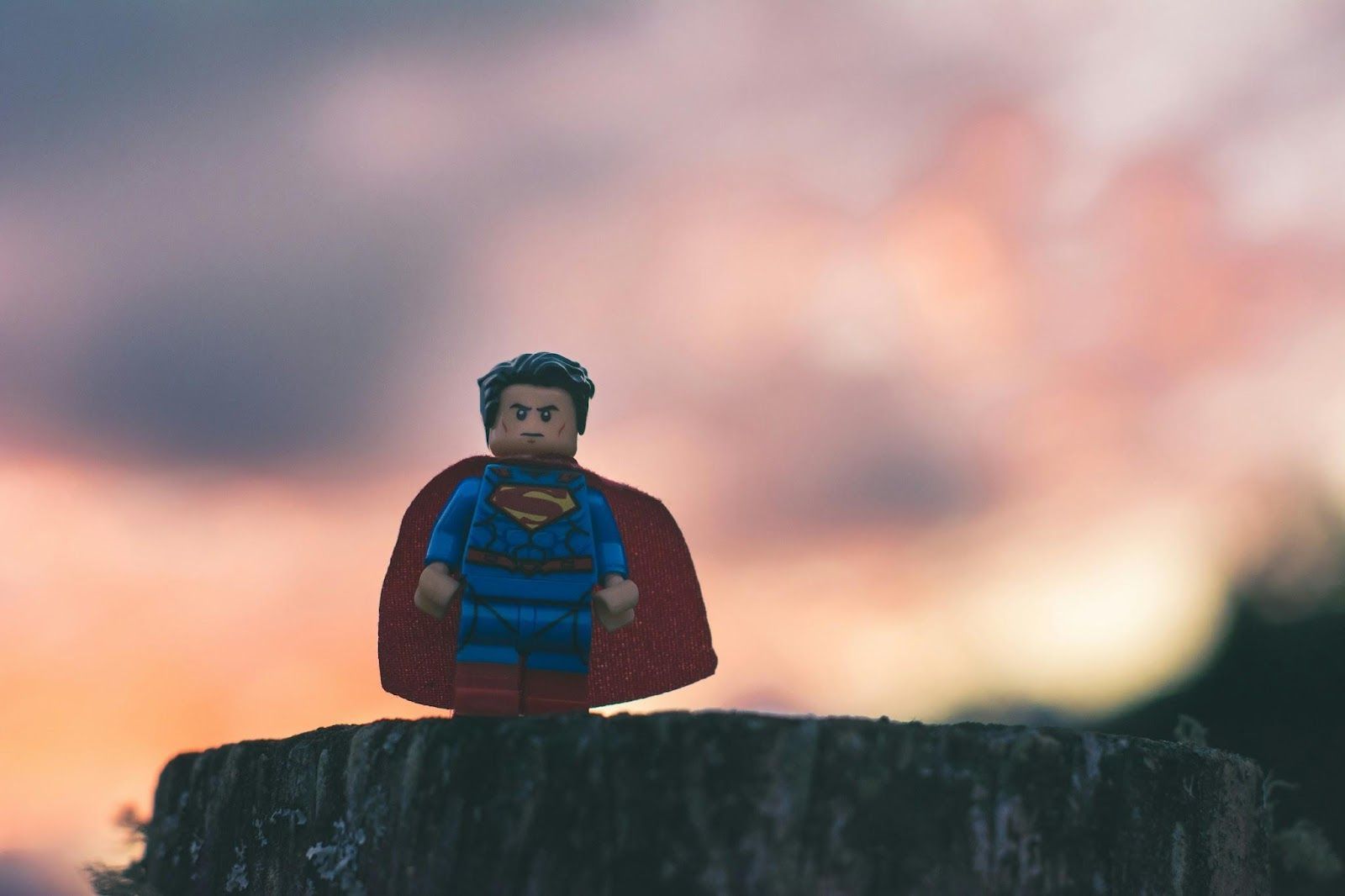
Image: Esteban López

Jerry Siegel and artist Joe Shuster were both high school students when they came up with the idea for the Man of Steel in 1933.

They created Superman as the ultimate underdog: an alien orphan who fights for justice. The character was sold to Action Comics in 1938, launching the entire superhero genre.

6
Hot seat
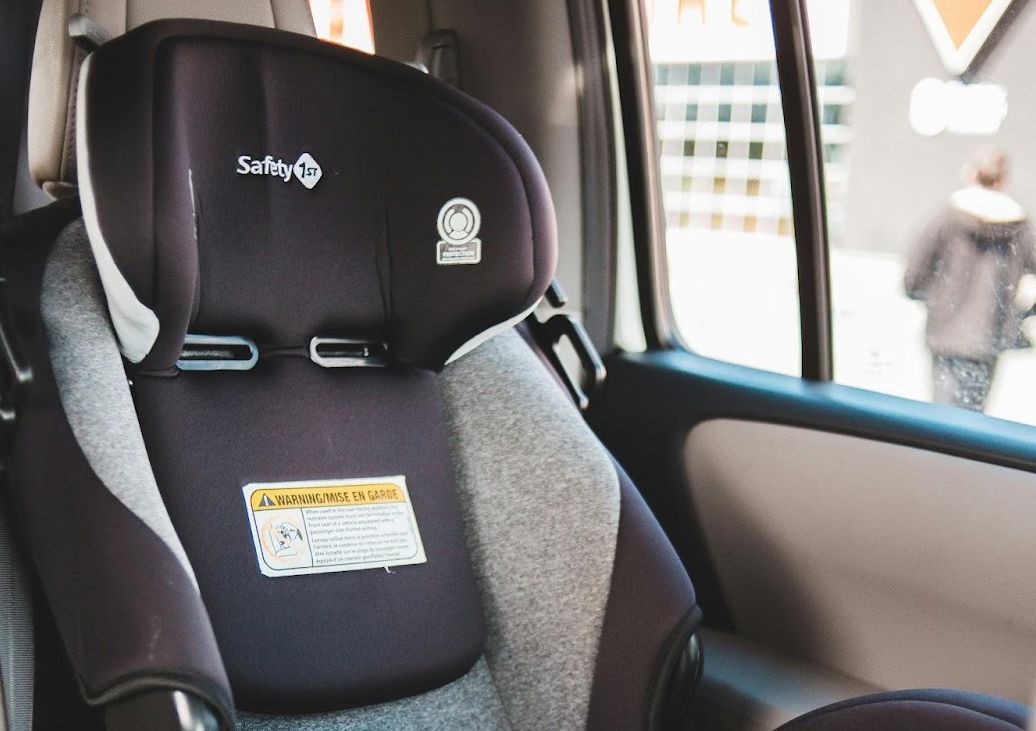
Image: Erik Mclean

A heartbreaking story of a baby dying after being left inside a hot car reached Bishop Curry V when he was 10 years old.

This inspired him to design a device he called Oasis (often referred to in the media as the "Hot Seat"). His invention detects rising temperatures in a car, blows cool air, and alerts parents and emergency services.

7
Water skis
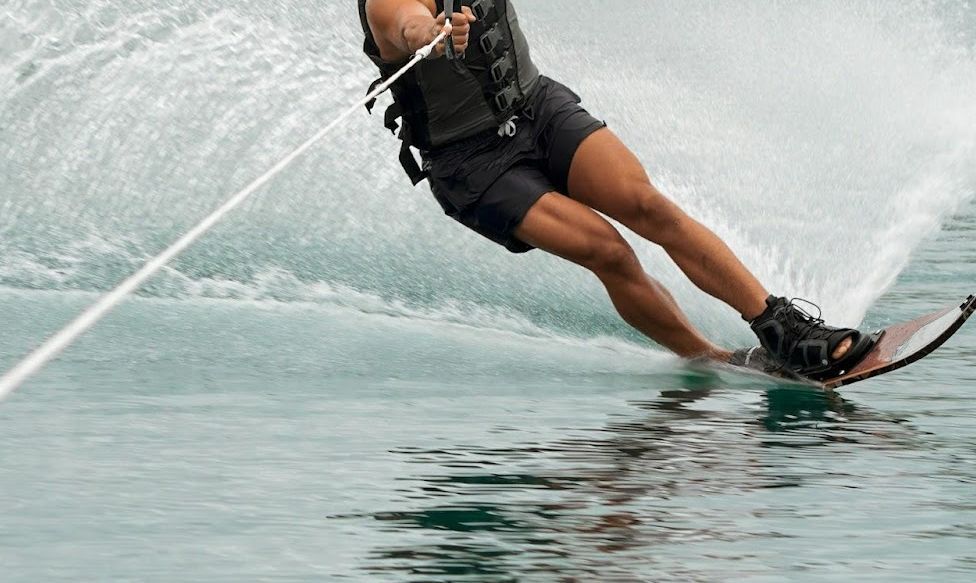
Image: Wyatt Harrom

Ralph Samuelson was a teenager when he had an idea: if people could ski on snow, why not on water? In the early 1920s, he took two pine staves , curved the tips using boiling water , and hit the lake with his brother, towing him behind a motorboat.

After many belly flops, he figured out the proper posture and became the first water skier in history. Although he never patented his creation, he spent years performing and became known as the "Father of Water Skiing."

8
Trampolines

Image: Jasper Garratt

Who knew? George Nissen was just 16 when he devised the bouncy fun. In the early 1930s, he watched circus trapeze artists drop and land into safety nets and realized: what if you could bounce back ?

Working out of his parents’ garage, he stretched canvas across a frame and added springs. Initially, trampolines were used for gymnastics training, but even NASA later adopted them to train astronauts.

9
Makin’ Bacon
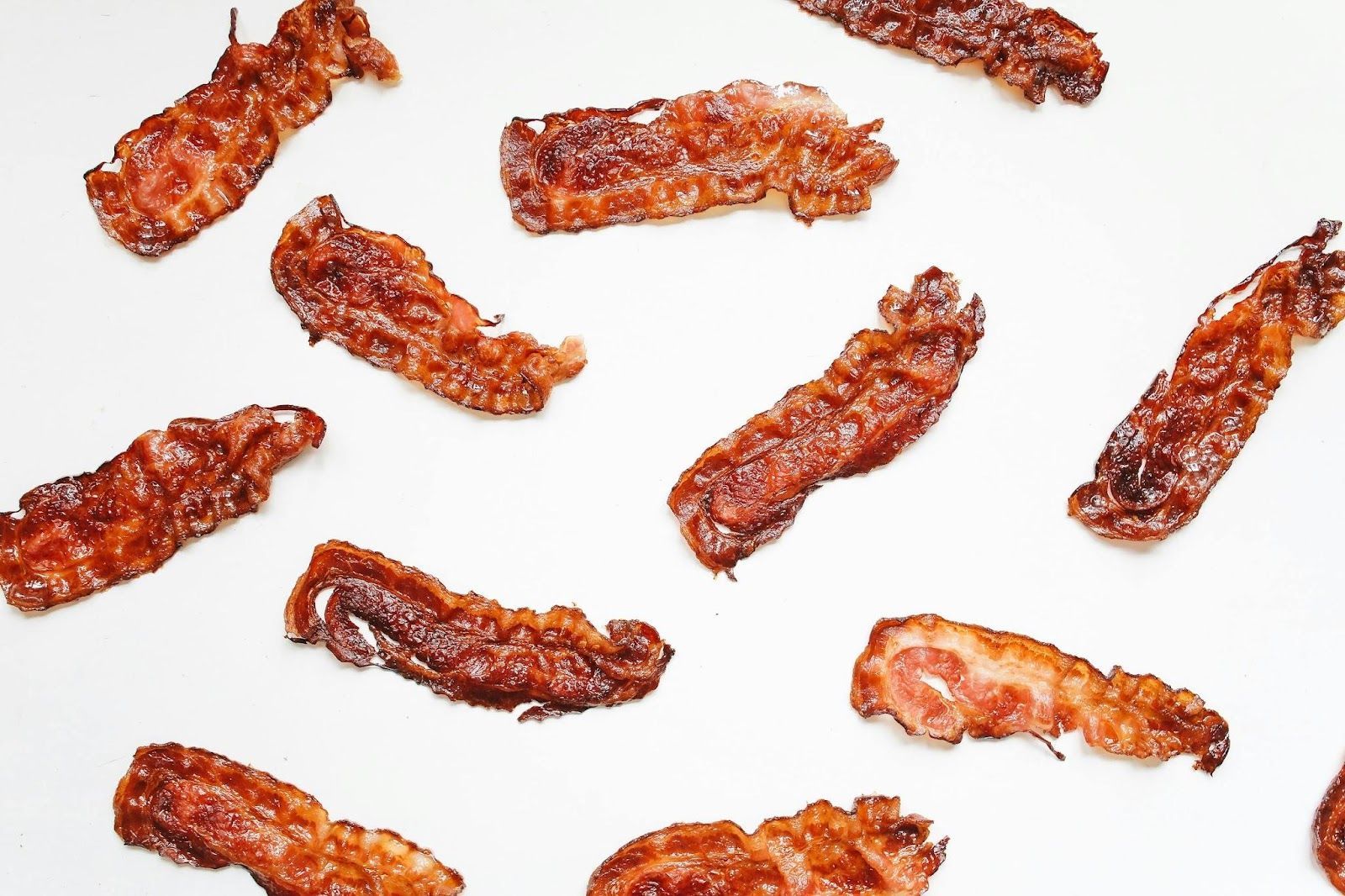
Image: Polina Tankilevitch

Michigan native Abbey Fleck did not invent bacon itself, but at 8 years old, she had grown tired of soggy bacon and paper towels. She brainstormed a simpler solution: hang the bacon while it cooked, allowing grease to drip away cleanly.

Together with her dad, she built a prototype in the 1990s and earned a U.S. patent for the microwavable "Makin’ Bacon" tray. It became a retail hit .

10
Wristies
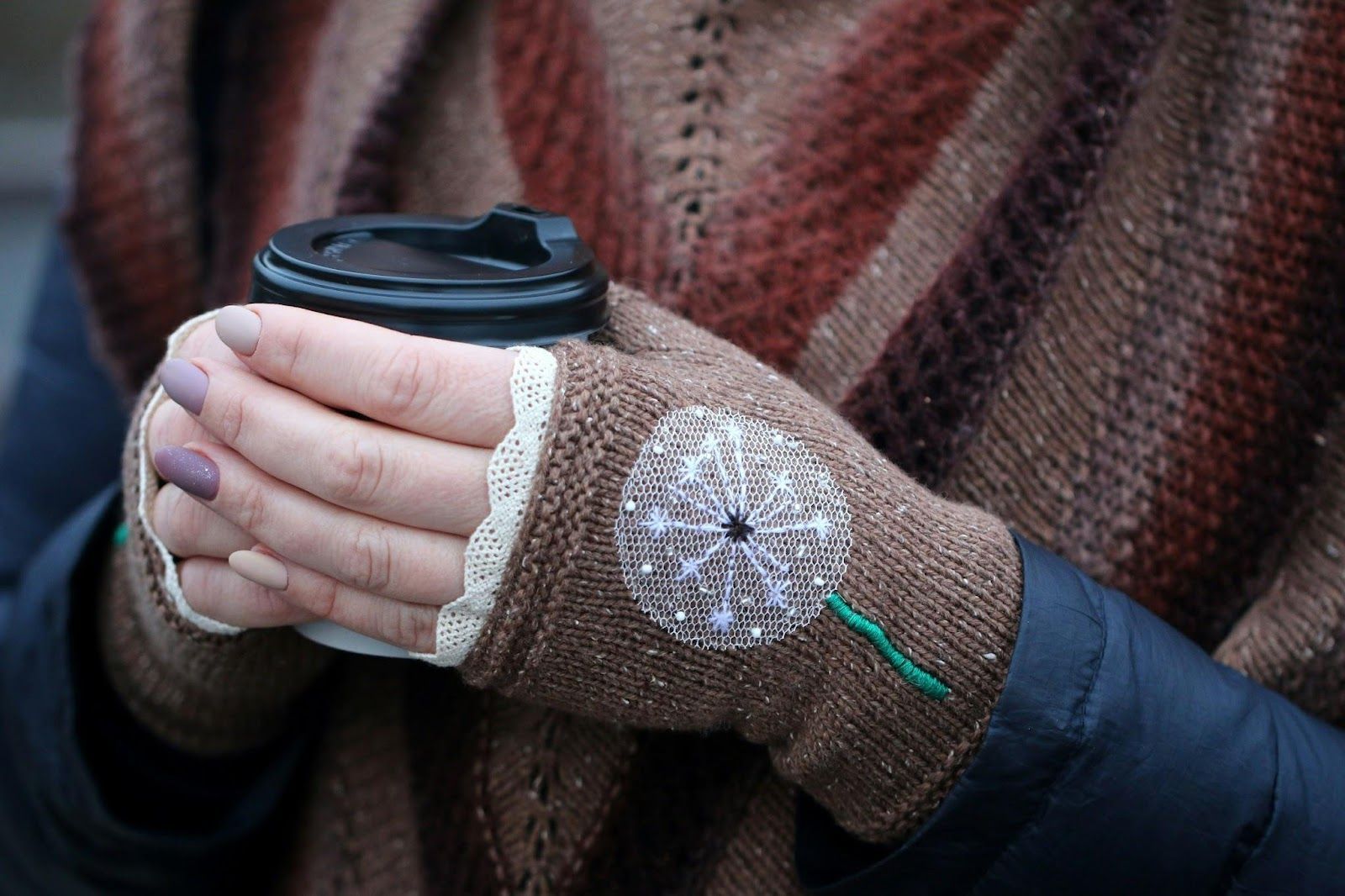
Image: Valeriy Borzov

Cold, wet sleeves are a winter misery. 10-year-old Kathryn Gregory grew frustrated with snow slipping between her mittens and coat sleeves, so she sewed together a pair of warm fleece tubes to cover the gap between glove and sleeve .

She called them Wristies. Her invention was such a hit with friends and family that her Girl Scout troop encouraged her to patent it—and she did! Kathryn became one of the youngest inventors to receive a U.S. patent.

11
Crayon holders
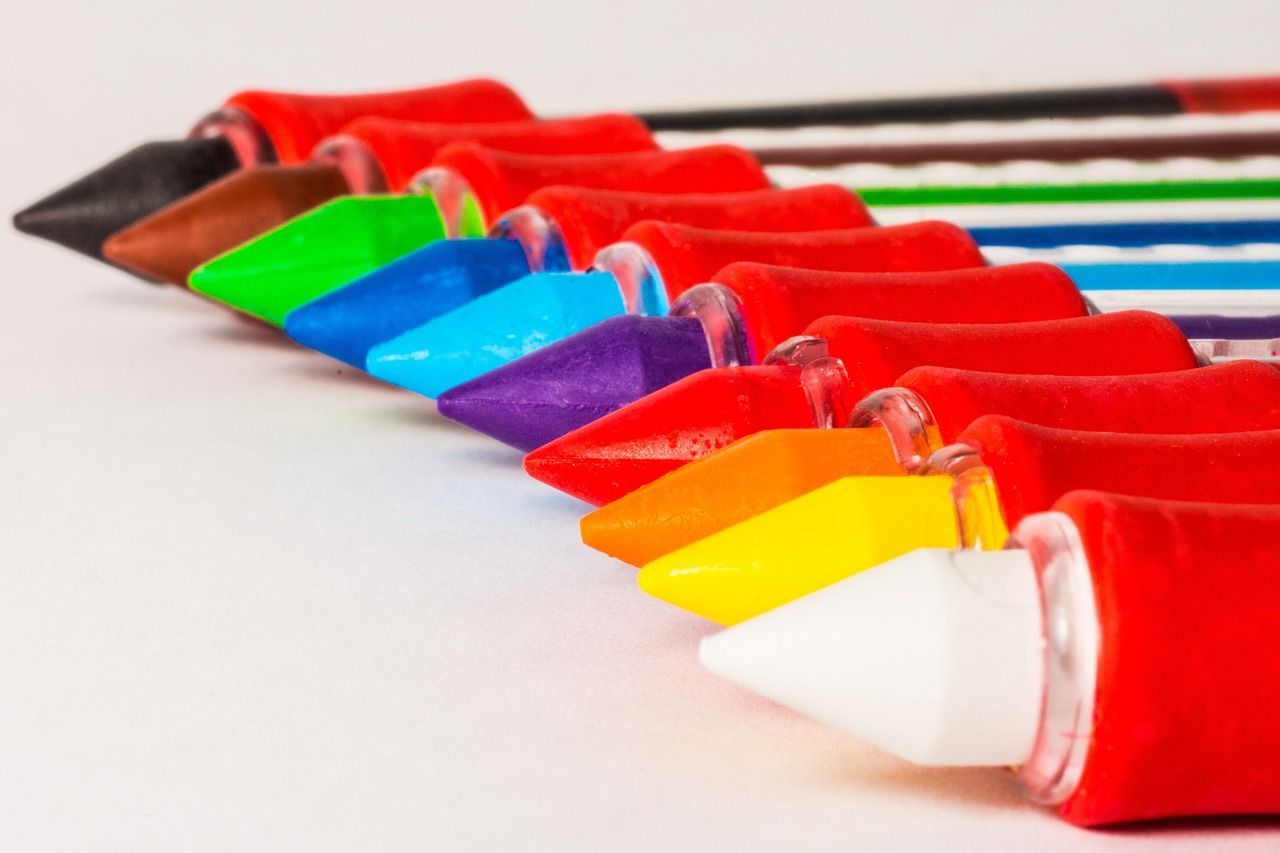
Image: AlexanderStein

Ever struggled to hold a crayon that’s worn down to a stub? So did 11-year-old Cassidy Goldstein. She noticed how frustrating tiny crayons could be, especially for kids just learning to grip.

She came up with a simple solution: a plastic cylinder that could hold broken or short crayons , making them easier to use. Patenting the design earned Cassidy the Youth Inventor of the Year Award.

Culture Culture 3 min read

Did you know?

Smoke and mirrors: Hidden truths behind old Hollywood's stars!

Image: MARIOLA GROBELSKA

A lot happened behind the cameras and flashing lights of the Golden Age of Hollywood! For instance, do you know which star had an impressive private library? Or who had to conceal his orthodontics as an adult? Read on and you might find some lesser-known stories behind legendary names like Marilyn Monroe, Frank Sinatra, or Humphrey Bogart.

1
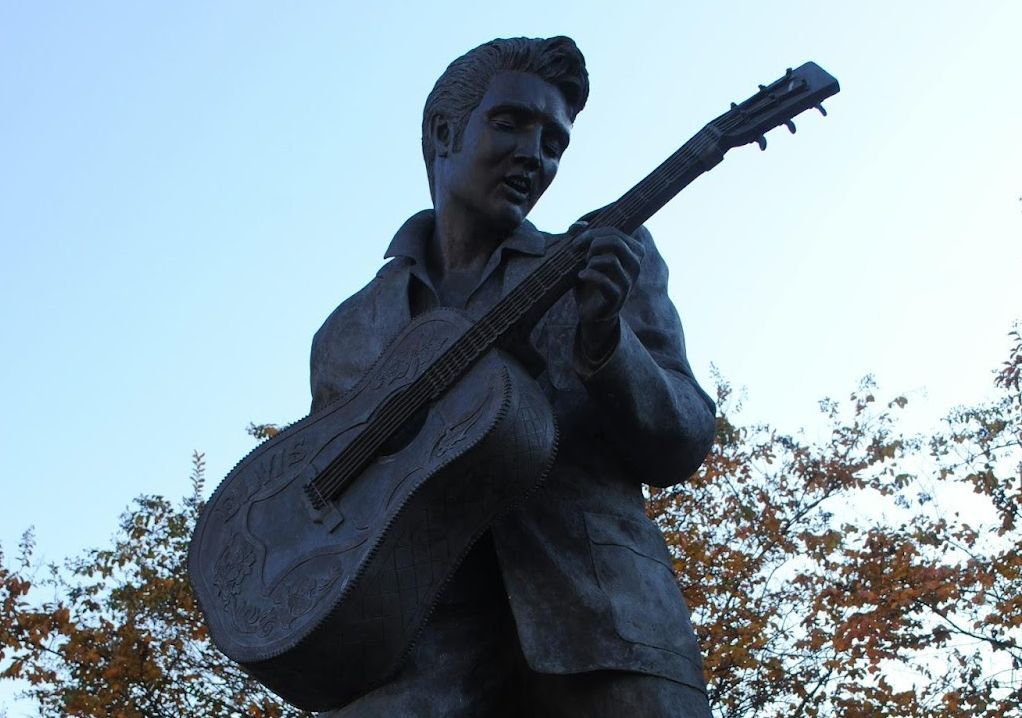
Elvis Presley was naturally blond

Image: JR Harris

No, that jet-black pompadour wasn’t natural! Elvis entered the world with sandy blond hair, which gradually darkened to light brown as he aged.

But when he began chasing a movie career, he dyed it black, as legend has it, using shoe polish before he could afford the real dye.

2
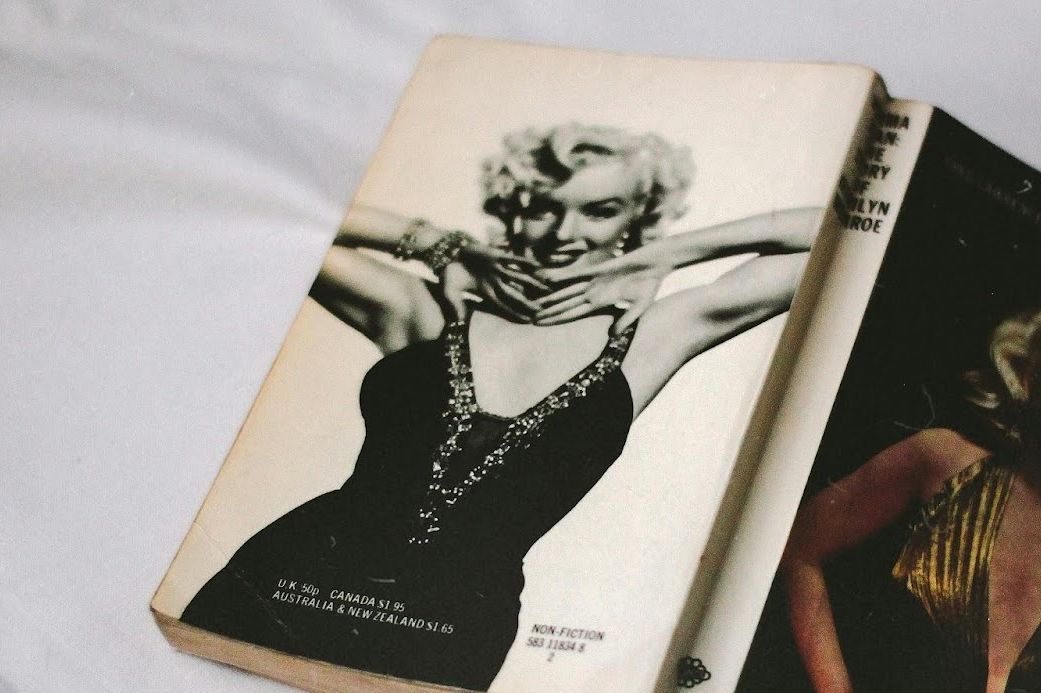
Marilyn Monroe’s library held over 400 books

Image: pure julia

Did you know that Marilyn was a serious bibliophile? Her personal collection reportedly exceeded 400 books . It included subjects like art, history, philosophy, and classic literature, from Ulysses by James Joyce to The Portable Dorothy Parker .

She was often photographed reading between takes, and her friends described her as a genuinely curious and thoughtful woman.

3
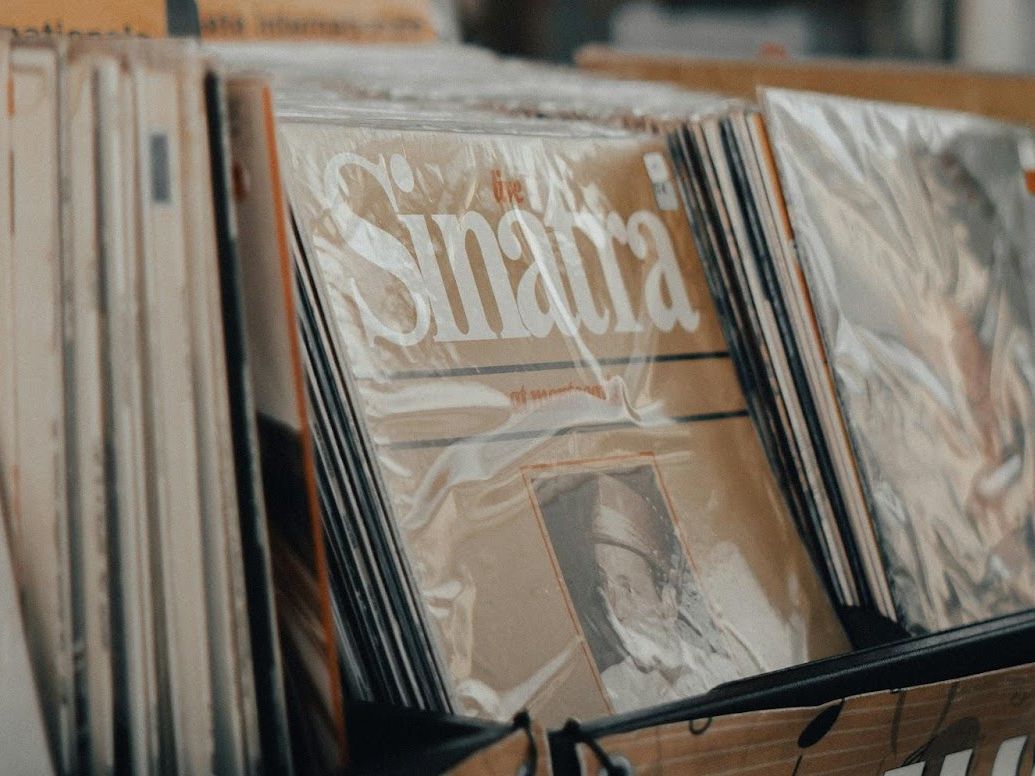
Sinatra had a hidden knack for painting

Image: Ethan Rougon

The voice behind "My Way" also spent decades expressing himself through a brush. Through the decades, he painted hundreds of canvases , from colorful abstracts to cubist-inspired portraits, which he often signed with a simple "Sinatra."

His friends said he painted almost daily at home in Palm Springs.

4
Elizabeth Taylor once proposed marriage… and was rebuffed

Image: Katelyn MacMillan

Elizabeth Taylor famously had eight marriages and seven husbands. But even before her first one, as a teenager, she took her first bold shot at love.

According to actor and Olympic swimmer Buster Crabbe , the young star once asked him to marry her, but he politely declined, saying she was too young.

5
Cary Grant’s real name was Archie Leach

Image: Jeremy Yap

"Archibald Leach" might not read like the film star that Golden Age Hollywood would covet. Archie probably guessed this, and the poor boy from Bristol, England, decided to change his name to try his luck in the industry: He would be "Cary Grant."

Once successful, the actor famously said: "Everyone wants to be Cary Grant. Even I want to be Cary Grant."

6
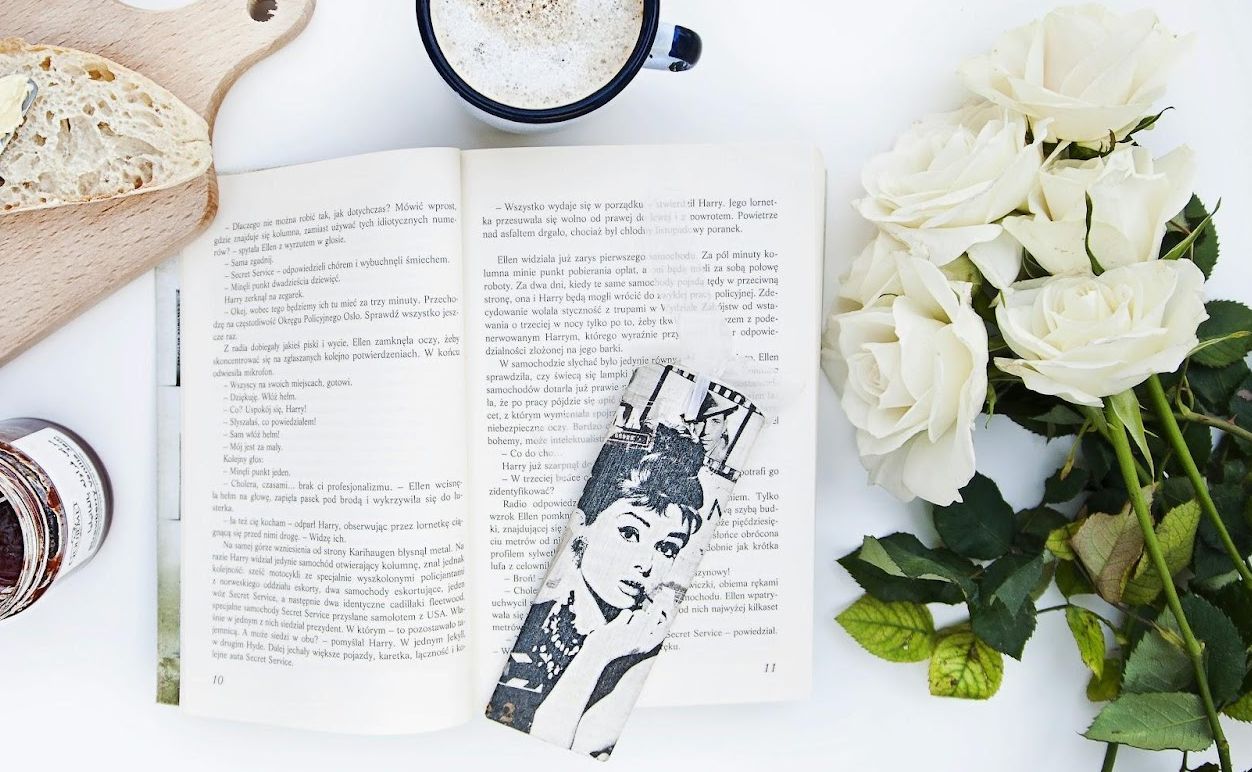
Audrey Hepburn could speak Dutch, French, Italian, and English

Image: Magda Fou

Graceful, elegant, and a polyglot. Audrey Hepburn spoke six languages ! Born in Brussels and raised in the Netherlands and England, Hepburn grew up switching between tongues with ease.

This ability later served her well in diplomacy and film. Because the face of Roman Holiday was not only a charming actress; she also famously served in UNICEF as a global ambassador.

7
Lauren Bacall invented her signature "slither down" pose

Image: Ron Lach

There’s a story behind Lauren Bacall’s sultry stare. Nervous during her first screen test for To Have and Have Not , Lauren steadied her trembling chin by lowering it and gazing upward. Hence, the unforgettable look was born.

Later, she perfected a seated move ( the "slither down" ) where she’d lean forward slightly, chin low, eyes locked. That pose became her trademark.

8
Humphrey Bogart was kicked out of a boarding school

Image: Aman

There was a time in history when Humphrey Bogart’s parents were very worried about his future. As a teenager, he was expelled shortly after entering Phillips Academy in Andover, Massachusetts.

Some say he was kicked out for throwing a faculty member into a pond during a prank; others claim it was for smoking, drinking, or general "bad behavior." The true story remains private. We do know that the incident sent him straight into the U.S. Navy during World War I.

9
Marilyn Monroe stood up for Ella Fitzgerald

Image: Yoel J Gonzalez

Marilyn had moments of real principle. In 1955, she used her influence to persuade Mocambo, a high-end nightclub in Hollywood, to book Ella Fitzgerald, who had been denied access to many such venues because of racial prejudice. The story goes that, after that performance, doors started opening for Ella both literally and figuratively.

10
Marlon Brando designed Don Vito Corleone

Image: RDNE Stock project

Producers of The Godfather did not think Marlon Brando was a good choice for the mafia movie, at first. So the star took matters into his own hands.

He slicked back his hair with shoe polish, stuffed tissues inside his cheeks to create the iconic jowls of Don Corleone, and lowered his voice into a sinister murmur. The resulting homemade screen test did win the studio over. The rest is cinematic history.

History History 4 min read

Lands that were only dreams

Superior, Transylvania, Sequoyah, and other states that never were

Image: Chris Lawton

The map of the United States could have looked very different—perhaps with around 70 states, each having its own capital and constitution. For example, have you ever heard of the proposed states of Franklin or Westsylvania? And can you guess where Superior was supposed to be located? Let’s dive into 13 states that almost—but never—found a place on the map.

1
Superior

Image: Brian Beckwith

As we know, Michigan is divided into the Upper and Lower Peninsulas. The discussion about whether the Upper Peninsula should become its own state dates back as far as 1858.

During the 19th and 20th centuries, residents of the region proposed creating the State of Superior , named after the Great Lake that defines the region. Although the movement never gained enough traction, some people still support the idea today, even though Superior would become the state with the smallest population.

2
Jefferson

Image: Kirk Thornton

Jefferson was a proposed state, much like Washington was before it became a state. Picture this: a state straddling Northern California and Southern Oregon, rich in timber and minerals. This was the vision for Jefferson , first proposed in the mid-19th century and revived in 1941.

Residents even declared a symbolic "secession" and distributed pamphlets proclaiming their independence. However, World War II shifted priorities , and the movement eventually fizzled out.

3
Deseret

Image: Wolfgang Hasselmann

Mormon settlers had big dreams in 1849—they proposed Deseret , a massive theocratic state . The name, meaning "honeybee" in the Book of Mormon , symbolized industry and cooperation. But Congress wasn’t exactly buzzing with enthusiasm.

Instead, Congress created the smaller Utah Territory , which at the time included present-day Utah as well as parts of Nevada, Colorado, and Wyoming.

4
Sequoyah

Image: Nina Luong

In 1905, Native American tribes in eastern Oklahoma proposed the State of Sequoyah , named after the Cherokee scholar who created the Cherokee syllabary .

It was a bold move to create a Native-majority state. However, Congress chose instead to merge the area with Oklahoma Territory to form the state of Oklahoma . The constitution drafted for the proposed State of Sequoyah went on to influence the final Constitution of Oklahoma.

5
Lincoln

Image: Clark Van Der Beken

The proposed State of Lincoln had multiple identities. One version placed it in eastern Washington and northern Idaho. Although the name was intended to honor Abraham Lincoln, other names, such as Columbia and Eastern (East) Washington , were also considered.

Another proposal envisioned Lincoln in southern Texas. This version reportedly had a prepared constitution and a distinctive red flag featuring Lincoln’s face inside a yellow circle.

6
East and West Jersey

Image: Nick Fewings

Can you imagine two New Jerseys? Back in 1674, when the area was still a British province, New Jersey was divided into East Jersey and West Jersey , each with its own government and constitution.

But the separation lasted only 28 years . The territories were rejoined in 1702, and the first New Jersey state constitution wasn’t adopted until 1776, following independence from Britain.

7
Franklin

Image: Dan Mall

The State of Franklin was another plan, except this one worked, for a while. In 1784, settlers in eastern Tennessee had had enough with what they saw as North Carolina’s neglect. They declared independence and formed the State of Franklin , named after Benjamin Franklin, of course.

For four years, Franklin operated as a de facto state , complete with its own constitution and government. However, Congress refused to recognize it, and by 1788, the State of Franklin ceased to exist.

8
Transylvania

Image: Julia Volk

Transylvania (from the Latin for "beyond the woods" ) is more than just a remote land of vampire legends—it was also nearly the name of a short-lived American colony in what is now mostly Tennessee and parts of Kentucky.

In 1775, land speculator Richard Henderson struck a deal with the Cherokee to create the Colony of Transylvania , in parts of Kentucky, Tennessee, and Virginia. But Virginia and North Carolina declared the venture illegal. Still, the name lives on today in Transylvania University in Lexington, Kentucky.

9
Nickajack

Image: lauren barton

During the Civil War, Union sympathizers in northern Alabama, northern Georgia, and eastern Tennessee proposed the creation of the State of Nickajack . The name came from a Cherokee village, but the idea never gained much traction.

Today, the Nickajack Dam and Nickajack Lake reservoir mark areas that would have fallen within the boundaries of this proposed state.

10
Absaroka

Image: Mohan Nannapaneni

Have you ever heard of Absaroka ? During the Great Depression, residents of parts of Wyoming, South Dakota, and Montana proposed the creation of the State of Absaroka , named after the Crow Nation’s word for "children of the large-beaked bird."

The movement was largely a symbolic protest against federal neglect. Absaroka even had its own license plates and a self-declared "governor," but the state never came to fruition.

11
Westsylvania

Image: Isaac Wendland

Yet another -vania . In the late 18th century, settlers west of the Appalachian Mountains proposed the creation of the State of Westsylvania . Frustrated by neglect from eastern state governments—especially Virginia and Pennsylvania—they wanted a state of their own.

But like many other separatist efforts, the proposal was rejected by Congress and never became a reality.

12
Madison

Image: Library of Congress

Another president nearly had a state named after him—but didn’t. The name of the fourth U.S. president, James Madison, was once proposed for the area that is now part of the Dakotas.

In the late 19th century, residents of what is now southwestern North Dakota proposed the creation of the State of Madison . However, the idea faced a major hurdle: Congress was already considering dividing the Dakota Territory into two separate states. In 1889, North and South Dakota were admitted to the Union, and the Madison proposal was quietly shelved.

Explore more American facts

Choose your favorite category!

General
General

As American as apple pie—the very best America has to offer!

Culture
Culture

Delve into the astounding richness of American lore.

Geography
Geography

Hop in and explore vast and diverse American landscapes.

History
History

Discover the key moments that shaped the United States.