History History 3 min read

History misconceptions

Did you still believe this? 10 myths about US history debunked

Image: Pierre Bamin

Do you think the US Declaration of Independence was signed in July 1776? Did you know Prohibition didn't actually make drinking illegal? The history of the United States is as vast as it is varied. Over the centuries, it has been recorded, studied, and interpreted in many ways, giving rise to many misconceptions. Join us as we debunk 10 of the most widespread myths about American history!

1
Columbus discovered America
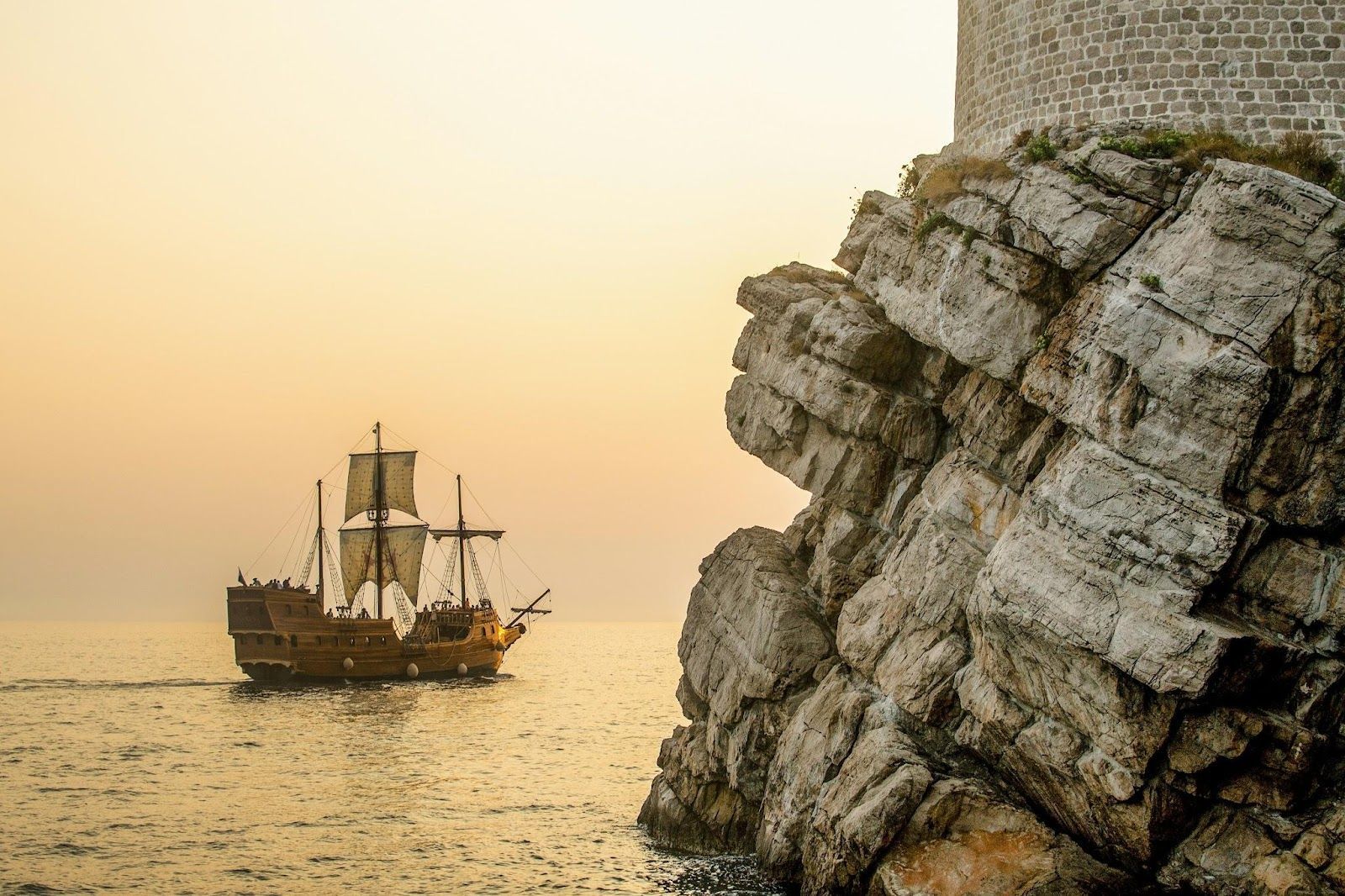
Image: Hector John Periquin

Although this isn't strictly about the United States, it does concern our continent. It's often said that Columbus "discovered" the Americas in 1492, but that's not precisely true. He wasn't even the first outsider to arrive! The Vikings, led by Leif Erikson, reached North America around the year 1000 AD, almost 500 years before Columbus. And, of course, the continent was already inhabited long before any European explorers arrived.

2
George Washington had wooden teeth
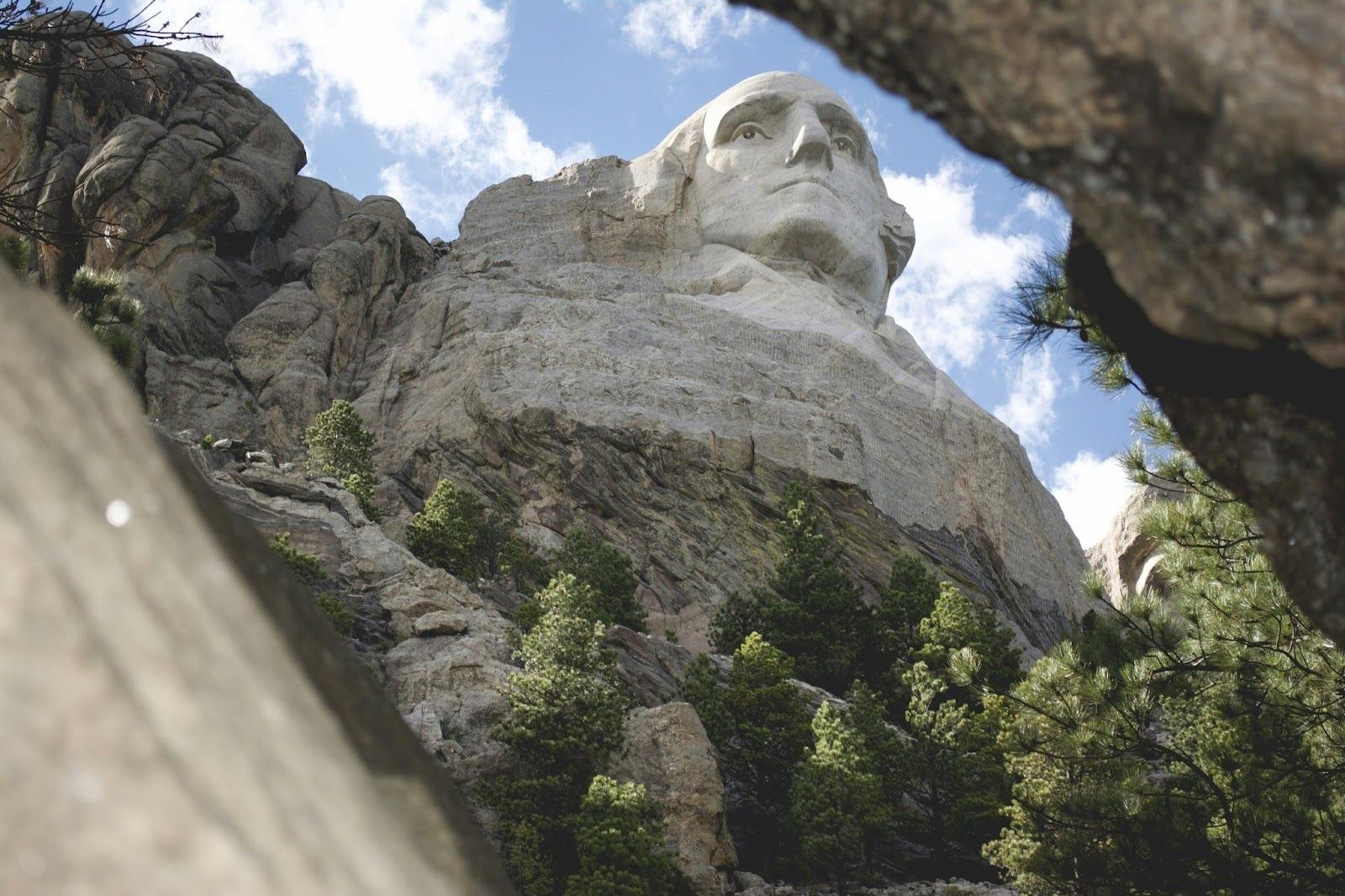
Image: Priscilla Gyamfi

One of the most famous historical myths is that George Washington, the first US president, had wooden teeth. While it's true that he struggled with dental problems and used several prosthetic devices made from various materials, none of his teeth were actually made of wood.

3
The US Declaration of Independence was signed on July 4, 1776
Image: Glen Carrie

Every 4th of July, the country turns into a party. And it's no wonder, since we're honoring Independence Day! Perhaps because of the date of this holiday, many people believe that the US Declaration of Independence was actually signed on July 4, 1776. In reality, the key event on that day was the Continental Congress voting to adopt the Declaration of Independence. Most delegates actually signed the document later, on August 2, 1776, in Philadelphia.

4
America became fully independent in 1776
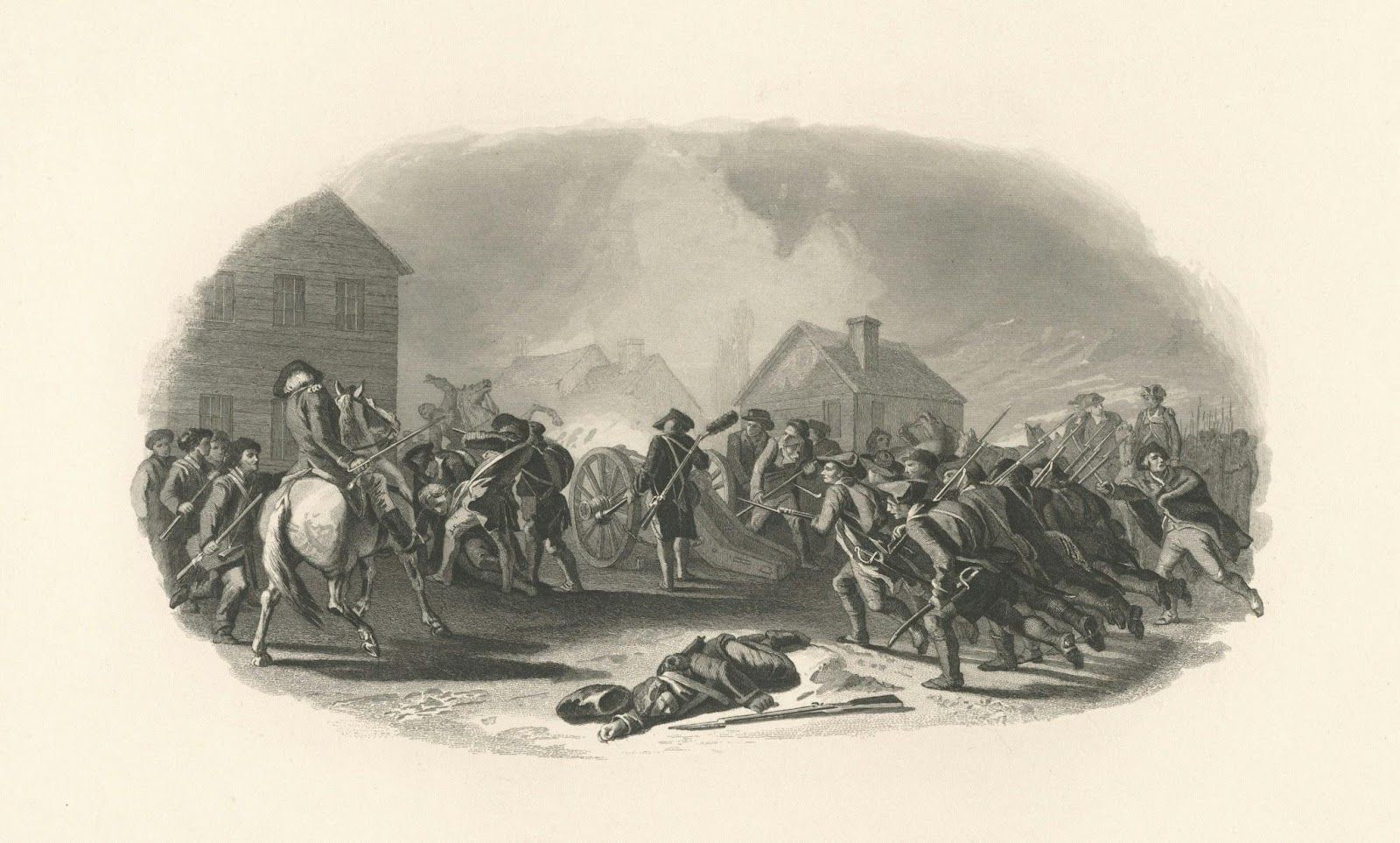
Image: The New York Public Library

On July 4, 1776, the American colonies declared their independence from Great Britain by adopting the Declaration of Independence. However, the Revolutionary War continued for several more years. It wasn't until the war ended in 1783, with the signing of the Treaty of Paris, that the United States' independence was officially recognized.

5
Cowboys wore Stetson hats

Image: Brice Cooper

Although Stetson hats are now inseparable from the cowboy image, the reality of the 19th century was pretty different. People in the Wild West sported a variety of styles: while some did wear wide-brimmed hats similar to Stetsons, these were not the most common, and many other types were also popular.

6
Paul Revere rode alone
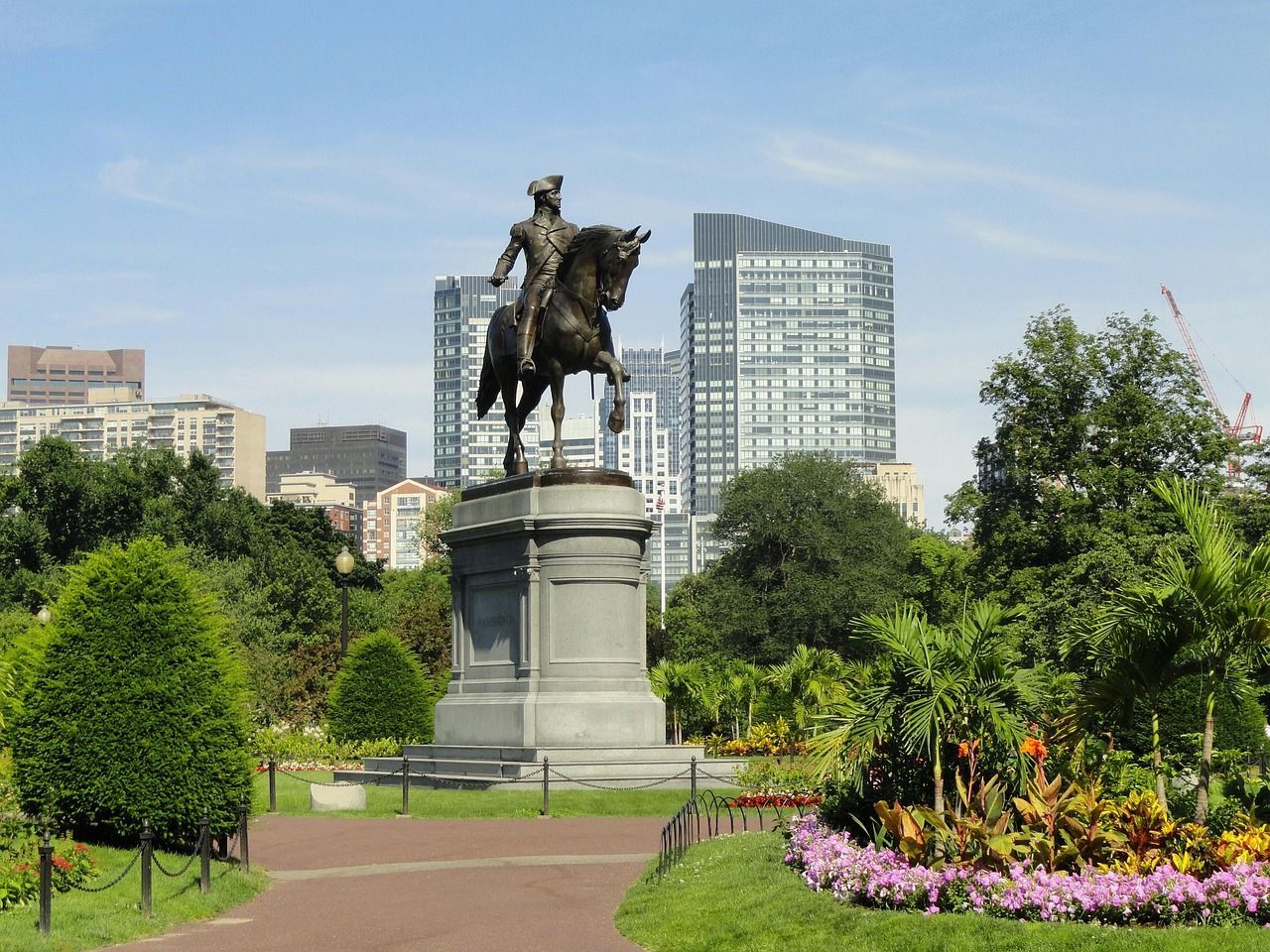
Image: Pixabay

Paul Revere's name became a symbol of American courage and determination. His midnight ride on April 18, 1775, was undoubtedly heroic, but some details have been distorted over time. While many think he shouted "The British are coming!", historians suggest he likely said something closer to "The regulars are coming", given the dates. And contrary to popular belief, Revere didn't ride alone; he was part of a group of riders working together to warn the colonial militia.

7
George Washington chopped down a cherry tree
Image: Jeffrey Clayton

The story of George Washington chopping down a cherry tree is one of the most famous tales in American history. However, it's actually a myth, created by one of Washington's early biographers to highlight one of his defining characteristics: honesty. Although there is no reliable historical evidence to support this famous anecdote, there is plenty of proof of the courage and honesty of the Father of His Country.

8
Al Capone was jailed for his violent crimes
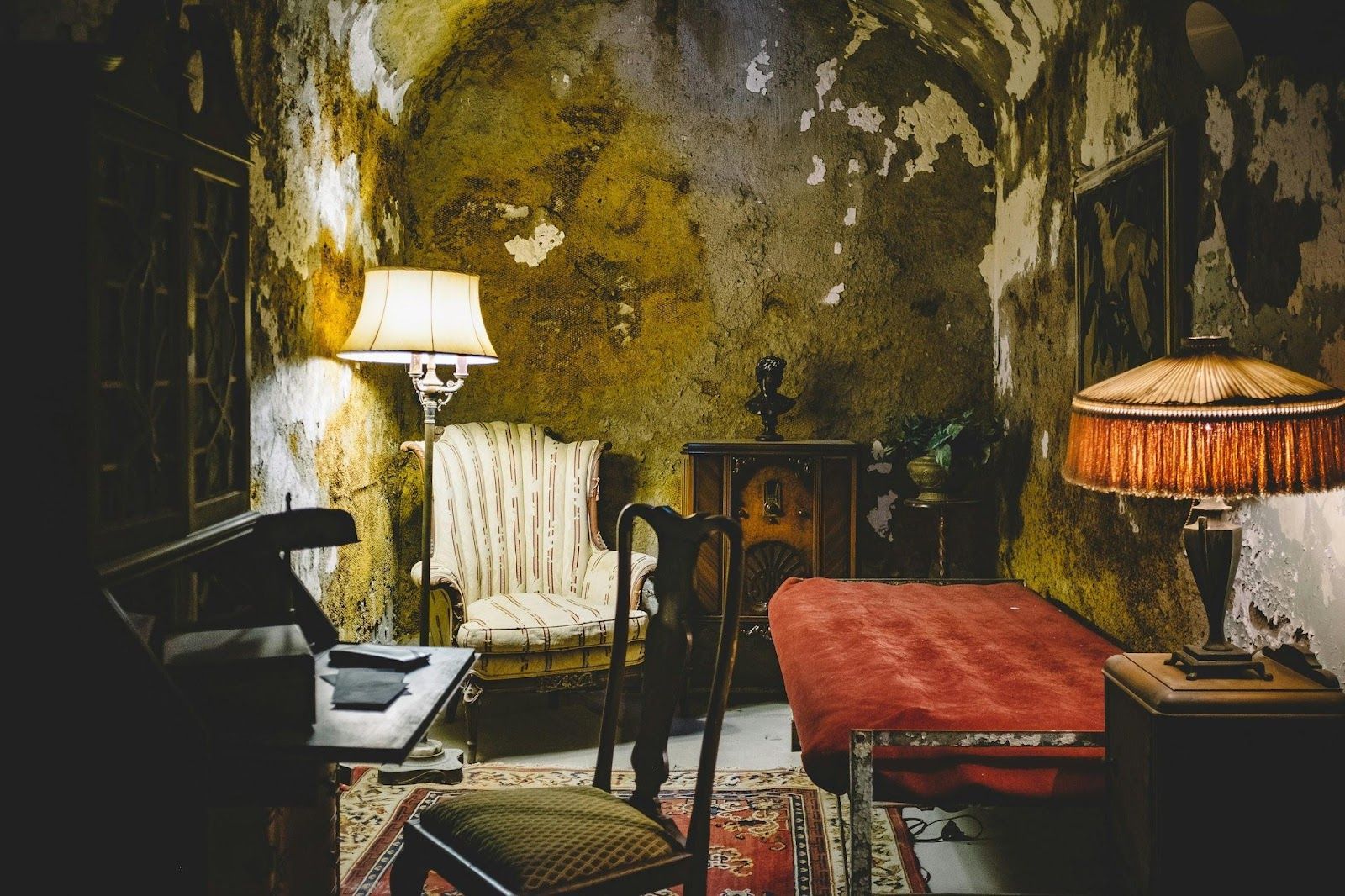
Image: Ashim D’Silva

Al Capone was one of the most infamous gangsters in history. Although his life was filled with criminal activity, it wasn't his violent acts that put him in jail, as there wasn't enough evidence to convict him. Instead, authorities used tax evasion charges, and he was finally imprisoned for that reason in 1931.

9
Prohibition made drinking illegal everywhere
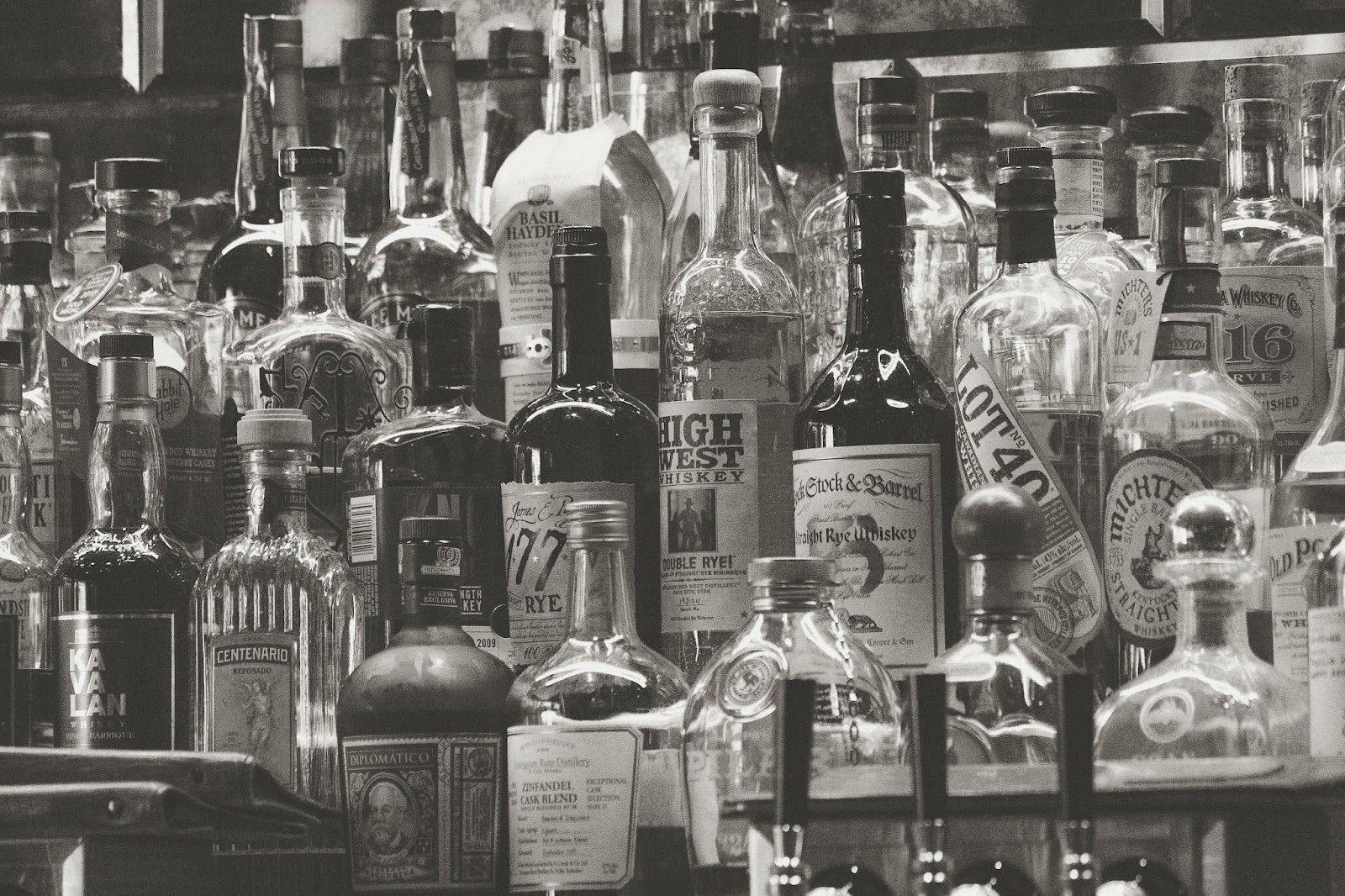
Image: Drew Beamer

Many people assume that drinking alcohol was completely illegal during Prohibition. In reality, the 18th Amendment and the Volstead Act (1920–1933) banned the manufacture, sale, and transportation of alcohol, but not the act of drinking itself!

10
The Founding Fathers as a unified group
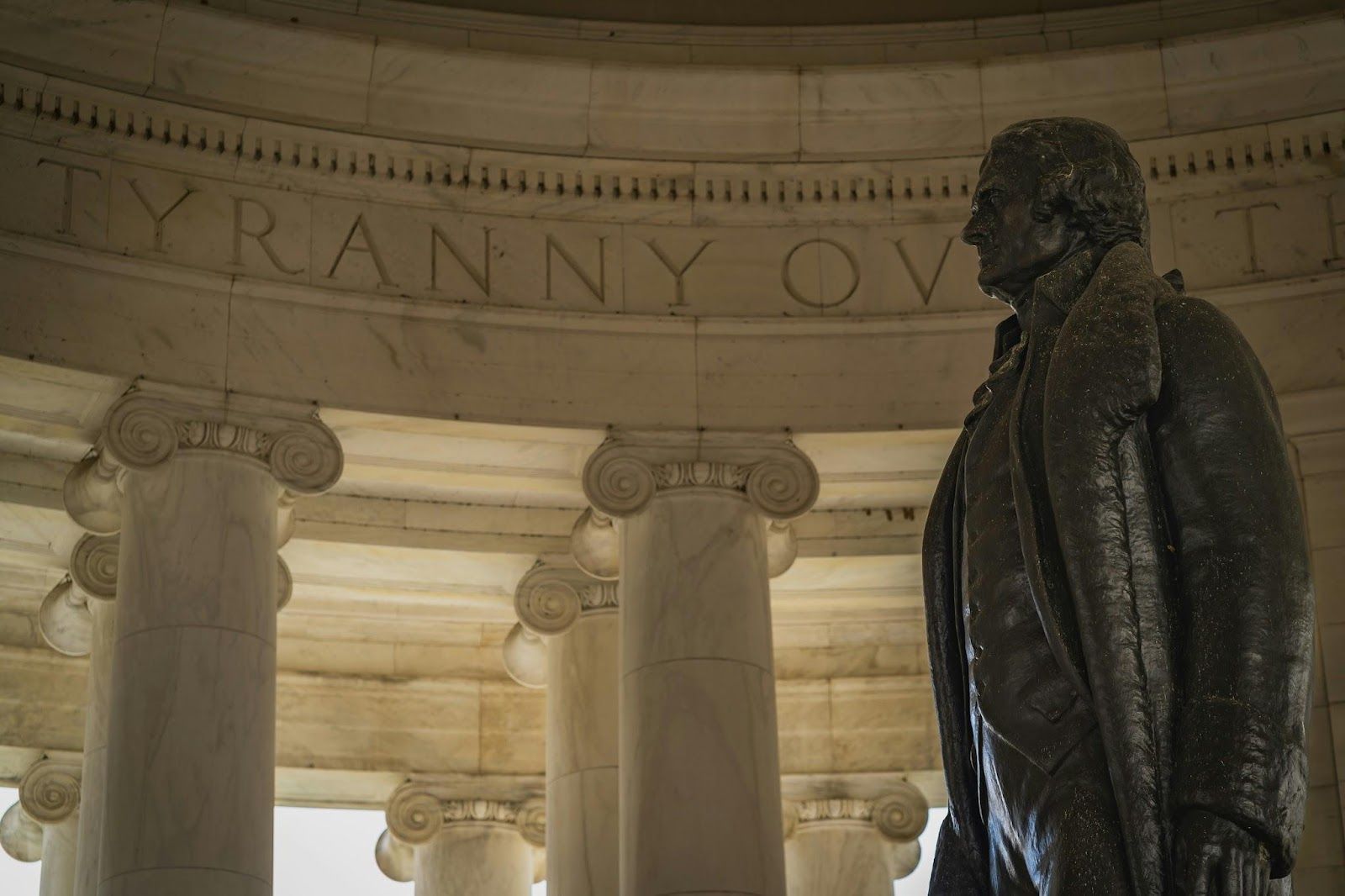
Image: J. Amill Santiago

Many believe the Founding Fathers worked as a unified group, sharing a single vision without disagreement. But history tends to be a little more complex. While they collaborated and worked hard to establish the United States, they held diverse ideas and visions for the nation, and some even became rivals. Yet, despite their differences, they successfully laid the foundations for the first large-scale modern republic.


History History 5 min read

Political trailblazers: 10 inspiring women who shaped America

Image: Mikhail Nilov

From dusty prairie towns to marble halls in Washington, American women have inched, marched, and leaped their way into places they were once told they didn’t belong. Each milestone was more a crack in the wall for others to walk through than a personal triumph. With a mix of courage, persistence, and perfect timing, the stories of these 10 trailblazing women prove that anything’s possible in life and politics.

1
First presidential candidate: Victoria Woodhull

Image: Daria Kraplak

In 1870, a publisher and stockbroker on Wall Street, Victoria Woodhull, stepped up to do something no woman had ever done before. In a letter to the New York Herald, she announced her intention to run for president of the United States. Some laughed, others scoffed, but Woodhull never flinched.

Her message was revolutionary for its time: equal rights for women, fair pay for workers, and an end to hypocrisy in politics. No electoral votes went her way, but that wasn’t the point. By daring to run, she opened the door for future generations and secured her place as the first woman bold enough to chase the presidency, long before the law recognized her right to vote.

2
First member of Congress: Jeannette Rankin

Image: C. T. Chapman, Public domain, via Wikimedia Commons

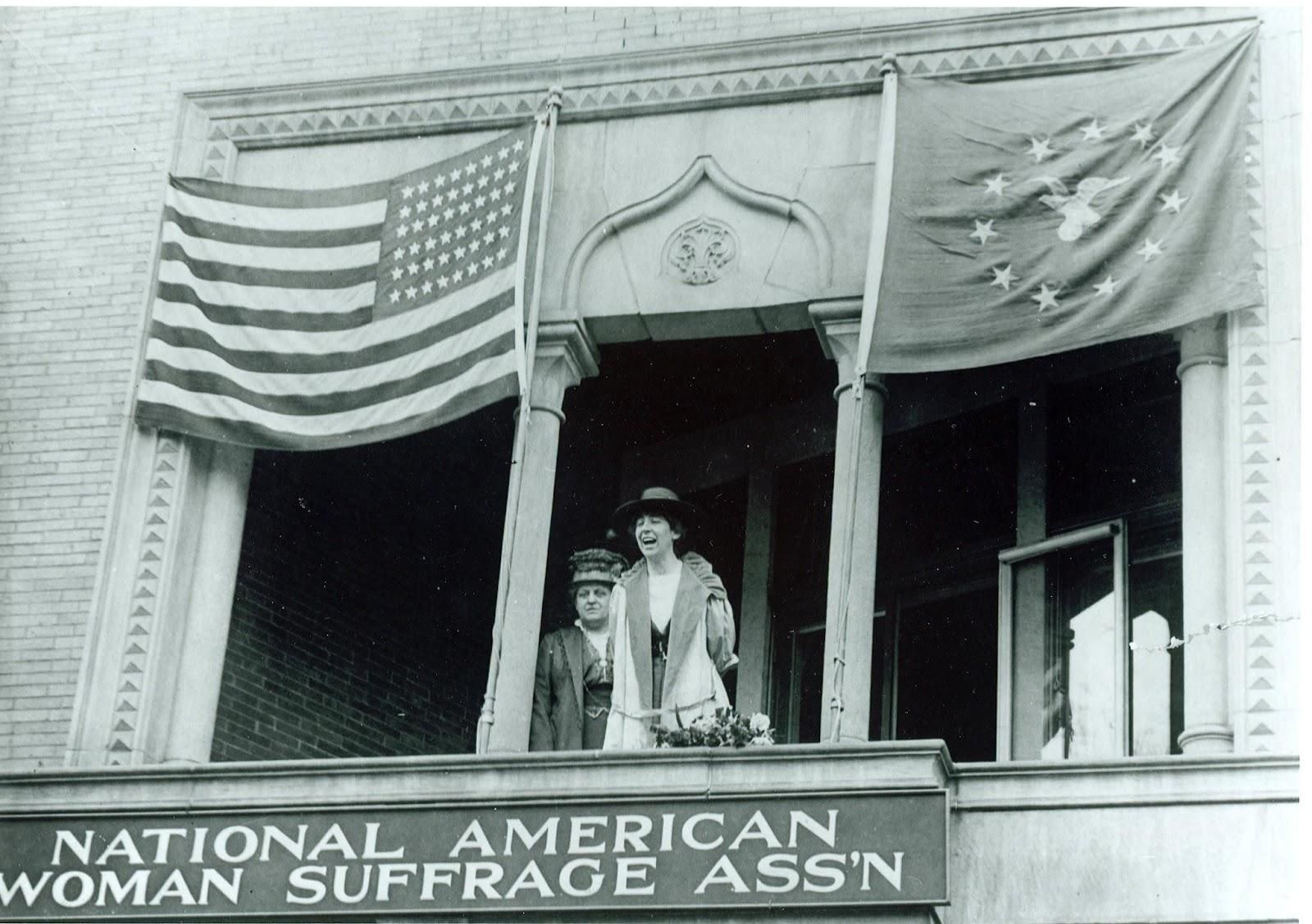
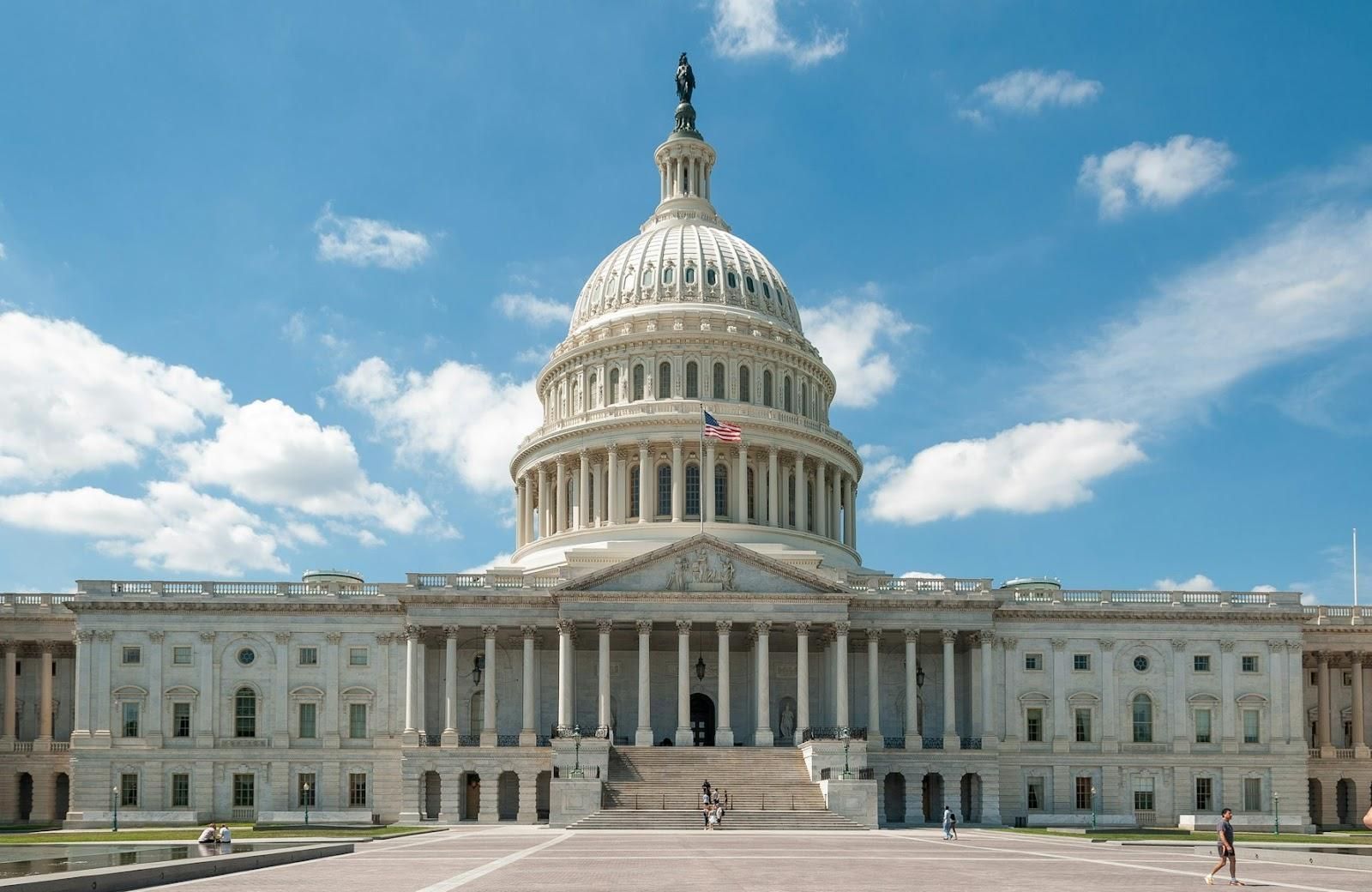
In 1916, Montana elected a woman to Congress for the first time. Jeannette Rankin was a suffragist who had already helped secure voting rights for women in her state before most of the nation even dreamed of it. When she arrived at the Capitol to take her seat, the gallery overflowed with onlookers buzzing with curiosity and disbelief. Rankin, calm and resolute, didn’t shout to be heard; she spoke with the steady conviction of someone who knew she belonged. Her presence proved that a woman’s reasoning could command the same respect as any man’s voice, and once heard, it could never again be silenced.

3
First U.S. senator: Hattie Caraway

Image: Stephen Walker

She started out almost unnoticed. In 1931, when Arkansas senator Thaddeus Caraway died, his widow, Hattie, was appointed to fill his seat, a move many assumed was merely symbolic. But Hattie had no interest in being a placeholder. The following year, she launched her own campaign, traveling dusty southern roads and shaking hands with quiet confidence.

Against all odds, she won, becoming the first woman ever elected to the U.S. Senate. Dubbed "Silent Hattie" for her reserved manner, she wasn’t known for fiery speeches or flashy gestures. Through persistence and integrity, she proved that results, not rhetoric, are what truly echo in the chambers of power.

4
First woman mayor: Susanna Salter

Image: LSE Library

This is the story of a prank going sideways. In 1887, a group of men in a tiny Kansas town slipped the name of 27-year-old Susanna Salter onto the mayoral ballot in Argonia, confident that voters would laugh her off. To their dismay, when the ballots were counted, Salter had won.

Overnight, she became the first woman mayor in U.S. history. Far from feeling overwhelmed, Salter handled her duties with grace and sharp practicality, earning the respect of the same townsmen who tried to embarrass her. By the end of her term, she’d turned a bad joke into a precedent.

5
First state governor: Nellie Tayloe Ross

Image: Roman Manshin

Wyoming’s nickname, the Equality State, seems well deserved. When voters chose Nellie Tayloe Ross as governor in 1925, the nation watched as a woman stepped into a role no one of her gender had ever held before. She wasn’t the fiery campaign type; her strength came from quiet precision and an unwavering sense of duty.

Ross believed that leadership meant doing the work well, not making noise about it. Her calm authority and financial prudence won over even the most skeptical. Years later, as the first female director of the U.S. Mint, she literally shaped the nation’s currency, an apt legacy for a woman who always knew the worth of patience, persistence, and steady hands.

6
First cabinet member: Frances Perkins

Image: The New York Public Library

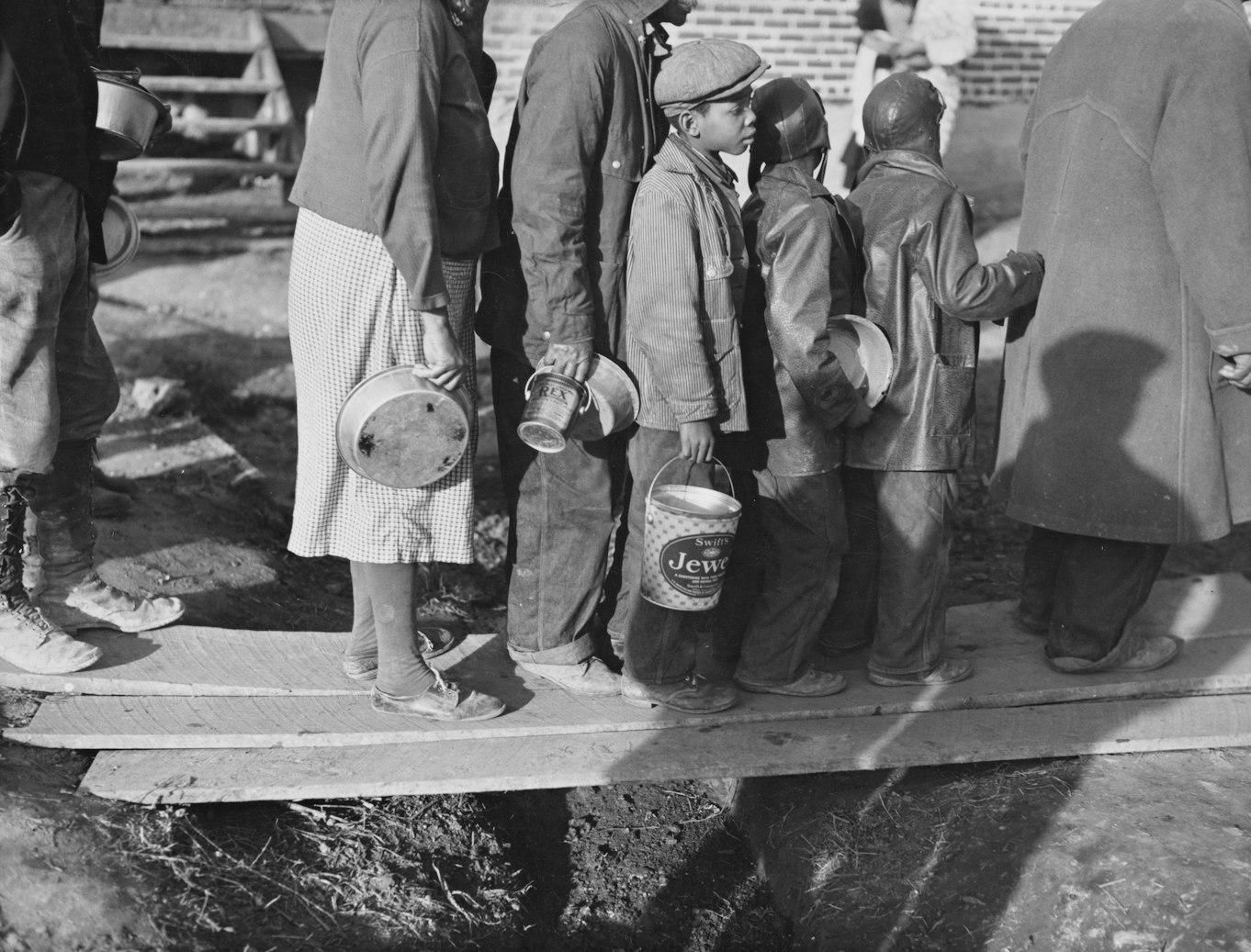
At the beginning of the 1930s, when breadlines stretched around city blocks and hope felt like a luxury, a female labor leader and consumer advocate came to the rescue. President Franklin D. Roosevelt saw in Frances Perkins not just a reformer, but a force of nature. As Secretary of Labor —and first woman ever to hold a Cabinet post—Perkins walked into the men-filled halls of power and quietly redrew the map of American work.

She championed fair wages, safer conditions, and limits on child labor, all while helping craft the Social Security system that still anchors millions of lives today. Decades later, her influence lingers in every pay stub, every pension, and every law that insists work should come with dignity.

7
First Supreme Court justice: Sandra Day O’Connor

Image: Stephanie Rhee

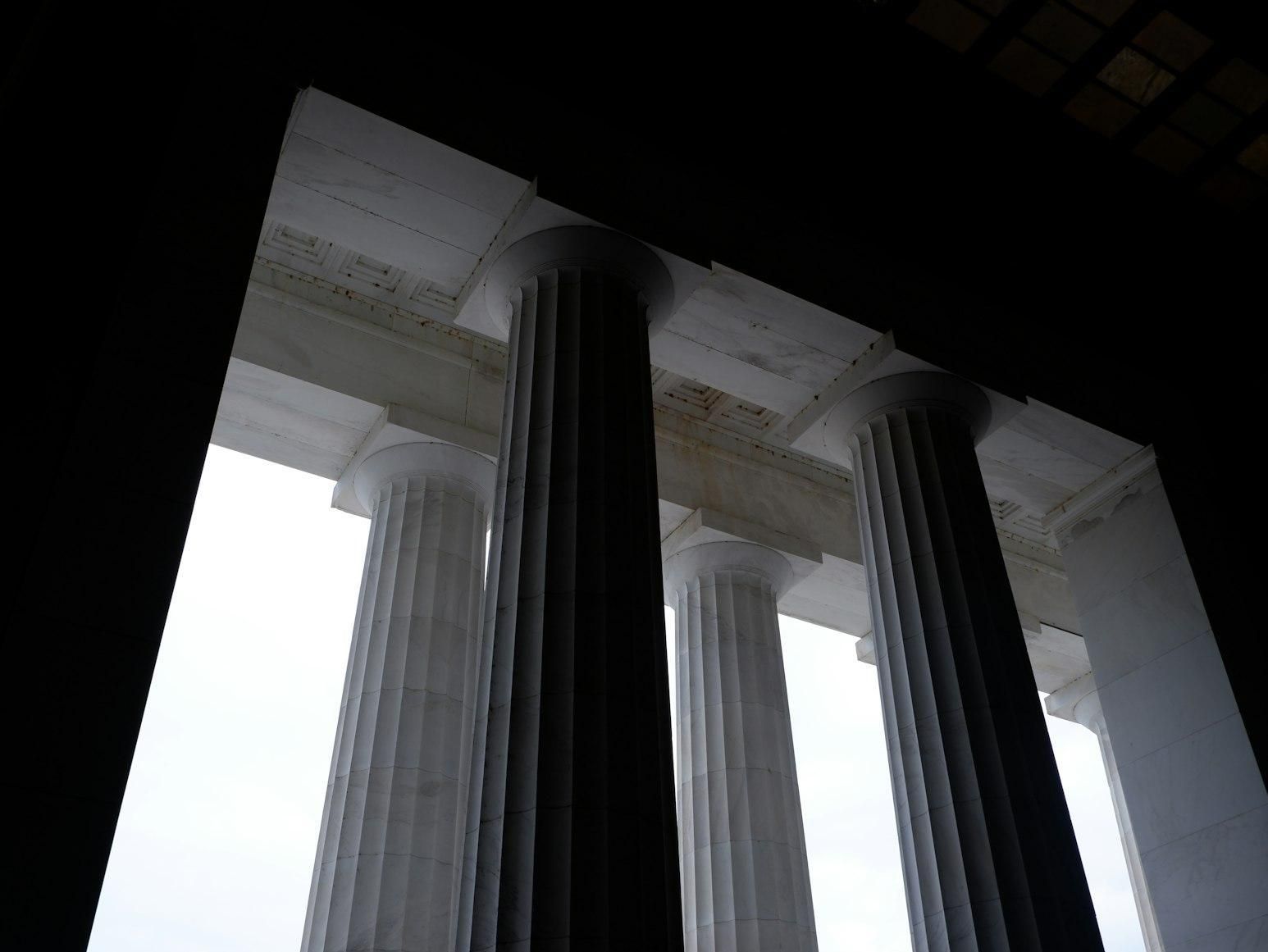
It’s hard to picture the dusty plains of Arizona leading to the marble halls of the Supreme Court, yet that’s exactly where Sandra Day O’Connor’s story began. Raised on a remote cattle ranch miles from the nearest town, she learned the value of hard work, clear thinking, and a level head. All these qualities would serve her well when, in 1981, President Ronald Reagan nominated her as the first woman justice in U.S. history.

O’Connor brought that same frontier pragmatism to Washington, preferring reason over rhetoric and humor over ego. "I’m just trying to do the right thing, one case at a time," she once said. For a quarter century, her voice became the Court’s steady center, proving that fairness stretches farther than politics.

8
First U.S. Secretary of State: Madeleine K. Albright

Image: sohail shaikh

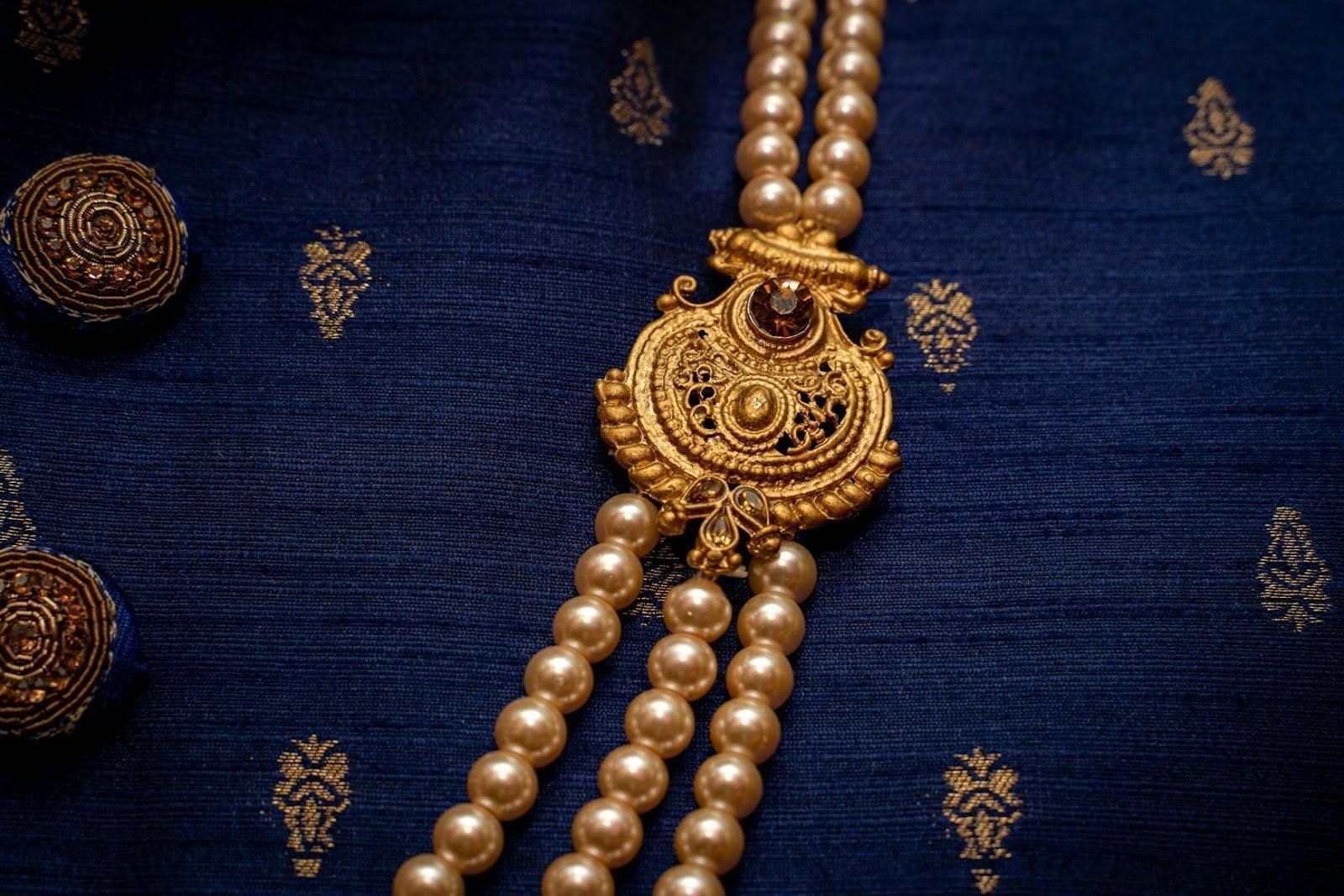
Madeleine Albright, born in Czechoslovakia and raised on the idea that words alone could shape nations, found a clever way to make hers sparkle beyond her famous brooches. She could easily become a spider when negotiations grew tense, and a gentle dove when peace was within reach.

Albright believed diplomacy could be both art and strategy. When she became the first woman to serve as U.S. Secretary of State in 1997, she blended intellect with unmistakable flair, commanding global respect. She showed that courage, conviction, and strength can coexist with a warm personality occasionally sparkling from a lapel.

9
First major party’s presidential nominee: Hillary Rodham Clinton

Image: Gage Skidmore from Peoria, AZ, United States of America, CC BY-SA 2.0, via Wikimedia Commons

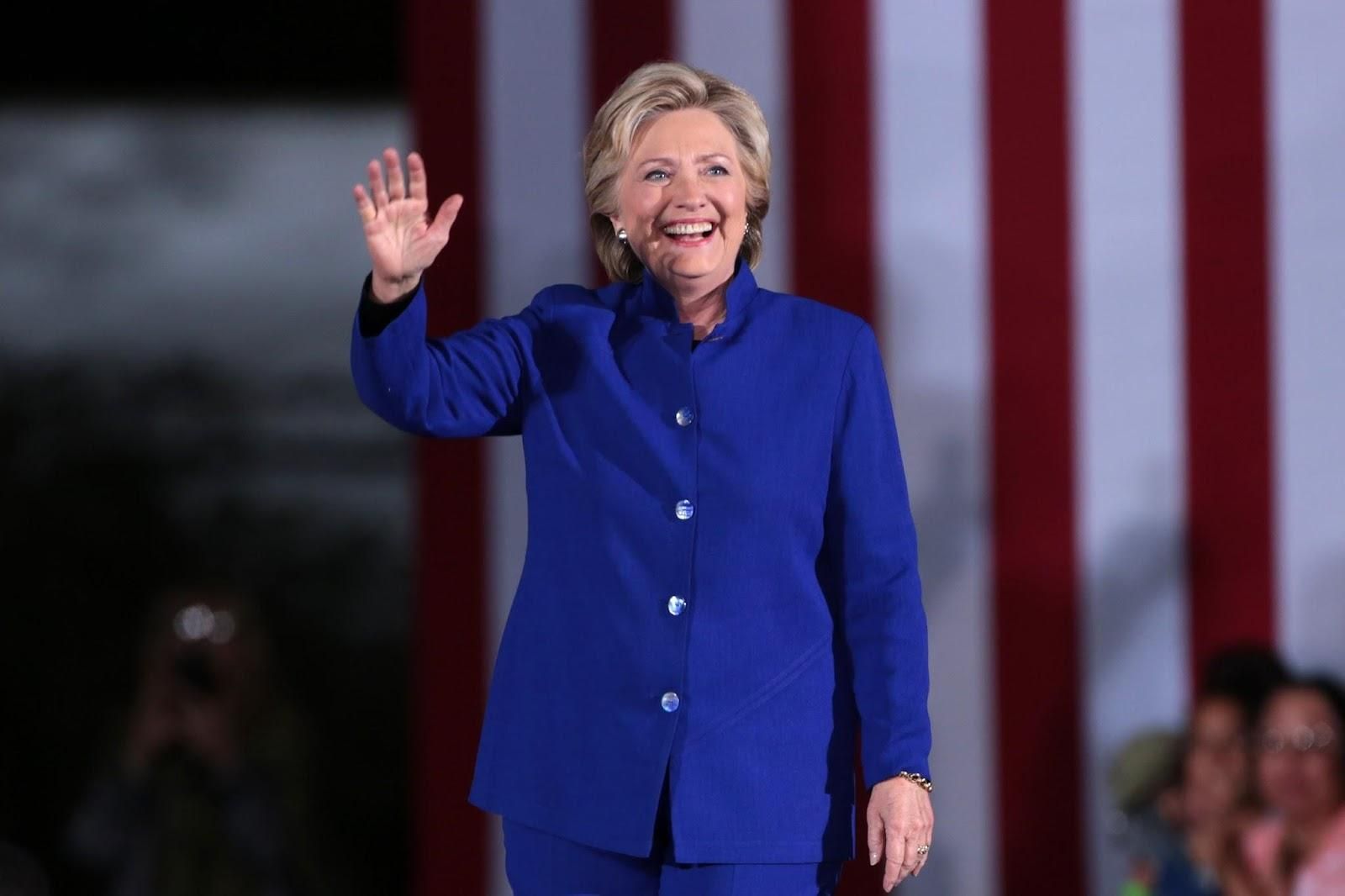
It took nearly a century and a half after Victoria Woodhull’s daring run for president before another woman would stand beneath the spotlights of a major party convention. In 2016, Hillary Rodham Clinton walked onto the stage with the spirit of the suffragists who had paved her path.

That night meant history was catching up. Smiling at the crowd, she declared, "We’ve reached a milestone, but we still have glass to break." Whether she won or lost mattered less than the fact that she stood there at all. Clinton’s campaign turned a dream whispered for generations into something tangible.

10
First elected vice president: Kamala Harris

Image: Manny Becerra

Fast-forward to 2020. A California senator steps up to the microphone, smiles, and thanks "the women who paved the way." Kamala Harris is the daughter of immigrants, a former prosecutor, and now the first woman ever elected Vice President of the United States.

Her voice carried the weight of generations who’d been told to wait their turn. Echoing the suffragists who once marched so she could stand there, Harris reminded America that progress is a relay, not a sprint. Her message rang clear and timeless: dream boldly, even when the trail ahead is foggy.

General General 4 min read

HIDDEN GEMS

America’s best-kept secret: 10 small towns worth the trip

Image: Rosan Harmens

New York, Las Vegas, Hollywood, and other big cities are great, but there is something to small towns that is unique and can’t be found anywhere else. Our country is full of small towns worth visiting, and in this article, we will be talking about 10 little villages and the great things they have to offer. Ditch the crowds and discover the charm of these small yet amazing towns in our country!

1
Williamsburg

Image: Mateus Campos Felipe

In terms of population, Williamsburg is a bit larger: 15,000 people live there. It is located in the state of Virginia, and it was the state capital until 1780 . Williamsburg was a key location in the American Revolution and that’s the magic behind it.

Around the Colonial District, you’ll find actors dressed in clothes of the time! You can also visit the National Historic Park, where the Yorktown Battle took place.

But Williamsburg is not only about history, it’s also about fun. If you get tired of the history lessons, head over to Water Country USA, one of the best waterparks in the country.

2
Telluride

Image: Mick Kirchman

Do you feel like waking up to this view? You have to visit Telluride, in Colorado. With a population of only 2,500 , this small town draws visitors for one simple reason: the breathtaking scenery.

Telluride is located in the middle of the Rocky Mountains, in a box canyon with snowy mountain peaks. Despite its size, it is full of shops, restaurants, and hotel accommodations to welcome visitors.

From festivals, cultural events, and exclusive golf resorts, Telluride offers something for everyone. Would you add it to your bucket list? We know we would!

3
Lake Tahoe

Image: Peter Hulce

Lake Tahoe straddles the border between California and Nevada. It is home to approximately 20,000 people, and it is a choose-your-own-adventure kind of place. Why is that? Because it adapts to both summer and winter trips.

During the winter, skiing is the preferred sport for both locals and visitors, but, during the summertime, visitors can enjoy the lake and the water activities just as much.

And if that is not enough, you can always step into the Nevada side and enjoy a good time at the casinos, right?

4
Dahlonega

Image: Brandon Carson

With nearly 300 years of history, Georgia has a rich culture and is known for more than one thing: peaches, nine natural wonders, Martin Luther King Jr, and more. But it’s also home to Dahlonega, a beautiful little village of only 7,500 people.

In Dahlonega, visitors can tour regional vineyards, and taste wine around the Public Square. The Dahlonega Gold Museum narrates the gold mining chronicles and the downtown area is filled with local shops and restaurants.

5
Sitka

Image: E Orlando

Sitka is home to 8,500 people and it is located in the state of Alaska, so you can imagine what the views are up there: Snowy mountains with gorgeous (yet freezing) waters surrounding the coastal town.

This village belonged to Russia until 1876 and its name derives from Tlingit, a language part of the Na-Dené family. By its literal translation, it means "People on the outside of Baranof Island," the group of islands to which Sitka belongs. Would you visit it?

6
Sedona

Image: Anthony Melone

Located in the Arizona desert, this place combines adventure with comfort and relaxation. Similar to Lake Tahoe, it caters to a variety of people. For example, nature enthusiasts can enjoy over 200 hiking trails . But if you are feeling fancy, you can always book a visit to the luxurious spas.

Moreover, visitors can enjoy wine tastings or go on a classic retail therapy at the Tlaquepaque Arts & Shopping Village. Now, whatever you choose, you cannot miss the views along the Red Rock Scenic Byway—it's a must!

7
St. Augustine

Image: Michael J. Vega

Florida has great places to visit, and St. Augustine is one of the best. This small town is home to 15,000 people and in it, you can enjoy both historic sites and unspoiled beaches.

Visitors can take a walk along the Colonial Quarter, where you’ll find the St. Augustine Lighthouse & Maritime Museum. After that, the beaches in St. Augustine have pristine waters and they are just the perfect place to relax and soak up the sun.

Are you a fan of the paranormal? Then consider saving some time for the haunted spots around the town!

8
Bar Harbor

Image: Ran Ding

If you’re looking for a retreat on the East Coast, Bar Harbor in Maine is the perfect destination. This coastal town is, according to many, the best small town in America and that is because of all the outdoor fun it has to offer.

Probably the best activities are the boat tours to get to know the harbor. The main attraction, however, has to be Acadia National Park, where you can hike, kayak, and enjoy various other activities. Of course, no visit is complete until you have a lobster! Do you like them?

9
Gettysburg

Image: Devonshire

There are natural spots, there are foodie spots, and there are those kinds of spots that take you back in time : Gettysburg is one of those. Visiting Gettysburg is like stepping back into one of those pivotal moments of the nation, the Civil War.

In this small town, you’ll find well-preserved monuments and markers that vividly bring the 1863 battle to life. Gettysburg also has a lovely downtown full of cozy coffee shops, unique shops, and that vibe only small towns have. What do you think?

10
Martha’s Vineyard

Image: Andy Fluet

Who is this Martha, and why is her town so popular? Martha’s Vineyard, in Massachusetts, is actually an island and it was frequently considered a gateway spot for the wealthy. However, it receives visitors from all walks of life who seek pristine beaches and a laid-back vacation.

Kayaking, stand-up paddle boarding, and various water sports are the preferred choice by many. But if that is not for you, or if you’re looking for an alternative plan, you can always enjoy the company of the animals at Island Alpaca Company or visit the cottages in Oak Bluffs.

Explore more American facts

Choose your favorite category!

General
General

As American as apple pie—the very best America has to offer!

Culture
Culture

Delve into the astounding richness of American lore.

Geography
Geography

Hop in and explore vast and diverse American landscapes.

History
History

Discover the key moments that shaped the United States.