History History 6 min read

Who could hate these songs?

What Sinatra and Slash confessed: Artists who disliked their biggest hits

Image: Panos Sakalakis

The evidence piles up and confirms it: Most artists grow tired of their biggest hits. Sure, maybe the initial charm of one’s own song wears off after playing it regularly for decades. But some bands and artists have been quoted calling their own creations "terrible" and promising they would get off stage if someone asked them to play them. Surely, though, no one could hate "Strangers in the Night", don’t you think? Let’s explore what the artists behind these 10 hits songs feel about them years later.

1
We Didn’t Start the Fire

Image: Dane Deaner

Although Billy Joel is one of America’s favorite songwriters, he is often very vocal about pointing out the flaws he finds in his early hits. He even found fault with the timeless " Piano Man, " which earned him his nickname, due to a melody he finds repetitive and lyrics he compares to limericks.

He assures that he doesn’t hold grudges against his own songs, but he did point out that he thought the melody of "We Didn’t Start the Fire" was "terrible" and compared it to a dentist’s drill . He says the only redeeming quality of that song is the lyrics—those famous rapid-fire lists of historical events from the ‘40s to the ‘80s.

2
Shiny Happy People

Image: Nathan Dumlao

R.E.M. created "Shiny Happy People" with a satirically overly positive tone . It was a hit back in the ‘90s upon its release, but it always remained a bit of an oddball in the band’s otherwise more introspective and serious records.

The cheerful tune has been quoted endlessly in movies and TV shows. Even the sitcom Friends considered making it its theme song! But singer Michael Stipe expressed little love for what he called "a bubblegum pop song." Stipe went as far as to say that he "hates" the song and sees it as a fluke rather than a reflection of the band’s work. Although other members are less critical, the consensus is that "Shiny Happy People" is not R.E.M.’s proudest achievement.

3
Smells Like Teen Spirit

Image: Firmbee.com

Nirvana’s breakthrough hit, "Smells Like Teen Spirit," is often credited with launching the grunge movement and bringing alternative rock into the mainstream. The song's catchy riff and cryptic lyrics became an anthem of frustration and angst in the youth of the ‘90s. But Kurt Cobain, Nirvana's frontman, quickly grew to resent the famous song.

In a 1993 interview, staying true to his grunge persona, Cobain declared: "I can barely, especially on a bad night, get through ‘Teen Spirit.’ I literally want to throw my guitar down and walk away." He said he felt the song was too "mainstream" and polished, and nothing like the gritty authenticity he had envisioned for Nirvana—something that shone through in the band’s less popular work.

4
What’s Love Got to Do with It

Image: Pixabay

"What’s Love Got to Do with It" was first offered to Donna Summer, but it was Tina Turner who made history with it in the ‘80s. Initially, though, she thought it wasn’t the right track for her. She once confessed: "I didn’t like it at first. It was a pop song. I’m a rock ’n’ roll singer. "

However, her manager convinced her to record it. Her reluctance was such that she only did a few takes of it, convinced it would be a filler track in her album. We now know how wrong she was. The hit ended up redefining her career, so successful that it inspired the title of her 1993 biographical film, starring Angela Bassett as her.

5
(You Gotta) Fight for Your Right (to Party!)

Image: Colourblind Kevin

You would think that the satirical tone of this song would be obvious. It’s not hard to tell that the flatly yelled-out lyrics about hard-partying youth were poking fun at the frat culture of the time. But the joke went over many people’s heads, and it became an anthem of sorts for the culture it meant to make fun of.

This irritated the Beastie Boys, particularly because the song became their breakout hit. Band member Adam Yauch explained that the whole song was "a joke that got out of hand." They felt the song misrepresented their style, which is why they avoided playing it live in later years.

6
Strangers in the Night

Image: Ethan Rougon

Frank Sinatra did not shy away from expressing his distaste for one of his biggest hits. He disliked "Strangers in the Night" from the start, explaining to the writer that he didn’t like the lyrics and requesting that they be changed. But the process was rushed, and he had to record the version as it was. It became an instant award-winning, chart-topping hit.

Still, the singer despised it. He reportedly muttered disparaging comments about it during live performances. People speculated that his famous addition of the scat "doo-be-doo-be-doo" was a spontaneous attempt to add some grace to a song he was so tired of.

7
Dream On

Image: Rombo

"Dream On" was a major hit for Aerosmith and helped the band’s career skyrocket in the ‘70s. It was written by lead singer Steven Tyler long before Aerosmith had formed or signed any record deal: He was 18 years old when he finished writing it. But years later, after the band recorded it, guitarist Joe Perry, in his words, "wasn’t crazy about it" for a long time.

He mentioned in interviews that the song was too soft and slow compared to the rock music he wanted to be playing. He admitted that he would have preferred that the band triumph with a more hard-core rock song, but wasn’t too sad about it, because, as he said, "a hit is a hit."

8
Under the Bridge

Image: Roberto Nickson

"Under the Bridge" is a soft, personal song that stands out in the repertoire of Red Hot Chili Peppers. According to the legend, the album’s producer discovered lead singer Anthony Kiedis’ poem about walking around L.A. when he was feeling down. The producer insisted that the lyrics were worthy of a song, and soon the whole band helped finish arranging it.

But Kiedis wasn’t so excited about sharing such an introspective song. In his memoir book, he shared that sharing such an intimate, contemplative song made him feel vulnerable, and felt it was too personal to perform on stage. This caused the band some trouble over the years, as fans always had something to say when the band skipped the song during performances.

9
Where Did Our Love Go

Image: Angelina Yan

Before "Where Did Our Love Go" was released, The Supremes were struggling to break into the mainstream. Their label had started referring to them as the "no-hit Supremes." To make matters worse, the trio didn’t like this particular low-energy song and thought nothing would come of it. But the relatable lyrics, amped by Diana Ross's lead vocals, transformed the song into a No. 1 hit on the Billboard Hot 100.

Before this, the group was used to performing upbeat, high-energy songs, like "Buttered Popcorn" or "I Want a Guy." In comparison, their first hit had a subdued tempo and a different identity. But, as producers had expected, the song worked. The Supremes went on to become the best-charting female group in history!

10
Sweet Child O’ Mine

Image: Jay Wennington

"Sweet Child O’ Mine" was written by Guns N’ Roses' lead vocalist Axl Rose about his then-girlfriend Erin Everly. The song was originally created from a simple guitar riff by Slash, which he had come up with during a jam session. It went on to become a No. 1 hit on the Billboard Hot 100.

But guitarist Slash was never a huge fan of the song. He admitted that his famous riff was okay, but that the whole song felt like it belonged to another band’s style, not theirs. Of course, the general audience loved it and it became a huge hit compared to their hard rock songs. Over time, though, Slash grew to love it because of the immense impact it had on Guns N’ Roses’ career.

History History 4 min read

History’s hard lessons

Did you know about these 12 disasters that shook America?

Image: Silvan Schuppisser

Our country has faced its fair share of setbacks of all kinds, and many of them ended up changing the way the nation builds, plans, and protects itself. These events weren’t just dramatic moments; they sparked new laws, better engineering, and stronger safety standards all around the world. As serious as they are, these circumstances are also stories of resilience and rebuilding. Take a moment to learn about the following 12 situations that America has gone through.

1
The Great Chicago Fire (1871)

Image: Ricardo Gomez Angel

The Great Chicago Fire burned for almost two days in October 1871, destroying thousands of buildings and leaving the city in ruins . Sparks, dry conditions, and wooden construction helped the flames race through entire neighbourhoods.

It was a painful turning point, but it launched a huge rebuilding effort. Chicago adopted tougher building codes, better water systems, and more specialized fire departments, becoming a model city for urban planning.

2
The Johnstown Flood (1889)

Image: Lukas Hron

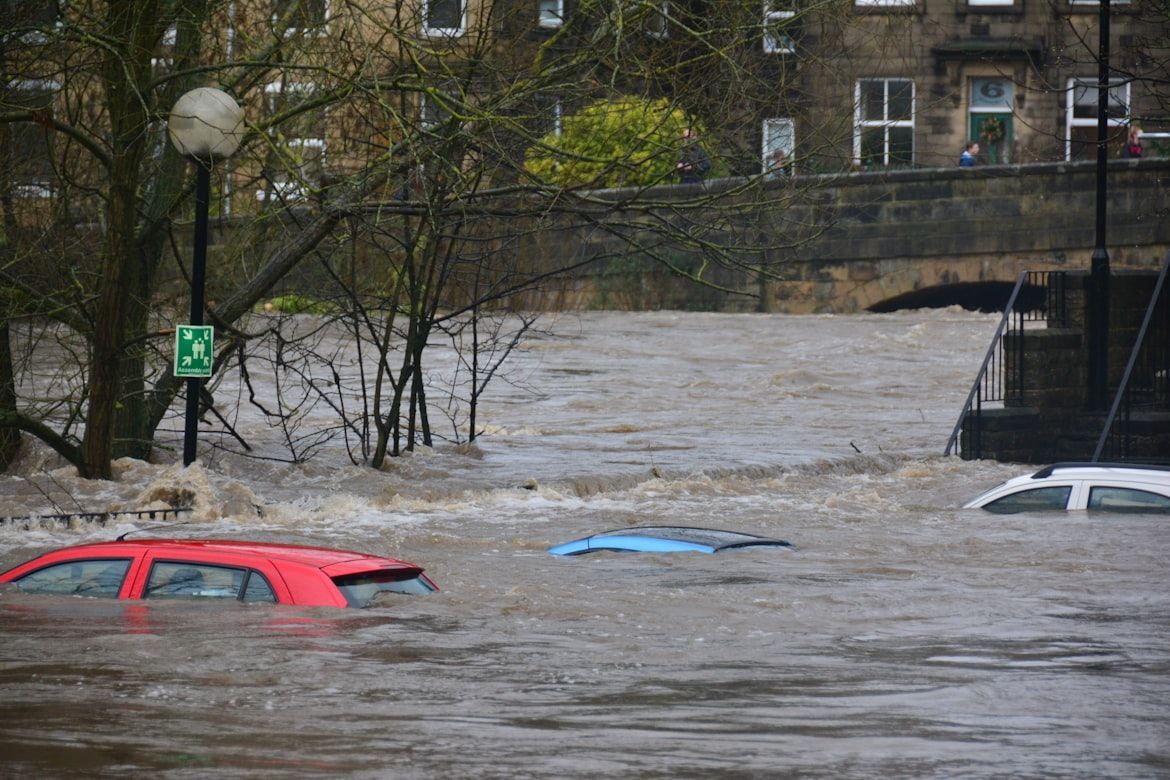
In 1889, the failure of the South Fork Dam sent a massive wall of water toward the town of Johnston, Pennsylvania . The flood wiped out entire homes, bridges, and rail lines in a matter of minutes.

The Johnstown Flood drew attention to private dam ownership and safety inspections of such constructions. Engineers and lawmakers used its lessons to plan for better maintenance and more accountability for these large-scale structures.

3
The San Francisco Earthquake (1906)

Image: Library of Congress

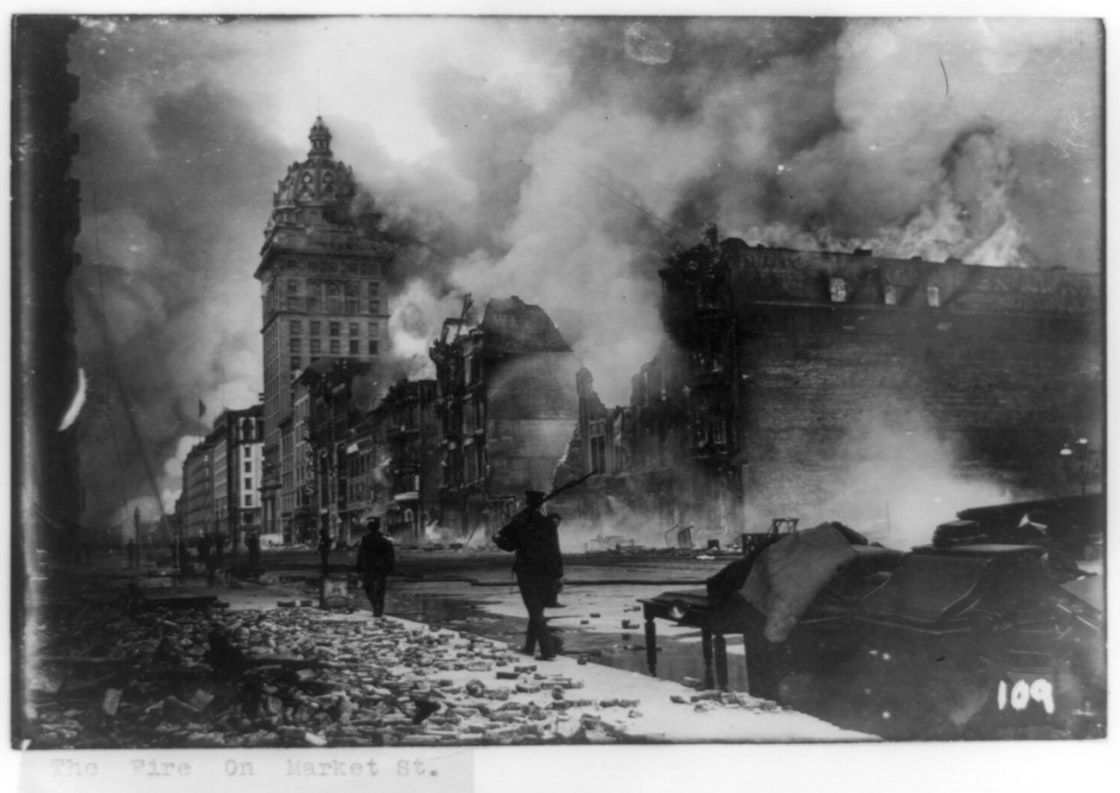
The 1906 San Francisco earthquake struck before dawn, violently shaking the city and the surrounding areas . Broken gas lines and toppled chimneys sparked fires that raged for days , destroying block after block of homes and businesses alike.

Rebuilding was hard but transformative, as the city adopted stricter building codes, stronger materials, and better street layouts.

4
Triangle Shirtwaist Factory Fire (1911)

Image: Pukima ‎

The Triangle Shirtwaist Factory Fire of 1911 began on the upper floors of a New York City garment factory packed with workers. Locked exit doors, narrow stairways, and crowded conditions turned what would have been a relatively small blaze into a historic tragedy.

Public outrage was immediate and intense. The fire led to tough new safety laws, regular inspections, and rules for unlocked exits and fire escapes.

5
The Hindenburg Disaster (1937)

Image: Library of Congress

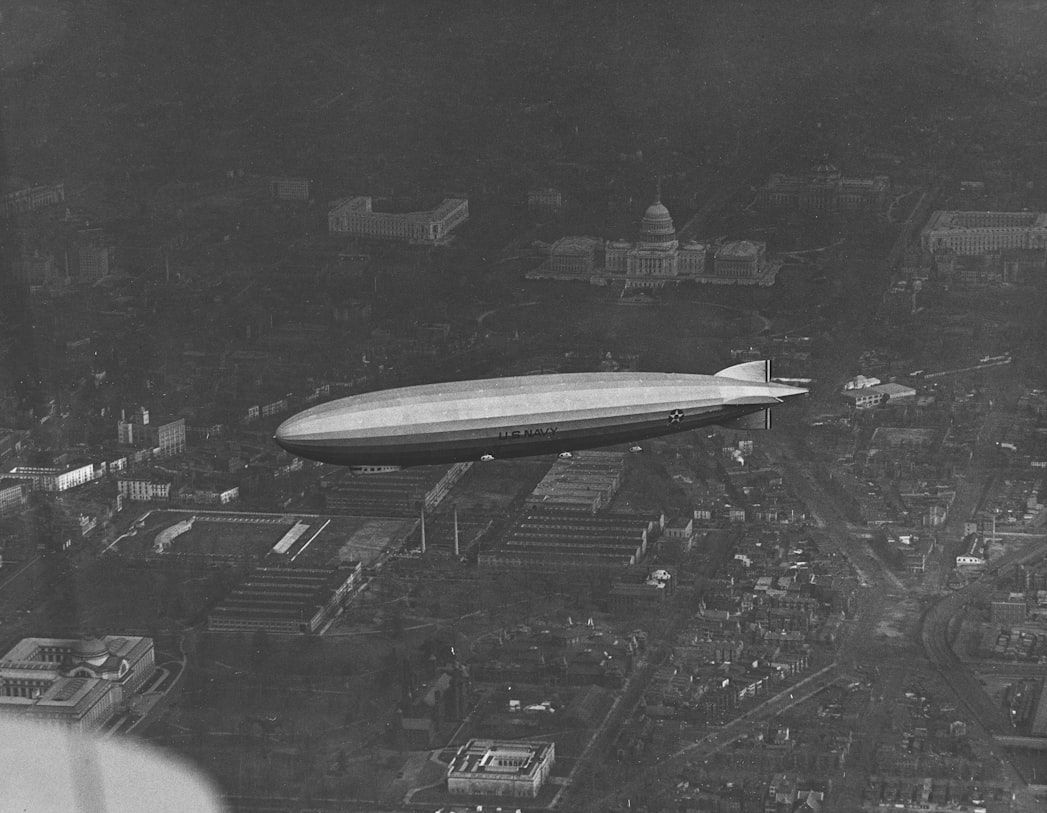
In 1937, the German airship Hindenburg approached its mooring mast in Lakehurst, New Jersey, after a transatlantic flight. Suddenly, it burst into flames and fell to the ground in front of cameras and radio reporters who witnessed the tragedy.

The disaster shocked the world and quickly ended the age of passenger airships. Public trust shifted toward airplanes, and the whole airship industry faded into obscurity almost completely.

6
The Texas City Disaster (1947)

Image: Ash Edmonds

The Texas City Disaster of 1947 began when a ship carrying ammonium nitrate caught fire in the bustling Texas City harbor . As crowds watched from the waterfront, the cargo exploded in a blast so powerful it shattered windows miles away.

The incident prompted sweeping changes in how hazardous materials are stored, transported, and labeled. It led to improved emergency planning, better first-responder training, and regulations aimed at preventing industrial catastrophes.

7
The Silver Bridge Collapse (1967)

Image: Suzanne Anderson

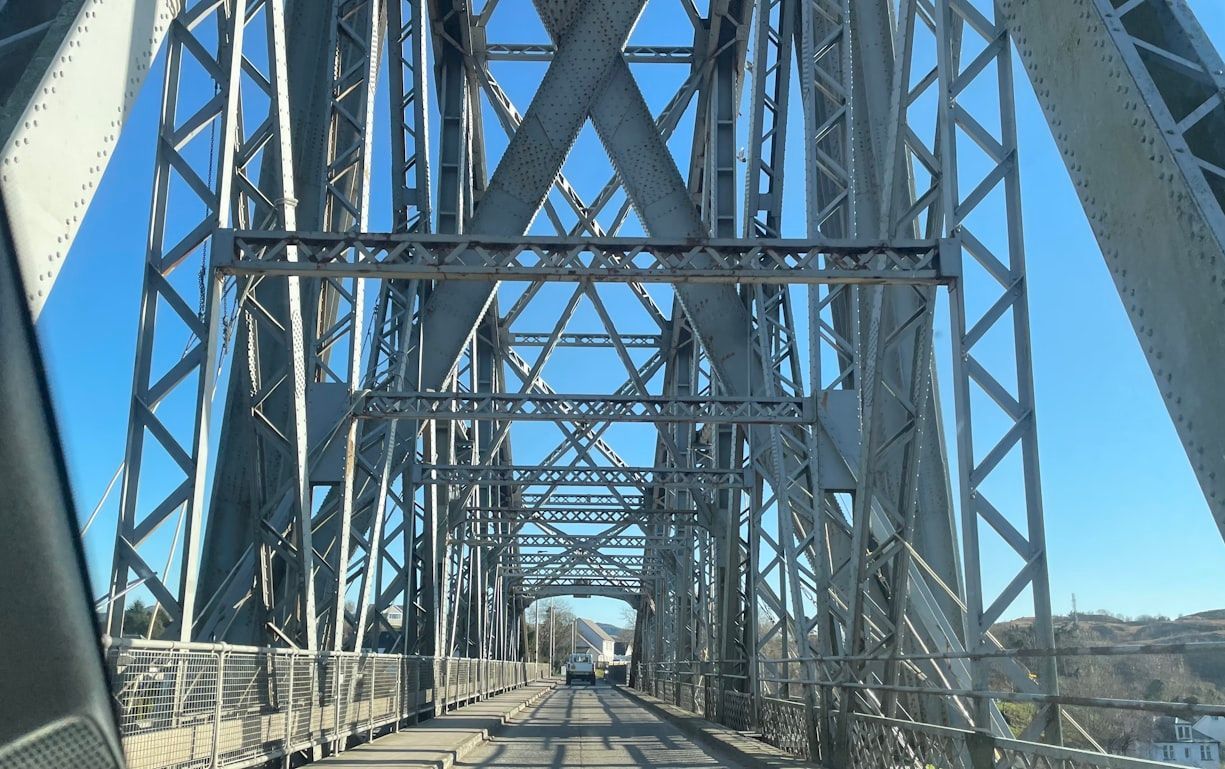
On a 1967 December day, the Silver Bridge that connected Point Pleasant in West Virginia to Gallipolis, Ohio, collapsed into the river below . Dozens of vehicles were on the bridge and fell into the water.

The collapse spurred nationwide inspections of older bridges and stricter design standards. It introduced new rules for maintenance, record keeping, and modern safety ratings.

8
Buffalo Creek Flood (1972)

Image: Chris Gallagher

In 1972, after days of heavy rain, a coal-waste dam above Buffalo Creek, West Virginia, gave way . A torrent of water and slurry rushed down the narrow valley, wiping out homes, roads, and small communities in its path.

The Buffalo Creek Flood drew national attention to the dangers of poorly regulated waste dams, and it helped push stricter environmental laws across the country.

9
Three Mile Island (1979)

Image: Lee Lawson

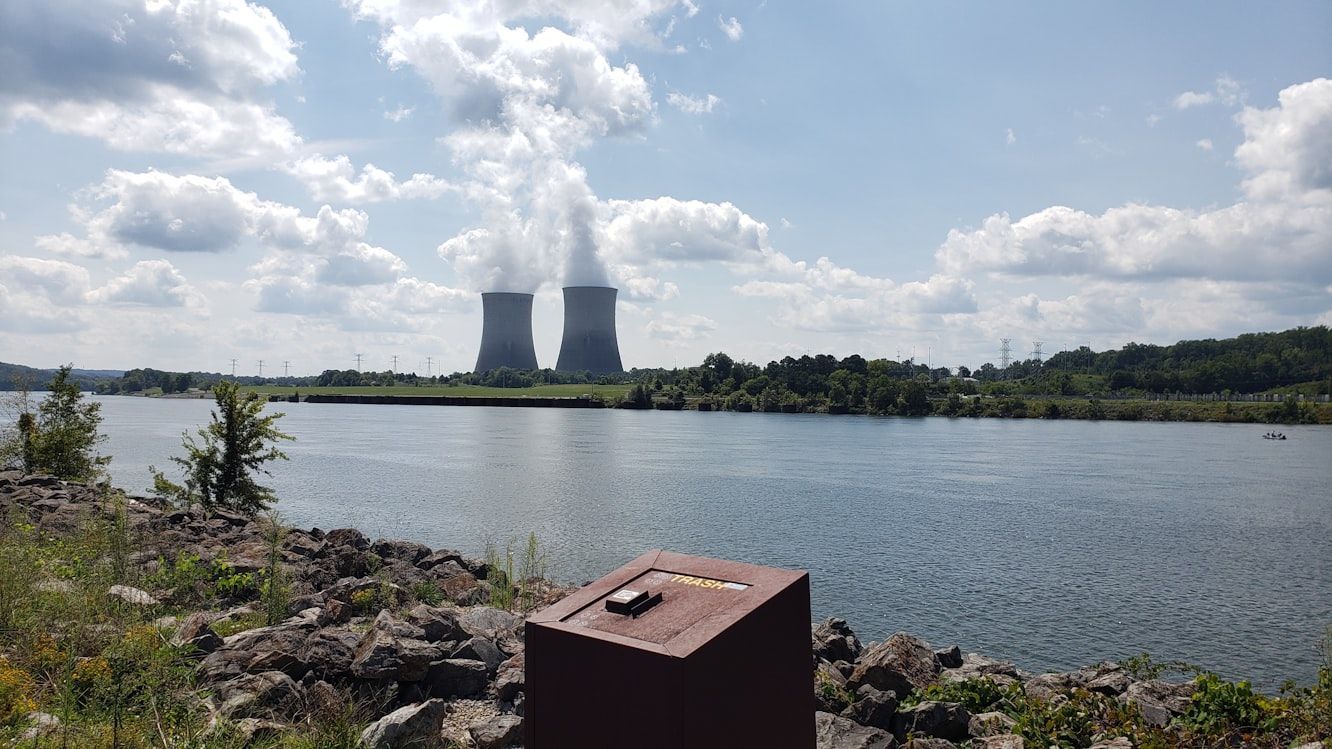
The Three Mile Island accident of 1979 began with equipment failures followed by human mistakes inside a nuclear power plant . Cooling problems led to a partial meltdown of the reactor core, alarming nearby residents and the entire country.

Even though it was contained, the incident reshaped nuclear energy in America. Regulators tightened training, communication, and emergency procedures.

10
Hyatt Regency Walkway Collapse (1981)

Image: AJOY DAS

The Hyatt Regency walkway collapse in Kansas City happened during a popular social dance event in 1981. Two suspended walkways above the hotel lobby suddenly gave way, crashing onto the crowded area below .

Investigations exposed serious flaws in the design and in the approval process itself. The disaster led to stricter engineering reviews, clearer responsibilities, and tougher building codes.

11
Exxon Valdez oil spill (1989)

Image: Yuval Zukerman

The Exxon Valdez tanker struck Bligh Reef in Alaska’s Prince William Sound in 1989, tearing open its hull. Crude oil spilled into the cold waters , drifting onto beaches, shorelines, and wildlife habitats in the surrounding area.

The spill led to new rules for double-hulled tankers, improved navigation systems, and better emergency response plans. It also inspired major environmental legislation and long-term monitoring to reduce the impact of future shipping incidents.

12
Deepwater Horizon (2010)

Image: Jonathan Gong

In April 2010, the Deepwater Horizon drilling rig experienced a blowout during exploratory drilling . A series of failures led to an explosion and a major well leak far below the ocean’s surface, drawing worldwide attention.

The disaster sparked new offshore drilling rules, better blowout preventers, and stricter inspection routines. It also sparked debates about energy policies and environmental protection.

Culture Culture 4 min read

Rediscovering the inventor

Did he save a child's life? Discover 10 fun facts about Thomas Edison!

Image: WikiImages

The history of the United States of America wouldn't be the same without the contributions of Thomas Edison. Known for being a great businessman and inventor who patented more than 1,000 creations, Edison also had many other facets you may not have known about. From strange marriage proposals to his poetic last words, join us to discover 10 incredible facts about the Wizard of Menlo Park!

1
Young inventor

Image: Randy Fath

Although we all know that Edison was an inventor -and one of the best- very few know that his passion was already loudly expressed at the young age of 10.

At that age, while other children were naturally playing ball in the park, Edison was already interested in chemistry, physics, mathematics, and electricity. At 12, he set up his first laboratory in the basement of his parents' house, where he began to do his first experiments! Some stories claim that explosions in the basement were more frequent than their parents would have liked.

2
Self-taught

Image: Nicola Tolin

Edison's educational path was very different from the one many of us probably had. In fact, Edison had almost no formal education.

Thomas Edison attended school for only a few months. Due to some hearing problems he developed as a child, his mother decided to homeschool him, teaching and encouraging him, which awakened his impressive curiosity and appetite for knowledge.

By the time he was a preteen, he was already an autodidact. This fact was crucial on his way to becoming one of our country's most important inventors.

3
Young entrepreneur

Image: Jingda Chen

The young Edison was not only curious and intelligent; he was also an entrepreneur.

When he was just a boy of 12, he sold snacks, candy, cigars, magazines, and newspapers on the Grand Trunk Railroad. From that age, he displayed a determined character, which enabled him to raise money for his experiments.

But his ambition was so strong that he started his own newspaper, the Grand Trunk Herald. That's right! Little Edison assembled and printed his newspaper and sold it to passengers and people who frequented the train stations.

4
Hero

Image: Sugden Guy sugden

Did you know that Edison was also a hero? That's right!

In fact, we could say that his act of heroism as a teenager was the event that started his great career. By the age of 15, Edison was working and traveling on the Grand Trunk Railroad, where he became close to a station master and telegraph officer. One day, Edison spotted the station master's two-year-old son playing on the tracks as a train sped toward him. Without hesitation, he jumped and rescued the child.

The boy's father was so grateful that he offered to teach Edison how to use the telegraph system. And what do you think? He accepted immediately!

5
Marriages

Image: Fernando @cferdophotography

Between labs and experiments, Thomas Edison also had time for love.

Thomas Alva Edison married twice in his life. His first wife was Mary Stilwell Edison, whom he married in 1871. Mary and Thomas had three children. Sadly, she passed away in 1884 after 13 years of marriage.

His second marriage was in 1886 to Mina Miller Edison. With her, Edison had three more children. As it couldn't be otherwise, it's said that Edison asked Mina to marry him in a rather peculiar way: he proposed using Morse code!

6
His children's nicknames

Image: Sandie Clarke

Thomas Edison's creativity was evident in everything he did, and there's an anecdote that exemplifies this perfectly.

The inventor's passion and humor blended and resulted in fun and loving nicknames for his first two children. As we told you, by 1876, Edison already had two children from his first marriage. They were Marion and Thomas Jr., whom Edison called "Dot" and "Dash," respectively. Yes, you got it: it was a reference to Morse code!

7
First phonograph recording

Image: Call Me Fred

As you probably know, in 1877, Thomas Edison introduced the phonograph. It was the first device capable of recording and reproducing sound!

As a result of his experiments, this device completely changed the history of communication. But what did the first recording made with the phonograph say?

Edison made a cute choice for his first recording: a recitation of the beloved nursery rhyme "Mary Had a Little Lamb." That was the first time in history that anyone heard a previously recorded voice!

8
His work team

Image: The National Library of Norway

It seems that Edison had a tendency for affectionate nicknames and monikers.

Edison didn't reserve nicknames just for his children; he also gave them to the members of his large staff. Many people worked in Edison's famous laboratory at Menlo Park, which he referred to as his "invention factory." Engineers, scientists, technicians, and people with different kinds of expertise gathered there to help make the great inventor's ideas possible. Edison affectionately referred to them as his "muckers," a nickname that shows not only his sense of humor but also his strong team spirit.

9
His health

Image: Dan Meyers

One of the best-known aspects of Edison's health was his hearing loss when he was very young. Contrary to what one might think, Edison stated that this fact didn't negatively affect his career development. In fact, he believed it helped him focus and dedicate more time to his inventions and discoveries.

However, as an adult, he developed some other health problems. Some sources suggest that Edison's habits, including long hours in the lab and a poor diet, contributed to health issues like heart problems and diabetes.

10
His last words

Image: Jonathan Borba

Edison's life was full of adventures, discoveries, love, and many other things. The American inventor didn't abandon his creativity even when it was time for him to leave this world.

It's said that, at the age of 84 on his deathbed, Thomas Edison looked at his wife, Mina, and uttered the words, "It's very beautiful over there."

While it's difficult to make a unique interpretation of these nice and calm words, their poetic and inspirational character is undeniable.

Explore more American facts

Choose your favorite category!

General
General

As American as apple pie—the very best America has to offer!

Culture
Culture

Delve into the astounding richness of American lore.

Geography
Geography

Hop in and explore vast and diverse American landscapes.

History
History

Discover the key moments that shaped the United States.