History History 5 min read

Do you know what SoHo, NoLIta, and TriBeCa actually mean? Find out now!
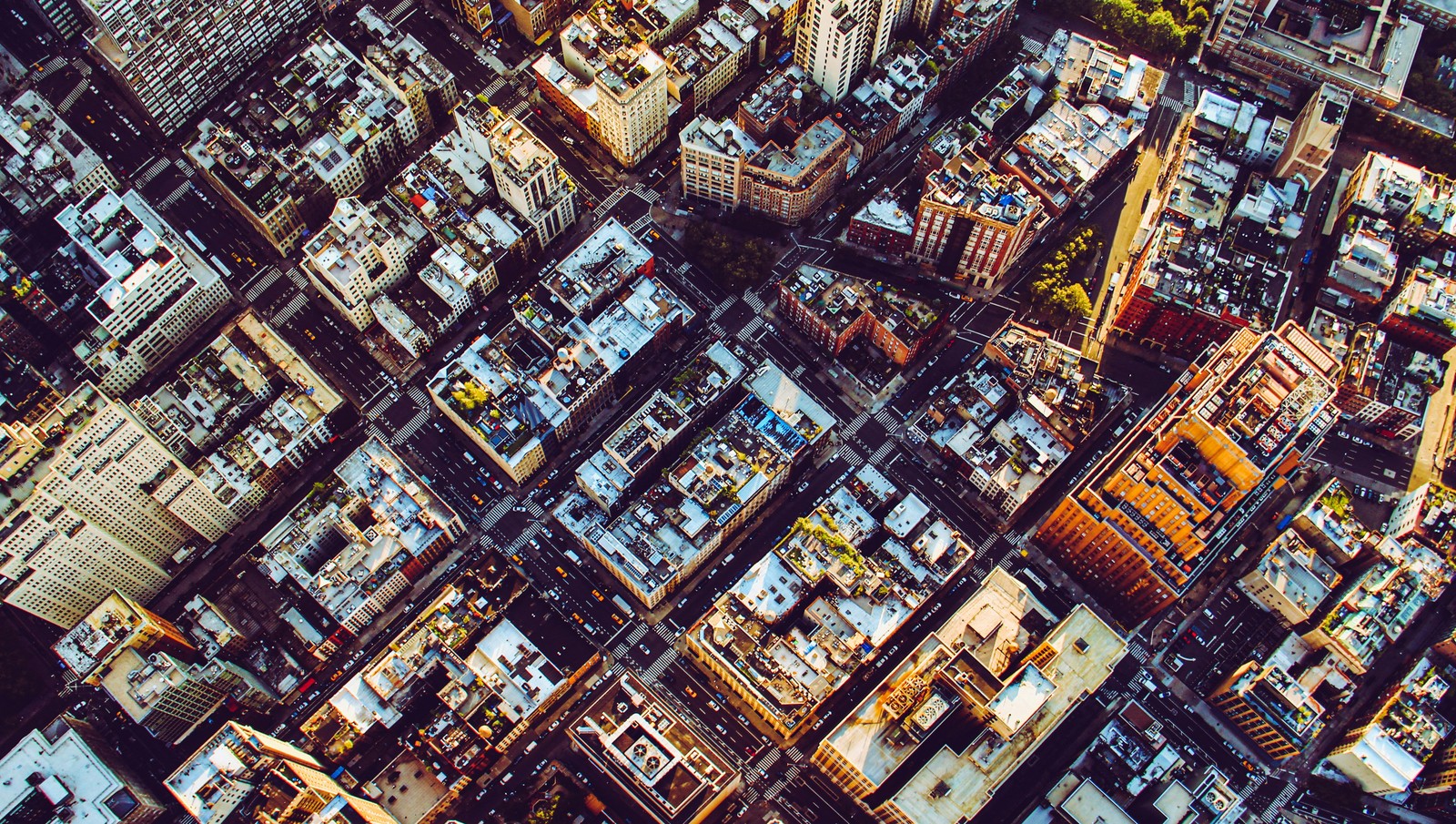
Image: Florian Wehde

For a small island just 13 miles long, the Big Apple holds centuries of history in its neighborhood names. Some were borrowed from Dutch or British settlers, others from police officers, urban planners, or real estate promoters, and a few were coined by architects armed with a map and imagination. Each name tells a story of how the city grew, block by block. Here’s a lively stroll through 12 of Manhattan’s most famous neighborhoods and the stories of how their names first came to life.

1
Hell’s Kitchen
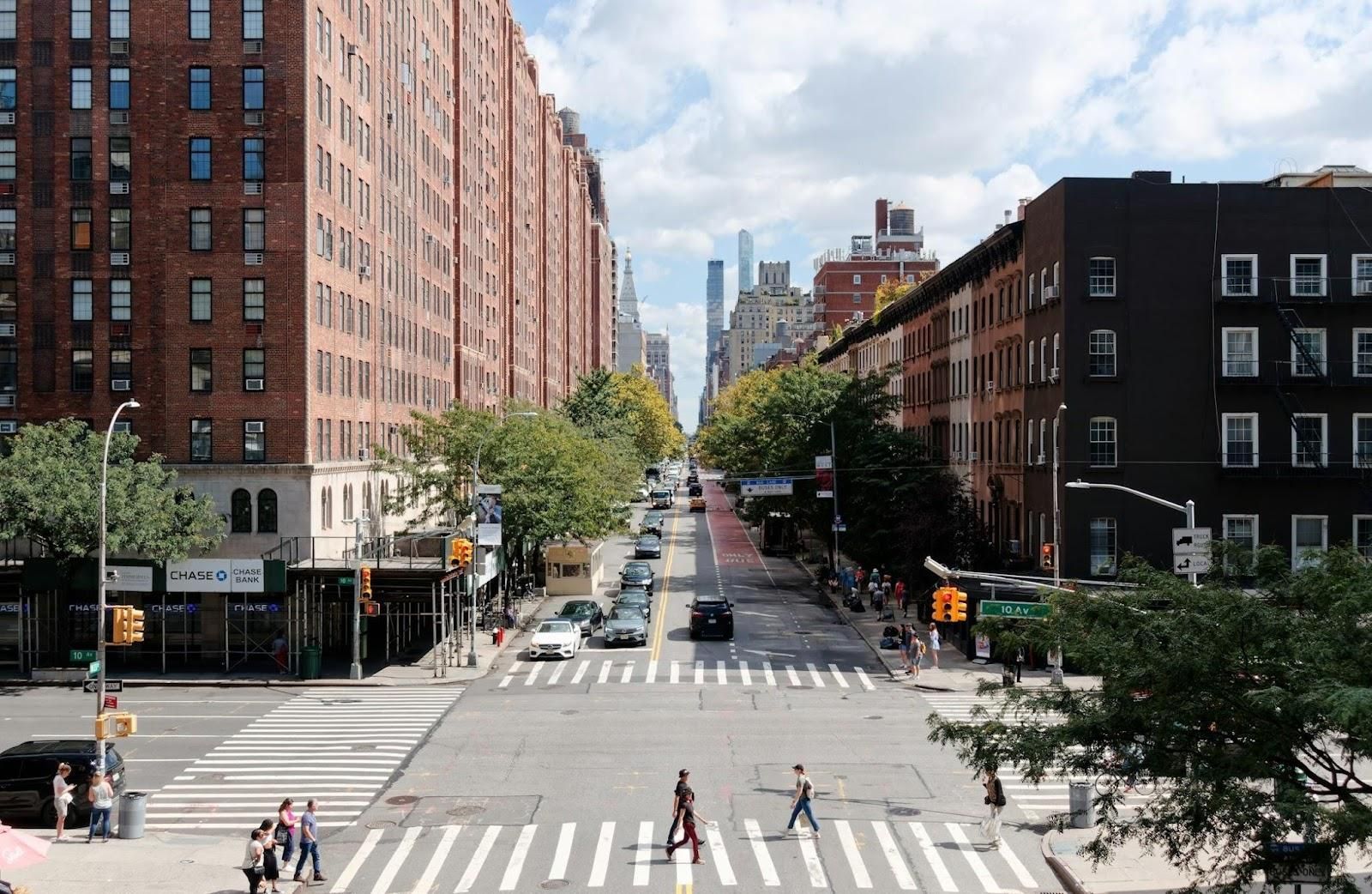
Image: Michael Matloka

What’s in a name? In this case, fire, grit, and a wink of humor. Legend has it that during a riot, a young police officer muttered, "This place is hell itself," only for his older partner to quip, "Hell’s a mild climate—this is hell’s kitchen." The pun was too good to forget, and the nickname stuck. Years later, developers tried a new label—"Clinton"—hoping it would sound more welcoming on real estate brochures. But New Yorkers can be a bit stubborn, and locals chose to keep the old name. After all, only "Hell’s Kitchen" could do justice to a neighborhood with that much flavor, grit, and, well, heat.

2
Harlem
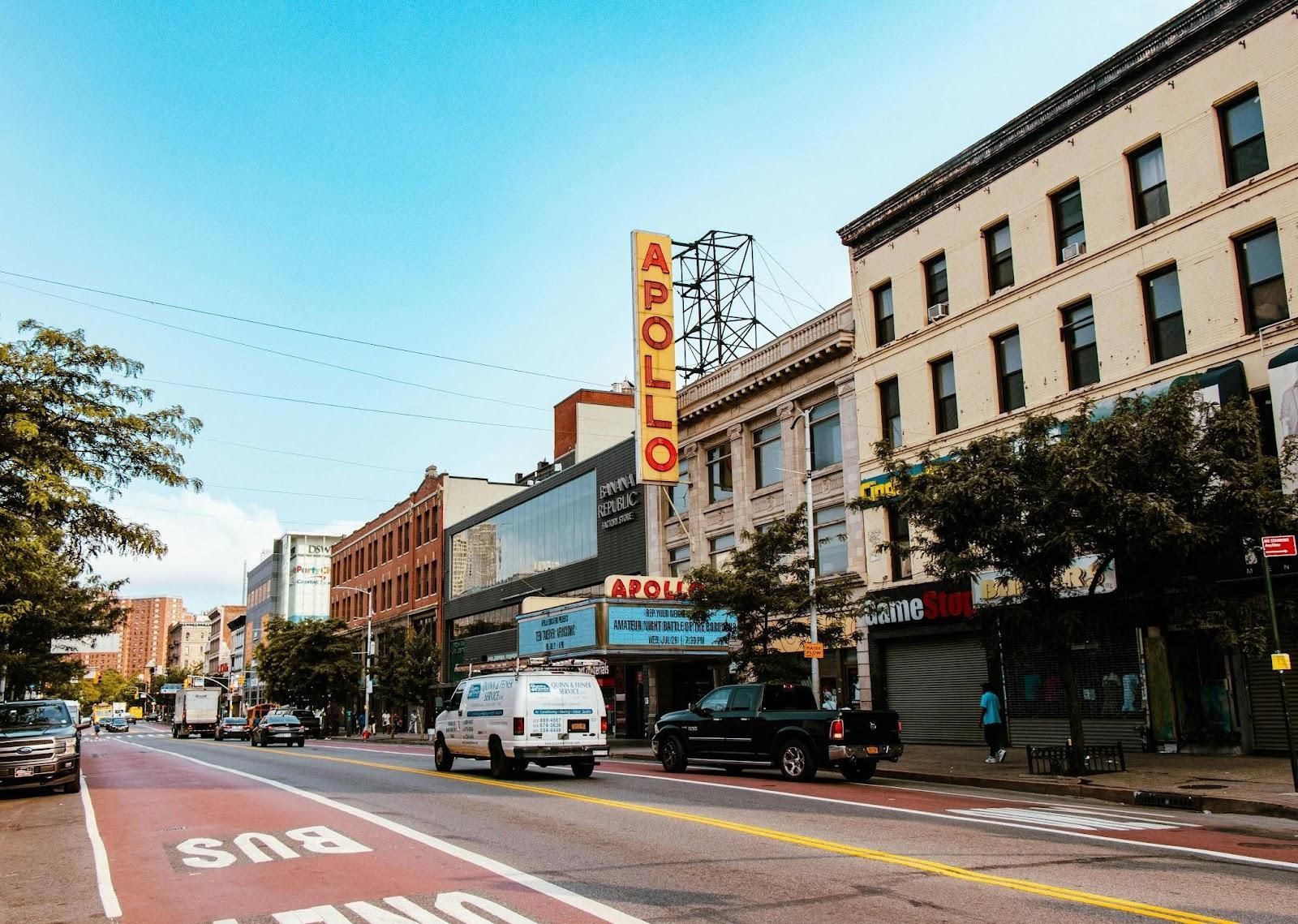
Image: Phil Evenden

Back in the 1600s, when northern Manhattan was little more than farmland, Dutch settlers, homesick for their town across the sea, named the area Nieuw Haarlem after Haarlem in the Netherlands. Time smoothed away the "Nieuw," but the name remained. Centuries later, Harlem became something entirely of its own: a world capital of music, art, and pride. The rhythms may have changed from Dutch hymns to jazz and soul, but the name still carries the same echo of nostalgia and creativity.

3
Greenwich Village
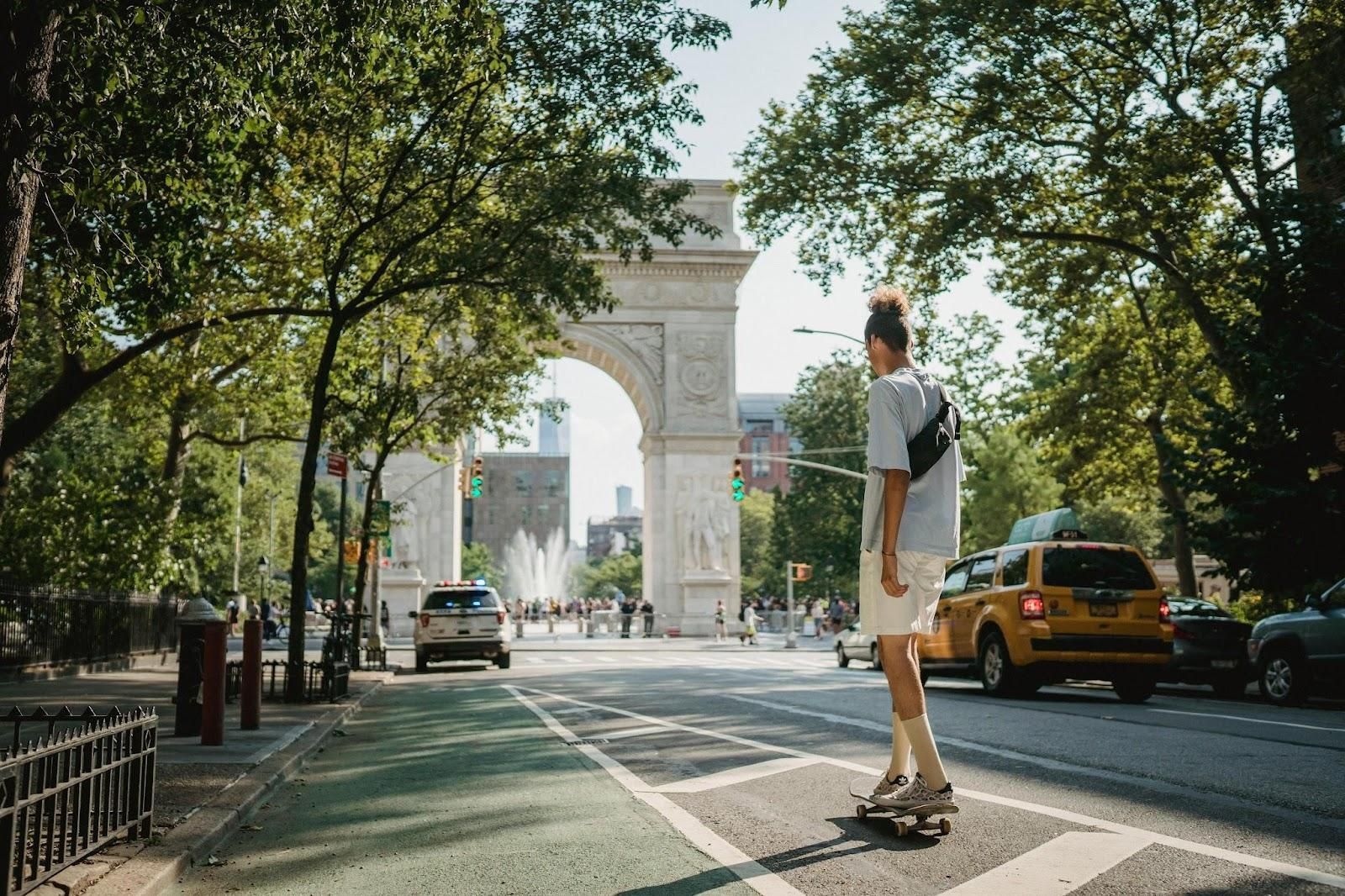
Image: Budgeron Bach

Long before jazz bars and coffeehouses filled the air with chatter, this corner of Manhattan was a quiet patch of countryside known as Groenwijck—Dutch for "pine district." The British, with their habit for renaming, turned it into Greenwich, and generations of locals affectionately shortened it to "the Village." Its winding lanes still ignore the city’s rigid grid, twisting and bending like memories of the farmland that came before. Even today, as musicians play on stoops and artists linger in cafés, the Village keeps that timeless feeling.

4
Chelsea
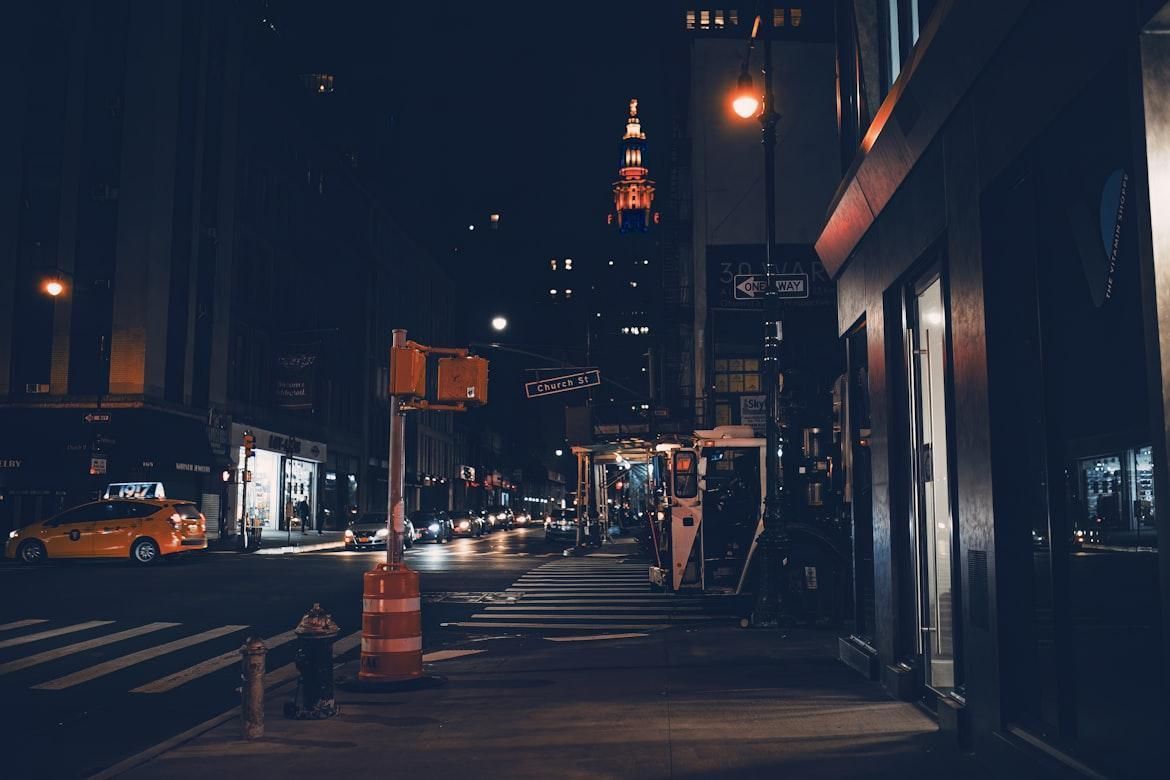
Image: Elric Pxl

Here’s a name steeped in nostalgia and old-world charm. In the mid-1700s, retired British Major Thomas Clarke bought a large plot of land overlooking the Hudson River and built his dream home, naming it "Chelsea" after the genteel London district he once knew. The estate is long gone, swallowed by the city’s constant growth, but its name never left the map. Over the centuries, the neighborhood evolved with a flair worthy of its heritage. First a quiet residential area, then a bustling creative hub filled with galleries, theaters, and fashion studios. Much like its London namesake, New York’s Chelsea has always worn its artistic spirit proudly, with just the right touch of elegance.

5
The Meatpacking District
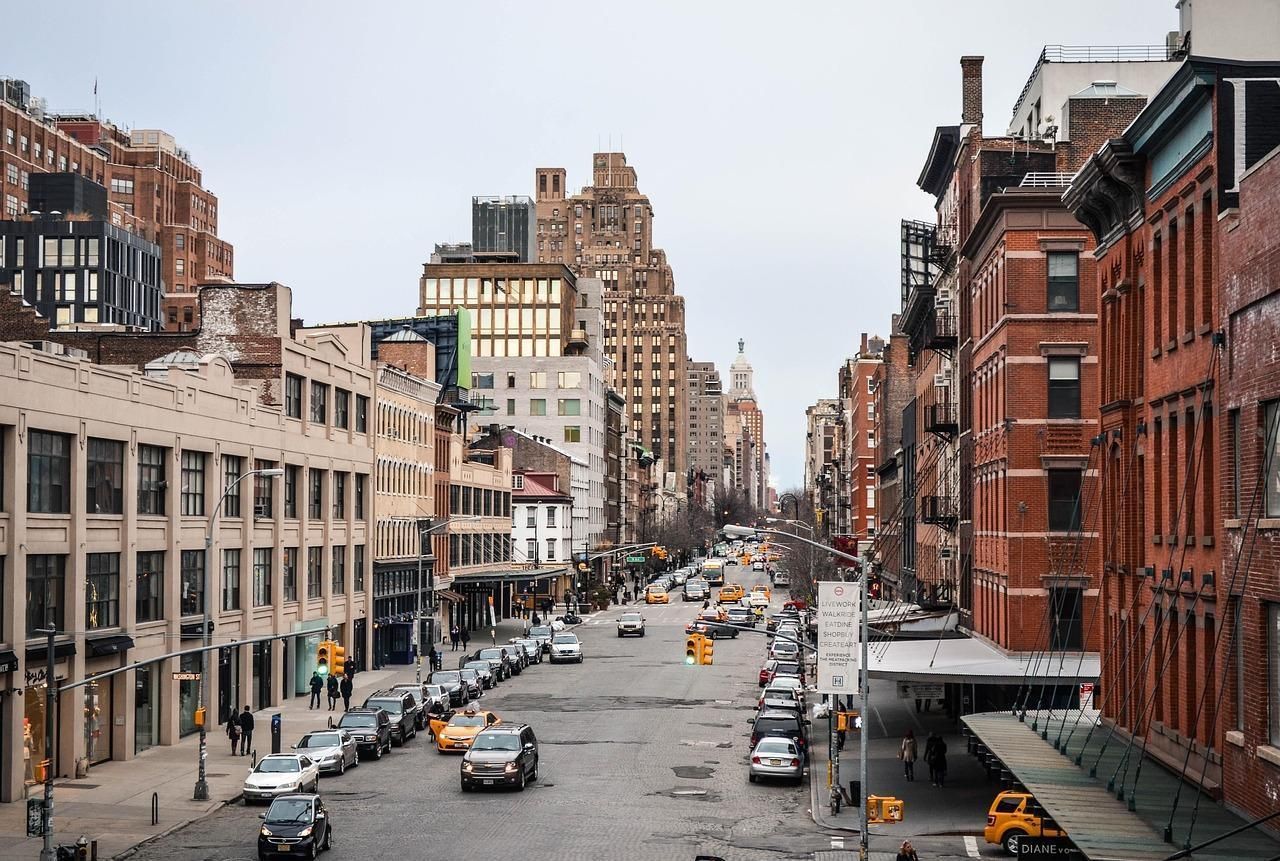
Image: TanjaSchwarz

It sounds tough because it was. In the early 1900s, this corner of Manhattan had more than 250 meatpacking plants and slaughterhouses filling the air with noise—and, yes, a certain aroma that no candle could ever mask. Workers hauled sides of beef down cobblestone streets dusted with ice and sawdust, a daily ballet of grit and muscle. Today, the scent of raw steak has been replaced by perfume and espresso, and the warehouses now house boutiques and rooftop bars. Still, the name "Meatpacking District" hangs on proudly, a reminder that even glamour was built on hard work and heavy lifting.

6
Times Square
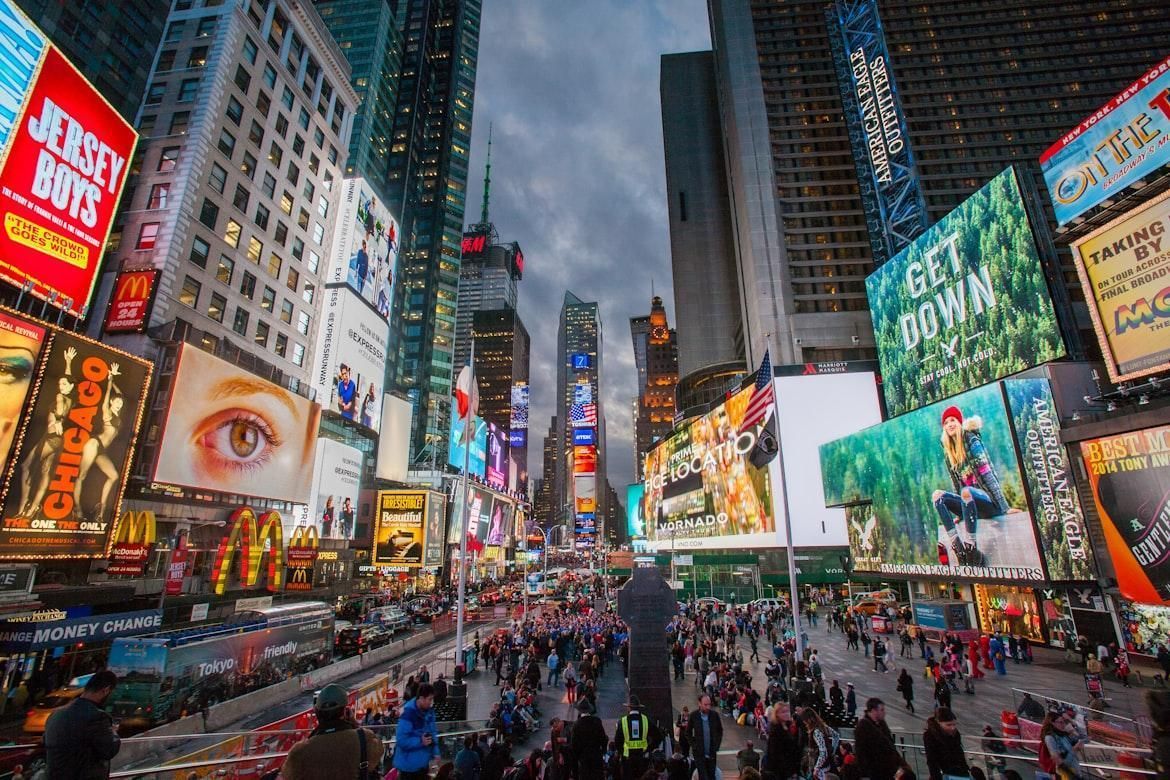
Image: James Ting

Believe it or not, the origin of this glowing crossroads has more to do with ink and paper than neon lights. In 1904, when The New York Times moved its headquarters to what was then called Longacre Square, the city decided to rename the area in the paper’s honor. To mark the occasion, the Times threw a grand celebration complete with fireworks and electric lights. Decades later, the newspaper has long since moved out, but the glow never dimmed. What began as a nod to journalism became the city’s biggest stage, where the lights still flash like headlines that never stop breaking.

7
SoHo
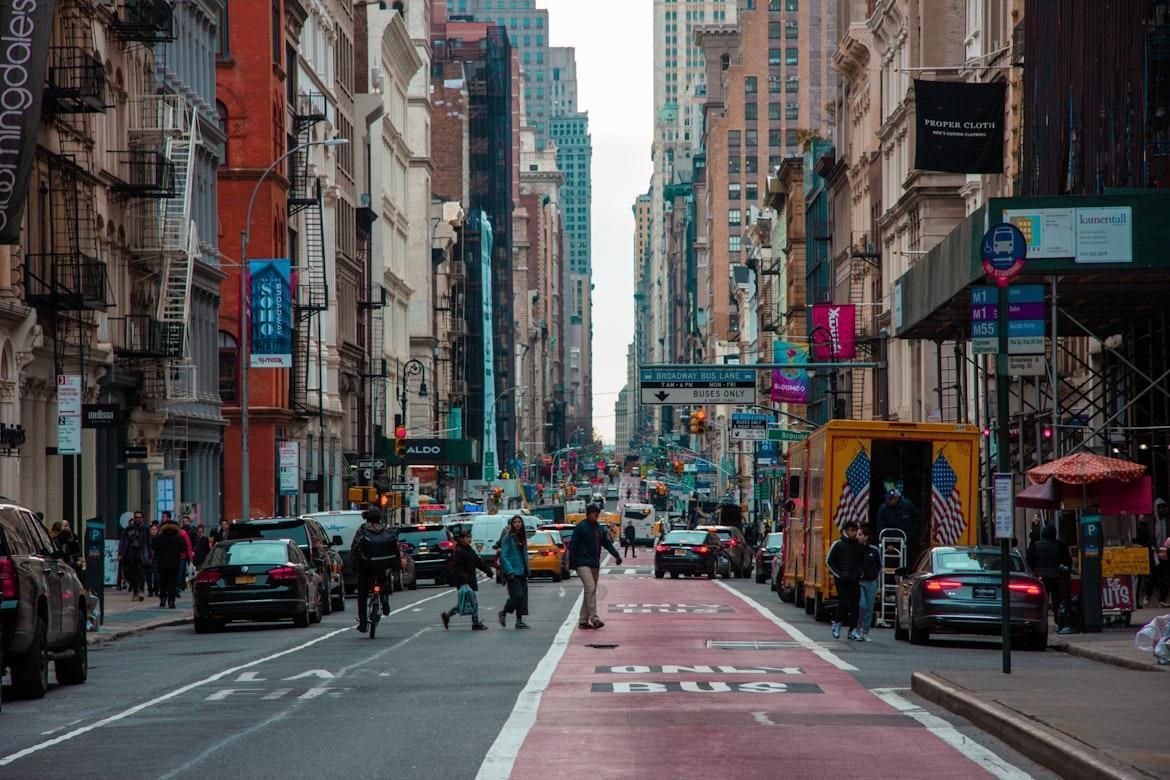
Image: Zeke Goodyear

It may sound like a borrowed bit of London, but this SoHo is a New York creation. Back in the 1960s, urban planner Chester Rapkin was writing a report about a fading industrial zone just SOuth of HOuston Street, and casually shortened that phrase into "SoHo." He couldn’t have known he was naming one of the city’s trendiest neighborhoods. As artists began filling the old cast-iron factories with studios and galleries, the nickname spread faster than wet paint. Soon, SoHo meant loft living, street art, and downtown cool. And here’s a fun fact for visitors: in Manhattan, Houston is pronounced HOW -ston, not like the Texas city. Mispronounce it, and you’ll hear all about it before you hit the next crosswalk!

8
NoHo
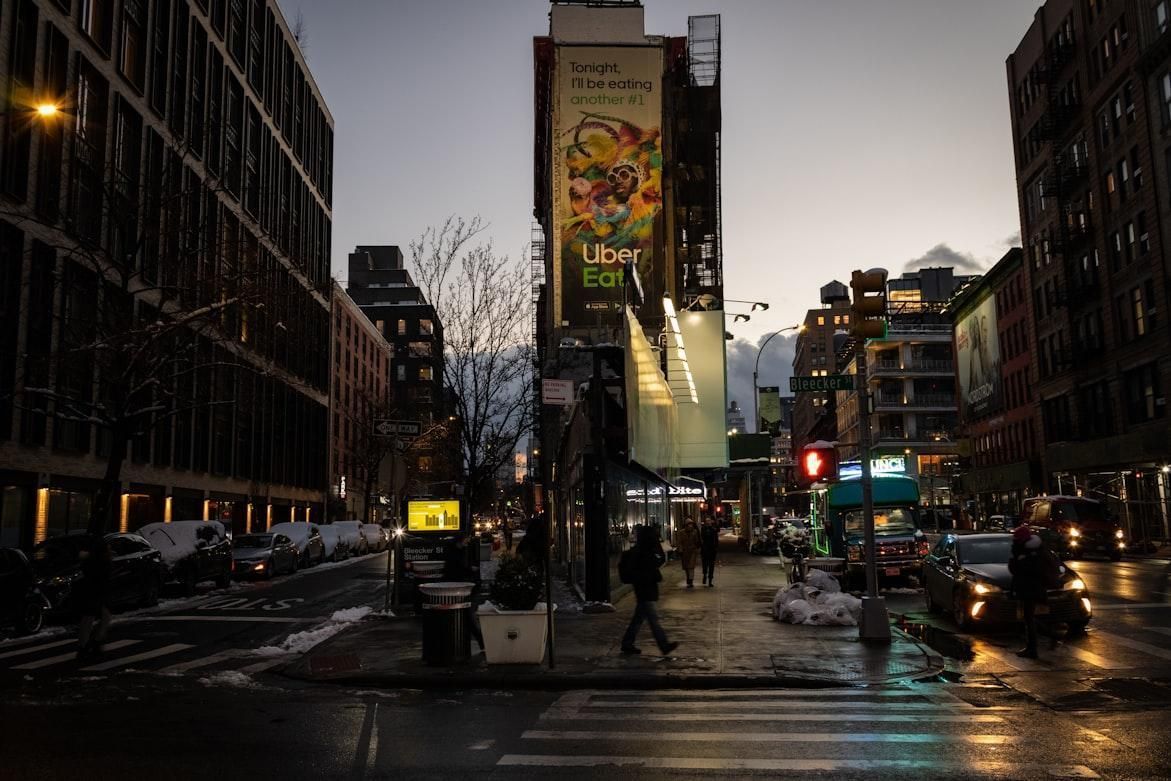
Image: Dylan Dehnert

By now, you probably know the drill. After the renaming of SoHo proved such a success, the north couldn’t be left behind. When the area NOrth of HOuston Street, another cluster of lofts and studios began to bloom, it soon earned the mirrored name "NoHo." Smaller and quieter, it kept its creative streak without the chaos. Cast-iron buildings, cobbled streets, and a calm charm that feels like SoHo’s thoughtful twin, equally artistic but happy to hum instead of shout.

9
TriBeCa
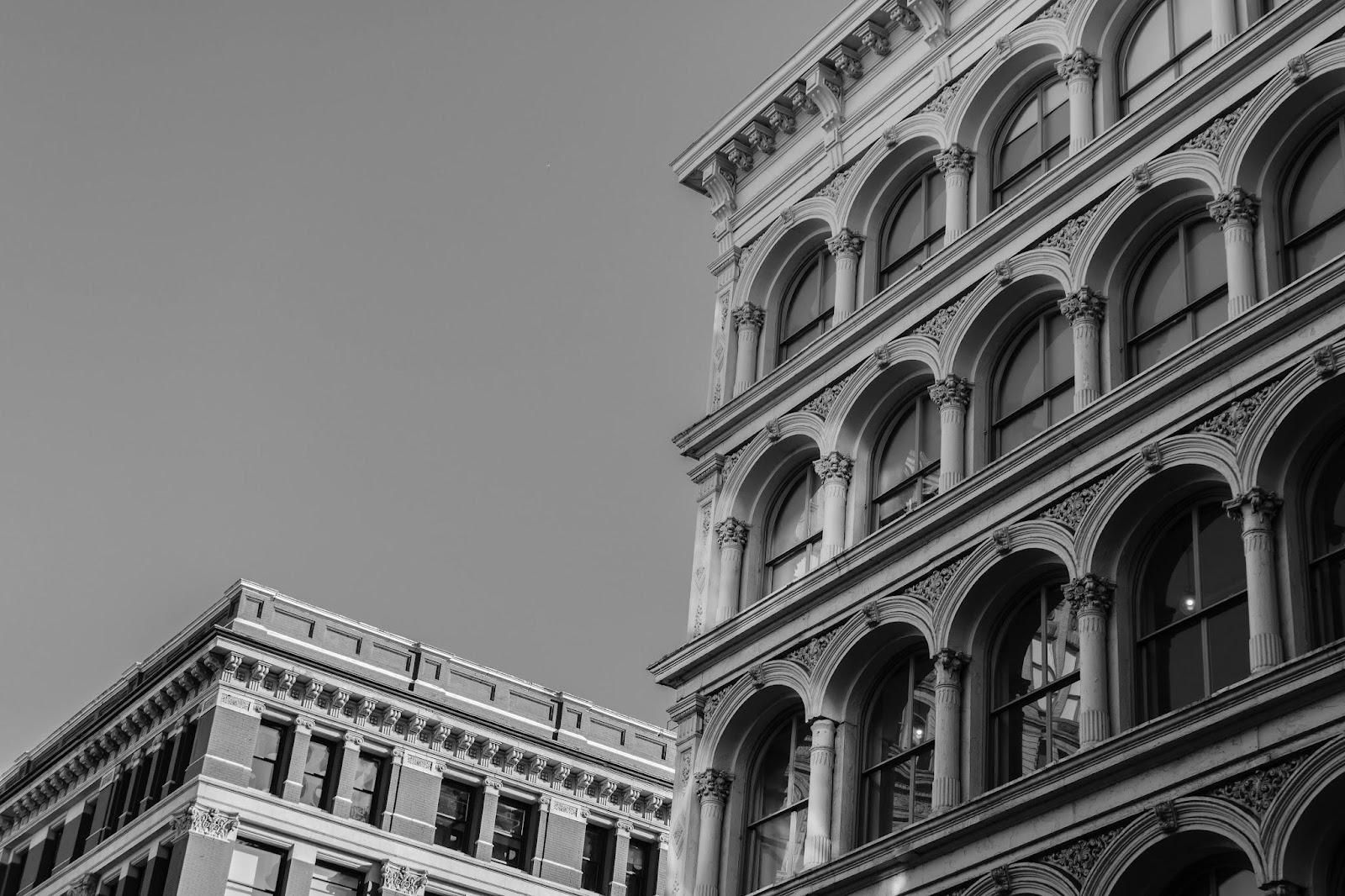
Image: Essow K

What if geometry had a ZIP code? That’s pretty much how TRIangle BElow CAnal Street —better known as TriBeCa—came to be. The name began as a bit of city-planning jargon for a small, oddly shaped area, but once The New York Times printed it, the label spread faster than a rumor on the subway. Before long, the whole neighborhood embraced its new identity. Today, those wide streets and grand old warehouses host film festivals, art galleries, and lofts so sleek they make geometry look downright glamorous.

10
NoLIta
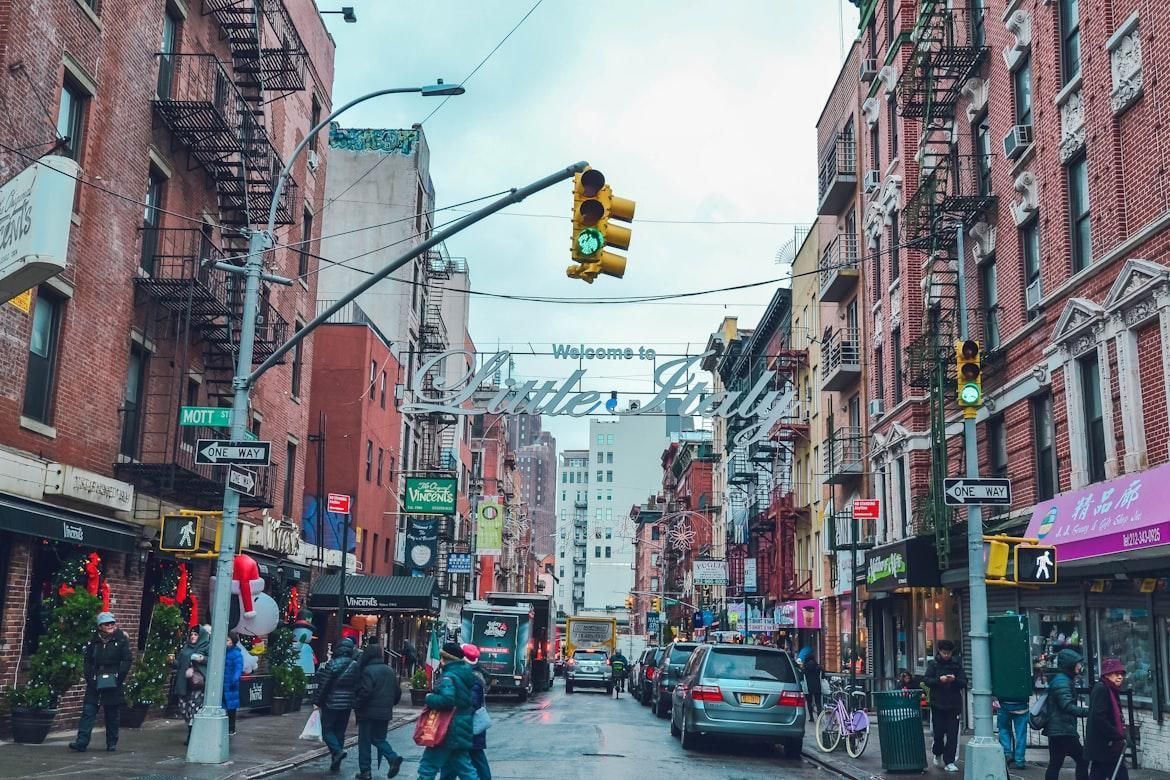
Image: Alex Haney

Tucked just NOrth of LITtle ITAly, this petite pocket of Manhattan once blended seamlessly with its pasta-and-pastry-filled neighbor. Then came the wave of stylish boutiques, corner cafés, and street-front charm that begged for its own identity. The solution? NoLIta, a name so snappy it sounds like it’s been around forever. Sleek, sunny, and effortlessly cool, it’s proof that in New York, a clever name can turn a few city blocks into a full-blown destination.

11
Turtle Bay
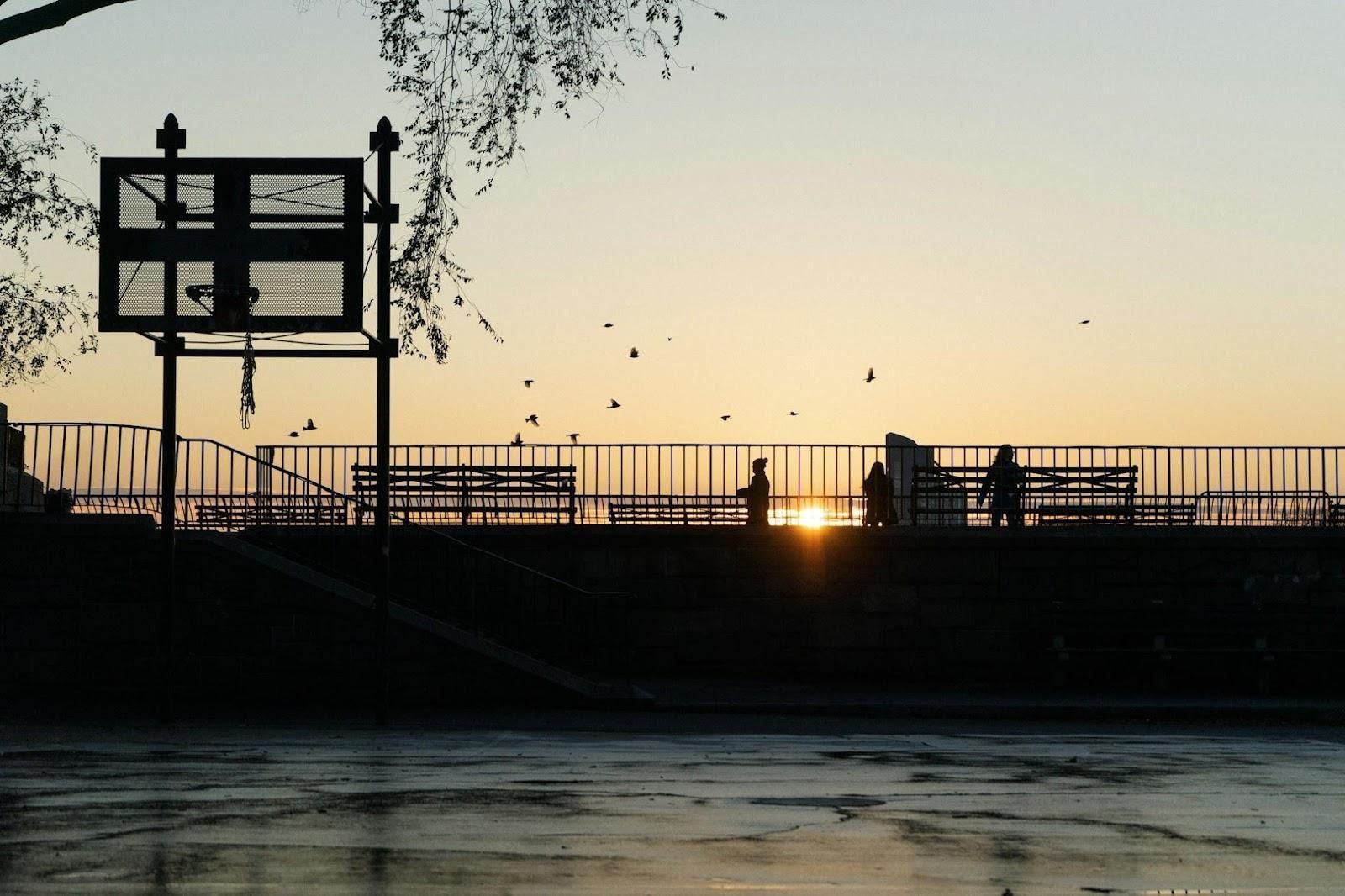
Image: Masahiro Naruse

At first glance, the name sounds cute enough for a storybook, and in a way, it is. Back in the 1600s, Dutch settlers named a small farm near a creek that flowed into the East River. Some say it referred to the turtles that lived there; others claim it came from the Dutch word deutal , "bent blade," describing the curve of the bay. Either way, it’s one of Manhattan’s softest names, a calm corner in the city that never sleeps.

12
Gramercy
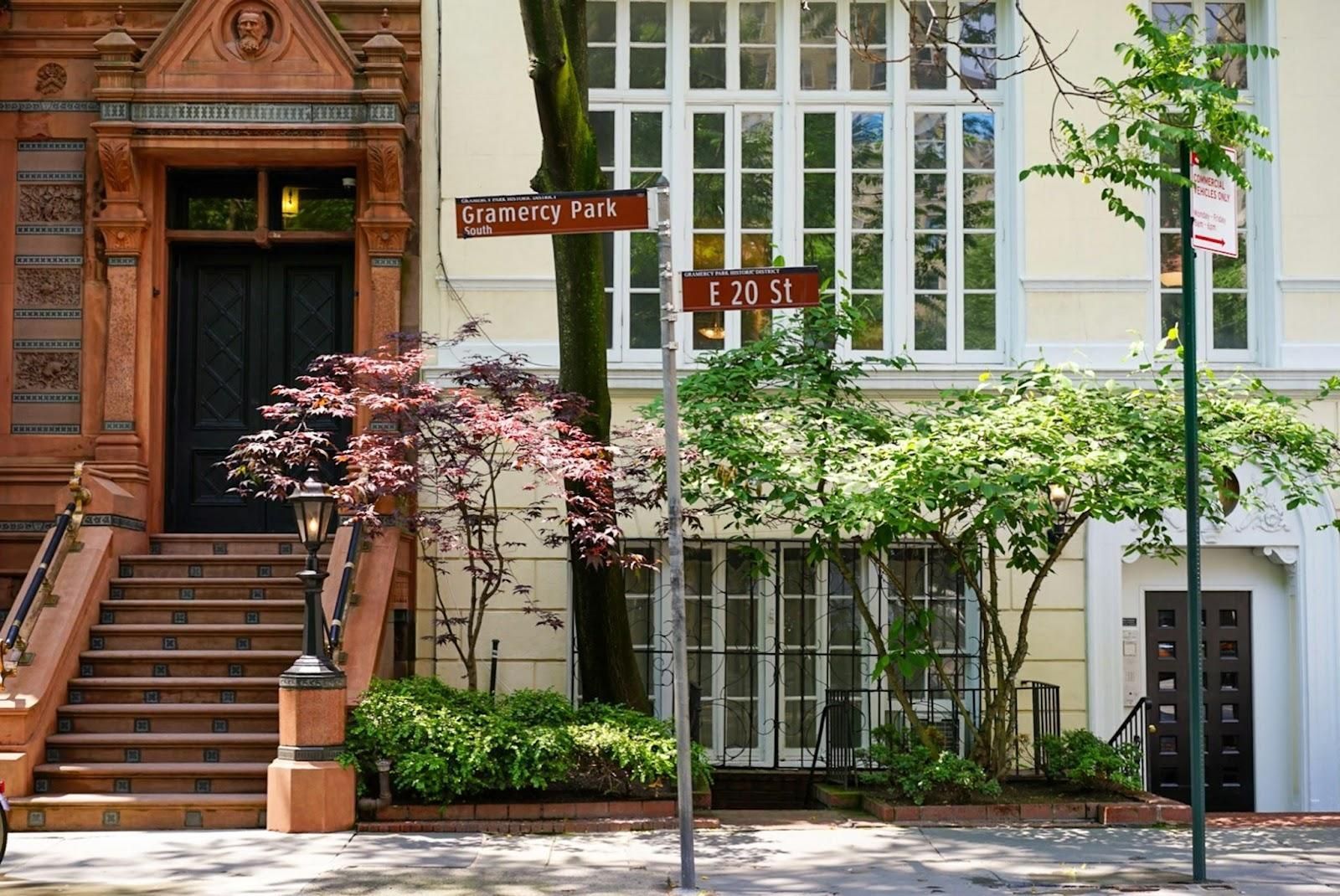
Image: Megan Bucknall

Long ago, this Manhattan neighborhood was a swampy patch of land the Dutch called Krom Moerasje , meaning "little crooked marsh," hardly the kind of description you’d want on a real estate brochure. In the early 19th century, developer Samuel B. Ruggles acquired the land and renamed it Gramercy , adapting an archaic expression derived from the French grand merci , meaning "many thanks." Suddenly, it sounded far more elegant. The neighborhood grew around its most famous feature: Gramercy Park, a private, gated square that remains key-only to this day. In New York, that’s about as close as it gets to a secret garden.
History History 5 min read

Historic events

10 iconic celebrity moments that happened at American hotels

Image: João Pires

The number of famous people who have spent time in historic hotels is directly proportional to the amount of fascinating stories concealed within the walls of these luxurious accommodations. From Elvis and Marilyn to Martin Luther King and Lucky Luciano, here are 10 of the most iconic celebrity moments that took place at the best American hotels.

1
Elvis Presley’s senior prom

Image: No-longer-here

Did you know Elvis Presley wore actual blue suede shoes to his senior prom? In 1953, at just 18 years old, the soon-to-be King of Rock and Roll attended Humes High School's formal dance at The Peabody Hotel in Memphis.

Wearing a tuxedo for the first time, Elvis picked up his date, a 14-year-old girl named Regis Wilson, in a dark blue rented Chevy. Once they were at the Continental Ballroom Elvis confessed he didn’t know how to dance, so they spent the night watching from the sidelines. Sadly, a few weeks later Regis’ family decided to move to Florida and they never saw each other again.

2
I have a dream

Image: Unseen Histories

2023 marked the 60th anniversary of the famous "I Have a Dream" speech. But did you know that Martin Luther King Jr wrote the finishing touches for it in the lobby of The Willard InterContinental hotel just hours before addressing the people gathered at the Lincoln Memorial?

It's no wonder such an important event in U.S. history occurred at this Washington D.C. hotel. Located just a few blocks from the White House, the Willard was witness to numerous key political moments: It was Lincoln's temporary residence before his inauguration, and Calvin Coolidge lived here during his vice presidency. Not only that, the lobby of this hotel is where Ulysses S. Grant coined the term "lobbyist".

3
Marilyn’s last photoshoot

Image: Marten Bjork

In late June 1962, six weeks before her passing, Marilyn Monroe was photographed in suite 261 of the Bel-Air Hotel in Los Angeles. The most desired and sought-after actress at the time arrived at the hotel with a suitcase loaded with dresses and necklaces and ordered three bottles of Don Perignon. Over the next three days, photographer Bert Stern took 2,571 snapshots of her.

These iconic images were published by Vogue magazine just one day after her death and have since become history as the last portraits of one of the most beloved American stars of all time.

4
Blonde on Blonde

Image: Janka Jonas

The Hotel Chelsea in New York City boasts perhaps the longest list of celebrity residents: Mark Twain, Patti Smith, Jimi Hendrix, Janis Joplin, Stanley Kubrick, Leonard Coen, Sid Vicious and Robert Mapplethorpe all resided here at some point since its opening in 1884.

Another famous guest who spent time at this iconic Manhattan hotel is American singer-songwriter Bob Dylan. More bohemian than glamorous, the place fitted perfectly with the musician's style and was the ideal environment for his upcoming work. And so, in 1965 while staying in room 211, Dylan wrote a couple of songs for his seventh studio album, Blonde on Blonde .

5
First Organized Crime Convention

Image: cottonbro studio

The Blackstone in Chicago is best known as "The Hotel of Presidents" since it has welcomed several heads of state since its opening in 1910. However, it is also associated with some notorious American gangsters. Al Capone himself reportedly held meetings at this hotel while getting his haircut in the barbershop during the Prohibition Era.

Another Blackstone infamous guest was Italian-born gangster Charles "Lucky" Luciano. In 1931, he hosted his first crime convention in the hotel's Crystal Ballroom. Apparently, the purpose of the meeting was to create a board of directors for his "National Crime Syndicate", a confederation of several criminal organizations.

6
The birth of the Academy Awards

Image: Felix Mooneeram

This story involves not one but two mythical American hotels. In 1927, film producer and co-founder of Metro-Goldwyn-Mayer, Louis B. Mayer, felt the need to create an organization that would bring together all the players in the film industry. He invited a small group to a formal banquet at the Ambassador Hotel in Los Angeles where he officially presented his idea of an Academy of Motion Picture Arts and Sciences.

A few months later, on May 11, the first organizational meeting was held in the Crystal Ballroom of the Biltmore Hotel. At that meeting, they appointed the first authorities and granted the first honorary membership to American inventor Thomas Edison. In addition, they agreed to establish an annual award. According to legend, art director Cedric Gibbons sketched the design of the Oscars statuette that very day on one of the hotel's napkins.

7
The British invasion

Image: Boer, Poppe de, CC0, via Wikimedia Commons

By 1964 the Beatles had become so popular that it was no surprise that 3,000 fans were waiting for them at New York's John F. Kennedy Airport the first time they traveled to the United States. The Fab Four stayed at The Plaza in Manhattan and the scenario was the same: the hotel was overrun by hordes of teenage girls who eventually found their way into the fire stairways.

Paul, John, Ringo, and George occupied the 10-room Presidential suites on the 12th floor. They sometimes waved to the fans downstairs, guarded by over 50 policemen. After four days of commotion, the hotel authorities did not want them to return, so, on subsequent visits, the Beatles stayed at the Warwick Hotel.

8
Golden Globe splash

Image: Carolyn Ne

In 1999, before the Golden Globes ceremony, Angelina Jolie promised that if she won the award for Best Actress for her role in the movie Gia she would take a dip in the Beverly Hilton pool. She not only held her promise but also was accompanied by some friends and even ended up throwing in a journalist.

In an interview, the actress said that the dare came about because one very hot summer afternoon when she was a girl, she ended up diving into the hotel pool with a girlfriend. As expected, they were kicked out and she never came back —that is, until the night of the famous splash, ball gown and all!

9
Good Will Hunting

Image: Life-Of-Pix

Since its opening in 1976, the Viceroy L'Ermitage in Beverly Hills, Los Angeles, has been a true Hollywood institution. Celebrities like Elizabeth Taylor, Brad Pitt, and Laurence Olivier, have stayed in one of the 116 suites of this luxurious and secluded hotel numerous times.

But perhaps the spot that holds the most mystique in this hotel is The Lobby Lounge and Bar, once known as the Writer's Bar. Rumor has it, that this is where the biggest names in the industry used to hold their meetings and writing appointments. Apparently, the most fantastic stories in the history of cinema were conceived here, one of these masterpieces being Good Will Hunting . In this bar, Ben Affleck and Matt Damon penned the script for one of the most beloved films of the 20th century. Did you know that?

10
Bungalow 4

Image: Andrew Campana

American business tycoon Howard Hughes was possibly the most peculiar long-time hotel resident who ever lived. Hughes stayed at several hotels during his lifetime but he had a soft spot for the renowned Beverly Hills Hotel in California. So much so that in 1942 he bought three or four of the famous pink stucco bungalows and moved in.

This hotel, built in 1912, accommodated all his eccentricities, including making room for his personal chef —apparently, the only one who knew exactly how to make his favourite pineapple upside-down cake— and delivering his roast beef sandwiches to a specific tree on the premises. Being a billionaire certainly has its perks!

General General 5 min read

National monikers

Golden dreams and aloha vibes: 10 state nicknames demystified!

Image: little plant

Ever wonder why states have those quirky nicknames? They’re more than just catchy phrases—they can actually help us understand a state’s history, culture, and character. From sunny beaches to rugged mountains, these nicknames were chosen to highlight what makes each place unique. Today, we’ll take a look at 10 fascinating state monikers and discuss their origins and the stories behind them. Maybe you’re a trivia enthusiast, or maybe you just love learning something new. In any case, this fun exploration will give you a deeper appreciation for our beloved territories.

1
California: The Golden State

Image: Maarten van den Heuvel

If this name makes you instantly think about the Gold Rush , let us tell you, you would be going in the right direction because California’s nickname, "The Golden State," gleams with both historical and literal significance.

It harks back to the 1848 Gold Rush, which transformed the state into a bustling hub for fortune seekers. But beyond gold, the nickname also refers to the Golden Gate, the entrance to San Francisco Bay. Additionally, the state’s flower, the golden poppy, is another nod to this iconic moniker. The nickname is more than accurate—wherever you look, California’s golden legacy keeps sparkling.

2
Connecticut: The Nutmeg State

Image: Christopher Luther

This may be one small state, but it sure has a lot of nicknames. The official one is "The Constitution State," but you’ve likely also heard of "The Nutmeg State." So why nutmeg for Connecticut? It’s not about farming—it’s a nod to the cleverness of its residents during colonial times.

The tale goes that traders from Connecticut sold carved wooden nutmegs as a joke, showcasing their wit and entrepreneurial spirit. While historians debate the truth of the story, the nickname stuck unofficially.

Want to know the other nicknames? They are "The Blue Law State" and "The Provisions State." So if you had to pick, which one is your favorite?

3
Delaware: The Diamond State

Image: Josefina Lacroze

Delaware might be small, but its nickname, "The Diamond State," reflects its value. Similar to Connecticut, it also holds several nicknames. Now, as for the one mentioned here, the legend credits Thomas Jefferson with calling Delaware a "jewel" among states due to its strategic location and resources.

As the first state to ratify the Constitution (which earned it the nickname "The First State"), Delaware is a gem in America’s founding story. Though tiny, it punches above its weight with its rich history, tax-friendly laws, and scenic beauty. It’s proof that great things come in small packages, you know?

4
Florida: The Sunshine State

Image: Betty Subrizi

"The Sunshine State" was officially designated as Florida’s nickname in 1970, but doesn’t it feel like it’s been that way forever? If Florida’s nickname doesn’t make you want to pack your beach bag , nothing will!

Known for its abundant sunshine, the state is a top destination for snowbirds and sun-seekers alike. Its warm weather supports everything from sprawling orange groves to its famous beaches. But Florida’s not just about sunny skies—it’s also rich in diverse wildlife and cultural vibrancy. Take a swim at its beaches or explore the Everglades, whatever you choose, this state’s bright reputation is well-earned.

5
Hawaii: The Aloha State

Image: Luke McKeown

Speaking of dreamy beaches and lots of sunshine, right? Hawaii’s nickname radiates warmth, just like its famous greeting, "Aloha."

But it’s so much more than that. Aloha embodies love, peace, and a deep connection to nature. It was even defined by the legislature as the Hawaiian philosophy that focuses on the collective experiences people have.

From lush landscapes to welcoming locals, the Aloha spirit defines Hawaii’s identity. Visitors leave with more than tan lines—they carry a piece of Hawaii’s enduring kindness and hospitality. They certainly had us at Aloha !

6
Mississippi: The Magnolia State

Image: Annie Spratt

Some states choose to honor legends, some honor their place in history, but Mississippi chose to honor the one thing you can see wherever you look around the state: the Magnolia tree.

With its iconic blooms and Southern charm, "The Magnolia State" perfectly suits Mississippi. Magnolias, known for their large, fragrant flowers, thrive in the state’s warm climate and are its official state tree and flower.

Mississippi took the simple route by choosing the magnolia as a symbol, and it’s even featured in the Mississippi quarter!

7
Missouri: The Show-Me State

Image: Tianxiang Ji

Missourians are famously skeptical, and that’s what the "Show-Me State" nickname celebrates. The phrase became popular after Congressman Willard Duncan Vandiver said in 1899, "I’m from Missouri, and you’ve got to show me ." It stuck, and now it symbolizes the state’s no-nonsense, practical attitude.

Beyond the attitude, Missouri shines with its stunning Ozark mountains, historic St. Louis Arch, and rich jazz heritage. Missourians are proof that actions speak much, much louder than words.

8
New Hampshire: The Granite State

Image: Spenser Sembrat

Here’s an example of a state that chooses to honor its natural production, much like California with its gold. Granite’s strength and durability make it the perfect symbol for New Hampshire.

Its rugged mountains and quarries helped earn the nickname "The Granite State." The rock also represents the state’s independent spirit and resilient residents.

Granite was a cornerstone, quite literally, of New Hampshire’s economy, as it was used in buildings across the nation. Combine this with breathtaking fall foliage and quaint small towns, and you’ve got a state that is as solid as they come.

9
Rhode Island: The Ocean State

Image: Demure Storyteller

Remember when we mentioned that some of the smaller states above have more than one nickname? Well, despite being the smallest state, Rhode Island boasts three nicknames, but most importantly, over 400 miles of coastline, earning it the title "The Ocean State."

From sailing in Narragansett Bay to fresh seafood delights, the ocean defines its character. The nickname reflects its maritime history, including colonial shipping and today’s vibrant waterfront communities. Rhode Island addresses the elephant in the room: Life is indeed better by the sea!

10
Tennessee: The Volunteer State

Image: Susanne Alexander

Our last item in this article honors history in the best way. Tennessee’s nickname dates back to the War of 1812 when its citizens volunteered by the thousands to take an active role, especially during the Battle of New Orleans.

But that wasn’t all. The reputation continued during the Mexican-American War, solidifying its "Volunteer State" nickname. Today, Tennesseans remain proud of their volunteer spirit, as they should! From vibrant Nashville to the serene Smoky Mountains, the state offers its best to everyone who visits. That go-getter attitude is as alive as ever in this hospitable state. Go, Tennessee!

Explore more American facts

Choose your favorite category!

General
General

As American as apple pie—the very best America has to offer!

Culture
Culture

Delve into the astounding richness of American lore.

Geography
Geography

Hop in and explore vast and diverse American landscapes.

History
History

Discover the key moments that shaped the United States.