Culture Culture 3 min read

Halloween secrets

Why is Halloween orange and black? The surprising meaning behind it

Image: David Menidrey

It’s hard not to love Halloween. It’s a time for celebration, jack-o’-lanterns, and of course, candy. But behind today’s traditions lie plenty of spooky secrets about the holiday and where it came from. From the meaning behind costumes to the origins of trick-or-treating, we’re exploring 10 facts you probably didn’t know about Halloween. Let’s get started!

1
Ancient roots

Image: Miguel Teirlinck

Believe it or not, what we call Halloween began more than 2,000 years ago. The ancient Celtic festival of Samhain, held from October 31 to November 1 in what is now Ireland, Scotland, and parts of Britain, marked the shift from the harvest season to the dark days of winter. The Celts believed that, on that night, the boundary between the living and the dead grew dangerously thin. Spirits could slip through that barrier... both benevolent and darker ones.

2
Why scary costumes?
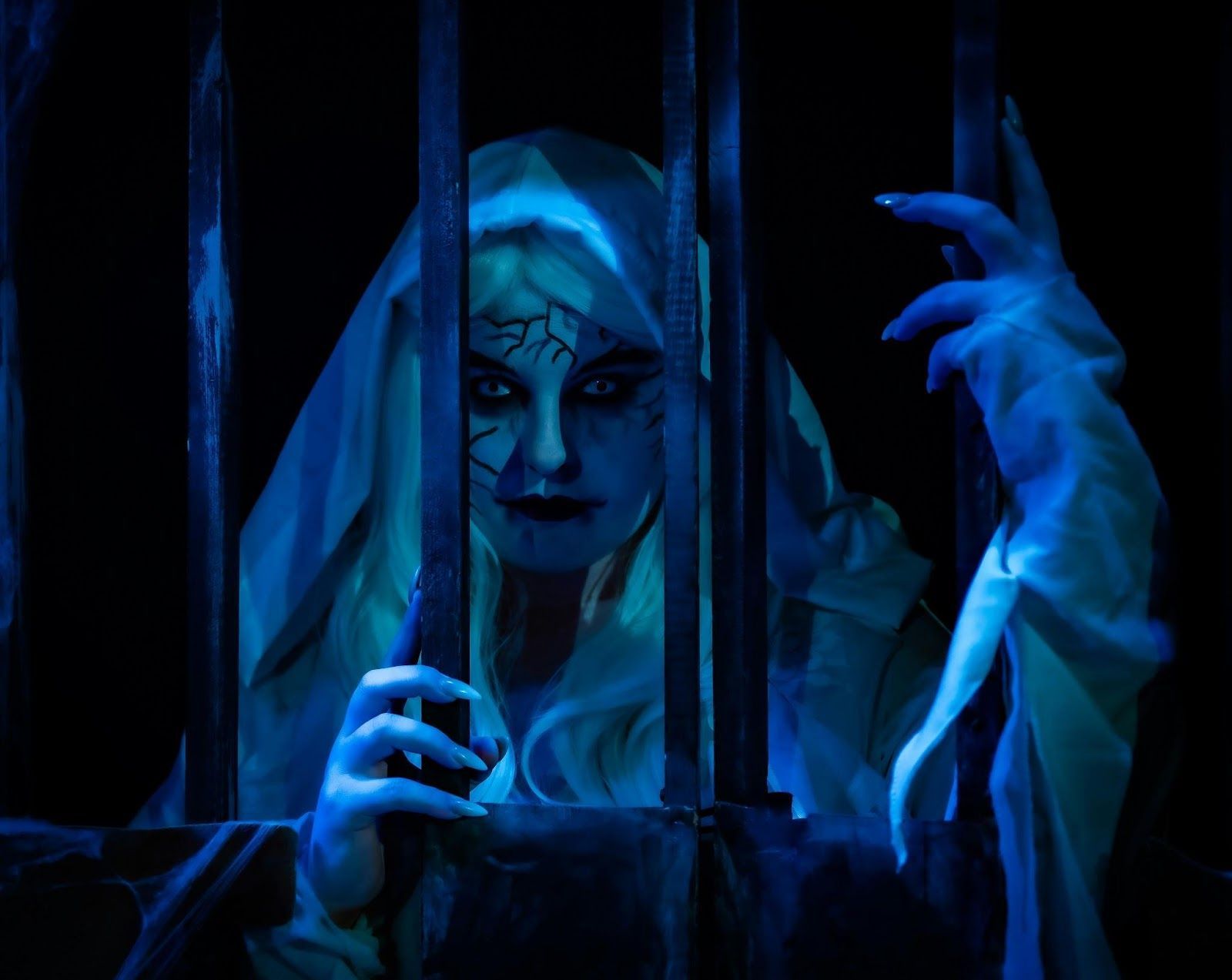
Image: JOHN BEARBY IMAGES

If the spirits of the dead were roaming the earth, what would you do? The Celts had a clever solution: they disguised themselves with animal skins and masks to look frightening and protect themselves from any spirits that might not have the best intentions. The hope was that ghosts would either mistake them for one of their own or be scared off entirely. Over time, the tradition evolved, but its roots remained; just look at all the little witches, skeletons, and other spooky costumes we see on Halloween today.

3
There's a reason for black and orange
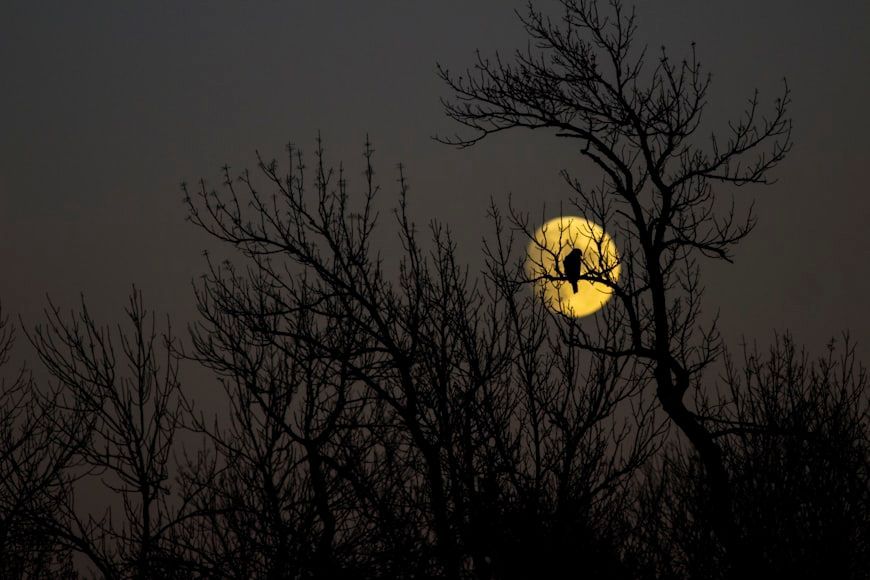
Image: Gary Fultz

Orange and black take over homes and streets every Halloween, but why? The answer goes back to the Celtic festival of Samhain as well. Orange symbolized the end of autumn and fallen leaves, while black represented the darkness of the long winter nights ahead.

4
Witches weren’t always seen as scary
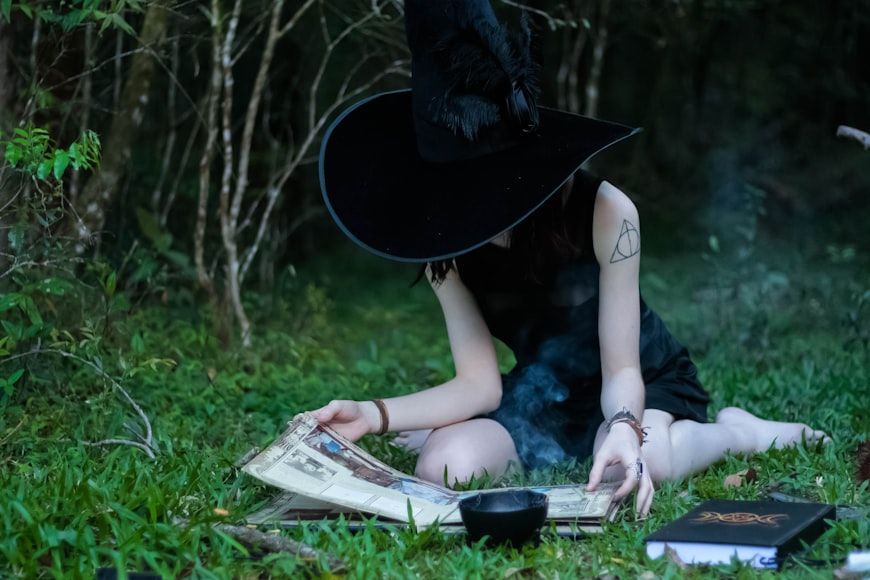
Image: Halanna Halila

Witches have been part of Halloween lore for ages. Countless stories cast them as spooky figures with flying broomsticks, pointed hats, and bubbling potions. But it wasn’t always this way. Among the Celts, many practices now labeled as "witchcraft" were connected to healing, spirituality, and nature, and weren’t seen as evil at all; that association came much later with the spread of Christianity. In fact, the English word "witch" is often linked to the Old English wicca (masculine) and wicce (feminine), meaning "wise one."

5
Trick-or-treating origins
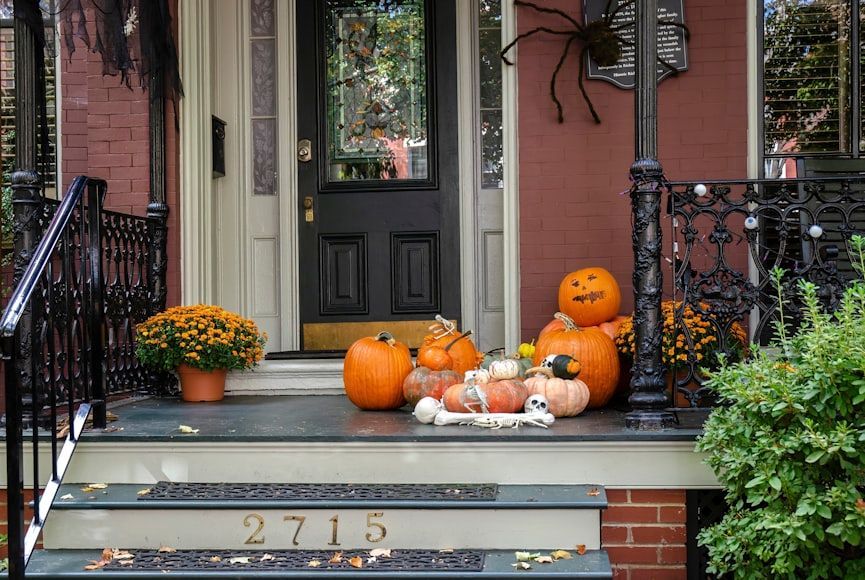
Image: Robin Jonathan Deutsch

In addition to dressing up to protect themselves, the Celts also left treats on their doorsteps to appease wandering spirits. Over the centuries, that custom changed and spread. By medieval times in Europe, people—especially children—would go door to door during this season, offering prayers for departed souls or performing small songs and jokes in exchange for food or treats. This tradition, known as "souling" or "guising," eventually inspired the trick-or-treating we know today.

6
Scary tricks
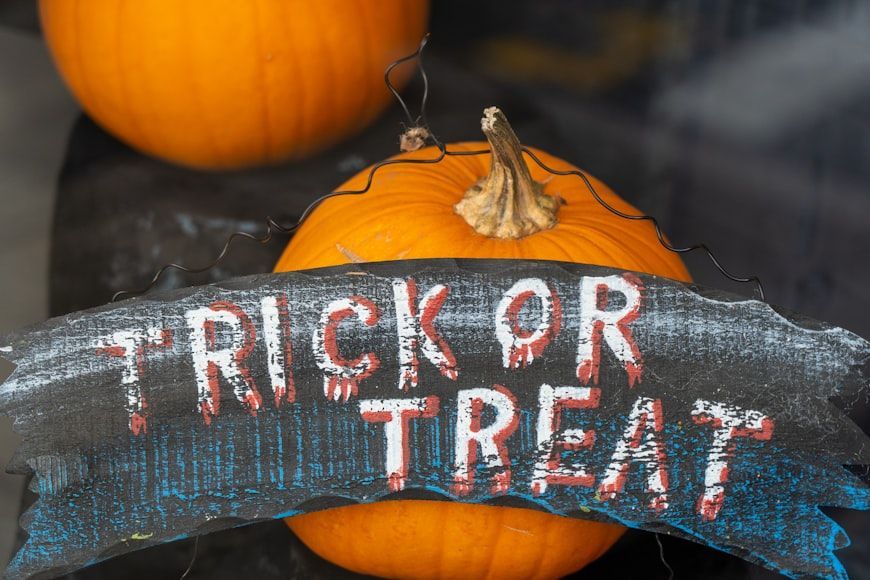
Image: Nick Fewings

In the recent past, the "tricks" in trick-or-treating were no joke—they could be genuinely frightening. In the late 19th and early 20th centuries, Halloween was known far more for mischief than for candy. Kids pulled off pranks like tying doors shut or slamming windows to make homeowners think their houses were haunted. Scary? Yes. Fun? Definitely.

7
In the past, they weren't pumpkins
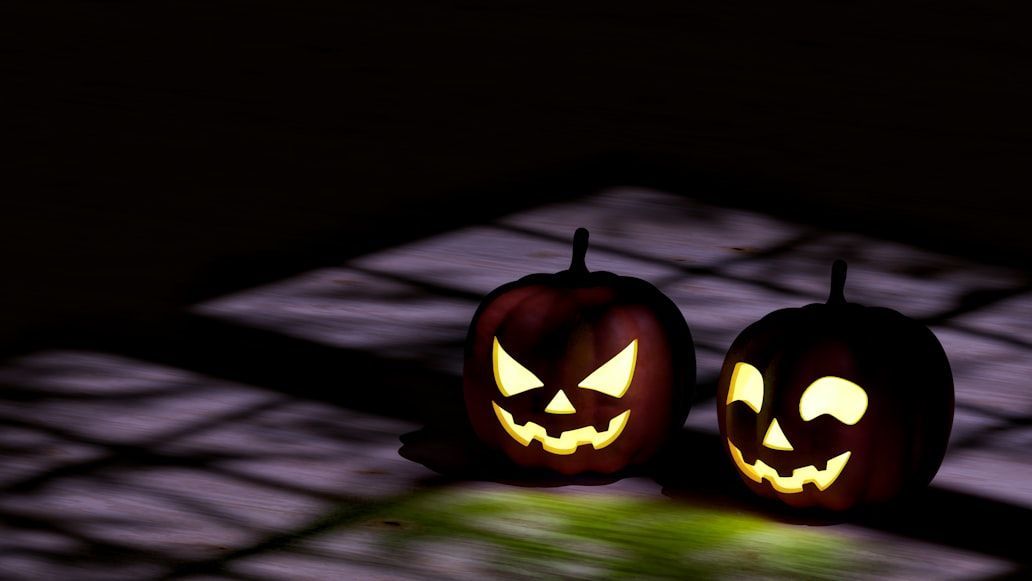
Image: Igor Omilaev

Pumpkins may be the stars of Halloween décor today, but they weren’t always the first pick. The tradition of carving Halloween lanterns also began in Ireland and Scotland, but not with pumpkins. In the old days, people carved turnips, beets, and other root vegetables. When Irish immigrants arrived in the United States in the 19th century, they found that pumpkins were bigger, softer, and far easier to carve, so pumpkins quickly replaced the turnips.

8
Halloween, SC
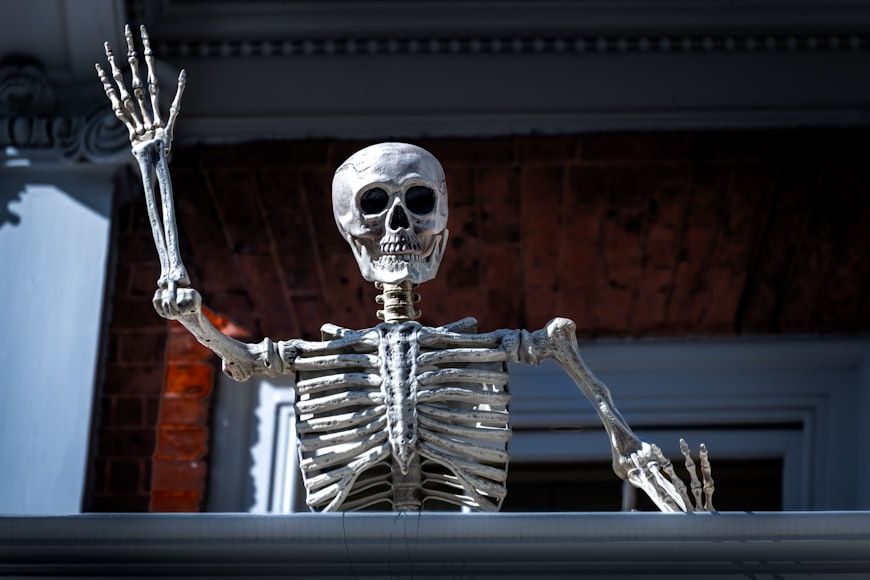
Image: Joseph Corl

Today, Americans put a lot of effort into Halloween celebrations. But perhaps no one embraces it more than the residents of Conway, SC, who made headlines for a bold decision. In 2022, the city officially adopted the monikers "City of Halloween" and "Halloween, SC" for the month of October. Although "Conway" remains its legal name year-round, the town uses the spooky nickname during the holiday season to attract visitors eager to experience its larger-than-life celebrations and decorations.

9
Parents also have their "tricks"

Image: Tolgahan Akbulut

Although trick-or-treating is mostly for kids, parents definitely get in on the fun. According to a 2019 survey, 74% of parents admitted to stealing a few pieces of their children’s candy. And honestly, who can blame them? A pumpkin bucket overflowing with sweets is hard to resist.

10
Paranormal full moon
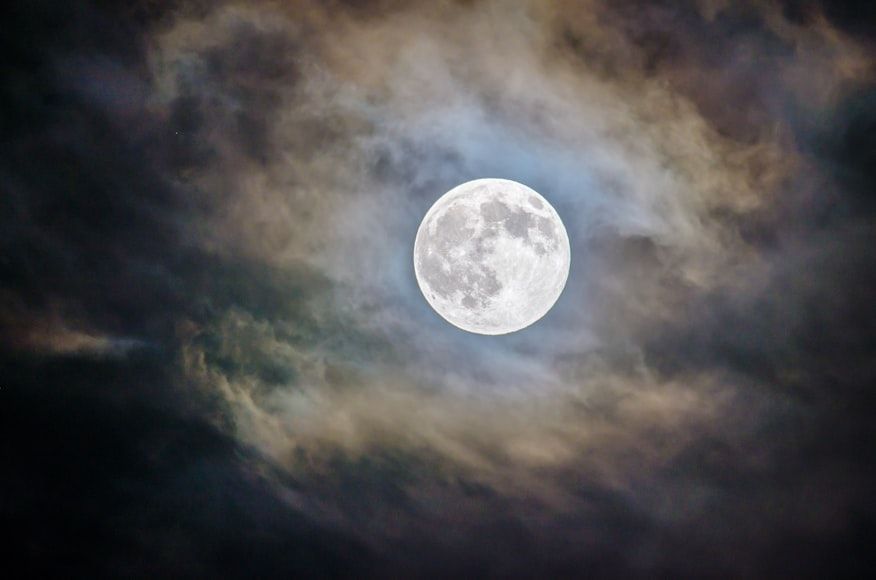
Image: Ganapathy Kumar

Celebrating Halloween under a full moon has a special charm, as that lunar phase has long been linked to heightened paranormal activity. But this coincidence is rare: a full moon on Halloween only happens about every 18–19 years. The last full moon during Halloween was in 2020, and according to forecasts, we won’t see another until 2039.
Geography Geography 4 min read

Time can be on your side

10 road shortcuts in America that can save you hours

Image: Athena Sandrini

Familiar to the locals but hidden from the visitors: Every town has its shortcuts that help us save time and miles when going from A to B. These secret passages become increasingly important in the country’s largest cities, as traffic tends to be a bigger issue in those places. The following ten are useful tips for moving around Los Angeles, New York, Austin, San Diego, or a few other cities. Did you know any of these shortcuts?

1
Hollywood Boulevard, Los Angeles, California

Image: Aman

Los Angeles’ hellish traffic is world-famous and every experienced driver in this city has her or his own shortcuts to save time. But this one is a universal one for sure.

When driving through Hollywood, never take Hollywood Boulevard . Take, instead, Franklin or Fountain to get around the tourist mayhem. And, if you want to avoid the awful traffic of a Hollywood Bowl show, try Mulholland Drive.

2
Getting to the airport in Los Angeles, California

Image: Lukas Souza

Nobody likes missing a flight. Or, at least, most of us don’t care for that particular situation. And, when driving in the terrible Los Angeles traffic, that possibility is always looming in the background.

A sound advice from frequent flyers is to avoid the freeway altogether and take Crescent Heights until it dead-ends. Then, drive through La Cienaga to La Tijera all the way to the symbols that point to the airport.

3
Leaving New York is never easy, New York City, New York

Image: Matteo Catanese

Caught at the right time, New York City traffic can be as bad as LA traffic. And, as it usually happens, commute hours are the worst. The endless crowds and vehicles getting in and out of Manhattan through the different bridges and tunnels can create some serious delays.

Brooklyn Bridge, George Washington Bridge, and the Lincoln Tunnel are some of the most congested routes during rush hours. So, if you have no other options, make sure to schedule extra time just in case the traffic is as bad as it can be.

4
I-95, Miami, Florida

Image: Baron Alloway

Another city with legendary traffic is, without a doubt, Miami. And, as usual, commute hours can be a nightmare. I-95 is a major Interstate Highway on the East Coast and the Miami section is usually very congested . If you are trying to go south from 7 a.m. to 9 a.m. or north from 3 p.m. to 7:30 p.m., you have to expect delays, since those are the peak times for commuters who work downtown.

The High Occupancy Toll (HOT) lanes run from north of Miami to north Dade. You can only enter these lanes before 112/I-95 and you can only get off at the Golden Glades exit. Don’t take these lanes if you are trying to go anywhere between downtown and Northwest 183rd Street as there are no exits. Also, HOT lanes only accept SunPass as payment.

5
Lake Shore Drive, Chicago, Illinois

Image: Neal Kharawala

Continuing with another one of the monster-traffic cities of America, we can’t avoid the Windy City. Locals say that the city has two seasons: winter and construction , as the number of blocked streets, avenues, and roads can be nerve-wracking.

A shortcut locals use when driving through Lake Shore Drive to get off on Michigan Ave, heading southbound with a final destination past Illinois Ave, is to take Inner Lake Shore Drive and avoid the heavy congestion on Michigan Ave, as well as the occasional standstills on southbound Lake Shore Drive.

6
San Felipe instead of Westheimer, Houston, Texas

Image: Kevin Hernandez

Houston locals are familiar with busy Westheimer Avenue and know better than to fall into its trap during rush hour. They’d get stuck between multiple METRO bus routes, potholes, and never-ending construction sites.

The savvy drivers instead use San Felipe to get downtown or to the Galleria in a much shorter time.

7
Loop 202 South Mountain Freeway, Phoenix, Arizona

Image: Nils Huenerfuerst

Even the widest highway will become congested once everyone finds out about it. We are looking at you, Los Angeles. But, for a while at least, new roads offer a smooth and quiet ride to the lucky few who discover them first.

This is the case with Loop 202 South Mountain Freeway. The 22-mile-long portion of the Valley beltway from 59th Avenue on the west side to Ahwatukee , which opened in late 2019, is a smooth drive. Rolling through a part of the Valley unspoiled by development, this freeway has light traffic and no, or very few, holes –for now.

8
San Diego International Airport, San Diego, California

Image: Justin Wolff

It may seem calmer compared to neighboring Los Angeles, but San Diego can have its traffic congestion, like any big city. Getting to the airport on time is always paramount and locals have tricks up their sleeves for this ride.

Drivers can take Washington Street to Pacific Highway and get to the airport that way, or they can also take Pacific Highway north to Barnett, then Lytton, then Rosecrans, then Nimitz, which can be better than going through Sassafras if there’s traffic.

9
LBJ interchange, Dallas, Texas

Image: Zack Brame

Dallas, Texas, is a major city with major traffic jams during rush hours. Trying to get to the LBJ interchange can be a recipe for disaster if you are in a hurry but there is a shortcut that can save quite some time.

If you are on the Central Expressway, you can get off at Coit Road , which will allow you to bypass the interchange. Instead, you'll wind around a corner and find yourself right back at the entrance ramps for LBJ. From there, you just wait for a light and merge back onto LBJ, having skipped over the whole mess.

10
I-35 alternatives, Austin, Texas

Image: MJ Tangonan

Texas’ hippest city, Austin has some major highways, including the I-35, Mopac Expressway (Loop 1), and Highway 183. These big highways can cause big delays if taken from 7 a.m. to 9 a.m. and 4 p.m. to 6 p.m.

But the city provides alternatives. Lamar Boulevard and Burnet Road provide time-saving options for I-35 . During rush hour and special events, knowing these lesser-used routes can save time.

Culture Culture 6 min read

Outlaws & Cowboys

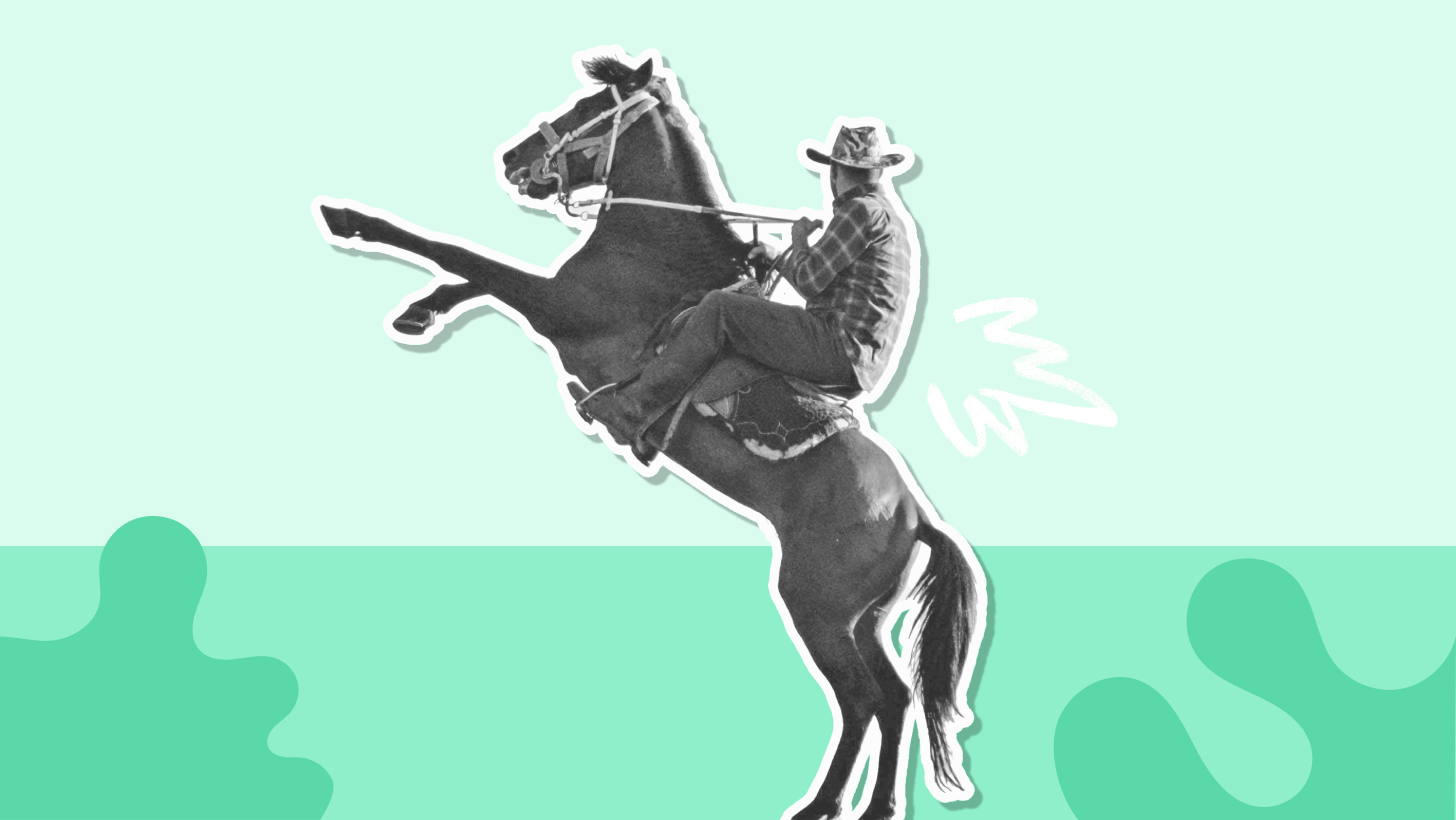
Saddle up: Here are 10 of the most iconic figures of the American West

Image: Zeynep Sude Emek

American Wild West stories are fascinating but would be incredibly boring without the men and women who roamed the untamed frontier in search of new opportunities. Their activities ranged from lawmen and gunslingers to ranchers, gamblers, farmers, rodeo stars, bounty hunters, and outlaws. Join us to learn about the lives of 10 cowboys (and cowgirls!) who helped shape our nation’s cultural landscape.

1
"Buffalo Bill" Cody

Image: Illinois State University, Public domain, via Wikimedia Commons

If we had to name the most famous cowboy in history , Buffalo Bill Cody would probably be a top contender. Throughout his lifetime, Cody greatly contributed to shaping the image we have of the American West.

Born in Iowa in 1846, he earned his nickname while working for the Union Pacific Railway, where railroad workers were amazed by his hunting skills. But history had bigger plans in store for Cody, and he would soon become an actor , traveling throughout the eastern United States performing plays based on stories of the Wild West for more than 30 years.

Eventually, poor business management and a certain change in popular interests led Buffalo Bill to ruin and he retired from show business just two months before his death in 1917. He was, however, mourned by millions of people who considered him a hero.

2
John Henry "Doc" Holliday

Image: Mehmet Turgut Kirkgoz

John Henry "Doc" Holliday was born in 1851 in Griffin, Georgia, into a wealthy family. He earned his Doctor of Dental Surgery degree in Philadelphia but was shortly thereafter diagnosed with tuberculosis and advised to live in the drier, hotter climate of the West.

In Dallas, Texas, he pursued his trade as a dentist but also discovered saloons and whiskey. Soon, realizing that gambling could be much more lucrative than dentistry, he began his professional gambling career.

The rest of his life was spent among crooks, gunfights, and jailmates in New Mexico, Arizona, and California. At only 36 years old, his lungs could not keep up with his gunslinging way of life and he finally met his death in 1887 in a hotel bed in Colorado. It is said that his last words were, "This is funny."

3
Butch Cassidy and The Sundance Kid

Image: yavuz pancareken

The lives of Butch Cassidy and The Sundance Kid became legendary pretty quickly. As early as 1903, their exploits inspired the first modern film —Edwin S. Porter's _The Great Train Robbery_— and since then, their adventures have not ceased to be portrayed by popular culture. In a way, they symbolize the definitive end of the romanticized Western era at the hands of 20th-century industrialization and urbanization.

Both cowboys were members of a gang known as "The Wild Bunch," which earned them a reputation as bank and train robbers. According to lore, after several years of crime and run-ins with the law, the bandits managed to escape to Latin America. Eventually, they were caught and killed in Bolivia in 1908. The fact that their graves were never found helped fuel the myth that they had, in fact, returned to the United States and lived in anonymity for many more years.

4
Jesse James

Image: Steve

Jesse James's life is one of the most emblematic of the Wild West. His criminal career began after his involvement with pro-Confederate guerrillas during the Civil War. Along with the Younger brothers, he created a gang with which they robbed banks, trains, stagecoaches, and stores from Iowa to Texas and from Tennessee to California.

It is believed that throughout the years they netted more than a quarter of a million dollars. Despite the gory nature of their heists and murders, the gang often had public sympathy.

Jesse's death is as controversial as his life. At only 34 years old, he was shot in the back by one of his gang partners, who hoped to obtain a state reward in exchange for his betrayal. The public was not happy with the government conspiring to assassinate a citizen, no matter how criminal, and the matter became a scandal, resulting in Jesse James's rise to mythical status.

5
Annie Oakley

Image: International Film Service, Public domain, via Wikimedia Commons

From an early age, Phoebe Anne Oakley Moses, better known as Annie Oakley, took up hunting to help support her family. At the age of fifteen, she won a competition against the famous marksman Frank Butler, to whom she later married. Together, they appeared in several exhibitions across the country and, in 1885, joined Buffalo Bill's Wild West show.

Annie was able to open the edge of a letter, shatter glass balls thrown in the air, and hit dimes held between her husband's fingers or apples placed in her poodle's mouth by shooting from 30 paces away. Her life was so rich and fascinating that she was the inspiration for several movies and plays.

6
Billy the Kid

Image: See page for author, Public domain, via Wikimedia Commons

According to legend, Henry McCarty, better known as Billy the Kid, killed at least 21 people during his career as a notorious outlaw in New Mexico. However, he cemented his place in the pantheon of frontier legends not so much for his murders as for his personality and incredible marksmanship skills.

Born in the late 1850s in the Irish slums of New York City, McCarty had to reinvent himself as a gunslinger after the death of his mother when he was just a teenager. His life and the events surrounding his death at the hands of legendary lawman Pat Garrett were immortalized in numerous films, books, and songs. In fact, Billy the Kid holds the record as the most portrayed individual in cinematic history.

7
Lucille Mulhall

Image: Melissa Walsh

By 1900, split riding skirts allowed women to compete in rodeos without shocking Victorian-era audiences. But the truth is that women have been participating in exhibitions even in the early days of the Old West.

Lucille Mulhall is considered America's first legendary cowgirl. Born in 1885, Lucille grew up on her family's ranch in Oklahoma, where she acquired her incredible cattle-roping skills. She began performing in shows as a teenager and, throughout her career, competed in many rodeos, setting a few roping world records.

8
Belle Starr

Image: Pixabay

Perhaps the most famous female gunslinger in the history of the West was Myra Maybelle Shirley Reed Starr, better known as Belle Starr. Born in Missouri in 1848, Belle had a fairly well-to-do childhood and was a bright student. However, when her family moved to Texas after the Civil War, the young girl stumbled upon the James-Younger gang. After falling in love with Cole Younger, she became a member of the gang.

That love affair didn't last long, but a few others followed, which led her to live outside the law for the rest of her life. Her alleged riding and gun skills increased her fame throughout the country, turning her into a legend.

9
Wyatt Earp

Image: National Archives at College Park, Public domain, via Wikimedia Commons

Wyatt Earp belonged to a large family whose members were famous for being gunfighters, gamblers, bison hunters, miners, and lawmen. While all were notorious Wild West characters, it was Wyatt's exploits that have gone down in history. His life is testimony to the ambiguity that prevailed at a time when there was no distinction between upholding the law and transgressing it.

After a long life traveling the American West as a deputy sheriff, bounty hunter, and saloon owner, in 1905 Wyatt settled permanently in Los Angeles, California. He became a film consultant in Hollywood, befriending producers, directors, and actors. It is even said that John Wayne took Earp’s stories as inspiration for some of the tough characters he portrayed on the big screen.

10
"Wild Bill" Hickok

Image: Turuncu Sakal

James Butler Hickok, better known as "Wild Bill," is a legendary folk hero thanks to the many stories that romanticized his life as a soldier, gunslinger, gambler, marshal, and actor. Over the years, his adventures have been retold numerous times in pop culture. The truth is that Hickok did more in his thirty-nine years of life than most who lived twice as long.

Since his birth in Illinois in 1837, he is said to have been involved in some of the most dramatic and, at the same time, most spectacular events in the history of the Wild West. His death, unsurprisingly, is also legendary. In 1876, while playing a game of poker in a saloon in Deadwood, Dakota Territory, a man named Jack McCall shot him in the back of the head. The cards he was holding at the time —two pairs of Aces and black Eights— became the well-known "dead man's hand."

Explore more American facts

Choose your favorite category!

General
General

As American as apple pie—the very best America has to offer!

Culture
Culture

Delve into the astounding richness of American lore.

Geography
Geography

Hop in and explore vast and diverse American landscapes.

History
History

Discover the key moments that shaped the United States.