History History 2 min read

We did it first!

Few people know that these massive inventions were created here. Do you?

Image: Vitaly Gariev

America has been witness to many firsts in history, from protecting natural sites to creating everyday conveniences, from founding cultural institutions to achieving industrial breakthroughs. Some are famous, others barely remembered. Here are 10 of those pioneering firsts, each marking a moment when America led the way.

1
World’s first national park
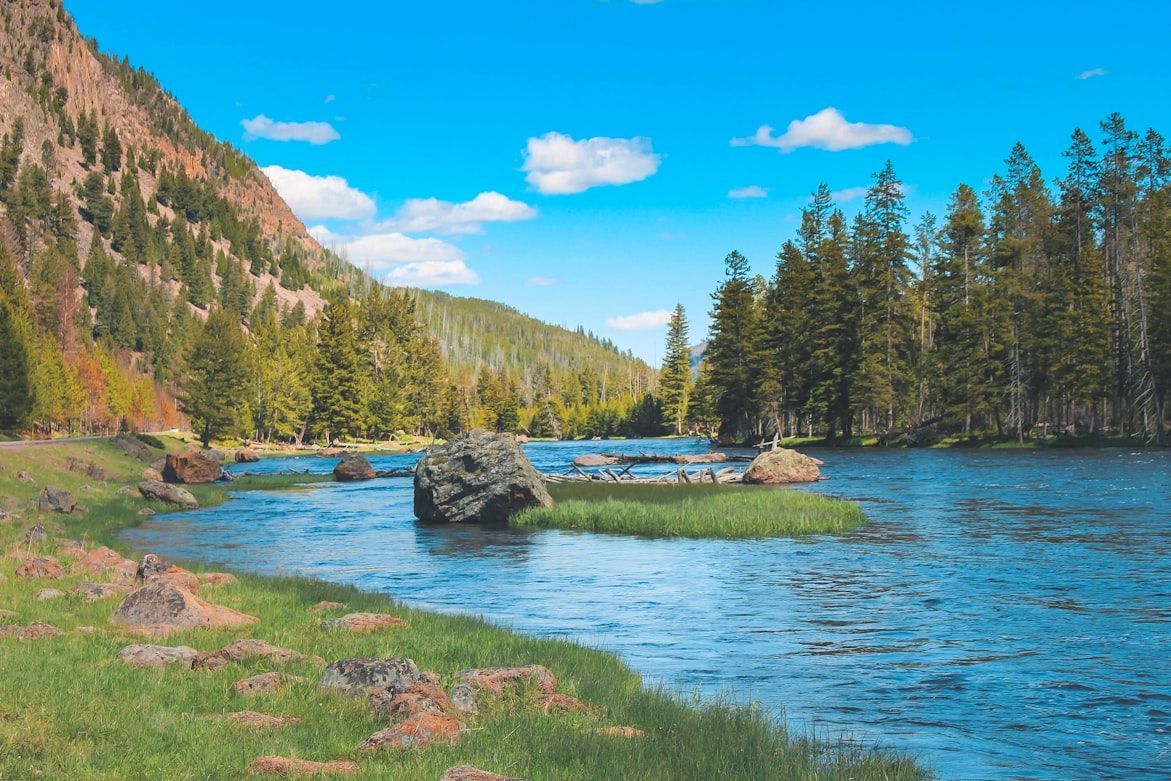
Image: Kedar Gadge

In March 1872, Congress passed the law establishing Yellowstone National Park as a protected public reservation: the first national park ever created on Earth.

By dedicating 2.2 million acres to preservation rather than development, the U.S. set a precedent for conservation worldwide, inspiring national park systems around the world.

2
First sustained and controlled, powered airplane flight
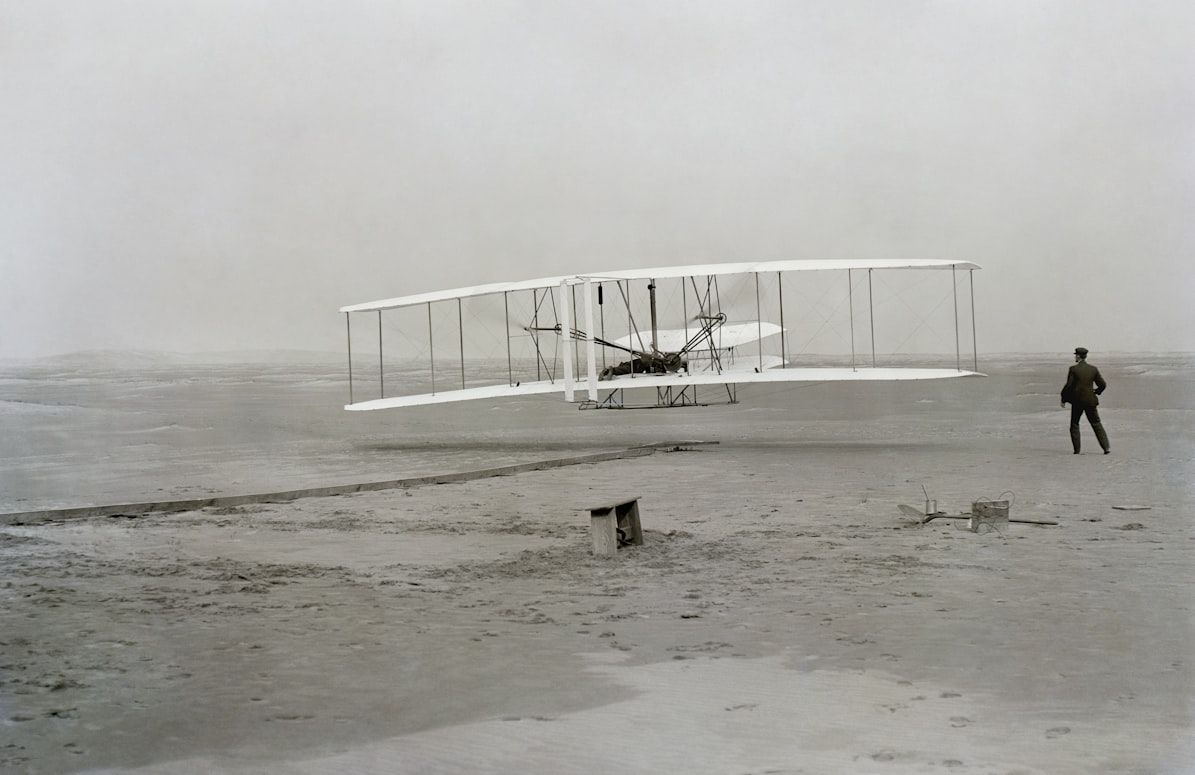
Image: History in HD

In 1903, the Wright brothers successfully flew a powered, heavier-than-air controlled aircraft , known as the Wright Flyer, at Kitty Hawk, North Carolina.

​

That breakthrough marked the beginning of the aviation age and forever redefined travel, warfare, and global communication.

3
Self-service grocery store

Image: Raul Gonzalez Escobar

In 1916, American grocers opened the self-service supermarket. Instead of clerks fetching food, customers helped themselves to the items they wanted from the shelves.

This change transformed retail: it lowered costs, sped up shopping, and laid the foundation for modern supermarkets all over the world.

4
First cinema house
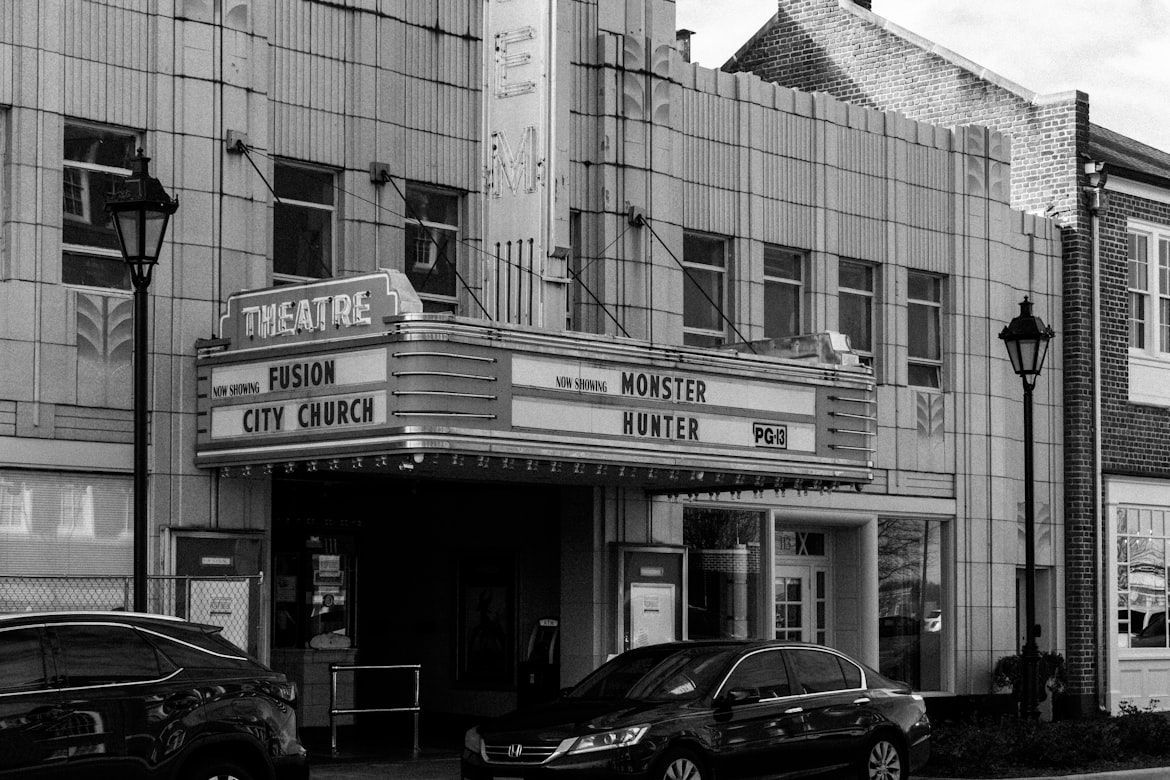
Image: Elijah Mears

New York City saw the first public "movie theater" in 1894, when a parlor opened using the Kinetoscope, a peep-box device for viewing short motion pictures .

That small parlor marked the beginning of the cinema business, an idea that would grow into a global film-making and entertainment industry.

5
Drive-in movie theater
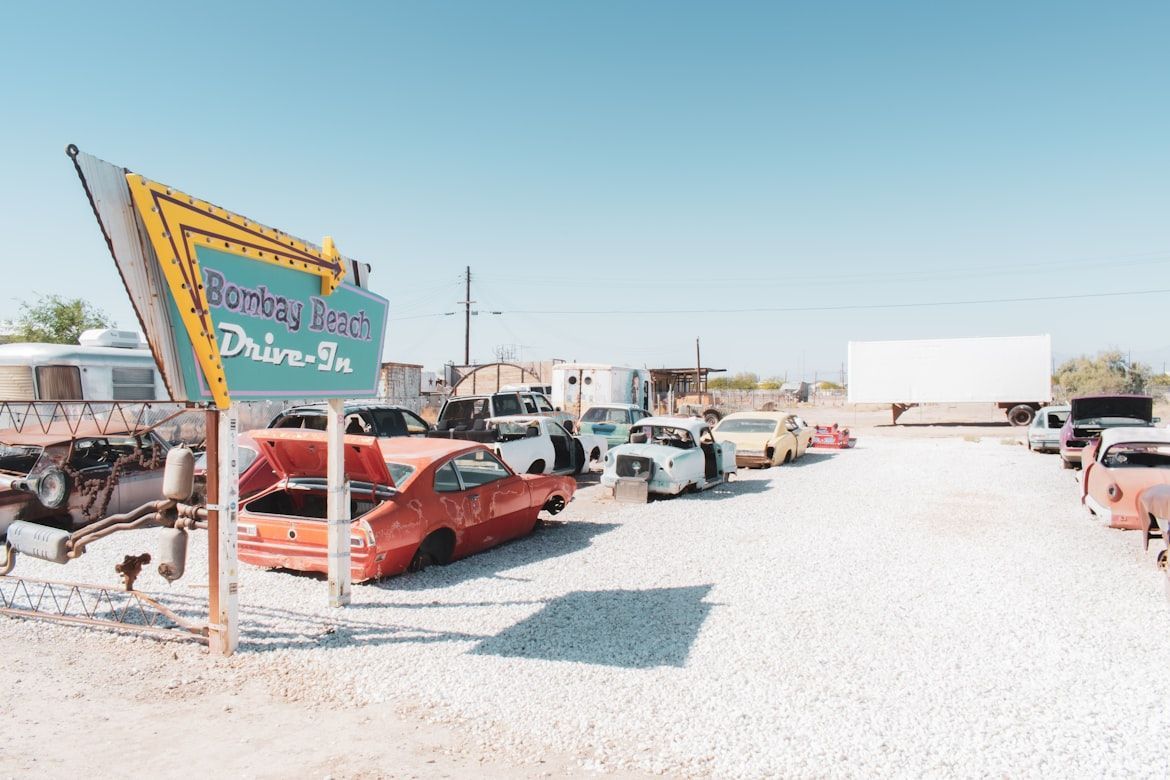
Image: Josh Sanabria

One could argue that with the rise of cinemas and the boom in automobiles, the drive-in theater was an obvious business idea. But somebody had to do it first.

​

In 1933, Richard Hollingshead Jr. opened the first drive-in theater in New Jersey , where people watched films from their cars.

6
First affordable and mass produced car
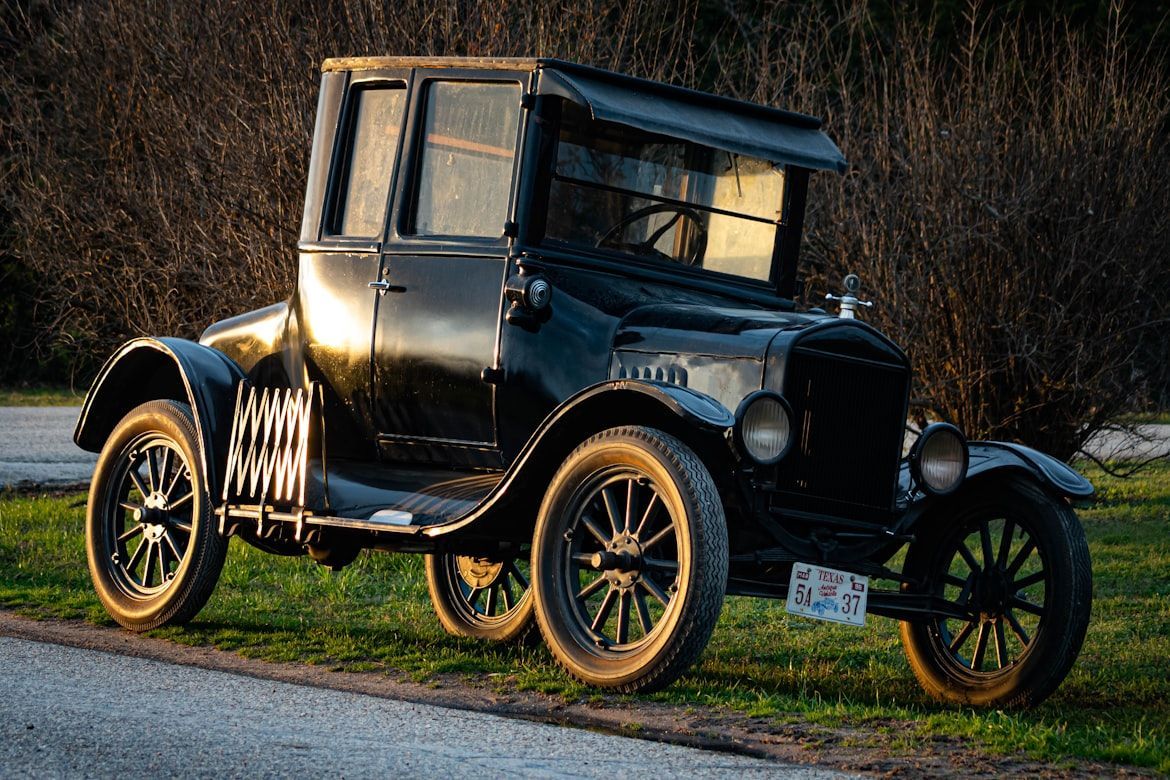
Image: Andrew Lancaster

In 1908, the U.S. auto industry delivered the Ford Model T, the first reliable, affordable automobile that was mass-produced for everyday Americans (and not just millionaires).

It revolutionized transportation by enabling mobility for the masses, reshaping how Americans lived, worked, and traveled across the country.

7
Fast food

Image: Jonathan Borba

As it couldn’t be otherwise, this concept was born in America. In 1916, a Wichita stand began selling hamburgers prepared hygienically and cooked quickly : The foundation for what became the fast food culture.

​

That modest stand evolved into larger chains and helped launch a global phenomenon of quick and affordable meals.

8
Film studios
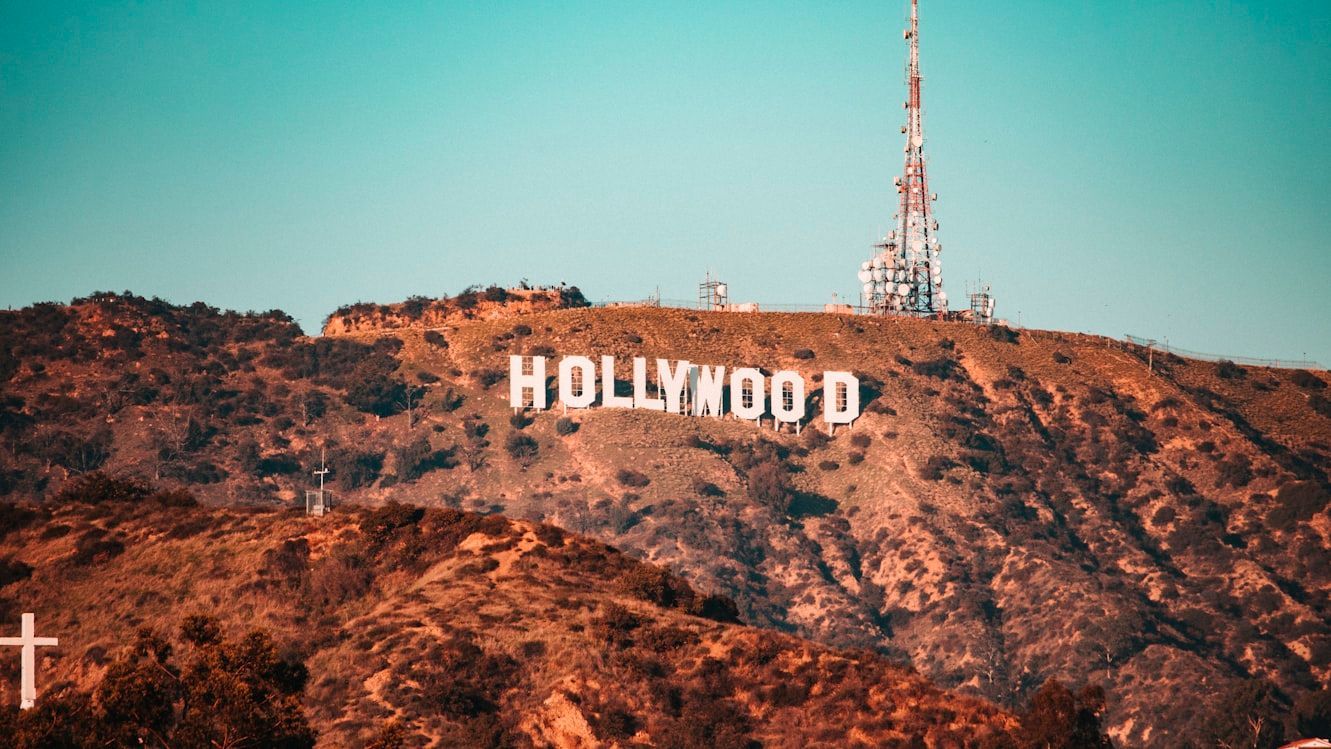
Image: Vincentas Liskauskas

Another concept spawned from a previously mentioned American first, the commercial moving pictures studio was all ours. During the late 19th century, the U.S. saw the creation of the first film studio system .

​

This early film production set the stage for storytelling, entertainment, and cultural exports that would spread worldwide.

9
Diving flippers
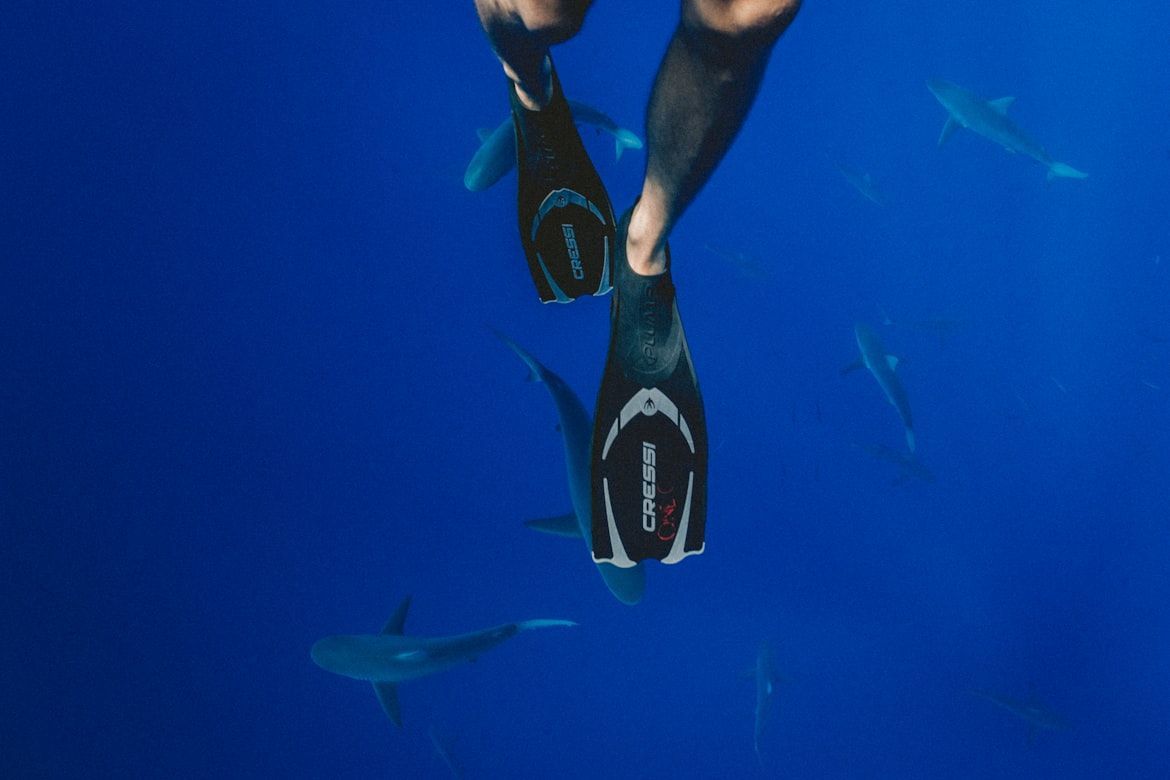
Image: Jakob Owens

In 1717, long before modern diving became common, the U.S. saw the first patent for swim-fins (flippers) , attributed to none other than the great Benjamin Franklin.

A small invention, perhaps, but one that revolutionized swimming, diving, and underwater exploration equipment worldwide.

10
Standardized patent-office system
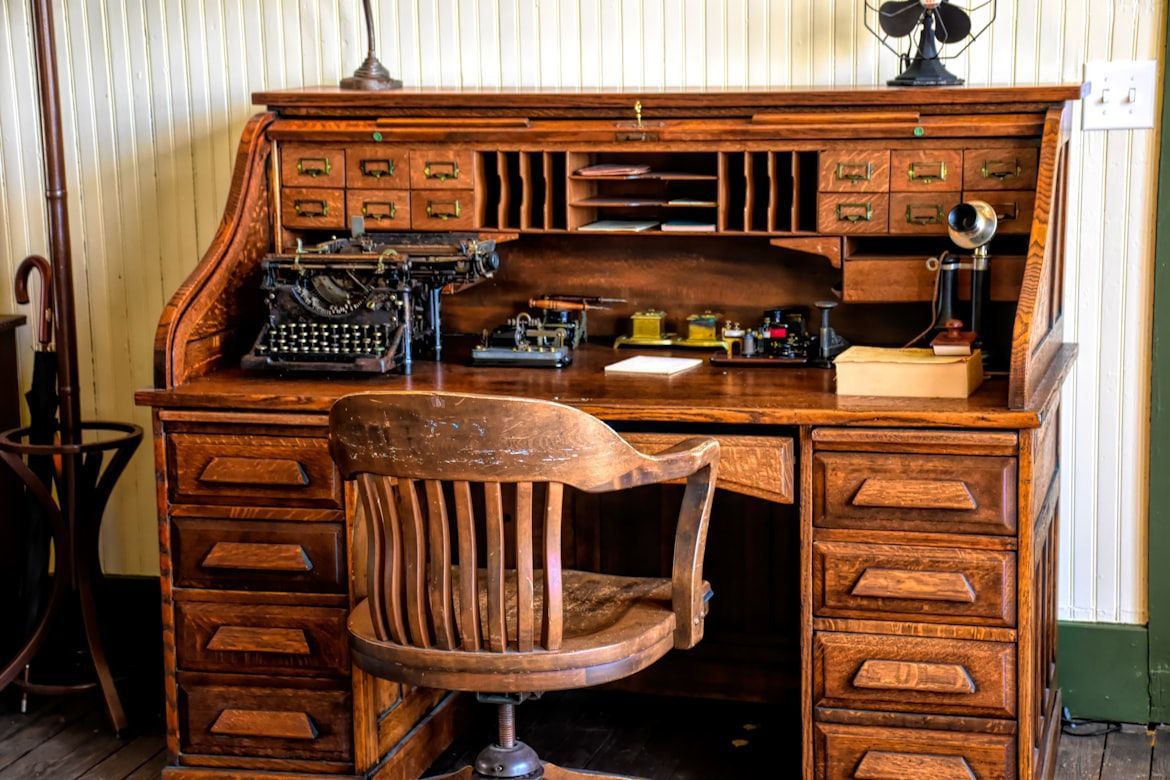
Image: Ray Shrewsberry

When the U.S. patent law was reformed in 1836, a central patent office was established, creating a system to review, grant, and catalogue inventions in a formal and systematic manner .

This institutional framework helped make the U.S. a global hub of invention and innovation, sustaining centuries of technological growth.

Geography Geography 3 min read

Go beyond Tahoe

Discover 12 lesser-known, but beautiful lakes to visit in the U.S.

Image: Timo Stern

America the Beautiful is filled with stunning natural landscapes for everyone to enjoy. However, for various reasons, some places are far more popular than others, and lakes are no exception to this phenomenon. While lakes like Tahoe and the Ozarks can get quite crowded, many lesser-known lakes offer equally breathtaking views—without the crowds. Take a look at the following 12 and see if any catch your interest!

1
Sunapee Lake, New Hampshire

Image: Jackson Hendry

This serene glacial lake in southwestern New Hampshire is nestled within Mount Sunapee State Park. Its visitors will find a spacious beach for swimming, a boat launch, and hiking trails within the park area.

Beyond the summer season, the lake is particularly beautiful during fall, when the surrounding trees display a vibrant array of colors.

2
Ross Lake, Washington State

Image: Paul Pastourmatzis

The remote Ross Lake, located in the North Cascades region of Whatcom County, Washington, is a hidden gem off the beaten path. This stunning lake winds its way through the landscape at 1,600 feet above sea level, framed on all sides by towering mountains.

Campsites accessible by boat or hiking are available, and backcountry camping is allowed with a permit. Visitors to Ross Lake come for trout fishing , canoeing , kayaking , and hiking .

3
Lure Lake, North Carolina

Image: Blake Wheeler

The gorgeous Lake Lure stretches along the base of Hickory Nut Gorge in the mountains of western North Carolina. If its shores look familiar, it’s because Patrick Swayze and Jennifer Grey filmed scenes here for the classic movie Dirty Dancing . The lake offers beaches and hiking trails for visitors to explore.

4
Ouachita Lake, Arkansas

Image: Aaron Burden

Nestled in the hills of the Ozarks, Lake Ouachita is home to a unique creature swimming beneath its surface—freshwater jellyfish. Unlike their saltwater relatives, these invertebrates are harmless and rarely found elsewhere. The lake also boasts over 200 uninhabited islands for visitors to explore.

5
Hamilton Pool Preserve, Texas

Image: Matthew Daniels

Located near Austin, the Hamilton Pool Preserve is a favorite summertime retreat for locals when the heat becomes overwhelming. This stunning natural pool was formed when the roof of an underground river collapsed after thousands of years of erosion.

Water from Hamilton Creek spills over the edge of the collapsed dome, creating a 15-meter waterfall that flows into the grotto below. The preserve also features hiking trails and picnic facilities for visitors to enjoy.

6
Almanor Lake, California

Image: Simon Berger

While most travelers visit the Northern Sierras for trekking, the region also boasts excellent swimming spots with magnificent backdrops —Lake Almanor being no exception.

This man-made lake sits within Plumas National Forest, adjacent to Lassen Volcanic National Park, offering visitors breathtaking views of the park’s namesake volcano.

7
Mono Lake, California

Image: Leo_Visions

Another California lake, Mono is not only the oldest in the entire US but also one of the oldest in the Western Hemisphere. Surrounded by the Sierra Nevada Mountains, it features towering limestone columns that rise dramatically from the lake bed. Mono Lake also serves as a vital habitat for migratory birds, which feed on the brine shrimp that thrive in its salty waters.

8
Bear Lake, Utah

Image: Daniel Bowman

When it comes to lakes in Utah, there’s more to explore than just the Great Salt Lake or Lake Powell. Bear Lake, a crystalline body of water straddling the Idaho–Utah border, is often called the " Caribbean of the Rockies " due to its striking bright blue hue, caused by suspended limestone in the water.

9
Blue Mesa Reservoir, Colorado

Image: Rocco Caruso

Next to the aforementioned Utah, Colorado is also home to a stunning yet relatively uncrowded lake—the Blue Mesa Reservoir. This picturesque body of water , surrounded by golden hills and rocky outcroppings, lies at the end of an hour-long hike down the Gunnison River Gorge.

10
Cave Run Lake, Kentucky

Image: Craig McLachlan

Cave Run Lake is located among the trees of Daniel Boone National Forest. The blue-toned water attracts fishermen, boaters, and swimmers alike to enjoy an escape from the heat, while its shores feature beaches and activity areas perfect for families.

11
Mooselookmeguntic Lake, Maine

Image: Les Anderson

This stunning Maine lake, part of the Rangeley Lakes region, is a renowned fishing hotspot . The distinctive shape of the lake can be appreciated from the Height of Land lookout, making it a must-visit for those seeking tranquility and outdoor adventure.

12
Hanging Lake, Colorado

Image: Irene Dávila

Reaching Hanging Lake requires a 1.2-mile hike, but the breathtaking views make the effort worthwhile. This stunning lake was formed by a geological fault , which caused it to separate from the valley above , leaving it suspended atop the cliffs of Glenwood Canyon.

Culture Culture 6 min read

Geniuses at work

We're here today because of them! Meet 10 Americans who changed history

Image: Quino Al

The United States is a land of progress and innovation, so it makes sense that many of the world's most important inventors and scientists are Americans. From breakthroughs like the lightning rod and the light bulb to advancements in the world of medicine, biology, and astronomy, there have been many men and women who, from different fields of study, have contributed to the scientific progress of our country and the entire world. Join us as we review these 10 American inventors and scientists who changed history!

1
Thomas Edison

Image: Call Me Fred

When it comes to inventors, we can't fail to mention the incredible Thomas Alva Edison.

Edison was born on February 11, 1847, in Milan, Ohio, and since he was a child, he showed his interest and talent in mechanics and electricity. At the age of 11, he set up his first laboratory in his parents' home, and by the age of 12, he ran his own business: a newspaper he designed, printed, and sold himself.

Creator of the phonograph (the first device capable of recording and reproducing sounds) and a fundamental part in the development and popularization of inventions such as the electric light bulb and the motion picture camera, Edison patented more than 1000 creations during his lifetime. Impressive!

2
Benjamin Franklin

Image: Dan Mall

Born in Boston, Benjamin Franklin was one of our Founding Fathers, the men whose principles, values, and ideas shaped America. But as if that weren't enough, Franklin was also a renowned scientist, inventor, and polymath.

A pioneer in the field of electricity, he's remembered for his famous kite experiment, which demonstrated the electrical nature of lightning and led to the invention of nothing less than the lightning rod. In addition, he's also credited with iconic inventions such as the first efficient wood-burning stove (later known as "the Franklin Stove"), the bifocal glasses, and the glass armonica.

3
Samuel Morse

Image: The New York Public Library

Unlike other scientists and inventors on this list, Samuel Morse began his journey in a completely different field: art.

Morse studied at Yale, where he completed his studies in 1810. He then embarked on a trip to Europe to continue his artistic education, but this trip awakened another peculiar interest in him. Frustrated by the communication methods of his time, Morse focused his creativity on finding ways to transmit information over long distances using electrical signals. Thus, the revolutionary telegraph was born, along with its way of communication, the Morse code.

4
The Wright Brothers

Image: Simon Fitall

The Wright Brothers were the famous siblings who, in the 20th century, achieved a goal long sought by humanity: flight.

Wilbur and Orville Wright are credited with inventing, building, and flying the world's first successful airplane. As you probably know, on December 17, 1903, they made the first sustained flight in history using the Wright Flyer, their iconic invention.

On that December morning, the brothers flipped a coin, letting fate decide who would be the first to test the aircraft. Although Wilbur won, that first attempt failed. So it was Orville who flew for 12 seconds, traveling 120 feet over Kitty Hawk, North Carolina.

5
George Washington Carver

Image: Tom Hermans

George Washington Carver was born in the 1860s in Diamond, Missouri. In the 1890s, his intelligence and hard work enabled him to enter Iowa State College (now Iowa State University), where he earned a master's degree in agricultural sciences. In 1896, he became the head of the agriculture department at Tuskegee Institute in Alabama, where his career as a professor and a researcher took off.

Thanks to his investigations and tests, George Washington Carver made major contributions to agriculture, including his innovative techniques for crop rotation . In addition, he developed many and varied peanut products, such as oil, flour, soap, and ink, helping to make this crop one of the key products of the country's economy.

6
Carl Sagan

Image: Vaibhaw Kumar

The stars and the mysteries of the universe captivated the famous Carl Sagan from an early age. Born in Brooklyn, New York, in 1934, Sagan studied at the University of Chicago, where he earned degrees in physics, astronomy, and astrophysics, eventually working and collaborating with NASA.

His contributions to the field of astronomy earned him a position in projects such as the Mariner, Viking, Voyager, and Galileo missions, thanks to which we have learned a lot about Venus, Mars, and Jupiter. The famous high temperatures of Venus, for example, were confirmed thanks to his work.

Additionally, his book and series Cosmos attracted the public's interest in astronomy, inspiring many others to follow in his footsteps.

7
Grace Hopper

Image: Museums Victoria

While computer programming may seem like a modern issue, the pioneers of this field were already working as early as the 1940s.

Grace Hopper graduated in mathematics and physics in 1928 and obtained a master's degree and a Ph.D in mathematics from Yale University in 1934. Famous as a pioneer in the world of programming, Hopper's work began during World War II when she joined the US Naval Reserve. There, she worked on the earliest electromechanical computers and developed extensive and complex manuals to operate them.

Her greatest contribution came from her work with mathematical codes, which she translated and adapted into innovative machine-readable language. That innovation led to the creation of the first high-level programming languages.

8
Jonas Salk

Image: Олег Мороз

Jonas Salk is none other than the mind behind a medical milestone: the polio vaccine.

In the 1940s, Salk was beginning his career in medical research. While working at the University of Michigan, his work was crucial in developing the first successful influenza vaccine for the military during WWII. This event marked his later study of the poliovirus.

Polio was devastating during the first decades of the 20th century, but that changed dramatically thanks to Salk's work. The scientist led a team that succeeded in developing the first safe and effective injectable inactivated poliovirus vaccine (IPV) in 1955, and the rest is history.

9
Barbara McClintock

Image: digitale.de

Although her name may not be as instantly recognizable as some others on this list, her work definitely is. Barbara McClintock has undoubtedly made one of the most significant contributions to medicine and genetics.

In the 1940s and 1950s, she worked with chromosomes, investigating their role in inheritance, which led to discoveries that forever changed our understanding of genes.

Before her, genes were believed to be fixed and immutable. But McClintock came to change that idea with her most famous contribution: the discovery of transposable elements, aka "jumping genes." She demonstrated that jumping genes are present in multiple organisms, including humans, and play an essential role in genetic evolution.

10
Alexander Graham Bell

Image: Misho Tektumanidze

Alexander Graham Bell became interested in sound and communication at a young age, something that led to his greatest and most remembered contribution: the telephone.

Although born in 1847 in Edinburgh, Scotland, Alexander Graham Bell settled in the United States in 1871 and became an American citizen years later. It was here that he developed most of his experiments and research.

After years of experimenting with methods to transmit sound through electrical currents, Bell finally spoke into his invention on March 10, 1876, saying to his assistant, "Mr. Watson, come here. I want to see you." That was the first successful telephone call in history.

Explore more American facts

Choose your favorite category!

General
General

As American as apple pie—the very best America has to offer!

Culture
Culture

Delve into the astounding richness of American lore.

Geography
Geography

Hop in and explore vast and diverse American landscapes.

History
History

Discover the key moments that shaped the United States.