Culture Culture 4 min read

Which one’s your favorite?

From Gilligan to Alf: 10 great TV series from back in the day

Image: DS Stories

For decades now, television series have been a part of our culture. And while many have faded into oblivion, quite a few are fondly remembered by fans all over the world, even years after their endings. Maybe it has to do with nostalgia, or perhaps it is something else, but no one can deny that characters like MacGyver or Alf are very much alive in pop culture. The following 10 are just a handful of the ones deserving a spot on this list, but still, these are the ones we remembered the most. Which ones do you recall?

1
The Twilight Zone

Image: Artie_Navarre

The first show on our list was a fantasy science-fiction series created and presented by Rod Serling, which ran for five seasons from 1959 to 1964. Each episode presented a standalone story in which characters dealt with often disturbing or unusual events , an experience described as entering "the Twilight Zone", often with a surprise ending.

Since the show appeared, the phrase "Twilight Zone" has become a household term used to describe surreal experiences. The series featured both established stars and younger actors who would become much better known later.

2
Bewitched

Image: RDNE Stock project

America’s favorite witch, Samantha Stephens was the star of Bewitched , a sitcom series that aired from 1964 to 1972. The plot of the show revolves around a witch who marries an ordinary mortal man and leads the life of a typical suburban housewife.

The show was popular and starred Elizabeth Montgomery as Samantha Stephens, Dick York as Darrin Stephens, and Agnes Moorehead as Endora, Samantha’s mother.

3
Gilligan’s Island

Image: Michael

Its iconic soundtrack and Gilligan’s bucket hat remain a part of today’s pop culture. This sitcom aired from 1964 to 1967, and it followed the misadventures of seven castaways trying to survive on an island where they shipwrecked.

Most episodes revolve around the different castaways’ conflicts and their unsuccessful attempts to escape the island, with the ship’s first mate, Gilligan, usually being responsible for the failures.

4
M A S H

Image: The Australian War Memorial

This comedy-drama aired from 1972 to 1983 and was a spinoff of the 1970 film M A S H. The series follows a team of doctors and support staff stationed at the "4077th Mobile Army Surgical Hospital" (hence the name, M A S H) in South Korea during the Korean War.

The series included broad comedy and tragic drama and was one of the highest-rated shows in U.S. television history, regarded by many as one of the greatest television shows of all time. Its final episode remains both the most-watched finale of any television series and the most-watched episode of a scripted series.

5
Mister Rogers' Neighborhood

Image: Yannis H

Very few people in showbusiness, if any, are as widely appreciated as Fred Rogers, the host of Mister Rogers’ Neighborhood . Both his onstage and offstage persona were filled with a wholesome warmth that became an oasis in an increasingly loud and superficial medium as national television.

His half-hour educational children’s television show ran from 1968 to 2001. The series was aimed primarily at preschool children ages 2 to 5, but it was labeled by PBS as "appropriate for all ages".

6
Knight Rider

Image: Arthur Besnard

The television series that showcased a young David Hasselhoff helping people in distress with his talking car aired from 1982 to 1986. Michael Knight (Hasselhoff’s character) was a modern-day crime-fighter who used a technologically advanced, artificially intelligent automobile.

The car, named KITT, was virtually indestructible due to a high-tech coating applied to it. Knight Rider stories usually depicted either average citizens or ethical heads of corporations being bullied into subservience to an overbearing or ruthless criminal organization.

7
Cheers

Image: Alex Knight

A feelgood series, Cheers aired from 1982 to 1993. It was set in a bar of the same name in Boston, owned by former Red Sox pitcher Sam Malone, where a group of locals met to drink, relax, socialize, and escape from their daily routine.

During its run, Cheers became one of the most popular series in history, received critical acclaim from its start to its end, and is frequently cited as one of the greatest television shows of all time.

8
Sledge Hammer!

Image: kampfmonchichi

Its short lifespan (two seasons) didn’t prevent Sledge Hammer! from leaving a mark in pop culture. This satirical police sitcom aired from 1986 to 1988 and featured Inspector Sledge Hammer, a volatile agent of the law who solved crimes with outlandish methods. Hammer was accompanied by his partner, Dori Doreau, and the irascible police captain, Trunk.

9
MacGyver

Image: Nipun Haldar

MacGyver was the name of the show and the character who sold a million Swiss Army knives. It was an action-adventure television series starring Richard Dean Anderson as Angus MacGyver, a secret agent armed with remarkable scientific resourcefulness to solve any problem out in the field using any materials at hand.

The show aired from 1985 to 1992 and was a ratings success. While some reboots for the series appeared in the years after its ending, none of those managed to achieve its predecessor’s success.

10
Alf

Image: Erik Mclean

The extra-terrestrial being that crash-landed in the Tanner family garage, Alf, had a hit sitcom that aired from 1986 to 1990. The series starred Max Wright as the ather, Willie Tanner, Anne Schedeen as the mother, Kate Tanner, and Andrea Elson and Benji Gregory as their children, Lynn and Brian Tanner.

As in the case of MacGyver , a few years after the original series ended, some reboots were announced.

Geography Geography 5 min read

Do you know who was the "Father of the National Parks"?

Image: Rakshith Hatwar

Known for its cliffs, waterfalls, and forests, Yosemite National Park holds far more than meets the eye: ancient trees older than empires, rare creatures that survived the Ice Age, and natural phenomena so strange it feels like magic. Whether you climb its tall granite walls or trace misty trails through hidden valleys, Yosemite invites you into a world where history, wonder, and wilderness meet. Here are ten facts that prove why this iconic park remains one of Earth’s true treasures.

1
Father of the National Parks

Image: Amaury Gutierrez

John Muir was a Scottish-born naturalist who devoted his life to protecting the wilderness, especially the Yosemite Valley area. He wasn’t content to simply admire the towering cliffs and ancient trees; he wrote tirelessly, crafting essays, letters, and articles that stirred both the hearts of ordinary readers and Congress representatives.

Muir’s words painted Yosemite not just as a landscape, but as a sacred treasure worth safeguarding. His relentless advocacy culminated in 1890 with the creation of Yosemite National Park, a triumph that earned him the nickname "Father of the National Parks". Even today, his legacy whispers through the valleys, reminding visitors that one person’s dedication can change the course of history.

2
A hike for every adventurer

Image: Nick Herasimenka

Some trails are built to challenge your limits, while others seem designed to comfort your soul. For those hungry for adrenaline, the Half Dome hike is the crown jewel: a 14-mile round trip of punishing switchbacks, dizzying cliffs, and cables that pull you toward a summit where sky and earth blur into one endless horizon.

Yet, Yosemite is just as generous to the quiet wanderer. The Mirror Lake Trail offers a soft stroll through shaded forest, ending in still waters that hold Half Dome’s reflection like a painting on glass. Here, courage and calm walk side by side—proof that in Yosemite, the trail you choose always leads to wonder.

3
Sunshine and rain: the perfect mix

Image: Joshua Earle

Think of California as a desert with endless sunshine? Yosemite tells a different story! Yosemite Park’s climate shifts dramatically with the seasons, offering a rhythm as dynamic as its landscapes. Winter storms roll in with steady rains feeding rivers, swelling waterfalls, and covering the higher elevations in snow.

Summer, on the contrary, arrives almost bone-dry. This contrast creates the park’s natural pulse: meadows explode with wildflowers, waterfalls thunder with fresh snowmelt, and clear blue skies stretch endlessly above hikers and climbers. The result is a cycle that ensures Yosemite is alive and ever-changing, no matter the season.

4
Carved by ice

Image: Colin + Meg

Nearly a million years ago, colossal glaciers crept through the Sierra Nevada like rivers made of ice, reshaping everything in their path. Some towers of ice reached heights four times taller than the Empire State Building, grinding, carving, and polishing the granite beneath them.

Their patient work sculpted the valley into the sweeping U-shape we see today, framed by jagged peaks, polished domes, and sheer cliffs that rise like walls in a cathedral. What appears like it was always there is, in truth, the breathtaking result of nature’s artistry in motion.

5
Sequoias that look like giants

Image: Adrián Valverde

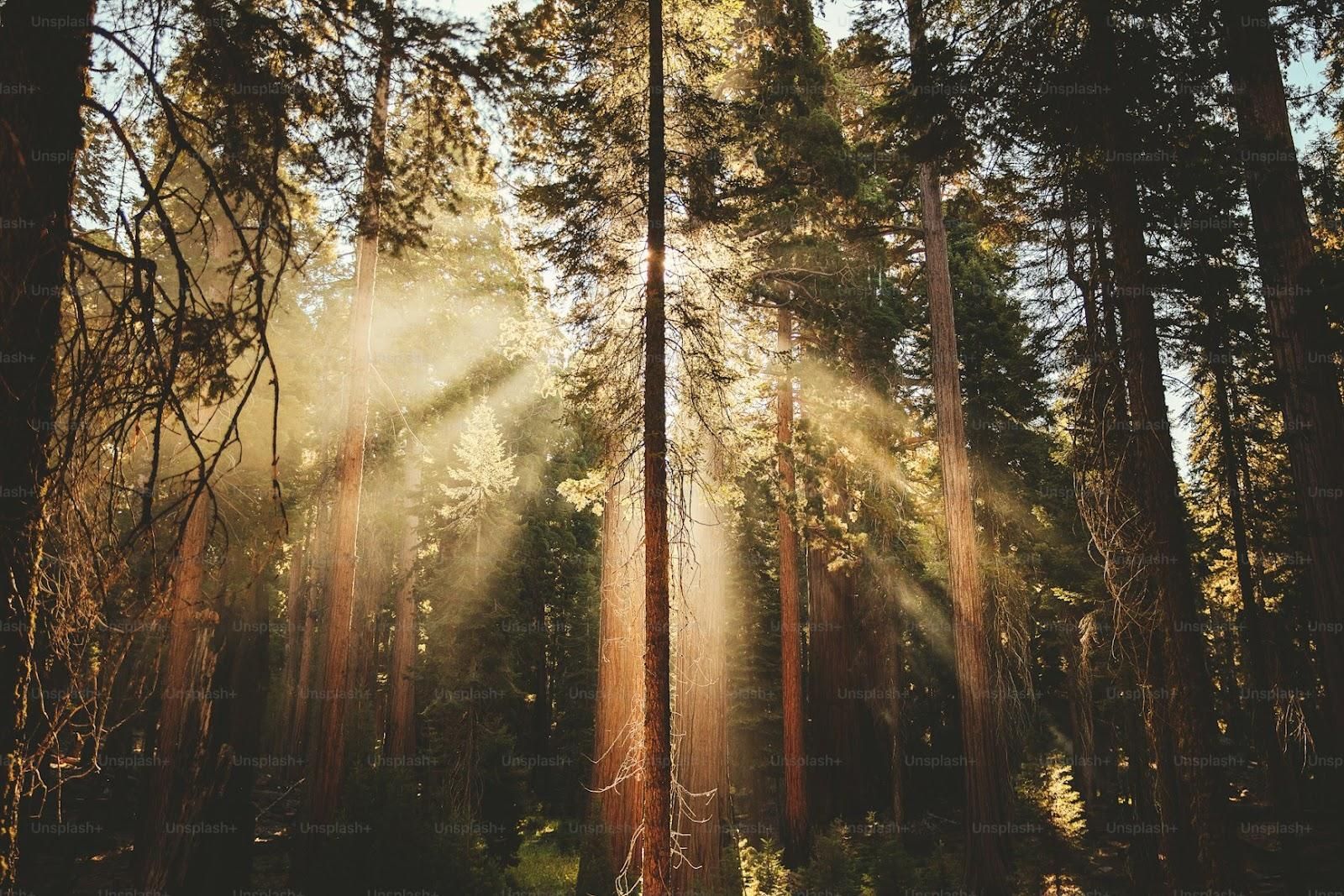
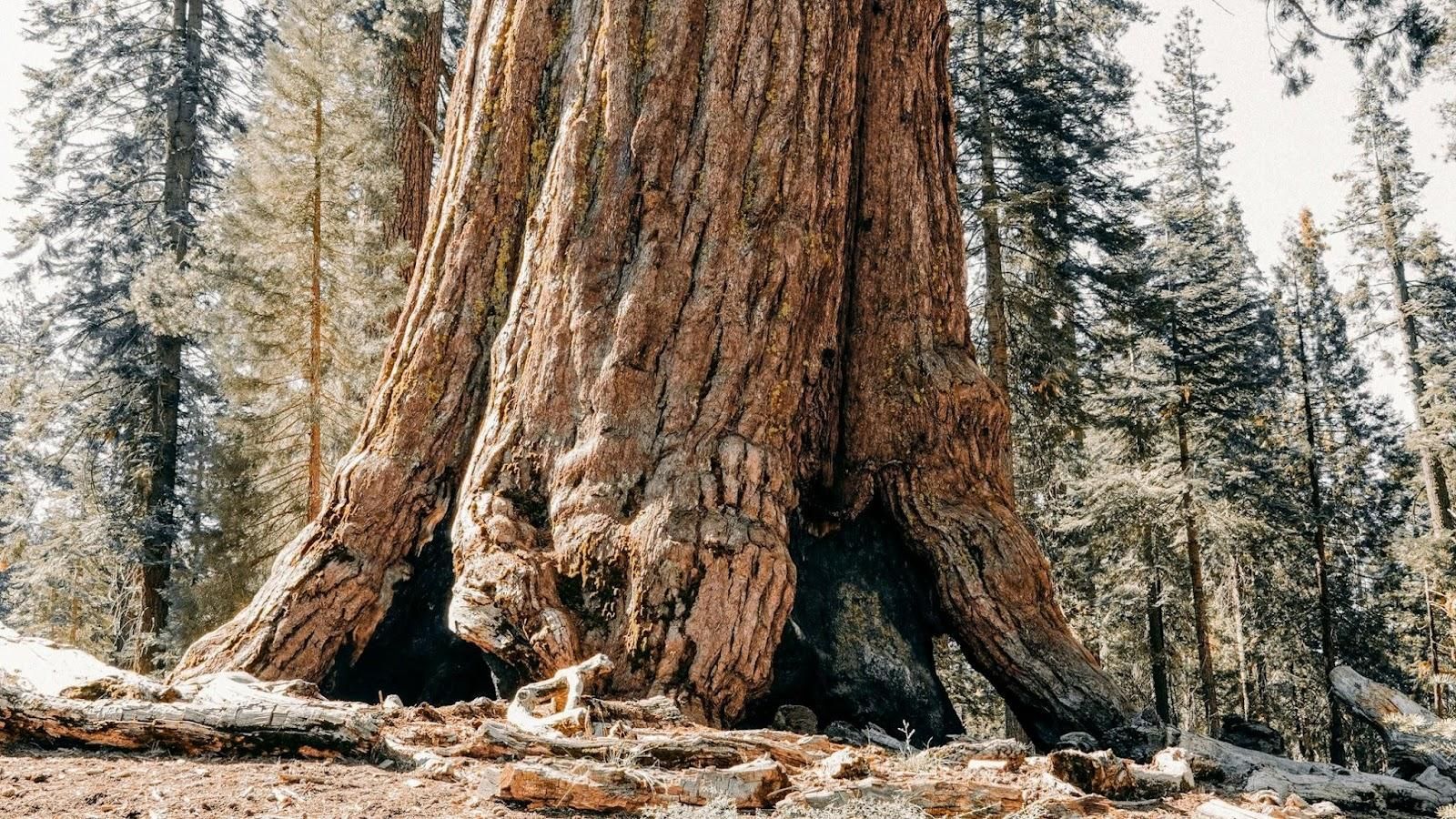
Yosemite is home to some of the most awe-inspiring trees on Earth. The giant sequoias tower over the landscape, sometimes growing taller than 250 ft and stretching over 30 ft across at the base.

Among these living giants, the Grizzly Giant in Mariposa Grove stands out as a true ancient marvel, estimated to be nearly 3,000 years old—making it older than many human civilizations and a silent witness to millennia of history. Walking among these colossal trees feels like stepping into a natural cathedral, where every trunk tells a story of time, endurance, and the sheer power of nature.

6
Waterfalls that reach for the sky

Image: Jeremy Lwanga

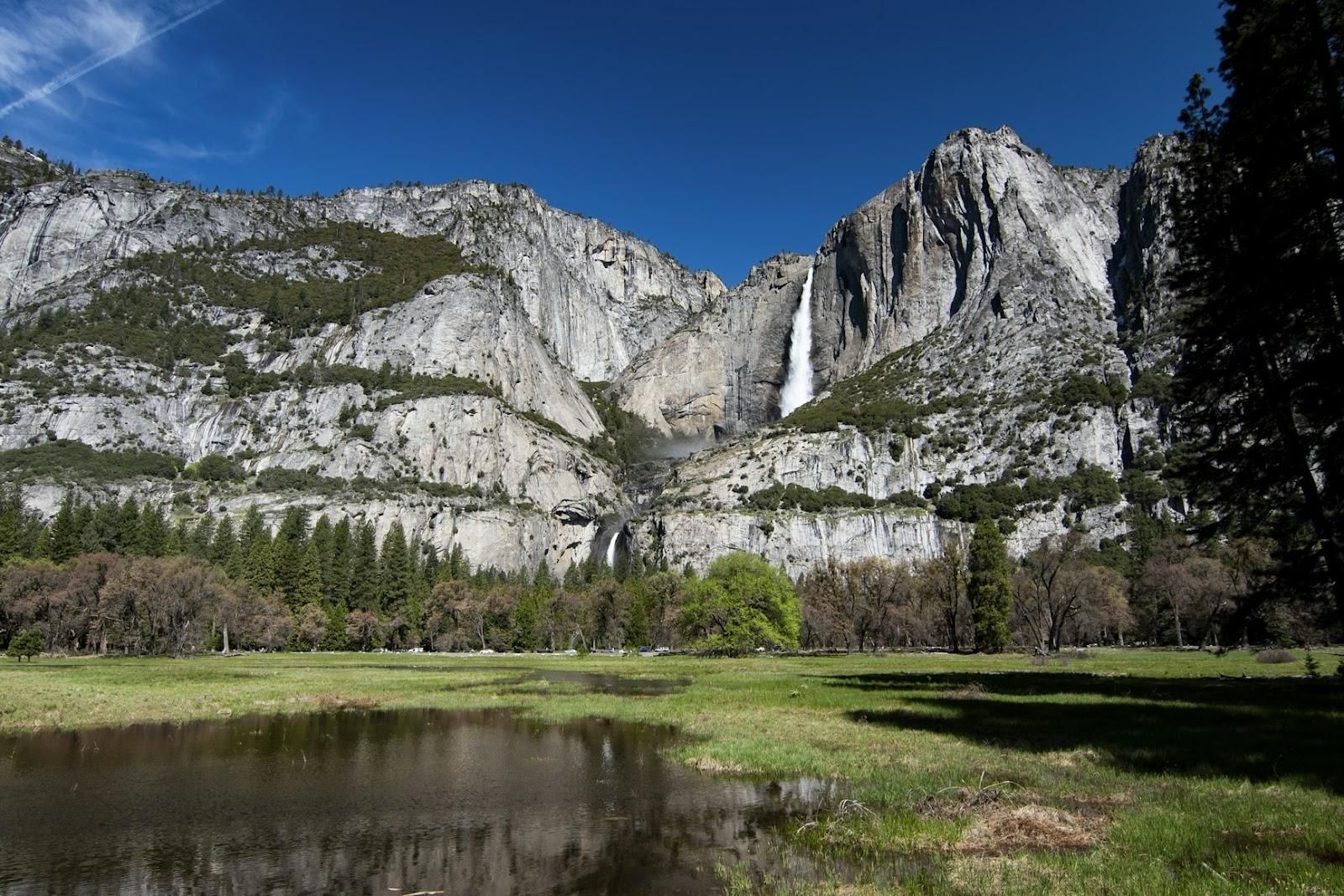
Picture yourself at the base of a waterfall so immense it could swallow nine Statues of Liberty stacked on top of each other. That’s Yosemite Falls, one of the tallest cascades in North America, plunging a mind-blowing 2,425 feet.

But that’s not all. In springtime, Yosemite transforms into a symphony of rushing water: Ribbon Fall hurls its silvery stream, Horsetail Fall shimmers like molten glass, and Nevada Fall thunders with unstoppable force. Each waterfall plays its own note, and together they turn the valley into a grand amphitheater, where water takes center stage and every visitor is swept up in the drama, power, and beauty of nature’s performance.

7
A camping trip that changed the park forever

Image: Underwood & Underwood, Public domain, via Wikimedia Commons

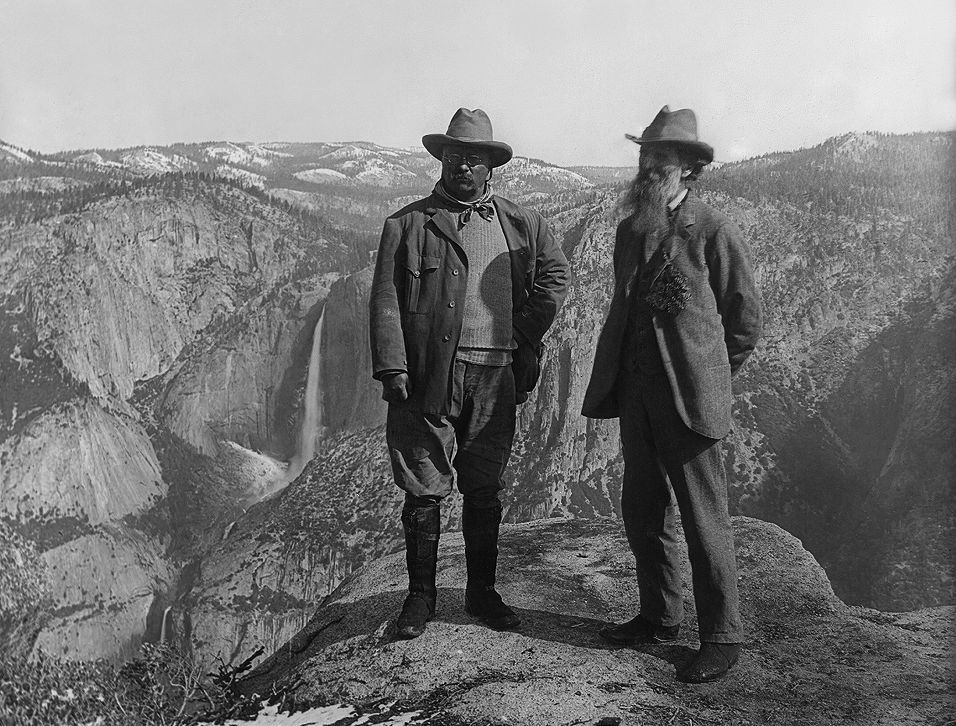
Sometimes, a single night spent in the outdoors can reshape the course of history. In 1903, naturalist John Muir invited President Theodore Roosevelt to a campout in Yosemite—no ceremony, no politics, only the crackle of fire, the chill of mountain air, and the vast sky overhead.

Immersed in the park’s untamed beauty, Roosevelt saw for himself what words alone could never capture. When he returned to Washington, with the beautiful scenery forever carved in his heart, he decided to place Yosemite Valley and the giant sequoias of Mariposa Grove under federal protection, securing a legacy of wild wonder that millions still experience today.

8
Rocks that catch fire at sunset

Image: Leo_Visions

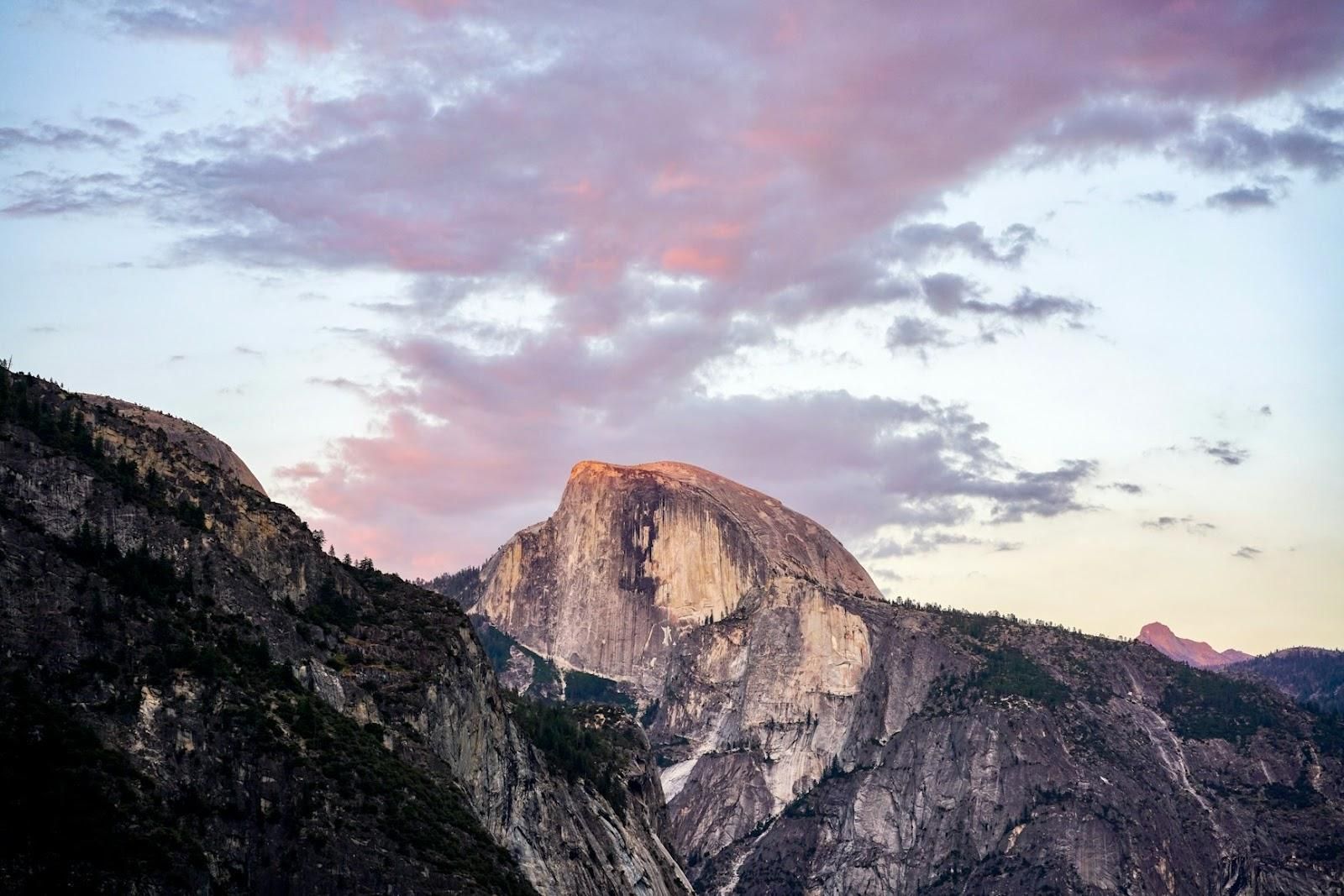
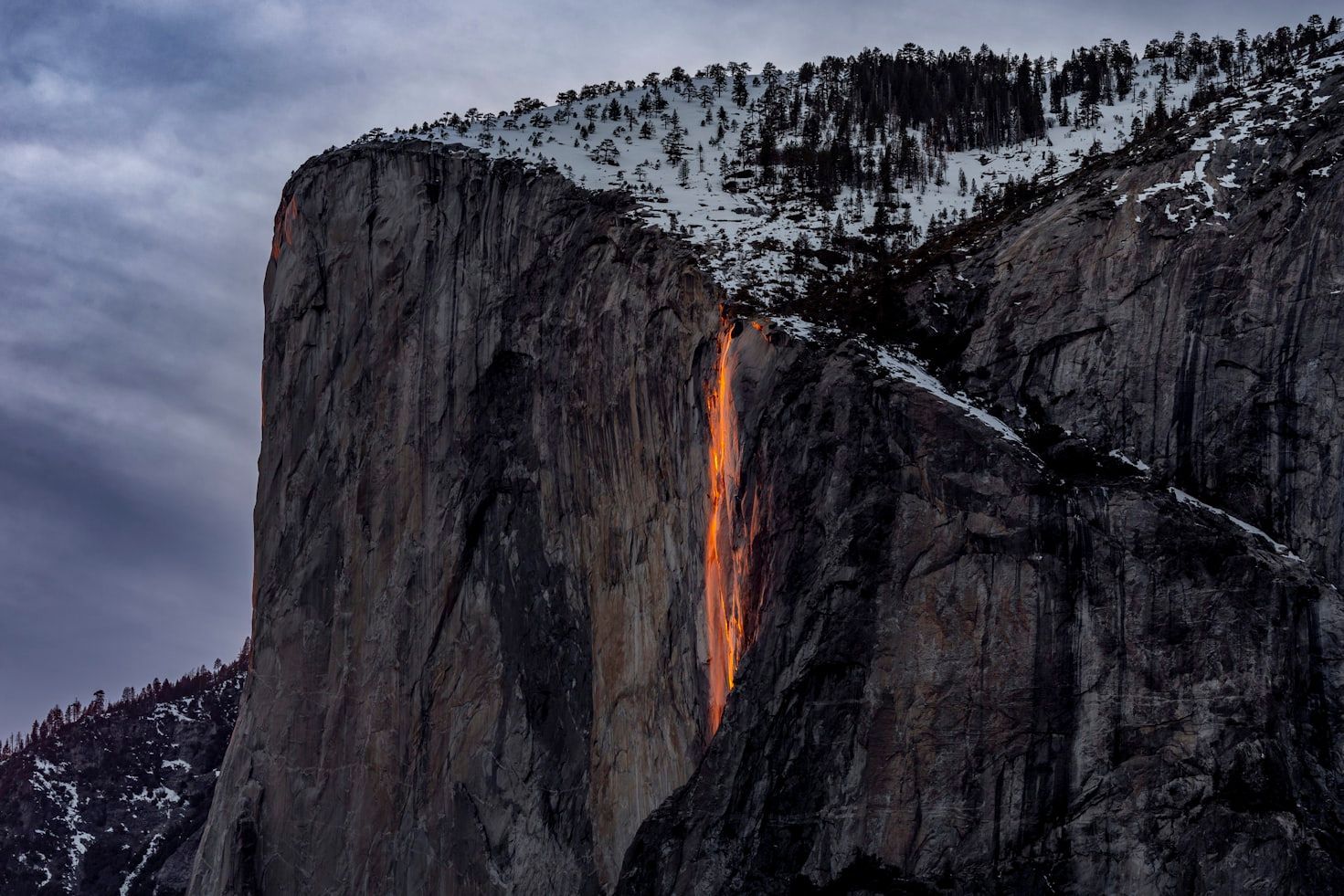
It might seem like something conjured from a legend, yet Yosemite’s cliffs truly blaze with light. As the day draws to a close, the sun paints El Capitan and Half Dome in fiery shades of orange and crimson, giving their granite walls the illusion of burning from within.

But the park saves its most dazzling event for mid-February, when Horsetail Fall transforms into the legendary "firefall." For a few fleeting evenings, the angle of the setting sun ignites the waterfall into a glowing torrent of liquid flame. Photographers, travelers, and dreamers gather from all corners of the country to witness this ephemeral wonder. It lasts only moments, but its brilliance lingers in memory long after the light fades out.

9
A home for the rare red fox

Image: Ray Hennessy

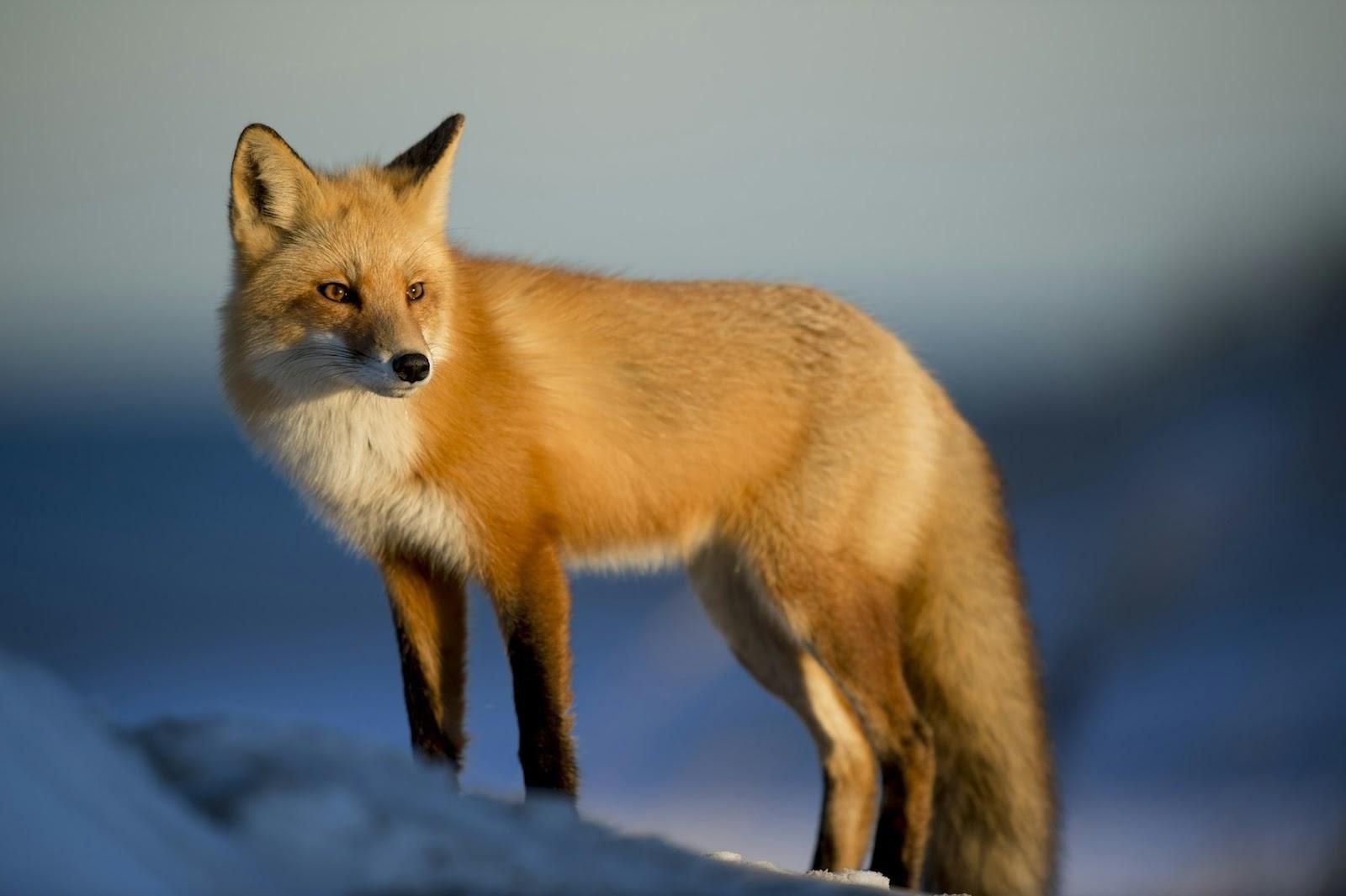
Tucked away in the remote heights of Yosemite lives one of the park’s most extraordinary residents— the Sierra Nevada red fox. Rarely seen and shrouded in mystery, this small but resilient predator has roamed California’s high mountain ranges since the Ice Age. With a lineage stretching back thousands of years, it is both a living relic of the past and a symbol of survival in harsh alpine conditions. Its elusive behavior and ancient roots make every confirmed sighting feel like a glimpse into a secret chapter of natural history.

10
A nighttime rainbow

Image: Karl Anderson

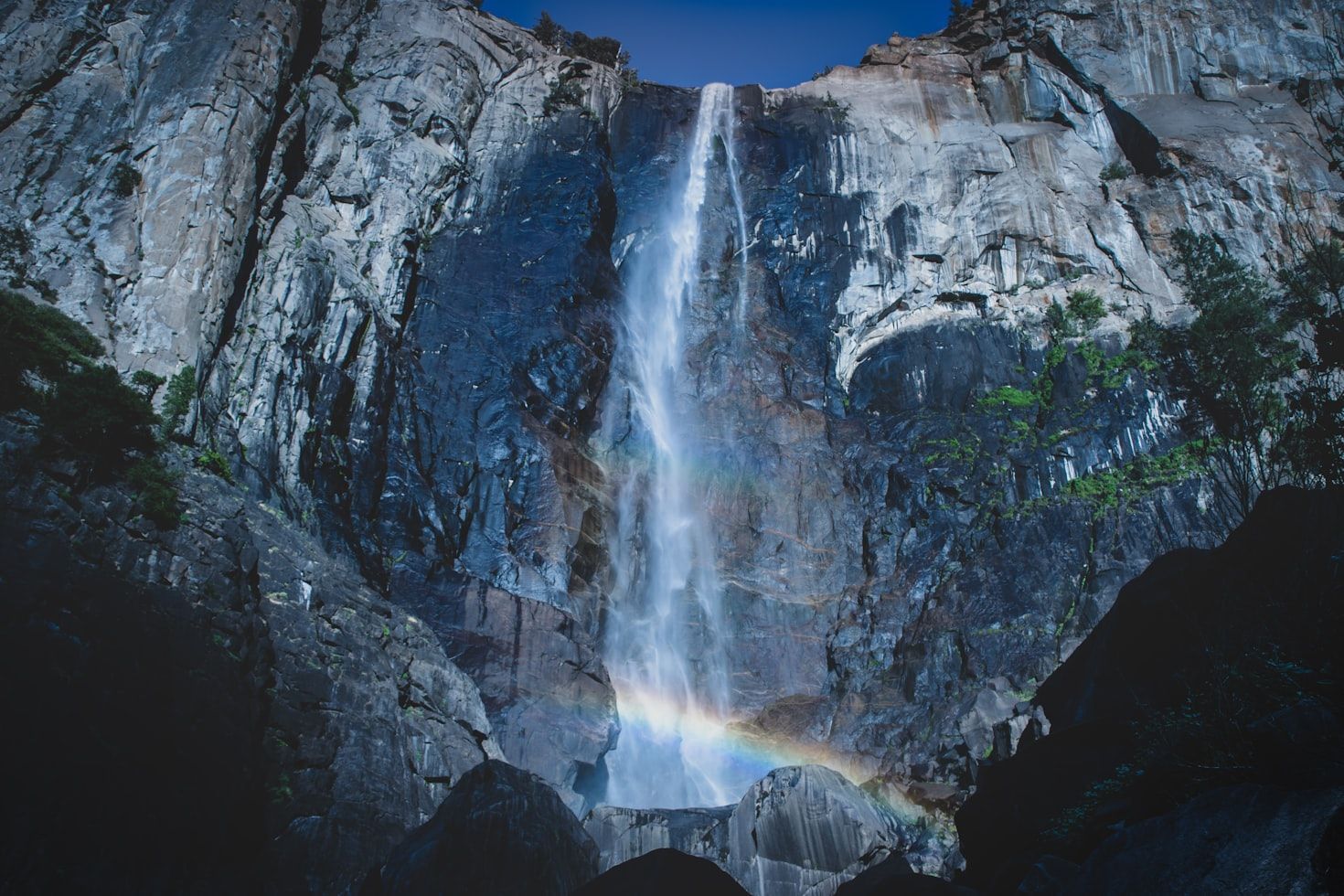
If a daytime rainbow feels too normal, Yosemite unveils a secret reserved for the night: the moonbow. On crisp spring evenings, when the sky is clear and the moon is bright, its silvery light bends through the fine spray of the waterfalls. The result is a faint, shimmering arc —delicate, ghostly, and glowing against the darkness. This phenomenon is so rare that catching it almost feels like stumbling into a hidden doorway, where the ordinary world slips away and nature reveals one of its most magical illusions.

History History 5 min read

Would you survive these situations?

Many people don’t believe these 10 real survival stories. Do you?

Image: Yaroslava Borz

True survival tales make for the best motivational stories. Realizing the kind of challenges that a human being can withstand while continuing to persevere is both captivating and inspiring. The women, children, and men we are about to mention managed to pull off incredible feats and save their lives under terrible circumstances. Do you think you have what is necessary to survive in these situations?

1
Skydiving accident survivor

Image: Eun-Kwang Bae

Jordan Hatmaker was not an expert, but she had done enough skydiving jumps to recognize when something was wrong. On November 14, 2021, she jumped from a height of 4,100 meters and deployed her parachute. But a series of unfortunate malfunctions led to the chutes opening at the very last moment—and in a disastrous way—causing her to crash land.

Although Jordan survived, she suffered a spinal injury, broke her shin, completely shattered her ankle, and was paralyzed from the waist down. The doctors couldn’t tell if she would ever walk again. Yet, just three months after the accident, she defied expectations and began walking. Since then, she’s even climbed Mount Everest base camp.

2
Survived being frozen for 6 hours

Image: Jared Erondu

Imagine being frozen solid for a full six hours. Almost anybody who has been in a similar situation, even for a much shorter time, has experienced serious consequences or even death. But not Jean Hilliard, who slipped in the ice in the harsh Minnesota winter, knocked herself unconscious and remained frozen for six hours until a friend discovered her.

After her friend took her to the hospital, doctors had trouble inserting an IV cannula because her arm was frozen solid. But, after thawing her with heat pads, Jean came back to life and her body returned to its normal state. Her extremities took a bit longer to come around; her toes, especially, were numb for some time. Remarkably, Jean recovered quickly and has experienced no lasting physical effects from that fateful December night frozen in the ice.

3
Survived a self-amputation

Image: Justin Luebke

If you have seen the film 127 Hours then you’ll recognize this story: Aron Ralston was hiking in a remote Utah canyon when a boulder fell, trapping his arm . With no one around to hear his cries for help and his water supply dwindling, Aron made the excruciating decision to sever his arm below the elbow using a dull multitool.

After freeing himself, Ralston rappelled down a 65-foot cliff and hiked several miles through the rugged terrain before being discovered by a search and rescue helicopter.

4
Military jet crash survivor

Image: Albert Stoynov

David Steeves, a U.S. Air Force lieutenant, was ordered to fly a Lockheed T-33A trainer jet from an Air Force base near San Francisco to Craig Air Force Base near Selma, Alabama, on May 9, 1957. Shortly after takeoff, Steeves and the jet disappeared without a trace, and he was declared dead after an extensive search yielded no results. After the incident, during the height of the Cold War, Steeves faced unfounded accusations of defecting and giving the trainer jet to the USSR.

However, Steeves appeared out of the Sierra Nevada the following July. He claimed that after an explosion in the jet, he had ejected and parachuted to safety. For two weeks, he survived without food until he discovered a ranger’s cabin in Kings Canyon National Park, where he found fishhooks, beans, and a canned ham to sustain himself.

5
Rode off a cliff in her vehicle

Image: Fabian Quintero

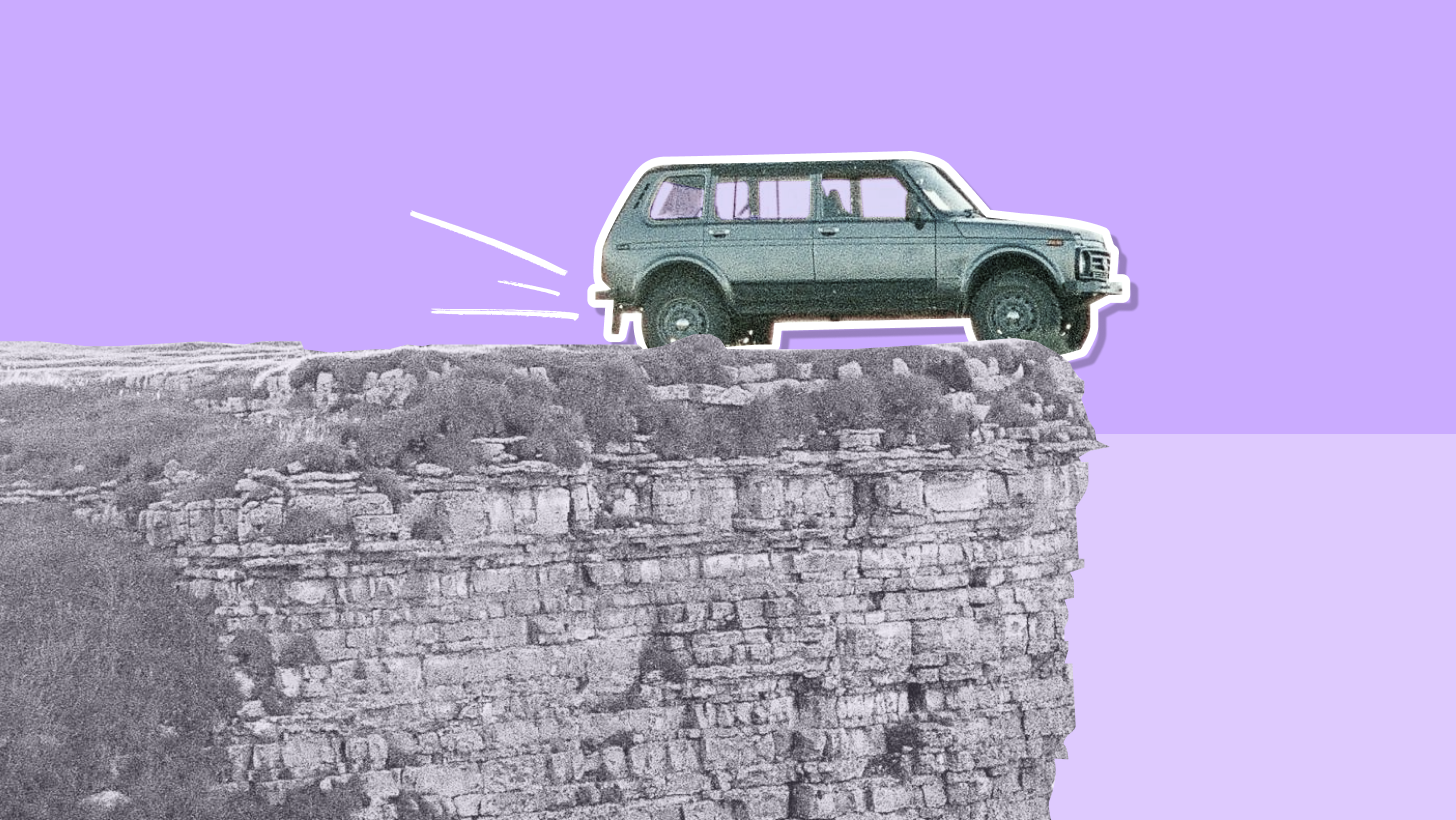
In a scene straight out of a movie, Angela Hernandez swerved to avoid hitting a small animal on the road and accidentally drove her SUV off a cliff. Her vehicle tumbled about 200 feet to a desolate, rocky beach.

Despite suffering a brain hemorrhage, fractured ribs, a broken collarbone, ruptured blood vessels in both eyes, and a collapsed lung, Hernandez managed to pull herself out of the sinking car. She walked for days until hikers stumbled across her wrecked Jeep and scoured the beach. Eventually, they found Hernandez crumpled up, sleeping on some rocks. After surviving seven harrowing days, she was finally rescued.

6
Three-year-old survives 2 days in the wilderness

Image: Jeremy McKnight

Three-year-old Ryker Webb was playing with his dog when he decided to take a walk on his own and wandered off. After his disappearance, a massive search was launched, and for two days the search team made no progress. Then, a family visiting their remote cabin in the middle of the wilderness heard the faint cries of a little boy coming from behind a shed.

Ryker was found tucked into a lawnmower bag. He was dressed in a light blue onesie that had been covered in dirt. After they called the police, the family was shocked to learn about the massive search that had been going on. The little boy survived two days in Montana wilderness, in near-freezing temperatures in an area, that according to locals, is heavily populated with bears and mountain lions.

7
Saved his family from a plane crash

Image: Gianluca Bei

Saving oneself from a plane crash is an extraordinary feat in itself. But saving an entire family as well is exponentially harder. On August 13, 2011, Donald Evans and his family were flying to their new home in Anvik, Alaska, aboard a Cessna plane when tragedy struck. The plane crashed into the mountains, killing the pilot and another passenger, and leaving Donald and his family— including his pregnant wife—badly injured .

Despite his own injuries, Donald managed to keep his family alive until the National Guard arrived by helicopter to rescue them. Amazingly, every member of the family survived, including their unborn daughter.

8
Quicksand survivor

Image: Sumner Mahaffey

Quicksand is a threat much more present in child stories than in real life but it does exist, as Ryan Osmun discovered in the worst possible way. While hiking in Utah’s Zion National Park he and his girlfriend tried to cross an innocent-looking pond that turned out to be quicksand.

After managing to save his girlfriend, Ryan sank into the sandy bottom to no avail. He had to wait for long hours until help arrived at the scene, just in time to save his life with a pulley system to yank him out of the ordeal.

9
Surviving the Desert

Image: Max Templeton

At 72 years old, Ann Rodgers spent nine days lost in the Arizona desert keeping herself alive thanks to skills acquired at a survival course and her own knowledge of nature. After getting lost on a distant dirt road and running out of gas, she left her car and started wandering the desert.

Had she stayed in her car, police would have found her 3 days later. Despite this misstep, Ann managed to survive. After 9 days, a helicopter found her thanks to a large "HELP" sign she had crafted out of rocks and took her to the hospital, where she made a full recovery.

10
Lost in the woods with poor eyesight

Image: Jeremy Bishop

Being lost in the woods is a bad thing as it is. But being lost in the woods with very bad eyesight and no glasses is much worse. This is exactly what happened to Marcus Mazzaferri at Yosemite National Park when he tried to traverse a river by foot, slipped on a rock, and was pulled by the rapids.

Marcus was able to reach a river bank and wandered through the woods, challenged by cold and darkness, without his much-needed glasses. He hiked using deer tracks, which he was barely able to see, as his only guide. Eventually, he was able to contact a plow crew near the river and was saved.

Explore more American facts

Choose your favorite category!

General
General

As American as apple pie—the very best America has to offer!

Culture
Culture

Delve into the astounding richness of American lore.

Geography
Geography

Hop in and explore vast and diverse American landscapes.

History
History

Discover the key moments that shaped the United States.