General General 4 min read

Which tradition is your favorite?

From Groundhog Day to roadkill cookoff: 12 weird traditions in America

Image: fietzfotos

America is known for its bold personality, and that spirit shows up in some quirky traditions. From competitive eating contests to cherry pit spitting, and those perfectly posed (and sometimes hilariously awkward) holiday family cards, there's no shortage of ways people across the country celebrate and have fun. Do you participate in any of these 13 traditions?

1
Competitive eating
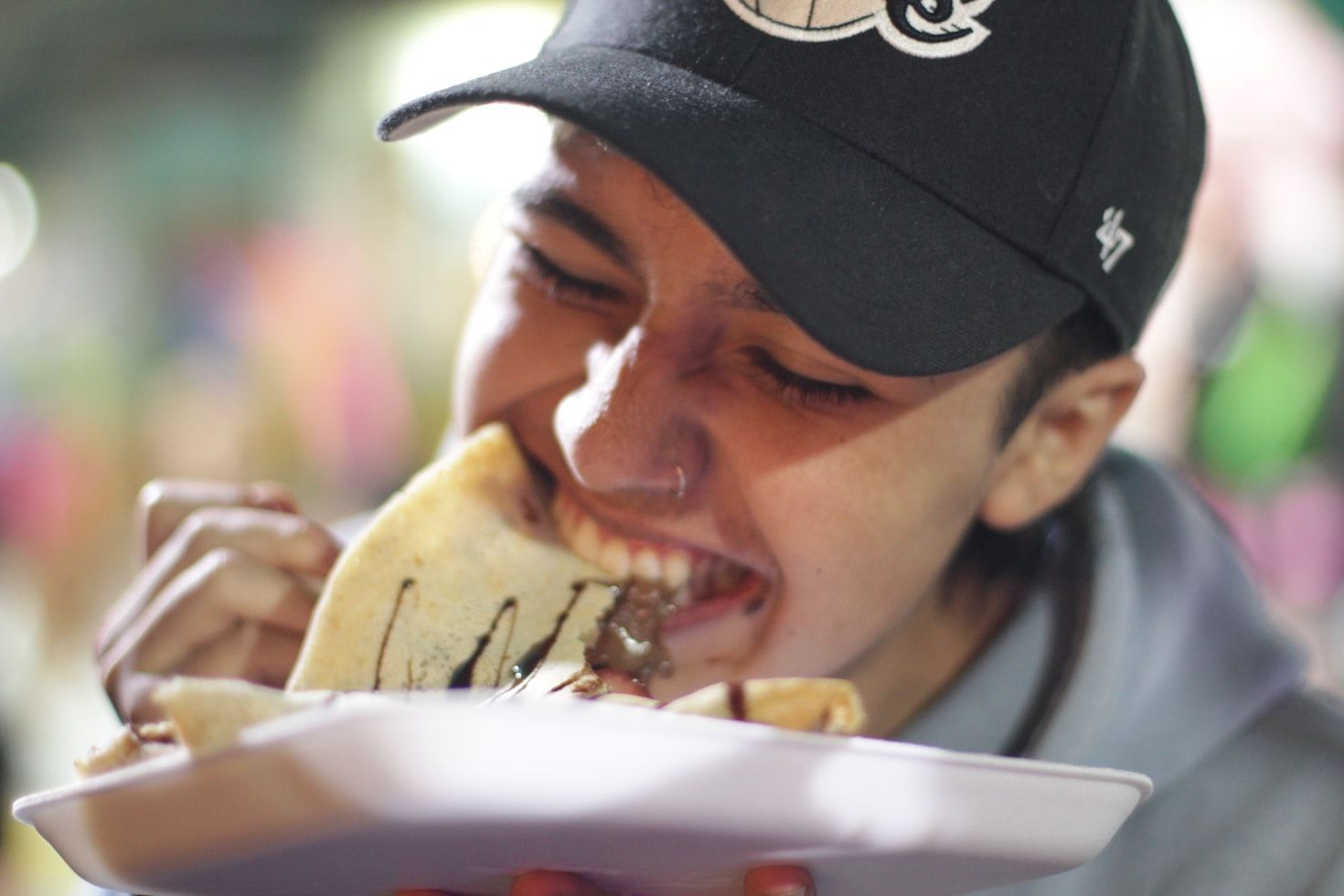
Image: Gigi

Nathan’s Famous claims to have hosted its first Fourth of July hot dog-eating contest in 1916 at Coney Island. According to legend, four immigrants took part to prove who was the most patriotic . The winner, an Irishman, downed 13 hot dogs to claim the title.

Though this origin story was likely an invention for publicity, this quirky event has grown into the beginnings of what would become a long-standing American tradition.

2
Turkey pardoning
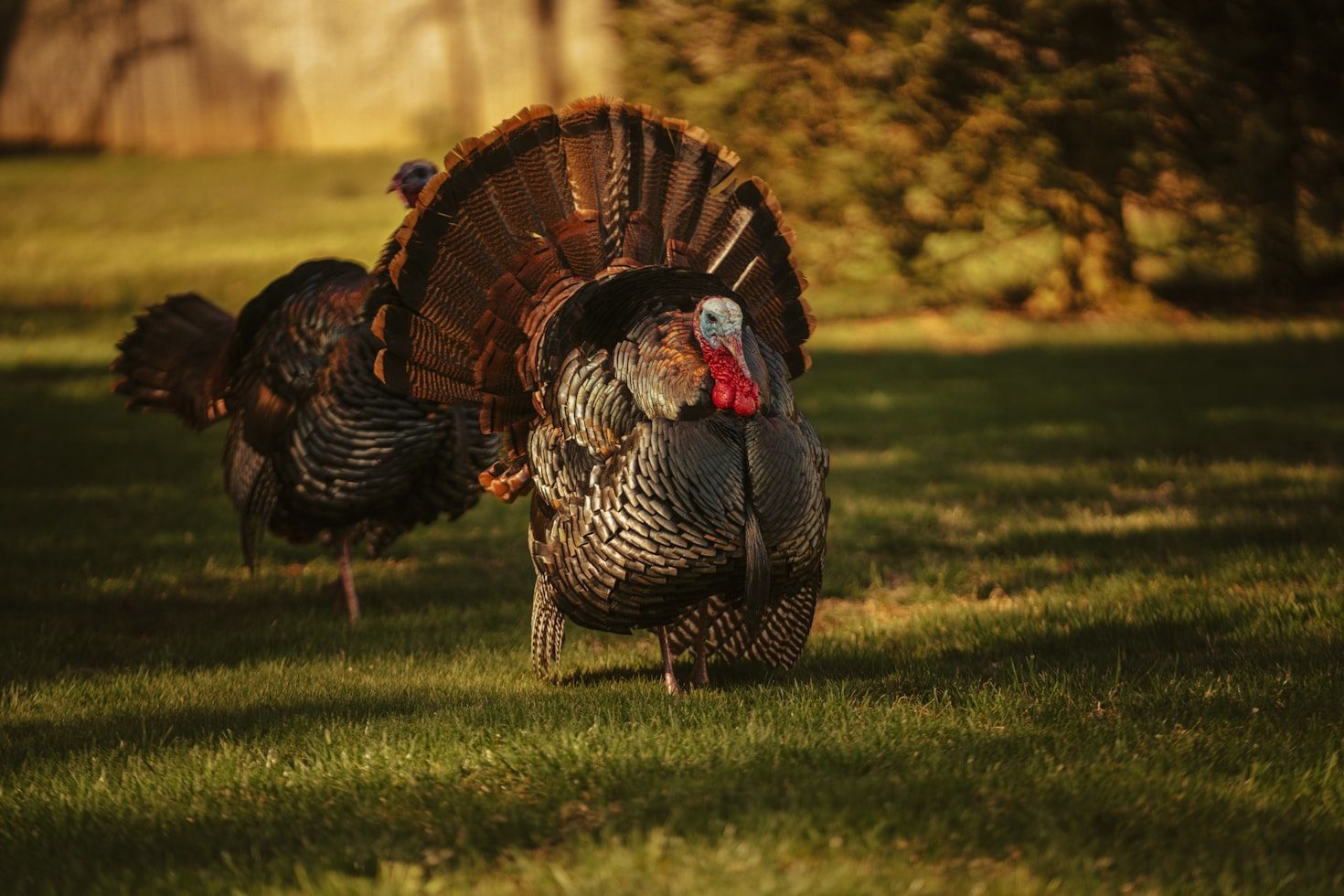
Image: Tyler Donaghy

The tradition of pardoning a turkey dates back to 1863, when President Abraham Lincoln reportedly spared a bird after his son Tad begged for its life . Originally meant for Christmas dinner, the turkey was saved thanks to Tad’s compassion.

While a few later presidents, including Harry Truman and John F. Kennedy, also chose to spare turkeys, it wasn’t until 1989 that President George H.W. Bush made the turkey pardon an official White House tradition.

3
Groundhog Day
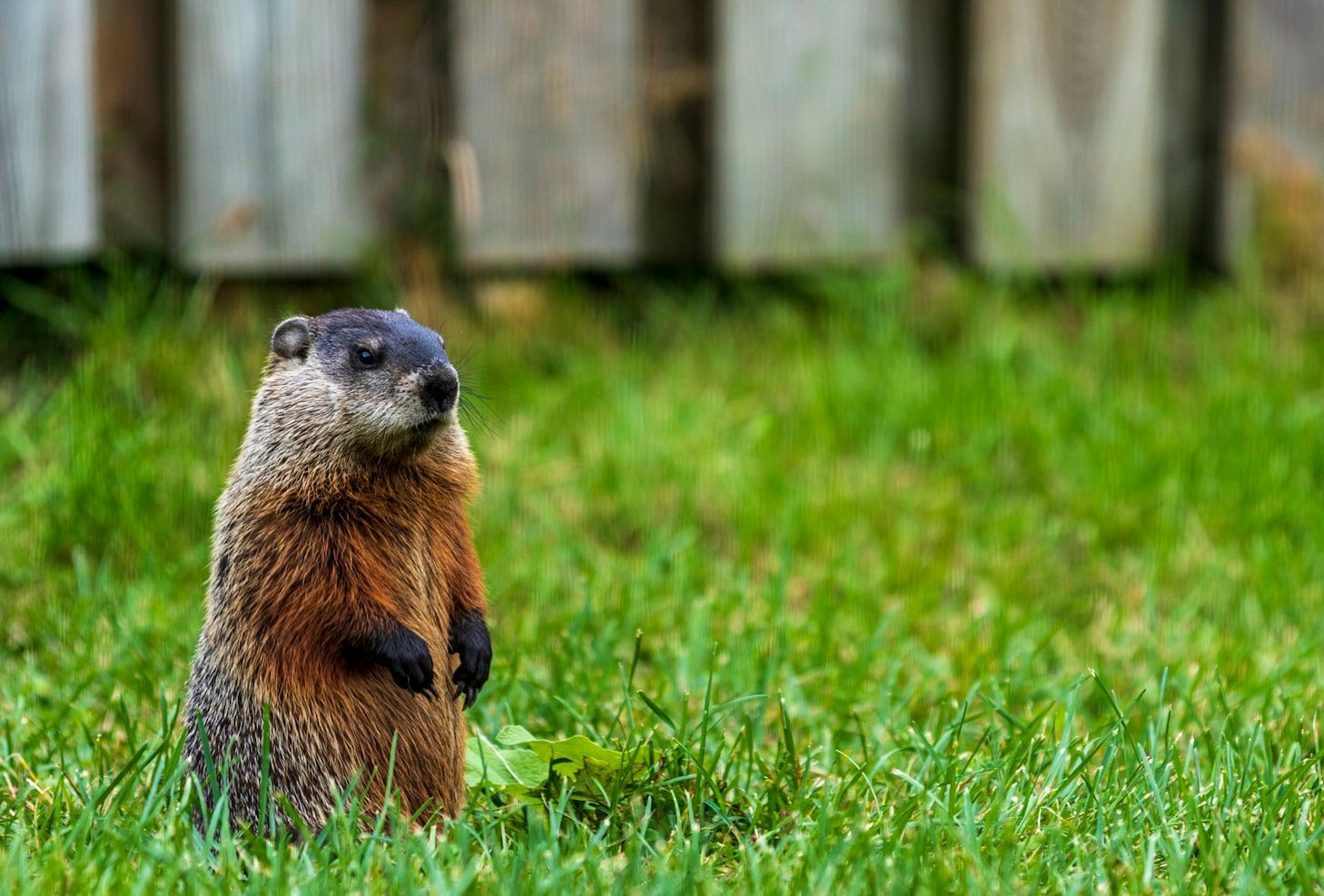
Image: Camerauthor Photos

Groundhog Day centers around a groundhog named Punxsutawney Phil , who is said to predict the weather each February 2nd . If Phil sees his shadow, it signals six more weeks of winter; if not, spring is supposedly on its way.

The tradition began when newspaper editor Clymer Freas pitched the idea to the Punxsutawney Groundhog Club in the late 1800s. Despite its popularity, Phil’s weather predictions have only been accurate about 39% of the time, according to the National Climatic Data Center.

4
Pickle-shaped ornaments on Christmas trees
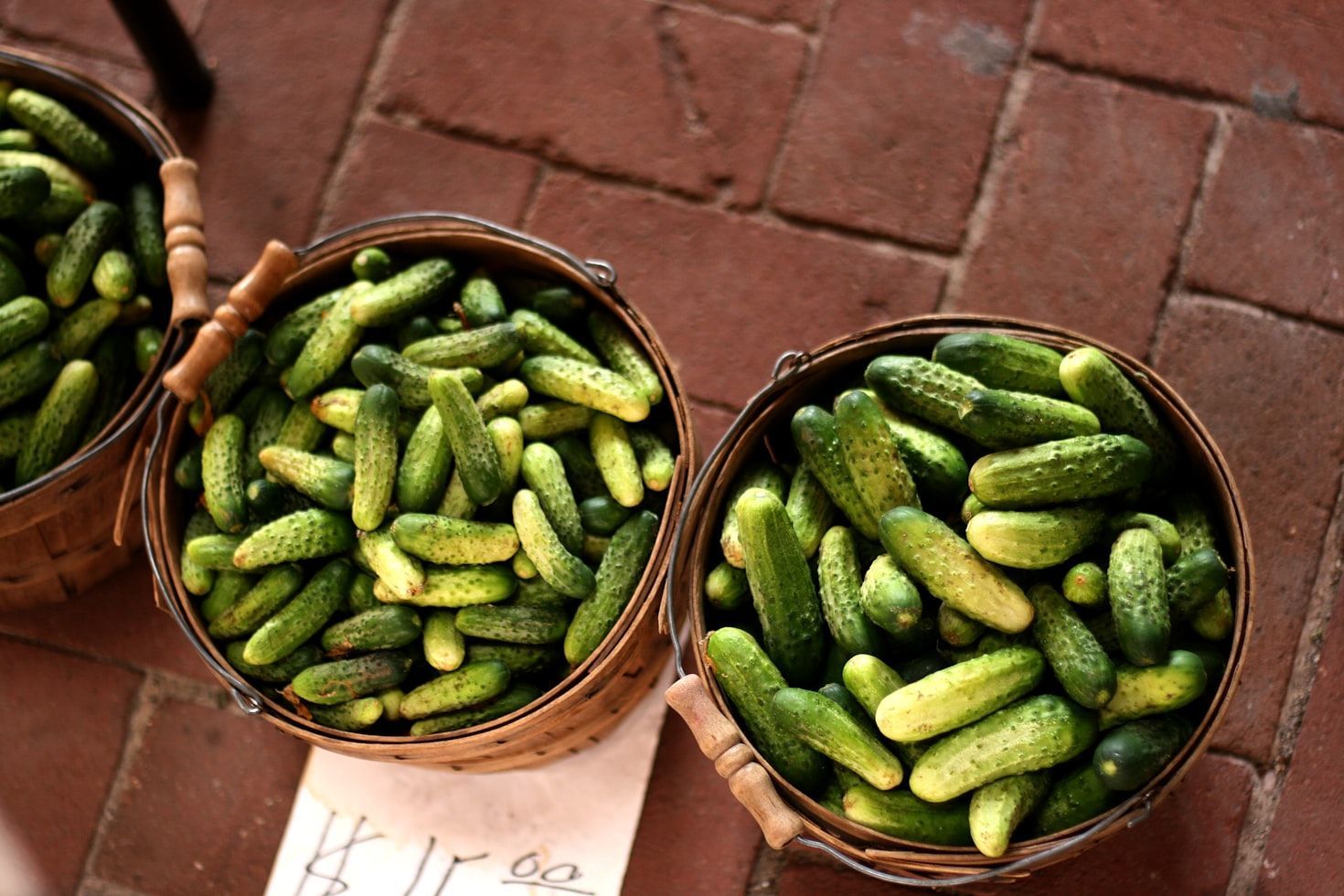
Image: Drew Geraets

The Christmas pickle tradition is believed to have started as a clever marketing move by Woolworths. After receiving a large stock of pickle-shaped ornaments , the store invented a festive game to help sell them.

They encouraged families to hide the pickle in their Christmas tree, with a small prize going to whoever found it first. What began as a sales tactic eventually became a quirky holiday tradition in many American homes.

5
Alaska's Nenana Ice Classic
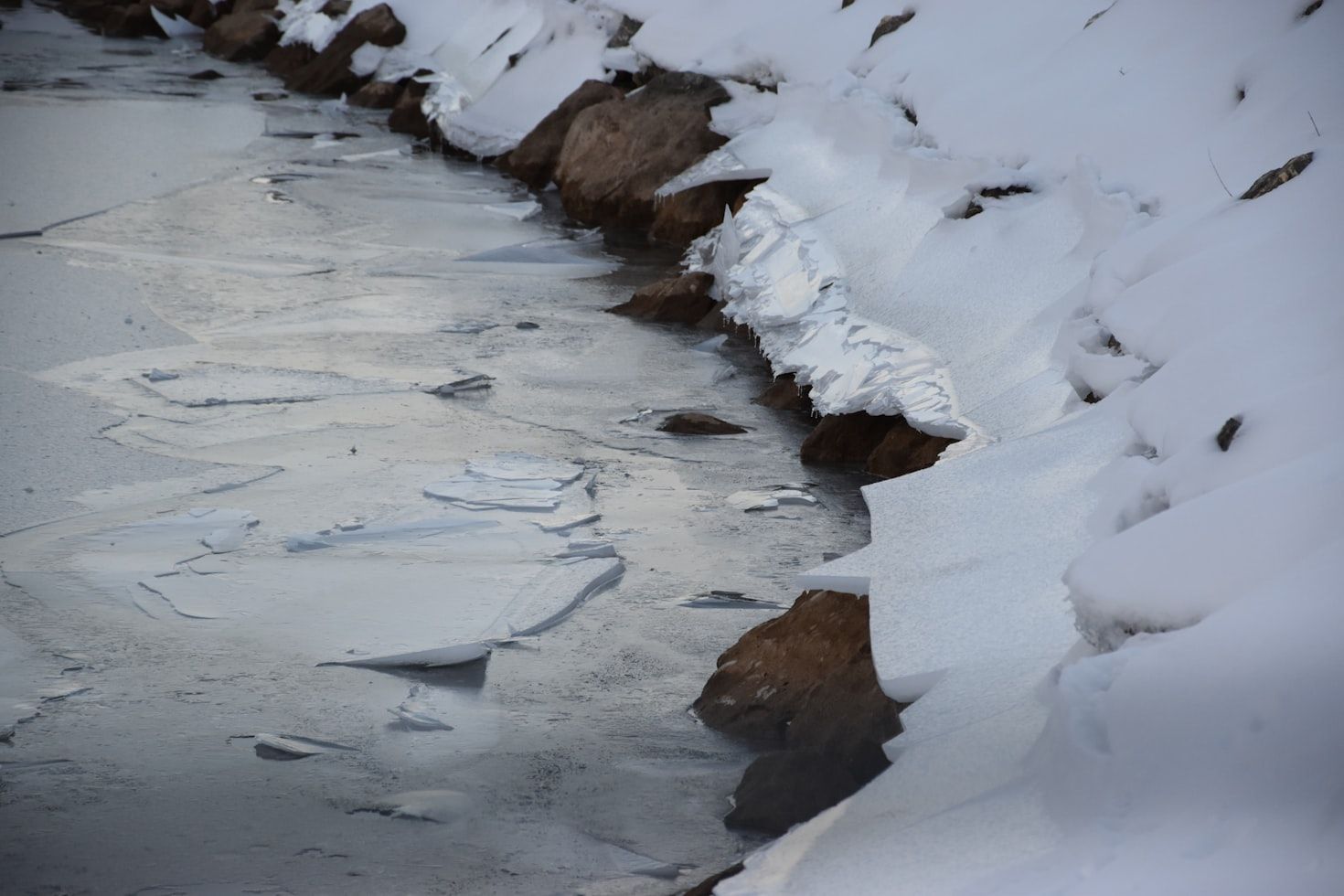
Image: Ariane Frei

The tradition began in 1917, when a group of railroad engineers placed bets on when the ice on Alaska’s Nenana River would break . They wagered a total of $800, trying to predict the exact date, hour, and minute of the thaw.

What started as a friendly bet turned into an annual event known as the Nenana Ice Classic. Today, it’s a major Alaskan tradition that draws thousands of participants each year—and offers a jackpot that can exceed $300,000.

6
Cherry pit spitting
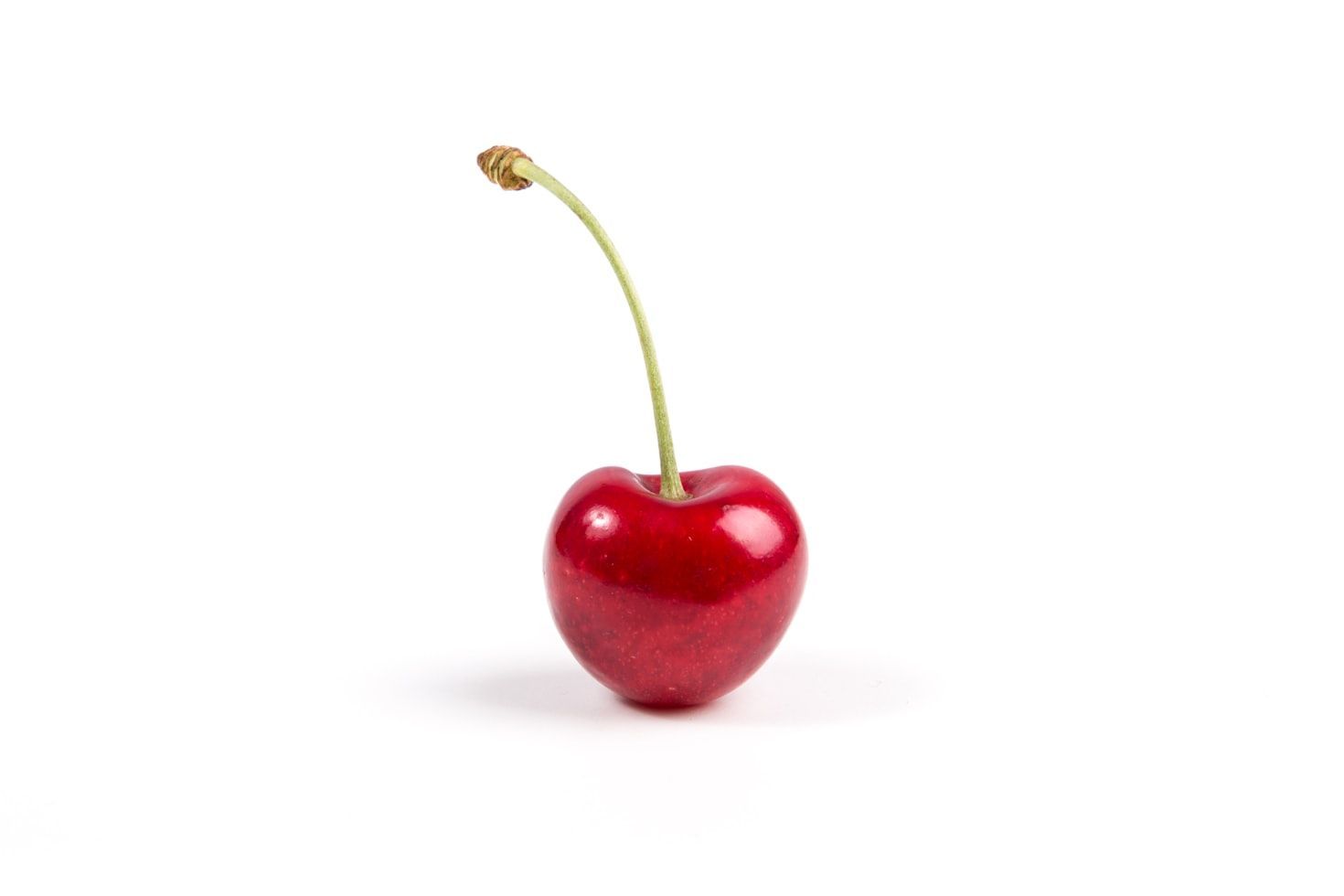
Image: Quaritsch Photography

During cherry season, cherry pit spitting contests pop up across the U.S., inviting participants to launch pits as far as they can —or even try to hit specific targets. These contests are famously held at events like the International Cherry Pit Spitting Championship in Eau Claire, Michigan, which began in 1974.

It’s a lighthearted test of skill that draws crowds in search of classic summer fun.

7
Tailgate parties
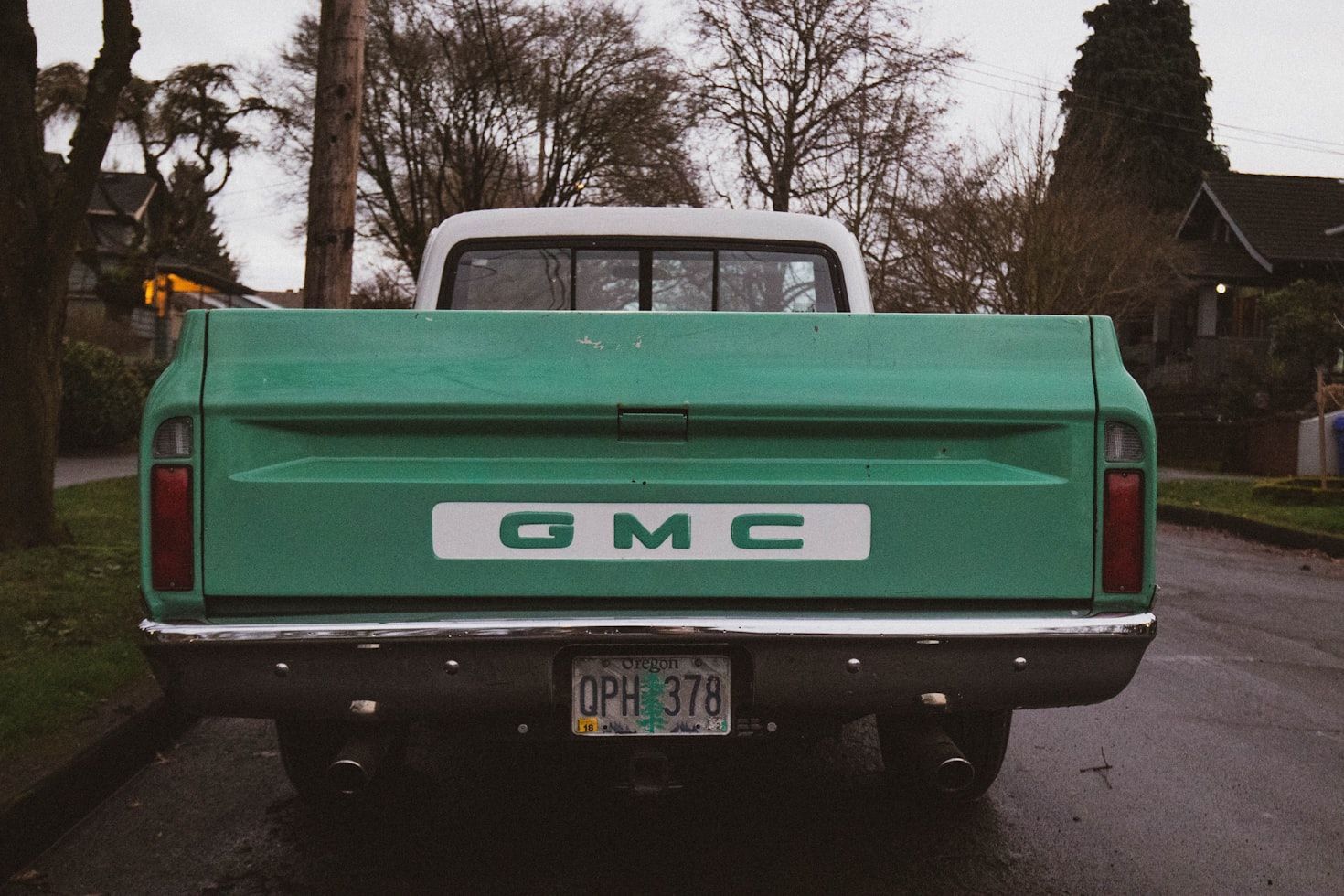
Image: Zachary Keimig

For many American sports fans—especially at football games—just attending isn’t enough. Hours before kickoff, parking lots fill with fans decked out in team colors , grilling food , and enjoying drinks as part of the pregame ritual known as tailgating.

Some tailgaters go all out, bringing TVs, sound systems, and even satellite dishes to create the ultimate game-day setup.

8
Black Friday shopping spree
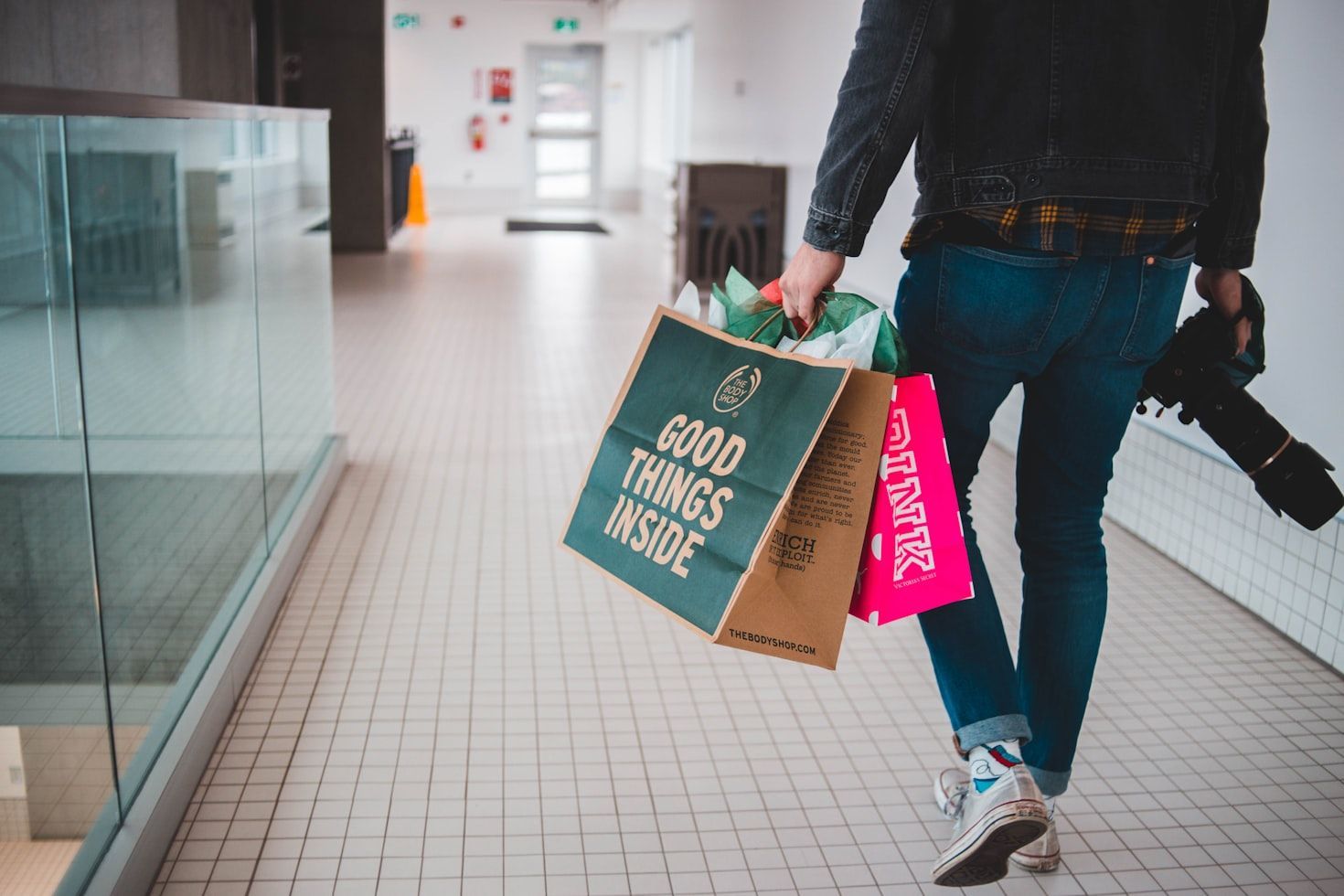
Image: Erik Mclean

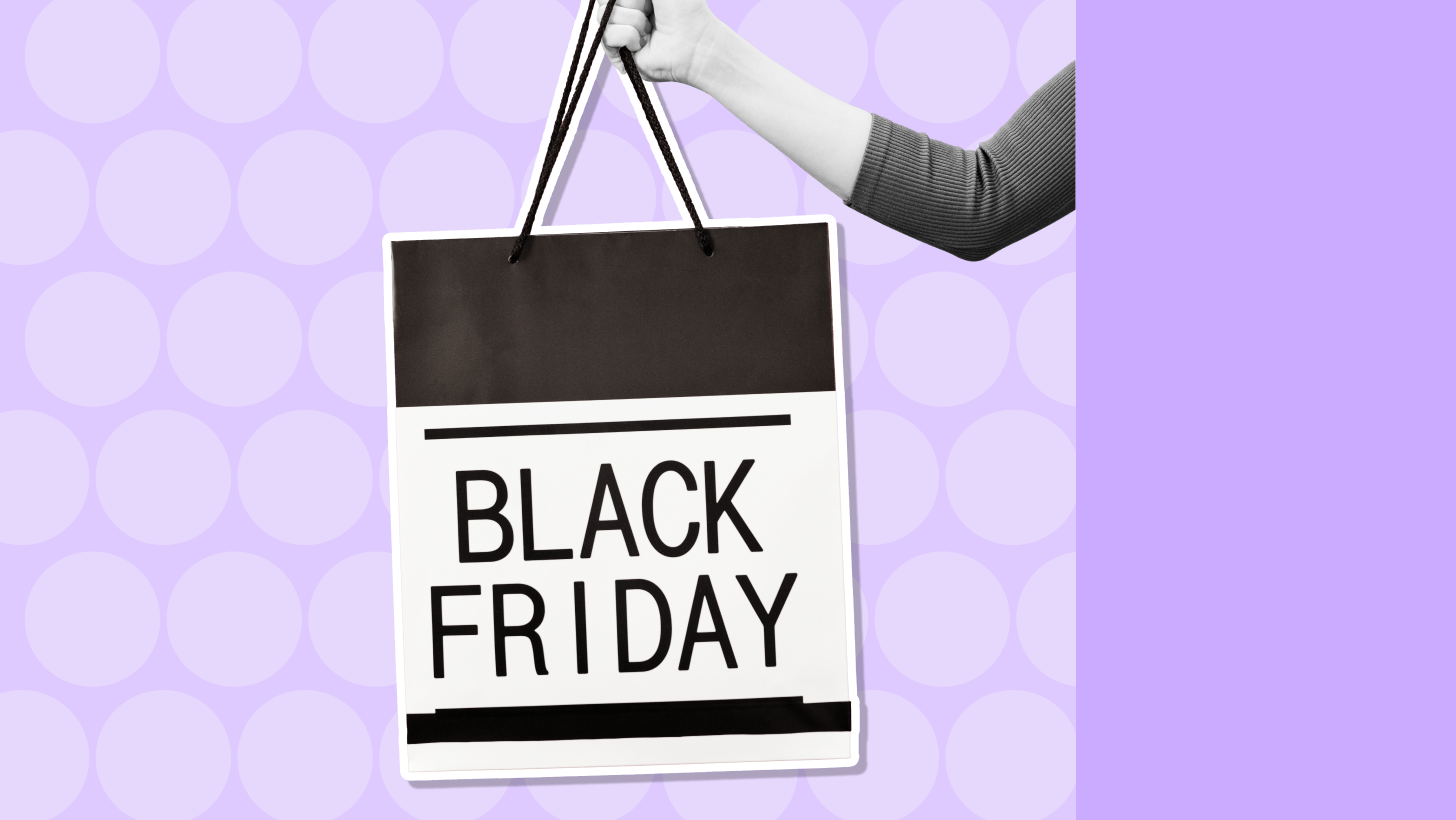
Just hours after Thanksgiving feasts wrap up, millions of Americans shift into shopping mode for Black Friday. This massive retail event kicks off a weekend spree that also includes Small Business Saturday and Cyber Monday—newer traditions that have quickly gained traction.

9
Holiday family cards
Image: Community Archives of Belleville and Hastings County

One beloved holiday tradition in the U.S. is sending and receiving festive family photo cards . These often feature coordinated outfits and include a short update on the family’s highlights from the past year—even from people you may barely remember.

10
Ostrich racing
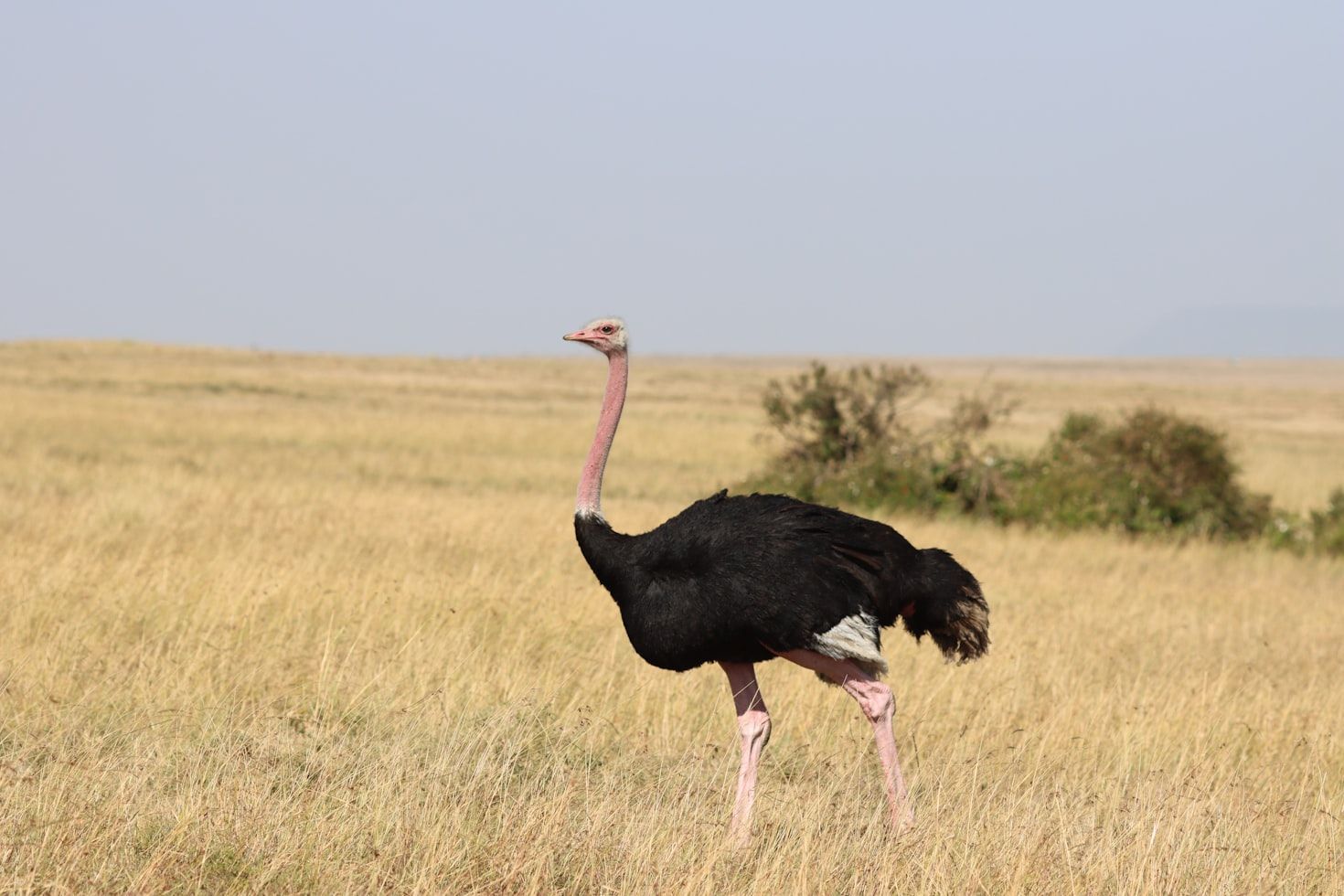
Image: Dominic Yegon

Ostriches were introduced to the U.S. in the 1880s, and it didn’t take long for people to start racing them. These unusual competitions sprang up in several states and quickly gained attention for their novelty.

Today, the most well-known event is the Chandler Ostrich Festival in Arizona , which has been running for decades. As of 2024, it marked its 36th year, continuing the quirky tradition with a modern twist.

11
Roadkill cook-off
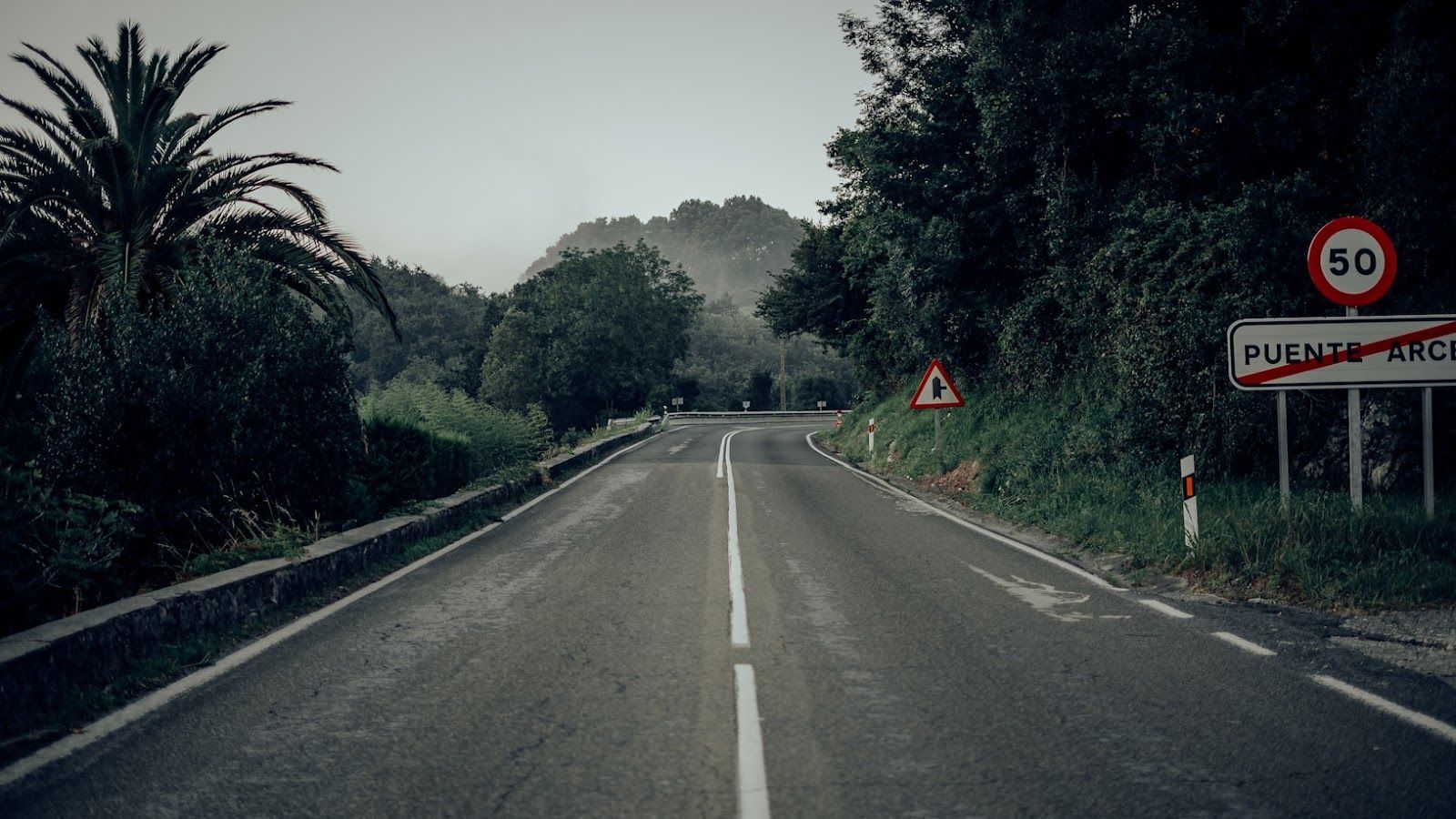
Image: Christoph Wick

With abundant wildlife and countless vehicles on American roads, animal collisions are an unfortunate reality. But in Marlinton, West Virginia, locals have found a unique way to turn that misfortune into a celebration.

Every September, the town hosts the Roadkill Cook-off, where adventurous eaters can sample dishes like squirrel gravy on biscuits, teriyaki bear, or deer sausage —all made from animals legally collected after road accidents.

12
Pumpkin chucking
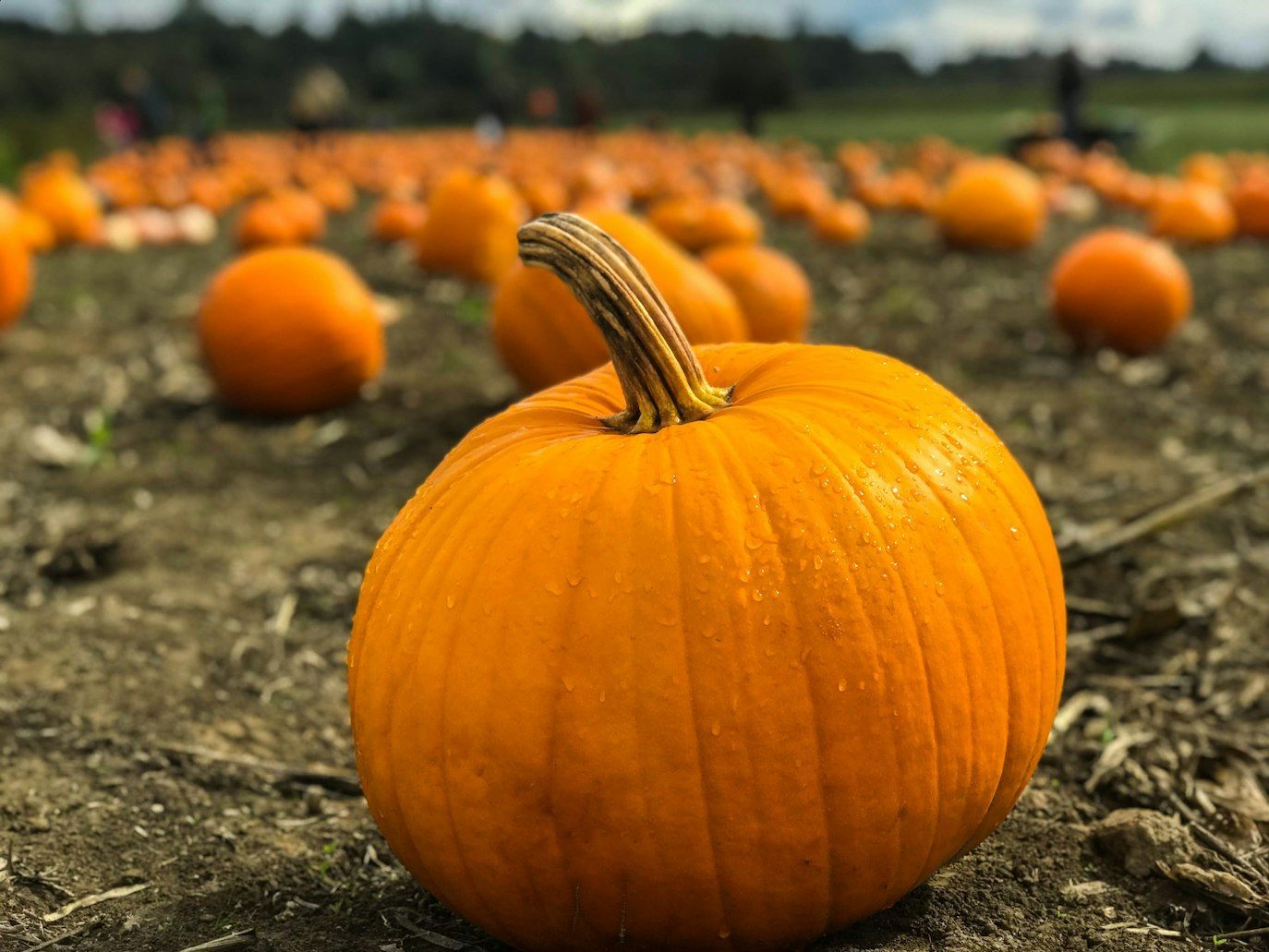
Image: Marius Ciocirlan

In America, pumpkins aren’t just for pies and lattes—they’re also launched through the air in a tradition known as pumpkin chucking.

The largest and original event, Punkin Chunkin, originated in Delaware, where teams use contraptions like trebuchets, catapults, and air cannons to hurl pumpkins as far as possible .
General General 4 min read

WHAT GOES INTO A NAME?

10 States with unusual names explained

Image: Nico Smit

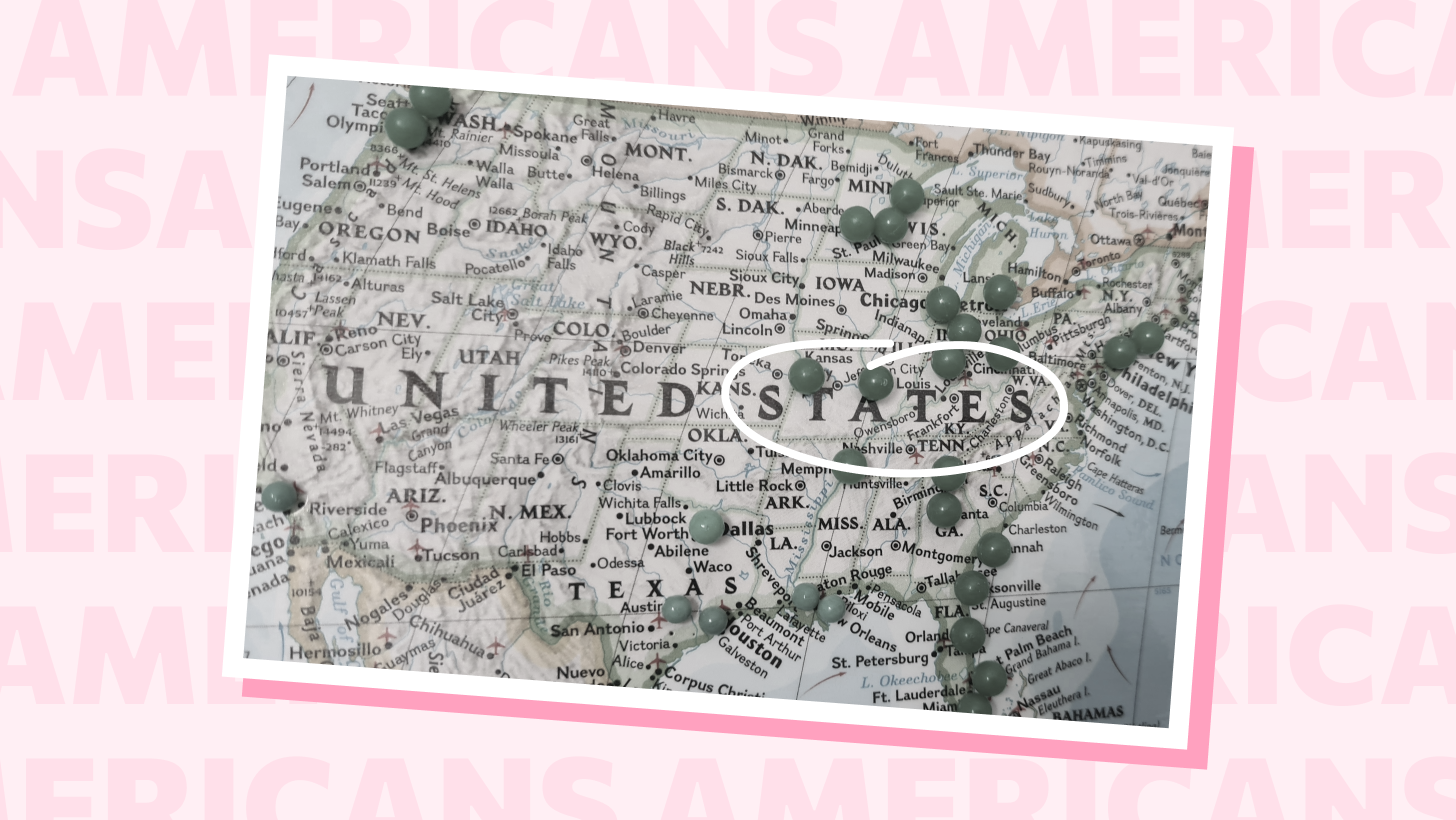
A lot of consideration goes into naming a state. Or, at least, it should. After all, that enormous piece of public land will be an important part of the country, and its citizens will be defined by its name as well. Some states’ names are obvious: New York was named after the English town of York, New Mexico was named after Mexico, and so on. But many other states have strange-sounding names, like Wyoming or Connecticut. Stick around until the end of this list and learn why ten of these states are named that way!

1
Massachusetts

Image: Kaya Arro

A curious word in itself, Massachusetts originated from an Algonquian word meaning "large hill place." The term "Massachusett" was first recorded in 1616 as the name of a village near present-day Boston, and the English added an -s to signify the plural.

The name was applied to the bay, from which the Massachusetts Bay Company, founded in 1629, took its name. With the Massachusetts Constitution of 1780, legislators officially adopted the name Commonwealth of Massachusetts.

2
Michigan

Image: Aaron Burden

Another name with an Algonquian origin, like Massachusetts, Michigan comes from the word mishigama which means "big lake." The state was named after its chief geological feature: that large body of water to its west. After all, Michigan is in direct contact with four of the five Great Lakes.

When the area became a U.S. territory, the name Michigan was adopted as the name of the state. Michigan achieved statehood in 1837.

3
Montana

Image: Tim Stief

A name most likely derived from the either Spanish ( Montaña ) or Latin ( Montanus ) word for mountain, Montana was suggested by Rep. James M. Ashley of Ohio, who was a member of the House Committee on Territories. He recommended it in 1863 for the territory that would become Idaho. He liked the name so much that he recommended it again for a territory being organized in 1864.

The name Montana itself was first given in 1858 to a town in the Pike’s Peak gold region, which was at the time part of Kansas and is today part of Colorado. The town eventually died, though, when the gold ran out, but the name lived on.

4
Oklahoma

Image: Skyler Smith

The name Oklahoma was coined in 1866 by Allen Wright, a Choctaw chief and Presbyterian minister who served in the Confederate Army during the Civil War. He combined two Choctaw words that, together, mean "Land of the Red People." Eventually, the name was adopted into the Choctaw-Chickasaw Treaty.

5
Pennsylvania

Image: Lera Kogan

In 1681, the English king Charles II gave a land grant to William Penn. The charter designated that the colony was to be called Pennsylvania, which was a combination of Penn’s name and the Latin " silva " (spelled " sylva " in the 17th century), meaning "forest." Therefore, Pennsylvania means " Penn’s forest ."

William Penn had originally suggested that the land be called New Wales, but since the charter was signed with Pennsylvania permanently inscribed, he declared that the name was in honor of his father.

6
Tennessee

Image: Brice Cooper

While the names of many states originate from descriptions, the name of Tennessee didn’t have any particular meaning when it was bestowed upon the Volunteer State. This name originally came from a Cherokee town called Tanasqui by the Spanish, and Tinnase by the English. But the Cherokees themselves didn’t associate any literal meaning with the word.

The name was also given to a stream near the town, and as English settlers moved downstream, they carried the name with them. Tennessee first appeared in that spelling as the name of a newly organized county in North Carolina in 1788, and it was eventually proposed and accepted by Congress as a state name in 1796.

7
Wyoming

Image: Kellie Klumb

The name of Wyoming originated from the Algonquian word meche-weami-ing , which meant " at the big flats. " It was originally applied to a valley in Pennsylvania and became well-known through Thomas Campbell’s epic 1809 poem "Gertrude of Wyoming," which was about a girl from Pennsylvania.

James Ashley, a member of the House Committee on Territories representing Ohio, suggested the name for a new territory in 1868.

8
Alaska

Image: Rod Long

The name Alaska is thought to come from the Aleut word aláxsxaq or aleyska , which translates to " an object to which the sea is directed ."

When Alaska was purchased from Russia in 1867, the name Alaska was suggested by Senator Charles Sumner under the belief that it meant "great land," when in fact the word was simply what Aleuts used to refer to the mainland.

9
Connecticut

Image: Christopher Luther

Whoever thinks Connecticut sounds like a complicated word, should take a look at the Algonquian word from which it originated: Quinnehtukqut , which means " place beside the long tidal river. "

An English scribe probably inserted the second, silent "c" in the name into the word to form the more common "connect" section, as we know it today.

10
Idaho

Image: Clay Elliot

The name of the state of Idaho has at least two probable origins. On the one hand, it may be derived from the word Idahi , the Kiowa-Apache name for the Comanche, both of whom were known to have been in that area. On the other hand, it might have been fabricated by a mining lobbyist at a time when native-sounding names were popular.

When Colorado was being organized as a territory in 1860, the name Idaho was considered, but Congress chose Colorado instead. The name came up again in 1863 when territories farther north were being organized. Montana was first proposed for the new area, but the U.S. Senate decided to call it Idaho.

History History 4 min read

Big Friday instead of Black Friday? That was a flop, this article isn't!

Image: Max Fischer

Ah, Black Friday! A day when we brave the crowds (or click feverishly online) to snag the best deals, right? But how much do you really know about its history? It’s not just about discounts and doorbusters, even if that’s what comes to mind first. From surprising origins to unexpected traditions, Black Friday has plenty of fascinating facts to share. Let’s dive into some fun facts that’ll have you seeing this shopping holiday in a whole new light. Who knows, you might impress your friends at the next dinner with these tidbits!

1
Before bargains, there were stock market crashes

Image: Kelly Sikkema

Long before Black Friday meant shopping sprees, it had a gloomier vibe. Back in the late 1800s, the term was used to describe major stock market crashes . Imagine a Wall Street meltdown, and you’ll get the picture.

One infamous event occurred in 1869 when a financial fiasco involving gold prices rocked the country. While the term’s meaning has flipped over the years, its history isn’t always as rosy as a holiday ad. Thankfully, these days, "Black Friday" is more about spending than stressing—well, unless you’re in line at 5 a.m.!

2
From Santa Claus to shopping sprees

Image: rawkkim

Before malls opened at dawn and websites crashed under traffic, Black Friday was all about parades —specifically, Santa Claus parades! The tradition began in the early 1900s, with department stores like Macy’s sponsoring grand events to usher in the holiday season. These parades were a spectacle of floats, marching bands, and, of course, jolly old St. Nick.

Over time, the day became synonymous with shopping as stores started offering sales to parade-goers. So, if you’ve ever wondered why Santa and Black Friday seem so intertwined, it all started with a parade and a clever marketing move.

3
The plumber’s busiest day

Image: Unseen Histories

Here’s a fun (and slightly gross) fact: Black Friday is a goldmine for plumbers. Why, you may ask? Well, Thanksgiving feasts often lead to… let’s call them plumbing emergencies . From overloaded garbage disposals to bathroom backups, plumbers are busier than ever on this day. In fact, many in the industry refer to it as "Brown Friday" (we don’t need to explain that one to you!). It’s not the most glamorous Black Friday gig, but someone has to do it!

4
Why Thanksgiving got a time-out

Image: Iga Palacz

Did you know that Thanksgiving wasn’t always on the fourth Thursday of November? Back in 1939, retailers panicked over a shorter holiday shopping season, so President Franklin D. Roosevelt decided to push Thanksgiving back by a week to give everyone more time to shop .

The change caused quite an uproar, with people dubbing it "Franksgiving." Eventually, Congress stepped in and settled on the date we know today. So, next time you’re enjoying leftovers and plotting your Black Friday buys, thank FDR for the extra shopping days.

5
"Big Friday" was a big flop

Image: 愚木混株 cdd20

In 1961, officials in Philadelphia tried to give Black Friday a friendlier spin by renaming it "Big Friday." The reason? Local police were fed up with the day’s chaotic traffic and crowds . Unfortunately, the new name didn’t catch on; after all, "Black Friday" had a certain dramatic twist. Over time, the term stuck, and its connotations shifted to something more positive. But can you imagine telling friends, "I’m gearing up for Big Friday sales"? It doesn’t have the same charm, does it?

6
When Saturday stole the spotlight

Image: Kelly Sikkema

Believe it or not, Black Friday wasn’t always the reigning king of shopping days. For decades, the Saturday after Thanksgiving held that title . Can you guess why? Many people preferred to relax on Friday before diving into the holiday hustle. That would be our choice if you asked us!

It wasn’t until the early 2000s, when retailers began offering jaw-dropping deals, that Black Friday took the crown. Long live the king!

7
The global spread of Black Friday

Image: Kelsey Knight

Black Friday isn’t just an American obsession anymore—it’s gone global! Over 15 countries, including Canada, the UK, and even Brazil, have embraced the tradition of post-Thanksgiving sales.

Even if some places don’t celebrate Thanksgiving, they’ve adopted the shopping frenzy with open arms. After all, a good bargain is a universal language. So, if you find yourself traveling during the holidays, don’t be surprised to see Black Friday signs in unexpected places.

8
Thanksgiving evening: The new Black Friday

Image: Libby Penner

In 2011, Walmart threw tradition out the window by opening on Thanksgiving night. This controversial move kickstarted the trend of retailers starting sales earlier and earlier . While some loved getting a head start, others missed the old-school thrill of early-morning Black Friday madness.

In any case, it marked a significant shift in how we approach holiday shopping. These days, "Black Friday" often feels more like "Black Thursday Night," but hey, nobody’s complaining about the extra deals.

9
Contactless is the new black

Image: SumUp

Black Friday shoppers are going cashless in droves; 53% of people prefer using contactless payments when hitting the stores . Are you one of them? With just a tap, you’re out the door, deal in hand—no fumbling for change or wrestling with a wallet while juggling bags! Meanwhile, 30% of shoppers admit they’re not too comfortable using cash anymore. And can you blame them? Between convenience and hygiene, contactless is clearly the king of modern shopping. Which method do you prefer?

10
Shopping under the influence

Image: Douglas Lopez

Here’s a fact that might make you chuckle: about 12% of Black Friday shoppers admit to hitting the stores—or their keyboards— after a drink or two . Maybe it’s leftover wine from Thanksgiving, or perhaps it’s liquid courage for battling the crowds.

Either way, some of those impulse buys might be less about bargains and more about buzzed decision-making. So, if you’ve ever woken up to a mysterious order confirmation, you’re not alone! Black Friday shopping is wild enough; add wine, and it’s a whole new adventure!

Explore more American facts

Choose your favorite category!

General
General

As American as apple pie—the very best America has to offer!

Culture
Culture

Delve into the astounding richness of American lore.

Geography
Geography

Hop in and explore vast and diverse American landscapes.

History
History

Discover the key moments that shaped the United States.