General General 3 min read

Looks ain’t everything

How do I choose the best car for me? 12 tips worth remembering
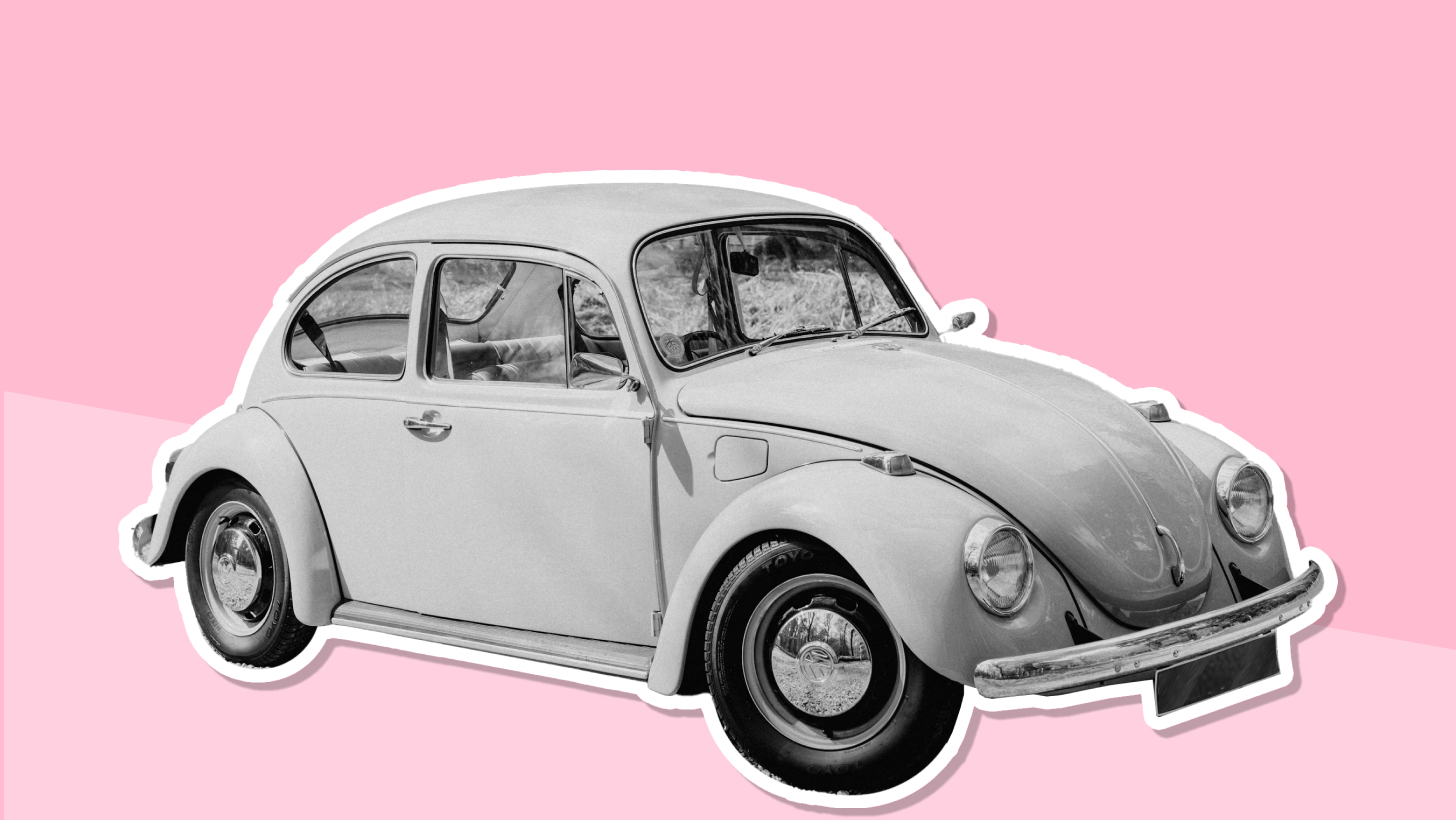
Image: Annie Spratt

When committing to a large expenditure, such as a car, it is always important to pay attention to a few details to ensure that you are getting the most out of your money. Even if you are not a mechanic or an experienced driver, certain tips can help you make a better decision and avoid possible scams and hidden issues. Do you know these 12?

1
Preapproved loan

Image: Alexander Mils

Getting a preapproved loan before going to a car dealer is a good way to be sure of how much money one can spend, and it can also reveal any possible credit issues that were not clearly visible.

2
Safety first

Image: Alexandria Gilliott

It goes without saying; safety is always a top priority when buying your new car. When looking at models, go for vehicles with a high safety rating and features like airbags, anti-lock brakes (ABS), and electronic stability control (ESC).

3
Driving habits

Image: why kei

What kind of driving you will do should influence what kind of car you will buy . If you do a lot of city driving with stop-and-go traffic, a fuel-efficient car like a hybrid or electric vehicle could save you significant money on petrol in the long run. Do you need a large vehicle for cargo or passengers, or is a smaller, more agile car for local errands and weekend adventures?

4
Cargo space

Image: Andraz Lazic

And, since we are on the subject of driving habits, cargo space is a crucial feature of whichever car you decide to buy. How much space do you really need? Even if you only need a lot of space a couple of times a year, you will want to have that space when the time comes, so don’t neglect this aspect.

5
Mileage and vehicle age
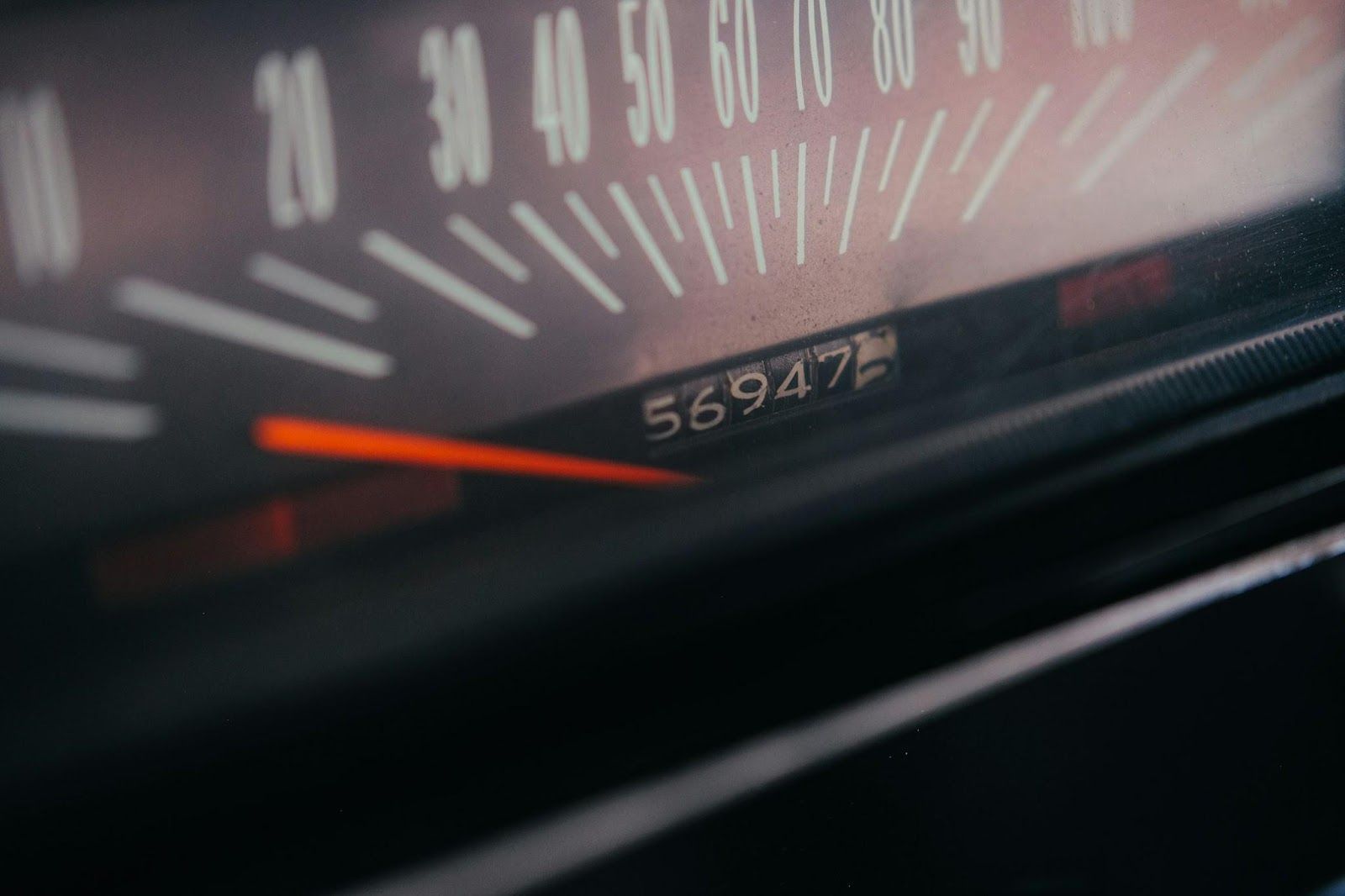
Image: Wesley Tingey

A simple rule to consider when buying a used car is the average mileage a car is supposed to have, relative to its age. That average is 10,000 to 12,000 miles per year . If the car you're looking at has a lower average annual mileage than that, it could be considered a good mileage.

6
Outside look

Image: Parker Gibbs

A quick inspection on the outside is advisable . Check the body for imperfections like gaps, dents, or discolored paint, inspect the windows for chips and cracks, get under the vehicle, and check the wheel wells and underbody for rust, which could lead to future problems.

7
Test drive

Image: Mira Kireeva

When buying a used car, it is always important to take it for a test drive, even if you don’t have a lot of mechanical knowledge. Pay attention to odd sounds or noises coming from the engine, brakes, or transmission . Test the AC and ensure that it cools quickly. Test the electronics, brake lights, headlights, windshield wipers, and see if the tires are not too worn off. And if you see or hear something that you are not sure about, check with a mechanic before buying.

8
Check for water damage

Image: Caspian Dahlström

Water damage can be a real problem for the interior, the engine, and the electrical system . Pull back the carpets in the footwells and check for moisture or signs of water damage. There are many flood-damaged cars on the market, and most of the time, the signs are concealed.

9
Try all the seats

Image: Wade Lambert

Try out all the seats, even if you probably won’t sit in the rear . Upholstery shouldn’t be ripped or badly worn, particularly in a car with low mileage. Try all the seat adjustments to make sure that they work properly and that you can find a good driving position.

10
Service records and possible crashes
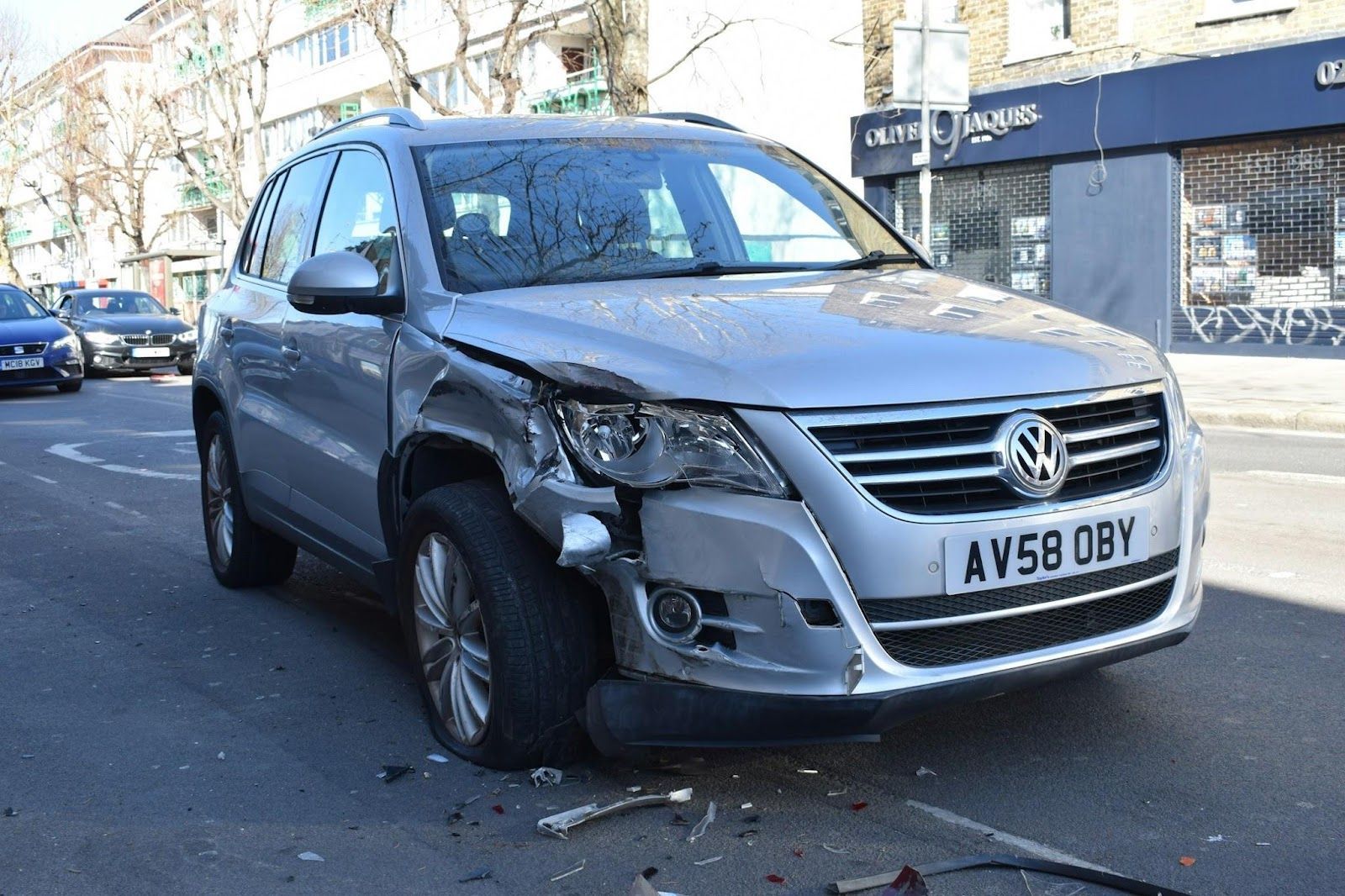
Image: Usman Malik

The past history of a used car can predict future issues . Has it been in a crash? If yes, ask about the extent of the damage and who did the work. Does the car have service records? A good, used car has been well cared for. It should have had maintenance done at the manufacturer-specified intervals.

11
Keep it simple

Image: Erik Mclean

Avoid buying add-ons, extended warranties, or very long car loans , since those usually have higher interest rates and a much higher interest component is paid in the first years than the actual loan.

12
Resale value
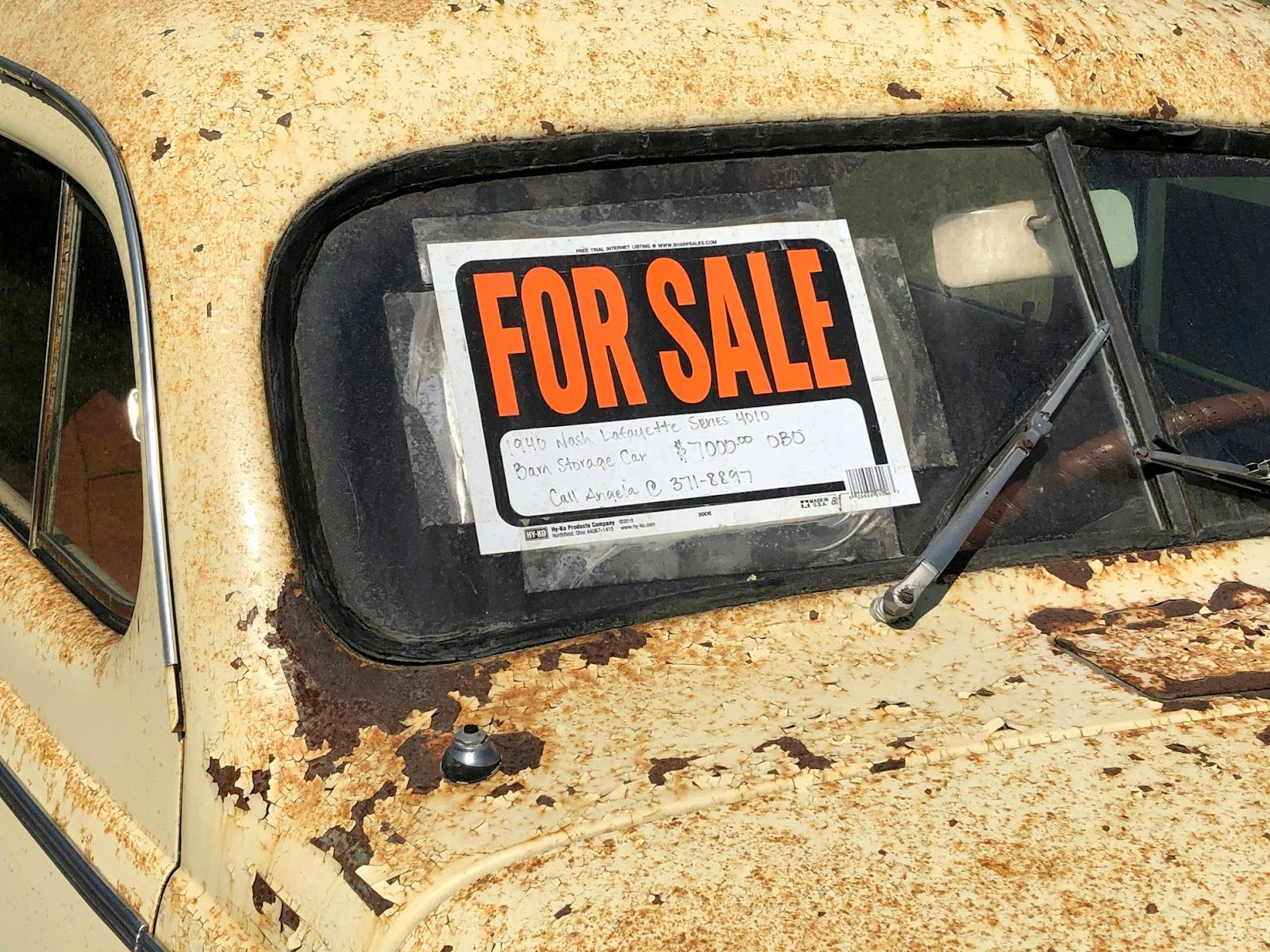
Image: Hilbert Hill

Research the resale value of any used car you are interested in buying . The resale value can affect the overall cost of ownership and the financial return on your investment.

By researching its resale value, popularity, demand, and potential for retaining its value over time, you can decide whether to proceed with the purchase.

General General 4 min read

Historical documents

Did you find the grammar mistake in the US Constitution? We have!

Image: Tara Winstead

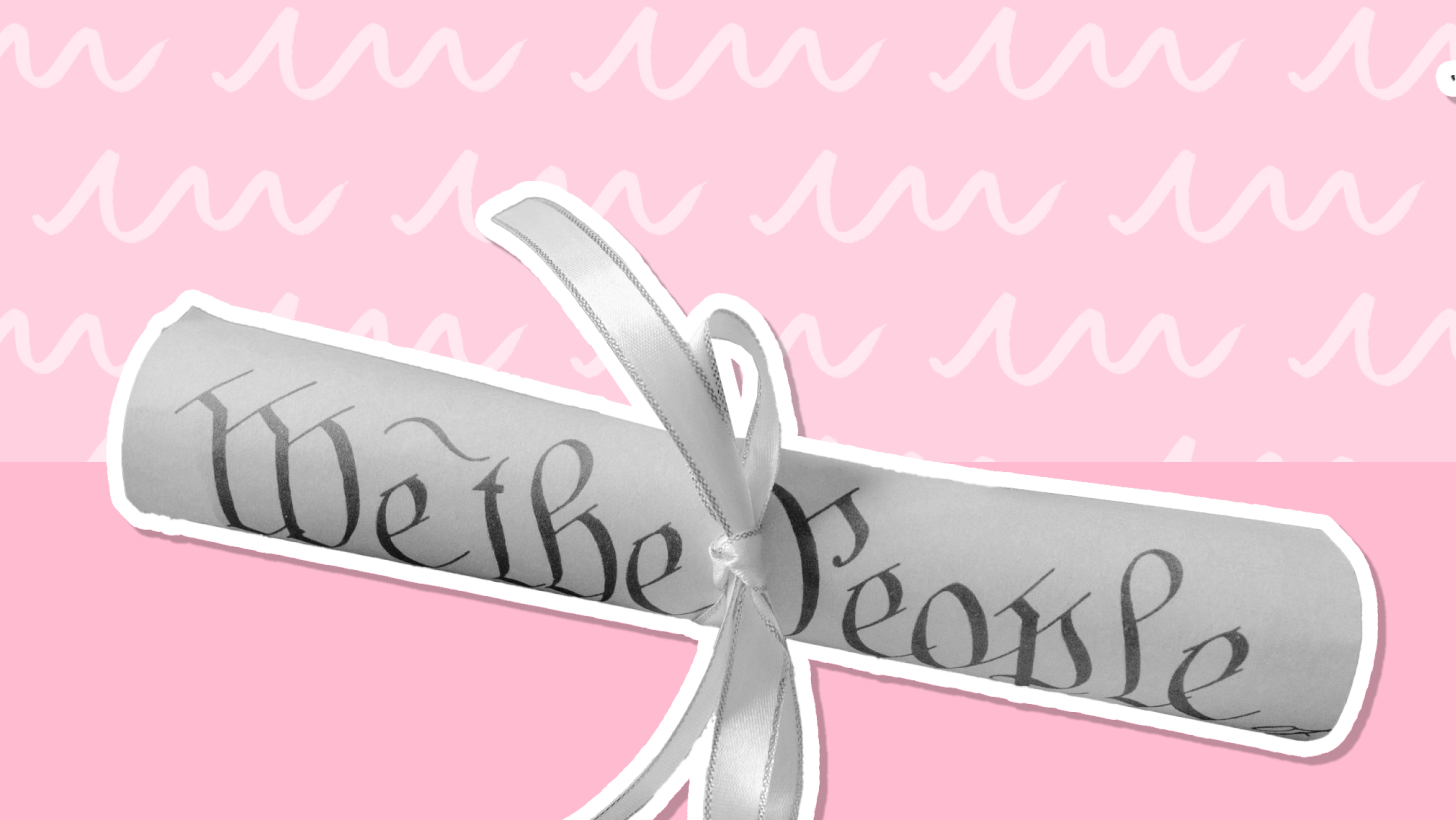
The US Constitution is one of the most important documents in American history, but even the most well-read citizens might not have noticed some mistakes and details. This document has its fair share of surprises, from typos and outdated spellings to missing signatures and common misconceptions. Did you know it contains grammar mistakes? Or that the document doesn’t establish a democracy? Let’s see how this goes!

1
Let’s start with a grammar mistake

Image: Shotkitimages

2

Even the nation’s most important document wasn’t immune to typos! Article I, Section 10 writes "it’s" instead of "its," mistakenly using the contraction instead of the possessive form.

The funny part? The correct spelling of "its" appears properly in other parts of the document. This suggests it was just a careless transcription mistake rather than a misunderstanding of grammar. Since rewriting historical documents isn’t exactly encouraged, the mistake remains to this day. Even the Founding Fathers weren’t perfect proofreaders, you know?

3
A republic, not a democracy

Image: Joshua Sukoff

One of the biggest misconceptions about the Constitution is that it established an American democracy. However, the US was founded as a republic , which differs in that it relies on elected representatives and a system of checks and balances.

When asked whether the Convention had created a monarchy or a republic, Benjamin Franklin famously replied: "A republic, if you can keep it." It was a warning that democracy requires active participation to survive.

4
The Constitution’s British roots

Image: Romain Vignes

Even though the U.S. had declared independence from Britain, the Constitution still used British spellings. Words like "defence," "labour," and "controul" (instead of defense, labor, and control) can be found in the original text.

These spellings were still common in American English at the time, though they would eventually fade away in favor of more distinctly American versions.

5
A comma that shouldn't be there

Image: Anemone123

Grammar nerds, brace yourselves: the Constitution contains a strange comma mistake. In Article III, Section 1, the sentence reads: "The judicial Power of the United States, shall be vested in one Supreme Court." That comma between "United States" and "shall" separates the subject from the verb, making it grammatically incorrect. While punctuation rules were more flexible back then, this particular comma sticks out as a clear mistake.

6
Who signed the Constitution? Not Jefferson or Adams!

Image: WikiImages

You might assume that Thomas Jefferson and John Adams signed the Constitution, but they didn’t. But that’s not because they didn’t stand by it, it was because they weren’t even in the country at the time!

In 1787, Jefferson was in France serving as the US Minister, while Adams was in Great Britain as the first US. Ambassador. Despite their absence, both men played major roles in shaping the early American government.

7
Not everyone signed both the Declaration and the Constitution

Image: sarina gr

Let’s focus on the ones who did sign both documents. Both the Declaration of Independence and the Constitution were signed by key American figures, but only six men signed both .

Those names? Benjamin Franklin, George Clymer, Robert Morris, George Read, James Wilson, and Roger Sherman. While many Founding Fathers contributed to both documents, the actual signatures overlap far less than one might expect. How surprising is this?

8
Rhode Island wanted no part in it

Image: Michael Denning

When the Founding Fathers met in Philadelphia in 1787 to draft the Constitution, all 13 states were invited, but Rhode Island refused to show up . The state feared that a strong federal government would overpower them, so they boycotted the entire process.

They even rejected the Constitution’s ratification in 1788 before finally agreeing two years later, by just two votes!

9
They "chuse" some interesting spellings

Image: Brett Jordan

If you were told our Constitution reads " The House of Representatives shall chuse their Speaker and other Officers; and shall have the sole Power of Impeachment," would you believe it?

You better do because this spelling mistake doesn’t happen only once, it appears multiple times throughout the document.

While it may seem like an error, "chuse" was actually a perfectly acceptable spelling at the time. Language evolves, and by the 19th century, "choose" had won out as the standard spelling.

10
The President cannot veto Constitutional Amendments

Image: David Everett Strickler

Presidents may have veto power over laws, but they have zero say when it comes to Constitutional amendments. Congress or a constitutional convention must propose and ratify them without requiring presidential approval.

While presidents can support or lobby for amendments, they can’t introduce or block them directly. Not many people knew this, what about you?

11
The Supreme Court’s most famous power isn’t in the Constitution

Image: Adam Michael Szuscik

Many people assume the Constitution explicitly gives the Supreme Court the power of judicial review, that is, the ability to declare laws unconstitutional. But guess what? It doesn’t.

Actually, judicial review became a standard practice after the famous Marbury v. Madison case in 1803. The Founding Fathers expected the courts to play this role, but the power isn’t actually written in the document itself. Even the Constitution has its unwritten rules!

General General 3 min read

Eat your greens!

Meat or vegetables? 12 common myths about healthy eating debunked

Image: Anh Nguyen

Dieting is not a perfect science with ideal outcomes or easily traceable numbers. As such, it is prone to false claims, myths, and fads that have been repeated enough to be deemed as right by many people. Take a look at these 12 myths about healthy eating and dieting. Which ones have you heard?

1
Give up your favorite food to lose weight

Image: amirali mirhashemian

Small amounts of your favorite high-calorie foods can be included in a weight-loss plan . Just remember to keep track of your total calorie intake. To lose weight, you must burn more calories than you consume.

2
Avoid bread, pasta, and rice

Image: Eaters Collective

Grains themselves aren’t necessarily bad or unhealthy. Consuming whole grains—such as brown rice, whole-wheat bread, cereal, and pasta—as part of a healthy eating plan is a good idea because whole grains provide iron, fiber, and other important nutrients .

3
Choose gluten-free foods

Image: mohamed hassouna

Gluten-free foods are not necessarily healthier if you don’t have celiac disease or a gluten sensitivity. Gluten is a protein found in wheat, barley, and rye grains. If you don’t have these health issues but avoid gluten anyway, you may miss out on important vitamins, fiber, and minerals.

4
Avoid all fats

Image: Kelly Sikkema

Despite all the bad press, not all fats are bad. Fat provides essential nutrients and should be an important part of a healthy eating plan. However, because fats have more calories per gram than protein or carbohydrates (or "carbs"), it is important to limit fat intake to avoid consuming extra calories.

5
Avoid dairy products

Image: Kenny Eliason

Dairy products are an important food group because they provide proteins needed to build muscles and support organ function , as well as calcium to strengthen bones.

Most dairy products, such as milk and some yogurts, have added vitamin D to help the body absorb calcium, since many Americans don’t get enough of these nutrients.

6
Go vegetarian to lose weight

Image: Anna Pelzer

Embracing a fully vegetarian diet only leads to weight loss if you reduce your total calorie intake . As often happens, some vegetarians may make food choices that could lead to weight gain, such as eating large amounts of foods high in sugar, fat, and calories.

Eating small amounts of lean meats can also be part of a healthy plan to lose or maintain weight.

7
Don’t snack between meals

Image: Shreyak Singh

There is nothing wrong with snacking. It can help prevent overeating at meals , provided the snacks are healthy —like apples, peanut butter, low-fat cheese, or whole-grain crackers.

8
Healthy eating is expensive

Image: Louis Hansel

Healthy eating can be expensive, but it doesn’t have to be. With a little planning and smart shopping , you can enjoy a much healthier diet on a budget . Many people think produce is too costly, but there are plenty of examples that prove otherwise. For instance, a large bag of lettuce is affordable and lasts a long time.

9
Avoid late-night snacks

Image: nrd

Late snacking isn’t inherently a problem. The real issue is when your late-night snacks are unhealthy . The time of day is not as important as what you eat. If you’re eating ice cream or chips and dip, you’ll gain weight—no matter what time it is.

10
Diet soda is better than regular soda

Image: Kenny Eliason

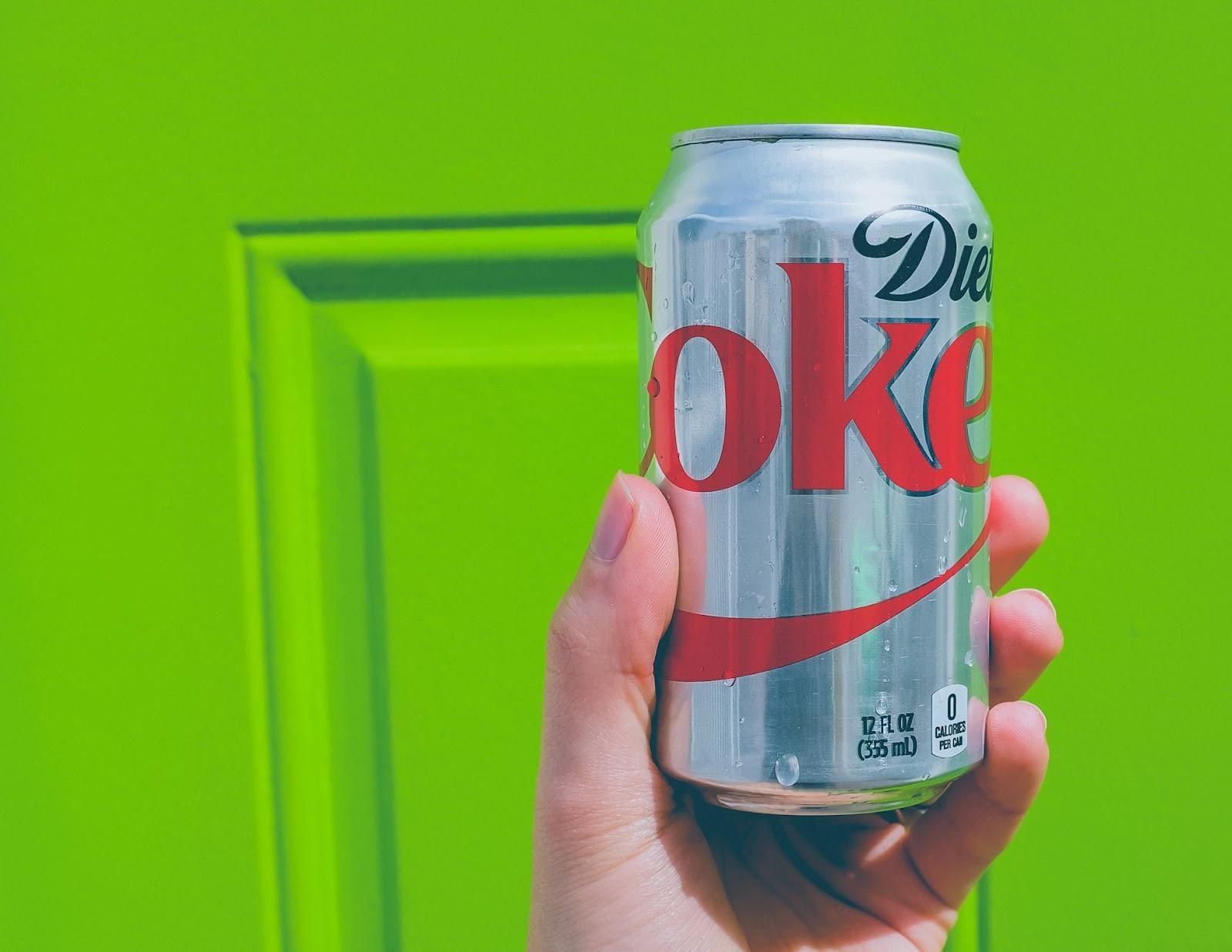
Multiple studies have linked diet soda to an increased risk of diabetes , metabolic syndrome, and obesity, though causation is still debated. Nonetheless, if you’re looking for a healthier soda alternative, try flavored water, sparkling water, or unsweetened tea.

11
Non-nutritive sweeteners are healthy

Image: Towfiqu barbhuiya

The increasing demand for low-calorie, low-carb, sugar-free foods has led to a larger portion of products containing non-nutritive sweeteners (NNS).

While it’s clear that a diet high in added sugar increases disease risk, intake of NNS may also raise the risk of type 2 diabetes by causing negative changes in gut bacteria and promoting blood sugar dysregulation.

12
White potatoes are unhealthy

Image: Lars Blankers

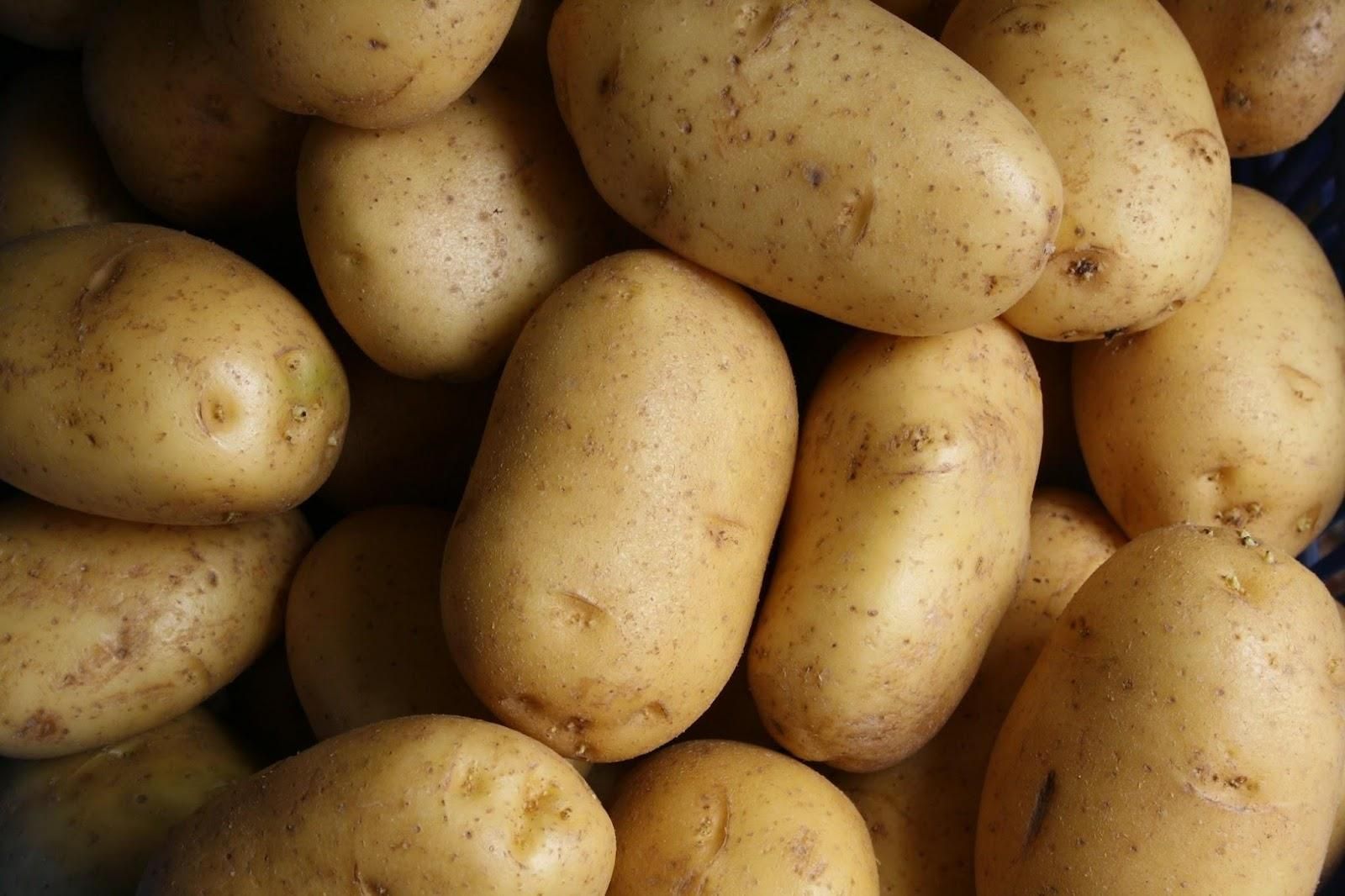
Delicious potatoes are often labeled as "unhealthy" because they are frequently eaten in unhealthy ways. However, these starchy vegetables are highly nutritious , providing potassium, vitamin C, and fiber , and can be included as part of a healthy diet. The key is to cook or bake potatoes, but never fry them.

Explore more American facts

Choose your favorite category!

General
General

As American as apple pie—the very best America has to offer!

Culture
Culture

Delve into the astounding richness of American lore.

Geography
Geography

Hop in and explore vast and diverse American landscapes.

History
History

Discover the key moments that shaped the United States.