Geography Geography 4 min read

Call them by their names!

If Chicagoans are from Chicago, where are Nutmeggers from?
Image: Pixabay

Have you ever wondered what to call someone from a different state or city? While some state or city names naturally lend themselves to demonyms (for example, someone from Chicago is called a Chicagoan ), others have taken more creative or unexpected routes. Some demonyms are historic, while others are quirky and worth a second look. So, here are some of the most interesting official (and unofficial) demonyms from across the country!

1
Connecticut - The Land of the Nutmeggers

Image: Rusty Watson

While "Connecticuter" might be the official term, most people in Connecticut prefer the more charming nickname: Nutmegger. The name dates back to colonial times, when Connecticut traders were said to sell wooden nutmegs to unsuspecting buyers.

Maybe this is just a myth, but the nickname stuck, and today, Nutmeggers wear it with pride.

2
Kansas - Jayhawkers and Kansans

Image: madeleine craine

Kansas residents have two names to choose from: the straightforward "Kansan" and the more colorful "Jayhawker."

The latter has roots in the Civil War era, when it was the term used to describe anti-slavery guerrilla fighters. Over time, it evolved into a general nickname for Kansans and is now especially associated with the University of Kansas and its sports teams.

3
Massachusetts - Bay Staters Unite

Image: Venti Views

Many state-based nicknames trace their roots to official state monikers. For example, residents of Massachusetts proudly call themselves Bay Staters, a nod to the state’s nickname, "The Bay State."

Massachusetts has a long colonial history defined by its coastal economy, from fishing to trade. So, while "Massachusettsan" technically works, you’ll rarely hear anyone use it. Bay Staters take pride in their rich Revolutionary War history, world-class universities, and, of course, their love of sports (go Sox!).

4
New Hampshire - The Granite Staters

Image: Suraj Gattani

If you’re from New Hampshire, you’re a Granite Stater—a name that reflects the state’s rugged and independent spirit. But do you know where the term comes from?

It originates from the state’s vast granite formations and quarries, which were once a major industry. But the nickname represents more than just rock; it’s a metaphor for the residents’ resilience and toughness. No wonder the state’s motto is "Live Free or Die"!

5
Ohio - The Buckeye State’s Buckeyes

Image: Matthew Bornhorst

Ohioans have an official demonym, but most people prefer Buckeye. The nickname comes from the state tree, the buckeye, whose nut resembles the eye of a deer.

It gained popularity during the 1840 presidential campaign of Ohioan William Henry Harrison, who was nicknamed the "Log Cabin and Hard Cider Candidate." Today, Buckeye is more than a demonym—it’s the name of a sports team, a state candy, and a symbol of Ohio pride!

6
Indiana - Hoosier Mysteries

Image: Ryan De Hamer

No one knows exactly where the term Hoosier comes from, but that hasn’t stopped Indiana residents from embracing it enthusiastically.

Some theories suggest it originated as an old frontier greeting ("Who’s here?"), while others trace it to hardworking laborers called "hoosiers" in the 1800s. In any case, Hoosiers are fiercely proud of their basketball legacy, farming roots, and the legendary Indy 500.

7
New Jersey - New Jerseyans or New Jerseyites?

Image: Manisha Raghunath

New Jersey residents can choose between New Jerseyan and New Jerseyite, though the former is much more common.

While the rest of the country might associate New Jersey with diners, boardwalks, and The Sopranos , New Jerseyans know their state is about much more. With its mix of beaches, suburbs, cities, and farmland, they've earned the right to choose their own demonym!

8
Hawaii - Kama‘āina, Malihini, and More

Image: Luke McKeown

In Hawaii, what you call someone often depends on how long they’ve been there. Does that make sense? It does to them!

A kama‘āina is a longtime resident, regardless of ethnicity, while a malihini is a newcomer. Yes, "Hawaii resident" is perfectly acceptable, but the island terms carry deeper meaning. Kama‘āina reflects a strong connection to the islands, traditions, and way of life, while malihini refers to those still learning and adapting. No matter whether you're kama‘āina or malihini , the aloha spirit welcomes all.

9
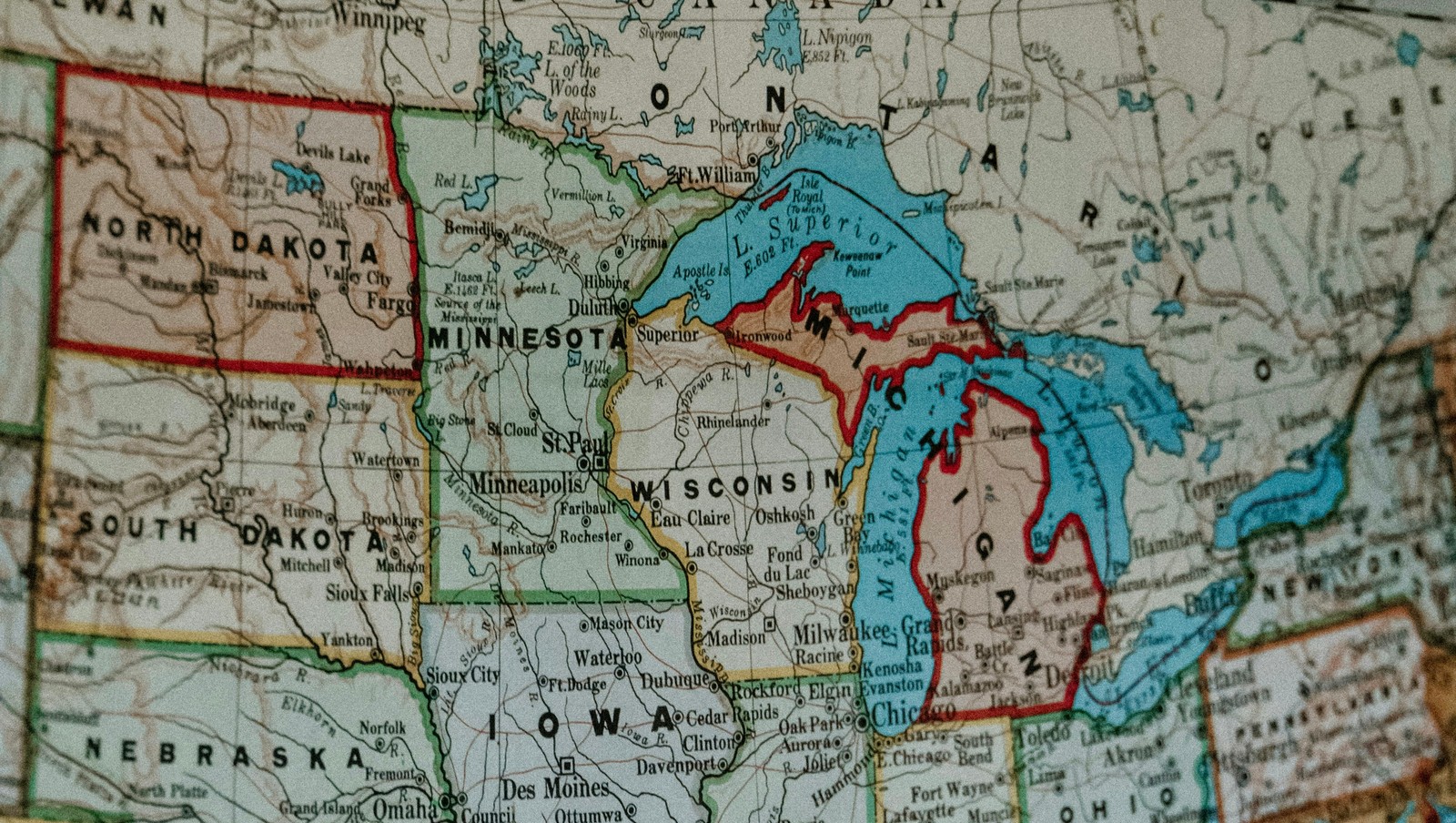
Michigan - Michiganians, Michiganders, or Michiganites?

Image: Brad Switzer

Michigan residents have a lot of options: Michiganians, Michiganders, or Michiganites. Let’s set the record straight: Michiganian is the official term, but Michigander is by far the most popular, thanks in part to Abraham Lincoln, who supposedly coined it to tease a political opponent from Michigan.

Some people even prefer Michiganite , though it sounds more like a type of rock than a person, right? No matter the term, they’re all part of the same mitten-shaped home.

10
Colorado - Coloradan or Coloradoan?

Image: Rich Martello

The great and final debate: Coloradan or Coloradoan? Actually, both are used, but Coloradan is the more common choice. The extra "o" in Coloradoan might seem unnecessary, but some argue it better reflects the state’s Spanish origins.

Either way, residents of Colorado are known for their love of the outdoors, craft beer, and breathtaking mountain landscapes. So, if you’re wondering what to call them, just don’t call them flatlanders!
General General 4 min read

Slippery, spotty, and surprising

These local amphibians can regrow limbs, release toxins, and much more!

Image: Pixabay

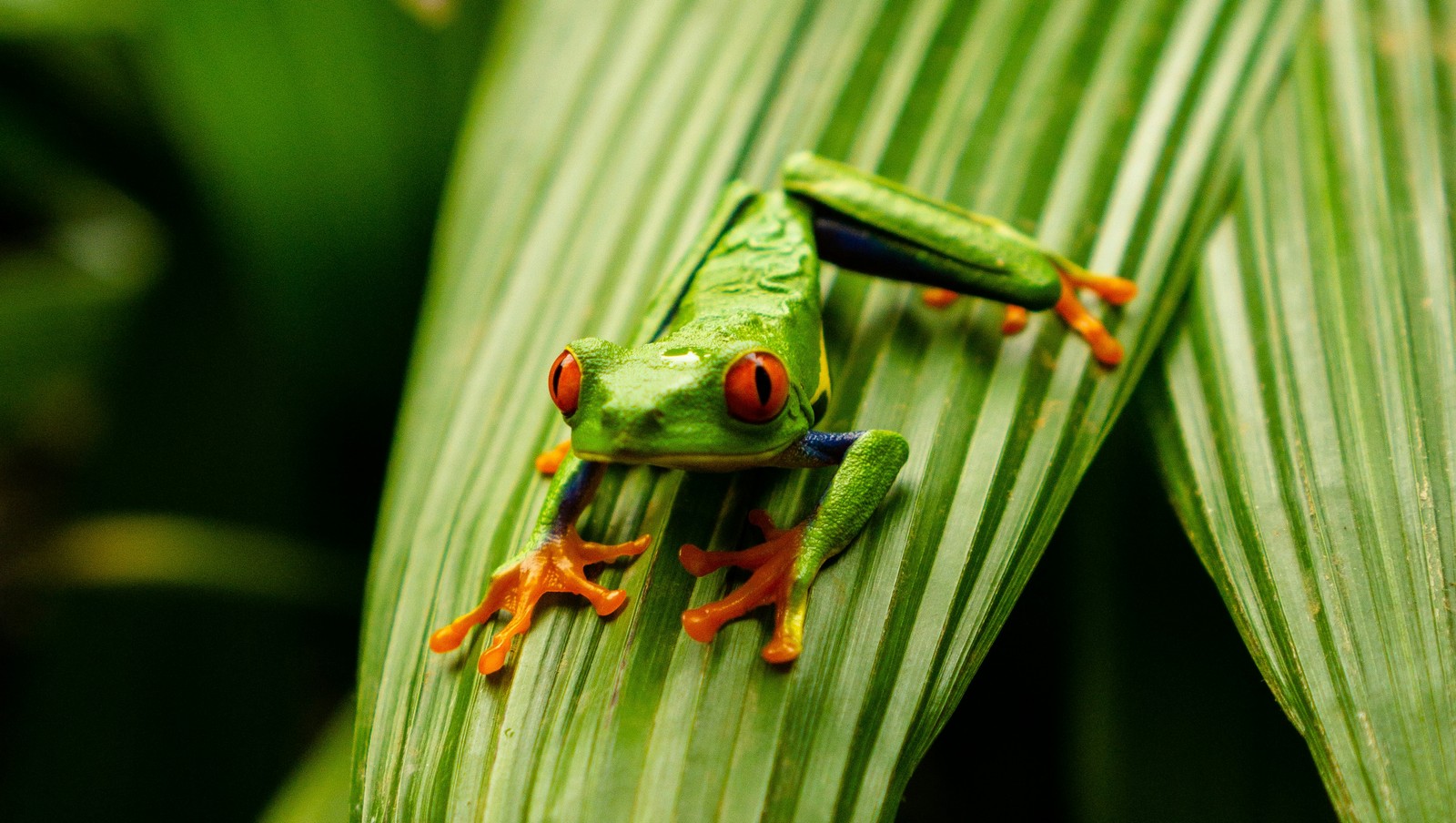
Given America's vast territory and rich biodiversity, our land holds a wide variety of mammals, reptiles, and birds—but let's not forget the amphibians! The United States is home to a great and extravagant range of amphibians that are far more fascinating than just regrowing tails: Some well-known and others that you'll definitely want to discover. Join us as we explore the unique traits of these 10 incredible amphibians found across the US!

1
Tiger salamander

Image: Anastasia Pirri

Meet the tiger salamander—one of the largest terrestrial salamanders in North America. While its size is certainly impressive, the tiger salamander also has other traits that make it stand out. Take its appearance, for example: its dark brown body with bright yellow blotches resembles tiger stripes, which is why it has such a peculiar name. But there's more! Unlike many other salamanders, this one spends much of its time underground, using its large, powerful limbs to dig.

Fun fact: Some states, like Colorado and Kansas, have named it their official state amphibian!

2
Eastern Hellbender

Image: laura adai

Although the tiger salamander is impressively large, another salamander stands out for its huge size: the Eastern Hellbender.

Cryptobranchus alleganiensis alleganiensis is its scientific name (quite a mouthful, right?). It holds the title of the largest salamander in North America. In fact, it's sometimes nicknamed "snot otter" due to its large body and the slippery texture of its skin.

3
Amphiuma

Image: Wolfgang Hasselmann

When you first see this creature, you might mistake it for a snake or an eel. But it's actually an amphibian—more specifically, an aquatic salamander known as the amphiuma. Its appearance, let’s just say, isn’t exactly what most would call "cute."

This unusual amphibian can grow up to 3 feet long! And while not immediately noticeable, it has tiny legs with only one, two, or three toes, depending on the species. Its limbs aren't very useful, but they do make the amphiuma look just a bit creepier.

4
Colorado River Toad

Image: Crystal McClernon

The Colorado River Toad may not be the cutest or most dazzling creature out there, but it's certainly one of the most fascinating. Native to the southwestern United States, this amphibian is one of the largest toads in North America, but what sets it apart isn't its size. So, while it may look slow and harmless, this toad is capable of releasing a dangerous, highly psychoactive toxin that acts as a defense mechanism and can be fatal to many species, including dogs.

5
Common Mudpuppy

Image: Tommy Bond

Now, it's time for an amphibian whose cuteness is one of its most distinctive features; even its name reflects that! We're talking about the Common Mudpuppy, an aquatic salamander that inhabits streams, rivers, ponds, and lakes. It's also one of the few salamanders that remain fully aquatic throughout their entire life. And that’s precisely why it sports a pair of large, red external gills on the sides of its head, giving it an almost 16th-century European look!

6
Gray Tree Frog

Image: Aurora K

The small Gray Tree Frog inhabits the forests and woodlands of the eastern United States. And while it's true you might find it on trees and plants, its nickname isn't entirely accurate when it comes to color. Yes, it can be gray, but this amphibian has the ability to change its color to blend in with its surroundings! It also has another superpower: the ability to survive freezing temperatures. By producing a natural antifreeze, it protects its organs during cold conditions that most of us couldn’t begin to handle.

7
Spotted Salamander

Image: Kristina Kutleša

As its name suggests, what distinguishes the Spotted Salamander is its shocking look. But beware, its mottled appearance isn't just for show. It also acts as a warning to ward off predators! If you've ever seen one in the wild, consider yourself lucky because although it’s fairly widespread, this salamander spends most of its time underground.

8
Pacific Giant Salamander

Image: wallace Henry

If you venture into the mountainous regions of the Pacific Northwest, you might come face-to-face with the Pacific Giant Salamander, one of the largest terrestrial salamanders in North America.

Reaching up to 14 inches in length, this amphibian is striking to see—but it’s even more surprising when you hear it. That’s right: unlike most of its kind, the Pacific giant salamander can make audible barking sounds!

9
Barking Tree Frog

Image: José M. Alarcón

We have a contestant that could go head-to-head with the Pacific Giant Salamander in a barking contest: the aptly named Barking Tree Frog.

Let’s just say the frog’s striking features are perfectly summed up by its name. In states like Florida, Georgia, and South Carolina, you can find this little amphibian calling from the treetops or near freshwater shores.

10
Dusky Gopher Frog

Image: Geraldine Dukes

Finally, we have the most mysterious and elusive of all: the Dusky Gopher Frog. As one of the rarest frog species in the U.S., the Dusky Gopher Frog is incredibly elusive and critically endangered, with fewer than 200 individuals left in the wild. The dusky frog spends most of its life hidden underground and only comes out during the mating season.

General General 2 min read

Shocking the neighbors

These things are not as common outside the US

Image: Jennifer Kalenberg

America is a land of unique customs and rituals, many of which leave outsiders scratching their heads. From super-sized food to partying habits, these traditions reflect the country’s history, creativity, and widespread patriotism. Here are 10 American practices that are often admired, misunderstood, or simply confusing to people abroad.

1
Tipping everywhere

Image: Sam Dan Truong

Americans tip for almost every service, from coffee to taxis. The standard is 15–20% of the bill. Unlike most countries where service charges are included, tipping is often expected and essential for workers’ income.

Restaurants, bars, and even hair salons rely on it. Since this is not as common elsewhere, tourists often miscalculate or under-tip, causing awkward interactions.

2
Super-sized portions

Image: Nima Naseri

Restaurant portions in the U.S. are notoriously large, often doubling or tripling international standards.

This stems from both historical abundance and marketing strategies that equate quantity with value. All-you-can-eat and combo meals reinforce the "more is better" mentality.

3
College tailgating

Image: Josh Applegate

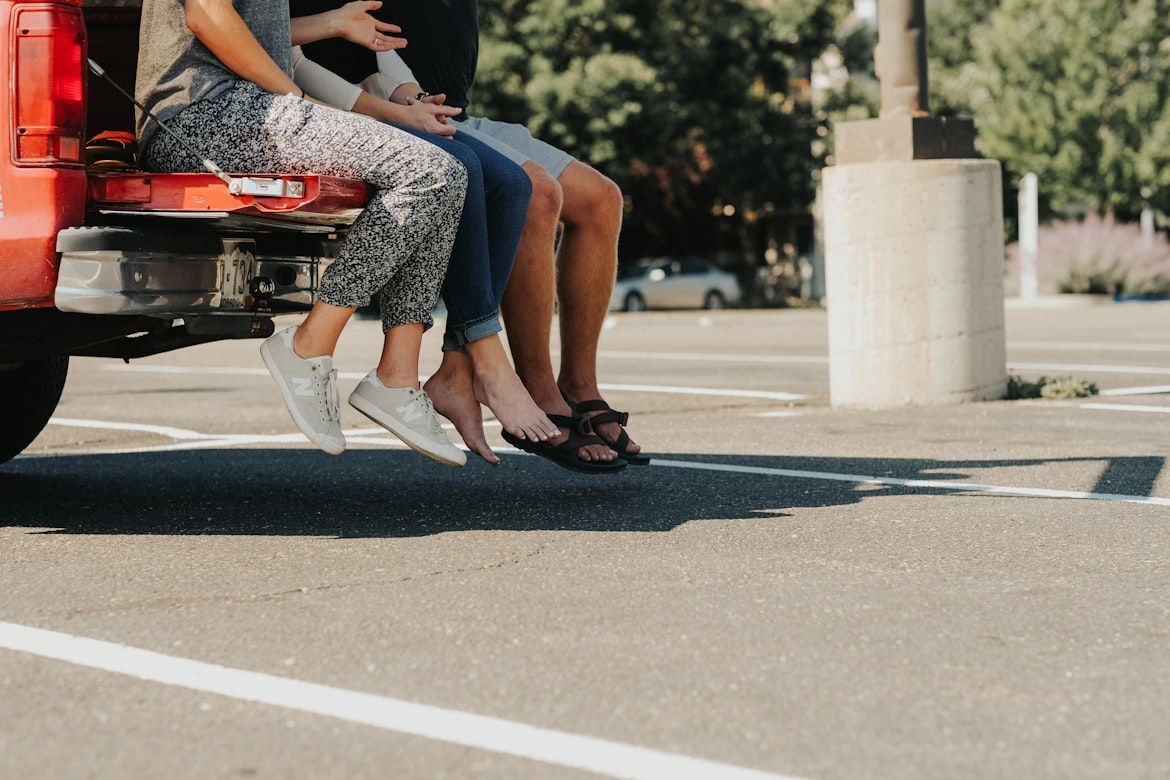
Fans arrive hours before football games, grilling and partying in parking lots. Tailgating mixes sports passion with social gatherings, showing regional pride and university loyalty.

This uniquely American tradition often shocks outsiders with the devotion shown to local sports.

4
Black Friday mania

Image: Artem Beliaikin

Originating in Philadelphia in the 1960s, Black Friday marks the start of the holiday shopping season. It’s a consumer spectacle tied as much to capitalism as to tradition.

Retailers use extreme discounts to generate sales; the frenzy often leaves international observers bewildered by the ensuing chaos.

5
Wearing patriotic clothes year-round

Image: Shari Sirotnak

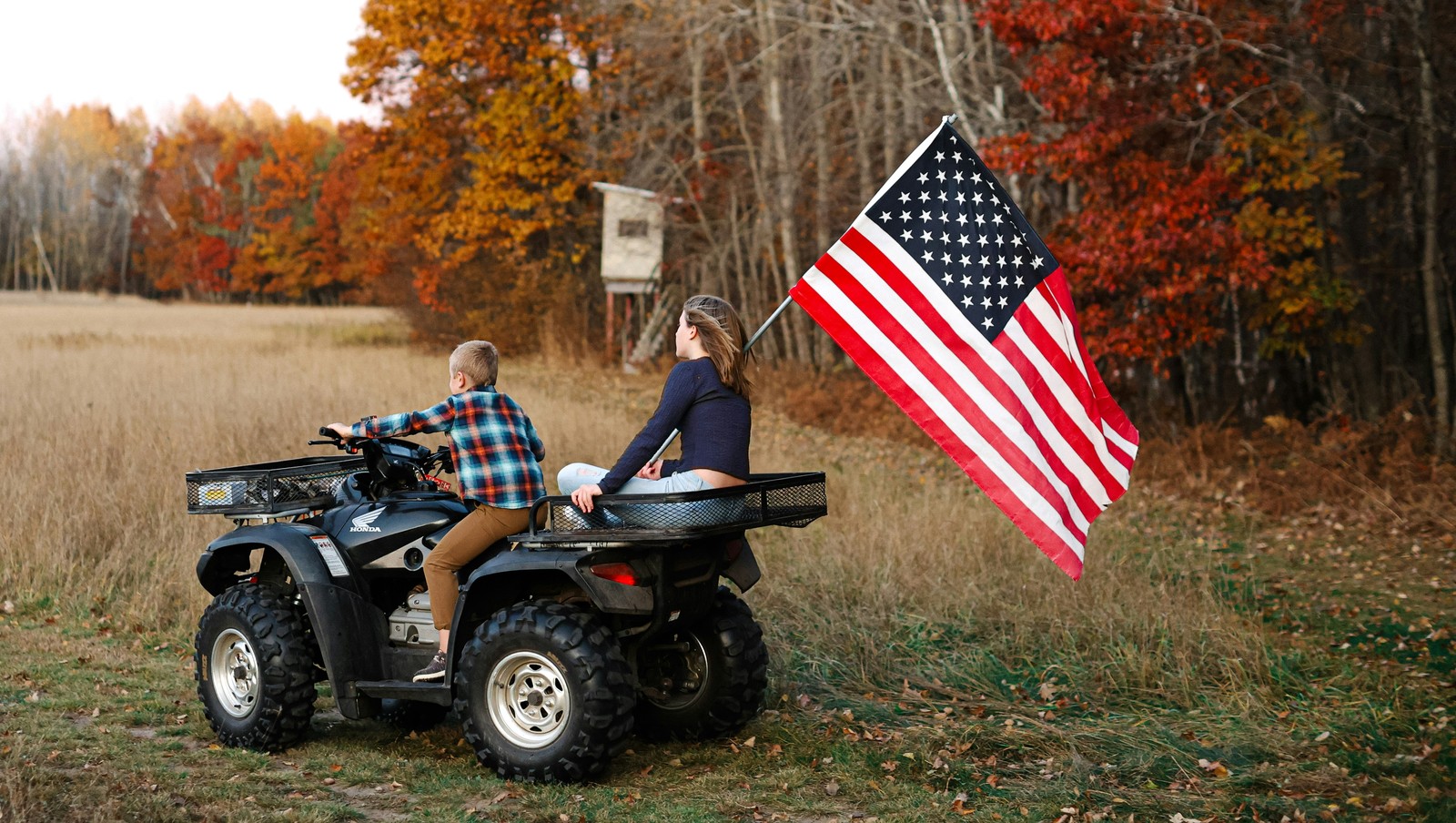
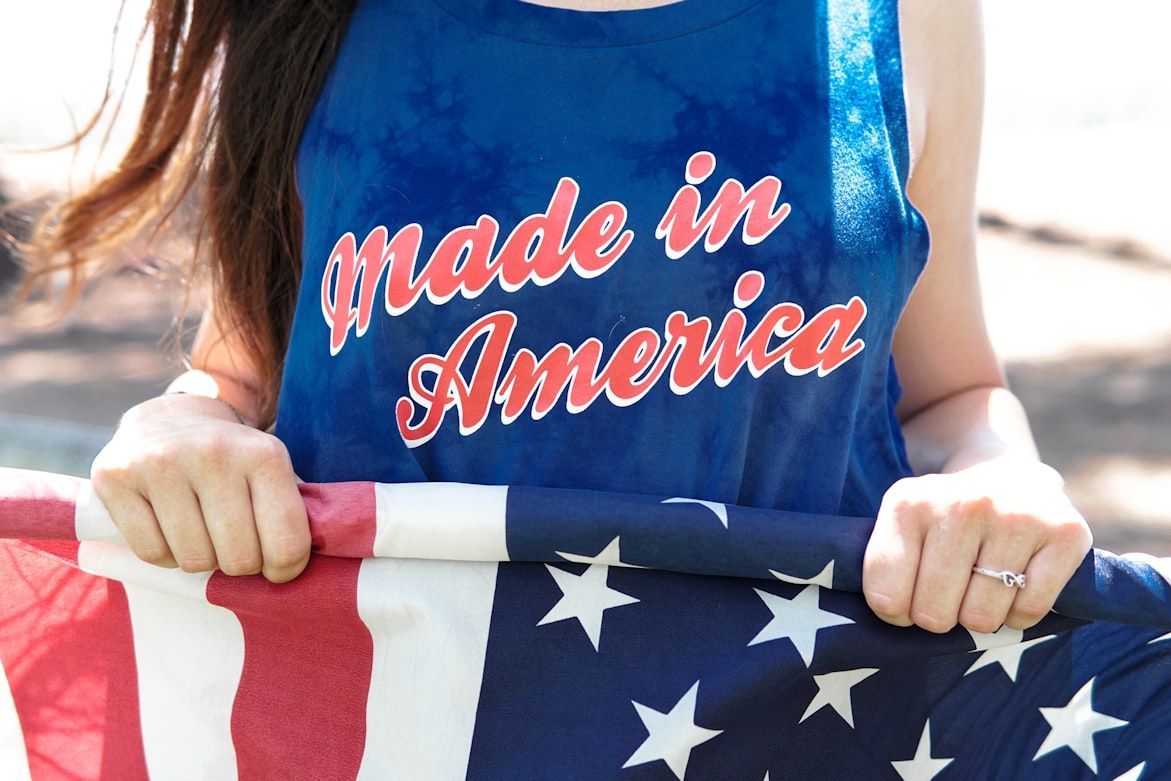
Americans often wear flag-themed clothing even outside national holidays. The practice intensifies during major sporting events, but displaying the flag as apparel reflects civic pride in everyday life.

For many outsiders, wearing a flag as clothing seems unusual, yet this custom embodies American individualism and patriotism.

6
Driving everywhere

Image: why kei

Unlike many countries with extensive public transit, Americans rely heavily on cars. Suburban expansion and urban planning favor personal vehicles.

Gas prices, infrastructure, and cultural identity reinforce driving as normal. Tourists accustomed to walking or trains find long drives mandatory, and as a result, the layout of U.S. cities is unusually spread out.

7
High school proms

Image: Long Truong

Proms evolved in the 20th century as a rite of passage. Teenagers dress formally for dances with elaborate rituals, including crowning kings and queens.

While other countries almost always have some form of graduation celebrations, the formality, expense, and emphasis on dating customs in American proms often confuse foreigners.

8
Obsession with college sports

Image: Riley McCullough

Universities dominate cities with massive stadiums and fanfare. College football and basketball inspire loyalty rivaling professional leagues.

The intensity is unusual internationally, where professional sports typically overshadow collegiate athletics.

9
Yard sales

Image: Clem Onojeghuo

Communities host sidewalk sales for secondhand goods. This tradition emphasizes recycling, community interaction, and bargain hunting.

This casual sale of used goods in public spaces is uncommon in many countries, making it a uniquely American practice.

10
Spelling bees

Image: Brett Jordan

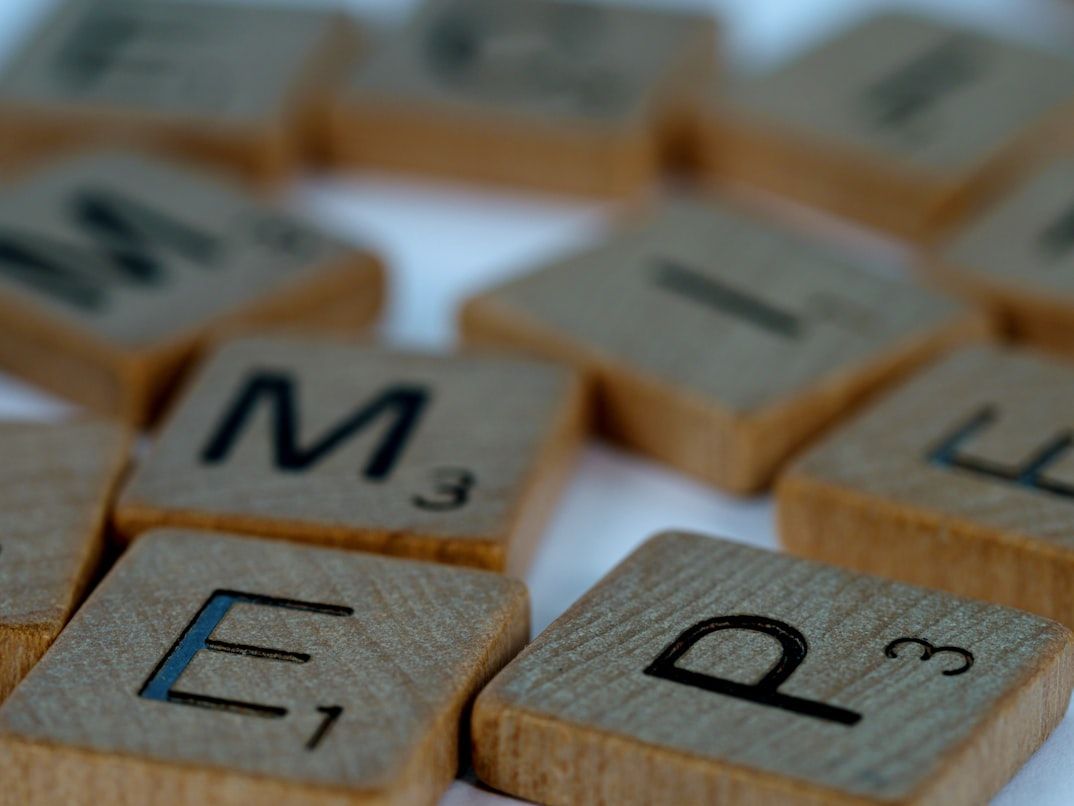
Americans hold intense competitions where kids spell increasingly difficult words aloud. Spelling bees originated in the 19th century as educational contests, promoting literacy and vocabulary skills.

The National Spelling Bee, held annually since 1925, draws contestants nationwide and often surprises outsiders due to English’s tricky spelling rules.

Explore more American facts

Choose your favorite category!

General
General

As American as apple pie—the very best America has to offer!

Culture
Culture

Delve into the astounding richness of American lore.

Geography
Geography

Hop in and explore vast and diverse American landscapes.

History
History

Discover the key moments that shaped the United States.