General General 7 min read

Made in the US

Inventing America: Discover the roots of these 10 national classics

Image: Tara Winstead

Ever wonder how everyday favorites like the Frisbee, Gatorade, or even the Zamboni came to be? Behind each one is a quirky story of chance, innovation, and a bit of luck, like most of the best inventions! From playground toys to sports essentials, these simple creations have become cultural icons. Let’s take a look at the surprising origins of these classic inventions and the clever minds that brought them to life. You might be amazed by how much history is hidden in the things we love!

1
The frisbee

Image: Robin Jonathan Deutsch

The best things are often created by accident, and you never know when that accident will strike. For example, did you know the Frisbee was born from a humble cake pan?

In 1938, Fred Morrison and his girlfriend were tossing a pan around on a beach in Connecticut when a passerby offered to buy it. That moment sparked an idea that stayed with Morrison through his service in World War II, where he learned about aerodynamics and began to dream of creating the perfect flying disk. After several failed attempts, he finally hit on a design in the 1950s, calling it the "Pluto-Platter."

Enter Wham-O, a company known for quirky toys like the Hula-Hoop. They bought the rights in 1957, gave it the now-iconic name "Frisbee" (inspired by Yale students tossing pie tins from the Frisbie Pie Company), and refined the design. The Frisbee took off—quite literally—spinning its way into parks, beaches, and backyards across America.

2
The slinky

Image: Adam Valstar

The slinky was also the result of accidental creativity in 1943 when Richard James, a naval engineer, knocked a spring off a shelf and noticed it "walked" in a curious way. Intrigued, he refined the design, and with his wife Betty’s help, they turned it into a toy sensation. Although the name was purely her idea!

In 1945, a demo at Gimbels Department Store sold 400 units in 90 minutes, and the Slinky quickly became a household name.

Without going into too much detail, Richard later took a wrong turn, and it was Betty who stepped in as CEO, saving the company from financial ruin. She even commissioned the iconic Slinky jingle! Under her leadership, the Slinky sold 300 million units before she finally sold the company in 1998. Talk about female power, huh?

3
The Ferris wheel

Image: Steve Shreve

Did you know the Ferris wheel was named after a person? That person was George Ferris who, in 1893, introduced the Ferris wheel at the Chicago Columbian Exposition.

Ferris, a young engineer, proposed the idea of a massive steel wheel that would rival the Eiffel Tower both in size and symbolism. He certainly set quite the challenge for himself!

Though initially rejected, Ferris funded his own research to prove the design’s safety, and his persistence paid off. The Ferris wheel became the star attraction—naturally since it stood 250 feet tall and offered visitors a thrilling 20-minute ride for fifty cents.

Sadly, Ferris’s success was short-lived. After the fair, he faced legal battles and financial ruin, and so the original wheel had one last appearance at the St. Louis World's Fair in 1904 before being destroyed.

4
Gatorade

Image: Jacob Rice

Sports legends become such because they strive to get better. And because they had a good coach who had their back. An example of a coach who went above and beyond was that of Florida’s football team.

In 1965, the Florida Gators’ football coach asked a group of professors if there was a way to help players reload fluids lost during games. Led by Dr. Robert Cade, the team created a mix of water, sodium, sugar, and lemon juice, later called "Gatorade," you can imagine why.

Of course, the first few versions tasted awful, but after some adjustments, the drink became more palatable. The Gators credited their improved performance, including their 1967 Orange Bowl win, to this new beverage.

No gatekeeping on the teams’ side, word spread, and by 1970, Gatorade was under the national spotlight when the Kansas City Chiefs used it in their Super Bowl victory.

5
The super ball

Image: Shubham Dhage

Some toys became popular after being discovered to be useless for anything else! That was the case with the Super Ball.

In 1964, chemist Norman Stingley invented a unique synthetic rubber but couldn't find an industrial use for it. However, he quickly found a solution: he turned to Wham-O, the toy company behind the Hula-Hoop and they released the Super Ball in 1966. The ball, made from the secret ingredient "Zectron," could bounce to incredible heights.

Aside from the fun, we have something else to thank the Super Ball for—it inspired the name of one of the biggest events in sports today. Lamar Hunt, owner of the Kansas City Chiefs, saw his daughter play with the toy and jokingly suggested to NFL Commissioner Pete Rozelle that the first championship game between the NFL and AFL should be called the "Super Bowl." The rest is history!

6
Fritos

Image: Roberto Carlos Román Don

Few things are as American as snacks, don’t you think? Let’s take a look at how Fritos came to be!

In 1932, Charles E. Doolin, a San Antonio confectioner, was looking for a new product when he bought a fried corn recipe from a man named Gustavo Olguin for $100.

After tweaking the recipe, Doolin created bite-sized corn chips called Fritos, which quickly became a hit. By 1933, Fritos were being mass-produced, and Doolin pioneered new marketing strategies, like direct stocking and placing clip-racks near cash registers—making his product even more accessible. (We all fall for that one, don’t deny it!)

But that’s not all. Doolin’s business success led him to invest in Disneyland, where his "Casa de Fritos" restaurant accidentally gave birth to Doritos.

7
Crossword puzzle

Image: Ross Sneddon

It feels like the crossword puzzle has been around forever, but it wasn’t actually invented until 1913. Arthur Wynne, working for the New York World newspaper, was asked to create a challenging puzzle for the "Fun" section. The concept of fun is indeed a time-sensitive concept!

The inspiration came from a childhood word game: he designed a puzzle with clues instead of words and the first crossword was published on December 21, 1913. Want to hear a fun fact? One of the clues was "What this puzzle is." The answer? "Hard."

And this invention is full of interesting tidbits. For instance, the name "Cross-word" was the result of a typing mistake—but it stuck! And, over a hundred years later, here we are!

8
Alka-Seltzer

Image: Daniel Gregoire

Alka-Seltzer was born in 1928 when Hub Beardsley, president of the Dr. Miles Medical Company, noticed a local newspaper staff staying healthy during a flu epidemic. The editor told him their secret: aspirin with baking soda dissolved in water. Inspired by this, Beardsley asked his chief chemist, Maurice Treneer, to create a remedy based on the idea, leading to a compound of aspirin, bicarbonate of soda, and Vitamin C. When Beardsley tested it on flu sufferers, the results were promising—and Alka-Seltzer was born.

You can imagine what happened next, a strong advertising campaign in the 1930s, turned Alka-Seltzer into the go-to remedy for everything from colds to hangovers. The company rebranded as Miles Laboratories in 1935 and was later acquired by Bayer in 1979. Even today, Alka-Seltzer remains a staple of American medicine cabinets.

9
Zamboni

Image: Aleksi Partanen

One would think that a machine like the Zamboni, which is used to make ice smooth was created in a place like Alaska, right? Or at least a place where snow is present almost all year round. Surprisingly, it wasn’t—the Zamboni was invented in sunny Paramount, California.

Frank Zamboni, a man who came from the ice and refrigeration business, built the machine to save time at his Skateland Skating Rink. Before the Zamboni, resurfacing the ice was a 90-minute task done manually by five workers. Can you imagine how tedious that must have been?

Using parts from an airplane, oil derrick, Jeep, and wooden bin, Zamboni created a machine that could clean and smooth the ice in only a few minutes. Realizing its potential, Zamboni turned his invention into a business, with the first orders coming from Olympic skater Sonja Henie and the Chicago Black Hawks.

10
Baseball scoreboard

Image: Taiki Ishikawa

It goes without saying that baseball is one of Americans’ favorite pastimes. Everything about it is fun; it’s not just the game.

In the late 1800s, English immigrant Harry M. Stevens saw that and made the most of it. After moving to Ohio, Stevens started a business providing food and drinks at baseball games and eventually secured contracts with major league ballparks. While he’s often credited with popularizing the hot dog, his real innovation was the creation of the modern baseball scorecard. Using Henry Chadwick's shorthand scoring system, Stevens designed a simple grid fans could use to track the game. Does the phrase "You can't tell the players without a scorecard" ring any bells?

Stevens’s scorecard caught on, and fans began scoring games themselves. Today, his scorecard system is still in use, and we all love it!
General General 4 min read

American hidden food treasures

10 regional American dishes you've probably never heard of

Image: Petter Boccia

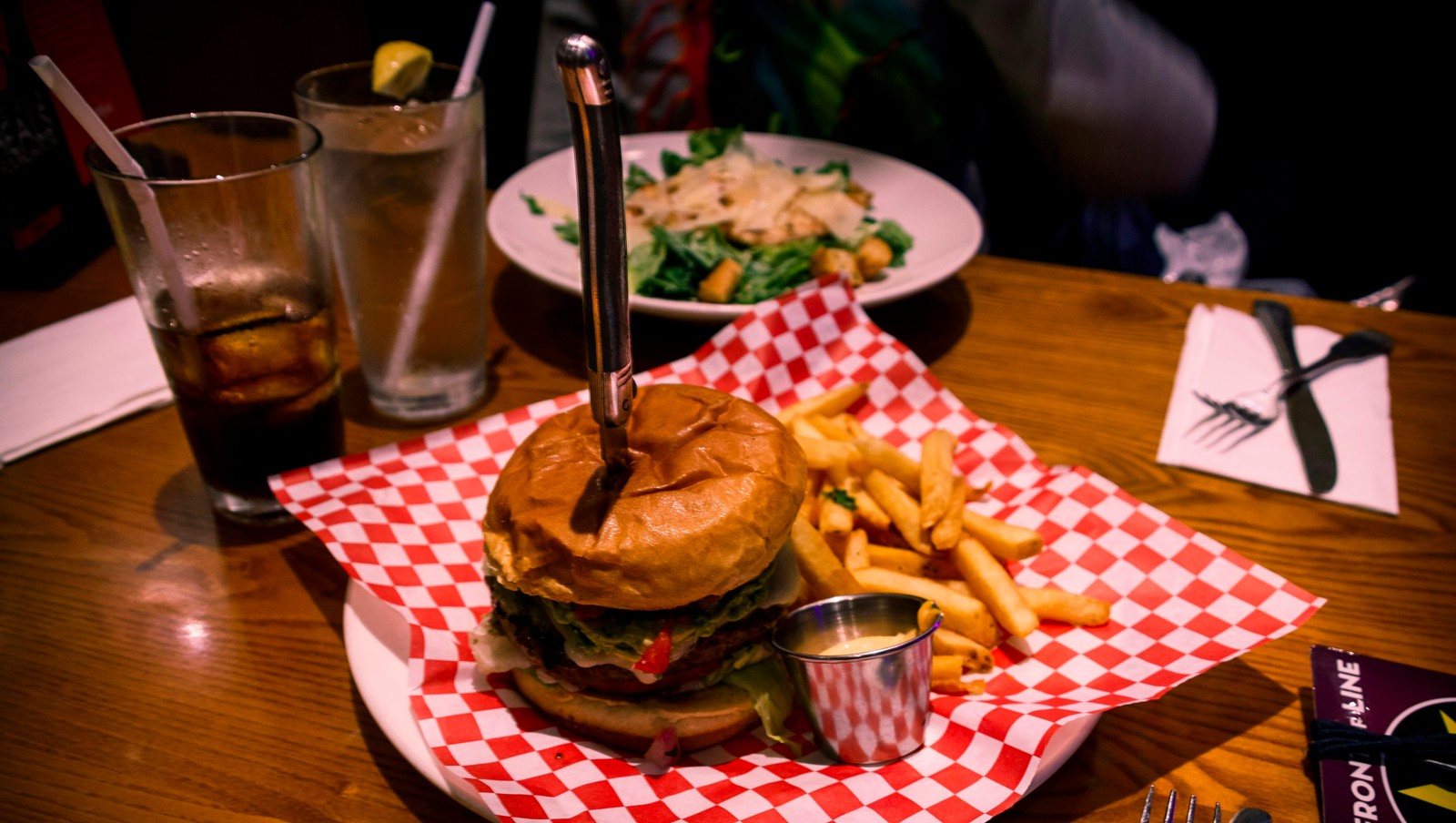
America's culinary landscape stretches far beyond burgers and apple pie. Tucked away in small towns and regional pockets across the country are dishes so obscure that even Food Network hasn't discovered them yet. Let's take a delicious road trip through America's most wonderfully weird regional specialties .

1
1. Goetta (Cincinnati, Ohio)

Image: Austin Ban

Goetta is a mixture of ground meat, steel-cut oats, and spices that Cincinnati has been frying up since German immigrants brought the recipe over in the 19th century. It's pronounced "get-uh," and locals are passionate enough about it to hold an annual Goettafest.

The oats give it a texture that's simultaneously crispy and tender when pan-fried, creating something that's part sausage patty, part savory oatcake. Cincinnatians slice it thick and serve it alongside eggs, or get creative with goetta burgers and sandwiches.

2
2. Pasties (Michigan's Upper Peninsula)

Image: Annie Spratt

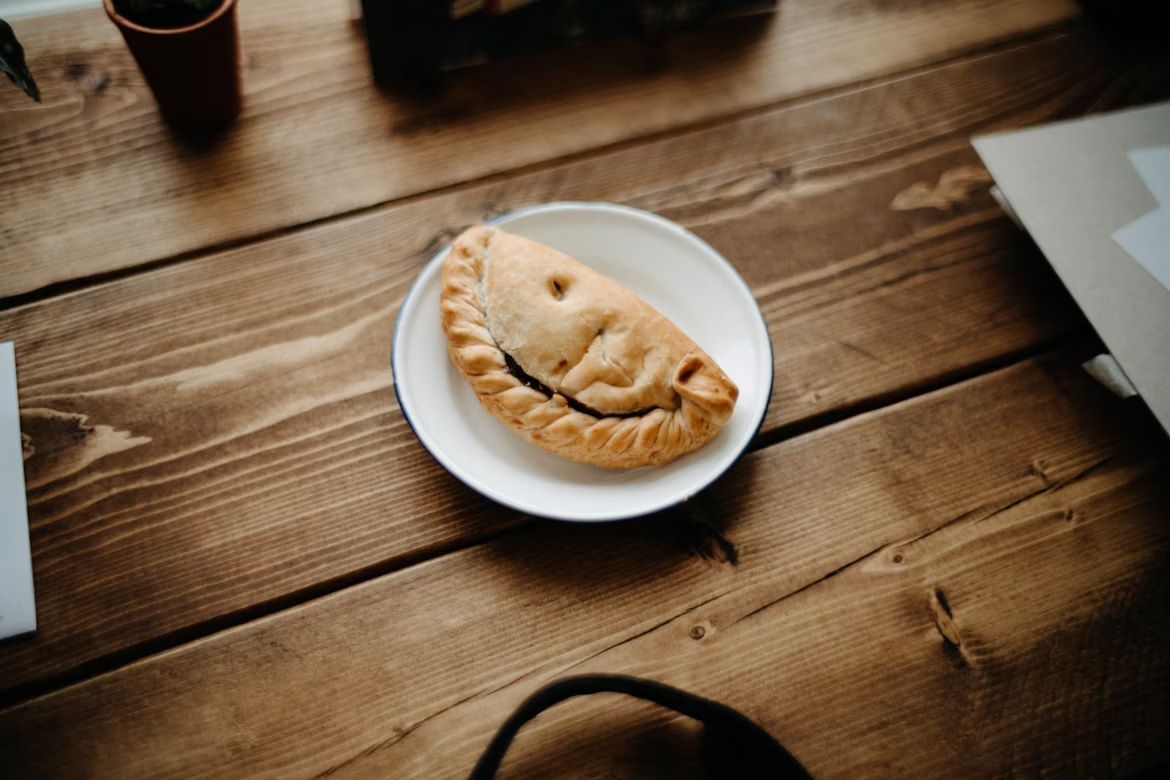
The Upper Peninsula of Michigan is practically its own country, and its national dish is the pasty— a handheld meat pie that Cornish miners brought to the copper mines in the 1800s . These aren't dainty; they're hefty D-shaped pockets of pastry stuffed with beef, potatoes, rutabaga, and onions that could double as hand warmers in a blizzard.

The genius of the pasty was its portability and built-in plate. Today, you'll find pasty shops scattered across the U.P., each claiming the most authentic recipe.

3
3. Frito Pie (New Mexico)

Image: Dollar Gill

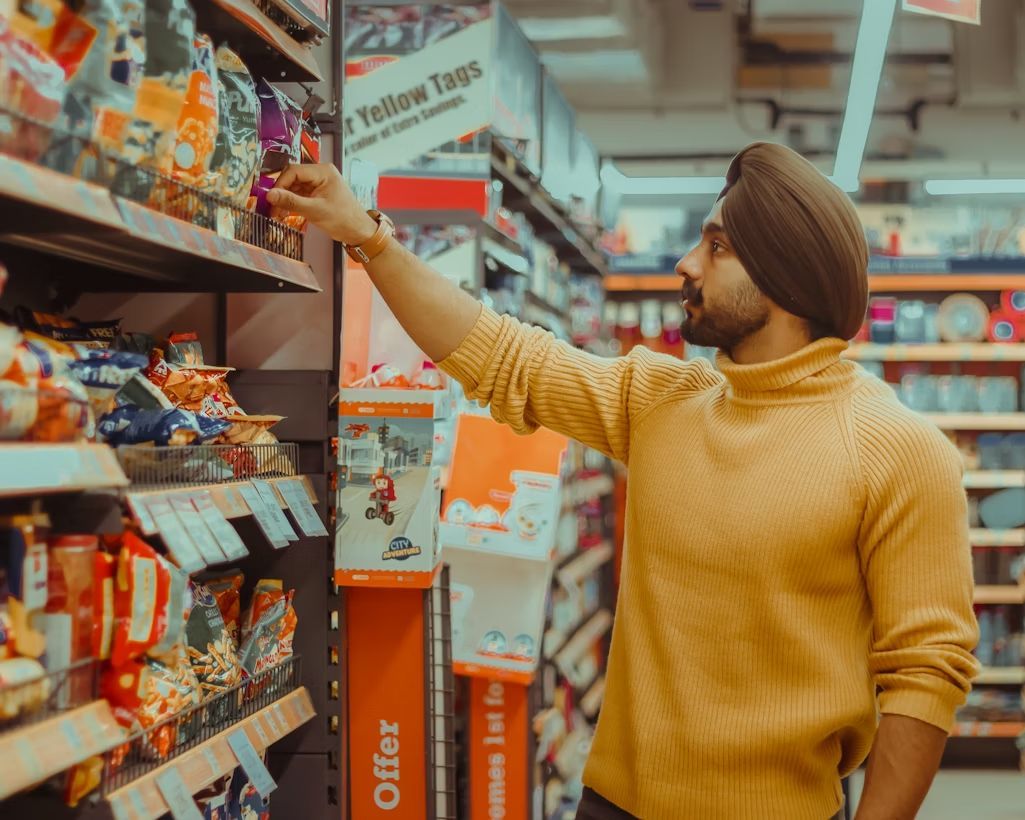
This isn't plated food— it's literally served in a torn-open bag of Fritos corn chips, topped with red or green chile, cheese, and onions . You eat it with a plastic fork while standing at a high school football game or state fair.

The dish embodies New Mexico's chile-obsessed culture, where "red or green?" is practically the state motto. The Fritos get soggy in all the right ways, absorbing the spicy chile while maintaining just enough crunch to remind you they're there.

4
4. Scrapple (Mid-Atlantic, especially Pennsylvania)

Image: Theme Photos

Scrapple is what happens when Pennsylvania Dutch settlers decided that absolutely nothing from a pig should go to waste. It's a loaf made from pork scraps, cornmeal, and spices, then sliced and fried until crispy .

The texture is distinctive—crispy on the outside, soft and almost pâté-like inside. Philadelphians and Delawareans grow up eating it alongside eggs, though the rest of the country largely treats it with deep suspicion.

5
5. Burgoo (Kentucky)

Image: Artur Kornakov

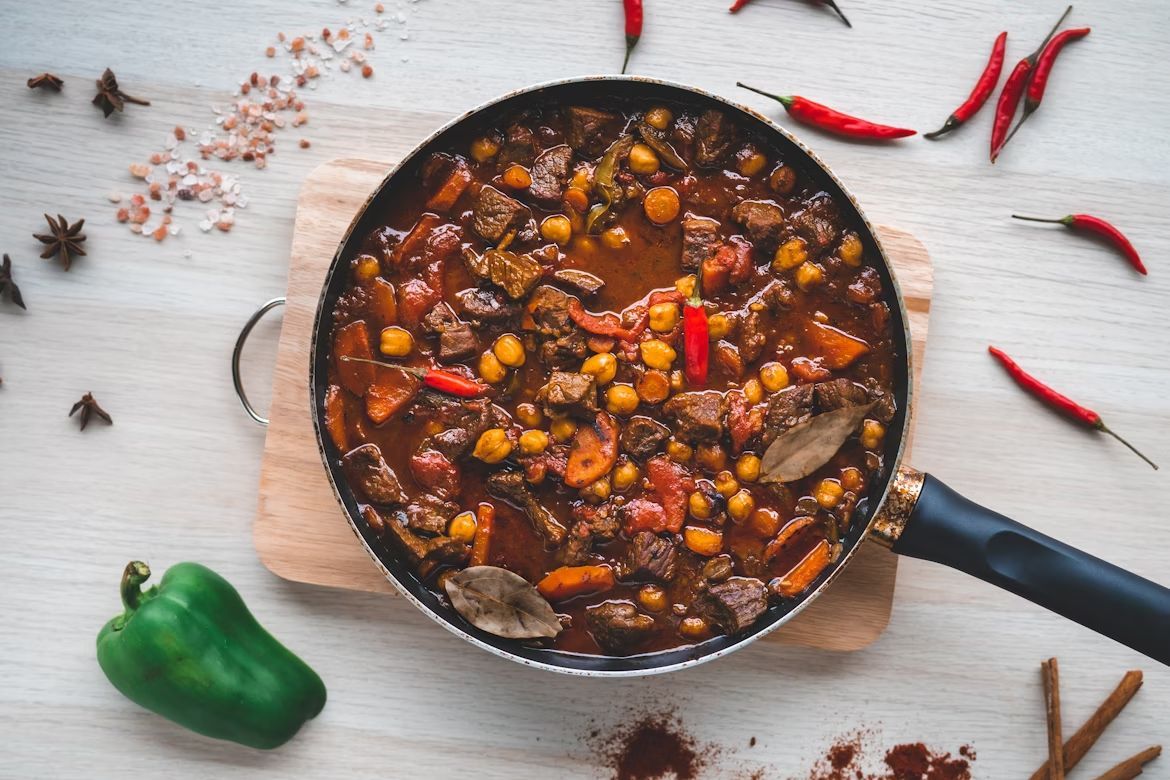
Kentucky's contribution to the stew hall of fame is burgoo, a thick, slow-cooked concoction that traditionally contained whatever meat was available—sometimes mutton, sometimes squirrel. Today's versions stick to more conventional proteins like chicken, pork, and beef, mixed with every vegetable imaginable in a tomato-based broth.

Burgoo is serious social food, cooked in enormous quantities for church gatherings, Derby parties, and political rallies. The cooking process takes hours, sometimes overnight, until everything breaks down into a thick, hearty mixture that's more texture than individual ingredients.

6
6. Chicken Bog (South Carolina)

Image: Douglas Fehr

It's a one-pot dish of chicken, rice, sausage, and spices cooked together until the rice absorbs all the flavorful liquid . The "bog" refers to the thick, creamy consistency, though no actual wetlands are harmed in the making.

This dish turns up at family reunions, church suppers, and fundraisers throughout the Pee Dee region of South Carolina. It's essentially a drier, heartier cousin of chicken and rice, with smoked sausage adding a smoky punch.

7
7. Tavern Sandwich (Iowa)

Image: Jessica Tan

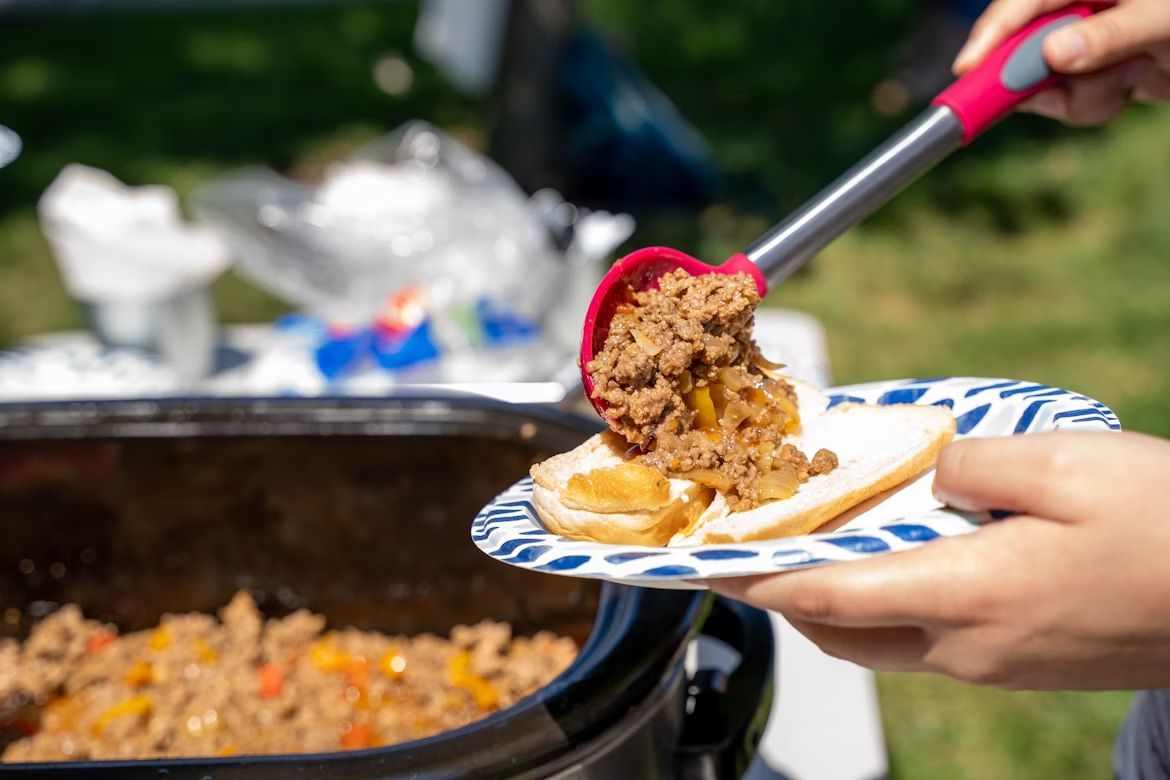
Iowa's tavern sandwich is what happens when a sloppy joe goes to finishing school. It's seasoned ground beef served on a bun, but unlike a sloppy joe, there's no tomato-based sauce . Just perfectly spiced, slightly steamed ground beef piled high and falling apart in the most dignified way possible.

The sandwich gained fame through the Maid-Rite restaurant chain, founded in Iowa in 1926. The meat is cooked with a secret blend of seasonings and stays loose rather than being formed into a patty.

8
8. Boiled Peanuts (The Deep South)

Image: Tom Herman

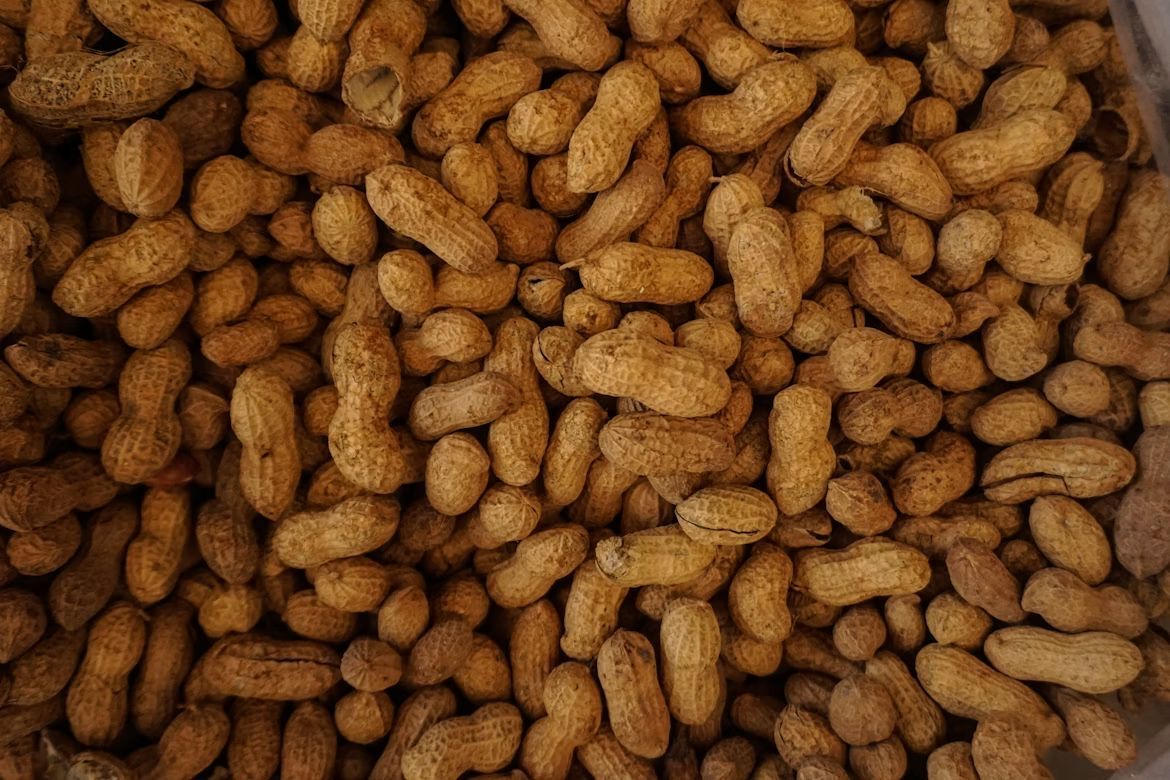
These soggy legumes are sold from roadside stands in the Carolinas, Georgia, Alabama, and beyond, often out of slow cookers perched on card tables. They're warm, salty, and utterly unlike any peanut you've eaten at a ballgame .

The texture shocks first-timers—soft and almost bean-like rather than crunchy. You pop open the shell, squeeze the peanuts into your mouth, and toss the hull. Cajun-spiced versions add heat to the mix.

9
9. Runza (Nebraska)

Image: ClickerHappy

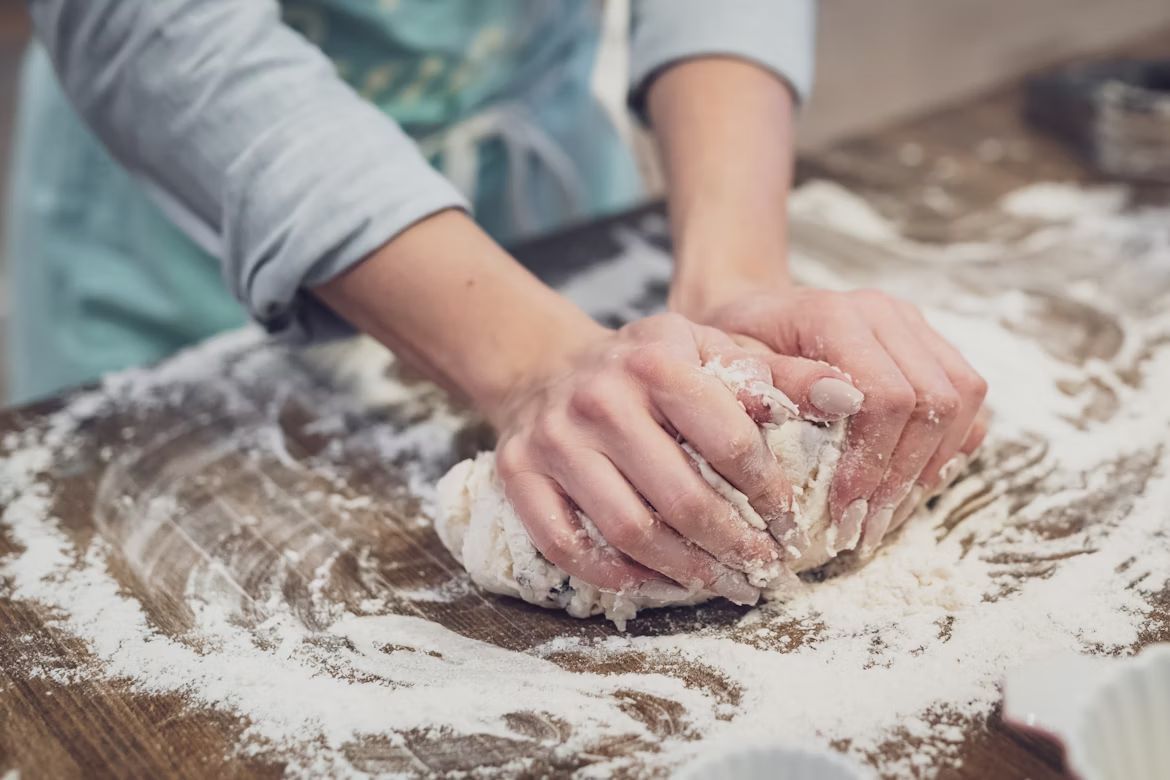
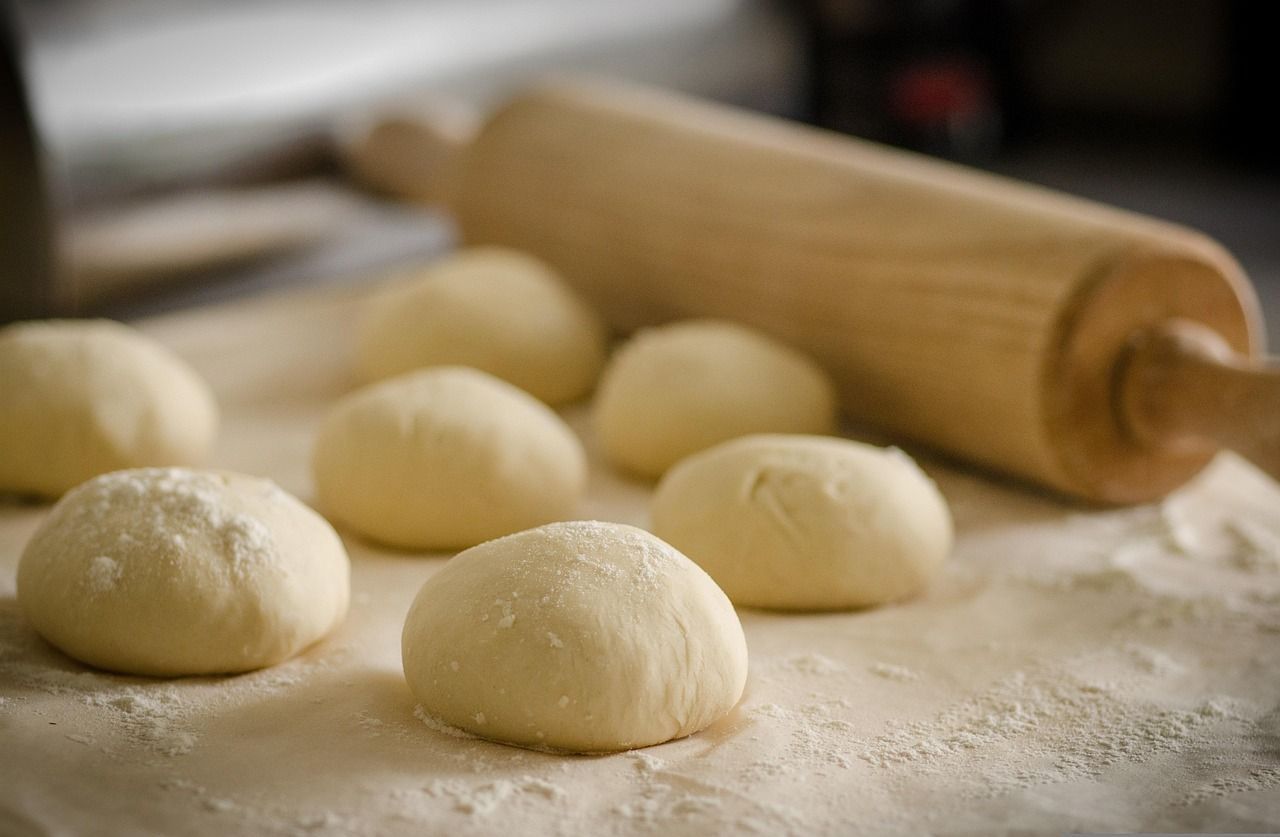
Nebraska's state snack is the runza, a rectangular pocket of yeast dough stuffed with seasoned ground beef, cabbage, and onions . German-Russian immigrants brought this handheld meal to the Great Plains, where it became so beloved that an entire fast-food chain bears its name.

The beauty of the runza is its portability and balanced flavors. The sweet, slightly tangy cabbage cuts through the savory beef, all wrapped in soft, golden bread. Nebraskans eat them at football games, after school, and whenever they need portable comfort.

10
10. Slug Burger (Mississippi)

Image: Mike

Mississippi's slug burger has nothing to do with garden pests and everything to do with Depression-era ingenuity. When meat was expensive, cooks in Corinth stretched ground beef by mixing it with flour, potato flakes, or even cornmeal before forming patties and deep-frying them .

Today, this crispy, slightly bready burger remains a regional treasure, especially during the annual Slugburger Festival. The extenders give it a unique texture—crunchier outside, denser inside than a regular burger. It's served on white bread or a bun with mustard, pickles, and onions.

Geography Geography 6 min read

Gotham secrets revealed

Start spreadin' the news: 10 fun facts about New York City

Image: Roberto Vivancos

Welcome to New York, a city as bustling as it is fascinating. From towering skyscrapers and breathtaking parks to delicious food and riveting culture, New York City boasts such a rich history that it would be impossible to capture its essence in just one article. Therefore, this time around, we have selected 10 curious facts about the Big Apple that you may not know about. Join us!

1
New York’s many names…

Image: ian dooley

Did you know that New York has had several names throughout its history? The first documented European visit to New York Harbor was in 1524 by Giovanni da Verrazzano, an Italian explorer who claimed the area for France and named it Nouvelle Angoulême (New Angoulême), after the French city located on the banks of the Charente River.

Almost a century later, English explorer Henry Hudson rediscovered New York and claimed it for the Dutch East India Company, who christened Manhattan Island as Nieuw Amsterdam (New Amsterdam). In 1664, due to the war between The Netherlands and the United Kingdom, the British took over the area and renamed it New York , as a tribute to King Charles II's brother, James, Duke of York.

2
…and nicknames

Image: Artem Zhukov

In addition to its various official names, New York City has earned a good number of nicknames over the years. For example, Canvas Town, The Empire City, The City of Churches, Second City of the World, The Melting Pot, The City that Never Sleeps, The Center of the Universe, The City So Nice They Named It Twice, The Five Boroughs, and Metropolis, among many others.

But perhaps the most iconic New York City monikers are Gotham —coined by writer Washington Irving in 1807— and, of course, The Big Apple . In May 1921, sportswriter John Joseph Fitz Gerald of the New York Morning Telegraph first used The Big Apple in a feature on horse racing. As he later explained, that was the way New Orleans grooms' referred to New York City. Later, in the 1970s, an advertising campaign revived the nickname, and the rest is history.

3
National capital

Image: Cornelius Tiebout, artist and engraver of the original; this copy engraved by Hatch & Smillie and printed by J. &. G. Neale., Public domain, via Wikimedia Commons

Given its cultural, political, and financial richness, it's curious that New York is not the capital of the United States. However, although it was only for five years, at one point in history it became a reality. Between January 11, 1785, and August 12, 1790, The Empire City served as the last capital under the Articles of Confederation and the first capital under the U.S. Constitution .

While the capital resided in New York, the representatives of Congress met in Federal Hall, a building located close to the current site of the Wall Street Stock Exchange. In fact, this is where George Washington was sworn in as president in 1789. However, a year later the Residence Act established the temporary seat of government in Philadelphia until the construction of the new capital, Washington, DC, was completed. Congress met for the first time in its new and current location on November 17, 1800.

4
Linguistically diverse

Image: Dan Gold

Did you know that New York is one of the most linguistically diverse places in the world? It’s like a modern-day Tower of Babel, which is no surprise given its nickname, The Melting Pot . It is estimated that up to 700 different languages are currently spoken in New York, many of them endangered. For example, in Queens, there is a small community that speaks Tagalog, the language on which Filipino is based. In the Bronx, on the other hand, several families still speak Laotian at home.

Alongside these lesser-known dialects, other more widespread languages such as Spanish, Chinese, Arabic, Hebrew, Russian, and Italian, are spoken daily by communities that migrated to New York from their native countries. And that today, after several generations, still have a relevant representation in the most cosmopolitan city on the planet.

5
First pizza

Image: Jon Tyson

Not surprisingly, the first pizzeria in the United States is located in New York. The Italian immigrants who arrived in the city at the end of the 19th century brought with them their language, customs, and of course, their delicious food. One of these immigrants, Gennaro Lombardi, used leftover dough from the bread he sold in his Little Italy grocery store to make "tomato pies," following his Neapolitan family's recipe.

This pizza was so successful that in 1905, Lombardi converted his store into a pizza place. Little by little, he adapted his pizza to American ingredients and tastes, and lo and behold in a short time he had created what we now know as New York-style pizza. Lombardi's Pizza, today one of the most legendary pizzerias in New York, is the oldest in the United States. Be sure to grab a slice next time you visit The Big Apple — you won’t regret it!

6
Golden city

Image: Zlaťáky.cz

A city of firsts and mosts, New York is also home to the world's largest known depository of monetary gold. Buried 80 feet below street level, on the bedrock of Manhattan Island, hides an incredible treasure. Established in 1924, the vault of the main building of the Federal Reserve Bank of New York, located in the Financial District, stores more gold than The United States Bullion Depository, better known as Fort Knox.

As of 2024, it houses approximately 507,000 gold bars. This reserve is enclosed in a 140-ton steel-and-concrete frame protected by a state-of-the-art security system. About 98% of the gold belongs to foreign governments, while the rest is owned by the U.S. government and other financial institutions, such as the International Monetary Fund.

7
Unique ZIP codes

Image: William Wachter

Apart from being home to major companies, the most photographed building in the world, and getting struck by lightning about 25 times a year, the Empire State Building is also notable for having its own ZIP code: 10118.

Although located in South Midtown, the building is so large that the U.S. Postal Service needed to assign it a unique zone improvement plan—ZIP for short—to handle its high volume of mail more accurately and efficiently. To be fair, other buildings in New York also have their own ZIP codes , including 30 Rockefeller Plaza, the Chrysler Building, The Pavilion, Park Avenue Plaza, and the Pennsylvania Building, among others.

8
Birding paradise

Image: Laila Zouaki

New York has something for everyone, but wildlife? Who would have thought! When it comes to fauna, New York is much more than just rats, squirrels, and cockroaches. In fact, this concrete jungle has had animals at its heart since the beginning: two beavers adorn the official city seal. But not many New Yorkers know that Central Park is one of the nation's top spots for bird-watching.

The city is located at a concentration point on the Atlantic Flyway bird migration route, making it possible to observe birds year-round. In 1886, the park's first official bird census counted 121 species. Since then, 282 have been observed, including cuckoos, warblers, sparrows, owls, gulls, and Peregrine Falcons, among many others. Some of the best places in Central Park for birding are North Woods, The Ramble, Hallett Nature Sanctuary, and The Pond.

9
Times Square

Image: graphicsdays1989

The busiest street in the Big Apple owes its current name to a newspaper . Formed by the junction of Broadway, Seventh Avenue, and 42nd Street, this area is now a spectacle of lights, screens, neon signs, theaters, and hordes of people. However, it was once the center of New York's horse carriage industry. For this reason, in the late 19th century it was known as Longacre Square.

In the early 20th century, The New York Times moved its offices to a skyscraper on 42nd Street. A new subway station soon followed and the area was given the name we know it by today, Times Square. Although the newspaper moved out a few years later, that building is still famous for the Times Square Ball drop on its roof every New Year's Eve.

10
Film mecca

Image: Marta Wave

Declared a National Historic Landmark, Central Park is a staple of New York City. It’s no wonder that this area, in addition to its natural beauty, is a world cultural icon. Central Park is, in fact, the most-filmed location in the world , having been featured in movies as far back as 1908.

With silver screen classics like An Affair to Remember or Breakfast at Tiffany's and modern films including Home Alone and The Avengers , more than 300 productions have chosen this 843-acre park in the heart of the bustling city to film some of the most iconic scenes in movie history. Have you ever spotted Central Park in a film or TV show? Now you won't stop seeing it everywhere!

Explore more American facts

Choose your favorite category!

General
General

As American as apple pie—the very best America has to offer!

Culture
Culture

Delve into the astounding richness of American lore.

Geography
Geography

Hop in and explore vast and diverse American landscapes.

History
History

Discover the key moments that shaped the United States.