Culture Culture 4 min read

Ominous Hollywood

Is your favorite on this list? 10 iconic apocalyptic movies

Image: Max Ovcharenko

Alien invasions, nuclear accidents, or major natural disasters… The end of the world has been depicted countless times in cinema. Whether for their spectacular visuals or their realistic portrayal of humanity’s demise, some of these films have become icons that most of us have likely seen and remember vividly. Join us as we explore the most popular American apocalyptic films.

1
Independence Day

Image: Jason W

Nothing beats a classic apocalyptic alien invasion, where extraterrestrials arrive to destroy the planet, but encounter a group of humans willing to give everything to save humanity. This is the premise of Independence Day (1996), one of the most famous disaster films. Starring Will Smith, the movie marked a turning point in science fiction, showcasing visual effects that, although they may not be as surprising today, set a new standard at the time.

2
Armageddon

Image: Javier Miranda

It’s hard to keep track of how many explosions light up the screen in Armageddon (1998), but rest assured, there are a lot of them. This film follows the classic natural disaster formula: a massive asteroid threatens Earth, and the only hope for survival is to destroy it. When the planet’s at risk, who better to call than Bruce Willis? Alongside Ben Affleck, he steps up to risk everything in a race against time.

Do you also remember this movie every time you hear Aerosmith's "I Don't Wanna Miss a Thing"? You are one of us!

3
The Day After Tomorrow

Image: Mason Mulcahy

A new Ice Age threatens humanity after a series of devastating storms strike the planet in The Day After Tomorrow (2004), a film that takes climate change and pushes its possible consequences to the extreme. With spectacular disaster sequences and visuals, the movie became a total box office success worldwide.

4
I Am Legend

Image: Natalya Letunova

Imagine waking up one day and realizing that you are, as far as you can tell, the last survivor in the city. This is what happens to scientist Robert Neville, played by Will Smith, in I Am Legend (2007). The now-classic apocalyptic theme is a deadly virus that has devastated humanity, and it is Dr. Robert Neville who appears to be the only one capable of doing something to reverse the effects of this.

5
Interstellar
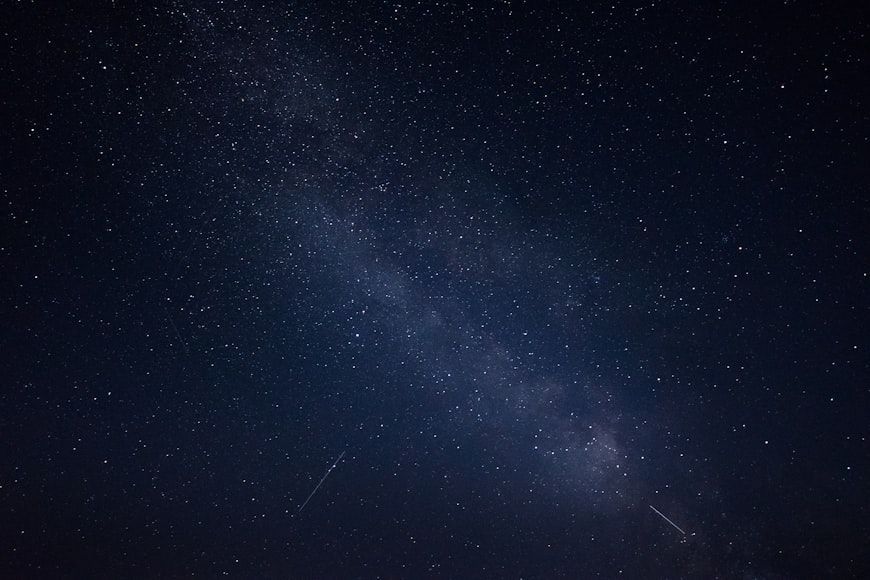
Image: Guillaume Le Louarn

In 2014, we saw one of the most exciting movies to hit the big screen: Christopher Nolan's Interstellar . Acclaimed by audiences and critics alike for its visual effects and its complex and thrilling plot, this film is one of those you’ll find hard to forget. Set on an Earth that is becoming uninhabitable, Matthew McConaughey plays Cooper, a former NASA pilot who joins a mission to travel through a wormhole near Saturn in search of a new place for humanity.

Fun fact: It’s not surprising that it has been well received even by the scientific community, since a Nobel Prize–winning physicist collaborated on the script.

6
Planet of the Apes
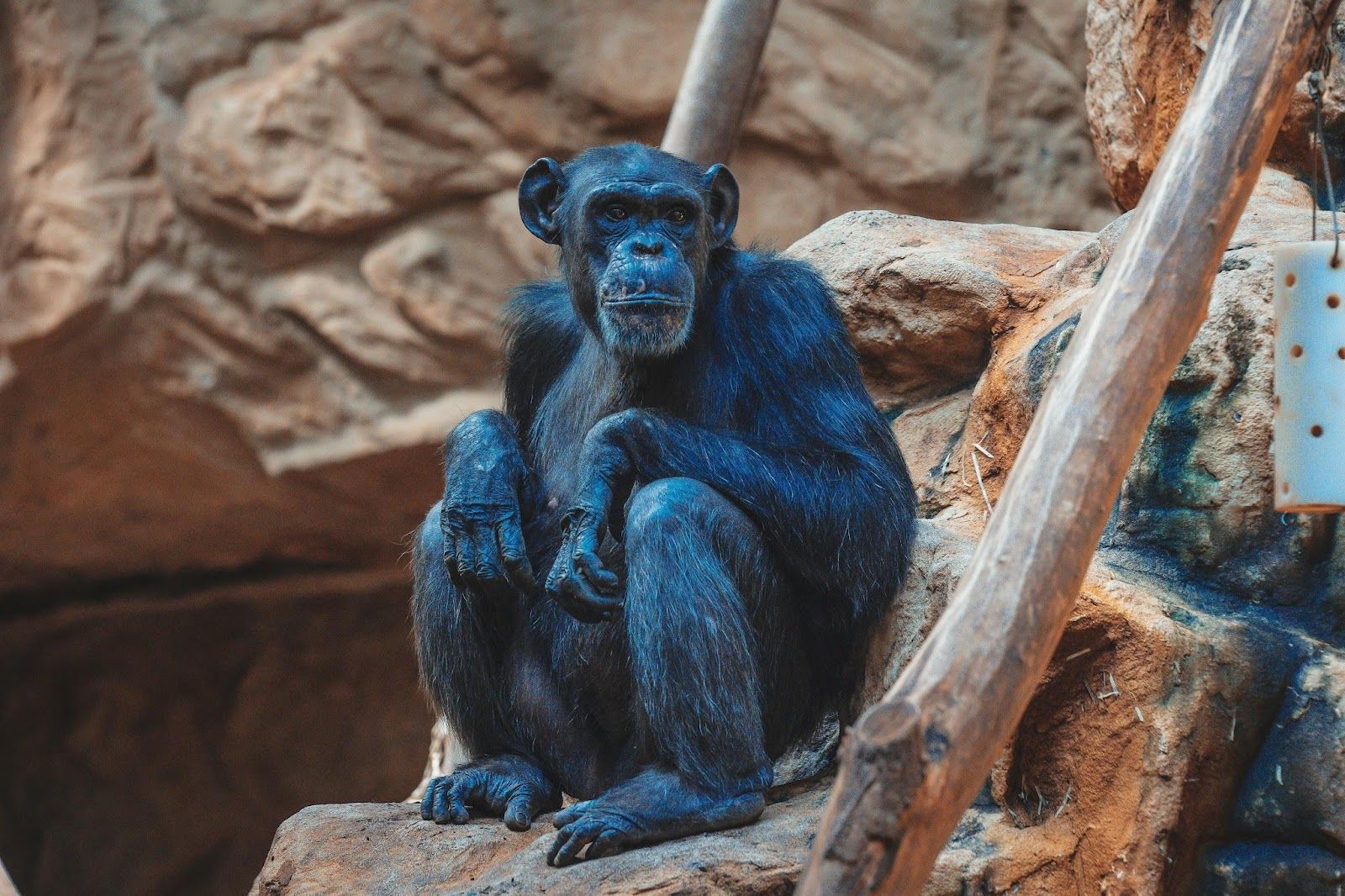
Image: Mateusz Suski

In the original Planet of the Apes (1968), the story takes us to a distant future planet where chimpanzees, gorillas, and orangutans have evolved to possess human-like intelligence and social structures, dominating that world while humans are reduced to an oppressed species. Featuring one of the most shocking and unforgettable plot twists in cinema history, the film stands as an essential classic of dystopian science fiction.

7
Night of the Living Dead

Image: Daniel Jensen

We couldn’t leave Night of the Living Dead off this list, the 1968 film that changed cinema forever. While the concept of "zombies" may feel familiar today, this George A. Romero’s film was the first to present the idea of the dead rising again and becoming a real threat to the living.

8
12 Monkeys

Image: Liam Andrew

Bruce Willis is once again called upon to help humanity (or what remains of it) in the 1995 film 12 Monkeys , this time alongside none other than Brad Pitt, who earned an Oscar nomination for this role. Set in a dark future, most of humanity has been wiped out by a deadly virus, and Willis’s character must travel back in time to gather information about its origins and help find a way to stop it.

9
Dawn of the Dead

Image: airci K

Of course, George A. Romero wasn’t going to appear just once on this list. In 1978, Dawn of the Dead was released, once again portraying the end of the world brought on by the return of the undead. A group of survivors takes refuge in a shopping mall, but human conflicts soon emerge as a threat equal to, or even greater than, that posed by the zombies themselves.

10
The Day the Earth Stood Still
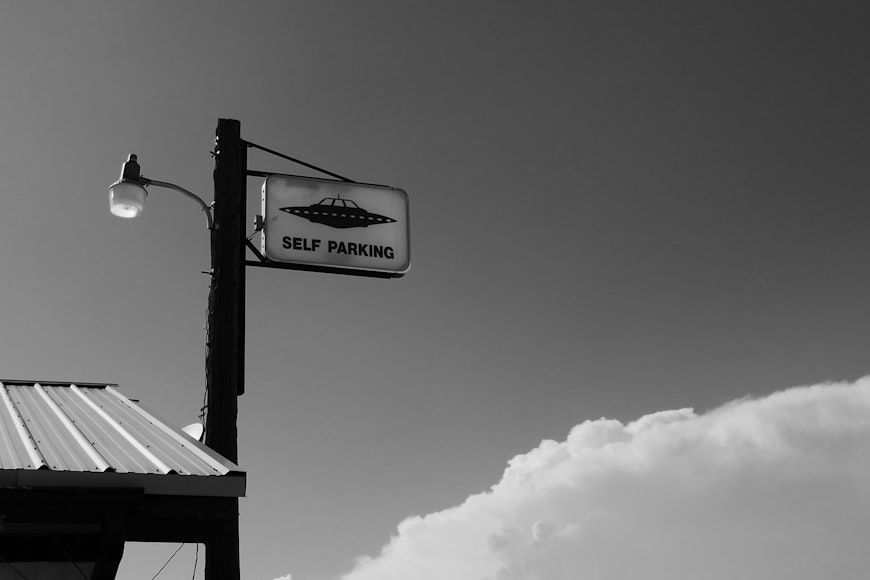
Image: Michael Herren

The Day the Earth Stood Still (1951) is definitely a science fiction classic. Unlike the other films on this list, its catastrophe is not inevitable; disaster can still be avoided. Rather than centering on spectacular destruction, the film delivers a philosophical warning to humanity. An alien visitor arrives on Earth to deliver a stark message: abandon nuclear violence, or face devastating consequences.


Geography Geography 4 min read

Only for true locals!

Wait, which city is “Charm City”?! Bet you’ll be surprised

Image: Erika Wittlieb

Think you know your US cities? Let’s put your nickname knowledge to the test! You probably know "The Big Apple" or "The Windy City," but there are many more out there. From crab cakes to cowboy hats, some of these monikers make perfect sense, others… Well, not so much. But all of them come with a story. So sit back, read on, and see if you can guess which city is hiding behind each funny nickname.

1
Charm City

Image: Girish Dalvi

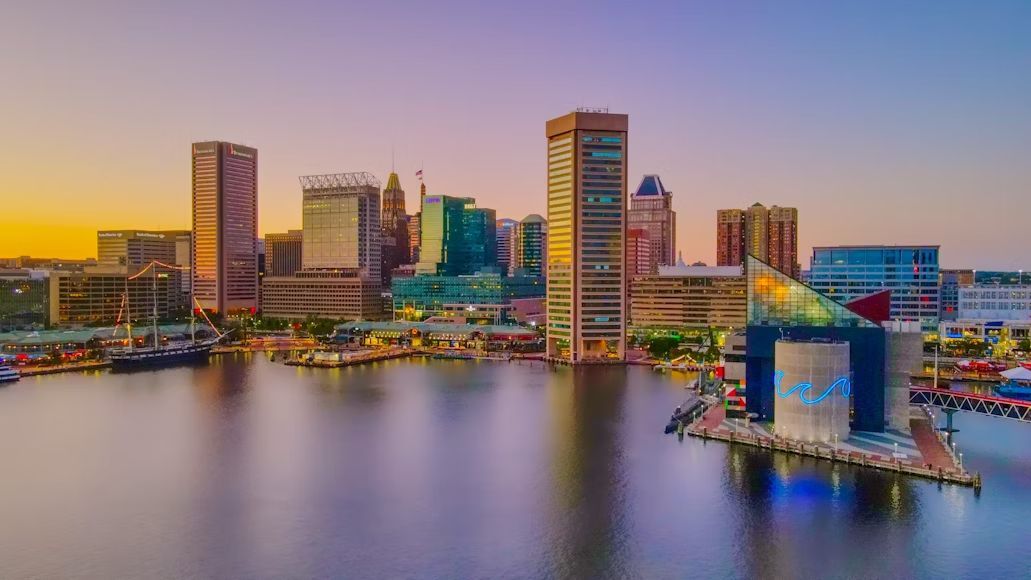
Even with this nickname, this coastal spot wasn’t always known for its good looks . In fact, back in the '70s, it was struggling with a bit of an image problem. For that reason, a creative PR campaign worked some magic and gave it a nickname that stuck. Now it’s known for its iconic seafood and working-class roots. Oh, and locals are seriously proud of their blue crab dishes. This nickname has a certain sparkle to it, don’t you think?

2
The Bayou City

Image: Nicole Herrero

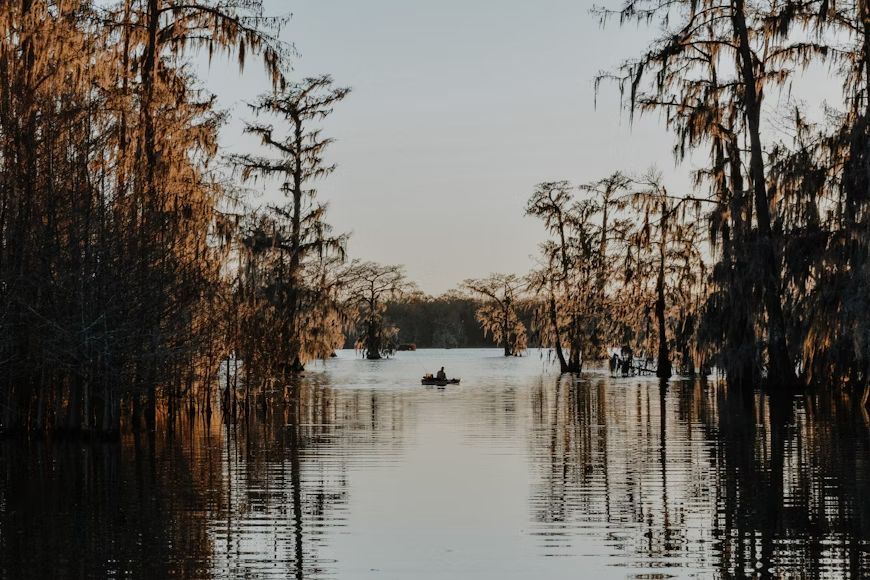
Think steamy summers, sprawling highways, and a whole lot of swampy waterways. This nickname may sound like it belongs in Louisiana, but don’t be fooled. It’s a nod to the bayous that weave through this massive southern city. It’s also a hub for space travel, energy, and some top-notch food. If you know the South, this one should ring a bell. Have you guessed it already?

3
The Big D

Image: JosephHershMedia

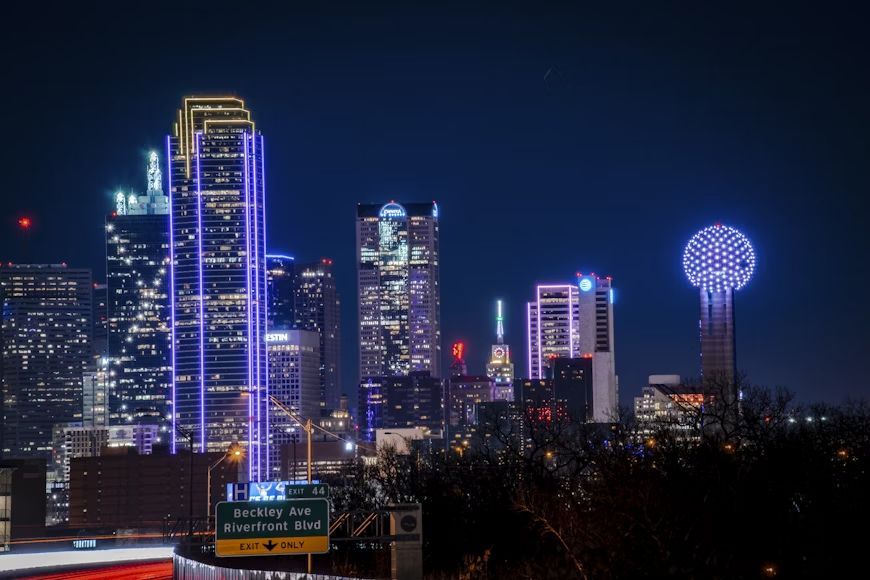
Everything’s bigger in Texas, and this city wears its size with swagger. The nickname itself is bold and simple: Just one big letter. It brings up images of cowboy boots, shiny buildings, and football fever. This place is known for business, barbecue, and a whole lot of bravado. You know the state, but do you know which Texas titan we’re talking about?

4
The Golden City

Image: IRa Kang

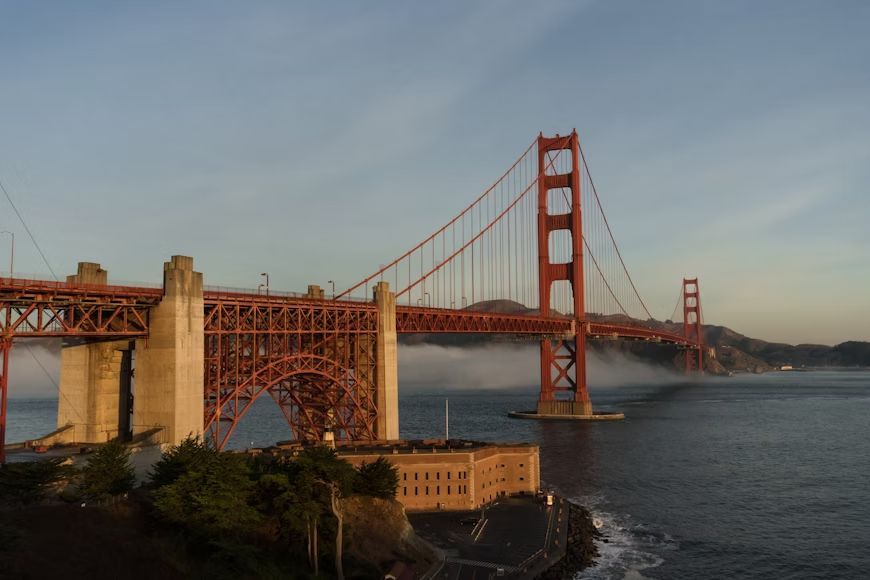
Between the shimmering water, a world-famous structure, and a "bright" past, this place practically glows. Its nickname is short and shiny, much like the hills it rests upon. Known for quirky charm and tech power, it’s a city where history and innovation collide. And yes, the fog does roll in, but somehow it just adds to the magic. Got it yet?

5
Rip City

Image: Edgar Chaparro

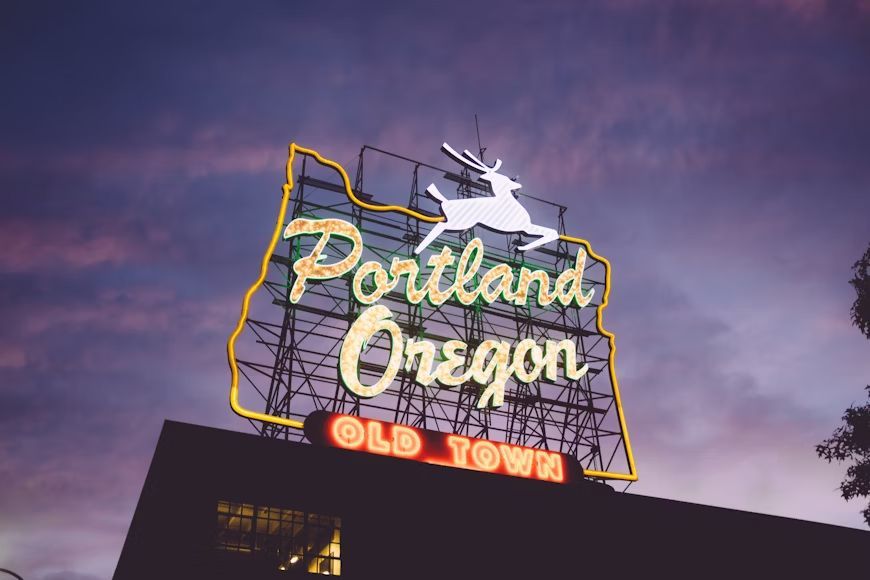
This one’s a bit of a curveball… Yes, we’re referencing basketball here because this nickname started as a throwaway comment during a basketball game in the '70s, but it stuck like glue. Now you’ll see it on jerseys, bumper stickers, and maybe even a tattoo or two. It doesn’t make a lot of sense, but that’s part of the charm. Sports fans, this one’s for you!

6
Beantown

Image: Xuancong Meng

Baked beans might not sound glamorous, but they sure helped this historic place earn a nickname. That and a long list of American "firsts," this city is wonderful. It’s also been known to call itself the "Hub of the Universe." Has anyone seen modest? History buffs and chowder lovers, you’re probably already picturing cobblestone streets, aren’t you?

7
Baltimore

Image: Brendan Beale

Yep, Charm City is Baltimore! That catchy name was cooked up to shine a brighter light on the city’s best features. And guess what? It worked! Baltimore’s got a rich mix of culture, grit, and pride, plus some of the best crab cakes you’ll ever taste. Not bad for a city once overlooked, right?

8
Houston

Image: Carlos Delgado

Say hello to The Bayou City: Houston! Its unique geography inspired the nickname, and the city’s grown into a powerhouse of space exploration, culture, and business. Between NASA connections and a killer food scene, Houston has more going for it than just the heat. And yes, those bayous are still winding through it all.

9
Dallas

Image: Gabriel Tovar

That big old D? Dallas, of course. This city isn’t shy about its size or influence, and the nickname says it all. From skyscrapers to stadiums, Dallas lives large and wild. Add the cowboy flair, and you’ve got a Texas city that owns its identity. We love it!

10
San Francisco

Image: Alexey Komissarov

The Golden City? None other than San Francisco, what else could it be? With its iconic Golden Gate Bridge and a history rooted in gold rush dreams, it’s an easy one to guess. But even beyond the sparkle, the city has got a heart of tech and a soul of protest. Yes, the fog is quite the character, but this city shines bright anyway.

11
Portland

Image: Zack Spear

If you guessed Rip City was Portland, you guessed right! The name came out of a Trail Blazers game and somehow became a token of pride. That’s Portland for you: a little weird, totally charming, and full of surprises.

12
Boston

Image: todd kent

You guessed it: Beantown is Boston. The beans are just the beginning—Boston is packed with revolutionary charm, Ivy League brains, and a sports scene like no other. And if you hear someone call it "The Hub," now you know what they mean. It might just be the center of the universe after all.

Geography Geography 4 min read

Prehistoric life

10 top U.S. spots to find fossils and see prehistoric life

Image: Marcio Skull

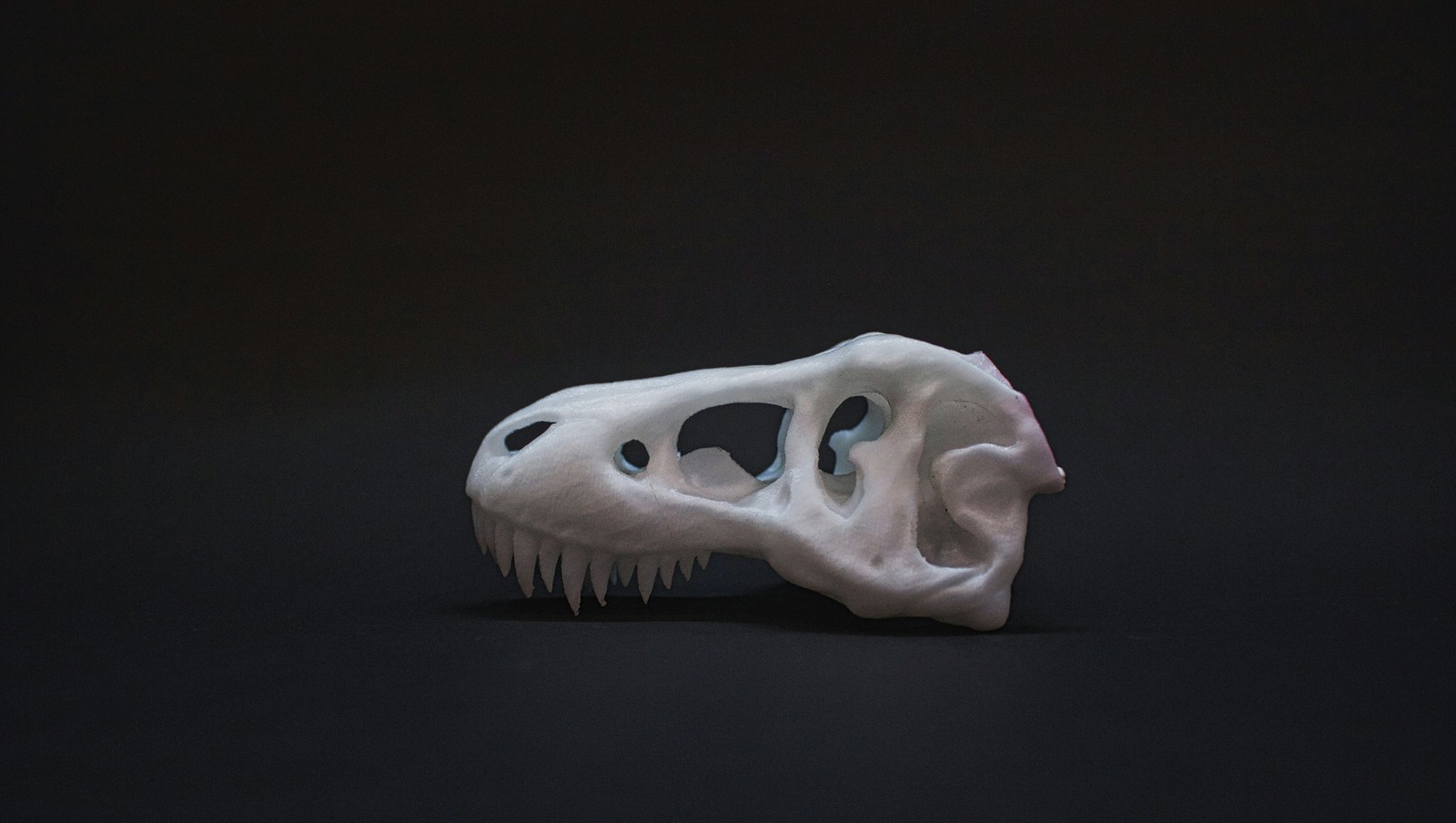
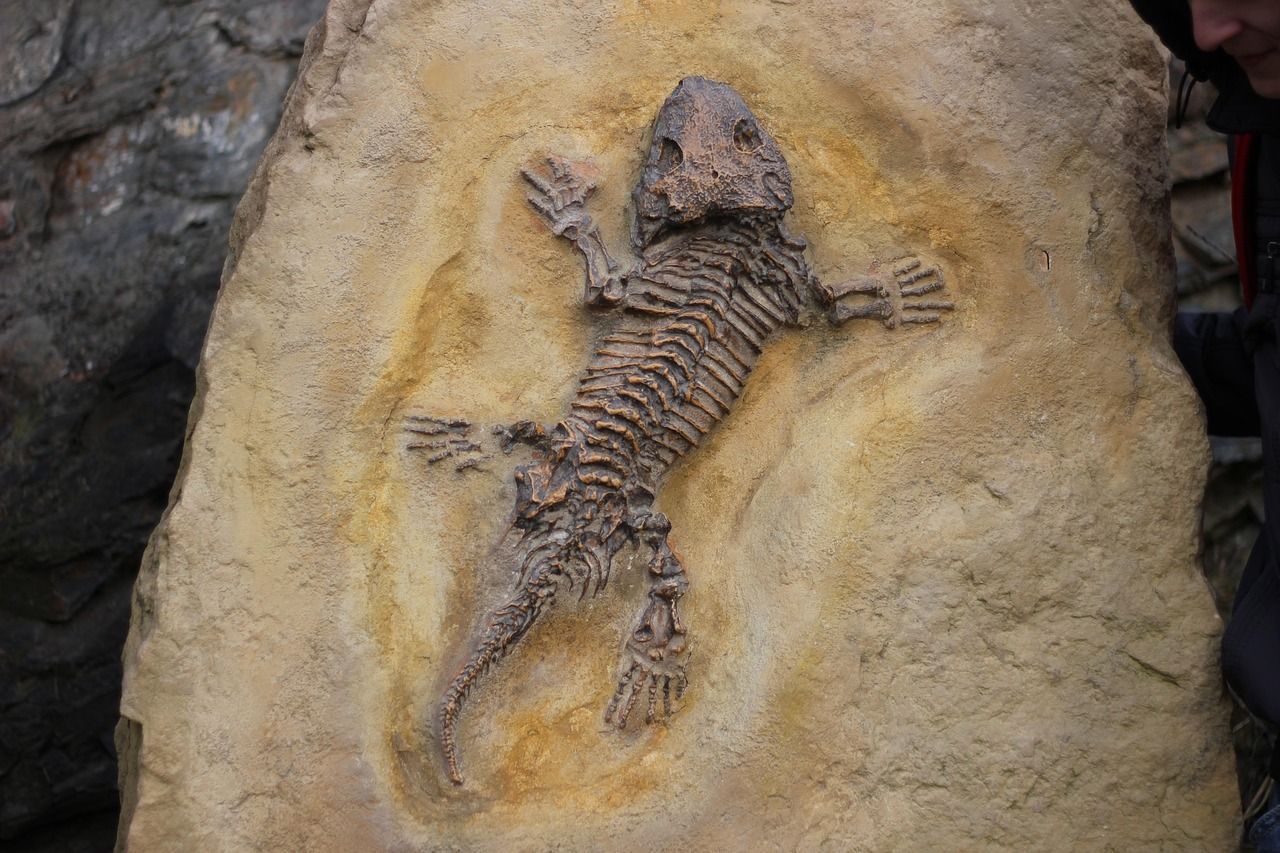
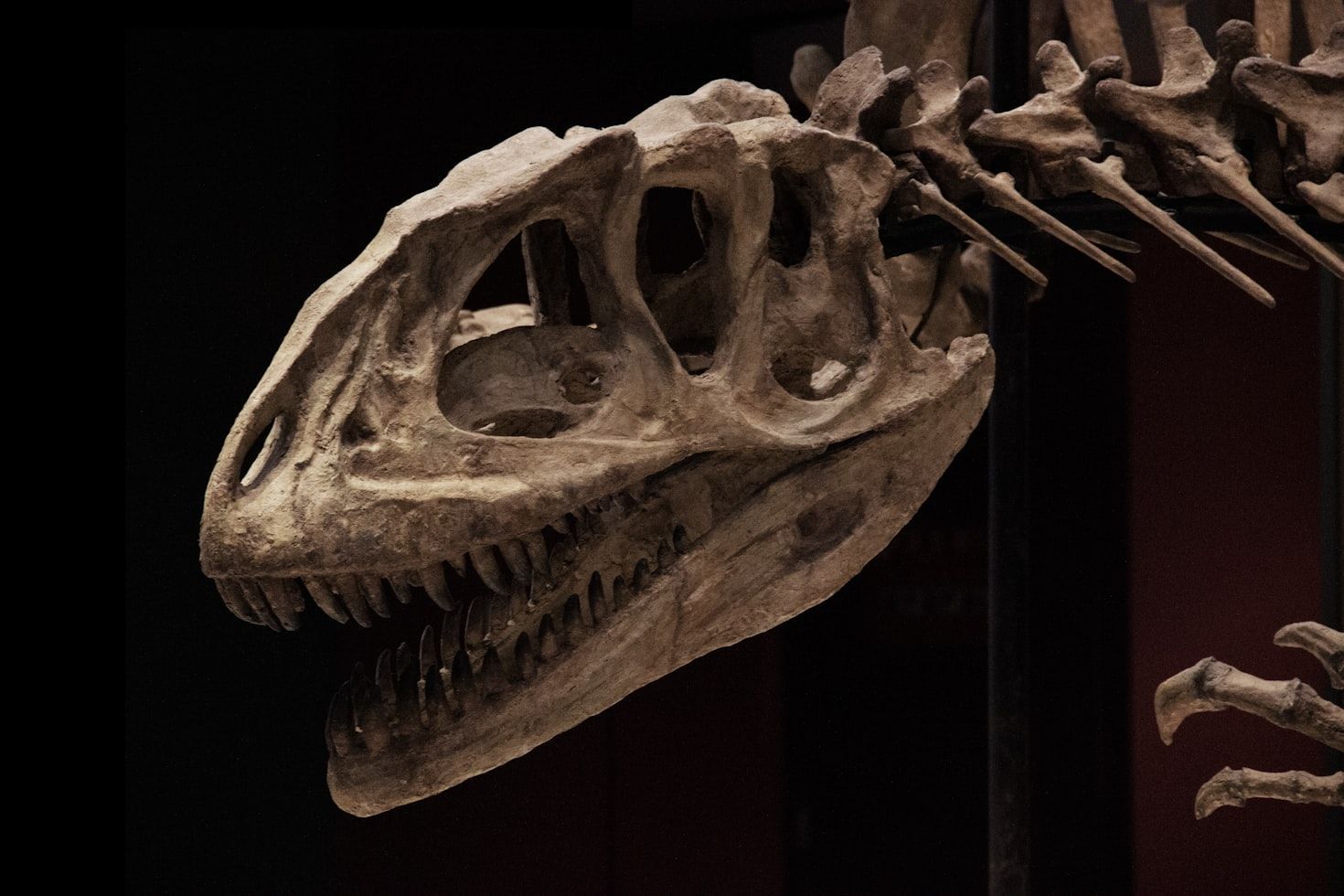
Did you ever dream of being a Paleontologist? Maybe it's not too late! In the United States, there are many places you can visit to go fossil hunting. In fact, according to the National Park Service, more than 320 species of dinosaurs have been named in our country, and most states have produced at least one fossil. But the prehistoric world was inhabited by many other species. In addition to dinosaurs, there were other animals —and plants!— that are also worth knowing about. Without further ado, here are 10 incredible destinations for fossil sightings in America.

1
Dinosaur State Park

Image: Steppinstars

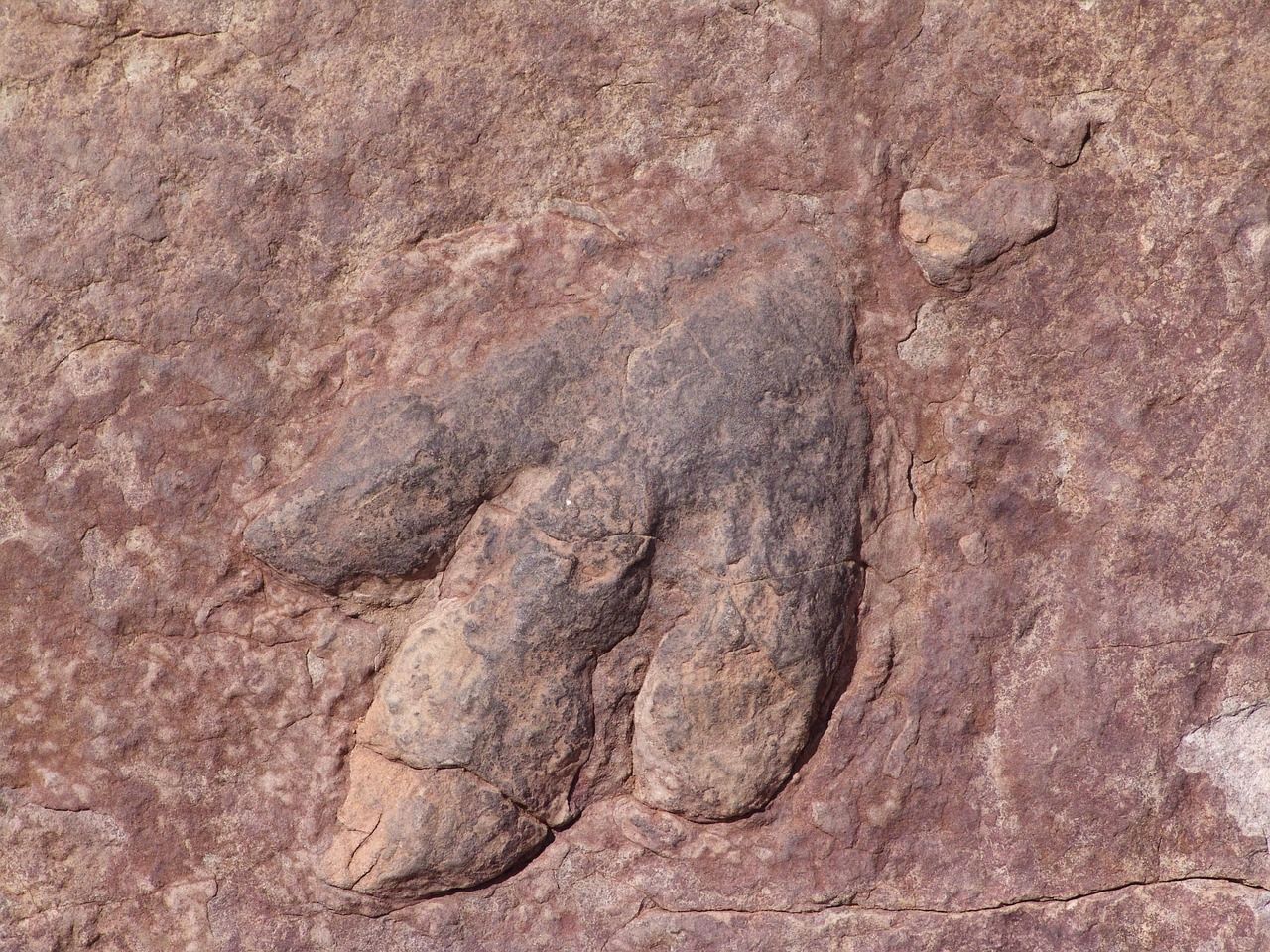
The Northeast is not particularly known for its fossil sites, as most dinosaur bones are found in the West. However, Dinosaur State Park in Connecticut Valley is a singular exception.

Dinosaur State Park is a 200-million-year-old fossil trackway containing more than 2,600 dinosaur footprints. Although most have been reburied for preservation, this park is worth a visit to see the tracks that have been left on display. In addition to experiencing the Mesozoic era, you can also enjoy nature trails, an interactive museum, an arboretum, and picnic areas.

2
Badlands National Park

Image: kkorvin

South Dakota is home to some of the most remarkable fossils ever discovered, and Badlands National Park, in particular, has been a fossil-rich reservoir for centuries. In fact, the Oglala Lakota people had been finding prehistoric remains long before paleontology was a formal discipline.

The park protects an exposed area of thousands of ancient fossil specimens. From large mammalian brontotheres to reptilian mosasaurs that swam in the ancient seas that gave way to the Badlands, there is a lot to explore here.

3
Cleveland Lloyd Dinosaur Quarry

Image: Danny Grizzle

A site with more than 12,000 bones from at least 70 different ancient animals, including lots of carnivorous dinosaurs? Sign me up!

But that's not all the Cleveland Lloyd Dinosaur Quarry in Utah has to offer. For freshwater animal enthusiasts, there are also fossilized clam beds to discover. If you want to visit, just keep in mind this park is open seasonally, April through October.

4
La Brea Tar Pits

Image: Brian Wangenheim

Los Angeles is much more than just Hollywood. La Brea Tar Pits is located right in the heart of the most populous city in California, yet it remains one of the most important fossil sites in the country.

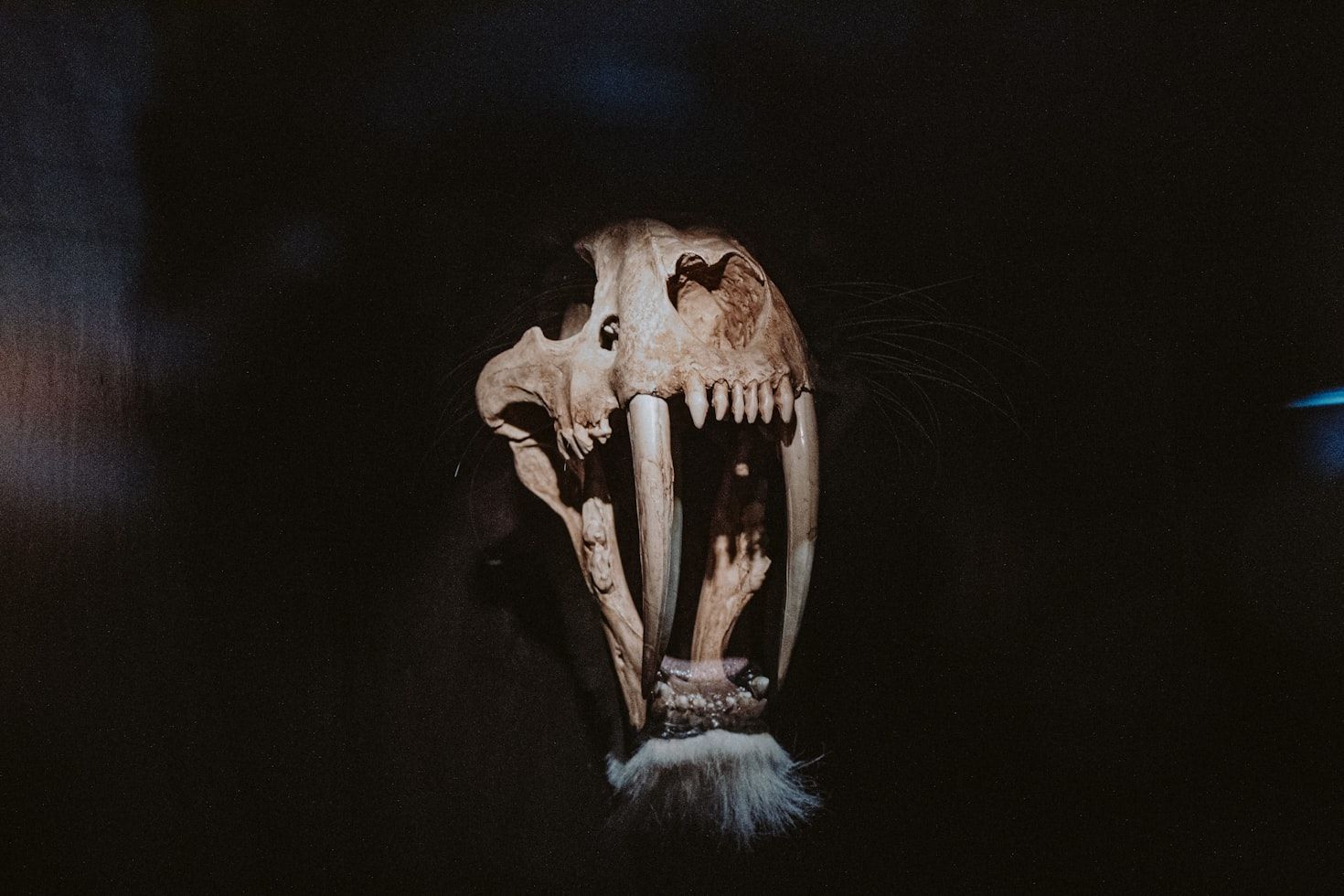
Hours of scientific work and hundreds of excavations have yielded millions of Pleistocene fossils that are now open to the public. From mammoths, saber-toothed cats, and giant mastodons to the tiny feet of Ice Age woodpeckers, you can learn a lot about prehistoric life at La Brea Tar Pits. Not bad, don't you think?

5
Petrified Forest National Park

Image: Joseph Corl

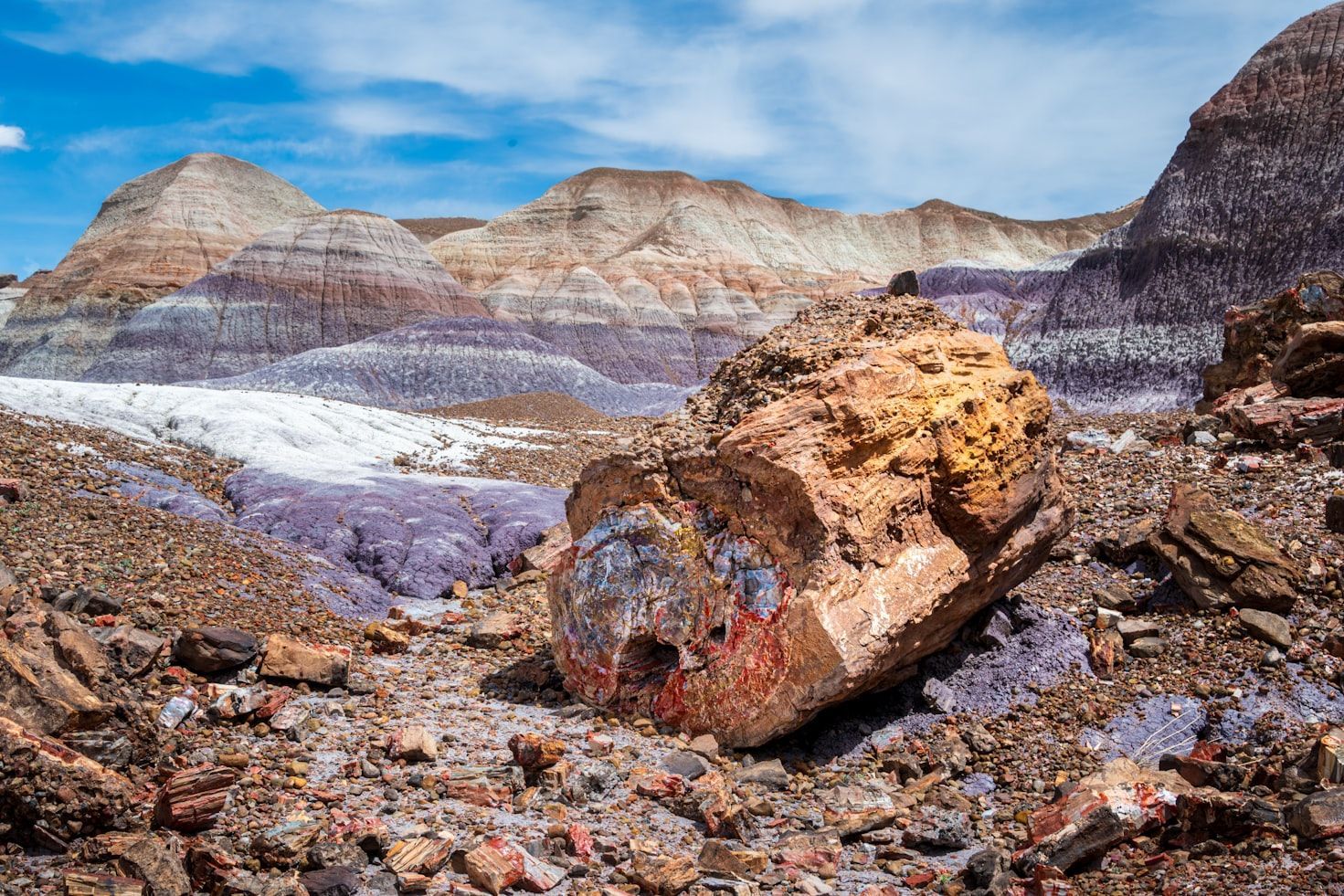
If you ever visit Arizona, Petrified Forest National Park is worth a detour. Known for its Triassic fossils, this park seems to be frozen in time, as the world was more than 200 million years ago.

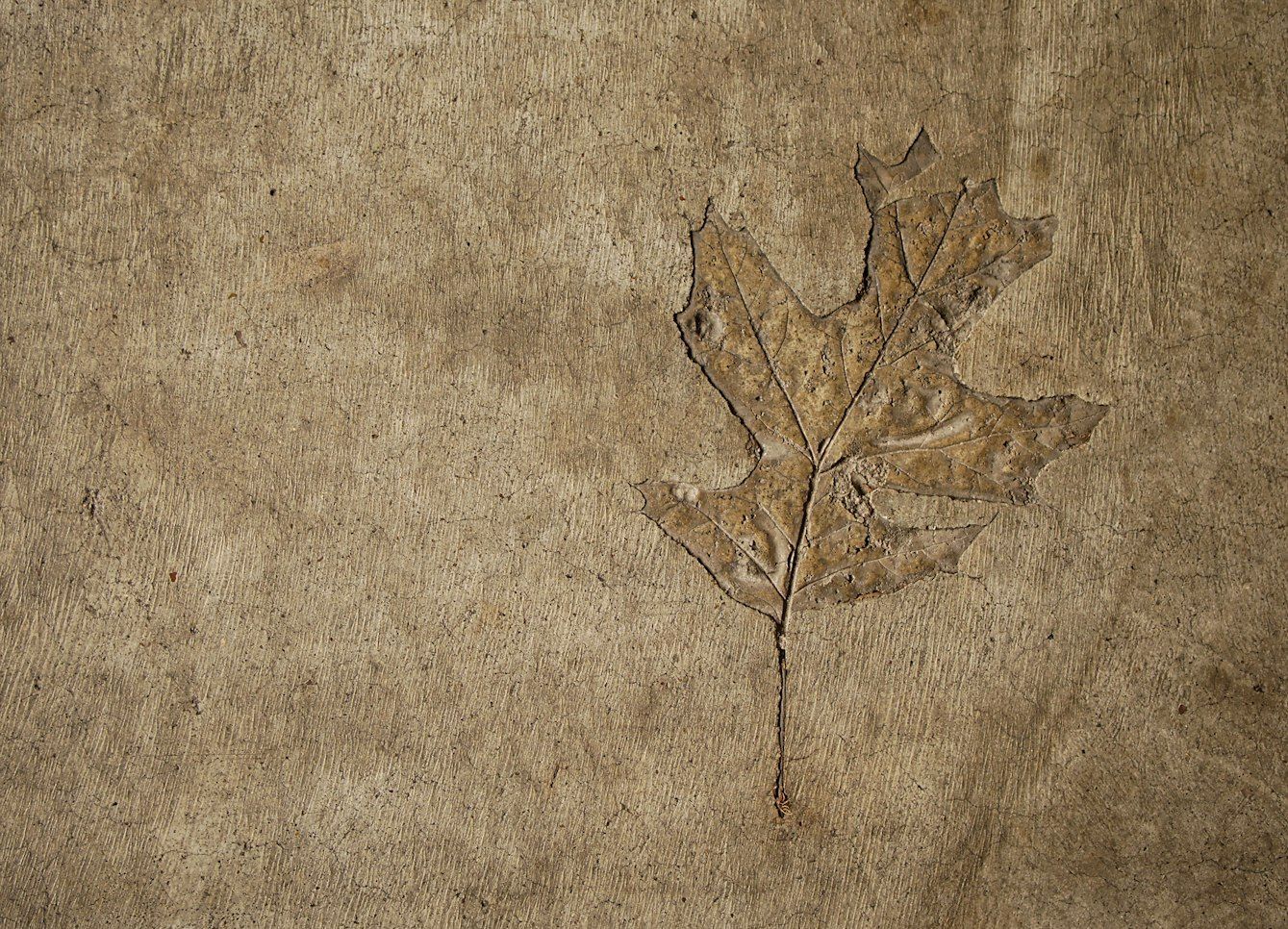
In addition to petrified trees and ancient fossilized plants and animals spread in an area of about 346 square miles, Petrified Forest National Park is also home to some interesting living inhabitants that today must survive in the harsh desert climate.

6
Dinosaur National Monument

Image: Zachary

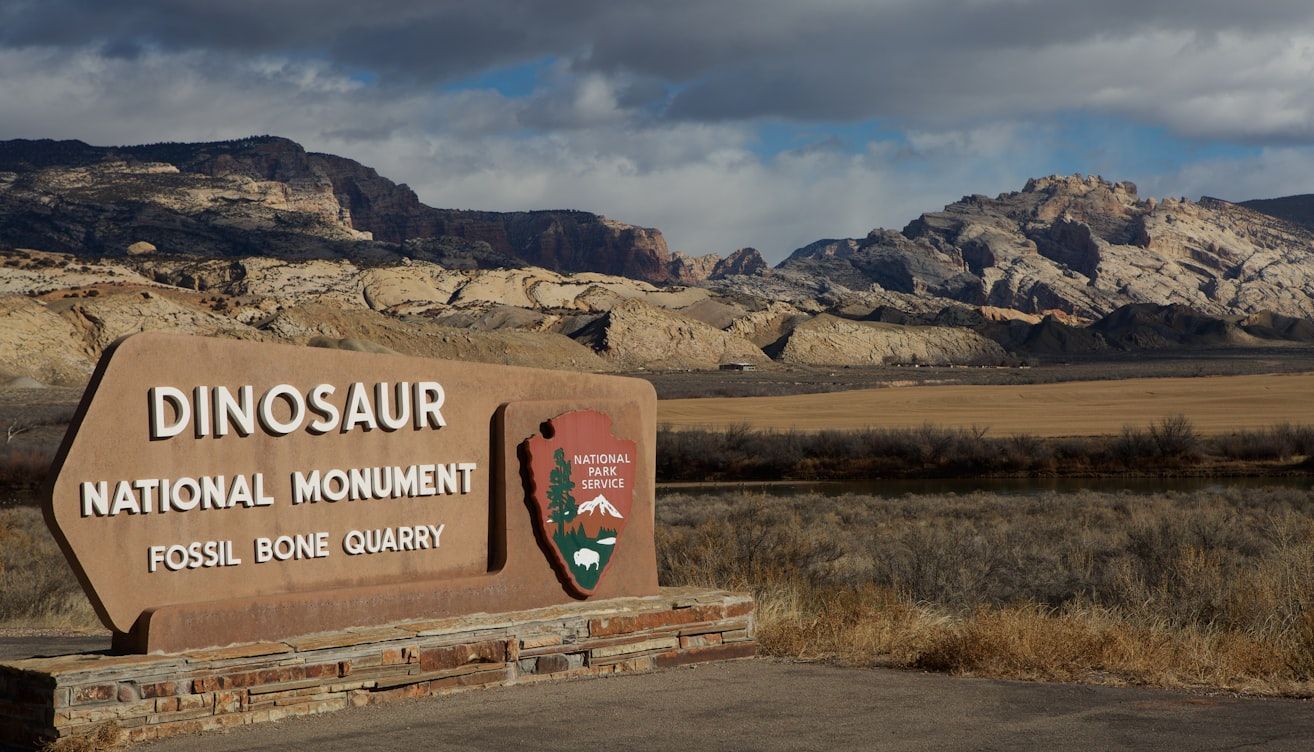
Dinosaur National Monument on the border between Colorado and Utah houses about 1,500 dinosaur bones from some of the most iconic species. Remains of Allosaurus, Apatosaurus, Diplodocus, and Stegosaurus are included among the residents of the 150-million-year-old site.

Originally preserved in 1915, in this famous dinosaur quarry, you can also see several petroglyphs and pictograph panels made by the Fremont people who lived in the area from approximately 300-1300 Common Era (CE).

7
Florissant Fossil Beds National Monument

Image: Michael Dziedzic

The prehistoric world is much more than just mammoths and dinosaurs. 14-foot-wide petrified sequoias and thousands of insect and plant fossils await you at Florissant Fossil Beds National Monument near Colorado Springs.

These tiny organisms, approximately 34 million years old, are just as important as the enormous Tyrannosaurus rex. Although this is a lesser-known park, it is totally worth visiting. Pro tip: In the summer, you can explore the site that serves as a fossil laboratory.

8
Dinosaur Valley State Park

Image: adolfo-atm

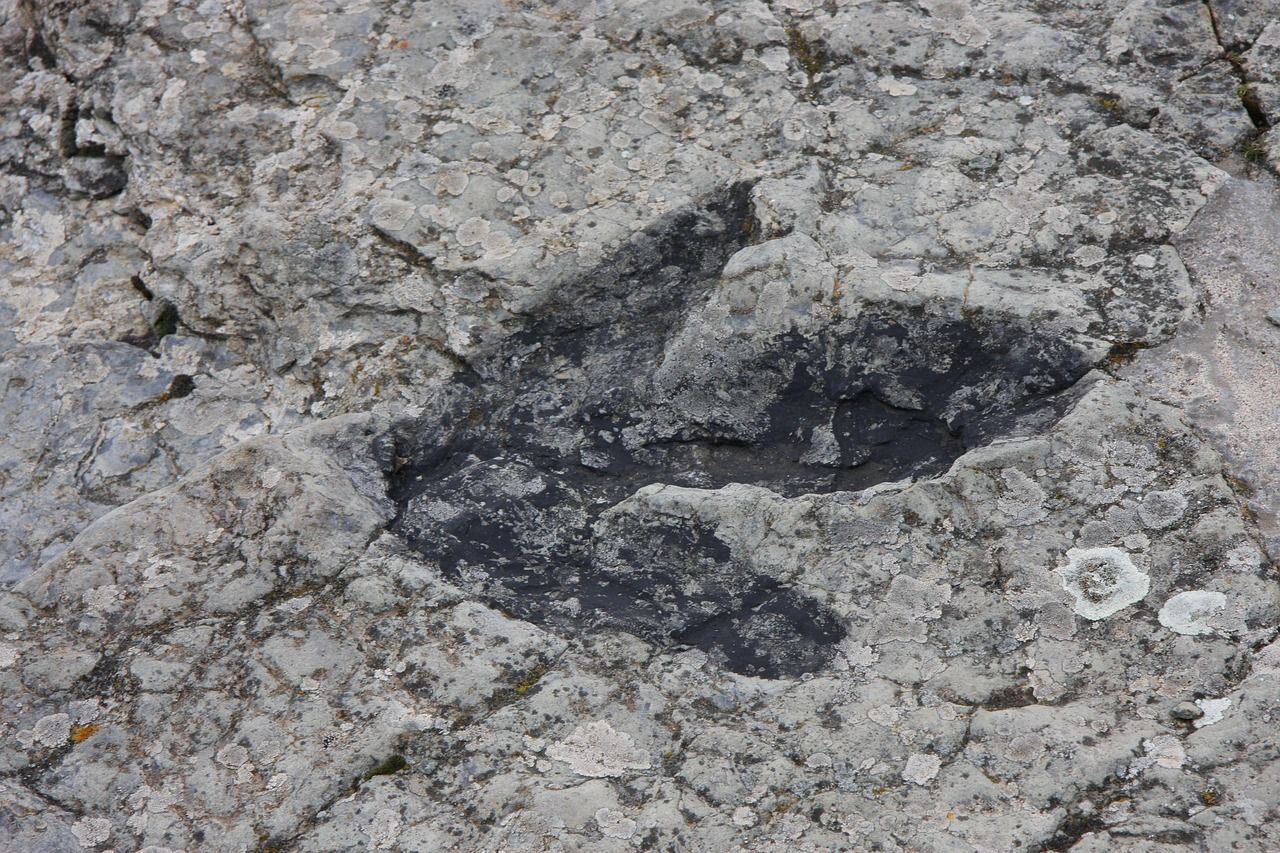
Did you know that the area near Dallas and Fort Worth in Texas was once an ancient ocean? Around 113 million years ago, dinosaurs, such as theropods and sauropods, walked their shores.

Set astride the Paluxy River, today this area is protected by the Dinosaur Valley State Park. The fossil traces here are sometimes submerged, but on dry days they can be clearly seen and are an impressive testimony of what the Earth was like in prehistoric times.

9
The Mammoth Site

Image: Jonathan Cooper

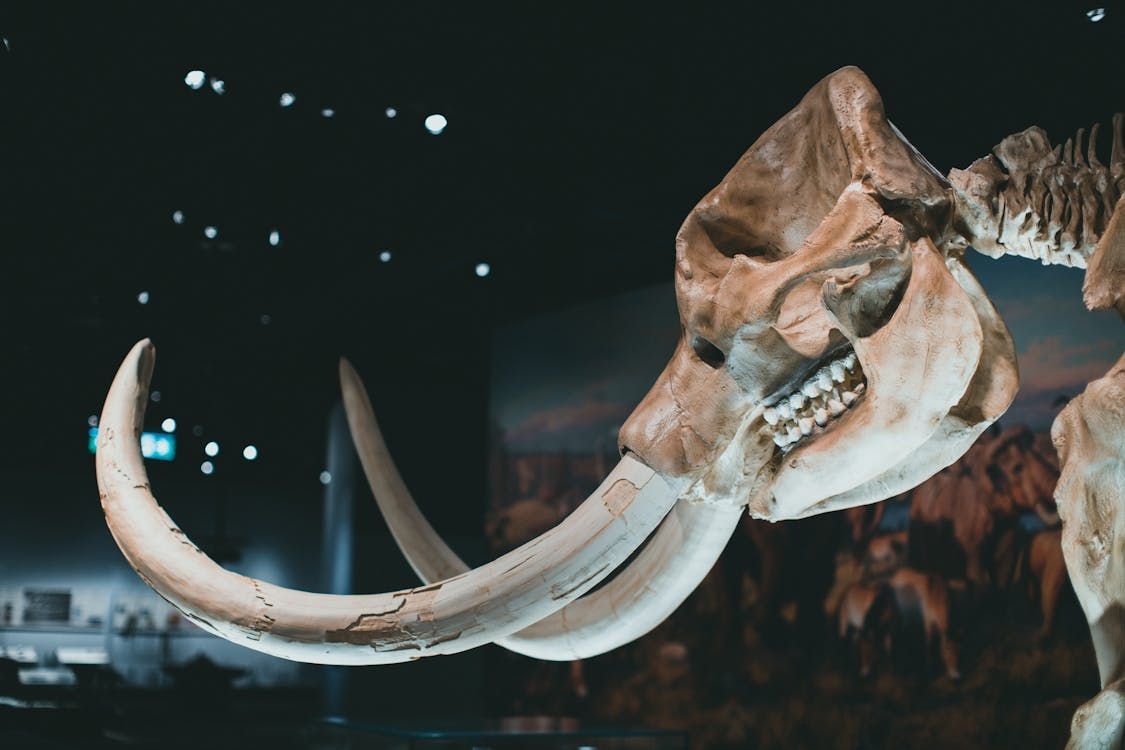
The Mammoth Site was established in the mid-1970s after a construction worker had unearthed rare bones in Hot Springs, South Dakota. The remains found turned out to be a mammoth tooth, which was soon followed by other fossils.

Today, the site serves as a museum and active paleontological excavation site. So far, a total of 61 North American Columbian and woolly mammoths have been found here.

10
Fossil Butte National Monument

Image: Jacqueline Martinez

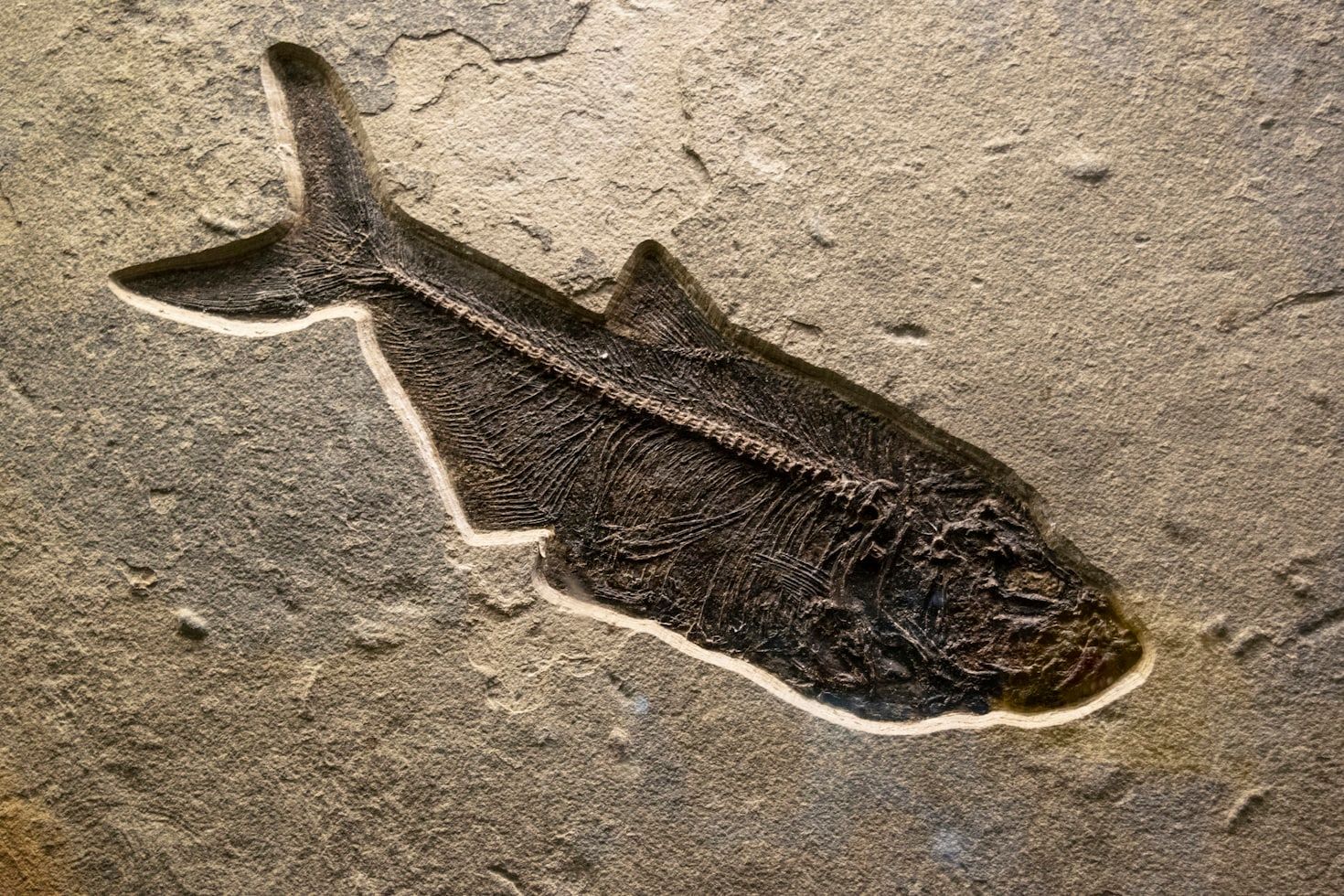
In the ridges of southwest Wyoming is Fossil Butte National Monument, a park that preserves the best paleontological record of Cenozoic aquatic communities. This sort of aquarium, carved in stone, has more than 2000 fossils of thousands of species of plants and animals, such as fish, insects, reptiles, birds, bats, and even tiny horses that lived around a freshwater lake millions of years ago.

With plenty of hiking trails, wildlife, and scenery, this unique park is definitely worth visiting.

Explore more American facts

Choose your favorite category!

General
General

As American as apple pie—the very best America has to offer!

Culture
Culture

Delve into the astounding richness of American lore.

Geography
Geography

Hop in and explore vast and diverse American landscapes.

History
History

Discover the key moments that shaped the United States.