General General 3 min read

Pizza Paradise

Is your favorite pizza topping among the most popular in America?
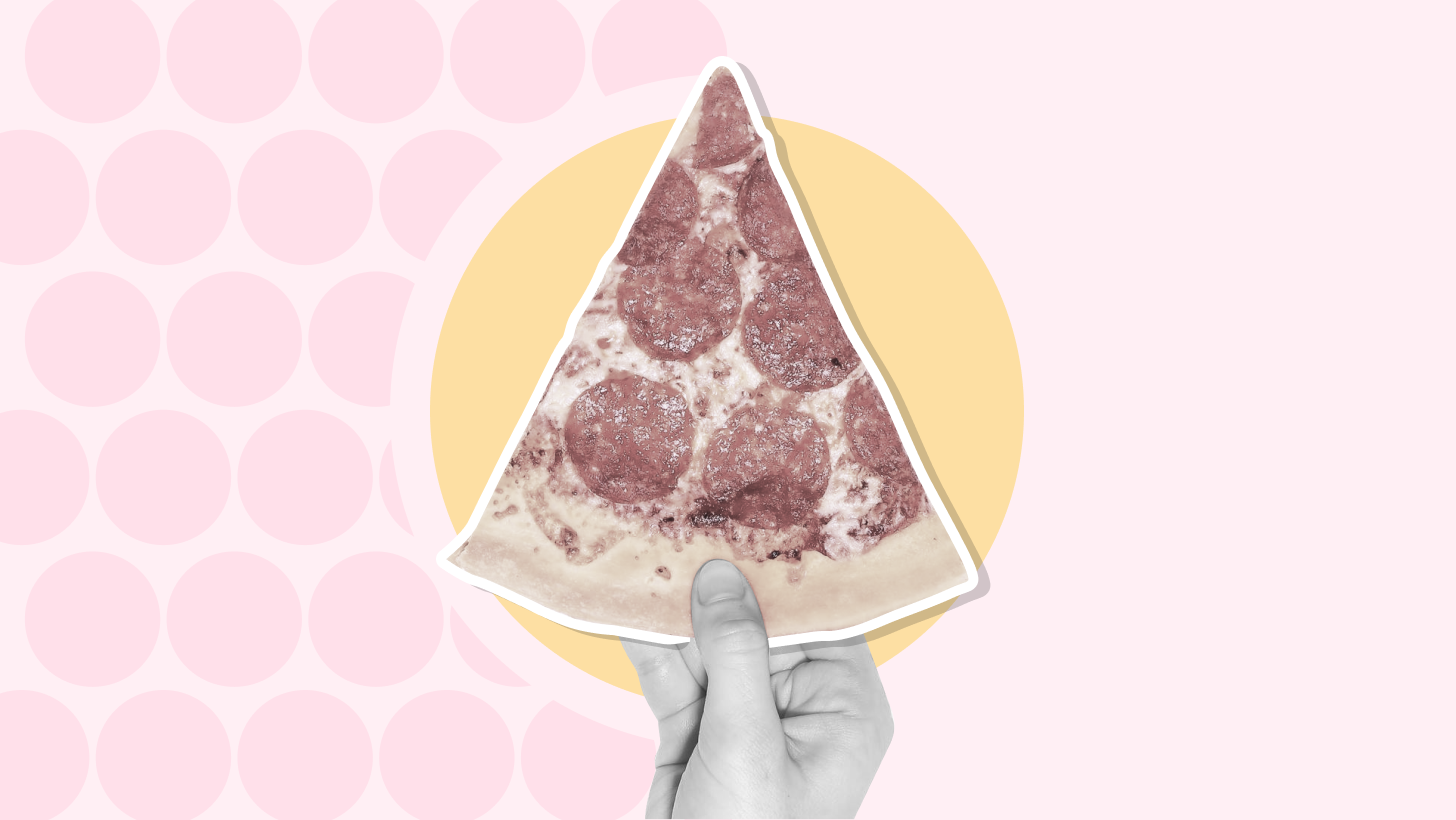
Image: Polina Tankilevitch

Some swear New York makes the best pizza, while others argue Chicago's is unbeatable. But there's one thing we can all agree on: pizza is an undeniable staple of American cuisine. What's your favorite topping? It seems that most Americans have already set a clear trend. Join us to discover America's most popular pizza toppings!

1
Extra cheese

Image: Ivan Torres

Let's start with a wild card: extra cheese pizza. It's no surprise it's one of the most popular choices, with its unbeatable trio of classic ingredients: dough, a lot of mozzarella cheese, and a simple tomato sauce. And who doesn't like cheese?

However, its simplicity doesn't make it any less delicious; it can be one of the best pizzas you'll ever taste! And if you want to try something new, some suggest swapping mozzarella for provolone.

2
Pepperoni

Image: Alan Hardman

A total winner of all rankings, pepperoni pizza is undoubtedly one of Americans' favorites. And that's no surprise at all. The combination of delicious melted cheese with a tasty tomato sauce and spicy, smoky pepperoni slices makes it an irresistible variety for most palates. Is it your favorite, too?

3
Sausage

Image: Nadya Spetnitskaya

Thanks to pizza's unlimited variety of toppings, you don't have to pick between protein and carbohydrates; you can enjoy both!

Sausage pizza is now a staple on the menus of many restaurants and pizza chains. And it's no wonder, given that it's one of the most popular choices among Americans. Traditionally, pizza-makers opt for Italian sausage, but you can always choose your favorite type!

4
Mushrooms

Image: Lavi Perchik

Along with pepperoni, sausage, and extra cheese, mushrooms are also one of the most popular pizza toppings in America.

Because of their versatility, mushrooms are a great choice to complement any pizza, whether it's a vegetarian or a meat pizza. In addition, they are a recommended topping for their flavor, nutritional value, and low-calorie content.

5
Green Peppers

Image: engin akyurt

Green peppers also make the top 5. If sausage isn't your choice or you follow a vegetarian diet, green pepper pizza is likely one of your favorites.

The crunchy texture and slightly sweet flavor of green peppers make a fantastic team with pizza crust and tomato sauce, making it one of the most popular.

6
Onions

Image: Adonyi Gábor

There is an alternative that's a must-have on any menu: onion pizza. Although it may not have as many staunch and expressive fans as other varieties, onion pizza is actually one of the most requested options across the country.

Onion, like tomato and cheese, is a widely used ingredient in Italian cuisine, making it a classic that's also included in other varieties and sauces.

7
Black olives

Image: Carissa Gan

Black olives have earned a spot in this ranking, as it is a very appreciated option for those who demand a briny touch on their pizza.

Some people hate them, others love them, but if you've never tried black olives on your pizza, we recommend giving it a shot. Many people have tried them and come back for more!

8
Fresh garlic

Image: Sébastien Marchand

Hand in hand with onion, garlic is a must when it comes to giving a punch of flavor to food. And pizza is no exception. In fact, fresh garlic pizza is also one of the most widely eaten pizzas in America.

While it may not have as large a fan base as other toppings, those who choose garlic as their favorite are incredibly loyal! This variety offers an exquisite combination: Often paired with mozzarella cheese and olive oil, garlic gives a unique touch.

9
Margherita

Image: Aldward Castillo

If we talk about perfect combinations, we can't leave out the legendary Margherita, a fabulous Italian pizza. Created in the 19th century in Naples, Italy, this pizza was invented especially for the Queen Margherita of Savoy, with flavors that represent the Italian flag: the green of the basil, the red of the tomato, and the white of the mozzarella cheese. Irresistible!

10
BBQ Chicken

Image: serjan midili

Chain restaurants and pizzerias wouldn't be the same without the delicious BBQ chicken pizza, a blend of flavor, heartiness, and creativity.

If the more traditional varieties have bored you, this is the perfect option for you. With a combination of sweet and smoky, this variety is undoubtedly a top choice for those who appreciate audacious tastes.

Culture Culture 4 min read

When Hollywood breaks the bank

$400 million spent on what!? Discover Hollywood's most expensive movies

Image: Mackenzie Marco

What would you do with $465 million? Buy a private island? Maybe 5 of them! If that sounds over the top, Hollywood might disagree. Big studios spend unimaginable amounts of money, with numbers that can be mind-blowing. Keep reading if you want to learn more about the most expensive movies ever made and where all that money went; there’s one title you definitely won’t see coming!

1
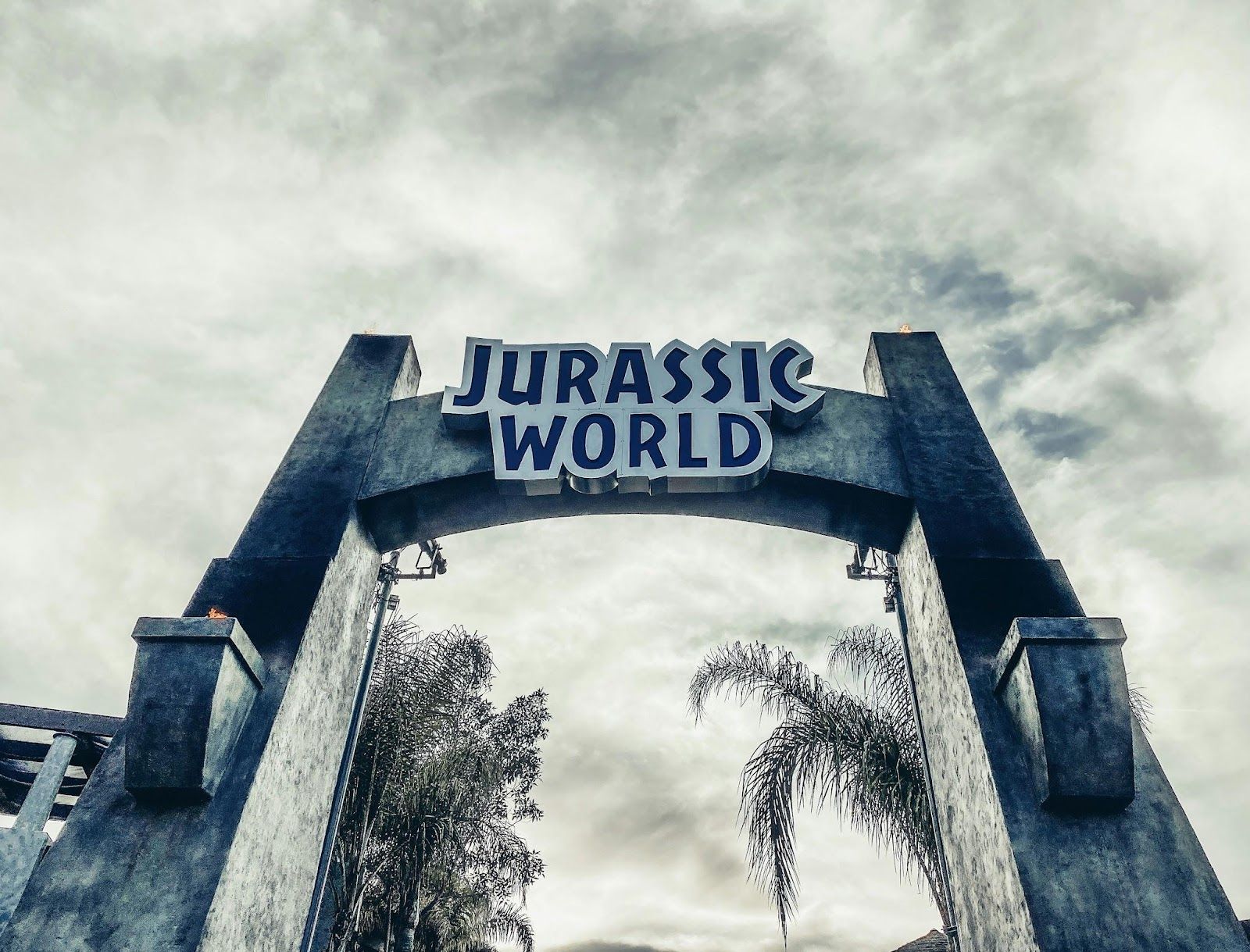
Jurassic World Dominion

Image: Christopher Stark

We understand; bringing giant reptiles from millions of years ago to life isn’t easy… or cheap. Maybe that’s why Jurassic World: Dominion (2022) cost an incredible $465 million! But not all of that went to special effects. Filmed during the pandemic, the costs of safety measures and protocols for the large cast and crew were anything but low. The actors even spent months quarantining in the luxurious Langley Hotel near Pinewood Studios, which also inflated the film’s budget.

2
Star Wars: The Force Awakens

Image: Lyman Hansel Gerona

There are Star Wars fans everywhere, and for good reason, as it’s considered one of the greatest movie franchises of all time. But creating something this good comes at a high price: $447 million, to be precise. In addition to the visual effects and incredibly detailed costumes, the movie was shot across multiple countries: England, Iceland, Ireland, and even the United Arab Emirates. On top of that, the production counted with a top-tier cast, including Harrison Ford and Carrie Fisher.

3
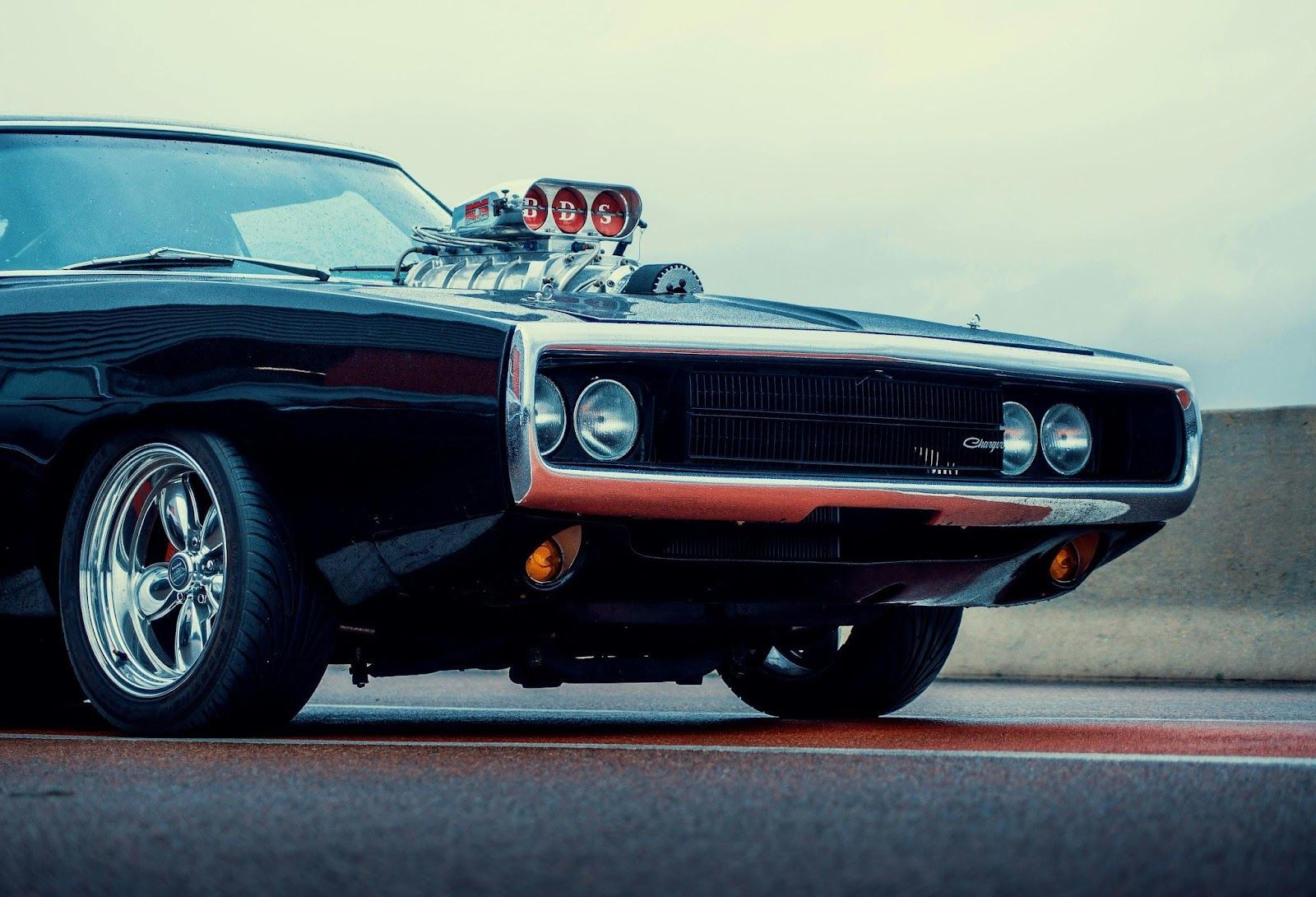
Fast X

Image: Cook aynne

Fast X (2023) ranks among the most expensive movies ever made, with an incredible budget of $379 million. But it wasn’t just the explosions, wild rollovers, and high-speed chases that elevated the costs; a big part went into reuniting much of the original cast. On top of that, the production didn’t stick to Los Angeles alone; it also filmed in beautiful international locations such as Rome, Turin, and Lisbon.

4
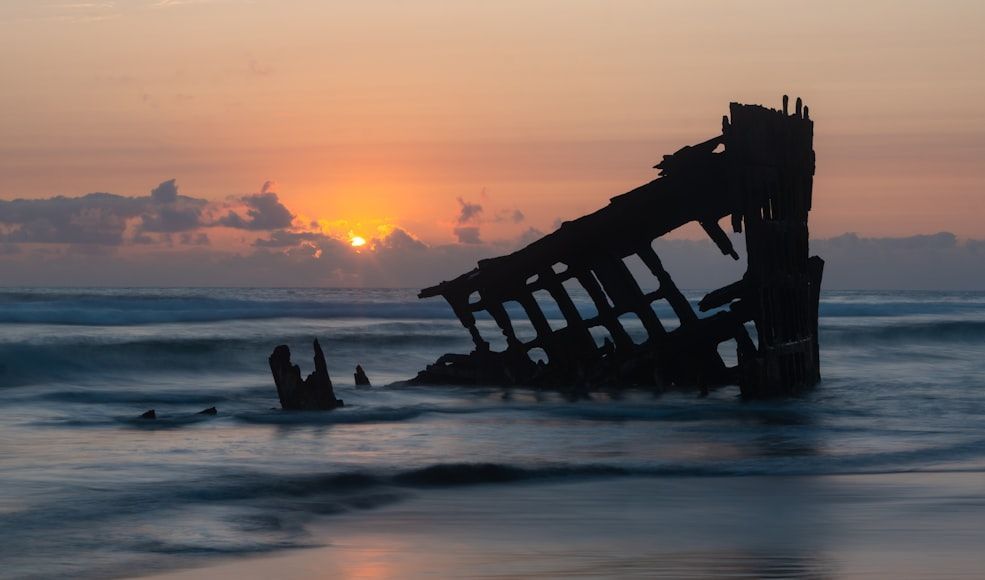
Pirates of the Caribbean: On Stranger Tides

Image: Intricate Explorer

This film cost about the same as Fast X , but it came out 12 years earlier, when that budget was even more impressive. Pirates of the Caribbean: On Stranger Tides (2011) accumulated around $378.5 million in production costs, much of it going to star salaries, especially Johnny Depp, who reportedly earned $55 million for his role. And that’s not all; the film’s visual effects and far shooting locations (Hawaii, the UK, Puerto Rico) drove the budget even higher.

5
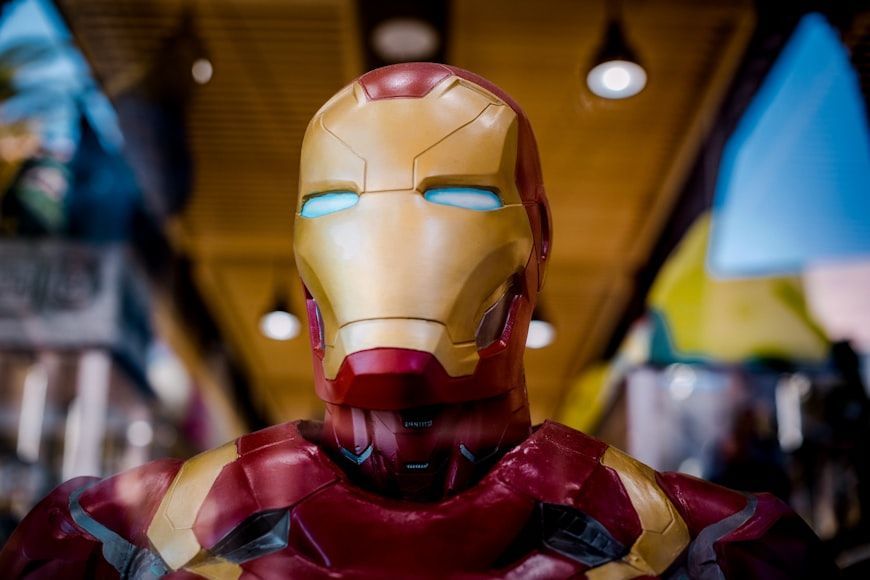
Avengers: Age of Ultron

Image: Jason Leung

The superheroes’ suits, the incredible effects that brought their powers to life, the amazing battle scenes, and all the destruction they caused pushed the budget of Avengers: Age of Ultron (2015) to $365 million. But here’s the most interesting part: another film from the same saga, Avengers: Endgame , was released four years later and actually cost less (about $356 million).

6
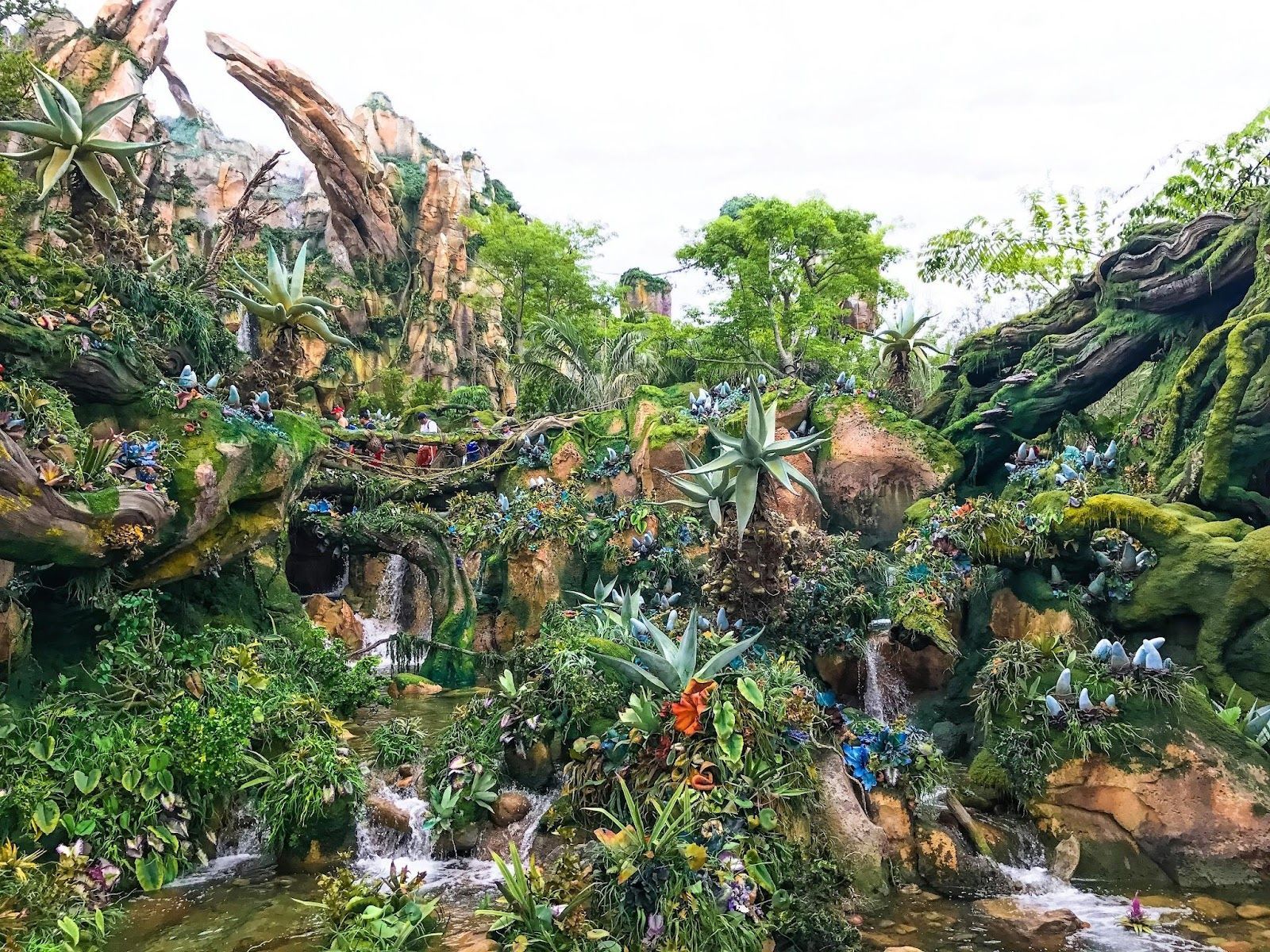
Avatar: The Way of Water

Image: Luke Tanis

One thing’s for sure: making a movie is never easy, especially when it features a giant blue alien species living in an underwater world. That’s the case with Avatar: The Way of Water , released in 2022 with an astounding budget of $350 million. Costs climbed even higher thanks to its long filming schedule, which stretched from 2017 all the way through 2020!

7
Indiana Jones and the Dial of Destiny

Image: Intricate Explorer

Indiana Jones always gives his all, and his latest adventure, Indiana Jones and the Dial of Destiny (2023), was proof of that. The film cost around $327 million to produce, and the action didn’t stay confined to a studio, as the cast, crew, and equipment traveled to locations across the UK, Morocco, and Italy. In addition, the innovative visual effects and de-aging technology used to bring Harrison Ford’s character to life weren’t exactly cheap.

8
Mission: Impossible – The Final Reckoning

Image: Nao Takabayashi

Powerful action scenes and chases, biplanes performing aerial stunts, fierce battles, and underwater sequences: you’ll find all this and more in Mission: Impossible – The Final Reckoning (2025). But all this didn't come out of nowhere; it cost $300 million! Beyond the vehicles and specialized equipment, security measures had to be a serious matter. On the other hand, bringing Tom Cruise back to the saga and having him perform his own stunts added more dollars to the equation, with the actor reportedly earning between $70 million and $120 million for the movie.

9
No Time to Die

Image: Marcel Eberle

We were all excited to see Daniel Craig back in James Bond’s shoes, and we were lucky enough to watch him do it! But, of course, it didn’t come cheap. Beyond Craig’s generous salary and advanced visual effects, the film’s $250 million budget also covered the costs of filming across multiple, distant locations, including Italy, Jamaica, Norway, the Faroe Islands, and the UK!

10
Snow White

Image: Priscilla Du Preez 🇨🇦

After so many scenes of action, aliens, weapons, and explosions, you probably didn’t expect Snow White (2025) to make this list, right? But it did! While the film’s budget wasn’t officially confirmed, estimates put it at around $270 million. So, where did all that money go? First of all, the film relied on high-quality visual effects to bring the magic and fantasy of the fairy tale to life. But that wasn’t all; lead actresses Rachel Zegler and Gal Gadot reportedly requested substantial salaries.

History History 5 min read

Do you know what SoHo, NoLIta, and TriBeCa actually mean? Find out now!

Image: Florian Wehde

For a small island just 13 miles long, the Big Apple holds centuries of history in its neighborhood names. Some were borrowed from Dutch or British settlers, others from police officers, urban planners, or real estate promoters, and a few were coined by architects armed with a map and imagination. Each name tells a story of how the city grew, block by block. Here’s a lively stroll through 12 of Manhattan’s most famous neighborhoods and the stories of how their names first came to life.

1
Hell’s Kitchen

Image: Michael Matloka

What’s in a name? In this case, fire, grit, and a wink of humor. Legend has it that during a riot, a young police officer muttered, "This place is hell itself," only for his older partner to quip, "Hell’s a mild climate—this is hell’s kitchen." The pun was too good to forget, and the nickname stuck. Years later, developers tried a new label—"Clinton"—hoping it would sound more welcoming on real estate brochures. But New Yorkers can be a bit stubborn, and locals chose to keep the old name. After all, only "Hell’s Kitchen" could do justice to a neighborhood with that much flavor, grit, and, well, heat.

2
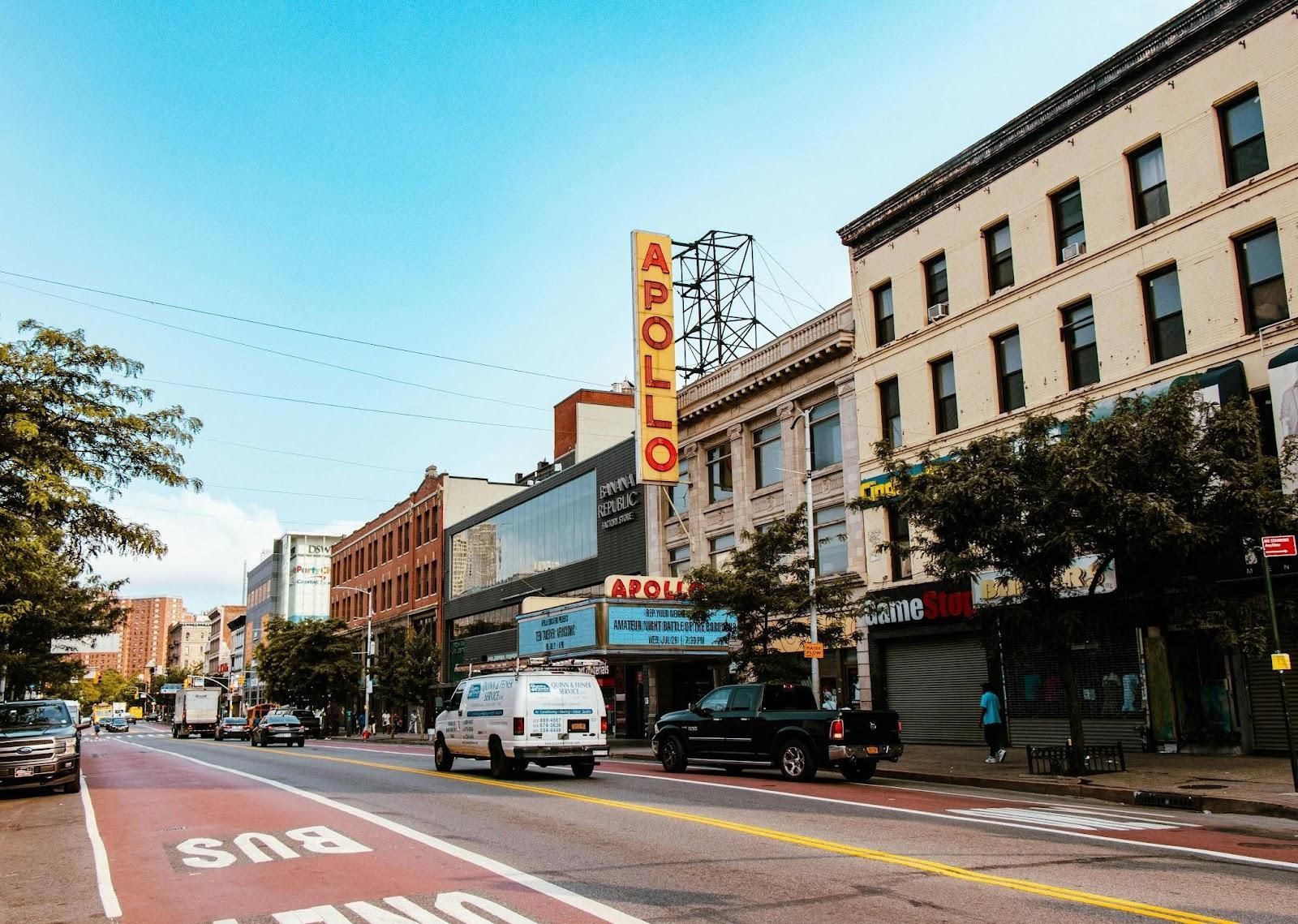
Harlem

Image: Phil Evenden

Back in the 1600s, when northern Manhattan was little more than farmland, Dutch settlers, homesick for their town across the sea, named the area Nieuw Haarlem after Haarlem in the Netherlands. Time smoothed away the "Nieuw," but the name remained. Centuries later, Harlem became something entirely of its own: a world capital of music, art, and pride. The rhythms may have changed from Dutch hymns to jazz and soul, but the name still carries the same echo of nostalgia and creativity.

3
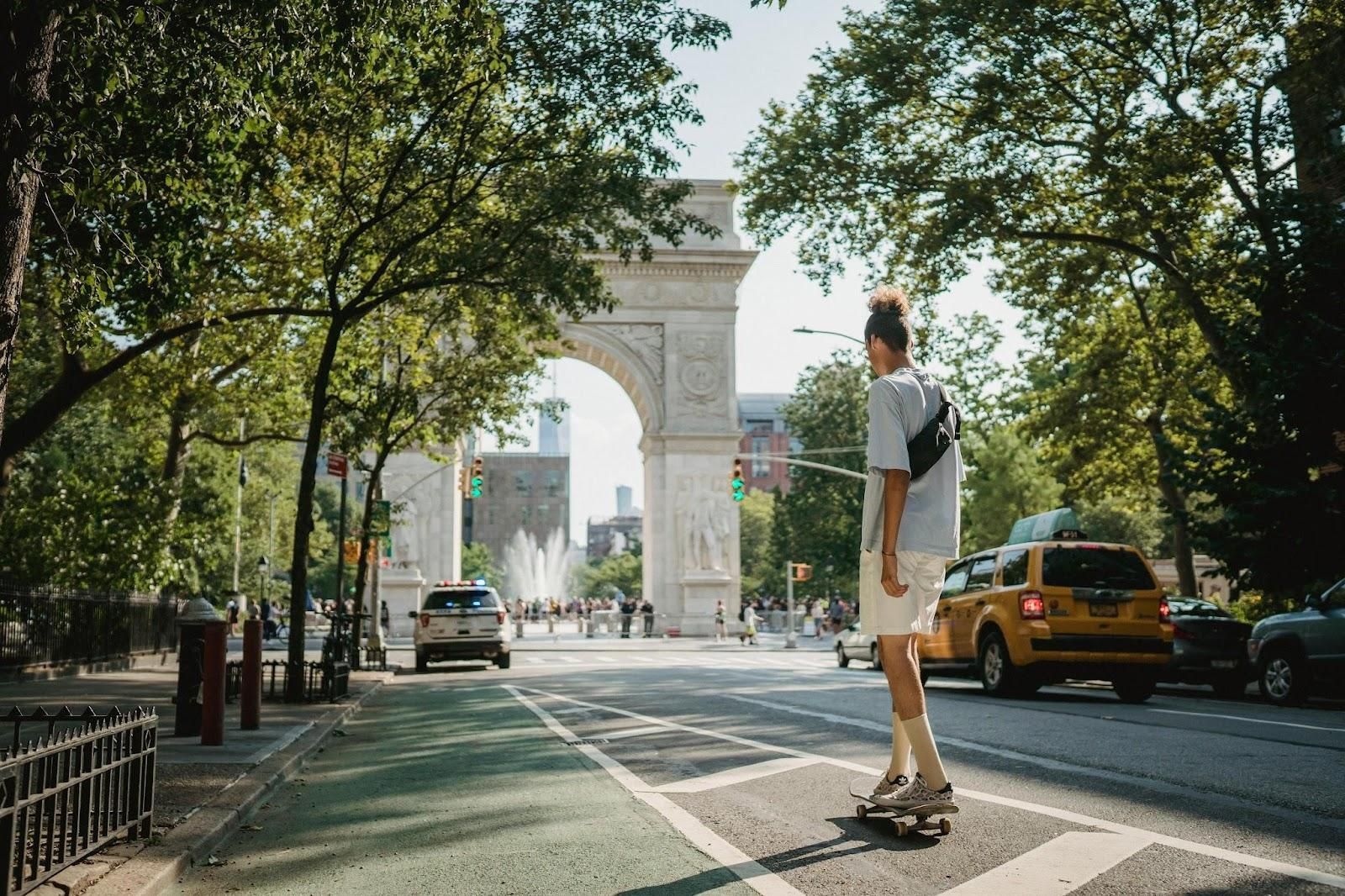
Greenwich Village

Image: Budgeron Bach

Long before jazz bars and coffeehouses filled the air with chatter, this corner of Manhattan was a quiet patch of countryside known as Groenwijck—Dutch for "pine district." The British, with their habit for renaming, turned it into Greenwich, and generations of locals affectionately shortened it to "the Village." Its winding lanes still ignore the city’s rigid grid, twisting and bending like memories of the farmland that came before. Even today, as musicians play on stoops and artists linger in cafés, the Village keeps that timeless feeling.

4
Chelsea

Image: Elric Pxl

Here’s a name steeped in nostalgia and old-world charm. In the mid-1700s, retired British Major Thomas Clarke bought a large plot of land overlooking the Hudson River and built his dream home, naming it "Chelsea" after the genteel London district he once knew. The estate is long gone, swallowed by the city’s constant growth, but its name never left the map. Over the centuries, the neighborhood evolved with a flair worthy of its heritage. First a quiet residential area, then a bustling creative hub filled with galleries, theaters, and fashion studios. Much like its London namesake, New York’s Chelsea has always worn its artistic spirit proudly, with just the right touch of elegance.

5
The Meatpacking District

Image: TanjaSchwarz

It sounds tough because it was. In the early 1900s, this corner of Manhattan had more than 250 meatpacking plants and slaughterhouses filling the air with noise—and, yes, a certain aroma that no candle could ever mask. Workers hauled sides of beef down cobblestone streets dusted with ice and sawdust, a daily ballet of grit and muscle. Today, the scent of raw steak has been replaced by perfume and espresso, and the warehouses now house boutiques and rooftop bars. Still, the name "Meatpacking District" hangs on proudly, a reminder that even glamour was built on hard work and heavy lifting.

6
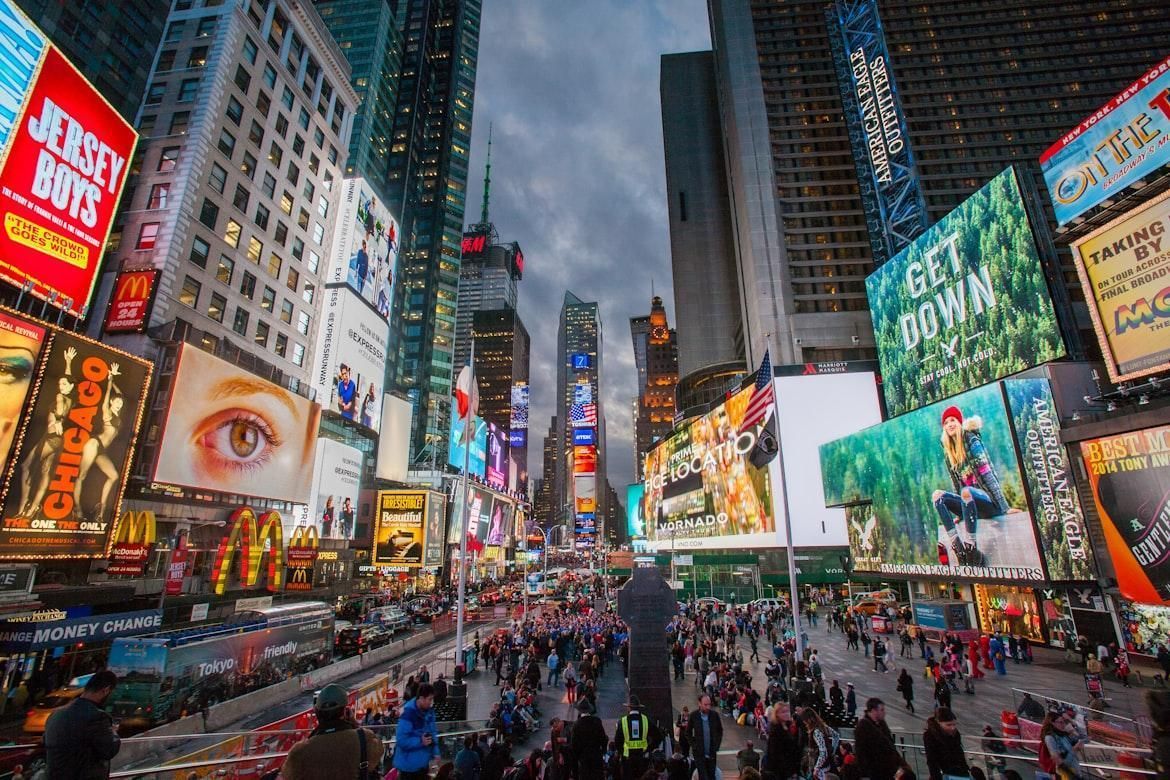
Times Square

Image: James Ting

Believe it or not, the origin of this glowing crossroads has more to do with ink and paper than neon lights. In 1904, when The New York Times moved its headquarters to what was then called Longacre Square, the city decided to rename the area in the paper’s honor. To mark the occasion, the Times threw a grand celebration complete with fireworks and electric lights. Decades later, the newspaper has long since moved out, but the glow never dimmed. What began as a nod to journalism became the city’s biggest stage, where the lights still flash like headlines that never stop breaking.

7
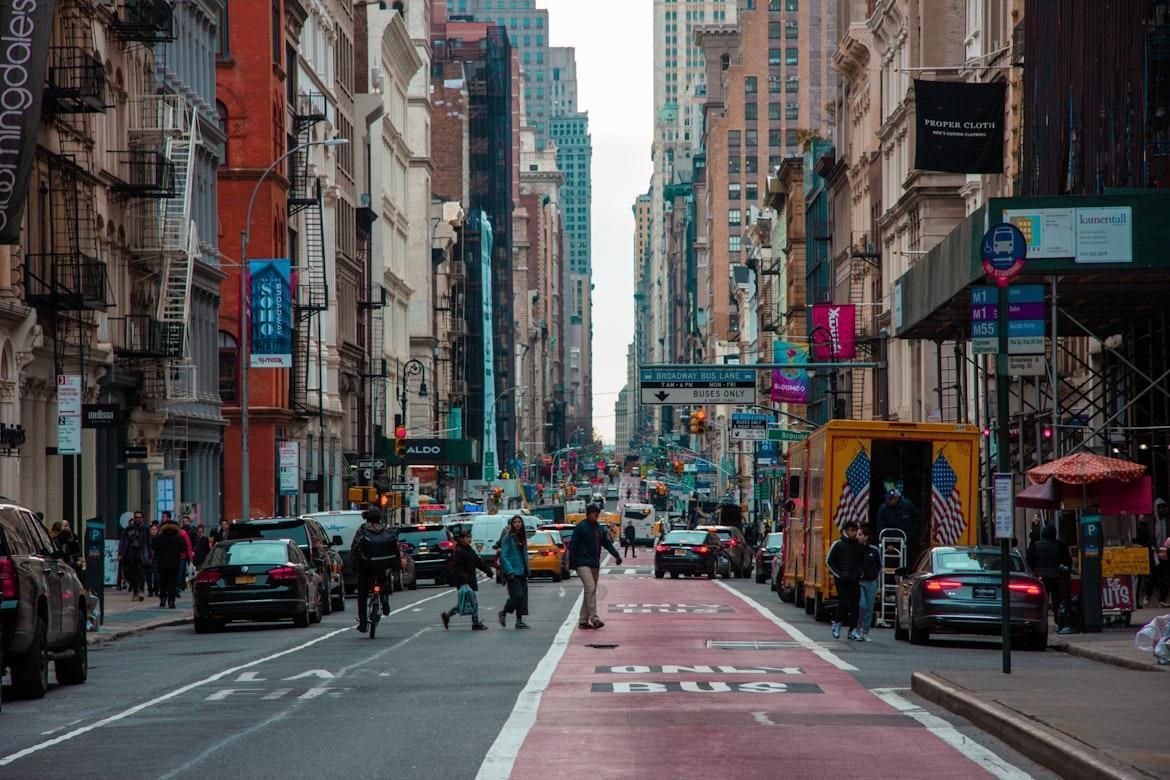
SoHo

Image: Zeke Goodyear

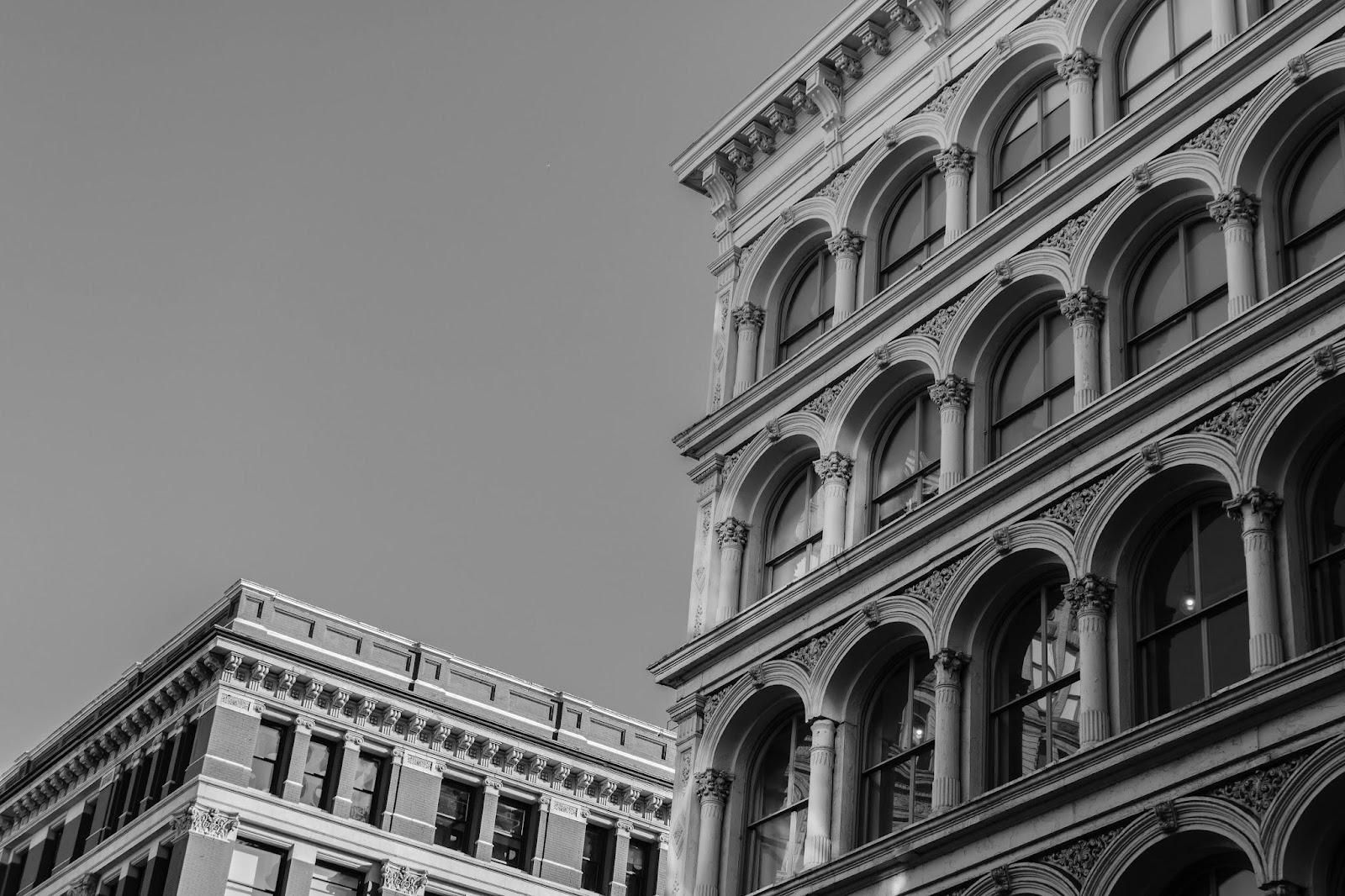
It may sound like a borrowed bit of London, but this SoHo is a New York creation. Back in the 1960s, urban planner Chester Rapkin was writing a report about a fading industrial zone just SOuth of HOuston Street, and casually shortened that phrase into "SoHo." He couldn’t have known he was naming one of the city’s trendiest neighborhoods. As artists began filling the old cast-iron factories with studios and galleries, the nickname spread faster than wet paint. Soon, SoHo meant loft living, street art, and downtown cool. And here’s a fun fact for visitors: in Manhattan, Houston is pronounced HOW -ston, not like the Texas city. Mispronounce it, and you’ll hear all about it before you hit the next crosswalk!

8
NoHo

Image: Dylan Dehnert

By now, you probably know the drill. After the renaming of SoHo proved such a success, the north couldn’t be left behind. When the area NOrth of HOuston Street, another cluster of lofts and studios began to bloom, it soon earned the mirrored name "NoHo." Smaller and quieter, it kept its creative streak without the chaos. Cast-iron buildings, cobbled streets, and a calm charm that feels like SoHo’s thoughtful twin, equally artistic but happy to hum instead of shout.

9
TriBeCa

Image: Essow K

What if geometry had a ZIP code? That’s pretty much how TRIangle BElow CAnal Street —better known as TriBeCa—came to be. The name began as a bit of city-planning jargon for a small, oddly shaped area, but once The New York Times printed it, the label spread faster than a rumor on the subway. Before long, the whole neighborhood embraced its new identity. Today, those wide streets and grand old warehouses host film festivals, art galleries, and lofts so sleek they make geometry look downright glamorous.

10
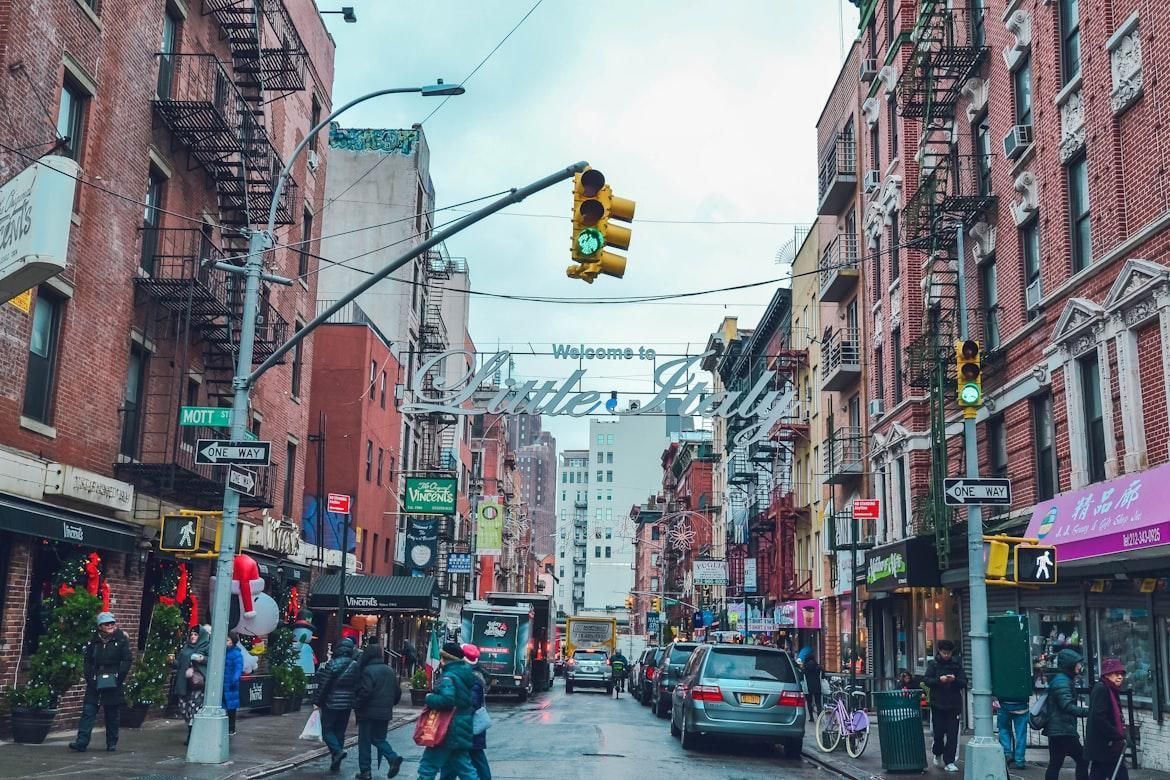
NoLIta

Image: Alex Haney

Tucked just NOrth of LITtle ITAly, this petite pocket of Manhattan once blended seamlessly with its pasta-and-pastry-filled neighbor. Then came the wave of stylish boutiques, corner cafés, and street-front charm that begged for its own identity. The solution? NoLIta, a name so snappy it sounds like it’s been around forever. Sleek, sunny, and effortlessly cool, it’s proof that in New York, a clever name can turn a few city blocks into a full-blown destination.

11
Turtle Bay

Image: Masahiro Naruse

At first glance, the name sounds cute enough for a storybook, and in a way, it is. Back in the 1600s, Dutch settlers named a small farm near a creek that flowed into the East River. Some say it referred to the turtles that lived there; others claim it came from the Dutch word deutal , "bent blade," describing the curve of the bay. Either way, it’s one of Manhattan’s softest names, a calm corner in the city that never sleeps.

12
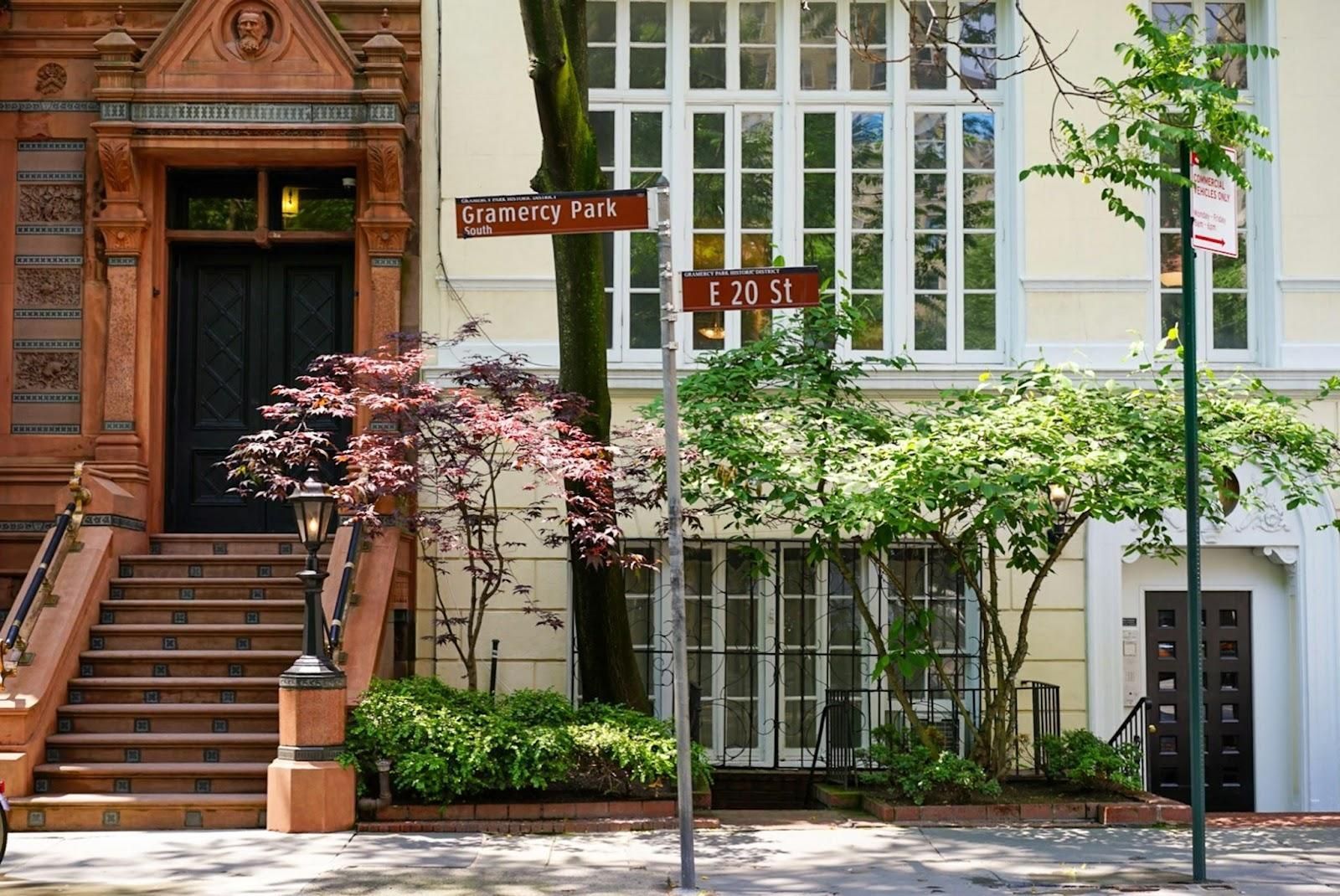
Gramercy

Image: Megan Bucknall

Long ago, this Manhattan neighborhood was a swampy patch of land the Dutch called Krom Moerasje , meaning "little crooked marsh," hardly the kind of description you’d want on a real estate brochure. In the early 19th century, developer Samuel B. Ruggles acquired the land and renamed it Gramercy , adapting an archaic expression derived from the French grand merci , meaning "many thanks." Suddenly, it sounded far more elegant. The neighborhood grew around its most famous feature: Gramercy Park, a private, gated square that remains key-only to this day. In New York, that’s about as close as it gets to a secret garden.

Explore more American facts

Choose your favorite category!

General
General

As American as apple pie—the very best America has to offer!

Culture
Culture

Delve into the astounding richness of American lore.

Geography
Geography

Hop in and explore vast and diverse American landscapes.

History
History

Discover the key moments that shaped the United States.