General General 3 min read

Eat your greens!

Meat or vegetables? 12 common myths about healthy eating debunked

Image: Anh Nguyen

Dieting is not a perfect science with ideal outcomes or easily traceable numbers. As such, it is prone to false claims, myths, and fads that have been repeated enough to be deemed as right by many people. Take a look at these 12 myths about healthy eating and dieting. Which ones have you heard?

1
Give up your favorite food to lose weight
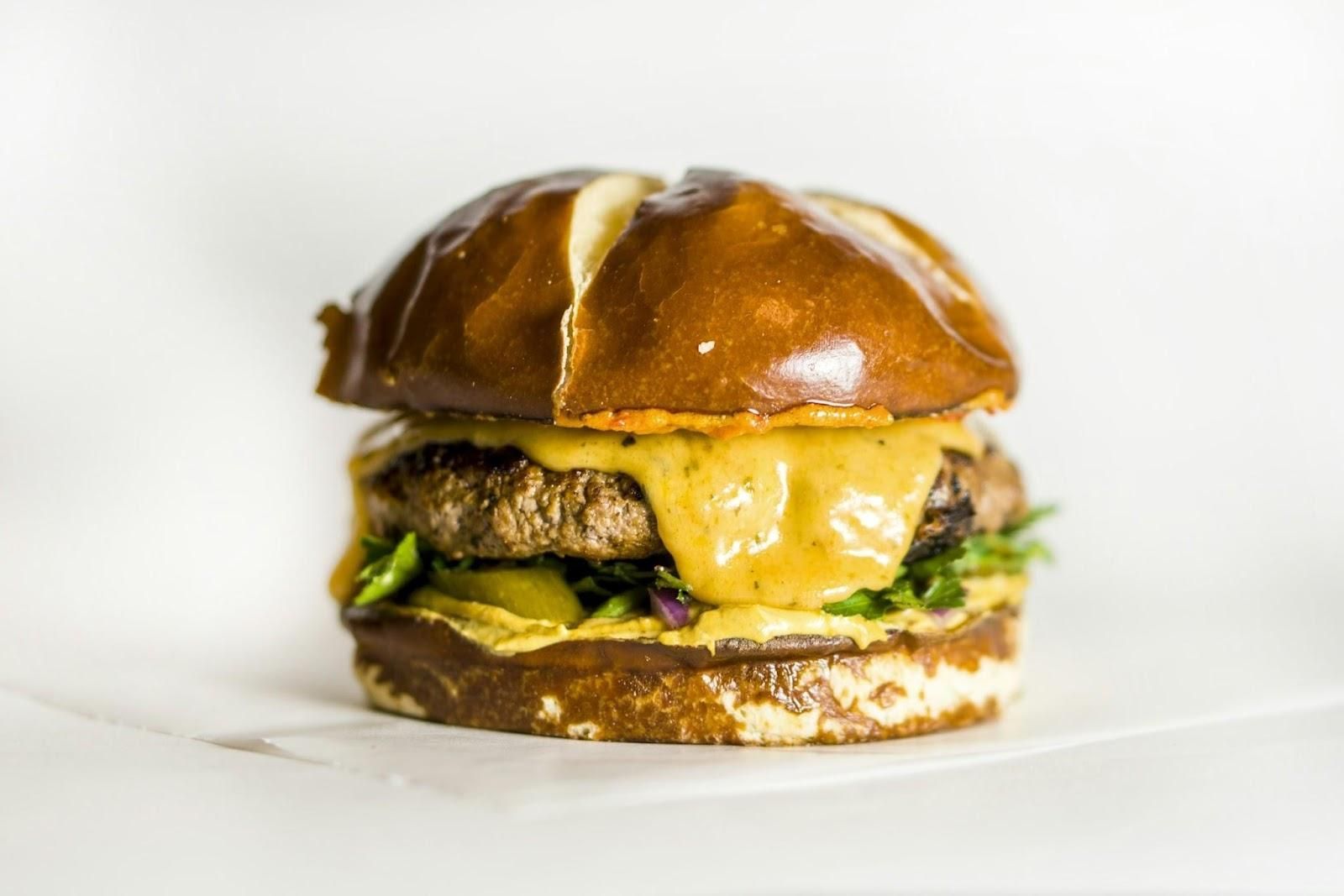
Image: amirali mirhashemian

Small amounts of your favorite high-calorie foods can be included in a weight-loss plan . Just remember to keep track of your total calorie intake. To lose weight, you must burn more calories than you consume.

2
Avoid bread, pasta, and rice
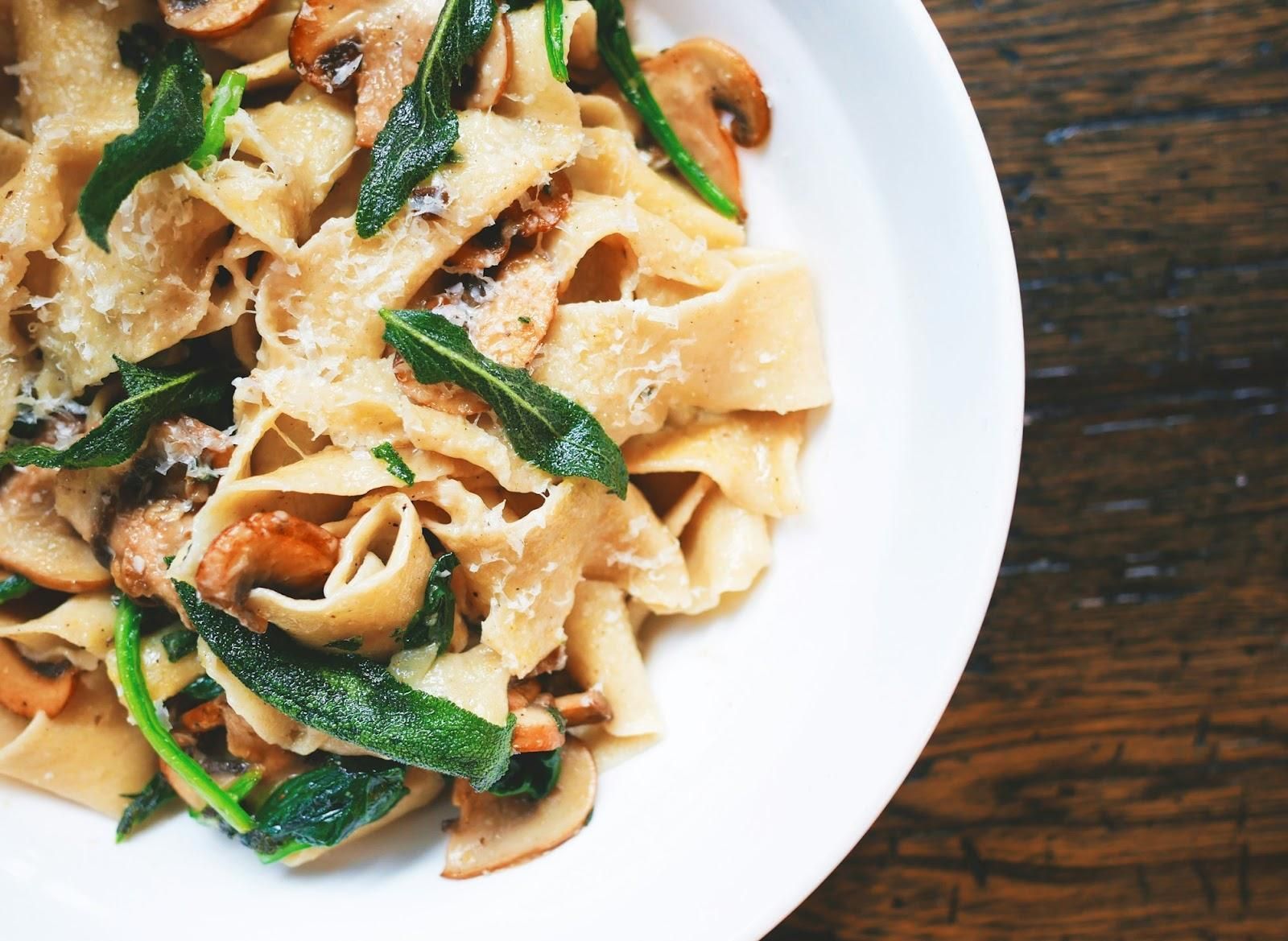
Image: Eaters Collective

Grains themselves aren’t necessarily bad or unhealthy. Consuming whole grains—such as brown rice, whole-wheat bread, cereal, and pasta—as part of a healthy eating plan is a good idea because whole grains provide iron, fiber, and other important nutrients .

3
Choose gluten-free foods
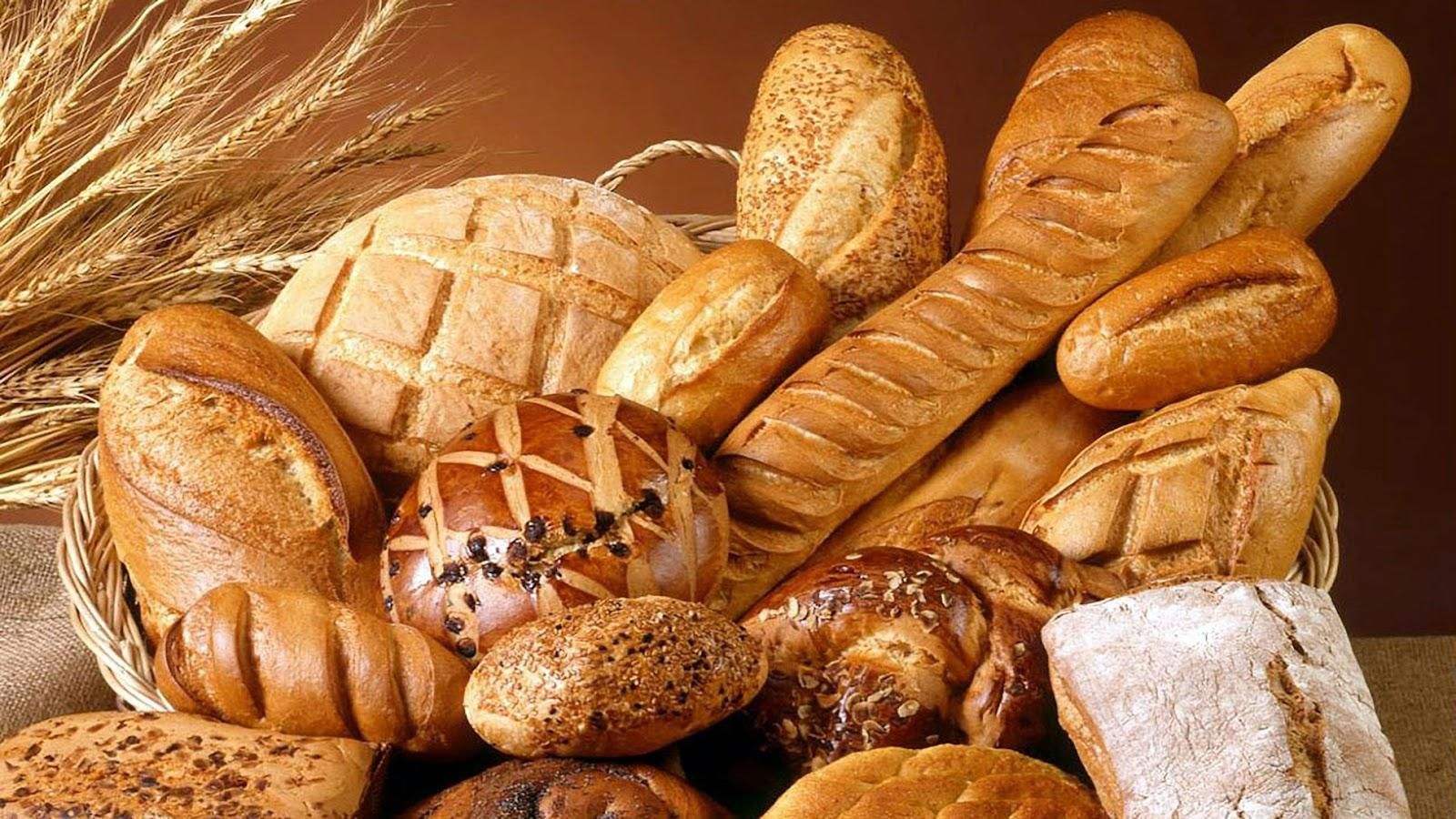
Image: mohamed hassouna

Gluten-free foods are not necessarily healthier if you don’t have celiac disease or a gluten sensitivity. Gluten is a protein found in wheat, barley, and rye grains. If you don’t have these health issues but avoid gluten anyway, you may miss out on important vitamins, fiber, and minerals.

4
Avoid all fats

Image: Kelly Sikkema

Despite all the bad press, not all fats are bad. Fat provides essential nutrients and should be an important part of a healthy eating plan. However, because fats have more calories per gram than protein or carbohydrates (or "carbs"), it is important to limit fat intake to avoid consuming extra calories.

5
Avoid dairy products
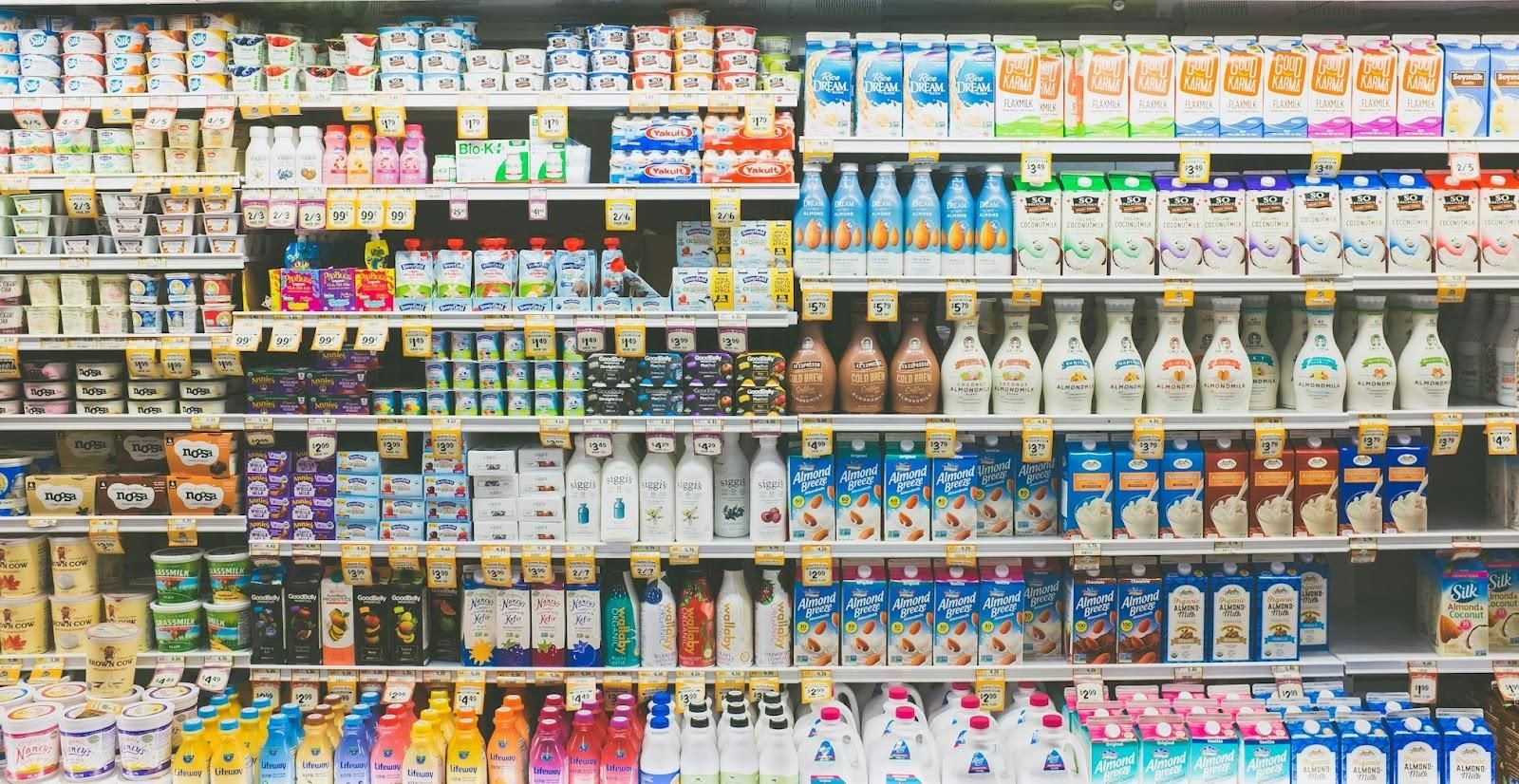
Image: Kenny Eliason

Dairy products are an important food group because they provide proteins needed to build muscles and support organ function , as well as calcium to strengthen bones.

Most dairy products, such as milk and some yogurts, have added vitamin D to help the body absorb calcium, since many Americans don’t get enough of these nutrients.

6
Go vegetarian to lose weight
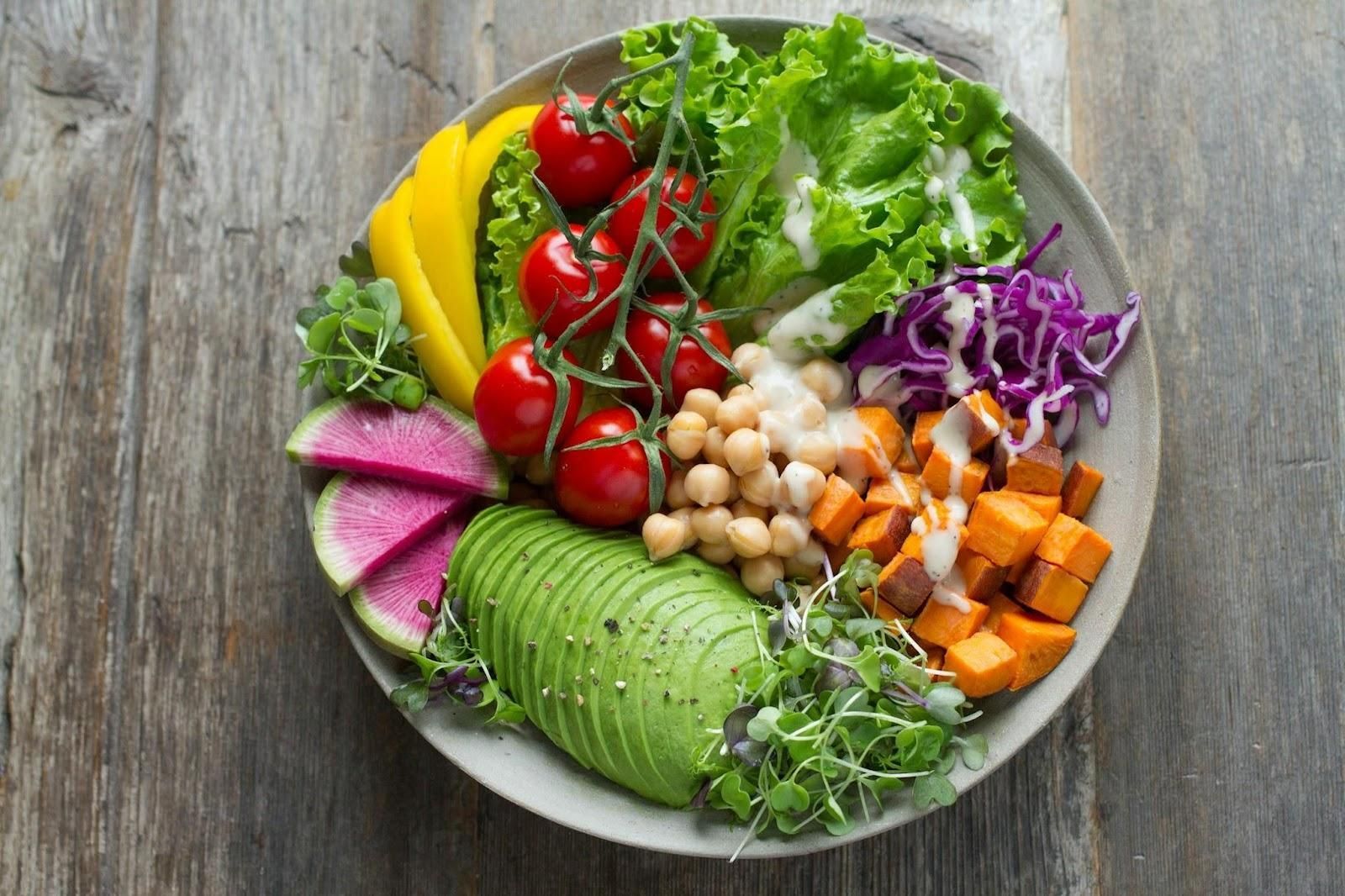
Image: Anna Pelzer

Embracing a fully vegetarian diet only leads to weight loss if you reduce your total calorie intake . As often happens, some vegetarians may make food choices that could lead to weight gain, such as eating large amounts of foods high in sugar, fat, and calories.

Eating small amounts of lean meats can also be part of a healthy plan to lose or maintain weight.

7
Don’t snack between meals
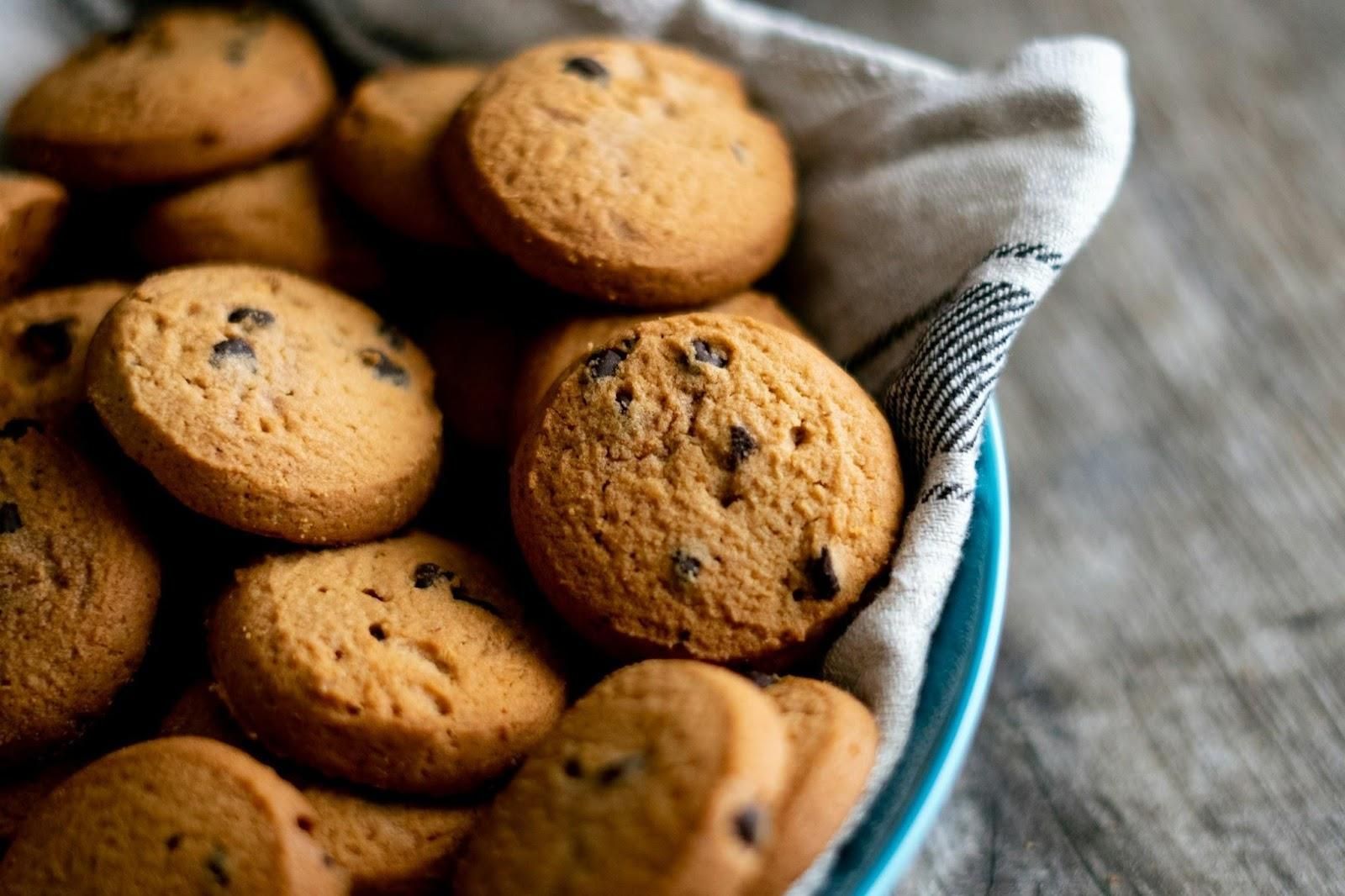
Image: Shreyak Singh

There is nothing wrong with snacking. It can help prevent overeating at meals , provided the snacks are healthy —like apples, peanut butter, low-fat cheese, or whole-grain crackers.

8
Healthy eating is expensive
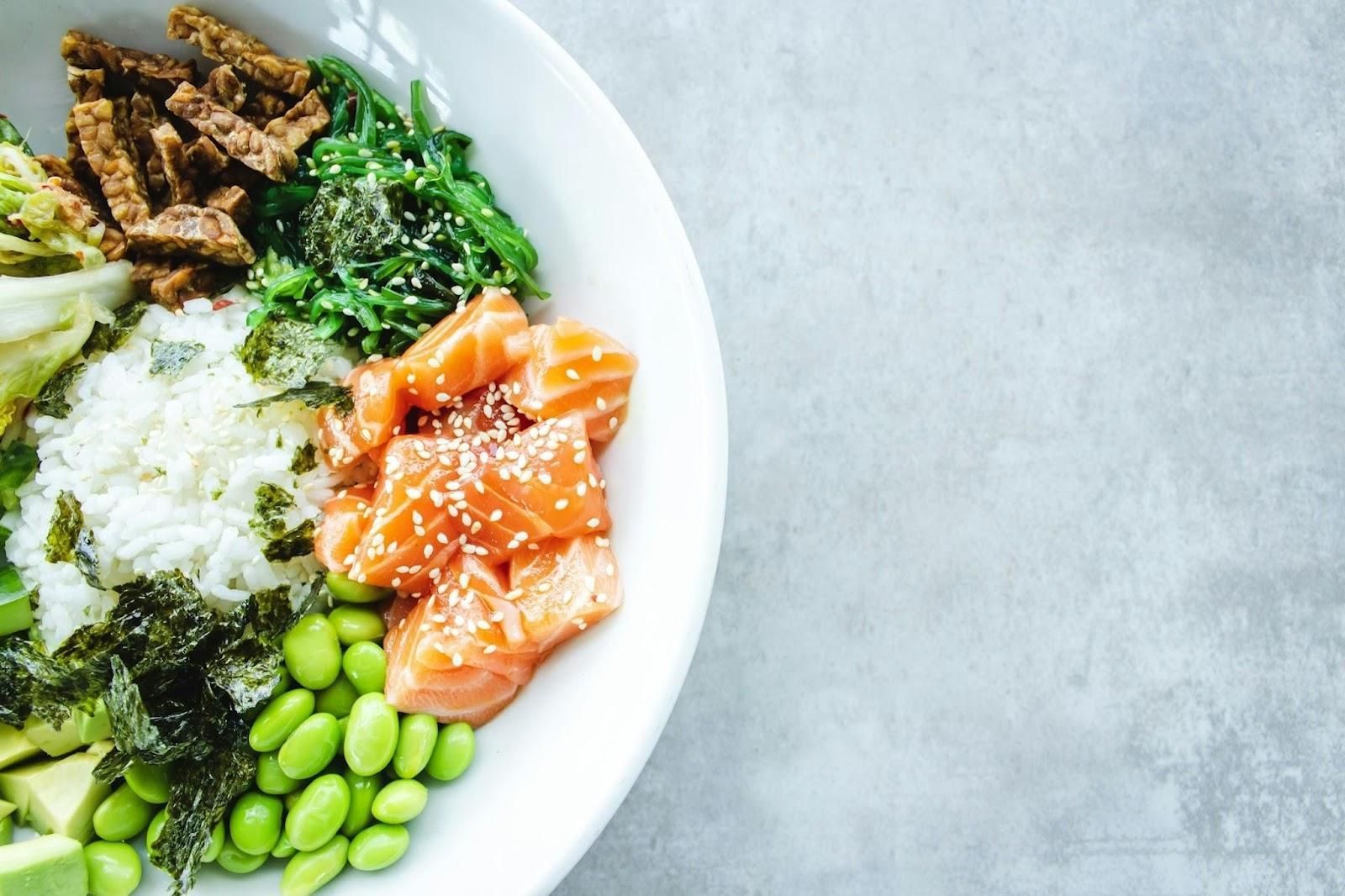
Image: Louis Hansel

Healthy eating can be expensive, but it doesn’t have to be. With a little planning and smart shopping , you can enjoy a much healthier diet on a budget . Many people think produce is too costly, but there are plenty of examples that prove otherwise. For instance, a large bag of lettuce is affordable and lasts a long time.

9
Avoid late-night snacks

Image: nrd

Late snacking isn’t inherently a problem. The real issue is when your late-night snacks are unhealthy . The time of day is not as important as what you eat. If you’re eating ice cream or chips and dip, you’ll gain weight—no matter what time it is.

10
Diet soda is better than regular soda
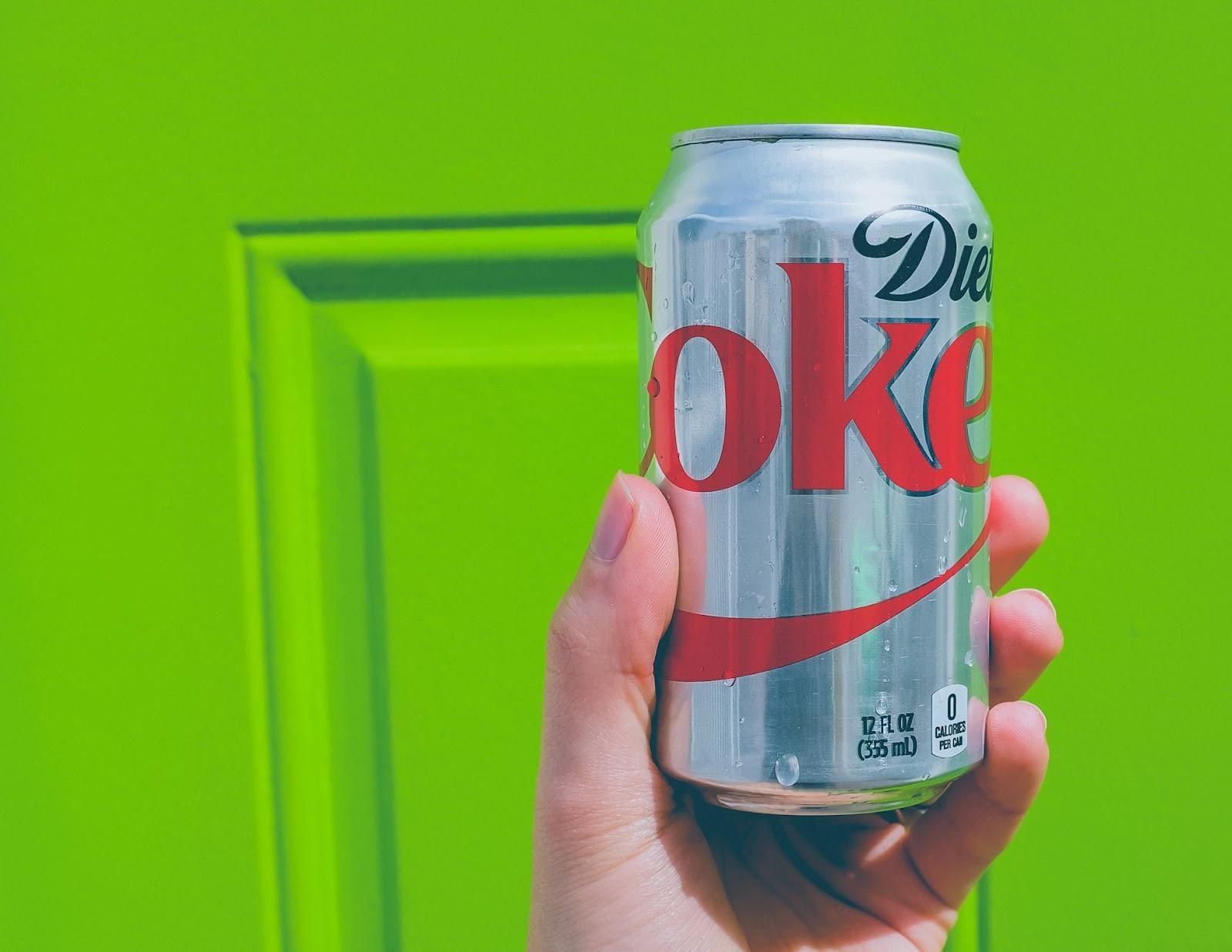
Image: Kenny Eliason

Multiple studies have linked diet soda to an increased risk of diabetes , metabolic syndrome, and obesity, though causation is still debated. Nonetheless, if you’re looking for a healthier soda alternative, try flavored water, sparkling water, or unsweetened tea.

11
Non-nutritive sweeteners are healthy

Image: Towfiqu barbhuiya

The increasing demand for low-calorie, low-carb, sugar-free foods has led to a larger portion of products containing non-nutritive sweeteners (NNS).

While it’s clear that a diet high in added sugar increases disease risk, intake of NNS may also raise the risk of type 2 diabetes by causing negative changes in gut bacteria and promoting blood sugar dysregulation.

12
White potatoes are unhealthy
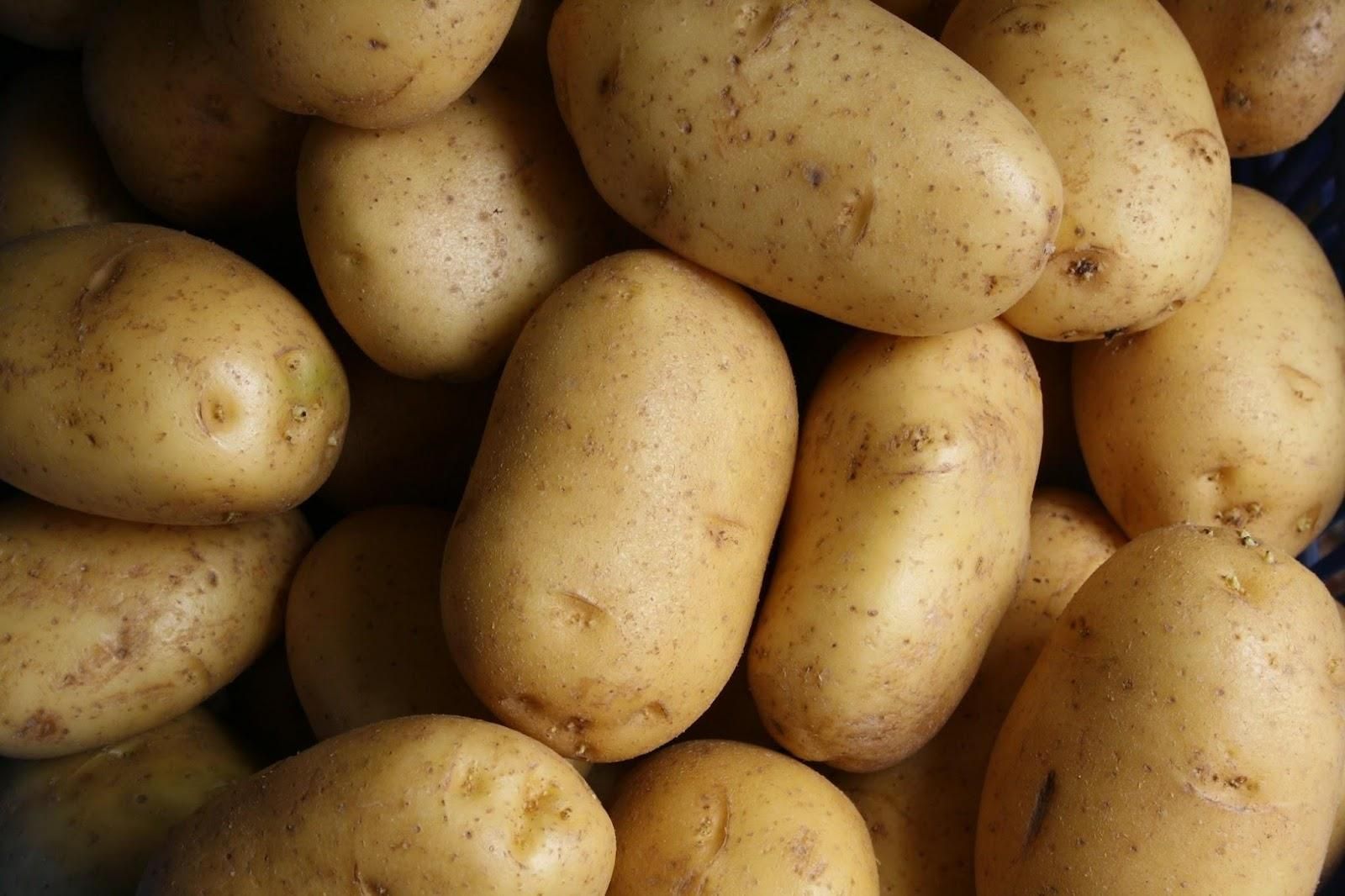
Image: Lars Blankers

Delicious potatoes are often labeled as "unhealthy" because they are frequently eaten in unhealthy ways. However, these starchy vegetables are highly nutritious , providing potassium, vitamin C, and fiber , and can be included as part of a healthy diet. The key is to cook or bake potatoes, but never fry them.

History History 4 min read

Which ad do you remember?

From Nike to Dove: Discover the stories behind 12 iconic ads

Image: Shreesha bhat

Some ads are so catchy, clever, or downright bold that they become part of American culture. From slogans we still repeat to jingles we can’t forget, the best campaigns leave a lasting impression. Take a look at the stories behind 12 of these iconic pieces. Which one do you remember most?

1
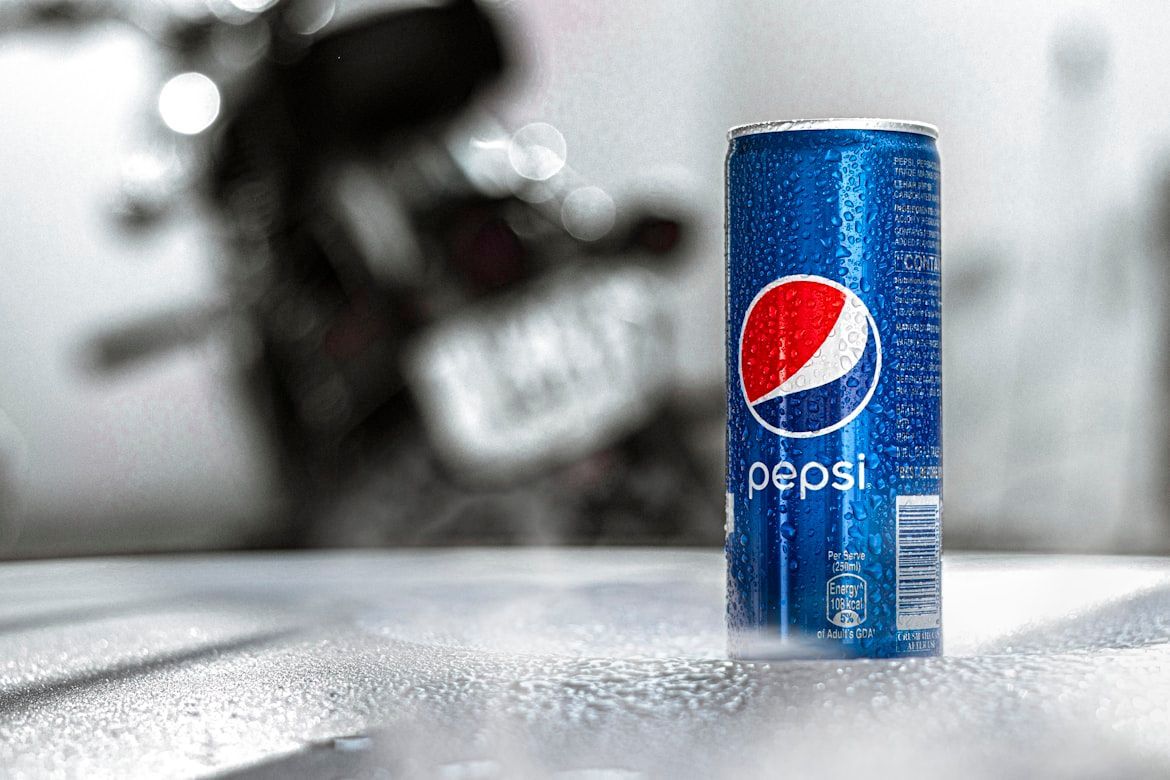
Pepsi: "Is Pepsi OK?"

Image: NIKHIL

If you’ve ever asked for a Coke and heard, "Is Pepsi OK?", you’re not alone—it’s a common scenario that has become a cultural cliché. In 2019, Pepsi embraced that moment and turned it into an ad campaign.

Featuring celebrities, the ads leaned into the joke and confidently rebranded Pepsi as more than just "OK."

2
Westinghouse: "We Can Do It!"

Image: Nayani Teixeira

Westinghouse Electric’s We Can Do It! poster, created during World War II to boost morale among female workers , later became a symbol of female empowerment in the 1970s.

Initially unrelated to the Rosie the Riveter character, the poster eventually gained widespread use in advertisements and pop culture, celebrating women’s strength and independence.

3
Pan-American Coffee Bureau: "Give yourself a coffee break!"

Image: Jakub Dziubak

In the 1950s, the Pan-American Coffee Bureau popularized the concept of the "coffee break" with a campaign that encouraged workers to relax while drinking the popular beverage .

By the 1960s, coffee breaks had become so essential that the United Auto Workers union demanded them in their contracts, even threatening a strike if they were not included.

4
Marlboro: The Marlboro Man

Image: Brendan Stephens

Created in 1954, the Marlboro Man transformed Marlboro from a women’s cigarette into a symbol of rugged masculinity . The iconic cowboy became so recognizable that by the late '90s, nearly 90% of schoolchildren knew him.

The character was retired in 1998 as part of a tobacco industry settlement that banned the use of human and cartoon figures in advertisements.

5
Ad Council: "Friends don't let friends drive drunk."

Image: Aedrian Salazar

Launched in 1983, the "Friends Don’t Let Friends Drive Drunk" PSA became a cultural milestone, directly addressing the widespread problem of drunk driving .

At the time, alcohol was involved in roughly half of all car crash fatalities. The campaign played a key role in shifting public attitudes and helped reduce that number to around 31% in the decades that followed.

6
Levi Strauss & Co.: "A Guide to Casual Businesswear"

Image: Varun Gaba

In the 1980s, "Casual Fridays" gained popularity , but many companies quickly regretted the trend as employees began showing up in overly casual or sloppy attire. In 1992, Levi Strauss & Co. capitalized on the situation by releasing A Guide to Casual Businesswear , promoting its Dockers and Levi’s brands as polished, workplace-appropriate options.

By 1995, Levi’s reported record sales of $6.2 billion, helping to redefine "business casual" and promoting a more professional yet relaxed dress code in the workplace.

7
Snickers: "You’re Not You When You’re Hungry"

Image: Shyam Mishra

Snickers’ Super Bowl ad featuring Betty White, in which hunger causes a man to momentarily "become" her during a football game , became an instant hit and introduced the now-iconic tagline: "You’re Not You When You’re Hungry."

The campaign's humor and relatable message made it highly successful, with the concept evolving over the years through new scenarios and celebrities.

8
KFC: "FCK"

Image: Aleks Dorohovich

During a 2018 chicken shortage , KFC used humor to manage the crisis with a bold ad that featured an empty bucket and the letters "FCK" in place of its logo .

This self-aware and cheeky approach helped diffuse customer frustration and strengthened the brand’s connection with its audience through honesty and wit.

9
Pepsi: "Pepsi Challenge"

Image: NIKHIL

Pepsi’s second entry on this list is the iconic "Pepsi Challenge," a blind taste-test campaign that invited consumers to compare Pepsi and Coca-Cola .

By focusing on taste and showing that many participants preferred Pepsi, the campaign successfully shifted public perception and boosted brand loyalty during the fiercely competitive "Cola Wars" of the 1980s.

10
Nike: "Just Do It"

Image: wuyi

Launched in 1988, Nike’s "Just Do It" campaign featured athletes like 80-year-old marathoner Walt Stack to inspire people from all walks of life to take action.

The slogan quickly resonated with audiences, sparking countless personal stories of bold choices and perseverance. It has since become one of the most enduring and recognizable taglines in advertising history.

11
California Milk Processor Board: "Got Milk?"

Image: engin akyurt

Launched in 1993, the legendary "Got Milk?" campaign emphasized the importance of milk through a study showing how people felt when they ran out .

With its clever use of celebrity endorsements and pop culture references, the campaign ran for over two decades and produced hundreds of memorable ads nationwide, cementing its place as one of the most influential marketing successes in advertising history.

12
Dove: "Real Beauty"

Image: Matthew Tkocz

Launched in 2004, Dove’s "Real Beauty" campaign aimed to boost self-confidence by challenging traditional beauty standards.

Featuring real women instead of professional models , the campaign focused on diversity, aging, and natural imperfections, promoting a more inclusive and empowering definition of beauty.

General General 6 min read

Flashback to the ‘60s

Can you believe these 10 things happened in the '60s?

Image: Sandra-Gabriel

Lots of interesting things took place in the 1960s. It was a time of cultural insight and groundbreaking innovations. That is why it quickly became, and continues to be, one of the most talked-about decades in recent history. While this era often garners attention for major events like the space race and the civil rights movement, there were also plenty of smaller, random events that shaped daily life as we know it today. For example, Sprite first hit the market, and Days of Our Lives premiered during this decade as well. The ’60s brought some surprising, everyday changes , and whether you missed them or don’t remember all of them, we’ve put together 10 small events that happened during this time!

1
Sprite bubbles onto the scene

Image: Mick Haupt

In 1960, Coca-Cola decided it was time for a new kind of soda. There was nothing wrong with their iconic red-labeled brown drink, but they took a completely different approach with their next creation—and so Sprite was born .

Marketed as a refreshing lemon-lime drink to rival competitors, Sprite quickly became a favorite, especially among young people. Its tangy taste and catchy slogan, "Obey Your Thirst," struck a chord and set it apart from traditional cola flavors.

Sprite became popular not only for its flavor but also for its cool, crisp image, which was an early hit with sports fans and summer enthusiasts. This new addition to Coca-Cola’s lineup was an instant sensation in soda machines, diners, and drive-ins. Sprite has since become a classic, yet it always brings a touch of ‘60s nostalgia with each sip.

2
Elvis comes home, fans rejoice

Image: Drew Beamer

When Elvis Presley returned from his two-year military service in Germany in 1960, fans were ecstatic to welcome back "The King."

Of course, his time abroad had worried many fans, but his return came with a sense of renewal and excitement. For anyone concerned he might have lost his X factor, Elvis quickly proved this was not the case! He didn’t waste time getting back into the spotlight.

He soon starred in the hit movie G.I. Blues and recorded new music, reigniting his career. This period also marked a shift for Elvis: he embraced a more polished, Hollywood-friendly image. Although his rock-and-roll days remained beloved, his new style showcased his versatility. Fans couldn’t get enough, and his popularity skyrocketed even higher.

3
Barbie’s boyfriend makes the scene

Image: Elena Mishlanova

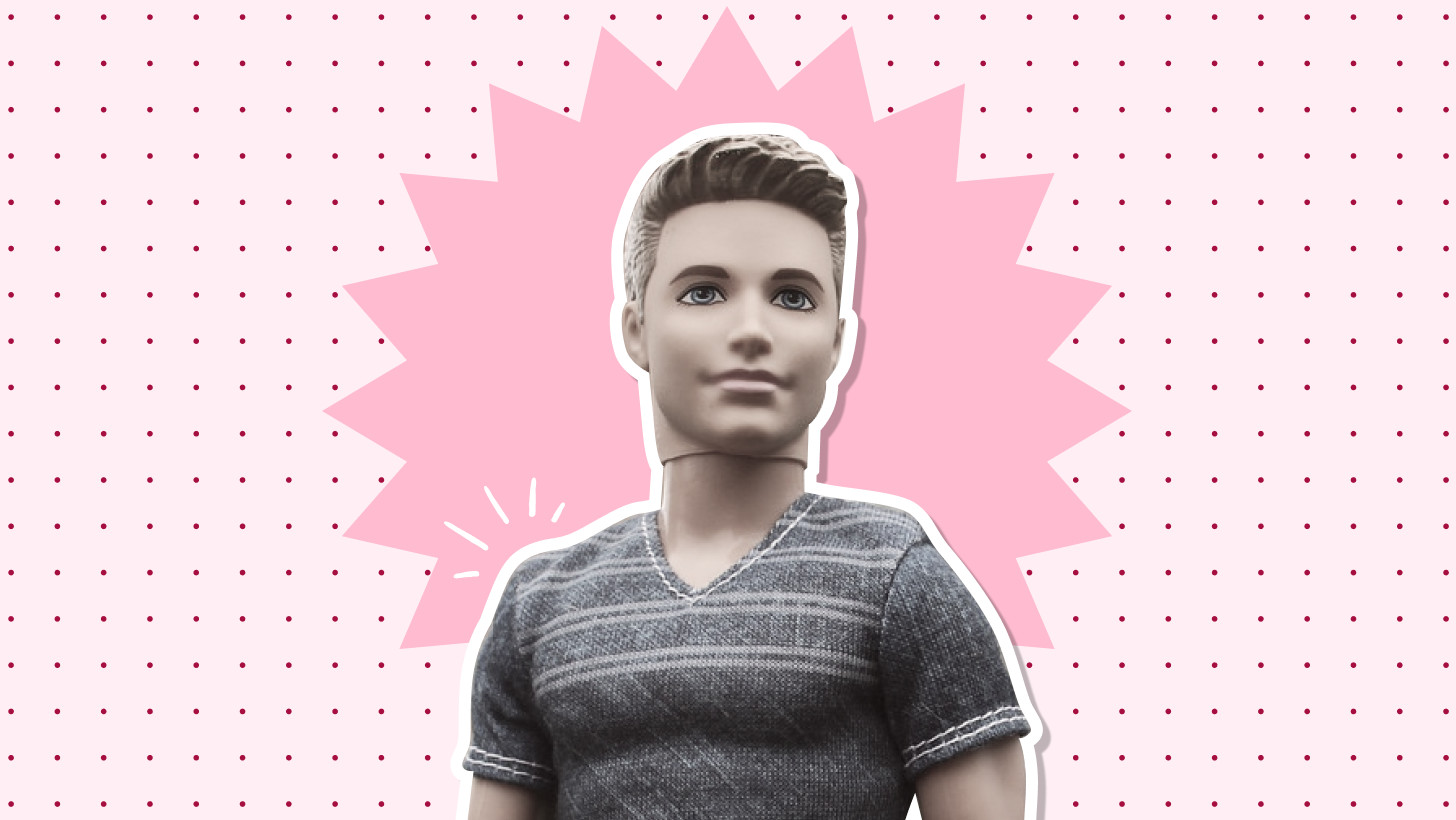
The ‘60s was not a time to be alone—love was in the air, and even Barbie felt it. In 1961, Barbie (yes, Barbie the doll!) got herself a boyfriend , and his name was Ken.

Ken, with his chiseled jaw and smooth style, was marketed as the perfect companion for America’s favorite doll. Their relationship wasn’t just about romance; Ken represented a new way for kids to imagine life, dating, and companionship.

Mattel carefully crafted Ken’s image. He was all about trendy outfits and accessories, perfectly complementing Barbie’s adventurous lifestyle. While Ken was never as popular as Barbie—as the 2023 movie humorously reminded us—together, Barbie and Ken became a symbol of the quintessential American couple.

4
General Hospital premieres - And never leaves!

Image: Natanael Melchor

This one is for the Guinness Book of World Records! Sure, it falls into the "happened in the ’60s" category, but how about the fact that it’s still going strong with no intention of stopping? Amazing!

Soap operas have long held a place in daytime TV, and in 1963, General Hospital began its reign (is there any more appropriate word for it?) on ABC. This medical drama quickly gained a loyal audience, it showed the ups and downs of fictional lives inside Port Charles Hospital.

Known for its dramatic plots, surprising twists, and cliffhanger endings, the show set the standard for soap operas. General Hospital brought viewers into a world filled with romance, heartbreak, and mystery, all in a hospital setting. All things considered, the show’s legacy is proof of the everlasting appeal of a little love, a little scandal, and a lot of drama.

5
Pull tabs on cans debut

Image: Majkl Velner

Remember how the title of this article said "random"? Well, this is peak randomness—but hear us out: In 1962, a small invention changed the way people enjoyed canned drinks forever. The pull tab was created.

Wait, this wasn’t a thing before that? Nope! Before its arrival, people had to use a can opener, which made canned refreshments a bit tricky to open. The pull tab made enjoying a soda or beer as easy as a flick of the finger. And it didn’t stop there—it revolutionized outdoor picnics, beach days, and sports events.

The con? These early pull tabs were detachable, leading to litter and safety concerns. Eventually, the design was improved to stay attached, but by then, the pull tab trend had already taken off.

6
ZIP codes make mailing easier

Image: Jonathan Cosens Photography

Introduced in 1963, the ZIP Code system brought structure to the U.S. postal service. Before ZIP Codes, mail sorting was a time-consuming process that led to frequent delays—can you imagine the mess?

The simple five-digit code made mail sorting efficient , speeding up delivery and reducing errors to a minimum. Each code represented a specific area, making it easier to organize and deliver letters and packages across the country. The system was a huge success, and soon, ZIP Codes were an everyday part of American life.

Over the years, the system has evolved with additional digits and zones, but the basic concept remains the same. Thanks to ZIP Codes, sending mail has been more organized and reliable for over half a century.

7
The Mustang gallops into American hearts

Image: Frankie Lopez

Nowadays, new cars are pretty common, and nobody gets too excited about a new stick shift or an upgraded screen. But back in 1964, when Ford introduced the Mustang , it wasn’t just a car—it was a cultural phenomenon.

Known for its sporty design, power, and affordability, the Mustang became a symbol of freedom, especially for young people. Its sleek lines and powerful engine offered an escape from the ordinary, making it an instant hit on highways and city streets alike.

Ford set out to give the average American a car that felt both luxurious and exciting, and the Mustang certainly delivered. It was the ideal car for road trips, summer nights, and a little showing-off. The Mustang’s launch even sparked the era of "pony cars," a new category of performance vehicles inspired by its success.

8
Days of Our Lives begins its epic run

Image: Towfiqu barbhuiya

General Hospital set a record for sure, but Days of Our Lives wasn’t about to be left behind. NBC introduced Days of Our Lives in 1965, bringing a new wave of daytime drama to American homes. Set in the fictional town of Salem, the show quickly became known for its mix of romance, family feuds, and shocking plot twists. For many fans, it was more than just entertainment—it became a daily ritual and a part of family life.

With memorable characters and intricate storylines, the show has managed to stay relevant and fresh across generations. Its famous opening line, "Like sands through the hourglass, so are the days of our lives," is etched in TV history. Do you watch this series?

9
Disney’s final touch on The Jungle Book

Image: Hitoshi Suzuki

In 1967, The Jungle Book was released. Now, why is this special? Because it was the last animated movie Walt Disney personally supervised . Based on Rudyard Kipling’s stories, the film told an adventurous tale that captivated audiences of all ages, despite being an animated feature.

It introduced beloved characters like Baloo and Mowgli, and it had an unforgettable soundtrack, including "The Bare Necessities," which became an instant hit.

Although it was supervised by Walt, The Jungle Book was released shortly after his passing, making its success bittersweet for the studio. Nevertheless, it was a huge box-office triumph, securing its place in Disney’s classic lineup.

10
Hair Makes a Bold Splash on Broadway

Image: Don Agnello

In 1968, Hair burst onto the Broadway stage, celebrating the counterculture movement with a mix of rock music and bold themes. Known for its celebration of freedom, peace, and love, the musical captured the rebellious spirit of the time.

Its songs, like "Aquarius" and "Let the Sunshine In," became anthems of the era, loved by audiences far and wide.

Hair was unapologetically daring, exploring controversial topics like anti-war protests and free love. The production broke Broadway conventions, as actors interacted with the audience and addressed social issues directly. Quite a revolution (and a success too) for the decade!

Explore more American facts

Choose your favorite category!

General
General

As American as apple pie—the very best America has to offer!

Culture
Culture

Delve into the astounding richness of American lore.

Geography
Geography

Hop in and explore vast and diverse American landscapes.

History
History

Discover the key moments that shaped the United States.