General General 5 min read

What’s in a team’s name?

No Grizzlies in Tennessee: Decoding 10 NBA team nicknames

Image: Abhay siby Mathew

What could knickerbockers, animals, and mechanical engineering have in common? Well, plenty, if you ask an NBA fan. The naming of basketball teams has involved whole fan communities, local polls, and a lot of state industry pride. Nuggets, Pistons, Pacers—some evoke local wildlife, while others dig centuries back into historical roots. Ever wondered why Tennessee has Grizzlies or how Miami’s team ended up simply as "Heat"? Let’s dive into the stories behind the league’s most iconic—and surprising—team names.

1
Knicks

Image: Kelly Sikkema

"Knicks" is the shorter, catchier version of "Knickerbockers." The New York team name was chosen in the 1940s because of its association with Dutch settlers in the city. In Washington Irving's satirical book A History of New York , the author used "Diedrich Knickerbocker" as a fictional narrator. Over time, the term came to symbolize the city’s colonial heritage.

One of the oldest teams in the NBA, the Knicks never changed their worldwide-known name or their headquarters. They also boast one of the most iconic sports arenas in the world: Madison Square Garden . The Knickerbockers brand became so well-established that it intentionally opted to never introduce a team mascot, to preserve its classic image.

2
Nuggets

Image: PIX1861

The Denver Nuggets don’t allude to any form of food. Let’s look at the team’s history before explaining its name. Originally, as members of the American Basketball Association, they were called the Denver "Rockets" in reference to one of the owner’s businesses. However, when the team prepared to join the NBA in the 1970s, they had to change their name because Houston already had a team named the Rockets.

After a fan contest, the name "Nuggets" was chosen as a nod to Colorado’s gold and silver mining heritage , where prospectors sought valuable "nuggets" of precious metals. The team adopted a logo featuring a miner holding a pickaxe, and the name has stuck ever since.

3
Rockets

Image: NASA

So, why did Houston name its team The "Rockets"? Technically, it didn’t. The team was founded in San Diego in the 1960s as an NBA expansion team. The name "Rockets" was chosen through a fan contest, inspired by San Diego’s slogan at the time, "A City in Motion," and its ties to the aerospace industry.

Less than 10 years later, the team relocated to Houston, Texas. It was understood that a name change wasn’t necessary: "Rockets" fit seamlessly with Houston’s role as NASA’s space center and its nickname, "Space City."

4
Pistons

Image: Tim Mossholder

The Pistons were originally founded in Indiana as the Fort Wayne Zollner Pistons . Their owner, Fred Zollner, also owned a manufacturing company that produced pistons for automotive and railroad engines. The team carried the last part of the name forward when they joined the NBA, and later moved to Detroit.

Detroit, known as "Motor City" for its global reputation as the center of the American auto industry, was the perfect fit for the Pistons name. The concept that the Pistons symbolized "horsepower" was what inspired the introduction of their mascot, Hooper, a horse wearing the Pistons’ jersey.

5
76ers

Image: Jimmy Woo

The Philadelphia 76ers derive their name from an entirely different source than most other teams. Honoring the city’s insignia as the birthplace of the Declaration of Independence in 1776, the team’s name pays tribute to this pivotal moment in American history.

In its inception, the team was based in Syracuse, New York, and was known as the "Syracuse Nationals." It was one of the NBA’s original franchises. When it moved to Philadelphia, though, a fan contest was issued to select the best possible name. "76ers" was selected and it quickly became the popular consensus to shorten it to the nickname "Sixers."

6
Grizzlies

Image: Greg Johnson

Everyone’s first reaction upon hearing where the Grizzlies are based is the same: "But are there any grizzlies in Tennessee?" The answer is, none that we know of. But the team was founded far from those lands, in Vancouver, British Columbia. In the mountainous regions of western Canada, grizzly bears are indeed a thing.

However, the team faced financial difficulties and fan support challenges in Vancouver, leading to their relocation to Memphis in the early 2000s. At the time, there was some debate about whether to change the name. Ultimately, the NBA and team management decided to keep "Grizzlies" to maintain a connection to the team’s origins and avoid the costs of rebranding.

7
Heat

Image: Maxim Tajer

As many people observe, it’s unusual for a team name not to be a plural word. "Heat" is as fiery as it is accurate, belonging to the hottest state in the U.S. The city’s tropical weather inspired one of the most abstract names in the NBA, often symbolized by fire and the colors red, orange, and black.

The Miami "Heat" name was designated after winning a fan contest, beating other options like "Sharks" and "Barracudas." Fans also suggested names such as "The Beaches" and "The Miami Vice."

8
​​Timberwolves

Image: Andrew Ly

There may be no grizzlies in Memphis, but there are certainly timber wolves in Minnesota. In fact, the state has the largest population of timber wolves in the contiguous United States. The name for Minneapolis’ team was chosen through a statewide contest as a nod to Minnesota’s wilderness and natural wildlife. It was an instant hit.

The other finalist in the contest was the option "Polars," but it seems people found "Timberwolves" to be more unique. In later years, the team introduced its mascot, Crunch , a wolf often seen at events around the city.

9
Pacers

Image: Rui Alves

The Pacers emerged and remained in Indiana. The name was chosen mostly to pay homage to Indiana’s rich racing heritage: pace cars were used in the iconic Indianapolis 500 auto race , which evolved from horse races held annually in the state. However, it can also be considered a pun on the "fast-paced" style of playing that the team hoped to live up to.

In fact, one of the investors of the Pacers franchise was Chuck Barnes , who represented three legendary race car drivers: Mario Andretti, A.J. Foyt, and Rodger Ward. The team proudly retained the name when they joined the NBA in the 1970s after achieving remarkable success in the ABA.

10
​​​​Cavaliers

Image: PublicDomainPictures

Lastly, Cleveland’s "Cavaliers" is another example of a team name chosen through a fan vote. A local fan suggested the term, which refers to gentlemen trained in arms and horsemanship, for its associations with boldness, a fighting spirit, and a certain elegance. This option won, and over time, enthusiastic fans began referring to the team as "the Cavs."

Other contestants in the row were "Jays," "Foresters," and "Presidents." The "Cavs" nickname gained significant popularity during the LeBron era , as the star player’s success helped the team gain a stronger national following. Interestingly, the best-known rivalry for the Cavs is none other than the Golden State "Warriors."

General General 5 min read

National monikers

Golden dreams and aloha vibes: 10 state nicknames demystified!

Image: little plant

Ever wonder why states have those quirky nicknames? They’re more than just catchy phrases—they can actually help us understand a state’s history, culture, and character. From sunny beaches to rugged mountains, these nicknames were chosen to highlight what makes each place unique. Today, we’ll take a look at 10 fascinating state monikers and discuss their origins and the stories behind them. Maybe you’re a trivia enthusiast, or maybe you just love learning something new. In any case, this fun exploration will give you a deeper appreciation for our beloved territories.

1
California: The Golden State

Image: Maarten van den Heuvel

If this name makes you instantly think about the Gold Rush , let us tell you, you would be going in the right direction because California’s nickname, "The Golden State," gleams with both historical and literal significance.

It harks back to the 1848 Gold Rush, which transformed the state into a bustling hub for fortune seekers. But beyond gold, the nickname also refers to the Golden Gate, the entrance to San Francisco Bay. Additionally, the state’s flower, the golden poppy, is another nod to this iconic moniker. The nickname is more than accurate—wherever you look, California’s golden legacy keeps sparkling.

2
Connecticut: The Nutmeg State

Image: Christopher Luther

This may be one small state, but it sure has a lot of nicknames. The official one is "The Constitution State," but you’ve likely also heard of "The Nutmeg State." So why nutmeg for Connecticut? It’s not about farming—it’s a nod to the cleverness of its residents during colonial times.

The tale goes that traders from Connecticut sold carved wooden nutmegs as a joke, showcasing their wit and entrepreneurial spirit. While historians debate the truth of the story, the nickname stuck unofficially.

Want to know the other nicknames? They are "The Blue Law State" and "The Provisions State." So if you had to pick, which one is your favorite?

3
Delaware: The Diamond State

Image: Josefina Lacroze

Delaware might be small, but its nickname, "The Diamond State," reflects its value. Similar to Connecticut, it also holds several nicknames. Now, as for the one mentioned here, the legend credits Thomas Jefferson with calling Delaware a "jewel" among states due to its strategic location and resources.

As the first state to ratify the Constitution (which earned it the nickname "The First State"), Delaware is a gem in America’s founding story. Though tiny, it punches above its weight with its rich history, tax-friendly laws, and scenic beauty. It’s proof that great things come in small packages, you know?

4
Florida: The Sunshine State

Image: Betty Subrizi

"The Sunshine State" was officially designated as Florida’s nickname in 1970, but doesn’t it feel like it’s been that way forever? If Florida’s nickname doesn’t make you want to pack your beach bag , nothing will!

Known for its abundant sunshine, the state is a top destination for snowbirds and sun-seekers alike. Its warm weather supports everything from sprawling orange groves to its famous beaches. But Florida’s not just about sunny skies—it’s also rich in diverse wildlife and cultural vibrancy. Take a swim at its beaches or explore the Everglades, whatever you choose, this state’s bright reputation is well-earned.

5
Hawaii: The Aloha State

Image: Luke McKeown

Speaking of dreamy beaches and lots of sunshine, right? Hawaii’s nickname radiates warmth, just like its famous greeting, "Aloha."

But it’s so much more than that. Aloha embodies love, peace, and a deep connection to nature. It was even defined by the legislature as the Hawaiian philosophy that focuses on the collective experiences people have.

From lush landscapes to welcoming locals, the Aloha spirit defines Hawaii’s identity. Visitors leave with more than tan lines—they carry a piece of Hawaii’s enduring kindness and hospitality. They certainly had us at Aloha !

6
Mississippi: The Magnolia State

Image: Annie Spratt

Some states choose to honor legends, some honor their place in history, but Mississippi chose to honor the one thing you can see wherever you look around the state: the Magnolia tree.

With its iconic blooms and Southern charm, "The Magnolia State" perfectly suits Mississippi. Magnolias, known for their large, fragrant flowers, thrive in the state’s warm climate and are its official state tree and flower.

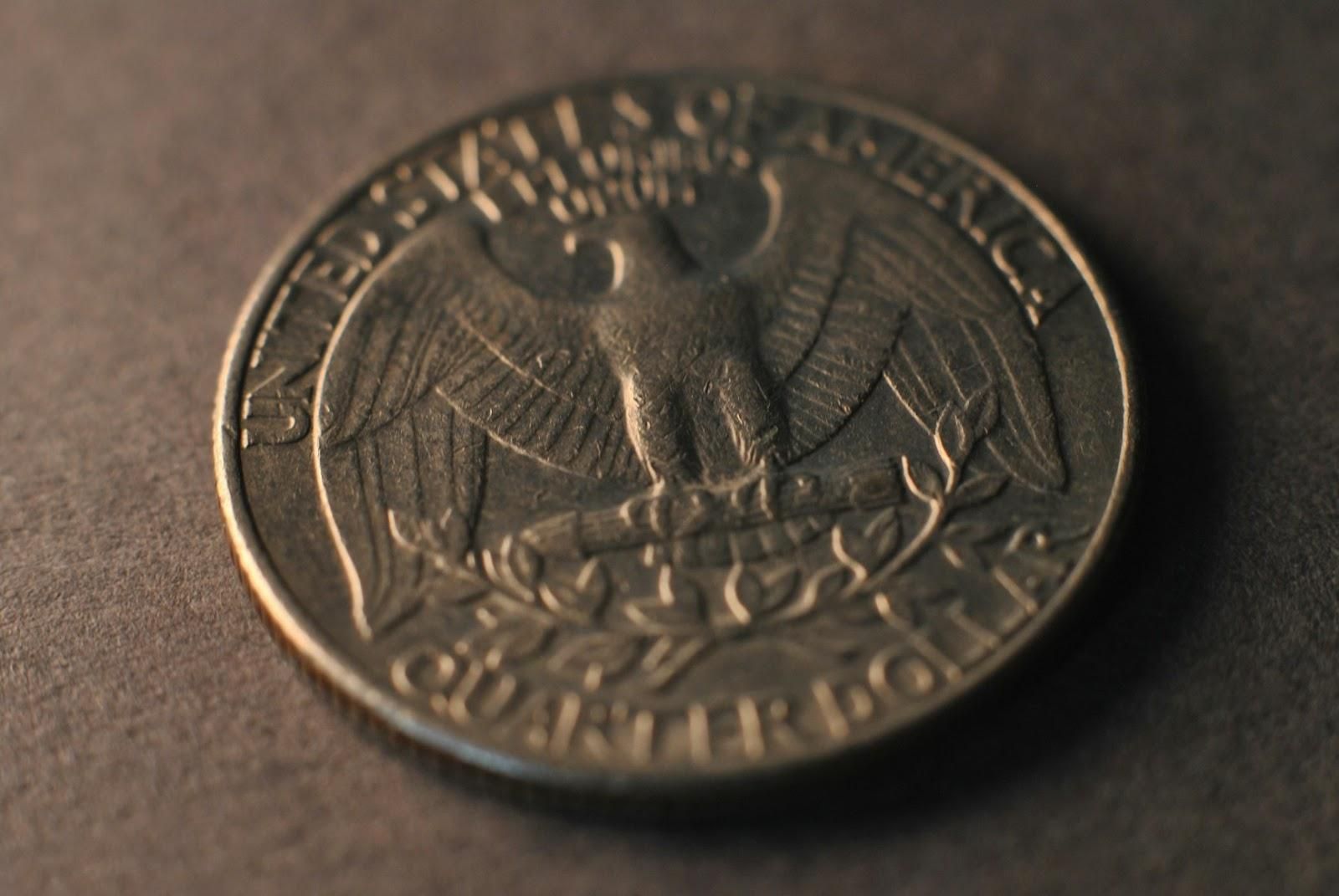
Mississippi took the simple route by choosing the magnolia as a symbol, and it’s even featured in the Mississippi quarter!

7
Missouri: The Show-Me State

Image: Tianxiang Ji

Missourians are famously skeptical, and that’s what the "Show-Me State" nickname celebrates. The phrase became popular after Congressman Willard Duncan Vandiver said in 1899, "I’m from Missouri, and you’ve got to show me ." It stuck, and now it symbolizes the state’s no-nonsense, practical attitude.

Beyond the attitude, Missouri shines with its stunning Ozark mountains, historic St. Louis Arch, and rich jazz heritage. Missourians are proof that actions speak much, much louder than words.

8
New Hampshire: The Granite State

Image: Spenser Sembrat

Here’s an example of a state that chooses to honor its natural production, much like California with its gold. Granite’s strength and durability make it the perfect symbol for New Hampshire.

Its rugged mountains and quarries helped earn the nickname "The Granite State." The rock also represents the state’s independent spirit and resilient residents.

Granite was a cornerstone, quite literally, of New Hampshire’s economy, as it was used in buildings across the nation. Combine this with breathtaking fall foliage and quaint small towns, and you’ve got a state that is as solid as they come.

9
Rhode Island: The Ocean State

Image: Demure Storyteller

Remember when we mentioned that some of the smaller states above have more than one nickname? Well, despite being the smallest state, Rhode Island boasts three nicknames, but most importantly, over 400 miles of coastline, earning it the title "The Ocean State."

From sailing in Narragansett Bay to fresh seafood delights, the ocean defines its character. The nickname reflects its maritime history, including colonial shipping and today’s vibrant waterfront communities. Rhode Island addresses the elephant in the room: Life is indeed better by the sea!

10
Tennessee: The Volunteer State

Image: Susanne Alexander

Our last item in this article honors history in the best way. Tennessee’s nickname dates back to the War of 1812 when its citizens volunteered by the thousands to take an active role, especially during the Battle of New Orleans.

But that wasn’t all. The reputation continued during the Mexican-American War, solidifying its "Volunteer State" nickname. Today, Tennesseans remain proud of their volunteer spirit, as they should! From vibrant Nashville to the serene Smoky Mountains, the state offers its best to everyone who visits. That go-getter attitude is as alive as ever in this hospitable state. Go, Tennessee!

History History 5 min read

Political trailblazers: 10 inspiring women who shaped America

Image: Mikhail Nilov

From dusty prairie towns to marble halls in Washington, American women have inched, marched, and leaped their way into places they were once told they didn’t belong. Each milestone was more a crack in the wall for others to walk through than a personal triumph. With a mix of courage, persistence, and perfect timing, the stories of these 10 trailblazing women prove that anything’s possible in life and politics.

1
First presidential candidate: Victoria Woodhull

Image: Daria Kraplak

In 1870, a publisher and stockbroker on Wall Street, Victoria Woodhull, stepped up to do something no woman had ever done before. In a letter to the New York Herald, she announced her intention to run for president of the United States. Some laughed, others scoffed, but Woodhull never flinched.

Her message was revolutionary for its time: equal rights for women, fair pay for workers, and an end to hypocrisy in politics. No electoral votes went her way, but that wasn’t the point. By daring to run, she opened the door for future generations and secured her place as the first woman bold enough to chase the presidency, long before the law recognized her right to vote.

2
First member of Congress: Jeannette Rankin

Image: C. T. Chapman, Public domain, via Wikimedia Commons

In 1916, Montana elected a woman to Congress for the first time. Jeannette Rankin was a suffragist who had already helped secure voting rights for women in her state before most of the nation even dreamed of it. When she arrived at the Capitol to take her seat, the gallery overflowed with onlookers buzzing with curiosity and disbelief. Rankin, calm and resolute, didn’t shout to be heard; she spoke with the steady conviction of someone who knew she belonged. Her presence proved that a woman’s reasoning could command the same respect as any man’s voice, and once heard, it could never again be silenced.

3
First U.S. senator: Hattie Caraway

Image: Stephen Walker

She started out almost unnoticed. In 1931, when Arkansas senator Thaddeus Caraway died, his widow, Hattie, was appointed to fill his seat, a move many assumed was merely symbolic. But Hattie had no interest in being a placeholder. The following year, she launched her own campaign, traveling dusty southern roads and shaking hands with quiet confidence.

Against all odds, she won, becoming the first woman ever elected to the U.S. Senate. Dubbed "Silent Hattie" for her reserved manner, she wasn’t known for fiery speeches or flashy gestures. Through persistence and integrity, she proved that results, not rhetoric, are what truly echo in the chambers of power.

4
First woman mayor: Susanna Salter

Image: LSE Library

This is the story of a prank going sideways. In 1887, a group of men in a tiny Kansas town slipped the name of 27-year-old Susanna Salter onto the mayoral ballot in Argonia, confident that voters would laugh her off. To their dismay, when the ballots were counted, Salter had won.

Overnight, she became the first woman mayor in U.S. history. Far from feeling overwhelmed, Salter handled her duties with grace and sharp practicality, earning the respect of the same townsmen who tried to embarrass her. By the end of her term, she’d turned a bad joke into a precedent.

5
First state governor: Nellie Tayloe Ross

Image: Roman Manshin

Wyoming’s nickname, the Equality State, seems well deserved. When voters chose Nellie Tayloe Ross as governor in 1925, the nation watched as a woman stepped into a role no one of her gender had ever held before. She wasn’t the fiery campaign type; her strength came from quiet precision and an unwavering sense of duty.

Ross believed that leadership meant doing the work well, not making noise about it. Her calm authority and financial prudence won over even the most skeptical. Years later, as the first female director of the U.S. Mint, she literally shaped the nation’s currency, an apt legacy for a woman who always knew the worth of patience, persistence, and steady hands.

6
First cabinet member: Frances Perkins

Image: The New York Public Library

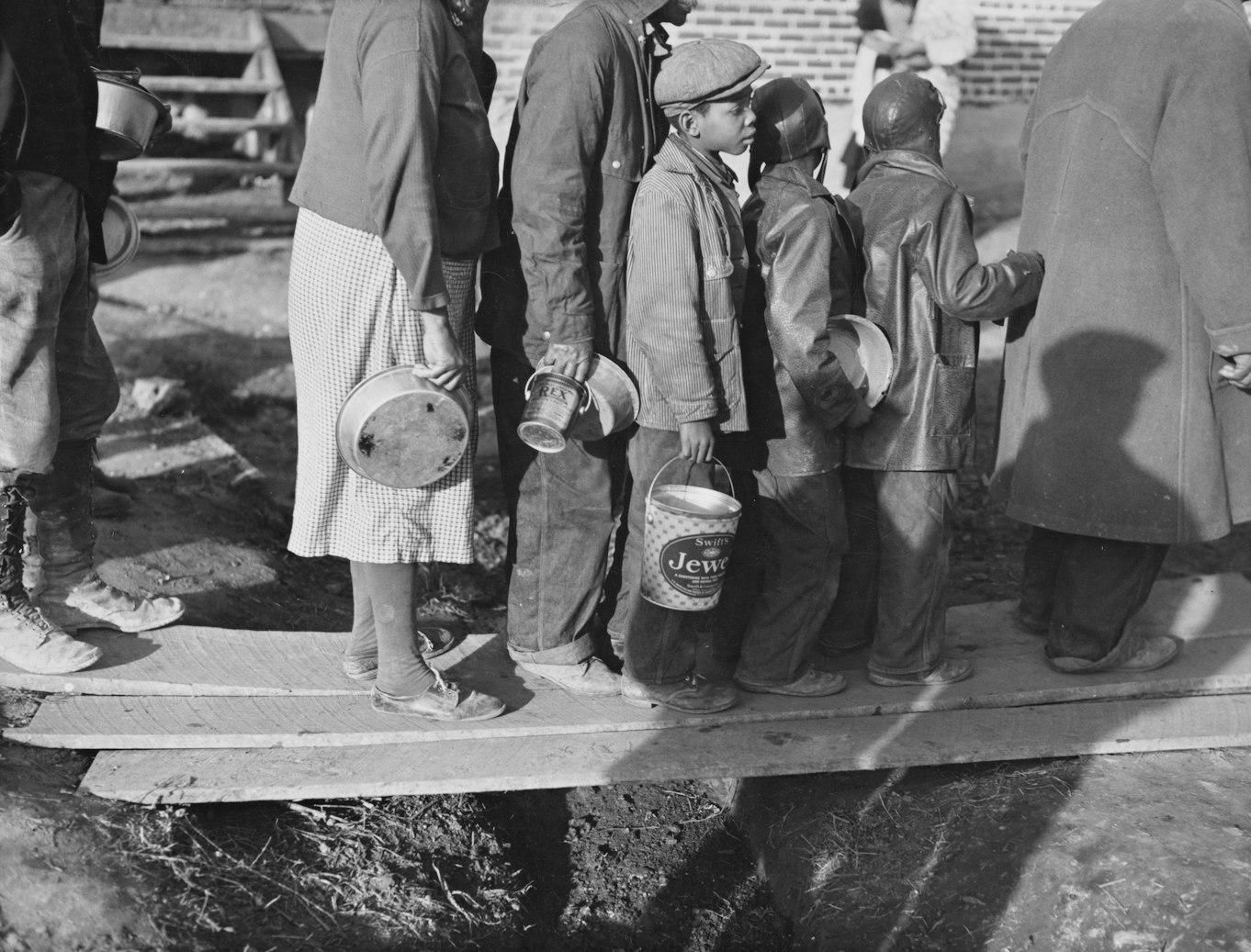
At the beginning of the 1930s, when breadlines stretched around city blocks and hope felt like a luxury, a female labor leader and consumer advocate came to the rescue. President Franklin D. Roosevelt saw in Frances Perkins not just a reformer, but a force of nature. As Secretary of Labor —and first woman ever to hold a Cabinet post—Perkins walked into the men-filled halls of power and quietly redrew the map of American work.

She championed fair wages, safer conditions, and limits on child labor, all while helping craft the Social Security system that still anchors millions of lives today. Decades later, her influence lingers in every pay stub, every pension, and every law that insists work should come with dignity.

7
First Supreme Court justice: Sandra Day O’Connor

Image: Stephanie Rhee

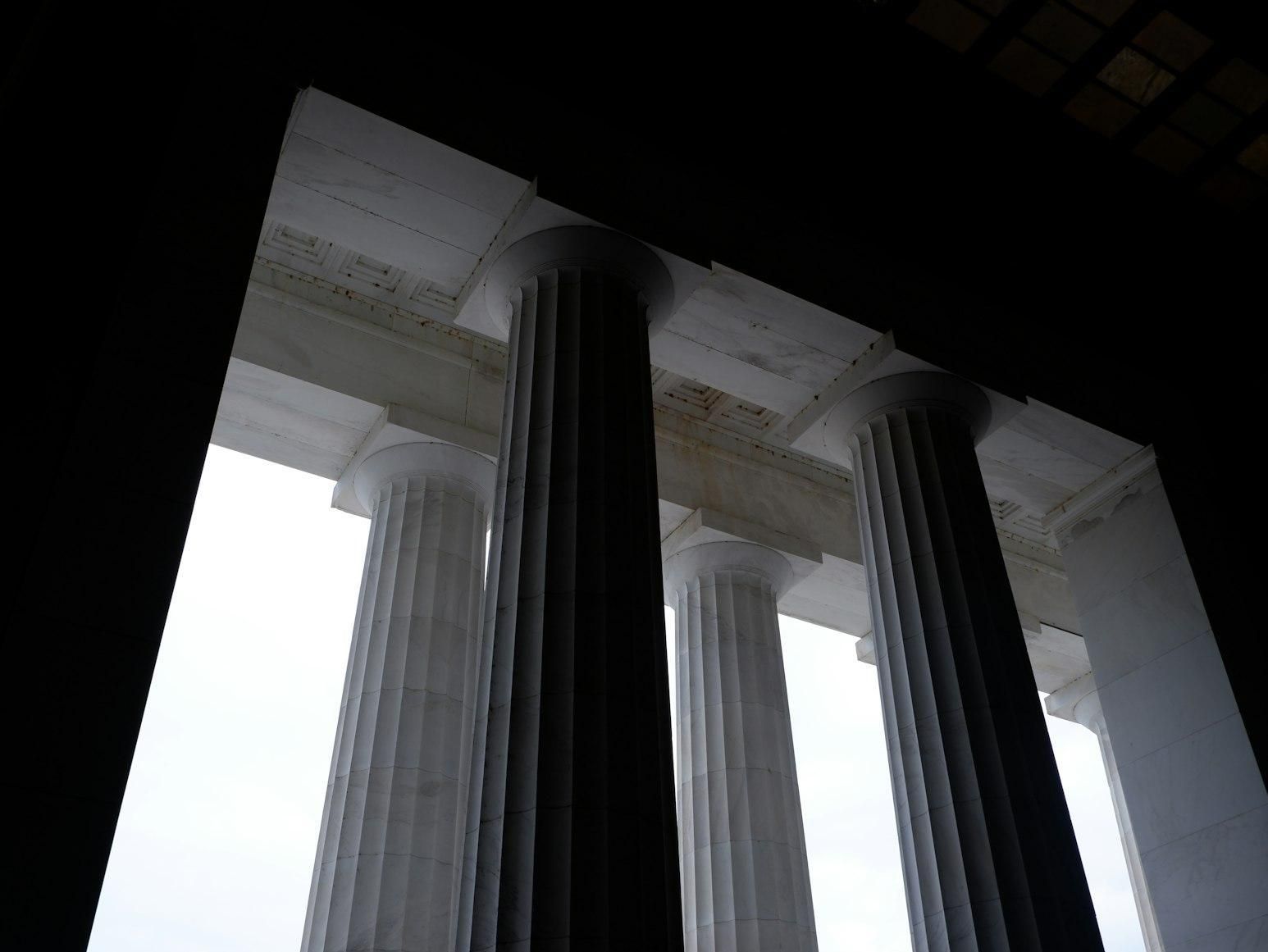
It’s hard to picture the dusty plains of Arizona leading to the marble halls of the Supreme Court, yet that’s exactly where Sandra Day O’Connor’s story began. Raised on a remote cattle ranch miles from the nearest town, she learned the value of hard work, clear thinking, and a level head. All these qualities would serve her well when, in 1981, President Ronald Reagan nominated her as the first woman justice in U.S. history.

O’Connor brought that same frontier pragmatism to Washington, preferring reason over rhetoric and humor over ego. "I’m just trying to do the right thing, one case at a time," she once said. For a quarter century, her voice became the Court’s steady center, proving that fairness stretches farther than politics.

8
First U.S. Secretary of State: Madeleine K. Albright

Image: sohail shaikh

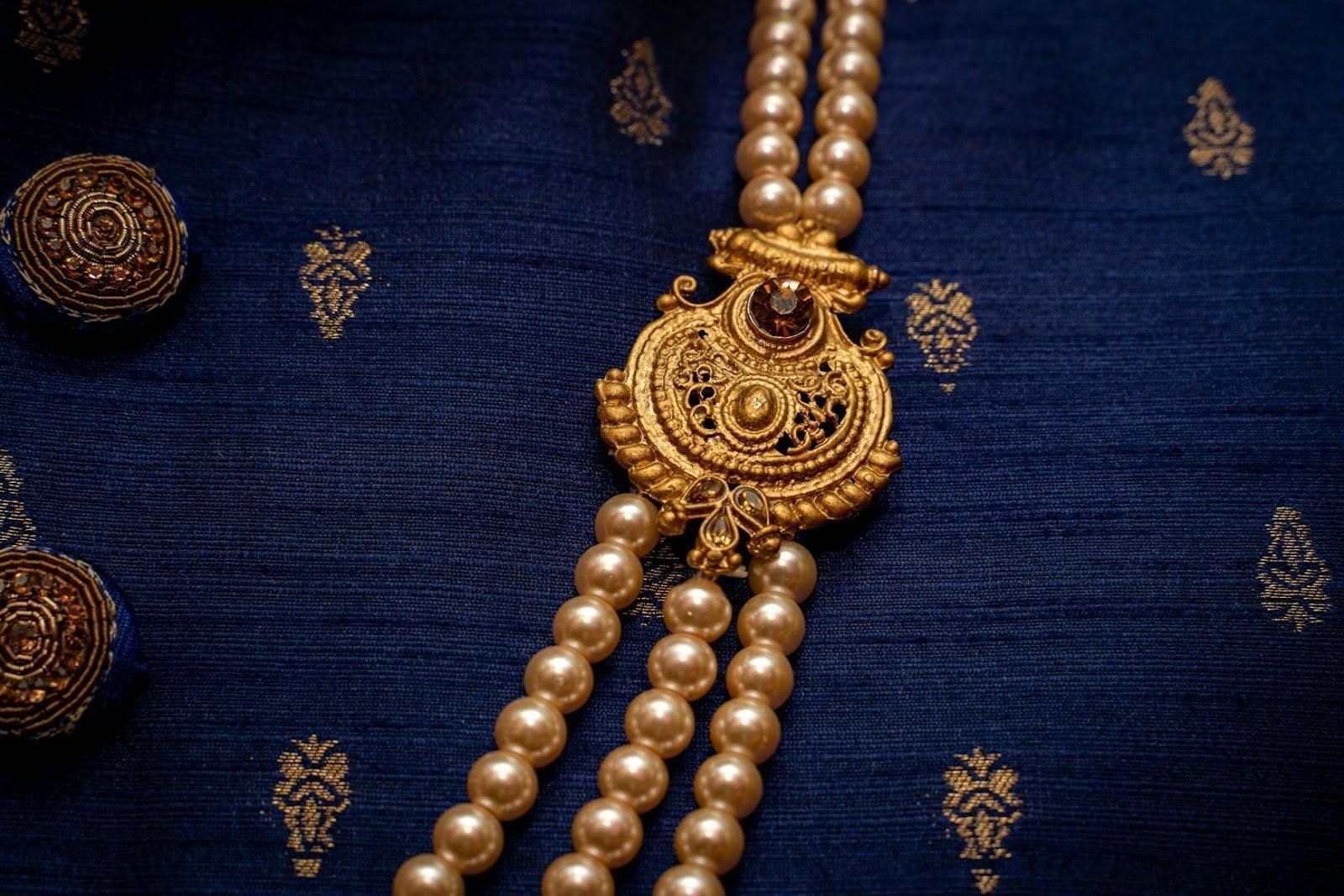
Madeleine Albright, born in Czechoslovakia and raised on the idea that words alone could shape nations, found a clever way to make hers sparkle beyond her famous brooches. She could easily become a spider when negotiations grew tense, and a gentle dove when peace was within reach.

Albright believed diplomacy could be both art and strategy. When she became the first woman to serve as U.S. Secretary of State in 1997, she blended intellect with unmistakable flair, commanding global respect. She showed that courage, conviction, and strength can coexist with a warm personality occasionally sparkling from a lapel.

9
First major party’s presidential nominee: Hillary Rodham Clinton

Image: Gage Skidmore from Peoria, AZ, United States of America, CC BY-SA 2.0, via Wikimedia Commons

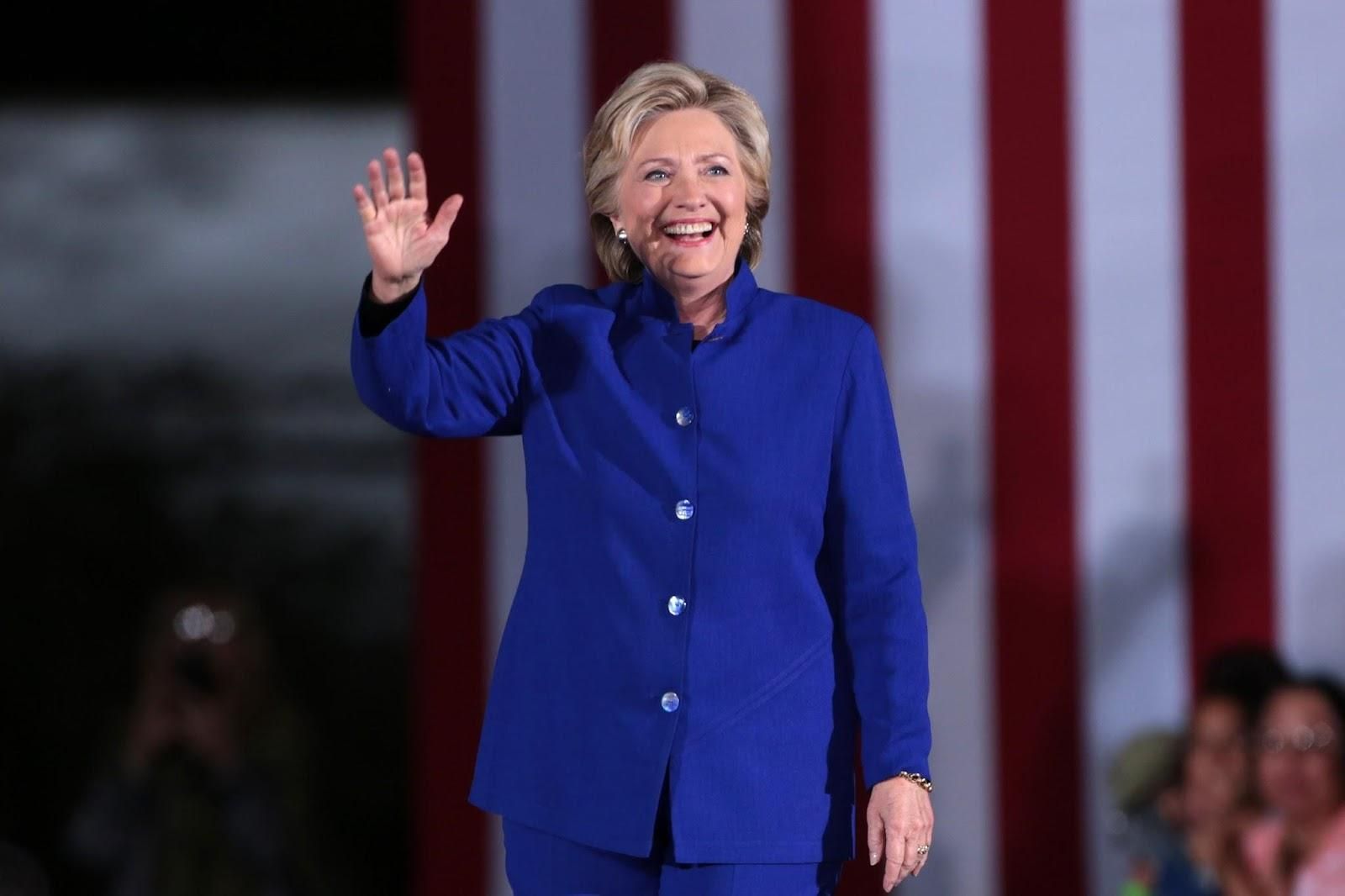
It took nearly a century and a half after Victoria Woodhull’s daring run for president before another woman would stand beneath the spotlights of a major party convention. In 2016, Hillary Rodham Clinton walked onto the stage with the spirit of the suffragists who had paved her path.

That night meant history was catching up. Smiling at the crowd, she declared, "We’ve reached a milestone, but we still have glass to break." Whether she won or lost mattered less than the fact that she stood there at all. Clinton’s campaign turned a dream whispered for generations into something tangible.

10
First elected vice president: Kamala Harris

Image: Manny Becerra

Fast-forward to 2020. A California senator steps up to the microphone, smiles, and thanks "the women who paved the way." Kamala Harris is the daughter of immigrants, a former prosecutor, and now the first woman ever elected Vice President of the United States.

Her voice carried the weight of generations who’d been told to wait their turn. Echoing the suffragists who once marched so she could stand there, Harris reminded America that progress is a relay, not a sprint. Her message rang clear and timeless: dream boldly, even when the trail ahead is foggy.

Explore more American facts

Choose your favorite category!

General
General

As American as apple pie—the very best America has to offer!

Culture
Culture

Delve into the astounding richness of American lore.

Geography
Geography

Hop in and explore vast and diverse American landscapes.

History
History

Discover the key moments that shaped the United States.