Geography Geography 5 min read

Are you brave enough?

Only for adventurers: These are 10 of the harshest American landscapes!
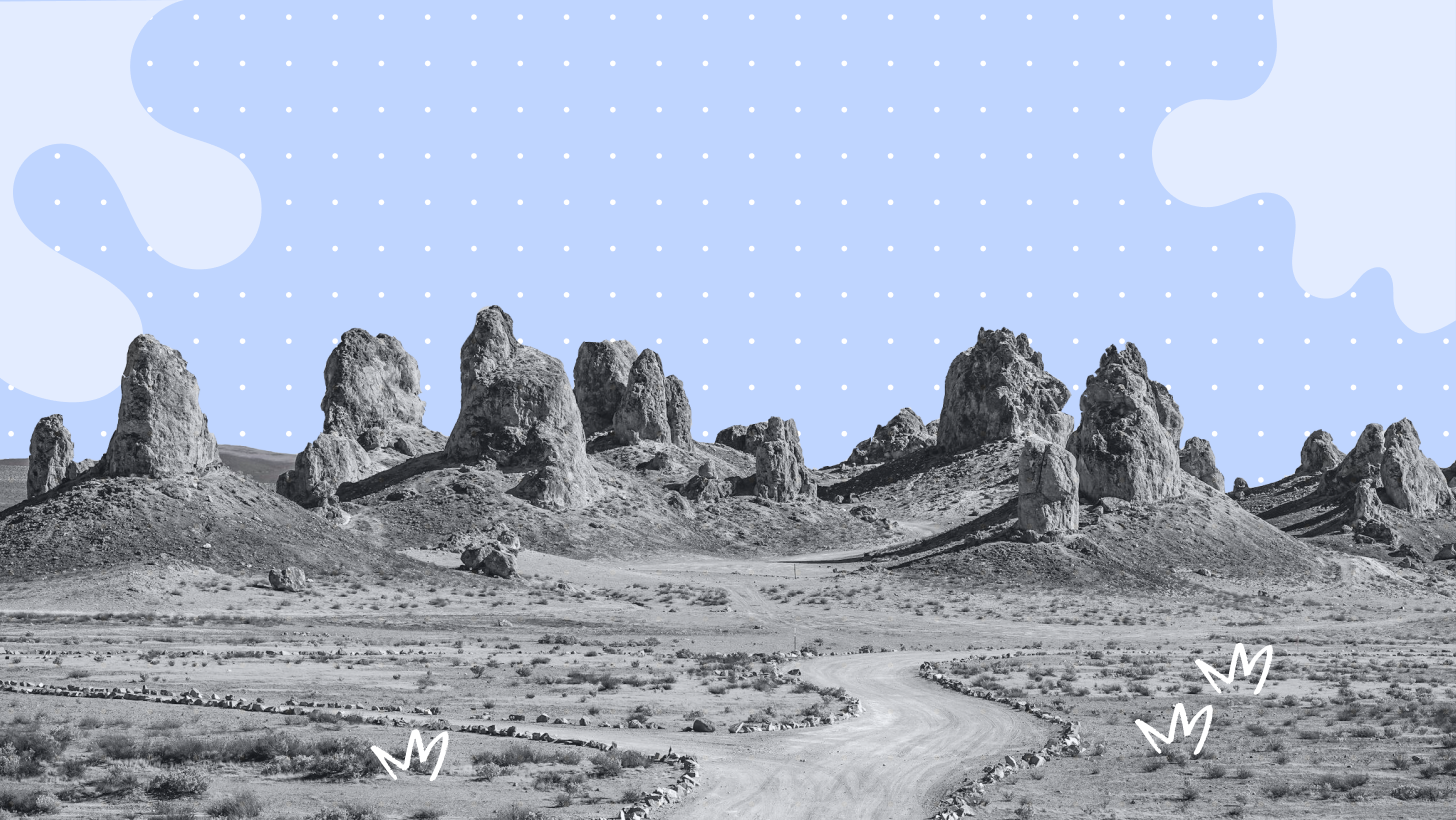
Image: Soly Moses

There’s no denying that American landscapes are beautiful . However, while the stunning wonder of these 10 locations is undeniable, they are definitely not for the faint of heart. These places are perfect for adventurers, for those with the urge to push themselves and explore harsh yet rewarding terrains. With that in mind, here’s our selection of 10 of the most demanding and harsh American National Parks, hoping to awaken your adventurous spirit and offer a glimpse of their beauty so you can enjoy it from the comfort and safety of your home. Enjoy!

1
Mojave Desert

Image: Paulius Dragunas

The possibility of being stranded in the desert has always terrified humankind. Can you imagine being completely alone in the harsh and unforgiving heat? Luckily, nowadays it’s extremely difficult to get lost in the Mojave Desert . However, that doesn’t mean visiting this gorgeous landscape isn’t a demanding endeavor.

The Mojave Desert spans four different western states and is crossed by the Colorado and Mojave rivers. One of its most famous locations is the area known as Death Valley , the point of lowest elevation in North America and the hottest place on Earth during the summer.

2
Mount Rainier

Image: Taylor

Also known as Tahoma, Mount Rainier National Park is located approximately 59 miles from Seattle. As you might guess, the main attraction of this park is the titular Mount Rainier, the highest mountain in the state of Washington and a formidable challenge for daring adventurers.

Mount Rainier’s official summit elevation is 14,410 feet, and it is one of the most popular climbing spots in the world. That doesn’t mean it is an easy climb—quite the contrary, in fact. In order to reach the summit, climbers must traverse glaciers similar to those found in southern Alaska. Of the approximately 11,000 climbers who attempt to summit Mount Rainier each year, only about 50% succeed.

3
Gates of the Arctic National Park

Image: Sauvage

The northernmost park in the United States, Gates of the Arctic National Park, is definitely hard to reach. In fact, it is the least visited park in the country due to its remoteness and lack of infrastructure.

In any case, camping and hiking are allowed in the park, though they are not for the faint of heart. The extreme temperatures, with an annual minimum average of −42.6 °F, make it a challenging yet alluring landscape for those seeking adventure.

4
Glacier National Park

Image: Michael Kirsh

While Montana’s Glacier National Park offers recreational opportunities for people of all ages, including kayaking, fly fishing, and hiking, many tourists visit the park seeking a more thrilling experience. They aren’t disappointed, as the park features numerous climbing challenges, including five peaks over 10,000 feet .

However, we recommend visiting during the tourist season. In winter, temperatures can plummet, with a historical low of -38°F. Additionally, the area is prone to sudden temperature changes, which can pose challenges for adventurers.

5
Lake Clark National Park

Image: Clayton Manche

Much like Glacier National Park, Lake Clark is not necessarily a severe environment during the tourist season. It offers a variety of recreational activities, ranging from bird-watching to more thrilling pursuits like kayaking and rafting. However, the extremely low temperatures and intense snowfall make this park much harsher during the winter months.

With a record-low temperature of -18°F, Lake Clark becomes inhospitable during the colder months. Not only that, but the park is not accessible by roads; only air taxis and boats can reach it.

6
Big Bend National Park

Image: Simon Hurry

As with many other parks on this list, we should start with a small disclaimer: Don’t be discouraged from visiting Big Bend National Park . Not that you need our warning—after all, half a million tourists enjoy the park's magnificence every year. However, a point should be made that the harsh desert conditions of Big Bend do provide a challenge that should not be overlooked.

According to Search & Rescue team reports, 1 in 1,000 visitors requires assistance of some kind. Although most of this assistance is not life-threatening (often involving mild dehydration), it highlights the importance of taking necessary precautions when visiting the park.

7
Rocky Mountain National Park

Image: Michael Kirsh

Located in the heart of Colorado , Rocky Mountain National Park offers unmatched views of the stunning Rocky Mountains, as well as numerous alpine lakes and lush forests that completely surround the park. However, there are many hazards you should be aware of if you plan to visit this beautiful location.

Visitors should be cautious of steep cliffs, falling rocks, cold temperatures, and adverse snow conditions. Additionally, the area is infamous for its recurring wildfires, so campers must be careful not to leave anything that might increase the risk of fire.

8
Great Basin National Park

Image: Shawn Powar

The arid beauty of Great Basin National Park is truly second to none. Although it is located in a desert area , the plants and vegetation have majestically adapted to the dry climate. With that in mind, you can also adapt and thoroughly enjoy this park if you keep these safety suggestions in mind.

We’ll mention just some of the safety tips recommended by the National Park Service for visiting Great Basin: For starters, remember that cell phone service is limited, so don’t rely entirely on your phone. Also, be mindful of sun exposure and take precautions to avoid sunburn and dehydration. One last thing: Like all desserts, heat is not the only concern. The park’s temperature drops significantly at night, so try to not be caught in the open when the sun goes down.

9
Voyageurs National Park

Image: Tim Umphreys

Located in northern Minnesota, right on the border with Canada, Voyageurs National Park was named after the French-Canadian fur traders who frequently traveled the area. It is particularly famous for its many lakes , which offer activities like kayaking, canoeing, and fishing.

However, there are a few dangers that boaters should be aware of, such as the many hazardous rocks hidden in the water. Additionally, during the winter season, many visit the park to engage in snowmobiling, which must be practiced carefully to avoid any soft spots.

10
Kobuk Valley National Park

Image: Adrià Masi

Kobuk Valley National Park is as massive as it is undeveloped. Although the park is larger than the state of Delaware, there are no roads leading to it , nor any internal roads or trails within the park. Visitors must arrive by air taxi, weather permitting, and bring all their gear and supplies if they intend to backpack, camp, or boat.

Not only that, the weather conditions in the park can be extreme, even during the summer, and are completely unpredictable. In any case, as with all the other parks in this article, we don’t want to dissuade you from visiting Kobuk Valley if you choose to. We simply want to emphasize the importance of keeping safety a paramount priority during your trip.
General General 5 min read

Will it rain?

Take a look at the strangest weather phenomena in the US

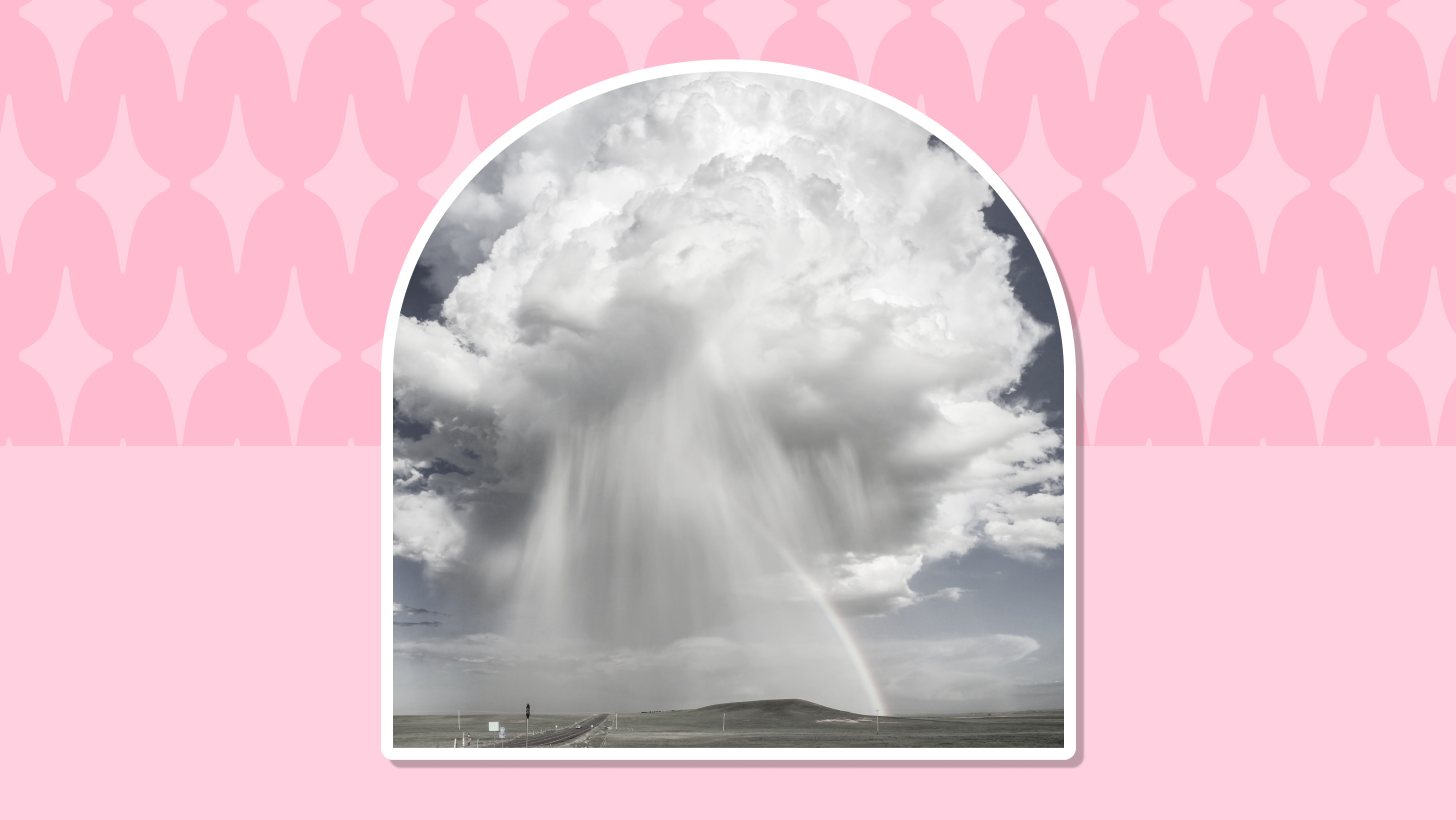
Image: NOAA

We are accustomed to being surprised by weather events—unexpected rains, colder days than anticipated, or sudden heat waves. But these everyday surprises have nothing to do with the kind of extreme weather phenomena listed here. From devastating fire tornadoes to benign incidents where distant objects appear closer due to atmospheric conditions, weather is one of the biggest forces of nature and it has made sure to let humankind know it more than once.

1
Fire tornado, California

Image: Zoltan Tasi

A tornado is bad enough, but imagine a fire tornado—you’re entering a whole new level of catastrophe. This is exactly what occurred in 2018 near Redding, California, during the infamous Carr Fire event.

Intense wildfires almost always produce fire devils, fire whirls, and occasionally stronger vortexes resembling the tornadoes associated with severe thunderstorms. Fire tornadoes typically range from 100 to 1,000 feet in diameter , with rotational velocities of up to 90 mph. However, the Redding fire tornado was fueled by winds reaching an astonishing 143 mph .

2
Freak March heat wave, Midwest region

Image: Nadiia Ploshchenko 🇺🇦

High temperatures can be expected in the Midwest region but never for such an extended period during the winter season as occurred from March 14 to March 22, 2012 . Over these eight days, some areas experienced average daily temperatures that were 40°F above normal. Remarkably, even the daily low temperatures in certain locations exceeded the record highs for those dates.

On March 21, the temperature reached 90°F in Lapeer, Michigan—a stark contrast to the subzero temperatures that have often occurred in these same locations at this time of year, when snowpack is typically at its deepest.

3
Two F5 tornadoes at the same place on the same day

Image: Greg Johnson

F5 tornadoes are exceedingly rare. Only a handful of tornadoes of this intensity have been documented outside of the United States. Since 1900, just 104 of these monsters have been recorded anywhere on Earth.

This rarity makes the event on April 3, 1974 , near the town of Tanner, Alabama , even more astounding. Located about 20 miles west of Huntsville, Tanner was struck by two F5 tornadoes within just 30 minutes of each other.

4
The Dust Bowl

Image: Samantha Sheppard

The Dust Bowl, one of the most devastating weather events in American history, has a shared responsibility between nature and human interaction . In the 1930s, poor land management practices and unsustainable farming methods led to prolonged drought and massive dust storms in the Great Plains.

This ecological disaster forced thousands of families to abandon their homes, triggering a mass migration to find better opportunities elsewhere. As the Great Depression intensified, drought and decades of overfarming dried out the topsoil, leading to a series of dust storms from 1933 to 1939 that carried the soil eastward.

5
The Galveston Hurricane

Image: NASA

In 1900 a category 4 hurricane struck the city of Galveston, Texas , with devastating force, claiming an estimated 8,000 lives and causing widespread destruction. This tragedy prompted the construction of a seawall and the implementation of hurricane preparedness measures that continue to shape coastal planning and response strategies that are still in place today.

6
A summer-less year

Image: Todd Diemer

The combination of a tepid spring with late snows and an exceptionally cold summer, featuring frosts in July and August made 1816 a year without a proper summer . On July 4th, the high temperature in Savannah, Georgia, was only 46°F. Finally, there was a drought during early fall that culminated in a killing frost well before the end of September.

The apparent cause of this unusually cold summer was the eruption of the Tambora Volcano, half a world away in Indonesia, in 1815. A tremendous cloud of fine ash and dust was ejected into the stratosphere, where it remained for an extended period, significantly reducing the sun's heat and light and causing a cooldown throughout the Northern Hemisphere.

7
The darkest day

Image: Ganapathy Kumar

On May 19th, 1780, an extremely dark overcast mixed with thick smoke from nearby forest fires made the day feel like night for the people of New England. The mysterious event was first reported at dawn over southwest Vermont, and it slowly traveled southeastward during the day. The last place to report this strange weather was Barnstable, Massachusetts, on Cape Cod, in the late afternoon.

In Boston, the atmosphere darkened noticeably after 9 a.m., to the point where reading newsprint outdoors became difficult. Many New Englanders believed that Judgment Day was at hand.

8
Animal rain

Image: Sanket Rajurkar

It should come as no surprise that the number of people who have heard of raining animals is much higher than the number of those who have actually experienced this phenomenon. After all, these types of rain are highly unusual.

The first documented instance of raining frogs was in Kansas City in 1873. In Texarkana, Texas, another strange form of precipitation occurred—this time in the form of fish falling from the sky. According to science, animal rain occurs when small aquatic animals like frogs, crabs, and small fish are swept up in waterspouts or drafts that occur on the surface of the earth. They are then rained down along with the rain.

9
Technicolor solar storm

Image: Luke Tanis

Unlike the northern lights, which usually appear as blue and green swirls in the sky, solar storms are so intense that they create a kaleidoscope of colors and can also be seen in regions where people have never witnessed them before.

In 2012, one of these events produced a stunning aurora over Crater Lake in Oregon. Scientists believed that two clouds of glowing particles were flung toward Earth by sunspots larger than our planet.

10
Super refraction

Image: Matthijs van Schuppen

Imagine waking up and being able to see much farther than you ever could before. That is exactly what happened in 2013 to the people of northern Ohio. They were stunned to find that they could see the Canadian shoreline, which is not at all possible under normal circumstances.

Locals were able to see Canada because of a rare natural phenomenon known as super refraction, where rays of light are bent downward toward the surface of the Earth. This bending occurs because of changes in air density. During this light-bending, distant objects that are usually hidden from view become visible, as they are reflected in the rays of light.

History History 3 min read

America’s past

Grab a root and learn some interesting Civil War Lingo!

Image: Erika Wittlieb

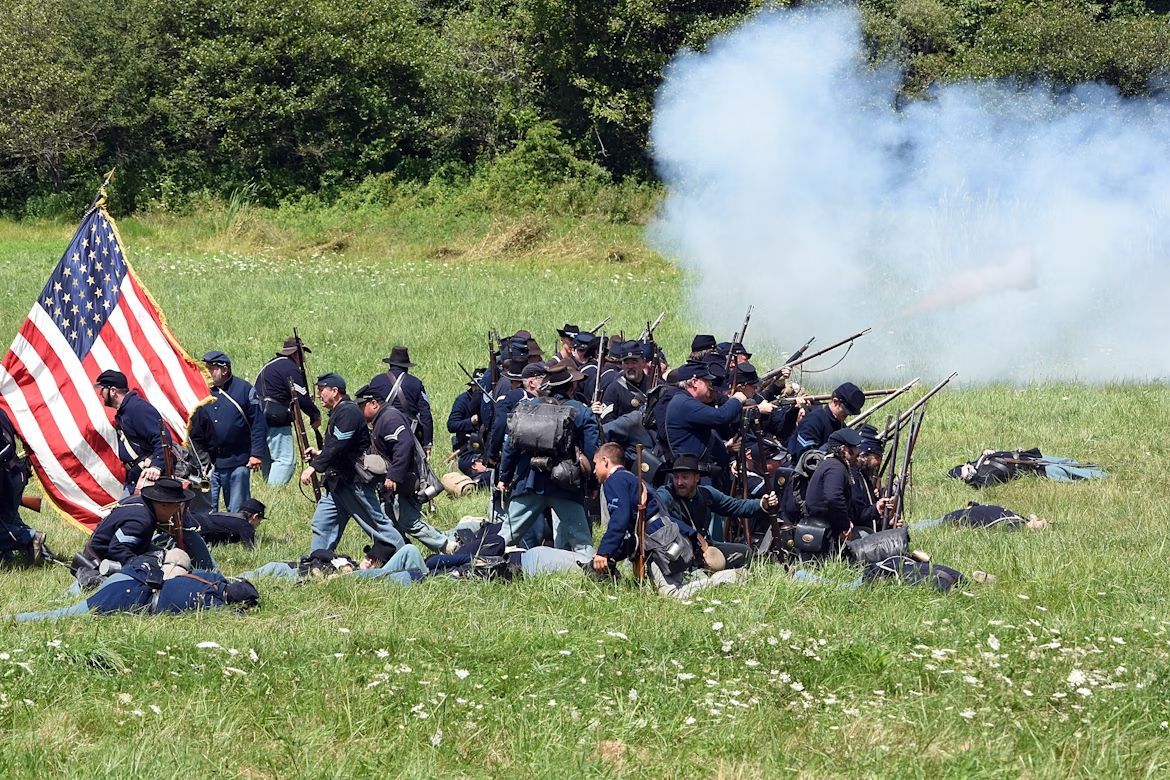
The Civil War wasn’t just cannons and cavalry. It was also a time when soldiers invented a whole dictionary. Some terms were funny, some grim, and others quite practical. Today, we’ll peek into the soldier’s vocabulary , from "fresh fish" rookies to the itchy reality of "graybacks." So pull up a chair, maybe grab a root, and let’s take a trip through the words that marched alongside history.

1
Fresh fish

Image: Chris Chow

If you were new to the army , you were "fresh fish." Veterans spotted them a mile away, wide-eyed, uniforms still smelling like the depot, and not yet hardened by camp life. They got teased, trained, and sometimes tricked. Of course, every seasoned soldier once wore the "fresh fish" badge, so the teasing came with a knowing grin.

2
Grab a root

Image: Lars Blankers

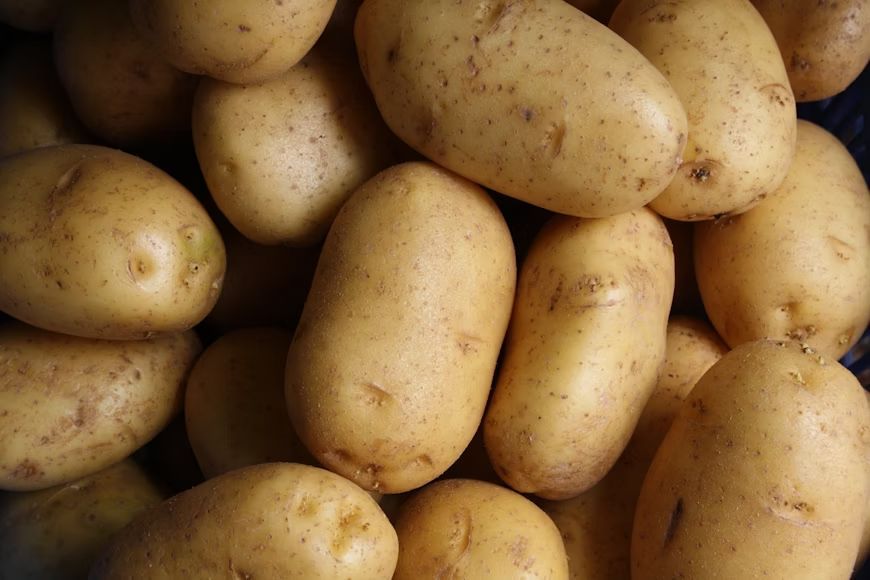
Dinner time in camp could mean beans, hardtack, or, if you were lucky, a potato. Asking someone to "grab a root" was soldier shorthand for "let’s eat." Potatoes were cheap, filling, and easy to cook over a campfire.

3
Sawbones

Image: Piron Guillaume

Medical science in the 1860s wasn’t exactly what we call gentle. Army surgeons were nicknamed "sawbones," partly for their skill with amputations, a normal procedure during wartime. It wasn’t always fair, since many doctors were dedicated and resourceful, but the name stuck.

4
Graybacks

Image: Scott Umstattd

Ask a soldier about "graybacks" and you might get two very different answers. One was lice, the pest that thrived in crowded camps. The other was a nickname Union troops used for Confederate soldiers . Either way, it wasn’t a compliment.

5
Bonnie Blue Flag

This was the hit song of the Confederacy , praising the states that left the Union. The "Bonnie Blue Flag" itself showed a single white star on a blue field, the first banner of the Confederacy. The song’s lively chorus made it a favorite at rallies, campfires, and any place soldiers needed a boost of spirit.

6
Furlough

Image: Stijn Swinnen

A furlough was a soldier’s golden ticket home , even if only for a short while. The paperwork described the soldier’s looks, regiment, and exact return date, plus a stern warning about being labeled a deserter if he didn’t show up on time.

7
Housewife

Image: Annie Spratt

Every soldier carried a "housewife," though it wasn’t a person; it was a sewing kit . Packed with needles, thread, and spare buttons, it kept uniforms in one piece. With supply lines stretched thin, a quick stitch could mean the difference between looking like a soldier or a scarecrow.

8
Insult

Image: Aleksey Kashmar

On a Civil War battlefield, an "insult" wasn’t words, it was a sudden attack on a fortified position. The idea was to strike before the defenders could react. Success could turn the tide of a fight, but failure usually meant heavy losses. It was risky and brutal.

9
Kepi

Image: Jen Theodore

The kepi was the go-to cap for Union soldiers, with a flat circular top and short visor . It was light, practical, and easy to make, so it became part of the classic Civil War look. Confederate soldiers sometimes wore them too, but it was a Union signature item.

10
Ordnance

Image: Rick Lobs

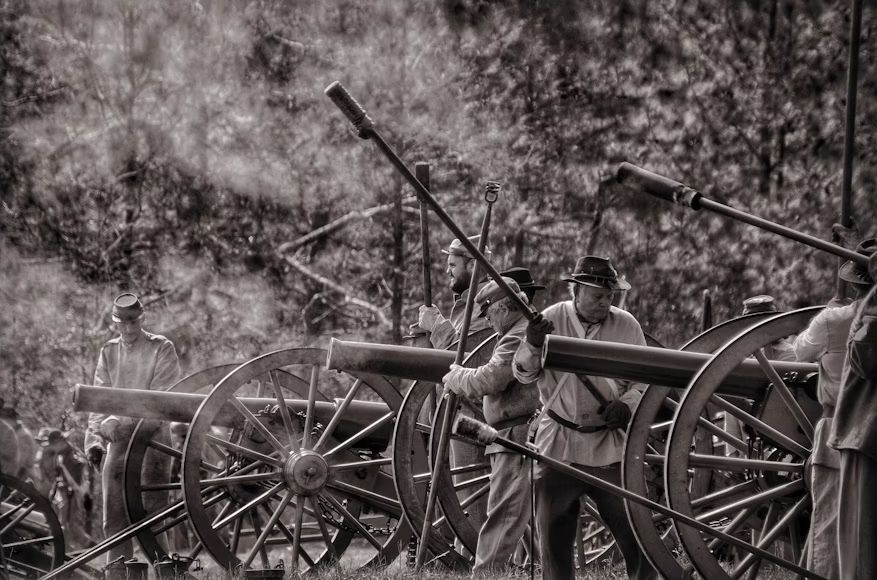
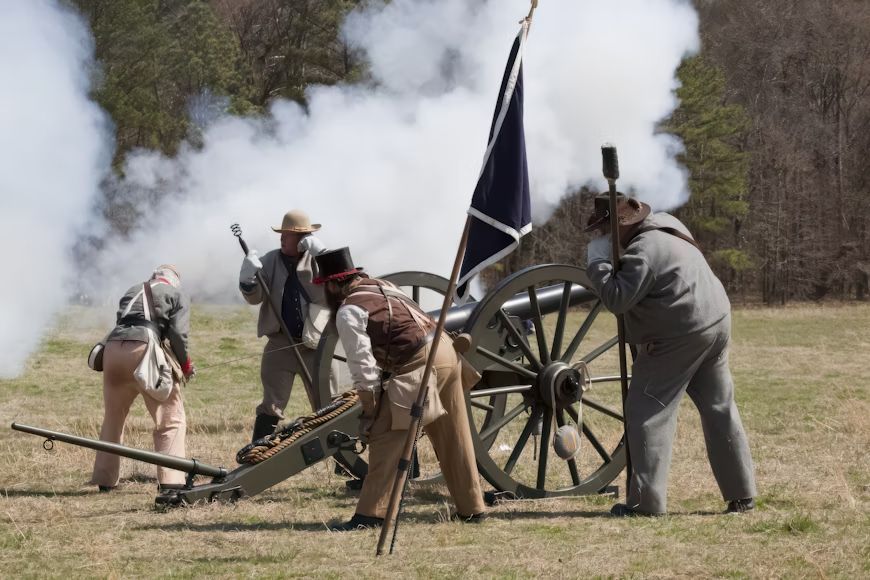
If it was in any way designed to make the enemy’s day worse, it was "ordnance." This covered everything from muskets to cannonballs . Armies guarded their ordnance like gold, since running low meant fighting at a disadvantage.

11
Skirmish

Image: Carol Highsmith's America

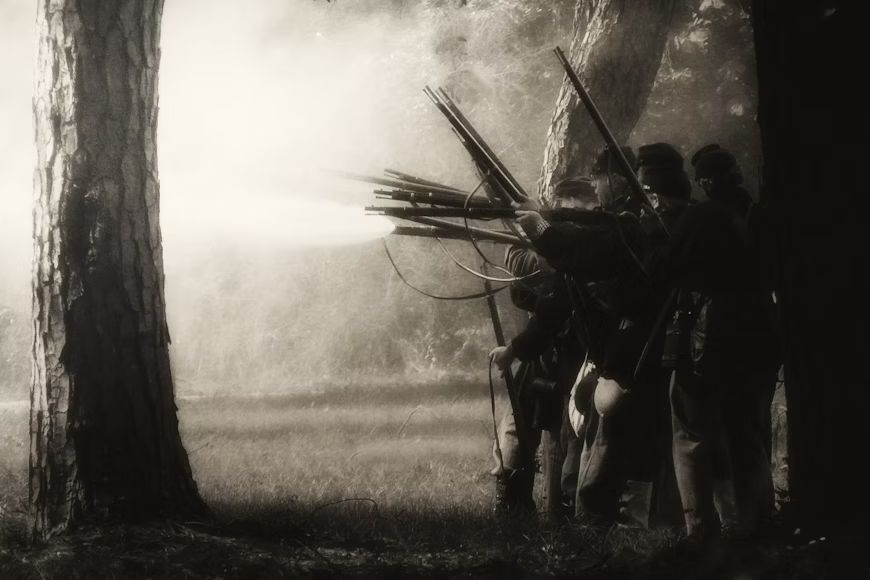
Not every fight was a massive battle. A "skirmish" was a smaller clash , often between scouting parties or outposts. Quick, unpredictable, and sometimes over in minutes, skirmishes kept soldiers on edge and commanders guessing what the enemy was really up to.

Explore more American facts

Choose your favorite category!

General
General

As American as apple pie—the very best America has to offer!

Culture
Culture

Delve into the astounding richness of American lore.

Geography
Geography

Hop in and explore vast and diverse American landscapes.

History
History

Discover the key moments that shaped the United States.