Culture Culture 6 min read

Stories of blockbusters

Otherworldly budgets: The most expensive movies ever made

Image: 金 运 / Denise Jans

Alien invasions, superhero fights, and sinking ships are never easy to stage. Although Hollywood production companies don’t always disclose exact expenditures, some reports allow us to calculate which mega-productions were the most expensive at the time of their creation. A major movie production typically has a budget of around $100 million . However, the lowest budget on this list of blockbusters was $258 million–and that was in 2007. Which iconic scenes specifically made incredible bumps in these budgets? Were they worth it? Discover surprising facts about ten incredibly expensive movies in this article.

1
Spider-Man 3 (2007)

Image: Dante Muñoz

Tobey Maguire’s Spider-Man had been one of the most successful hits of the 2000s . That’s why, when Spider-Man 3 (2007) began production in 2005, it was given the highest budget of any movie in history at the time: around $258 million.

If you’ve seen this movie, you might have guessed that the biggest portion of the budget went into special effects for its three different villains. The New Goblin, Venom, and Sandman were three separate challenges for the visual effects team, particularly Sandman , played by Thomas Haden Church. Groundbreaking technology had to be developed to animate explosive sand fists and parting bodies of sand, making the character’s action scenes cost millions of dollars each.

2
Titanic (1997)

Image: Derek Oyen

To begin with, building the full-scale ship model and massive water tank for Titanic (1997) cost over $150 million. Director James Cameron was very particular about authenticity, so the ship’s interior design was meticulously designed to match that of the original Titanic. At the time, it was also the most expensive movie ever made. But one might argue it was all worth it.

The CGI, stunts, and practical effects used for replicating the sinking sequence were especially costly. Bear in mind that Leonardo DiCaprio and Kate Winslet were already known young talents by the time they were cast for this movie, so they took a small share of the fortune—around $5 million between them. Famously, though, James Cameron forfeited his paycheck to keep the movie under budget, much like Jack climbing down from the door to keep Rose afloat. It worked out in the end because he earned $97 million from backend profits.

3
Avengers: Infinity War (2018)

Image: André Volkmann

Balancing the stories of all of these superheroes was just as challenging as paying all the corresponding actors. Avengers: Infinity War (2018) had an estimated budget of almost $400 million. Who could forget the battle scenes filled with as many timeless superheroes as A-list actors? Reportedly, Robert Downey Jr. alone took home around $75 million after backend deals.

This two-hour-and-a-half movie had over 2,500 visual effects shots, which included the destruction of a planet and a ship, as well as an epic battle in the fictional Wakanda . Not to mention the advanced motion-capture technology required for Josh Brolin’s portrayal of Thanos, the villain of the film.

4
Avengers: Endgame (2019)

Image: Igor Bumba

When Avengers: Infinity War was released, it became the highest-grossing superhero film in history, amassing over $2 billion at the box office. But that title lasted it around a year, until its sister sequel Avengers: Endgame (2019) surpassed it. The sequel cost roughly the same as the previous installment but came just shy of earning $3 billion .

Just like the previous ones, this Avengers installment had a star-studded cast that included Scarlett Johansson, Chris Evans, and Chris Hemsworth. A feast of 3 hours worth of cameos, the movie ended with a climactic final battle scene, where almost every hero from the Marvel Cinematic Universe assembled. Making this movie involved hundreds of extras, an enormous amount of CGI, masterful choreography, and an unprecedented skill for star scheduling .

5
Pirates of the Caribbean: At World’s End (2007)

Image: cottonbro studio

Pirates of the Caribbean: At World’s End had a budget of around $300 million, making it one of the most expensive films ever at the time of its 2007 release. Whoever watched this film will remember a waterfall at the edge of the world or a massive final battle between two ships over a maelstrom. Those takes relied heavily on CGI, but not entirely. As with previous productions in the franchise, filming required large-scale water sets and multiple ships to be built. The cost of both practical and visual effects for these scenes was astronomical.

Admittedly, a significant portion of the budget went to the ensemble cast, particularly Johnny Depp, who received a notable pay bump following the massive success of the first two films. Keith Richards , the Rolling Stones guitarist, was also famously featured, adding to the film’s star power.

6
Avengers: Age of Ultron (2015)

Image: Deepak Rastogi

Surprise! The Avengers movie with the most colossal budget was the least liked of the four. It sometimes puzzles fans to learn that it cost $365 million in 2015, which, adjusted for inflation, would be over $430 million today.

Avengers: Age of Ultron (2015) had to use massive amounts of CGI to create cinematic takes on the levitating fictional city of Sokovia. Destruction, flying characters, drones, and explosions contributed significantly to the costs. More importantly, filming on location and flying so many celebrities around the globe added to the expense. This movie showed scenes filmed all over the world, including the U.S., South Africa, Italy, South Korea, and England.

7
Star Wars: The Rise of Skywalker (2019)

Image: LJ

Lightsaber battles have never been cheap. Star Wars: The Rise of Skywalker (2019) had a reported production budget of around $275 million. It was the third Star Wars movie produced by Disney, and while the budget had decreased compared to the previous installments, it was still a financial success.

The final battle sequence on the Sith planet Exegol required a fortune, but it needed to: as it served as the climax of Disney’s trilogy. Special effects even included the scenes of characters like General Leia, played by the late Carrie Fisher . The film faced the unique challenge of incorporating footage of Fisher filmed for previous Star Wars movies after her passing in 2016.

8
Pirates of the Caribbean: On Stranger Tides (2011)

Image: Pixabay

Even though the 4th installment of the Pirates franchise had relatively low reviews, it became the second film in the saga to surpass a billion dollars in box office revenue. Released in 2011, Pirates of the Caribbean: On Stranger Tides had a staggering budget of $379 million.

Mermaids, zombies, splitting ships, boats on fire, and a Fountain of Youth all required the coordination of several visual effects teams. The salaries of new stars like Penélope Cruz , along with filming locations across Hawaii, the UK, California, and Puerto Rico, added to the costs. Also, this was the first movie in the franchise to be shot for 3D screenings .

9
Jurassic World: Fallen Kingdom (2018)

Image: Nick Wehrli

A movie that revolves around dinosaurs fleeing from a volcanic eruption , Jurassic World: Fallen Kingdom (2018), received an estimated budget of around $432 million. How are dinosaurs created? Much like the earlier films of the saga, this one used a mix of CGI and animatronics , especially for the more up-close, intimate scenes involving Velociraptors and an Indoraptor.

For the dinosaur auction scene, a whole large-scale set was built. Filming also took place in Hawaii, England, and Spain. The stars of the Jurassic World trilogy, Chris Pratt and Bryce Dallas Howard, reportedly earned around $10 million each.

10
Star Wars: The Force Awakens (2015)

Image: Rod Long

When Disney acquired the rights to produce movies from Lucasfilm , it proceeded to give the first installment of their Star Wars reboot the biggest budget it had ever given. That was over $447 million in 2015.

With J.J. Abrams directing a Star Wars movie after so long, he could indulge in creating a full-size Millennium Falcon , animatronic creatures, and remote-controlled puppetry. The Starkiller Base destruction sequence was one of the most expensive scenes. Not to mention that the legendary face of Star Wars , Mark Hamill, had a very short cameo at the end of this movie; that one-minute feature alone earned him $3 million .

General General 3 min read

On the road

Driving us crazy: Traffic rules too strange to be true (But they are!)

Image: Wolfgang Eckert

We all recognize the red octagon of STOP signs or notice the speed limits, but that’s not all to traffic laws. America’s roads are full of surprises, and if you don’t believe us, just read this article! Today, we’re taking a scenic (and slightly absurd) drive through some of the oddest traffic laws in the country. Buckle up: You won’t believe what’s technically illegal out there!

1
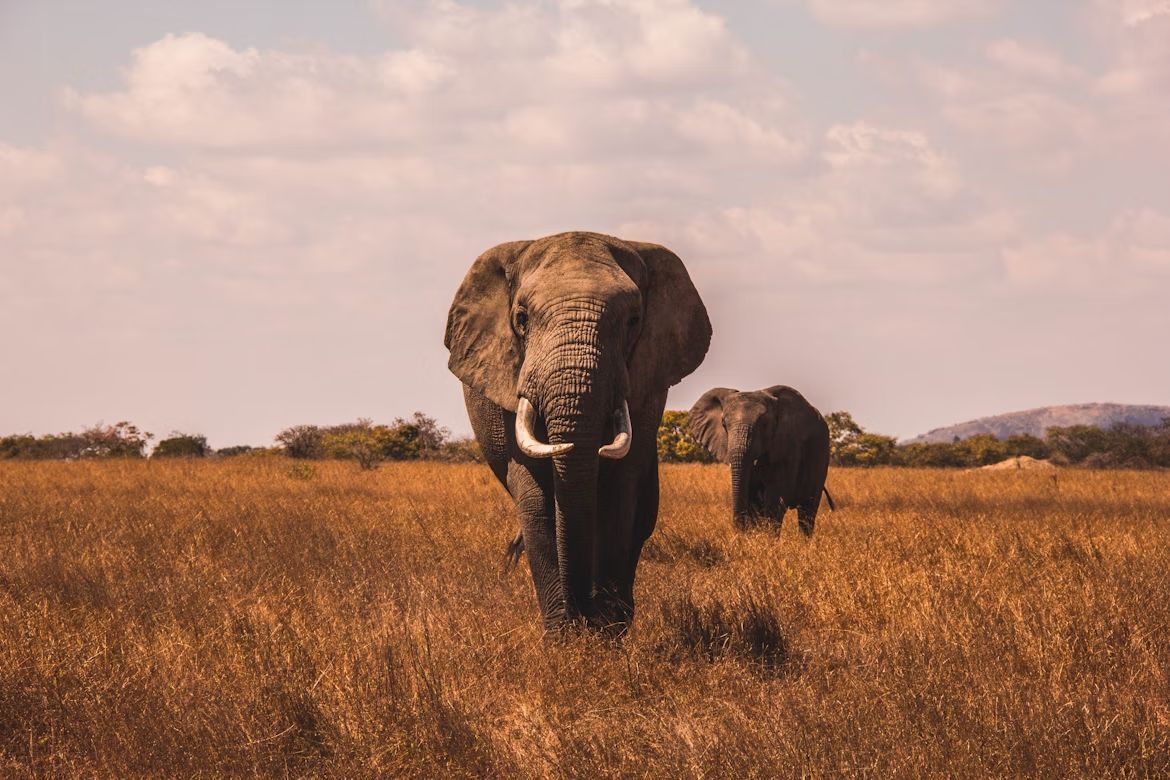
Florida – Meter feeding for elephants

Image: AJ Robbie

Florida’s traffic code once required that if you tied your elephant, goat, or alligator to a parking meter, you had to pay the fee, just as you would for a car. It sounds wild today, but it’s rooted in a time when people actually rode animals into town.

Though it’s not actively enforced (we checked), the law technically still lingers on the books. So, you'd better leave your pet elephant behind from now on!

2
Idaho – Seniors and motorcycles don’t mix

Image: Harley-Davidson

In Idaho Falls, it’s long been rumored that a local ordinance makes it illegal for anyone over 88 to ride a motorcycle. That sounds oddly specific—and a bit ageist. Whether it was meant to encourage safety, misinterpreted, or inspired by one daredevil granny, no one’s quite sure.

While there's no sign of active enforcement (or even proof it still exists), the message seems clear: once you’re nearing 90, it might be time to stick to the golf cart.

3
Arizona – Don’t even think about driving in reverse

Image: Jerry Kavan

Arizona doesn't mess around when it comes to driving in reverse. On public roads, moving backward is a big no-no. While it’s unlikely you’ll get arrested for backing out of a driveway, pulling a full-speed reverse cruise down Main Street might land you in hot water. Arizona wants you to move forward in life—literally.

4
Illinois – You need a steering wheel to drive

Image: Zach Wiley

Well, isn’t that obvious? Apparently not—because Illinois actually has a law stating that you can’t drive a car without a steering wheel.

Even if it seems like common sense, laws like this were created during the early days of car modifications, when people got creative (and sometimes reckless). So, if you were planning to steer your car using a rope-and-pulley system… maybe don’t.

5
Maine – No Sunday car shopping

Image: Hilbert Hill

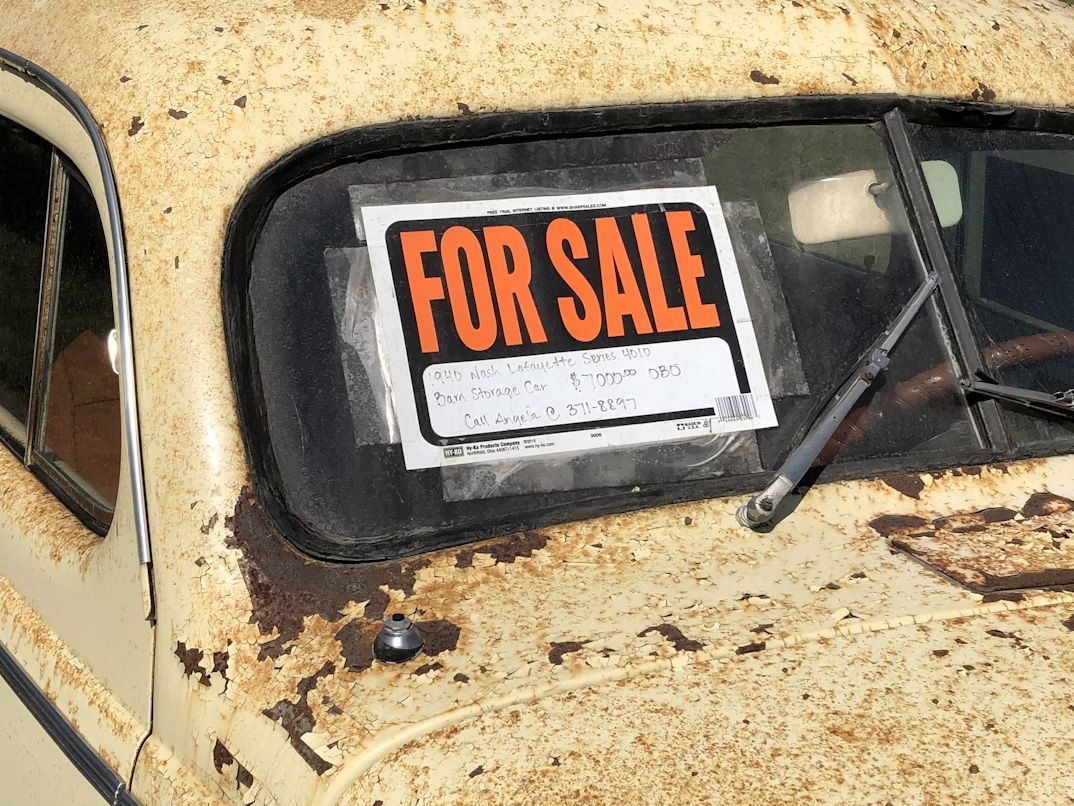
In Maine, it’s illegal to buy a car on Sunday. Dealerships are closed by law, making it impossible to seal the deal on the most relaxing day of the weekend. Why? The rule has roots in so-called "blue laws," which were designed to preserve Sunday as a day of rest. So in Maine, if you get a wild urge to car shop after church, you’ll have to wait until Monday.

6
Michigan – Streets are not for reading

Image: bruce mars

Michigan has a law that says you can’t sit in the middle of the road and read a newspaper. Yeah, no joke!

We know—it’s hard to imagine someone actually doing this (unless it was a very juicy headline), but the law’s goal is clearly about safety. Still, you have to admit the mental image is pretty great—just don’t try it unless you want to make the evening news.

7
New Hampshire – Bus fumes are not a high

Image: Lizgrin F

New Hampshire takes a hard stance on inhaling bus fumes "with intent to cause euphoria." That’s a legal phrase, not a band name. It’s part of the state’s broader anti-huffing laws, aimed at curbing substance abuse.

Well, that’s odd!

8
Vermont – Backfiring is a no-go in Rutland

Image: RoonZ nl

In Rutland, Vermont, letting your car backfire could technically get you in trouble. This law was probably put in place to cut down on noise or prevent panic during quieter times in history.

Today, it’s unlikely to get you arrested, but a surprise backfire might still earn you some serious side-eye from the locals. If you ask us, this should be a law everywhere!

9
Wisconsin – Hands off the handlebars? Not allowed

Image: Darko Pribeg

In Wisconsin, you’re not allowed to ride a bicycle with no hands. Even if you’re showing off your balance skills from the 1970s, the law says at least one hand must stay on the handlebars.

It’s all about safety—but if you’re feeling rebellious, maybe show off at the park. Just don’t do it on public roads. Keep it hands-on!

10
South Carolina – No trash hoarding in Hilton Head

Image: Alireza Mirzabegi

In Hilton Head, it’s illegal to store trash in your car. That’s right—your vehicle can’t double as a mobile garbage can. The law aims to keep the area clean and tourist-friendly, but it also sounds like a not-so-subtle jab at anyone using their backseat as a trash bin. Hilton Head wants pristine beaches and clean cars!

Geography Geography 2 min read

Back to the roots

10 great American trees that shaped our history—and you never knew

Image: Art Institute of Chicago

From towering forests to city streets, American trees have shaped culture, commerce, and the environment. Many provided food, medicine, and building materials, while others played a role in history. This list explores 10 iconic American trees and the surprising ways they’ve been used, preserved, and celebrated.

1
Sugar Maple (Acer saccharum)

Image: GraceHues Photography

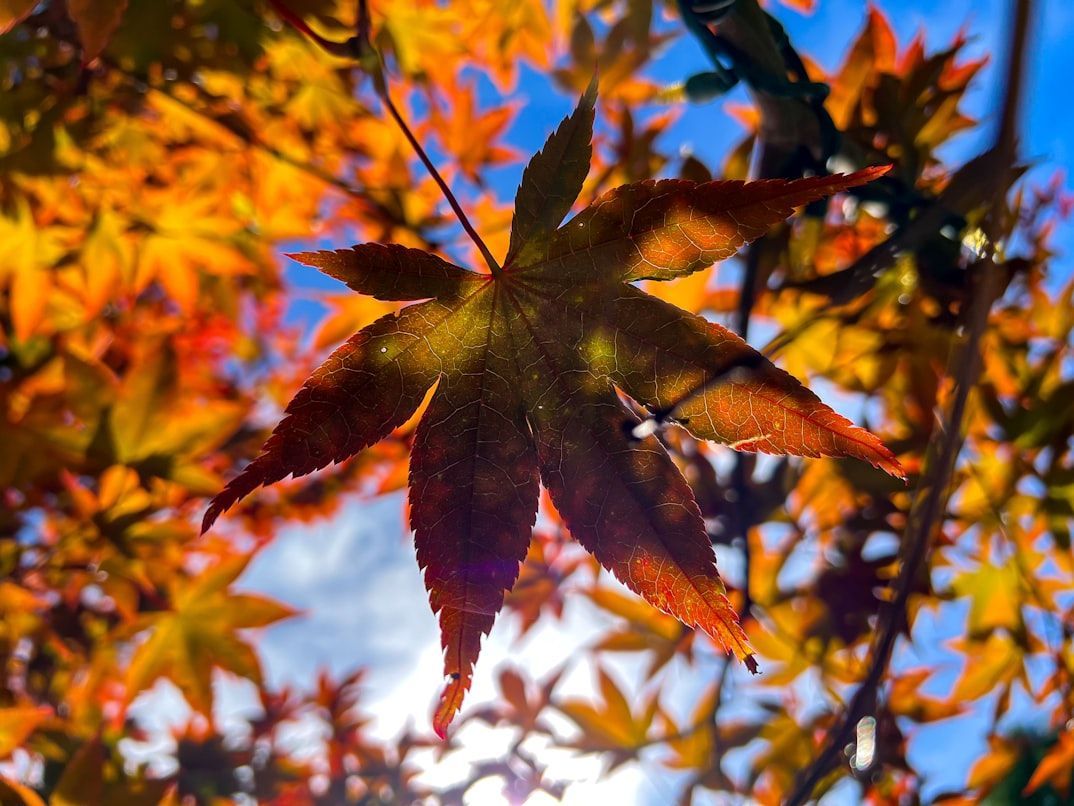
The sugar maple produces the sap that becomes maple syrup, a North American staple. Its hardwood is also prized for furniture and flooring.

Native to the northeastern U.S. and Canada, sugar maples support both culinary traditions and forestry industries. They can live for over 200 years and are crucial to fall foliage tourism.

2
White Oak (Quercus alba)

Image: Tina Xinia

White oak wood is valued for barrels, furniture, and flooring due to its strength and natural rot resistance.

Historically, it was used in shipbuilding during colonial times. White oak forests also support diverse wildlife, and their acorns feed deer, squirrels, and birds.

3
Eastern Red Cedar (Juniperus virginiana)

Image: Aimee Summers

This tree’s wood is aromatic and naturally repels moths, making it a good choice for closets and storage chests.

Red cedar oil was also used in medicine by Native Americans. Its dense wood has been extensively used for fence posts and small-scale construction.

4
American Chestnut (Castanea dentata)

Image: Marta Reis

Once dominant in eastern forests, the American chestnut was devastated by blight in the early 20th century.

Its wood was lightweight yet strong, ideal for furniture and building. The nuts were a staple food for wildlife and humans alike. Breeding programs now aim to restore it.

5
Ponderosa Pine (Pinus ponderosa)

Image: benjamin lehman

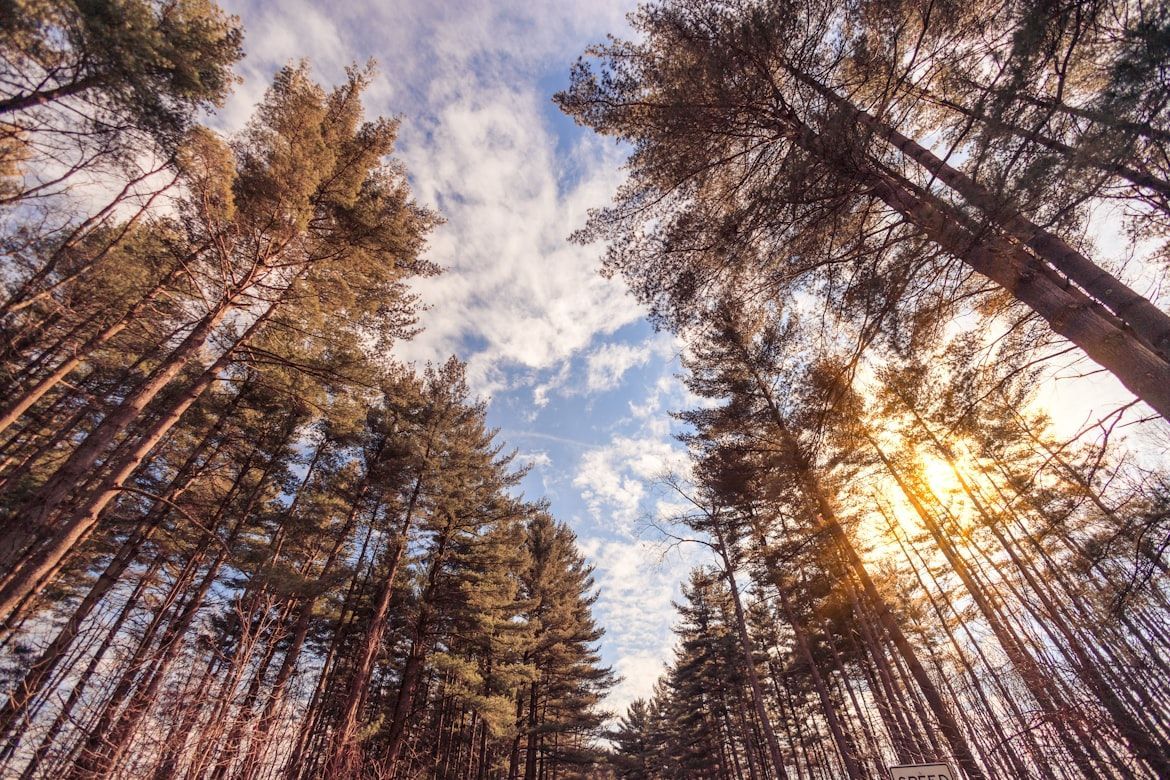
Ponderosa pines dominate the western U.S. and are a major timber source.

Their wood is used for construction, paper, and fuel. Native Americans also used the bark and resin for medicinal purposes and ceremonial practices.

6
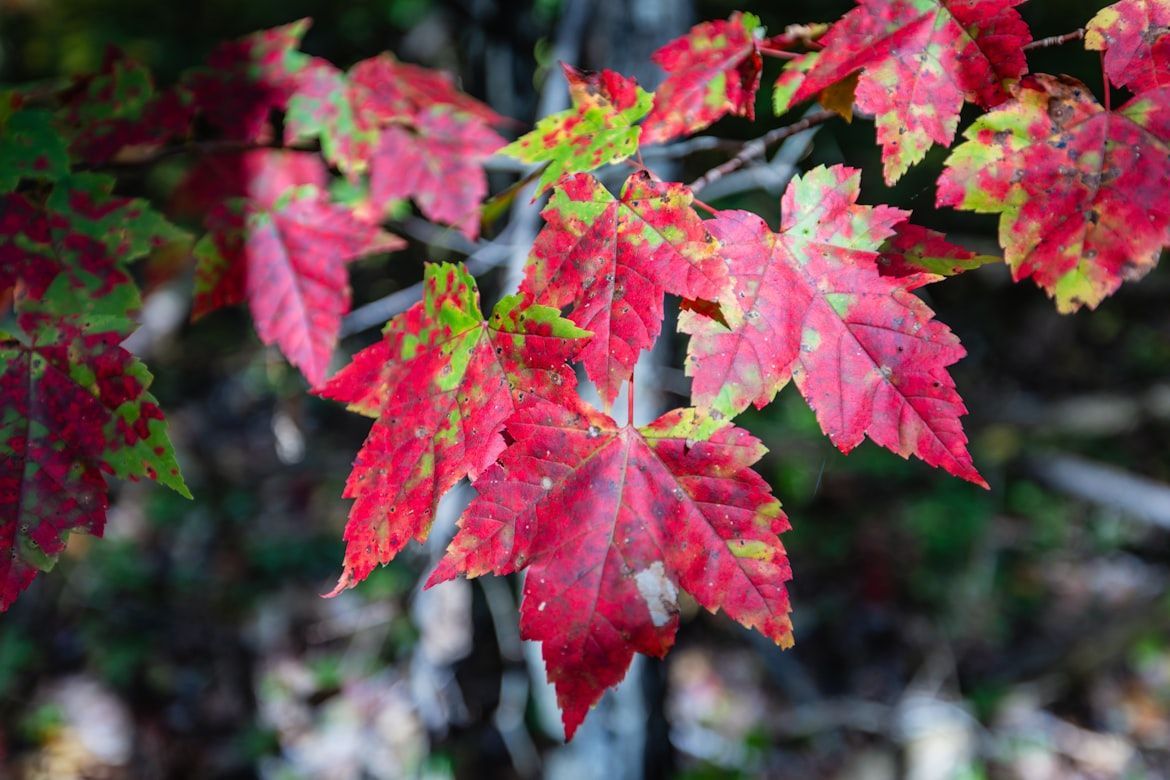
Red Maple (Acer rubrum)

Image: Edmond Lau

Red maples are adaptable trees that provide timber and spectacular fall colors.

Like the sugar maple, their sap can also produce syrup, and the wood is used in furniture and flooring. The species thrives in wetlands, supporting a wide range of ecological diversity.

7
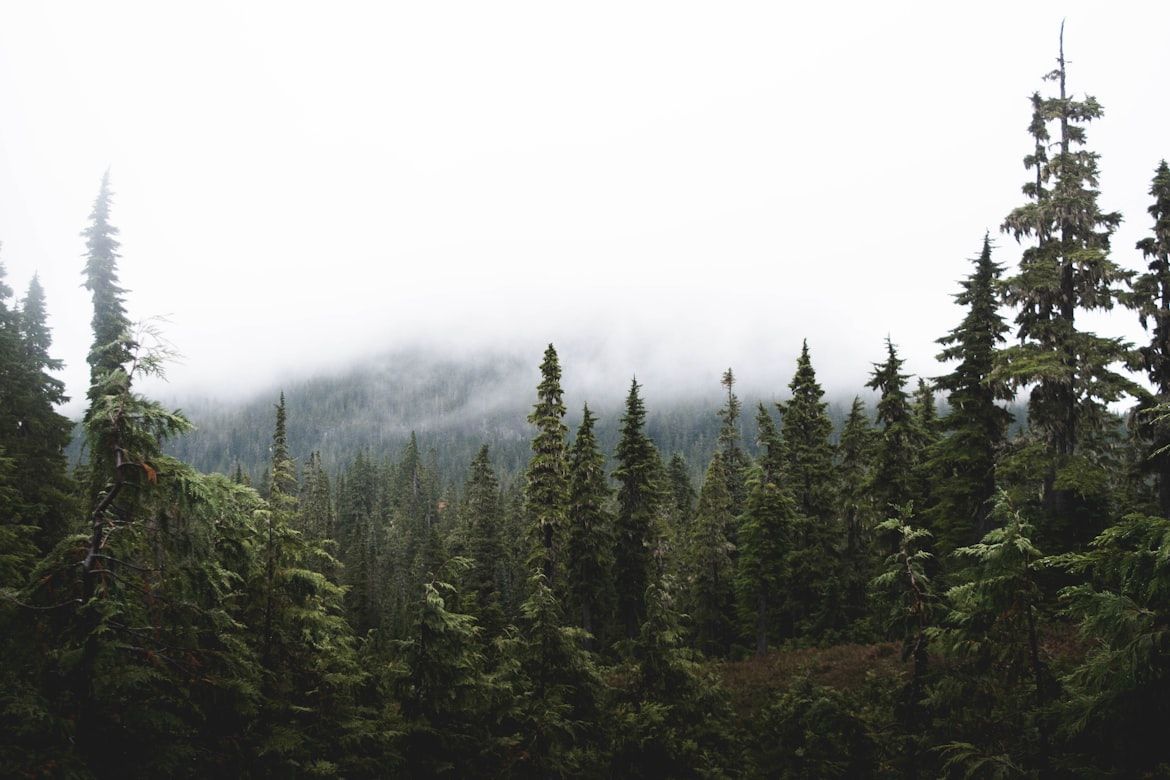
Douglas Fir (Pseudotsuga menziesii)

Image: Ulrike R. Donohue

A key timber species, the noble Douglas fir is used for construction, plywood, and paper.

It’s also one of the most popular Christmas trees. Native Americans used the bark and needles for medicinal purposes.

8
Black Walnut (Juglans nigra)

Image: Ross Domke

Black walnut produces edible nuts and dark, durable wood for furniture and gunstocks.

Its wood is highly prized by woodworkers for fine cabinetry. The nuts support wildlife, while the husks can be used for natural dye.

9
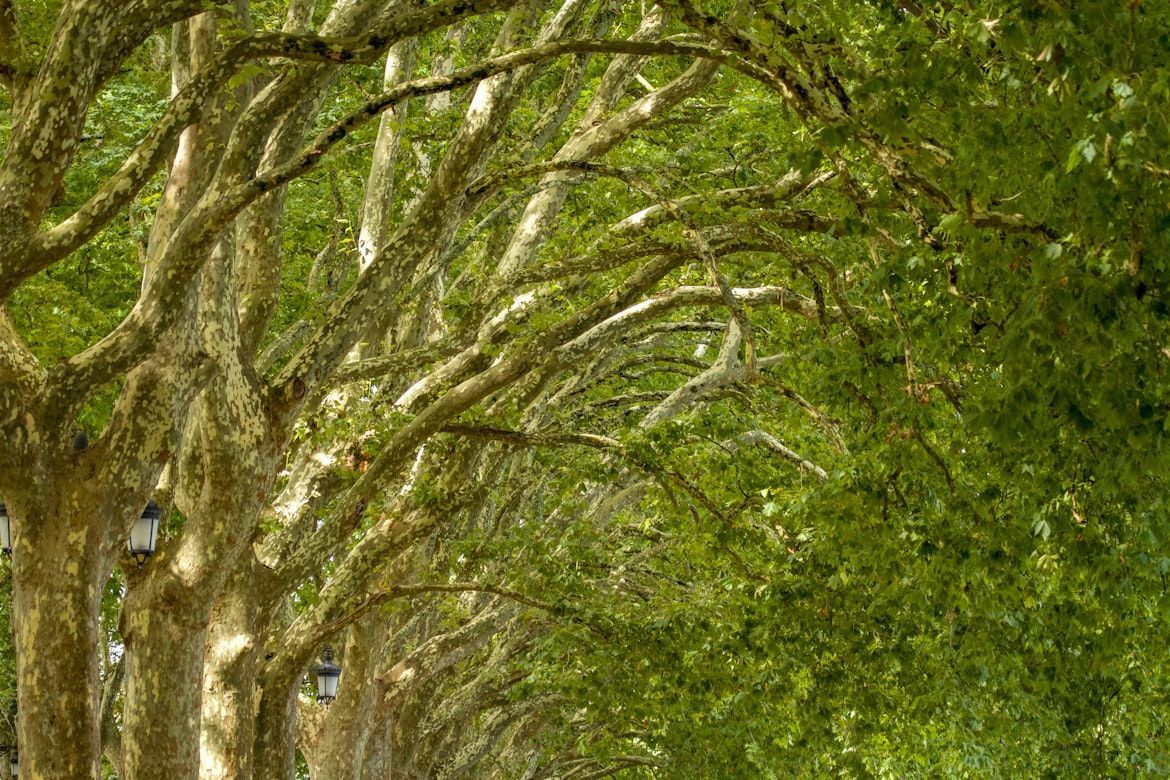
American sycamore (Platanus occidentalis)

Image: Heather Wilde

American sycamores are found along rivers and lakes, stabilizing soil and preventing erosion.

Their large, patchy bark makes them visually distinctive. Historically, their wood was used for butcher blocks, furniture, and veneers.

10
White Spruce (Picea glauca)

Image: Joel Cross

White spruce supports timber, paper, and pulp industries in northern forests.

Its wood is lightweight yet strong, ideal for construction and musical instruments. Spruce forests are also critical habitats for migratory birds and wildlife.

Explore more American facts

Choose your favorite category!

General
General

As American as apple pie—the very best America has to offer!

Culture
Culture

Delve into the astounding richness of American lore.

Geography
Geography

Hop in and explore vast and diverse American landscapes.

History
History

Discover the key moments that shaped the United States.