General General 4 min read

Icons of the 80s

Rediscover the top 10 trends from the 80s that should make a comeback!

Image: Cottonbro Studio

The 1980s were marked by ambition, progress, and reinvention. It was a decade that vibrated with the chimes of the New York Stock Exchange, the rise of cable TV, and the sound of personal computer keyboards. Fashion, of course, was not far behind: leg warmers, shoulder pads, and big hair were all the rage. In this article, we are covering ten years in which technological advances, finance, and pop culture reigned supreme in America. Ready for a flashback?

1
Bright colors

Image: Yaritza

In the 80s, neon was absolutely everywhere, and let’s be honest, it was very hard to miss. Found in clothes, accessories, makeup, signs, and posters, blindingly bright colors became a new style statement. From hot pink to acid green, neon yellow to electric blue, this color palette could be found in pop culture, on the streets, and everywhere in between.

2
Bold fashion

Image: cottonbro studio

There's only one word to describe 80s fashion: bold . B old hair, bold accessories, bold colors, bold everything! Fashion during this decade was strongly influenced by pop music and new rock subgenres such as New Wave. For the first time, different styles began to mix, combining formal garments with rebellious accents —like pairing suits with sneakers, mind you. Whether it was shoulder pads, multicolored leg warmers, or those striking Miami Vice suits, fashion in the 80s was all about vibrancy and an aura of success.

3
Big hair, strong makeup

Image: Gustavo Cerati, Public domain, via Wikimedia Commons

In the 80s, crazy cuts and dramatic makeup became an everyday thing, a way of expressing one’s personality and style everywhere you went. From musicians like Madonna to leading ladies like Demi Moore or Julia Roberts, the stars led the way with their perms, pumped-up hair volume, tanned faces, and bright eyeshadows.

But let's not forget the guys! They also introduced the iconic mullet, popularized by celebrities like Rod Stewart, tennis player Andre Agassi, and Patrick Swayze, just to name a few.

4
Rise of yuppie culture

Image: MART PRODUCTION

In a nutshell, Yuppie culture was characterized by slicked-back hair, V-neck sweaters, and a condescending attitude. The term yuppie , an acronym for "young urban professional," emerged in 1980 in an article in Chicago magazine. It described a young person in their 20s or 30s who was part of the middle to upper class, a socioeconomic group that became the forefront of the decade.

From the beginning, this label sparked divided opinions: For some, it represented ambition and success; for others, it symbolized superficiality, an excessive materialism, and an apparent superiority complex. Accurate or not, the trend eventually faded away after the 1987 Wall Street Crash.

5
Toys on TV

Image: cottonbro studio

The 1980s were marked by spending Saturday mornings watching ads on cartoon commercial breaks. How did this happen? From this decade onwards, companies were finally allowed to market directly to kids. The result was hundreds of all kinds of toy ads. They advertised everything from creative games like the Rubik's Cube or Lego to cute and cuddly toys like Care Bears and My Little Pony. This era also saw the beginnings of the must-have toy trend, with Cabbage Patch dolls leading the pack.

6
Music on the go

Image: cottonbro studio

During the 80s, it was common to see people walking down the street with a Walkman on their hips or a boombox to their ears. Although the boombox gained popularity in the 70s, it became mainstream in the 80s thanks to hip-hop and breakdancing culture. Yet, the Walkman would soon steal its thunder. This revolutionary new audio player allowed people to bring their music with them anywhere without bothering everyone around. And that’s also how mixtapes became a thing!

7
Personal computers

Image: Tomas Martinez

The 80s were a prominent decade for electronics development. In 1981, IBM introduced its first personal computer, and everyday life and work would never be the same again. More affordable computers were created thanks to the introduction of powerful, smaller, and cheaper processors, reaching a wider audience and creating greater demand. Models such as the IBM PC, the Commodore 64, and the Apple Macintosh became household names, paving the way for the era of domestic computing.

8
Rise of video games

Image: cottonbro studio

Thanks to technological advances in graphics and gameplay over the decade, video games finally became undeniably popular. With the rise of arcade machines and home consoles, a series of iconic games managed to capture the attention of a wider audience, igniting a cultural phenomenon that would influence music, film, and television. Titles such as Super Mario Bros., The Legend of Zelda, Space Invaders, Pac-Man, and Donkey Kong became classics that defined an era.

9
Cable TV goes mainstream
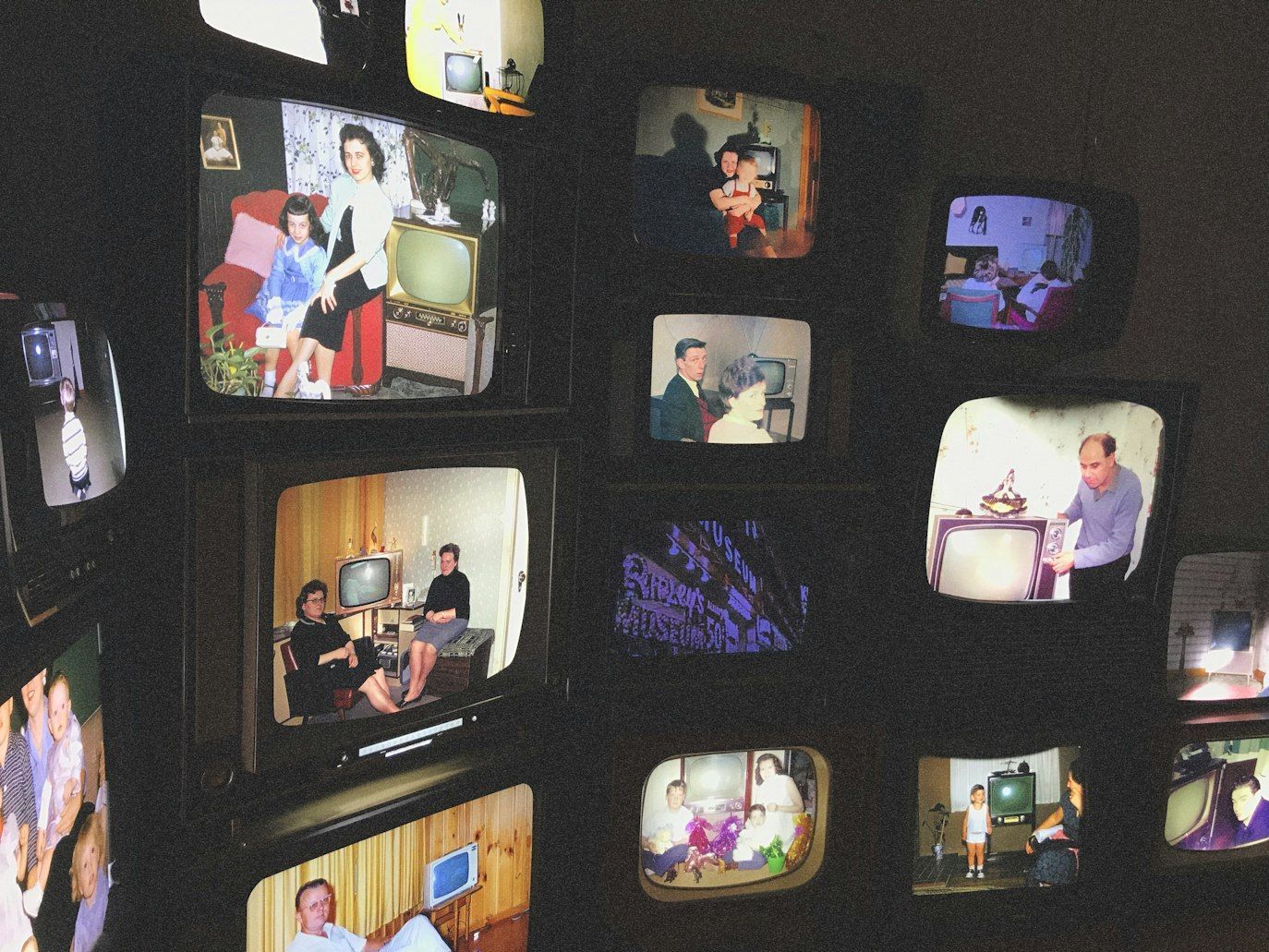
Image: Coline Haslé

When cable TV hit the mainstream, it not only gave the big three American networks a run for their money, but it also allowed the world access to specialized shows that better suited their tastes. Whether your interest was sports, comedy, or music, cable had something for everyone.

CNN and HBO definitely changed television forever, but it was perhaps MTV that left the most indelible mark by offering greater insight into contemporary bands and musicians via live performances and music videos.

10
Fitness fever
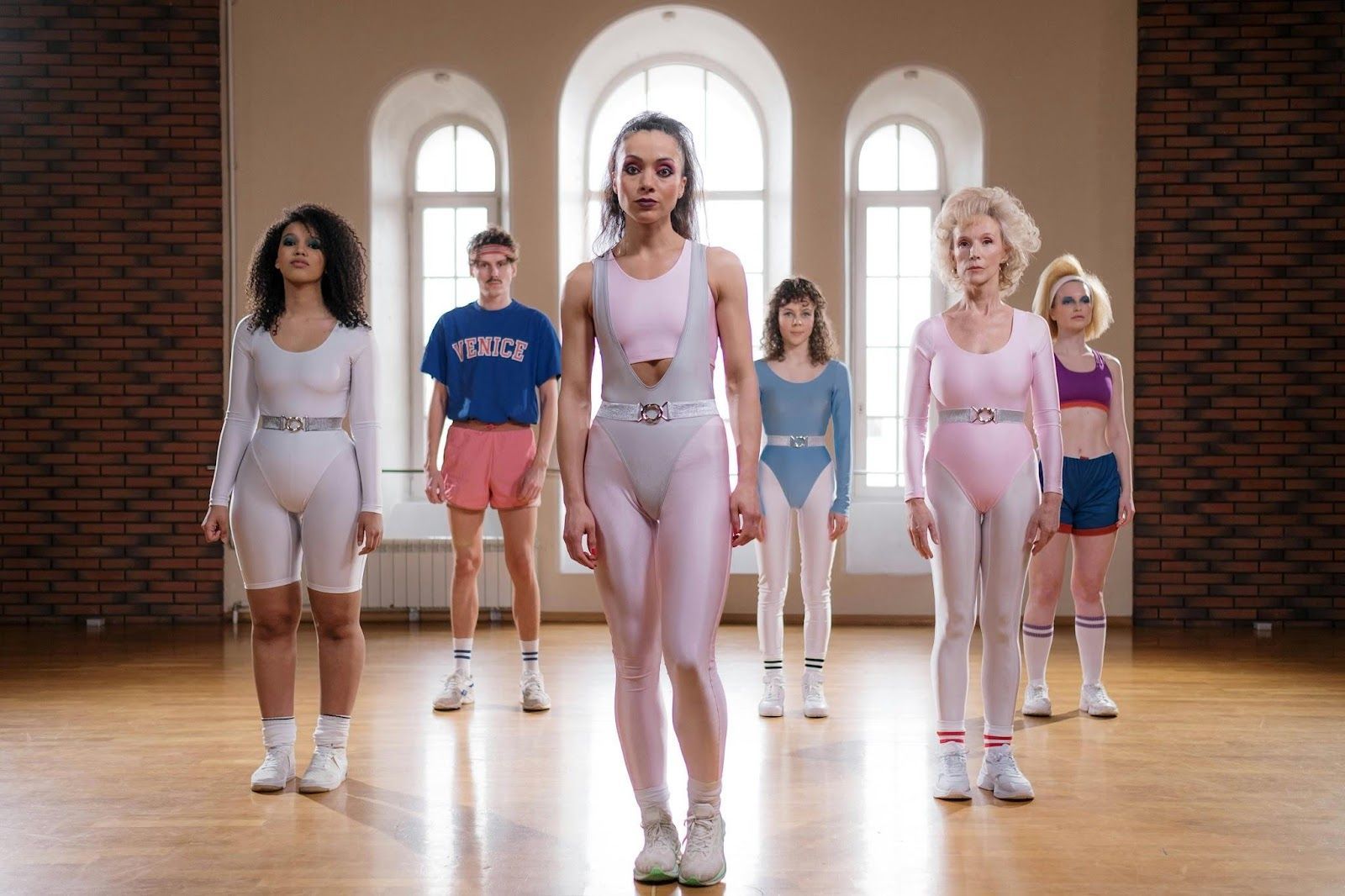
Image: Ron Lach

The 1980s were the golden age of fitness, a trend that reflected society's growing interest in health and wellness. Exercise routines were not just a workout, but a cultural phenomenon that turned our living rooms into mini gyms.

Major clothing brands began designing exercise-specific apparel and accessories, such as leotards, crop tops, and headbands. Celebrities also capitalized on the fitness craze. Jane Fonda, for example, became a massive hit in 1982 with her iconic workout videos, some of the best-selling VHS of all time.

Culture Culture 5 min read

The 10 best films about real American presidents

Image: Barack Obama Presidential Library, Public domain, via Wikimedia Commons

Throughout history, Hollywood has captured the complexity of commanding America’s highest office in countless films. The lives and challenges of characters such as Abraham Lincoln, George Washington, and John F. Kennedy have been vastly explored on the big screen. Each of these productions has not only depicted the crucial decisions made by these leaders, but also the values and conflicts that have shaped American society. Can you guess which are the top 10 films about the United States' most emblematic presidents?

1
The Crossing (2000)

Image: Emanuel Leutze, CC0, via Wikimedia Commons

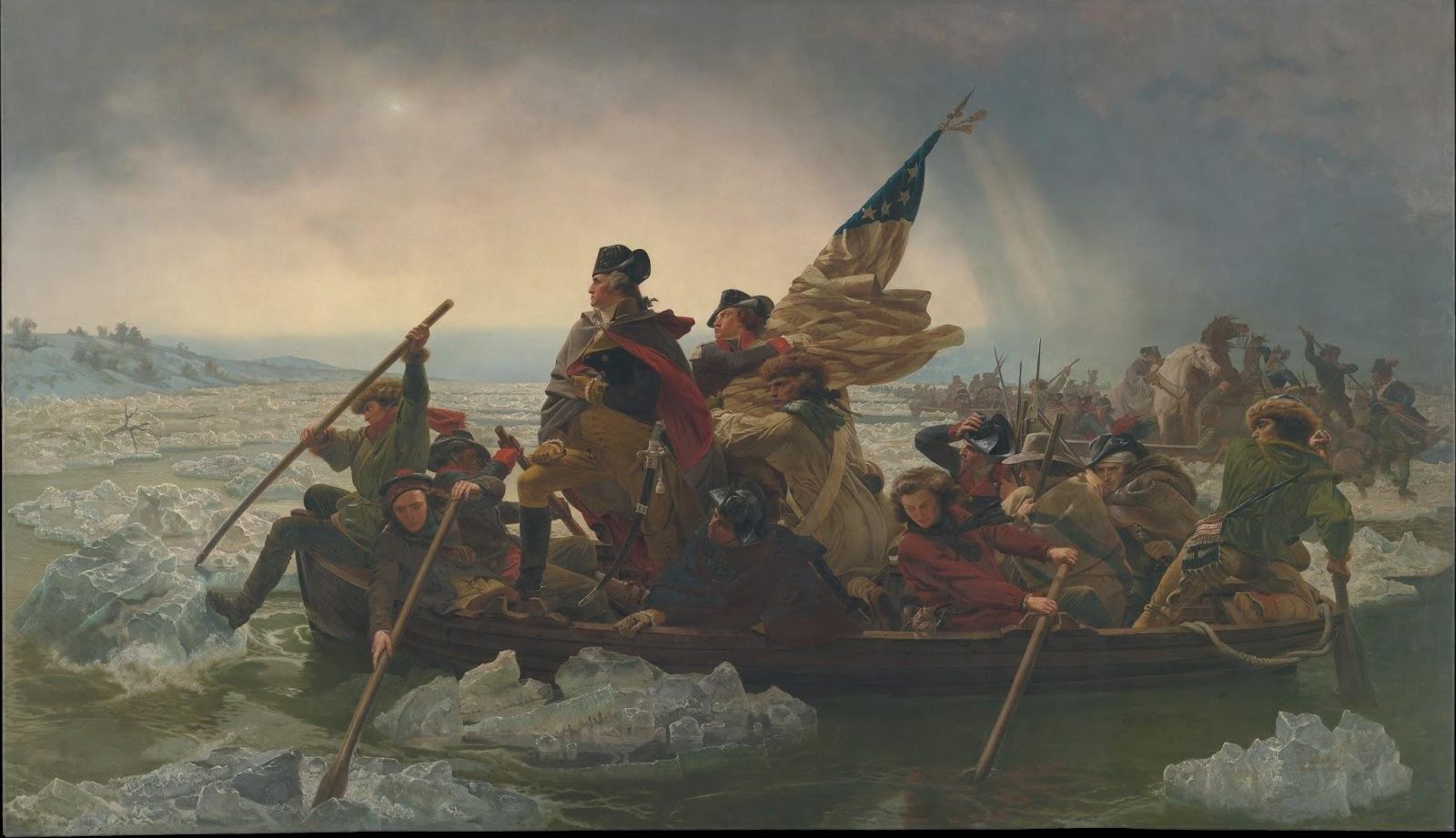
Of course, there had to be a film that reflected at least a small portion of the extensive political and military life of the first president of the United States. The Crossing focuses on the famous Delaware River mission commanded by Washington, a surprise attack against the British that would definitively change the course of the Revolutionary War.

Jeff Daniels' superb performance expertly captures George Washington's bravery and sense of duty, especially in relation to the patriotic vision that drove him to lead America’s independence.

2
Thirteen Days (2000)

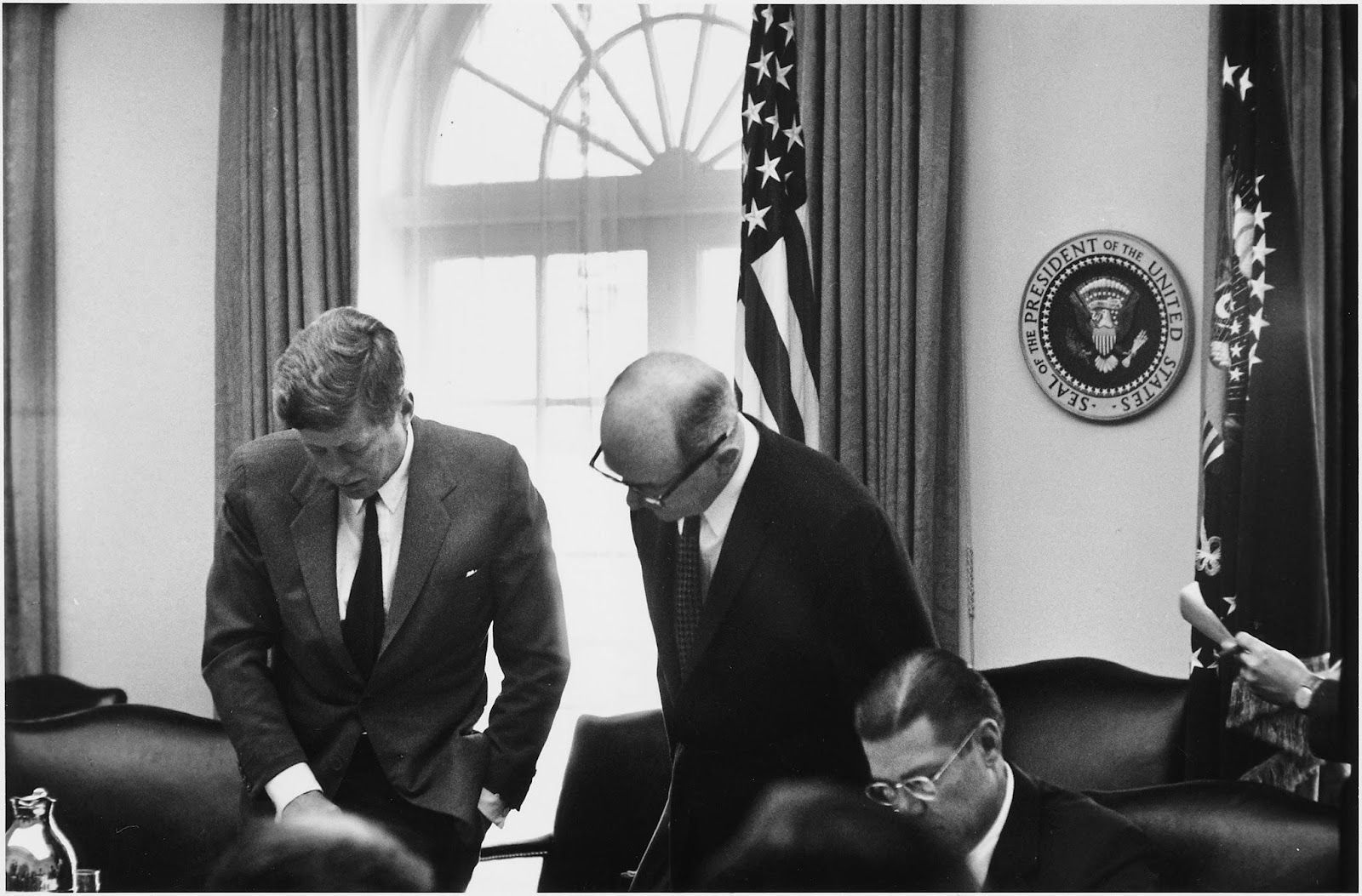
Image: Cecil W. Stoughton, Public domain, via Wikimedia Commons

This historical political thriller dramatizes the intense 13 days during the Cuban Missile Crisis in October 1962. The film captures John F. Kennedy’s strategic mind and leadership qualities as he navigates diplomatic and military dilemmas to avert a nuclear war with the Soviet Union.

Starring Bruce Greenwood, Thirteen Days showcases a president under immense pressure steering the United States through one of the toughest moments of the Cold War. Greenwood’s nuanced portrayal of Kennedy’s resolve, fear, and commitment to peace offers a riveting glimpse into the decision-making process inside the White House during a pivotal moment in history.

3
Truman (1995)

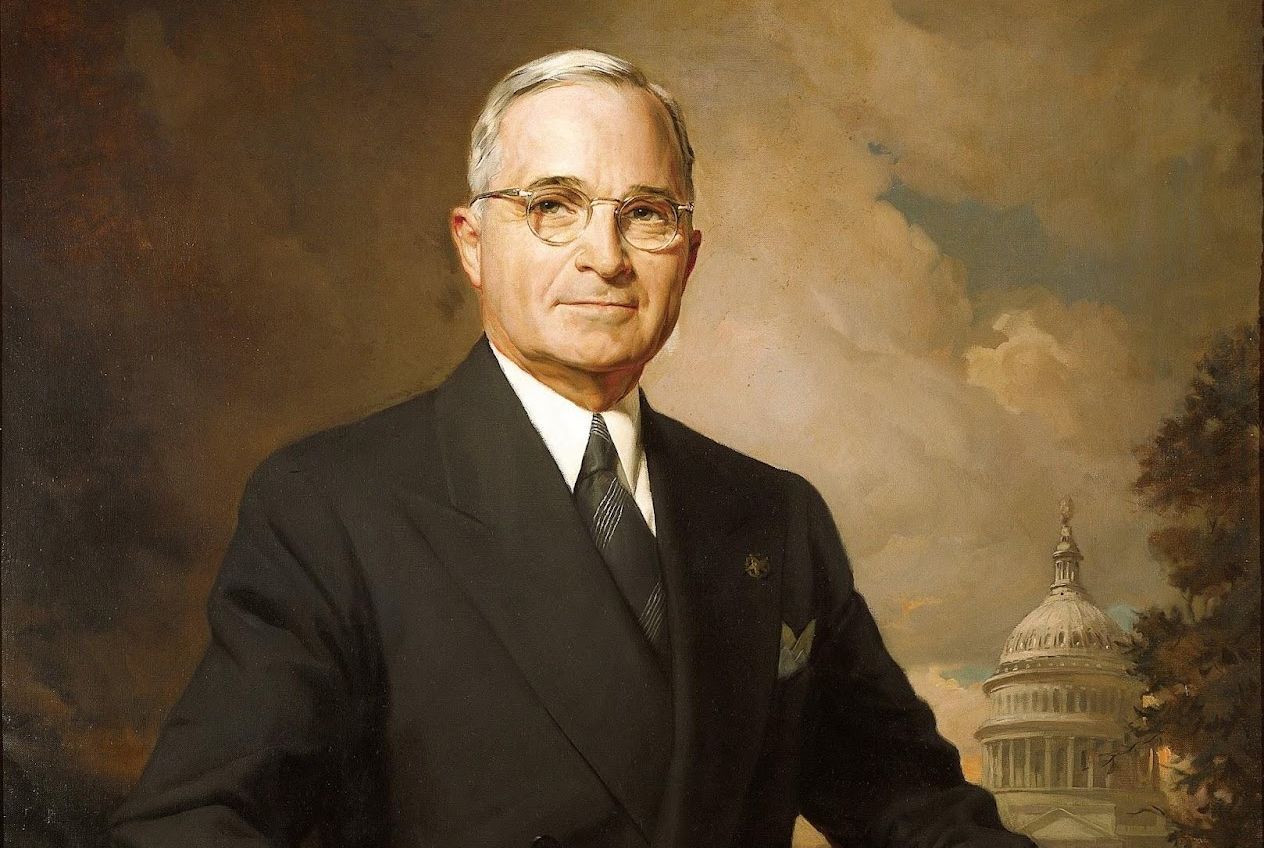
Image: Greta Kempton, Public domain, via Wikimedia Commons

This portrayal of Harry S. Truman is a masterful take on an often underestimated president who led our country through the end of World War II and the first years of the Cold War.

In the role of Truman, Gary Sinise effectively captures the 33rd president’s ascent from a modest background to the highest office. Sinise embodies Truman’s integrity and willpower, while bringing up his pragmatic approach to governance, which earned him a well-deserved Golden Globe.

4
The Special Relationship (2010)

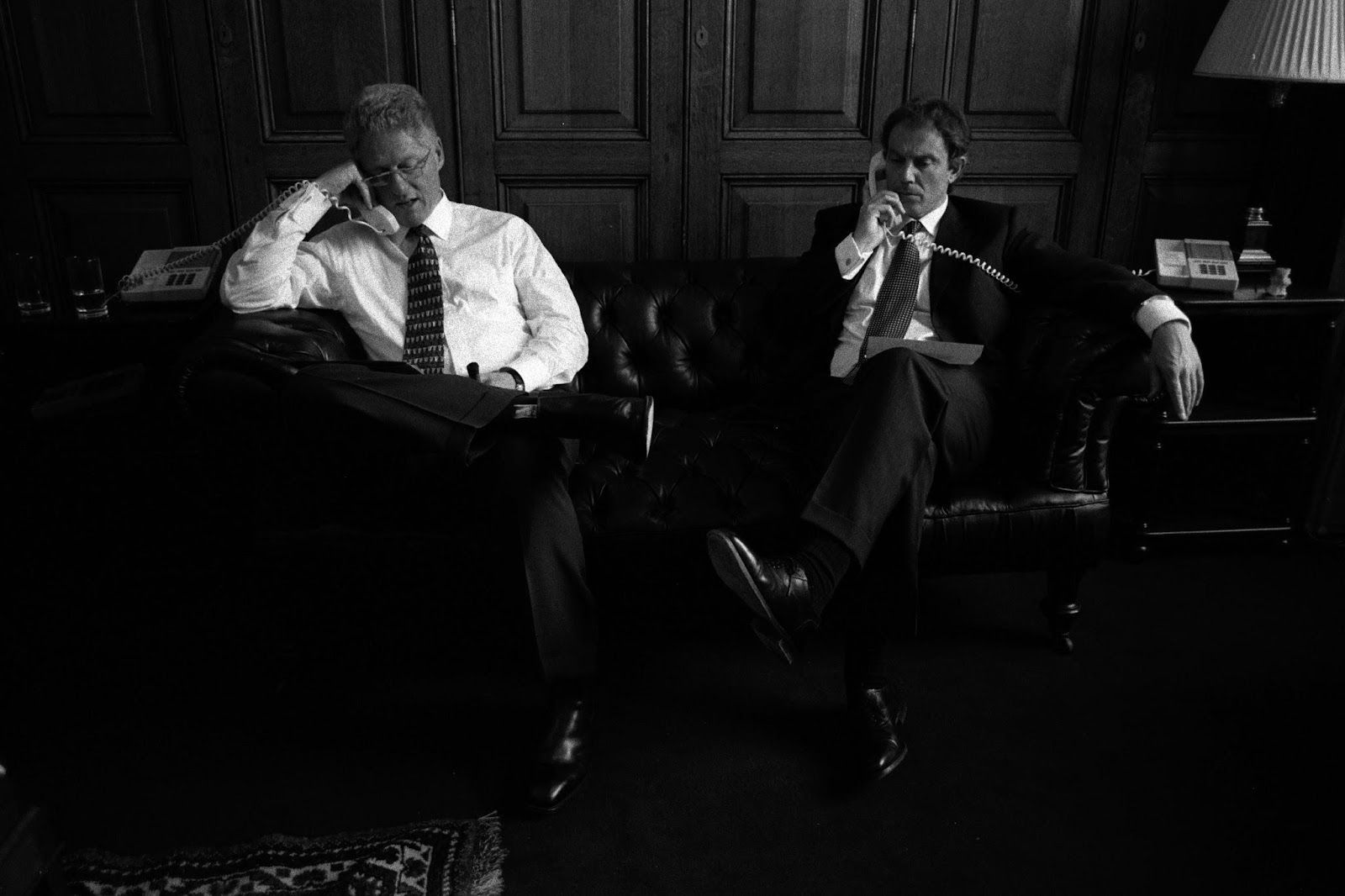
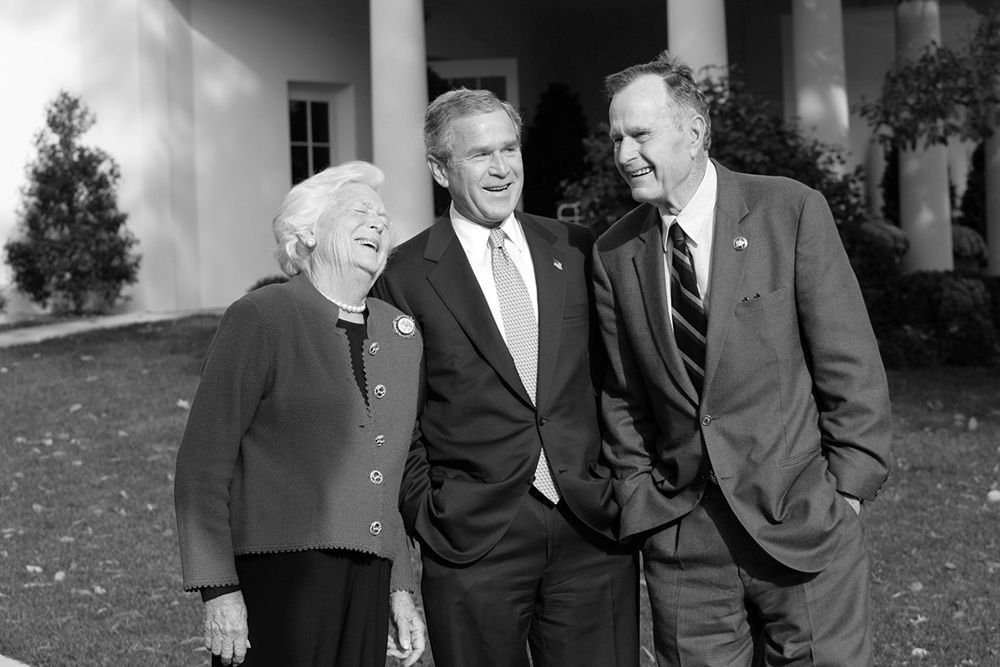
Image: Ralph Alswang White House Photograph Office, Public domain, via Wikimedia Commons

The special relationship traces Bill Clinton’s interactions with British Prime Minister Tony Blair between 1997 and 2001, offering viewers front-row insight on power dynamics, how friendship develops in high-level governance, and its impact on global affairs.

Dennis Quaid brings to life the former president’s multifaceted persona, shedding light on his vulnerabilities. He perfectly nails not only Bill Clinton’s magnetic charm but also his ability to navigate complicated political landscapes and balance diplomacy with personal connections.

5
Hyde Park on Hudson (2012)

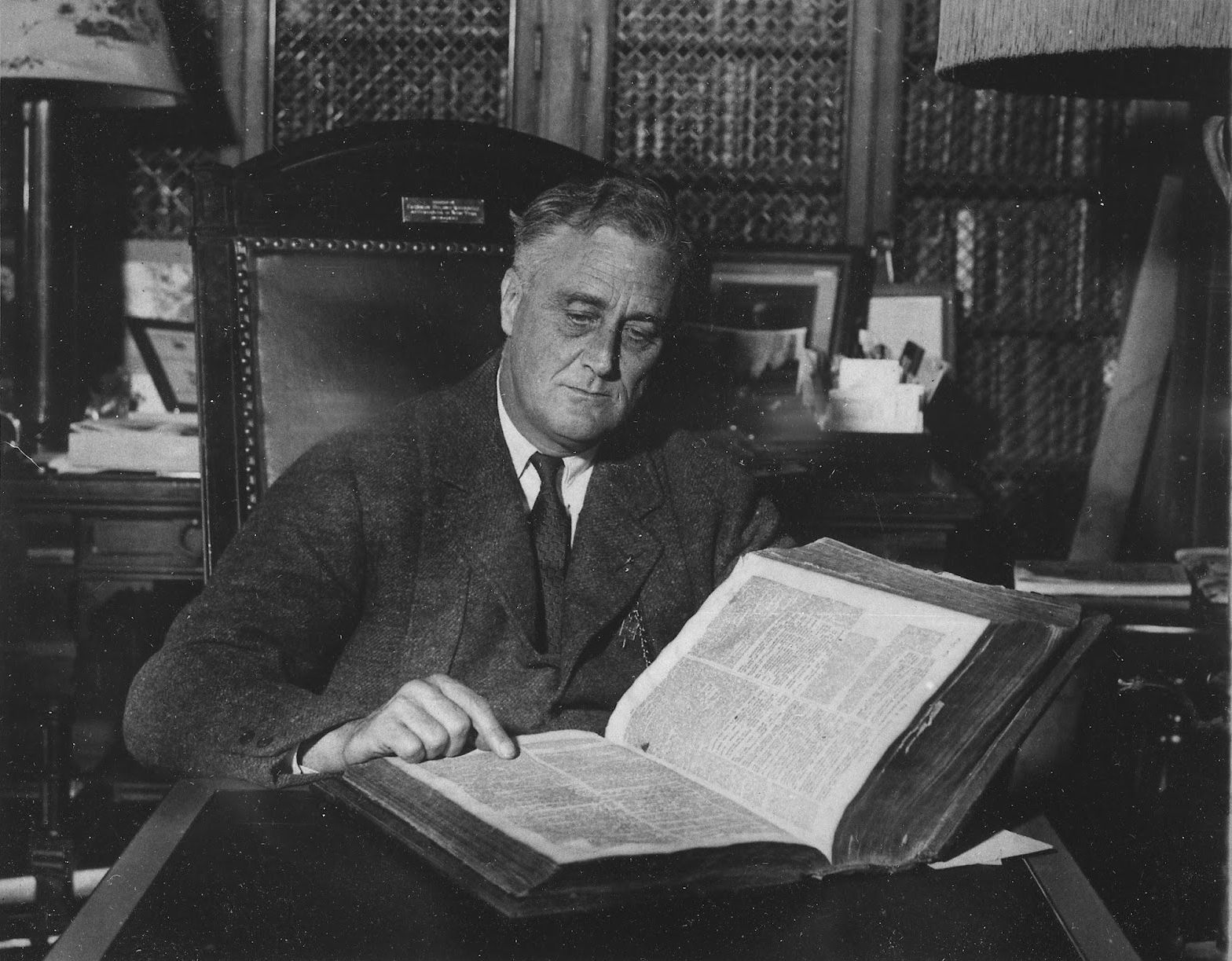
Image: National Archives and Records Administration, Public domain, via Wikimedia Commons

This historical drama depicts Franklin D. Roosevelt’s personal life and the complexities of leadership during a weekend visit by the King and Queen of England. Hyde Park on Hudson navigates through the 32nd president’s intimate relationships within his inner circle while working on strengthening the US-UK alliance on the eve of World War II.

Primarily known for his comedic genius, Bill Murray’s portrayal of Roosevelt reveals a lesser-seen side of the former president. Murray manages to capture his charm, wit, and burdens of leadership with a subtle performance blending the president’s public persona with his private vulnerabilities.

6
W. (2008)

Image: d

Oliver Stone’s W. explores George W. Bush’s journey from his early tumultuous years to his tenure in the White House. The film delves into his motivations, decisions regarding the Iraq war, and his personal and political challenges.

Josh Brolin successfully embodies Bush’s distinctive mannerisms, speech patterns, and the dynamics of his relationships with his family and advisers. The actor’s take is critical yet empathetic, providing insight into the former president’s character without caricature, and offering a deeper understanding of the man behind the president.

7
All the Way (2016)

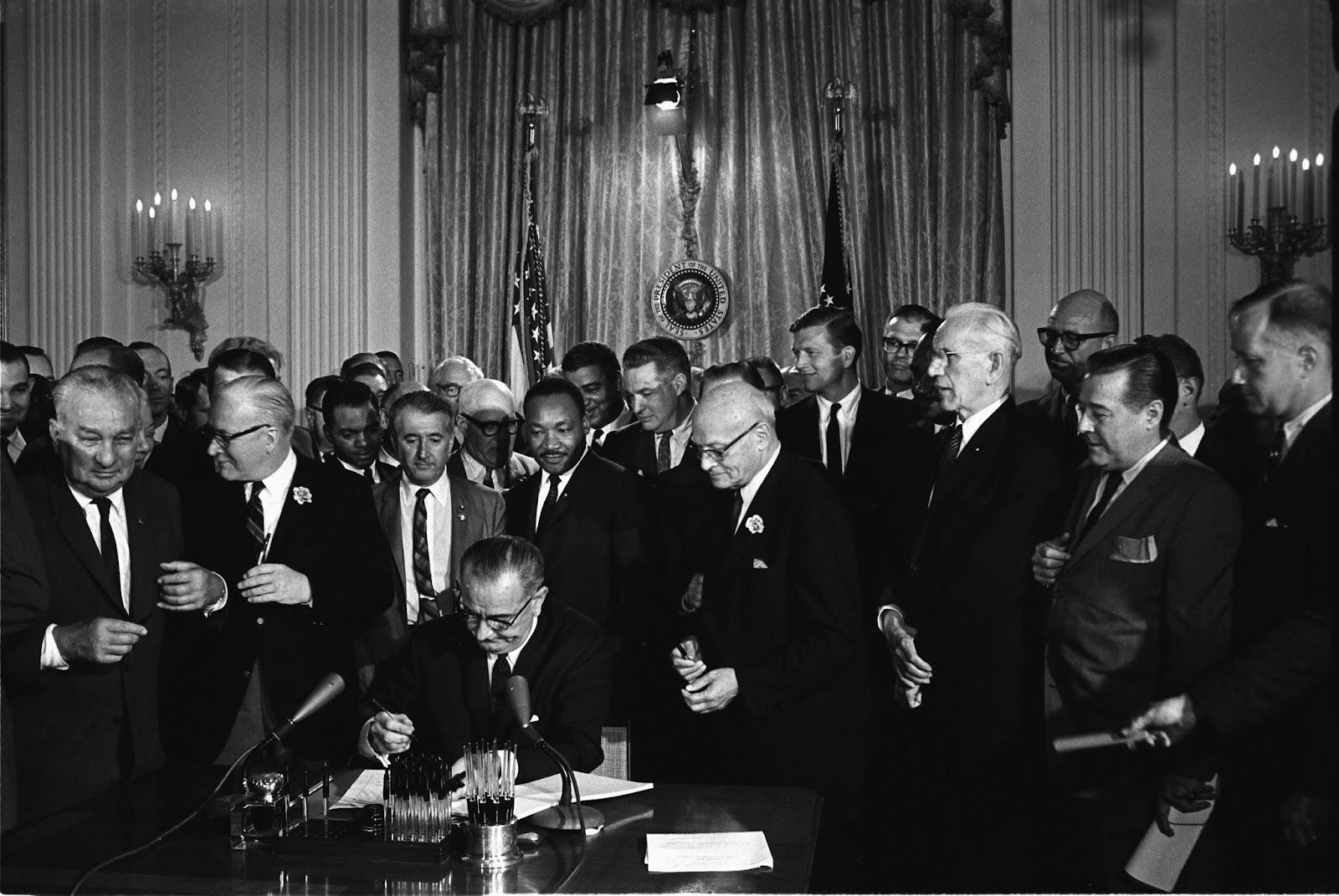
Image: Cecil Stoughton, White House Press Office (WHPO), Public domain, via Wikimedia Commons

This TV biographical drama focuses on Lyndon B. Johnson’s efforts to pass the Civil Rights Act during his first year in office, while showcasing his persuasive tactics, political dexterity, and the moral challenges he had to deal with.

Bryan Cranston remarkably captures a leader committed to transformative social change who is, at the same time, burdened by the legacy of his predecessor, John F. Kennedy. His embodiment of Johnson’s larger-than-life personality, along with conveying intimate moments of vulnerability, earned Cranston much critical acclaim for bringing humanity to one of America’s most consequential figures.

8
Frost/Nixon (2008)

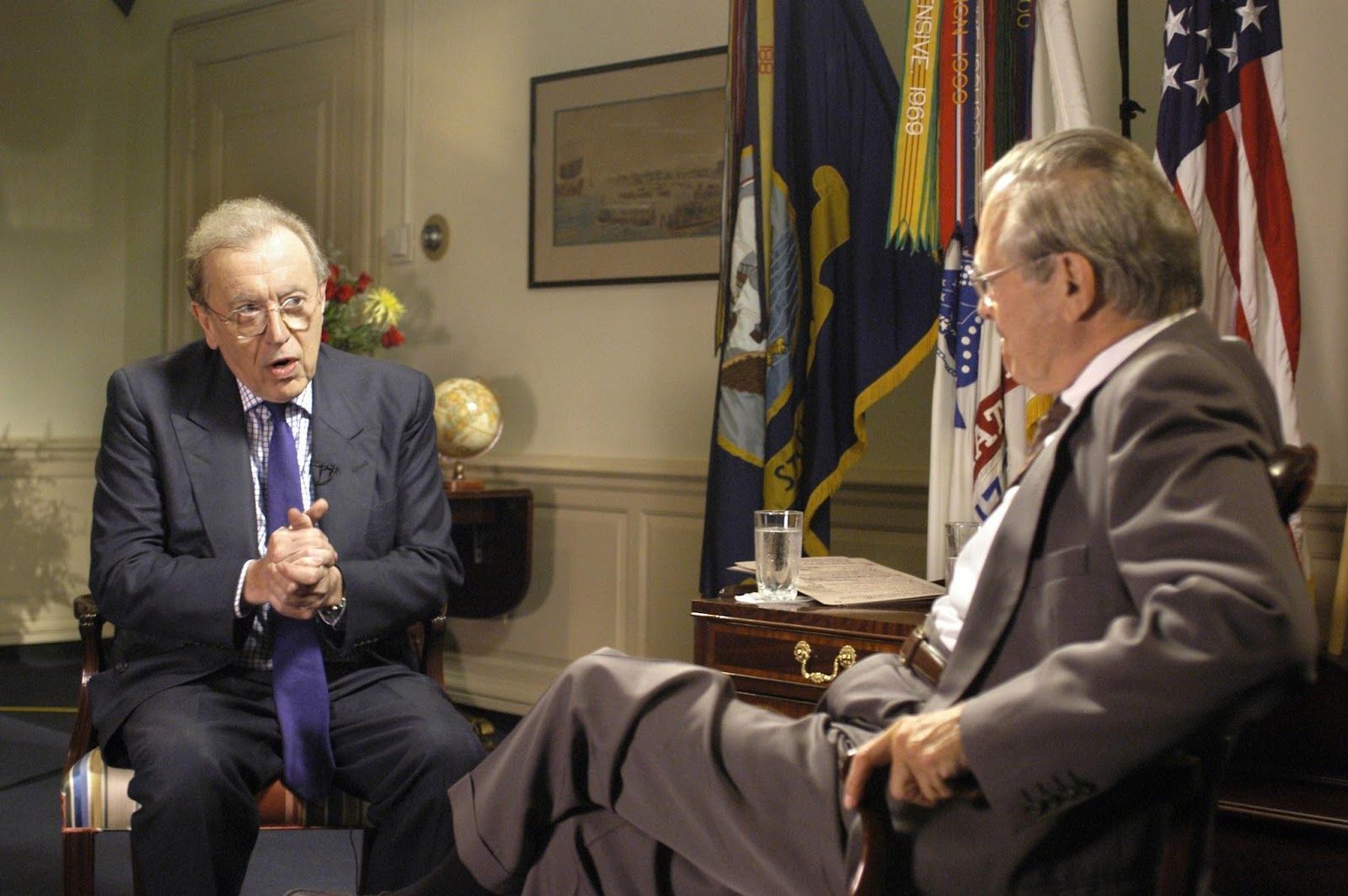
Image: Robert D. Ward, Public domain, via Wikimedia Commons

Centered around a series of televised interviews between Richard Nixon and British talk show host David Frost, this riveting film showcases a battle of wits and wills. Directed by Ron Howard, Frost/Nixon offers a deeply human look at an isolated president struggling with the consequences of his actions.

Frank Langella plays Nixon in the aftermath of his resignation, as he attempts to salvage his legacy while grappling with the guilt and shame of his downfall. Langella’s masterful depiction of one of America’s most controversial figures goes beyond impersonation, which earned the actor an Academy Award nomination.

9
Amistad (1997)

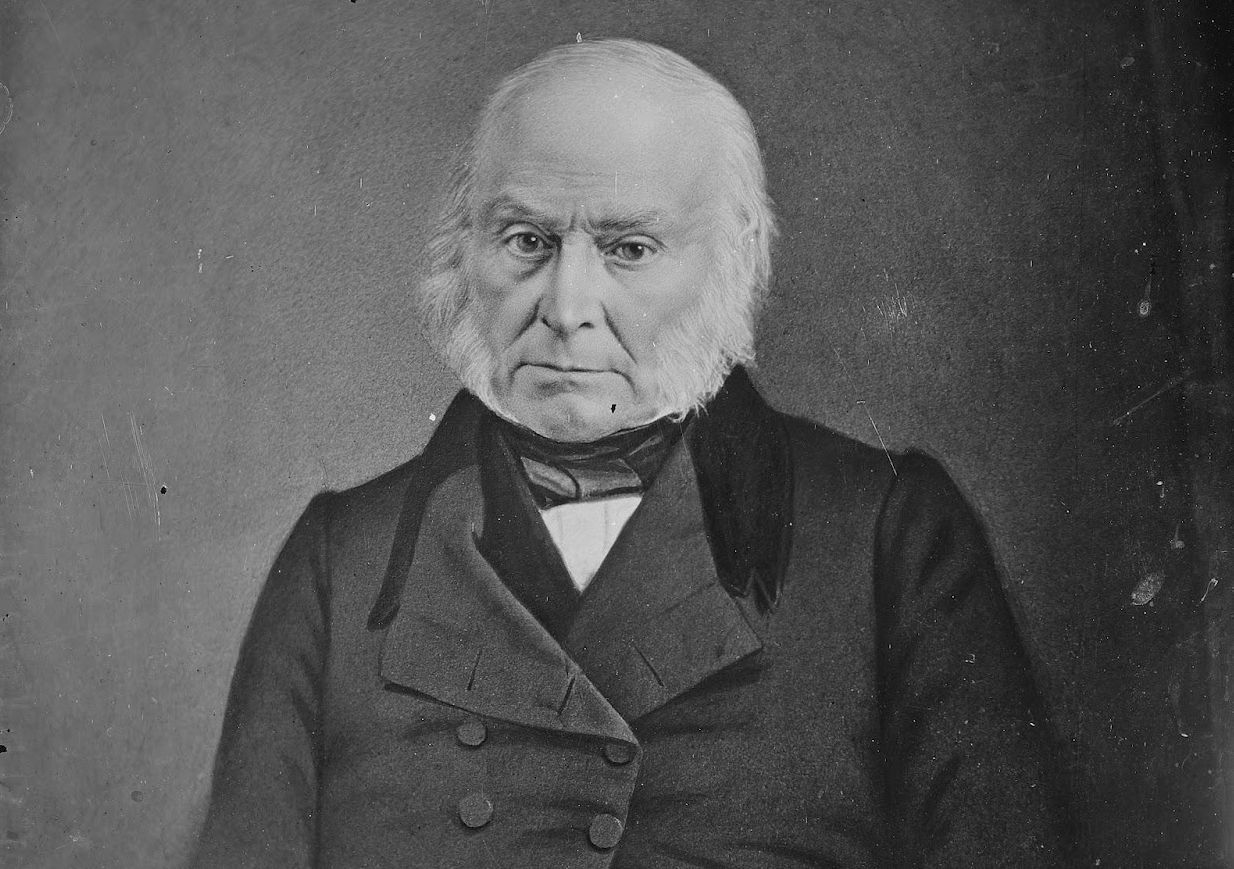
Image: Mathew Benjamin Brady, Public domain, via Wikimedia Commons

Steven Spielberg’s Amistad revolves around John Quincy Adams’ role as an attorney defending African men who revolted aboard a Spanish slaveship. The legendary Anthony Hopkins portrays Adam’s passionate arguments before the Supreme Court and reveals his commitment to justice and equality.

Hopkins also compellingly conveys Adam’s intelligence, determination, and the weight his legacy as both a former president and a champion of the abolitionist cause represented for him.

10
Lincoln (2012)

Image: George Peter Alexander Healy, Public domain, via Wikimedia Commons

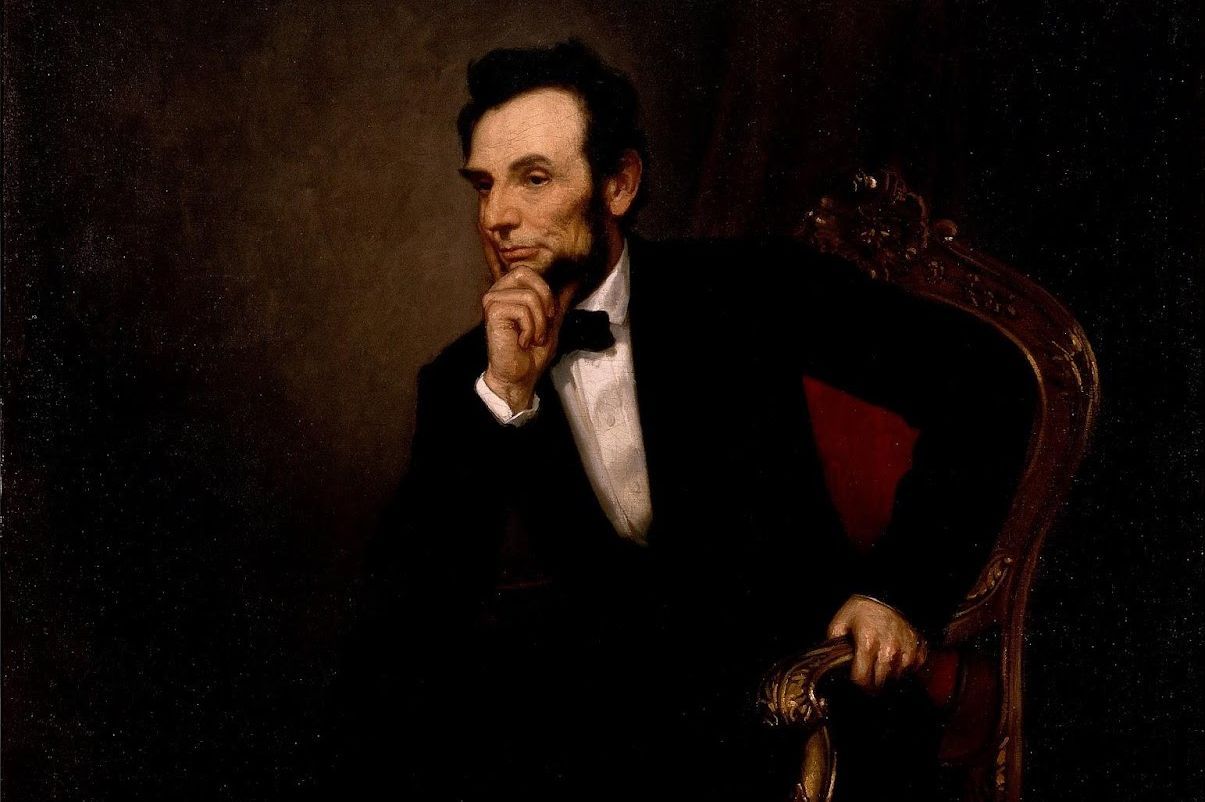
Focused on the final moments of Abraham Lincoln’s life, Steven Spielberg’s biopic highlights the 16th president’s efforts to pass the 13th Amendment, abolishing slavery.

The talented Daniel Day-Lewis delivers an absolutely iconic performance as Lincoln. He embodies the former president’s physicality and voice with such authenticity that viewers are transported to the heart of 19th-century American politics. Day-Lewis also manages to perfectly blend the president’s moral gravity, political savvy, and personal turmoil. His commitment to the role is so evident that it earned him an Oscar for Best Actor.

Culture Culture 5 min read

Unexpected juxtapositions

10 films you didn't know that take place at roughly the same time

Image: konstantinrotkevich

Period pieces aim to portray specific historical events, customs, and characters. But every year, all sorts of different events happen around the world. What to cut and what to show in a historical film is an artist's main job, and the result will depend on his or her particular point of view. From Titanic and The Music Man to Grease and Malcolm X , in this article, we're going to explore 10 pairs of films that take place in the same year but couldn't be more different. Can you think of any others?

1
Titanic & The Music Man

Image: Copyright © 1962 Warner Bros. Pictures Distributing Corporation - Public domain, via Wikimedia Commons

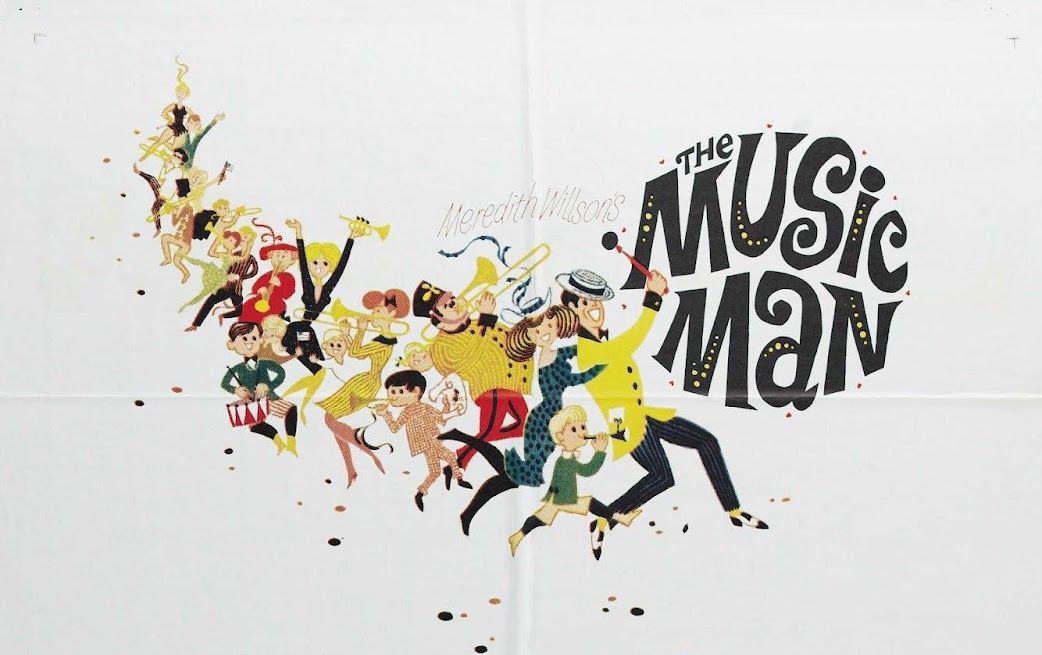
It is common knowledge that Titanic (1997), starring Leonardo DiCaprio and Kate Winslet, fictionalizes the true story of the sinking of the British ocean liner that collided with an iceberg in the North Atlantic.

The Music Man (1962), on the other hand, is a musical that tells the story of a salesman who tries to convince the residents of a small town in Iowa to start a musical band. Although the two films are set miles apart and their characters are very different, they both take place in the same year: 1912. Fascinating, don't you think?

2
Mary Poppins & The Wild Bunch

Image: From the studio of John Schwartz., Public domain, via Wikimedia Commons

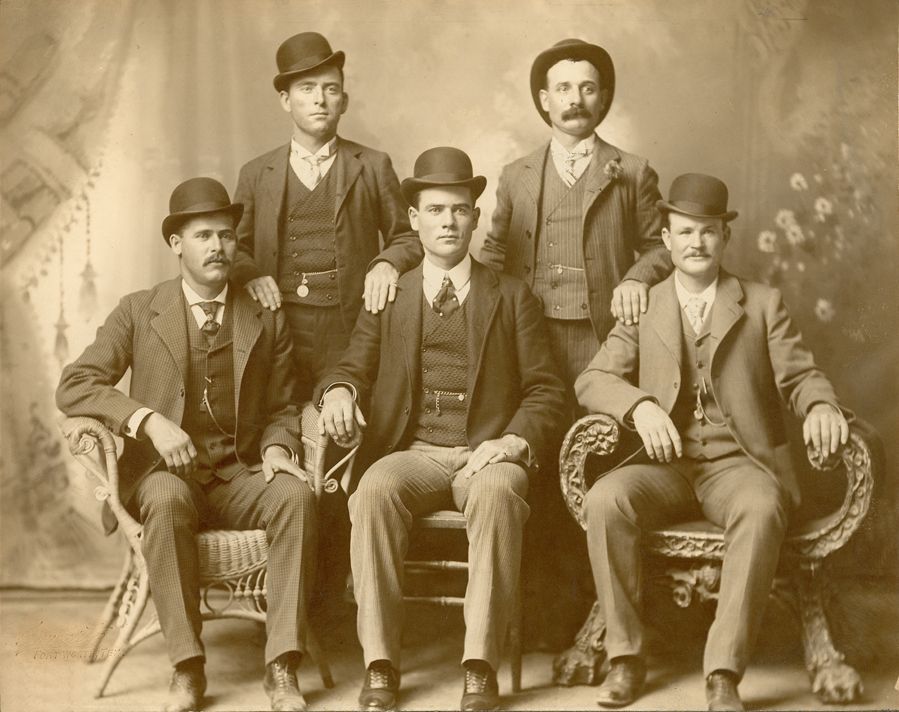
Early twentieth-century London, a vibrant, sprawling city, has almost nothing in common with the wild U.S.-Mexico frontier of the same era. Yet the tender Mary Poppins (1964) and the epic revisionist Western The Wild Bunch (1969) take place during virtually the same years. Despite being vastly different stories, the two films share a similar theme: the concept of outsiders navigating a world of change and challenges.

3
There Will Be Blood & Meet Me in St. Louis

Image: Metro-Goldwyn-Mayer (Loew's Inc.), Public domain, via Wikimedia Commons

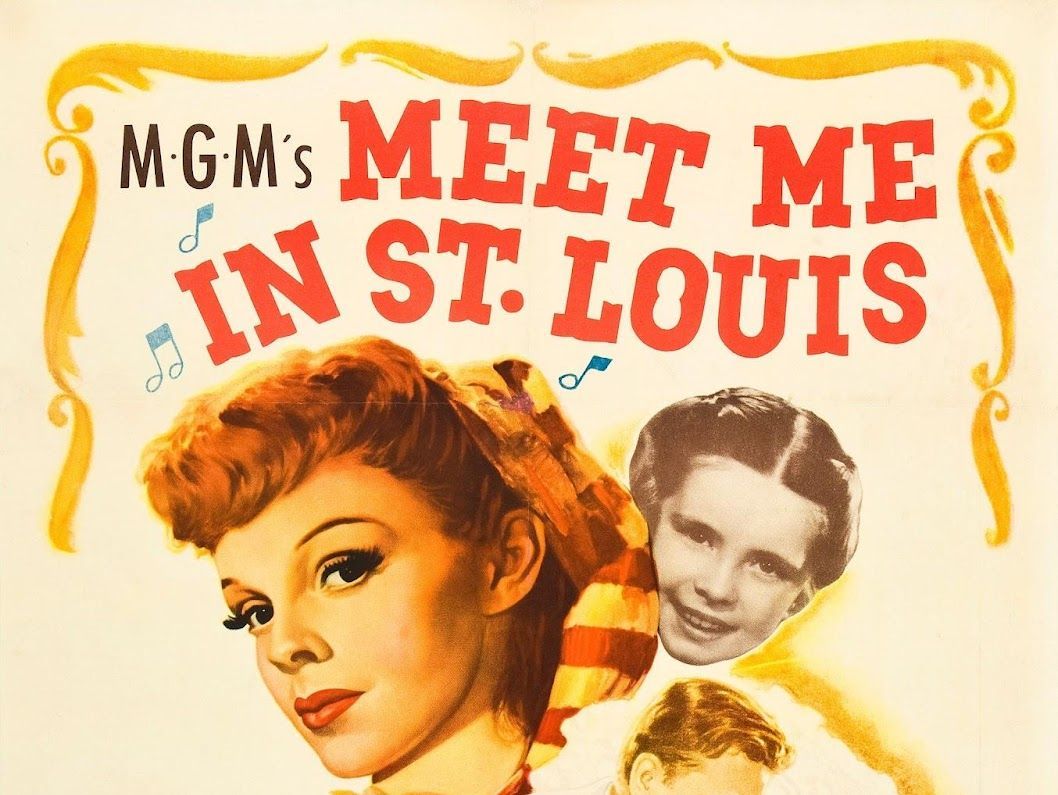
What do a Christmas musical from 1944 and a 2007 drama film have in common? They both portray the early years of the 20th century!

While There Will Be Blood is a dark film that focuses on the California oil rush, Meet Me in St. Louis , starring the iconic Judy Garland, portrays the well-to-do life of an upper-middle-class Missouri family. Watching these two films truly paints a picture of what America was like at this time in its history.

4
Grease & Malcolm X

Image: Library of Congress

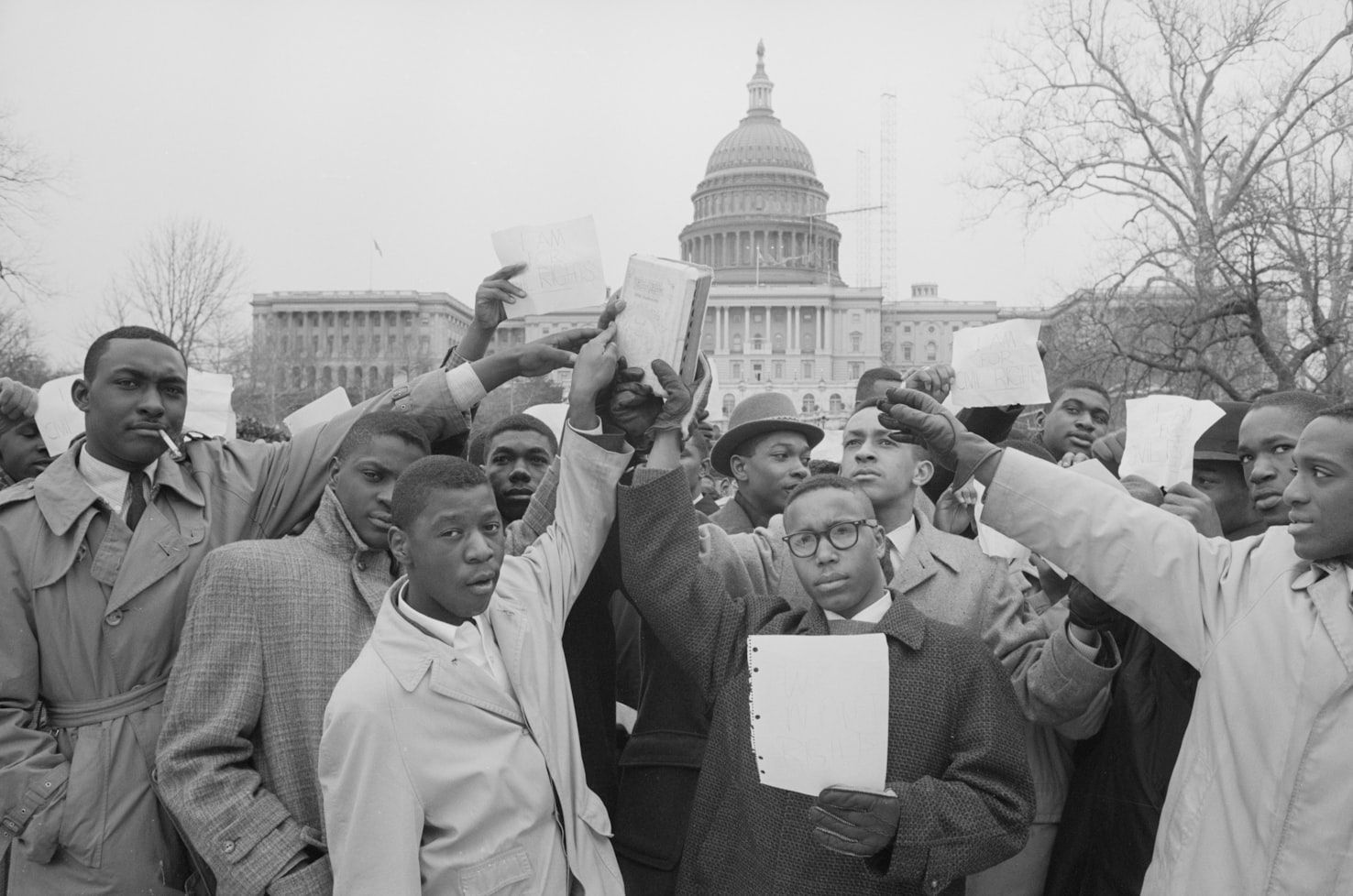
Two other films that offer their version of American life during a specific era are Grease (1978) and Malcolm X (1992). Both take place around 1958, but couldn't be more different.

Grease , a romantic musical with gelled hairdos and poodle skirts, portrays a group of teenagers more concerned with leather jackets, rock and roll, and fashionable cars than anything else. Malcom X , on the contrary, is based on the biography of the famous African-American activist, and dives deep into the history of the civil rights movement.

5
Barry Lyndon & Pirates of the Caribbean

Image: William Hogarth, Public domain, via Wikimedia Commons

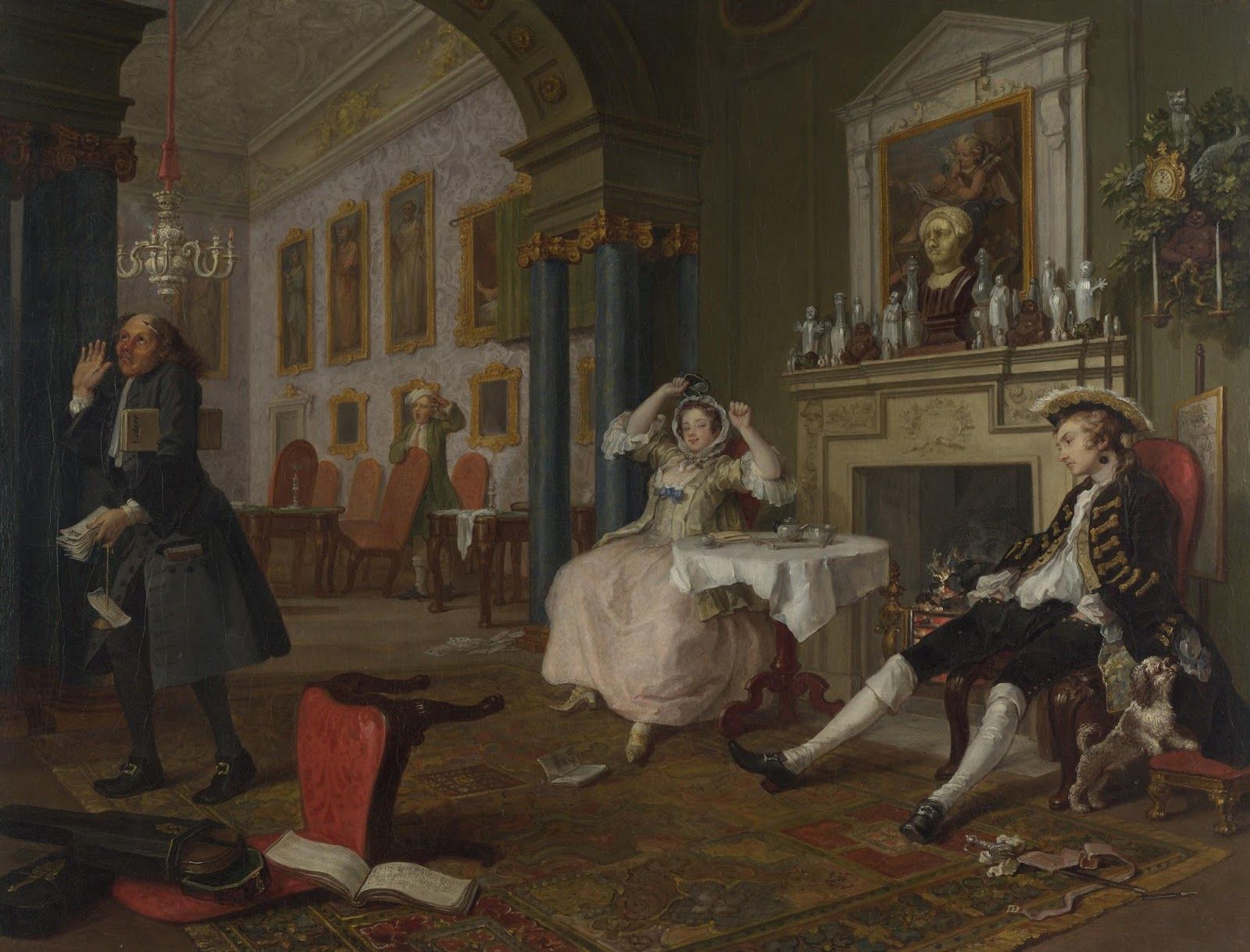
The story of a young Irishman trying to climb the ladder of British high society can't be too different from that of a pirate sailing through dangerous waters. However, although Barry Lyndon (1975) and Pirates of the Caribbean: On Stranger Tides (2011) take place in the 1750s, they are very dissimilar films.

While Pirates of the Caribbean is a fantasy adventure franchise chronicling the adventures of the endearing Jack Sparrow, the historic drama directed by Stanley Kubrick won four Academy Awards and is considered one of the greatest films ever made.

6
The Godfather: Part II & 1917

Image: Ernest Brooks, Public domain, via Wikimedia Commons

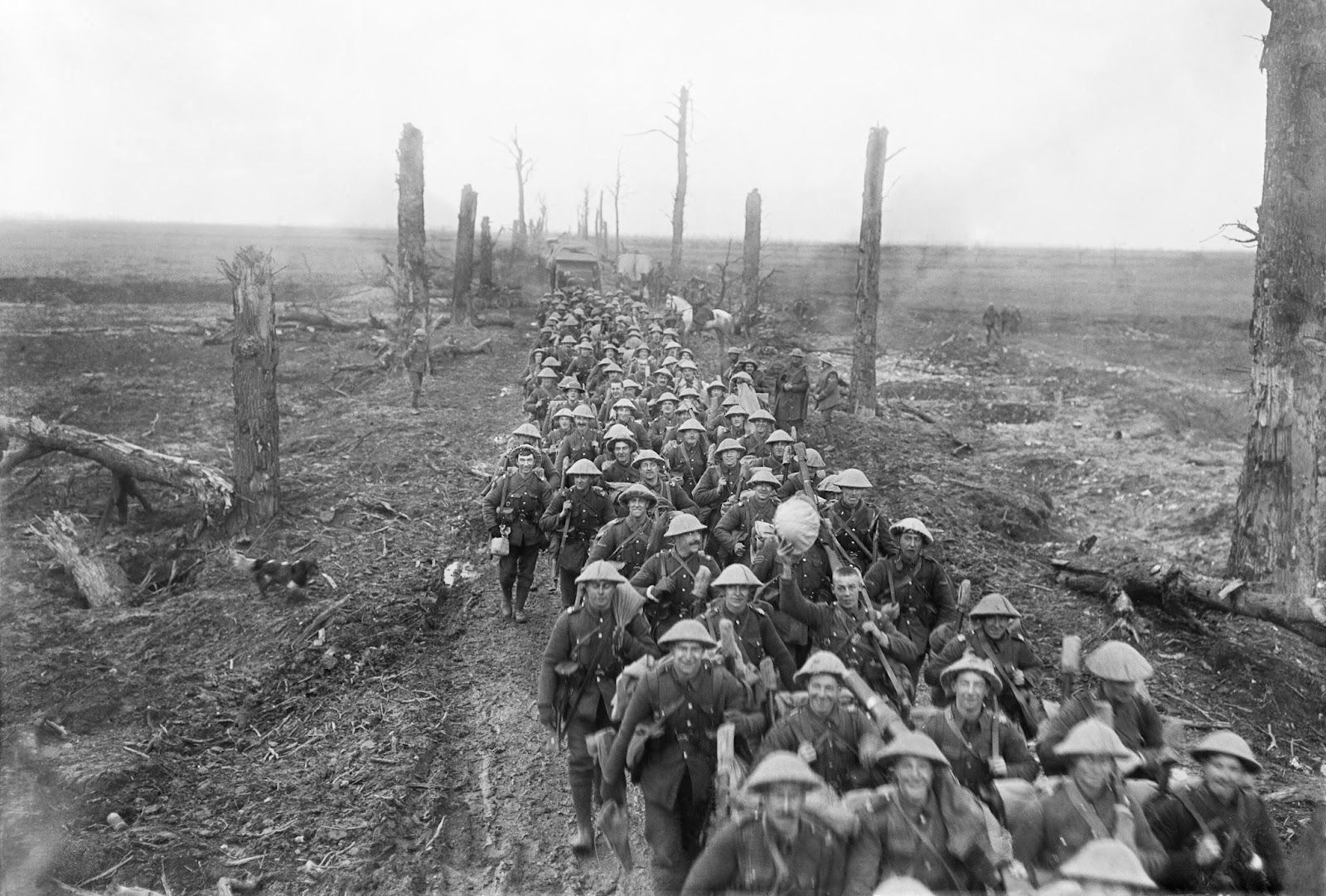
The year is 1917, and a young Vito Corleone takes his first steps in the criminal world in his native Sicily. Meanwhile, in northern France, a young British soldier is sent on a mission to save his brother.

1917 (2019) is inspired by the true story of World War I battles, and The Godfather: Part II (1974) is based on the fictional story written by Mario Puzo about a gangster family. Both films, however, portray the same period of European history, an era that had a huge impact on American society.

7
Jobs & 2001: A Space Odyssey

Image: Niketh Vellanki

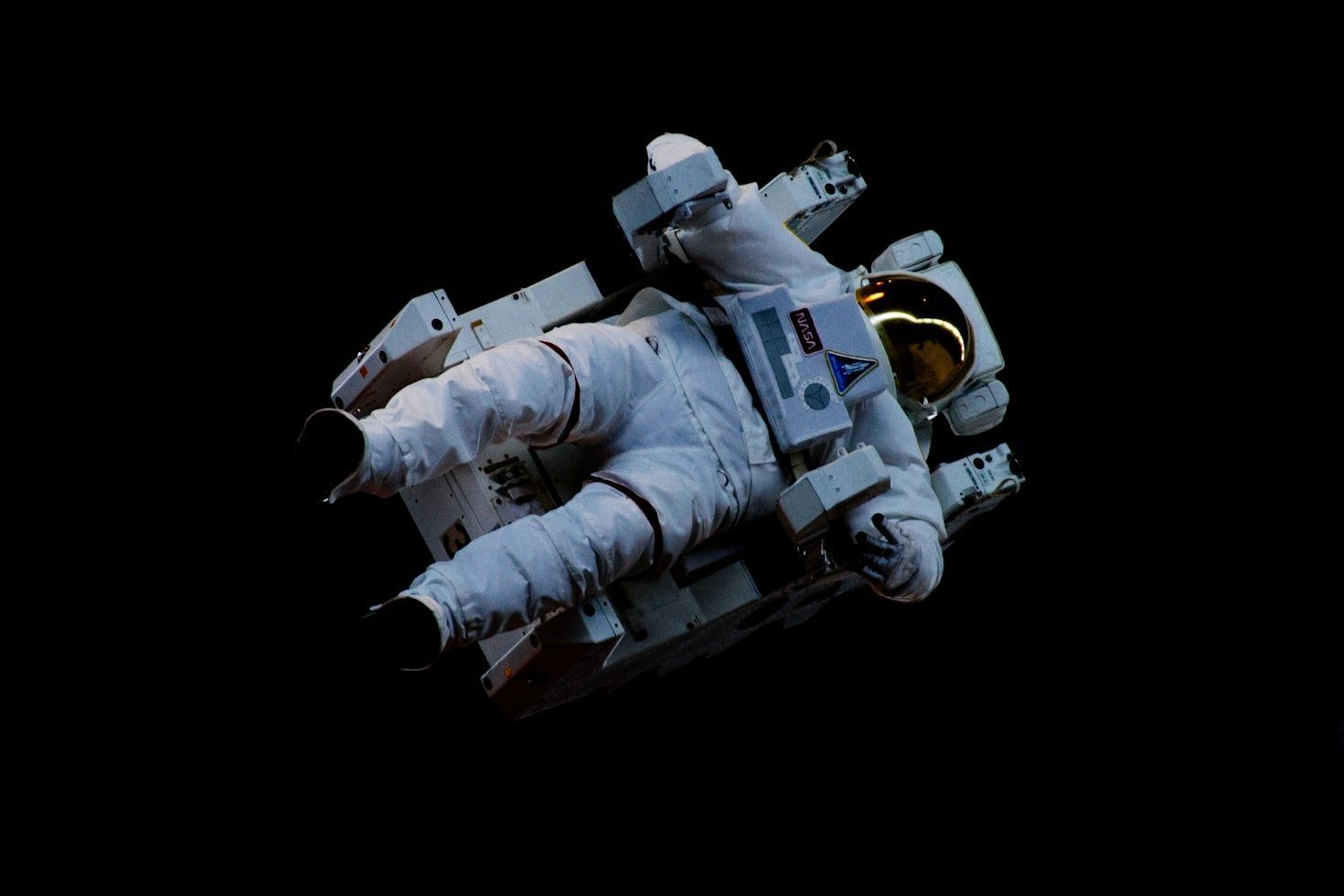
Surely, when Stanley Kubrick directed 2001: A Space Odyssey, he was envisioning a more advanced future. But the truth is that the real 2001 was marked, among other things, by the launch of Apple's iPod.

The film Jobs (2013) begins precisely with Steve Jobs' presentation of the device that would forever change the way we listen to music. Intergalactic travel as a common currency will have to wait a few more years. Yet, to be fair, HAL 9000 is pretty much like the artificial intelligences we have today —let's just hope they don't betray us!

8
The sound of music & Harlem Nights

Image: Sanja Lazic

While a young governess falls in love with Captain von Trapp with the Austrian Alps as a backdrop, on the other side of the Atlantic, a nightclub owner in Harlem must face powerful gangsters to stay in business.

Although they may seem like two incompatible plots, The Sound of Music (1965) and Harlem Nights (1989) both take place in 1938, when the United States was recovering from the Great Depression and Europe was at the dawn of the Second World War. Two opposite views of the world.

9
13 Going on 30 & The Wolf of Wall Street

Image: engin akyurt

One is an innocent romantic comedy full of '80s pop culture references, and the other is a dark, full of foul language and racy scenes, portrait of the years when yuppies and stockbrokers dominated the New York scene. Yet, both 13 Going on 30 (2004) and The Wolf of Wall Street (2013) take place in 1987. Have you ever thought about it?

10
Hairspray & The Shape of Water

Image: Larissa Megale

The interesting thing about these two films is that they not only take place in the same year—1962—, but also in the same ‘place’: Baltimore, Maryland.

Hairspray (1988), a cult comedy directed by John Waters, tells the story of young Tracy Turnbland's quest to be taken seriously in an audition for a popular show for young dancers. The Shape of Water , on the other hand, is a fantasy film that portrays the love story between a mute woman and a humanoid amphibian. Two very different plots that offer a glimpse of what life was like in America during the Cold War.

Explore more American facts

Choose your favorite category!

General
General

As American as apple pie—the very best America has to offer!

Culture
Culture

Delve into the astounding richness of American lore.

Geography
Geography

Hop in and explore vast and diverse American landscapes.

History
History

Discover the key moments that shaped the United States.