General General 5 min read

Will it rain?

Take a look at the strangest weather phenomena in the US
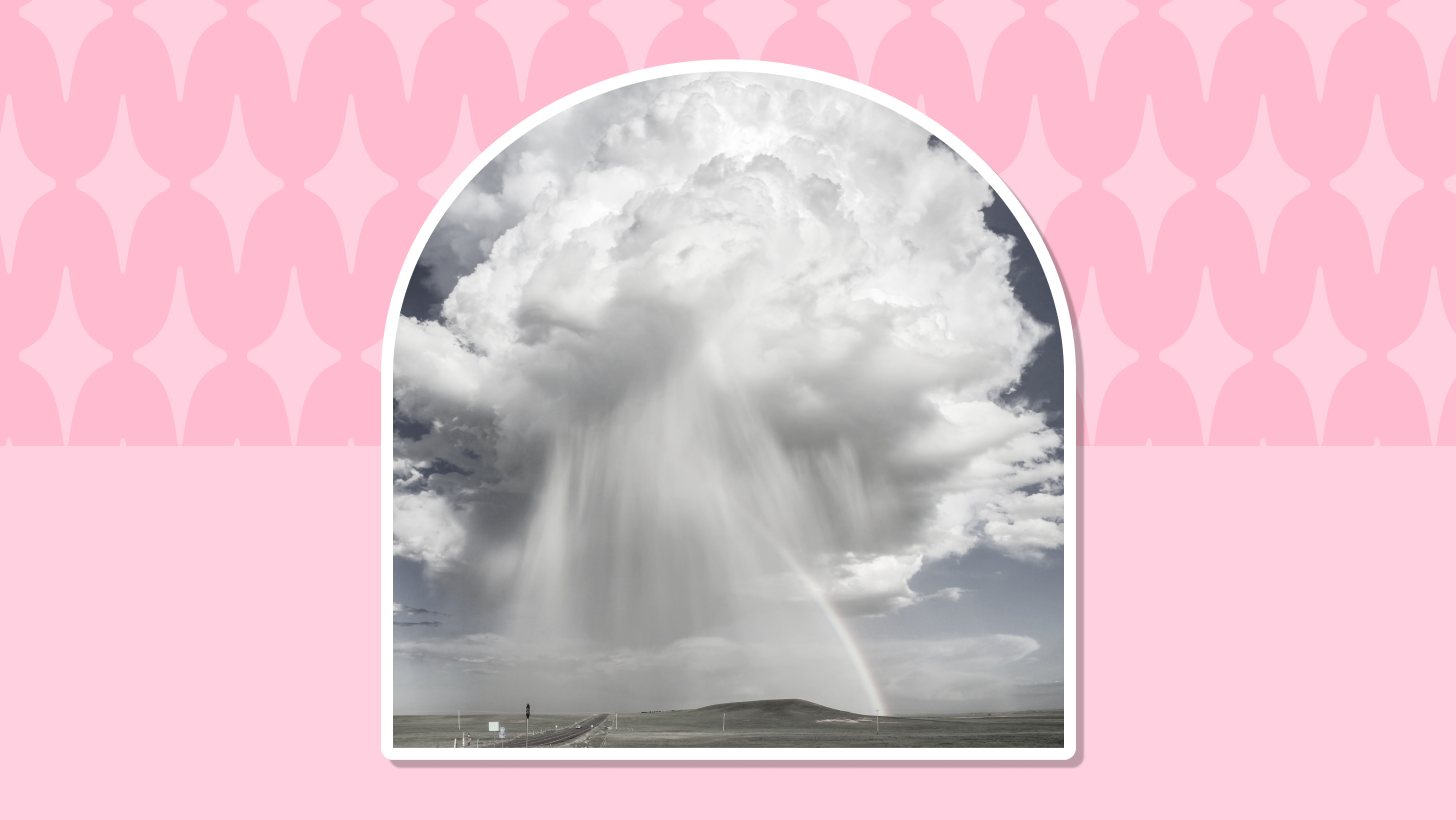
Image: NOAA

We are accustomed to being surprised by weather events—unexpected rains, colder days than anticipated, or sudden heat waves. But these everyday surprises have nothing to do with the kind of extreme weather phenomena listed here. From devastating fire tornadoes to benign incidents where distant objects appear closer due to atmospheric conditions, weather is one of the biggest forces of nature and it has made sure to let humankind know it more than once.

1
Fire tornado, California

Image: Zoltan Tasi

A tornado is bad enough, but imagine a fire tornado—you’re entering a whole new level of catastrophe. This is exactly what occurred in 2018 near Redding, California, during the infamous Carr Fire event.

Intense wildfires almost always produce fire devils, fire whirls, and occasionally stronger vortexes resembling the tornadoes associated with severe thunderstorms. Fire tornadoes typically range from 100 to 1,000 feet in diameter , with rotational velocities of up to 90 mph. However, the Redding fire tornado was fueled by winds reaching an astonishing 143 mph .

2
Freak March heat wave, Midwest region

Image: Nadiia Ploshchenko 🇺🇦

High temperatures can be expected in the Midwest region but never for such an extended period during the winter season as occurred from March 14 to March 22, 2012 . Over these eight days, some areas experienced average daily temperatures that were 40°F above normal. Remarkably, even the daily low temperatures in certain locations exceeded the record highs for those dates.

On March 21, the temperature reached 90°F in Lapeer, Michigan—a stark contrast to the subzero temperatures that have often occurred in these same locations at this time of year, when snowpack is typically at its deepest.

3
Two F5 tornadoes at the same place on the same day

Image: Greg Johnson

F5 tornadoes are exceedingly rare. Only a handful of tornadoes of this intensity have been documented outside of the United States. Since 1900, just 104 of these monsters have been recorded anywhere on Earth.

This rarity makes the event on April 3, 1974 , near the town of Tanner, Alabama , even more astounding. Located about 20 miles west of Huntsville, Tanner was struck by two F5 tornadoes within just 30 minutes of each other.

4
The Dust Bowl

Image: Samantha Sheppard

The Dust Bowl, one of the most devastating weather events in American history, has a shared responsibility between nature and human interaction . In the 1930s, poor land management practices and unsustainable farming methods led to prolonged drought and massive dust storms in the Great Plains.

This ecological disaster forced thousands of families to abandon their homes, triggering a mass migration to find better opportunities elsewhere. As the Great Depression intensified, drought and decades of overfarming dried out the topsoil, leading to a series of dust storms from 1933 to 1939 that carried the soil eastward.

5
The Galveston Hurricane

Image: NASA

In 1900 a category 4 hurricane struck the city of Galveston, Texas , with devastating force, claiming an estimated 8,000 lives and causing widespread destruction. This tragedy prompted the construction of a seawall and the implementation of hurricane preparedness measures that continue to shape coastal planning and response strategies that are still in place today.

6
A summer-less year

Image: Todd Diemer

The combination of a tepid spring with late snows and an exceptionally cold summer, featuring frosts in July and August made 1816 a year without a proper summer . On July 4th, the high temperature in Savannah, Georgia, was only 46°F. Finally, there was a drought during early fall that culminated in a killing frost well before the end of September.

The apparent cause of this unusually cold summer was the eruption of the Tambora Volcano, half a world away in Indonesia, in 1815. A tremendous cloud of fine ash and dust was ejected into the stratosphere, where it remained for an extended period, significantly reducing the sun's heat and light and causing a cooldown throughout the Northern Hemisphere.

7
The darkest day

Image: Ganapathy Kumar

On May 19th, 1780, an extremely dark overcast mixed with thick smoke from nearby forest fires made the day feel like night for the people of New England. The mysterious event was first reported at dawn over southwest Vermont, and it slowly traveled southeastward during the day. The last place to report this strange weather was Barnstable, Massachusetts, on Cape Cod, in the late afternoon.

In Boston, the atmosphere darkened noticeably after 9 a.m., to the point where reading newsprint outdoors became difficult. Many New Englanders believed that Judgment Day was at hand.

8
Animal rain

Image: Sanket Rajurkar

It should come as no surprise that the number of people who have heard of raining animals is much higher than the number of those who have actually experienced this phenomenon. After all, these types of rain are highly unusual.

The first documented instance of raining frogs was in Kansas City in 1873. In Texarkana, Texas, another strange form of precipitation occurred—this time in the form of fish falling from the sky. According to science, animal rain occurs when small aquatic animals like frogs, crabs, and small fish are swept up in waterspouts or drafts that occur on the surface of the earth. They are then rained down along with the rain.

9
Technicolor solar storm

Image: Luke Tanis

Unlike the northern lights, which usually appear as blue and green swirls in the sky, solar storms are so intense that they create a kaleidoscope of colors and can also be seen in regions where people have never witnessed them before.

In 2012, one of these events produced a stunning aurora over Crater Lake in Oregon. Scientists believed that two clouds of glowing particles were flung toward Earth by sunspots larger than our planet.

10
Super refraction

Image: Matthijs van Schuppen

Imagine waking up and being able to see much farther than you ever could before. That is exactly what happened in 2013 to the people of northern Ohio. They were stunned to find that they could see the Canadian shoreline, which is not at all possible under normal circumstances.

Locals were able to see Canada because of a rare natural phenomenon known as super refraction, where rays of light are bent downward toward the surface of the Earth. This bending occurs because of changes in air density. During this light-bending, distant objects that are usually hidden from view become visible, as they are reflected in the rays of light.
General General 4 min read

Which one are you?

Beatniks, hippies, yuppies, and beyond: 10 subcultures decoded

Image: Cottonbro Studio

Unlike generations, which can be easily grouped by years, social labels attached to groups of people with similar interests are not as rigid. Their boundaries blur into each other, and intersections appear. Aesthetic reasons, like music and clothing, bind some of these groups, philosophical reasons bring together others, and some, like hipsters, don’t even recognize themselves as such. Do you recognize yourself as a member of one of the following subcultures?

1
Bohemians

Image: Kinga Howard

Bohemianism, an original subculture that ended up lending its name as an adjective often used to describe other subcultures, is a social and cultural movement that embraces a way of life away from society's conventional norms and expectations . The term comes from the French bohème , and it was used to describe mid-19th-century non-traditional lifestyles, especially those of artists, writers, journalists, musicians, and actors.

Today, the term is used to describe anyone who shows disdain for money, dresses in hippie fashion (more on this later), and appreciates everything art-related.

2
Greasers

Image: Alberto Bigoni

Think John Travolta in _Grease_—yes, Grease . Think Biff Tannen in the 1950s segment of Back to the Future . Greasers emerged in the 1950s and early 1960s from predominantly working-class and lower-class teenagers and young adults in the United States and Canada.

An interest in cars, motorcycles, leather jackets, jeans, and rock music was the common theme among greasers. According to some sources, the subculture’s name was applied to its members partly because of their characteristic greased-back hair.

3
Beatniks

Image: Clem Onojeghuo

The first subculture on this list to adopt the adjective "bohemian," beatniks were a mid-20th-century social movement that embraced an anti-materialistic lifestyle, rejecting consumerism and expressing themselves through art, spirituality, drugs, and sexuality.

The term "beat" was first used by Jack Kerouac in 1948 to describe his group of friends and fellow writers, including Allen Ginsberg, William S. Burroughs, and Neal Cassady. Kerouac said that "beat" had multiple meanings, such as "beaten down," "beatific," "beat up," and "beat out." Beatniks are often stereotyped as wearing black clothing, and speaking in hip slang that incorporates words like "cool," "dig," "groovy," and "square."

4
Hippies

Image: Trevar Skillicorn-Chilver

One of the most famous countercultures of all time, hippies are deeply associated with the 1960s. The term "hippie" originally came from "hipster" (more on this later) and was used to describe the aforementioned Beatniks, who were "hip" to all things sophisticated and fashionable. In fact, early hippies adopted much of the language and values of the Beat Generation.

The festivals of Human Be-In (1967), Monterey (1967), and Woodstock (1969) popularized hippie culture, with its fashion and values influencing culture, popular music, television, film, literature, and the arts. Since the 1960s, mainstream society has assimilated many aspects of Hippie culture.

5
Mods

Image: Michael Schofield

The Mods were a group of stylish, London-based young men and women in the late 1950s, named for their preference for modern jazz. This subculture was known for its distinctive fashion, including tailor-made suits, as well as its love for music and scooters.

By the mid-1960s, their musical tastes had shifted toward rock and blues, with bands like The Who and Small Faces gaining popularity among Mods. Mod fashion was a defining element of the "Swinging London" era, and during this time, the subculture spread to other countries, becoming emblematic of the larger youth culture of the period.

6
Punks

Image: Viktor Forgacs

Another popular subculture, thanks in no small part to its striking visual component, is the punk movement, which encompasses music, fashion, ideologies, dance, film, and visual arts, among other forms of expression. Its strong anti-establishment views, stances on individual freedom, and DIY ethic make punks easy to identify.

Punk fashion includes T-shirts, leather jackets, boots, distinctive hairstyles such as brightly colored hair and spiked mohawks, as well as cosmetics, tattoos, jewelry, and even body modification.

7
Yuppies

Image: Nick Fewings

Anyone who has seen the movies Wall Street (the one with Charlie Sheen and Michael Douglas) or American Psycho knows what a yuppie is. The term stands for "young urban professional" and was coined in the early 1980s as a way to describe young professionals living in a city.

Those labeled as yuppies generally dislike the association, because this characterization often suggests a very materialistic approach to life in general and a cutthroat attitude towards the workplace environment.

8
Skaters

Image: Parker Gibbons

An offshoot of the punk subculture, skater culture rose to prominence in the 1980s when a massive drought in California left numerous empty pools, which skaters used to practice their sport. The rise of magazines like Thrasher and stars like Tony Hawk helped the movement transition from an underground scene to a mainstream sport.

Its aesthetics centered around the preferred type of clothes for skateboarding: baggy and sturdy pants, sneakers, and oversized shirts. Its music was shared by the punk and hardcore movements.

9
Straight Edge

Image: Evgeniy Smersh

Going deeper down the rabbit hole, we encounter the Straight Edge subculture, an offshoot of both skater and hardcore punk cultures. Its followers reject the excesses of the punk scene by abstaining from alcohol, tobacco, and recreational drugs . Many also refrain from casual sex, follow a vegetarian or vegan diet, and avoid caffeine or prescription drugs. The name "Straight Edge" was inspired by the 1981 song "Straight Edge" by the hardcore punk band Minor Threat.

Overall, Straight Edge culture promotes a lifestyle of self-discipline, health, and community, and it continues to evolve while maintaining its roots in the hardcore punk scene.

10
Hipsters

Image: John Fornander

The final entry on the list is dedicated to the most modern subculture in it: the hipsters. Mostly associated with perceived upper-middle-class white young adults who gentrify urban areas , hipster culture has been critiqued for lacking authenticity and focusing on consumption.

As mentioned earlier, members of this subculture typically do not self-identify as hipsters, as the term’s connotations are often unflattering. It is no coincidence that the term evokes the previously mentioned Beatniks, as that subculture can be seen as an early precursor to hipster culture.

History History 4 min read

"Speak easy when you order"

Did you know these facts about the Prohibition era?

Image: DayanaLiquorNerd / maja7777

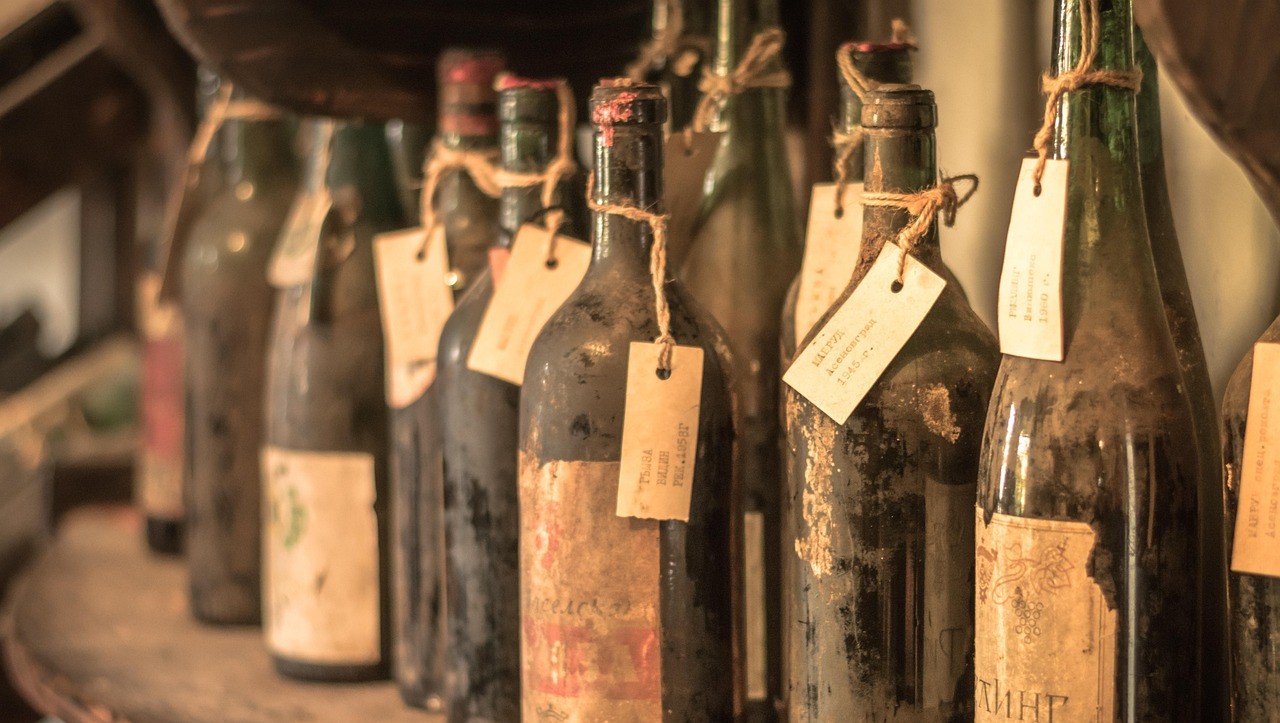
Endless myths and stories have permeated our culture about the era when alcoholic beverages were banned. Did pharmacists really get rich selling whiskey? Were all women in favour of Prohibition? In fact, were all rulers in favor of it, or did some publicly celebrate its ending? Let’s dive into some not-so-well-known facts about the Eighteenth Amendment .

1
The term "Speakeasy" came from a whispered instruction

Image: Shtefan Lounge

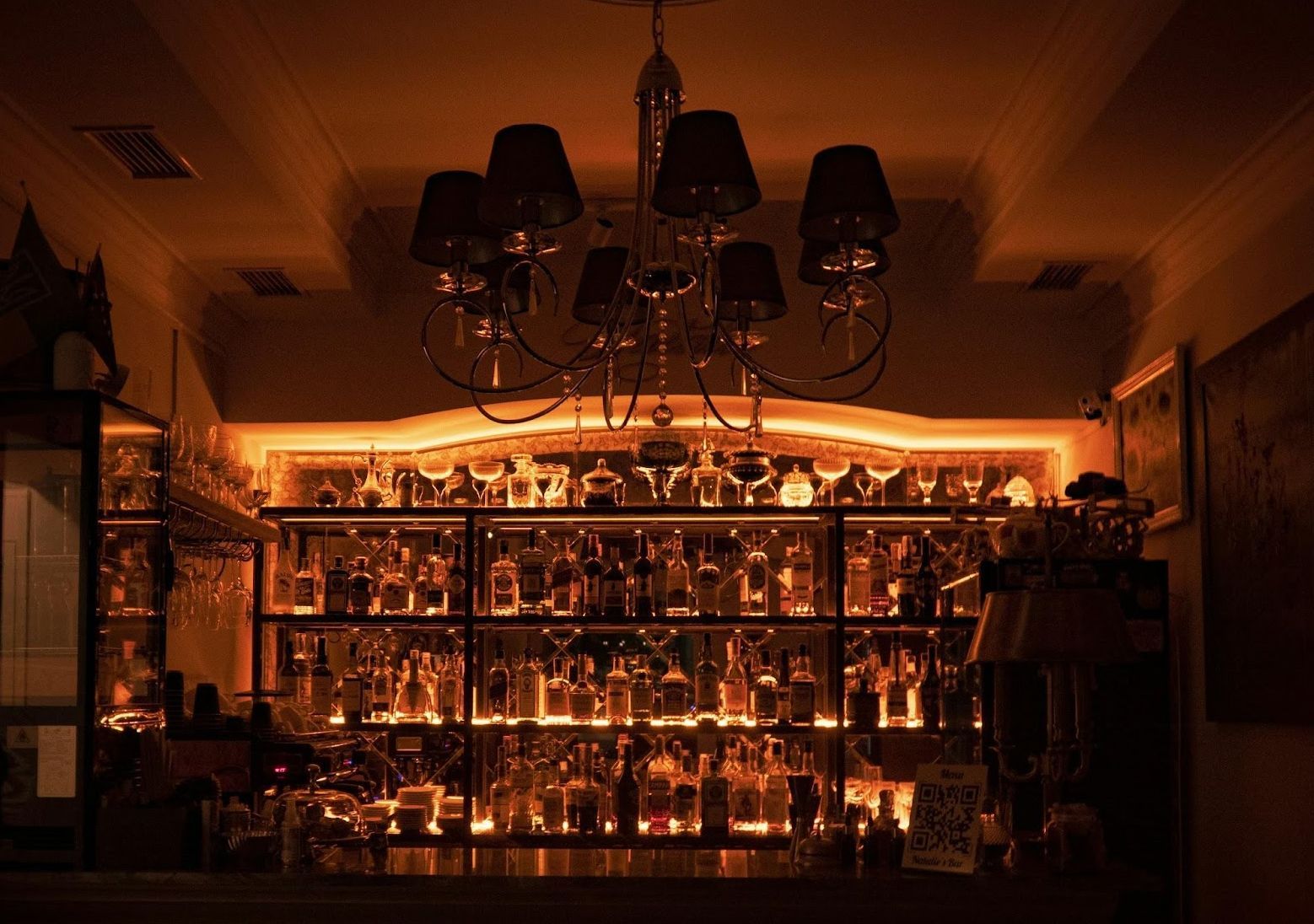
This expression, by now forever associated with the Prohibition Era, came from bartenders quietly warning patrons to "speak easy" when ordering illegal drinks.

It is believed that the phrase was already in use in 1800s saloons, but it took off during Prohibition. Hidden behind trapdoors or fake businesses, these secret bars required passwords or knocks to enter.

2
Prohibition sparked the rise of NASCAR

Image: Caleb Woods

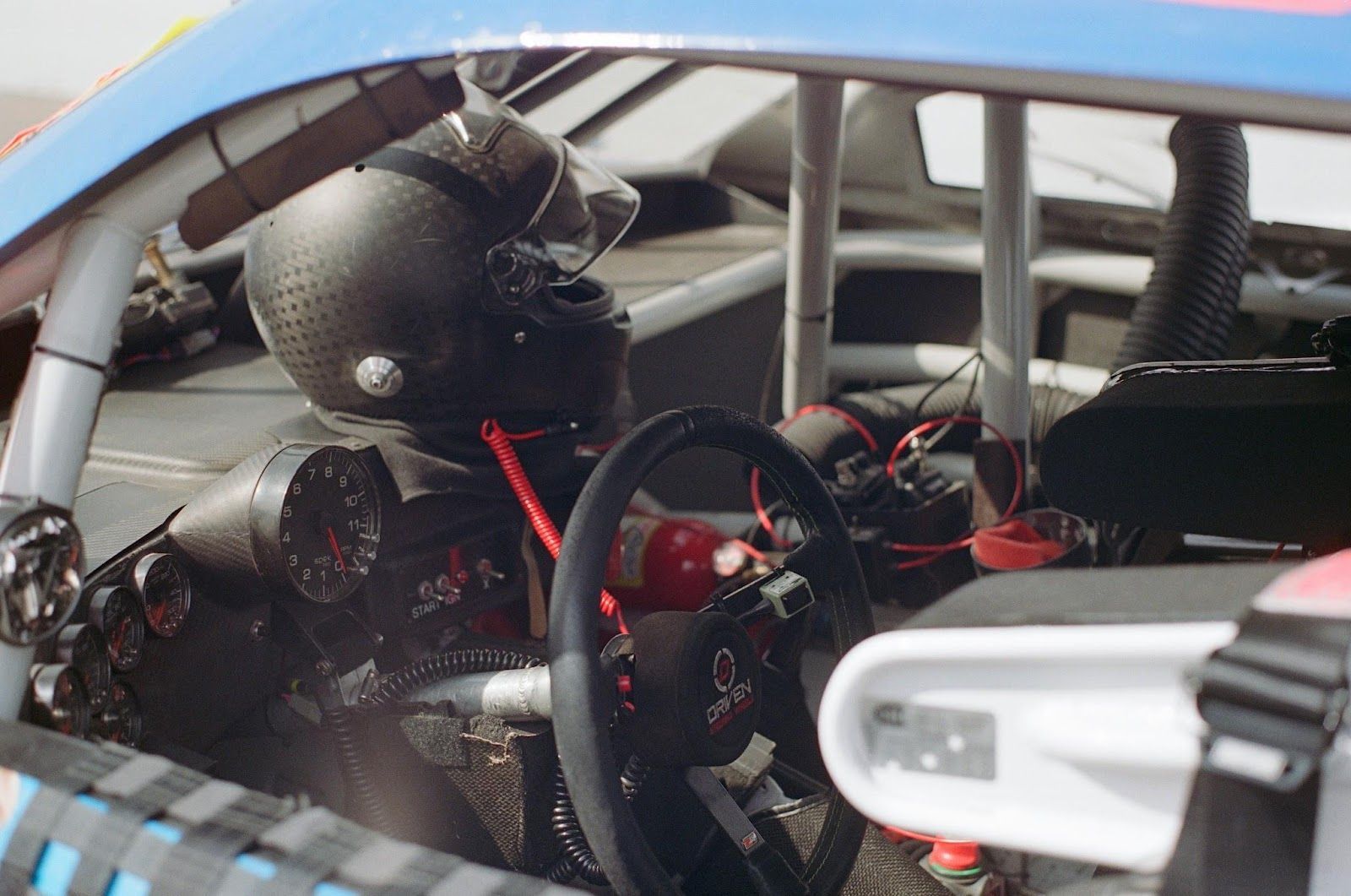
Southern moonshiners during Prohibition needed to move whiskey fast. To evade federal agents, they needed to modify cars for speed and for driving through uneven terrains under the cover of the night.

What do you do with that peculiar set of skills when the Prohibition ends, then? Many of these trained drivers began racing each other for fun , and eventually for prizes. These informal competitions laid the groundwork for stock car racing, and in 1948, NASCAR was officially founded.

3
Grape bricks were a legal alternative

Image: Keegan Houser

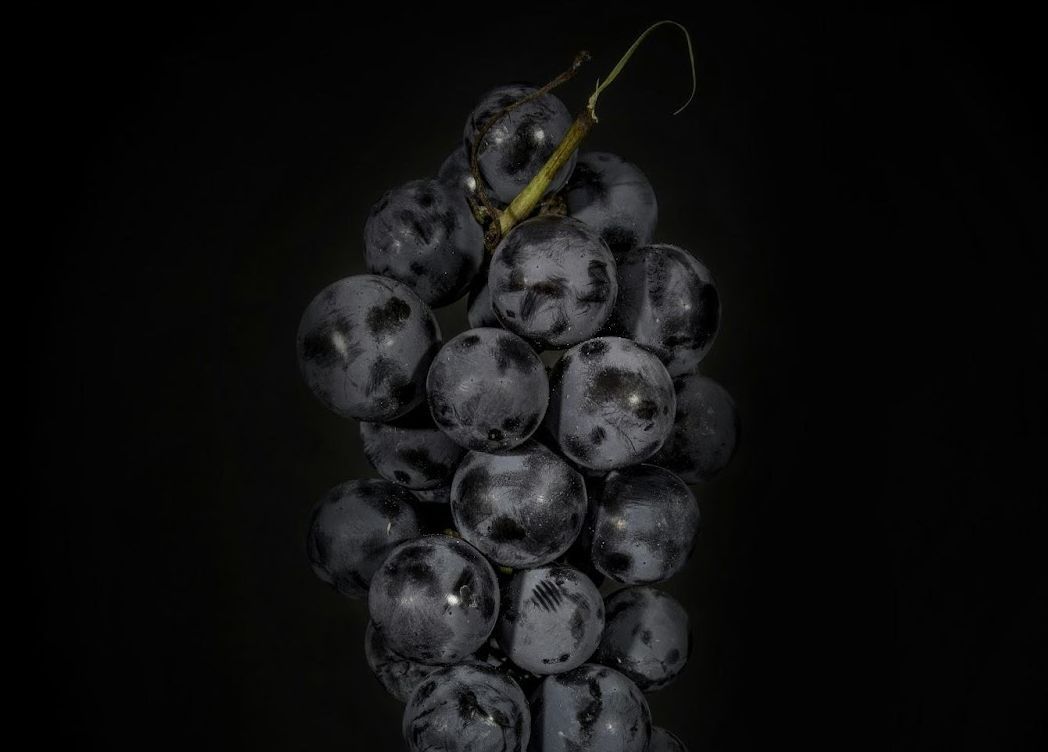
Though commercial winemaking was banned, winemakers adapted quickly by selling "grape concentrate bricks" legally.

They were dense blocks that came with a cheeky warning: "Do not dissolve in water , add yeast, and let sit for 21 days, or it may ferment into wine." Of course, that’s exactly what people did.

4
Al Capone opened a soup kitchen

Image: Drew Gilliam

During the Great Depression, mob boss Al Capone operated a soup kitchen in Chicago, serving thousands of unemployed individuals .

The sign outside read "Free Soup, Coffee & Doughnuts for the Unemployed." It was certainly a clever PR move that helped soften his infamous image, even as he profited from illegal booze and violence.

5
There was a "whiskey prescription" loophole

Image: Anastasia Zhenina

While Prohibition outlawed alcohol sales, there was one major exception: whiskey prescribed by a doctor. The government allowed the writing of prescriptions for " medicinal liquor ," so millions were written. Patients could pick up their booze at a local pharmacy, usually in a clearly labeled bottle: "For Medicinal Use Only."

6
"Mountain Dew" meant Moonshine

Image: Josh McLain

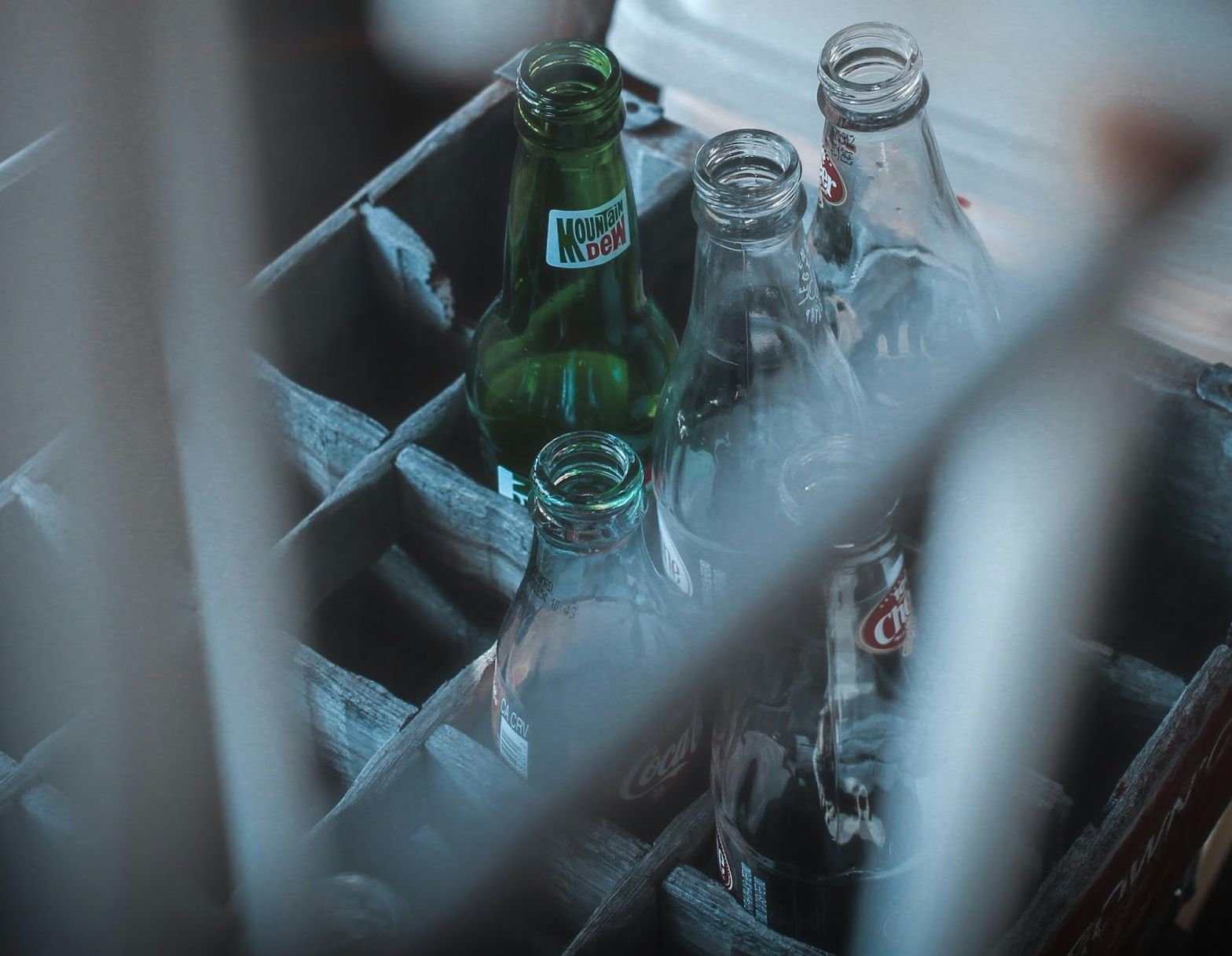
Long before it was a neon-green soda, "mountain dew" was slang for homemade whiskey . The term already appeared in folk songs of the Appalachian region back in the 19th century, and it became especially popular during Prohibition, as illegal distilling became widespread.

In the 1940s, the creators of the soft drink Mountain Dew originally formulated it as a mixer for whiskey. The name was a wink after the bootlegging culture it came from.

7
Women were on both sides of the front lines

Image: Agustina Tolosa

Fierce women activists led the temperance movement, yes. For example, Carrie Nation famously stormed saloons with a hatchet. But many women also thrived in the world of illegal liquor.

Some saw Prohibition as an opportunity and became successful bootleggers, smugglers, and speakeasy owners. One of the most famous was Gertrude "Cleo" Lythgoe, nicknamed "The Queen of the Bahamas," who smuggled high-end liquor from Nassau to the U.S. East Coast and built a fortune.

8
Toothpaste and hair tonics were alcoholic

Image: Chelms Varthoumlien

With liquor banned, some people turned to unlikely products to get drunk. Items like bay rum aftershave, vanilla extract, hair tonics, and even toothache drops were legally sold and packed with high-proof alcohol. Desperate drinkers downed them despite the awful taste and potential health risks.

In New York City alone, an estimated 150,000 gallons of bay rum were consumed for intoxication in a single year.

9
Bootlegging funded jazz and nightlife

Image: cottonbro studio

Prohibition did help launch a cultural revolution . Speakeasies became centers of nightlife and music, and in places like Harlem, they gave rise to the Harlem Renaissance. Jazz greats like Duke Ellington and Billie Holiday got their start playing in these clubs.

10
New York’s mayor toasted the end with a beer… on air

Image: Muhammed ÖÇAL

When the 21st Amendment officially ended Prohibition on December 5, 1933, New Yorkers celebrated with flair. So did their mayor. Fiorello La Guardia, a vocal critic of the alcohol ban , marked the occasion by cracking open a beer during a press conference and drinking it on live radio.

La Guardia had long argued that Prohibition bred crime and disrespect for the law, so this on-air symbolic gesture made sense and marked the beginning of instant change.

11
Some states didn’t ratify the end until the 21st century

Image: Chris Hardy

Though the 21st Amendment repealed Prohibition in 1933, some states and counties held out for decades . Mississippi didn’t officially end state Prohibition laws until 1966; that’s 33 years after the national repeal. Kansas, meanwhile, banned public bars until 1987.

Even today, Prohibition echoes remain. Several U.S. counties are still "dry," meaning alcohol sales are restricted or banned outright.

Explore more American facts

Choose your favorite category!

General
General

As American as apple pie—the very best America has to offer!

Culture
Culture

Delve into the astounding richness of American lore.

Geography
Geography

Hop in and explore vast and diverse American landscapes.

History
History

Discover the key moments that shaped the United States.