Culture Culture 5 min read

Awe-inspiring facts

The First Influencer: 10 times Eleanor Roosevelt was groundbreaking

Image: Yousuf Karsh, Public domain, via Wikimedia Commons

Eleanor Roosevelt led an exciting life and was a groundbreaking figure in many ways. She redefined the role of First Lady and went on to become the U.S. delegate to the newly created United Nations. Her lifetime achievements are almost too numerous to list, yet these 10 facts serve as a reminder of why she's still celebrated as one of America's most influential First Ladies and diplomats. Keep reading to learn more!

1
Early childhood
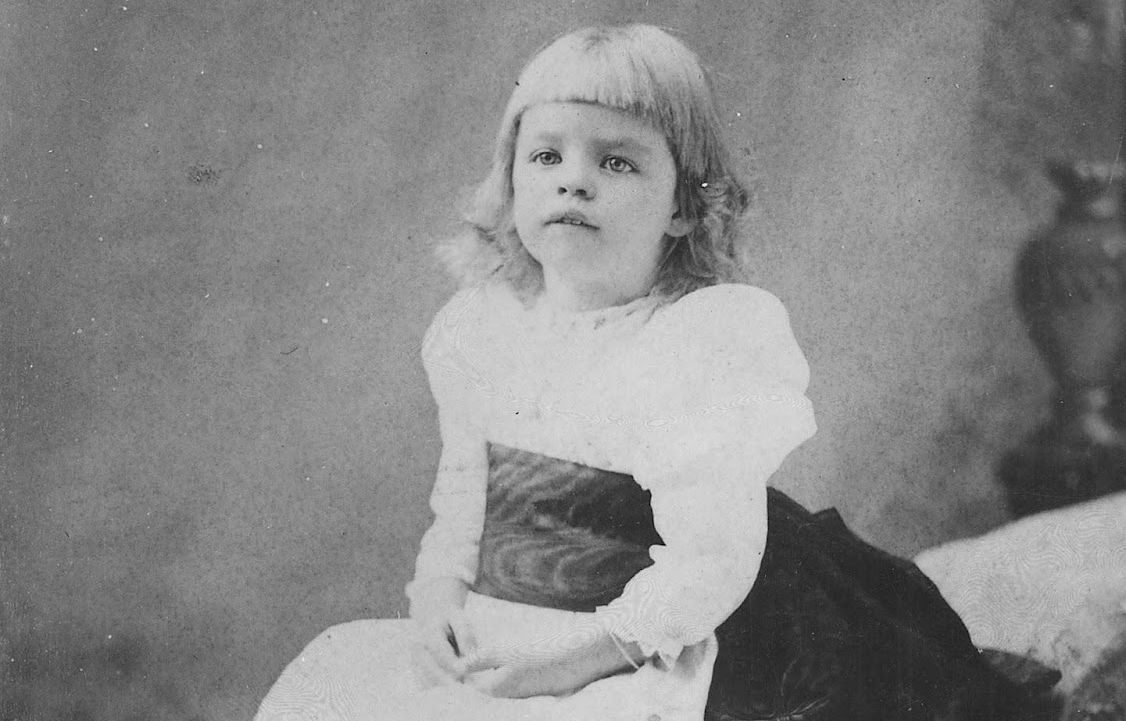
Image: National Archives and Records Administration, Public domain, via Wikimedia Commons

Despite being born into a prominent family, Eleanor Roosevelt’s childhood was not easy. She became an orphan when she was still very young. Her mother, Anna Hall, passed away in 1892, and her father died in 1894 from injuries sustained during a suicide attempt.

Following these tragic events, young Eleanor was left in the care of her maternal grandmother, Valentine Hall, before she was sent to a school for girls in England at the age of 15.

2
Family ties
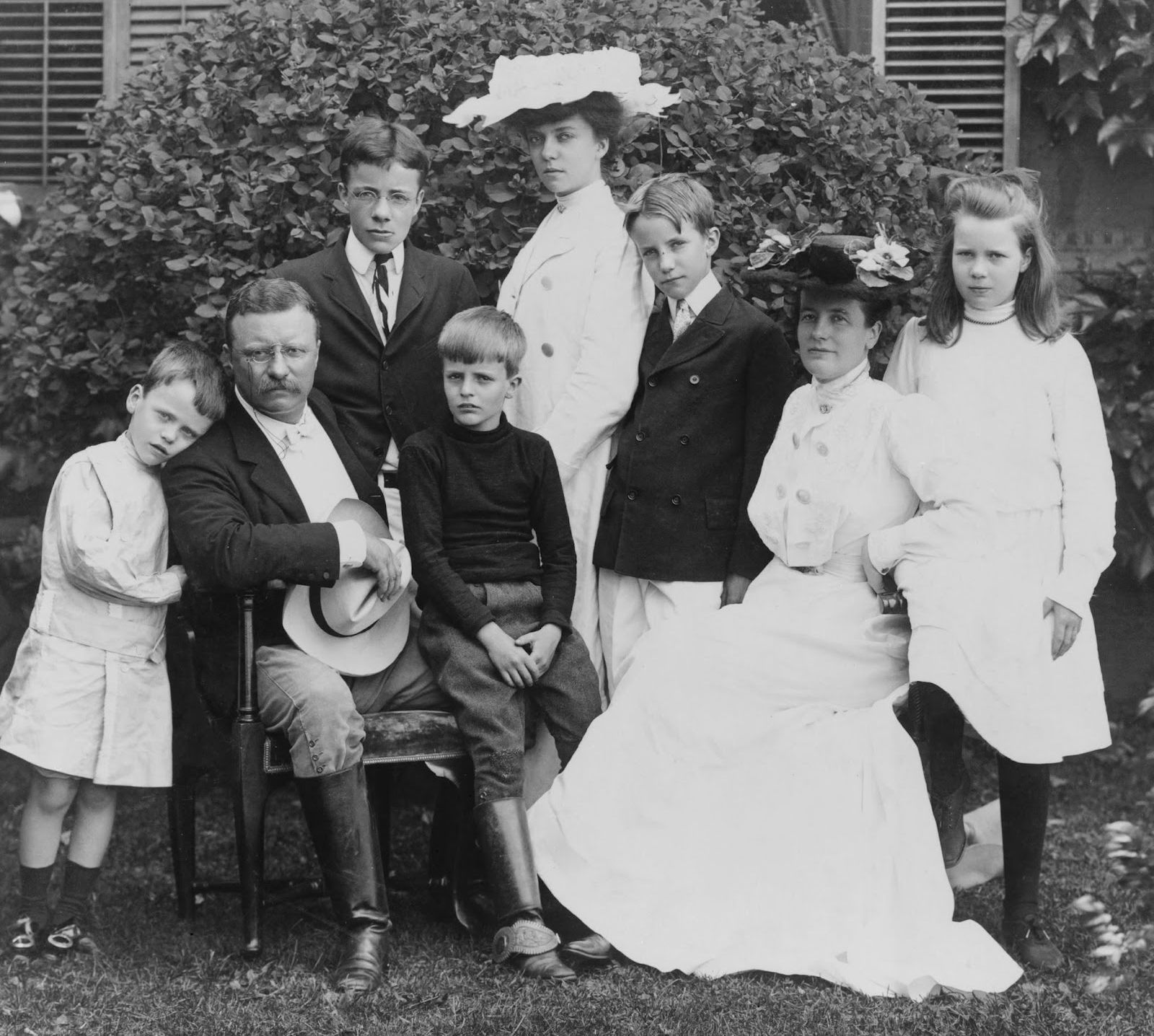
Image: Public domain, via Wikimedia Commons

Eleanor had presidential connections way before her marriage to FDR. Her father was Elliott Roosevelt, the younger brother of former President Theodore Roosevelt. Franklin D. Roosevelt, in turn, comes from a different branch of the Roosevelt family. The family was divided into two distinct clans, both based in New York, each with its own unique culture. Franklin belonged to the Hyde Park Roosevelts and was Theodore Roosevelt’s fifth cousin, while Eleanor was Theodore’s fifth cousin once removed .

Theodore was very fond of his niece and treated Eleanor like a daughter. In fact, in 1905, just a few months into his second term, the president gave her away at her wedding to Franklin D. Roosevelt. There’s nothing like keeping the name in the family!

3
American Red Cross volunteer
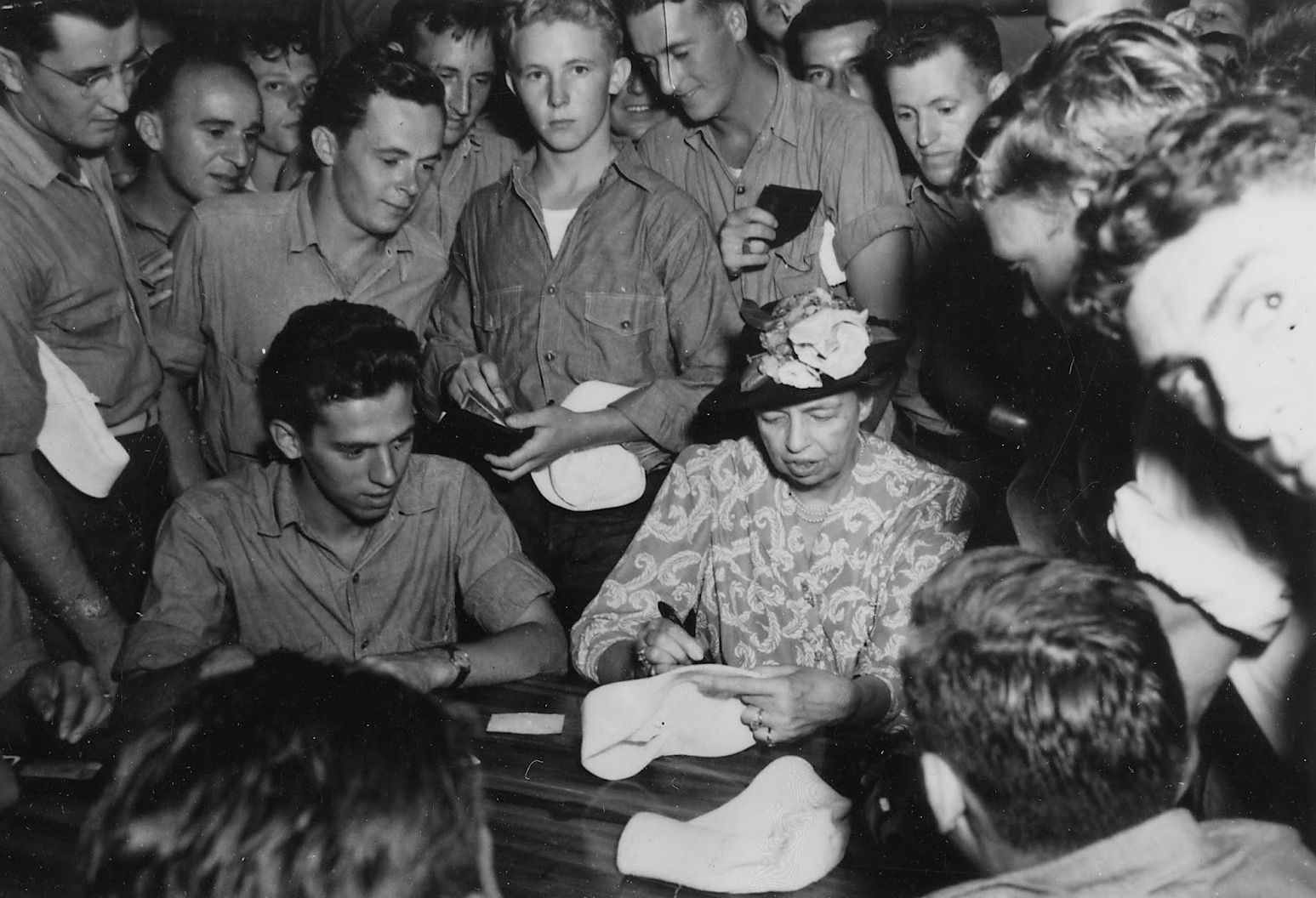
Image: National Archives and Records Administration, Public domain, via Wikimedia Commons

From a young age, Eleanor Roosevelt was actively involved in volunteer work. In 1917, when the United States entered World War I, women’s roles shifted dramatically. For Eleanor, this meant volunteering with the Red Cross and visiting wounded naval soldiers.

During her husband’s presidency, in the midst of World War II, Eleanor would inspire others to join the Red Cross and help raise funds to improve care and assistance for soldiers and their families. In August 1943, she even embarked on a month-long journey through the South Pacific to visit hospitals and infirmaries on military bases and ships.

4
An adventurous First Lady
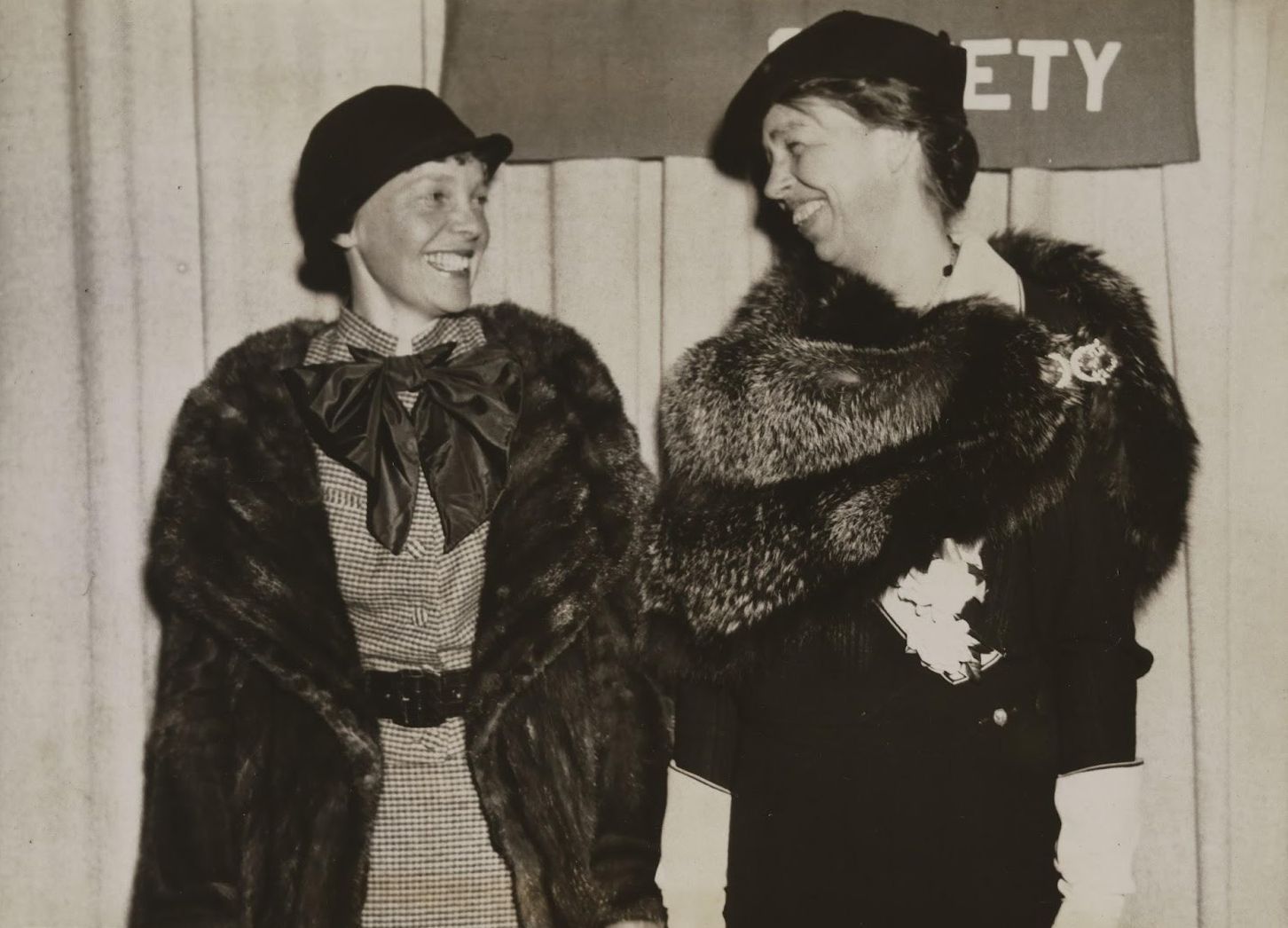
Image: National Portrait Gallery, CC0, via Wikimedia Commons

Despite being an introvert, Eleanor Roosevelt was an adventurer at heart. She liked to travel and throughout her life practiced different sports. What did Eleanor consider the happiest day of her life? The day she made the field hockey team at her private school!

During the 1930s, she became close to American aviator Amelia Earhart . The pilot took the First Lady on a flight from Washington, D.C., to Baltimore in 1933 and even inspired Eleanor to apply for her own pilot’s license. After Earhart vanished during her attempt to fly around the world, Roosevelt told reporters, "I am sure Amelia’s last words were ‘I have no regrets.’"

5
Women's advocate
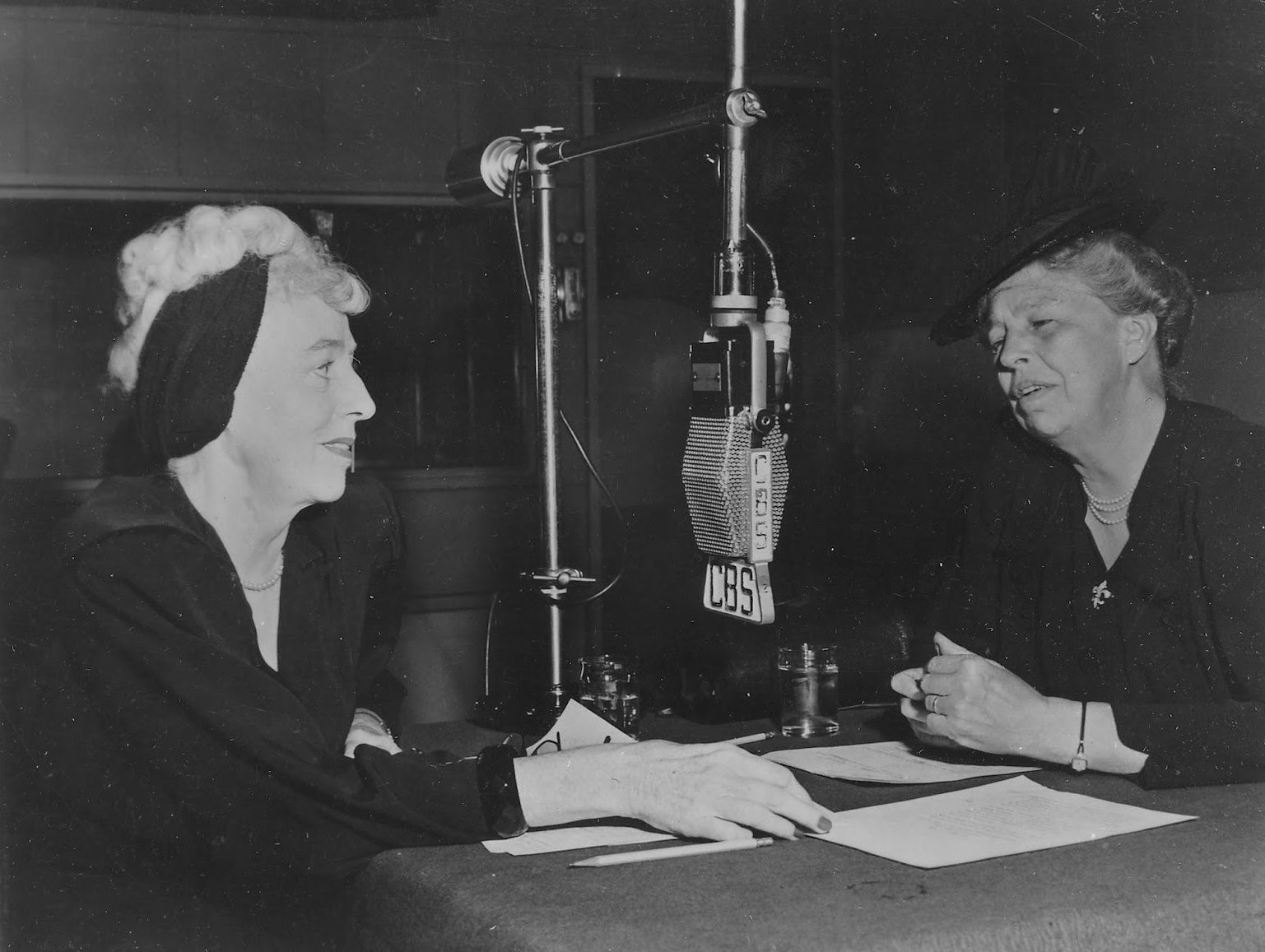
Image: National Archives and Records Administration, Public domain, via Wikimedia Commons

When Franklin D. Roosevelt was elected President of the United States, Eleanor redefined the role of the First Lady. Unlike her predecessors, she led a very active political life, participating in a multitude of events advocating for women's rights.

For example, before FDR’s presidency, female journalists were often excluded from media events at the White House. Eleanor helped reverse this injustice by hosting a series of women-only press conferences . This courageous and revolutionary act eventually pressured newspapers to hire more female reporters and helped Eleanor win over female voters on behalf of her husband.

6
Newspaper columnist
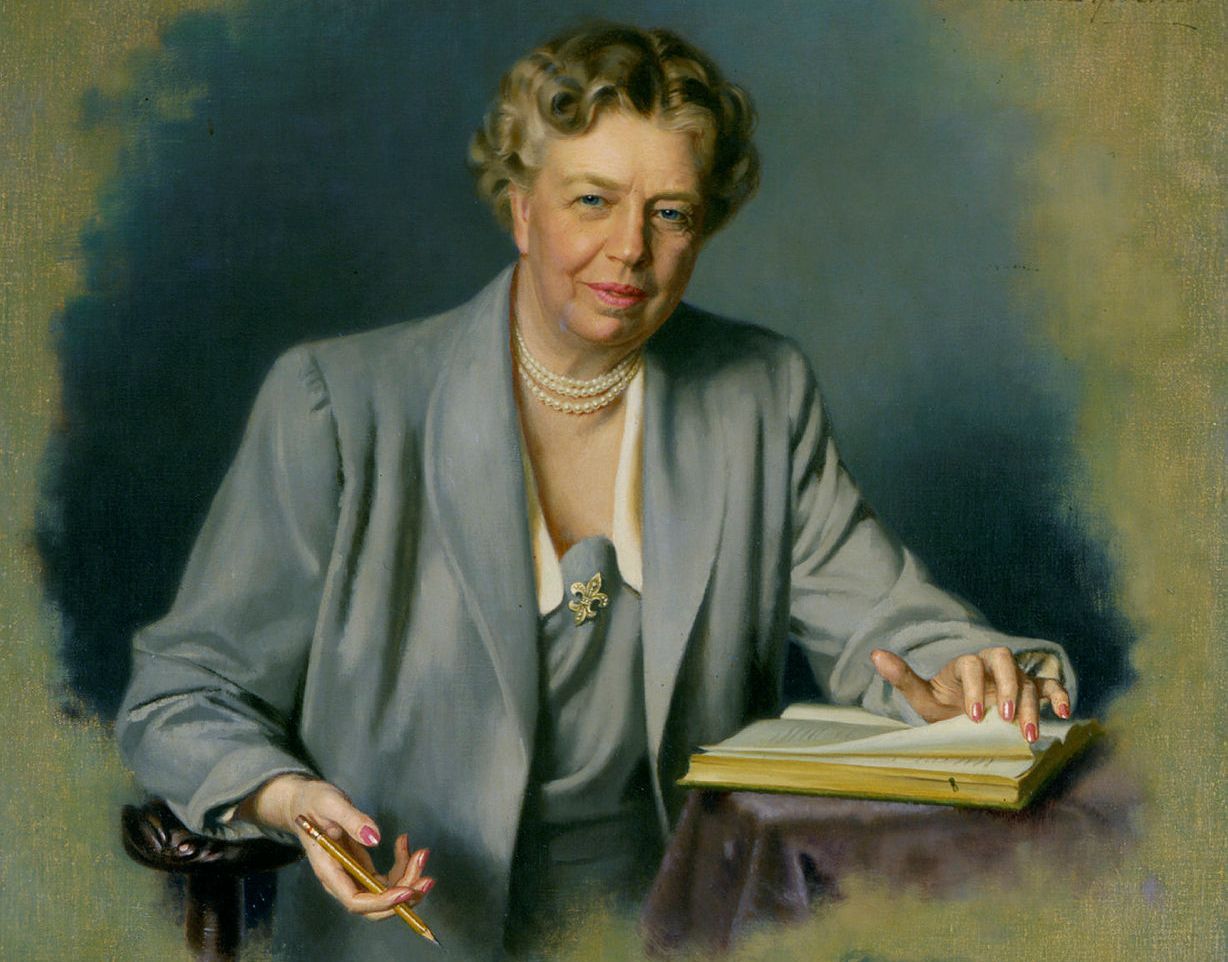
Image: Douglas Chandor, Public domain, via Wikimedia Commons

Did you know Eleanor Roosevelt wrote a syndicated newspaper column for 27 years? From 1935 until her death in 1962, Roosevelt penned six articles a week about her political views and personal life.

Simply titled "My Day," the column featured her thoughts on hot topics such as prohibition, Pearl Harbor, and Joseph McCarthy’s communist witch hunt. In all that time, Eleanor missed only a single week's worth of deadlines after her husband died in 1945.

7
Civil rights activist
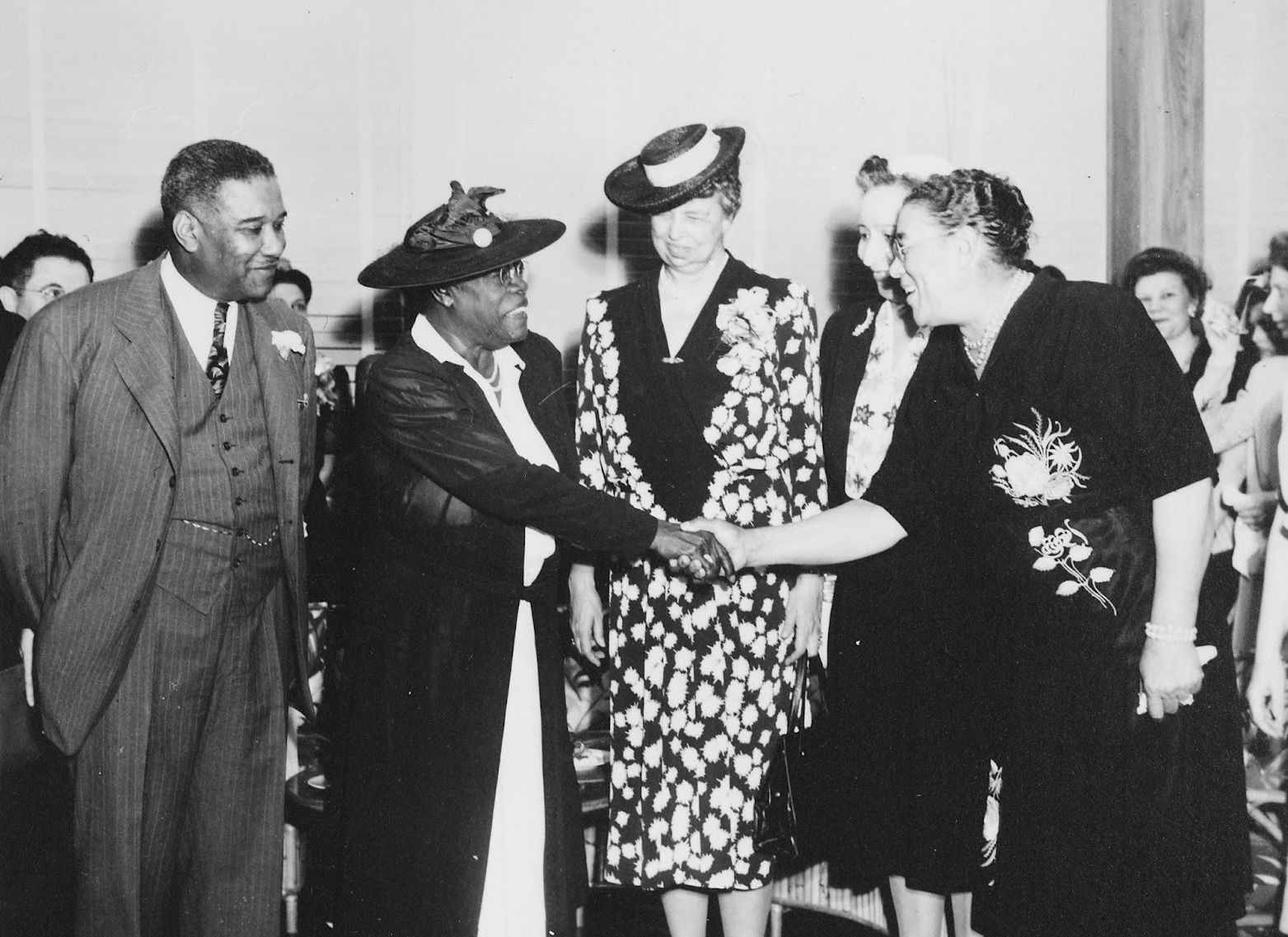
Image: National Archives at College Park, Public domain, via Wikimedia Commons

Eleanor Roosevelt was notably more progressive on civil rights than her husband. During the era of segregation, the First Lady became a crucial ally to the African-American community .

For example, she regularly invited African-American guests to the White House, breaking established protocols. In 1938, she even attended the inaugural meeting of the Southern Conference for Human Welfare in Birmingham, Alabama. On that occasion, after learning that segregationist policies prohibited white and African-Americans from sitting together at public functions, Eleanor protested. "They were afraid to arrest her," one witness recalled.

8
J. Edgar Hoover's public enemy
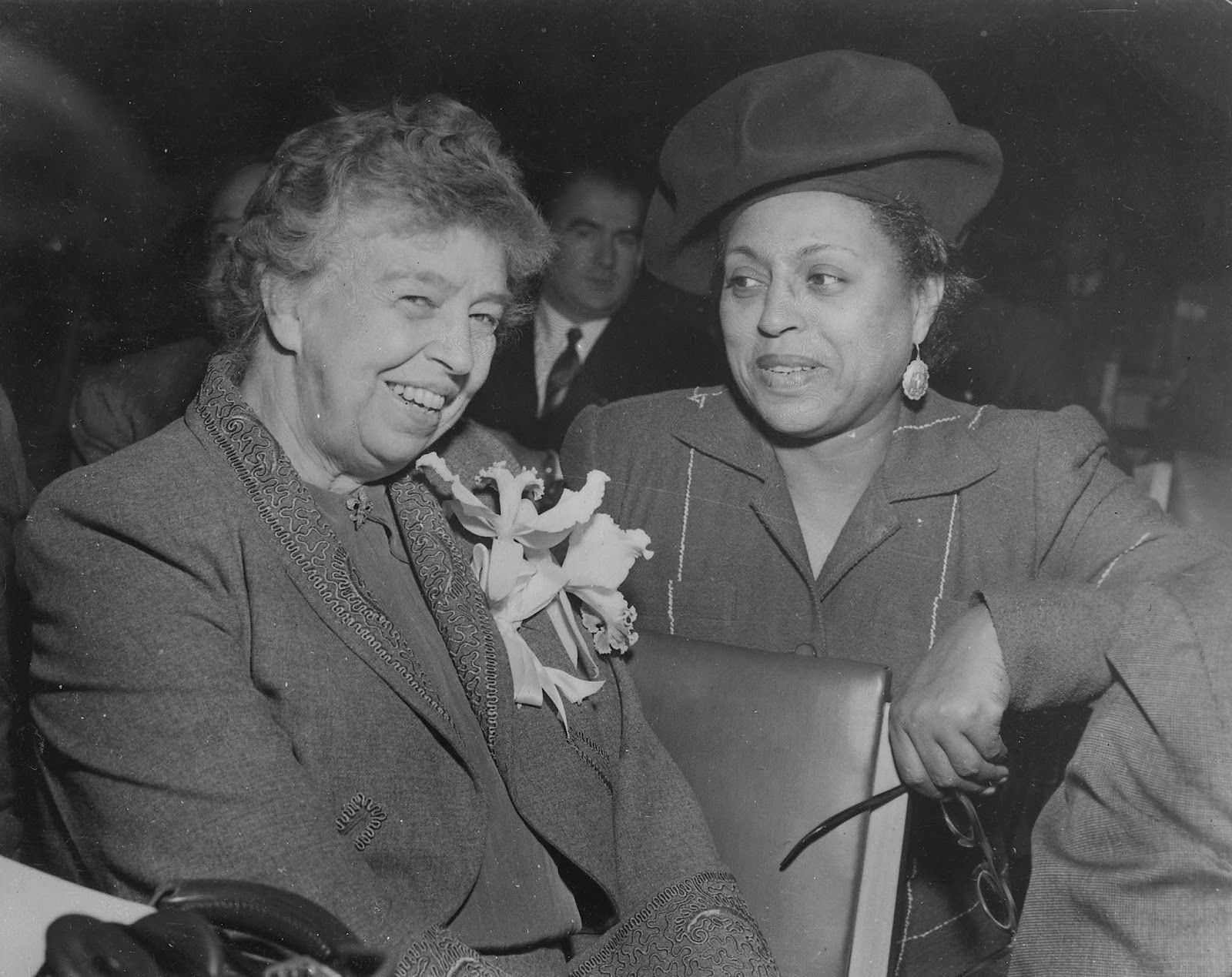
Image: National Archives and Records Administration, Public domain, via Wikimedia Commons

Because of her support for civil liberties and promotion of social programs, Eleanor Roosevelt was labeled a communist by the most conservative wing of American society. She was especially unpopular with J. Edgar Hoover’s FBI, which viewed her as a threat to the status quo.

In fact, the First Lady was the subject of one of the largest single FBI files, totaling around 3,000 pages . She publicly criticized Hoover’s abusive tactics, calling them "Gestapo-ish."

9
The first influencer
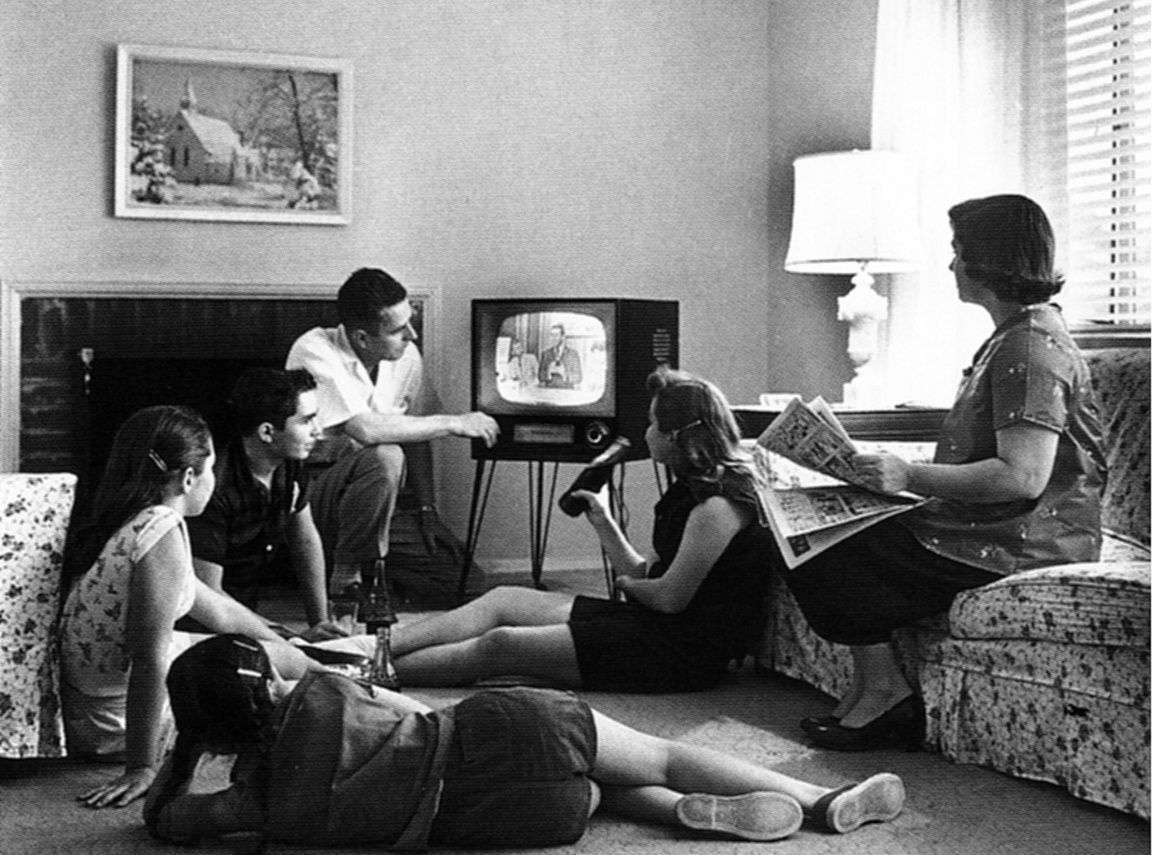
Image: Evert F. Baumgardner, Public domain, via Wikimedia Commons

In 1959, Eleanor Roosevelt made a surprising appearance in a TV commercial that helped popularize margarine as a preferred spread in America.

Her endorsement of the product not only had a significant impact on consumer choices but also earned her a substantial income of $35,000. As evidence of her commitment to social causes, Eleanor used the earnings to purchase 6,000 care packages for families in need , providing critical support and assistance.

10
Universal Declaration of Human Rights
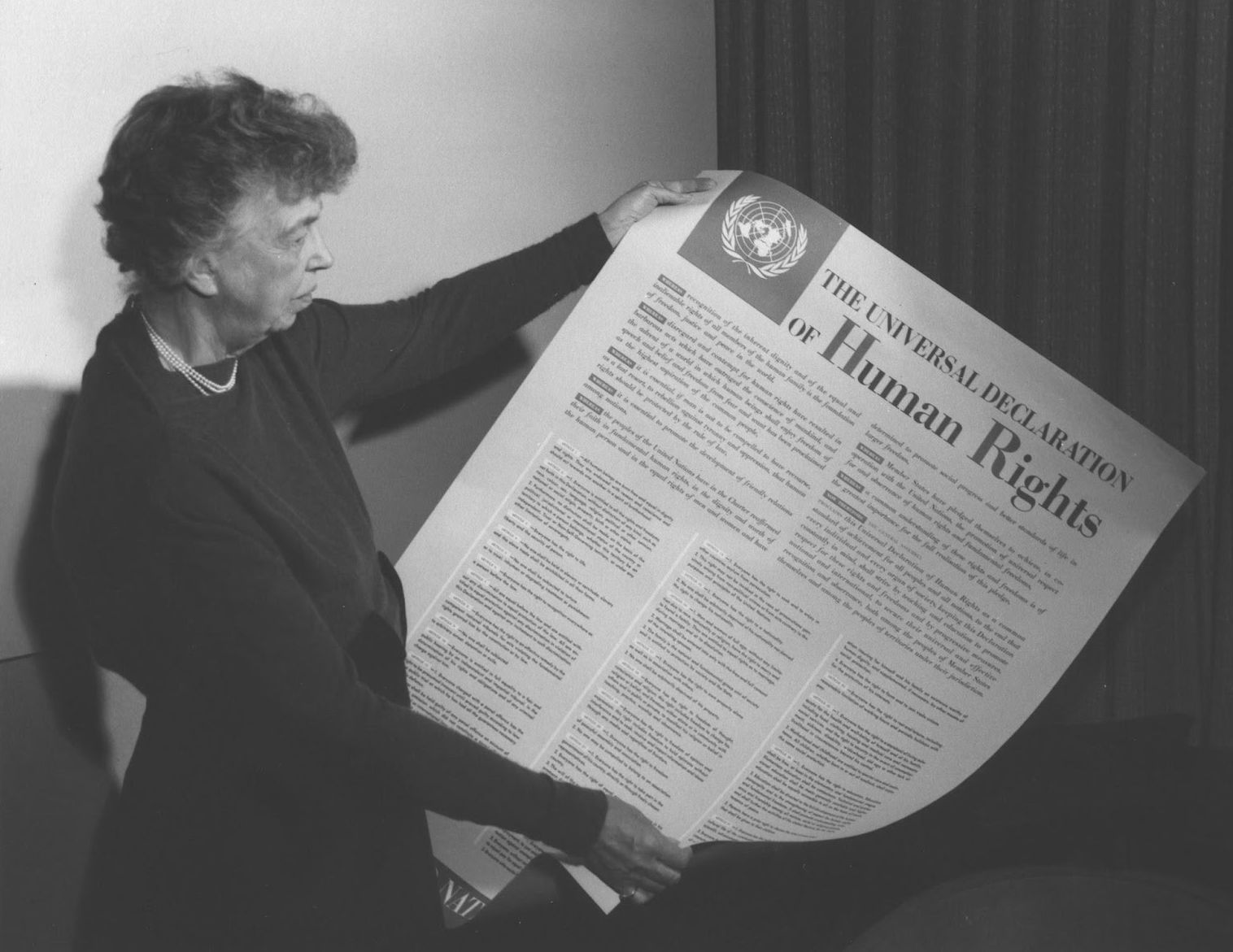
Image: Franklin D. Roosevelt Presidential Library and Museum, Public domain, via Wikimedia Commons

In 1946, President Harry S Truman appointed Eleanor Roosevelt as the U.S. representative to the United Nations Human Rights Council. In this influential role, she played a key part in shaping the Universal Declaration of Human Rights.

Along with 50 other members, Eleanor worked tirelessly to establish a comprehensive framework that protected and upheld the fundamental rights and dignity of individuals worldwide. Her dedication to this important endeavor marked a significant milestone in the advancement of human rights on a global scale. The Universal Declaration of Human Rights remains, without a doubt, one of Eleanor Roosevelt’s greatest legacies.
Geography Geography 3 min read

Would you stay here?

10 unbelievable spots where people could spend the night

Image: Shamblen Studios

America hides some extraordinary places to rest your head. What’s the strangest, most unusual spot you can imagine spending the night in? Someone has probably already opened a bed-and-breakfast there . As much as we might love traditional hotels, you can find some pretty comfortable spots in the strangest of places—like an old-timey wagon or the country’s last remaining Blockbuster. Let’s talk about them!

1
The Last Blockbuster in Bend, Oregon

Image: Delaney Van

The last Blockbuster video-rental store in the world stands in Bend, Oregon—did you know? And for a limited time, at the end of 2020, it allowed guests to spend the night there, explore their vast collection, and host a movie marathon.

Sadly, the venue doesn’t operate as a bed-and-breakfast currently. But it gladly welcomes guests, and who knows? The family-owned store might be open to hosting more unforgettable stays in the future.

2
Hobbit House in Orondo, Washington

Image: Joshua Harris

Whether you are a Tolkien fan or not, surely you’ve wondered what it would be like to curl up on a comfy couch inside a Hobbit House! These underground cottages with round doors and grass roofs feel straight out of Middle-earth.

One of the fans' favorites is The Hobbit House in Orondo, Washington. You might easily miss it, carved into a hill overlooking the Columbia River Gorge—a cozy, off-the-grid spot that transports guests to another world.

3
Treehouse Point in Issaquah, Washington

Image: Ashley Endemano

Childhood dreams come alive in these handcrafted treehouses nestled among Pacific Northwest evergreens. Some feature rope bridges between platforms, while others boast skylights for stargazing from bed.

The creator, inspired by childhood forts, designed these as peaceful escapes where you can sleep high up, surrounded by green canopies. Not far away are the thunderous Snoqualmie Falls and the endless Cascade Mountain trails.

4
Fire lookout towers in National Forests

Image: Jamie Pilgrim

In today’s world, you can’t blame solitude seekers. Some people crave a digital detox, so they head to lookout fire cabins like Oak Flat Lookout, over the Kern River in California.

Once vital for spotting wildfires, many of these cabins were nearly demolished before preservationists intervened. Sure, the lack of amenities is part of the charm, but epic sunrises are the reward.

5
Newport's Jailhouse Inn

Image: Syarafina Yusof

Why not turn a historic jail into a hotel? Newport’s Jailhouse, built in 1772, is a beautiful federal-style building located near the city center of Newport, Rhode Island.

Now, it’s been reconditioned to become an inn: You can spend the night behind bars—with luxury linens—in its creatively converted cells, where original cell doors now frame plush beds.

6
Covered Wagon Glamping in Westgate River Ranch, Florida

Image: James Lee

Imagine spending a few nights inside an Oregon Trail wagon—except you’d be in Florida, armed with the comforts of a king bed and air conditioning. These tricked-out wagons are the main attraction at Florida's Westgate River Ranch, pioneers in blending Old West nostalgia with today’s glamping movement.

7
Converted Grain Silos in Green Ridge, Missouri

Image: Meredith Petrick

If you were to open a door to the inside of the silos at Prairie Vale in Green Ridge, Missouri, you would walk into perfectly functional (though unusually cylindrical) guest rooms.

These grain silos, situated on a former dairy farm, have been repurposed and transformed into comfortable living spaces. The property spans 14 acres and is home to various animals that guests can visit and feed.

8
Michigan's Big Bay Point

Image: Vladyslav Dukhin

A lighthouse bed-and-breakfast near the cliffs of Lake Superior? You can sleep where keepers once stood watch in coastal lighthouses like Michigan's Big Bay Point, where spiral stairs lead to lantern rooms with sweeping views.

They want you to fully enjoy your stay surrounded by nature, so there are no phones or TVs inside the guest rooms.

9
"Up" house in Abiquiu, New Mexico

Image: Ankush Minda

All those who watched Disney-Pixar's 2009 animated film Up will no doubt remember the image of the house being lifted into the air by hundreds of colorful balloons. That’s not exactly what’s happening at the Abiquiu house, but it’s similar.

This venue, which was available as a unique Airbnb experience temporarily, mirrored the film's architecture and interior decor in stunning detail, and yes, it was adorned with over 8,000 balloons. But it was a crane that lifted the house off the ground to create the effect.

10
Retro-Americana: the sleep-in Red Caboose in Ronks

Image: Rachel Claire

Retro road trip vibes shine at spots like the Red Caboose Motel, located in the community of Ronks, Pennsylvania. It offers a line of colorful train cars as suites. Comfortable bedrooms, dining, and storage areas were built inside recycled train cars, becoming a main attraction in the area.

General General 5 min read

HAUNTED CELEBRATION

Unmasking Halloween: the origins behind our spookiest traditions!

Image: Łukasz Nieścioruk

It’s that time of the year when all things spooky reunite to provide everyone with a fair dose of fun and jump-scares. Halloween in the U.S. is full of quirky traditions—from trick-or-treating to carving pumpkins and stuffing ourselves with candy. Above all, it’s a magical time of the year. But do you know where these traditions come from? Why do we use black and orange? Or why do children dress up? Join us as we go through 10 Halloween traditions and their origins. Are you ready?

1
Choose a villain

Image: Paige Cody

If reason were to govern our thoughts on the matter, no one could deny that seeing people of all ages dressed up as their favorite villains is a weird thing. We’ll discuss the treating part later, but let’s get into the costumes first.

This tradition has deep roots, and it goes all the way back to the Middle Ages and the ancient festival of Samhain. Now what was the purpose of the costumes? People used to believe that spirits roamed the earth on this particular night so, dressing up in costumes was the way to ward off these phantoms. Quite original, don’t you think?

2
Apple bobbing

Image: Nathan Dumlao

Among the spooky traditions, there is also one that relates to romance and love: bobbing for apples, and we’ve got Great Britain to thank for it.

In this game, an apple represented a potential husband, and, faith for young women who wished to marry was settled by how many attempts it took her to retrieve an apple. One bite meant jolly matrimony. Two bites, a not-so-long-lasting courtship. And three… Well, that relationship was doomed altogether.

Samhain was celebrated at the end of the harvest, and when Irish immigrants brought their costumes to America, this game fit fall festivities to perfection becoming a beloved Halloween game.

3
Jack-o’-lanterns

Image: Szabó János

Who is Jack, and why was he immortalized in a Halloween lantern? Well, it is all, of course, part of a curious legend. As the story goes, Jack tricked the devil twice. The first time, he tricked the Devil into becoming a coin and then, by making him promise not to claim his soul. However, all these tricks only brought nasty consequences—neither hell nor heaven wanted him.

So what happened? He was left to wander the earth with only a burning coal inspiring a carved-out turnip to light his way.

Turnips were just the start for the Scottish and Irish, soon they turned to beets and potatoes, and the tradition took the shape of pumpkins for Americans.

4
Trick or treat yourself!

Image: Nick Fewings

We’ve discussed the costumes, so let’s dive into the sweets. What’s the origin of knocking on doors and asking for candy?

When the Catholic Church established All Souls’ Day, in the Middle Ages, the costume tradition remained and a new one was added: knocking on doors and offering prayers for the dead in exchange for food. This was a practice called "souling."

But souling also suffered some changes and, in modern times, it evolved into what we know as "trick-or-treating," an activity in which children go door-to-door promising mischief if they don’t receive candy. Now you know this, we bet you’ll always give treats away!

5
Black cats, good or bad?

Image: Adél Grőber

In some cultures, spotting a black cat is a one-way ticket to destruction. In others, a black cat is a good luck omen, a sign that you’ll even find love. However, in America, black cats are part of the first group and have become a key symbol in Halloween celebrations and decorations.

Why is that? Because, in the Middle Ages, these poor animals were associated with witches and witchcraft. They were believed to have powers and to be connected to the evil spirits roaming the earth. True or not, they certainly add to the eerie atmosphere of Halloween, don’t you think?

6
Black and orange

Image: Bee Felten-Leidel

Have you ever wondered why we use these particular colors during the Halloween season? Well, the choice was not random at all, it has to do with the meaning behind orange and black.

For one, orange is related to the autumn season, and the end of the harvest (the original time of the Celtic celebration).

Black, on the other hand, brings in the spookiness and the mystery that we all love about Halloween night. It represents the color of the night sky, the shadows, and all things that add to the eerie atmosphere of the evening.

7
Haunted houses

Image: Bee Felten-Leidel

This tradition reveals the true essence of the Halloween spirit: to get as many scares as one can in a single night. All across America, on October 31st, families get their houses ready to invite people over for a thrilling experience.

Haunted houses aim to evoke tension and fear through ghostly figures, spooky decorations, dimmed lights, and chilling sounds with special effects. Have you ever visited one?

8
Bonfires

Image: henry perks

Bonfires, another tradition inherited from the Celtic celebration, are less common but they are still a Halloween tradition. As you can imagine, the original intention of the bonfires was to ward off evil spirits and to honor the Gods.

In the more modern Irish and Scottish traditions, the bonfires were part of a protective and communal custom that later made its way to America. In turn, this tradition has only remained to add warmth and a sense of togetherness to the holiday.

9
Candy Frenzy

Image: Mary Jane Duford

If you ask any child, candy is the best reason to celebrate Halloween. And we can’t blame them— they get to dress up, knock on doors, and get dozens of candies they will later exchange and eat in the company of their loved ones.

In our country, it’s not just the children or the houses who get ready for Halloween—the Marketing industry does too! Every year, countless candy brands (any brand really) adapt their products to make them Halloween-themed. The season kicks off when your local supermarket hangs those spiderwebs up and you start spotting black and orange packaging all over!

10
Scary stories

Image: Nika Benedictova

After collecting all the candies that were rightfully theirs for dressing up, children and young adults all over the country get together to end the night devouring their treats and immersing themselves one last time in the eerie atmosphere: It’s time for the spine-tingling tales.

No Halloween celebration is complete without a good dose of scary stories, fables of ancient times with mysterious characters and details that send shivers down the listeners’ spines. Why? For the sake of fear, after all, Halloween night is all about the supernatural!

Explore more American facts

Choose your favorite category!

General
General

As American as apple pie—the very best America has to offer!

Culture
Culture

Delve into the astounding richness of American lore.

Geography
Geography

Hop in and explore vast and diverse American landscapes.

History
History

Discover the key moments that shaped the United States.