History History 6 min read

FROM CHEEKY TRADITIONS TO PROMINENT FIGURES

Top 10 American Universities: Amazing Facts You May Not Know About
Image: RUT MIIT

Every university has its own culture, folklore, customs, and pranks . Some even go back centuries. It may be a long time since you were last in school, but no one can deny college years are an unforgettable period in every person’s life that is forever imprinted on the memory.

For most of its history, the US university system has served the mission of economic and social progress, educating the world's greatest leaders and contributing to unprecedented scientific breakthroughs. In this article, we have gathered some of the most curious facts about the country's most prominent schools .

1
Yale
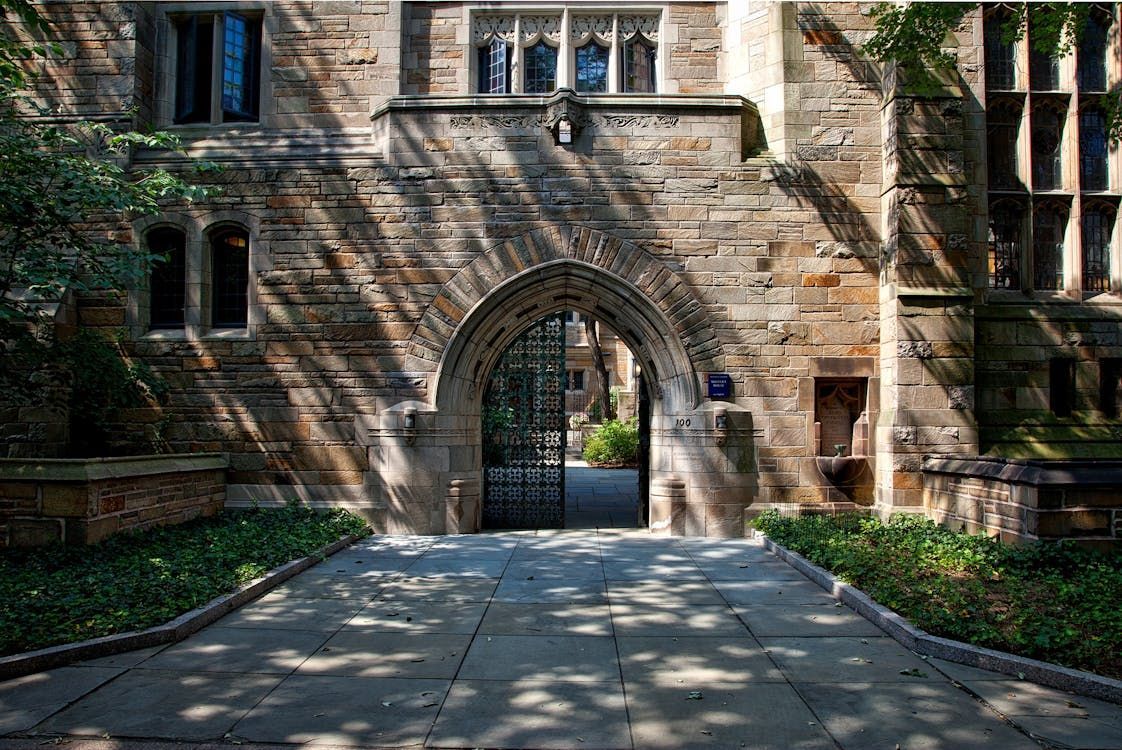
Image: Pixabay

One of America’s most illustrious universities, Yale has been creating stories and forging traditions for more than three centuries. Being one of the oldest universities in the country means you can claim a couple of "oldest". For example, Yale is home to the earliest collegiate daily newspaper still in existence. The Yale Daily News has been around since 1878, reporting consistently five days a week. Also, the Whiffenpoofs, Yale’s oldest a capella group, has been singing every Monday night since 1909 .

Another fun fact? They may not teach magic at Yale, but theuniversity’s residential college system is very similar to the Hogwarts house system portrayed in the famous Harry Potter series . Each year, Yale freshmen are treated to a formal holiday banquet at one of the 17 extravagant Gothic dining halls on campus.

2
Stanford
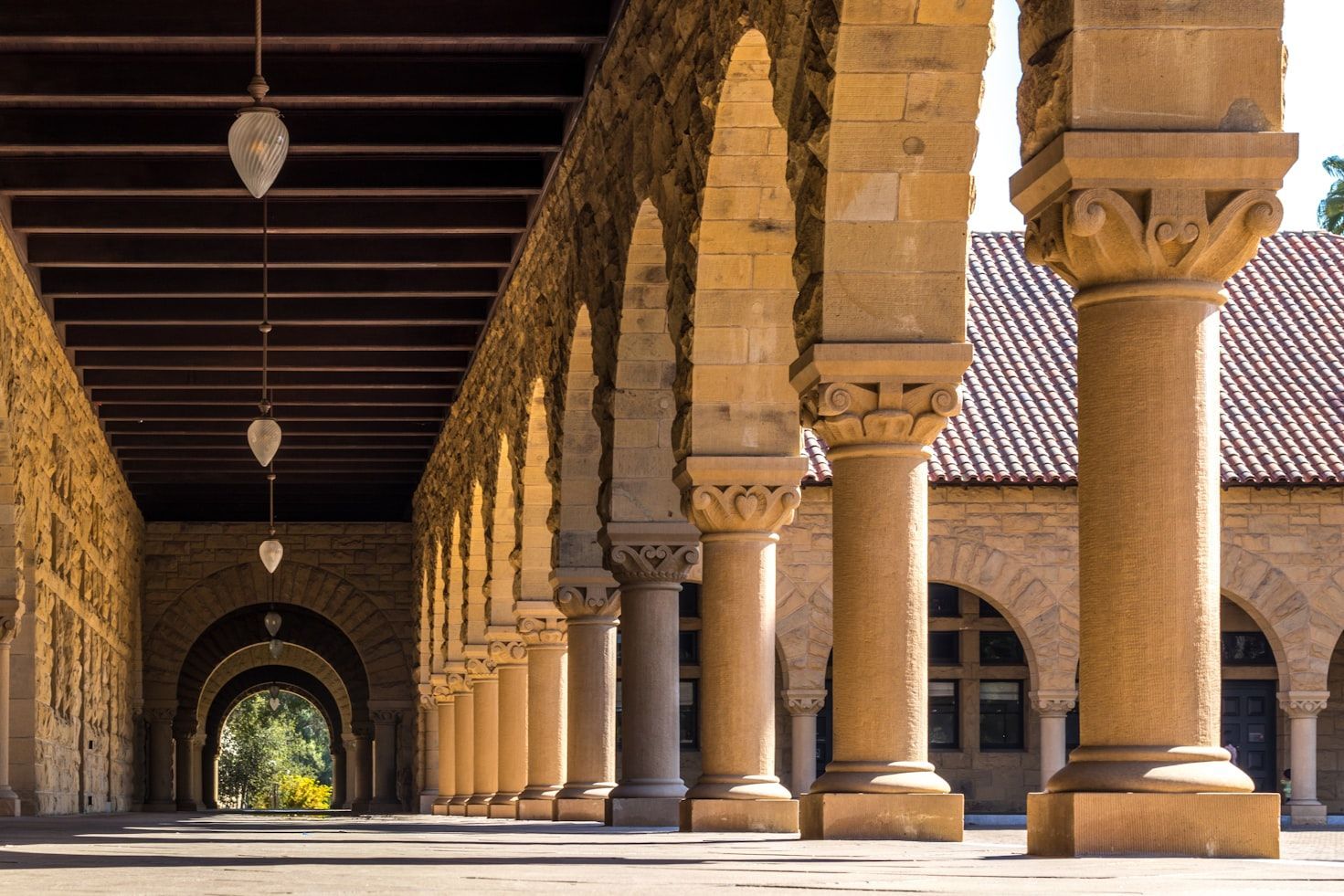
Image: Jason Leung

The campus of Stanford University spans 8,180 acres in the center of the San Francisco Peninsula. It includes 630 buildings, 49 miles of roads, 3 dams, more than 40,000 trees , 25 fountains, a biological preserve, and a historic equestrian barn, among many other special features. It’s so big that it even has its own special zip code!

Perhaps one of the most relevant facts about Stanford is that it is considered the birthplace of Silicon Valley . In the 1930s, the university's Dean of Engineering, Frederick Terman, encouraged his students to stay in the area to develop a high-tech hub. This is how Bill Hewlett and David Packard ended up creating Hewlett-Packard in a garage in Palo Alto not far from campus.

3
MIT
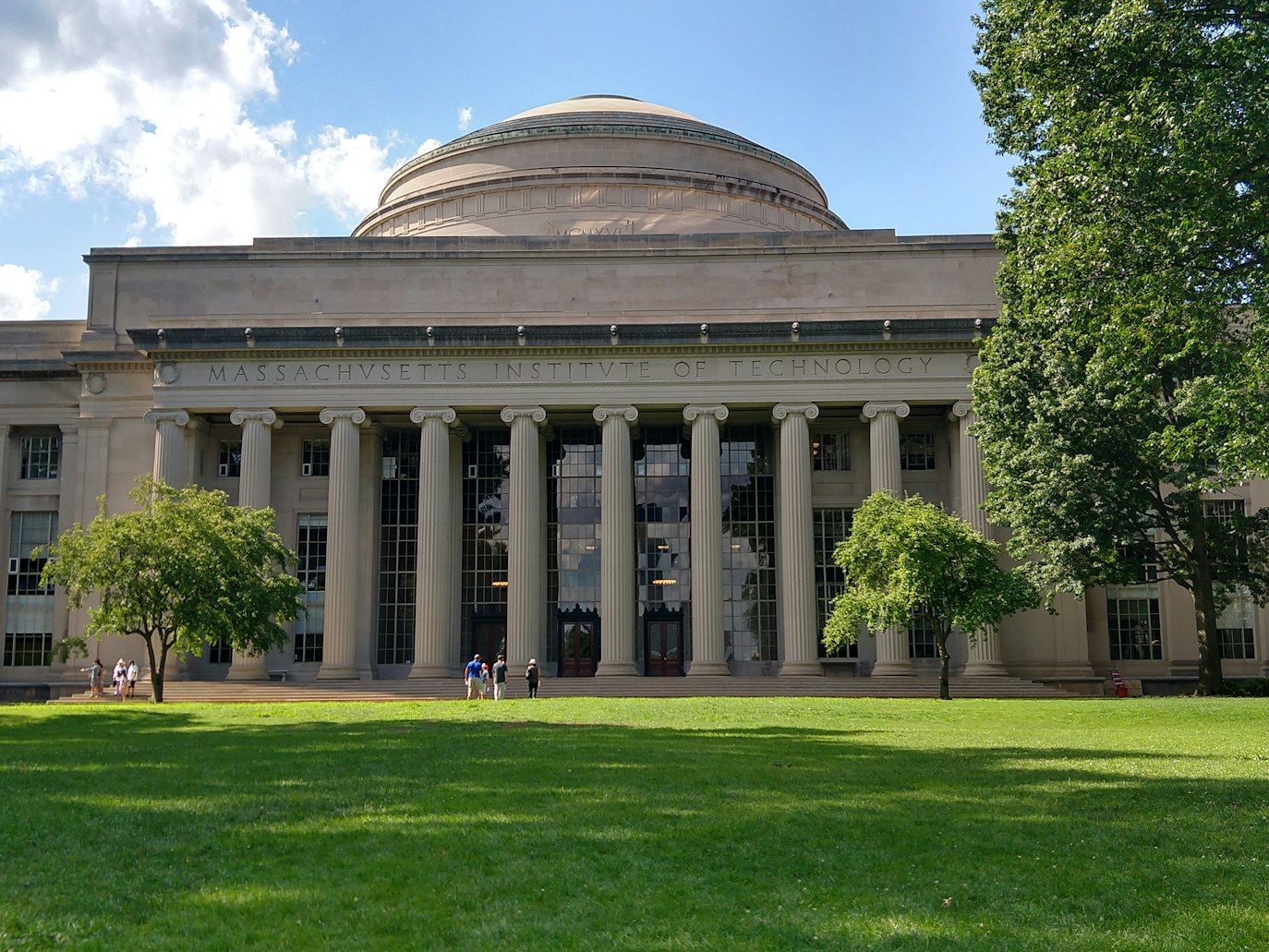
Image: Ana GG

The Massachusetts Institute of Technology was founded on April 10, 1861, just two days before the start of the Civil War. MIT’s official colors are Cardinal Red and Silver Gray and, in 1914, the beaver was chosen as the university’s formal mascot due to its "engineering and mechanical skill and habits of industry."

This distinguished university currently counts 98 Nobel Laureates among its alumni, faculty, and staff. But the nerdy ways of the MIT crowd don't end there.Did you know that acceptance letters for undergraduates are sent out every March 14, in commemoration of Pi Day? Admissions are even delivered at exactly 6.28 pm, which is known as "Tau time" (πx2). No wonder MIT’s motto is mens et manus , Latin for "mind and hand".

4
UCLA
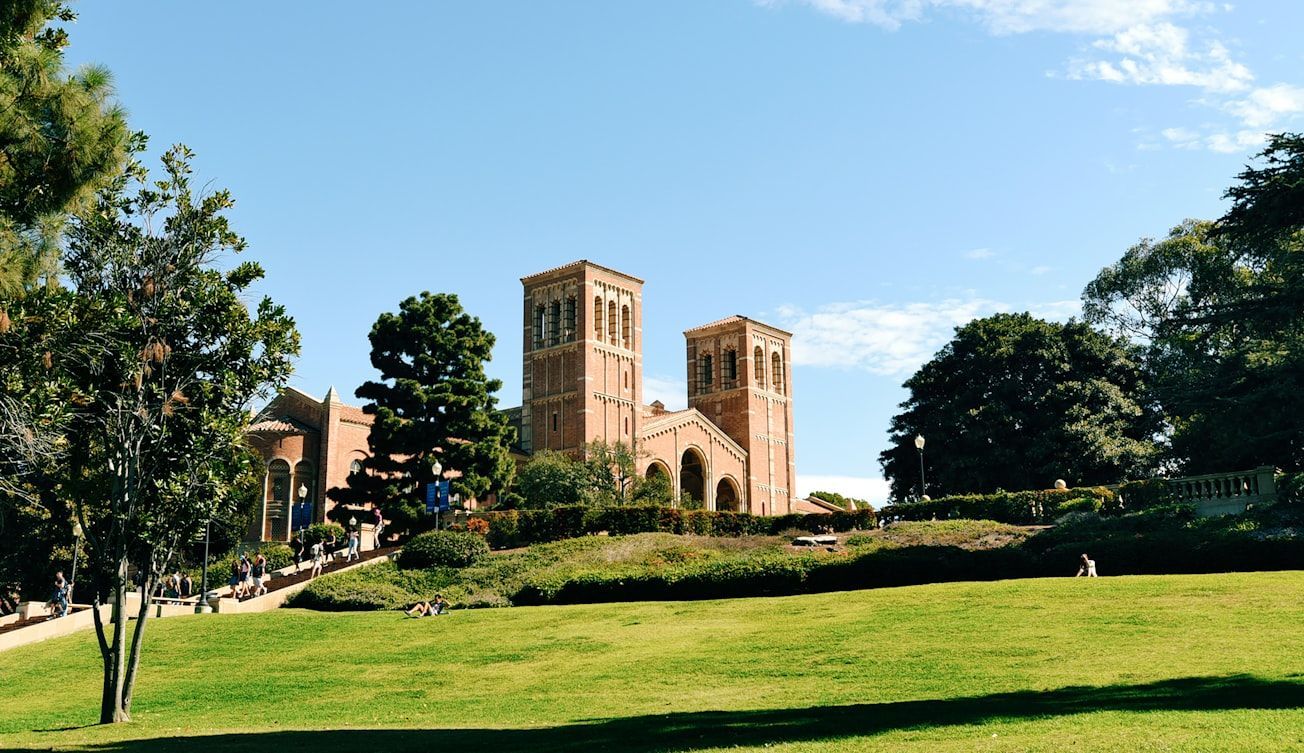
Image: tommao wang

The University of California is synonymous with excellence and innovation, but there are a lot of tidbits about it that even graduates don’t know about. UCLA’s football team has had many nicknames over the years : they were known as the "Cubs", the "Grizzlies", and finally the "Bruins". A live bear even used to take the field at some games until it was banned!

UCLA was also home to some of America’s most prominent cultural icons : James Dean majored in drama, Francis Ford Coppola earned a Master of Fine Arts in Film, NASA astronaut and first mother in space, Anna Lee Fisher, graduated as a doctor and mastered in chemistry, and neuroscientist Dr. Mayim Bialik popularised this field of science with her character in the famous TV series The Big Bang Theory . Can you name any other stars who went to UCLA?

5
Brown
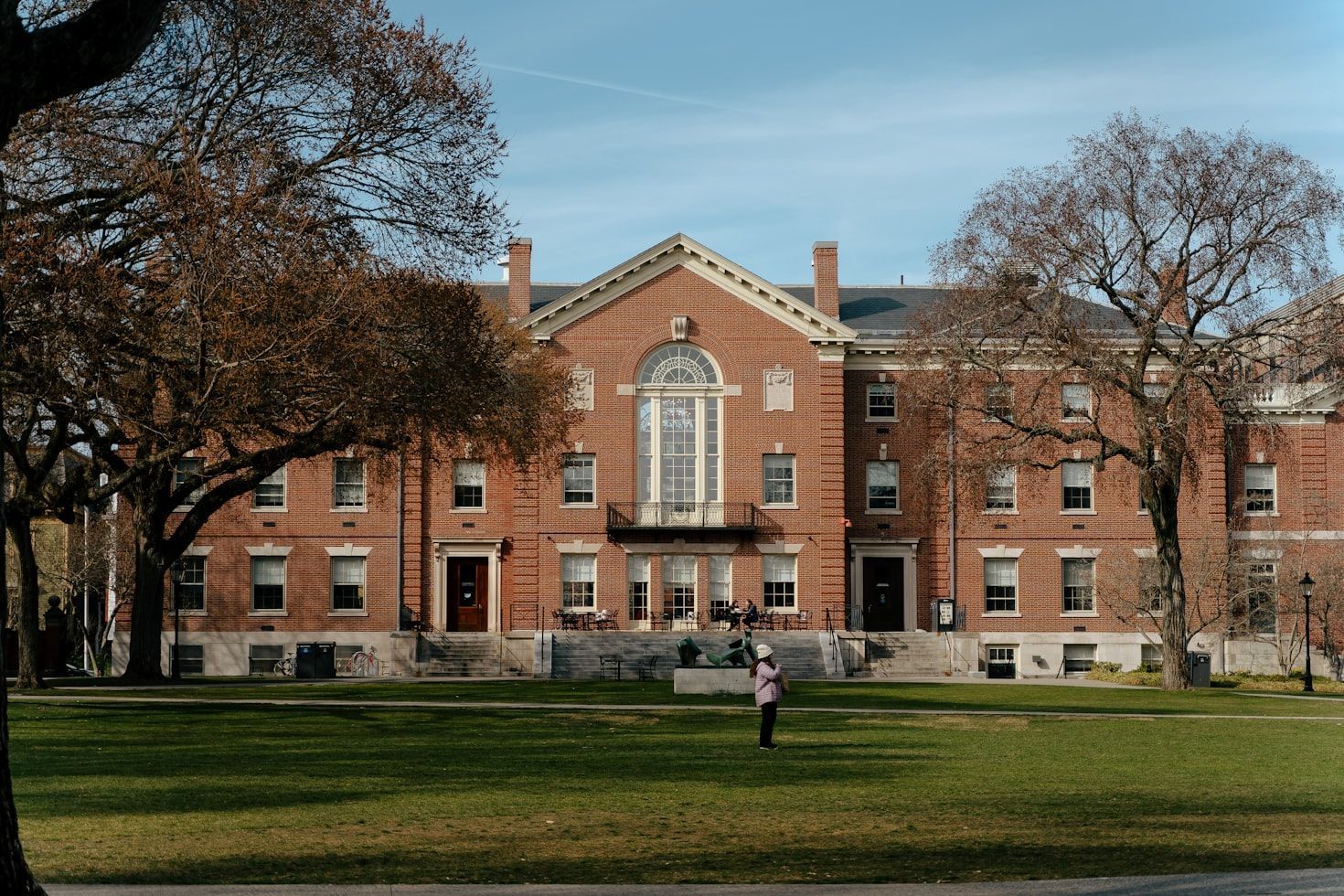
Image: Keming Tan

Founded in 1764, Brown is a leading American research university, the first Ivy League school to accept students from all religious affiliations . Located in Providence, Rhode Island, this school has a bear mascot named Bruno and a library with no windows that resembles a tomb —in fact, rumor has it, that Rush and Annmary Brown Hawkins are buried here. Another one of its libraries, The John Carter Brown Library, holds an invaluable treasure: seven 15th-century letters from Christopher Columbus proclaiming his "discovery" of the Americas.

But perhaps Brown’s most curious feature is Carberry Day. Every Friday the 13th, students celebrate Josiah S. Carberry, a legendary fictional professor of "psychoceramics" who was created as a joke in 1929. Since then, every Carberry Day all students and faculty spread the campus with brown jugs filled with change they donate to the professor and his ‘future late wife Laura’. Have you ever heard of this traditional Brunonian holiday?

6
Johns Hopkins
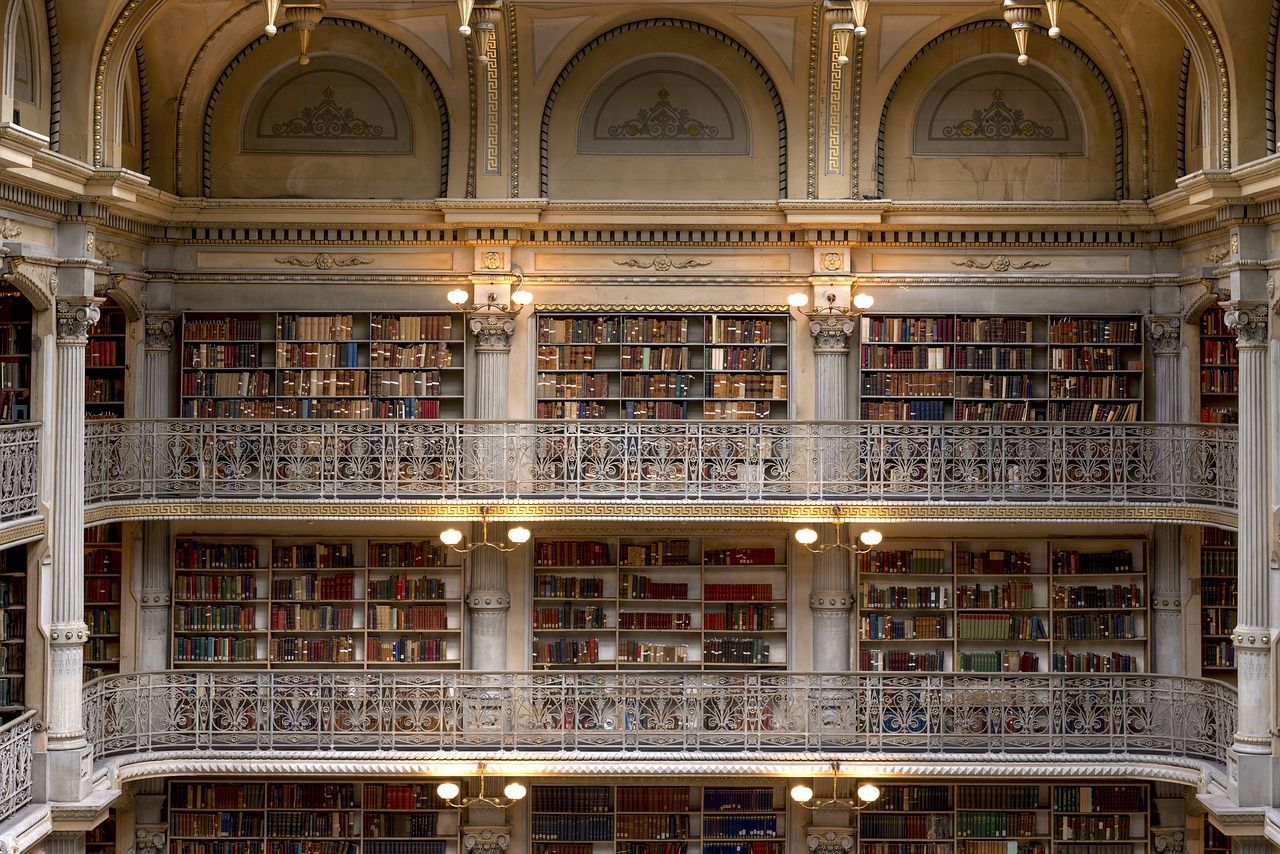
Image: Falkenpost

This university named after the 18th-century Quaker entrepreneur and philanthropist Johns Hopkins was the first research university established in the United States . Johns Hopkins has a long and fascinating history, including mutant rabbit-related mysteries and famous alums: President Woodrow Wilson, Wolf Blitzer, Mike Bloomberg, Tori Amos, and Wes Craven, just to name a few.

Johns Hopkins is also home to some important events in literary history . In 1932, Zelda Fitzgerald was admitted to the university’s hospital and treated for schizophrenia. Soon after, F. Scott Fitzgerald, moved across the street to be closer to his wife. While in Baltimore, they wrote two novels: Save Me the Waltz and Tender is the Night .

7
UPenn
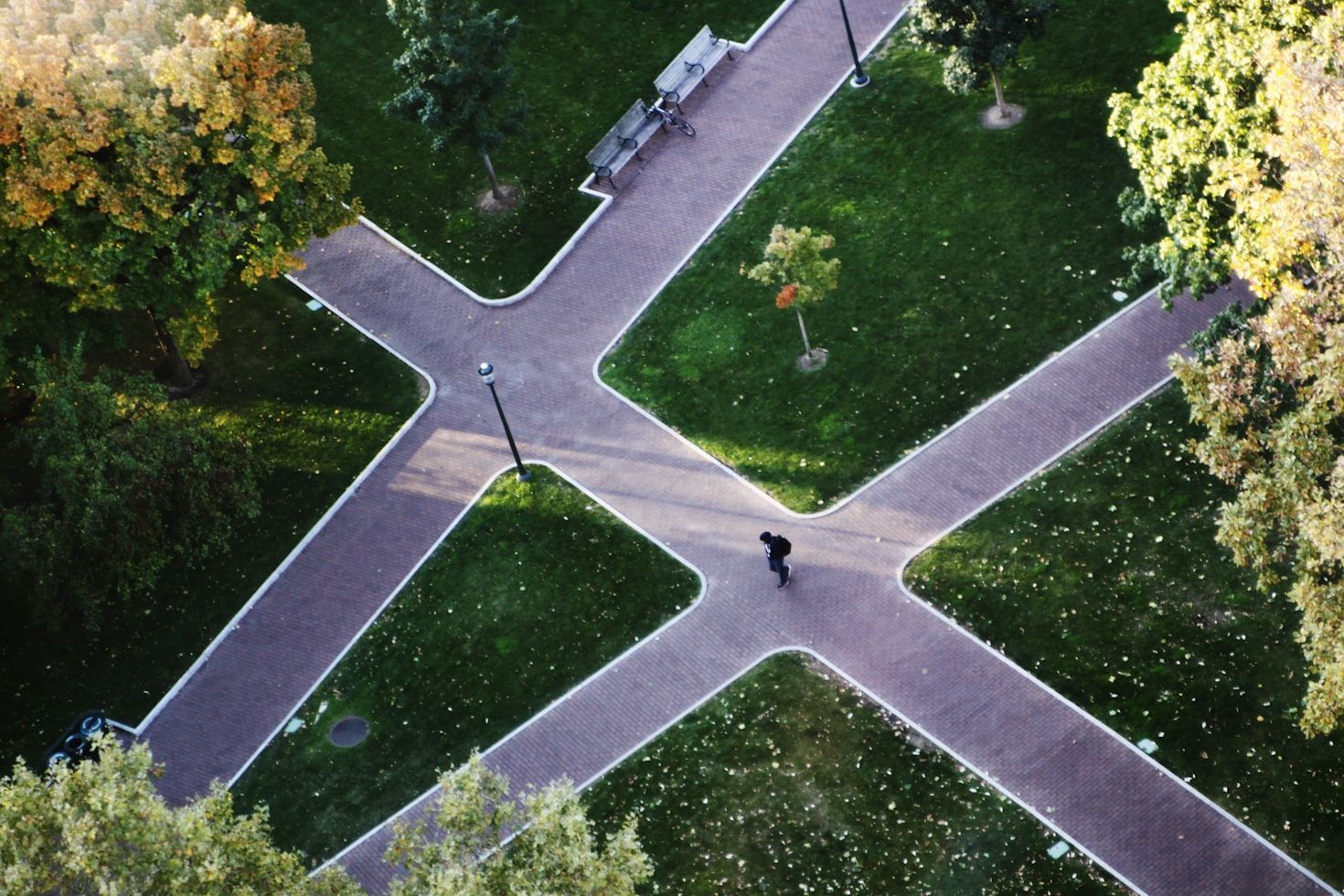
Image: Dyana Wing So

"Here’s a toast to dear old Penn", sing students at the University of Pennsylvania during home football games. Originating in the prohibition years, this tradition of throwing pieces of toast on the field seems to have taken the expression rather literally. Another popular myth at UPenn indicates that freshmen should never cross the compass embedded into the center of Locust Walk if they don't want to risk failing their first exams.

But serious things also happen at this legendary Philadelphia university. For example, it was founded by none other than Benjamin Franklin , the first general-purpose electronic computer was created here in 1946, has 38 Nobel laureates, and many other prominent Americans attended the school, such as Noam Chomsky, Ezra Pound, Warren Buffett, Tory Burch, and John Legend.

8
Caltech
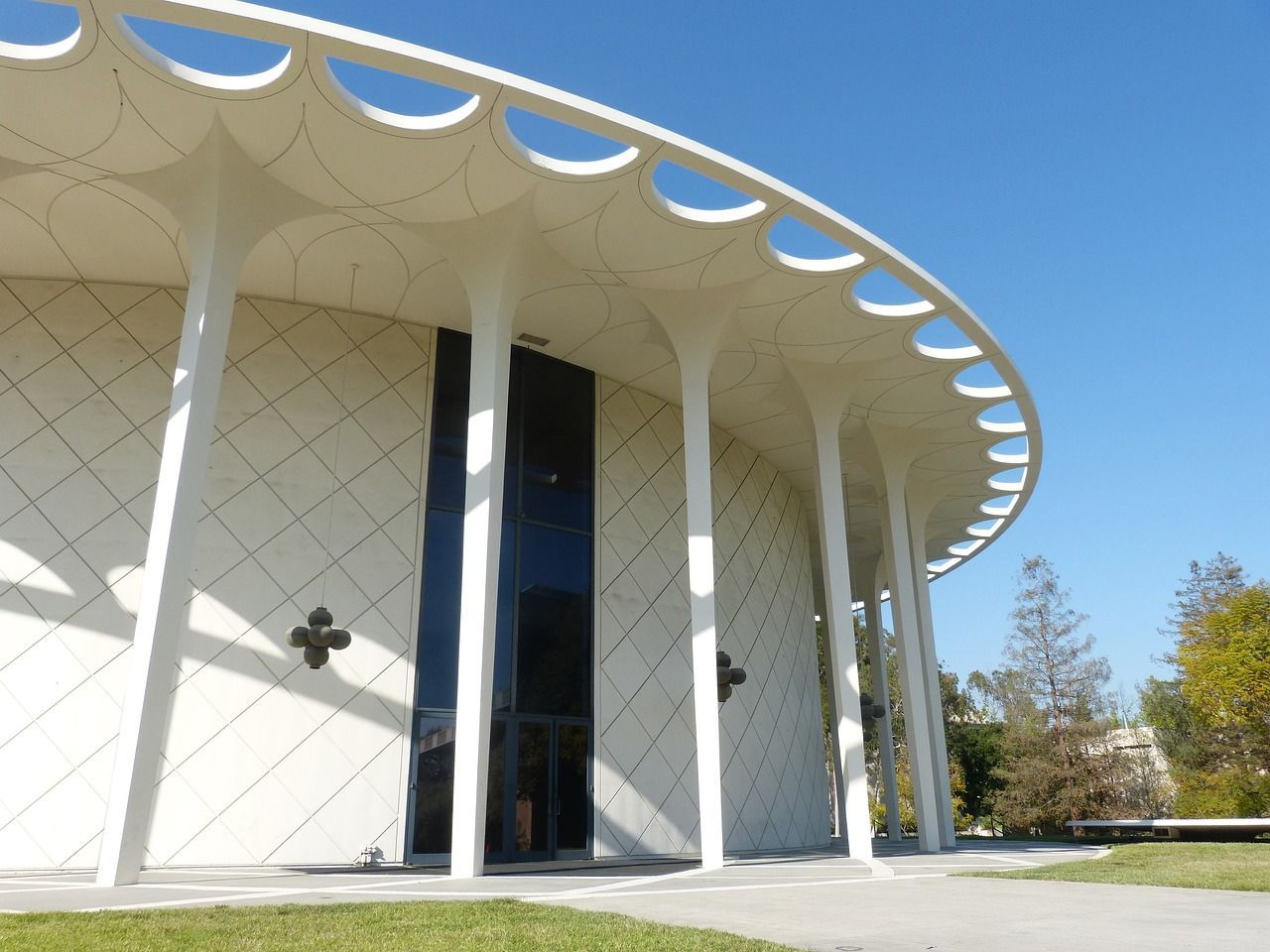
Image: LisetteBrodey

Since its founding in 1891, the California Institute Of Technology has made significant contributions in various scientific fields. It has produced 39 Nobel Laureates and operates the world’s largest optical telescope , located at the Palomar Observatory. Caltech’s most popular major is Computer Science and it also has numerous groundbreaking space-related discoveries under its belt —as a matter of fact, the campus is home to NASA’s Jet Propulsion Laboratory.

While academic excellence is what makes Caltech unique, they also have some quirky traditions. For example, pranks are common practice, often involving rivalries between student houses , especially during Halloween. And it's not all about using their brains, Caltech students put their bodies to work as well. Ditch Day, a celebration whose origins date back to 1921, is said to resemble, wait for it, The Amazing Race .

9
Princeton
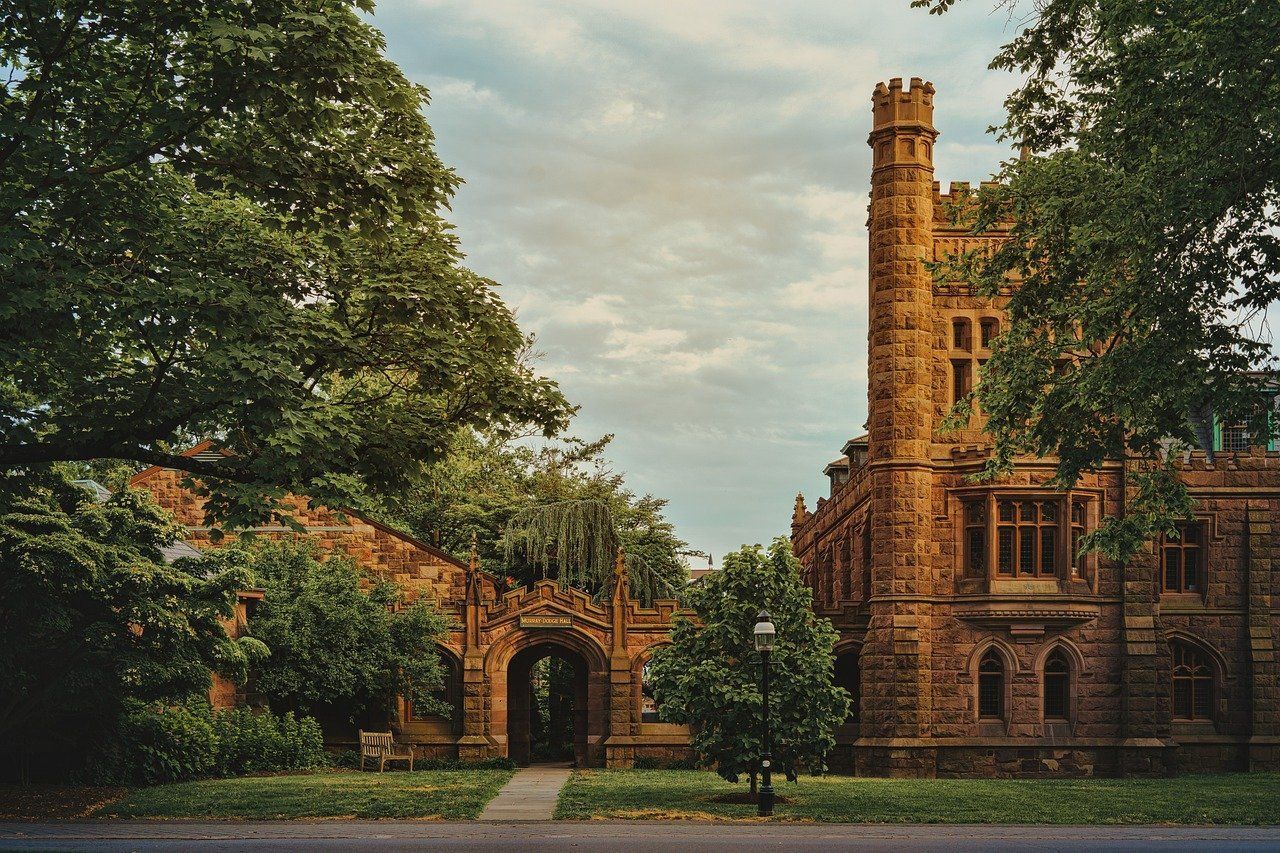
Image: jplenio

The Princeton campus is so picturesque that it has been used as a set for numerous Hollywood productions , including films like A Beautiful Mind and Across the Universe , among others. This renowned Ivy League university also houses the oldest college literary and debating club in the United States , whose graduates include two U.S. presidents, two U.S. vice presidents, and four U.S. Supreme Court justices.

There are more than 60,000 senior theses stored at the Seeley G. Mudd Manuscript Library, for example, those of Michelle Obama, Ethan Coen, Sonia Sotomayor, and Maria Ressa. Princeton University is not only famous on Earth but also in outer space . In November 1969, Charles "Pete" Conrad, a former student and the commander of the Apollo 12 mission, took a Princeton flag to the moon.

10
Harvard

Image: Tamás Mészáros

Harvard University was founded as early as 1636, which makes it the oldest institution of higher education in the United States . With almost 400 years of history, it is not surprising that this prestigious university houses several interesting stories and curious facts to discover. Named after John Harvard, who donated half of his estate and his library of more than 400 books, the school currently has 79 libraries holding about 20.4 million items in 150 miles worth of shelves.

But there’s more! Did you know that eight Harvard alumni signed the Declaration of Independence? Also, Harvard had the first native Chinese instructor to teach Chinese in America, former students won 110 Olympic medals —including 46 gold—, 51 of its affiliates are Nobel laureates, 48 hold a Pulitzer Prize, and 10 won Academy Awards. Not bad, huh?

General General 4 min read

Beyond the law

Wait… that's not illegal? 11 ‘crimes’ you didn't know are legal

Image: Jan van der Wolf

Sometimes we’re so accustomed to doing things a certain way that doing anything different feels illegal. But not every bit of "common sense" is backed by an actual law. Many widely accepted practices are merely norms or policies—not legislation. From driving barefoot to owning a flamethrower, here are 11 things you might think are illegal… but actually aren’t.

1
Driving barefoot

Image: Ashley Byrd

No federal or state law in the U.S. bans driving barefoot. Though sometimes discouraged for safety reasons, driving barefoot is legal in all 50 states (and in most countries worldwide as well).

While police might ask you to put your shoes on during a traffic stop, it’s merely a suggestion, not a legal requirement. In most modern cars, driving barefoot presents no significant safety risks, but it could affect insurance claims. If you’re involved in an accident while barefoot, you might face increased scrutiny from insurers.

2
Riding in the back of a pickup truck

Image: Richard Lu

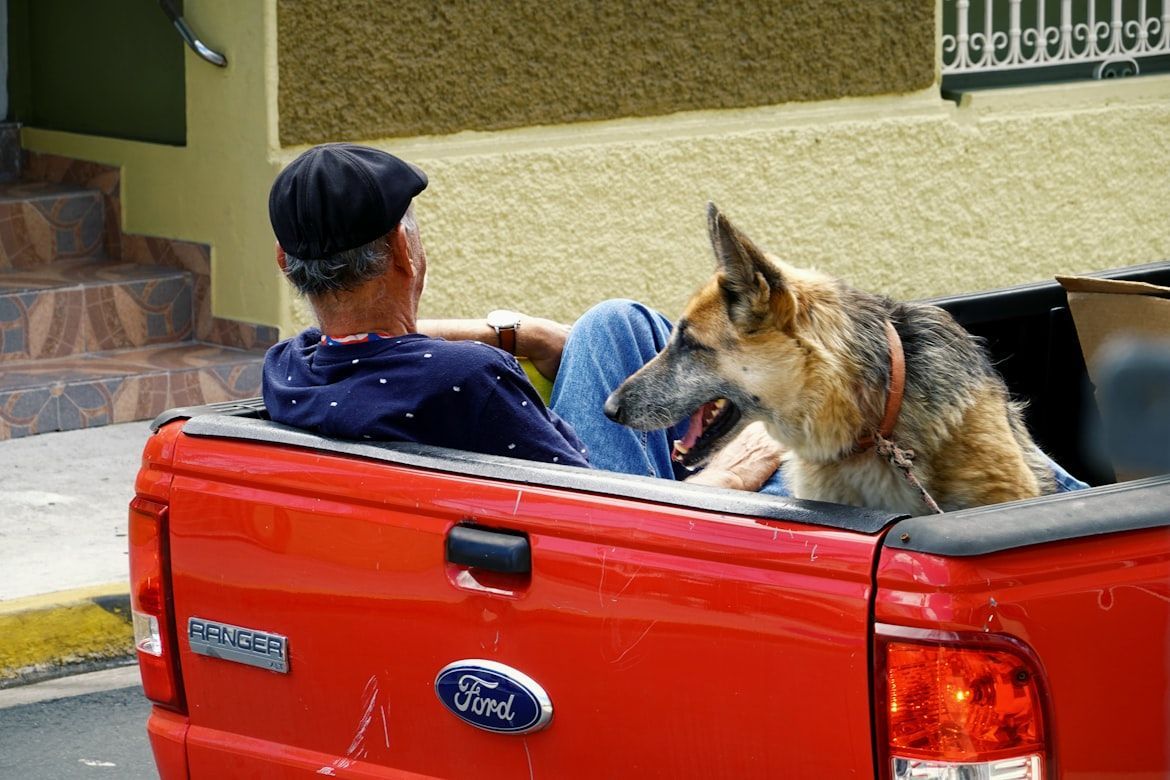
This is a bit of a gray area. There is no federal law regulating the practice, but some states or local jurisdictions may impose restrictions, often including age limits.

In rural areas, most people won’t bat an eye if you ride in the bed. However, it can be considered a safety risk and may serve as an aggravating factor if you’re stopped for speeding or other traffic violations.

3
Cursing in public

Image: Kristina Flour

While it’s common courtesy not to go around hurling insults and profanity, the truth is no one can legally require you to stop if you are so inclined.

This is because profanity is generally protected speech. However, "generally" is doing some heavy lifting here, as depending on the context, it could be considered provocation or incitement to violence.

4
Sleeping in your car

Image: lucas Favre

It’s not illegal to sleep in your car unless local ordinances specifically prohibit it in certain areas, such as city streets or commercial lots.

Often, it has nothing to do with sleeping whatsoever, as in some places, all overnight parking at rest stops is prohibited or limited to just a few hours. Some Walmart lots might allow it, but that’s a private policy—not a law—and you should check with the local manager to be sure.

5
Eating while driving

Image: Dmitriy Frantsev

There’s no blanket law against eating while driving, though it can be considered a distraction. If it leads to unsafe driving, you could be cited.

Washington State’s distracted driving law bans holding electronic devices and allows extra fines for erratic driving caused by distractions , including eating or drinking . Some states, such as New Jersey, have considered banning it entirely, but most proposed laws are too vague to be enforced clearly.

6
Owning a flamethrower

Image: Tali Despins

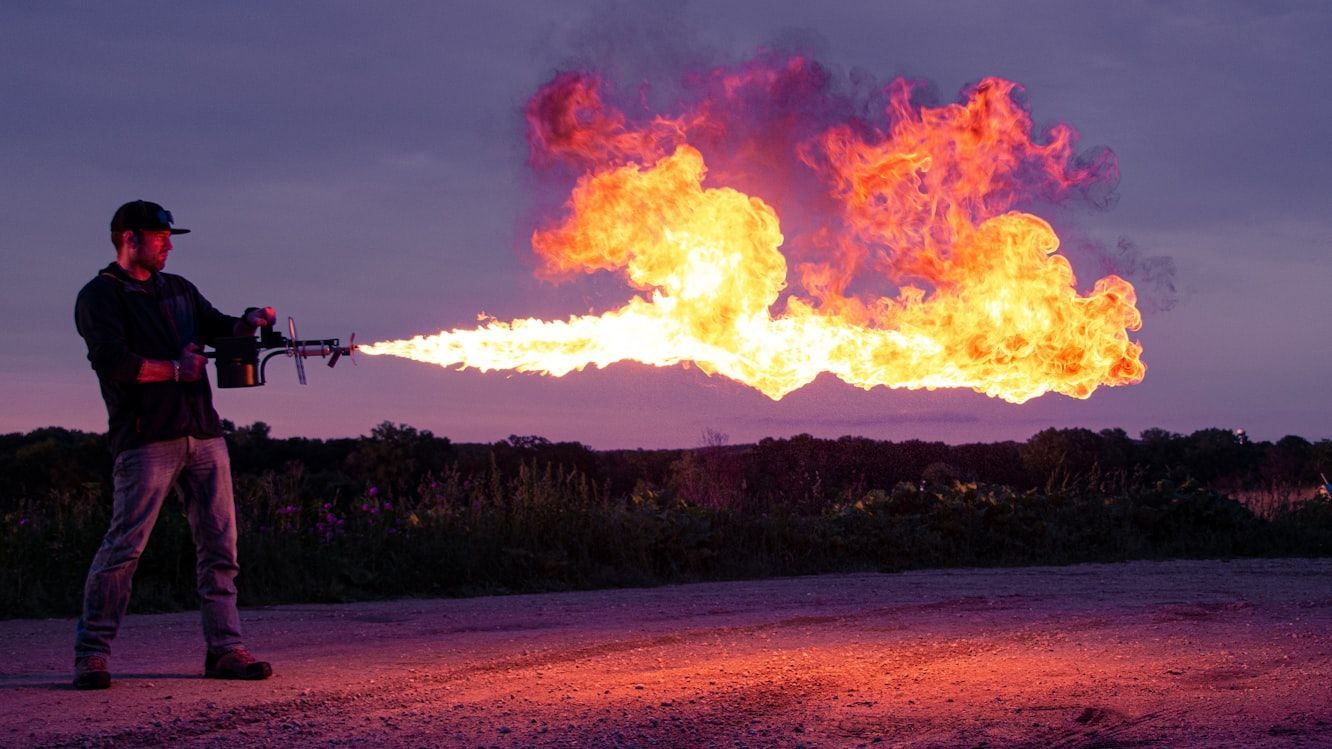
Surprisingly, there’s no federal law in the U.S. that bans civilian flamethrower ownership. However, a few states do impose restrictions; California and Maryland have strict laws prohibiting or regulating them.

Some companies even market flamethrowers for agricultural use, like controlled burns or weed clearing. But misuse of a flamethrower can lead to serious legal charges—for instance, arson, reckless endangerment, or other criminal or civil liabilities.

7
Ignoring someone knocking at your door

Image: Aaron Burden

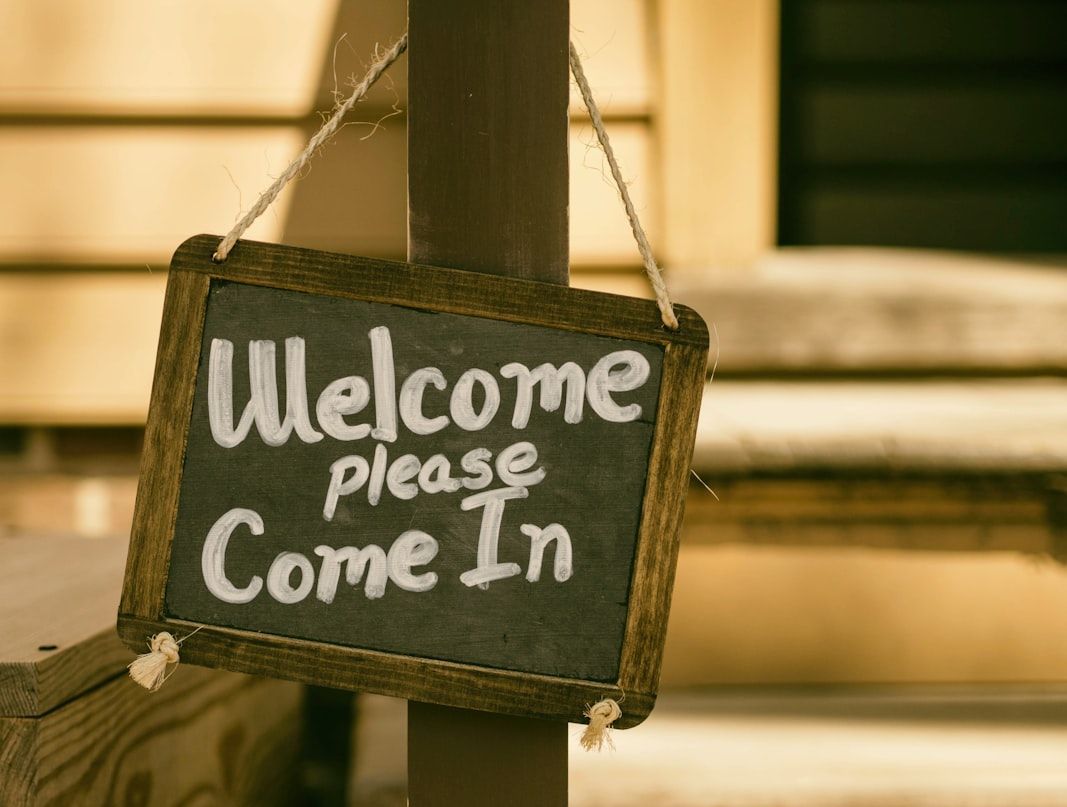
No law requires you to open your door to anyone, including police, unless they have a warrant.

If you're pulled over while driving or stopped on the street, you’re generally required to comply with police instructions. But if you're inside your home with the door closed—and ideally locked—you’re under no obligation to respond at all.

8
Selling homemade food without a license

Image: Museums of History New South Wales

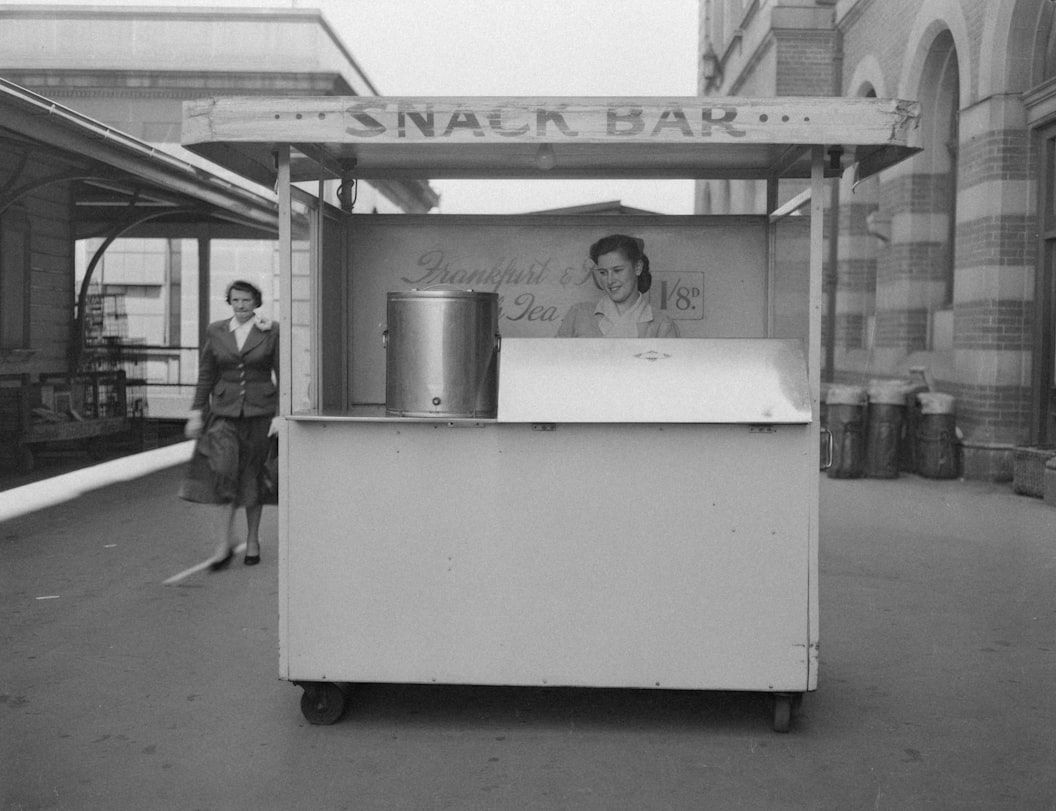
Most states require permits or inspections to sell food commercially. However, many states have "cottage food laws" that allow limited sales of certain homemade goods without a license.

But if you scale up beyond small-batch home production, you’ll likely face a citation—and a hefty fine—from the authorities.

9
Backyard burials

Image: Jennifer Grismer

Believe it or not, there’s no federal law against burying human remains on private property. Many states allow it, provided you have the proper paperwork, such as a death certificate and burial permit. Local zoning laws may regulate factors like location, depth, and proximity to water sources or property lines.

Similarly, pet burials are generally permitted, but local ordinances can vary —so it’s important to check them first.

10
Using a fake name online

Image: Sander Sammy

Unless it’s used for fraud or to impersonate a real person, using an alias on social media or online forums isn’t a crime.

Some platforms may prohibit it in their terms of service, but that’s a civil matter—not a criminal one. Legal issues generally arise only if the alias is used to cause harm, deceive others, or commit financial fraud.

11
Flying the U.S. flag at night without lighting

Image: Shelley Pauls

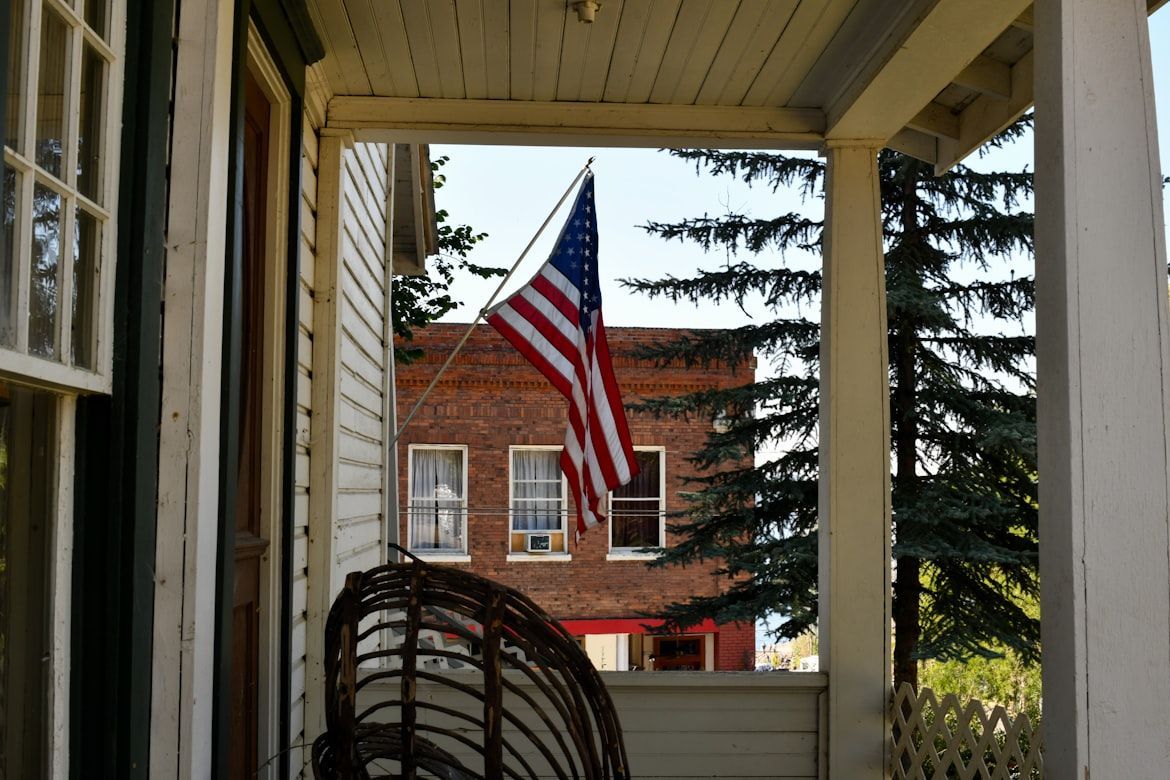
The U.S. Flag Code suggests that the flag should be illuminated if flown at night, but this is just a general guideline, not a legally enforceable law.

Stricter requirements may apply to government buildings, but for private citizens, the code is purely advisory and symbolic.

Culture Culture 6 min read

Geniuses at work

We're here today because of them! Meet 10 Americans who changed history

Image: Quino Al

The United States is a land of progress and innovation, so it makes sense that many of the world's most important inventors and scientists are Americans. From breakthroughs like the lightning rod and the light bulb to advancements in the world of medicine, biology, and astronomy, there have been many men and women who, from different fields of study, have contributed to the scientific progress of our country and the entire world. Join us as we review these 10 American inventors and scientists who changed history!

1
Thomas Edison

Image: Call Me Fred

When it comes to inventors, we can't fail to mention the incredible Thomas Alva Edison.

Edison was born on February 11, 1847, in Milan, Ohio, and since he was a child, he showed his interest and talent in mechanics and electricity. At the age of 11, he set up his first laboratory in his parents' home, and by the age of 12, he ran his own business: a newspaper he designed, printed, and sold himself.

Creator of the phonograph (the first device capable of recording and reproducing sounds) and a fundamental part in the development and popularization of inventions such as the electric light bulb and the motion picture camera, Edison patented more than 1000 creations during his lifetime. Impressive!

2
Benjamin Franklin

Image: Dan Mall

Born in Boston, Benjamin Franklin was one of our Founding Fathers, the men whose principles, values, and ideas shaped America. But as if that weren't enough, Franklin was also a renowned scientist, inventor, and polymath.

A pioneer in the field of electricity, he's remembered for his famous kite experiment, which demonstrated the electrical nature of lightning and led to the invention of nothing less than the lightning rod. In addition, he's also credited with iconic inventions such as the first efficient wood-burning stove (later known as "the Franklin Stove"), the bifocal glasses, and the glass armonica.

3
Samuel Morse

Image: The New York Public Library

Unlike other scientists and inventors on this list, Samuel Morse began his journey in a completely different field: art.

Morse studied at Yale, where he completed his studies in 1810. He then embarked on a trip to Europe to continue his artistic education, but this trip awakened another peculiar interest in him. Frustrated by the communication methods of his time, Morse focused his creativity on finding ways to transmit information over long distances using electrical signals. Thus, the revolutionary telegraph was born, along with its way of communication, the Morse code.

4
The Wright Brothers

Image: Simon Fitall

The Wright Brothers were the famous siblings who, in the 20th century, achieved a goal long sought by humanity: flight.

Wilbur and Orville Wright are credited with inventing, building, and flying the world's first successful airplane. As you probably know, on December 17, 1903, they made the first sustained flight in history using the Wright Flyer, their iconic invention.

On that December morning, the brothers flipped a coin, letting fate decide who would be the first to test the aircraft. Although Wilbur won, that first attempt failed. So it was Orville who flew for 12 seconds, traveling 120 feet over Kitty Hawk, North Carolina.

5
George Washington Carver

Image: Tom Hermans

George Washington Carver was born in the 1860s in Diamond, Missouri. In the 1890s, his intelligence and hard work enabled him to enter Iowa State College (now Iowa State University), where he earned a master's degree in agricultural sciences. In 1896, he became the head of the agriculture department at Tuskegee Institute in Alabama, where his career as a professor and a researcher took off.

Thanks to his investigations and tests, George Washington Carver made major contributions to agriculture, including his innovative techniques for crop rotation . In addition, he developed many and varied peanut products, such as oil, flour, soap, and ink, helping to make this crop one of the key products of the country's economy.

6
Carl Sagan

Image: Vaibhaw Kumar

The stars and the mysteries of the universe captivated the famous Carl Sagan from an early age. Born in Brooklyn, New York, in 1934, Sagan studied at the University of Chicago, where he earned degrees in physics, astronomy, and astrophysics, eventually working and collaborating with NASA.

His contributions to the field of astronomy earned him a position in projects such as the Mariner, Viking, Voyager, and Galileo missions, thanks to which we have learned a lot about Venus, Mars, and Jupiter. The famous high temperatures of Venus, for example, were confirmed thanks to his work.

Additionally, his book and series Cosmos attracted the public's interest in astronomy, inspiring many others to follow in his footsteps.

7
Grace Hopper

Image: Museums Victoria

While computer programming may seem like a modern issue, the pioneers of this field were already working as early as the 1940s.

Grace Hopper graduated in mathematics and physics in 1928 and obtained a master's degree and a Ph.D in mathematics from Yale University in 1934. Famous as a pioneer in the world of programming, Hopper's work began during World War II when she joined the US Naval Reserve. There, she worked on the earliest electromechanical computers and developed extensive and complex manuals to operate them.

Her greatest contribution came from her work with mathematical codes, which she translated and adapted into innovative machine-readable language. That innovation led to the creation of the first high-level programming languages.

8
Jonas Salk

Image: Олег Мороз

Jonas Salk is none other than the mind behind a medical milestone: the polio vaccine.

In the 1940s, Salk was beginning his career in medical research. While working at the University of Michigan, his work was crucial in developing the first successful influenza vaccine for the military during WWII. This event marked his later study of the poliovirus.

Polio was devastating during the first decades of the 20th century, but that changed dramatically thanks to Salk's work. The scientist led a team that succeeded in developing the first safe and effective injectable inactivated poliovirus vaccine (IPV) in 1955, and the rest is history.

9
Barbara McClintock

Image: digitale.de

Although her name may not be as instantly recognizable as some others on this list, her work definitely is. Barbara McClintock has undoubtedly made one of the most significant contributions to medicine and genetics.

In the 1940s and 1950s, she worked with chromosomes, investigating their role in inheritance, which led to discoveries that forever changed our understanding of genes.

Before her, genes were believed to be fixed and immutable. But McClintock came to change that idea with her most famous contribution: the discovery of transposable elements, aka "jumping genes." She demonstrated that jumping genes are present in multiple organisms, including humans, and play an essential role in genetic evolution.

10
Alexander Graham Bell

Image: Misho Tektumanidze

Alexander Graham Bell became interested in sound and communication at a young age, something that led to his greatest and most remembered contribution: the telephone.

Although born in 1847 in Edinburgh, Scotland, Alexander Graham Bell settled in the United States in 1871 and became an American citizen years later. It was here that he developed most of his experiments and research.

After years of experimenting with methods to transmit sound through electrical currents, Bell finally spoke into his invention on March 10, 1876, saying to his assistant, "Mr. Watson, come here. I want to see you." That was the first successful telephone call in history.

Explore more American facts

Choose your favorite category!

General
General

As American as apple pie—the very best America has to offer!

Culture
Culture

Delve into the astounding richness of American lore.

Geography
Geography

Hop in and explore vast and diverse American landscapes.

History
History

Discover the key moments that shaped the United States.