General General 5 min read

Were you watching?

What is the most-watched show in American TV history?

Image: freestocks / Oscar Nord

Were you among the 76 million people who watched the ending of Seinfeld live? Or one of those who waited to see who shot J.R.? Some American TV shows became so popular that they operated as a social ritual. We would sit and watch, all of us at the same time, and wait to discuss the plot twists and cliffhangers with our friends. Let’s look at some TV shows that had the largest sustained audiences in U.S. history!

1
Friends

Image: Ilse Orsel

Who couldn’t sing along to the opening song of Friends ? "I'll be there for you" is an anthem that sparks instant nostalgia. Friends was the comfort blanket of the '90s and early 2000s: Six pals navigating life and love in a surprisingly affordable New York apartment.

Rachel, Ross, Monica, Chandler, Joey, and Phoebe. Over 52 million viewers watched the finale. For ten years, Friends made millions feel like part of the gang.

2
The Ed Sullivan Show

Image: william f. santos

For over two decades, between 1948 and 1971, The Ed Sullivan Show was America’s Sunday night ritual. It had over 20 million average weekly viewers!

Families gathered in living rooms across the country to watch this variety show that brought together everything from opera to Elvis . And in 1964, over 73 million viewers tuned in to see four mop-topped Brits called The Beatles make their U.S. debut!

3
All in the Family
Image: Daniel von Appen

At the center of the 70s sitcom All in the Family was Archie Bunker, a prejudiced but lovable working-class man played by Carroll O’Connor, whose outdated views clashed with his liberal son-in-law "Meathead" (Rob Reiner).

The show tackled topics like racism, women’s rights, and the Vietnam War, and viewers loved seeing arguments they were having at home play out on screen.

4
Bonanza
Image: Olivier Piquer

Bonanza was the number one show between 1964 and 1967, although it aired from 1959 to 1973. Set on Ponderosa Ranch, near Lake Tahoe, Bonanza was a cowboy family drama .

Audiences fell in love with the Cartwrights: Ben, the wise patriarch, and his three very different sons. The show stood out for its lush color cinematography (very rare at the time) and storylines that combined action with moral lessons.

5
Gunsmoke

Image: Brice Cooper

Gunsmoke, which also boasted the Western genre, remained number 1 for multiple years as well. It was one of the first TV titans to accomplish such a thing. It held the record for the longest-running primetime drama for decades. Set in Dodge City, it followed law-upholding Marshal Matt Dillon (James Arness).

When Chester, Dillon’s original deputy, left the show, fans were devastated. With over 600 episodes , Gunsmoke redefined the genre and left a permanent mark on American pop culture.

6
Jeopardy!

Image: Gift Habeshaw

Jeopardy! is a legacy that started in 1984 and is still going strong! That has led to its amassing over 10 million average viewers over the decades. How many TV shows share the same claim?

For generations, it’s been the show that makes you feel smarter just for watching (if you can outsmart the participants, that is). The answer-first, question-last format ("What is the Eiffel Tower?") became iconic, and the theme music is forever ingrained in America’s collective brain.

7
Who Wants to Be a Millionaire

Image: Jordon Conner

Whenever Regis Philbin asked, "Is that your final answer?" America held its breath. Who Wants to Be a Millionaire exploded onto U.S. screens in 1999 at the turn of the millennium.

The phenomenon drew 28 million viewers at its peak. The first winner, John Carpenter, made headlines for not using a single lifeline until the final question, when he used "Phone a Friend" just to call his dad and say, "I’m about to win a million dollars." That moment alone is a TV legend.

8
Survivor

Image: Rowan Heuvel

Sixteen strangers marooned on a tropical island, forced to build shelter, find food, and outwit each other for a million dollars. This had a social-experiment factor that made it impossible for America to look away.

The very first season, set in Borneo, was an instant smash, with 28 million viewers. Host Jeff Probst’s fire-snuffing catchphrase ("The tribe has spoken") became iconic.

9
American Idol

Image: Eduardo Balderas

Did you watch live as the life of American Idol’s first-ever winner (Kelly Clarkson!) changed forever? In the early 2000s, American Idol turned everyday dreamers into superstars and had the whole country voting on their fates.

At its peak, it drew over 30 million viewers each week.

10
60 Minutes
Image: Alla Eddine Taleb

Do you remember a 60 Minutes episode that had you at the edge of your seat? Beginning in 1968, this show proved that journalism could be far more riveting than fiction.

Its secret was in smart and human storytelling, no-nonsense interviews, and a lineup of legendary correspondents like Mike Wallace, Morley Safer, and Ed Bradley.

11
The Cosby Show
Image: Francisco Andreotti

In the 1980s, The Cosby Show was the cultural touchstone. At its heart was the Huxtable family, an upper-middle-class Black household in Brooklyn, led by Cliff (Bill Cosby), an affable obstetrician, and Clair (Phylicia Rashad), a sharp attorney. Plus their chaotic five kids.

One of the most beloved moments was the family lip-syncing Ray Charles' "Night Time Is the Right Time" for Cliff’s birthday.

12
Seinfeld
Image: Rob Laughter

The premise of Seinfeld was a show about nothing . The sitcom ended up stealing the show. Between 1989 and 1998, Seinfeld cast a light on mundane life (you know, waiting in line, losing socks, awkward small talk) and turned it into comedy gold.

This "show about nothing" gave us four unforgettable New Yorkers: Jerry, George, Elaine, and Kramer. Its finale drew 76 million viewers, making it one of the most-watched episodes ever.

13
Cheers
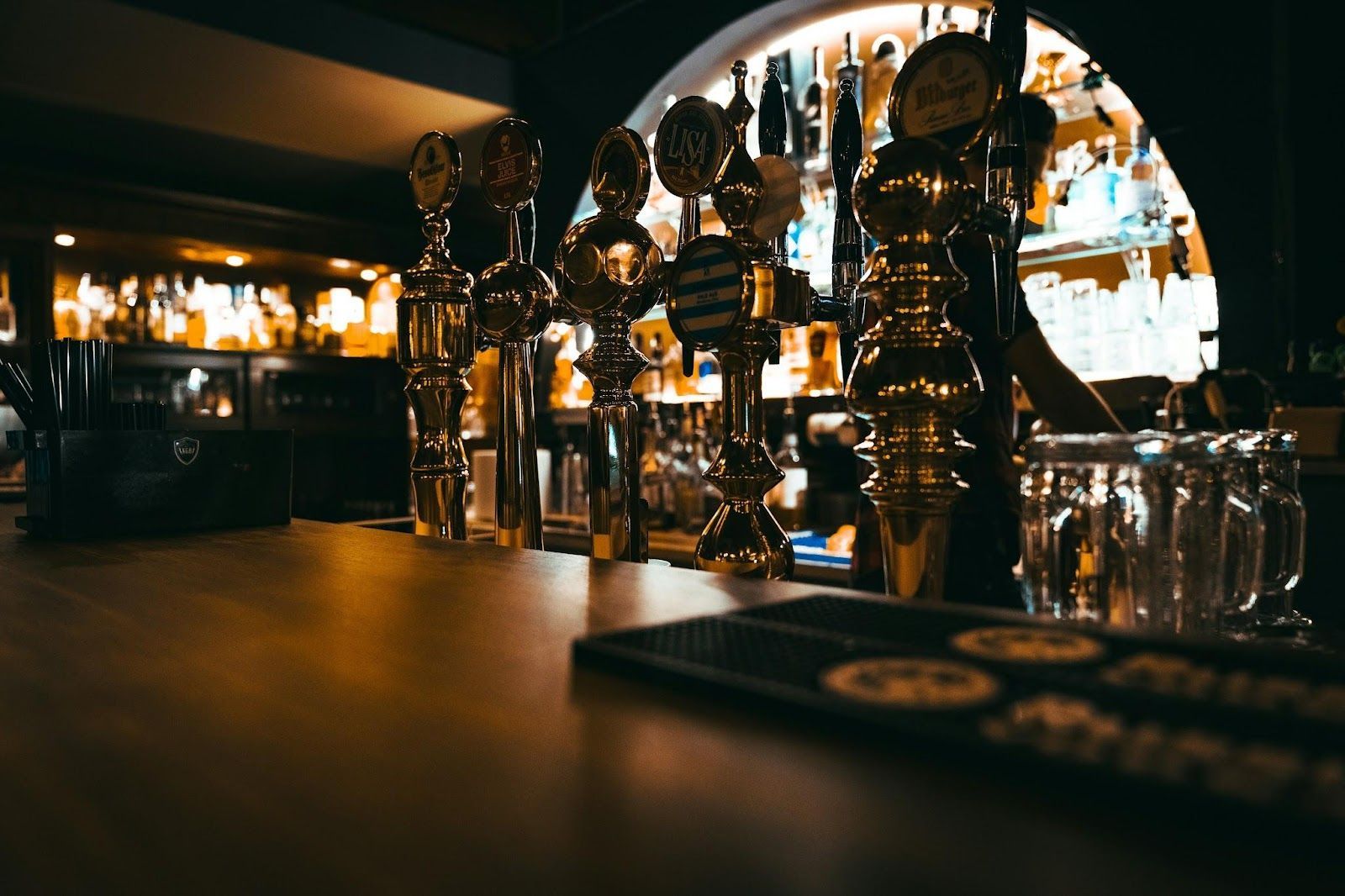
Image: Andrea Mininni

This gem of the 80s invited America into a cozy Boston bar that felt like home. Centered around bartender Sam Malone (Ted Danson) and a colorful cast of barflies, waitstaff, and neurotic patrons, it delivered laughs, heart, and genuine warmth.

The chemistry of the ensemble was golden. And what people loved the most was that "Cheers," much like the "Central Perk" of Friends , was a place of belonging.

14
Dallas
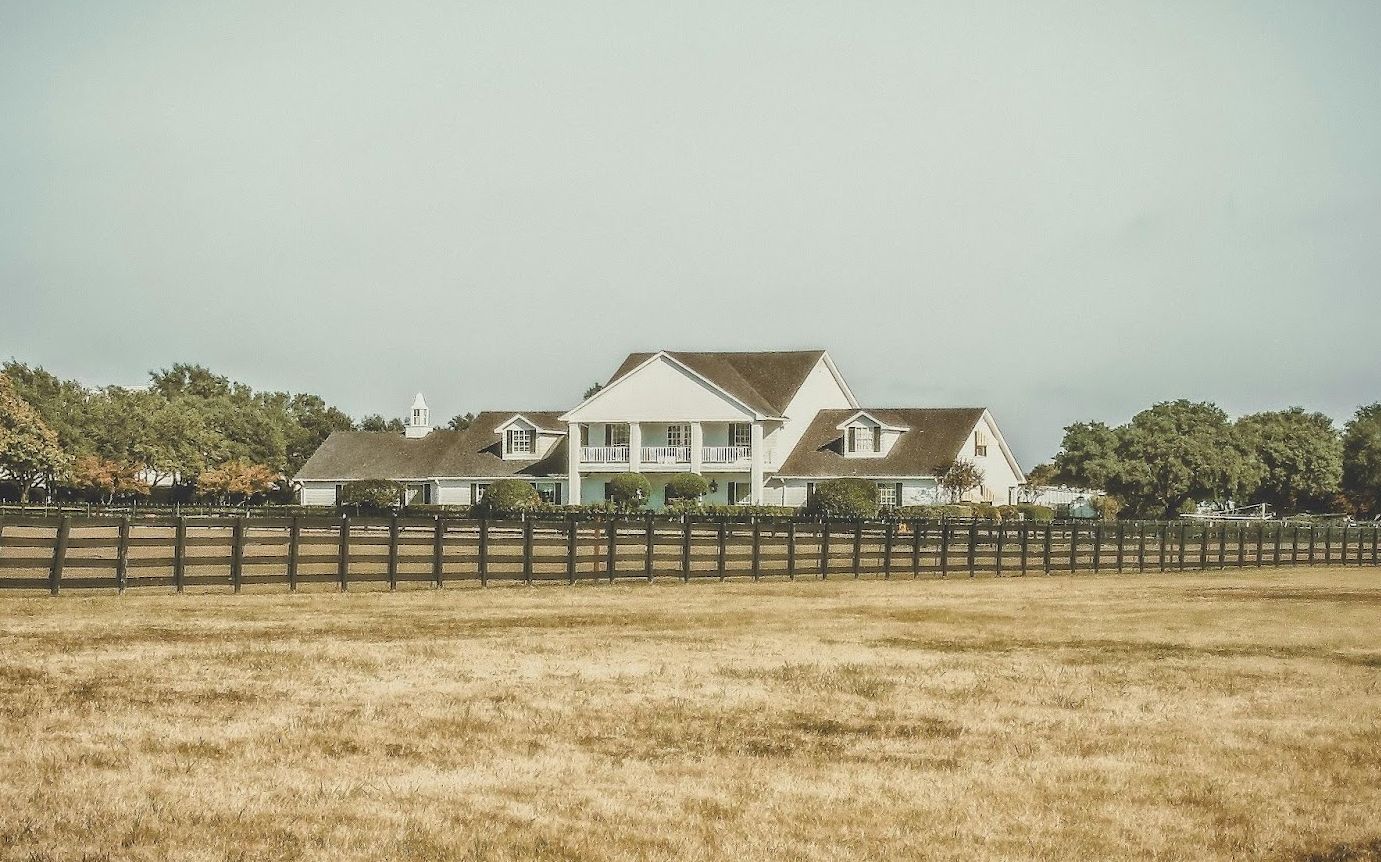
Image: K. Mitch Hodge

Of course, Dallas, the ultimate primetime soap, cannot be left out of this list! This dramatic master of cliffhangers left the nation gasping. At its core was J.R. Ewing (Larry Hagman), one of TV’s most devious villains, who still had fans rooting for him.

The show became a cultural phenomenon, especially in 1980 when America asked, "Who shot J.R.?" That season finale was watched by more than 80 million people.

15
MAS H
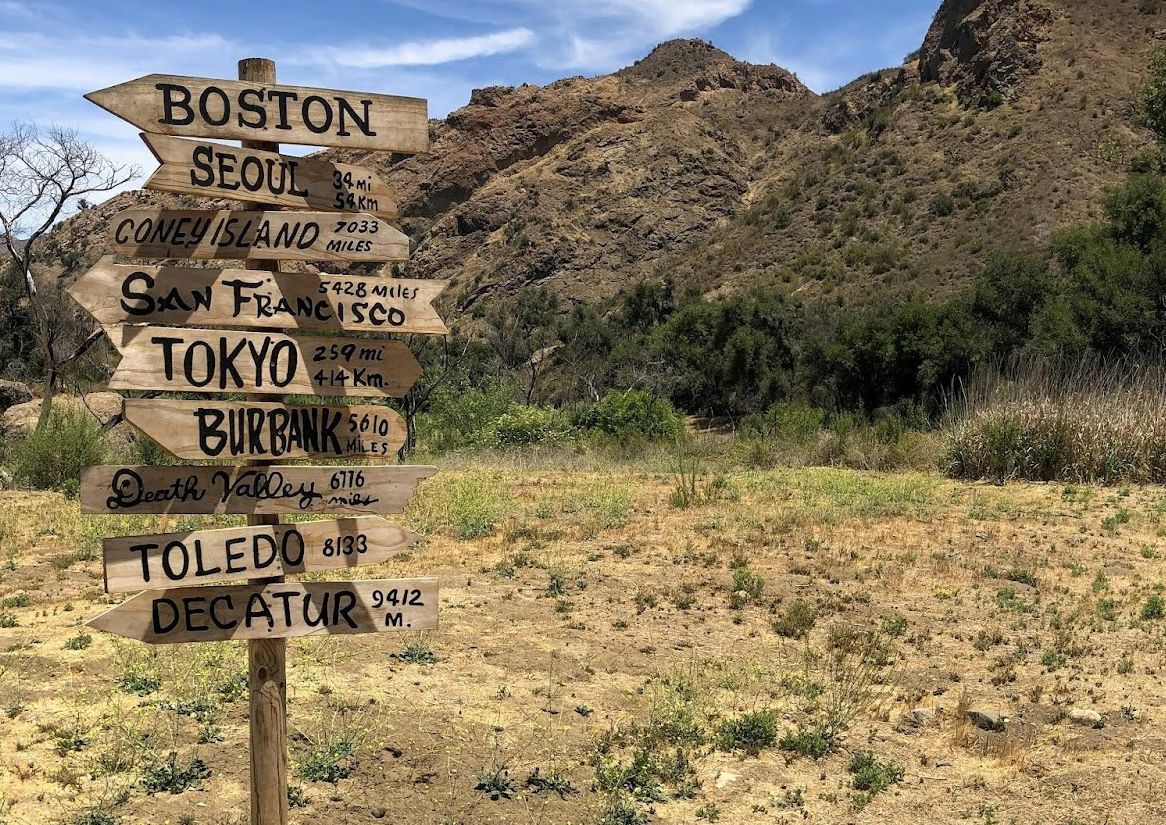
Image: Robert Ruggiero

Set during the Korean War, MASH was unlike anything else on TV. It mixed satire and unforgettable characters in a mobile army surgical hospital. Alan Alda led the cast as Hawkeye Pierce, backed by a beloved ensemble that included Loretta Swit, Jamie Farr, and Mike Farrell.

The show’s final episode, "Goodbye, Farewell and Amen," aired in 1983 and drew 106 million viewers. That was a record that stood for decades!
General General 6 min read

Frontier lingo

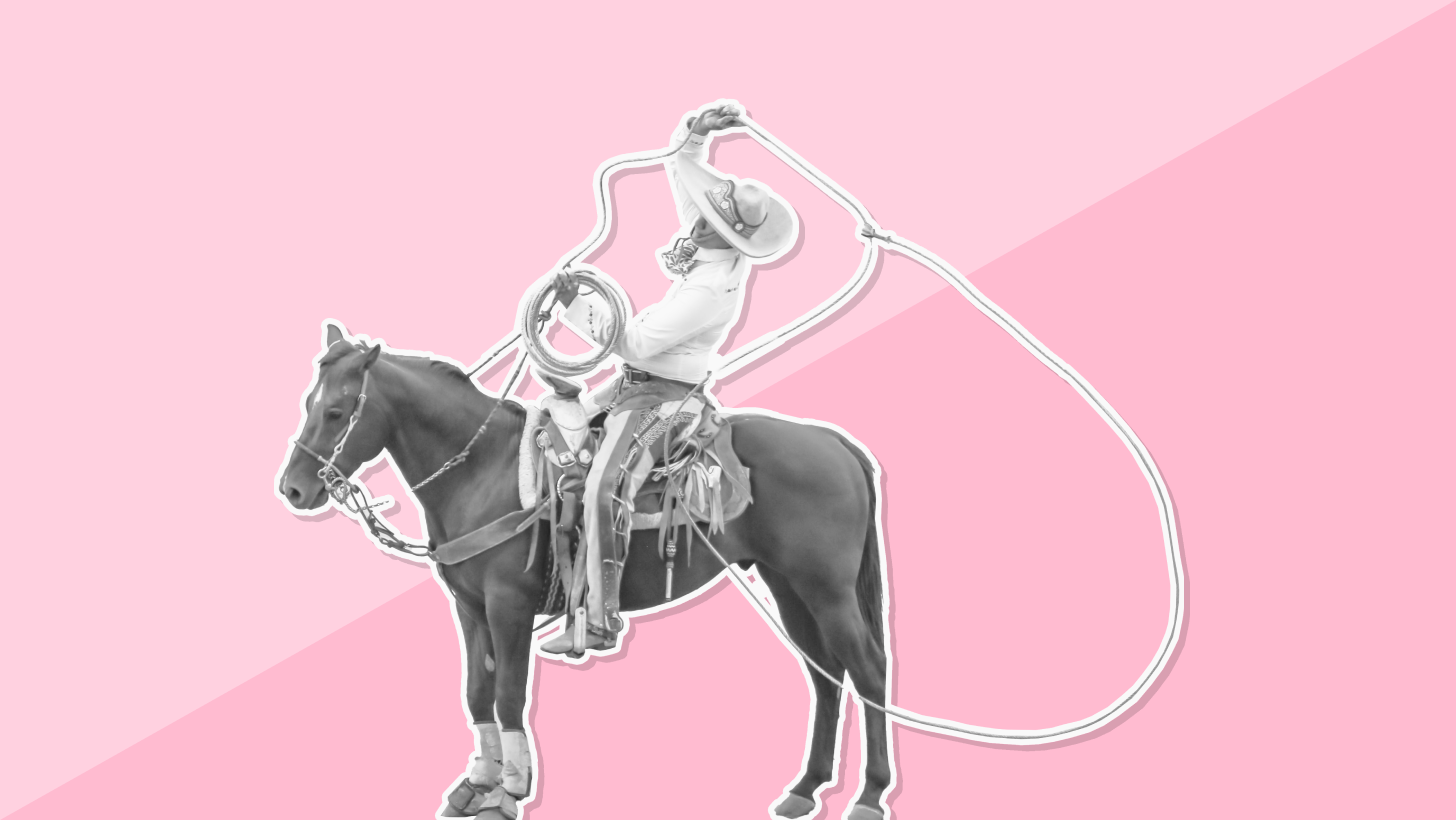
Learning is never “barkin' at a knot” 10 phrases from the Wild West!

Image: Anya Juárez Tenorio

We all know about the cowboys and the outlaws! But the Wild West, or the American Frontier, was much more than that! The culture, history, and geography of this time were fascinating, as was its dialect. Can you guess what "barkin’ at a knot" or "highfalutin" means? Many of these expressions may sound odd to our modern ears, but they once captured the rugged spirit of the time , and they helped early Americans describe their surroundings. So, keep reading if you’re eager to learn 10 expressions directly taken from the Wild West!

1
Higgledy-piggledy

Image: Peter Herrmann

Imagine a table full of random objects, all jumbled together, with no categories whatsoever. Chaotic, right? Well, that’s exactly what "higgledy-piggledy" means. Can you figure it out from context?

When things got all mixed up or disorganized , folks in the Wild West would call it "higgledy-piggledy." This playful phrase was used to describe chaos or confusion. But it’s not only about a mess of objects, a pile of papers sort of mess, it could also be a situation that got out of hand.

It’s believed to be of British origin, but it found a way to cross the pond and make its way into the American frontier lingo. The repeating sound of the words adds to the sense of disorder – kind of like a tongue-twister that reflects the state of things.

2
Bag of nails

Image: Blake Emge

Don’t take this too literally—it gets gross quickly. But when it comes to the meaning, it’s highly relatable. Ever had one of those days where nothing seems to go right ? The Wild West had a term for that: "bag of nails."

When things were in complete disarray, those personal situations that quickly escalated into chaos, they were described as a bag of nails.

Imagine spilling a bag of nails everywhere, gross at first, but then it’s also messy, frustrating, and hard to clean up.

The origin of the term is not very clear, but it paints a vivid picture of total disorder. If you are having a bag-of-nails kind of day, it’s time to take a deep breath and try again tomorrow!

3
Toad strangler

Image: Mike Kotsch

One curious thing about this phrase, originally from the South, is that in every variation it refers to the same animal in the same situation. For example, "frog choker."

In any case, when the rain came down so hard it could "drown a toad," you were in the middle of a "toad strangler."

This funny phrase (although it may not be so funny for the poor toad) was used to describe a heavy downpour , the kind that left everything soaked and muddy. In a land where the weather could change in an instant, such storms were both a blessing and a nuisance. Now, if you come to think about the mud, this wasn’t so funny for the people either!

4
Barkin' at a knot

Image: Robert Gramner

You could get the meaning of this phrase by simply picturing a dog barking at a not. What’s the first thought that crosses your mind? "What on Earth is that dog doing?" Well, that’s pretty much the gist of the expression.

In Wild West lingo, if you were "barkin' at a knot," it meant you were trying to do something impossible or wasting time on a rather pointless task .

This term comes from the image of a dog barking at a tree knot: the dog thinks the knot is a threat, but all the barking gets them nowhere.

It was used on the frontier to describe situations where people were expending effort for no reward. But it can be used today to talk, don’t you think? Time to move on, partner!

5
Leaky mouth

Image: Vitolda Klein

From the gross to the nonsensical and straight into the literal, in the Wild West, if someone had a "leaky mouth," it meant they couldn’t keep their lips sealed, that they talked too much, and, more often than not, spilled secrets. We all know someone like this!

Gossipers were everywhere back then, (and this is still the case!), and having a leaky mouth was definitely not a compliment, as you can imagine. People who shared too much information or spread rumors were seen as troublemakers, which made sense considering the number of outlaws around!

We may not have those kinds of outlaws anymore, but the leaky-mouthed ones are still around!

6
Raisin' sand

Image: Richard Lee

You may have heard the expression "to raise Cain," and if that’s the case, you can guess what this expression means!

When someone was causing trouble or creating a disturbance, they were basically "raisin' sand." You know the type—the kind of person who can’t sit still for a second, the kind that is always kicking up a storm of dust; mischief in every step they take. Well, this expression is about them.

Frontier towns had their fair share of rowdy folks, and raising sand could mean anything from a loud argument to a full-blown fight. And we’ve all seen enough Western movies to know how that usually ended!

7
High-falutin'

Image: Senya Mitin

Pretentious, fancy people have existed since the beginning of times. No society has escaped the "highfalutin’" sort of folks who are always bragging about. Can you guess what it means?

"Highfalutin" or "high-falutin’" referred to people in the Wild West who were acting overly fancy or pompous , and it was not precisely a compliment.

This term was used to poke fun at people who were full of themselves or trying too hard to appear important. The origin of the phrase is a bit hazy, but there seems to be consensus to believe the phrase is a combination of "high" and "fluting" which means having ornamental grooves. Either way, if you were labeled high-falutin’, it was time to dial it down a notch.

8
Guttersnipe

Image: Amsterdam City Archives

Kids on the street trying to survive are not just a thing of today; there have always been cases of children abandoned to their own fate. Back in the Wild West, "guttersnipe" was the term used to describe a homeless kid who was trying to make it on the streets.

These kids were scrappy survivors, navigating the rough streets much like birds picking through the gutters for food.

Dating back to the 1850s, the word became highly popular thanks to Mark Twain’s descriptions in his novels, and it stuck. Had you heard it before?

9
Four-flusher

Image: Klim Musalimov

Oh, who hasn’t had a fun game night with the family that didn’t end quite like one imagined? Suddenly, everyone is arguing over the rules of the game just because there was one four-flasher who couldn’t resist the temptation to cheat!

In the Wild West, a "four-flusher" was someone who tried to cheat their way to victory , and also someone who resorted to bluffing to win a game.

The phrase comes from poker, where a flush requires five cards of the same suit. A four-flusher, then, would be someone who tried to pass off four matching cards as a flush, hoping no one noticed. Outside of cards, the term grew to describe any liar, cheat, or fraud. If you were called a four-flusher, you were someone who couldn’t be trusted. And those were certainly not welcome in the typical Wild West saloons!

10
California widow

Image: gaspar zaldo

The term "widow" in this phrase is quite deceptive because the expression doesn’t refer to a woman whose husband has died. Instead, it referred to a woman whose husband had gone off to seek fortune, often in the California Gold Rush.

These women were left behind, sometimes for years, while their husbands pursued riches out West. Though they were still married, they were called "widows" because they were left to manage on their own.

It was a common term in the mid-1800s, as the Gold Rush drew many men away from their homes. For some women, this separation was temporary, but for others, their husbands never returned. Quite sad, huh?

History History 4 min read

"Speak easy when you order"

Did you know these facts about the Prohibition era?

Image: DayanaLiquorNerd / maja7777

Endless myths and stories have permeated our culture about the era when alcoholic beverages were banned. Did pharmacists really get rich selling whiskey? Were all women in favour of Prohibition? In fact, were all rulers in favor of it, or did some publicly celebrate its ending? Let’s dive into some not-so-well-known facts about the Eighteenth Amendment .

1
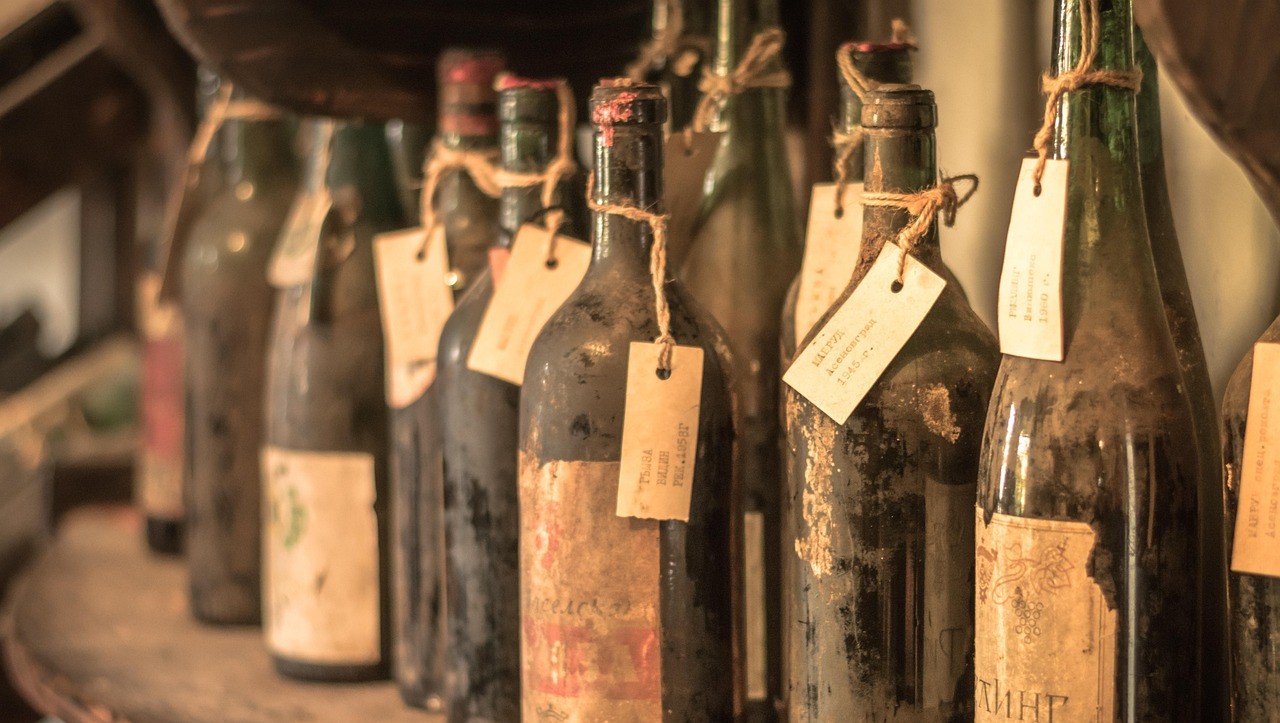
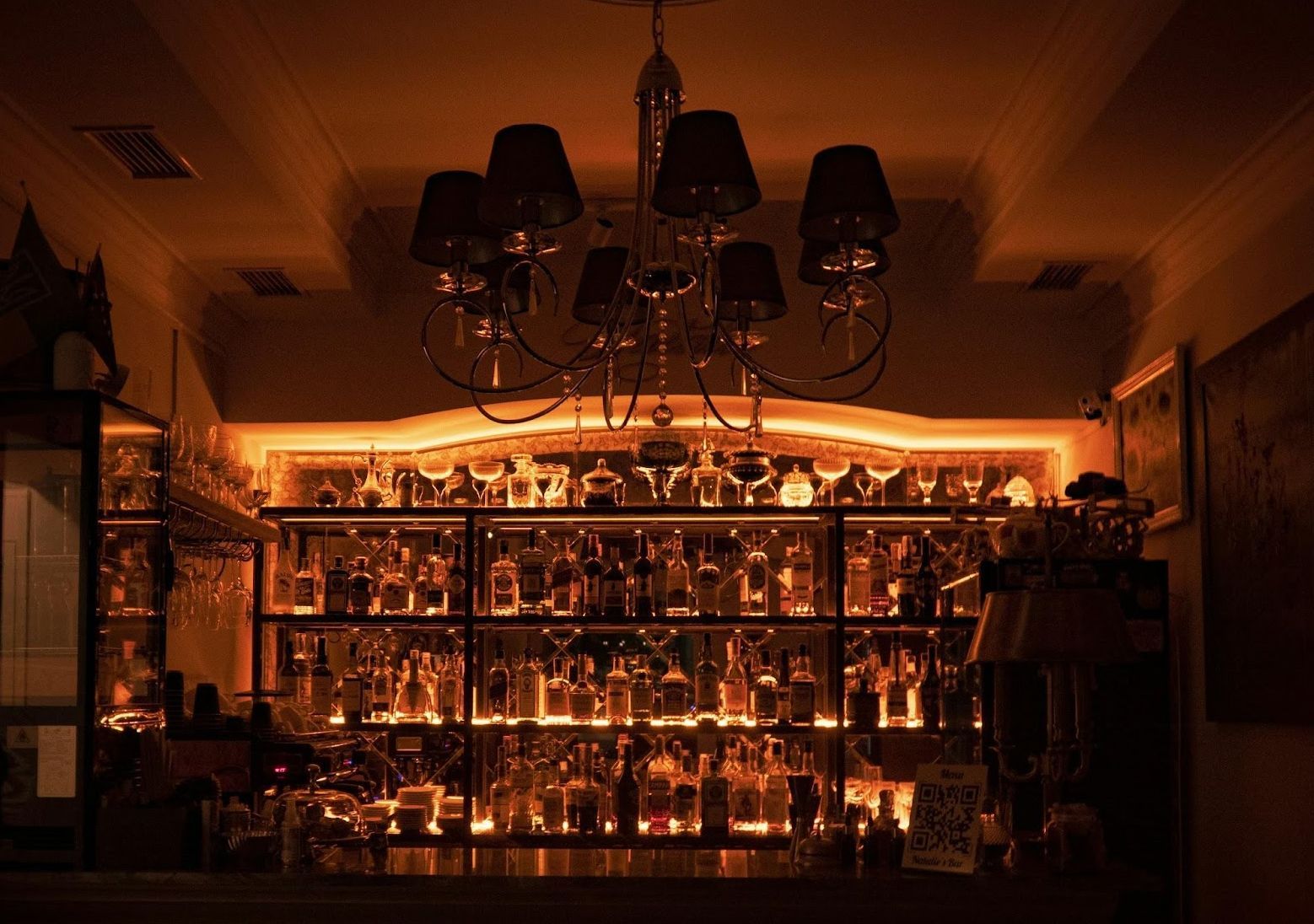
The term "Speakeasy" came from a whispered instruction

Image: Shtefan Lounge

This expression, by now forever associated with the Prohibition Era, came from bartenders quietly warning patrons to "speak easy" when ordering illegal drinks.

It is believed that the phrase was already in use in 1800s saloons, but it took off during Prohibition. Hidden behind trapdoors or fake businesses, these secret bars required passwords or knocks to enter.

2
Prohibition sparked the rise of NASCAR

Image: Caleb Woods

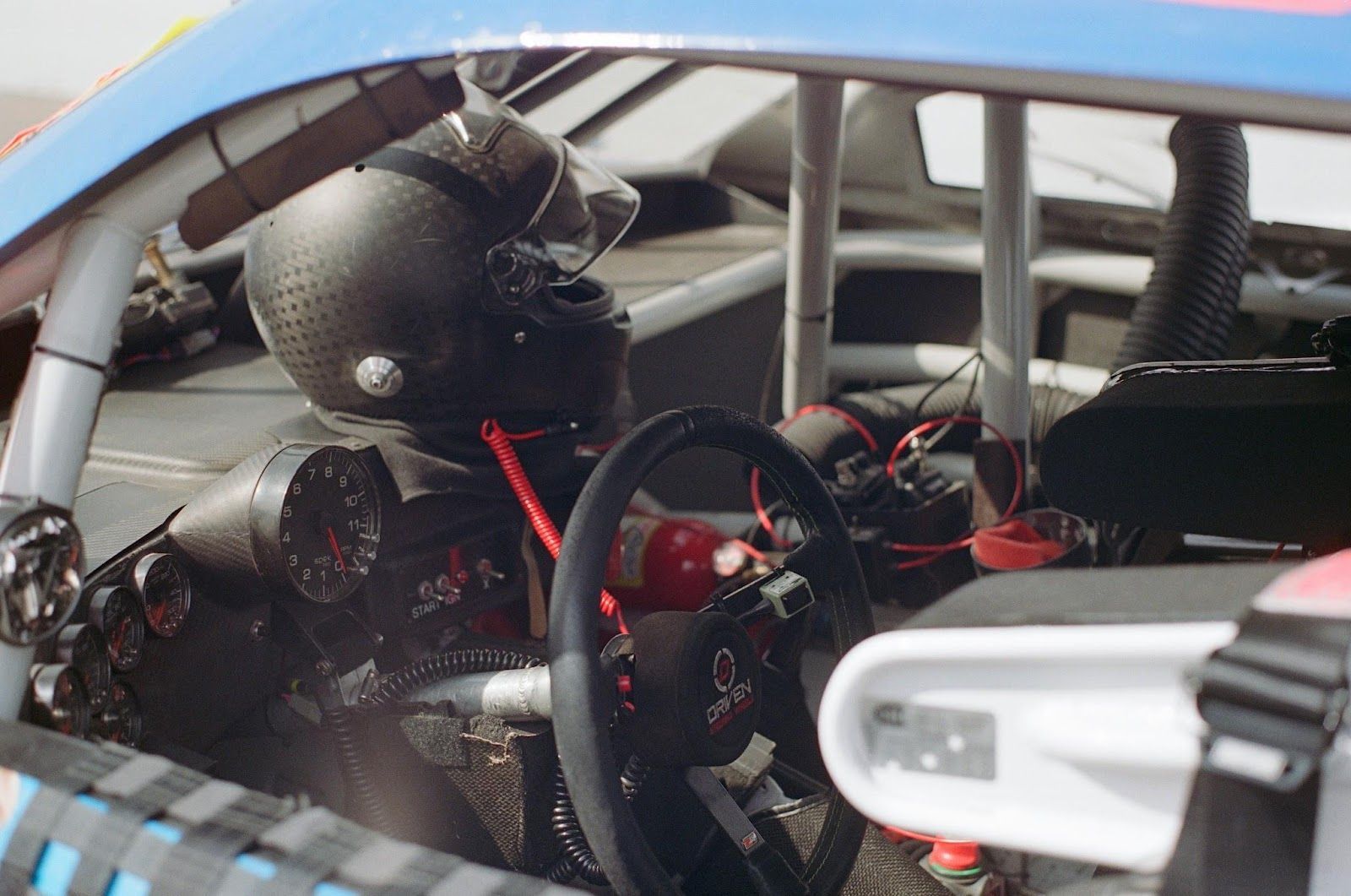
Southern moonshiners during Prohibition needed to move whiskey fast. To evade federal agents, they needed to modify cars for speed and for driving through uneven terrains under the cover of the night.

What do you do with that peculiar set of skills when the Prohibition ends, then? Many of these trained drivers began racing each other for fun , and eventually for prizes. These informal competitions laid the groundwork for stock car racing, and in 1948, NASCAR was officially founded.

3
Grape bricks were a legal alternative

Image: Keegan Houser

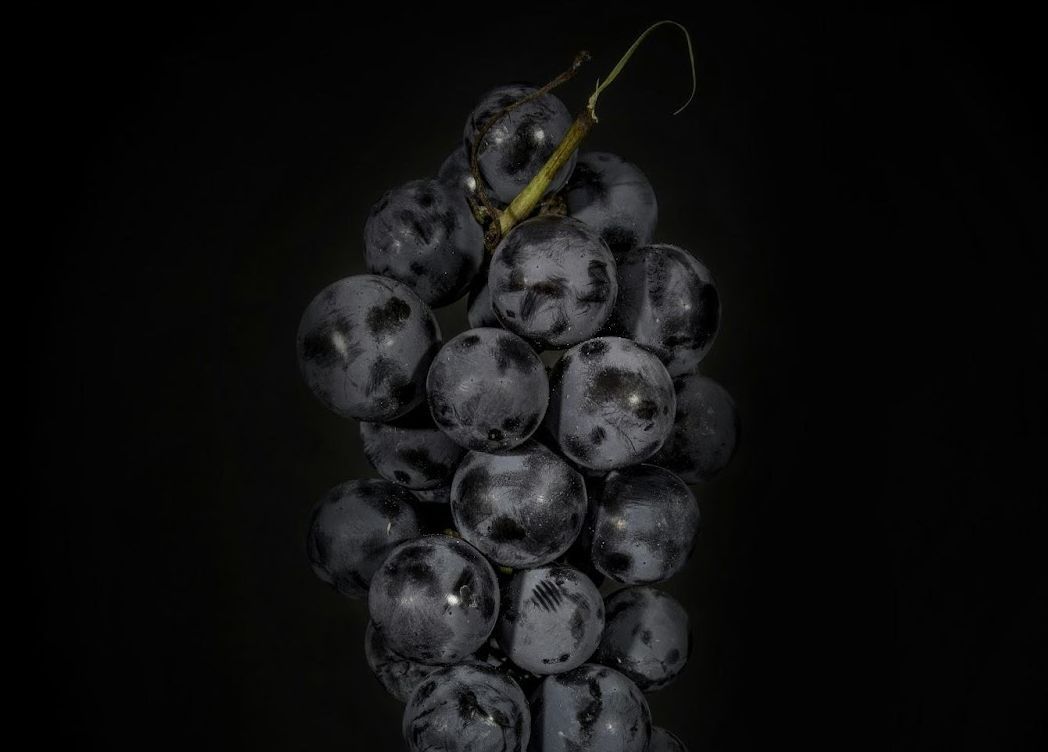
Though commercial winemaking was banned, winemakers adapted quickly by selling "grape concentrate bricks" legally.

They were dense blocks that came with a cheeky warning: "Do not dissolve in water , add yeast, and let sit for 21 days, or it may ferment into wine." Of course, that’s exactly what people did.

4
Al Capone opened a soup kitchen

Image: Drew Gilliam

During the Great Depression, mob boss Al Capone operated a soup kitchen in Chicago, serving thousands of unemployed individuals .

The sign outside read "Free Soup, Coffee & Doughnuts for the Unemployed." It was certainly a clever PR move that helped soften his infamous image, even as he profited from illegal booze and violence.

5
There was a "whiskey prescription" loophole

Image: Anastasia Zhenina

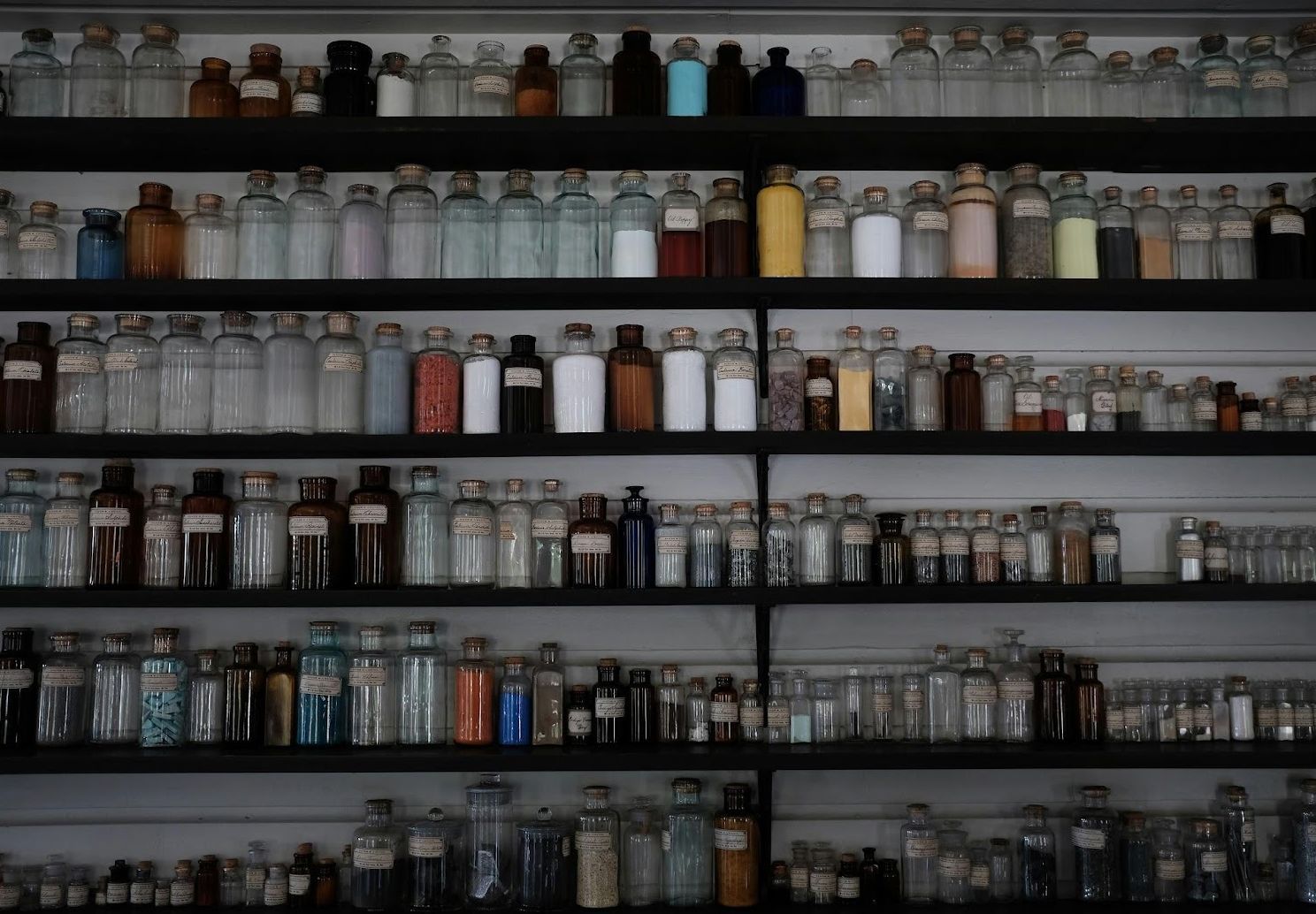
While Prohibition outlawed alcohol sales, there was one major exception: whiskey prescribed by a doctor. The government allowed the writing of prescriptions for " medicinal liquor ," so millions were written. Patients could pick up their booze at a local pharmacy, usually in a clearly labeled bottle: "For Medicinal Use Only."

6
"Mountain Dew" meant Moonshine

Image: Josh McLain

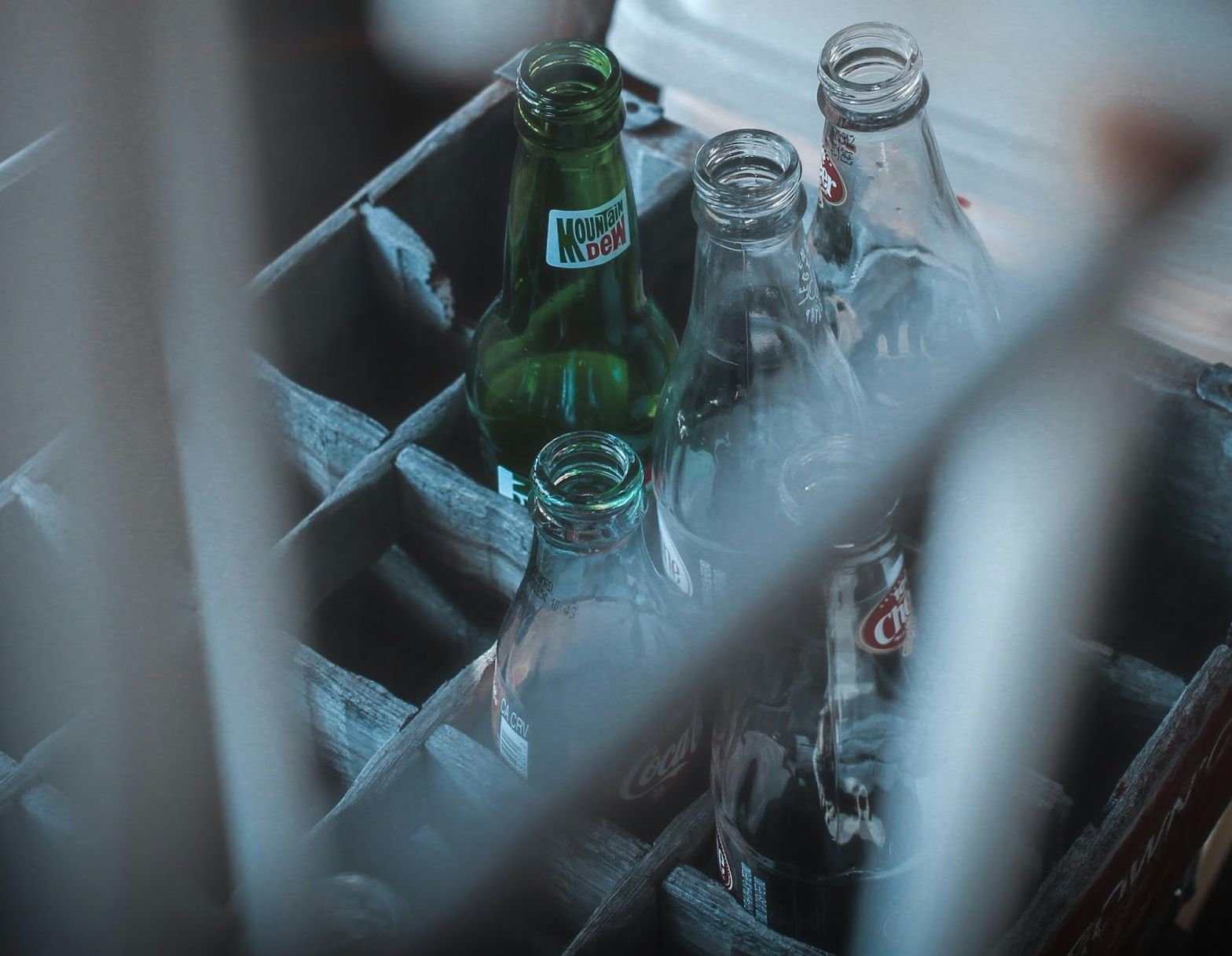
Long before it was a neon-green soda, "mountain dew" was slang for homemade whiskey . The term already appeared in folk songs of the Appalachian region back in the 19th century, and it became especially popular during Prohibition, as illegal distilling became widespread.

In the 1940s, the creators of the soft drink Mountain Dew originally formulated it as a mixer for whiskey. The name was a wink after the bootlegging culture it came from.

7
Women were on both sides of the front lines

Image: Agustina Tolosa

Fierce women activists led the temperance movement, yes. For example, Carrie Nation famously stormed saloons with a hatchet. But many women also thrived in the world of illegal liquor.

Some saw Prohibition as an opportunity and became successful bootleggers, smugglers, and speakeasy owners. One of the most famous was Gertrude "Cleo" Lythgoe, nicknamed "The Queen of the Bahamas," who smuggled high-end liquor from Nassau to the U.S. East Coast and built a fortune.

8
Toothpaste and hair tonics were alcoholic

Image: Chelms Varthoumlien

With liquor banned, some people turned to unlikely products to get drunk. Items like bay rum aftershave, vanilla extract, hair tonics, and even toothache drops were legally sold and packed with high-proof alcohol. Desperate drinkers downed them despite the awful taste and potential health risks.

In New York City alone, an estimated 150,000 gallons of bay rum were consumed for intoxication in a single year.

9
Bootlegging funded jazz and nightlife

Image: cottonbro studio

Prohibition did help launch a cultural revolution . Speakeasies became centers of nightlife and music, and in places like Harlem, they gave rise to the Harlem Renaissance. Jazz greats like Duke Ellington and Billie Holiday got their start playing in these clubs.

10
New York’s mayor toasted the end with a beer… on air

Image: Muhammed ÖÇAL

When the 21st Amendment officially ended Prohibition on December 5, 1933, New Yorkers celebrated with flair. So did their mayor. Fiorello La Guardia, a vocal critic of the alcohol ban , marked the occasion by cracking open a beer during a press conference and drinking it on live radio.

La Guardia had long argued that Prohibition bred crime and disrespect for the law, so this on-air symbolic gesture made sense and marked the beginning of instant change.

11
Some states didn’t ratify the end until the 21st century

Image: Chris Hardy

Though the 21st Amendment repealed Prohibition in 1933, some states and counties held out for decades . Mississippi didn’t officially end state Prohibition laws until 1966; that’s 33 years after the national repeal. Kansas, meanwhile, banned public bars until 1987.

Even today, Prohibition echoes remain. Several U.S. counties are still "dry," meaning alcohol sales are restricted or banned outright.

Explore more American facts

Choose your favorite category!

General
General

As American as apple pie—the very best America has to offer!

Culture
Culture

Delve into the astounding richness of American lore.

Geography
Geography

Hop in and explore vast and diverse American landscapes.

History
History

Discover the key moments that shaped the United States.