History History 4 min read

What’s in a name?

Would you have used "BackRub" daily? The original names of popular brands

Image: Iulia Buta

Which name do you like better for the world’s biggest search engine: Google or BackRub? Believe it or not, a lot of people were supporting the latter at some point. It’s hard to imagine a world where "BackRubbing" information is a daily habit! Here, we go over the original names of very famous brands and explore why they didn't stick. Do you wish any of them had been used?

1
BackRub
Image: Deepanker Verma

Before it became the verb we all use today, Google was known as BackRub. The name referred to the search engine’s ability to analyze backlinks (links from one webpage to another) as a way to rank search results.

But it sounded more like a massage parlor than a tech startup. In 1997, they wisely rebranded to Google, a twist on "googol," the term for the number 1 followed by 100 zeros.

2
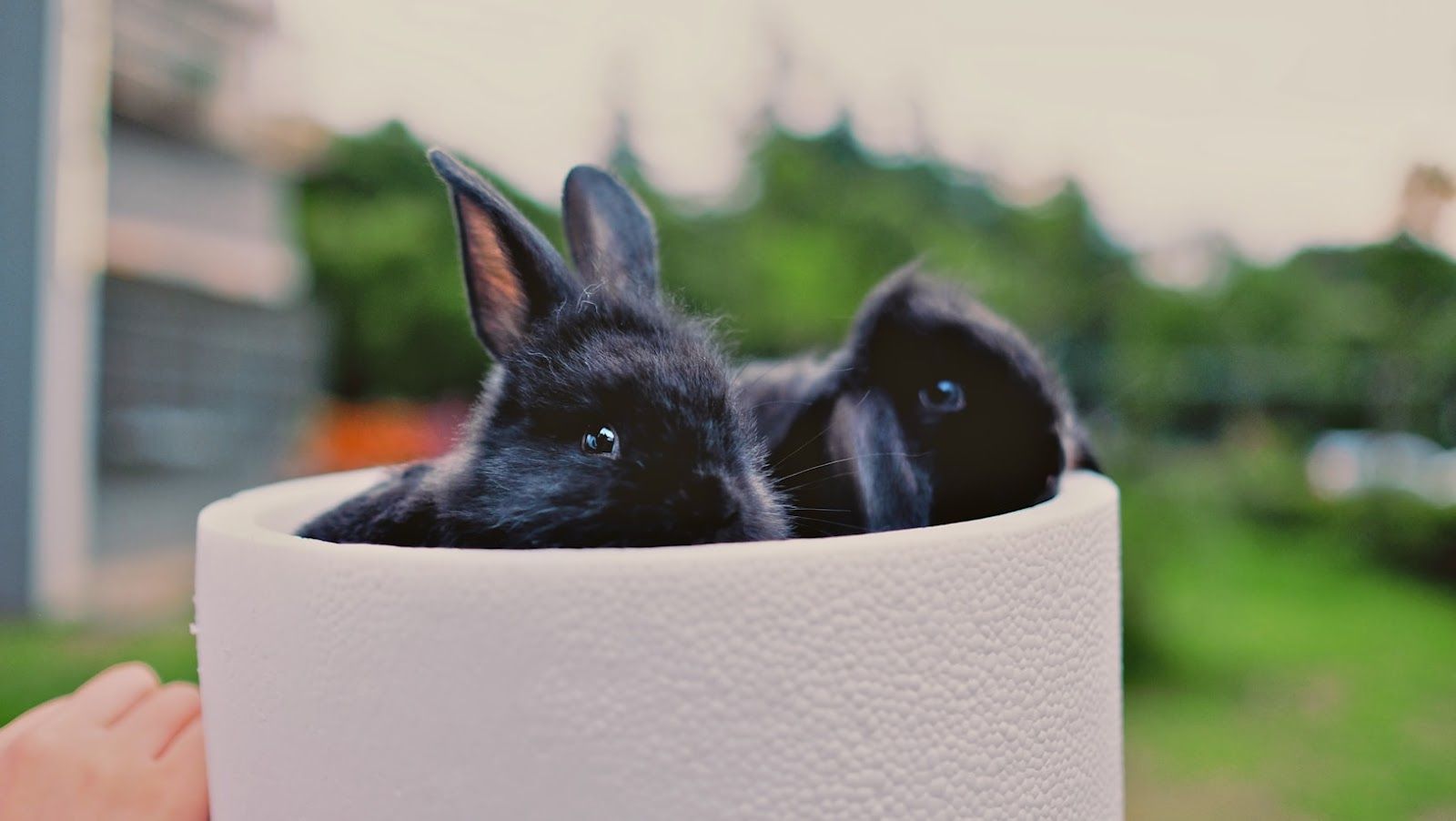
Brad’s Drink
Image: NIKHIL

It was going to carry around the nickname of its creator forever. Caleb Bradham was a pharmacist in New Bern, North Carolina. He invented a drink back in 1893 as a refreshing, energizing tonic for digestion, which included pepsin , a digestive enzyme.

A few years later, Brad decided on a more marketable name than his own : Pepsi-Cola.

3
Taco-Tia
Image: Jeswin Thomas

Glen Bell owned Bell’s Drive-In, a stand selling hot dogs, when he noticed long lines outside a Mexican restaurant. He decided he needed to learn how to make tacos.

Over a few years, he refined his concept and opened a new chain selling Mexican food, which received several names over time, including Taco-Tia. Eventually, he landed on Taco Bell. It was conveniently Americanized , easy for mainstream customers to remember and pronounce, and suggested a memorable logo.

4
Sound of Music
Image: Josip Ivankovic

At first, this mega-electronics retailer was all about stereos. Founded in the 60s, Sound of Music specialized in home audio equipment. But after a tornado wrecked their main store in the 80s, they ran a massive clearance sale and told people they would get their "best buy" there.

By the end of the day, they had pretty much sold out. The sale was such a hit that, in 1983, they decided to rebrand entirely as "Best Buy".

5
Tote’m Stores
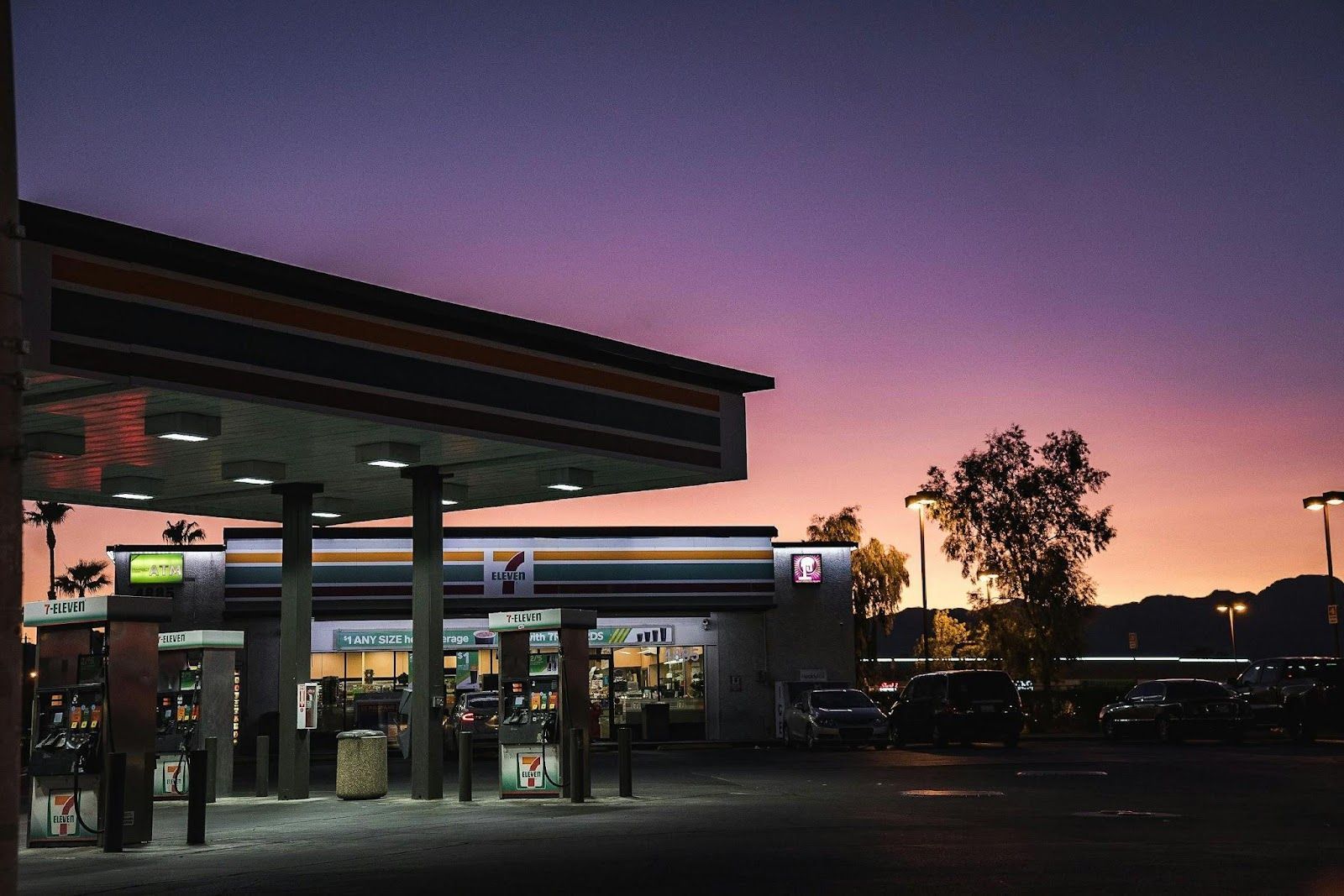
Image: Piccinng

Once upon a time, you didn’t pop into a 7-Eleven—you got your goods home from Tote’m Stores. The chain got its original name because customers "toted" their purchases.

In 1946, to highlight their revolutionary new hours (7 a.m. to 11 p.m.—wild for the time), they wisely rebranded as "7-Eleven."

6
Blue Ribbon Sports

Image: NEXT Distro

If it had been called "Blue Ribbon Sports," there would probably not be a swoosh . This company began as a distributor for Japan’s Onitsuka Tiger running shoes.

But in the 70s, as they launched their own footwear line, they realized they needed a brand with more bite. They chose "Nike," after the Greek goddess of victory. The swoosh logo was designed that same year for just $35.

7
AuctionWeb
Image: appshunter.io

The original name was straightforward, but also boring. eBay's original incarnation was AuctionWeb, launched in 1995 by Pierre Omidyar as a side project under his larger personal domain, eBay.com (which stood for his consulting firm Echo Bay Technology Group ). When he found that the domain echobay.com was already taken by a mining company, he settled on ebay.com. Later, as the online auction section became wildly successful, Omidyar dropped AuctionWeb entirely and adopted eBay as the company name.

8
Pequod
Image: Gema Saputera

The founders of this coffee shop were inspired by Herman Melville’s Moby-Dick. They wanted the quality of the coffee to be connected with seafaring and adventure . So, their first choice was "Pequod," the name of Captain Ahab’s doomed whaling ship.

That name didn’t have enough of a punch, however, so they decided to go for a wink at another character in the same book, with a much more marketable sound: Starbucks.

9
Pete’s Super Submarines
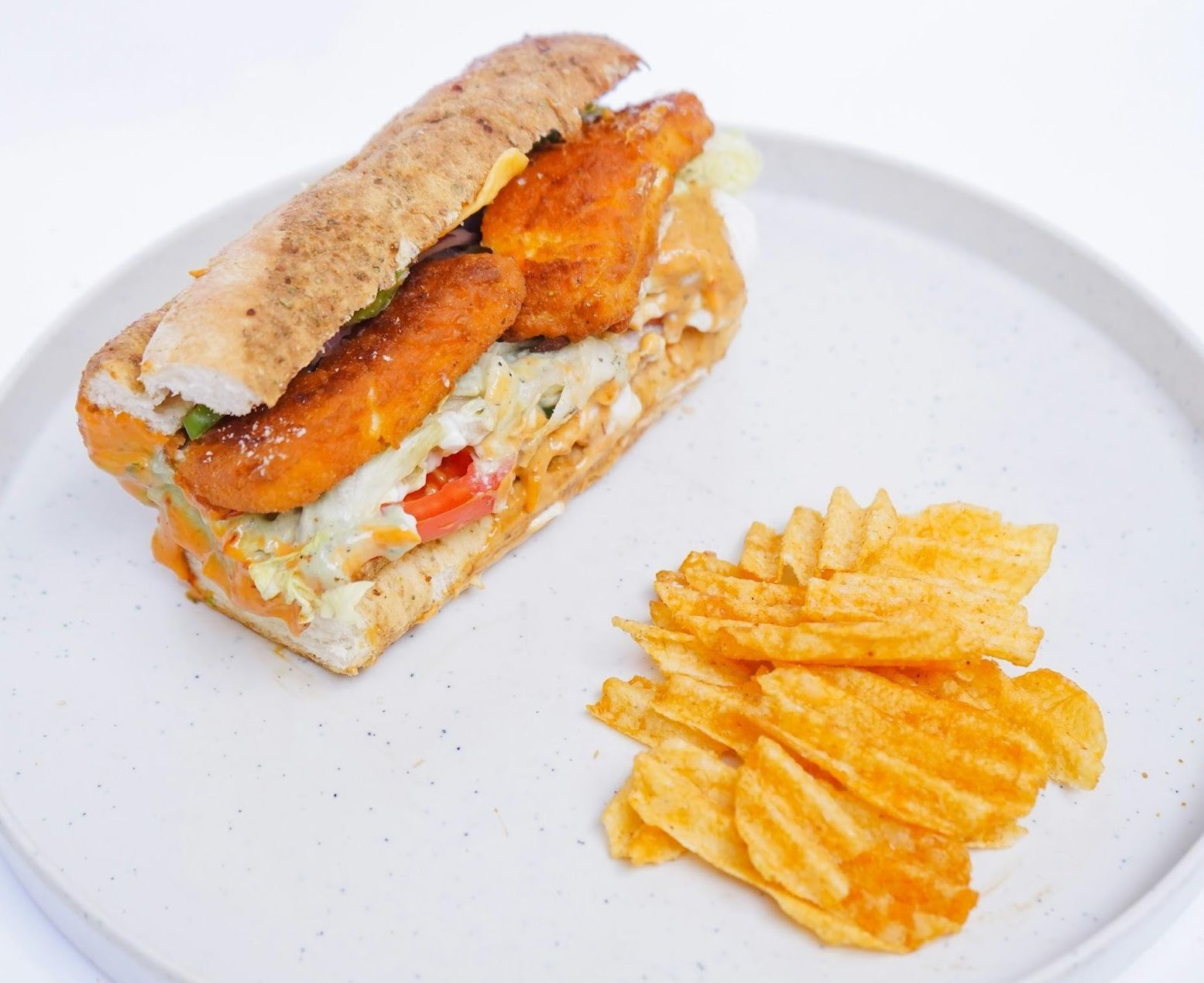
Image: Mustafa Fatemi

It was the 60s when 17-year-old Fred DeLuca opened a sandwich shop in Connecticut with financial help from a family friend: Dr. Peter Buck. In his honor, DeLuca named it "Pete’s Super Submarines."

The business grew, however, and the name was a bit of a mouthful. They needed a name that was shorter, catchier, and easier to advertise on the radio. They rebranded as "Subway," winking both at their food (subs) and the fast, urban lifestyle they hoped to serve.

10
Cadabra

Image: ANIRUDH

Too spooky, right? Amazon nearly had a name that conjured magic tricks. In 1994, Jeff Bezos registered the name "Cadabra," short for abracadabra . That lasted until someone pointed out how much like "cadaver" the name sounded.

Bezos then considered "Amazon," the name of the immense river. Not only did it suggest something vast, exotic, and full of potential, but it also placed the brand at the top of alphabetical listings —an old-school SEO move.

Culture Culture 3 min read

Which one is your favorite?

Tigers, cheetahs & more: 12 advertising mascots turned cultural icons

Image: Erik Mclean

From cereal boxes to car commercials, advertising mascots are a big part of our pop culture. These characters aren't just selling products—they’ve become household names. Whether it’s a talking gecko or a grinning doughboy, mascots help brands stick in our minds. Can you recognize these 12?

1
Colonel Sanders

Image: Aleks Dorohovich

Colonel Sanders, the iconic KFC mascot, is based on Harland Sanders, the chain's founder . He received the honorary title of "Colonel" from Kentucky's governor in 1935.

Sanders embraced the persona, adopting a white suit, goatee, and bow tie, creating the famous image that still represents KFC today.

2
Energizer bunny

Image: Jerry Wang

The Energizer Bunny debuted in 1988 as a parody of Duracell’s "Drumming Bunny." Designed with sunglasses, flip-flops, and a bigger drum, it stood out as a bold contrast to its competitor’s mascot.

The campaign grew into a long-running success, and, obviously, a trademark battle followed, ultimately ending with Energizer securing exclusive rights to the pink bunny in the U.S. and Canada.

3
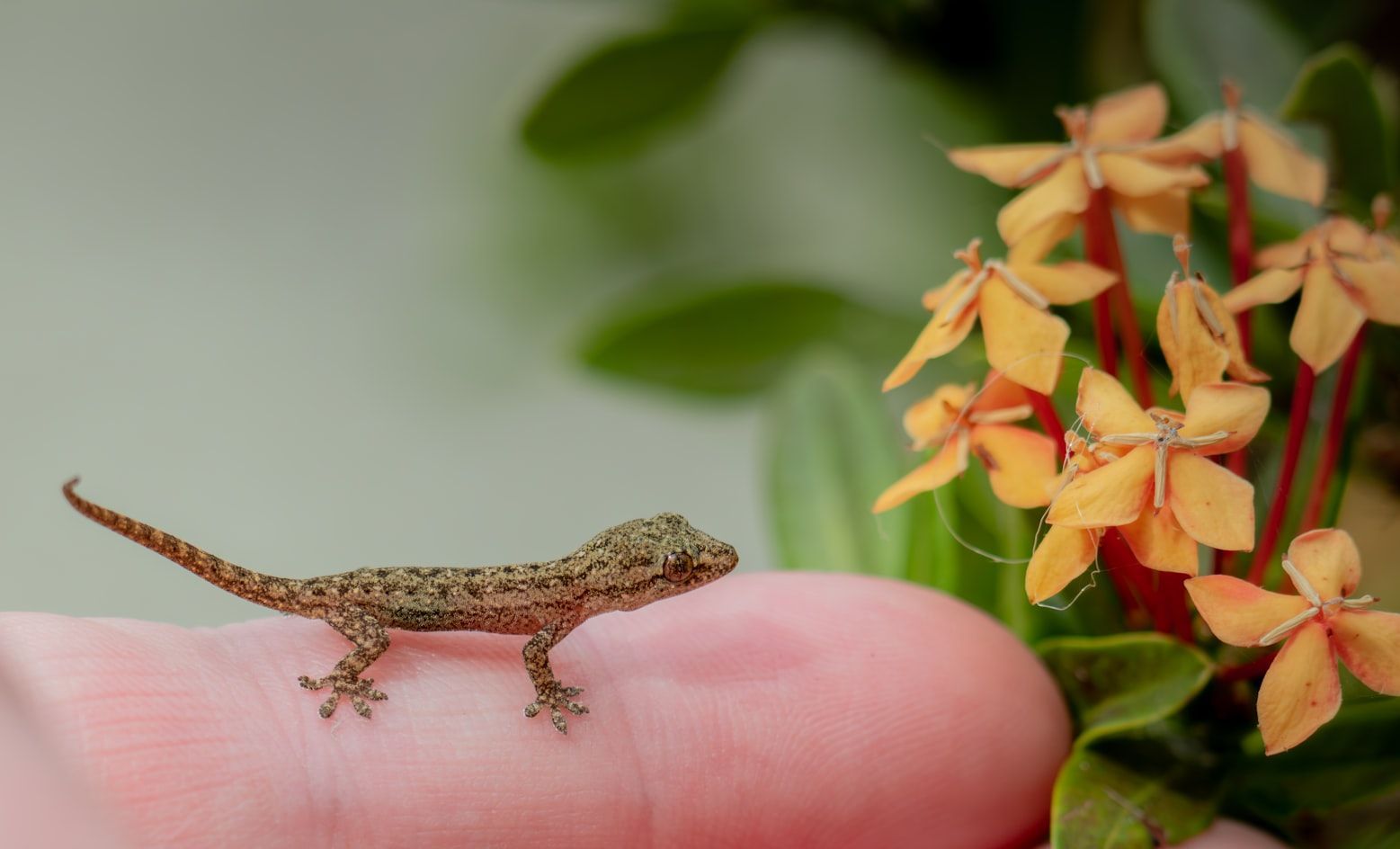
GEICO gecko

Image: Hunter Masters

The GEICO Gecko debuted in 1999 during an actors' strike, when live talent was unavailable. The idea stemmed from people mispronouncing "GEICO" as "Gecko," inspiring a quick lizard doodle during a brainstorming session.

In his first ad, the Gecko held a press conference asking people to stop confusing him with the company. The quirky concept quickly became a memorable and enduring mascot.

4
Jolly Green Giant

Image: Jun Weng

The Jolly Green Giant began in 1925 with the Minnesota Valley Canning Company’s "Green Giant" peas. The original mascot was a stern, fairy tale–like figure.

In 1936, ad legend Leo Burnett redesigned him with a leafy toga and a friendly smile, making him "jolly." The company later adopted the Green Giant name, and the mascot became a lasting icon.

5
Pillsbury Doughboy

Image: Sonia Nadales

The Pillsbury Doughboy, named Poppin' Fresh, was created in 1965 by ad copywriter Rudy Perz. The idea came to him as he imagined a dough character popping out of a can in his kitchen .

First seen in stop-motion animation, the Doughboy became a cheerful brand icon, starring in over 600 commercials since his debut.

6
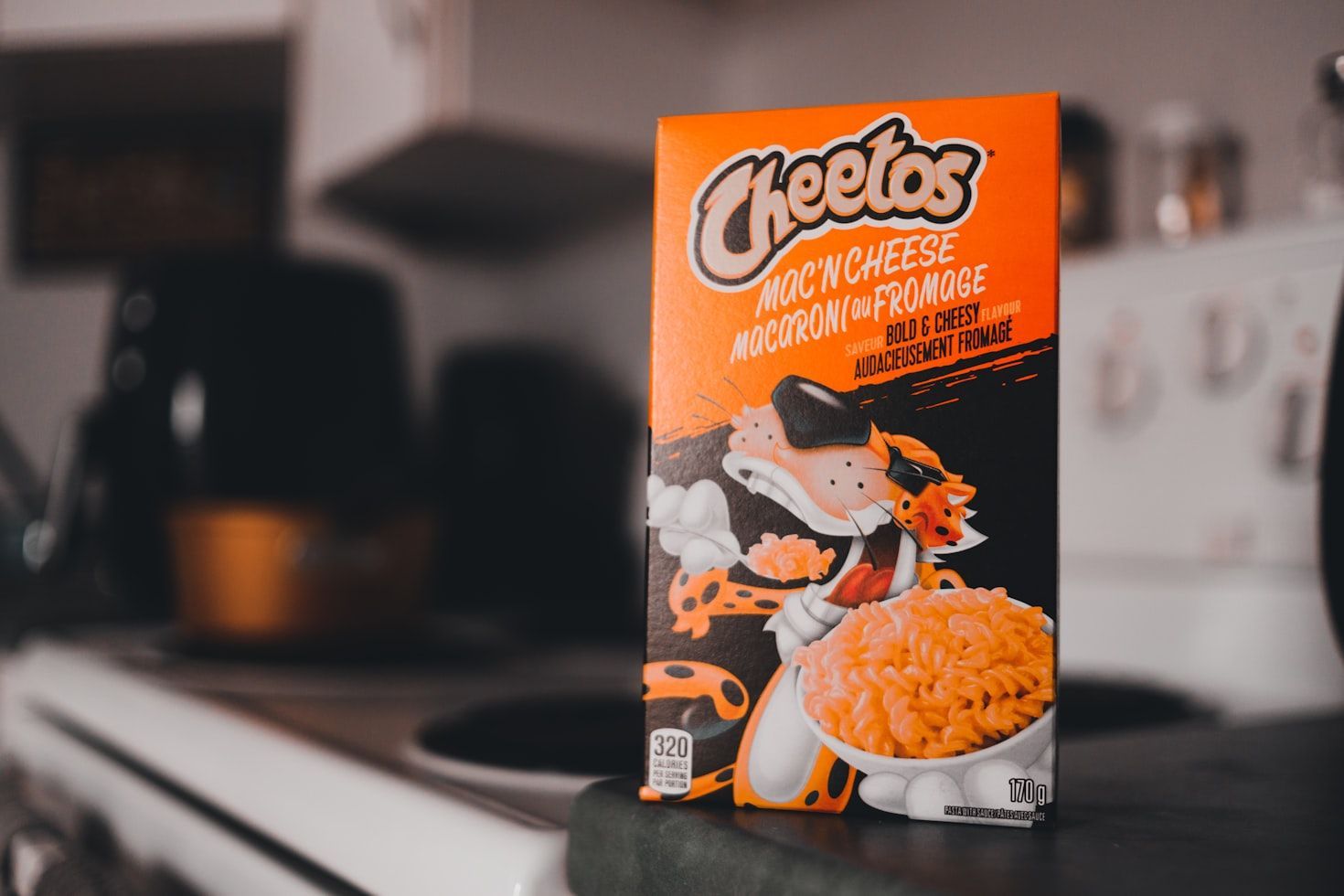
Chester Cheetah

Image: Erik Mclean

Chester Cheetah became the face of Cheetos in 1986, replacing the original Cheetos Mouse. He debuted as a cool, animated cartoon character in TV ads.

Known for his smooth voice, catchy rhymes, and laid-back style, the character is depicted as a "cool cat" with a strong craving for Cheetos.

7
Kool-Aid Man

Image: Fotografía de Alimentos

The Kool-Aid Man, a smiling pitcher of Kool-Aid, evolved from earlier iterations and became the brand’s mascot after General Foods acquired the company in the 1950s. He quickly stood out in ads with his dramatic entrances.

Known for crashing through walls and shouting "Oh yeah!", this mascot became instantly recognizable.

8
Tony the Tiger

Image: Dom .

Tony the Tiger has been the mascot for Frosted Flakes since 1952, known for his upbeat catchphrase, "They’re gr-r-reat!" and his iconic presence on cereal boxes. He has also represented other cereals, such as Tony’s Cinnamon Krunchers.

9
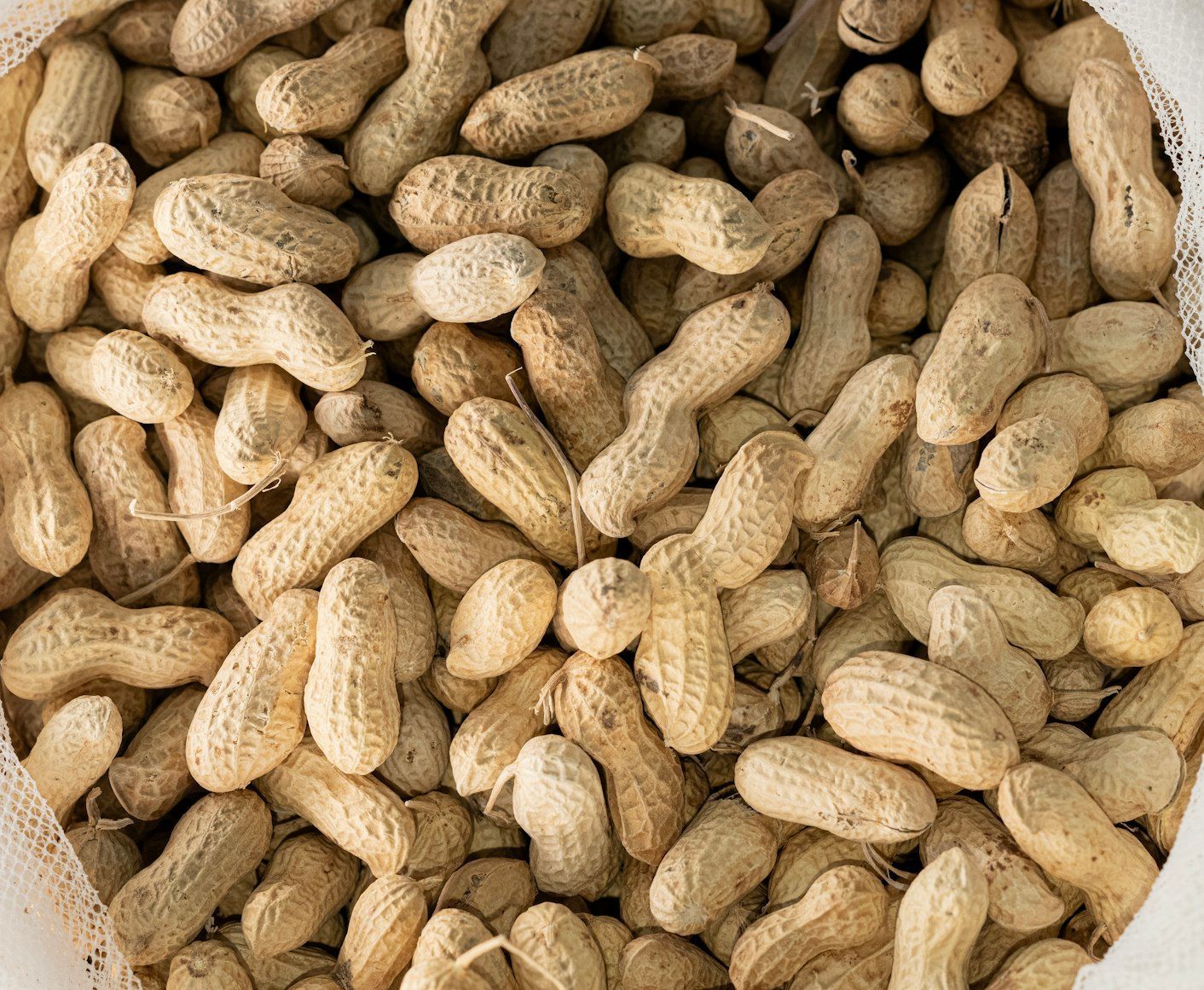
Planters

Image: aboodi vesakaran

Mr. Peanut was created in 1916 by Antonio Gentile, a schoolboy who entered a design contest held by Planters. His original drawing featured a peanut with arms, legs, and a cane .

A commercial artist later refined the character by adding a top hat, monocle, and spats , transforming it into the classic Mr. Peanut mascot we know today.

10
Mr. Clean

Image: Clay Banks

Mr. Clean was created in 1957 by an ad agency for Procter & Gamble. Originally conceived as a genie, he evolved into a muscular, bald man dressed in white, sporting an earring and folded arms. Inspired by a Navy sailor, he became a symbol of powerful cleaning.

11
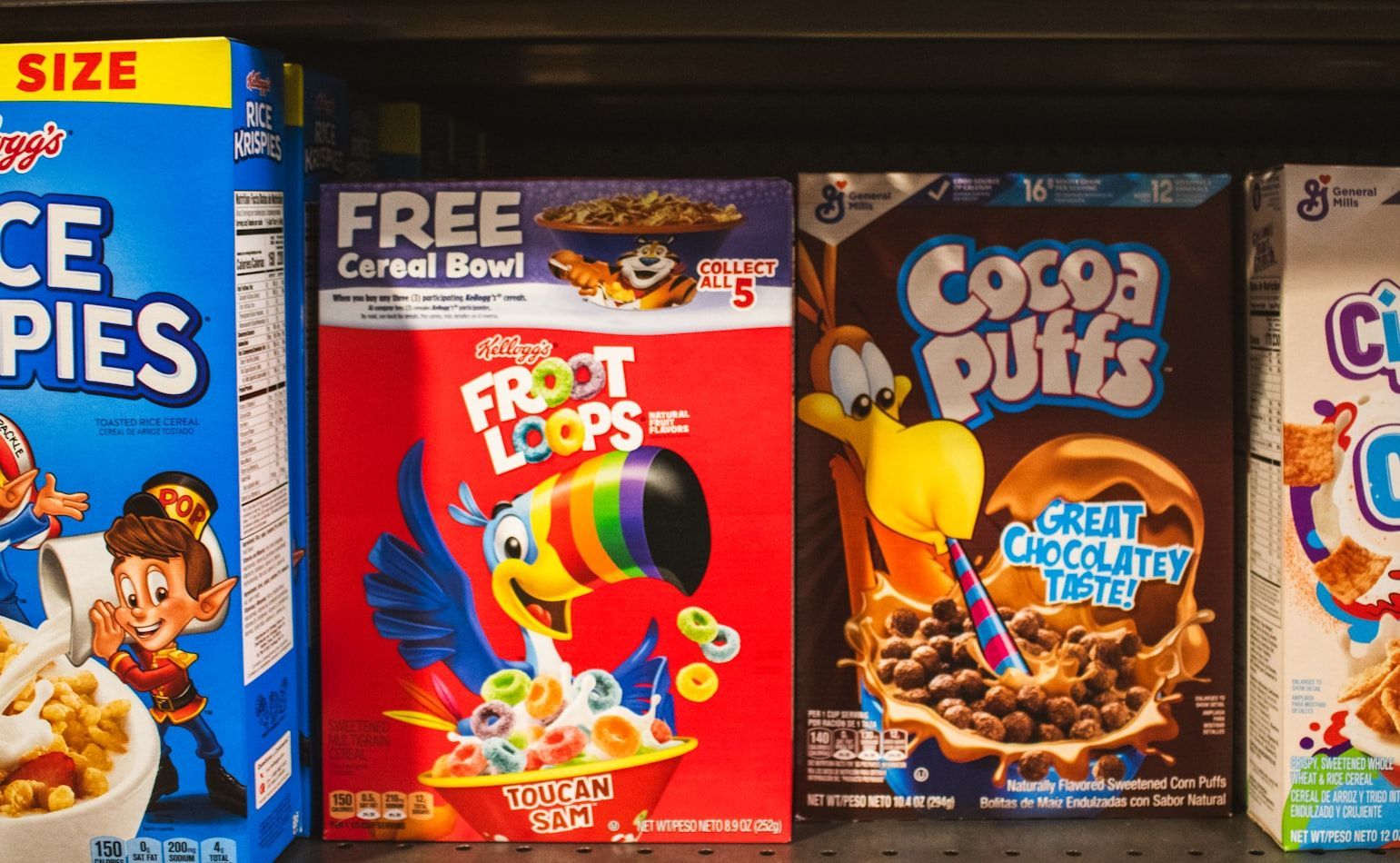
Toucan Sam

Image: Zoshua Colah

Toucan Sam, the colorful blue-and-orange mascot for Froot Loops, was created in 1963. Known for his catchphrase, "Follow my nose!" and his ability to "smell" Froot Loops from afar, Sam’s voice and design have evolved over time, making him a beloved cereal icon.

12
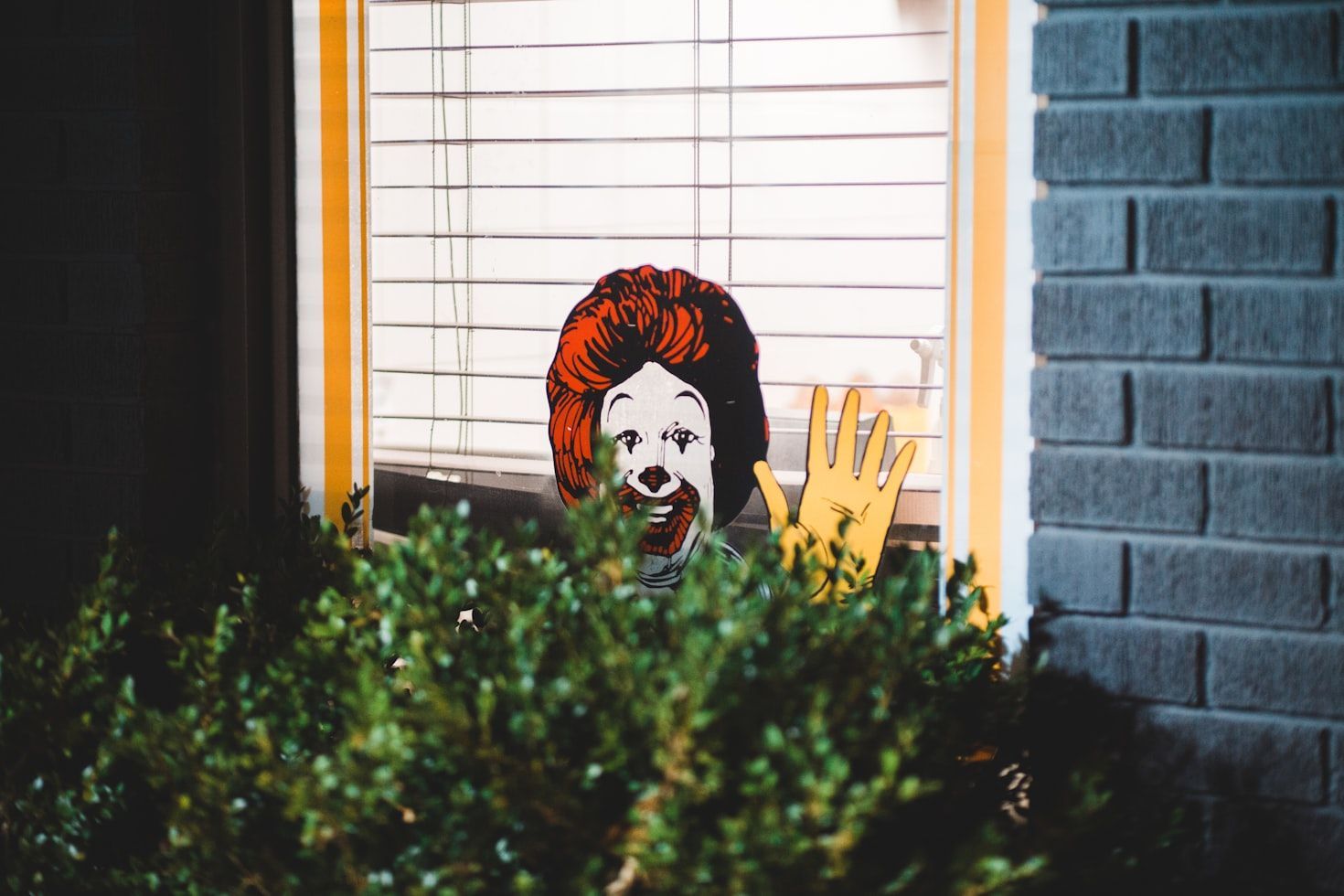
Ronald McDonald

Image: Erik Mclean

Ronald McDonald first appeared in 1963 in local TV ads in Washington, D.C., portrayed by actor Willard Scott. He was created by the Oscar Goldstein ad agency.

In 1965, McDonald's expanded Ronald’s role to national commercials with a slightly altered look. He became a key figure in McDonaldland, interacting with other characters . Over time, Ronald’s image and advertising style evolved, with updates to his outfit and overall presence.

General General 7 min read

SAUCY REGIONAL TRADITIONS

United States Barbecue: 10 Mouth-Watering Styles Across America

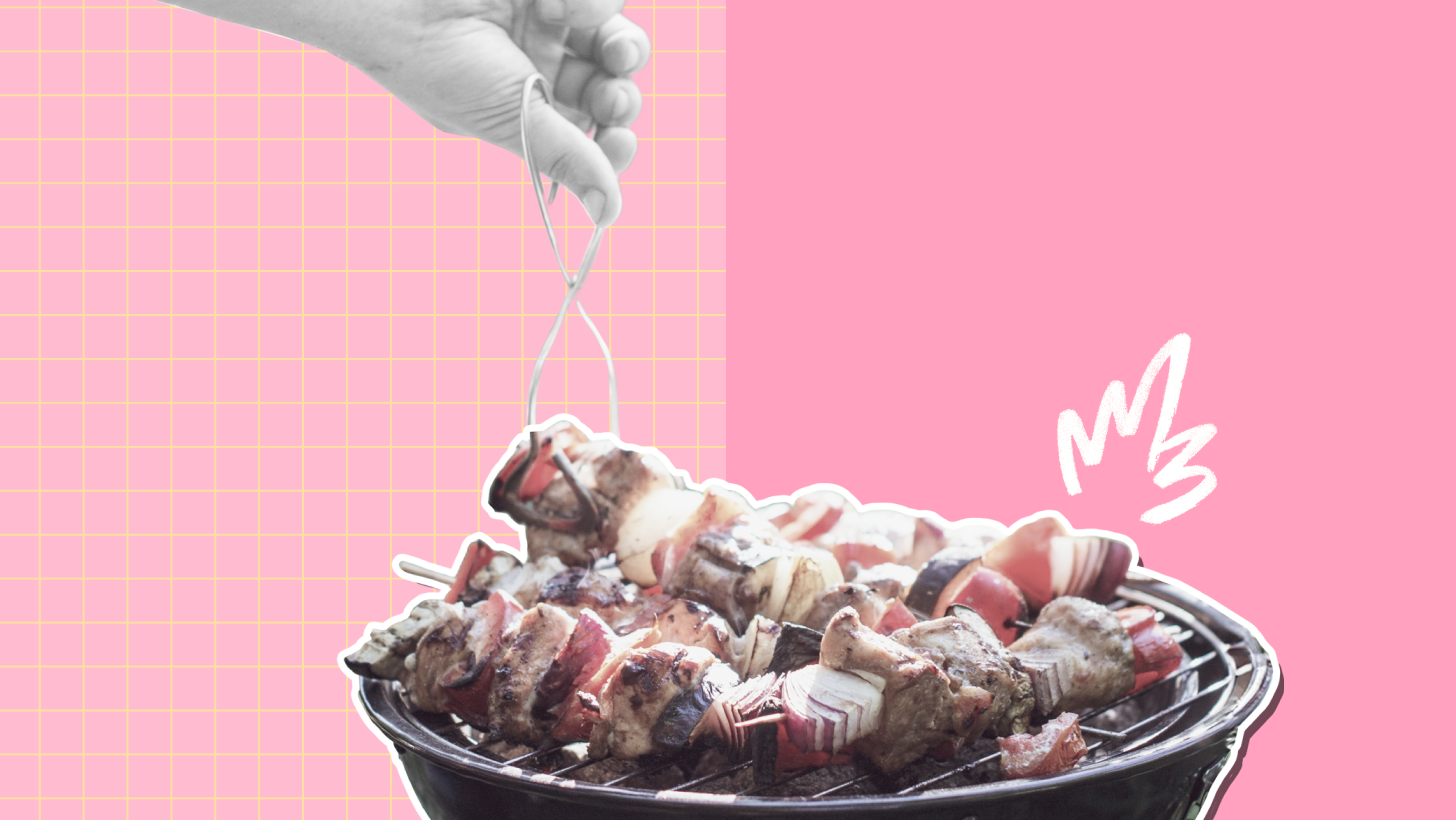
Image: Z Grills Australia

Almost every region in the United States has its own style of barbecue and all of them claim to offer the best one. Texas, North and South Carolina, Kansas City, and even Hawaii, all proudly boast of their BBQ prowess.

The term "barbecue", used to describe any slow-cooked meat, is said to derive from the Taino Indian word babracot . In fact, this practice can be traced back five centuries and originally evolved as a necessity to preserve food and, at the same time, feed many people. Nowadays, barbecue seems to be the epitome of comfort food nationwide . Keep reading to discover the best barbecue styles America has to offer!

1
Texas barbecue

Image: Andrik Langfield

Texas barbecue is heavily influenced by central European traditions . German and Czech immigrants settled in the state in the mid-nineteenth century introducing new ingredients. That is the main reason we find pork products like sausages in Texas-style barbecue, in addition to the classic beef brisket. In order to preserve fresh meat longer, they used to smoke it and cook it for a very long time. Over the years, this traditional barbecued meat, which originated in central Texas, spread throughout the state, so today we can enjoy not one but four different styles !

Central Texas BBQ is generally very straightforward, the meat is smoked over pecan, mesquite, or oak wood with just a salt and pepper dry rub. South Texas BBQ has Mexican influences and uses a molasses-based sweet sauce. East Texas BBQ is marinated in a sweet tomato-based sauce and slowly cooked via indirect heat. Finally, West Texas BBQ is prepared over an open flame using mesquite wood.

2
Memphis barbecue

Image: Philipp Kämmerer

No doubt about it, Memphis is one of the BBQ capitals of America . Unlike barbecue styles in other states, in Memphis, the meat is cooked using charcoal instead of hardwood logs. Pork ribs and pork shoulder are the signature cuts prepared with a tangy and sweet sauce based on molasses and tomato. Classic sides for the Memphis barbecue are sweet baked beans and slaw.

Barbecue originated in Memphis at the beginning of the 20th century , when African Americans began to populate the state. Often found in lunchtime pork sandwiches and late-night treats in nightclubs, Memphis BBQ style soon became a staple in the area. Many entrepreneurs opened new restaurants during this time, including John H. Mills, considered Memphis’s First Barbecue King. Rumor has it that even the great Bing Crosby was a regular at Mills’s place whenever he was in town.

3
Kansas City barbecue

Image: fstop314.com

According to the Visit KC website, "Barbecue in Kansas City is more than a menu item or a method of preparation. It’s an institution." The fact is that Kansas barbecue has a long history and is central to the city's culinary culture . Not for nothing is it called the "BBQ Capital of the World". With more than 100 restaurants, there’s even a Kansas City Barbeque Society in charge of promoting this style of cooking around the world.

Kansas City’s love for barbecue started in the early 1900s when a man called Henry Perry began selling slices of hickory smoked meat wrapped in newspaper. Soon after, others followed and started developing their own barbecue recipes. Nowadays, the Kansas City barbecue style involves grilling or smoking different kinds of meat seasoned with a dry rub, then finished with a tomato-based barbeque sauce. Sides include bread, pickles, baked beans, and slaw.

4
North Carolina barbecue

Image: Peter Bravo de los Rios

Whether at a backyard grill, or a traditional wood fire pit at a local restaurant, North Carolina has a proud barbecue tradition. This particular method of smoking and cooking meat has its roots in the emergence of hog cultivation . In the 1500s, Spanish settlers brought pigs to the region and natives on Roanoke Island contributed with their wood-fired slow-cooking method. Over the years, barbecue in North Carolina became a special feature in every celebration and special occasion.

Although recipes may vary between different regions in the state, pork is always the main ingredient . While in the East people cook the whole hog, western Carolinians prioritize the pork shoulder. The sauce is a matter of controversy too. The Eastern tradition calls for a thin vinegar and pepper sauce, whereas Western recipes add tomato or ketchup. Geographical customs aside, if you happen to visit North Carolina, order a local barbecue in one of the many great restaurants and you won’t be disappointed!

5
South Carolina barbecue

Image: @felipepelaquim

Some argue that South Carolina is "The Birthplace of Barbecue" . We won’t be able to settle this debate here and now, but what is certain is that the Palmetto State's barbecue tradition goes back at least five centuries. As with North Carolina, South Carolina barbecue also has its origins in the cultural exchange between Spanish settlers and American Indians . Europeans brought and raised pigs on the islands off the Atlantic coast and the natives knew exactly how to cook them.

The South Carolina barbecue style means cooking and smoking meat —preferably pork— low and slow over hardwood coals. Sometimes pulled from a whole hog, sometimes chopped from a shoulder or ham, South Carolina barbecue comes with a signature sauce depending on the region . You can find a blend of vinegar, salt, and some red pepper to spice things up or a yellow sauce made of cider vinegar, brown sugar or honey, and mustard. No matter which one you get, be prepared for an exceptionally tender and flavorful dish!

6
St. Louis barbecue

Image: Rachel Bramlett

Did you know St. Louis is said to consume more BBQ sauce per person than anywhere else in the country? St. Louisans are big on spare ribs, which may have been introduced in the local culinary tradition more than a century ago. As the legend goes, a steamboat cook named Henry Perry used to slow smoke discarded slabs of ribs from the Kansas City stockyards using locally harvested hardwood trees.

Nowadays, the St. Louis barbecue style includes a variety of seasonings and cooking methods . From grilling to slow smoking, ribs, pulled pork, burnt ends, and pork steaks are smeared with a sauce made from ingredients such as salt, vinegar, black pepper, brown sugar, tomato, and even apricots. Unlike other types of barbecue, St Louis style does not require a dry rub and it cooks a lot faster. White bread is the side of choice, especially if you want to make the most out of all that BBQ sauce!

7
Hawaiian barbecue

Image: Tirza van Dijk

Yes, they have barbecues in Hawaii. Although you won’t get the traditional ribs, pulled pork, and brisket, the Aloha State is home to a delicious kind of barbecue. Influenced by its many immigration waves —primarily from China, Korea, Japan, Portugal, and the Philippines—, it has labor origins dating back to the late 19th century . While modern Hawaiian barbecue includes various cooking techniques, such as roasting, smoking, and grilling, the traditional way requires an imu , an underground oven lined with hot rocks, and banana and ti leaves.

Barbecues from the Paradise of the Pacific are often sweet, tangy, and tropical . You can find chicken, beef, pork, and even seafood. Marinades and sauces incorporate Asian flavors and ingredients like soy sauce, garlic, ginger, and brown sugar. Side dishes range from sticky rice to macaroni salad, complementing and balancing the bold flavors of the meats.

8
Alabama barbecue

Image: Rachel Bramlett

In the South, barbecue is synonymous with any meat that's cooked over the fire. Although pork is often the protein of choice, some restaurants in Alabama also feature brisket, chicken, and beef ribs. Barbecue became popular in Alabama during the early 19th century when difficult economic times required a clever way for the working class to bring flavor and tenderness to cheap cuts of meat.

Sauces involved in the Alabama barbecue style are as diverse as they come . Influenced by the neighboring states of the so-called "barbecue belt", you can find variations of tomato-based sauces, spicy marinades, mustard dressings, and even a white sauce made with mayonnaise, lemon juice, apple cider vinegar, salt, and black pepper. Across Alabama, these mouth-watering smoked meats are often served on hamburger buns filled with dill pickles and topped with coleslaw.

9
Kentucky barbecue

Image: Luis Santoyo

Barbecues in Kentucky have been popular for a long time. In the Bluegrass State pork shoulders are a popular cut cooked on concrete block masonry pits for at least half a day. However, Kentucky is most famous for smoking mutton over hickory coals . Kentuckians also barbecue other meats like chicken, pork tenderloins, cured hams, and turkey breasts for sandwiches.

Kentucky is home to a diverse array of barbecue sauces with almost every county having its own take. For example, Hickman County uses mostly vinegar and cayenne pepper, while McCracken County sauces taste strongly of vinegar and chili powder. Others prefer an allspice Worcestershire-based dip. The signature sides for Kentucky barbecue are toast, vinegar slaw, and pickled eggs.

10
Florida barbecue

Image: Dim Hou

Florida may be best known for its fresh seafood but the Sunshine State also has its own barbecue style . And a soft spot for pork too! A testament to the important place pig meat has in Floridian cuisine is the Cuban twist on the classic BBQ sandwich found at many local joints.

What sets Florida barbecue apart from others is its Caribbean and Latin American influences. Florida BBQ often blends techniques of the Southern United States style barbecues —like the use of sweet tomato sauce or mustard sauce— with Caribbean flavors such as vinegar, fruits, peppers, and spices. It may not be the most traditional barbecue in the country but it is certainly worth a try!

Explore more American facts

Choose your favorite category!

General
General

As American as apple pie—the very best America has to offer!

Culture
Culture

Delve into the astounding richness of American lore.

Geography
Geography

Hop in and explore vast and diverse American landscapes.

History
History

Discover the key moments that shaped the United States.