Geography Geography 4 min read

Happy campers!

The Great American Outdoors: 10 camping sites worth visiting
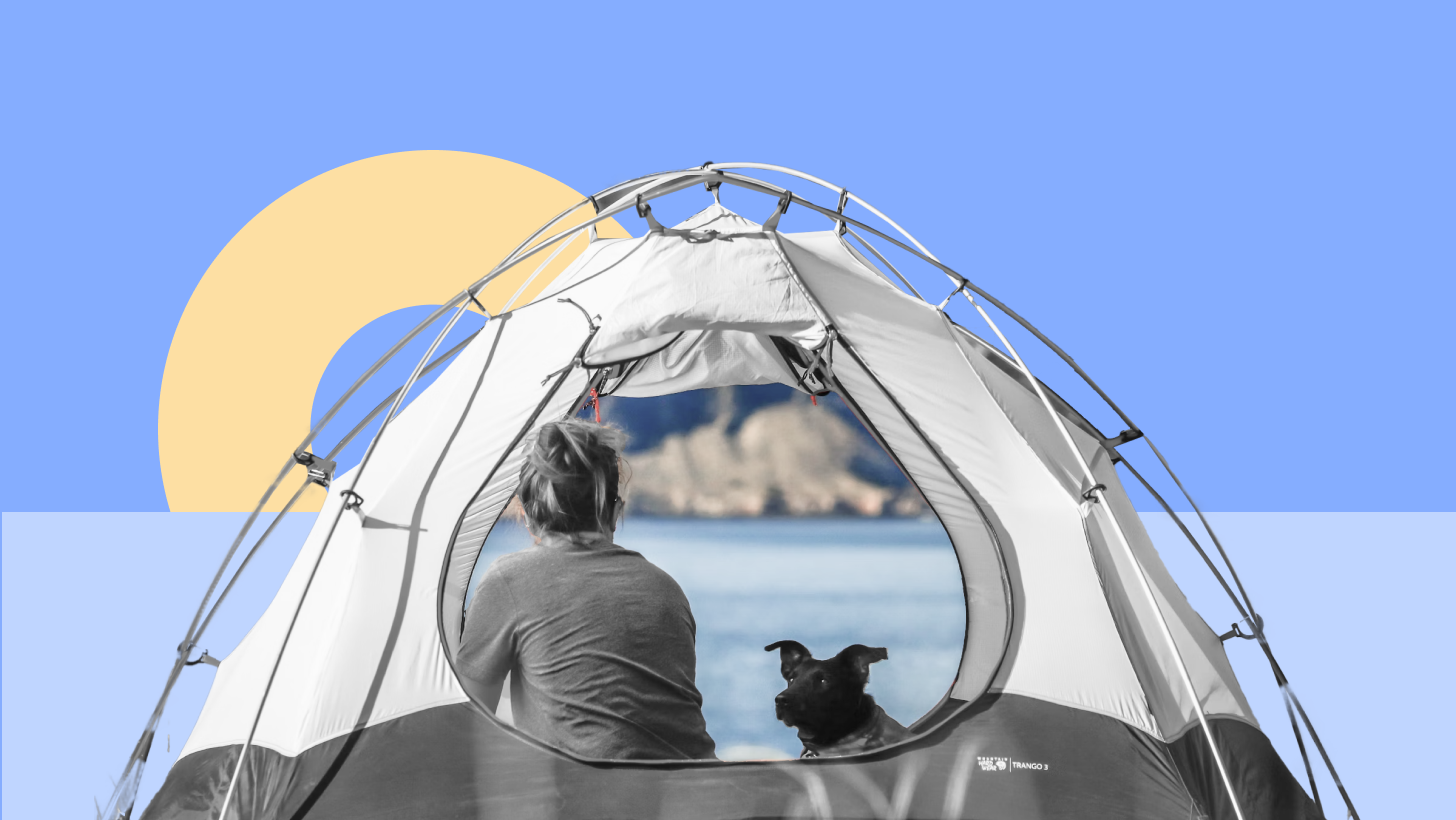
Image: Patrick Hendry

Camping is one of the best ways to experience the outdoors. Sleeping in a tent while listening to the sounds of nature—the rustling of leaves and the occasional chirping of a sleepy bird—is the closest most of us can get to the way humans lived and slept for most of their existence. Spending time close to nature is good for our health, and it can be lots of fun, too. America is crawling with beautiful places to visit, and the number of mind-blowing camping spots is almost infinite. The following 10 are just a small fraction of what our country has to offer, but they serve as a sampler to travel with your mind. Do you know any of these places?

1
Sequoia and Kings Canyon National Parks, California

Image: Nik Shuliahin 💛💙

Imagine camping beneath the biggest trees in North America and in the whole world . That incredible experience is possible in Sequoia and Kings Canyon National Parks, where some of these trees are thousands of years old.

You can choose from 14 scenic campgrounds—including Grant Grove Village, the foothills of Sequoia National Park, the Lodgepole and Giant Forest areas, Cedar Grove, and Mineral King—and make a reservation.

2
Crater Lake National Park, Oregon

Image: velichor

Open only during the summer months, Crater Lake National Park is home to the country's deepest lake and a dormant volcano , making it an incredibly photogenic location. Campers can pitch their tents or park their RVs in the forest at Mazama Campground.

As locals say, the best views are from the areas looking out over Annie Creek, but the whole place is a no-miss.

3
Olympic National Park, Washington

Image: Scott Goodwill

Camping along the coastline with the sound of the waves in the background is a beautiful experience that can be accomplished in the Olympic National Park, where you can camp right along the beautiful coastline , which is marked by several sea stacks.

There are many different campgrounds, some next to the ocean and others in the rainforest. While most are first-come, first-served, some allow reservations for stays in the summer.

4
Grand Canyon National Park, Arizona

Image: Levi Jones

Few camping experiences beat waking up on the rim of the Grand Canyon . While the South Rim is easier to get to, the North Rim is usually less crowded. There's one North Rim campground inside the park and another just north of the park boundary, both open from mid-May to mid-October.

Several sites along the South Rim are open year-round, including the Mather Campground and Trailer Village in Grand Canyon Village. Only two other South Rim spots, Desert View and Tusayan Montane, are open seasonally.

5
Grand Mesa, Uncompahgre, and Gunnison National Forests, Colorado

Image: Mike Erskine

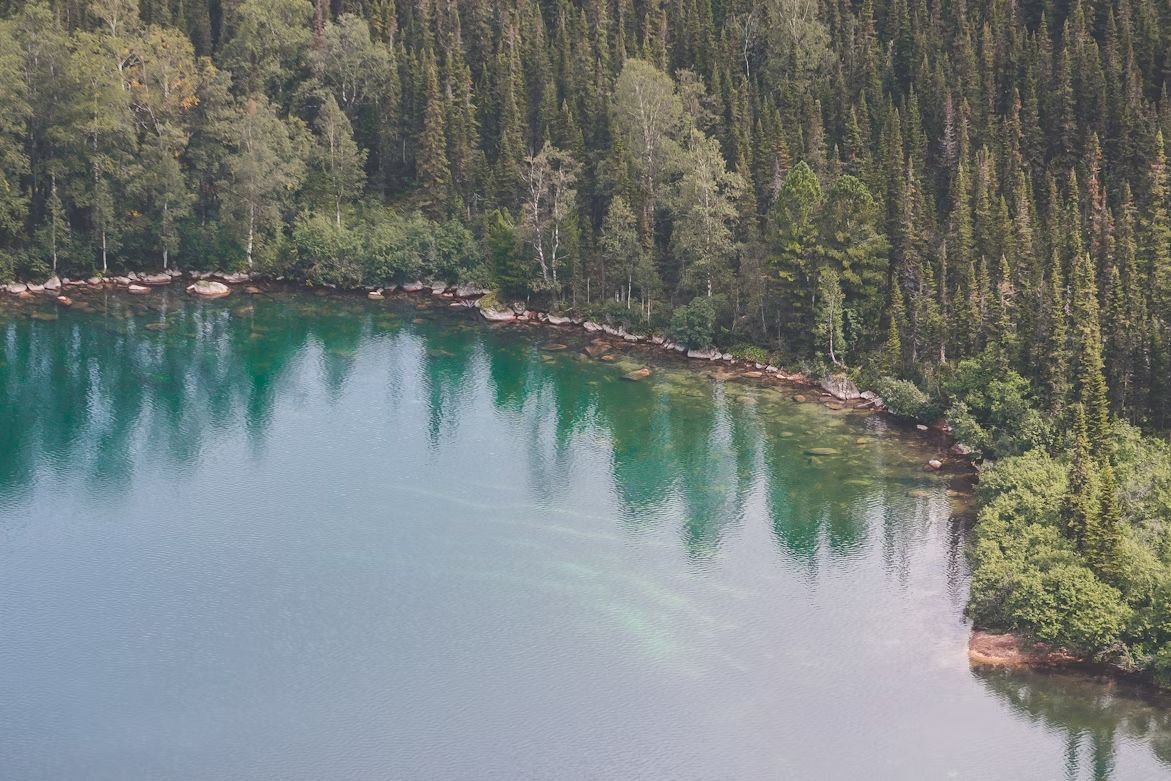
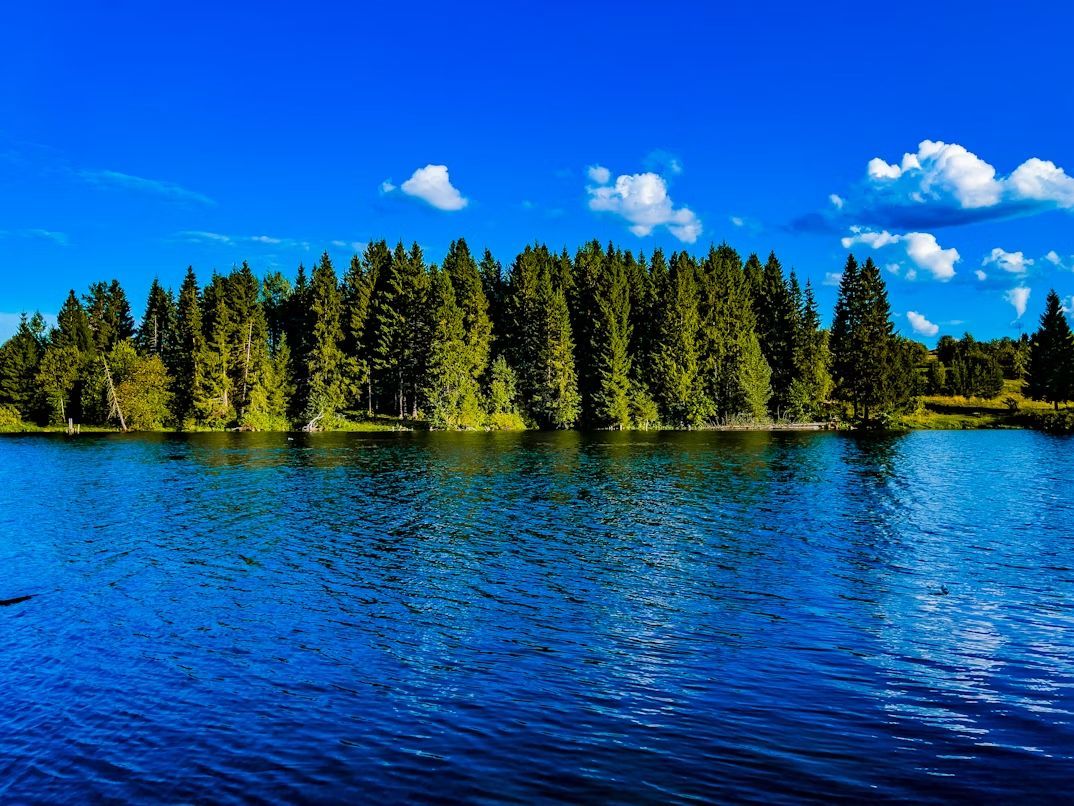
The Rocky Mountains offer magnificent scenery for a beautiful day and a night out. The Grand Mesa, Uncompahgre, and Gunnison National Forests have 56 campsites set in a variety of landscapes, including open meadows and evergreen forests, amid mountains, and on lakeshores .

While most are open seasonally, a select few stay open all year long, so make sure to check the website for road conditions beforehand if you plan to camp during the winter months.

6
Sawtooth National Recreation Area, Idaho

Image: Andreas Rønningen

The Smoky Mountains are a picturesque part of Idaho, with dozens of places to camp. The Sawtooth National Recreation Area is a fantastic place to go hiking, canoeing, or cycling, and you'll be treated to awe-inspiring mountain views in every direction.

About half the campgrounds welcome campers on a first-come, first-served basis, but you can also make reservations ahead of time to secure a site. The camping season is open in the summer months.

7
Badlands National Park, South Dakota

Image: Rahul Bhosale

Don’t mind the name, there is nothing bad about the Badlands. Between the many rock formations you'll see throughout Badlands National Park, you'll also find prairies and places to peek at ancient fossils . The Cedar Pass campground is larger and offers more amenities, but the smaller Sage Creek campground puts you in a better position to see bison wandering around .

8
Ozark–St. Francis National Forests, Arkansas

Image: Alex Holt

The Natural State has 1.2 million acres of recreational space including beaches, lakes, and streams, and more than 400 miles of hiking trails , in the Ozark–St. Francis National Forests. Campers can choose between several developed campgrounds for both RV and tent camping, some of which are open year-round.

Other campgrounds are open from May through October. Primitive camping is also permitted within designated areas—just remember to bring your water (or a water filtration device), and leave the place untouched.

9
Dry Tortugas National Park, Florida

Image: Blake Wisz

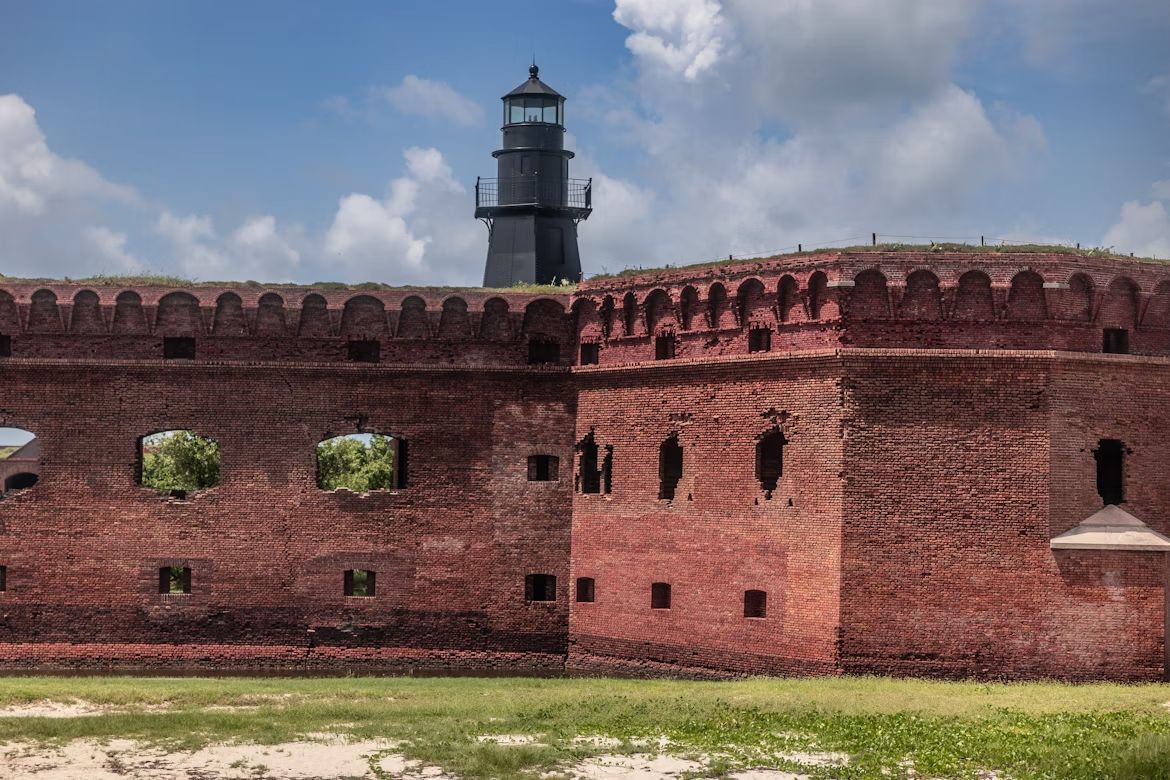
At Dry Tortugas National Park, in Key West, Florida, you can camp right outside of one of the world’s largest barrier reefs . Visitors can rent snorkel gear, spend their days relaxing on the beach, or check out Fort Jefferson, a 19th-century fortress used by the Union army to blockade Confederate shipping channels during the Civil War.

This pristine area, perfect for stargazing and bird-watching, requires campers to bring everything they will need, including water, fuel, ice, and food. Ferry transportation from Key West must also be secured as early as possible.

10
Minnewaska State Park Preserve, New York

Image: Esther Tuttle

More than 2,000 feet above sea level and surrounded by rocky terrain, Minnewaska State Park Preserve offers a lot of space to hike, bike, and enjoy the view . Reservations for the Sam F. Pryor III Shawangunk Campground can be made online starting each March, as it is closed during the winter.

The campground features 50 parcels, as well as five car-camping sites, and amenities such as Wi-Fi, coin-operated showers, communal fire pits, and picnic pavilions.
General General 5 min read

Hidden gems worth the drive

America's 10 most underrated national parks

Image: Qingqing Cai

Sure, everyone and their Instagram-obsessed nephew has been to Yellowstone or the Grand Canyon. But America’s national parks are like that box of chocolates Forrest Gump was always going on about—there are some surprises in there that'll knock your socks off. While the famous parks are dealing with traffic jams that'd make rush hour in LA look like a breeze, these underrated beauties are waiting for you with open arms and actual parking spaces .

1
Great Basin National Park, Nevada

Image: Yura Lytkin

Tucked away in eastern Nevada, Great Basin is the park that time forgot—in the best way possible. You can hike to a glacier, explore underground caverns, and camp under skies so dark you’ll see stars you didn’t even know existed , all without waiting in line or fighting for a decent photo spot.

2
Congaree National Park, South Carolina

Image: Selma Rizvić

This park protects one of the largest remaining expanses of old-growth bottomland hardwood forest in the United States, which is a fancy way of saying it's got trees so tall and old they make you feel like an ant at a giant's picnic. The real magic happens at night, when the fireflies put on a light show that'll make you forget all about mosquito bites. Plus, you can rent a canoe and paddle through what feels like the set of a Southern Gothic novel—Spanish moss and all.

3
North Cascades National Park, Washington

Image: Pete Alexopoulos

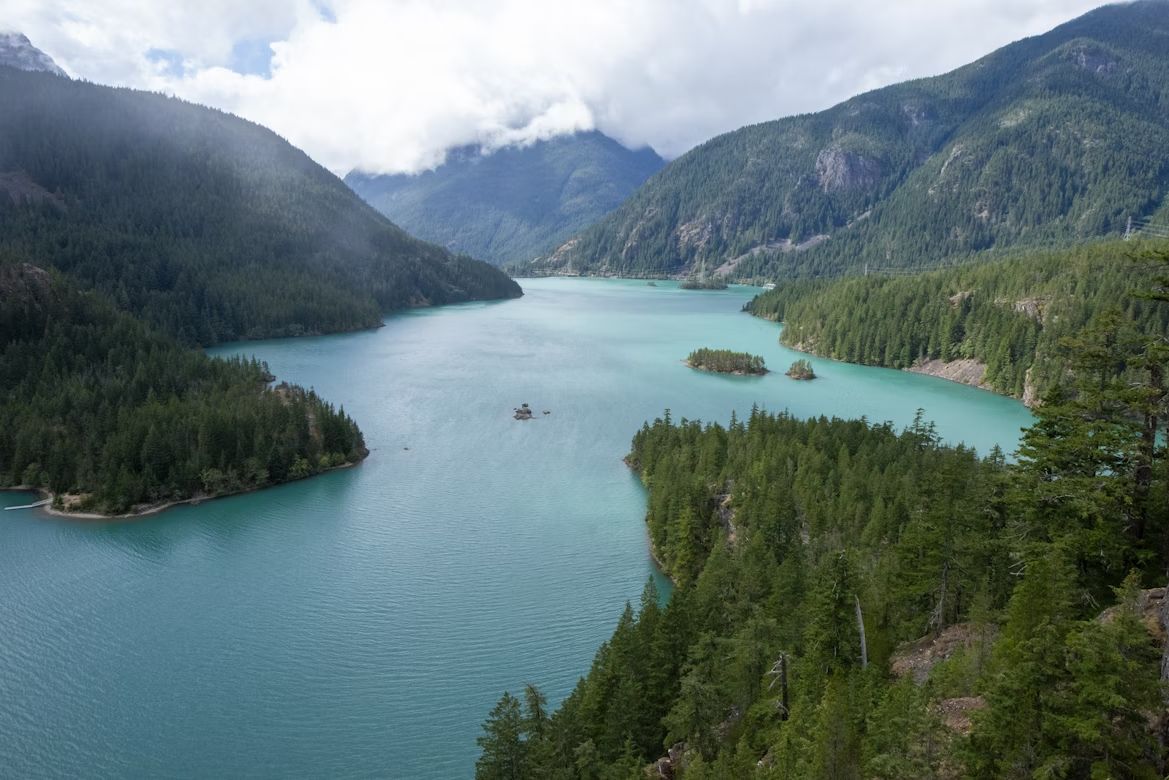
With jagged mountain peaks and more than 300 glaciers, this park offers scenery that’ll make your camera work overtime . The hiking ranges from "pleasant afternoon stroll" to "why did I think this was a good idea?" so there's something for everyone, assuming everyone likes being surrounded by absurdly gorgeous wilderness.

The best part? While everyone's fighting over hotel rooms near Mount Rainier, North Cascades sits there looking spectacular with hardly anyone around. The park sees fewer visitors in an entire year than Yellowstone does on a busy weekend.

4
Dry Tortugas National Park, Florida

Image: Nick Rickert

Located 70 miles off the coast of Key West, Dry Tortugas takes "off the beaten path" to a whole new level: you literally need a boat or seaplane to get there. The turquoise waters are so clear you could see fish judging your swimming technique from 30 feet away . Plus, there's Fort Jefferson, a massive 19th-century fort that feels like someone plopped a Civil War–era fortress in the middle of paradise and said, "Sure, that works."

Just remember: there’s no fresh water (hence the "Dry" part), no food service, and no shade except what you bring yourself. It’s like camping, but surrounded by the kind of blue water that makes you understand why people write songs about the ocean.

5
Guadalupe Mountains National Park, Texas

Image: Ryuta F.

Home to the highest peak in Texas (Guadalupe Peak at 8,749 feet), this park offers hiking that'll remind your knees they're not as young as they used to be, but in a rewarding way. The fall foliage in McKittrick Canyon is legitimately stunning , which surprises people who assume Texas is all tumbleweeds and barbecue joints.

The park sits on an ancient fossil reef from when this whole area was underwater, mind-blowing, if you think about it for more than two seconds. There’s no cell service, limited facilities, and the nearest town is about an hour away, which may sound like a complaint, but it actually forces you to unplug and take in the amazing place around you.

6
Voyageurs National Park, Minnesota

Image: Vyacheslav Makushin

Voyageurs is a water-based park that’s basically a summer camp for adults who can legally drink beer. With over 200,000 acres—about 40% of it water—houseboating is the way to experience it.

The fishing here is legendary, the northern lights make regular appearances, and in winter, the frozen lakes become highways for snowmobiles and cross-country skiers . It's remote enough that you feel like an explorer, but accessible enough that you won't actually die if you forget your matches.

7
Black Canyon of the Gunnison National Park, Colorado

Image: Dustin Weist

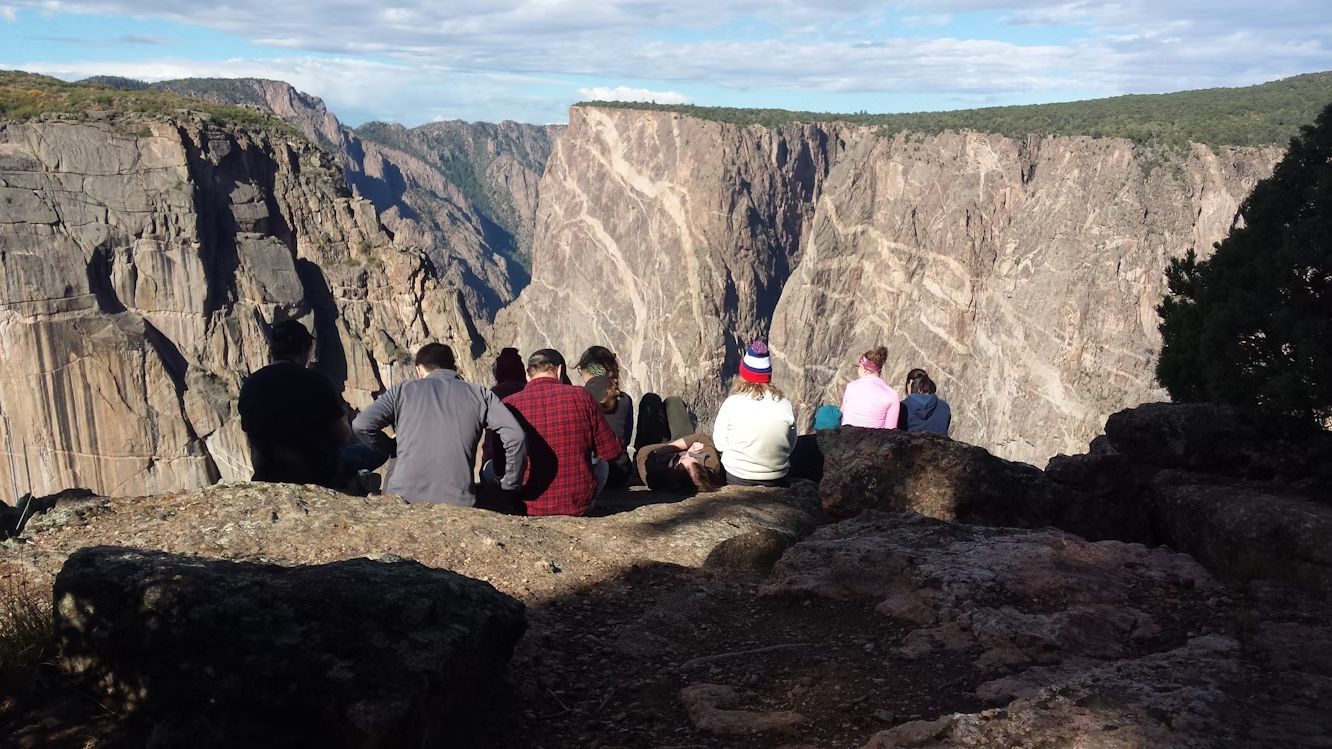
Colorado has so many stunning places that Black Canyon somehow gets overlooked. This canyon is deep, narrow, and so dramatically steep that parts of it only get 33 minutes of sunlight a day . The Gunnison River carved through 2 billion years of rock to create towering walls that make you feel appropriately insignificant, which is good for the soul occasionally.

8
Isle Royale National Park, Michigan

Image: Ivan Vashchenko

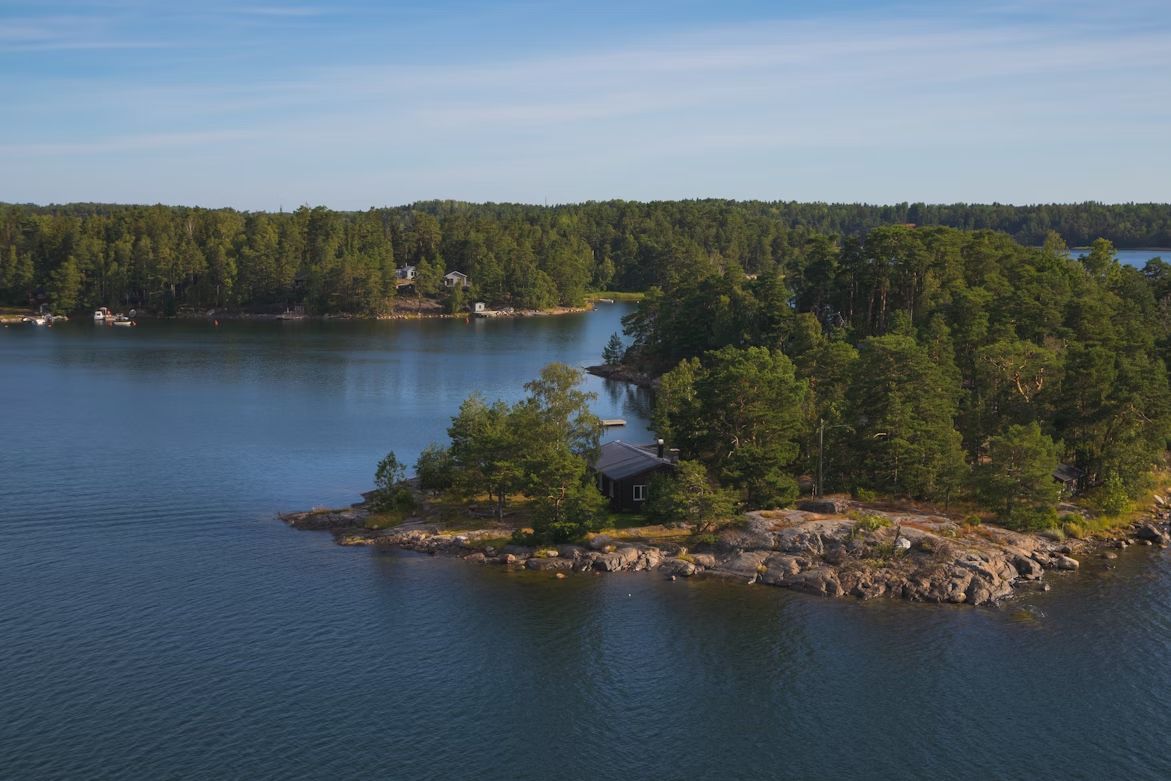
If you want to really get away from it all, Isle Royale is your jam: an island in Lake Superior that requires either a ferry ride or a seaplane to reach. Once you’re there, you’re committed; same-day visits aren’t really a thing. The park is car-free, crowd-free, and home to a fascinating wolf-and-moose study that’s been running since 1958.

The hiking trails crisscross the island through forests and along rocky shorelines where the lake looks more like an ocean . Backcountry camping is the main event here, and the solitude is so profound you'll hear sounds you forgot existed—like actual silence.

9
Pinnacles National Park, California

Image: Cyrus Crossan

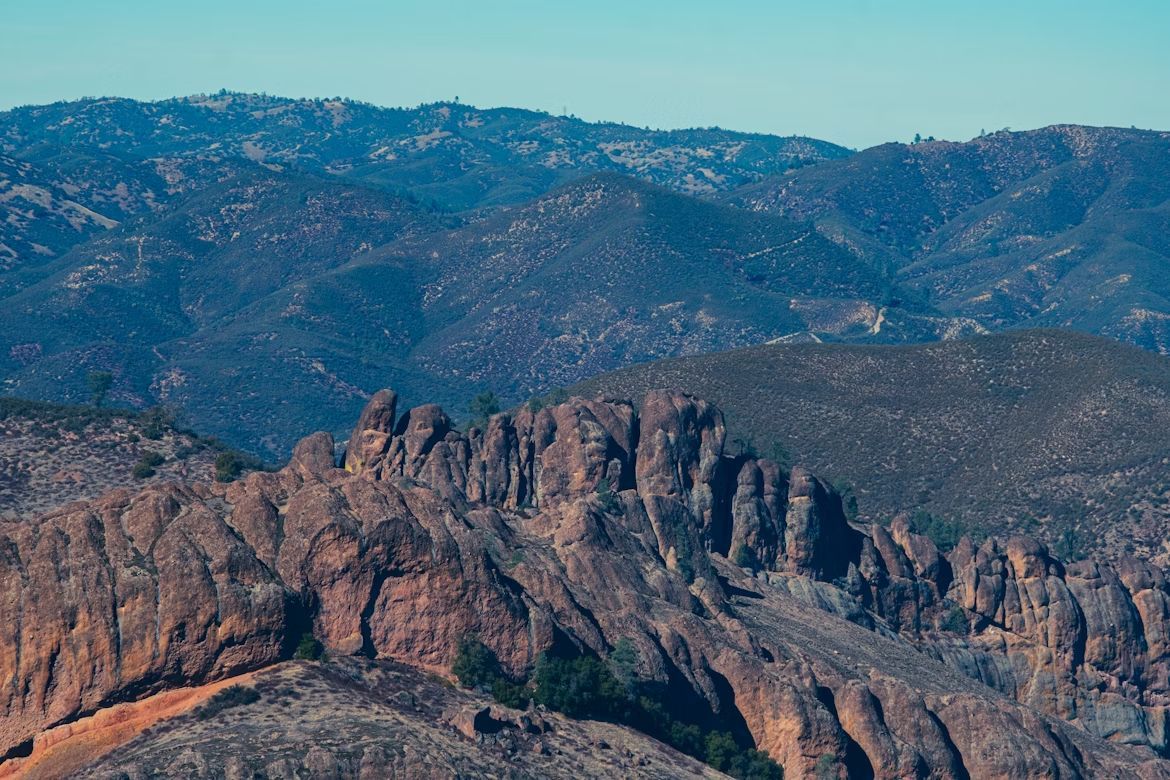
California's newest national park is a playground of volcanic spires, talus caves, and rock formations that look like a giant was playing with clay and just walked away mid-project . The rock climbing here is world-class, and the cave exploration doesn't require any special gear—just a flashlight and a willingness to squeeze through some tight spaces.

The spring wildflower displays are spectacular, and the park is one of the best places to see the endangered California condor, which has a wingspan that makes eagles look modest. It gets hot in summer—and by hot, I mean "surface of the sun" hot—so plan accordingly.

10
Lassen Volcanic National Park, California

Image: Robson Hatsukami Morgan

This park sits on top of one of the world’s largest plug-dome volcanoes—and yes, it could erupt again—Lassen Peak last blew in 1915, which in geological time is basically yesterday. But don't let that stop you from enjoying the bubbling mud pots, steaming fumaroles, and hot springs that make you feel like you're walking on another planet .

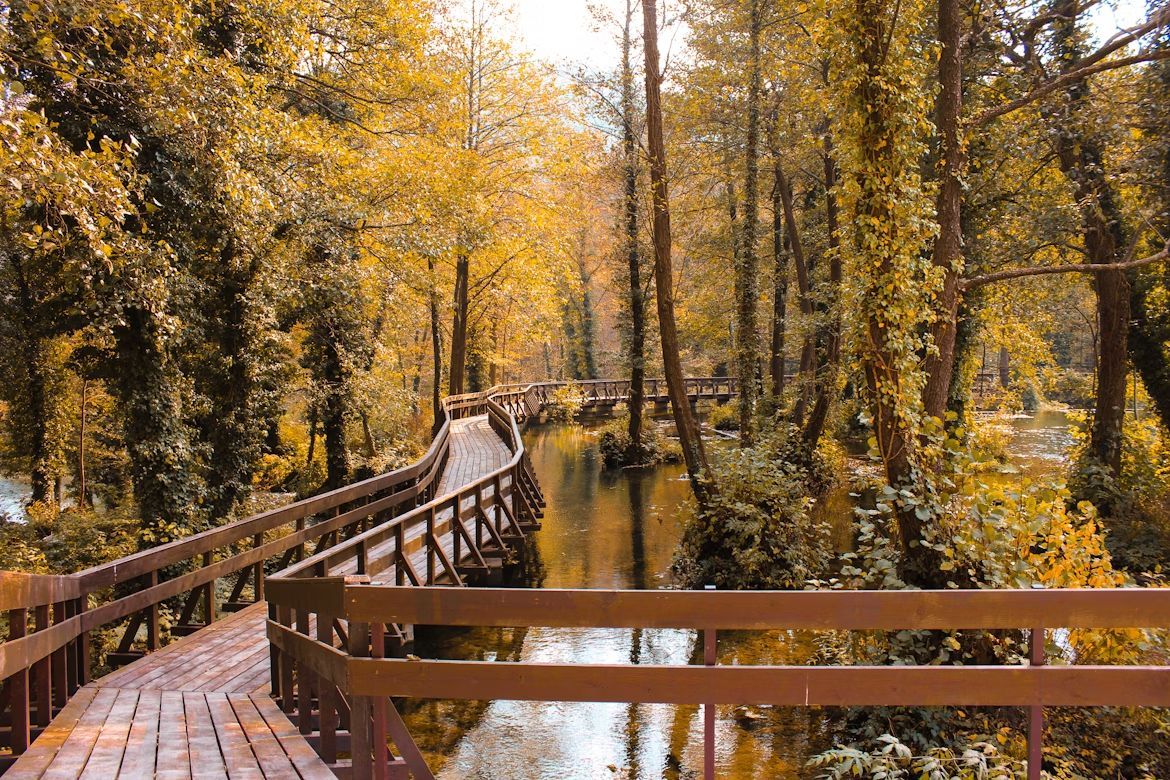
The hiking is fantastic, with everything from easy boardwalk strolls through geothermal features to challenging climbs up Lassen Peak itself. Add in alpine lakes, wildflower-filled meadows, and a fraction of Yosemite’s crowds (despite being just a few hours south), and you’ve got a spectacular California secret.

Geography Geography 3 min read

Don’t believe the movies

Debunking myths about the state of California

Image: zoe pappas

California inspires big dreams and even bigger expectations. Beaches that stretch forever, celebrities roaming freely, and the long-standing promise that anyone can "make it" there. But as much as the Golden State shines, it also carries a bushel of myths that don’t survive contact with reality. Ready for a myth-busting tour?

1
The entire coastline is made of glorious sandy beaches

Image: Jeremy Bishop

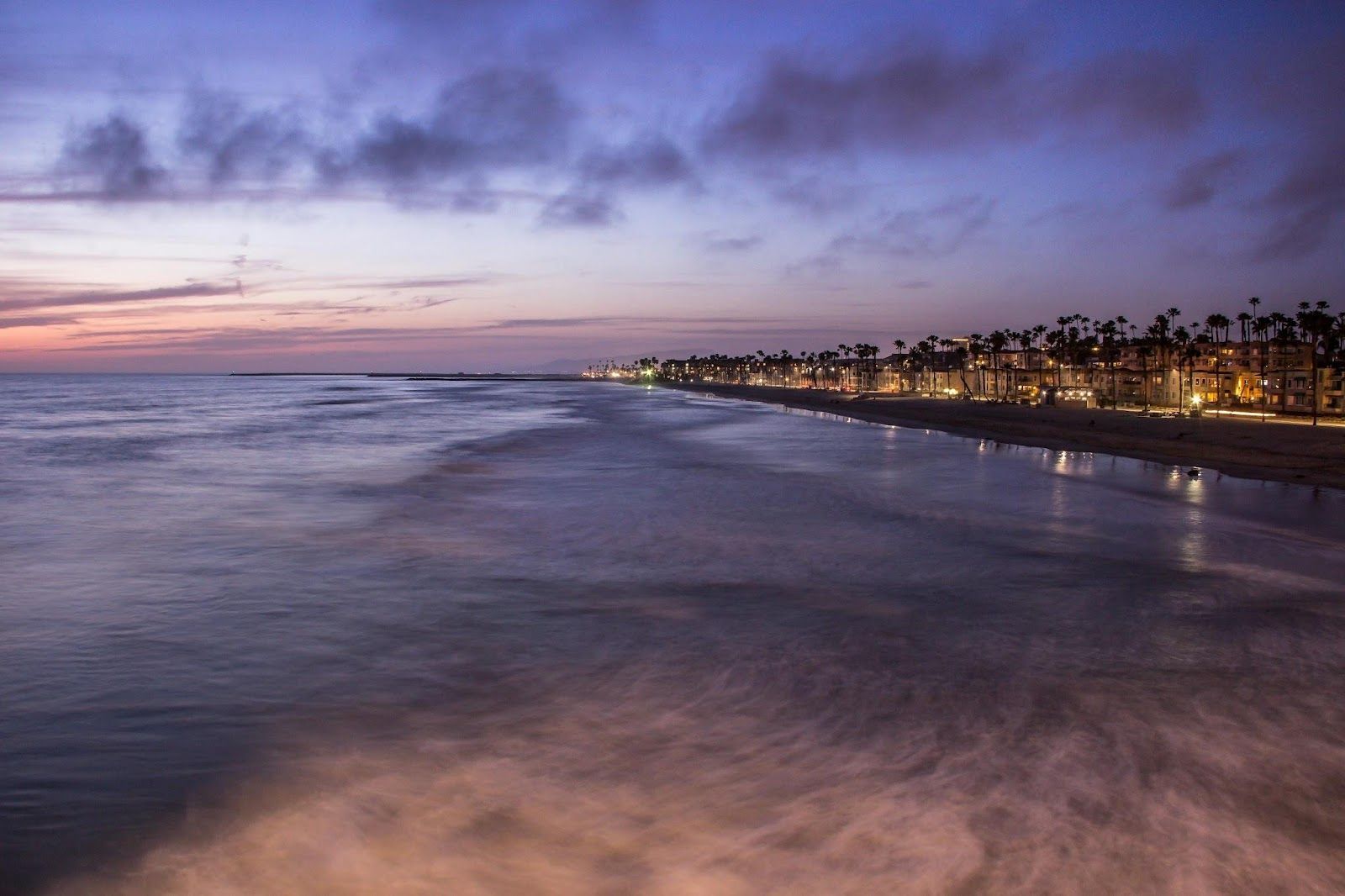
California’s coastline is long, gorgeous, and wildly varied. Much of it is dominated by cliffs, rocky shores, and chilly waters. Even many popular beaches require a wetsuit if you actually want to get in the water.

Yes, some stretches are ideal for volleyball and sunbathing, but others are better suited to photography.

2
Celebrities are everywhere and happy to mingle

Image: Bibi

It’s tempting to imagine Los Angeles as one giant red-carpet event, but daily life looks a lot more ordinary. Celebrities tend to live in gated communities, travel in private cars, and pick very discreet places to relax.

You might spot one, but you’re far more likely to meet tourists looking for celebrities than actual celebrities themselves.

3
Move to Hollywood and become a star overnight

Image: Edgar Colomba

Hollywood is full of dreamers, but most of them are hustling on the side, waiting tables, doing gig work, and going to audition after audition.

Fame is rarely instant. It’s more like a very long, very competitive marathon that most people don’t see unless they live there.

4
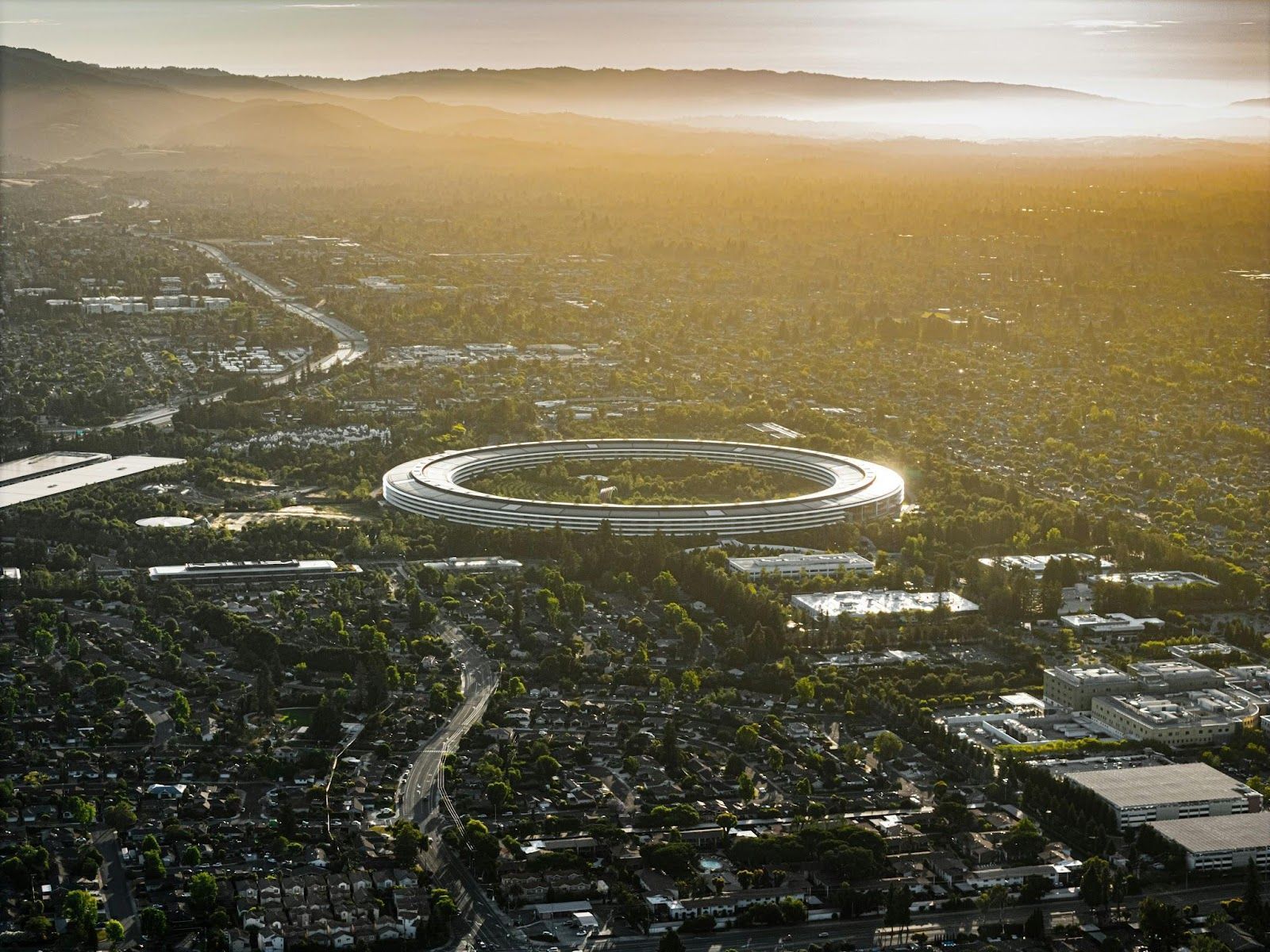
Move to Silicon Valley and become an overnight startup whiz

Image: Nils Huenerfuerst

It’s true that Silicon Valley is packed with entrepreneurs and investors. But it’s also full of failed startups, intense work schedules, and fierce competition.

Raising money is tough, building a product is tougher, and surviving long enough to succeed is almost heroic. The myth of "instant unicorn status" is just like the myth of instant movie stardom.

5
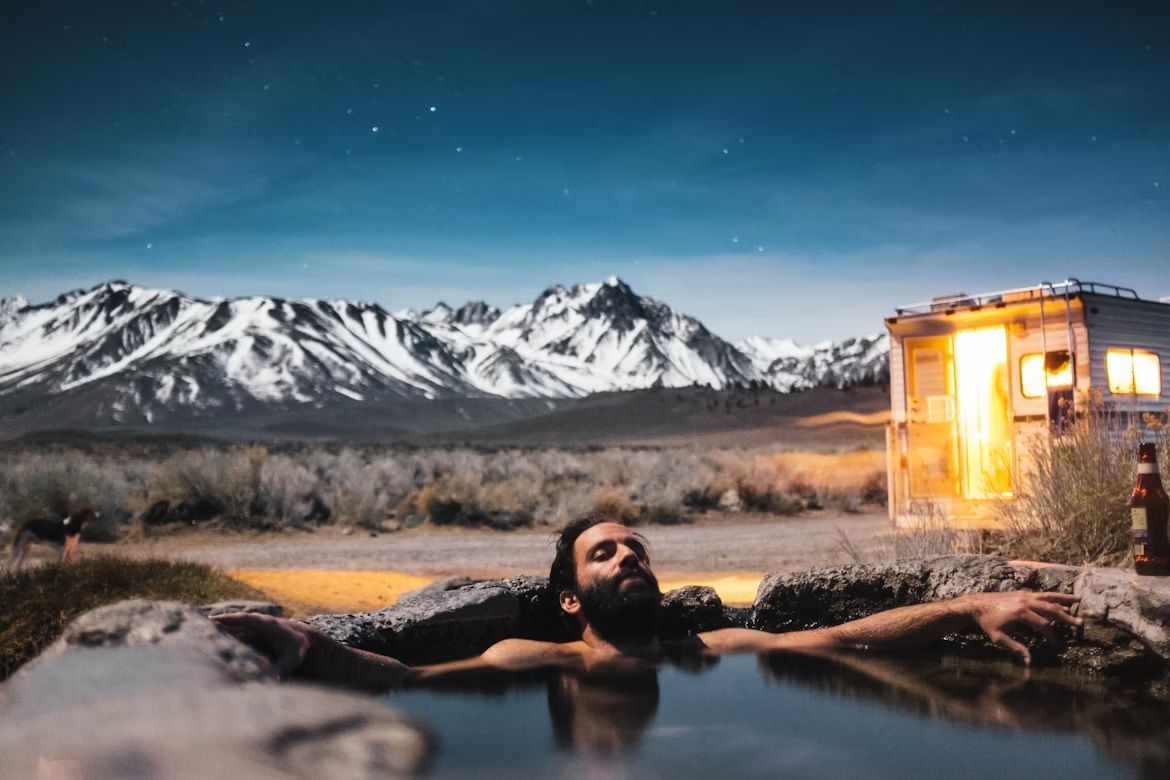
The weather is sunny and perfect year-round

Image: Roberto Nickson

California’s climate varies dramatically. Coastal fog in the Bay Area can last all day, winter rainstorms sweep through the north, inland valleys hit triple-digit heat, and wildfire season is a yearly threat.

6
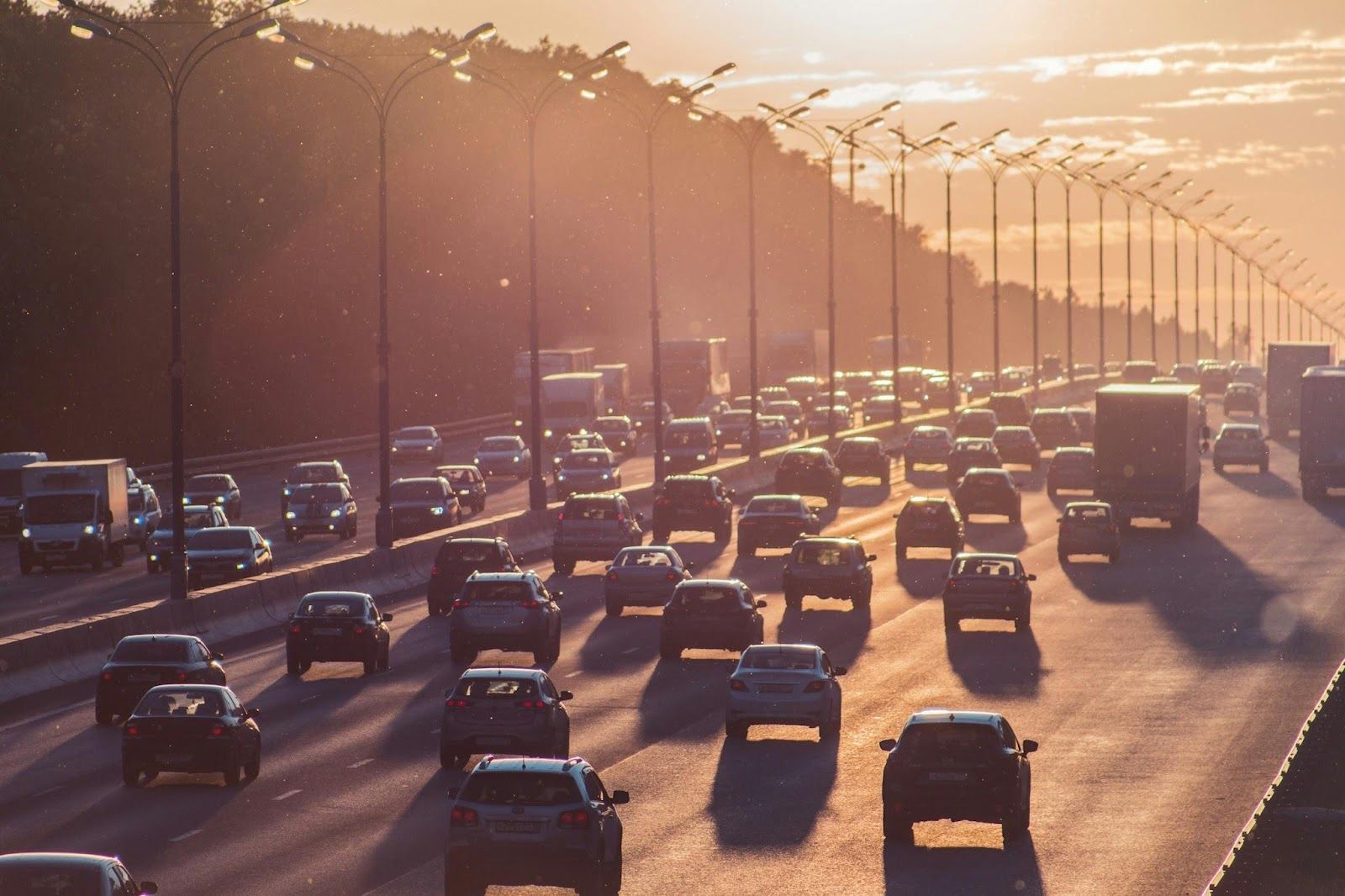
Traffic is terrible, everywhere

Image: Aleksandr Popov

The traffic horror stories from Los Angeles are quite real, but they’re not universal. California is huge, and plenty of mid-sized cities and rural areas have perfectly manageable commutes. Even in LA, traffic ebbs and flows.

7
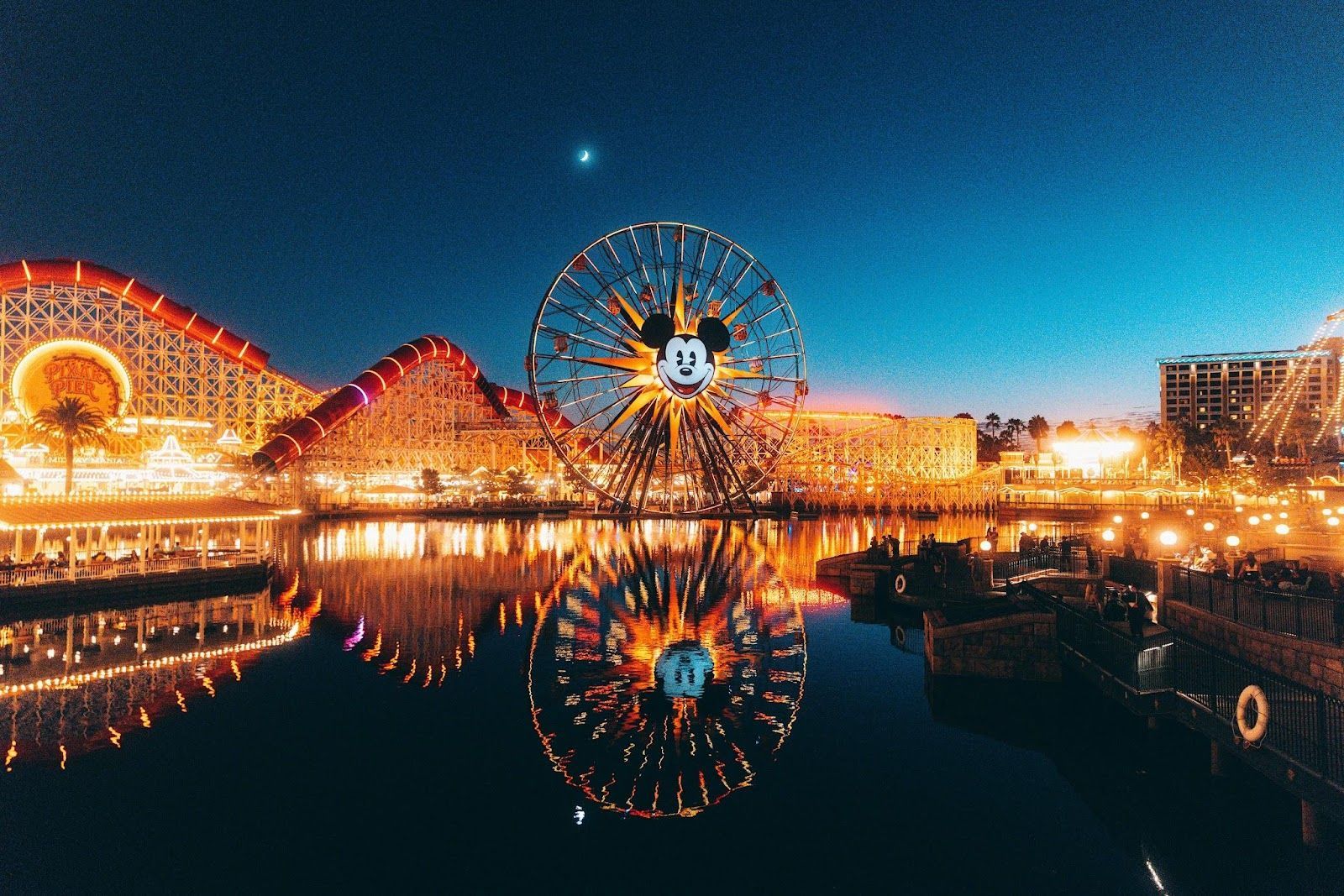
Californians go to Disneyland every other weekend

Image: Isaac Garcia

Disneyland may be magical, but it’s also expensive, crowded, and logistically complex. Most residents go once in a while, not as a biweekly ritual. Sure, annual passholders exist, but they’re the exception.

8
You’ll find palm trees everywhere

Image: Mitchell Luo

Palm trees are iconic, but they’re not the dominant tree across the state. Many were imported, and Los Angeles’ famous palms are aging out and not being widely replaced. Walk outside the major tourist zones, and you’ll see oaks, pines, sycamores, and far fewer "tropical vacation" vibes than the postcards suggest.

9
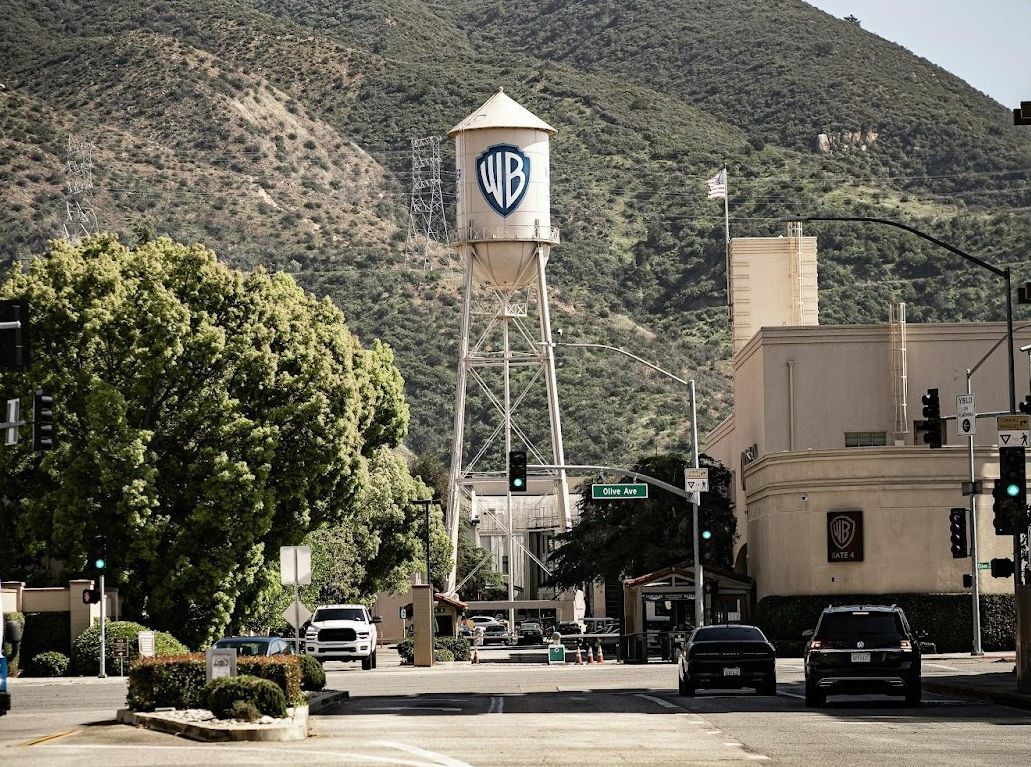
Movies are being filmed on every corner

Image: clement proust

You may stumble across a film crew once in a blue moon, but the vast majority of production happens on studio lots or in specifically chosen neighborhoods. Filming permits are expensive, traffic control is complicated, and spontaneous street-corner movie shoots aren’t as common as people think.

10
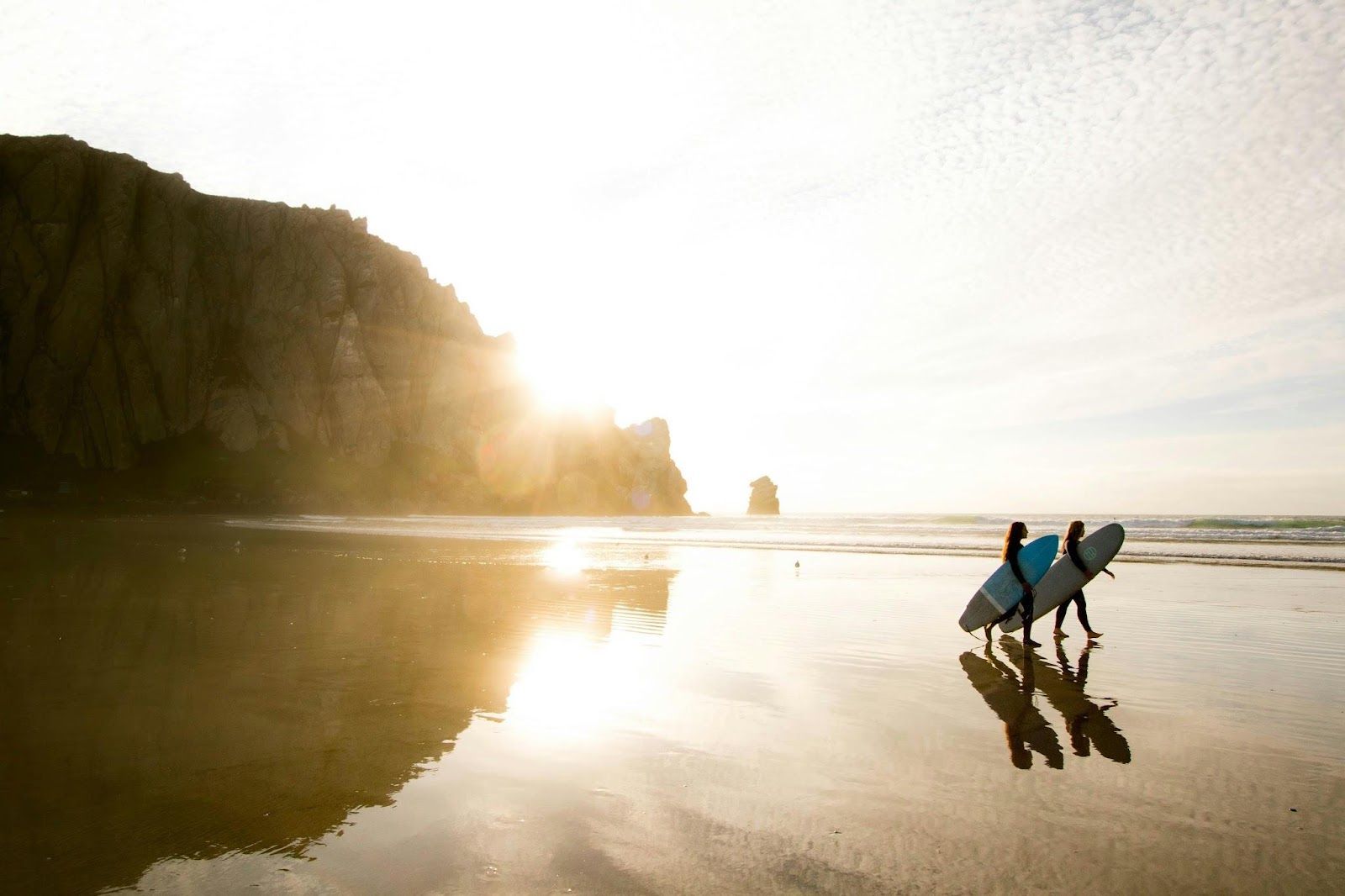
Everyone is a surfer

Image: Jacob Steckmann

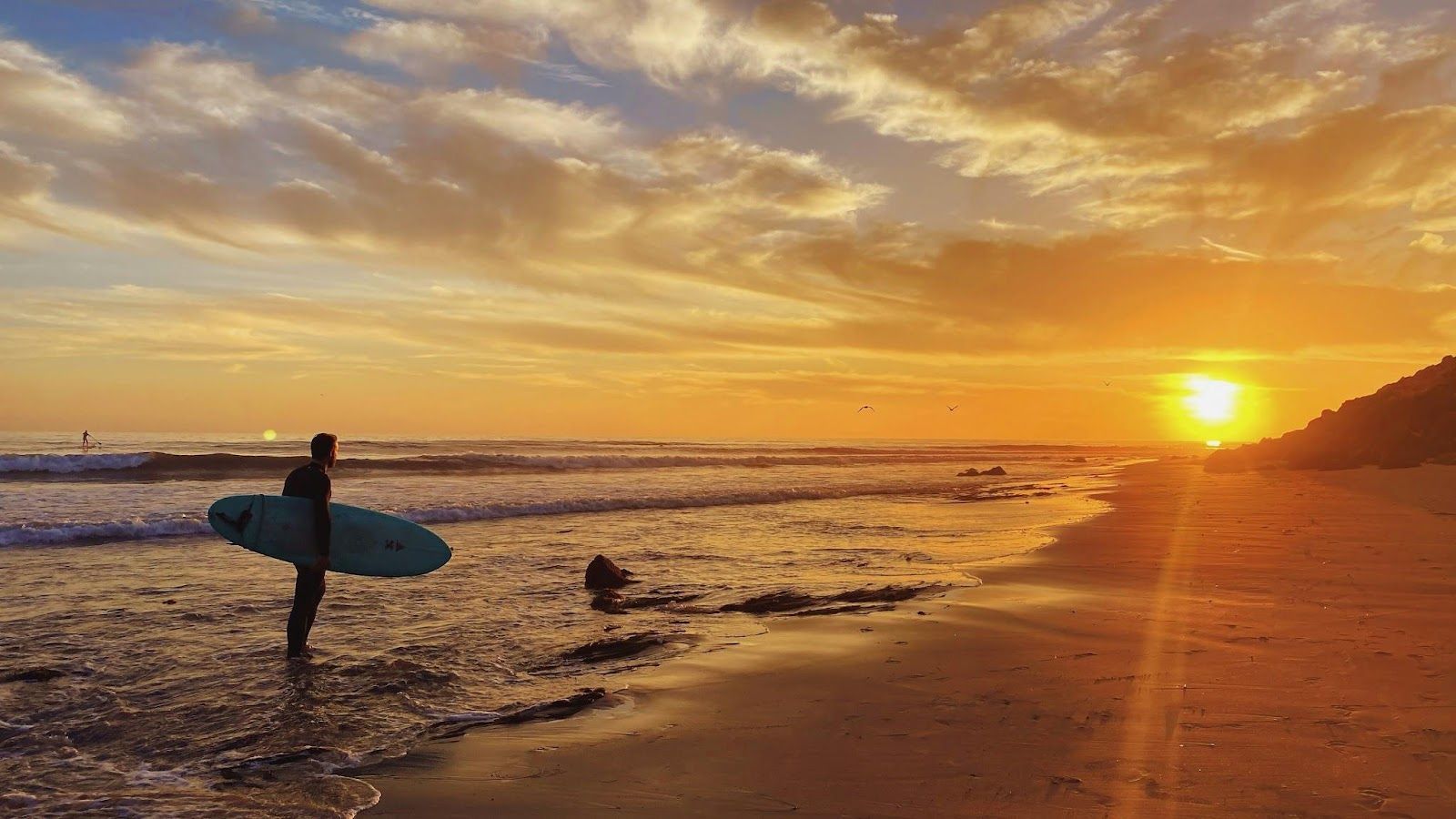
Surfing is a proud part of California culture, but not a universal one. Many residents have never touched a surfboard, and the cold Pacific waters can be intimidating even for the brave. The idea that everyone wakes up, grabs a board, and runs to the beach is more Hollywood montage than real life.

11
Everyone lives close to the ocean

Image: Jonathan Schmer

California’s population is spread across vast inland regions, including the Central Valley, Sacramento, and the Inland Empire, which are all hours away from the coast. Plenty of Californians only see the ocean during vacation.

12
The food is all organic, clean, and hyper-healthy

Image: Jannis Brandt

Yes, you’ll find green juices, vegan cafés, and farm-to-table everything. But California is also home to drive-thrus, giant burritos, and some of the most indulgent comfort food around. The "everyone eats quinoa and sunshine" trope doesn’t hold up once you explore beyond the trendy spots.

13
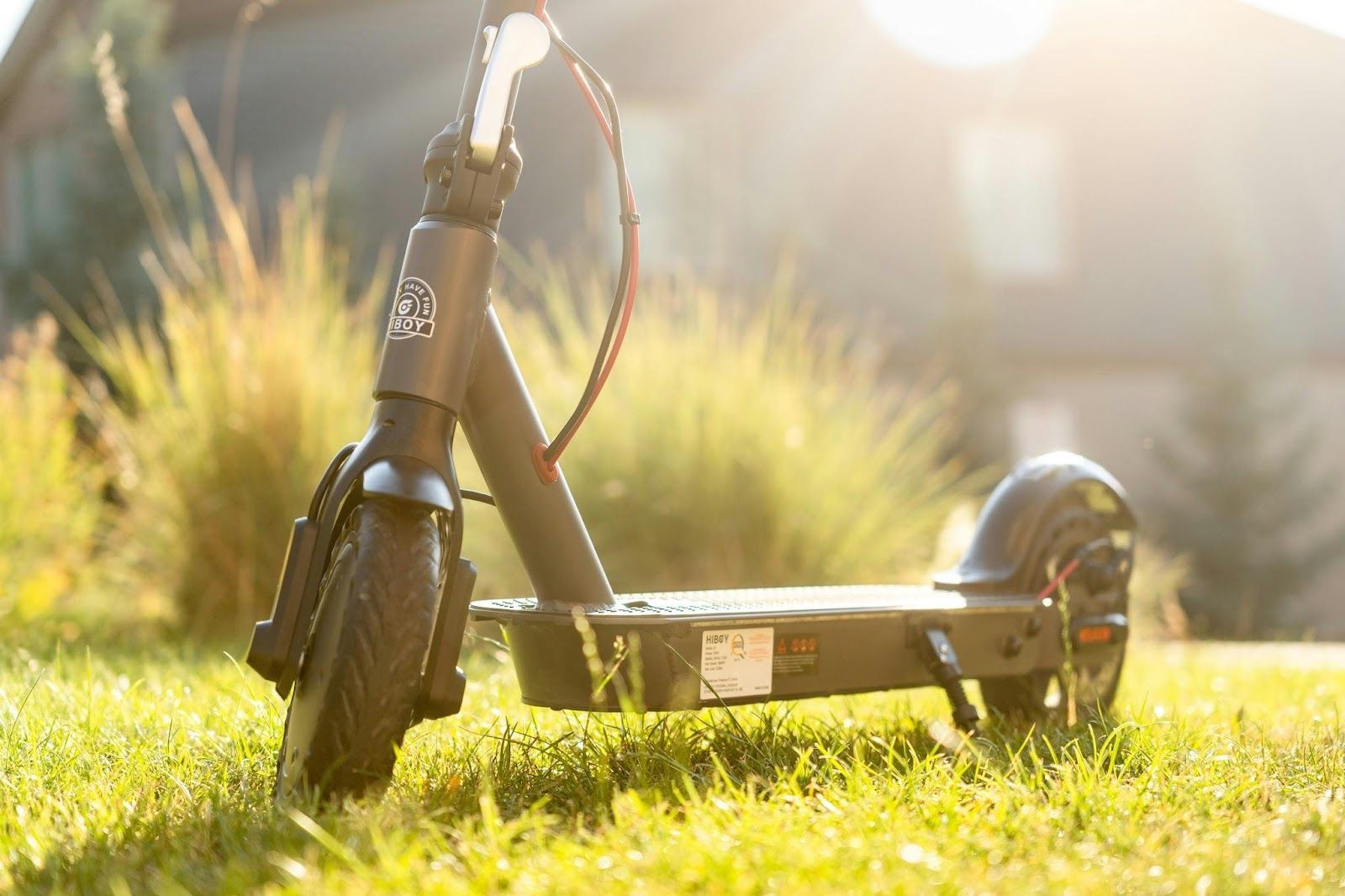
Everyone commutes by bike, skateboard, or electric scooter

Image: Hiboy

It looks cool in TV shows, but in reality, most Californians commute by car. Public transportation is limited outside a few areas, and long distances make biking impractical for many.

14
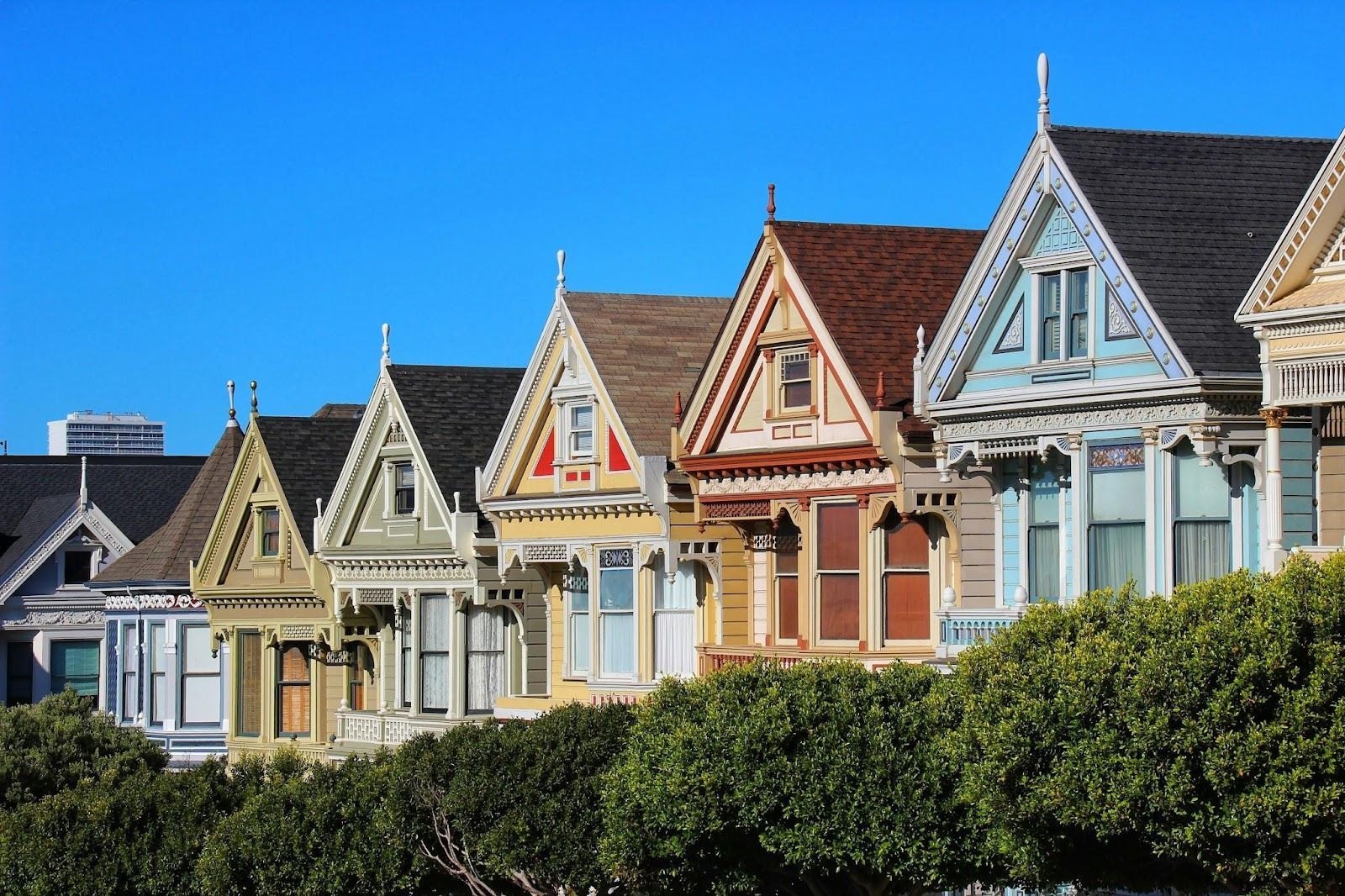
Everything in California is incredibly expensive

Image: Martin Zenker

Housing in places like San Francisco is famously pricey, but California also includes smaller cities and rural communities where the cost of living is much closer to the national average.

Explore more American facts

Choose your favorite category!

General
General

As American as apple pie—the very best America has to offer!

Culture
Culture

Delve into the astounding richness of American lore.

Geography
Geography

Hop in and explore vast and diverse American landscapes.

History
History

Discover the key moments that shaped the United States.