General General 4 min read

A guide to America's most unconventional museums

The bizarre American museums you never knew existed (but need to visit)

Image: Flickch

Forget the Louvre and the Smithsonian. If you're craving something a little more... unusual on your next museum outing, America has you covered. From pickles to parasites, these wonderfully weird institutions prove that literally anything can be museum-worthy if you're passionate enough about it.

1
The Museum of Bad Art (Massachusetts)
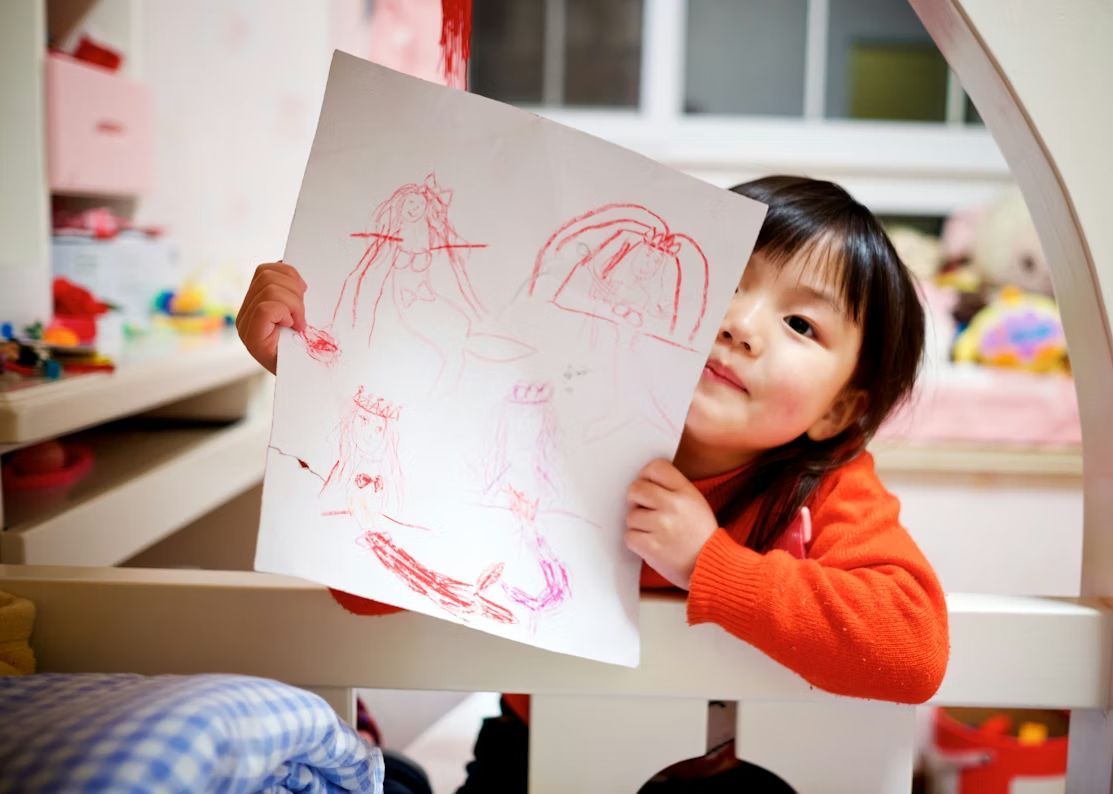
Image: Jerry Wang

Founded in 1994, MOBA showcases art "too bad to be ignored," featuring paintings so spectacularly awful they circle back to being captivating . We're talking off-kilter portraits, baffling subject matter, and techniques that defy explanation.

The collection includes masterpieces like "Lucy in the Field with Flowers," featuring a grandmother dancing in a meadow while wearing what might be a nightgown. Each piece comes with a tongue-in-cheek description that treats these disasters with the same reverence the Met gives to Rembrandts.

2
The International Banana Museum (California)
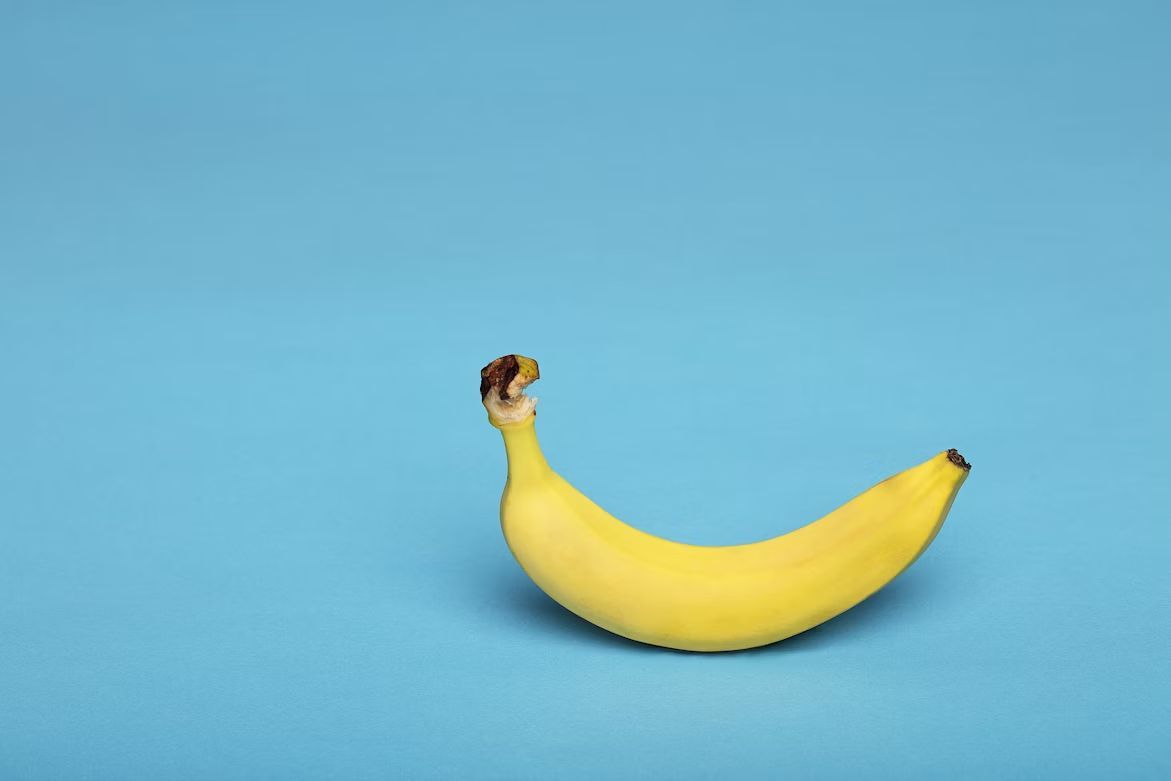
Image: Deon Black

This museum holds the Guinness World Record for the largest collection of banana-related items . With over 25,000 banana things crammed into one yellow-painted space, it's exactly as bonkers as it sounds. Banana phones, banana lamps, banana art—if you can slap a banana on it, it's here.

The museum's motto is "Yes, we have no bananas... we have more!" which pretty much sums up the gloriously ridiculous vibe.

3
The Museum of Broken Relationships (California)
Image: Kelly Sikkema

This surprisingly poignant museum displays donated objects from failed romances , each accompanied by a brief story from the heartbroken donor. Started in Croatia and now with an outpost in Los Angeles, it transforms personal pain into shared human experience. You'll find everything from wedding dresses to an actual prosthetic leg, each item representing a relationship that didn't quite make it.

What could be depressing is actually oddly uplifting: there's humor, anger, relief, and occasionally shocking pettiness on display. One exhibit features an axe someone used to destroy their ex's furniture, piece by therapeutic piece.

4
The International Cryptozoology Museum (Maine)
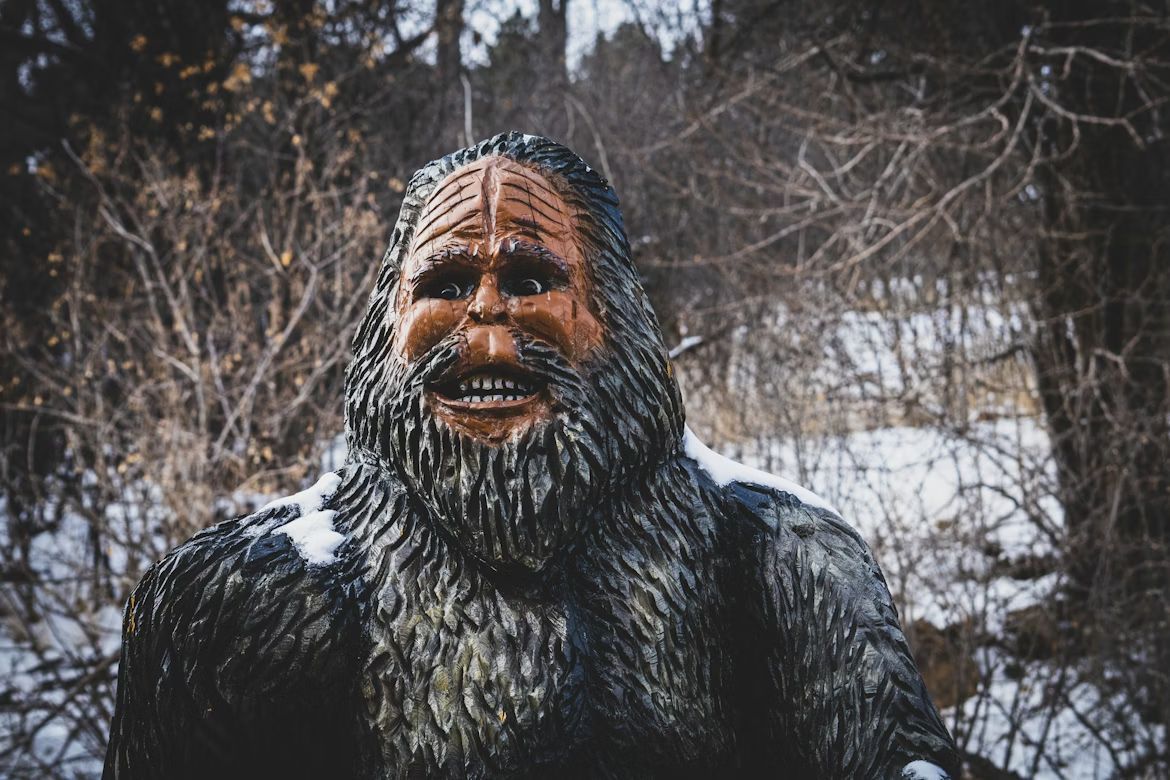
Image: Jon Sailer

This Portland museum is dedicated to creatures that may or may not exist , from Sasquatch and the Loch Ness Monster to the Chupacabra. Founded by cryptozoologist Loren Coleman, it houses hair samples, plaster casts of mysterious footprints, and endless speculation about what's lurking in our forests and lakes.

5
The Mustard Museum (Wisconsin)
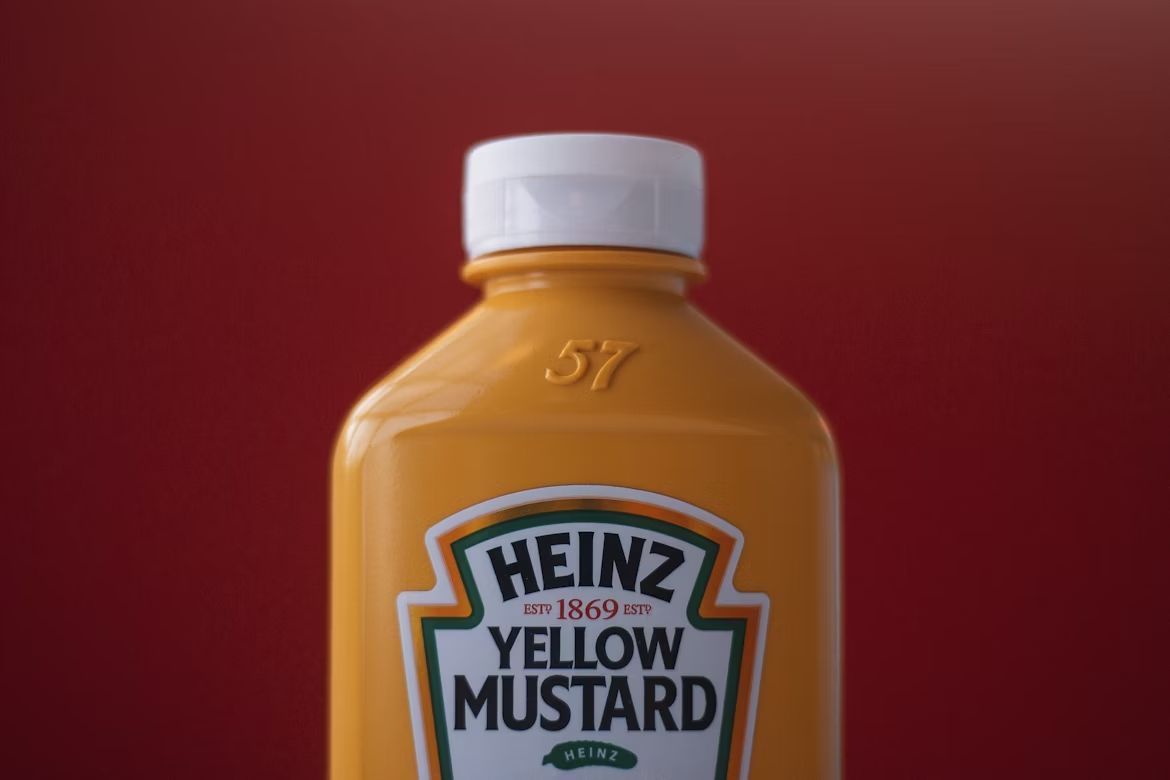
Image: Pedro Durigan

Wisconsin's National Mustard Museum celebrates that yellow squeeze-bottle staple with 6,000+ varieties of mustard from all 50 states and over 70 countries . Curator Barry Levenson started collecting after his beloved Boston Red Sox lost the World Series in 1986, and a voice in a grocery store told him to pursue mustard instead. As one does.

The museum offers free tastings because, apparently, there's a whole world of mustard beyond French's that many of us have been missing. From champagne mustard to chocolate mustard to varieties with names you can't pronounce, it's a full-on condiment education.

6
The Museum of Clean (Idaho)
Image: JESHOOTS.COM

Spanning 75,000 square feet, it chronicles the history of cleaning from ancient times to modern day . It features vintage vacuum cleaners, washing machines, and cleaning products that would horrify today's safety inspectors.

The museum makes a compelling case that cleaning technology has shaped civilization more than we realize. You'll see how our ancestors scrubbed, swept, and sanitized before electricity, and gain a weird appreciation for your Swiffer.

7
The Mutter Museum (Pennsylvania)
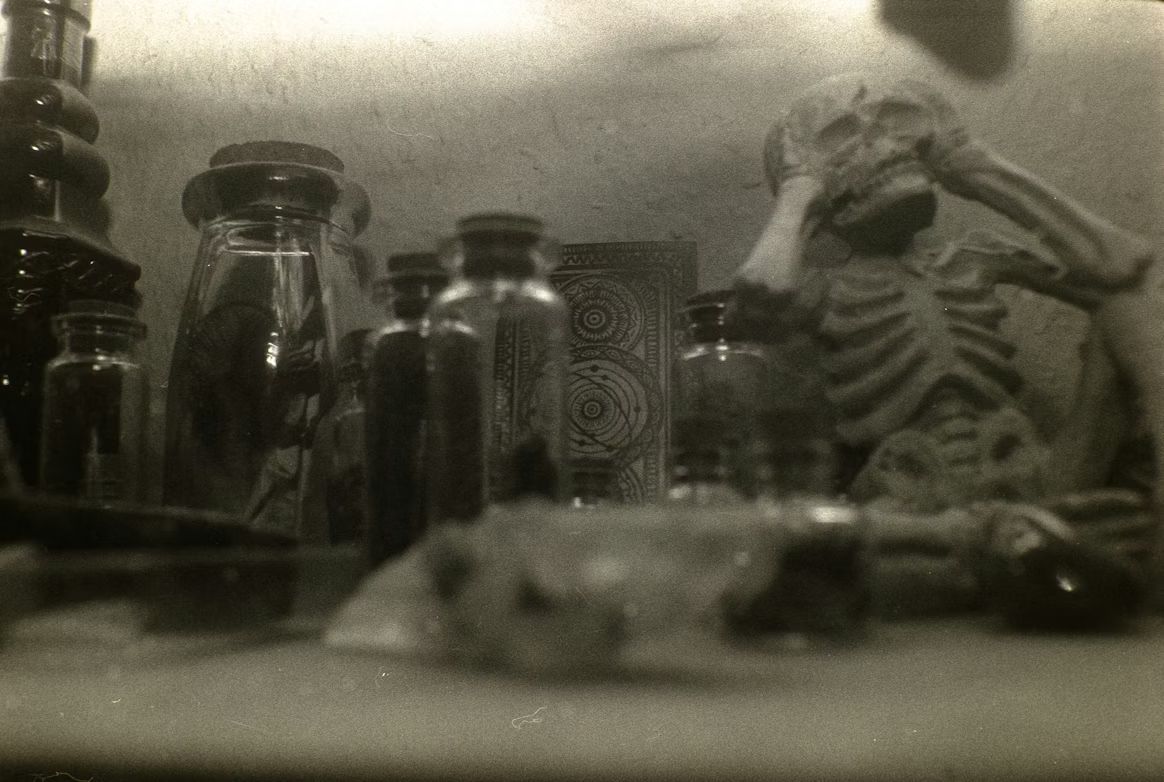
Image: Tibor Dányi

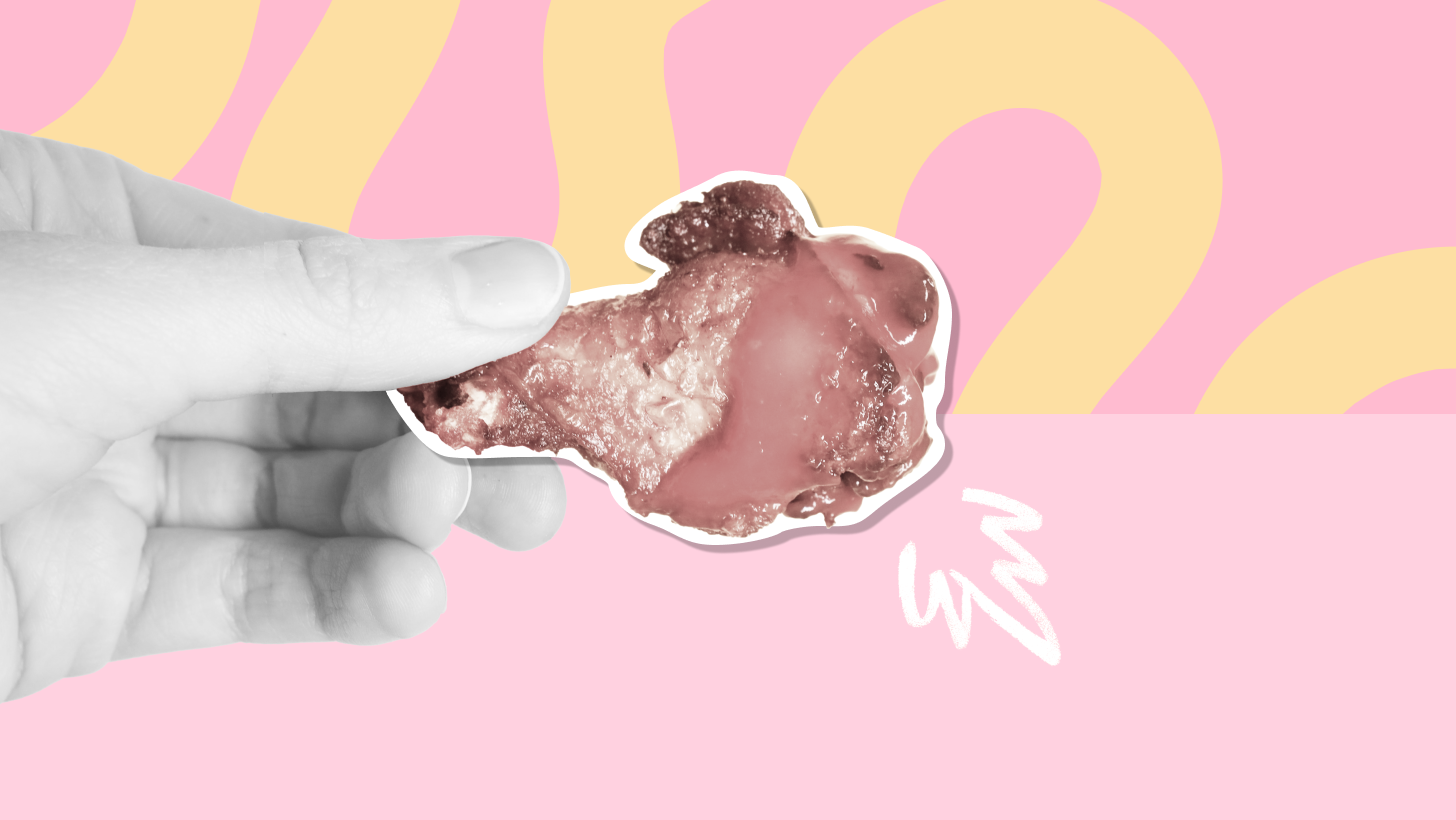
This Philadelphia institution houses medical oddities, anatomical specimens, and antique medical equipment that can look more like torture devices. Think preserved organs, skeletal anomalies, and a wall of skulls that's both educational and nightmare-inducing.

The museum's most famous resident is the "Soap Lady," whose body turned into a soap-like substance after burial. There is also a sample of Albert Einstein’s brain tissue on display, because why not?

8
The American Toby Jug Museum (Illinois)
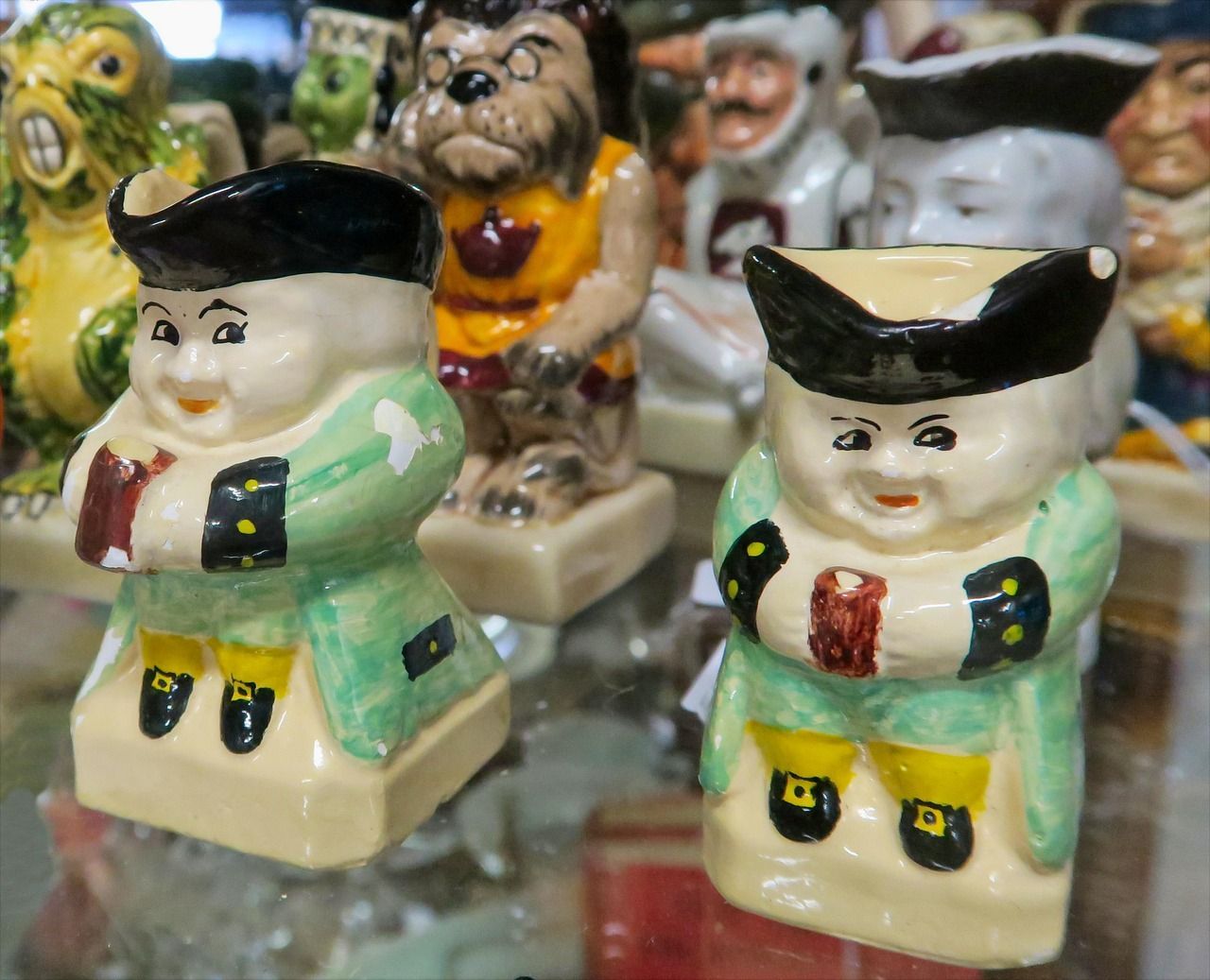
Image: agmclellan

Toby jugs are those quirky ceramic pitchers shaped like people's heads and bodies, usually depicting jolly characters in tricorn hats. This Evanston museum houses over 8,000 of them, representing the world's largest collection of these peculiar drinking vessels .

The collection spans centuries and includes rare jugs worth thousands of dollars alongside kitschy modern versions. You'll learn that Toby jugs have depicted everyone from Winston Churchill and Sherlock Holmes to characters from literature and politics.

9
The Spam Museum (Minnesota)
Image: ZHIJIAN DAI

This 14,000-square-foot museum in Austin, Minnesota, celebrates the canned pork product that fed armies and annoyed email users everywhere . Interactive exhibits let you pretend to work on the Spam production line, and you'll learn more about processed meat than you thought possible.

10
The International UFO Museum and Research Center (New Mexico)
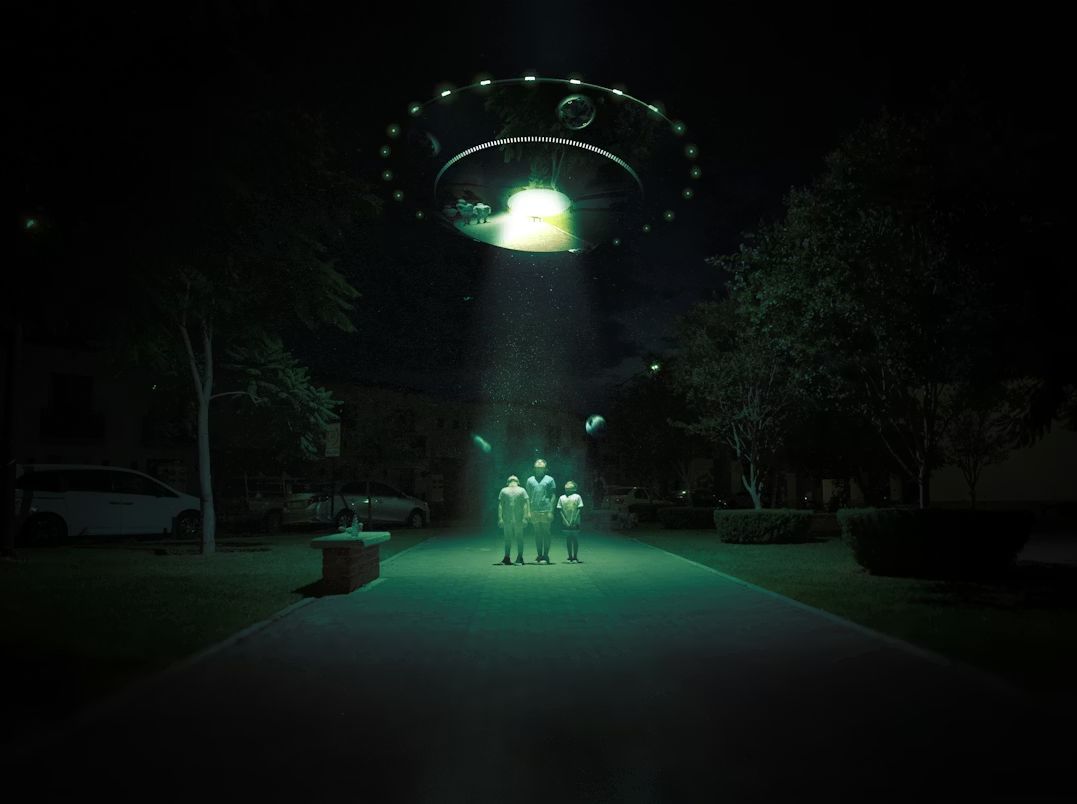
Image: Danie Franco

Located in Roswell, the site of the most famous alleged UFO crash in history, this museum is ground zero for alien conspiracy theories. Founded by people who claim firsthand knowledge of the 1947 incident, it presents eyewitness accounts, declassified government documents, and enough speculation to keep you wondering all night .

Beyond Roswell, the museum explores UFO sightings worldwide, alien abduction stories, and government cover-up theories that range from plausible to completely bonkers.
History History 5 min read

Exploring local folklore

American Bestiary: 10 famous mythical creatures to fear

Image: Jon Sailer

Welcome to the fascinating world of mythological creatures! This article is a celebration of the human imagination and the stories that have captivated us for generations. This time around, we invite you to explore the most amazing beings American folklore has ever created . From the popular Bigfoot to the mighty Wendigo, dive into these startling legends and uncover the mysteries surrounding them.

1
Bigfoot

Image: Jon Sailer

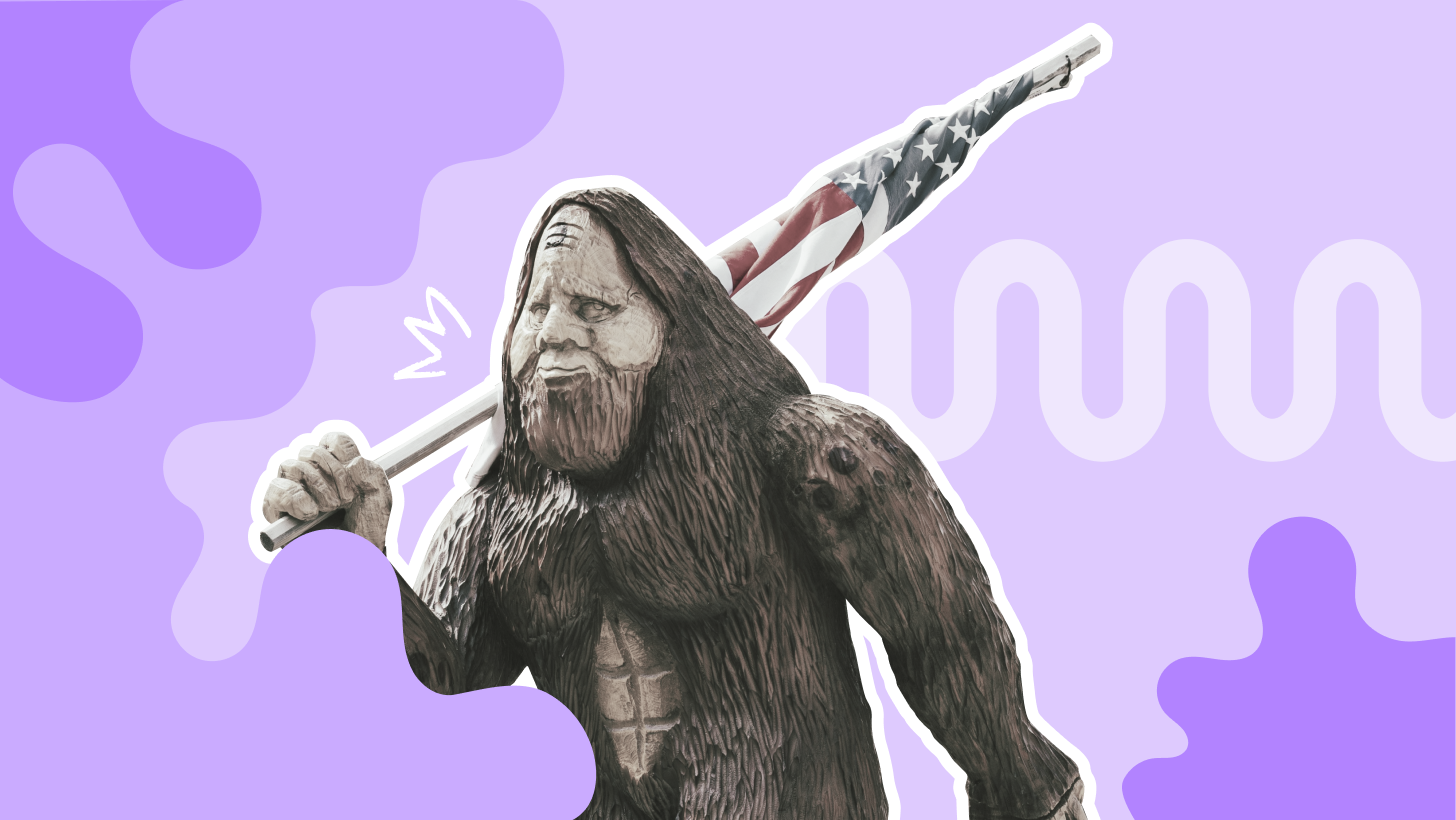
Legend and cultural icon, Bigfoot— also known as Sasquatch— has fueled our imaginations since at least the mid-20th century. This mythical creature, which appears in both American and Canadian folklore, is believed to inhabit the forests of the Pacific Northwest.

Its origin is not entirely clear, but it likely stems from a blend of stories brought by European immigrants and tales from North American indigenous cultures. Many people throughout history claim to have seen Bigfoot and describe it as a 6- to 9-foot, half-human, half-ape creature covered in dark hair. Others have only found its large 24-inch footprints, which has certainly helped keep the legend alive.

2
Pukwudgie

Image: Johannes Plenio

Pukwudgies are mythical creatures from Native American folklore, more precisely from the New England region. They are described as small, humanoid beings, about 2 to 3 feet tall, with grayish skin, pointed ears, and spines on their back.

According to Wampanoag legends, Pukwudgies are considered guardians of the forest. They are mischievous creatures with the ability to disappear and move swiftly through the forest. In addition, they are known to cast spells and curses on those who offend them or cross their path. So now you know, if you ever travel to these lands, remember to be respectful and honor nature to avoid being punished by these protective little monsters.

3
The Jersey Devil

Image: Belinda Fewings

There are not as many sightings of the Jersey Devil as there are of other creatures on this list. However, some people claim to have found traces of claw prints made by a two-legged creature. The few eyewitnesses who were able to catch a glimpse describe the Jersey Devil as a bizarre assortment of different animal parts, resembling everything from kangaroos and dogs to horses and even reptiles.

This creature theoretically inhabits an area in South Jersey known as the Pine Barrens. It is linked to a local legend from 1735, which claims that a woman nicknamed Mother Leeds allegedly cursed her thirteenth unborn child. The baby eventually became a demon who murdered the entire family and fled to the woods to steal livestock and terrify unwary travelers to the end of times.

4
Urayuli

Image: osensei

Very similar to Bigfoot, the Urayuli, or "hairy men," are a mythical race of creatures that live in the woodlands of southwestern Alaska, near Lake Iliamna. Those who claim to have seen the Urayuli describe them as being 10 feet tall, with shaggy hair, luminescent eyes, and long arms stretching down to their ankles.

According to lore, the Urayuli are said to be transformed children who got lost in the forest, therefore they are considered peaceful creatures. Taking this into consideration, it is very likely that this legend was born as a cautionary tale to prevent children from wandering out alone at night.

5
Wendigo

Image: DGSstudios

One of the most terrifying creatures in Native American mythology is the Wendigo. According to legends originating in Algonquian folklore, the Wendigo is an evil spirit that feeds on human flesh. This creature is believed to have the ability to possess people, turning them into starving monsters who cannot help but devour other humans.

The Wendigo has been depicted in various forms throughout history but is generally described as a slender, skeletal giant with glowing eyes and sharp fangs. This malevolent, cannibalistic, and supernatural being is usually associated with cold winters, as well as with greed and gluttony.

6
Wampus Cat

Image: Peter .

The Wampus cat is usually described as a fierce, bipedal creature with a humanoid body and a feline head. This spectral, panther-sized beast has been reported across the American Southeast for centuries, with numerous legends about its origins varying by region.

One of the most famous stories has its roots in Alabama and comes from a Native American tradition. According to this story, a Cherokee woman disguised herself in the skin of a mountain lion to secretly follow her husband on a hunting trip. When the men gathered around the fire to share stories forbidden to women discovered her, they cursed her to spend eternity as a half-woman, half-mountain lion.

7
Florida Skunk Ape

Image: RyanMcGuire

Florida, the Sunshine State, has its own version of Bigfoot: the Skunk Ape. This creature is said to resemble an orangutan more than the gorilla-like Sasquatch. This particular being got its name for the pungent odor that announces its presence and was seen many times lurking around the Florida swampland during the 1960s and 1970s.

Sightings were so common during that time that, in 1977, the state legislature had to introduce a bill to protect the elusive man-ape. Although the bill was never passed and Florida wildlife officials deny the existence of the Skunk Ape, many people continue to report sightings of the black, hairy creature to this day.

8
Champ

Image: GregMontani

If you thought Scotland had the only lake monster, you haven't met Champ yet. Lake Champlain, a freshwater lake in New York, is said to be home to America's most famous lake monster. Since the early 19th century, there have been accounts of Europeans claiming to have seen a seahorse-headed creature emerging from the water. However, the local Native Americans, the Abenaki, and the Iroquois, had stories of a horned serpent called Tatoskok dating back much earlier.

Over the years this beast has manifested itself to numerous people. In fact, in 1977, a woman named Sandra Mansi claimed to have taken a photo showing a creature with a small head and a long neck, which—let's be honest—looks suspiciously similar to the Loch Ness Monster.

9
Menehune

Image: Timothy Dykes

The Menehune are a mythological race of little people in Hawaiian tradition that only appear at night. For the most part, these two-foot-tall creatures are harmless, although they can become angry if disturbed. It is believed that these supernatural beings may have originated from ancient ancestors who populated the Pacific region, eventually evolving into folklore.

The Menehune are said to be builders, gifted with great strength and architectural skill. They construct stone structures such as dams, roads, and sacred worship sites known as heiau . They work when nobody is watching, so beware—never interrupt them, or they will vanish.

10
Beast of Busco

Image: Pascal Mauerhofer

In this article, we have explored a wide array of mythological creatures resembling apes, cats, birds, serpents, and even humanoids. However, you probably won't guess what kind of creature the Beast of Busco is. In 1898 a farmer from Churubusco, Northern Indiana, claimed to have spotted an enormous turtle in Fulk Lake.

His story was corroborated fifty years later by two fishermen who reported seeing a giant turtle weighing at least five hundred pounds and with a shell as big as the roof of a car. Such was the commotion that the lake’s owner at the time went so far as to drain it in order to catch the creature, which proved to be impossible. Since then, every June, the town of Churubusco celebrates Turtle Days festival, which includes a carnival, a parade, and—wait for it—turtle races.

History History 5 min read

First things first

Pioneering presidents: The 10 firsts that shaped American history

Image: Caleb Perez / Wes Hicks

One fascinating aspect of history is that we can discover who was the first to accomplish certain things. Photography is an everyday activity today, but who was the first president to be photographed? Have you ever wondered who was the first U.S. president to be born in a hospital? The presidency has seen many "firsts" that have left a lasting impact on the nation. Let’s dive into some of the most significant presidential milestones that have shaped the course of American history. From the momentous to the most mundane, here are 10 presidential firsts!

1
Reagan: Breaking the glass ceiling

Image: Library of Congress

Although the numbers are still unequal, women occupy decision-making positions every day. They play an active role in political life, but that wasn’t always the case.

Ronald Reagan made a bold move for gender equality by nominating Sandra Day O'Connor to the Supreme Court in 1981. This historic decision marked the first time a woman would serve on the highest court in the country.

O'Connor’s nomination was a landmark moment for women’s rights, opening doors for future generations. Reagan’s choice was both strategic and symbolic, of course. It was a significant step toward inclusivity in the judiciary. Sandra Day O’Connor went on to serve with distinction, becoming a pivotal figure in many key rulings.

2
Johnson: A historic appointment

Image: Library of Congress

America has already seen a black president, but even that marked a significant turning point in history. However, Black men in such high government positions weren’t a reality until 1967 when Lyndon B. Johnson appointed Thurgood Marshall as the first Black Supreme Court Justice . In the ongoing struggle for civil rights and equality in the U.S., this was a monumental step.

At the time, Marshall was already a legendary figure for his role in Brown v. Board of Education, and his appointment brought a powerful voice to the court. It was a clear signal of the administration’s commitment to racial justice. Marshall served on the court for 24 years! Talk about leaving a mark, huh?

3
Roosevelt: The star of the show

Image: Library of Congress

We can’t get enough of our TVs today, right? But this device was once an innovation, and one can easily imagine how surprising it must have been to see a president on screen for the first time!

In 1939, Franklin D. Roosevelt became the first U.S. president to appear on television during the World’s Fair in New York.

It’s not that he had gone unnoticed, FDR was already a radio sensation with his "fireside chats," but the television debut marked a new era of presidential communication. This historic moment allowed Americans to not only hear but also see their president, making FDR an even more influential figure.

4
Adams: Picture perfect

Image: Library of Congress

People take pictures of everything, everywhere, all the time today. Photos are like our business cards on social media and even in our job profiles, but it wasn’t always like that. And John Quincy Adams was part of a photography milestone.

Adams wasn’t just a former president, he holds the prize for first presidential photography . In 1843, he became the first president to have his photograph taken, although it was after his term had ended. Before Adams, presidents were immortalized through paintings, but his photo brought a new sense of realism to how leaders were remembered. Was he, by any chance, the first influencer?

5
Hayes: A direct line to history

Image: Library of Congress

What would we do without our telephones? It’s like we can’t imagine our lives without them anymore, right? But have you ever wondered who was the first president to have a phone in the White House ?

In 1877, Rutherford B. Hayes ushered the presidential residence into the age of technology by installing the first telephone. Of course, this was far from the smartphones we use today, but it was quite revolutionary at the time.

Fun fact: Hayes’s telephone had the number "1," a fitting symbol for such a groundbreaking moment. Only a few could actually get in direct contact with that line, but the step was taken anyway and history was made.

6
John Adams: Home sweet white house

Image: Library of Congress

While George Washington oversaw the construction of the White House, he never actually lived in it. It was John Adams who had the honor of being its first resident in 1800 .

Adams and his wife Abigail moved into the unfinished mansion, making history as the first Presidential Family to live in the iconic building. Despite the unfinished state of the residence, the Adams family’s presence made it the center of American politics. And of course, he was the first, but he was certainly not the last, as the tradition continues today.

7
Truman: Code name "general"

Image: Library of Congress

If you’re a fan of detective novels, you probably always thought that having a code name is super cool! Well, imagine being the first president with a code name!

Harry Truman made history as the first U.S. president to receive a Secret Service code name . Known as "General," his code name served as a security measure. Although now that you know it, it doesn’t seem so secretive or mysterious, right?

The use of code names has since become standard practice, used to protect presidents and their families. While the tradition of assigning code names has evolved, Truman’s "General" remains a nod to the early days of presidential security. It was just the beginning of a tradition that still exists today.

8
Coolidge: A father’s pride

Image: Library of Congress

Few moments in life are so beautiful as when a father’s eyes are filled with tears of pride for his child, don’t you think? Well, now think about that, between a president and his father!

In a unique and touching moment in U.S. history, Calvin Coolidge was sworn in as president by his own father. After President Harding’s unexpected death in 1923, Coolidge’s father, a notary public, administered the oath of office in their Vermont home.

This made Coolidge the first and only president to be inaugurated by a family member, creating a truly personal and memorable moment. This father-son moment added a deeply personal touch to the transfer of power, making it a memorable event in both their personal lives and American history.

9
Carter: Born in a hospital

Image: Library of Congress

When you think of a birth, you think of a hospital, right? However, that hasn’t always been the case.

Jimmy Carter holds the distinction of being the first U.S. president born in a hospital, on October 1, 1924. Before Carter, presidents were typically born at home, which was the norm for the times.

His birth at the Wise Clinic in Plains, Georgia, marked a shift toward modern medical practices. This milestone highlighted the changing nature of healthcare in America. Carter’s hospital birth was a small, yet significant, indicator of progress in our country.

10
McKinley: Cruising into history

Image: Library of Congress

Our last "first" is a bit crazy and you’ll see why in a minute: William McKinley became the first sitting president to experience the thrill of a car ride .

In 1899, he took a ride in a Locomobile steam carriage, a cutting-edge mode of transportation at the time. The car was driven by the inventor himself!

This ride was quite an oddity, and McKinley’s willingness to try it out showed his interest in new technology. Why is it crazy? Because no president drives their own car today! Regardless of how innovative and technologically advanced it may be!

Explore more American facts

Choose your favorite category!

General
General

As American as apple pie—the very best America has to offer!

Culture
Culture

Delve into the astounding richness of American lore.

Geography
Geography

Hop in and explore vast and diverse American landscapes.

History
History

Discover the key moments that shaped the United States.