History History 4 min read

Fur, feathers, and fame

The first pets: The surprising, funny, and furry side of history!

Image: Sara Kurfeß

Before social media and spin doctors, some of the most beloved figures in Washington had four legs or wings. From dogs to horses, rabbits, and even raccoons, presidents have shared the White House with a colorful parade of creatures. These pets weren’t just sidekicks; they were family, confidants, and sometimes even headline-makers.

1
George Washington’s hungry hound
Image: Mitchell Orr

George Washington didn’t just lead a new nation; he also led a lively pack of dogs . His favorite, Vulcan, became a bit of a legend after sneaking into the kitchen and stealing a ham right before a fancy dinner party. Washington’s home was full of animals, from hounds with names like Sweet Lips and Madam Moose to strong horses such as Nelson and Blueskin, who carried him through the Revolution. The father of our country clearly had a soft spot for man’s best friend.

2
Thomas Jefferson’s exotic companions
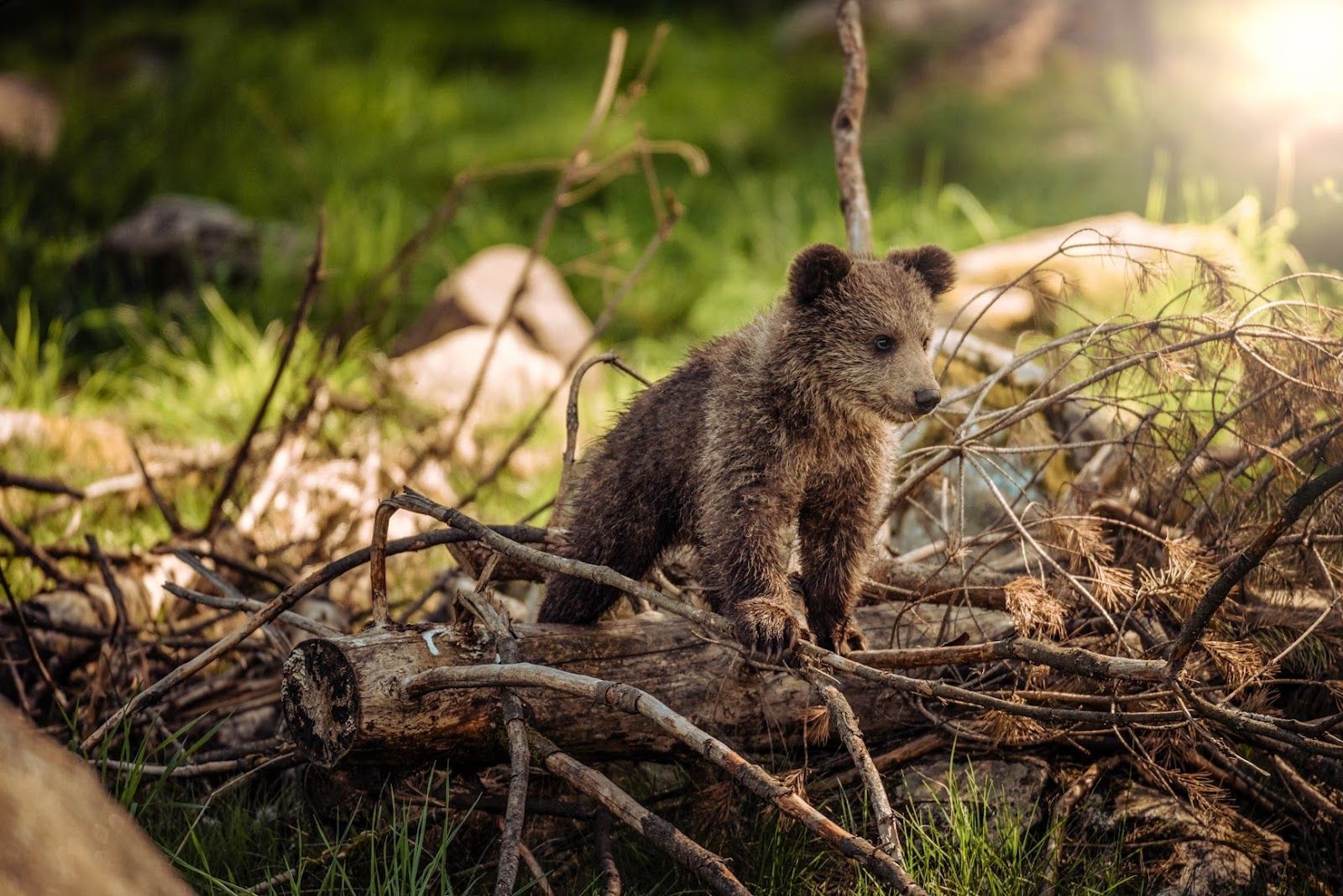
Image: 🇸🇮 Janko Ferlič

When Thomas Jefferson returned from France, he brought back more than political ideas. He also brought home a dog named Bergere, who had puppies during the voyage. Later, explorers Lewis and Clark sent him two bear cubs that lived for a time at Monticello. Jefferson also kept birds, which showed a curious and gentle side to the man remembered for serious debates and historic documents.

3
Abraham Lincoln’s family menagerie
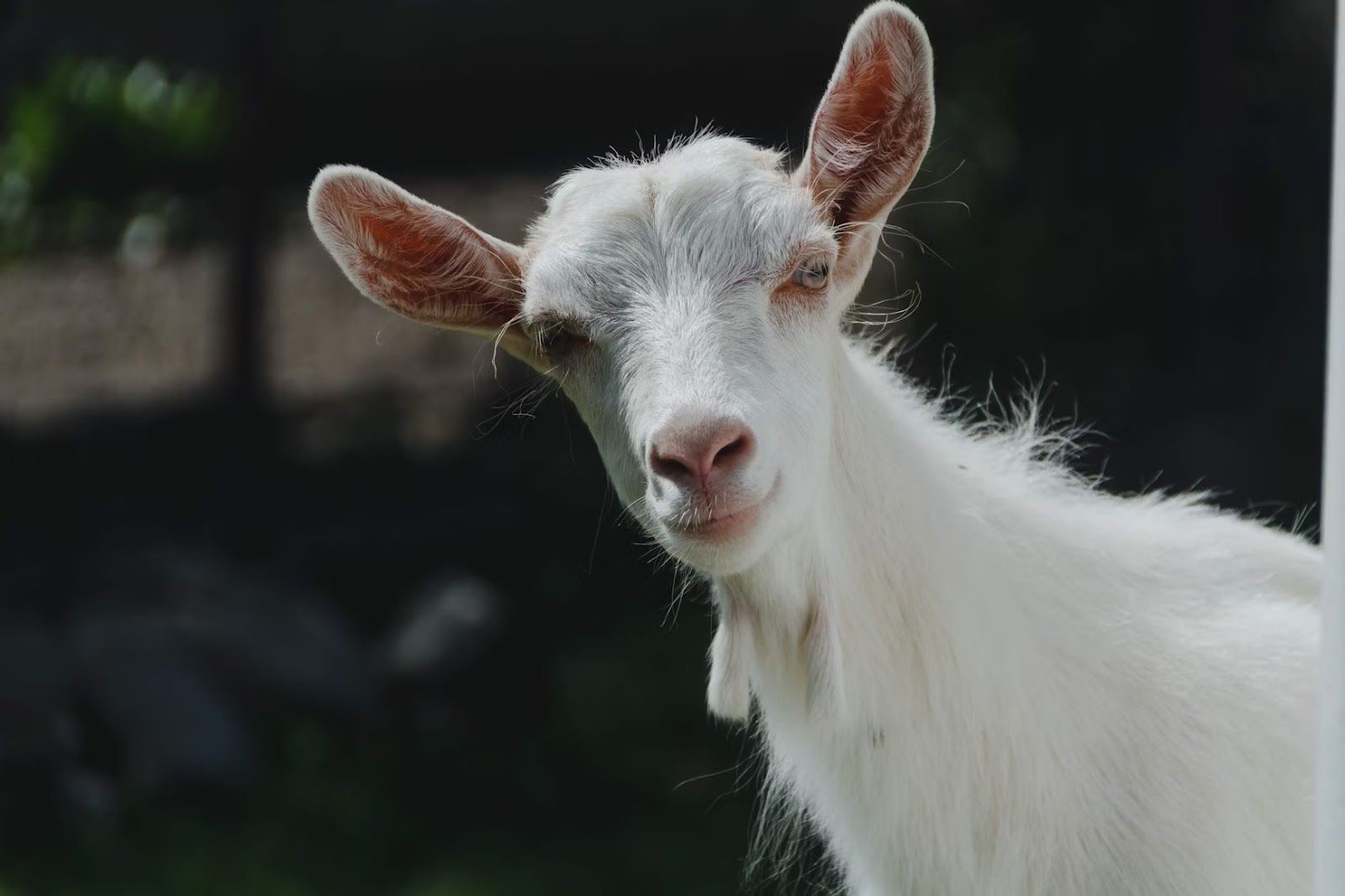
Image: Sergiu Vălenaș

Abraham Lincoln’s household was full of affection, laughter, and animals. His loyal dog, Fido, stayed behind in Springfield when the family moved to Washington, but Lincoln made sure he was cared for. The White House soon filled up with two playful goats named Nanny and Nanko , horses, cats named Tabby and Dixie, and even a few rabbits. Lincoln’s kindness toward animals mirrored his compassion for people.

4
Theodore Roosevelt’s White House zoo
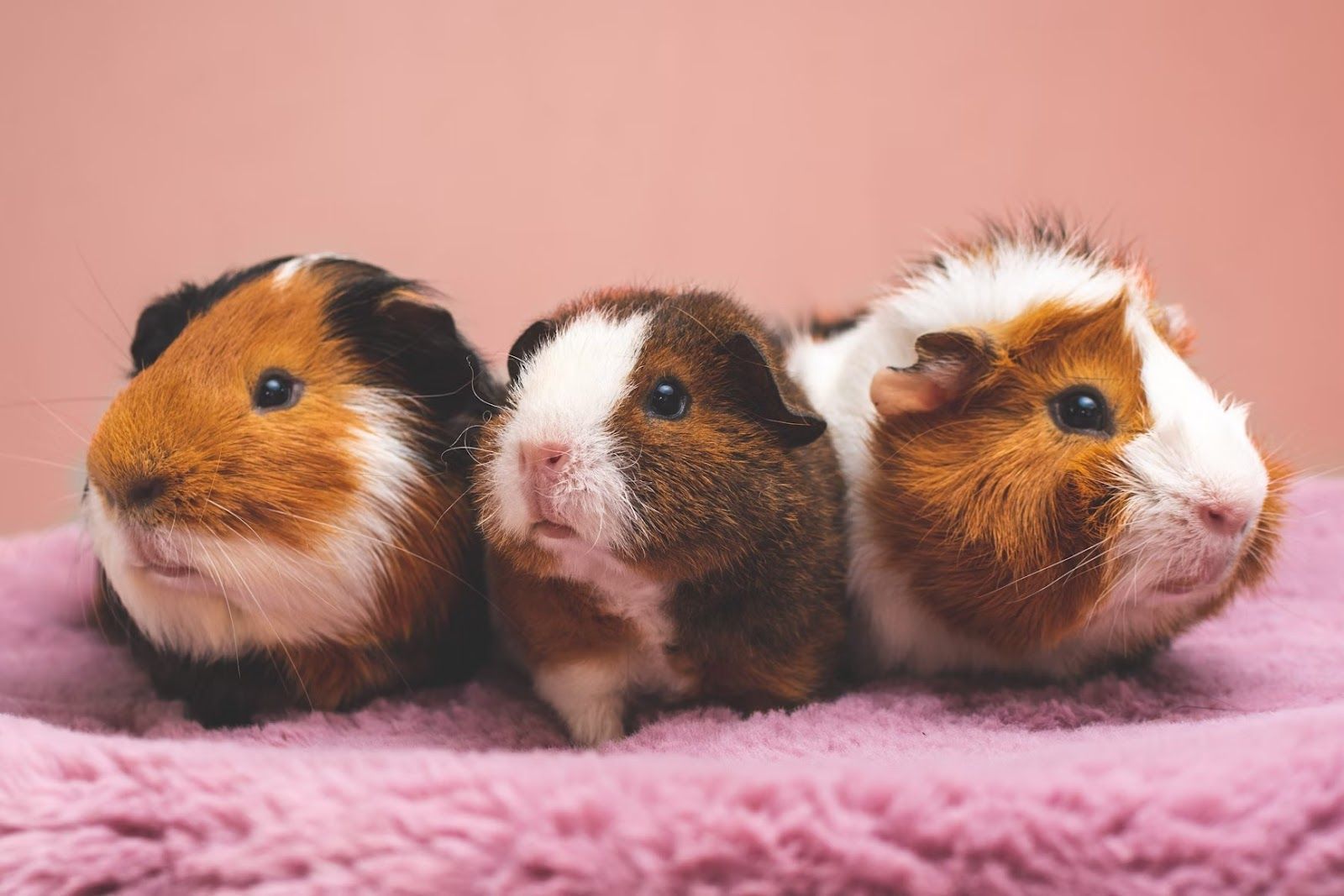
Image: Jaroslaw Slodkiewicz

Theodore Roosevelt didn’t just bring energy to politics; he brought it to pet ownership too. His home was a whirlwind of fur, feathers, and scales. Alongside horses and dogs, there were guinea pigs, a macaw, a badger, a snake named Emily Spinach, and even a bear called Jonathan Edwards. Roosevelt’s six kids were always introducing new creatures, turning the White House into a joyful, unpredictable zoo.

5
Woodrow Wilson’s tobacco-chewing ram
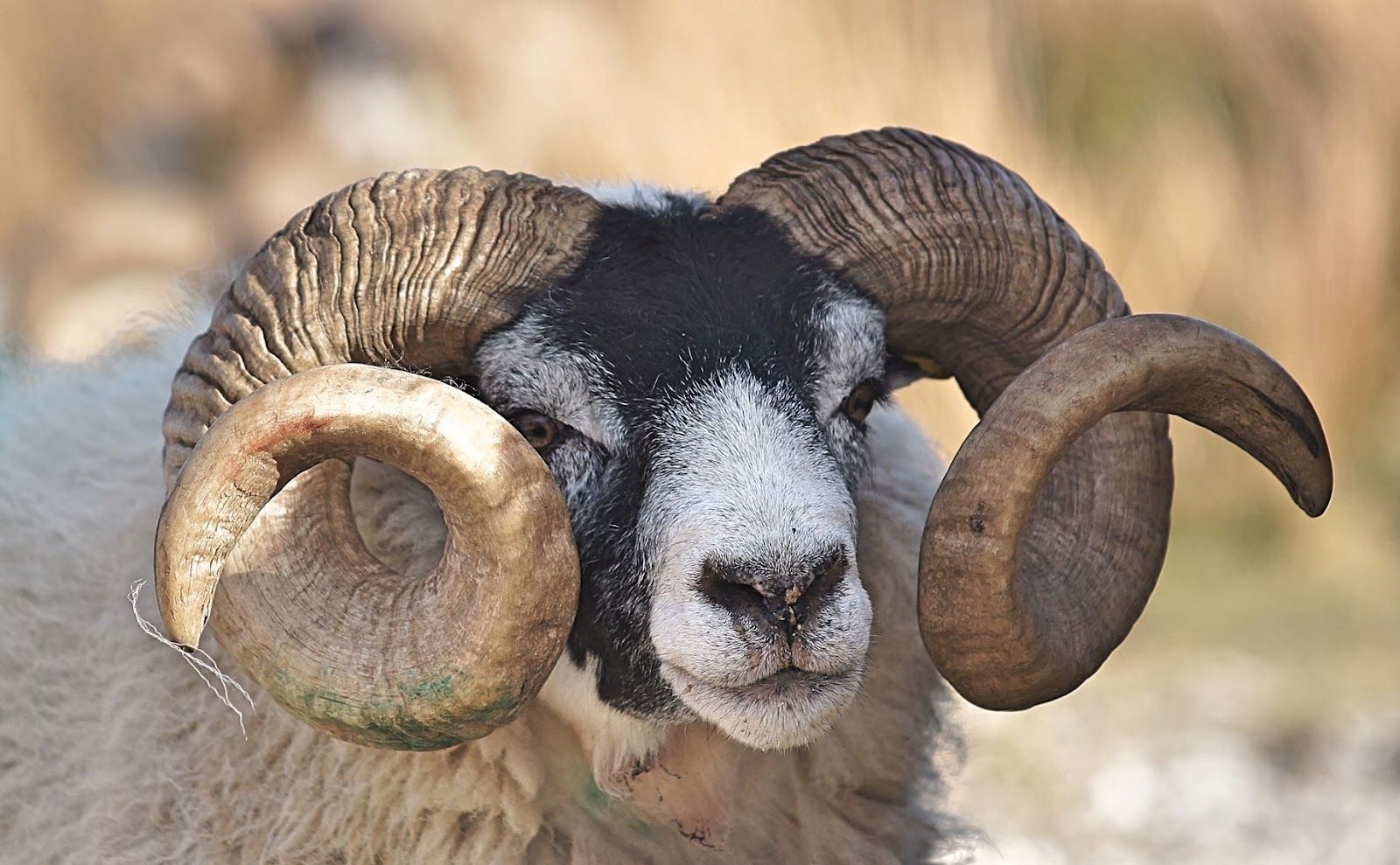
Image: Livin4wheel

Woodrow Wilson’s presidency wasn’t all about policy and world affairs. He also had a ram named Old Ike, who was known for chewing on cigars . Wilson kept a flock of sheep on the White House lawn during World War I to help raise money for the Red Cross by selling their wool. Along with dogs, birds, and a cat named Puffins, the Wilson White House looked more like a small farm than a seat of government.

6
Calvin Coolidge’s cheerful chaos
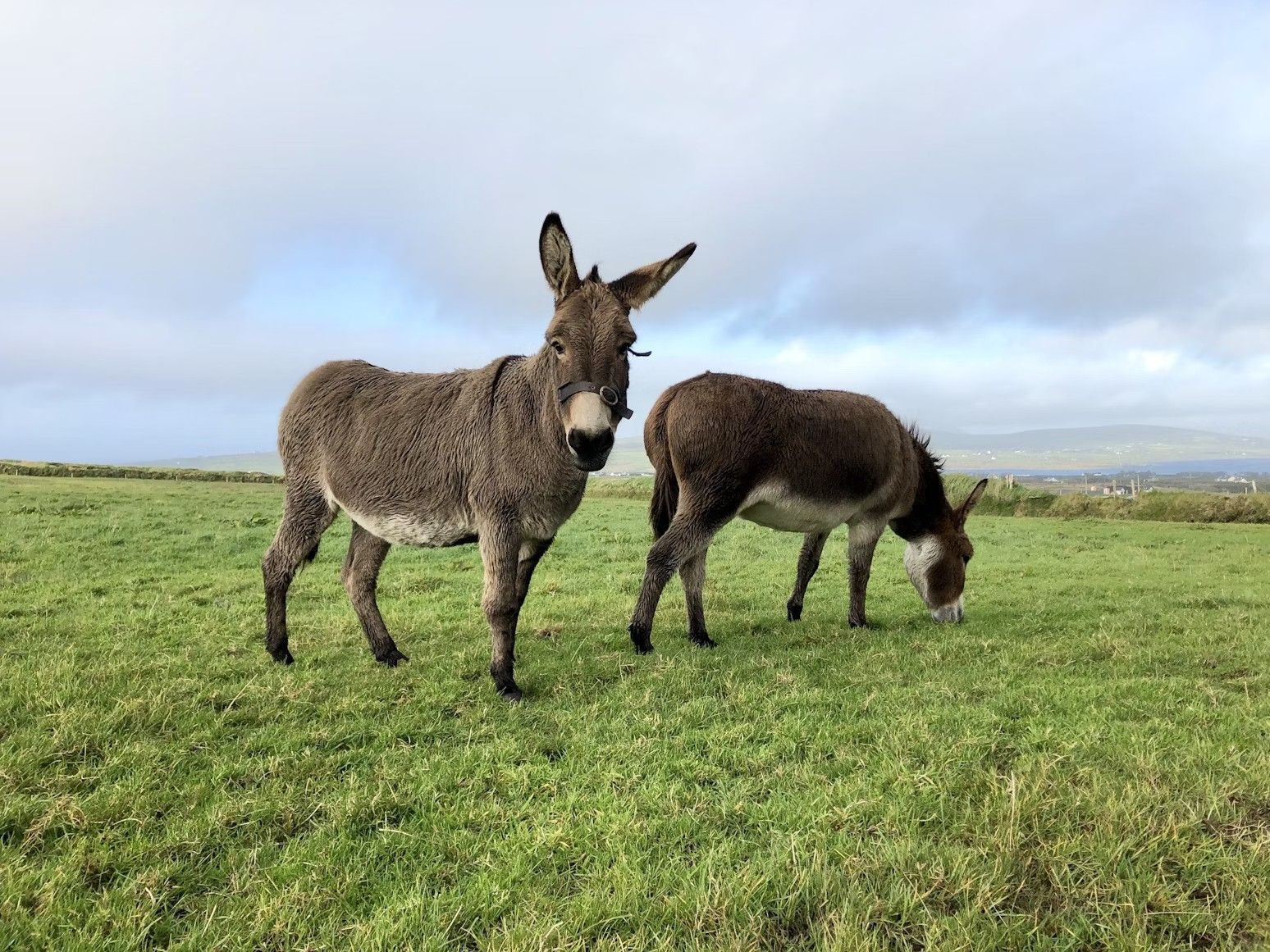
Image: Christian Hess Araya

If anyone rivaled Roosevelt’s menagerie, it was Calvin Coolidge. He and his wife, Grace, were devoted animal lovers. Their White House included twelve dogs, two cats, seven birds, a donkey named Ebenezer, two raccoons called Reuben and Rebecca, and even a bobcat named Smoky. Rob Roy, their white collie, was so beloved that he appeared in Grace Coolidge’s official portrait. With so many paws and claws around, quiet moments were rare, but laughter was constant.

7
Franklin D. Roosevelt’s loyal Fala
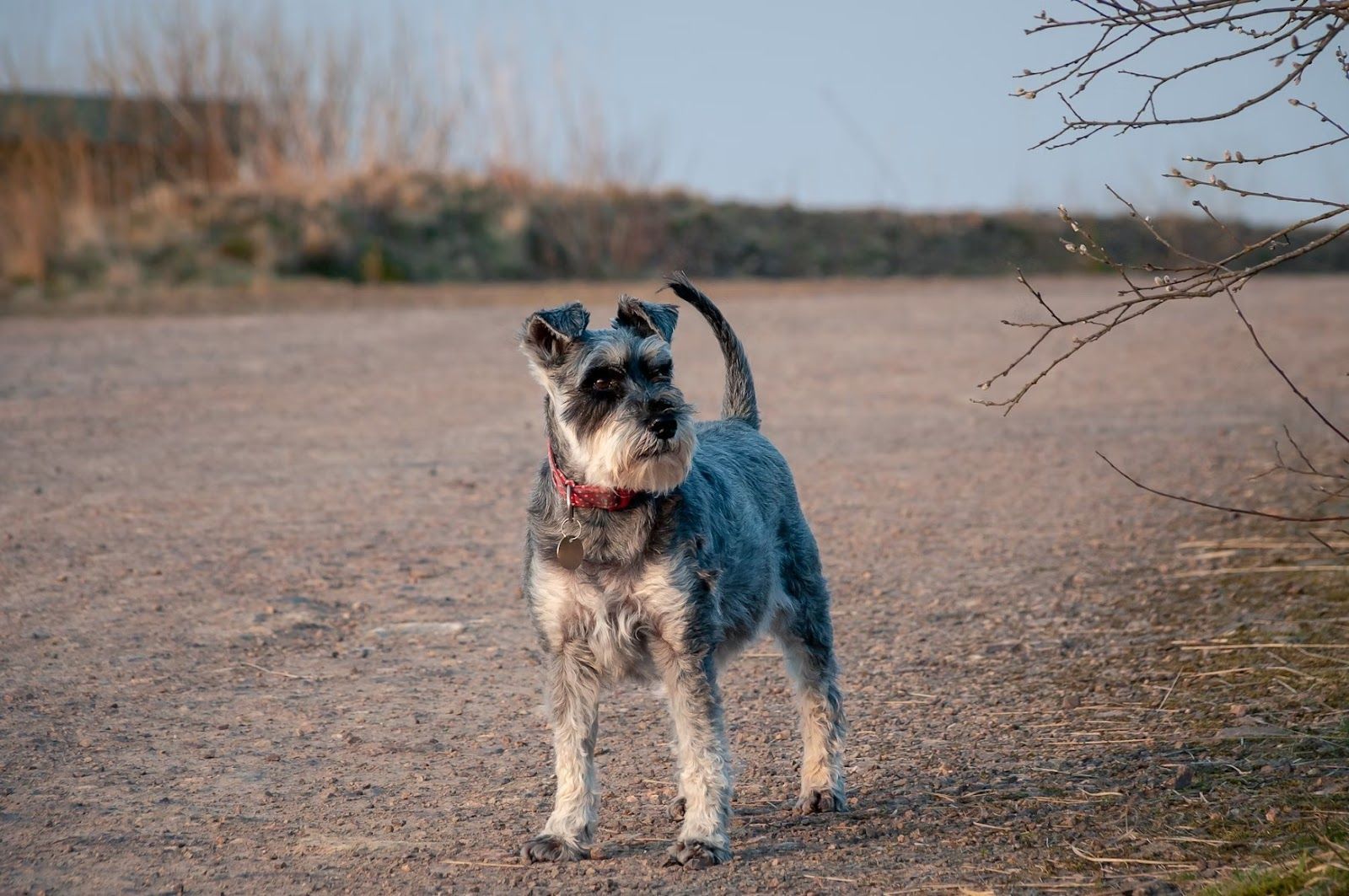
Image: Chris Arthur-Collins

Few pets have reached celebrity status quite like Franklin Roosevelt’s Scottish terrier, Fala . The little dog went everywhere with the president and even had his own fan club. When critics accused Roosevelt of forgetting Fala during a trip to Alaska, the president jokingly denied it in a speech that won over the crowd. Fala stayed faithfully by his side through good times and bad, a symbol of loyalty during some of the nation’s hardest years.

8
John F. Kennedy’s household of charm
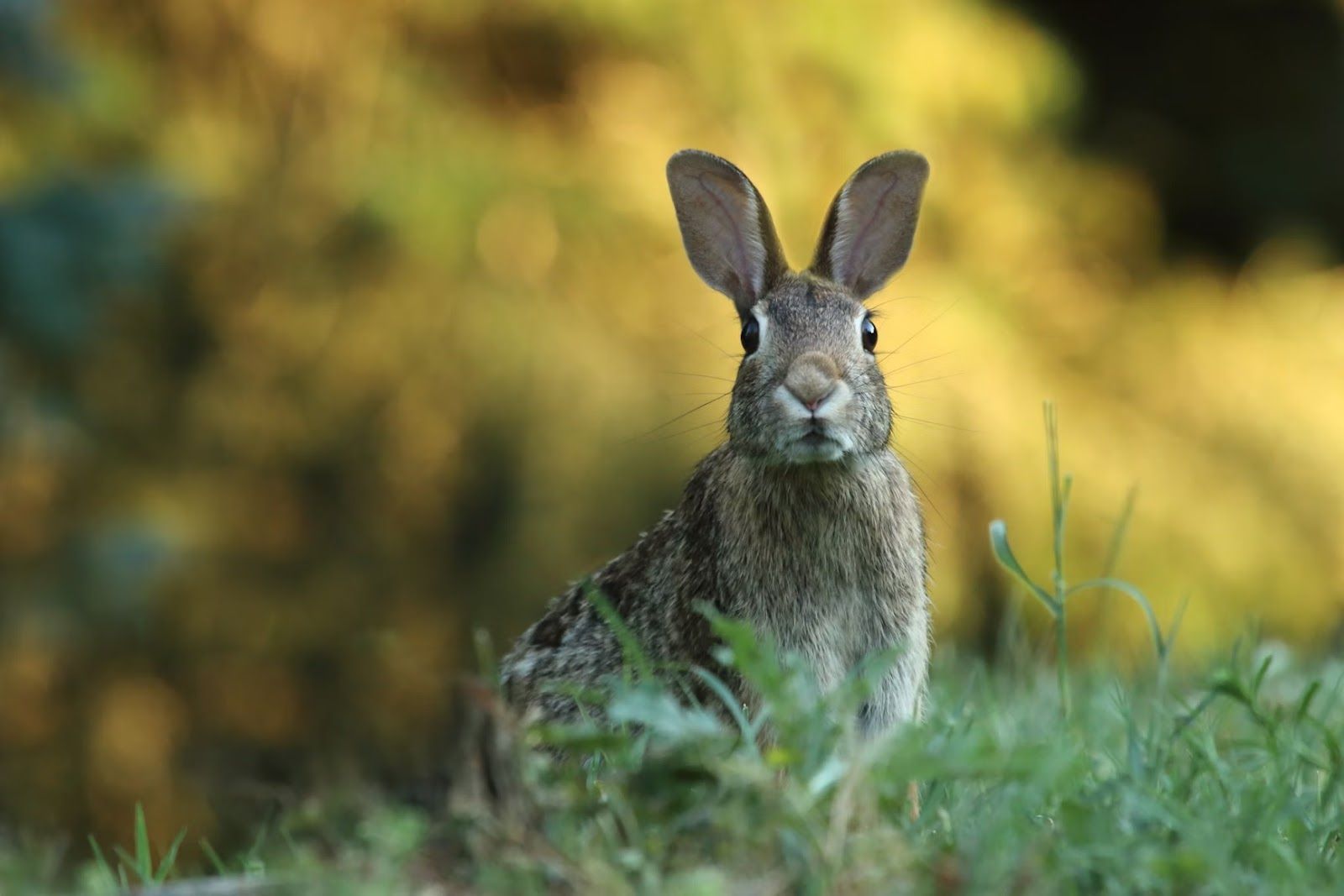
Image: Gary Bendig

The Kennedys filled the White House with laughter and animals. Their pets included Pushinka, a gift from Soviet leader Nikita Khrushchev, who had puppies with the family’s dog, Charlie. The Kennedys gave the puppies to children who wrote to them. They also had horses, cats, birds, hamsters, and even a rabbit named Zsa Zsa . Caroline’s pony, Macaroni, became a favorite of photographers and fans, perfectly matching the family’s youthful, warm image.

9
Lyndon B. Johnson’s famous beagles
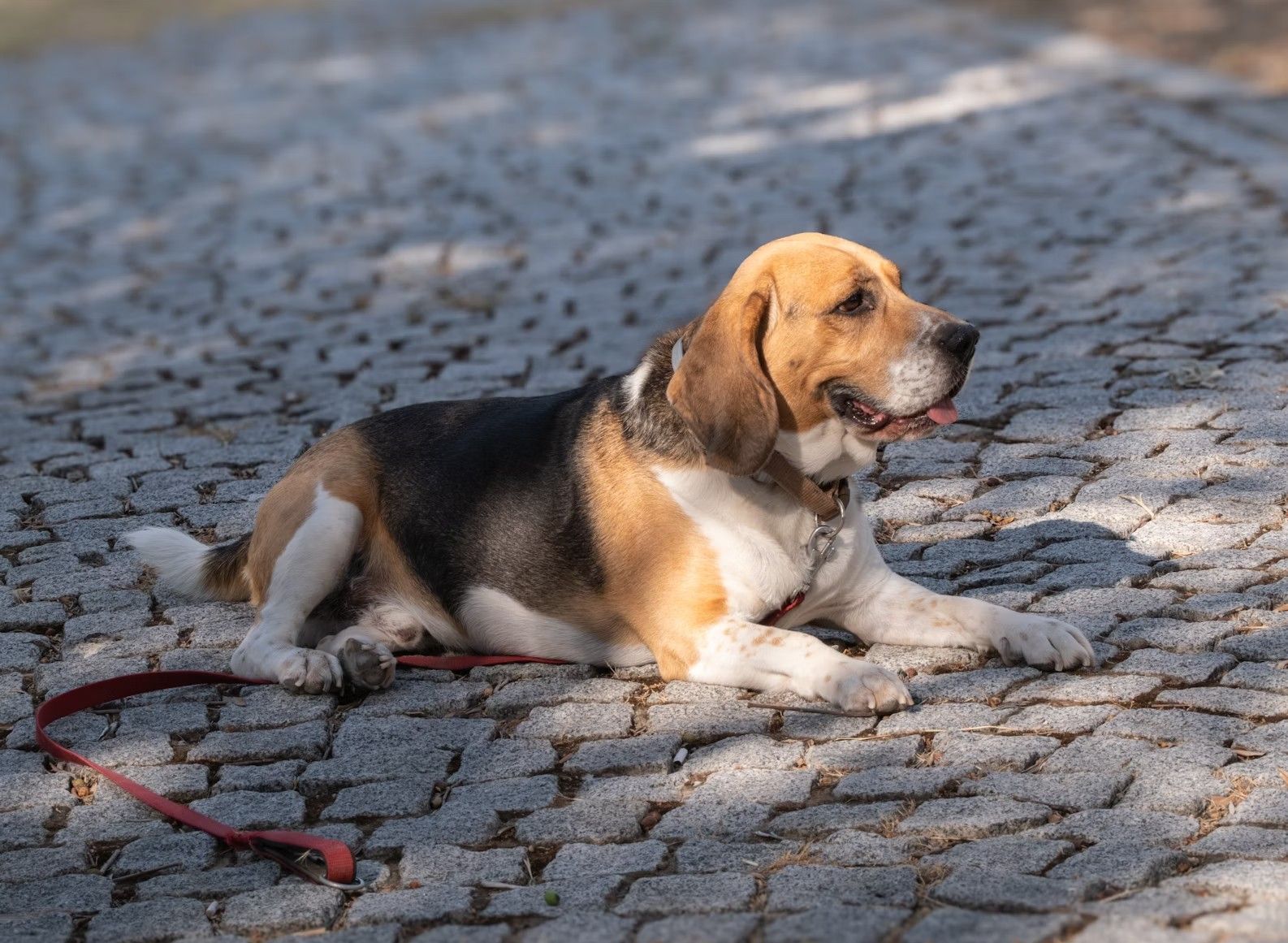
Image: Doğan Alpaslan DEMİR

Lyndon B. Johnson’s dogs, Him and Her, became almost as well known as their owner. Johnson once caused a stir by lifting one of them by the ears for a photo, but he truly loved his pets. He kept several dogs, along with birds and hamsters that entertained his family. Johnson was the last president to keep anything beyond the usual cats and dogs at the White House, marking the end of a particularly lively era for presidential pets.

10
Ronald Reagan’s ranch companions
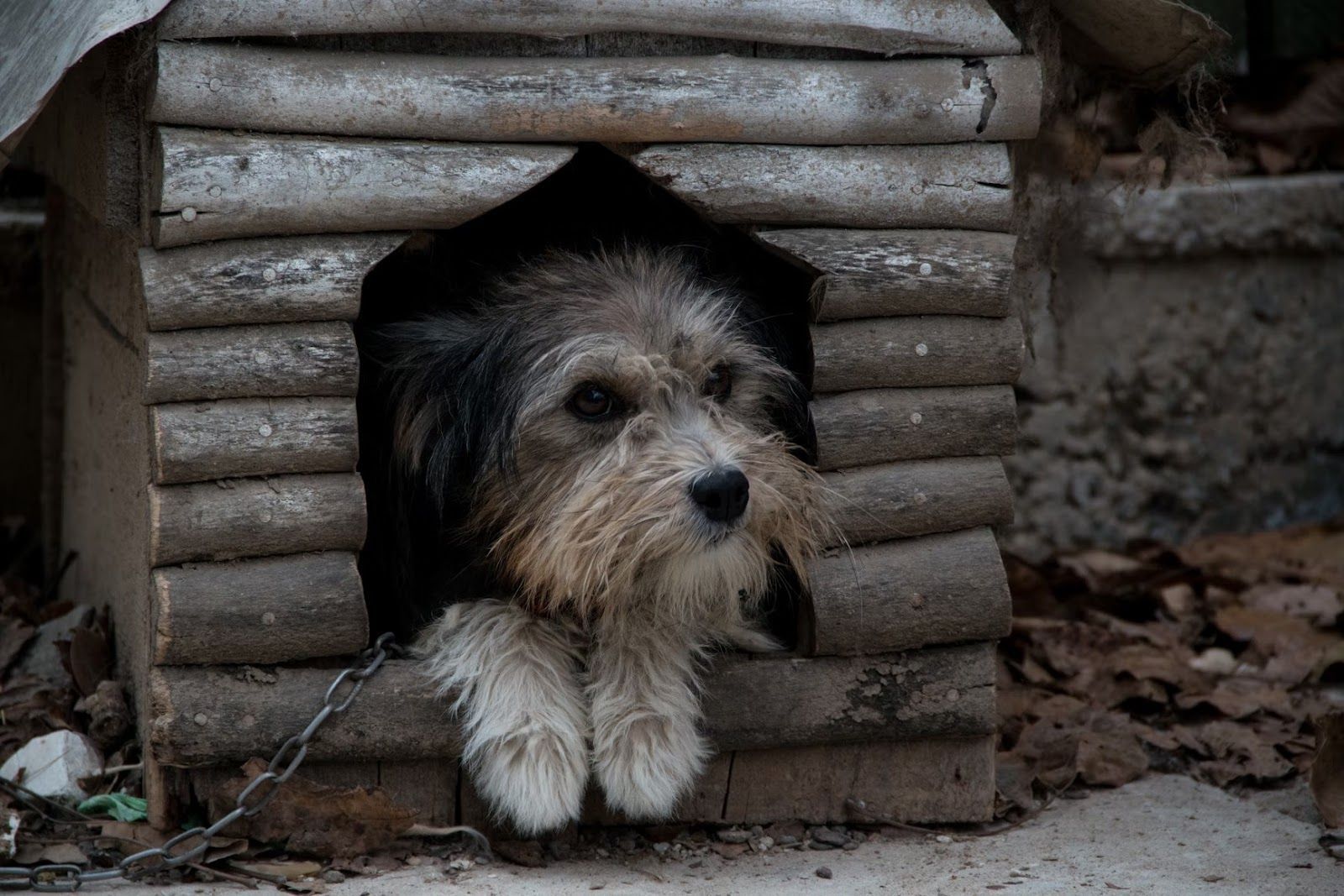
Image: Florin Palamarciuc

For Ronald Reagan, animals were part of the good life. His dogs, Lucky and Rex, often joined him at the family ranch, where he could ride horses and enjoy the open air away from Washington. Rex even had his own miniature White House doghouse . The Reagans saw their pets as family and often talked about how much joy they brought to their lives, proof that even presidents need a wagging tail to make a house feel like home.
Culture Culture 6 min read

What’s in a name?

Nickname nation: How famous Americans earned their monikers

Image: JR Harris / Mitya Ivanov

Some people were great—we know that, we know their names and what they did. But some people were so extraordinarily great that they've earned a nickname that has stuck as firmly as their contributions . And we're not just talking about scientific contributions; we're talking about artists, athletes, and politicians, too. Have you ever wondered how "The Sultan of Swat" got his unique nickname? You don’t need us to tell you who "Lady Lindy" was. In this article, we’ve gathered 10 figures, their amazing nicknames, and the stories behind them.

1
The King of Rock and Roll

Image: Drew Beamer

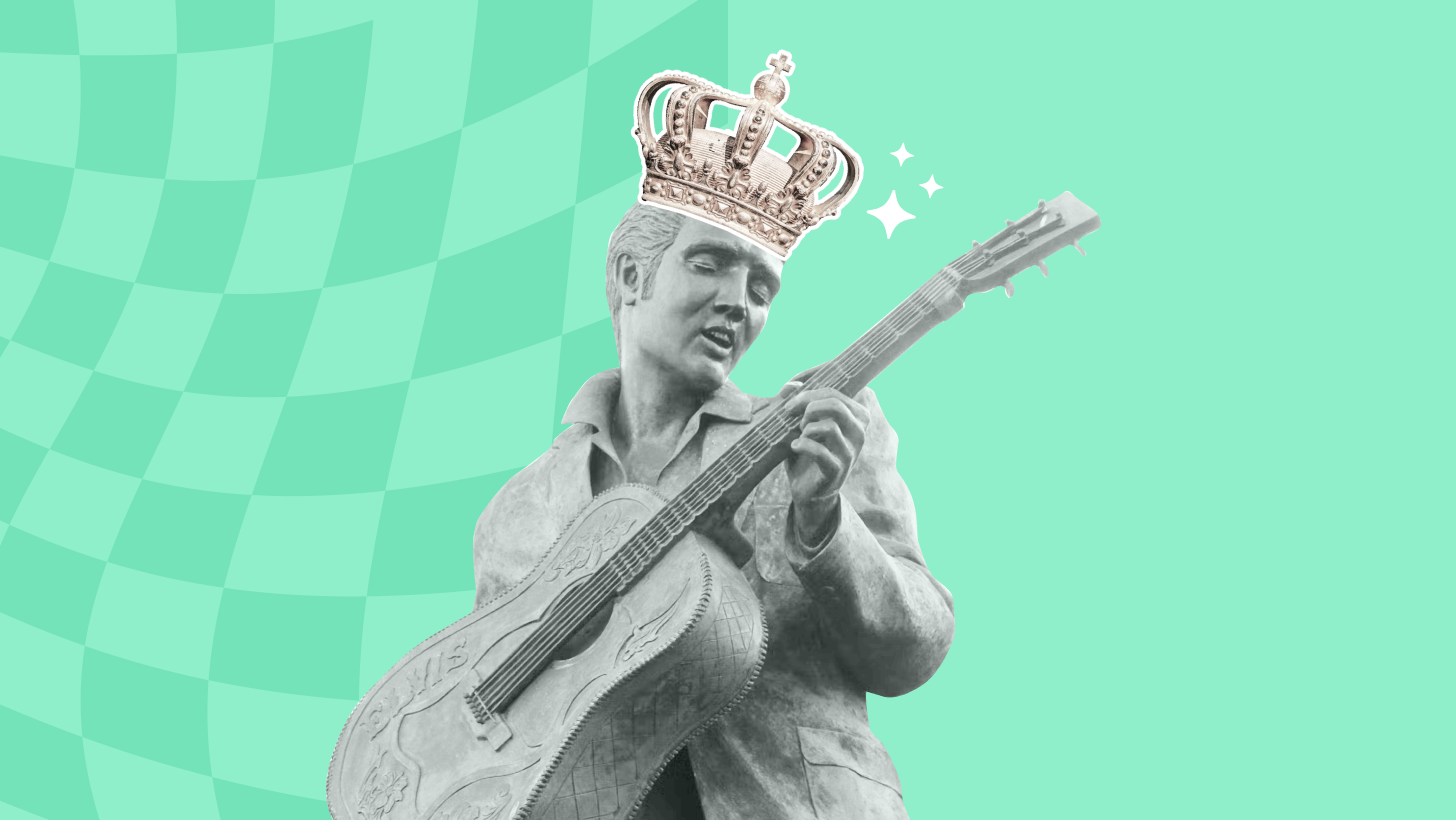
Elvis Presley didn’t just sing rock and roll; he embodied it. With a signature blend of charisma, flashy outfits, and unmistakable dance moves, Elvis became a household name in the 1950s—but, of course, you knew that already.

His groundbreaking hits like "Jailhouse Rock" and "Hound Dog" resonated across generations, earning him the crown of "The King." The title wasn’t just about record sales, it also reflected his status as a cultural icon who changed the music scene forever. So much so that it is still the number one place in this article! He bridged gaps between musical styles, influencing countless artists to follow. His legacy lives on, proving that some kings don’t need a throne—just a stage and a guitar. Long live the King!

2
The Sultan of Swat

Image: Lesly Juarez

Baseball is one of the best American traditions, and some figures have even outgrown the sport to become national treasures. Babe Ruth is proof of that! The player had more than one nickname , but "The Sultan of Swat," was a tribute to his legendary baseball career.

He was known for his massive home runs and larger-than-life personality. With that, Ruth transformed baseball from a strategic game to a spectacle—a characteristic that is still true of the sport today. During his time with the New York Yankees, he set records that seemed untouchable, like his famous 60-home-run season in 1927. Crowds would pack stadiums just to watch him swing, and he rarely disappointed.

Ruth’s influence was undeniable, and he became a symbol of hope during the Roaring Twenties. After saying all this, "Sultan" doesn’t seem enough, don’t you think?

3
Moses

Image: Kirt Morris

No, we’re not talking about the real Moses, but what did Harriet Tubman have to do to earn a nickname like this? Let’s see.

The nickname is, of course, a comparison. Tubman was a heroic figure, and like the biblical Moses, she led people to freedom—only her path was the Underground Railroad.

Tubman escaped slavery herself , and as if that wasn’t remarkable enough, she then risked her life to guide others north to safety. Her bravery and strategic brilliance helped free over 70 individuals directly, and she advised countless others.

This was no easy task, as you can imagine. It involved evading slave catchers and facing all kinds of risks, especially during the night. After such heroic deeds, "Moses" was the fitting nickname!

4
The Father of His Country

Image: Library of Congress

We can’t exclude Washington from this list and, even though he had more than one nickname, this one sums it all up perfectly: They don’t call George Washington "The Father of His Country" for nothing!

As the first President of the US , he essentially set the standard for everything, from leadership to integrity. But before becoming president, he led the Continental Army to victory in the Revolutionary War, helping America gain independence.

What’s truly remarkable? Well, we could just enumerate a long list of reasons, but the fact that he stepped away from power when he could’ve held onto it, was a move that showed his true character. He didn’t want to be a king; he just wanted a country where power was passed peacefully. He acted like a true father, and his legacy is as rock-solid as the monuments built in his honor!

5
Ol' Blue Eyes

Image: Andrea Riondino

Back to the music world and the stars our country has created, we need to mention Frank Sinatra’s nickname, "Ol' Blue Eyes," which perfectly captures his good looks (and served as great publicity, too!).

With a voice as smooth as velvet , Sinatra enchanted the world through classics like "My Way" and "New York, New York." But it was his piercing blue eyes that added to his mystique, charming audiences everywhere.

He wasn’t just a singer; he was a seasoned performer who brought a sense of drama and romance to every song. His career spanned decades, influencing both music and film. Now, did you know this wasn’t the only nickname? He was also known as "Chairman of the Board"—you can already imagine why!

6
The Greatest

Image: Nelson Ndongala

Not Muhammad, nor "The Greatest," he was actually born Cassius Marcellus Clay Jr. The story of how he came to be named Muhammad is tied to his religious choices, but "The Greatest" was simply a result of his dominance in boxing.

Muhammad Ali’s nickname wasn’t just bravado; he lived up to it with his unparalleled skill in the boxing ring . He moved his feet at a disorienting speed and had some witty pre-fight rhymes, Ali changed the way the world saw boxing. Ali won the heavyweight title three times and defeated legends like Sonny Liston and George Foreman.

Beyond the sport, Ali stood up for his beliefs. He refused military service on moral grounds and spoke out for civil rights. His legacy goes beyond boxing because Ali wasn’t just a fighter; he was a champion in every sense. He truly was the greatest!

7
Lady Lindy

Image: Tomas Martinez

This is the story every little kid should hear before going to bed, dreaming about adventures and dreams coming true. Now, aside from that, let’s see how Amelia Earhart got her nickname, "Lady Lindy."

This moniker is actually a nod to Charles Lindbergh , an American aviator who made the first non-stop flight from New York to Paris. In 1932, Earhart made history by becoming the first woman to fly solo across the Atlantic Ocean.

This may not sound impressive today, but her daring feats challenged gender norms and inspired women to pursue their own ambitions, something that wasn’t really encouraged back then! Even after her mysterious disappearance in 1937, she remains an icon of adventure and courage. She dared to dream—and to fly—big!

8
Old Hickory

Image: Elsa Olofsson

If America is great today, that’s because the first men who ruled dared to be brave! And Andrew Jackson wasn’t just brave—he was also tough as hickory wood . Andrew Jackson’s nickname "Old Hickory," was a testament to his grit and toughness.

As a general, he led troops to victory during the War of 1812, most famously at the Battle of New Orleans. His soldiers compared him to hickory wood, known for its resilience and strength. Jackson carried this reputation into his presidency, where he championed the common man and fought fiercely against political opponents. No president in US history escaped controversy, but his leadership style was as unyielding as his nickname suggests. Whether admired or criticized, Jackson’s stubbornness defined his legacy. Old Hickory, indeed, was as tough as they come.

9
The Queen of Soul

Image: Mick Haupt

If you get a nickname that starts with "King" or "Queen" you better be either Elvis Presley or Aretha Franklin. She wasn’t just a singer; she was the singer, which earned her the title "The Queen of Soul."

Her voice could move mountains, and she brought gospel roots to mainstream music with hits like "Respect" and "(You Make Me Feel Like) A Natural Woman." Aretha’s influence extended beyond her music—she became an emblem of civil rights and female empowerment. Her powerful performances transcended genres, and people all over the world adored her.

Even after her passing, her songs remain anthems of empowerment. Franklin’s reign over soul music is unchallenged and timeless. We couldn’t expect less—that’s the job of a true Queen!

10
The Man Behind the Mouse

Image: Travis Gergen

We say "Mouse" and you can only think of Mickey, and if we say "The Man Behind the Mouse," you can only picture Walt . And you’d be right, indeed!

Walt Disney’s nickname, "The Man Behind the Mouse," hints at the magic he brought to life with Mickey Mouse and hundreds of other iconic characters. He was a visionary entrepreneur who transformed the animation industry, creating classics like Snow White and Cinderella . But it was Mickey Mouse that started it all—a symbol of hope and imagination during the Great Depression.

That was the beginning, but certainly not the end as the little mouse quickly turned into theme parks, bigger studios, millions of merchandise products, and countless dreams for people all over the world!

Geography Geography 4 min read

Behind tall faces

You know about the secret room in Mt. Rushmore. Did you know these facts?

Image: Jake Leonard

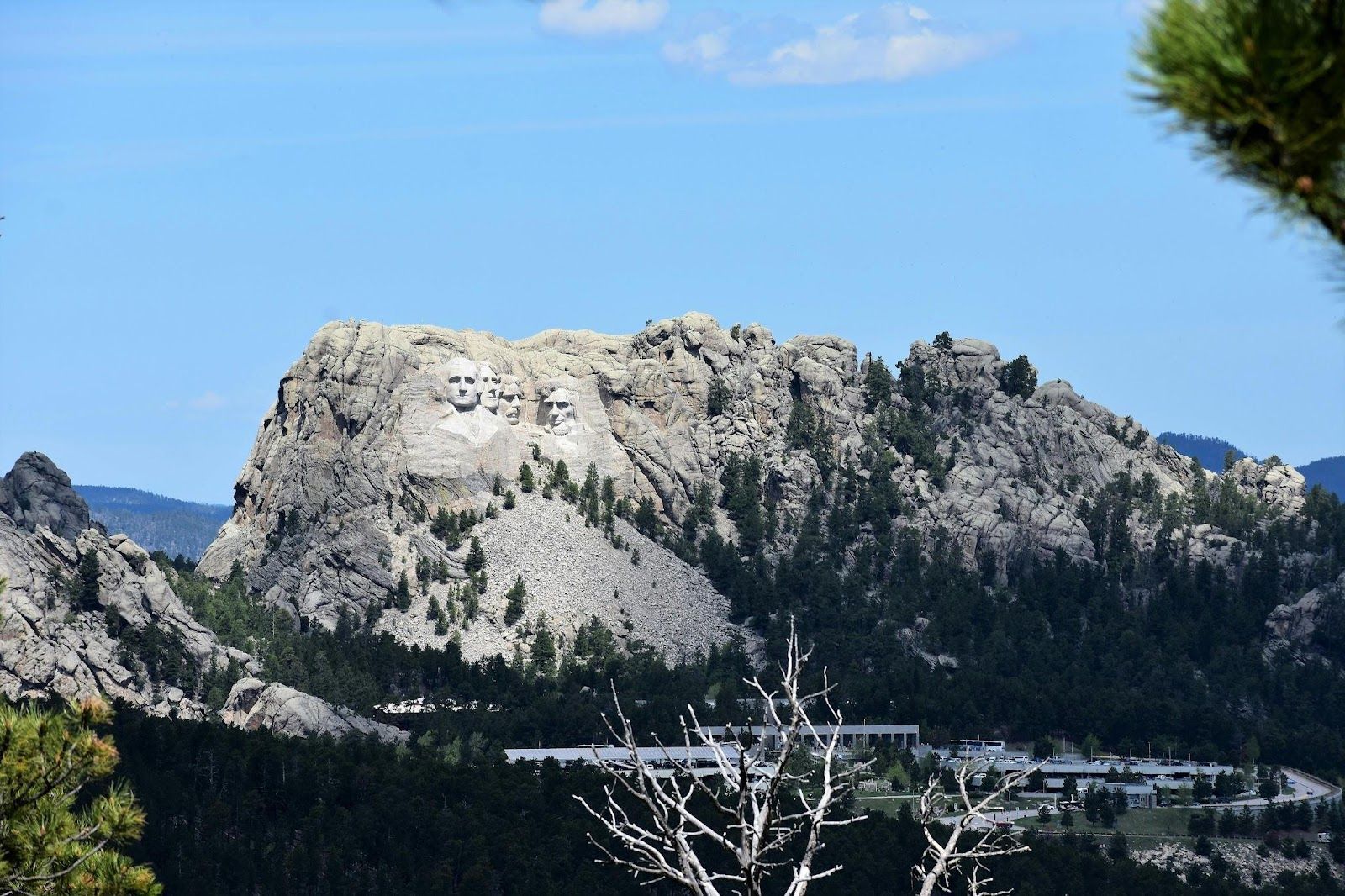
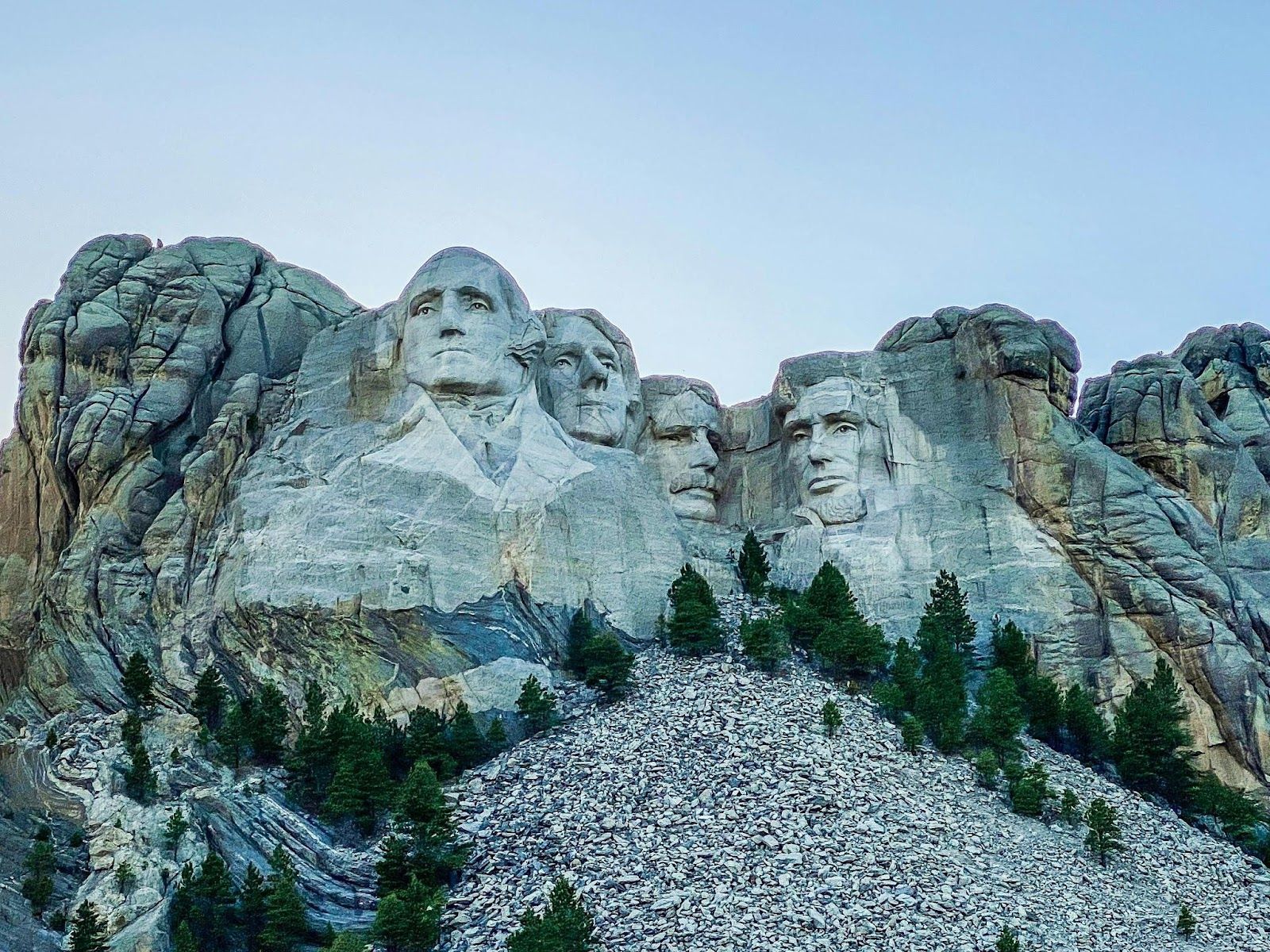
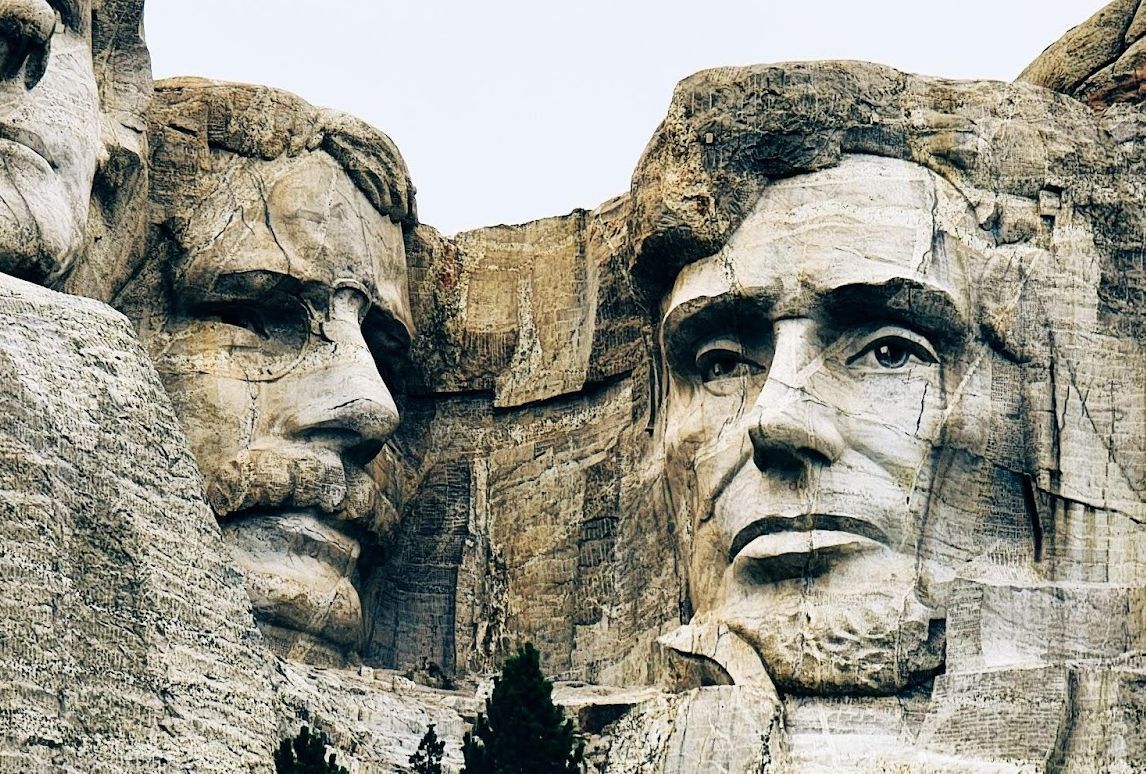
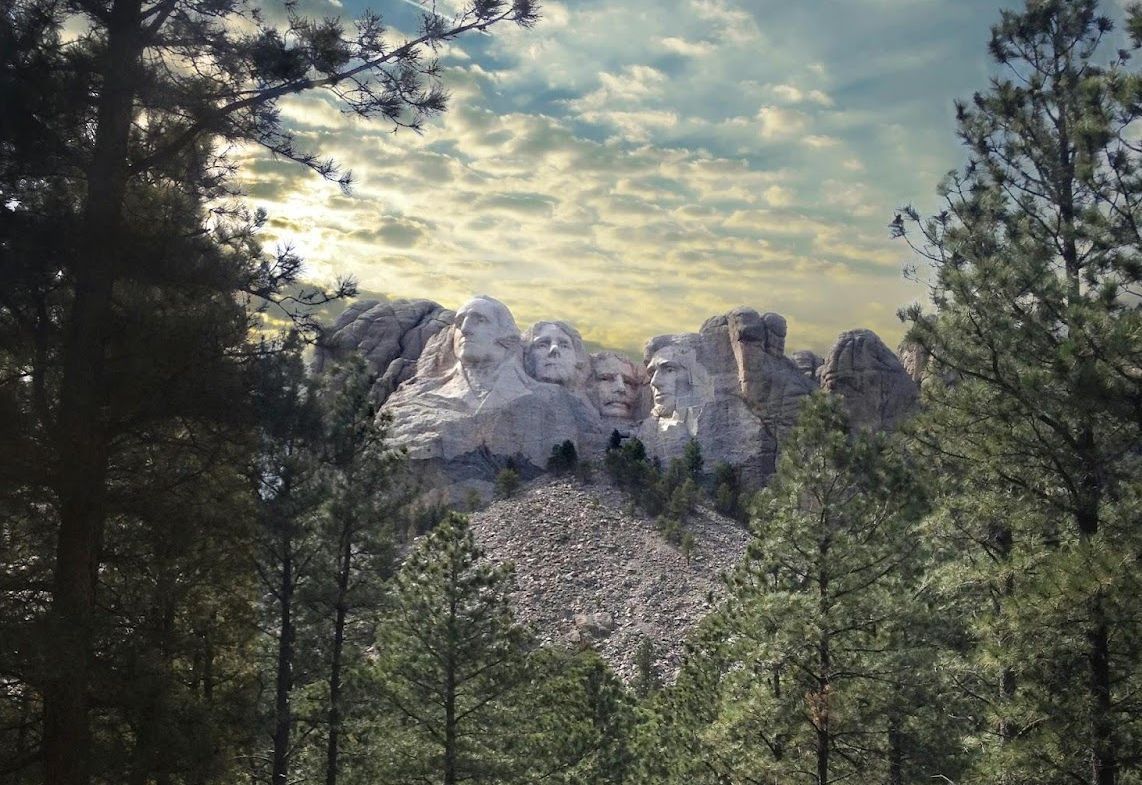
What famous woman’s face almost became the fifth face on Mount Rushmore? Did the sculptor Gutzon Borglum really intend to just carve out the heads? Why is the mount named that, and not Borglum? The answers to these questions are some lesser-known facts about one of the most famous landmarks and sights in our country. Let’s dive into these stories!

1
The original plan included full-body figures

Image: Thomas Shockey

Mount Rushmore was supposed to be even more colossal than it already is. Sculptor Gutzon Borglum envisioned the four presidents carved from the waist up .

He even made plaster models showing Abraham Lincoln's coat folds and Teddy Roosevelt’s hand clutching his lapel. But as costs went up, Congress said: "heads only, please."

2
Charles Rushmore was just a curious New Yorker

Image: Maarten van den Heuvel

Back in 1925, when the mount was about to be carved into a monument, Charles Rushmore wrote a letter explaining why the peak bore his name. He recalled that in the 1880s he was a young New Yorker working in the area, and fell fond of that particular granite peak .

When he asked the locals about it, they informed him that it had no name, but that if he wished so, they would just start calling it Rushmore Peak, or Mount Rushmore, or the likes. Years later, that very name had been inscribed in the public domain to designate the peak.

3
Yes, there’s a hidden room behind Lincoln’s head

Image: Laura Nyhuis

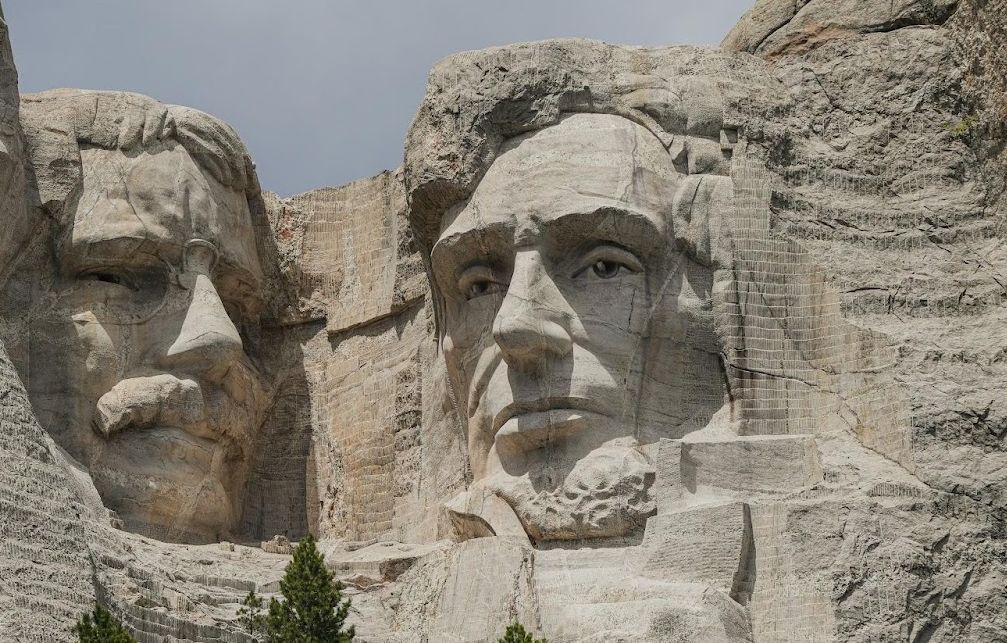
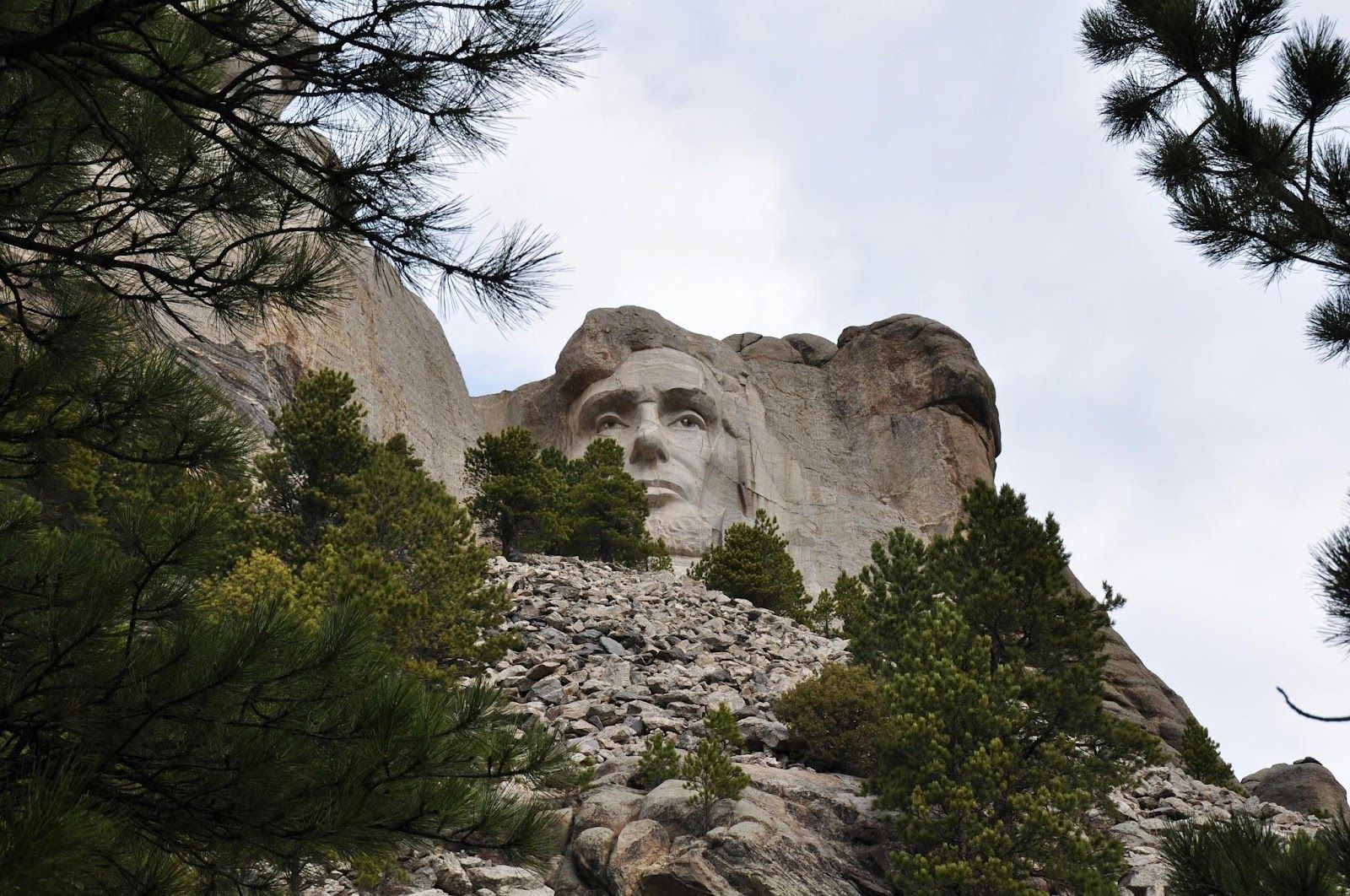
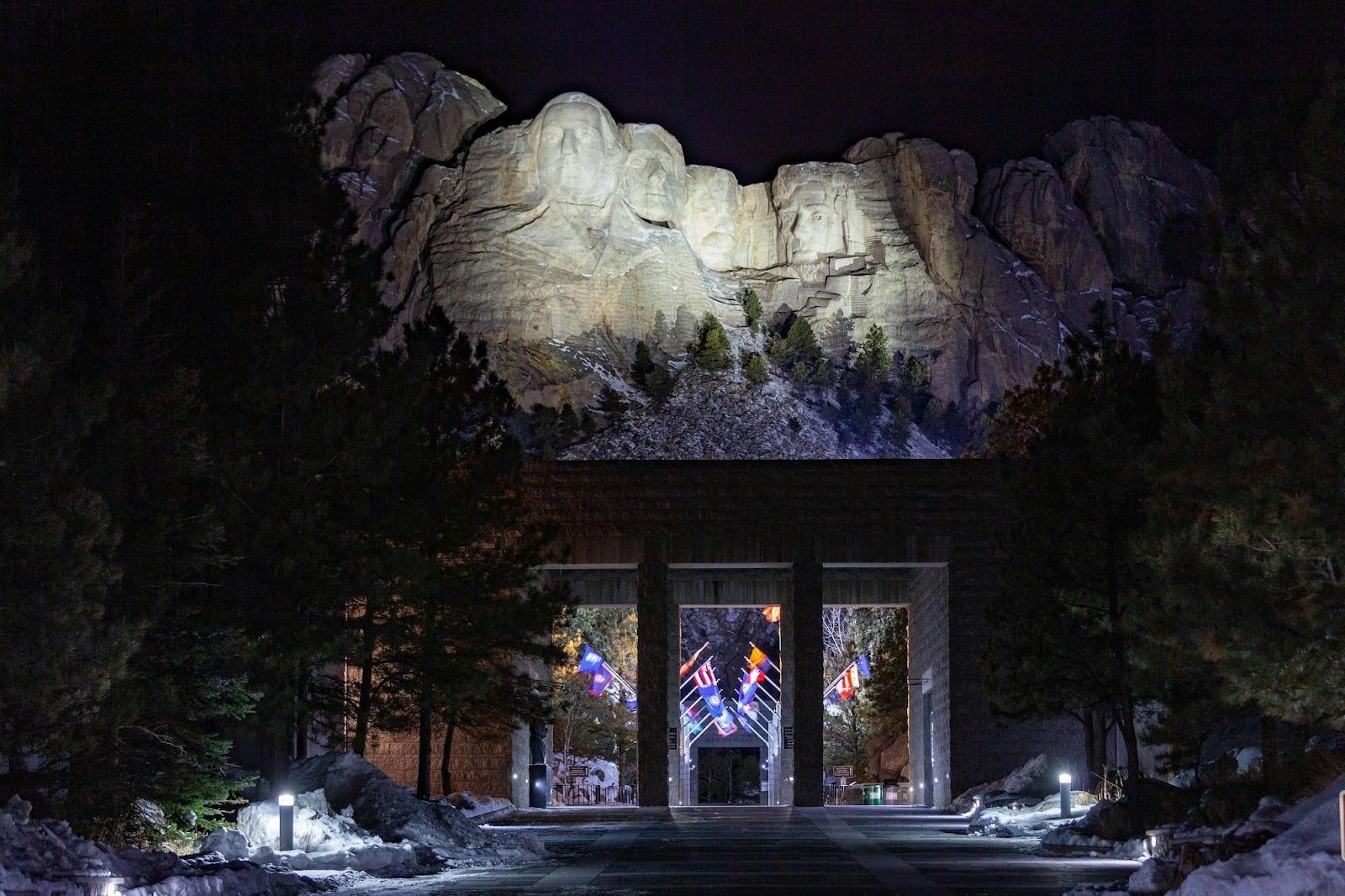
Behind Abraham Lincoln’s hairline lies a hidden chamber, part of Borglum’s lofty idea for a "Hall of Records." This room was meant to house foundational American documents like the Constitution or the Declaration of Independence.

Instead of that, in 1998, a titanium box was placed inside, filled with copies of important documents and biographies, as a time capsule to preserve the treasure of knowledge for future generations.

4
Thomas Jefferson was moved

Image: Dave Baraloto

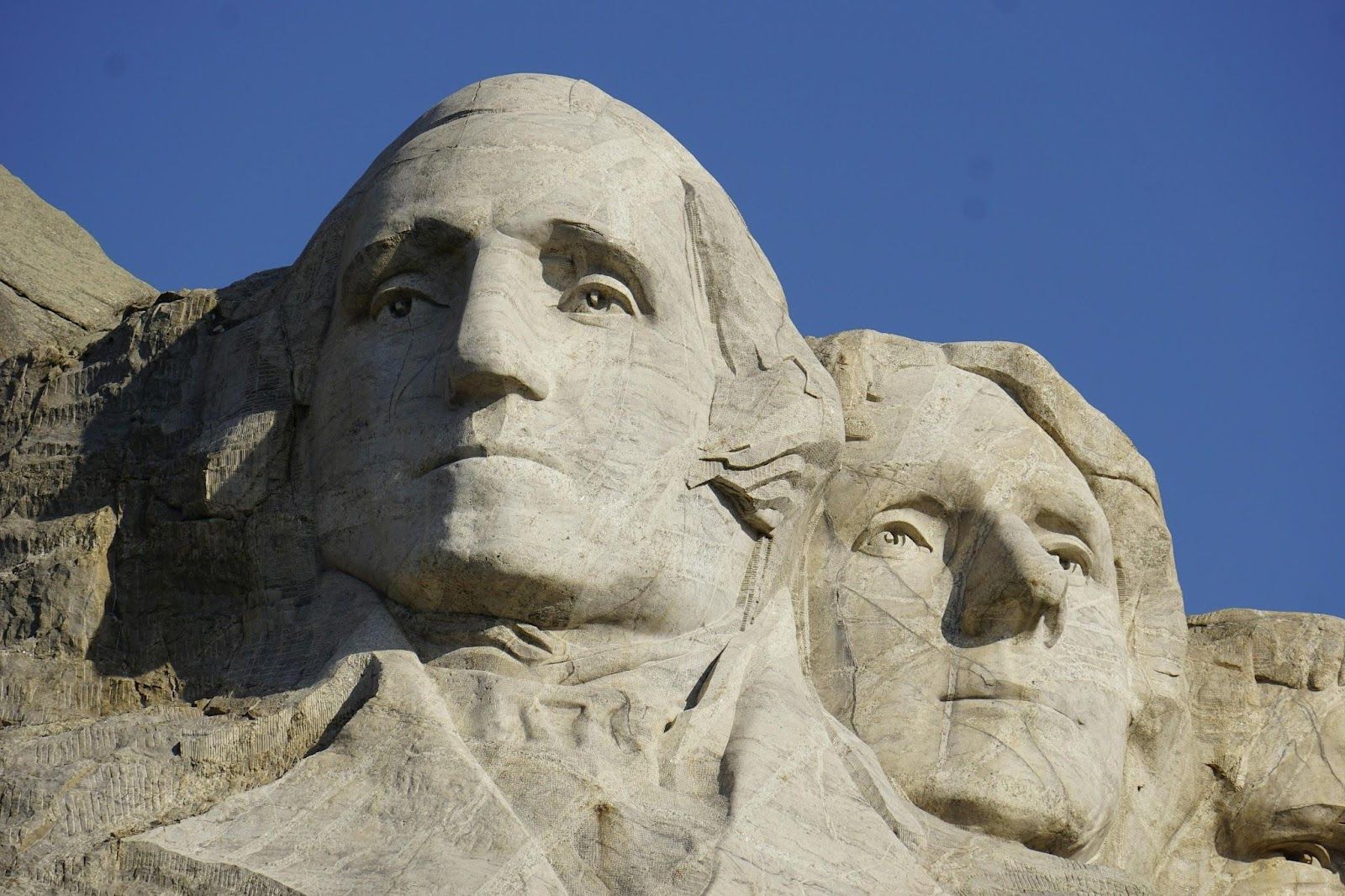
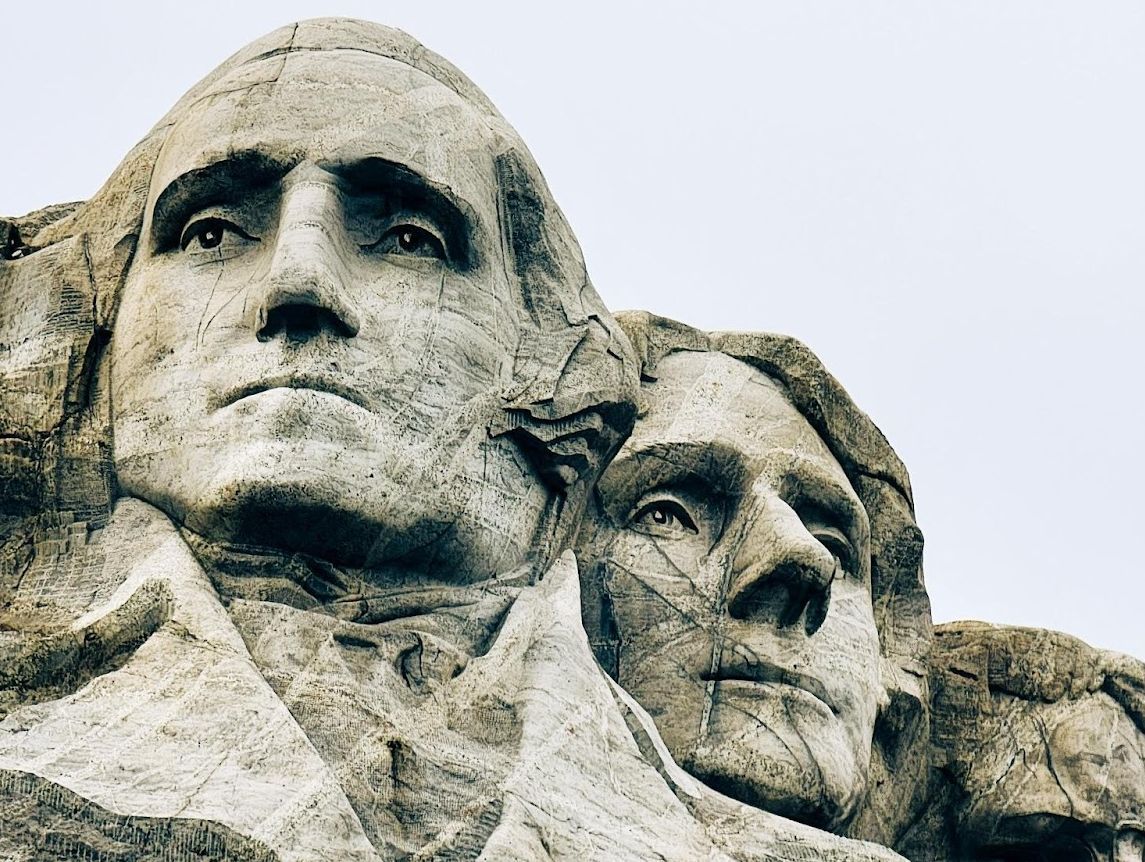
Jefferson was originally supposed to go to Washington’s right, but after 18 months of chiseling , the granite betrayed them. Cracks and flaws made the site unworkable.

Borglum made the painful decision to blast Jefferson’s half-formed face clean off and start anew on Washington’s left.

5
The mountain was almost a monument to western heroes

Image: Timberly Hawkins

Before presidents took over, the mountain was pitched as a giant tribute to the Wild West . South Dakota historian Doane Robinson wanted to see frontier legends like Lewis & Clark carved into the Black Hills.

But when Borglum came aboard, he had a grander (and more politically bankable) idea: four presidents to symbolize national unity and expansion.

6
A woman’s face was almost added

Image: Tom Fournier

In the 1930s, there was serious talk of honoring Susan B. Anthony alongside the Founding Fathers, as a nod to the women’s suffrage movement.

Borglum wasn’t opposed to the idea, but Congress quickly nixed it, stating that only U.S. presidents could be included.

7
The workers were mostly local miners and loggers

Image: Pixabay

They were neither sculptors nor artists. Most of the workforce came from nearby Keystone, South Dakota: miners, loggers, and hard-up laborers looking for work during the Great Depression.

Borglum trained them himself. There were no safety harnesses, and yet, remarkably, no one died on the job.

8
Dynamite did 90% of the work

Image: Alexander Paramonov

To carve the faces of Washington, Jefferson, Roosevelt, and Lincoln, workers used carefully timed dynamite blasts to remove over 450,000 tons of rock. They got so precise, they could blast within inches of where the final surface would be.

The last details, like wrinkles, pupils, or Roosevelt’s glasses, were done with jackhammers and chisels.

9
The noses are disproportionate

Image: Dudubangbang Travel

Standing in front of the mountain, the faces seem alright. But that’s a trick of perspective. Each presidential nose is a whopping 20 feet long .

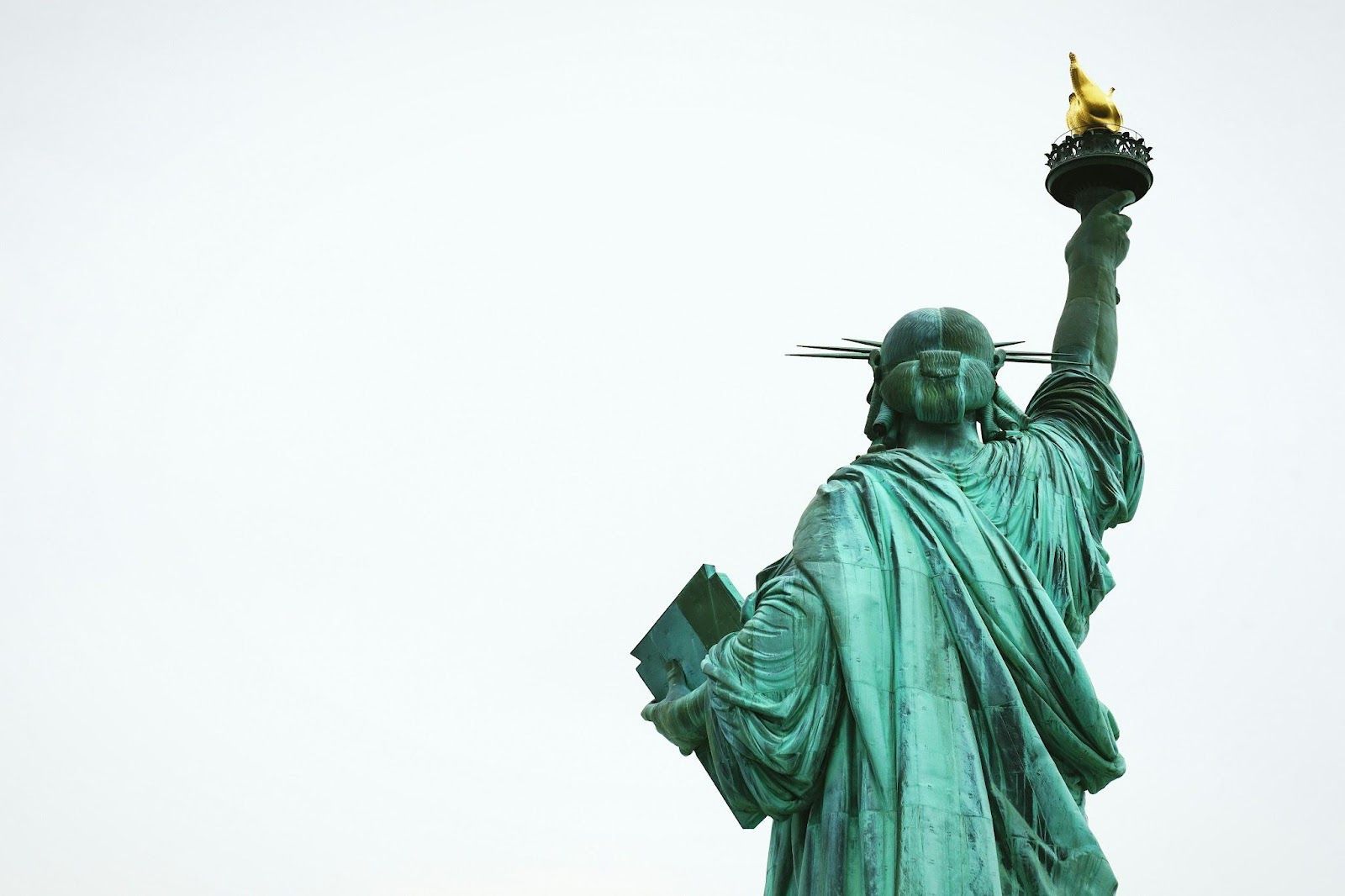
If the sculptures had included full bodies as planned, each figure would have stood 465 feet tall. That’s taller than the Statue of Liberty and most downtown skyscrapers.

10
Teddy Roosevelt was the most controversial pick

Image: Dudubangbang Travel

Washington, of course. Jefferson, made sense. Lincoln, sure. And Teddy? Some critics raised their eyebrows at Borglum’s fourth choice. Roosevelt had only recently passed away in 1919, and many questioned whether he'd stood the test of time.

But Borglum defended the decision Roosevelt’s role in breaking up monopolies, conserving national parks, and engineering the Panama Canal. Plus, Borglum had met him personally and was a fan.

11
It was supposed to have inscriptions

Image: Dan Pick

Borglum had grander plans than just four giant heads. He wanted to carve a massive inscription next to them, a timeline of America’s most important milestones , chiseled straight into the mountain. In time, the idea was scrapped for practical and aesthetic reasons.

12
The visionary died before completion

Image: Lisa Reichenstein

Gutzon Borglum, the visionary behind it all, didn’t live to see his masterpiece finished. He died in March 1941, just as the construction was reaching its end. His son, Lincoln Borglum (yes, named after that Lincoln), took over the project.

Still, with WWII drawing resources elsewhere, funding was slashed, and Lincoln had to wrap things up quickly . Some features, like Lincoln’s ear, were never fully detailed.

Explore more American facts

Choose your favorite category!

General
General

As American as apple pie—the very best America has to offer!

Culture
Culture

Delve into the astounding richness of American lore.

Geography
Geography

Hop in and explore vast and diverse American landscapes.

History
History

Discover the key moments that shaped the United States.