General General 4 min read

Haunted and happy to show it

Think you're brave? Explore these 13 haunted US spots… If you dare

Image: Herbert Aust

If you think ghost stories are just for campfires, think again. The United States is full of places where the past still lingers, and some say the residents never really left. From historic hotels to lighthouses, these spots are brimming with charm, history, and a touch of mischief from the other side. So grab your sense of adventure, keep your camera handy, and join us for a lighthearted stroll through 13 of America’s most haunted places.

1
Bodie, California
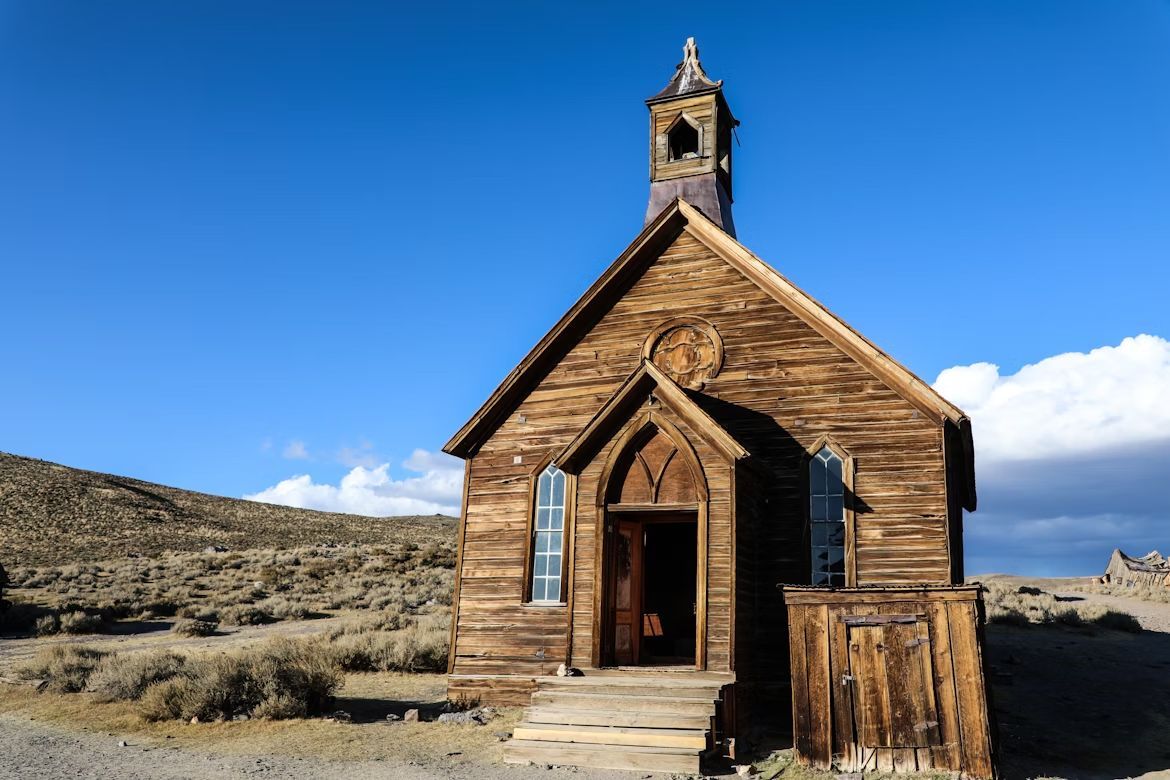
Image: Michael & Diane Weidner's profile Michael & Diane Weidner

Once a booming Gold Rush town in the late 1800s, Bodie now sits frozen in time. Visitors wander through dusty streets past old saloons and storefronts that look as if their owners just stepped out for lunch… a century ago. Locals whisper about strange sounds and ghostly piano music. And here’s a fun superstition: take anything home, even a pebble, and bad luck might just hitch a ride with you.

2
Bonaventure Cemetery, Savannah, Georgia

Image: Alla Kemelmakher

This is Southern Gothic at its finest. Towering oaks drip with Spanish moss over winding paths and Victorian monuments. Some visitors claim to have seen a little girl in a dress near a certain marble statue, while others swear they’ve heard distant laughter or the sound of dogs barking. Even if you never meet a ghost, the beauty of this historic cemetery will linger with you.

3
Crescent Hotel, Eureka Springs, Arkansas
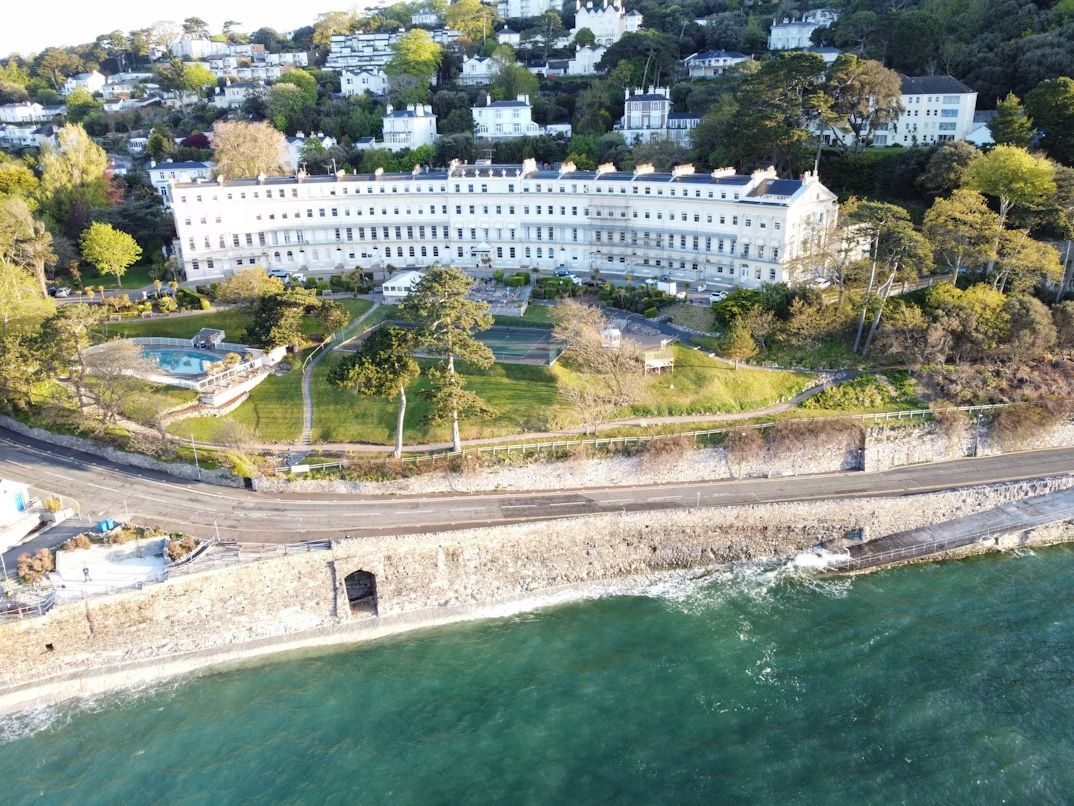
Image: Nick Elmer

Often called "America’s most haunted hotel," it’s also one of the prettiest in the Ozarks. Over its long history, it’s been a resort, a college, and even a so-called cancer hospital. Guests today report friendly phantom encounters, from a Victorian gentleman strolling the halls to a playful little girl. Whether you meet the staff or the "extra" guests, you’ll get a good story out of your stay.

4
Dock Street Theatre, Charleston, South Carolina
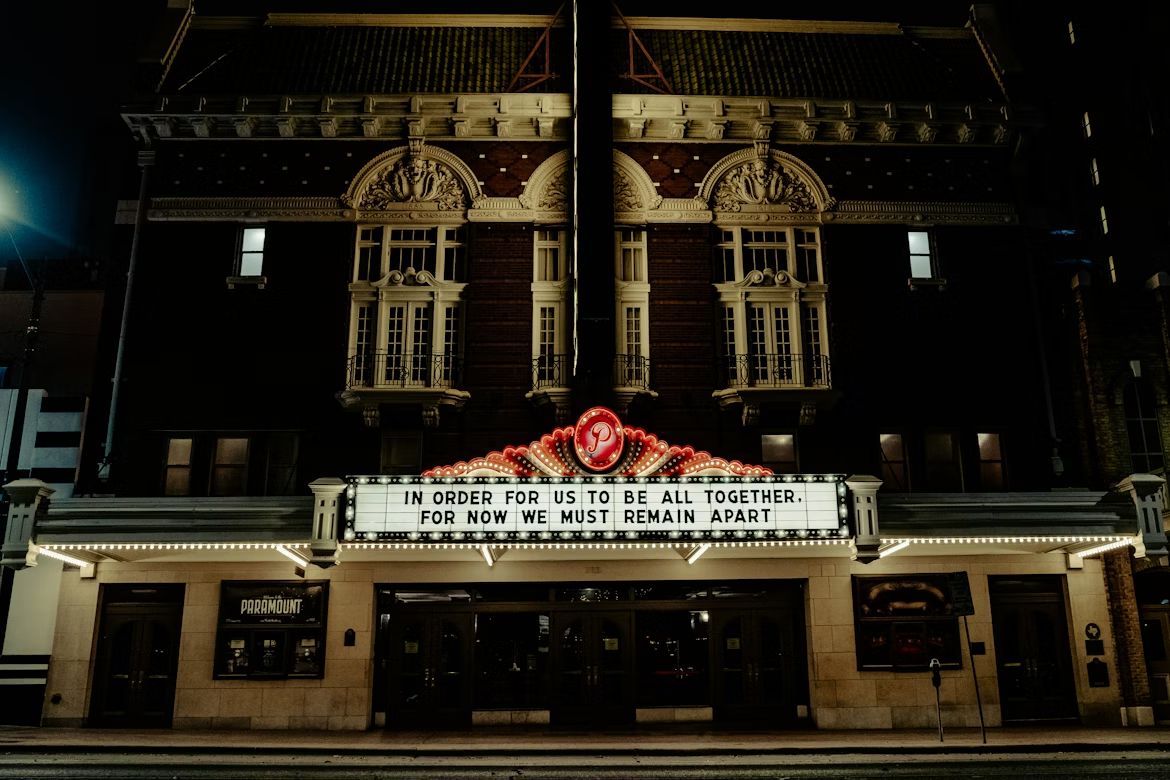
Image: Brittani Burns

Charleston is rich in history, and this theater is a key part of its story. The stage has witnessed centuries of performers, fires, and renovations. Visitors sometimes report seeing a woman in a red gown gliding across the balcony, while others hear faint footsteps backstage when no one is there. Even if you don’t believe in ghosts, the building’s charm might still sweep you off your feet.

5
The Driskill, Austin, Texas
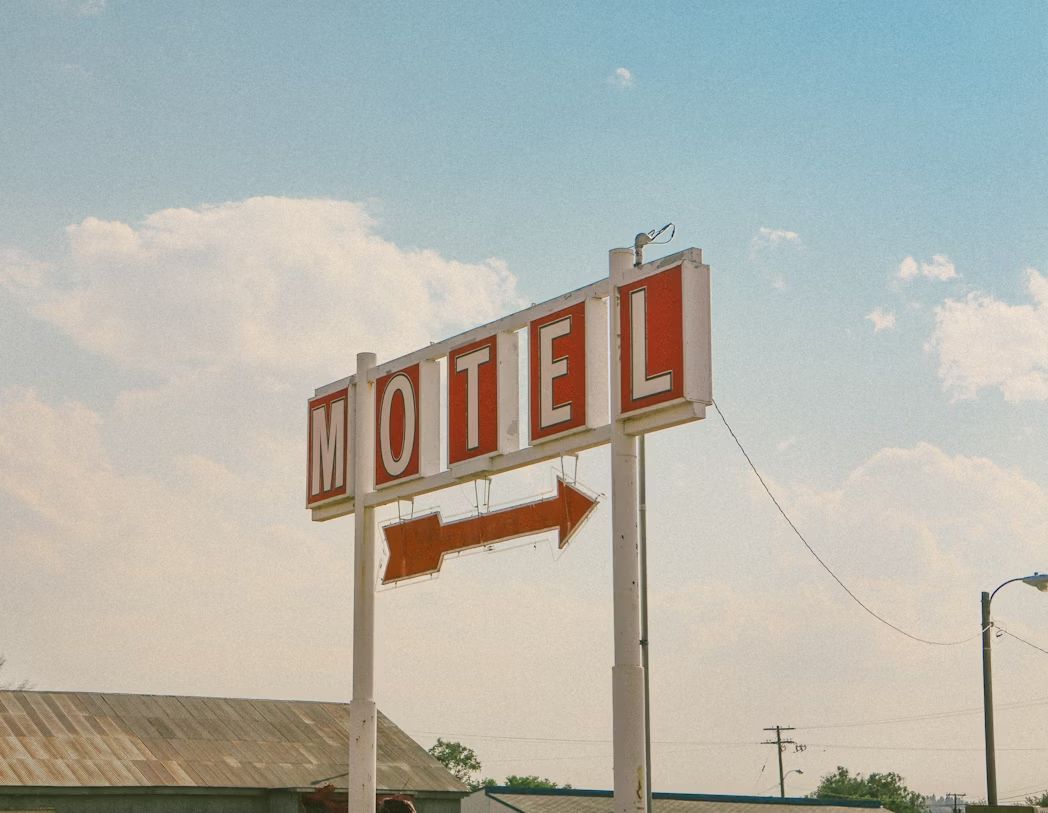
Image: Matthew Smith

This stately hotel has been greeting travelers since 1886, and some say its original owner never checked out. Guests report flickering lights, strange scents, and the occasional sighting of a figure in old-fashioned clothing. With its grand lobby and polished brass, you might just forget you came for ghost stories and stay for the atmosphere.

6
Honolulu International Airport, Hawaii
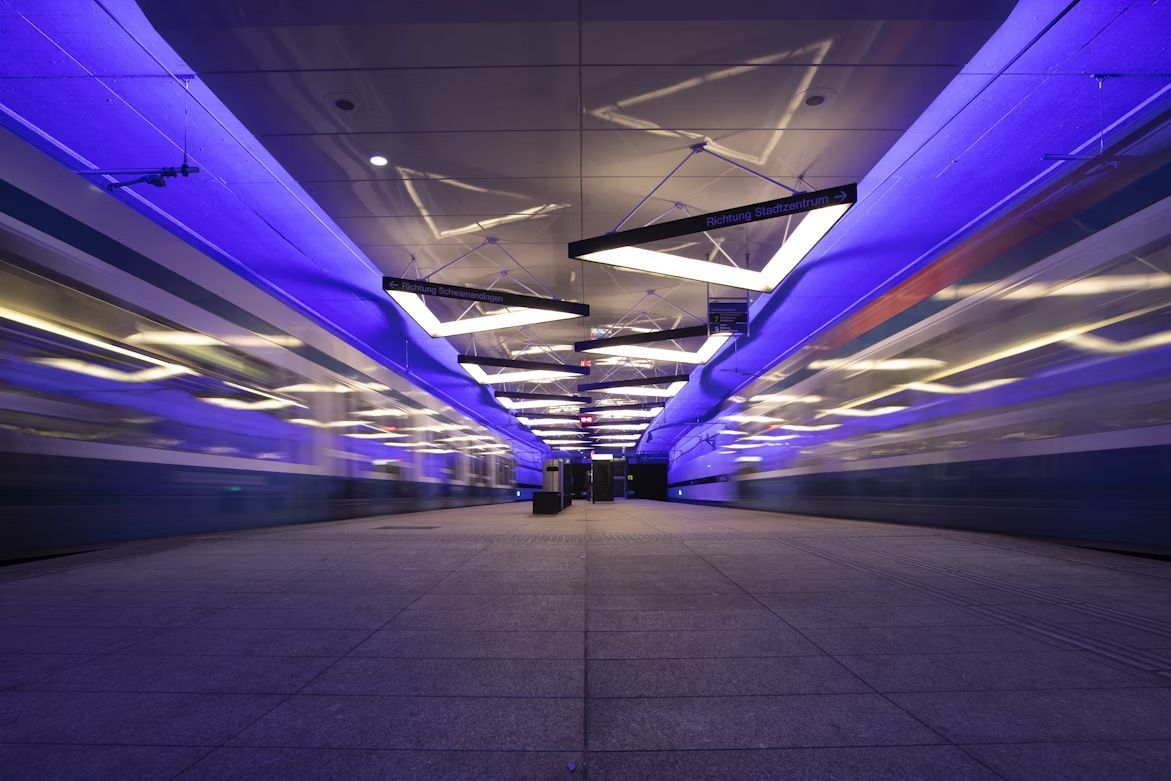
Image: Pascal Meier

Not every haunted spot is old and creaky, you know? At this busy airport, passersby tell of a "lady in waiting" seen in off-limits areas, said to be searching for a long-lost love. A few travelers have even reported toilets flushing on their own or paper rolls unraveling without help. We can say mystery flies around here!

7
Hotel Monte Vista, Flagstaff, Arizona
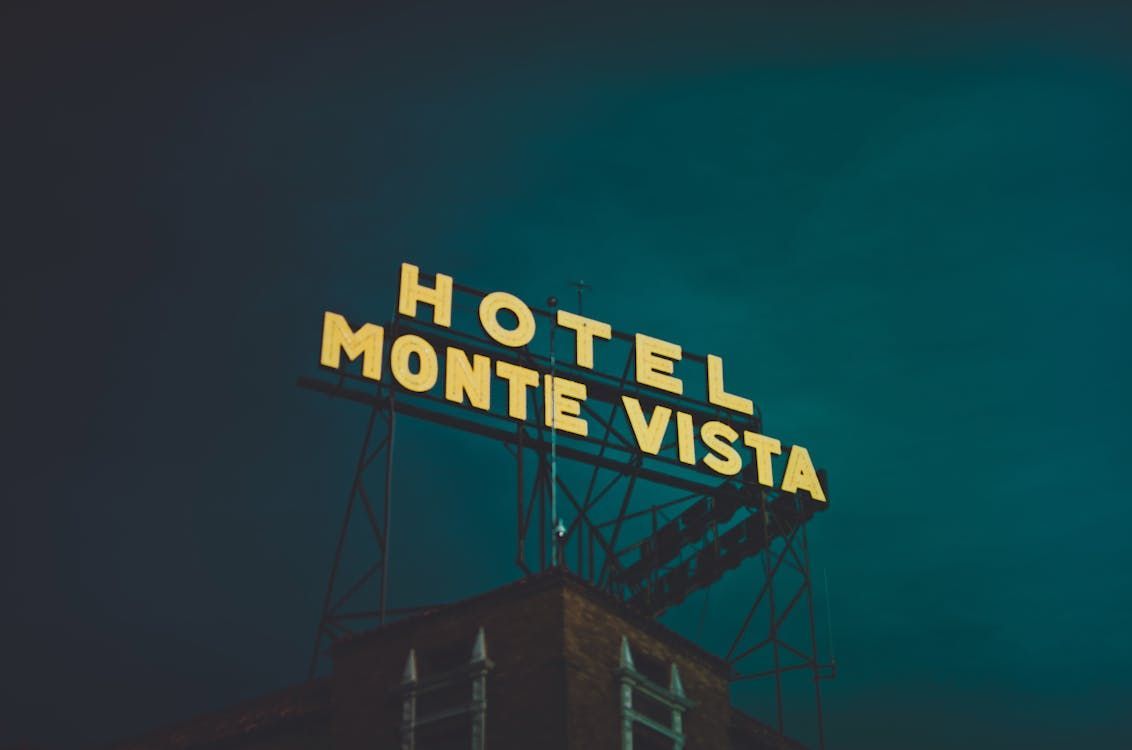
Image: Jacob

This historic hotel has welcomed movie stars and musicians, but it’s the uninvited guests that make it famous. From mysterious phone calls to the sound of a baby crying in an empty hallway, there’s never a dull moment. One legendary long-term boarder even hung raw meat from a chandelier—a story the staff still tells with a grin.

8
Lincoln Park Zoo, Chicago, Illinois
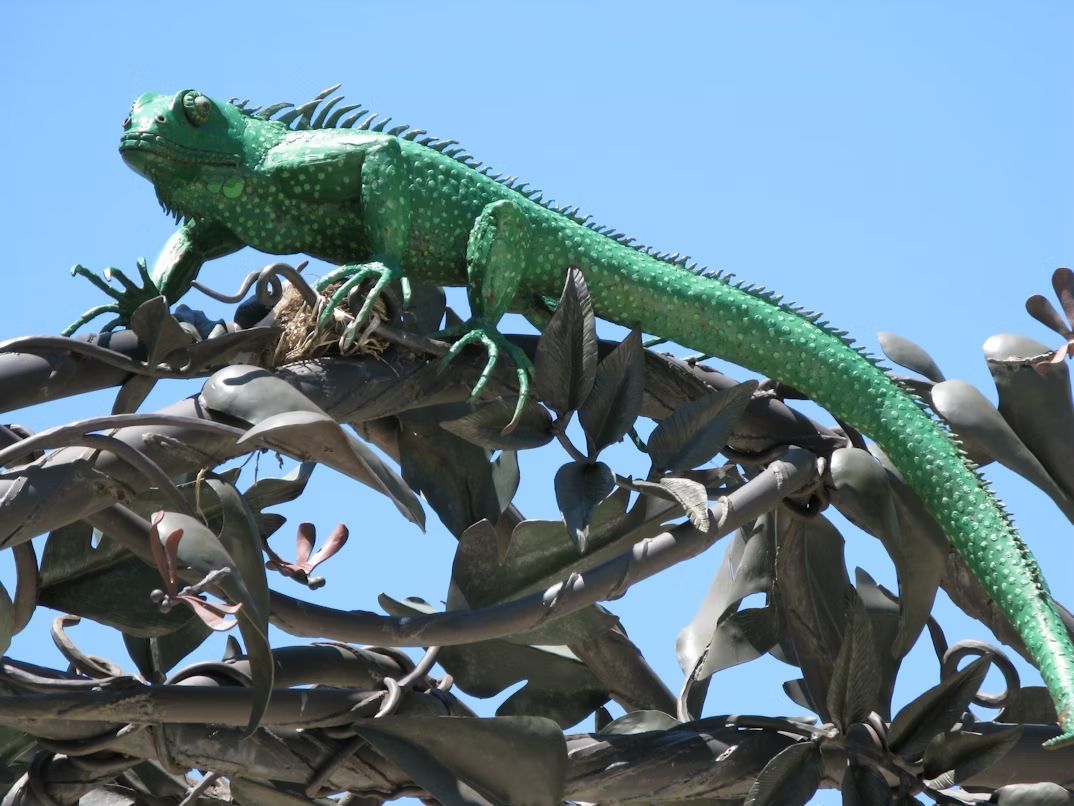
Image: Deborah L Carlson

A zoo might not seem spooky, but this one was built atop an old cemetery. Not all of the bodies were moved, and over the years, visitors have reported spotting mysterious figures or feeling sudden chills. Still, the zoo’s lush gardens and animal exhibits make it a must-see—haunted or not.

9
The Mark Twain House, Hartford, Connecticut
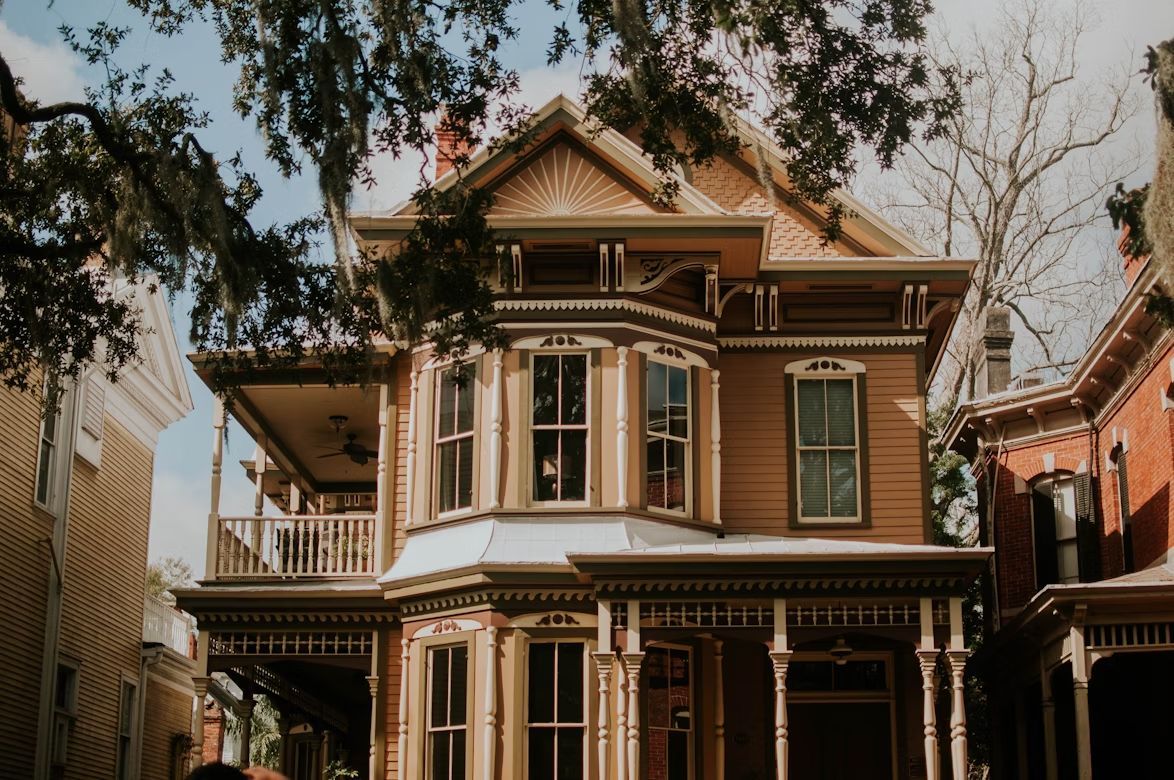
Image: Jessica Furtney

This handsome Victorian home is where Mark Twain penned some of his most beloved works. Visitors have reported faint traces of cigar smoke in the billiard room, even though smoking ended long ago. Others claim to have seen a lady in white near the stairwell. History buffs will appreciate the house’s charm, ghost or no ghost.

10
Pittock Mansion, Portland, Oregon
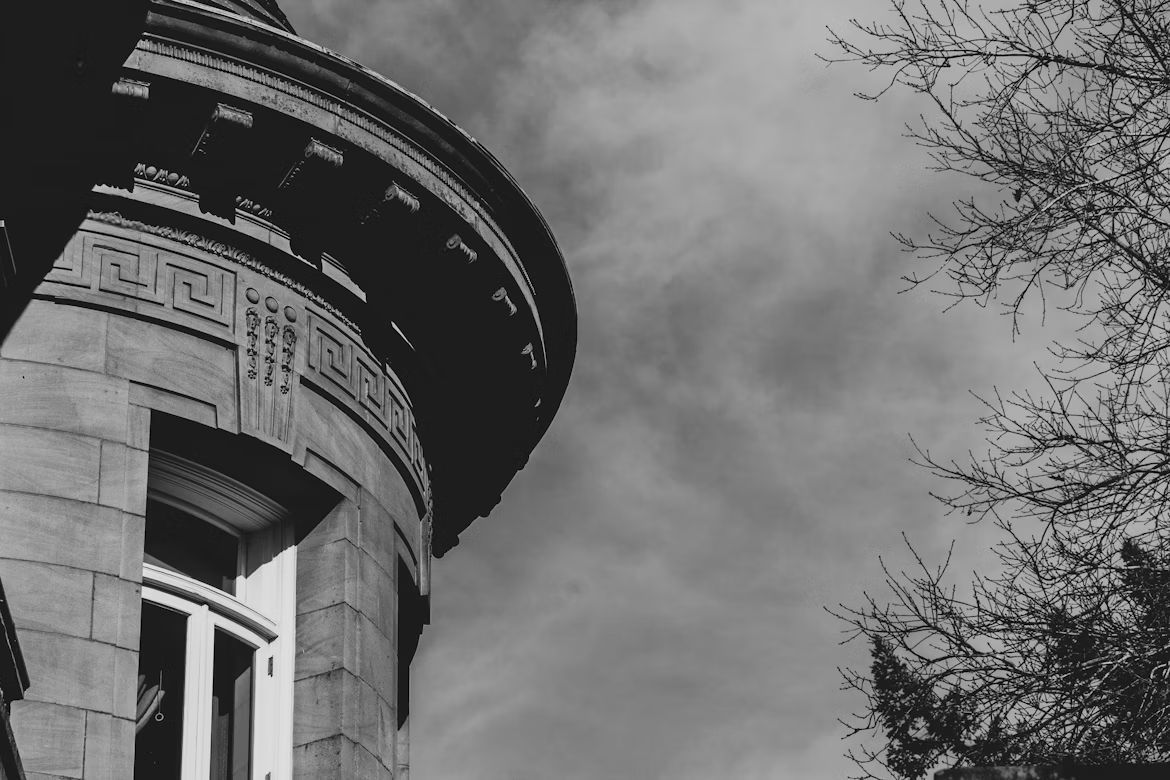
Image: Sean Benesh

Built by a wealthy couple with big dreams, this mansion boasts sweeping views and fine craftsmanship. Sadly, the owners lived there for only a few years before passing away. Tour guides say the scent of roses sometimes fills the air when no flowers are in sight, and a certain painting is said to move on its own.

11
St. Augustine Lighthouse, Florida
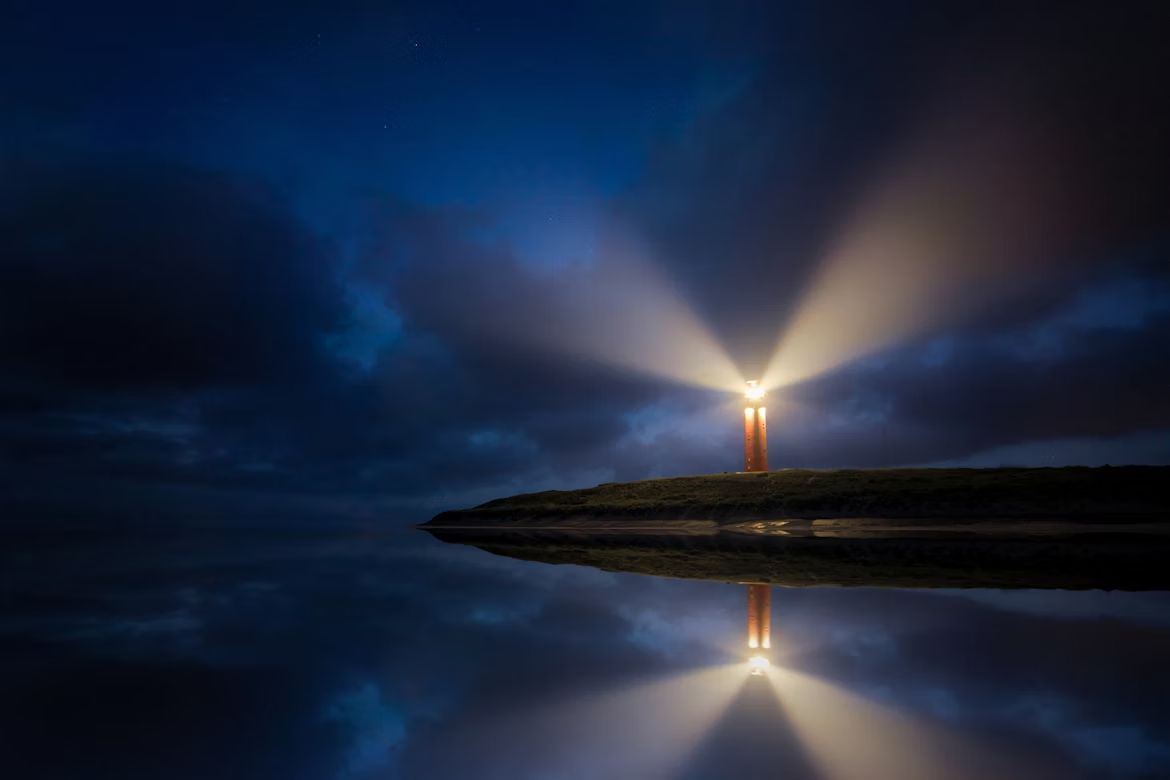
Image: Evgeni Tcherkasski

Perched on the coast, this lighthouse has been guiding ships since the 1800s. Some visitors report hearing the giggles of children playing or catching sight of a figure high in the tower. Even without the ghost tales, the view from the top is worth every step.

12
Trans-Allegheny Lunatic Asylum, Weston, West Virginia

Image: Andy Li

With its massive stone walls and sprawling grounds, this former asylum looks straight out of a movie set. Once home to thousands of patients, it’s now a historic site where tour guides share both medical history and lighthearted ghost tales. Maybe you’re in it for the architecture, or maybe it’s the stories. Whatever draws you in, it’s a fascinating place to explore.

History History 3 min read

History misconceptions

Did you still believe this? 10 myths about US history debunked

Image: Pierre Bamin

Do you think the US Declaration of Independence was signed in July 1776? Did you know Prohibition didn't actually make drinking illegal? The history of the United States is as vast as it is varied. Over the centuries, it has been recorded, studied, and interpreted in many ways, giving rise to many misconceptions. Join us as we debunk 10 of the most widespread myths about American history!

1
Columbus discovered America

Image: Hector John Periquin

Although this isn't strictly about the United States, it does concern our continent. It's often said that Columbus "discovered" the Americas in 1492, but that's not precisely true. He wasn't even the first outsider to arrive! The Vikings, led by Leif Erikson, reached North America around the year 1000 AD, almost 500 years before Columbus. And, of course, the continent was already inhabited long before any European explorers arrived.

2
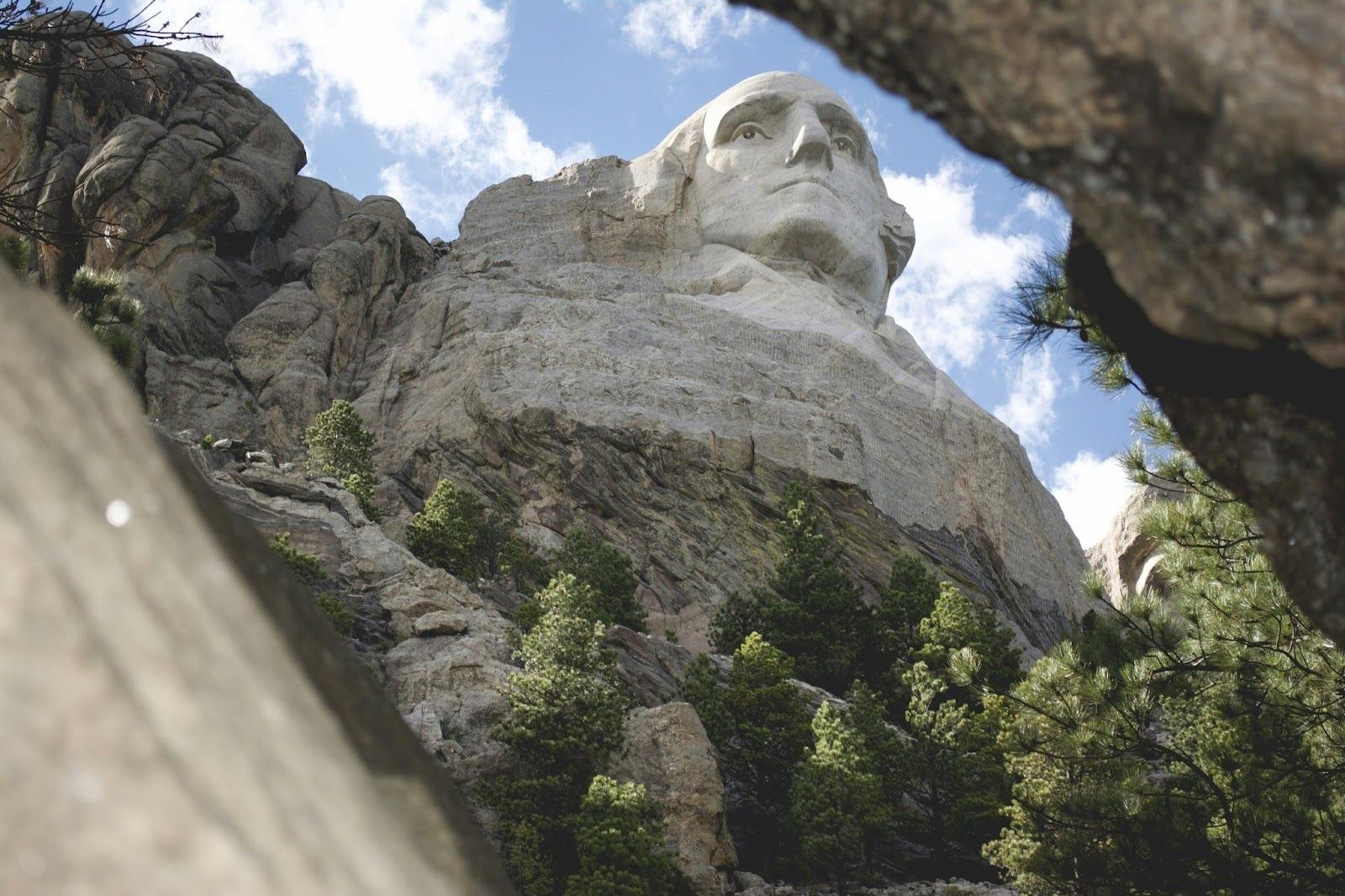
George Washington had wooden teeth

Image: Priscilla Gyamfi

One of the most famous historical myths is that George Washington, the first US president, had wooden teeth. While it's true that he struggled with dental problems and used several prosthetic devices made from various materials, none of his teeth were actually made of wood.

3
The US Declaration of Independence was signed on July 4, 1776

Image: Glen Carrie

Every 4th of July, the country turns into a party. And it's no wonder, since we're honoring Independence Day! Perhaps because of the date of this holiday, many people believe that the US Declaration of Independence was actually signed on July 4, 1776. In reality, the key event on that day was the Continental Congress voting to adopt the Declaration of Independence. Most delegates actually signed the document later, on August 2, 1776, in Philadelphia.

4
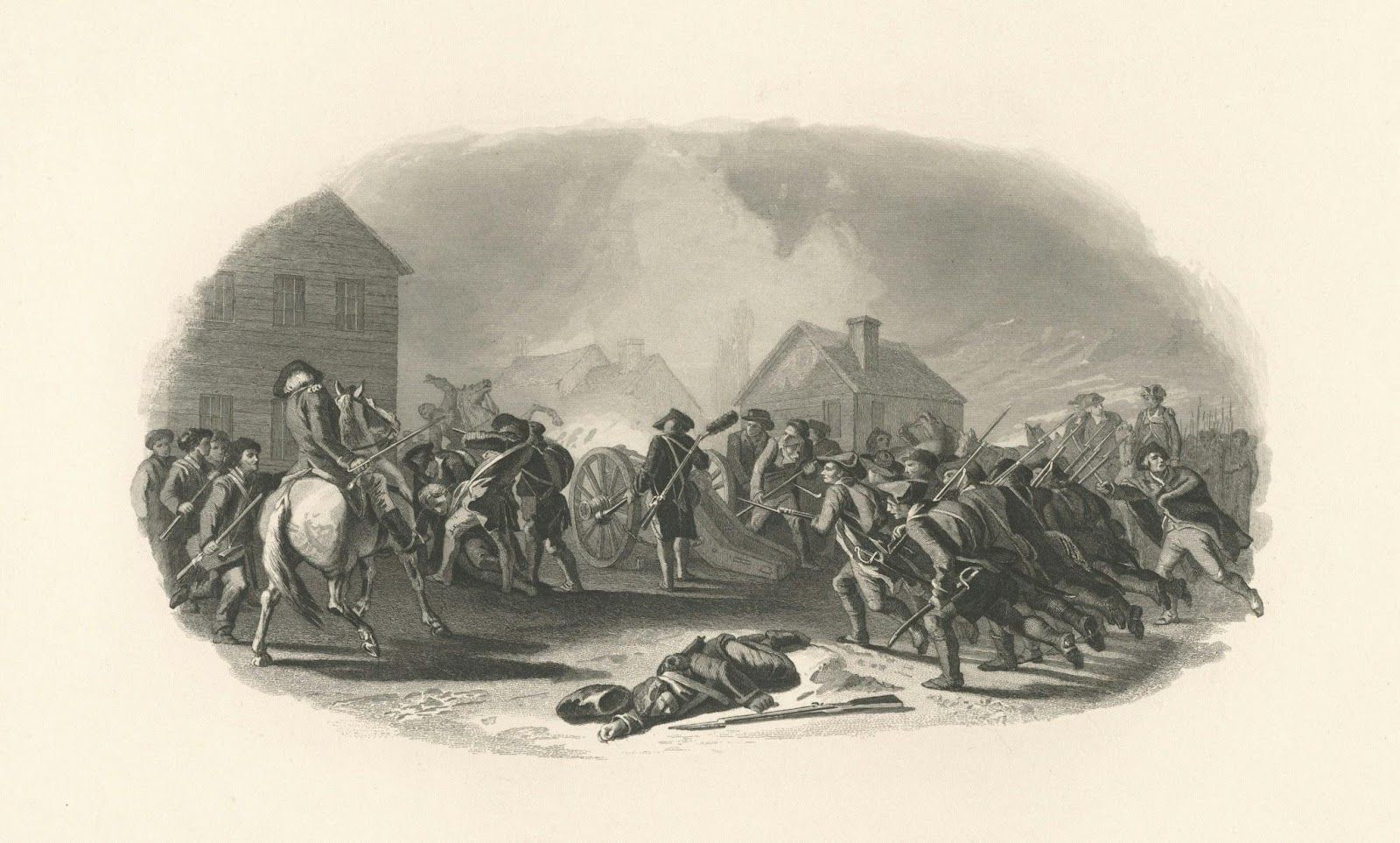
America became fully independent in 1776

Image: The New York Public Library

On July 4, 1776, the American colonies declared their independence from Great Britain by adopting the Declaration of Independence. However, the Revolutionary War continued for several more years. It wasn't until the war ended in 1783, with the signing of the Treaty of Paris, that the United States' independence was officially recognized.

5
Cowboys wore Stetson hats

Image: Brice Cooper

Although Stetson hats are now inseparable from the cowboy image, the reality of the 19th century was pretty different. People in the Wild West sported a variety of styles: while some did wear wide-brimmed hats similar to Stetsons, these were not the most common, and many other types were also popular.

6
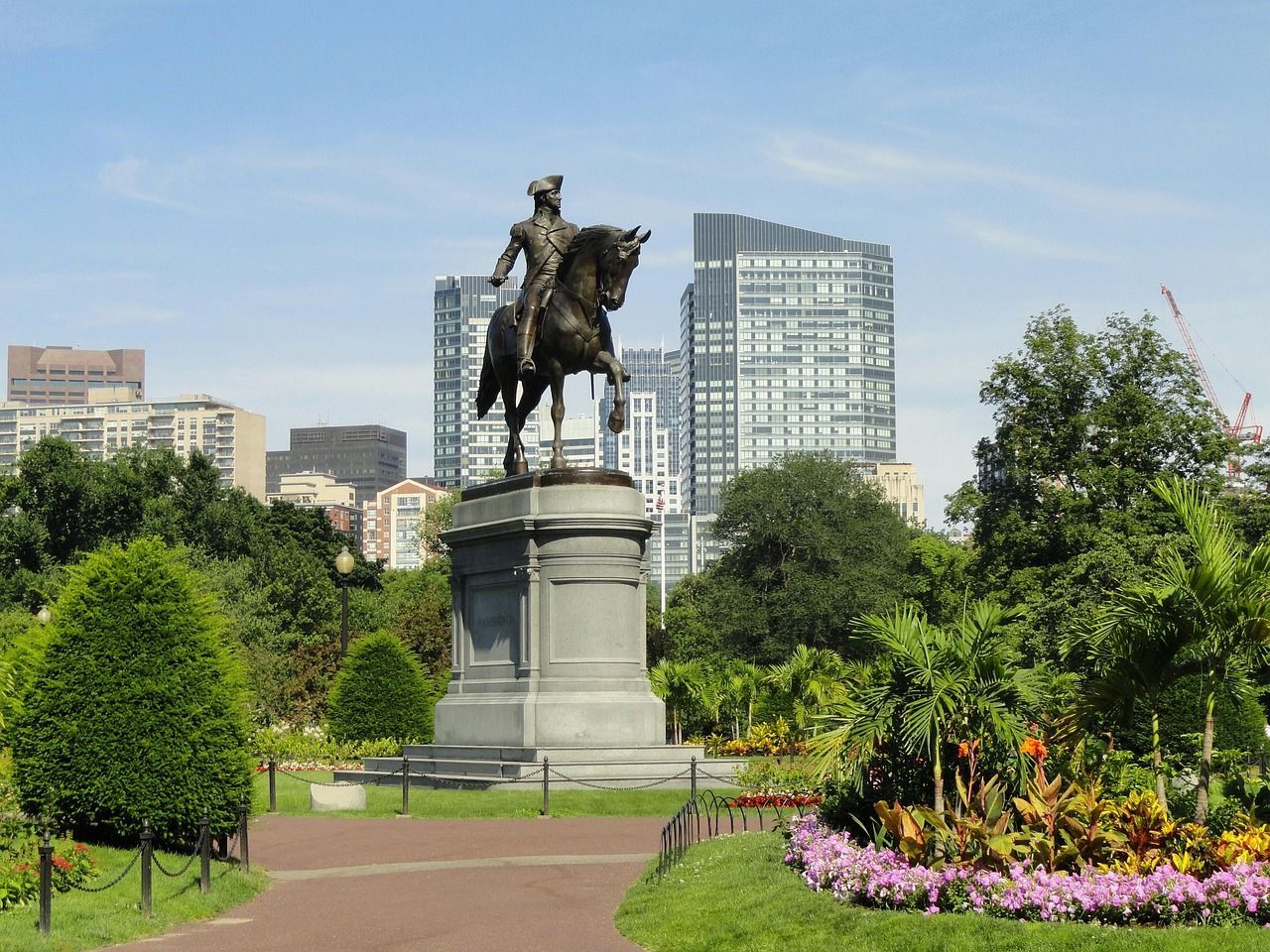
Paul Revere rode alone

Image: Pixabay

Paul Revere's name became a symbol of American courage and determination. His midnight ride on April 18, 1775, was undoubtedly heroic, but some details have been distorted over time. While many think he shouted "The British are coming!", historians suggest he likely said something closer to "The regulars are coming", given the dates. And contrary to popular belief, Revere didn't ride alone; he was part of a group of riders working together to warn the colonial militia.

7
George Washington chopped down a cherry tree

Image: Jeffrey Clayton

The story of George Washington chopping down a cherry tree is one of the most famous tales in American history. However, it's actually a myth, created by one of Washington's early biographers to highlight one of his defining characteristics: honesty. Although there is no reliable historical evidence to support this famous anecdote, there is plenty of proof of the courage and honesty of the Father of His Country.

8
Al Capone was jailed for his violent crimes

Image: Ashim D’Silva

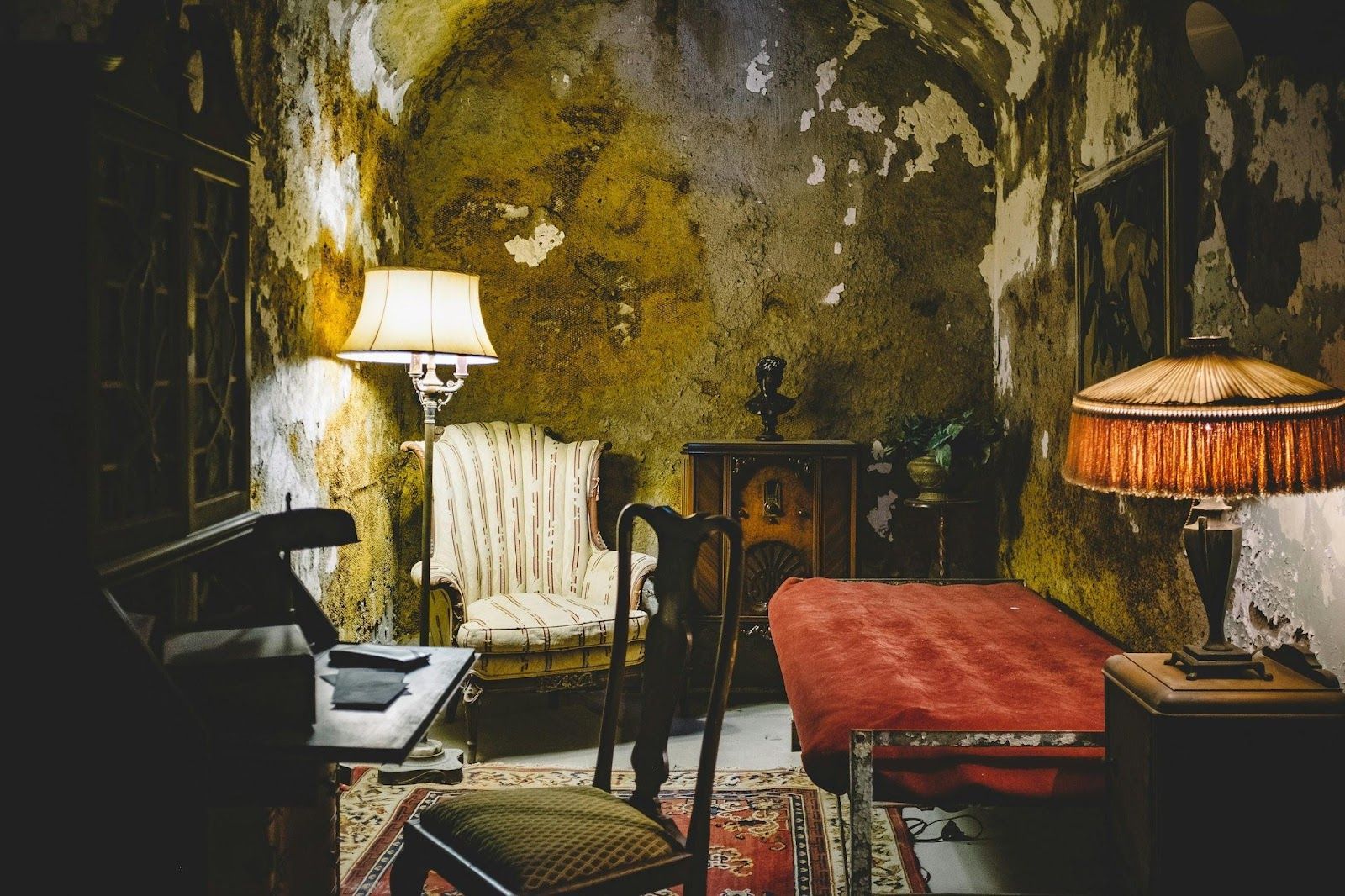
Al Capone was one of the most infamous gangsters in history. Although his life was filled with criminal activity, it wasn't his violent acts that put him in jail, as there wasn't enough evidence to convict him. Instead, authorities used tax evasion charges, and he was finally imprisoned for that reason in 1931.

9
Prohibition made drinking illegal everywhere

Image: Drew Beamer

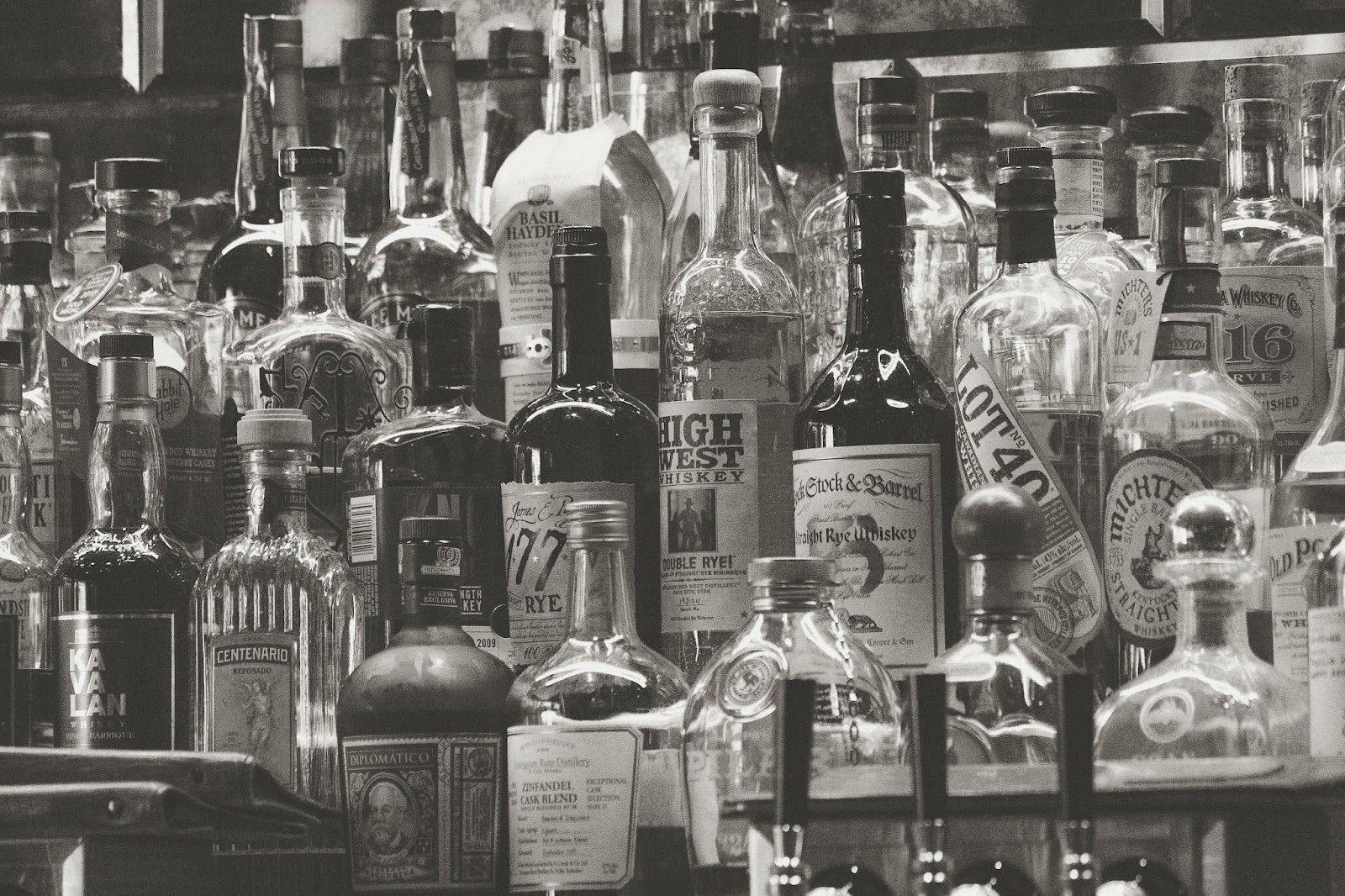
Many people assume that drinking alcohol was completely illegal during Prohibition. In reality, the 18th Amendment and the Volstead Act (1920–1933) banned the manufacture, sale, and transportation of alcohol, but not the act of drinking itself!

10
The Founding Fathers as a unified group

Image: J. Amill Santiago

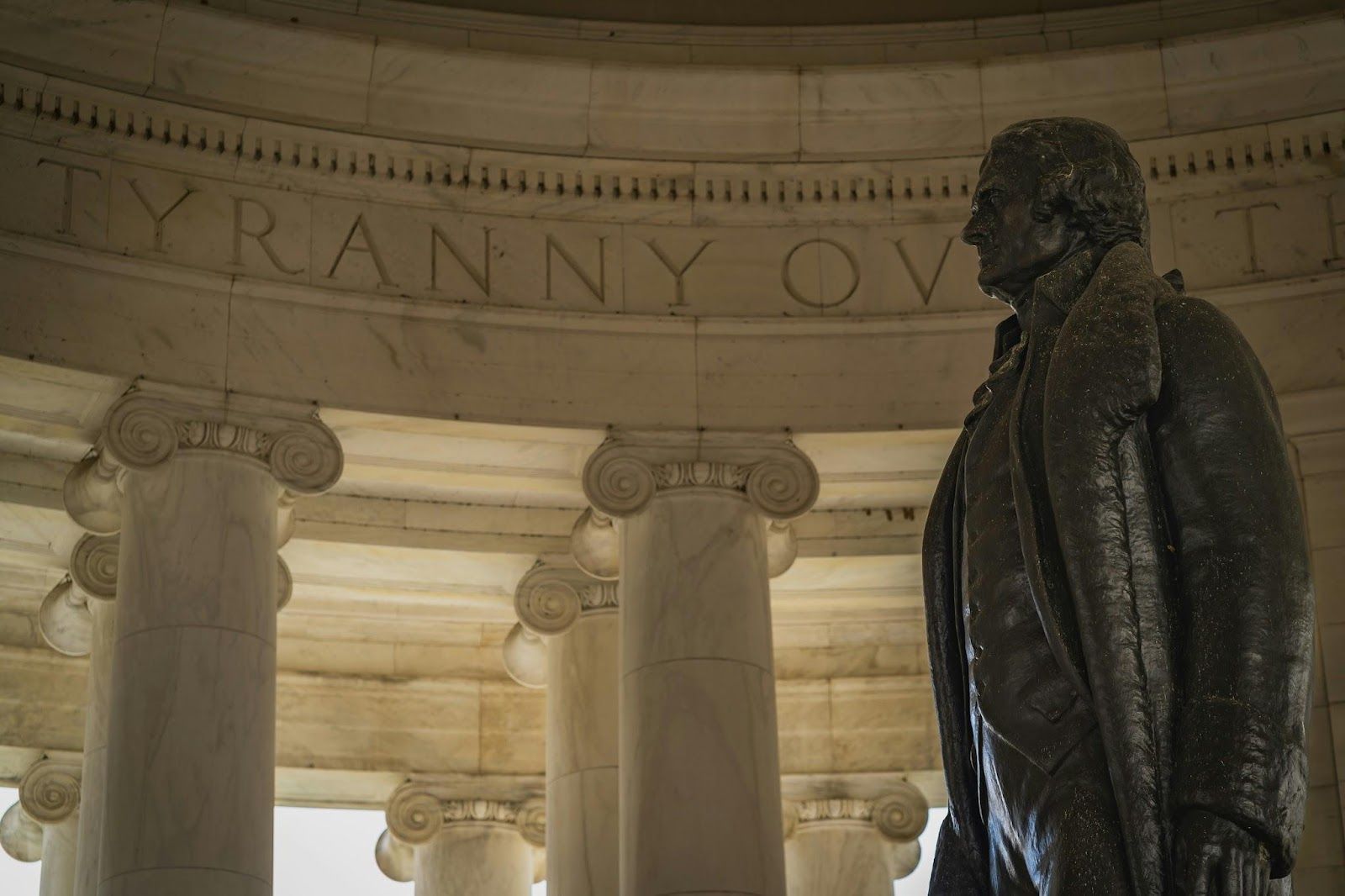
Many believe the Founding Fathers worked as a unified group, sharing a single vision without disagreement. But history tends to be a little more complex. While they collaborated and worked hard to establish the United States, they held diverse ideas and visions for the nation, and some even became rivals. Yet, despite their differences, they successfully laid the foundations for the first large-scale modern republic.

History History 5 min read

Marketing experts!

Can you see the arrow in the logo? 12 American brands' logos decoded!

Image: KelvinStuttard

Logos are everywhere: on billboards, coffee cups, your favorite gadgets—you name it! But how much attention do we really pay to the stories behind them? For example, did you know about the hidden arrow in the FedEx logo? And what about Tesla—is it just a T, or is there more to it? Big brands, big logos, big backstories —of course! Let’s take a fun dive into 12 iconic American brand logos and the hidden tales they tell.

1
Disney: A signature of magic

Image: Gui Avelar

Some logos inspire happiness at first glance, don’t you think? Walt Disney’s logo is a perfect example for us. It’s playful and inviting, and that’s because it’s modeled after Walt Disney’s very own signature, or at least an artistic version of it.

The truth is that Walt’s actual handwriting looked pretty different from the logo we know today because he changed his signature frequently, making it nearly impossible to determine if this version was ever truly his. In any case, it was very successful, and if you ask us, this logo screams "happily ever after."

2
McDonald’s: Golden arches or hidden symbol?

Image: Janet Ganbold

The moment you see a golden "M," your mouth starts watering, doesn’t it? However, the famous Golden Arches weren’t always part of McDonald’s logo history.

Back in the 1950s, they were part of the restaurant’s architecture, we mean actual arches on either side of the building!

When designing a logo, the company leaned into that imagery to create something unforgettable. Well, they definitely did it! And we’re lovin’ it!

3
Coca-Cola: Scripted for success

Image: Efekan Akyüz

That classic Coca-Cola logo has remained surprisingly consistent since 1887. The secret? A font called Spencerian Script, which was highly fashionable back in the late 19th century.

The smooth, flowing letters give it a friendly, approachable feel, it’s like an invitation to "have a Coke and a smile."

Over the years, the brand played with design elements (remember the old glass bottles?), but the logo’s handwritten charm never wavered. The old-school way truly is the best way in some cases.

4
Dove: A symbol of softness

Image: Akshay Bandre

Some logos are so powerful, that you can almost taste them. In this case, you can smell and feel it at the same time. Have you ever noticed the graceful bird on Dove products? That dove isn’t just for show, it represents peace, gentleness, and care , which is exactly what the brand aims to evoke.

When Dove first launched in 1955, its messaging was all about moisturizing and being kind to your skin. The logo, paired with the brand’s soothing colors, reinforces that sense of softness. It’s one of those designs that just feels good, even before you try the products.

5
Amazon: The smile that points the way

Image: Christian Wiediger

The story behind the name is quite fascinating, but let’s focus on the logo. Amazon’s logo isn’t just a smile—it’s a smile with a purpose. Look closely, and you’ll notice the arrow stretches from "A" to "Z," symbolizing the company’s goal to offer everything you could ever need.

And that curved arrow? It’s designed to look like a grin, giving the brand a friendly, customer-first vibe. With a logo this clever, it’s no surprise they’ve grown into an online shopping powerhouse. This is the kind of logo we like—what about you?

6
Google: The colors of curiosity

Image: sarah b

At first glance, one might think Google just put together the letters, chose random colors, and launched the site. But that’s definitely not the case—this logo is packed with meaning.

To begin with, they are not random colors, they are primary colors, chosen to represent creativity and approachability .

As for the unexpected green "L," it’s a nod to the idea that Google likes to break the rules (in a good way, of course). Over the years, the company has refreshed the logo’s font and shading, but the vibe remains the same. And let’s not forget about the festive Doodles—they’re genius!

7
Starbucks: From the sea to your cup

Image: Athar Khan

That green mermaid on your Starbucks cup? She’s actually a two-tailed siren, inspired by an old Norse woodcut. Why a siren, you may ask? Well, the brand wanted to evoke the allure of coffee as something irresistible —like a siren’s call.

Over time, the logo has evolved, losing the "Starbucks Coffee" text to let the siren shine on her own. Curious enough, the first design included the name of the company on the outer part of the circle, but they decided to eliminate that and let the siren do all the luring work on her own!

8
FedEx: The arrow you didn’t see

Image: Jan Rosolino

FedEx has one of the sneakiest logos in the business world. Between the "E" and the "X," there’s a hidden arrow that represents speed and precision . And once you see it, you can’t unsee it!

This wasn’t the original version, though. Designed in 1994, the logo is a masterclass in subtlety and clever branding, much like Amazon’s. It’s a perfect fit for a company that prides itself on delivering packages quickly and efficiently.

9
Domino’s: Three dots, infinite pizza

Image: Miroslav Denkov

Speaking of logos you can taste, right? Domino’s logo features three dots, which represent the first three locations of the pizza chain .

Originally, the company planned to add a new dot for every store they opened. Can you imagine if they had kept that idea? They quickly realized that wouldn’t work with their explosive growth.

Paired with the iconic red and blue colors, the logo is as comforting as a fresh box of pizza. And let’s be real—who doesn’t love their pizza?

10
Tesla: An electric secret

Image: Tesla Fans Schweiz

Tesla’s sleek, futuristic logo isn’t just a fancy "T"; it’s actually a nod to the company’s cutting-edge tech. The "T" is designed to resemble a cross-section of an electric motor, tying into Tesla’s mission of revolutionizing transportation .

Pair that with its clean lines and modern vibe, and you’ll see that the logo feels as innovative as the cars themselves. It’s a perfect example of branding that matches the product: bold, forward-thinking, and undeniably cool. What do you think?

11
Levi’s: A stitch in time

Image: Mnz

Few pieces of clothing are as iconic as a pair of Levi’s, right? That’s because both the item and the logo are equally simple, bold, and instantly recognizable .

The classic red tab is the result of eight redesigns. The first version of the logo included two horses pulling in opposite directions of a pair of jeans, trying to rip them—and failing, of course! But that was just the beginning.

The logo we know today was introduced by the same designer who worked on Coca-Cola’s script and the inspiration was the stitching on the back pocket of the jeans. The rest, as they say, is comfortable and durable history!

12
Pepsi: A logo full of energy

Image: Ja San Miguel

This article comes to an end with a classic brand. Pepsi’s logo has gone through dozens of iterations, but the current design—a red, white, and blue globe—is packed with meaning.

The wavy lines represent energy and dynamism, while the patriotic colors nod to its American roots, naturally. And if you were doubtful that it represents our country, you can read the 27-page redesign manifesto from 2008, which reportedly cost millions and came with a full explanation of its symbolism!

Explore more American facts

Choose your favorite category!

General
General

As American as apple pie—the very best America has to offer!

Culture
Culture

Delve into the astounding richness of American lore.

Geography
Geography

Hop in and explore vast and diverse American landscapes.

History
History

Discover the key moments that shaped the United States.