Culture Culture 3 min read

Which one is your favorite?

Tigers, cheetahs & more: 12 advertising mascots turned cultural icons

Image: Erik Mclean

From cereal boxes to car commercials, advertising mascots are a big part of our pop culture. These characters aren't just selling products—they’ve become household names. Whether it’s a talking gecko or a grinning doughboy, mascots help brands stick in our minds. Can you recognize these 12?

1
Colonel Sanders

Image: Aleks Dorohovich

Colonel Sanders, the iconic KFC mascot, is based on Harland Sanders, the chain's founder . He received the honorary title of "Colonel" from Kentucky's governor in 1935.

Sanders embraced the persona, adopting a white suit, goatee, and bow tie, creating the famous image that still represents KFC today.

2
Energizer bunny
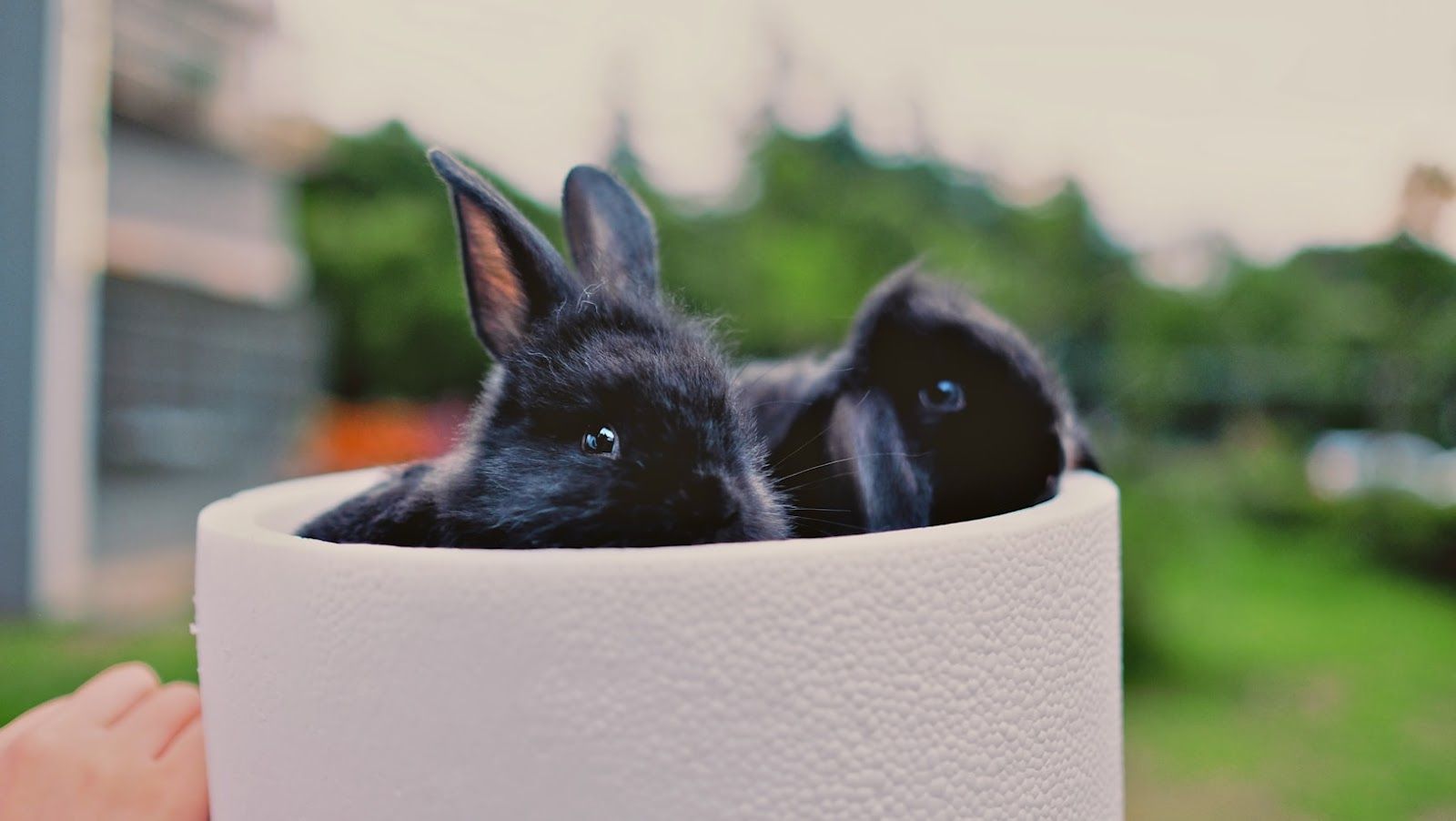
Image: Jerry Wang

The Energizer Bunny debuted in 1988 as a parody of Duracell’s "Drumming Bunny." Designed with sunglasses, flip-flops, and a bigger drum, it stood out as a bold contrast to its competitor’s mascot.

The campaign grew into a long-running success, and, obviously, a trademark battle followed, ultimately ending with Energizer securing exclusive rights to the pink bunny in the U.S. and Canada.

3
GEICO gecko
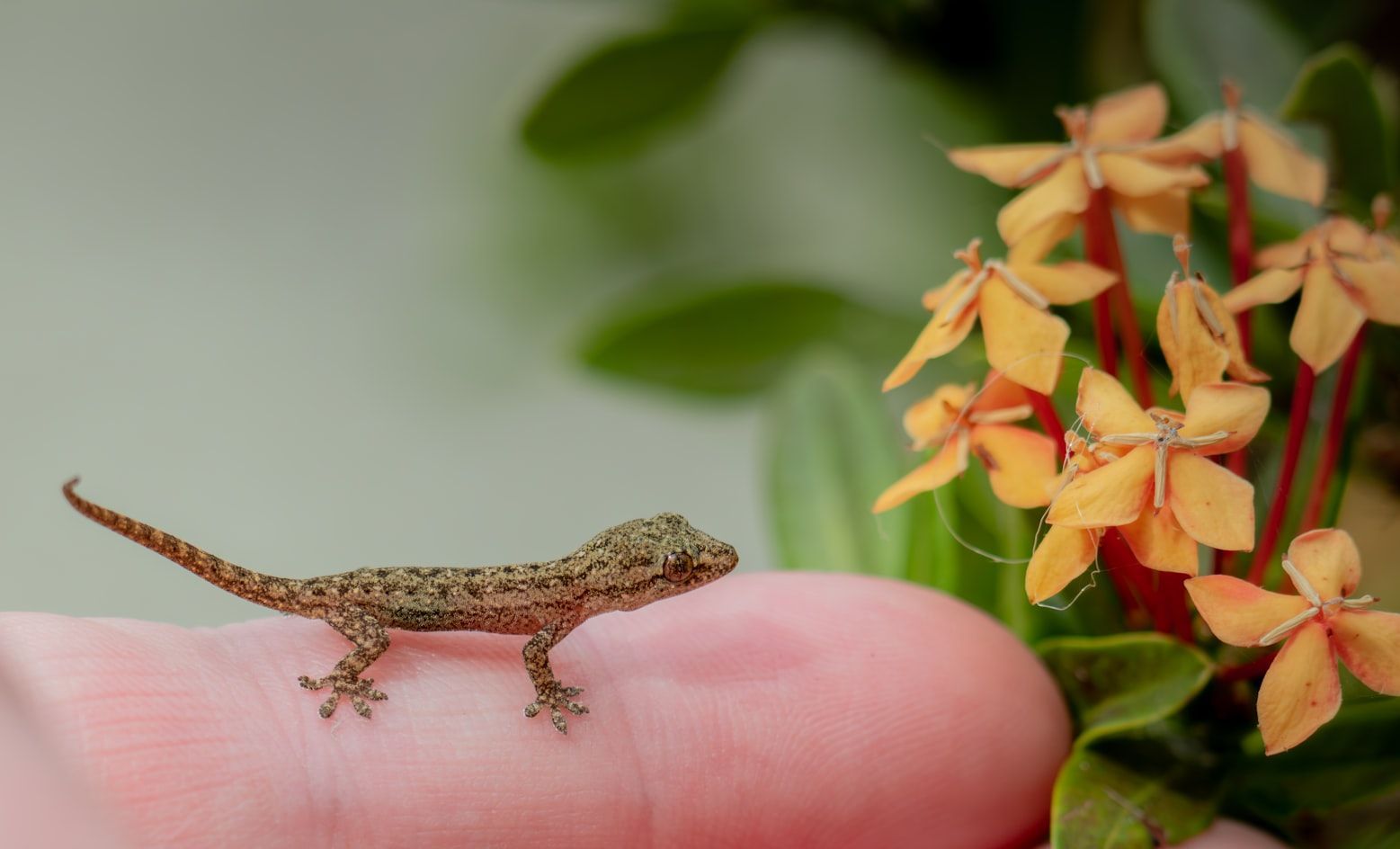
Image: Hunter Masters

The GEICO Gecko debuted in 1999 during an actors' strike, when live talent was unavailable. The idea stemmed from people mispronouncing "GEICO" as "Gecko," inspiring a quick lizard doodle during a brainstorming session.

In his first ad, the Gecko held a press conference asking people to stop confusing him with the company. The quirky concept quickly became a memorable and enduring mascot.

4
Jolly Green Giant
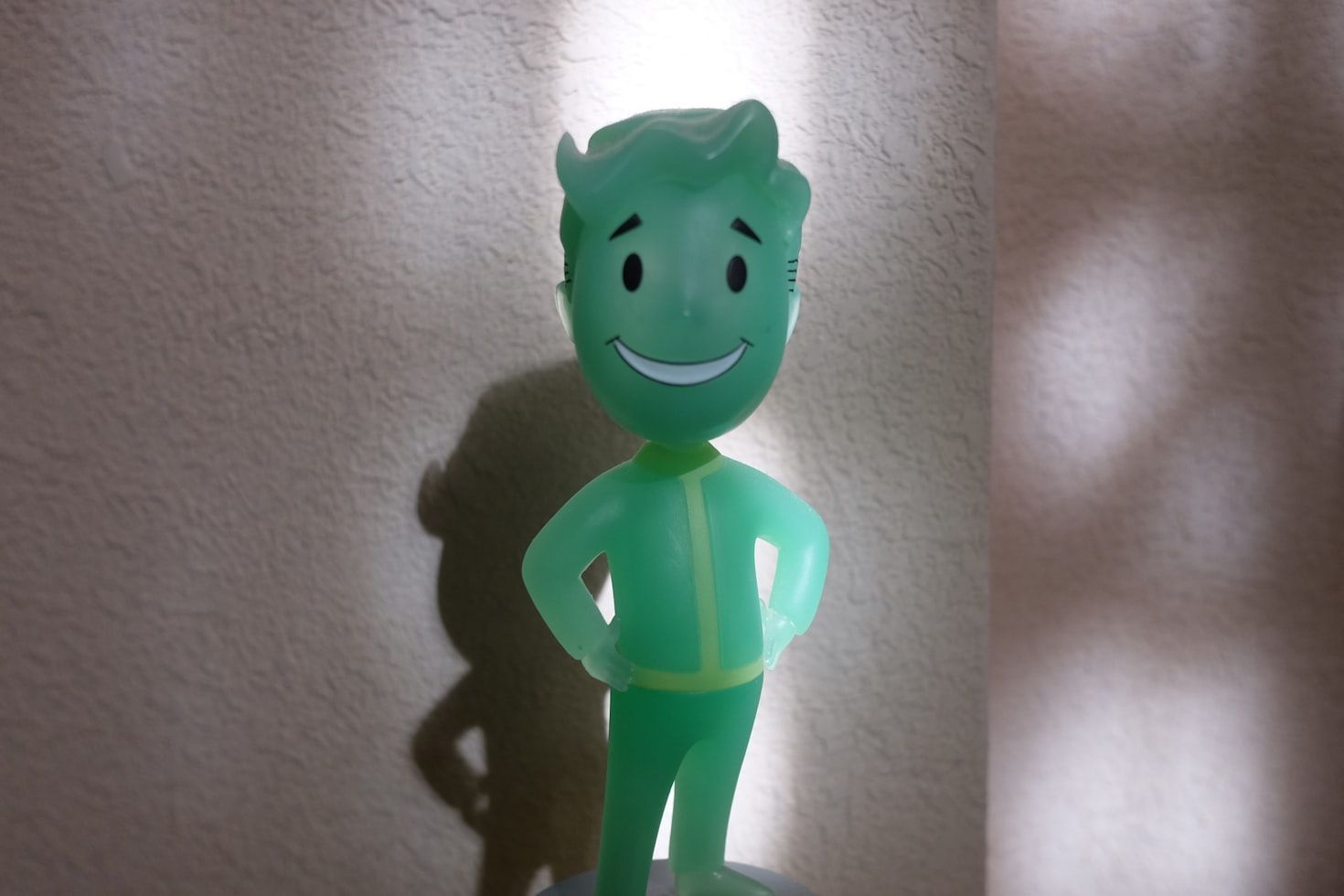
Image: Jun Weng

The Jolly Green Giant began in 1925 with the Minnesota Valley Canning Company’s "Green Giant" peas. The original mascot was a stern, fairy tale–like figure.

In 1936, ad legend Leo Burnett redesigned him with a leafy toga and a friendly smile, making him "jolly." The company later adopted the Green Giant name, and the mascot became a lasting icon.

5
Pillsbury Doughboy

Image: Sonia Nadales

The Pillsbury Doughboy, named Poppin' Fresh, was created in 1965 by ad copywriter Rudy Perz. The idea came to him as he imagined a dough character popping out of a can in his kitchen .

First seen in stop-motion animation, the Doughboy became a cheerful brand icon, starring in over 600 commercials since his debut.

6
Chester Cheetah
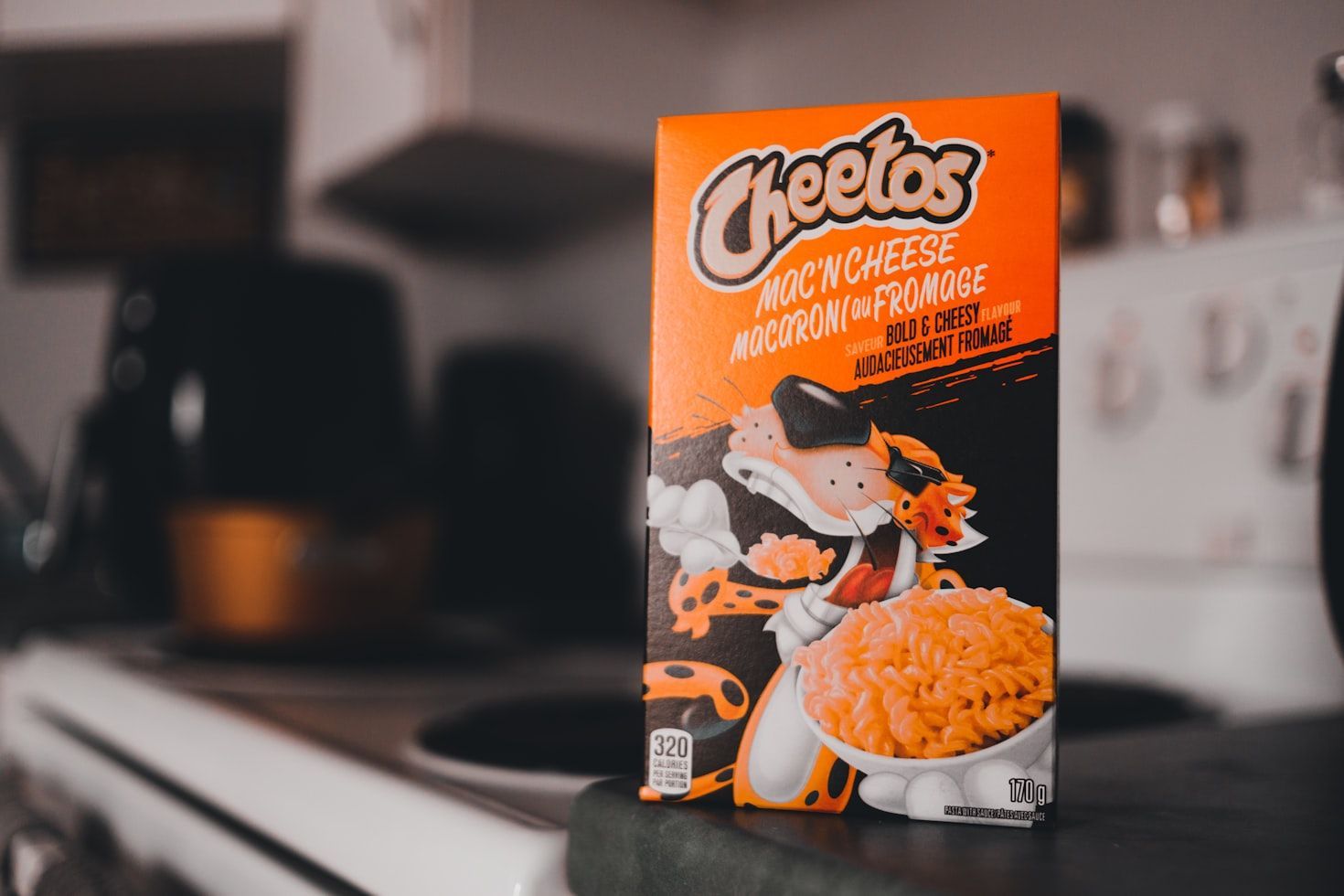
Image: Erik Mclean

Chester Cheetah became the face of Cheetos in 1986, replacing the original Cheetos Mouse. He debuted as a cool, animated cartoon character in TV ads.

Known for his smooth voice, catchy rhymes, and laid-back style, the character is depicted as a "cool cat" with a strong craving for Cheetos.

7
Kool-Aid Man

Image: Fotografía de Alimentos

The Kool-Aid Man, a smiling pitcher of Kool-Aid, evolved from earlier iterations and became the brand’s mascot after General Foods acquired the company in the 1950s. He quickly stood out in ads with his dramatic entrances.

Known for crashing through walls and shouting "Oh yeah!", this mascot became instantly recognizable.

8
Tony the Tiger
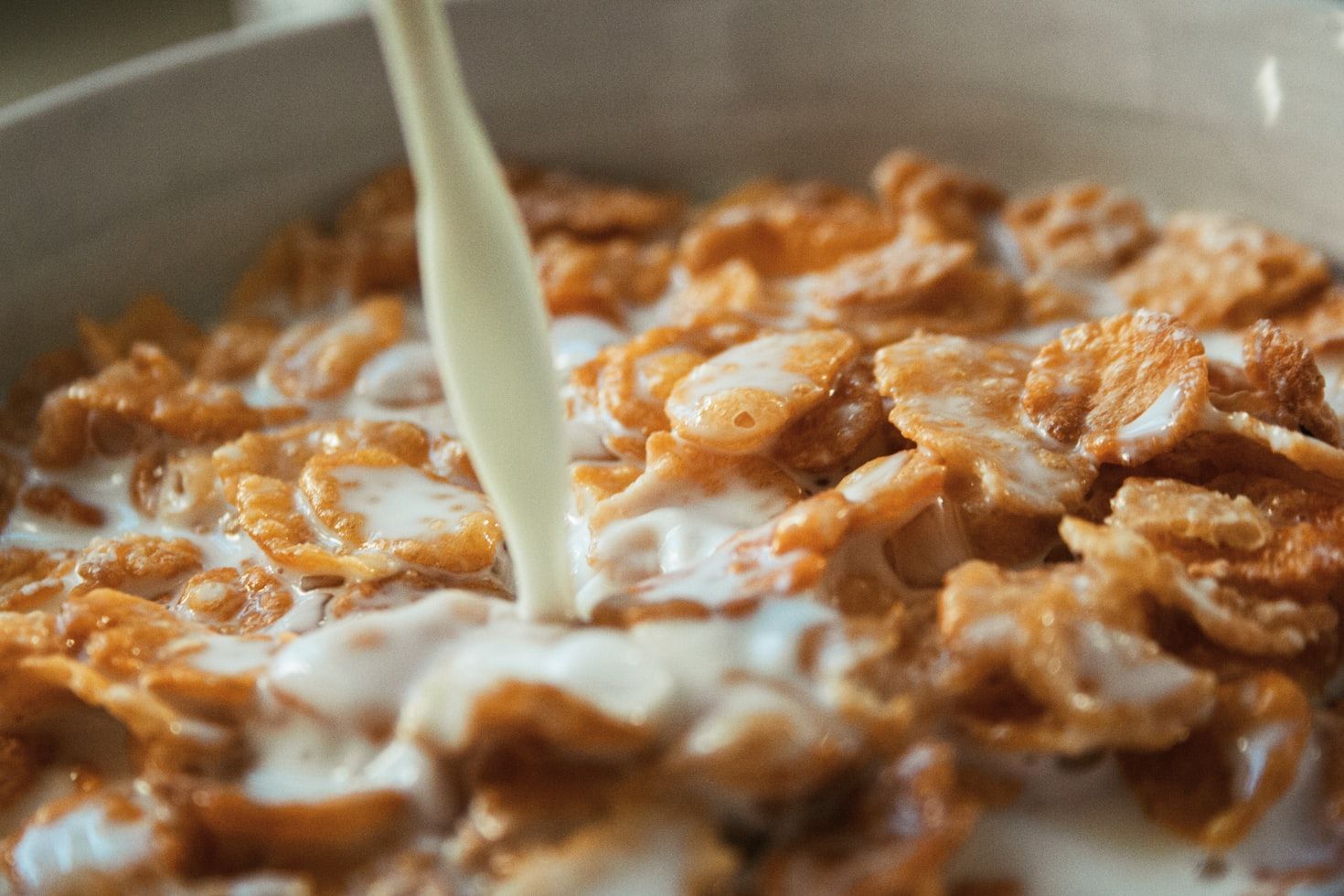
Image: Dom .

Tony the Tiger has been the mascot for Frosted Flakes since 1952, known for his upbeat catchphrase, "They’re gr-r-reat!" and his iconic presence on cereal boxes. He has also represented other cereals, such as Tony’s Cinnamon Krunchers.

9
Planters
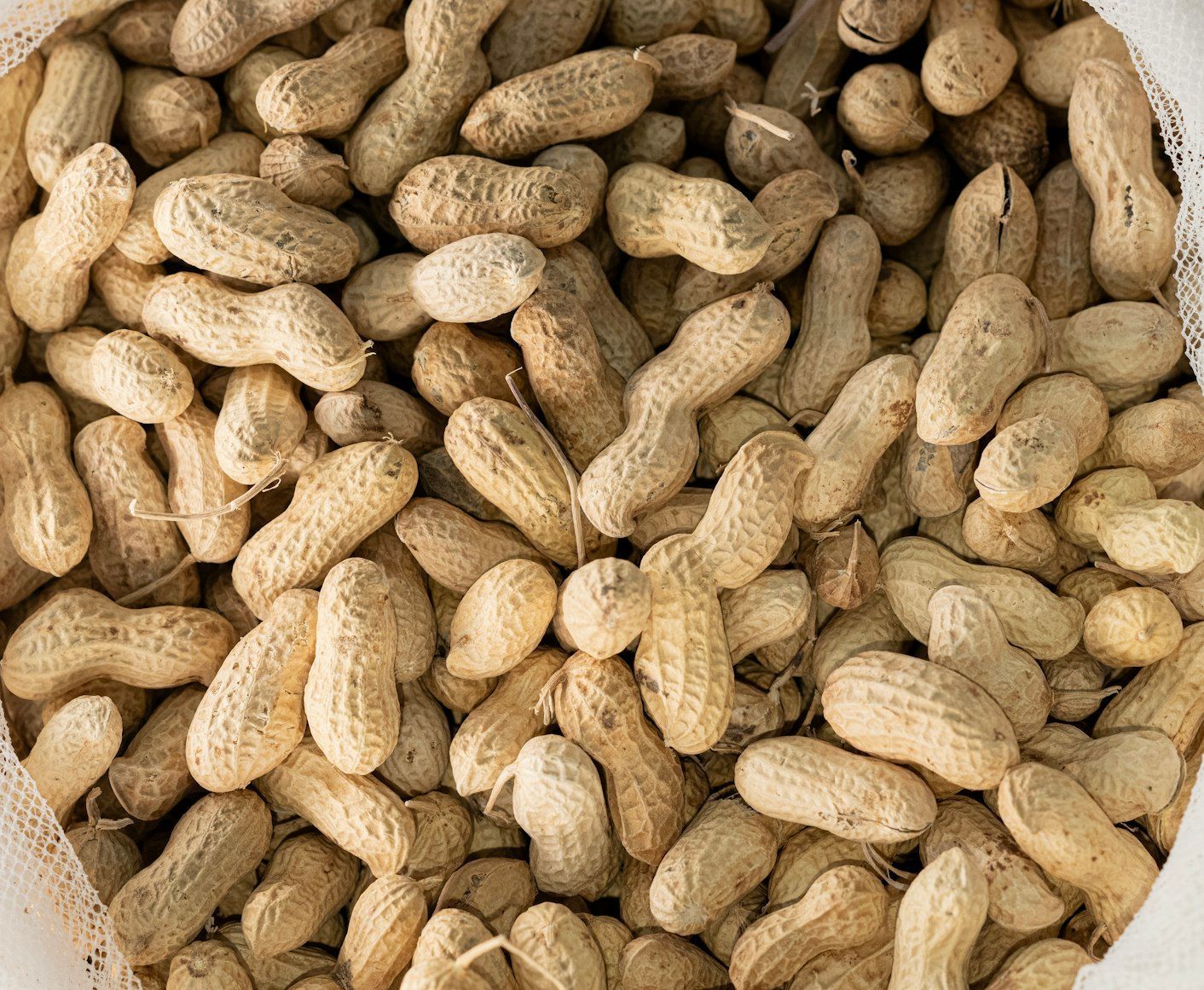
Image: aboodi vesakaran

Mr. Peanut was created in 1916 by Antonio Gentile, a schoolboy who entered a design contest held by Planters. His original drawing featured a peanut with arms, legs, and a cane .

A commercial artist later refined the character by adding a top hat, monocle, and spats , transforming it into the classic Mr. Peanut mascot we know today.

10
Mr. Clean
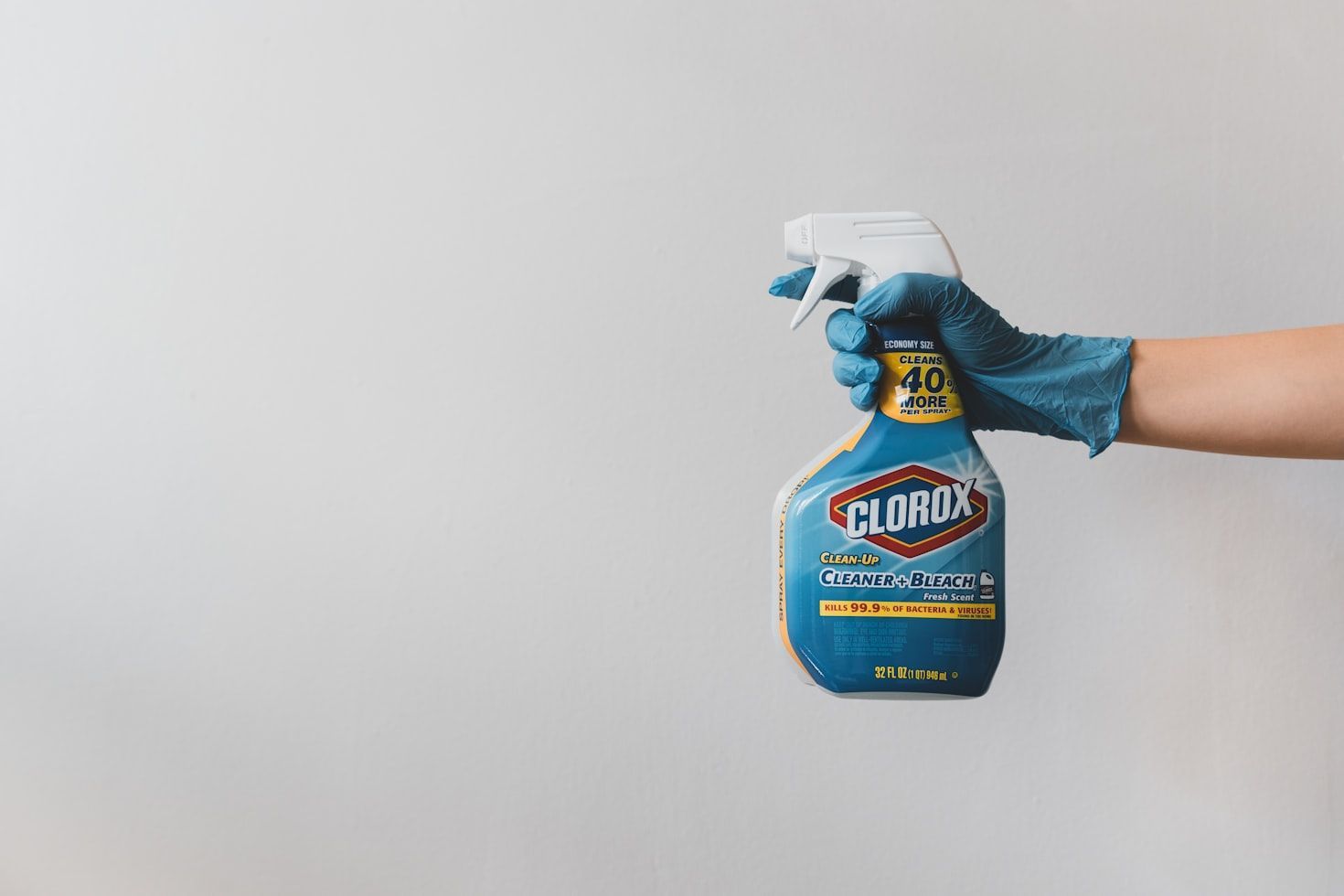
Image: Clay Banks

Mr. Clean was created in 1957 by an ad agency for Procter & Gamble. Originally conceived as a genie, he evolved into a muscular, bald man dressed in white, sporting an earring and folded arms. Inspired by a Navy sailor, he became a symbol of powerful cleaning.

11
Toucan Sam
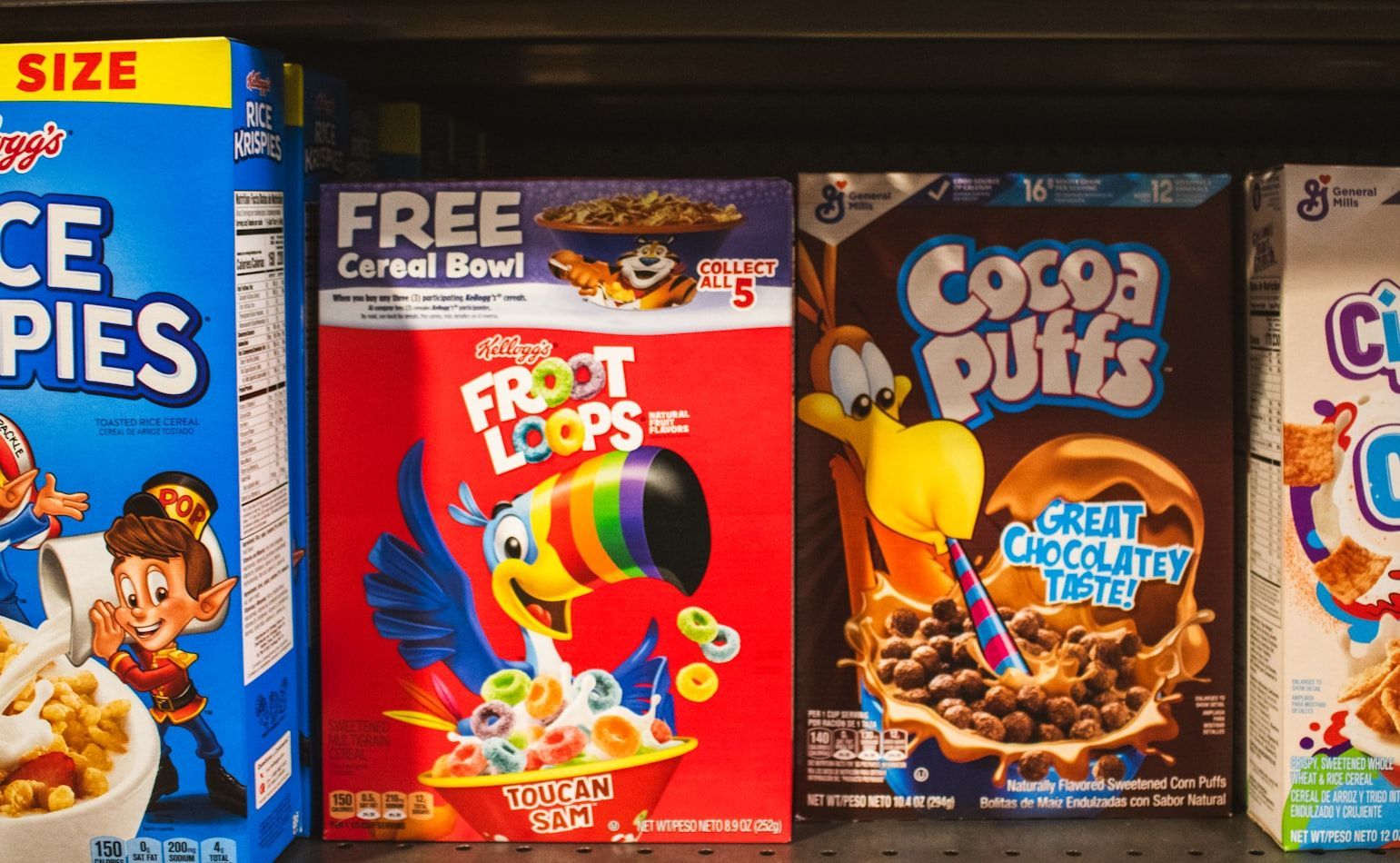
Image: Zoshua Colah

Toucan Sam, the colorful blue-and-orange mascot for Froot Loops, was created in 1963. Known for his catchphrase, "Follow my nose!" and his ability to "smell" Froot Loops from afar, Sam’s voice and design have evolved over time, making him a beloved cereal icon.

12
Ronald McDonald
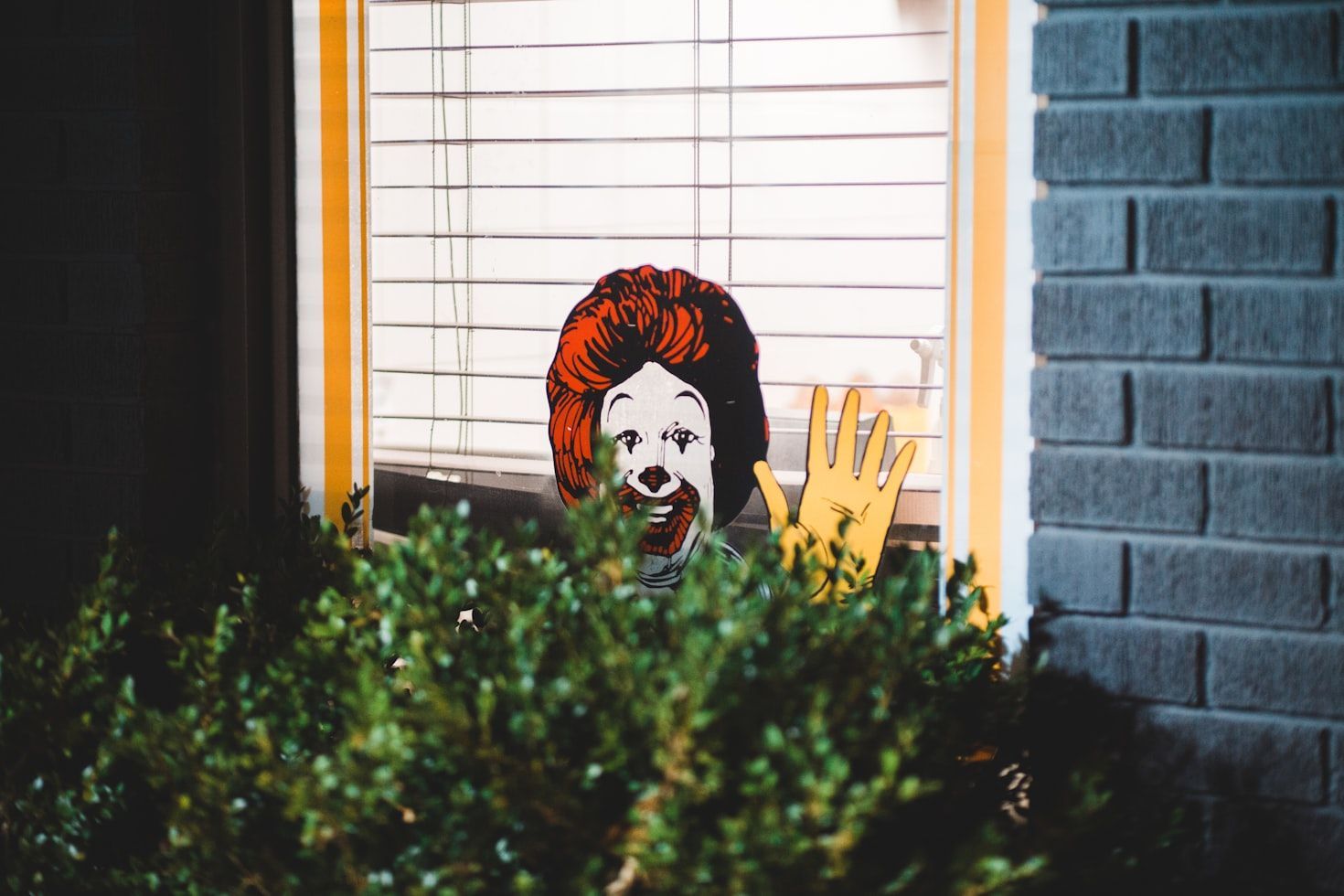
Image: Erik Mclean

Ronald McDonald first appeared in 1963 in local TV ads in Washington, D.C., portrayed by actor Willard Scott. He was created by the Oscar Goldstein ad agency.

In 1965, McDonald's expanded Ronald’s role to national commercials with a slightly altered look. He became a key figure in McDonaldland, interacting with other characters . Over time, Ronald’s image and advertising style evolved, with updates to his outfit and overall presence.

General General 4 min read

Be on the safe side

Beware! These 12 common scams are aimed at senior citizens

Image: Kaboompics.com

For many reasons, senior adults are often targeted by scammers. Unscrupulous individuals are savvy and convincing, using tactics designed to catch people off guard. There is no shame in falling victim to one of these scams—it can happen to anyone. However, in today’s world, it is highly advisable to be aware of these schemes and familiarize yourself with them to avoid falling prey. Take a look at the following 12 scams—they could help protect you or someone you care about.

1
The Government impersonator

Image: Harold Mendoza

One of the most common scams targeting senior citizens involves fraudsters posing as a member of a government agency such as the FTC, Social Security Administration, IRS, or Medicare. The basic pitch is similar to many others: the caller claims that if the target does not pay a fee or provide personal information, they will face serious consequences.

Government agencies will never call, email, text, or message you on social media to request money or personal information . Only scammers engage in such tactics.

2
Fake Prize, Sweepstakes, and Lottery

Image: dylan nolte

Another common scam involves a call, email, or letter informing the recipient that they have won a sweepstakes, lottery, prize, or even a new car. The next part of their message is the key to uncovering the racket: the scammer will request money or personal account information to "claim" the prize . No serious company will ask for such things by telephone or email to award a prize.

3
Tech Support

Image: Simon Abrams

Technology can be intimidating to anyone who is not familiar with it, and tech support scammers know this. These individuals will attempt to convince their targets that their computer or phone has a serious issue, such as a virus.

Scammers often pressure victims into paying for unnecessary services that are not really needed or offer to do the repairs remotely if the recipient grants them access. They may use pop-up error messages, phone calls, or text messages to carry out their scheme. To protect yourself, always keep your antivirus software up to date.

4
'Grandparent' Scams

Image: Nikoline Arns

Exploiting emotional connections is a basic on any scammer’s manual and grandparents are frequent targets. Fraudsters may call and impersonate a grandchild or another close relative in distress , urgently requesting financial assistance .

If you receive such a call, hang up immediately and contact the family member directly to verify their well-being before taking any action.

5
Robocalls

Image: Jenna Anderson

Robocalls use automated phone technology to dial large numbers of households. One common scam is the "Can you hear me?" call. When the recipient responds "yes," the scammer records their voice and quickly hangs up. This recorded response can then be used as a voice signature to authorize fraudulent charges on stolen credit cards or other accounts.

6
Romance Scams

Image: Mayur Gala

Online dating and loneliness may seem like a natural match, but scammers have long exploited this opportunity. Romance scammers create elaborate fake profiles, often on social media, to take advantage of senior adults' loneliness and manipulate them for money.

They may request money for visas, medical emergencies, or travel expenses to visit the US. Since they tend to last for a long time, these types of scams can rob an older person of substantial amounts of money before realizing they’ve been deceived.

7
Business Imposter

Image: Constantin Wenning

This type of scam can take a serious financial toll on senior adults. This type of ruse involves the illegal or alleged sale of financial instruments promising low risk and guaranteed returns. The use of cryptocurrency is common in these scams, as it can be difficult to trace.

8
Pigeon Drop

Image: Alexander Mils

A pigeon drop scam occurs when a scammer offers the victim a large sum of money in exchange for a smaller upfront payment . While this should immediately raise suspicion, many people still fall for it. These scams are often carried out in person at tourist spots but can also happen frequently over the phone .

A classic example is an email claiming that the sender has inherited money from a distant relative but needs a small payment from you to transfer the funds.

9
Counterfeit Cashier's Checks

Image: Gadini

Cashier’s checks have been around for a long time and have been the subject of counterfeiters ever since. While forgeries can be highly convincing, a common red flag is being asked to deposit a check under suspicious circumstances and then return a portion of the funds to a stranger —chances are, it is a scam.

10
Travel Packages

Image: Marten Bjork

A tourist hoping for a dream vacation instead found cramped rooms and terrible accommodations that fell far short of expectations —this is not a new story.

To avoid such disappointments, travelers should always request information directly from the hotel in question and confirm which features are included in their selected package. Additionally, they should never provide credit card information unless they initiate the call or email.

11
Home Repair

Image: Jimmy Nilsson Masth

Another common scam involves criminals who appear in person and charge homeowners in advance for home improvement services they never provide . These scammers often pose as employees of utility companies.

If someone receives an unexpected visit like this, they should always call the company to verify the person's identity before allowing them inside.

12
Caregivers

Image: Ani Kolleshi

This one strikes particularly hard since caregivers are supposed to help people when they are most vulnerable. Unfortunately, sometimes, unscrupulous individuals can take advantage of the senior adults they are supposed to care for and steal their money .

Always make sure to screen anybody who will be in charge of, or around, a senior adult that requires assistance.

Geography Geography 4 min read

New identities

Rebranded: 10 US cities that changed their names and the reasons why!

Image: Jon Tyson

Can you picture cheering for the New Amsterdam Giants or the Jernigan Magic ? We can’t either! Cities like New York, Orlando, and Los Angeles are staples of American identity—we can’t imagine the country without them. But believe it or not, some of these cities had different names in the past! Join us as we explore 10 US cities that once went by different names and discover the reasons behind their transformations.

1
Los Angeles, California

Image: Venti Views

The Spanish settlers who arrived in the area in the 18th century originally named it El Pueblo de Nuestra Señora la Reina de los Ángeles , which translates to "The Town of Our Lady the Queen of the Angels." Elegant, but kind of a mouthful for a town name! Over time, the Spanish name stuck, but it was shortened to the more practical "Los Angeles." The city officially adopted this name when it was incorporated in 1850, the same year California became a state.

2
New York City, New York

Image: Colton Duke

Before becoming the one and only New York we know today, the city went by a different name. In the 17th century, the Dutch settlers who arrived in the area called it New Amsterdam . However, when the English seized control in 1664, they renamed it New York in honor of the Duke of York.

3
Seattle, Washington

Image: Michael Discenza

Seattle is more than its iconic Space Needle; it has a long history that shaped the city we know today. When European settlers arrived in the area in 1851, they named their settlement New York and added the Chinook word Alki , meaning "by and by," "someday," or "later," suggesting it would one day become as big as New York City. However, in 1852, they changed the settlement’s name to Seattle in honor of Chief Sealth, a Duwamish and Suquamish leader.

4
Portland, Oregon

Image: Zack Spear

Early settlers referred to the area as The Clearing because it stood out from the dense forests typical of the Pacific Northwest. But in 1845, an event occurred that would change everything. Portland’s two founders, Asa Lovejoy from Boston, Massachusetts, and Francis W. Pettygrove from Portland , Maine, each wanted to name the new settlement after their hometown. So how did they decide? Simple: they flipped a coin . Of course, you know who won!

5
Kansas City, Missouri

Image: Farhodjon Chinberdiev

Kansas City was originally founded as the Town of Kansas in 1850, named for its location near the Kansas River. As it quickly grew, it was reincorporated just three years later as the City of Kansas . Finally, in 1889, it officially became Kansas City.

Fun fact: Kansas City, Missouri, was actually founded before the state of Kansas!

6
Charleston, South Carolina

Image: Tyrone Sanders

Before it became the city we know today, Charleston had another name, though not so different. When it was first settled in 1670, the English named it Charles Town in honor of King Charles II. However, over time, the name gradually evolved in pronunciation to Charleston. In 1783, after the Revolutionary War, the city was officially renamed Charleston.

7
San Diego, California

Image: Sean Mullowney

San Diego was the first site on the US West Coast settled by Europeans, which is why it's often called "the Birthplace of California." When Spanish explorers arrived in the area in 1542, they named the bay after a different saint: San Miguel . But years later, in 1602, explorer Sebastián Vizcaíno renamed it San Diego, in honor of San Diego de Alcalá (Saint Didacus of Alcalá).

8
Orlando, Florida

Image: Aditya Vyas

In 1840, the first settlers arrived in what we know today as Orlando. They were the Jernigan family, who named the place after themselves. A post office with that name was even established in 1850. However, about 6 years later, Jernigan officially changed to Orlando. Although the exact reason isn't entirely clear, there are several theories. A popular one claims it was named after Orlando Reeves, a soldier who may have died in the area during the Seminole Wars. Another well-known theory suggests the name came from Orlando , a character in Shakespeare’s As You Like It .

9
Cincinnati, Ohio

Image: Matt Koffel

In the 1780s, the first settlement in this area was called Losantiville , a name created from a mix of words meaning "The town opposite the mouth of the Licking River." But in 1790, the first governor of the Northwest Territory, who was also a member of the Society of the Cincinnati (named in honor of the Roman general Lucius Quinctius Cincinnatus), disliked Losantiville and decided to change it to its present name.

10
Atlanta, Georgia

Image: Christopher Alvarenga

Atlanta didn't just have one or two names; it had three! By the mid-19th century, the area where the city stands today had become a transportation hub where several railroad lines converged. Because of this, in 1837, the area was called Terminus , meaning "the end of the line." Then, in 1843, the name was changed to Marthasville , in honor of Martha, the daughter of Georgia Governor Wilson Lumpkin. Finally, just two years later, the city was renamed Atlanta. This name is believed to be a shortened form of "Atlantic," referring to the Western and Atlantic Railroad.

Explore more American facts

Choose your favorite category!

General
General

As American as apple pie—the very best America has to offer!

Culture
Culture

Delve into the astounding richness of American lore.

Geography
Geography

Hop in and explore vast and diverse American landscapes.

History
History

Discover the key moments that shaped the United States.