Geography Geography 5 min read

Totems of the modern world

What is a Carhenge? U.S. roadside structures that make you stop the car
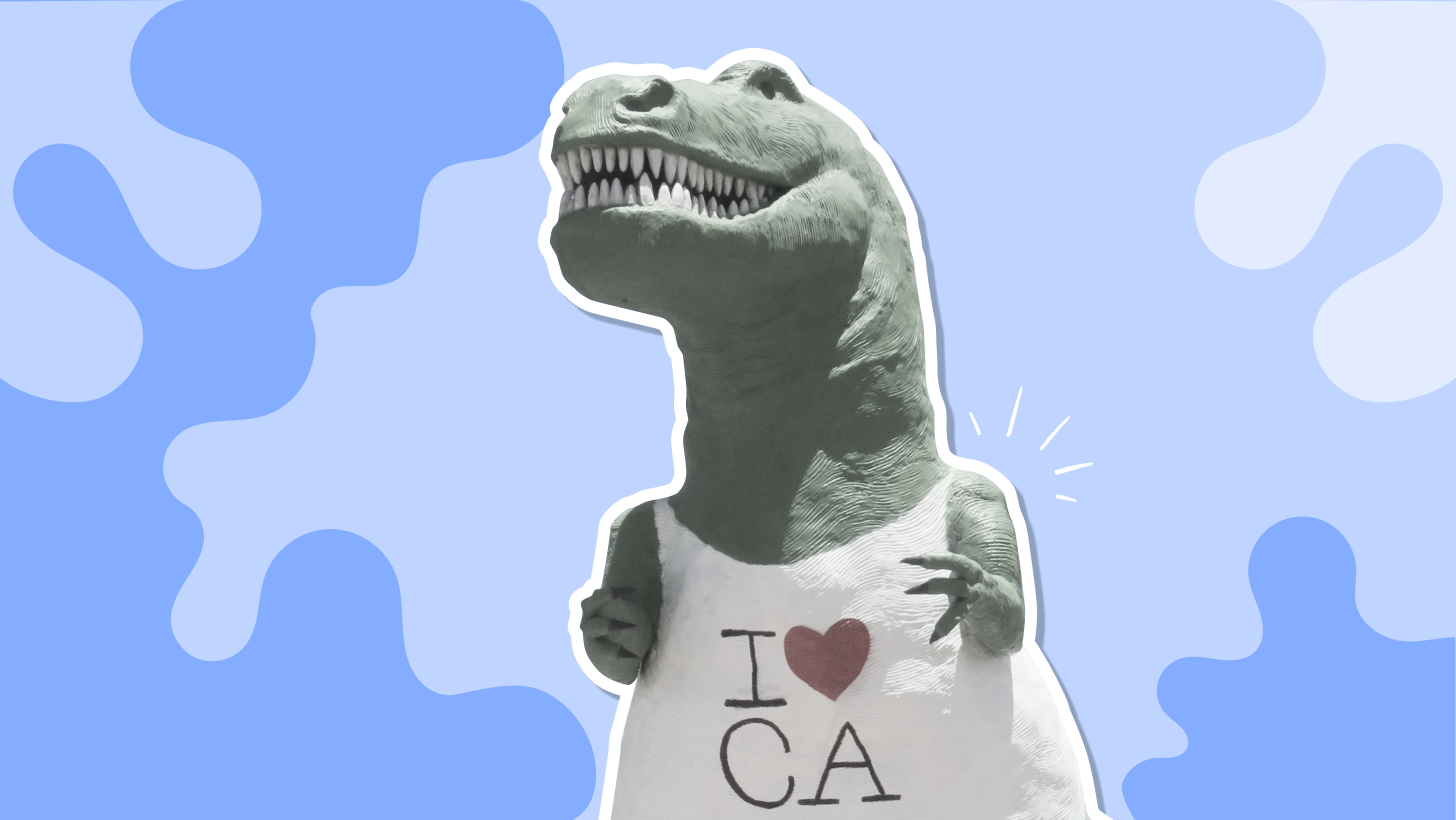
Image: Chris Long

"Did you see that?" Roadside attractions have been used to lure travelers since the 1920s. Some have stood for decades, silently waiting for visitors to pull over and stretch their legs while marveling at them. Some have gift shops and museums nearby to capitalize on some by-now famous designs. Others have been featured in movies and documentaries. Most of them have gone from being lonely land art to becoming landmarks. Let’s take a figurative trip around some of the dearest roadside attractions in the U.S.

1
Carhenge

Image: sarahehauge

The gray megaliths of Stonehenge , in contrast with the bright green of the surrounding plains, create an image familiar to most of us. The ancient monument in the south of England inspired artist Jim Reinders to design this roadside attraction near Alliance, Nebraska, along Highway 87.

He and his family built it in 1987 on his late father’s farm as a memorial. Thirty-nine cars were buried and welded in place, then spray-painted gray to form a structure imitating the original. Carhenge remains open 24/7, and anyone is welcome to visit anytime, but it looks particularly epic against the setting sun.

2
Prada Marfa

Image: Mizzu Cho

"Wait, what was that?" Imagine driving along U.S. Route 90 and catching a flashing glimpse of this lone-standing, one-story, deserted Prada store , just feet away from the road. Located 26 miles northwest of Marfa, Texas, this storefront is a land art installation built in 2005 by the architects and artists Elmgreen & Dragset.

It wasn’t meant to be an advertisement for the brand, although the shoes and handbags displayed in the interior of the shop were provided by designer Miuccia Prada herself. The location was carefully chosen so that the white shop would stand out against the barren landscape.

3
"Giant" Marfa Mural

Image: Robert Harkness

Remember Giant (1956), the film starring Elizabeth Taylor, Rock Hudson, and James Dean? This classic about a wealthy Texan family was shot around the town of Marfa, Texas, and parts of it were filmed right at this spot. That means Marfa became the site of yet another car-stopping roadside attraction.

Right off the road on U.S. ​​Highway 90, just like the Prada Marfa, stand these colorful plywood murals that depict the characters and the Little Reata Ranch , which served as the backdrop of the movie. Artist John Cerney erected these figures in 2018, and visitors also mention that one can hear music at the site: it comes from speakers cleverly concealed between rocks and was composed by Michael Nesmith from The Monkees.

4
Galleta Meadows Sculptures

Image: Stephen Leonardi

You would have to take a 14-mile detour from California State Route 78 to see them, but it would be worth it. Galleta Meadows is a privately owned, open-to-the-public estate that has been home to over 130 giant metal sculptures created by Ricardo Breceda since 2007.

Breceda first built a giant metal dinosaur for his daughter after watching Jurassic Park III with her. When the owner of this estate saw his art, he commissioned all the sculptures that now adorn the land. The figures emerging from the ground vary. Beyond the mythological serpent dragon, some represent animals that once roamed the same land, such as the Columbian mammoth, the sabertooth tiger, and dinosaurs. A scorpion, a grasshopper, and a bighorn sheep can also be found.

5
Seven Magic Mountains

Image: Samuel Branch

The hoodoos that characterize the Western landscape inspired this pop-art image in the mind of Swiss artist Ugo Rondinone. Located on Las Vegas Boulevard ten miles south of Las Vegas, Nevada, these stacks of boulders were painted with fluorescent pigments that are activated by the sun.

The installation, built in 2016, was funded by the Nevada Museum of Art and the Art Production Fund . It was originally intended to remain for two years, but the fascination with this highly photogenic landscape was such that it was decided to keep it in place and open to the public. The Seven Magic Mountains receive around 325,000 visitors every year.

6
Cabazon Dinosaurs

Image: Marius Christensen

One of the most famous roadside attractions in the U.S. is the Cabazon Dinosaurs, located just west of Palm Springs in California. These are two steel-and-concrete figures, about 20 feet tall, that have their own names: the Brontosaurus Dinny the Dinosaur and the T-Rex, Mr. Rex.

Dinny and Mr. Rex are repainted frequently to show varying colors and suits. A nearby museum gift shop houses over 100 dinosaur figures and animatronics. The stop became even more famous after being featured in Tim Burton’s Pee-wee's Big Adventure (1985), but they had been standing at Cabazon since artist Claude Bell began building them in 1964.

7
Salvation Mountain

Image: Nitro ‎

In the California Desert, not far from State Route 111, stands an artificial hill that was created in 1984 and has been repeatedly modified over the years to become a colorful folk site. Local resident Leonard Knight started building the hill in the 1980s, with the vision that it would forever hold a message of "unconditional love to humankind ."

Adobe bricks, straw, discarded tires and car parts, and tons of paint were all used in the production of this 150-foot-wide art project.

8
Enchanted Highway

Image: Carol Highsmith's America

The Enchanted Highway stretches for 32 miles in the southwest of North Dakota. It has been decorated with some of the world’s largest scrap metal sculptures, all made by local artist Gary Greff, who began the project in 1989. He started the project as a way to revive his town, Regent , while it was in economic decline.

Fish, pheasants, bugs, and even a "Tin Family" of humans adorn the landscape near the city of Dickinson. Nine sites with sculptures are built along County Highway 21, most of them featuring parking areas to allow visitors to wander near the sculptures and take plenty of pictures.

9
Peachoid

Image: Jp Valery

The Peachoid water tower stands in Gaffney, South Carolina, and is shaped like, well, a peach . The tank holds one million gallons and is visible from miles around the point at Interstate 85 where it stands.

It was built for the city of Gaffney in 1981, resembling the fruit for which they were best known. It was commissioned by the Gaffney Board of Public Works, which also wanted to make the statement that Cherokee County, at one point in history, was a bigger peach producer than the entire "Peach State," Georgia.

10
Garden of One Thousand Buddas

Image: Kirsten Ann

Would you count them? There’s a peaceful garden in a valley near Glacier National Park in Montana. In it live one thousand white statues of sitting Buddhas lining a public park and botanical garden.

The construction of the site, nestled by the Mission Mountains , began in 2000. It wasn’t until 2015, however, that the 1,000th Buddha was finally placed, reaching the original goal of the founder, a Tibetan master. Hundreds of visitors arrive each week to walk the garden and wander around the 10 acres it spreads over.


Culture Culture 4 min read

Echoes from History

Who said, "I'm losing"? Discover the last words of American figures!

Image: WikiImages

Some icons in our history stood out for their wisdom or wit, even in their final moments. And their clever, wise, profound, funny, or unexpected last words are proof of that. Read on to discover the final words of American figures that will definitely leave you thinking!

1
Frank Sinatra

Image: Dushawn Jovic

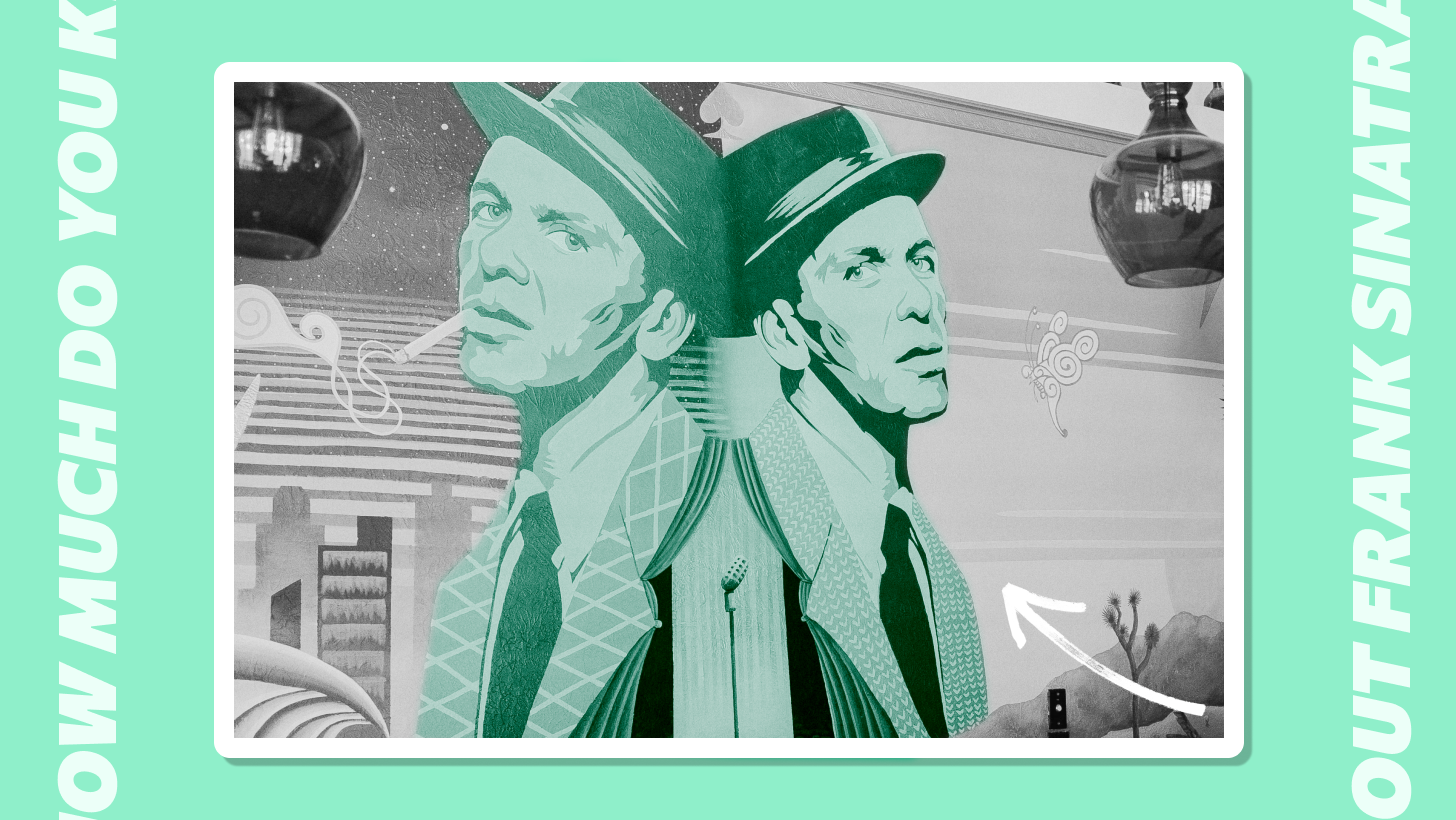
Frank Sinatra was one of America’s—and the world’s—most recognized artists, and even today, his name remains an unmistakable icon. We’ll never forget hits like "New York, New York," "My Way," "Fly Me to the Moon," and many others. And his last words were no less poetic than his life: "I'm losing," he allegedly said.

2
Groucho Marx

Image: Alan Hardman

They say humor follows comedians in all aspects of their lives—even to the very end. This was true for the great Groucho Marx, who passed away in 1977 at the age of 86 after bringing laughter to millions during his lifetime. As for his last words, there are two versions of the story, and both are funny! One version claims he said, " Die, my dear? That’s the last thing I’ll do! " while the other has him exclaiming, "This is no way to live!"

3
Buddy Rich

Image: Katherine Hanlon

Bernard "Buddy" Rich was a legendary American drummer renowned for his unique improvisational ability. He passed away at age 69 after brain surgery. Reportedly, his last words were a witty response to a nurse who asked if he was allergic to anything: "Yeah, country music," he said.

4
Donald O'Connor

Image: Nikko Balanial

Some artists never separate themselves from their work. Perhaps that’s what was going through the mind of dancer, singer, and actor Donald O’Connor—famous for his role in Singin’ in the Rain —when heart failure caused his death. His last words were, "I'd like to thank the Academy for my lifetime achievement award that I will eventually get." He still hasn’t received one.

5
George Washington

Image: Priscilla Gyamfi

George Washington will always be remembered as the Father of his Country, who led the Continental Army to victory in the Revolutionary War and served as the first president of the United States. In 1799, George Washington fell ill with respiratory infections that grew more severe over time. He passed away that year at the age of 67 at his Mount Vernon estate. According to historical accounts, his last words were an expression of acceptance: "Tis well."

6
T.S. Eliot

Image: anotherxlife

T.S. Eliot, the famous Missouri-born writer known for works such as The Waste Land and Four Quartets, passed away on January 4, 1965, at the age of 76. It's said that, in his last moments, the poet was reflective and serene, and his last word was the name of his love: "Valerie."

7
Joan Crawford

Image: Noom Peerapong

The great American actress Joan Crawford was much more than a pretty face. Her talent and complex personality were evident throughout her fruitful career, which was crowned with films such as Mildred Pierce . She died in 1977 of a heart attack. According to a biography, while a nurse was praying at her bedside, the actress exclaimed her last words: "Don't you dare ask God to help me!"

8
Humphrey Bogart

Image: JOSHUA COLEMAN

Say Casablanca, The Treasure of the Sierra Madre, and The Maltese Falcon, and one face automatically comes to mind: the iconic Humphrey Bogart. He was 57 years old when he died of cancer in 1957. According to sources, his wife, Laura, was leaving the hospital to pick up their children from school when he uttered his last words: "Goodbye, kid. Hurry back."

9
Eugene O'Neill

Image: Gwen King

Eugene O'Neill, the celebrated American playwright, faced numerous health issues throughout his life, which worsened in his later years. He passed away in 1953 at the age of 65. As one might expect from a talented playwright, his dramatic last words were full of intensity: "I knew it, I knew it! Born in a goddamn hotel room and dying in a hotel room."

10
Emily Dickinson

Image: Gülfer ERGİN

The famous poet Emily Dickinson is one of our country’s literary prides, known for beautiful works such as "Because I could not stop for Death" and "Hope is the thing with feathers." She was born in 1830 and died in 1886 in Massachusetts. Her last words were as poetic as her life: "I must go in, the fog is rising."

History History 4 min read

Historical misconceptions

No, George Washington did not have wooden teeth: Debunking American myths

Image: EricThriller

Did you really imagine George Washington with wooden teeth? Or Betsy Ross drawing the Star-Spangled Banner in a scrapbook? Some longstanding stories associated with US history are, after all, more myth than reality. Let’s explore what is fact and what is fiction about stories we have probably all heard!

1
George Washington had wooden teeth

Image: Todd Trapani

Washington suffered from dental problems throughout his adult life and did wear several sets of false teeth. However, he did not wear wooden ones.

They were made from materials like ivory, metal, and springs . The "wood" myth probably comes from the staining of ivory and from 19th-century caricatures.

2
Salem witches were burned at the stake

Image: Sofia Holmberg

We hold the long-standing belief that the accused Salem "witches" were burned like European witch victims.

However, in the Salem (and colonial New England) trials of 1692–1693, convicted witches were almost always executed by hanging ; burning at the stake was not the legal penalty under English law in the colonies.

3
Paul Revere rode and shouted, "The British are coming!" alone

Image: Mikhaël Noury

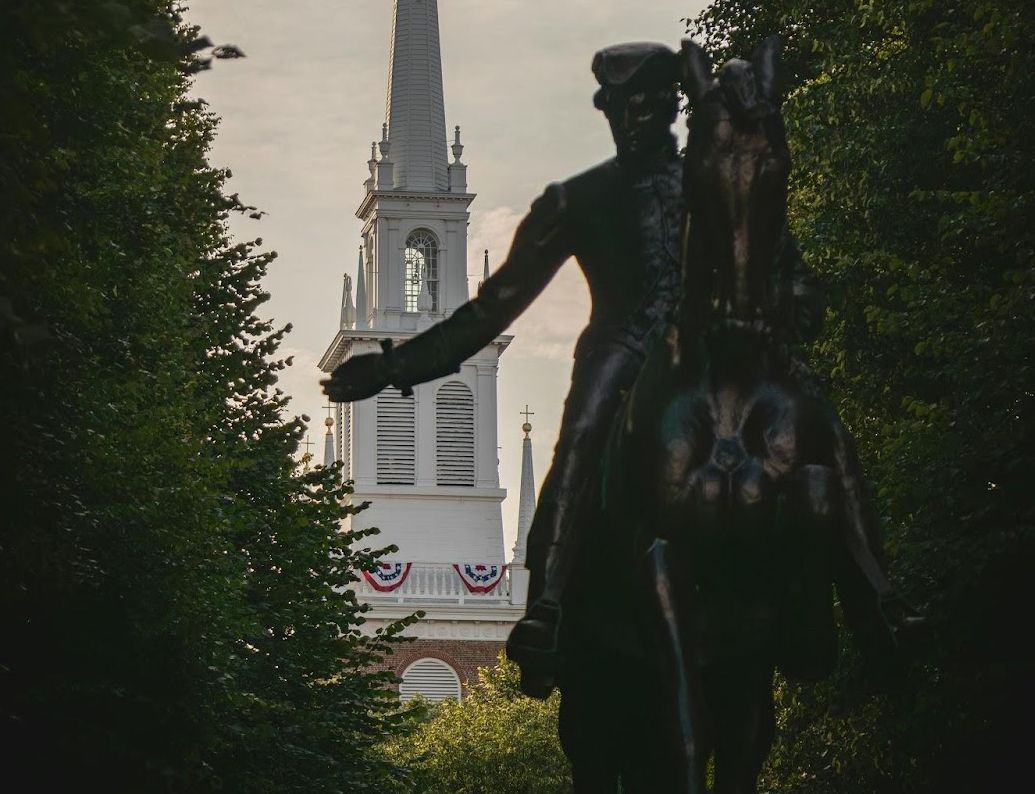
He may be riding alone in the Boston statue that represents the dramatic midnight ride in which he warned of the British troop movements.

But in reality, Revere was one of several riders who spread word of the British troop movements; Longfellow’s 1860 poem amplified and simplified the story, including the shouted line, which would have been unlikely among colonists.

4
Betsy Ross designed the first American flag

Image: Heather Newsom

We have heard again and again the myth that Betsy Ross stitched the first Stars and Stripes after being asked by George Washington. In reality, this tale grew from a family tradition promoted more than a century after 1776. Historians have found no contemporary documentation proving that she designed the first official flag.

The flag’s creation was likely more complex and collective. Ross has always remained a folk symbol, but there is no proof that she was the sole designer.

5
Mrs. O’Leary’s cow started the Great Chicago Fire

Image: raquel raq

The myth: a cow kicked over a lantern in Catherine O’Leary’s barn and caused the 1871 conflagration. The cow story originated in sensational newspaper reporting and later became part of folklore.

Investigations have never produced conclusive proof, and modern historians treat the O’Leary–cow tale as an unfair scapegoating and probably apocryphal. The fire’s precise origin remains a mystery.

6
"Molly Pitcher" was a famous woman who operated a cannon at Monmouth

Image: Foysal Razu

The story of Molly Pitcher, a single heroic woman who supposedly took over a cannon when her husband fell, may have been created to represent several women . The best documented candidate is Mary Ludwig Hays, but the legend also reflects the broader contributions of women who supported troops during the Revolutionary War, with or without having been widowed.

7
Davy Crockett died fighting to the last at the Alamo

Image: Eric Francis

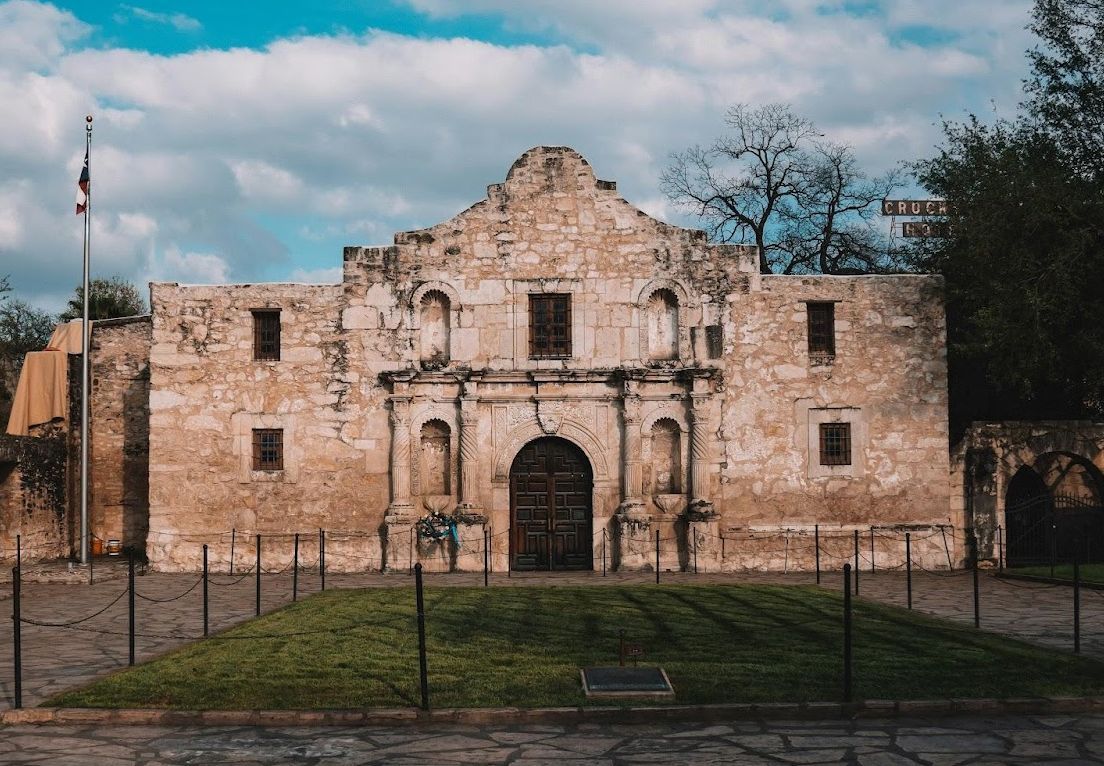
Did Crockett heroically fight to the death amid hand-to-hand combat at the Alamo? Well, that was indeed the location of his death, but sources conflict about the manner.

Some eyewitness accounts and Mexican records suggest he may have been captured and executed; other accounts describe him dying in combat. The neat heroic portrait was shaped by 19th-century myth-making.

8
The Declaration of Independence was signed on July 4, 1776

Image: The New York Public Library

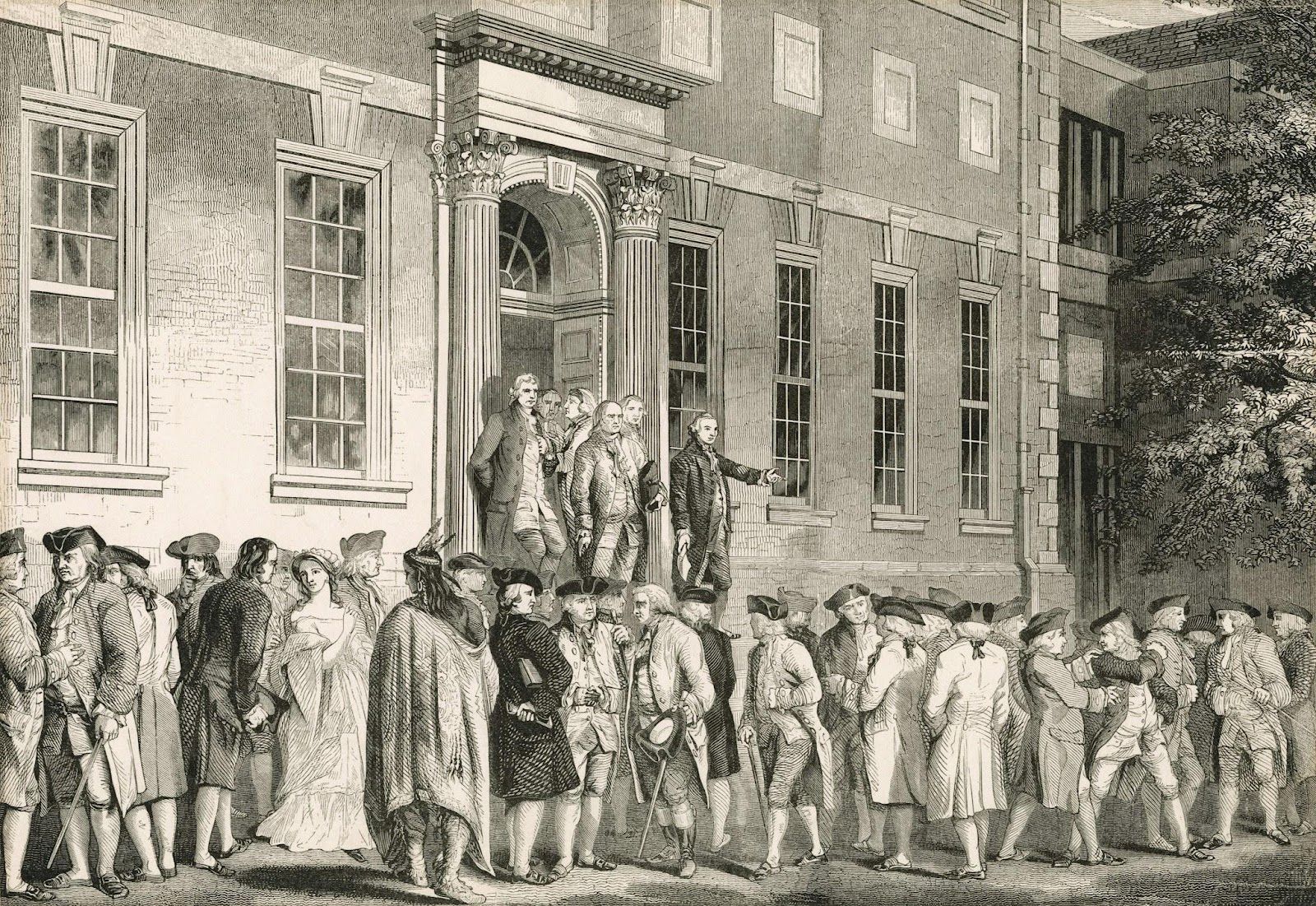
It is widely believed that all signers of the Declaration of Independence scribbled their names on it on July 4, which is why we celebrate that date.

Congress adopted the Declaration on July 4, but most delegates did not sign the parchment copy until August 2 of that year (and a few added their names even later). July 4 became the commemorative date for adoption and celebration, not the universal signing day.

9
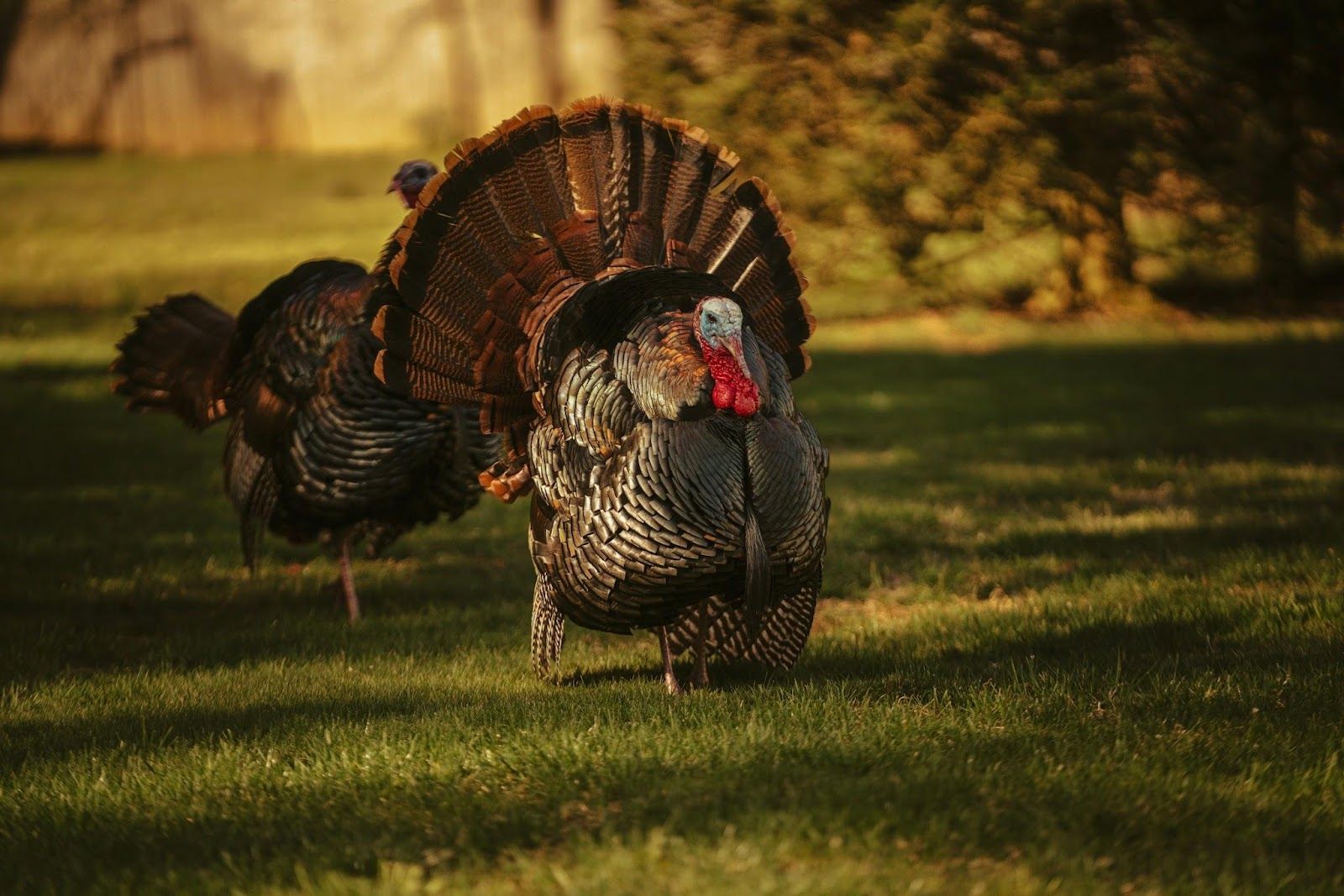
The Pilgrims’ "First Thanksgiving" centered on a big roast turkey, like today

Image: Tyler Donaghy

No, the 1621 harvest meal at Plymouth did not feature the same turkey-centered feast we picture now.

Accounts mention venison and wildfowl, but the menu and ritual context were very different from modern Thanksgiving dinners. The idea of an annualized, turkey-centered national holiday developed much later (19th century onward).

10
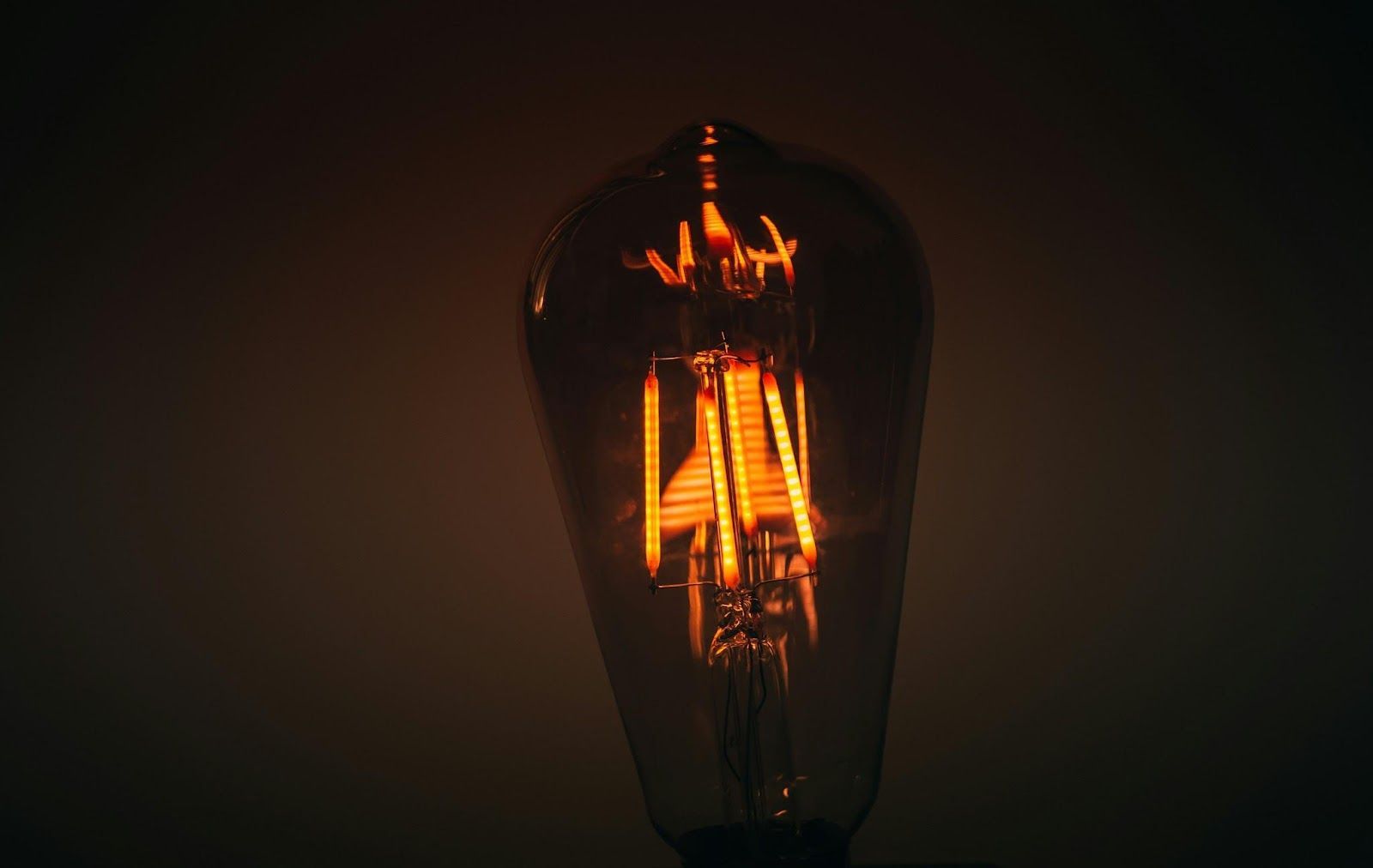
Thomas Edison single-handedly invented the light bulb

Image: Tamas Pap

Many believe that Edison alone invented the incandescent light bulb out of whole cloth. But electric light was the product of decades of work by many inventors (from Humphry Davy to Swan and others).

Edison’s contribution was significant improvements and the critical development of a commercially viable, manufacturable system, but he did not "invent" electric light in isolation.

11
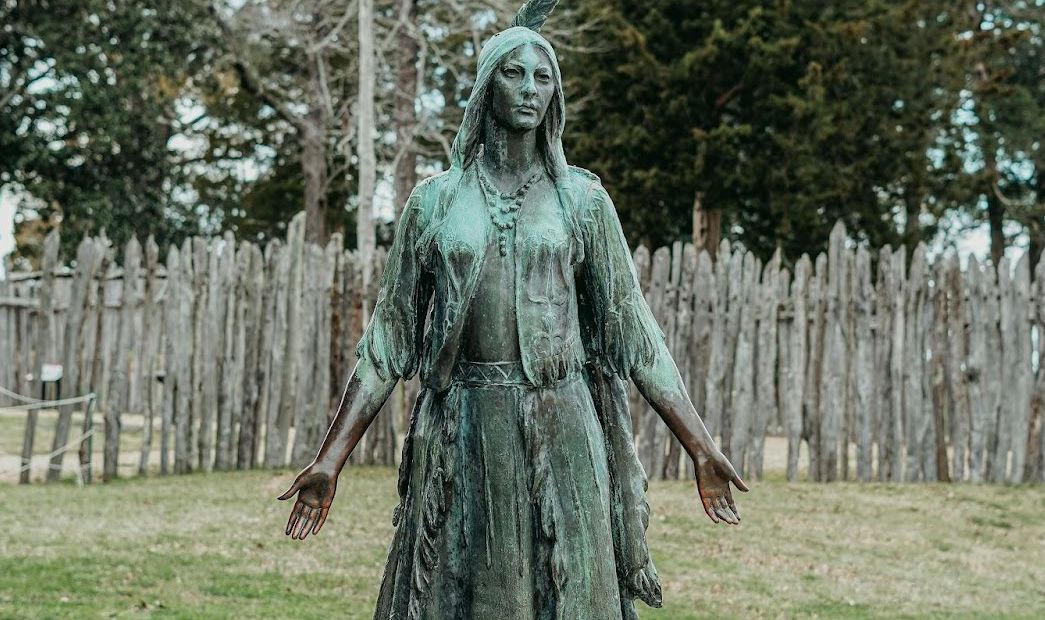
Pocahontas dramatically saved John Smith from execution

Image: EricThriller

The myth holds that Pocahontas heroically rescued Captain John Smith by throwing herself over him at the moment of execution.

Disney may have amplified the romantic and dramatic aspects of this story. John Smith’s account of a dramatic rescue appears in later writings and is debated by historians. Many scholars now interpret the scene as a ritual adoption or a ceremonial act rather than a literal rescue, or they suspect Smith embellished the story.

Explore more American facts

Choose your favorite category!

General
General

As American as apple pie—the very best America has to offer!

Culture
Culture

Delve into the astounding richness of American lore.

Geography
Geography

Hop in and explore vast and diverse American landscapes.

History
History

Discover the key moments that shaped the United States.