General General 6 min read

Happiness in a bowl

What’s your favorite cereal? The top 10 most popular brands in America
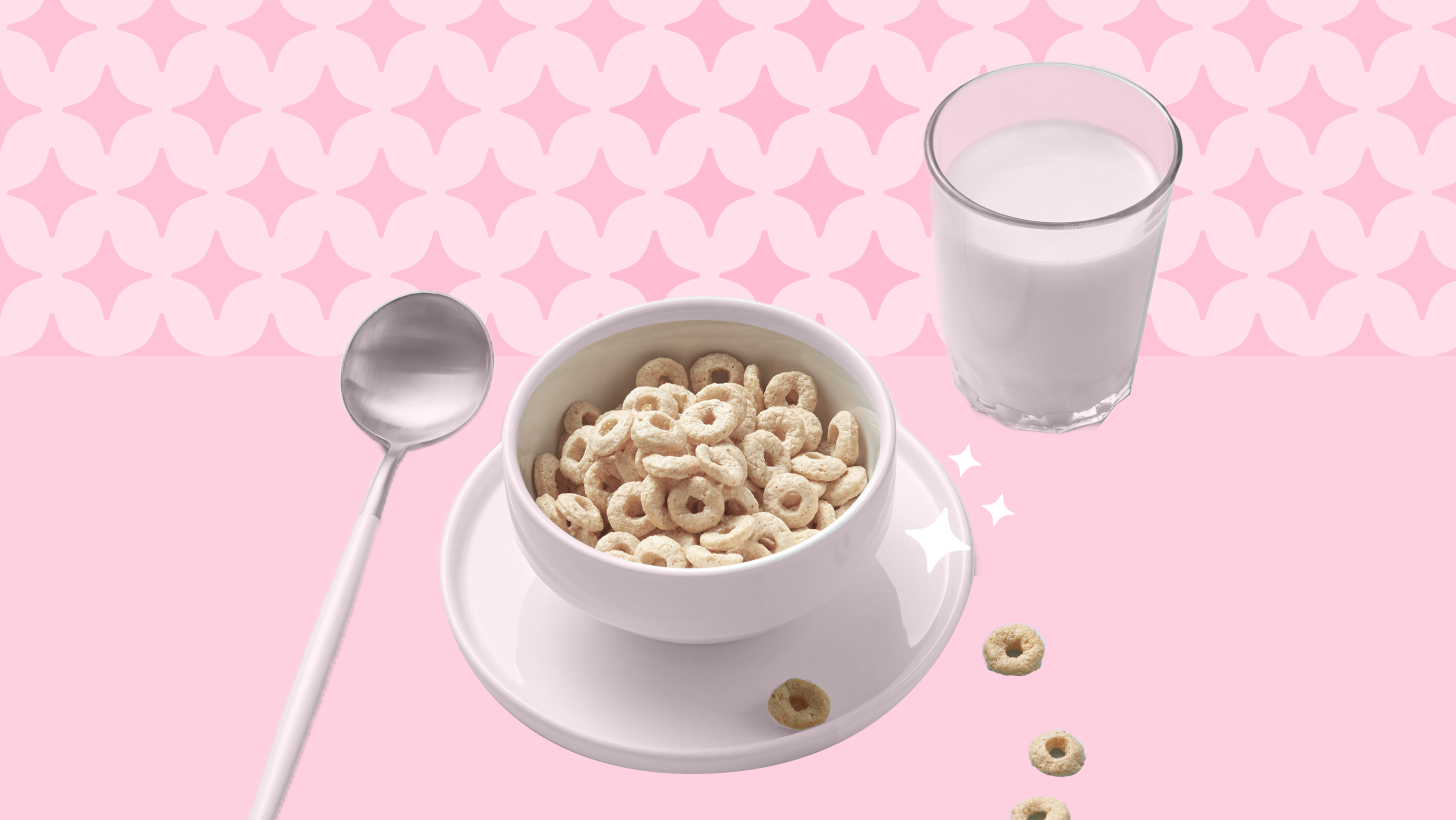
Image: DS stories

On any given day, one out of every two Americans starts his or her morning with a bowl of cereal. Altogether, Americans consume roughly 2.7 billion boxes every year. Although the story of cereal began around 10,000 years ago with the advent of agriculture, cold breakfast cereals are a more recent and decidedly American development that quickly expanded to the rest of the world. Whether you prefer Corn Flakes or Froot Loops over Cheerios and Lucky Charms, you'll likely find your favorite cereal in this article. Join us as we look back on 10 of America's most popular breakfast brands!

1
Corn Flakes

Image: Sten Ritterfeld

Who hasn't started their day with a bowl of Corn Flakes at least once? While Corn Flakes weren't exactly the first packaged cold cereal product sold in America, they are undoubtedly the most iconic. As early as 1902, William Keith Kellogg began mass production of his first cereal after proving its efficacy and popularity with patients at the Battle Creek Sanitarium, where he worked alongside his prestigious doctor brother.

The Kellogg brothers were focused on offering a healthier alternative to the traditional pork-and-beef heavy English-style breakfasts that most Americans were eating at the end of the 19th century. Therefore, they developed a process that allowed them to transform thin slices of cereal into small toasted flakes of wheat or corn. Since then, Corn Flakes, combined with fresh milk, have been one of the most popular breakfasts among Americans, young and old.

2
Cheerios

Image: Deena Englard

Did you know that a one-ounce serving of Cheerios contains nearly 250 individual "O's."? Crazy, right? Introduced in 1941 by the American company General Mills, Cheerios is one of the first oat-based ready-to-eat cereals and remains one of the most widely consumed in the United States.

Back in the 1930s, General Mills engineers tested more than 500 formulas and experimented with 10 different shapes and sizes before perfecting the now-iconic "O." They finally came up with the delicious cereal that offers the nutrients of 4 cereals: oats, corn, wheat, and rice. Today, there are about 20 different flavors of Cheerios available in the U.S., including Honey Nut, Chocolate, and Apple Cinnamon. Which one is your favorite?

3
Rice Krispies

Image: Lisa Fotios

Kellogg’s is one of the most influential breakfast cereal companies in the United States and the world, and we have them to thank not only for Corn Flakes but also for our beloved Rice Krispies. This breakfast cereal made from crispy rice first appeared on the shelves in 1928. It was revolutionary at the time because the company used a new patented process called "oven-popping" to manufacture them.

Rice Krispies’ success may have been due to its claim that the cereal would remain floating even after 2 hours in milk. The brand's classic slogan honoring this unique quality—"Snap! Crackle! Pop!"—was introduced around 1939 and is still used on packaging today. For decades, Rice Krispies has been one of the most popular cereals among consumers, so much so that even the Rolling Stones recorded a short song for a television commercial promoting the brand in 1964. Do you remember the catchy tune?

4
Cap'n Crunch

Image: Samantha Gades

Cap'n Crunch cereal, a combination of corn and oats, was developed in the early 1960s by Pamela Low, a flavorist who was inspired by a brown sugar and buttered rice recipe from her grandmother. Since its debut, additional flavors have been introduced, including Berries, Peanut Butter, and Chocolate.

But did you know that Cap'n Crunch’s full name is Horatio Magellan Crunch ? The iconic cartoon mascot was developed for the Quaker Oats Company by Allan Burns, a screenwriter and television producer who later co-created popular shows like The Munsters and The Mary Tyler Moore Show . Since its introduction in 1963, the late 18th-century naval captain, born on Crunch Island—a magical land in the Sea of Milk—has won the hearts (and bowls) of countless consumers across America.

5
Trix

Image: Sascha Bosshard

General Mills introduced Trix in 1954 as the first fruit-flavored cereal. Initially, it wasn’t marketed exclusively for kids, but because of the bright colors, it soon became a favorite among the little ones. When Trix was first launched, it featured round cereal balls in three flavors: "Raspberry Red," "Orange Orange," and "Lemony Yellow." It wasn't until 1991 that Trix became the first fruit-shaped breakfast cereal.

But as with other brands on this list, Trix is best remembered for its mascot rather than the cereal itself. In fact, the Trix Rabbit is one of the single longest-running ad campaigns in television history. Since the 1960s, the brand has kept the same character, the same slogan—"Trix are for kids!"—and the same storyline: the rabbit’s endlessly thwarted attempts to steal a box of cereal.

6
Frosted Flakes

Image: Engin Akyurt

If we talk about the sweetest cereals on the market, we cannot fail to mention Frosted Flakes. The concept and technology of a "frosted" cereal was developed in 1939 by Jim Rex, a salesman from Philadelphia who unfortunately didn’t have much success with his product Ranger Joe Wheat Honnies. The idea, though, was soon adopted by the breakfast cereal industry, and by 1952, Kellogg introduced Sugar Frosted Flakes to its lineup.

That same year, Kellogg launched a campaign featuring Tony the Tiger, Frosted Flakes’ famous mascot, who proudly declared, "Sugar Frosted Flakes are Grrr-reat! The slogan and the character became so popular in the United States that it's probably more quintessential than the cereal itself.

7
Lucky Charms

Image: Céline Druguet

The mini marshmallows found in Lucky Charms, whose technical and copyrighted name is Marbits , were invented, along with the cereal, by General Mills product developer John Holahan in 1963. One morning, he cut up a few orange marshmallow Circus Peanuts, mixed them into a bowl of Cheerios, and was delighted with the result. The rest, as they say, is history.

Lucky Charms is inspired by Irish culture. Its mascot, Lucky the Leprechaun debuted on St. Patrick's Day in 1964. The successful combination of this endearing character, delicious shaped oat pieces, and colorful little marshmallows was quickly embraced by children around the world. Tasty, crunchy, and fun, this cereal has undeniably revolutionized American breakfasts forever.

8
Froot Loops

Image: Yusuf Timur Çelik

Toucan Sam has been a part of our lives for more than 60 years now. Kellogg’s iconic mascot—a blue, anthropomorphic toucan with the ability to smell Froot Loops from great distances—was introduced alongside the O-shaped cereal in 1963.

Froot Loops were developed after Kellogg attempted to displace General Mills' Cheerios from the market. The idea of introducing fruity flavors proved to be a success, even though, years later, the company admitted that the different colors did not correspond to unique fruit flavors. In recent years, Froot Loops have faced criticism for their use of artificial colorings and high sugar content. Yet, they still have plenty of fans and they remain one of the best-selling cereal brands in America.

9
Cinnamon Toast Crunch

Image: Francisco Jacquier

Another popular breakfast cereal created by General Mills is Cinnamon Toast Crunch. In fact, the company sells over 100 million boxes a year of this brand alone, putting it just behind Cheerios and Frosted Flakes in sales. How about you—do you have a box of Cinnamon Toast Crunch waiting in your pantry?

These delicious little squares of whole wheat and rice, topped with cinnamon and sugar, were first launched in 1984 and were an instant hit. And it makes sense, given that, in a way, they were invented by a child. Cinnamon Toast Crunch was developed by General Mills scientists and product managers after an unnamed child suggested the idea of a cinnamon toast-flavored cereal during a radio contest. Since then, it has remained one of America's favorite cereals and we don't expect its popularity to wane any time soon.

10
Life

Image: Binyamin Mellish

More than 60 years after its creation, Life remains one of the top 10 best-selling cereal brands in the United States. Introduced on the market in 1961 by the Quaker Oats Company under the slogan "The most useful protein ever in a ready-to-eat cereal," Life is a multigrain cereal enjoyed by millions of family households across the country.

Like its competitor Trix, Life has also made history in marketing and advertising. A famous Life commercial featuring Little Mikey, a hard-to-please four-year-old boy, aired nationally from 1972 to 1984, making it the longest-running commercial in television history . Have you seen it? We bet you have!
Geography Geography 4 min read

Houses of memories

These are the most beloved stadiums in the US and here's why!

Image: Joshua Peacock

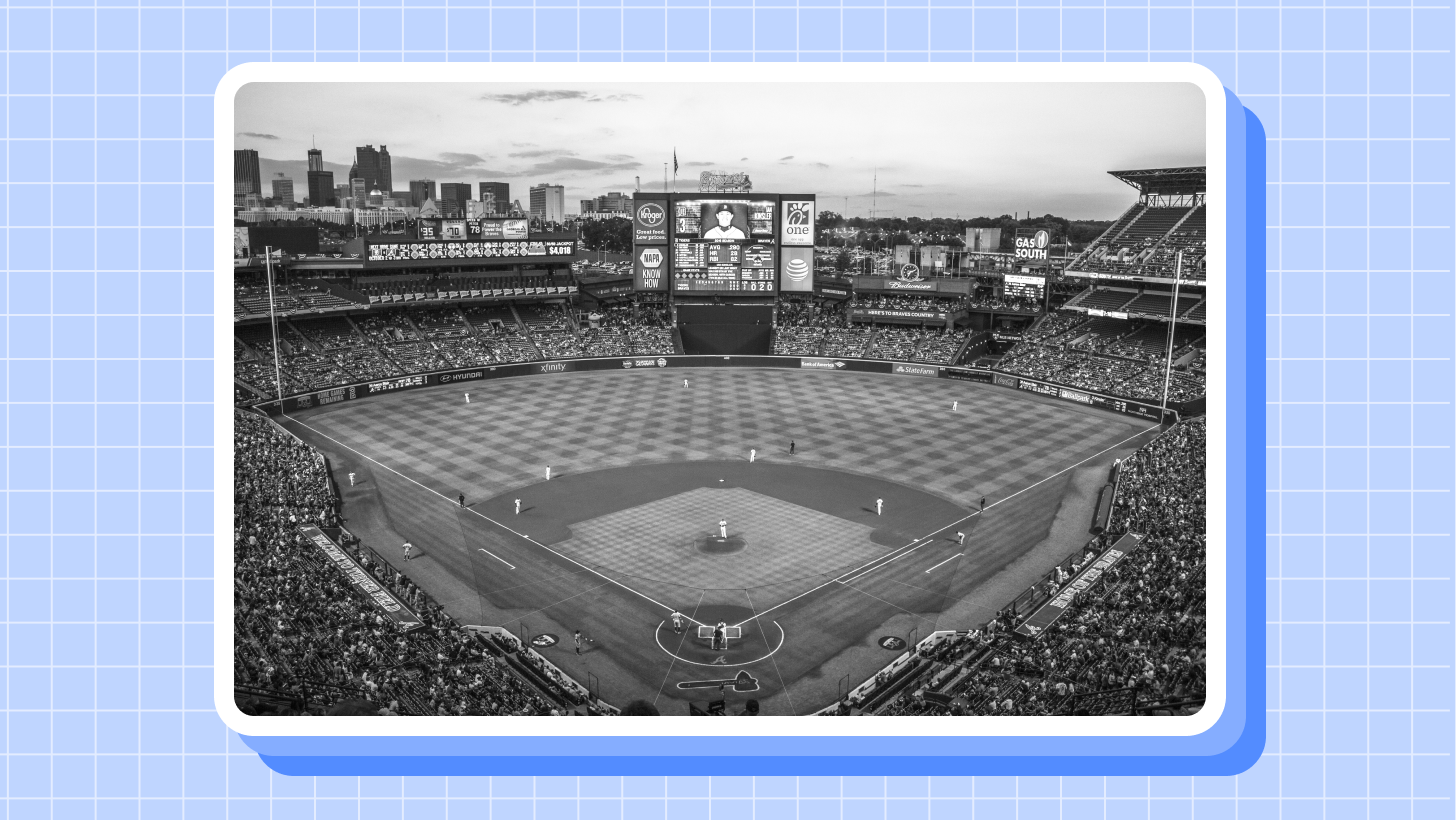
Either because we watched our favorite teams win their cups in those arenas, or because they served as a temporary stage for our favorite musicians, there are stadiums that we simply love . And, logically, we cannot be alone in our passion: Tenths of thousands of seats have created unique memories for each visitor. This is a list of some of the most beloved stadiums in the country –and why!

1
Lambeau Field

Image: Sunil GC

Lambeau Field is one of the USA’s most iconic venues. Holly ground for the fans of Wisconsin’s Green Bay Packers, this stadium can seat 81,441 spectators.

Lambeau has witnessed countless legendary moments in NFL history, from Vince Lombardi's coaching triumphs to Brett Favre's heroics and Aaron Rodgers' artistry.

The "Frozen Tundra" has also hosted memorable concerts, with artists like Paul McCartney and Kenny Chesney electrifying the crowd.

2
Mercedes-Benz Stadium

Image: Chrishaun Byrom

Georgia’s favorite is Mercedes-Benz Stadium. A striking architectural marvel built to seat over 71,000 spectators, and made as a multi-purpose venue.

That means it has seen unforgettable games by the NFL's Atlanta Falcons and MLS's Atlanta United FC, as well as the Super Bowl LIII, the 2018 MLS Cup Final, and the 2022 College Football Playoff National Championship.

Giant artists like Garth Brooks, Taylor Swift, and Beyoncé did take center stage there as well.

3
Michigan Stadium

Image: Aditi Bhanushali

"The Big House" is colossal: With over 107,000 seats, it’s the largest stadium in the United States . At least for now!

The venue is home to the University of Michigan Wolverines and is located in Ann Arbor, Michigan. It has seen games like the annual clash with Ohio State to the pageantry of homecoming.

The Big House has also hosted other events, like NHL games and international soccer games.

4
Dodger Stadium

Image: Jakob Owens

This beloved icon nestled in the hills of Los Angeles, California, is a favorite both because of its sweeping LA view and for its history.

With a seating capacity of over 56,000, this classic venue has been home to the Los Angeles Dodgers since 1962. It has been home to countless thrilling moments, from World Series victories to legendary pitching performances.

Beyond baseball, it has also hosted significant events, including concerts by The Beatles and Elton John, papal visits, and even Olympic ceremonies.

5
Arrowhead Stadium

Image: Samuel Myles

The roaring kingdom of the Chiefs is Arrowhead Stadium. This iconic cauldron is renowned for its deafening atmosphere, often called one of the loudest in the NFL.

It can seat over 76,000 spectators and has been the stage for countless memorable moments, from nail-biting playoff games to Super Bowl victories. Of course, it has also housed legendary musicians like The Rolling Stones and Taylor Swift in front of electrifying crowds.

6
Oriole Park at Camden Yards

Image: David McBee

Oriole Park at Camden Yards revolutionized the way baseball stadiums were built. With a seating capacity of over 45,000, this iconic Baltimore venue ushered in the era of "retro-classic" ballparks .

Camden Yards has witnessed Cal Ripken Jr.'s record-breaking consecutive games streak and numerous playoff runs. It also hosts major concerts: The first one was the one Billy Joel gave in 2019.

7
Yankee Stadium

Image: David Vives

The Old Yankee Stadium may have been "The House That Ruth Built," but its younger sibling is still carrying forward a legacy of decades.

The original structure held over 57,000 fans, slightly more than the new one, which opened in 2009 to offer modern amenities. It carries the spirit of its predecessor, which witnessed 27 World Series championships and countless legendary moments, from Babe Ruth's towering home runs to Lou Gehrig's farewell speech.

8
United Center

Image: Willian Justen de Vasconcellos

The United Center is dear to Chicago fans for being home to both the Chicago Bulls of the NBA and the Chicago Blackhawks of the NHL. It may not be the largest arena, but it has witnessed Michael Jordan's legendary performances and six championship runs!

Blackhawks fans cherish the memories of their own Stanley Cup victories celebrated within its walls. It has also become a major concert venue where popular artists celebrate sold-out shows.

9
Rose Bowl

Image: BookBabe

The Rose Bowl is a National Historic Landmark. Nestled in the Arroyo Seco of Pasadena, California, this one is a stadium steeped in tradition.

The college football classic Rose Bowl Game is held here annually to a sweeping audience of around 92,000 in attendance. It has also hosted two Super Bowls, the 1994 FIFA World Cup Final, and the 1999 FIFA Women's World Cup Final.

10
Madison Square Garden

Image: Pedro Bariak

"The World's Most Famous Arena" is even more than that: it’s a legendary landmark in the heart of New York City. Its current structure is its fourth iteration, but it remains a classic venue for unforgettable events.

Home to the New York Knicks (NBA) and the New York Rangers (NHL), the Garden has witnessed countless thrilling games and championship victories. It’s also been the stage for some of the most memorable concerts in music history, featuring legendary artists from Elvis Presley to Beyoncé.

11
Wrigley Field

Image: Heather Maguire

Wrigley Field is a beloved baseball shrine in Chicago's Wrigleyville neighborhood. Home to the Chicago Cubs, it has been a cherished landmark since 1914.

Wrigley's ivy-covered walls, hand-operated scoreboard , and vintage atmosphere evoke a sense of nostalgia that few stadiums can match. Beyond baseball, Wrigley has also hosted concerts by major artists like Pearl Jam and Guns N’ Roses, and even a few NFL games in its early years.

12
Fenway Park

Image: Clark Van Der Beken

Finally, there’s Fenway Park, Boston’s center of Red Sox fans. As the oldest ballpark in MLB, Fenway has been the subject of several renovations and is today full of quirks, like the towering Green Monster wall, or the totem-like Pesky's Pole .

In 2021, Fenway was added to the National Register of Historic Places.

General General 5 min read

Stay out of trouble!

Is that a crime? 10 of the most bizarre laws in America

Image: Tingey Injury Law Firm

America is known as the land of the free, but we also have a lot of laws and rules that allow us to live together as a community. While most of us are familiar with major laws, did you know that many states, cities, and towns have some very specific and unique rules? Some of the laws highlighted in this article may seem strange, obscure, or downright ridiculous, but keep in mind—they exist for a reason. Read on to discover 10 weird and funny laws sanctioned across the U.S. you probably didn't know existed.

1
Beware of the banana peel!

Image: SHVETS production

It might sound like a scene straight out of The Three Stooges , but we assure you, this was once a legitimate concern. It’s no myth that residents of Waco, Texas are forbidden from eating bananas and tossing the peels into the street. Lawmakers feared horses could slip on the peels and injure themselves.

This is also true for Elmira, New York. A city ordinance from 1899 stated that no person could throw any banana peels—or any other fruit skins—onto the sidewalk. As it happens, back when bananas were introduced to the northern states, they were very cheap and people usually bought them in bulk. The surplus was huge and the waste was becoming a problem. In fact, in 1893 a woman sued the city after slipping on a banana peel, falling on the sidewalk, and breaking her leg.

2
Dueling candidates

Image: various illustrators, Public domain, via Wikimedia Commons

It may sound old-fashioned, but this law is still in effect in West Virginia. To be eligible as governor, a candidate must not only be at least 30 years old and have resided in the state for at least five years preceding the election, but they must also never have participated in a duel.

According to §6-5-7 of the West Virginia Code, any citizen who sends or accepts a challenge or participates in a duel with deadly weapons "shall ever thereafter be incapable of holding any office of honor, trust or profit in this state." By the end of the American Civil War dueling had become almost obsolete, but for some reason, The Mountain State is one of the few states that still hasn’t repealed its dueling laws.

3
Extraterrestrial exposure

Image: Bradley Dunn

Despite popular opinion, Title 14, Section 1211 of the Code of Federal Regulations did not make it illegal for Americans to have contact with extraterrestrials or their vehicles. Instead, the law was enacted just before the Apollo 11 mission to give the government authority to quarantine astronauts in case they became contaminated with an alien virus during their moonwalk.

This regulation, best known as the Extra-Terrestrial Exposure Law was adopted by NASA in 1969. It stipulated that astronauts be kept in isolation for 21 days after their liftoff from the Moon in case there was a remote possibility that they were harboring "unknown lunar organisms that might endanger life on Earth." The rule was revoked in 1977 and formally repealed in 1991.

4
Women vote

Image: See page for author, Public domain, via Wikimedia Commons

Did you know that although American women were not universally granted the right to vote until 1920, state laws in New Jersey allowed them to vote as early as 1776 ? In 1790, when the New Jersey State Constitution was reformed, it formalized what the previous constitution had only implied: that propertied women could vote.

A few years later, a law expanded the previous election reforms and allowed women without "clear estate" to vote too. So, after the adoption of this 1797 law, the number of women voters at the polls significantly increased. New Jersey women enthusiastically exercised their rights until 1807, when the state finally restricted voting to white men.

5
Keep it classy

Image: Clay Banks

If you want to live in North California, you have to follow some rules of good taste. In 1998, the city of Wilson outlawed the keeping of upholstered furniture on front porches, on the basis that the practice was unsightly and tacky.

A year later, the town of Morganton followed suit, outlawing couches, recliners, and similar indoor furniture from verandas and yards. Mel Cohen, the city mayor at the time, said that outdoor furniture was drawing many complaints, so the city embarked on a quest to "beautify" the neighborhoods. Violators of the ordinance could be fined up to $300 for their offense.

6
Three-second hugging

Image: Mary Taylor

By the beginning of the 21st century, the rules of public displays of affection seemed to be changing and left previous generations in a state of confusion. In 2009, after noticing an increasing number of students embracing in the hallways, school officials in Hillsdale, New Jersey, implemented a "three-second hugging" rule. Apparently, adults were concerned that the constant displays of affection could disrupt the flow of hallway traffic.

Teenagers argued that the gesture was entirely unromantic and merely a way of saying "hello." However, schools preferred to go back to the old handshake in order to maintain an atmosphere of academic seriousness and to prevent any instances of unwanted physical contact.

7
Blue sundaes

Image: Markus Spiske

Ever heard of "blue laws"? Blue laws are rules that once banned certain activities on Sundays, adopted originally for religious reasons. Blue laws often restricted business and recreational activities to encourage observance of the Christian day of worship.

For example, buying ice cream on Sundays was once illegal in Ohio because it was thought to be frivolous and luxurious. To circumvent this law, ice cream vendors began adding fruit toppings to disguise the frozen treat below and make it appear more "nutritious." This clever workaround ultimately led to the creation of the ice cream sundae.

8
Poking turkeys

Image: RDNE Stock project

Finding the perfect Thanksgiving turkey can be an artistry or a real challenge. How can you ensure that the well-rounded breast you pick up in the supermarket’s poultry section will turn into a delicious, juicy treat?

Everyone has their own strategy, but depending on which state you are in, your method might actually be illegal without you even knowing it. For example, did you know that in Los Angeles, California, it is prohibited to poke a turkey for sale in a meat market to check its tenderness? Don’t say we didn’t warn you!

9
Permanent marks

Image: Linda Xu

Carrying a marker in your pocket, purse, or backpack while walking the streets of California could land you in trouble. In the Golden State, it’s illegal to possess "broad-tipped indelible markers" —a.k.a. permanent markers—in a public space. Any person carrying a chisel, an awl, an aerosol paint container, or a harmless felt tip marker can be accused of committing vandalism.

The law is in place to curb graffiti and other forms of unauthorized street art. It is considered a misdemeanor and can be punished with up to 90 hours of community service, typically scheduled outside of school or work hours.

10
Go nuts!

Image: Vladislav Nikonov

Nuts can be a real problem for many people with food allergies. But even so, these laws prohibiting the consumption of nuts in public places may surprise you. For instance, in Boston, Massachusetts, it’s illegal to eat peanuts in church . Meanwhile, in Charleston, South Carolina, eating nuts on a public bus can result in a fine of up to $500 and as much as 60 days in jail.

If you thought it couldn't get any more specific than that, hold your horses! In Ridley Park, Pennsylvania, people are not allowed to eat peanuts while walking backward in front of the Barnstormers Theater during a performance. Probably the craziest law on this list, don’t you think?

Explore more American facts

Choose your favorite category!

General
General

As American as apple pie—the very best America has to offer!

Culture
Culture

Delve into the astounding richness of American lore.

Geography
Geography

Hop in and explore vast and diverse American landscapes.

History
History

Discover the key moments that shaped the United States.