General General 4 min read

Which is the craziest street name you remember?

Which are the strangest street names in America?
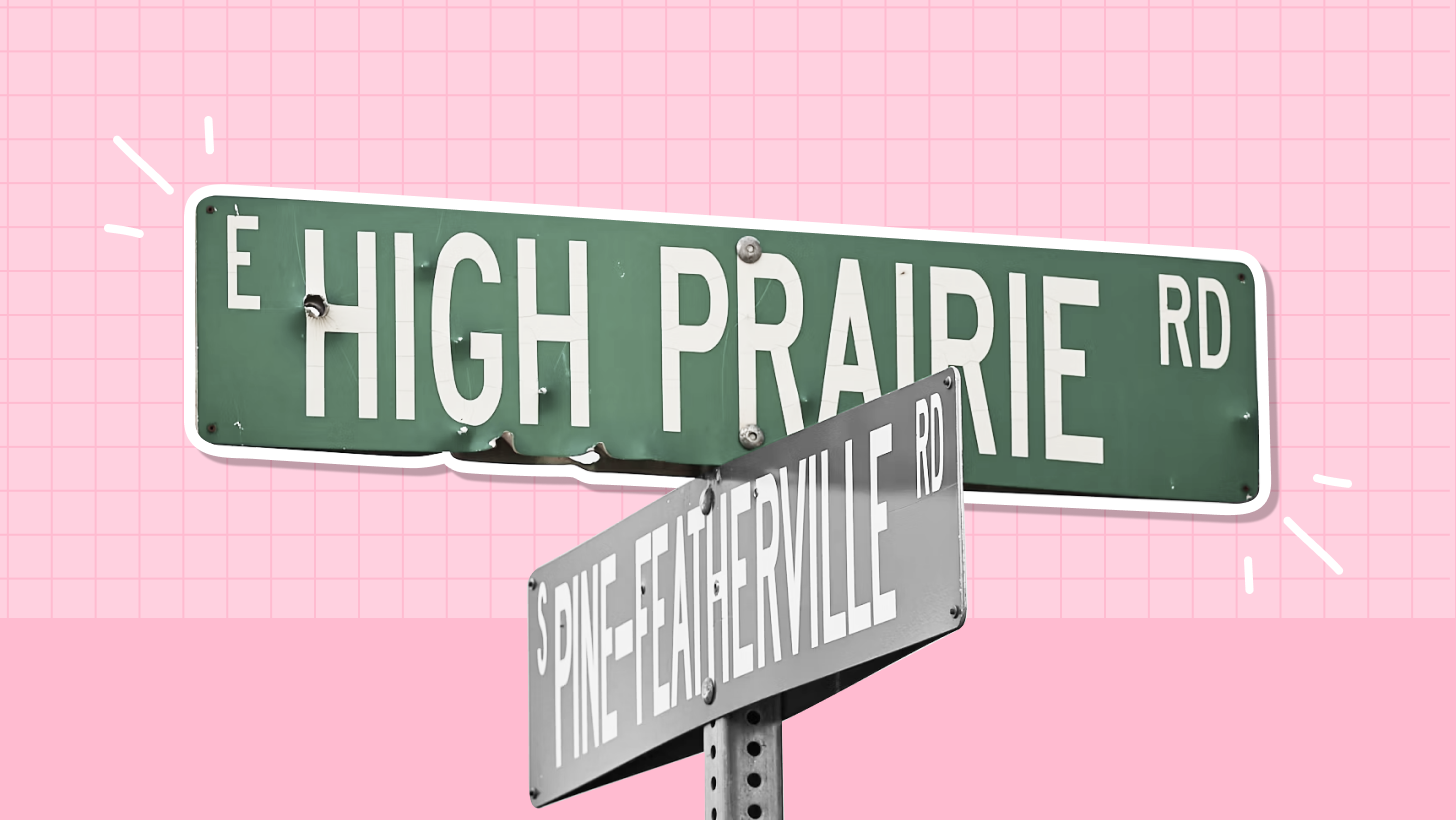
Image: Albert Stoynov

"Maple" is a good name for a street, yes. But we already have many of those. Streets with names that stand out are easier to remember, and the ten examples provided in this list are memorable, to say the least. From a street named Pig’s Eye Lake to a road named Psycho Path, America displays its creativity and humor at every corner. Did you know any of these?

1
Frying Pan Road

Image: Ashwini Chaudhary(Monty)

As we discuss our first entry on the list, we must prepare you for the incoming spoonful of roads and streets named after various things, starting with the namesake one. There is a suburb in Hendon, Virginia with a community named Fryin Pan that dates back to at least the 1700s. However, in the 1890s, they changed the name to Floris. The original name has remained as a road.

2
Chicken Dinner Road

Image: Karyna Panchenko

Believe it or not, there is a road in Idaho called Chicken Dinner. According to the main story, the origin of the name lies with a resident who lobbied the governor to improve the road outside her house. Laura Lamb was known for her chicken, and when a couple of vandals painted the words "Lamb's Chicken Dinner Avenue" on the freshly oiled road, they inadvertently christened the street with the name that is known today.

3
Bad Route Road

Image: Markus Spiske

While the name doesn’t sound very enticing, a trip down this residential Montana street may not be as bad an idea as it sounds. This street possibly received its unfortunate name from Bad Route Creek, an offshoot of the Yellowstone River. The creek's name itself may have originated from the difficult conditions and the challenges faced by early explorers and settlers in the region.

4
Psycho Path

Image: Jorge Salvador

It was voted as the nation’s wackiest street name, and for good reason. Psycho Path is a small private road in Traverse City, Michigan . Owners of private roads can register whatever name they choose with the local authorities. We prefer to think that the owner of this road is not a particularly dangerous person but rather someone with a sense of humor.

5
Alcohol Mary Road

Image: Timothé Durand

A memorable street named, indeed—Alcohol Mary Road in Greenwood, Maine, is named after a local woman who was known for producing alcohol during the Prohibition years. To the residents, it symbolizes the town's spirit of independence.

The Hertell family, who lives on the road and has a family matriarch named Mary, has grown tired of fielding questions about whether their beloved grandmother was an outlaw.

6
Zzyzx Road

Image: Diego Jimenez

Sounds like "Six Six," but it’s not spelled in the same way. Not only is there a town in Southern California named Zzyzx, but there is also a street that leads to the town.

According to the story, Curtis Howe Springer created the name Zzyzx and gave it to the area in 1944, claiming it to be the last word in the English language.

7
Five Forks Trickum Road

Image: Prayag Tejwani

There is a road in Gwinnett County, Georgia , named Five Forks Trickum Road, which has only four forks. The reason for this is simple: in decades past, it once had a five-fork intersection.

As for the "Trickum" part, local lore suggests that this comes from a shop owner who once lived there, and often swindled customers out of their money.

8
Liquid Laughter Lane

Image: Surface

A poetic image if we ever heard one, Liquid Laughter Lane is a real street in Columbia, Maryland . When the local community was planned, names for the streets were needed and the team in charge of coming up with these names resorted to statistics, demographics, and geographical locations, among common elements. But they also took inspiration from things like literature and poetry, which helped them come up with beautiful names like Liquid Laughter Lane.

9
Pig’s Eye Lake Road

Image: Fabian Blank

Pig’s Eye Lake Road is a nod to an actual person named Pierre "Pig’s Eye" Parrent (nicknamed as such because he had only one eye), who played an important role in the history of St. Paul and Minnesota . He established a tavern that served as a meeting place for traders and settlers, making it a focal point in the community.

Today, Pig's Eye Lake Road continues to serve as a reminder of the area's history and the colorful characters who contributed to its development.

10
Ninth and a Half Street

Image: Nick Hillier

Since the second part of an address is typically a number, it is advisable to name the first part with a word rather than another number; however, there are exceptions. Ninth and a Half Street runs along the north-south boundary between what used to be Old Nebraska City and South Nebraska City (which now make up Nebraska City).

If you are wondering where this name came from, it has to do with the fact that the city was formed from three preexisting cities, and when they went to rename the streets of the newly formed city, the numbers didn’t quite line up.

History History 3 min read

Lawn and order

How the American lawn was born: 10 moments that shaped our frontyards

Image: Gunnar Ridderström

The American lawn didn’t sprout overnight. It grew from European ideals, industrial changes, suburban planning, and clever marketing. From elite colonial estates to postwar tract homes, each step shaped how grass became a national obsession. Here are 10 factual milestones that explain how a simple patch of green became a defining feature of U.S. domestic life.

1
European origins

Image: Martin Zenker

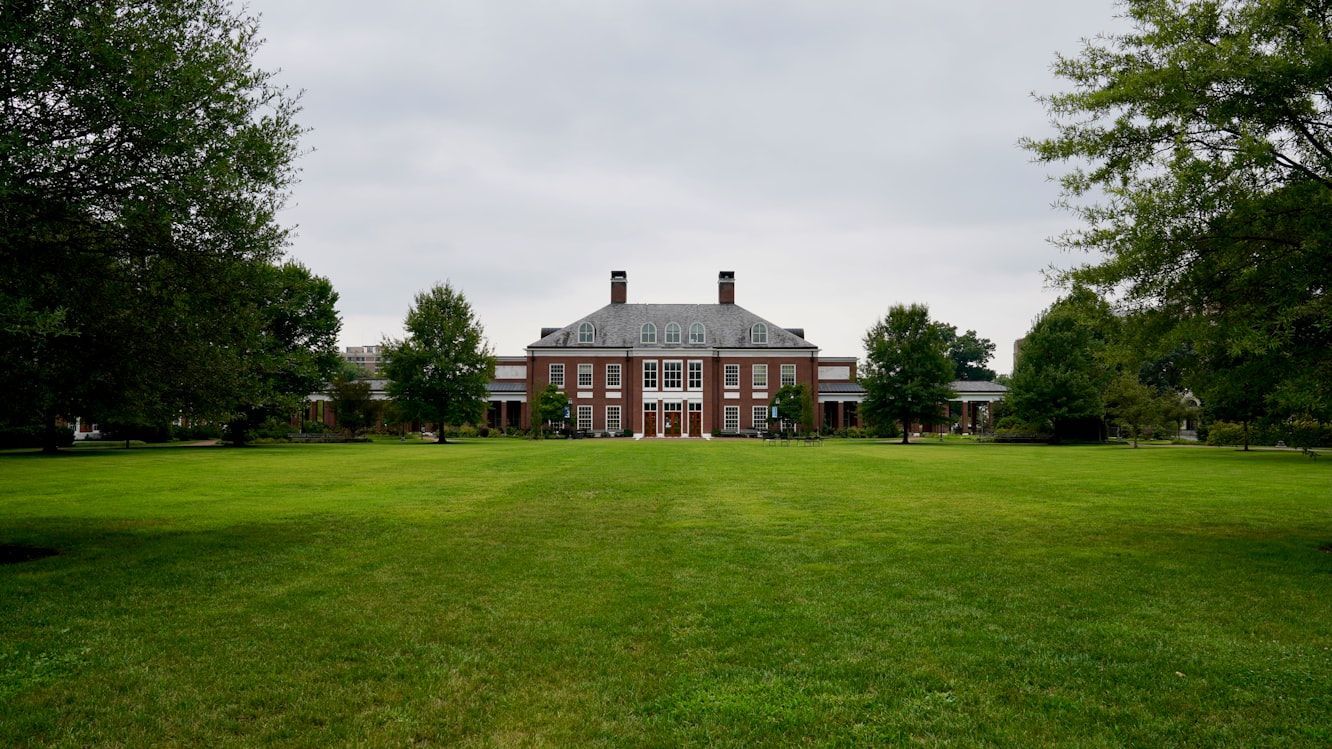
Lawns — and by lawns we mean closely mown grassy spaces — began appearing in 17th- and 18th-century Britain and France as signs of wealth. This was because only aristocrats or large estates could afford to keep grass short and manageable.

Before mechanized tools, scythes, shears, or grazing animals were used to maintain lawns, so turf was largely limited to those who could own the necessary manpower or animals. Early American colonists imported these aesthetics and tried to replicate them in their architecture and homes, albeit less formally.

2
Public parks set the bar

Image: Carl Newton

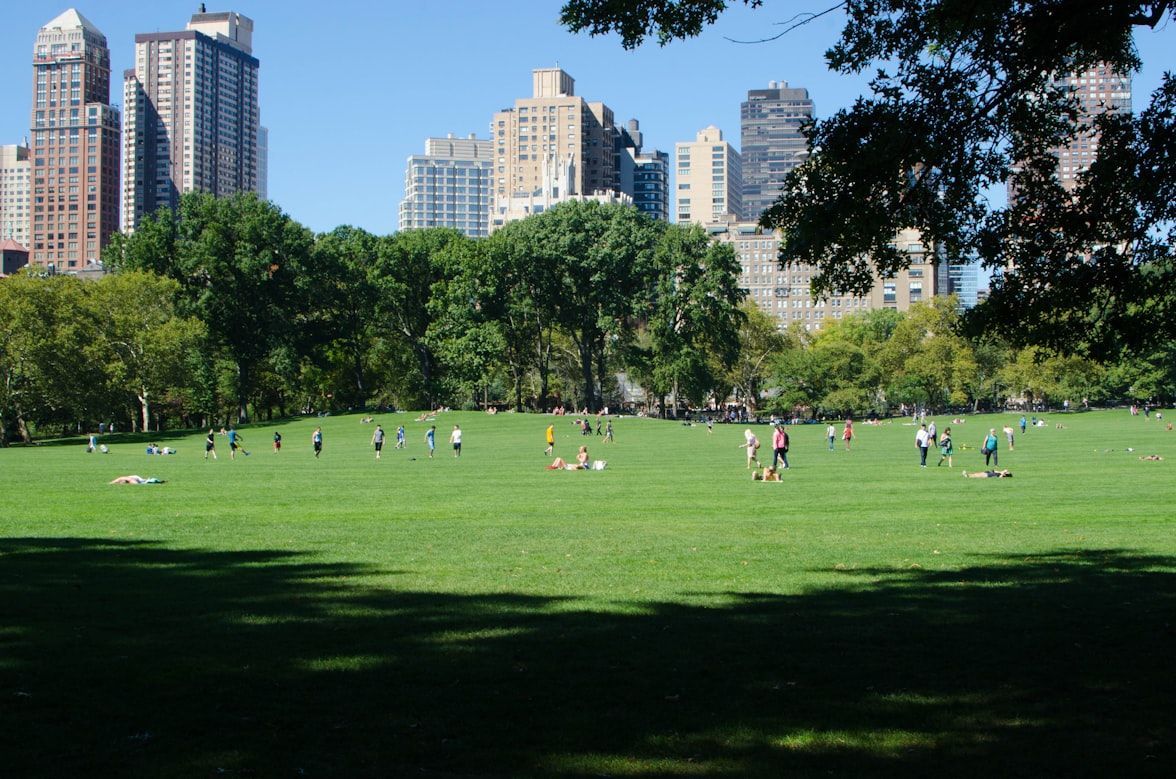
Early urban park designers, strongly influenced by European landscaping ideas, laid out wide expanses of turf in city parks, showing the public a "civilized" green aesthetic. That made clipped lawns part of the civic-space ideal, and not just a private luxury.

These parks helped cement the association between grass lawns, order, leisure, and modern urban life in American culture.

3
Mechanical breakthroughs

Image: Daniel Watson

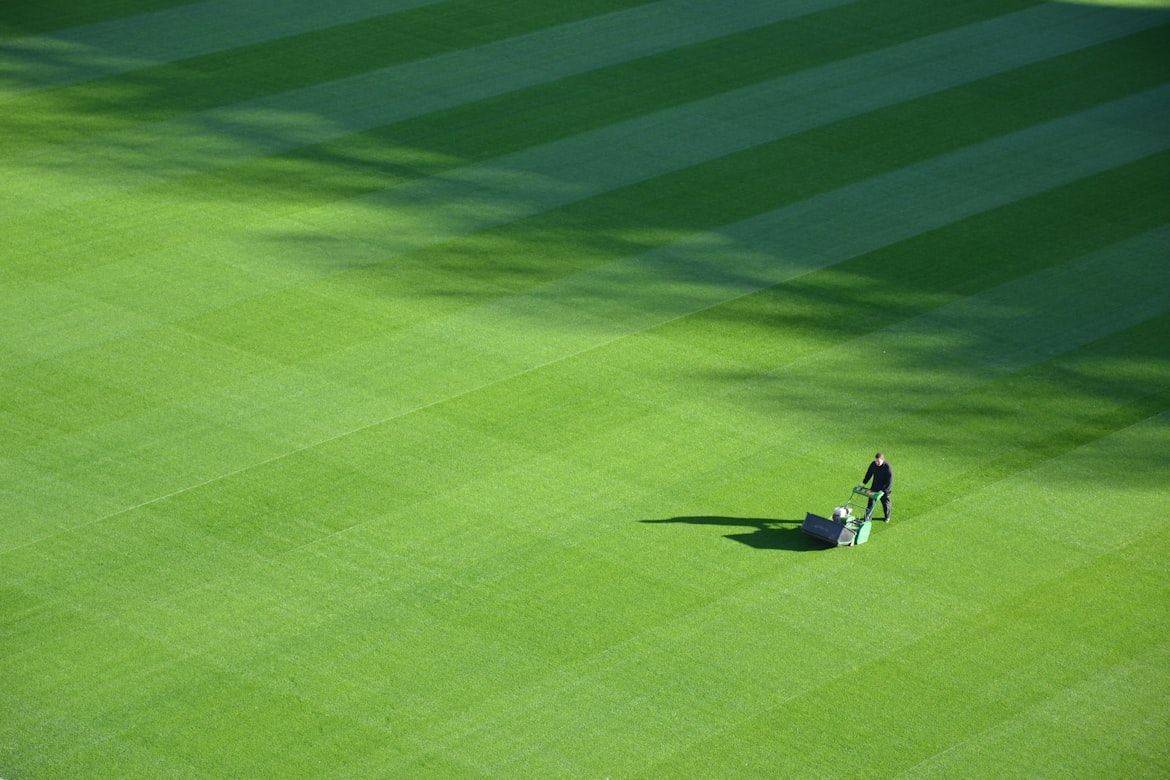
In 1830, English engineer Edwin Beard Budding patented the first mechanical lawn mower, inspired by a wool-mill reel used to trim cloth.

Budding’s design used a cylinder of blades powered by a rear roller, making it easier to cut grass evenly, and largely replaced laborious scything or grazing, cutting down the cost of maintaining such status symbols in the process.

4
Et pluribus lawnus

Image: Gang Hao

Once affordable lawn mowers—including lighter push-mower variants in America—became popular, maintaining a lawn became feasible for aspiring middle-class homeowners.

This sparked a major transformation in both private and public architecture, as many well-to-do homes that before could not afford it began attempting to replicate the European lawn style in some fashion or another.

5
Suburban dreams

Image: Venrick Azcueta

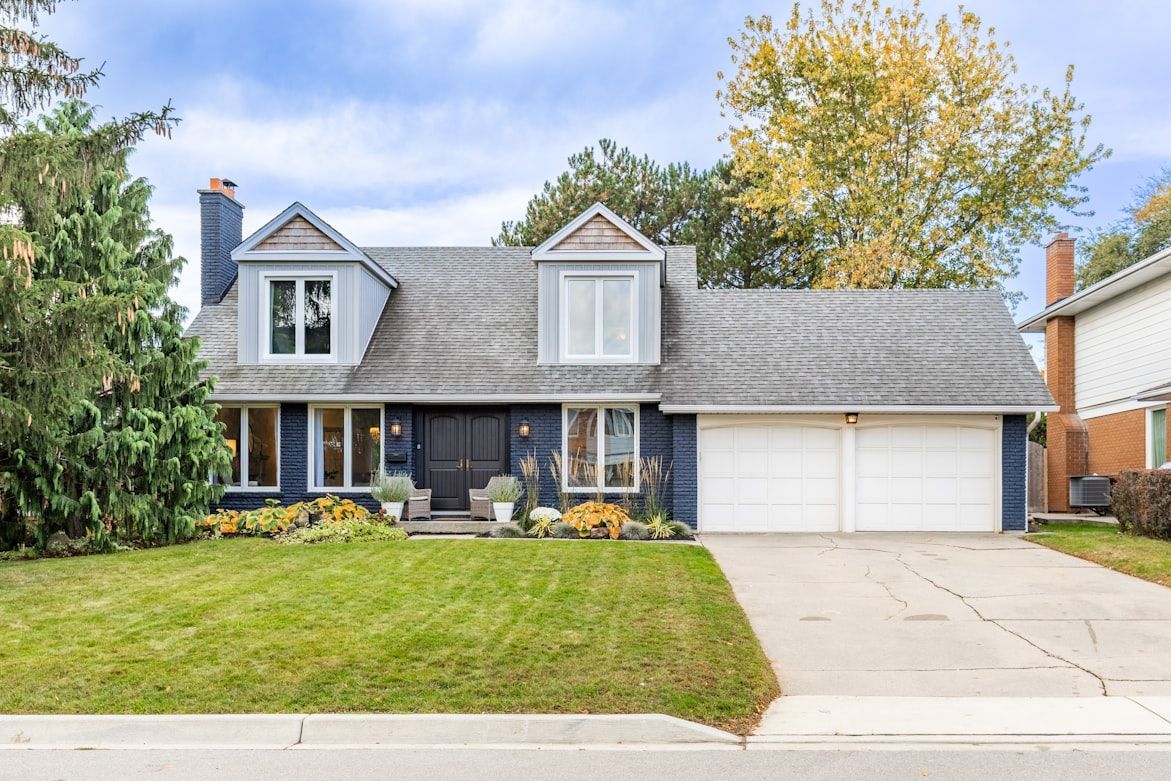
For decades, lawns remained a steady feature of American architecture and green-space design; however, it wasn’t until after WWII that the true lawn boom began. Returning veterans and government-backed mortgages fueled rapidly expanding suburbs.

Developer William Jaird Levitt and his company built thousands of nearly identical homes, each with its own front and back lawn. By the 1950s and ’60s, lawns had become central to the "American Dream," symbolizing stability, middle-class respectability, and neighborhood uniformity.

6
A bit of chemical help

Image: Victor Furtuna

After the war, synthetic fertilizers (derived partly from wartime chemical technologies) became widely available to consumers, enabling lush, uniform lawns even in soil and climate conditions unsuited to grass.

This lowered the barrier to achieving a "perfect" lawn, further popularizing lawns as part of the American identity and raising the expectations of what the perfect lawn should look like.

7
Begone, pesky weeds!

Image: Dmitry Burdakov

In addition to fertilizers, in 1944, researchers discovered 2,4‑Dichlorophenoxyacetic acid (2,4-D), the first widely effective selective herbicide — killing broadleaf weeds while leaving grasses largely unharmed.

Deployed commercially soon after WWII, 2,4-D made maintaining uniform, weed-free lawns much easier and was quickly adopted in home lawn products.

8
Thou shalt keep thy lawn green

Image: Tiago Rodrigues

As suburbs proliferated, lawn maintenance became a shared social norm — homeowners' associations and neighborhood covenants often started to expect regular mowing and upkeep.

Keeping a well-groomed lawn became not just an aesthetic choice but also a mark of civic responsibility and conformity to norms.

9
Environmental worries

Image: Rémi Müller

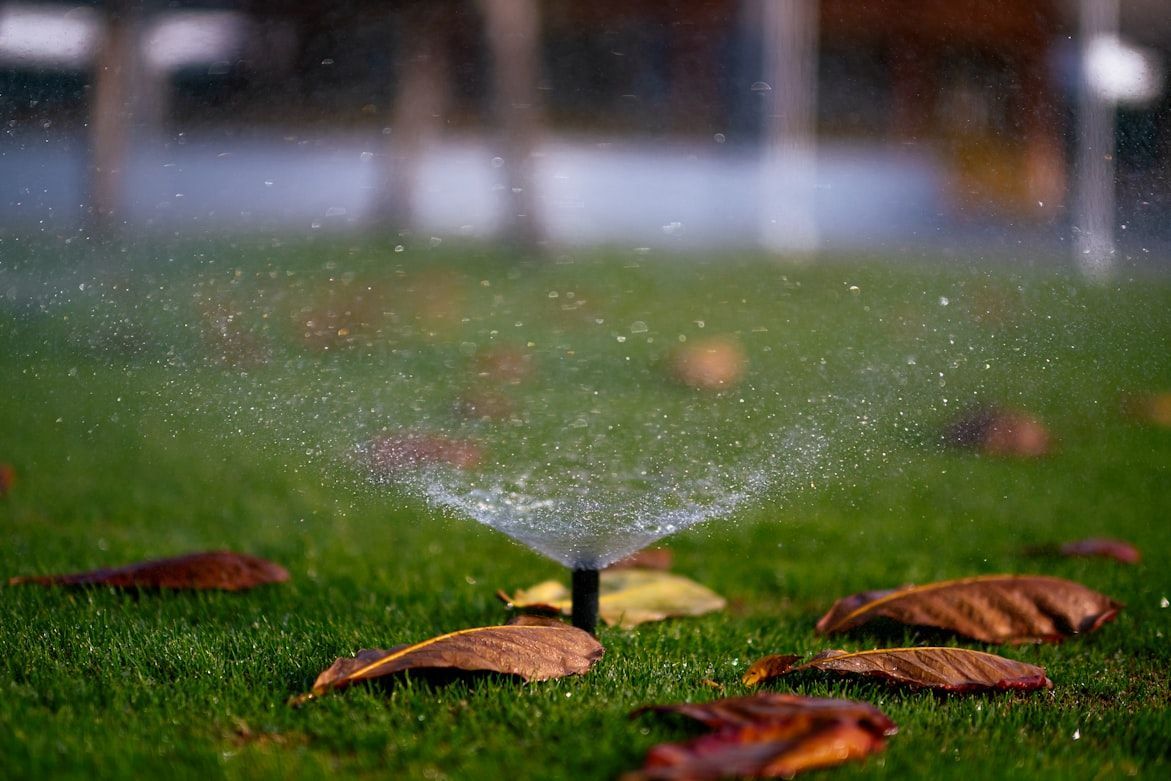
By the mid- to late 20th century, the ecological cost of the lawn aesthetic became visible: heavy water use for irrigation, chemical runoff from fertilizers and herbicides, and reduced biodiversity as a consequence.

These drawbacks spurred both scientific and public debate about the sustainability of the traditional lawn model — especially in water-scarce regions, where it was both impractical and resource-intensive.

10
The birth of mixed lawns

Image: Ruben Sukatendel

Growing environmental awareness, droughts, and changing tastes have prompted many homeowners and municipalities to adopt drought-tolerant landscaping, native plants, or mixed-species yards instead of the traditional uniform turf.

As a result, today the "ideal lawn" is evolving as we speak: classic turfgrass still remains common, but alternative yard styles now offer more varied ecological, economic, and aesthetic options.

History History 6 min read

TIMELESS LOVE

Let's Celebrate Love By Remembering These 10 Iconic American Couples!

Among the many events, battles, agreements, disagreements, expansions, gains, and losses that occurred in American history, there were also countless versions of something beautiful: love stories .

While nurturing a relationship over time is no easy task, these 10 American couples not only stood the test of time, but they also became political or cultural icons and left a mark on our country's romantic history. Let's celebrate love by remembering them!

1
George and Martha Washington

Image: Matt Briney

As the first presidential couple of the United States, the union of George and Martha Washington is undoubtedly one of the most important in our history.

George met Martha in 1758. At the time, she was a recent widow with two children, and he was a young officer who soon fell in love with her. Their connection was so strong that they got engaged after just a few months of knowing each other.

George and Martha married on January 6, 1759, and moved to the iconic Mount Vernon, to which they returned in 1797, after George's presidency.

To this day, some of his love letters to her have been preserved, proof of the deep love they had for each other.

2
Martin Luther King Jr. and Coretta Scott King

Image: Neal Sweeney

We all have that cupid friend who finds the perfect match for each of their buddies. The great Martin Luther King Jr. also had a friend who introduced him to the woman who would become the love of his life, Coretta Scott.

Martin and Coretta met in Boston in 1952. They went on a date and quickly discovered many shared values and interests. United by their ideals, they fell in love and were married the following year in Alabama.

Together, they drew strength from one another, building a partnership that led to transformative and lasting changes for our country.

3
John F. Kennedy and Jacqueline Bouvier Kennedy

Image: Jeremy Wong Weddings

A congressman and a journalist working for the Washington Times-Herald. The two were John F. Kennedy and Jacqueline Bouvier, who met in 1952 at a dinner party in Washington, D.C.

Just like MLK and Coretta, JFK and Jackie quickly discovered many shared interests and ideals, and the crush was immediate.

John proposed to Jackie, and their engagement was announced in June 1953. They were married in September of that year. Their wedding, celebrated in Rhode Island, was attended by over 700 guests!

In 1960, JFK was elected President of the United States, and Jackie became the iconic First Lady we all came to know .

4
Johnny Cash and June Carter Cash

Image: Ahmed Rizkhaan

Love often arrives when least expected, and that's what happened to Johnny Cash and June Carter while touring together in the late 1950s. Both were married to other people when they met. Their connection was immediate and undeniable, but it took several years before they decided to be together.

Johnny was anything but reserved with his marriage proposal: he proposed to June during a live show in Ontario, Canada, in 1968! Fortunately, she said yes, and they married in March of that same year.

Their deep love was reflected in several duets they performed together, such as "Far Side Banks of Jordan," "Jackson," and "The Loving Gift."

This country love story remains one of the most iconic in U.S. music history, and they are both fondly remembered.

5
Amelia Earhart and George Putnam

Image: Tomas Martinez

Love, respect, and admiration were among the pillars of the relationship between pioneering aviator Amelia Earhart and George Putnam.

Amelia Earhart was already an experienced aviator when she met Putnam, a publisher and promoter. In 1928, Putnam offered her an investment to help her become the first woman to fly across the Atlantic Ocean. This professional relationship evolved into a personal one, which eventually became a love story.

Amelia and George married on February 7, 1931 , in an intimate ceremony. However, the journey to that moment was far from easy: George had to ask Amelia to marry him several times before she finally said yes!

6
Eleanor and Franklin D. Roosevelt

Image: freestocks

Eleanor Roosevelt was 17 years old when she met her future husband in the summer of 1902 . We're talking about Franklin Delano Roosevelt , who was Eleanor's fifth cousin once removed and the future president of our nation.

From the moment they met, they began to secretly correspond and became engaged the following year. Some people opposed this union, such as Franklin's mother, Sara Ann Delano. However, love was stronger, and they ended up making their relationship public and getting married on March 17, 1905.

As it is known, the one who gave the bride away was none other than Theodore Roosevelt, president at the time and Eleanor's uncle.

7
Dolly Parton and Carl Dean

Image: israel palacio

Maintaining a love story under the scrutiny of the public eye is not easy.

However, Dolly Parton and Carl Dean achieved this and much more for more than 50 years! An example of patience, commitment, and resilience, this couple met in 1964, shortly after Dolly moved to Nashville, Tennessee, to pursue her music career.

Dean, a businessman, preferred to keep a low profile despite Dolly's fame, but this did not stop them from marrying on May 30, 1966, in a private ceremony.

To this day, they continue to accompany and support each other.

8
John and Abigail Adams

Image: Sandy Millar

John Adams , our country's second president, met Abigail Smith in 1759 . She was a cultured and intelligent young woman who aroused John's interest. They married in 1764 and had five children. In November of 1800, they became the first presidential couple to live in the Executive Mansion, later known as The White House.

To this day, more than 1,100 of John and Abigail's letters are preserved, displaying the deep love, respect, and complicity they shared. In these letters, John referred to his wife as "Miss Adorable," isn't it the cutest detail?

9
Bonnie and Clyde

Image: Tengyart

The names Bonnie and Clyde are so intertwined that it's hard to think of one without the other.

During the Great Depression era, these two outlaws captured the attention of the press and public due to their unbreakable bond, which survived despite their criminal lives.

The two met in Texas in 1930, and, as the story goes, they quickly fell in love. They and their gang committed various types of crimes in several states across our country for a couple of years, managing to evade the law.

However, their luck ran out in 1934 when they were ambushed and fatally wounded by the police in the state of Louisiana.

10
Grace Kelly and Prince Rainier III of Monaco

Image: Hisu lee

Next time you're invited to a fancy event, make sure to go! You might meet the love of your life. This was the case for the iconic actress Grace Kelly , who met Prince Rainier III of Monaco in 1955 at the glamorous Cannes Film Festival.

The two exchanged letters over a period before making their relationship official. The prince would visit Grace in the United States, and she would also travel to Monaco.

He proposed to her in December 1955. The union became a global sensation, captivating the press worldwide due to her fame and his royal position. The event that became known as the "Wedding of the Century" took place in April of the next year. She retired from her acting career, and the couple had three children: Princess Caroline, Prince Albert, and Princess Stéphanie.

Explore more American facts

Choose your favorite category!

General
General

As American as apple pie—the very best America has to offer!

Culture
Culture

Delve into the astounding richness of American lore.

Geography
Geography

Hop in and explore vast and diverse American landscapes.

History
History

Discover the key moments that shaped the United States.