History History 3 min read

I want to believe

Why do we knock on wood for good luck? 12 common superstitions explained

Image: Susannehs

We’ve all heard about the seven years of bad luck that are said to follow if we break a mirror, or why tossing salt over one’s shoulder is supposed to keep misfortune away. Superstitions have been a part of everyday life in the U.S., often passed down through generations without much thought to their origins. Let’s take a look at the origins of 12 common superstitions that continue to influence how people think and act today.

1
Breaking a mirror

Image: Savannah B.

As we’ve all heard, breaking a mirror is said to bring seven years of bad luck— a belief that dates back to the Romans . They thought a mirror didn’t just reflect your face, but also your soul.

Because the Romans also believed that life renewed itself every seven years, the curse was thought to last exactly that long.

2
Walking under a ladder

Image: Nick Fewings

This superstition has its roots in medieval Europe, where ladders leaning against walls formed a triangle, a shape that symbolized the Holy Trinity .

Walking through it was seen as breaking the sacred shape and inviting misfortune. Today, most people avoid it not only out of superstition but also for simple safety.

3
A black cat in your path

Image: Emmeli M

In the Middle Ages, black cats were linked to witchcraft and were thought to be witches’ companions—or even witches in disguise. Crossing paths with one was considered dangerous .

Though many cultures view black cats as lucky, in the U.S., the old stigma has persisted.

4
Knocking on wood

Image: Glen Carrie

The habit of knocking on wood to ward off bad luck likely comes from ancient pagan traditions. Trees—especially oaks—were believed to house protective spirits .

Touching or knocking on wood was a way to call on those spirits for protection. The phrase and the action traveled across centuries, and now it’s a common phrase in everyday conversations.

5
Opening an umbrella indoors

Image: Kato Blackmore 🇺🇦

The superstition that opening an umbrella indoors brings bad luck originates from 18th-century England. Early umbrellas were large, stiff, and often had metal spokes.

Opening one indoors could cause injury or break household items , so the "bad luck" warning worked as a practical safety rule.

6
Friday the 13th

Image: Nik

Friday has long been considered unlucky in Christian tradition because it was said to be the day of the Crucifixion. The number thirteen was also viewed as ominous, connected to the Last Supper .

When the two were combined, Friday the 13th gained its spooky reputation. Despite rational explanations, some hotels skip floor 13, and many people still avoid major plans on that date.

7
Spilling salt

Image: ekaterina shishina

Salt was once precious and expensive, symbolizing purity and friendship. Spilling it was considered wasteful and unlucky in ancient times.

The practice of tossing a pinch over your left shoulder comes from folklore, supposedly to blind the devil lurking there . It’s a tiny gesture that still lingers on dinner tables today.

8
Four-leaf clover

Image: Barbara Krysztofiak

The four-leaf clover is a symbol of good fortune dating back to the Celts, who believed the rare leaves provided protection against evil spirits .

Since clovers typically have only three leaves, the fourth leaf came to symbolize rarity and luck.

9
Rabbit’s foot

Image: Timofei Adrian

Carrying a rabbit’s foot for luck traces back to African and European folklore, where rabbits were seen as fertile, magical creatures .

The superstition spread through American culture in the 19th century, especially in the South. Even though it might seem unusual—and potentially unsanitary—the lucky rabbit’s foot remains a well-known charm today.

10
Wishbone

Image: Museum of New Zealand Te Papa Tongarewa

The tradition of making a wish on a wishbone originates with the Romans, who, in turn, borrowed it from the Etruscans. They believed that birds held divine powers .

Breaking the bone with someone else was thought to transfer luck to the person who ended up with the larger piece .

11
Coin in a fountain

Image: Lila Mitchell

Tossing a coin into water to make a wish has its roots in ancient Europe. Wells and springs were considered sacred, often associated with gods or spirits.

People dropped coins as offerings for health or good fortune . Today, fountains across the U.S. and around the world collect millions of coins.

12
Wishing upon a star

Image: Ali

The superstition of wishing upon a star comes from ancient Greece and Rome, where falling stars were believed to carry messages from the gods .

Even today, looking up at the night sky and spotting a shooting star inspires many people to make a wish.
Culture Culture 5 min read

The best animated antagonists

Don't let evil win: take a look at these 12 scary Disney villains

Image: inspiredbythemuse

The great qualities and feats of animated movie heroes are always spotlighted, but what about their antagonists? Most Disney films have a villain who is as interesting as the protagonists. From evil stepmothers and pirates to terrifying sorcerers, these films have given us the most iconic characters in animated film history. Join us to reminisce about 12 of our childhood's most popular —and scariest— villains.

1
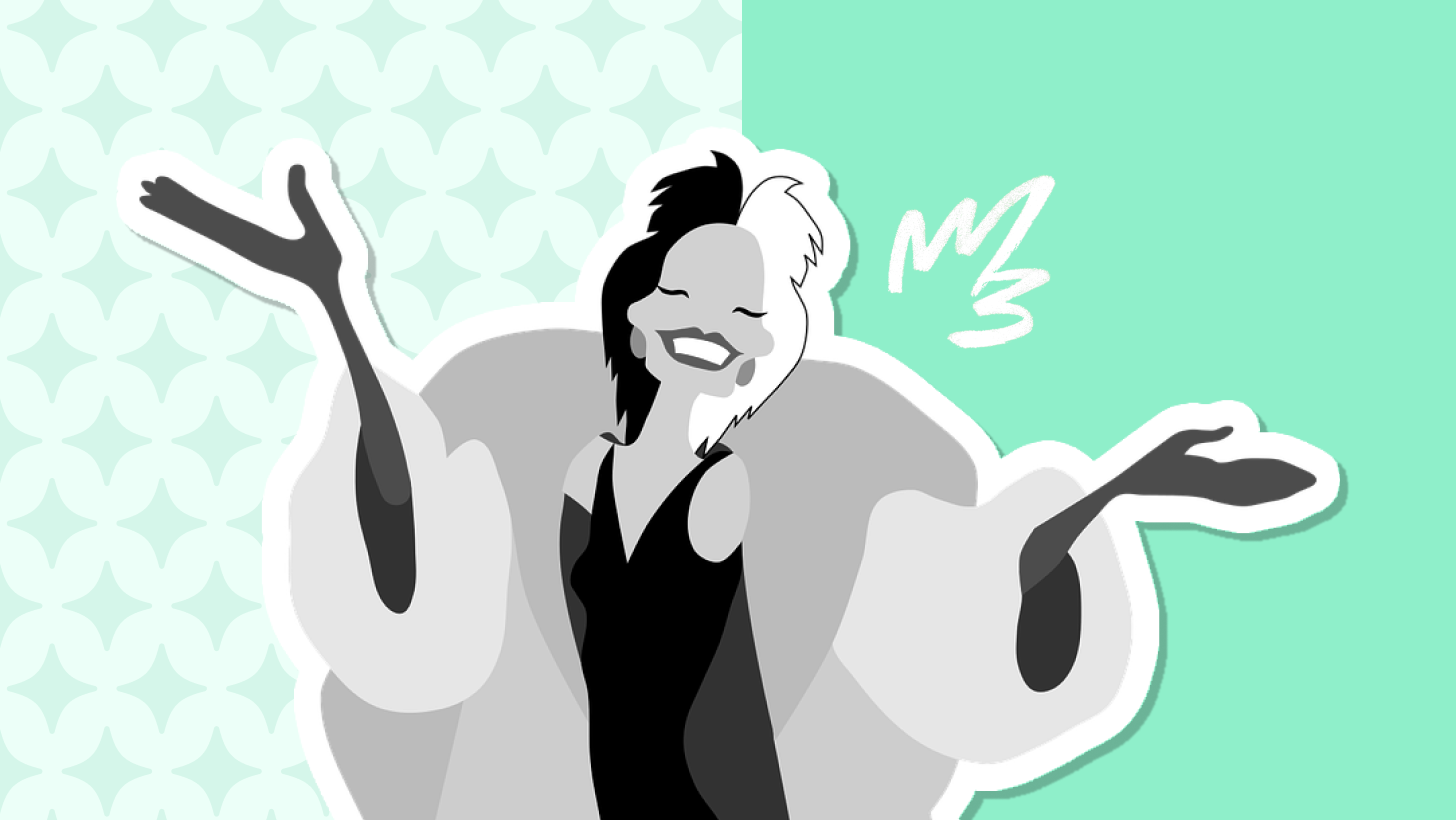
Cruella De Vil

Image: Helena Lopes

The Disney adventure comedy One Hundred and One Dalmatians premiered in 1961, and since then, Cruella de Vil has been one of the most iconic villains in animated film history.

This wicked woman is ambitious and capable of doing anything to get new fur for her coats. With the help of her henchmen, she steals the Dalmatian puppies her friends Anita and Roger had refused to sell her. Anyone who hurts cute little puppies to make coats deserves to be on the podium of the most evil villains in history!

2
Jafar

Image: Boris Hamer

Conspiracy and ruthlessness define any bad guy, and _Aladdin_’s villain is no exception. Jafar is capable of destroying anyone who stands in his way to gain more power.

Posing as an honest man, this evil sorcerer takes advantage of his role as the right hand of the Sultan of Agrabah and attempts to marry Princess Jasmine. His true intention, in fact, is to take over her father’s kingdom. If these traits don’t convince you that he is a true villain, just look at how he treats his sidekick, the charismatic parrot Iago.

3
Shan-Yu

Image: Stijn Dijkstra

Shan Yu is the main villain of the Disney movie Mulan (1998). This ruthless leader of the Huns is determined to conquer China. He and his army invade the land to prove his superiority to the emperor.

Cunning and sadistic, Shan-Yu feels no remorse when it comes to taking a life. Luckily, the brave Mulan manages to defeat him and ultimately saves the emperor.

4
Ursula

Image: Brian McGowan

Her tentacles and terrifying appearance are enough to make any child tremble. Ursula, the villain in The Little Mermaid (1989), uses magic to "help" others, although her deals are deceitful and become impossible to accomplish.

Ariel, the protagonist of this story, makes a deal with Ursula, who promises to turn her into a human for three days in exchange for her beautiful voice. If Ariel receives a "true love's kiss," she can be human forever. Despite the villain's attempts to make Ariel fail, she manages to keep her part of the deal by making Prince Eric fall in love with her.

5
Scar

Image: Brian McGowan

In The Lion King (1994), the second heir to the throne becomes one of the most ruthless villains when he murders his own brother and attempts to do the same to his nephew, Simba.

Although Scar only succeeds in causing Mufasa's demise, he convinces his nephew that it was his fault and that he must leave the kingdom forever. Scar orders the hyenas to destroy Simba, but what the evil lion could never have imagined is that the little boy would survive and return to avenge his father's death.

6
Queen Grimhilde

Image: Steven Beyer

Queen Grimhilde, better known as the Evil Queen, is the wicked stepmother in the 1937 film Snow White and the Seven Dwarfs . She is considered the first Disney villain.

Obsessed with being the most beautiful in the whole kingdom, she plots to have her stepdaughter —and competition— eliminated and demands Snow White’s heart. She even uses witchcraft to transform into an old lady, which allows her to give a poisoned apple to the naive princess. Can you think of anything more terrifying?

7
Gaston

Image: brunapazini0

In the beginning, the Beast is presented as an irascible and cruel monster, but the real villain of Beauty and the Beast (1991) is Gaston.

The arrogant hunter is determined to marry Belle, even if it has to be by force. This obsession turns him into a ruthless being, capable of doing anything to have his love reciprocated. Luckily, Bella has no time to waste with this evil kind of man.

8
Maleficent

Image: professional_Designers

When it comes to villains, no one can match Maleficent. The powerful sorceress doesn't hesitate when it comes to summoning an army of monsters or using her magic for revenge.

In Sleeping Beauty (1959), Maleficent curses Princess Aurora with eternal sleep for not being invited to her christening. This villain is so popular that Disney has produced two live-action movies with Angelina Jolie in the lead role: Maleficent (2014) and Maleficent: Mistress of Evil (2019).

9
Captain Hook

Image: Lalelu2000

One of Disney's most iconic villains is, without a doubt, Captain Hook. In Peter Pan (1953), the ruthless pirate seeks to destroy the Boy Who Would Never Grow Up for being responsible for the loss of his hand and also for taunting him every time their paths cross.

Despite his inherent evilness, we can't help but laugh at Captain Hook and his irrational fear of the crocodile that ate his hand. A villain with such a weakness can't be all that terrifying, don't you think?

10
Lady Tremaine

Image: Gary Cooper

Wicked stepmothers are a classic of Disney movies and the one in Cinderella (1950) is perhaps one of the most iconic. Lady Tremaine made us shudder every time she appeared from the shadows stroking her cat, Lucifer.

To be fair, this stepmother might not have been so scary without the presence of her equally evil daughters, Anastasia and Drizella. Dead jealous, the three women make life miserable for poor Cinderella, relegated to serving and being exploited in her own home after the passing of her father. Perhaps the most terrifying thing about Lady Tremaine is that she successfully manages to inflict extreme suffering on Cinderella without laying a finger on her.

11
Governor Ratcliffe

Image: EricThriller

Governor Ratcliffe is the main villain in Disney's historical drama Pocahontas (1995). This money-hungry English settler is greedy, and he doesn't trust the "savages." He sends his men to attack them because he believes they're hiding a gold treasure.

Even when they discover that the Native Americans don't possess the riches, he still declares war on them. In a confrontation, Ratcliffe fires his musket at Chief Powhatan, but Captain John Smith —Pocahontas' love interest— takes the shot to save him. Finally, the settlers turn on Ratcliffe and arrest him for hurting their comrade.

12
Queen of Hearts

Image: Laine Cooper

Although the Queen of Hearts appears only at the end of Disney's version of Alice in Wonderland (1951), it is enough for us to notice the fear she inflicts on her subjects. This villainess is a childish, hotheaded monarch whose catchphrase is "Off with their heads!"

After feeling humiliated during a game of croquet, she loses her temper. The king convinces her to put Alice on trial before cutting off her head. Nothing seems to go right for the girl who must escape to save her life. Luckily, she finally realizes that she is in a dream and manages to wake up before she is caught by the tyrant queen.

History History 2 min read

Born in America

From Pickleball to Pigskin: 10 sports only America could invent

Image: Riley McCullough

America has long been a land of innovation—not just in tech and culture, but in sports too. From backyard pastimes to professional spectacles, many athletic pursuits started here and captured the imagination of millions. Join us as we explore 10 uniquely American sports.

1
Baseball

Image: Josh Hemsley

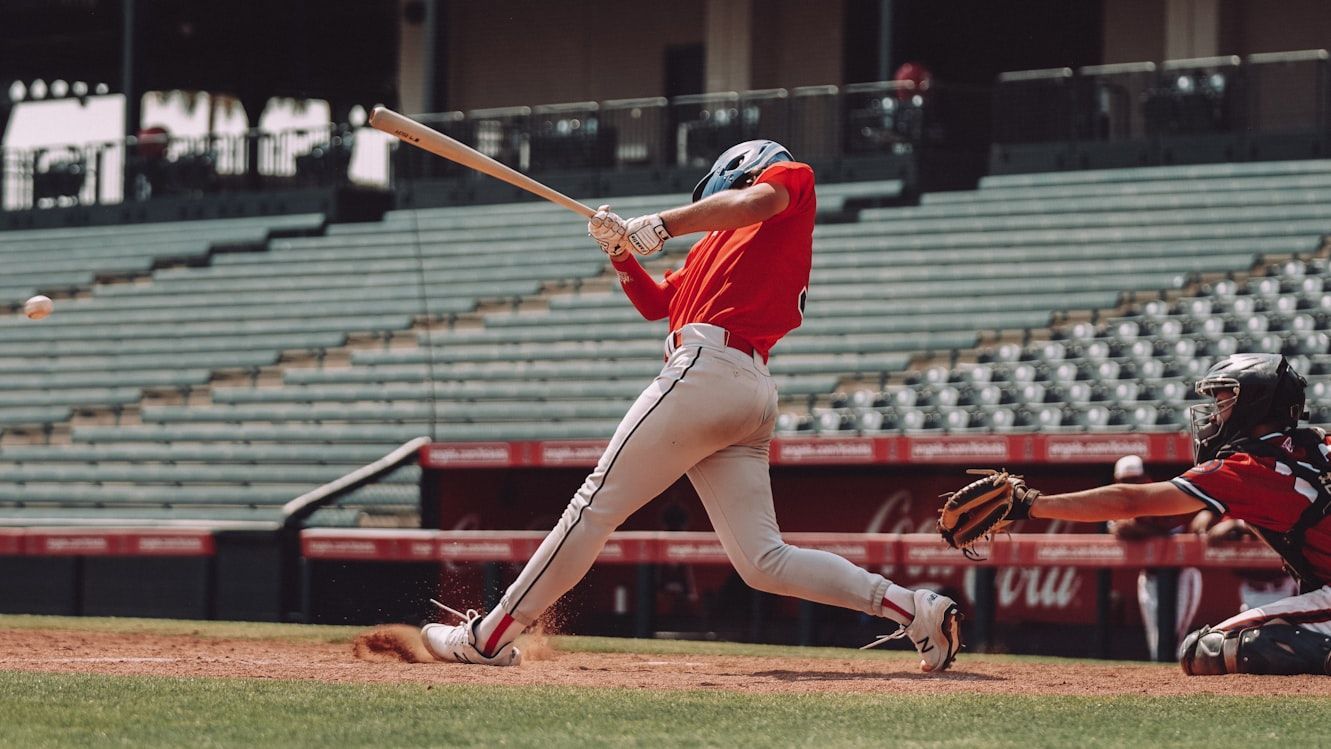
Originating in the early 19th century, baseball evolved from British bat-and-ball games like rounders. By the 1840s, it was widely played in New York and spread quickly across the country.

Professional leagues began forming in the 1870s, and by the 20th century, baseball had become a defining cultural symbol. The Major League Baseball (MLB) remains a cornerstone of American sports identity.

2
American Football

Image: Tim Mossholder

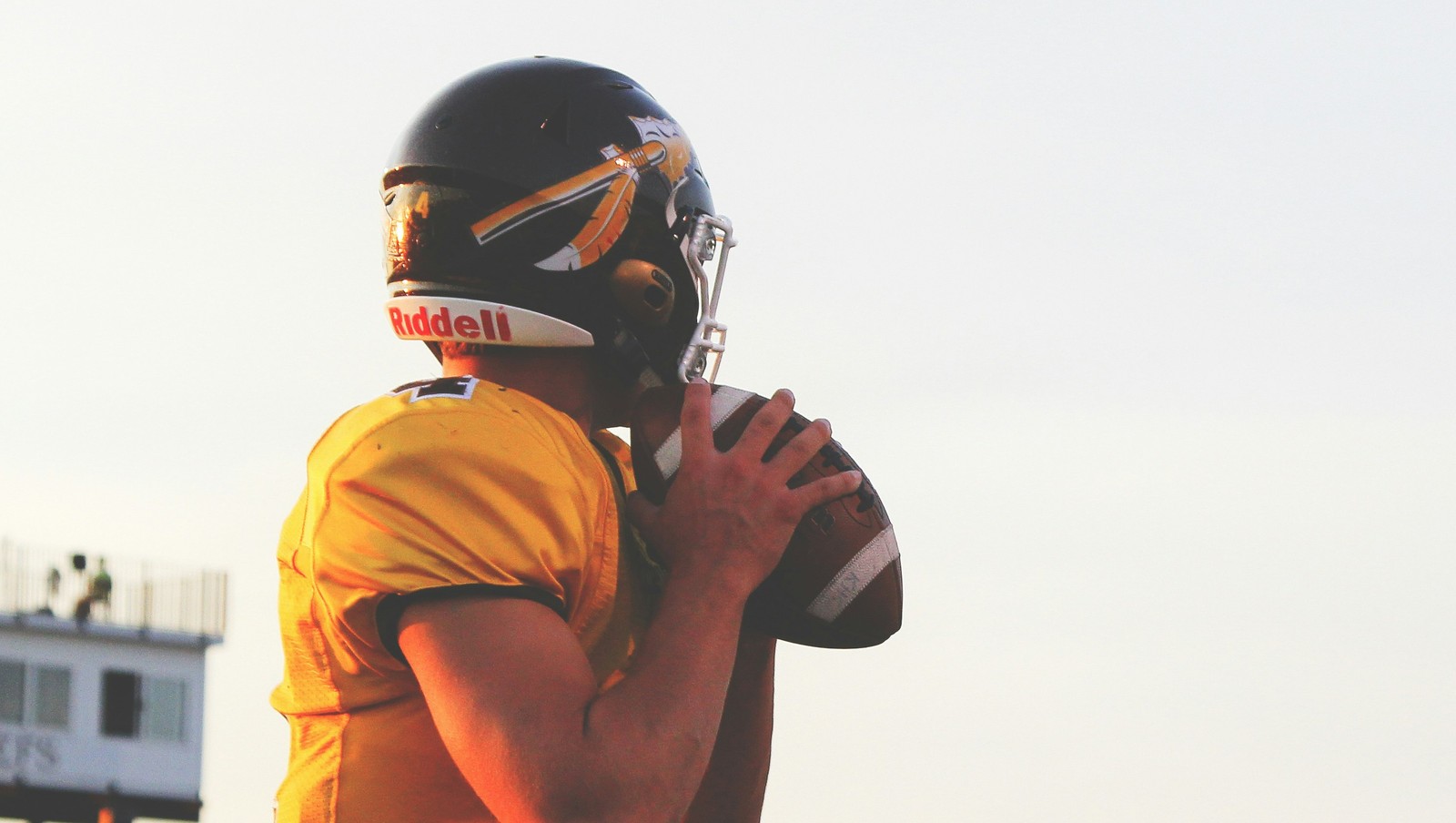
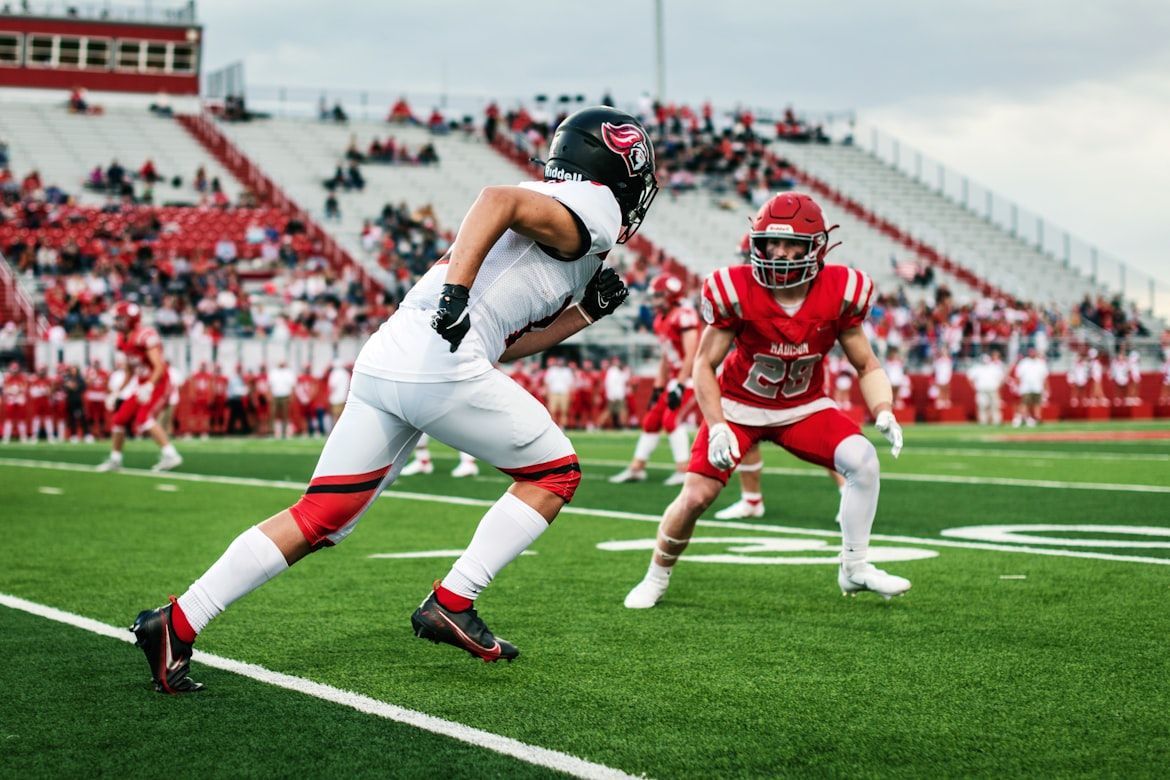
American football developed from rugby and soccer in the late 19th century, with Walter Camp shaping key rules like the line of scrimmage.

Today, the NFL is a multi-billion-dollar enterprise, with the Super Bowl considered an unofficial national holiday. Its unique strategic play sets it apart globally.

3
Basketball

Image: Markus Spiske

Invented in 1891 by James Naismith in Springfield, Massachusetts, basketball was created as an indoor game to keep athletes active during winter.

Basketball rapidly grew in schools and colleges, evolving into the NBA by 1946. Its fast pace and high scoring made it a uniquely American phenomenon with global influence.

4
Volleyball

Image: Jannes Glas

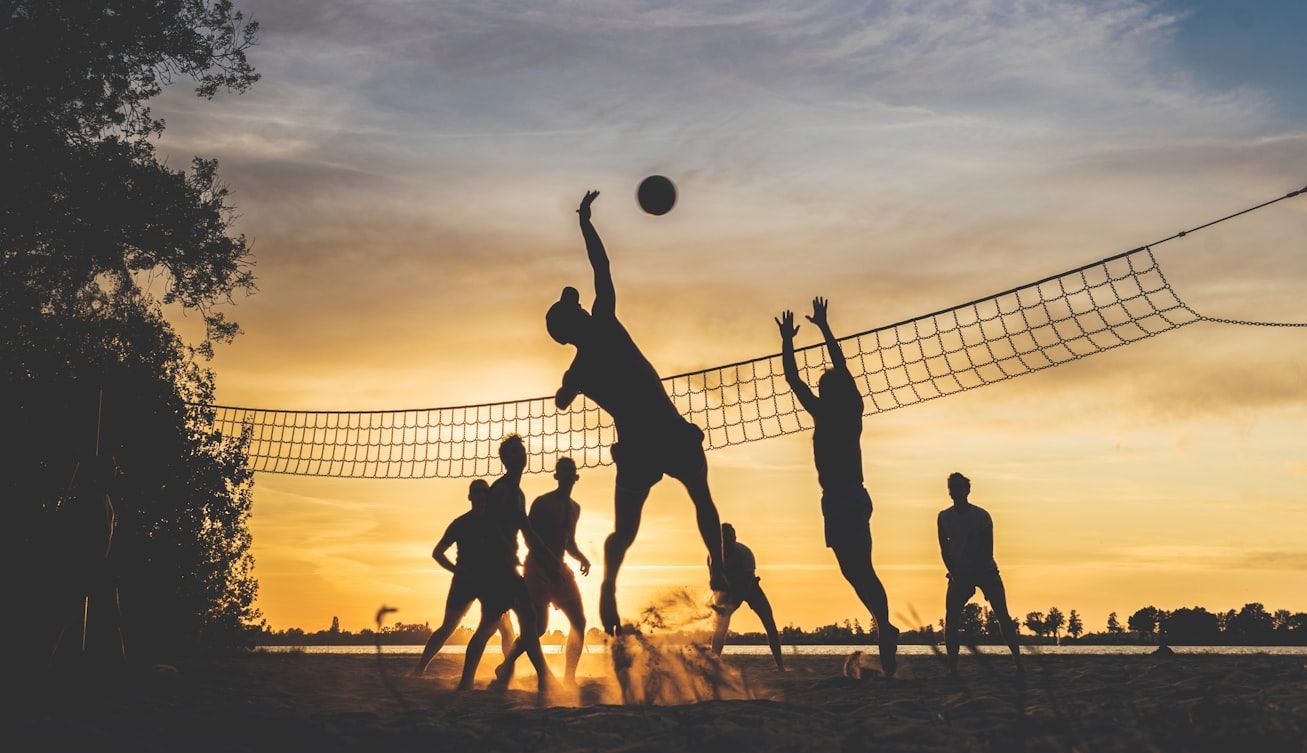
William G. Morgan invented volleyball in 1895 in Holyoke, Massachusetts, as a less strenuous alternative to basketball for older athletes.

Originally called "Mintonette," it quickly spread through YMCA programs. Today, volleyball is a staple in American schools and a popular recreational and Olympic sport.

5
Lacrosse

Image: Gene Gallin

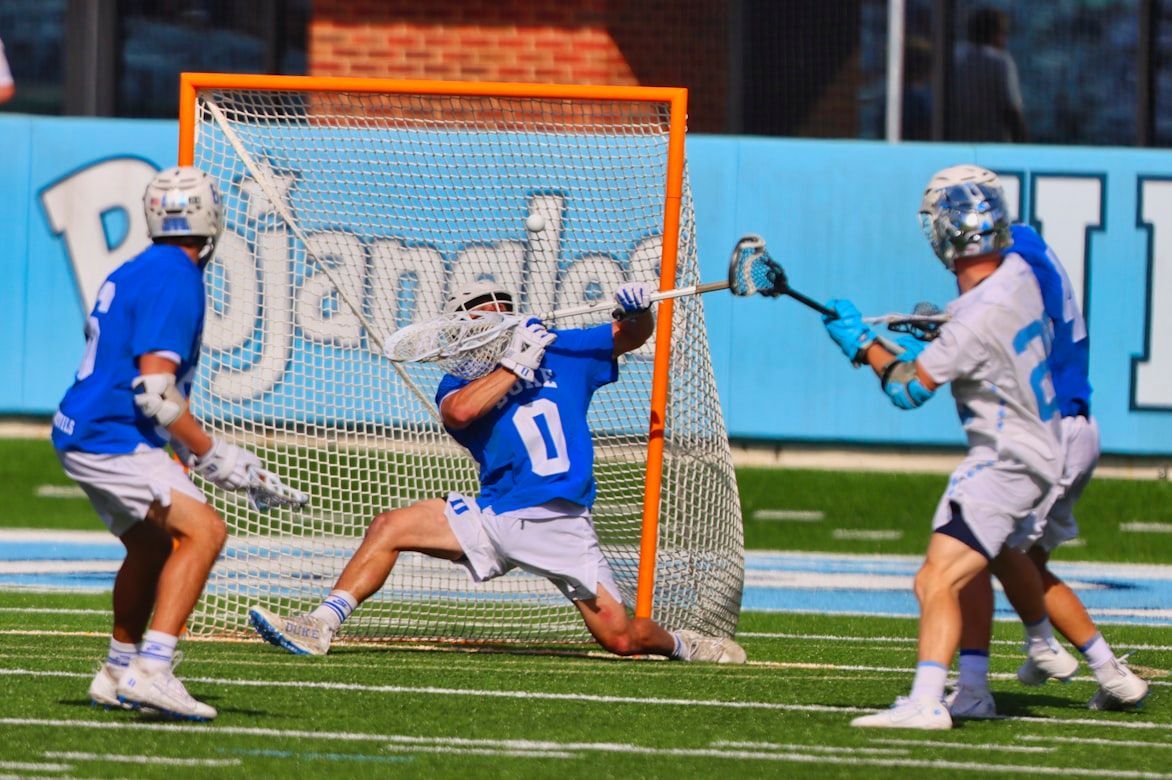
Though based on Indigenous games, the modern field version of lacrosse was codified in the U.S. in the mid-19th century, particularly in New York and Maryland.

American collegiate leagues helped popularize the sport. Its fast pace, physicality, and unique stick skills differentiate it from similar sports elsewhere.

6
Rodeo

Image: Lee Pigott

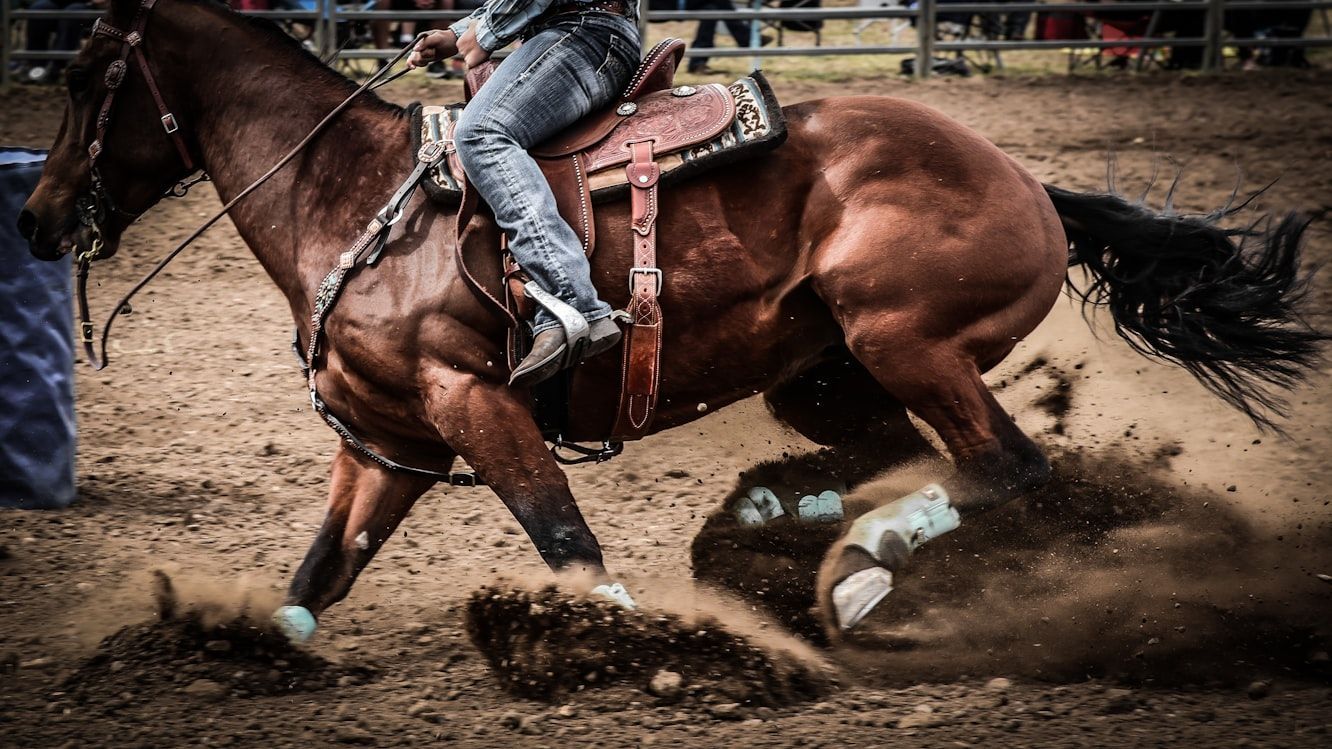
Rodeo emerged from cattle herding competitions in the American West in the late 1800s. Cowboys demonstrated skills like bronco riding, roping, and barrel racing.

Rodeo reflects frontier life and is heavily celebrated in states like Texas and Wyoming. It became an organized sport with professional circuits in the 20th century.

7
Skateboarding

Image: Rhendi Rukmana

Developed in California in the 1950s as "sidewalk surfing," skateboarding transformed surfing techniques for urban environments.

The sport gained a professional scene by the 1970s, complete with skate parks and competitions. Its counterculture roots remain distinctly American.

8
Roller Derby

Image: River Fx

Emerging in the 1930s as a banked-track endurance race, roller derby evolved into a full-contact team sport.

Especially popular with women, modern roller derby combines athleticism and theatrical flair. It’s a uniquely American mix of sport and spectacle.

9
Cheerleading

Image: Rojan Maharjan

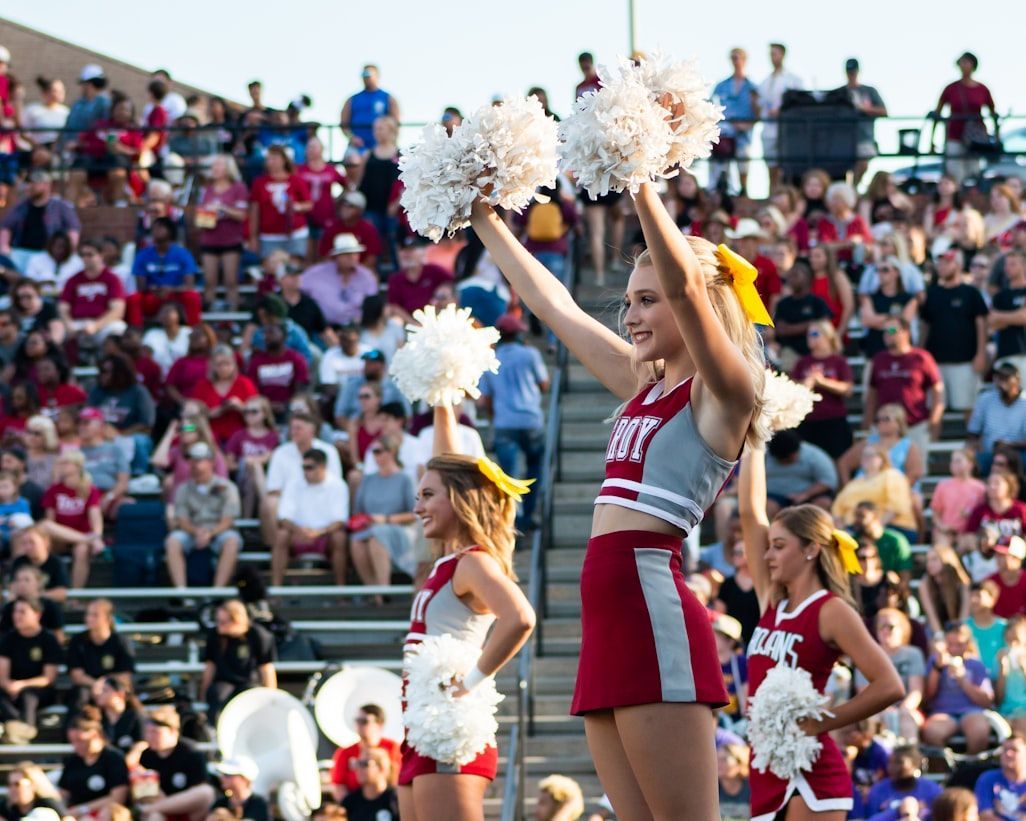
Starting at the University of Minnesota in 1898, cheerleading began as organized support for college football teams.

Over time, it developed competitive elements with complex stunts and routines. Today, cheerleading is recognized both as a sport and a cultural phenomenon in the U.S.

10
Pickleball

Image: Aleksander Saks

Invented in 1965 on Bainbridge Island, Washington, pickleball blends tennis, badminton, and ping-pong.

It gained popularity for all ages due to its accessibility and social appeal. Pickleball’s exponential growth highlights American ingenuity in casual sports.

Explore more American facts

Choose your favorite category!

General
General

As American as apple pie—the very best America has to offer!

Culture
Culture

Delve into the astounding richness of American lore.

Geography
Geography

Hop in and explore vast and diverse American landscapes.

History
History

Discover the key moments that shaped the United States.