Geography Geography 7 min read

LAND OF GHOSTS

Would You Visit Any of These Haunted Spots?
Image: Rythik

In the land of the free and the home of the brave, beneath the stars and stripes, lies a tapestry woven with threads of history, mystery, and the supernatural . From coast to coast, the United States boasts an array of haunted spaces like Alcatraz, or the Myrtles Plantation, where the echoes of the past reverberate through time, inviting the curious to delve into realms unknown.

In this article, we’ll go through the shadows and unveil the chilling tales of America’s most haunted spots . Join us if you dare!

1
The Stanley Hotel - Estes Park, Colorado

Image: Fern M. Lomibao

The majestic Rocky Mountains of Colorado, surrounded by towering peaks and crisp mountain air already set a specific scenario, don’t they? Now, in that already eerie landscape emerges The Stanley Hotel . If the name doesn’t ring a bell already, you can probably recognize it as the one in the novel-based movie "The Shining." But let us tell you, the real-life tales of this place are even more hair-raising than anything King could dream up.

Built by F.O. Stanley, a man with a penchant for the paranormal, the Stanley Hotel is dripping with history and intrigue.

Only a few steps inside it and you’ll feel it, an otherworldly vibe that sends shivers down your spine . Some say it’s the owner’s ghost lingering around. Others swear they’ve encountered apparitions wandering the corridors, lost souls searching for peace. Whatever it is, only the boldest souls will dare to find out, are you one of those?

2
Eastern State Penitentiary - Philadelphia, Pennsylvania

Image: Lance Anderson

Philadelphia is full of spots that witnessed the history of the country’s Independence. Amidst the cobblestone alleyways and colonial charm lies a place shrouded in darkness: Eastern State Penitentiary.

Once hailed as a revolutionary institution for its innovative approach to incineration, the Eastern State now stands as a crumbling relic of the past. But don’t let its dilapidated facade fool you, this place is teeming with ghostly energy.

Step through the iron gates, and you’ll feel it immediately, a sense of unease you can’t just shake. They say the spirits of former inmates still haunt these crumbling halls , trapped between this world and the next.

Eastern State Penitentiary is a playground for the paranormal enthusiast. But beware, for not all who enter emerge unscathed. Are you brave enough to confront the ghosts of the Eastern State? Yours is the choice!

3
The Myrtles Plantation - St. Francisville, Louisiana

Image: David Hertle

In the heart of the south, you will find sprawling plantations and moss-draped oak trees. It is a picture-perfect scene straight out of a Southern Gothic novel. But, within the beauty lies a dark secret: The Myrtles Plantation.

At plain sight, this place seems like something out of a fairytale , it has stately columns and picturesque gardens. But that is not all, this place has a sinister side as well and the feeling you are not alone is always there.

But perhaps the most chilling part of all is the infamous "mirror room," where the spirits of the dead are said to be trapped for all eternity . If you are craving a taste of Southern hospitality with a side of spine-tingling thrills, the Myrtles Plantation awaits.

4
The Queen Mary - Long Beach, California

Image: Bradley Pisney

The history behind RMS Queen Mary takes different turns, from luxurious to creepy in just one lifetime. Initially, this ship served in the war, and it later transitioned to its opulent role, welcoming esteemed passengers across the vast seas. This first part of its story is not free of tragedy and mystery. For example, one incident involves a sailor who met his end crushed by a door in the engine room , while others recount the loss of children in the ship’s pool.

As of 1967, the Queen Mary belongs to Long Beach which acquired it and transformed it into a hotel that continues to charm guests to this da y. Yet, along with its hospitality, the ship harbors whispers of spectral inhabitants, ghostly remnants of its tumultuous past.

However, they have used it to its favor since the ship offers a visit and guided tours to explore the place around, ghosts and everything!

5
Alcatraz Island - San Francisco, California

Image: Rodrigo Soares

The San Francisco Bay, the iconic Golden Bridge, PIER 39, San Francisco is filled with marvelous places to visit . Just as marvelous is the fact that one of the scariest spots, not to mention haunted, is located there as well. Just the name is creepy enough, don’t you think so?

Alcatraz was once the prison where America’s most notorious criminals were sent. And, today, it is home to a thousand ghostly anecdotes. According to them, Alcatraz is haunted by the ghosts of its former inmates, who weren’t necessarily meek as lambs!

The curious thing is that it’s not just the prisoners who refuse to leave, or at least that’s what one can assume. Visitors and park rangers alike have reported eerie encounters with unexplained phenomena, especially inexplicable sounds echoing through the empty corridors.

6
The Whaley House - San Diego, California

Image: Phil Hearing

In 1857, against the backdrop of San Diego’s burgeoning landscape, Thomas Whaley built up his family house on the historic ground of the city’s original public gallows. Now, legend has it that as soon as they settled into their new abode, Whaley began to experience mysterious phenomena , to say the least. He reported hearing the echoing footsteps of "Yankee" Jim Robinson, a notorious drifter, who met his end at the very site four years prior to the construction of the house.

However, the haunting tales did not cease with Robinson’s spectral presence. Tragedy seemed to shadow the Whaley family, with a series of untimely deaths and suicides befalling several members of the family inside the house. To this day, whispers persist of apparitions roaming the halls, often accompanied by the unmistakable scent of cigar smoke and heavy perfume.

7
San Fernando Cathedral - San Antonio, Texas

Image: Priscilla Fraire

San Fernando Cathedral stands as the oldest church in the state, it hosts the unique El Mariachi Mass every Sunday. Its Gothic Revival architecture is a sight to behold. However, as darkness falls, the atmosphere around it takes on a creepy aura and only the bravest souls are willing to venture onto its myth-laden grounds.

In 1936, during structural renovations, construction workers made a chilling discovery near the altar: bones, nails, and tattered military uniforms, believed by some to have belonged to three soldiers of the Alamo.

Since the unsettling event, reports of shadowy futures and orbs appearing in photographs have circulated among visitors, along with sightings of ghosts within the church itself. Among these spectral sightings are accounts of mysterious men dressed in black and hooded figures reminiscent of monks, adding to the cathedral’s mystique.

8
Sheffield Island Lighthouse - Norwalk, Connecticut

Image: Randy Laybourne

This lighthouse was erected in 1868 and it served as a beacon for ships navigating the waters to reach Sheffield Island , a mere 45-minute ferry journey from South Norwalk. This historic landmark harbors a somber history.

In 1972, tragedy struck when the lighthouse’s original keeper passed away under mysterious circumstances while scanning the horizon with a spyglass, his demise shrouded in unanswered questions. Nearly two decades later, in 1991, an archaeologist conducting preservation work on the site uncovered unsettling occurrences. Eerie melodies, distant pleas for assistance, and the unmistakable sound of a foghorn.

Legend has it these phenomena are attributed to the relentless spirit of Captain Robert Sheffield, the enigmatic figure who acquired the islands in the early 1800s and reputedly possessed a penchant for peculiar musical instruments, adding an aura of mystique to this maritime marvel.

9
Winchester Mystery House - San Jose, California

Image: Kelly Zhang

The Winchester Mystery House stands as a testament to Sarah Winchester's unique response to tragedy. After losing her husband and child, Sarah was convinced by a seer that her family's demise was orchestrated by vengeful spirits seeking retribution for deaths caused by Winchester rifles.

Intending to keep these spirits at bay, she embarked on an elaborate construction project that resulted in the eerie mansion known today . Among its unsettling features are staircases leading to nowhere, doors opening onto solid walls, and windows revealing hidden passages, all perpetuating the house's mystique and intrigue.

Exploring this enigmatic abode offers a glimpse into Sarah Winchester's profound grief and her quest for solace among the paranormal.

10
Emily’s Bridge - Stowe, Vermont

Image: Xiaocong Yan

In picturesque Stowe, Vermont, located among the charming covered bridges that dot New England’s landscape, there is one that harbors a chilling tale: Emily’s Bridge.

It is only 50 feet long, but this bridge has become synonymous with a tragic legend dating back to the mid-1800s.

As the story goes, a young woman named Emily was meant to rendezvous with her lover there for an elopement, but he never arrived . Devastated Emily took her own life, by hanging herself from the rafters. Yet, her spirit is said to linger, casting a sinister presence over the bridge. Locals tell Emily’s ghost allegedly torments passersby by clawing at their cars and leaving behind scary scratches.

Among the tales of spectral hauntings, sightings of a ghostly figure in white and inexplicable sounds echoing from the tunnel only add to the bridge’s macabre mystique.

History History 3 min read

Inside museums

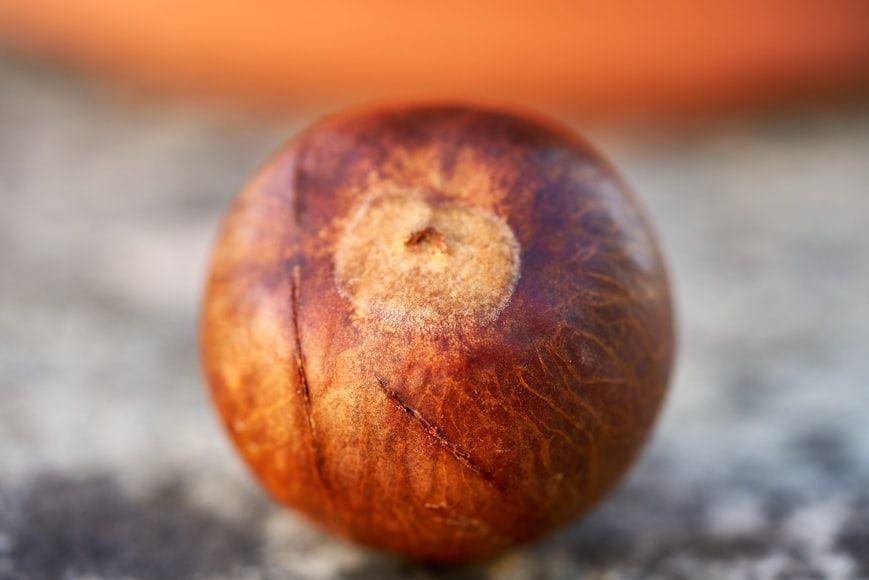
The coconut that saved JFK's life is now in a museum—and you can see it!

Image: Milada Vigerova

Many US presidents are remembered for their service and sacrifices, some even giving their lives for the nation. But sometimes, we forget they were also ordinary people, with lives full of both extraordinary moments and everyday routines, just like the rest of us. And part of that story lives on in these 10 personal items that belonged to presidents and are still on display in museums today.

1
John F. Kennedy’s PT-109 coconut

Image: 🇻🇪 Jose G. Ortega Castro 🇲🇽

In 1943, John F. Kennedy commanded the PT-109, a torpedo boat, in the Solomon Islands during World War II . When a Japanese destroyer sank his boat, JFK carved a rescue message on a coconut, which local islanders delivered to Allied forces, saving him and his crew. 18 years later, Kennedy became the US president and kept the coconut as a paperweight in his office. Today, it’s preserved at the John F. Kennedy Presidential Library and Museum in Boston.

2
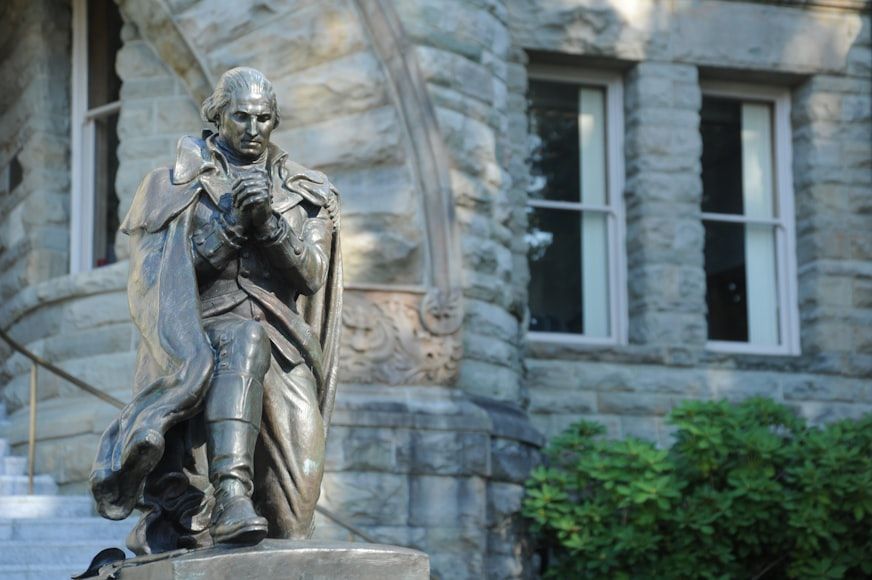
George Washington's dentures

Image: BakedintheHole, via Wikimedia Commons

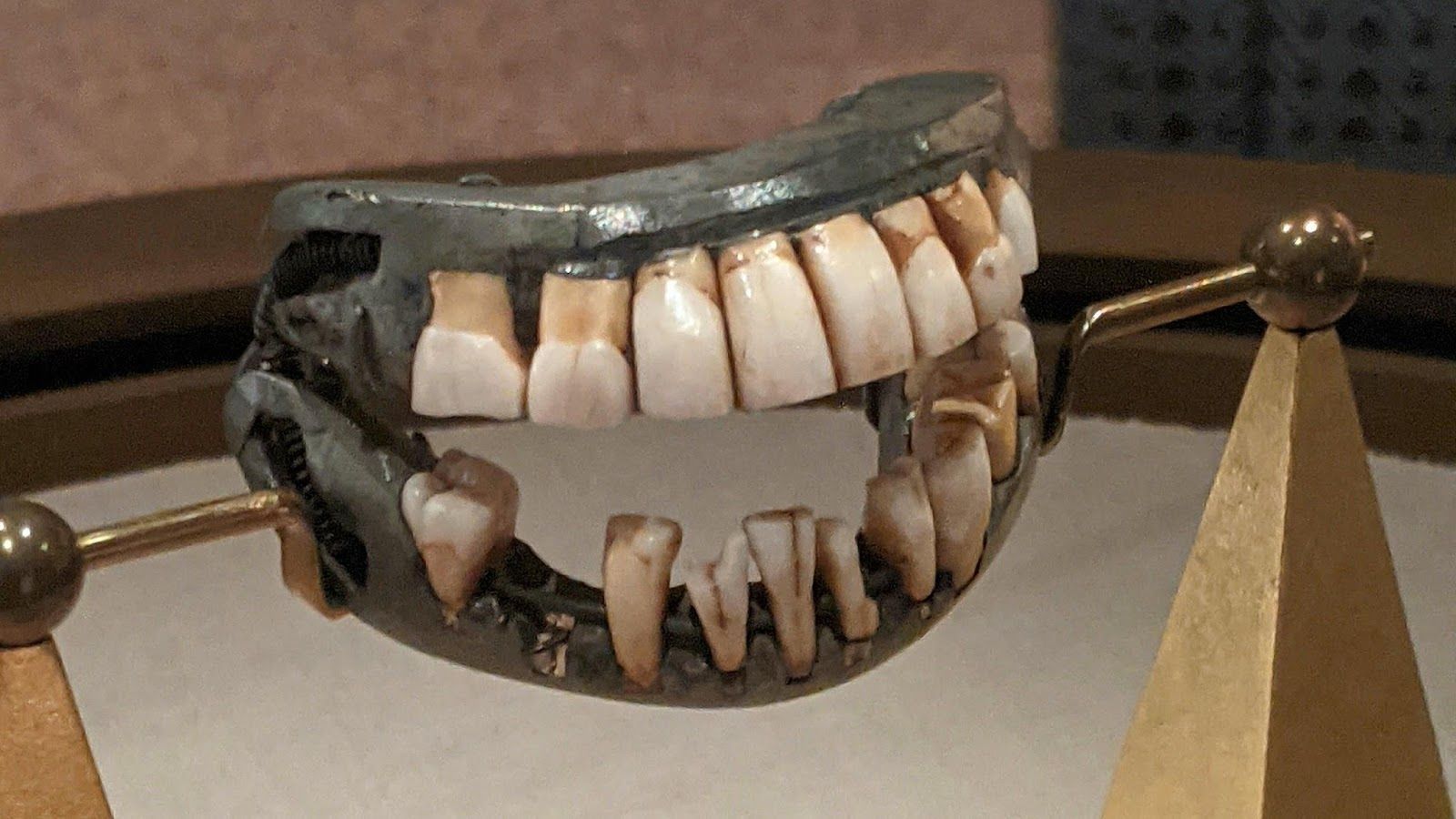
Everyone knows George Washington struggled with dental problems throughout his life. And while the old myth about his wooden teeth isn’t true, our first president did wear dentures made from different materials. One of his most complete sets has been carefully preserved and is now on display at George Washington's Mount Vernon estate and museum.

3
Abraham Lincoln’s top hat

Image: Brewbooks from near Seattle, USA, via Wikimedia Commons

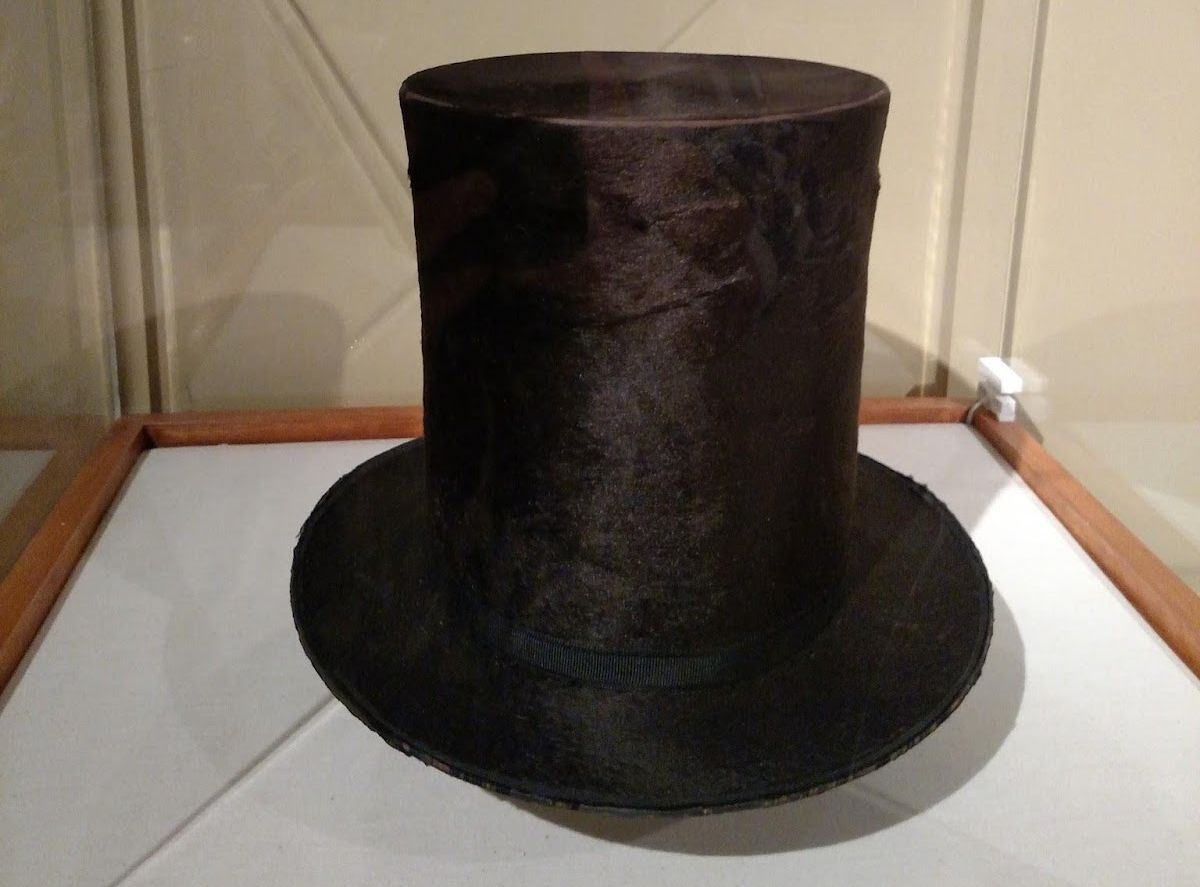
It’s easy to picture Abraham Lincoln with his signature top hat. To get a little closer to Honest Abe, you can visit the National Museum of American History in Washington, D.C., where the very hat he wore the night he was fatally shot is on display.

4
The contents of Lincoln's pockets

Image: Jorien Loman

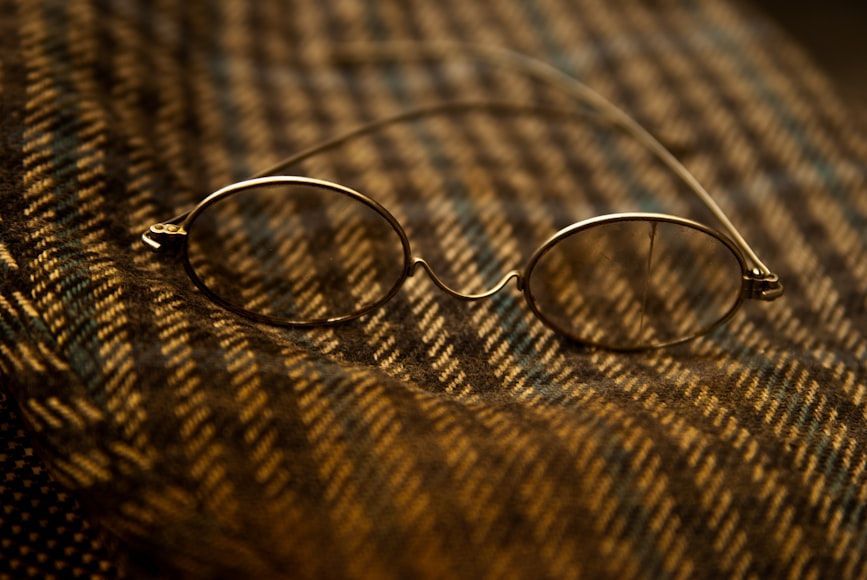
The hat isn’t the only relic that remained from that tragic night. Everything Abraham Lincoln had in his pockets —two pairs of glasses, a pocketknife, a Confederate $5 bill, a linen handkerchief, and a gold pocket watch—is preserved and on display at the Library of Congress in Washington, D.C.

5
Thomas Jefferson’s inkwell

Image: Clark Young

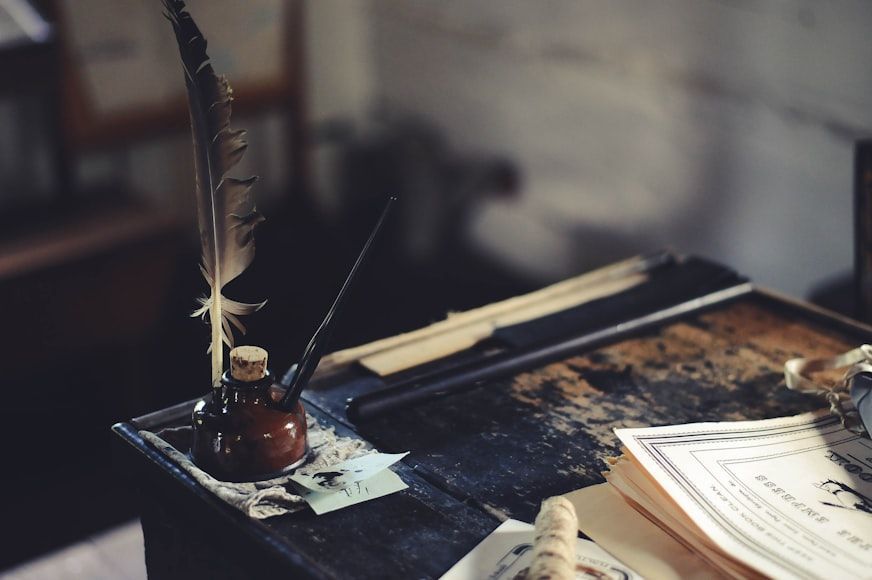
Fortunately, you can still see with your own eyes two of the inkwells that belonged to the man who penned nothing less than the Declaration of Independence. That’s right! The first, a ceramic inkwell shaped like Enlightenment philosopher Voltaire’s head, is housed at the Thomas Jefferson Foundation at Monticello. The second, made of bronze and engraved with "T. Jefferson, 1804," is part of the White House Collection.

6
Theodore Roosevelt's pince-nez glasses

Image: via Wikimedia Commons

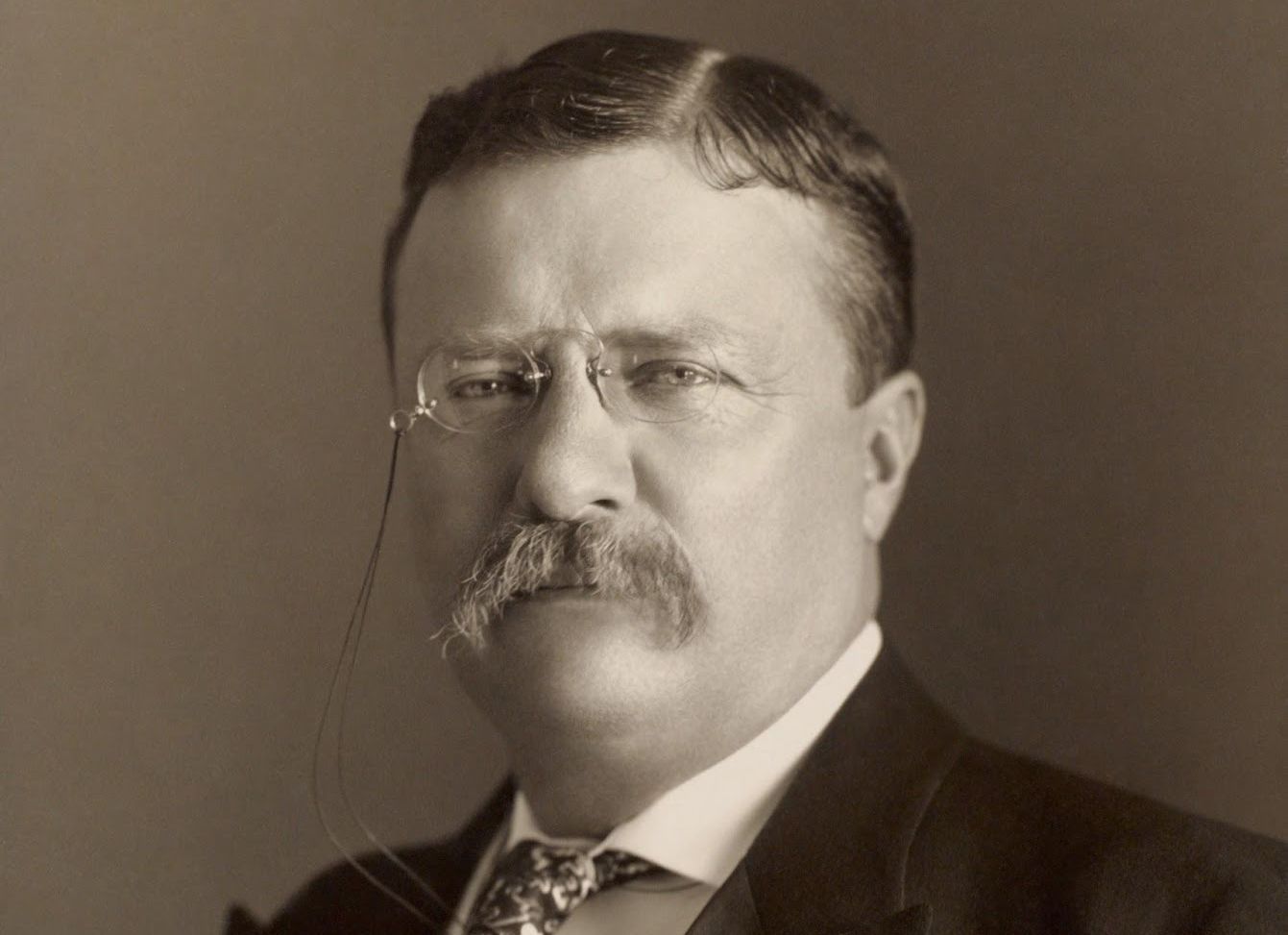
Teddy Roosevelt is practically synonymous with his pince-nez glasses; even the giant sculpture of his face on Mount Rushmore shows him wearing them. But did you know they once saved his life? In 1912, while campaigning, Roosevelt was shot, but the bullet struck the steel case holding his glasses and didn’t penetrate it. Today, both the case and the 50-page manuscript he carried in the same pocket are on display at the Theodore Roosevelt Birthplace National Historic Site in New York City.

7
John F. Kennedy's rocking chair

Image: Abbie Rowe. White House Photographs. John F. Kennedy Presidential Library and Museum, Boston, Public domain, via Wikimedia Commons

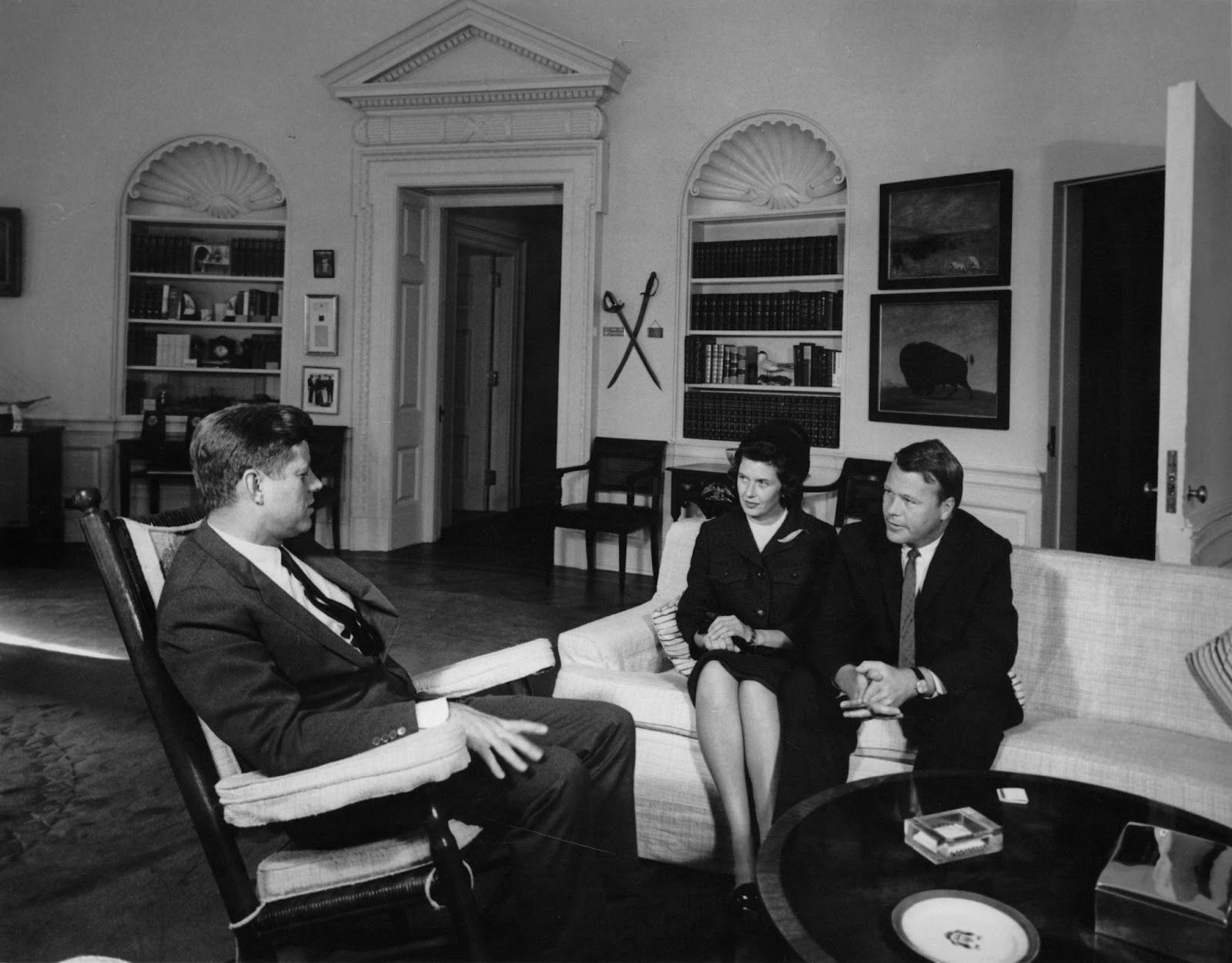
President Kennedy’s rocking chair appeared in many photos of him with important visitors in the White House. Recommended by his doctor to ease his back pain, the iconic chair is now part of the collection at the John F. Kennedy Presidential Library and Museum.

8
George Washington’s Revolutionary War bedstead

Image: Wikimedia Commons

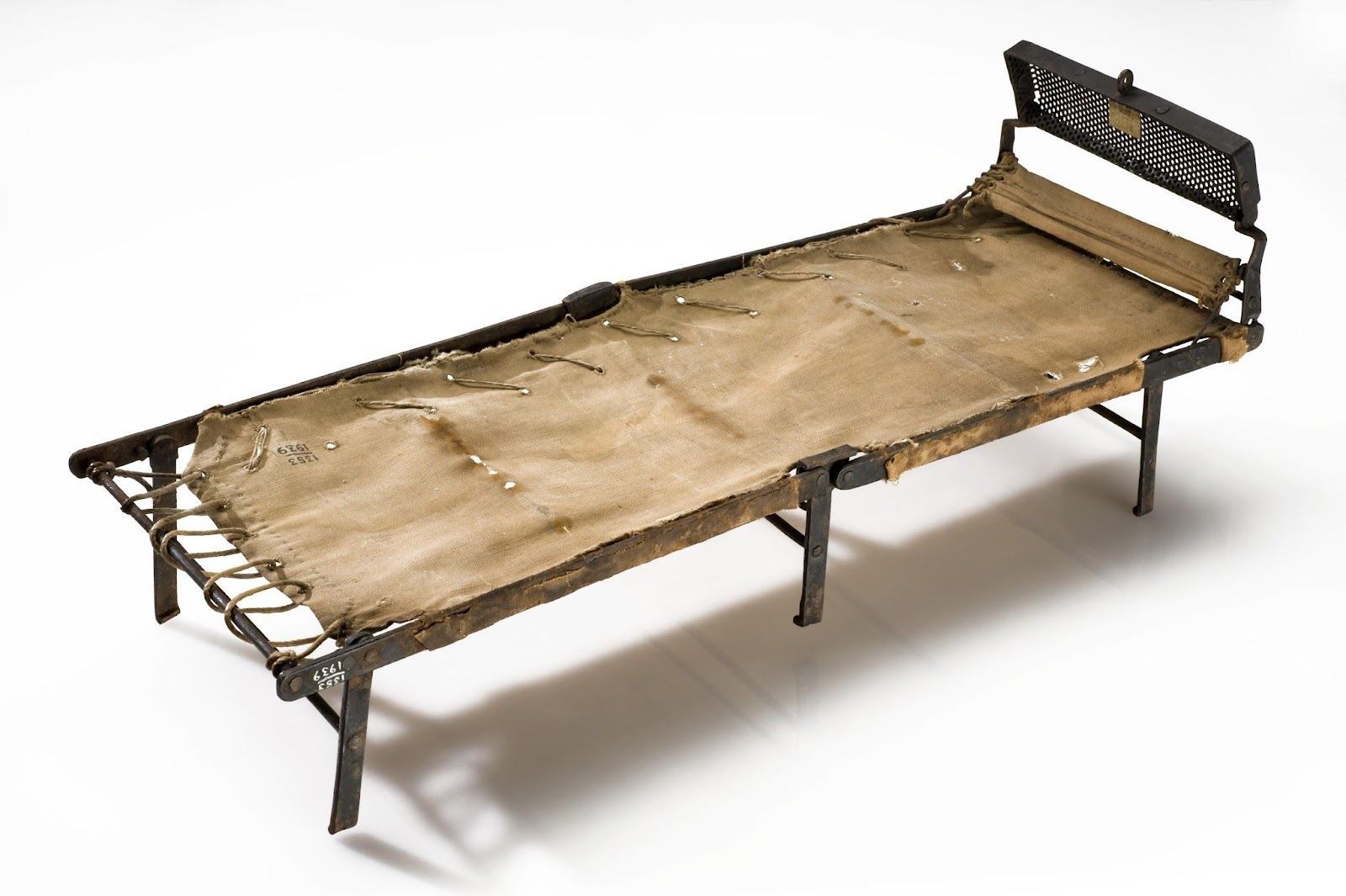
If you thought this list was just about small objects, think again. Two of George Washington’s folding field beds from the Revolutionary War have also been preserved. One is displayed at the Henry Ford Museum in Michigan, and the other can be seen at the Mount Vernon Museum in Virginia.

9
Franklin D. Roosevelt’s stamp collection

Image: Tolga deniz Aran

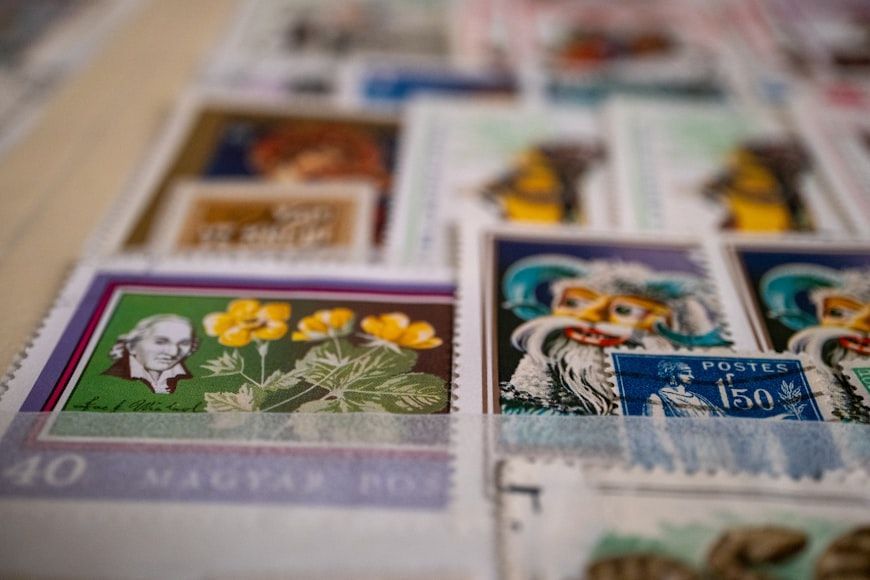
F. D. Roosevelt was an avid stamp collector, amassing a collection of over 1.2 million stamps. After his death, his family sold most of them, but some—especially those he received officially from foreign governments—are preserved at the Franklin D. Roosevelt Presidential Library and Museum in Hyde Park, New York. The museum also houses items related to his hobby, including a magnifying glass, a perforation gauge for measuring stamps, and his portable wooden stamp box.

10
George Washington’s dress sword

Image: Wonderlane

In addition to his dentures, Mount Vernon preserves many other personal items that belonged to George Washington. Among them are several of his swords, and it is believed that one of them may be the very dress sword he wore at his inauguration as the first American president in 1789!

History History 3 min read

Got mail?

Did you know these 12 facts about the evolution of mail delivery?

Image: Wolfgang Vrede

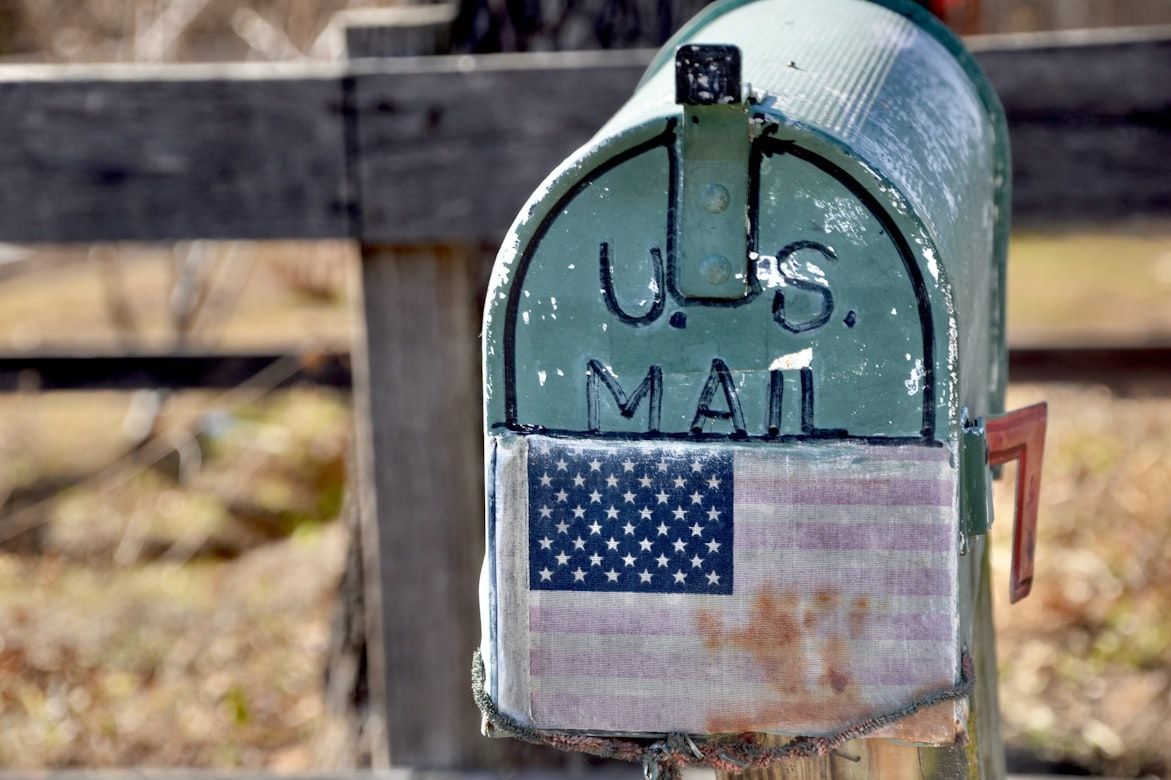
We take many things for granted, especially when they have been around forever. Their stability is reassuring and commanding. But everything has to start somewhere, and mail delivery certainly has had an interesting history in America. From humble tavern-based post offices to airplanes and ZIP codes, the postal service has a few stories to share. Did you know about these 12?

1
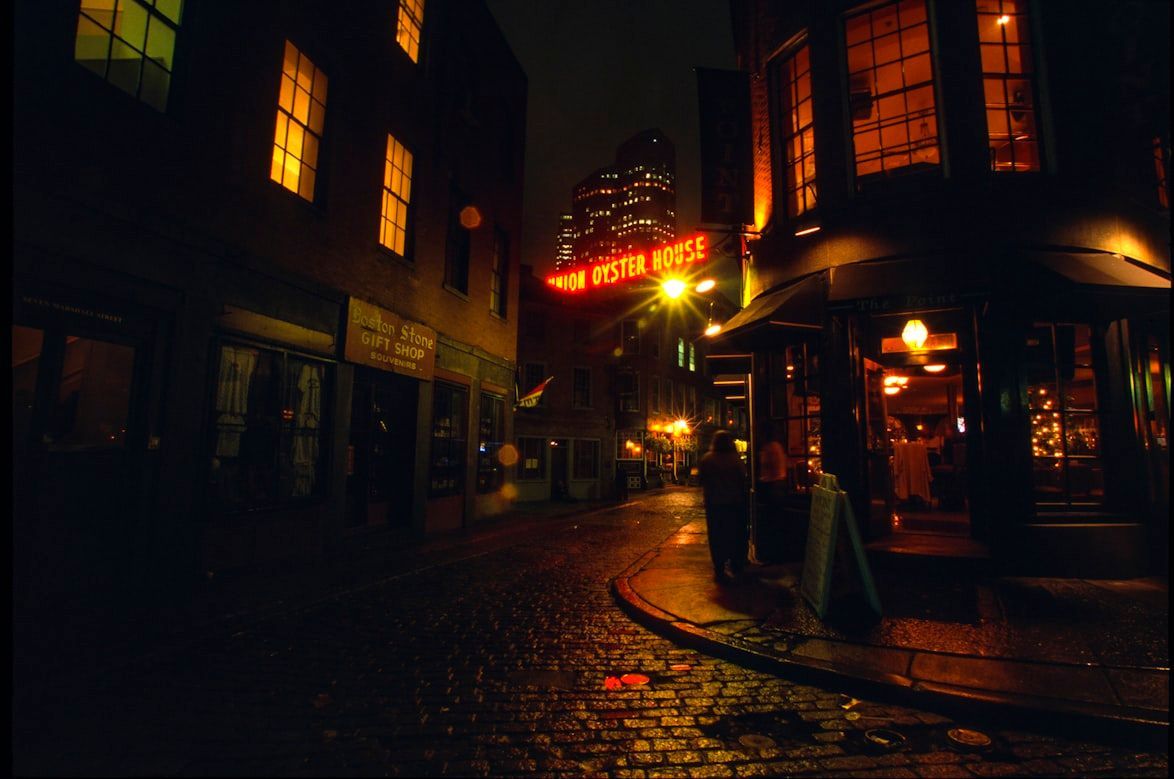
The first post office? A Boston tavern

Image: Mick Haupt

In 1639, the first organized mail service in British North America started at Richard Fairbank’s tavern . The owner collected and distributed mail brought by ship.

Although informal and modest by today’s standards, this post office laid the foundation for communal mail collection and delivery.

2
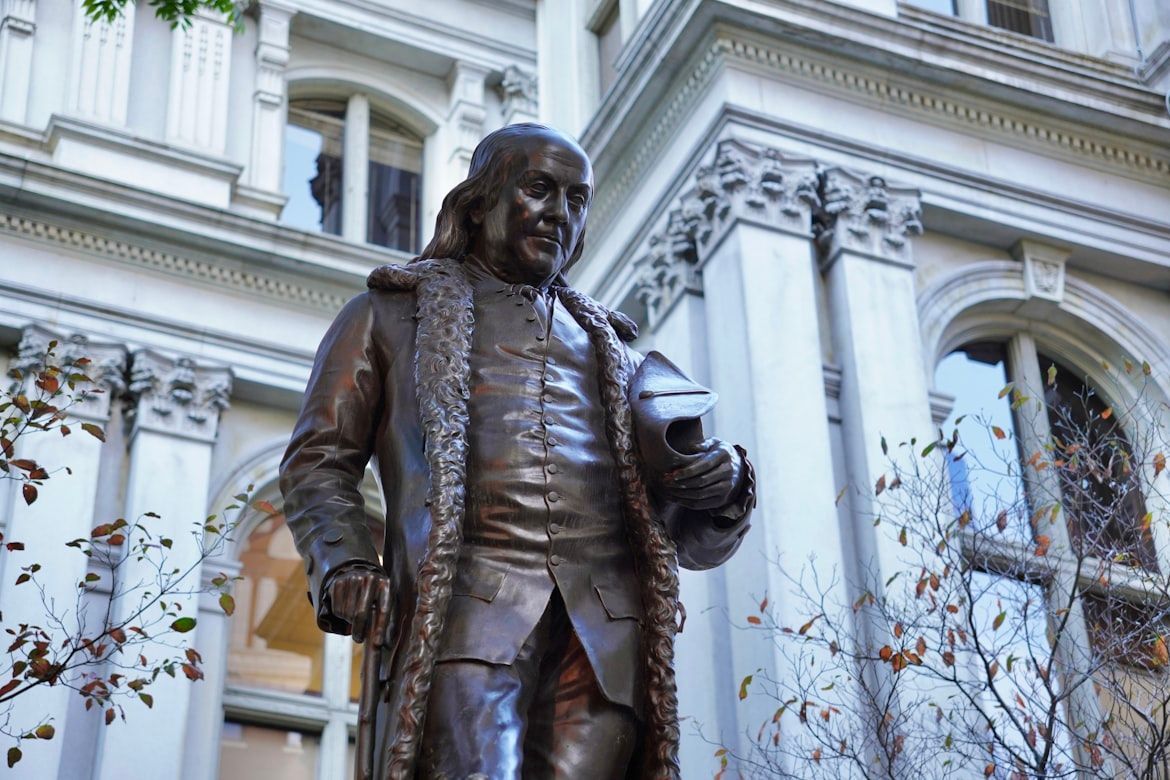
Enter Benjamin Franklin

Image: Brett Wharton

From 1753, Franklin served as joint Postmaster General for the colonies and undertook a sweeping reform: he organized delivery routes, aligned them with major roads and rivers, and cut the mail travel time between Philadelphia and New York to about 33 hours .

He also introduced the first rate chart, standardizing delivery costs based on weight and distance, turning what had been a scattered courier network into a more reliable, structured mail system.

3
National Postal System founded

Image: David Trinks

With the American Revolution underway, the Second Continental Congress established the first national postal agency in 1775 , appointing Benjamin Franklin as the first Postmaster General.

This new postal service initially handled mostly military and diplomatic correspondence, but the agency laid the groundwork for what would become a national communications service.

4
The Age of Steam: mail by steamboat

Image: mandylin

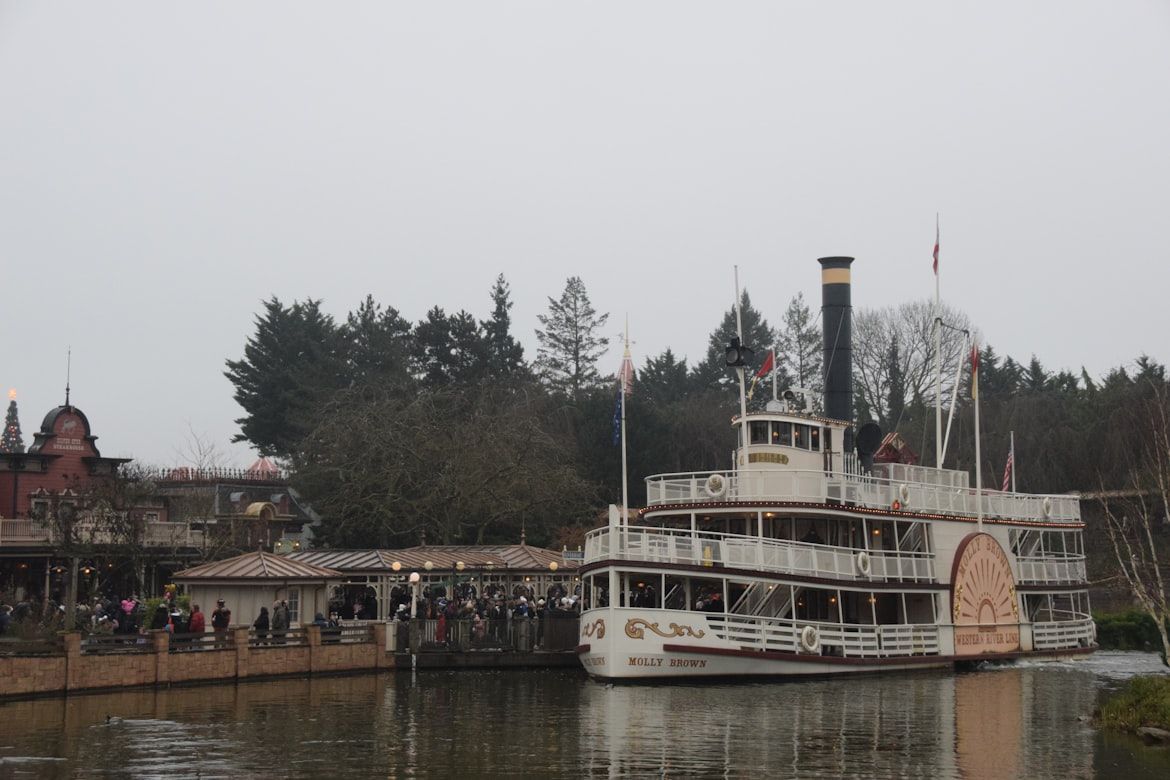
In 1813, Congress authorized the Postmaster General to contract steamboat companies to carry mail. Soon, steamboats were ferrying mail up and down the East Coast and the Mississippi River .

By 1848, mail even traveled to California via steamship and across the Isthmus of Panama, a three-week voyage.

5
Overland stagecoaches and the Butterfield Overland Mail

Image: Ricky BiggsSr

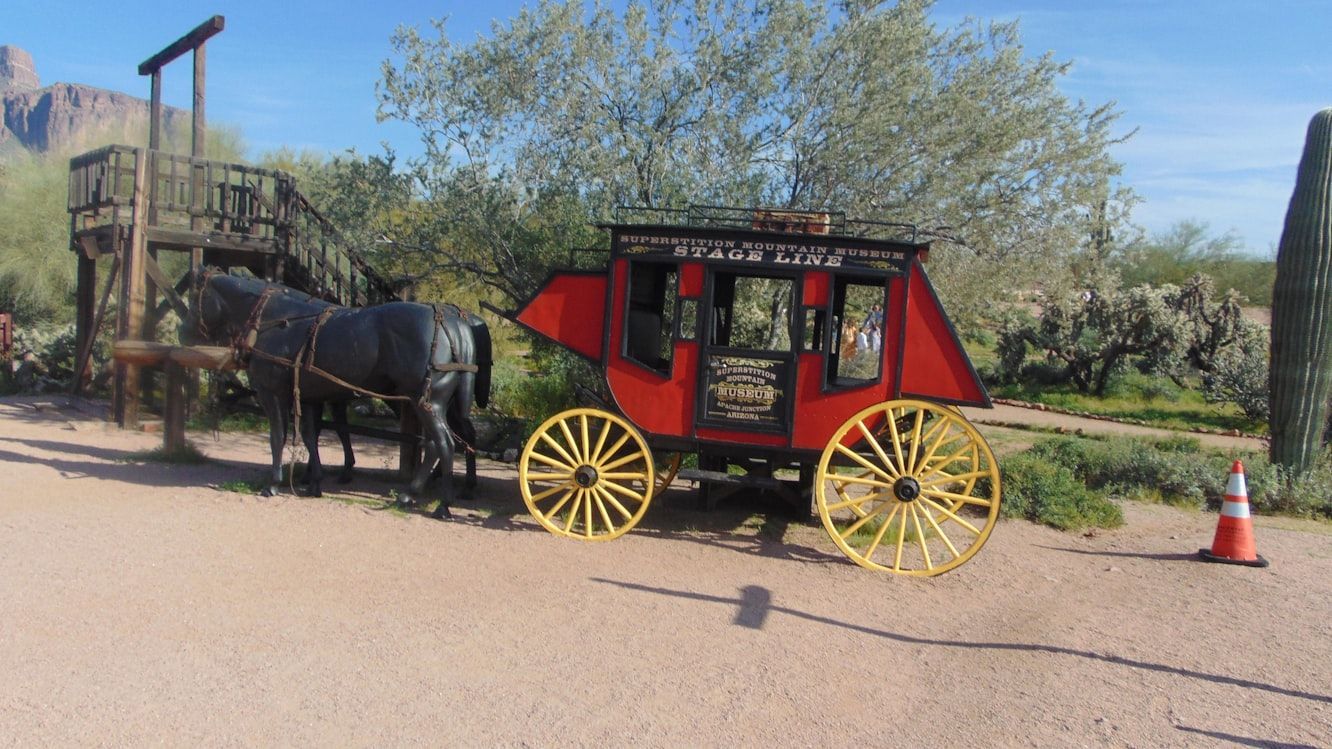
Between 1858 and 1861, the Butterfield Overland Mail stagecoach service carried U.S. mail across the western frontier, from eastern posts like Memphis and St. Louis to San Francisco .

This service helped connect the eastern U.S. with rapidly growing western settlements long before the completion of the transcontinental railroad.

6
Railroads enter the picture

Image: Jay Kettle-Williams

As railroads expanded, the postal service started to use this new technology: in 1832, the first mail deliveries by train were made.

Rail transport vastly improved speed and reliability compared to horse and stagecoach travel , and became a key advance as mail traffic increased and the nation expanded westward.

7
First U.S. postage stamps

Image: The New York Public Library

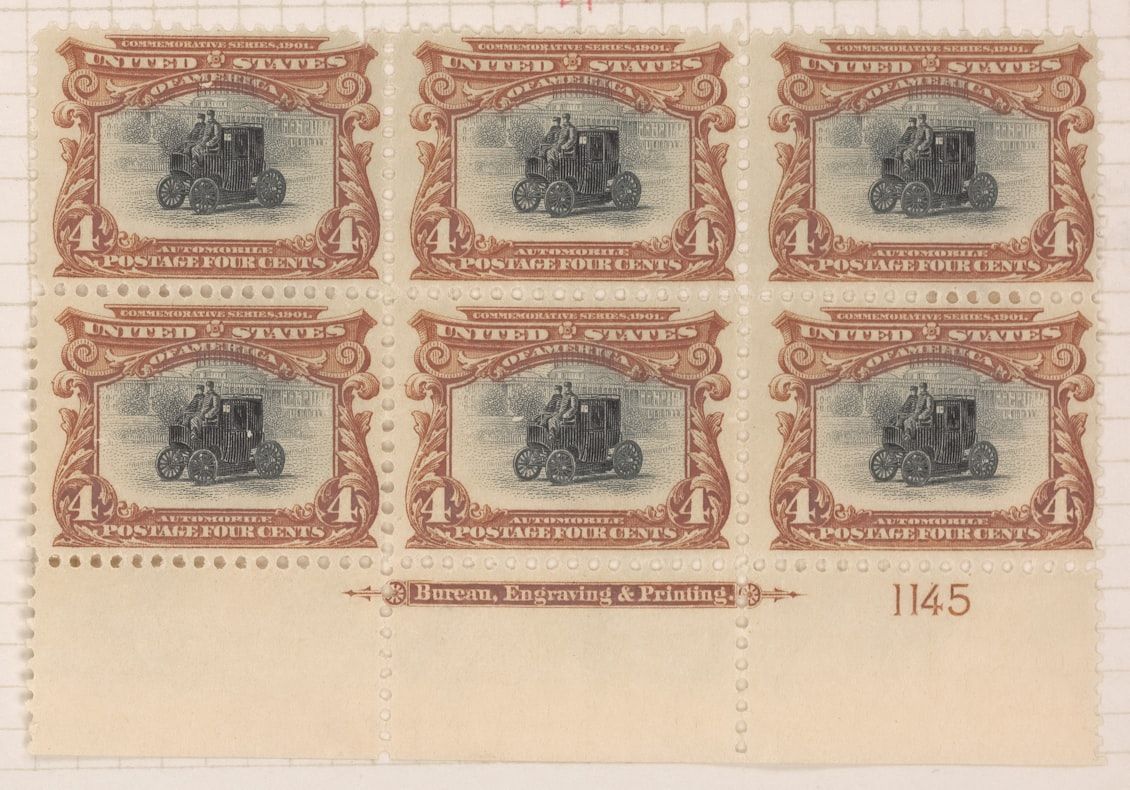
In 1847, the first official U.S. postage stamps were issued: a 5-cent stamp featuring none Ben Franklin and a 10-cent stamp featuring George Washington .

Prepaid stamps simplified payment and collection of postage, removing complications from pay-on-delivery systems and helping the postal system function more efficiently.

8
The Pony Express

Image: The New York Public Library

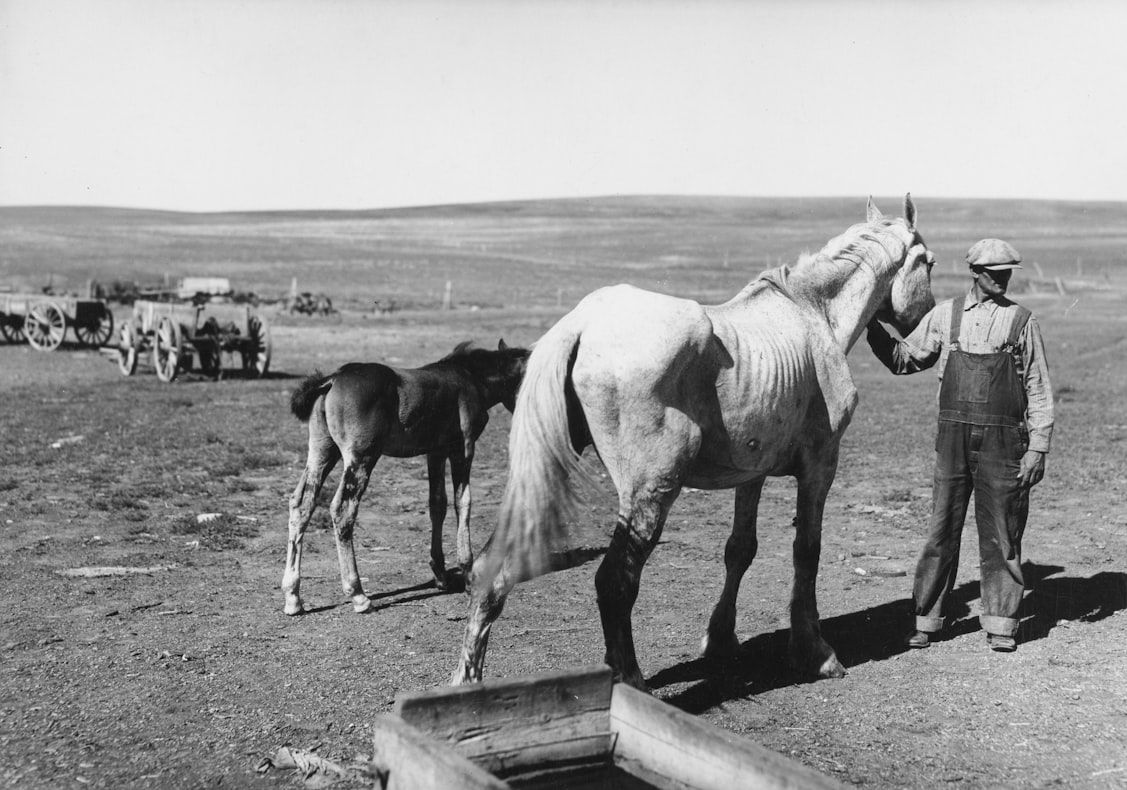
In 1860, the Pony Express started its overland mail route between Missouri and California, nearly 1800 miles of relay horseback riding . The mail took 10 days between endpoints.

Although short-lived (it ended in 1861), the Pony Express demonstrated the demand for rapid cross-country communication.

9
City-wide home delivery

Image: Lesli Whitecotton

In 1863, free city mail delivery began , allowing residents in major cities to receive letters directly at their homes rather than picking them up at a post office.

This represented a major shift: mail became a part of everyday domestic life, not just something dropped off and picked up by hand.

10
Pneumatic tube mail in NYC

Image: The New York Public Library

In 1897, a pneumatic-tube mail system began operation in New York City. Mail could travel underground at high speeds, from the General Post Office to other offices in Manhattan within minutes .

At its peak, the system carried thousands of letters daily: at one point, nearly 30% of New York City mail went through this immense underground network.

11
Parcel post service launches

Image: Olivier Rouge

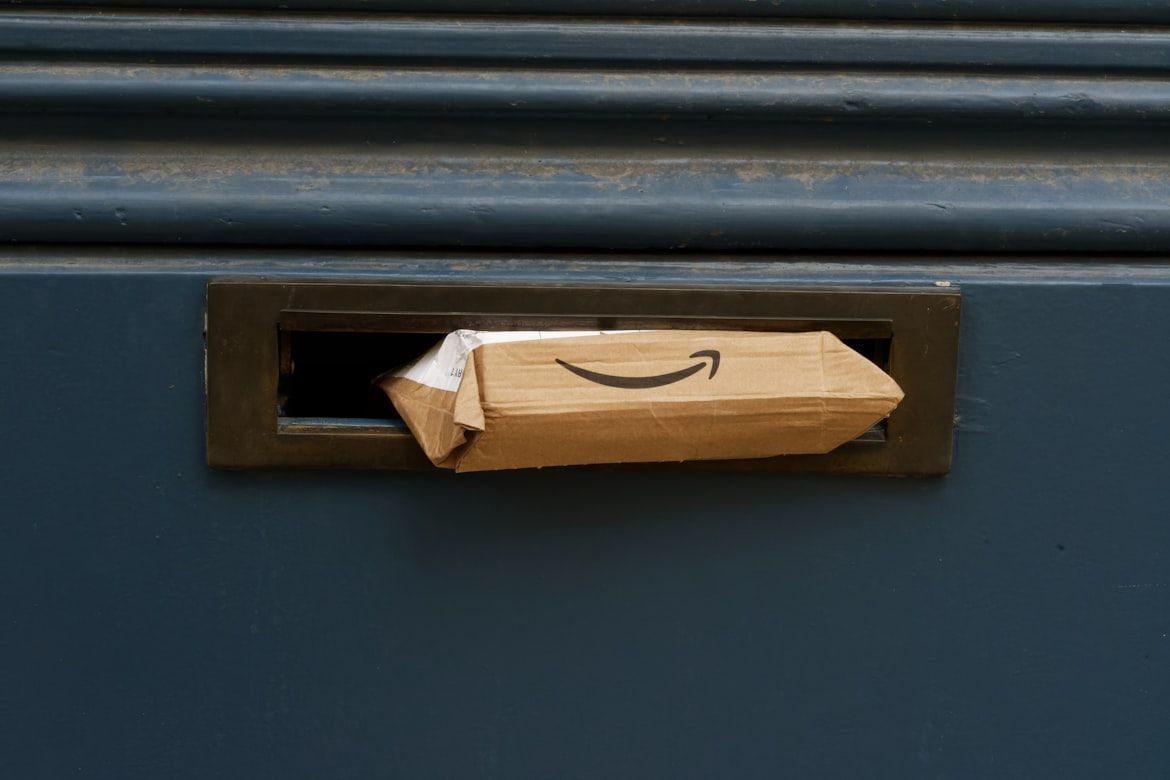
On New Year’s Day 1913, the U.S. Post Office inaugurated the first official parcel post service , allowing packages, not just letters, to be sent through the mail.

The impact was immediate: within the first five days, millions of packets passed through post offices, fueling mail-order business and expanding commerce everywhere.

12
First airmail route

Image: Qihao Wang

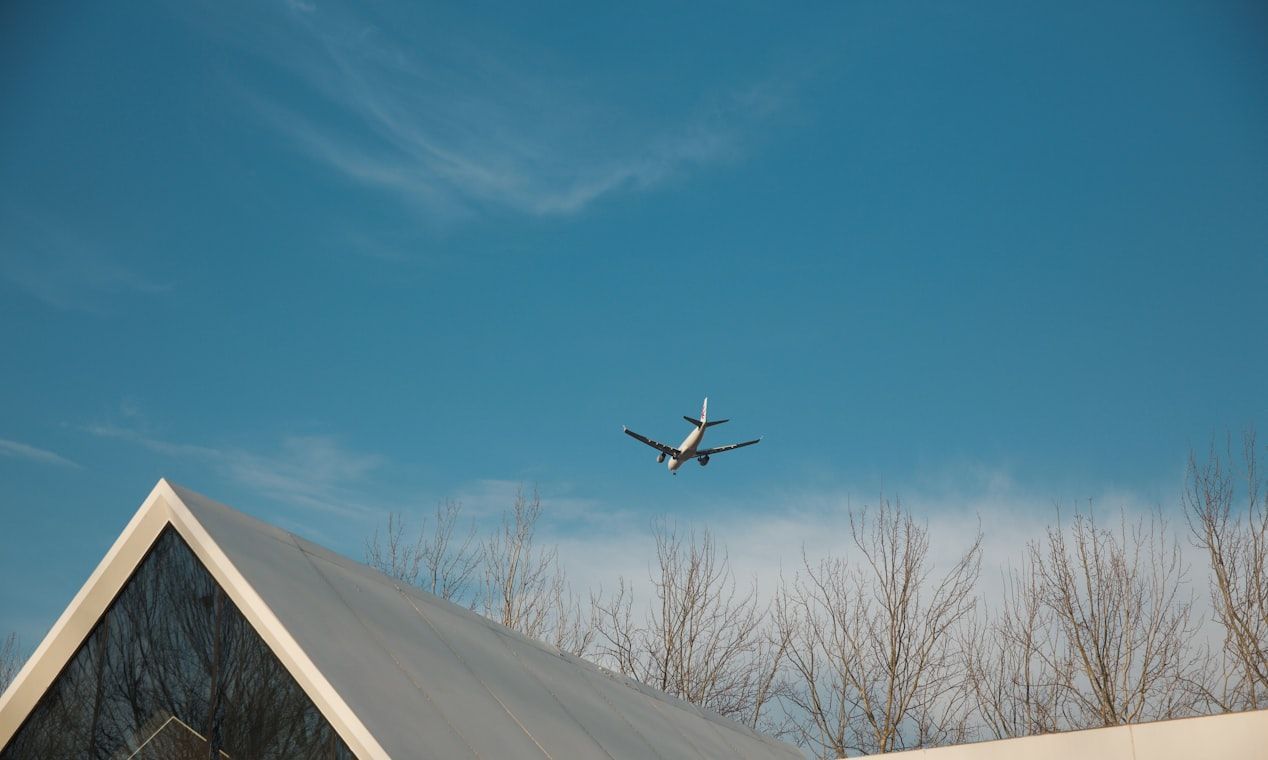
In 1918, the postal service launched the first regularly scheduled air mail route between Washington, D.C., and New York , marking the beginning of mail carried by airplane.

Airplane mail allowed far faster coast-to-coast and long-distance communication, a major leap from sailboats, stagecoaches, or railroads.

Explore more American facts

Choose your favorite category!

General
General

As American as apple pie—the very best America has to offer!

Culture
Culture

Delve into the astounding richness of American lore.

Geography
Geography

Hop in and explore vast and diverse American landscapes.

History
History

Discover the key moments that shaped the United States.