General General 5 min read

WHAT ARE WE ORDERING TONIGHT?

10 Foreign Foods That America Embraced
Image: Önder Örtel

There are many ways of exploring the world and food is a great way to do it. While it would be great to experience each dish in its place of origin, these days it is possible to take a culinary trip around the world without ever leaving your home town.

America is a nation of immigrants and, as such, it has embraced many different types of food from all over the globe. Some of these dishes have proven to be quite popular and widespread, while others have remained within their own communities. Which of these have you tried?

1
Pizza (Italy)
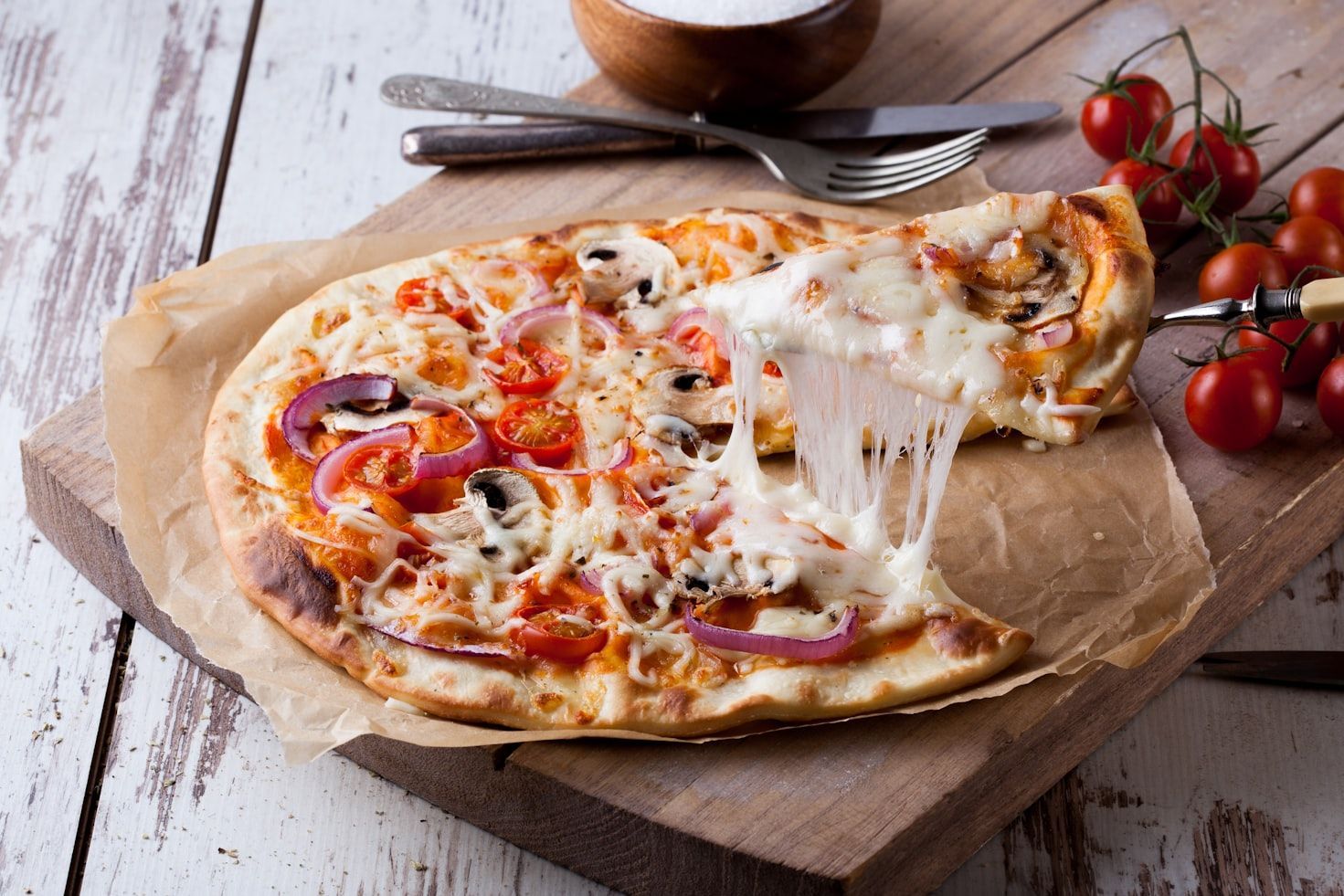
Image: Kelvin T

Let us get the obvious out of the way first. Pizza and America were a love at first bite. This delicious food was brought to America by Italian immigrants in the late 19th century. In 1905, Gennaro Lombardi applied to the New York City government for the first license to make and sell pizza in this country, at his grocery store on Spring Street in what was then a thriving Italian-American neighborhood.

These days, from New York to Chicago to California, Americans consume more than three billion pizzas a year.

2
Sushi (Japan)
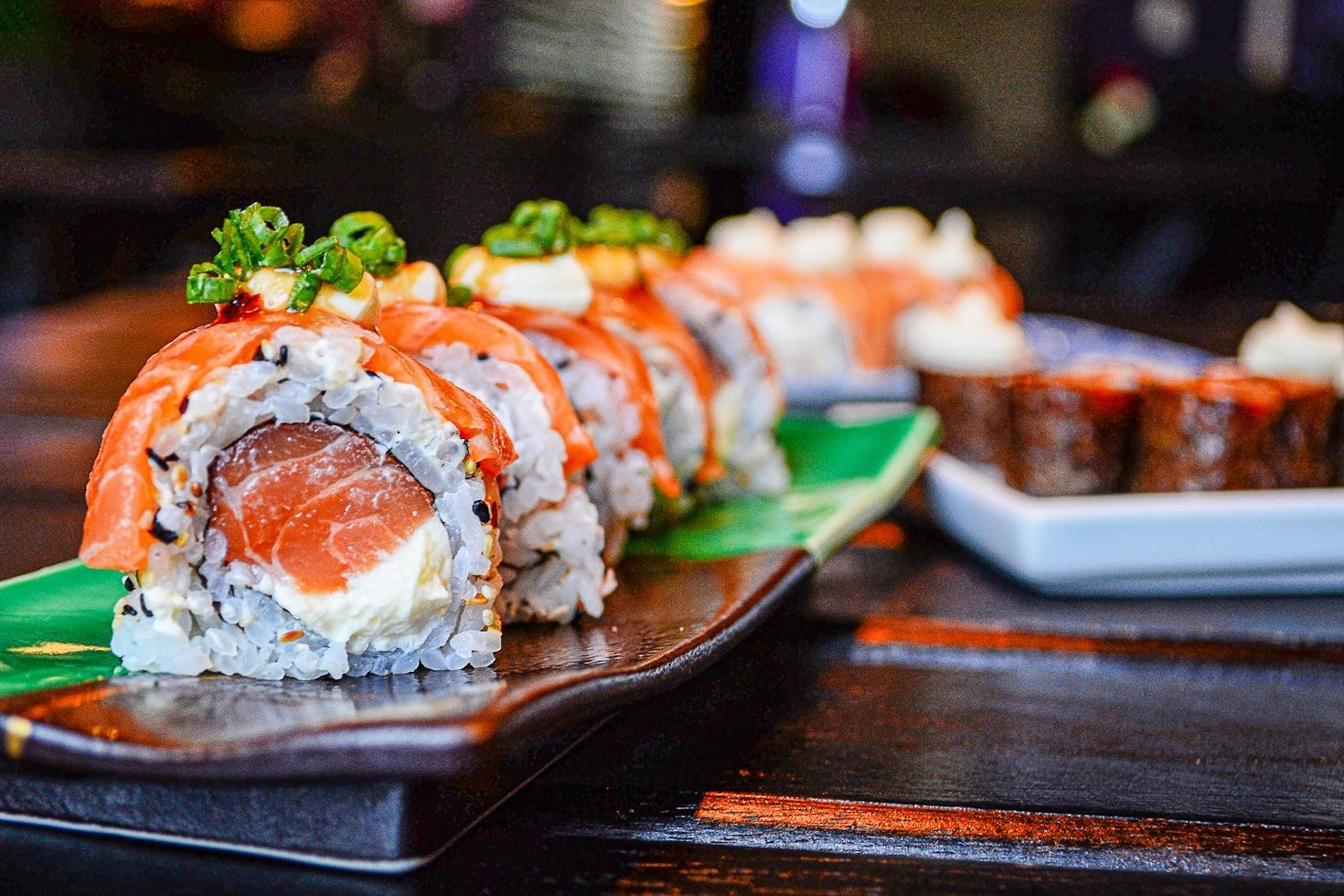
Image: Vinicius Benedit

A Japanese dish that has been a hit for a couple of decades now is, of course, sushi . This elaborate meal arrived in the U.S. somewhere between the 1950s and 1960s, and it was popularized with the opening of Kawafuku Restaurant in Los Angeles’ Little Tokyo.

Sushi restaurants began to open outside the confines of Little Tokyo, and the cuisine gained popularity, especially with Hollywood celebrities. Cosmopolitan cities like New York and Chicago soon followed suit with sushi restaurants of their own, and by the late 1980s, sushi was a full-on craze.

3
Burritos (Mexico)
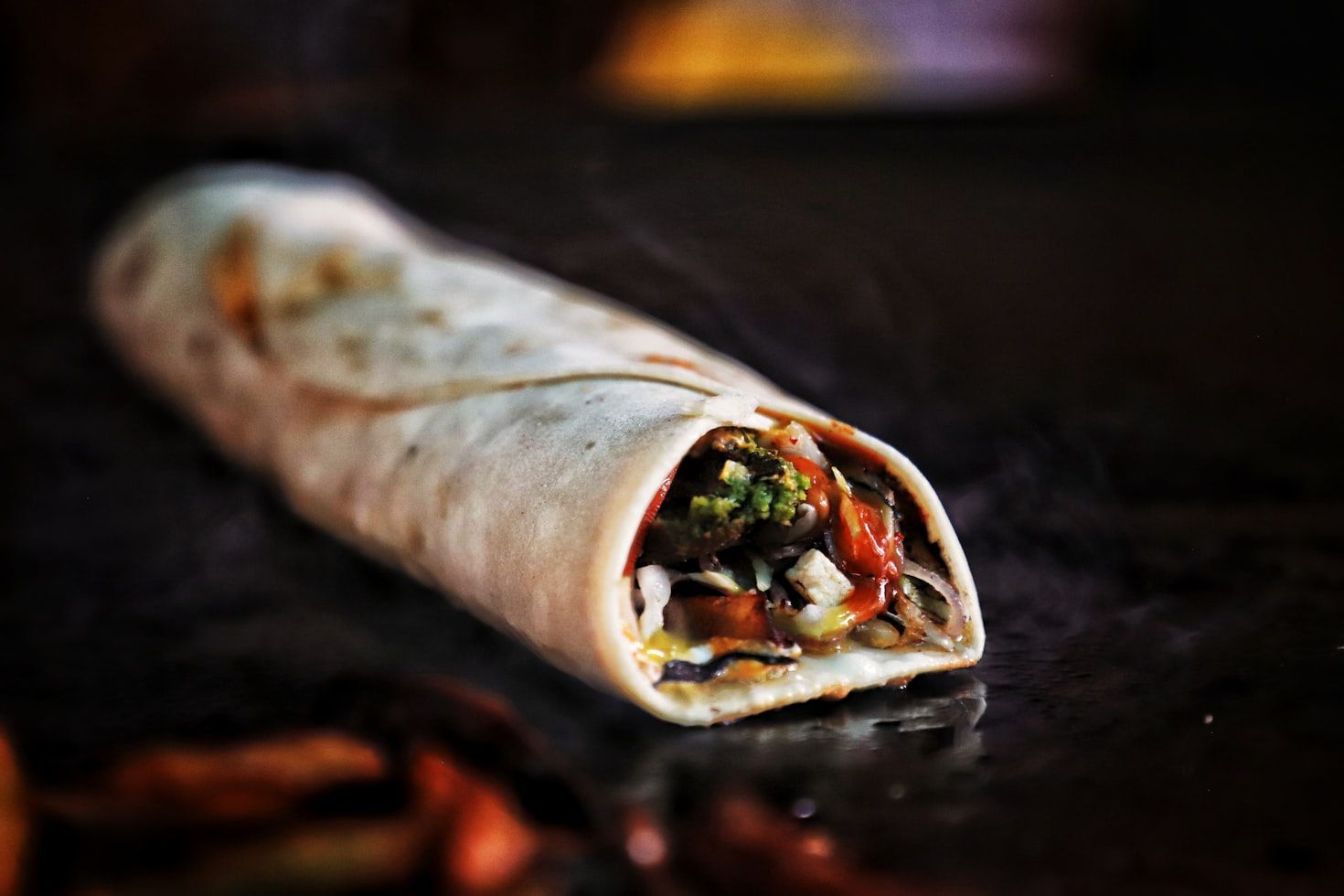
Image: Kashish Lamba

Being a traditional dish from a neighboring country, it is no wonder that burritos are such a popular food in the United States. These Mexican delicacies first appeared on American restaurant menus at the El Cholo Spanish Cafe in Los Angeles during the 1930s.

North of the border, the burrito evolved to include a wider variety of fillings, such as rice, cheese, sour cream, and salsa, and it became a popular and customizable fast-food item.

4
General Tso’s Chicken (China)
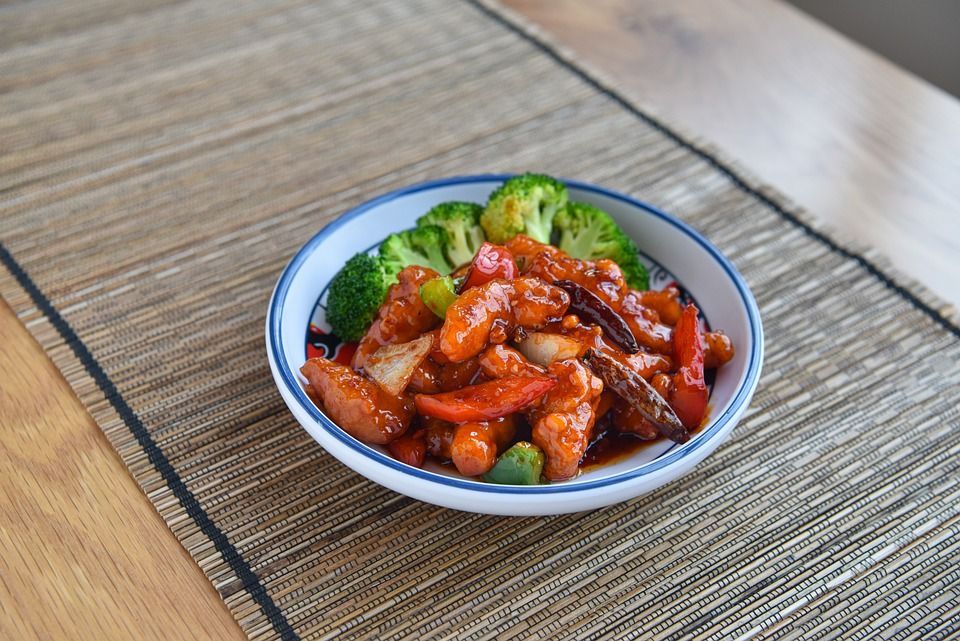
Image: Sunday 133

As ubiquitous as Chinese food is in America, General Tso’s Chicken is an ubiquitous item in its menus. The dish as most Americans know it today was invented by Peng Chang-kuei, a chef from the Hunan province.

During the 1950s, Taiwan became a haven for classical Chinese cuisine. Peng opened a restaurant in the capital of Taipei and for years served food inspired by traditional Hunanese cooking, including the now-famous General Tso’s Chicken.

5
Gyros (Greece)
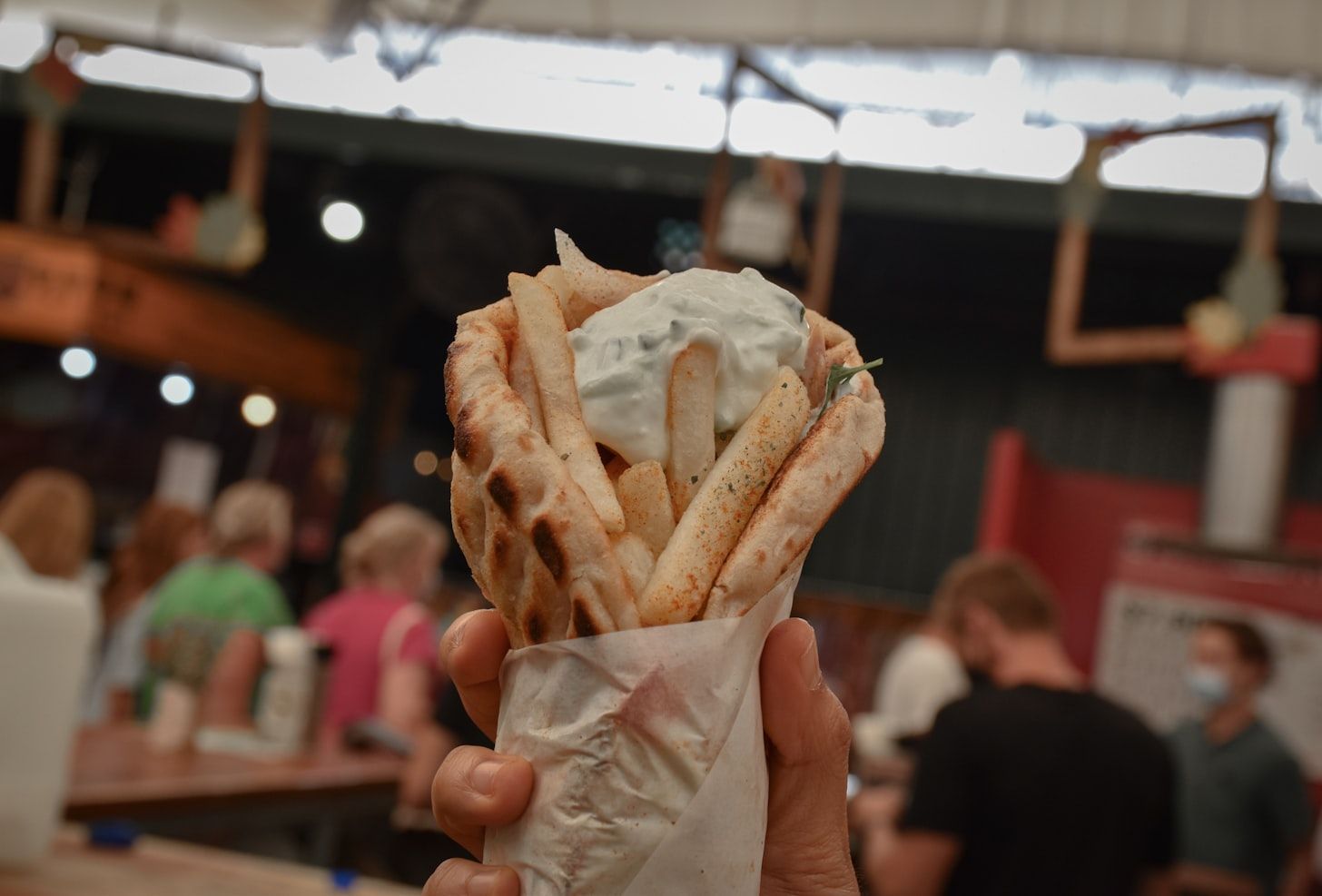
Image: irws

A beloved street food, Greek gyros have always been popular in the Mediterranean countries but gained popularity in the United States in the early 20th century when Greek immigrants began emigrating to the U.S. shortly after World War II.

A traditional Greek gyro is a dish made from thinly sliced meat baked on a vertical spit and served with a tangy sauce called tzatziki. It is most commonly made with lamb, but beef and pork are also available. In Greece, gyros are a popular meal choice.

6
Pad Thai (Thailand)
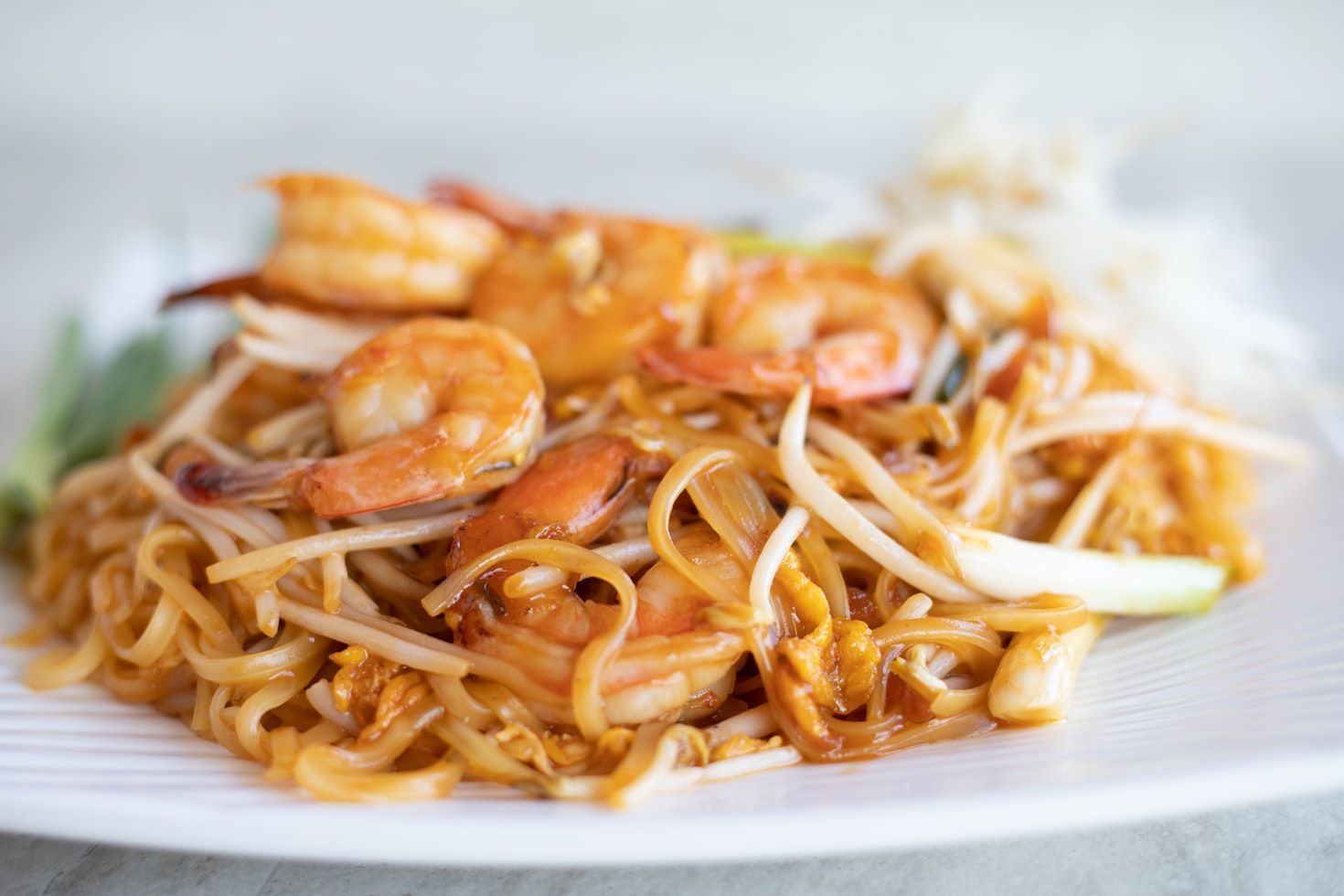
Image: Alyssa Kowalski

Pad Thai was born in Thailand during the time of World War II. The Prime Minister made this popular dish at the time because he was concerned about the country’s high rice consumption. So, to lower rice consumption, he encouraged citizens to eat more noodles—which Chinese merchants were selling at the time. The combination of Chinese rice noodles and native Thai flavors used for this dish eventually paved the way to creating what we call Pad Thai these days.

However, the delicious Pad Thai you might be familiar with from Thai restaurants in the U.S. is not a traditional Thai dish. Instead, it’s a nod to the American palate, introduced to the United States by Chinese immigrants who used "pad" as a catch-all term for any stir-fried noodle dish.

7
Coq Au Vin (France)
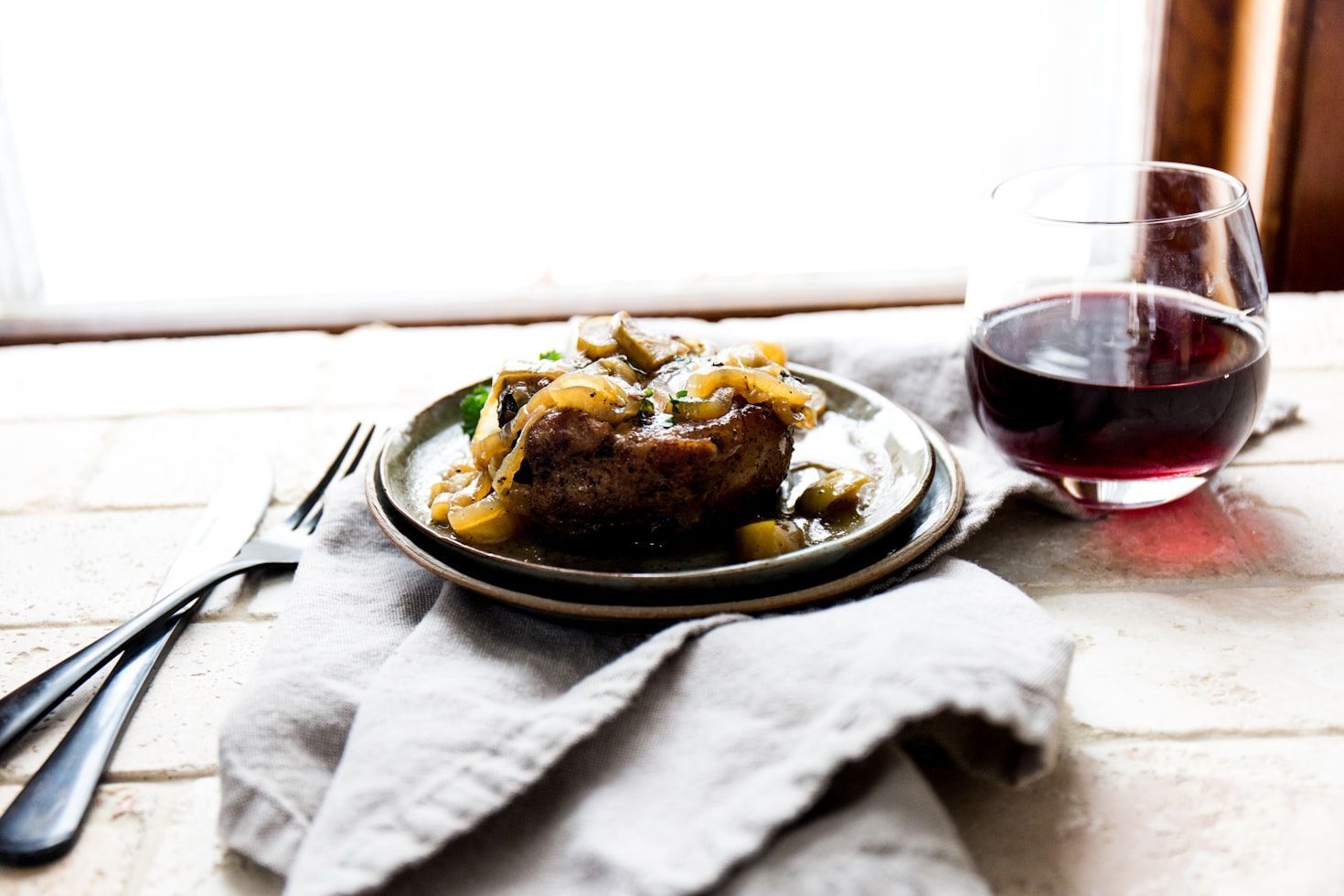
Image: Katherine Chase

Always associated with high cuisine, the iconic coq au vin was featured by Julia Child in her breakthrough 1961 cookbook Mastering the Art of French Cooking. And she must have liked it because it was a recurrent dish on her PBS cooking show The French Chef.

This media exposure helped increase the visibility and popularity of the dish in the United States, and coq au vin was seen as one of Child’s signature dishes.

8
Ceviche (Peru)
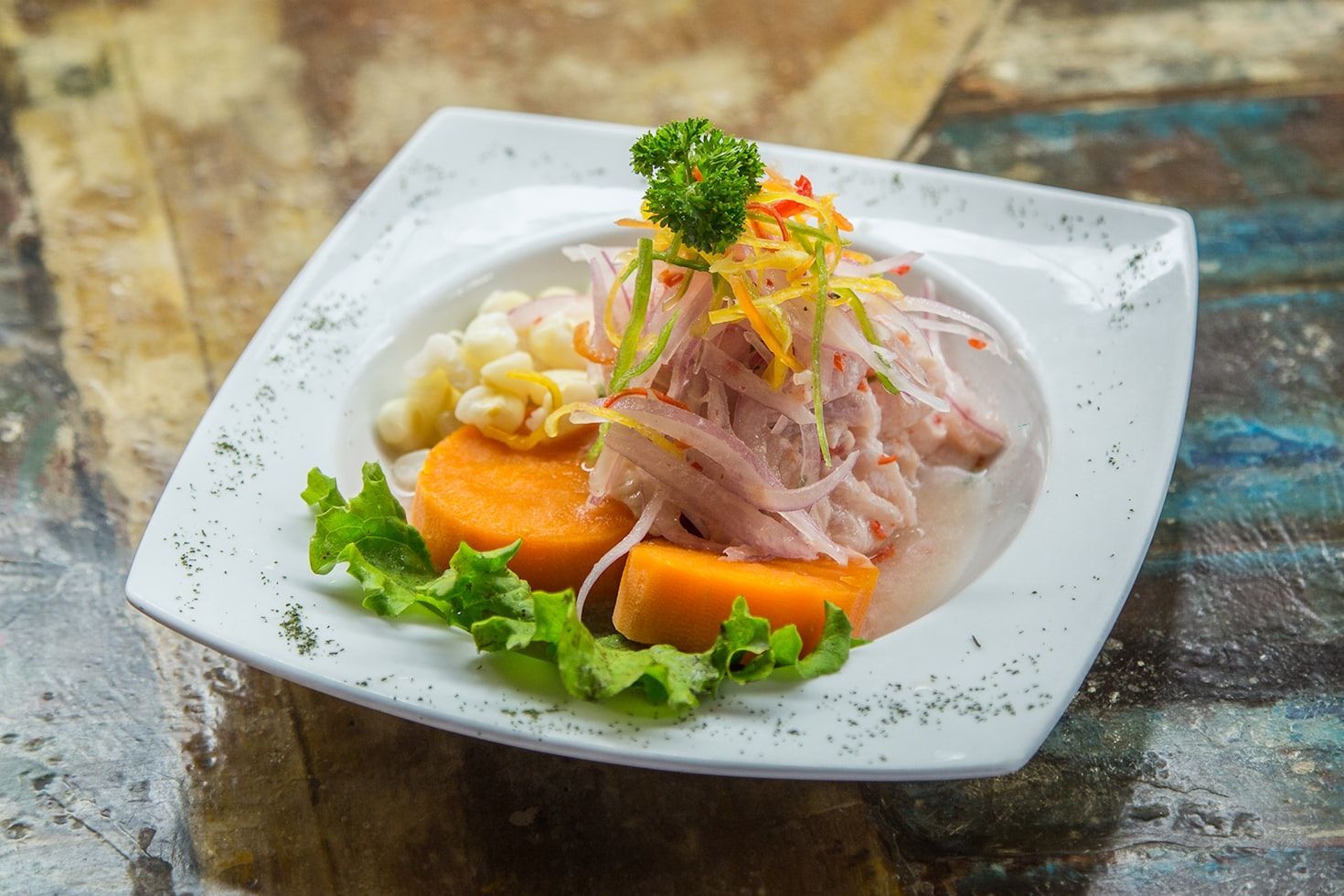
Image: Pirata Studio Film

Ceviche is a Peruvian seafood dish that made its way onto American plates in the 1980s when Caribbean flavors came from Florida. In its classic form iced cubes of raw fish, marinated in a lemon or lime juice mixture, react with the citrus juices to cure the fish protein and cause it to become opaque and firm while absorbing flavor.

The essential ingredients of any ceviche are raw fish, citrus juices, and seasonings. So, it could be said that, while not a deal-breaker, being a fish enthusiast will definitely help you enjoy this delicious meal.

9
K-BBQ (Korea)
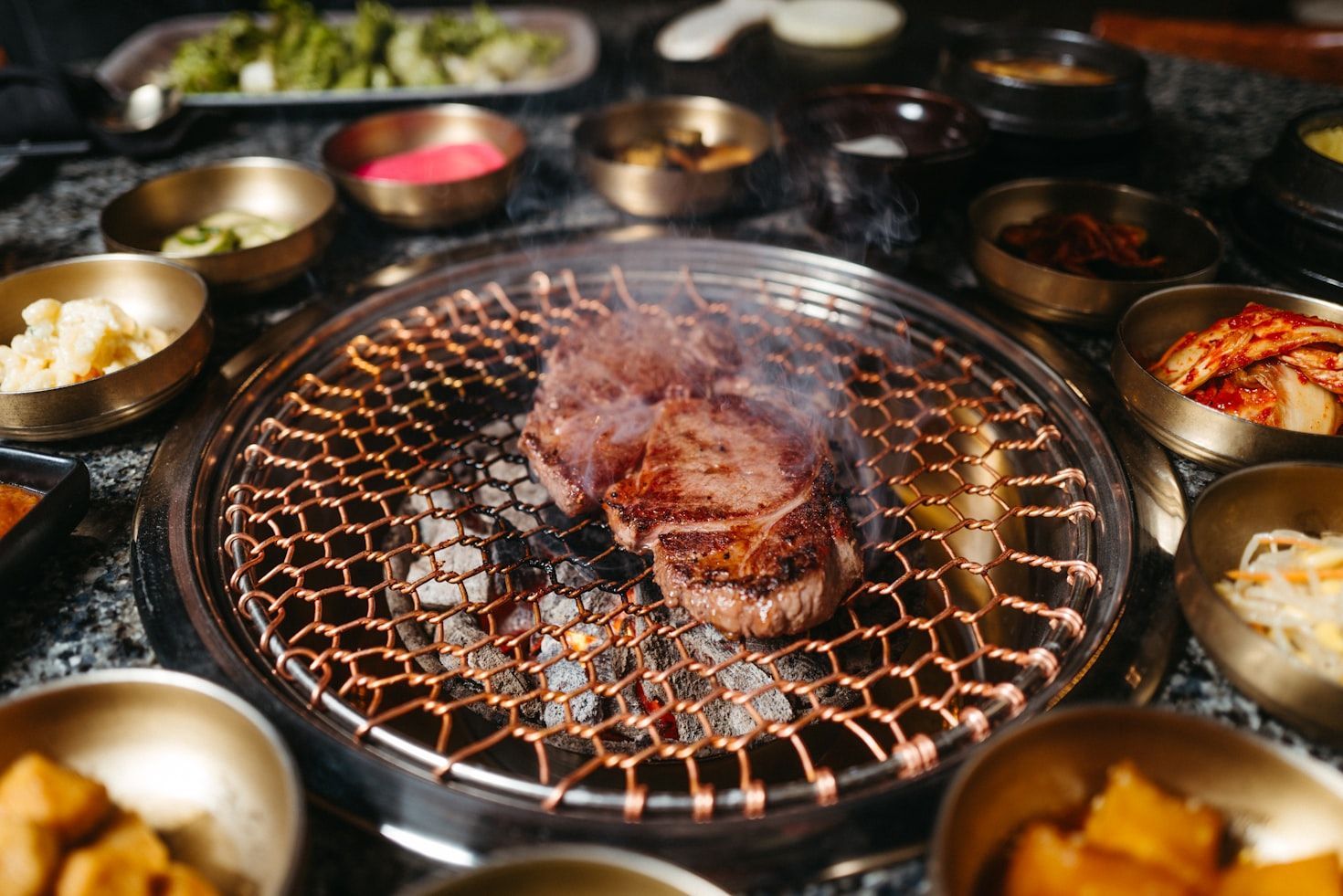
Image: Daniel Lee

Korean BBQ as we know it today began to develop in the 1940s and 1950s, following the Korean War when the US military introduced new grilling techniques and equipment to Korean food culture. In the following decades, Korean BBQ spread throughout Korea and eventually around the world.

During the past decades, Korean BBQ went from being something consumed by Korean immigrants and their descendants exclusively to something that can be found and is beloved in nearly all American cities.

10
Ropa Vieja (Spain)
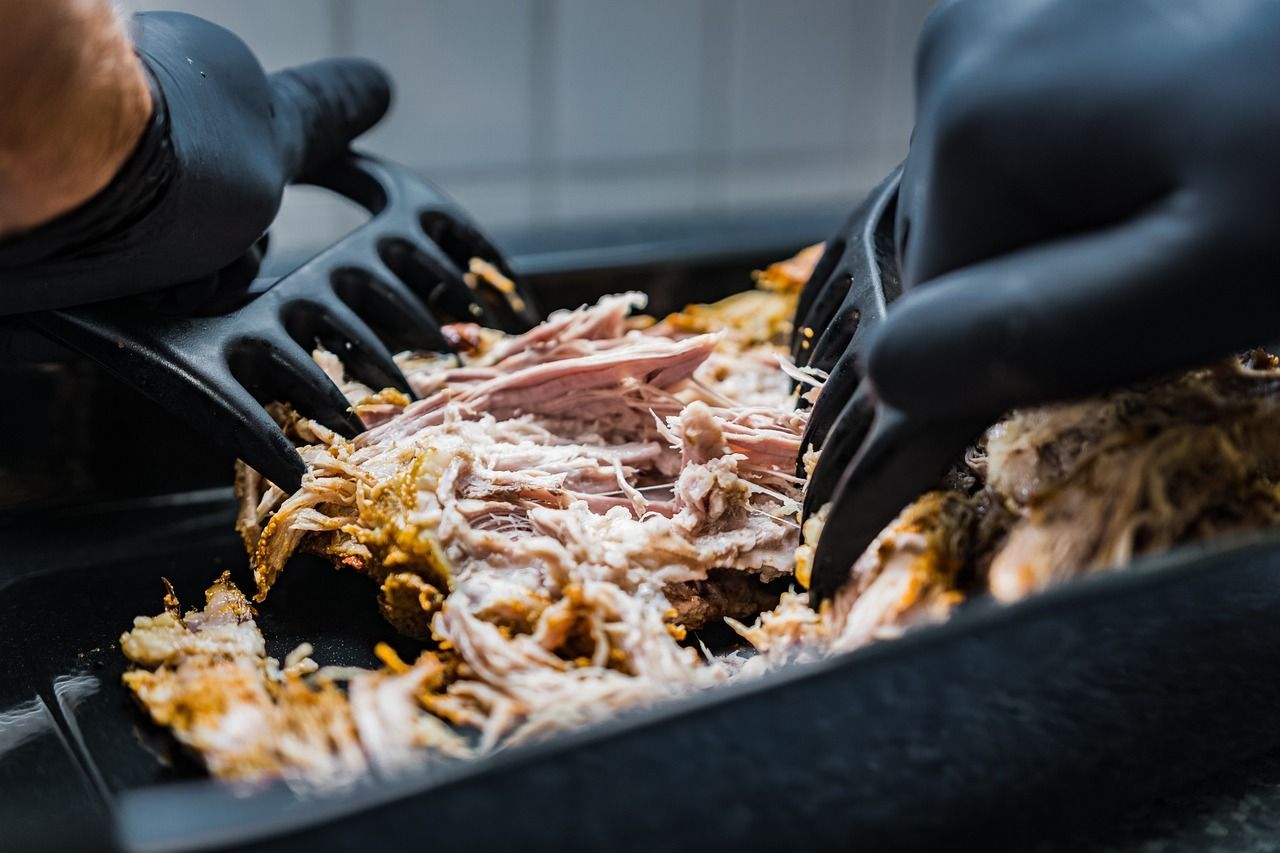
Image: Medamedia

A strange name for such a tasty meal, Ropa Vieja is Spanish for "old clothes". The origin of the name comes from the legend of a poor man who shredded his clothes to feed his family, magically transforming the rags into a slice of beef and vegetables. Legends aside, this is a delicious meal that became famous in Cuba but can be traced back to Spain.

Cooking the meat is a labor-intensive process, but it’s very rewarding when done right. The dish is made the night before so the juices really seep into the beef, giving it an amazing flavor and texture. Ropa Vieja made its way through Florida and into the country.
General General 3 min read

The language of today

Could you make a "GRWM"? Here's modern slang you need to know!

Image: Cup Of Couple

If you scroll through social media for even a few minutes, you'll likely come across terms like "bussin'" or "amped" and unusual abbreviations like "GRWM" or "IYKYK." Do you know what they mean? If you want to stay up to date with these and other trending slang terms, don't miss this article!

1
Extra

Image: Obie Fernandez

Some people are reserved and discreet, while others are just "extra." This slang term describes someone who is exaggerated, overly dramatic , or excessive—does anyone come to mind?

If a friend shows up to a casual hangout in an extravagant outfit or makes a big deal out of something insignificant, you can call them "extra."

2
GRWM

Image: Alexander Shatov

A popular abbreviation on TikTok is "GRWM." It's so well-known that you've probably heard it before.

Since fashion influencers often share videos about their outfits or ask for clothing advice, "GRWM" stands for "Get Ready With Me." With this phrase, video creators make viewers feel like part of their daily lives and invite them to join their digital adventures.

3
Bussin'

Image: Jackson Sophat

When it comes to flattery, "bussin'" is the term you need to speak today’s language. Something described as "bussin'" is exceptionally good, impressive, or exquisite. While it's most commonly used to describe food—like in "That Burger was just bussin'"—it can also be used to compliment other things or actions.

4
Mid

Image: Eran Menashri

Contrary to the previous term, "mid" is used to describe something as average or unimpressive. While it isn’t necessarily negative, it implies that a performance, dish, or speech wasn’t exactly the best you’ve seen.

"Mid" comes from the word "middle," suggesting that what you're referring to is neither good nor bad—it's just somewhere in the middle.

5
Spill the tea

Image: Manki Kim

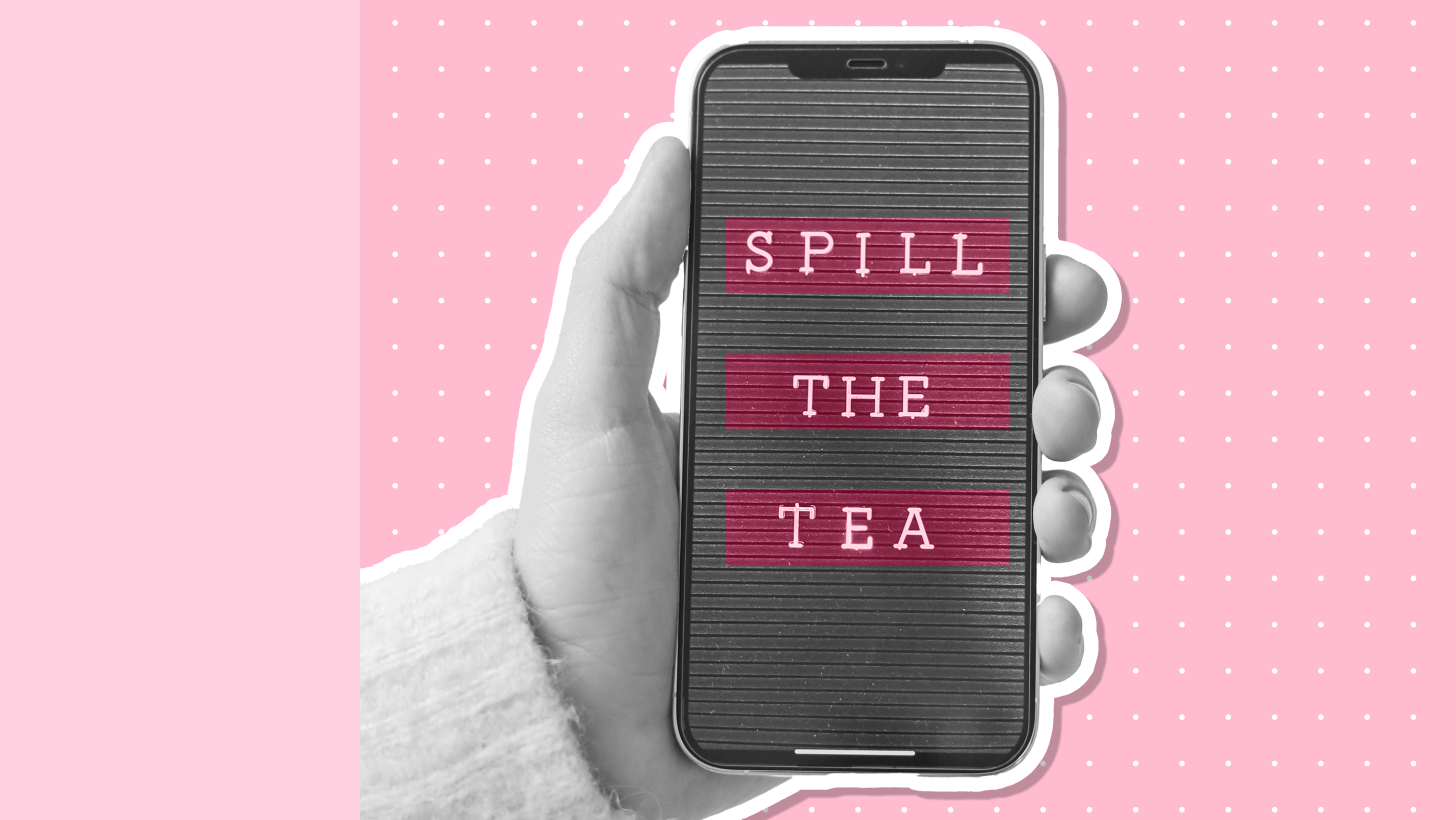
If someone asks you to spill the tea, they’re not asking you to make a mess on the snack table—they want something much more interesting.

"Spill the tea" is a slang expression used to ask someone to share juicy gossip . If you love drama or want to stay up to date with the latest news and scandals, this phrase will come in handy. As for its origin, some suggest that "spill the tea" may have evolved from an earlier phrase with a similar meaning: "spill the beans."

6
IYKYK

Image: Melissa Askew

While it may look like a word from a strange, distant language, "IYKYK" is actually an abbreviation for "If you know, you know." It's great for those inside jokes you share with your friends or recalling moments that only a select group was part of. You know, something intimate, secret, or exclusive.

7
GOAT

Image: Nandhu Kumar

What do Michael Jordan, Aretha Franklin, Babe Ruth, Frank Sinatra, Anthony Hopkins, and Serena Williams have in common? Well, they're all GOATs! But what does that mean?

"GOAT" doesn’t refer to the adorable animal—it stands for "Greatest of All Time." That's right! This term is used to describe those who truly stand out as the best in their field, discipline, or art.

8
No Cap/Cap

Image: Jakob Owens

It seems that saying "true" or "false" has gone out of fashion. The new trend is to say "no cap" or its opposite, "cap." As you might guess, these terms relate to truthfulness, honesty, and authenticity .

If a friend says, "The show was incredible, no cap," they’re assuring you they’re telling the truth. But if someone hears a suspicious story and calls out "cap," they’re likely calling it a lie.

9
Amped

Image: Austin Schmid

Have you been on Cloud Nine lately? If so, there's a perfect slang term for you: "amped." This adjective describes someone who’s excited about something or simply feeling really, really happy .

The term originated in the 1980s as a shortened form of "amplified," originally referring to someone highly charged with energy. Over time, it became associated with excitement and joy and has recently made a comeback, especially on social media.

10
Bet

Image: Ursula Castillo

If you're talking with a group of teens and you want to express your agreement with something, just say, "Bet." This short word is commonly used today to mean "Yes," "Exactly," "That’s it," or "Let’s do it."

As you might have guessed, it was born in the gambling world and is tied to that feeling of confidence or certainty needed when placing a bet.

General General 5 min read

Childhood collectibles turned gold

Ten American toys from the '70s and '80s that are now worth a fortune

Image: Huy Hung Trinh

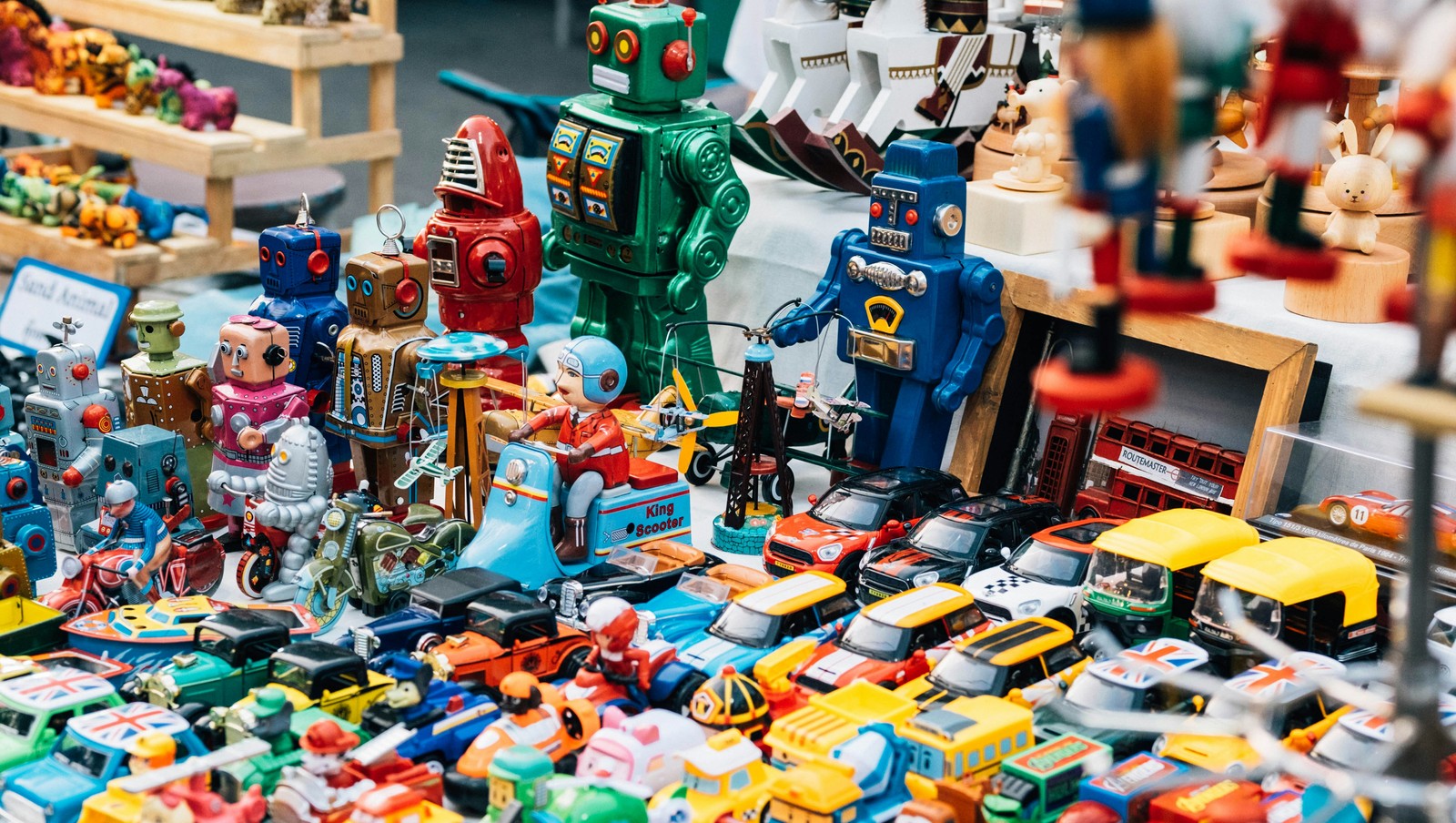
Remember when your biggest worry was whether Mom would buy you that awesome toy you saw on Saturday morning cartoons? Well, if you held onto those childhood treasures (or if your parents saved them in the attic), you might be sitting on a small fortune . The toys that defined our generation have become hot collectibles, and some are worth serious cash today.

1
Star Wars Action Figures

Image: Brian McGowan

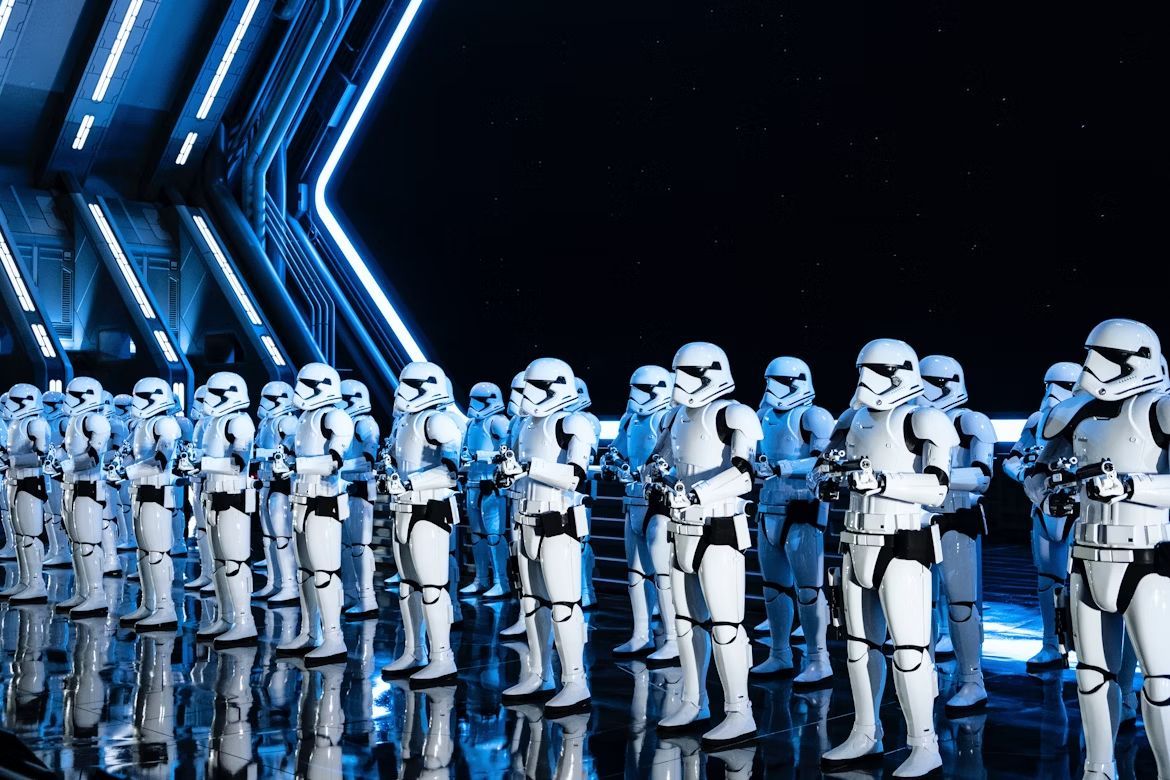
Those little plastic heroes from a galaxy far, far away weren't just toys: they were pure magic in your hands. Whether you had Luke Skywalker, Darth Vader, or the hard-to-find Boba Fett, these 3.75-inch figures from Kenner turned your bedroom floor into epic space battles.

Fast forward to today, and collectors are paying top dollar for these nostalgic treasures. A mint-condition figure still in its original packaging can fetch hundreds or even thousands of dollars . Even loose figures in decent shape can bring in $20 to $100 each, depending on the character. The rarest pieces, like the vinyl-caped Jawa or the rocket-firing Boba Fett prototype, have sold for tens of thousands at auction.

2
Cabbage Patch Kids

Image: camilo jimenez

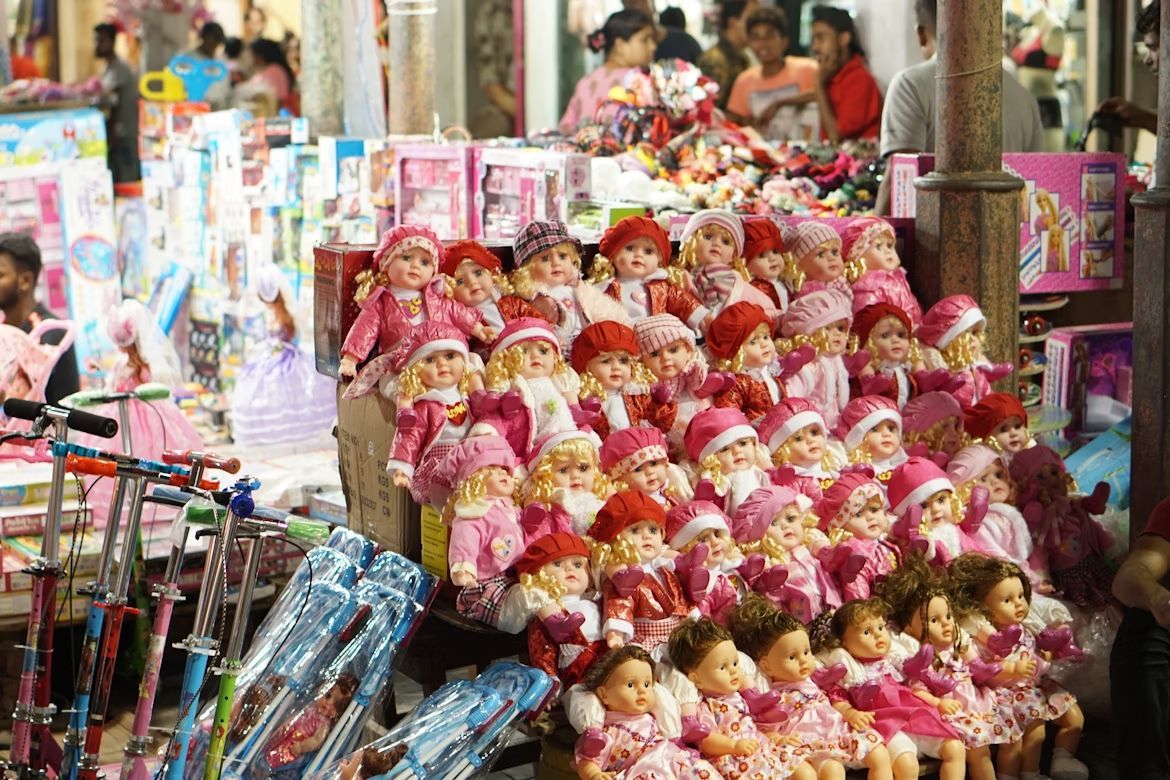
The madness of 1983 is hard to forget—parents literally fighting in toy store aisles to grab one of these wrinkly-faced dolls for Christmas. With their yarn hair, chubby cheeks, and unique names, these dolls weren't just toys; they were family members who went everywhere with you.

Original Cabbage Patch Kids from the early '80s, especially the ones made by Coleco, are now highly sought after by collectors. Dolls in excellent condition with their original boxes and paperwork can sell for $100 to $500 , while rare editions or special characters can go for much more.

3
Atari 2600 Game Cartridges

Image: Alejandro Hikari

This chunky, black console with the wood paneling was the coolest thing you could own in the late '70s and early '80s. Games like Pac-Man, Space Invaders, and Pitfall! kept you glued to the TV for hours, even though the graphics were basically colored blocks moving around the screen.

Today, common titles might only fetch $5 to $20, but rare games can sell for hundreds or even thousands . The holy grail is "Air Raid," one of the rarest games ever made, which has sold for over $30,000.

4
Strawberry Shortcake Dolls

Image: Subhabrata Chowdhury

Strawberry Shortcake burst onto the scene in 1980 with her red hair, freckles, and signature striped stockings. Soon she had a whole crew of fruity friends like Blueberry Muffin, Raspberry Tart, and Huckleberry Pie.

These scented dolls from the original Kenner line are now collectible gems. Mint-condition dolls in their original packaging can sell for $50 to $200, depending on the character . Even loose dolls in good shape with their original outfits can bring in $20 to $50 each, especially if they still have a hint of that fruity smell.

5
Hot Wheels and Matchbox Cars

Image: I Nyoman Adi Wiraputra

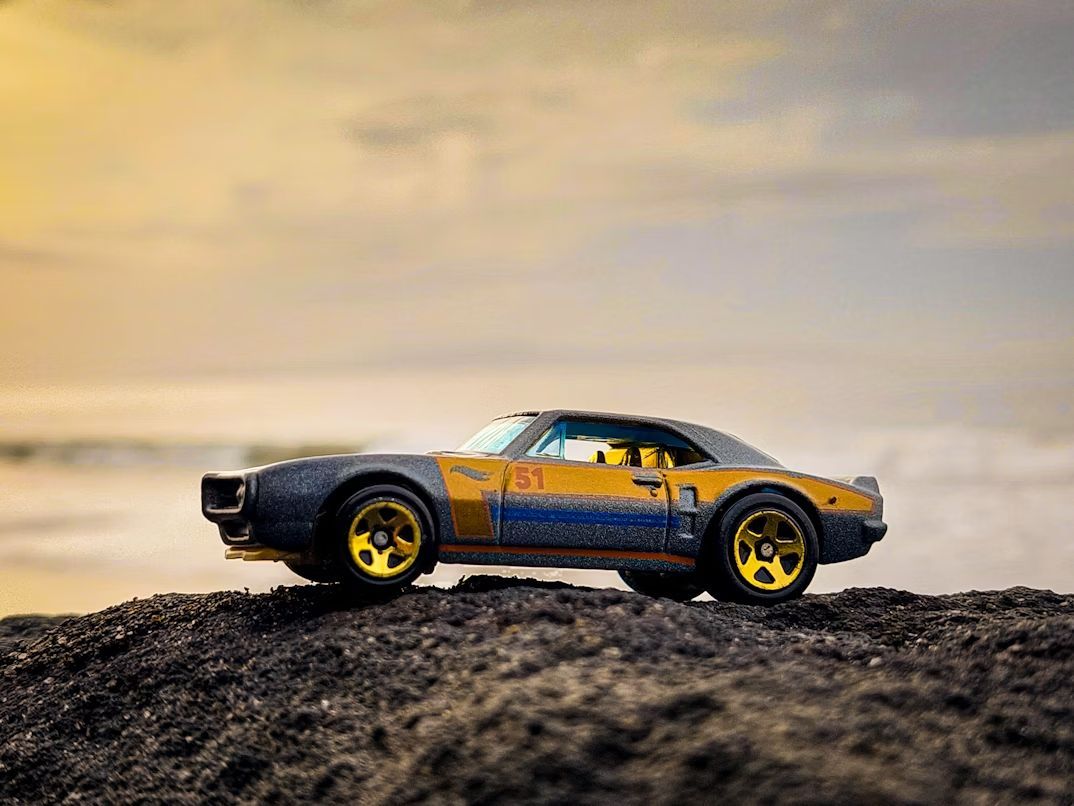
Your collection probably sprawled across your bedroom floor in an elaborate city of orange tracks, loop-de-loops, and imaginary highways. Hot Wheels from Mattel and Matchbox cars from Lesney were the must-have toys for any kid who loved vehicles.

A single rare Hot Wheels car, like a 1968 "Cheetah" base Python or certain Redline editions, can sell for $100 to $1,000 or more . Even common models in excellent condition with their original packaging can fetch $10 to $50.

6
Transformers

Image: Arseny Togulev

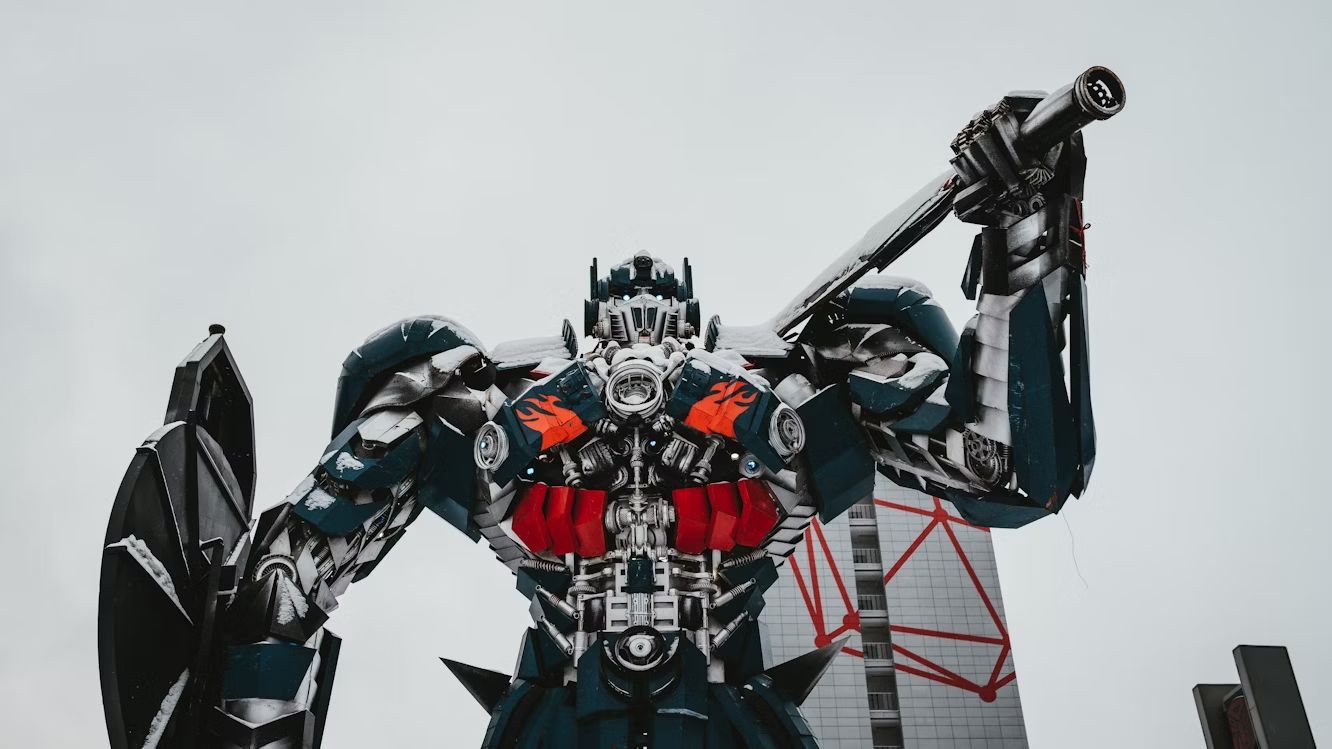
"More than meets the eye!" That wasn't just a catchy tagline—it was the truth. Transformers were toys that did double duty: a cool robot that could morph into a vehicle, cassette player, or dinosaur with just a few twists and clicks.

Original Generation 1 Transformers from the mid-'80s are now hot collectibles. Figures in good condition with all their parts intact can sell for $50 to $200, while rare characters or complete sets in original packaging can go for much more . Optimus Prime in his original box can fetch $500 to $1,000 or higher.

7
G.I. Joe: A Real American Hero

Image: Justin Wilkens

The 1980s reboot of G.I. Joe brought the action figure down from 12 inches to a more manageable 3.75 inches, and kids went wild for them. Snake Eyes, Duke, Cobra Commander, and Storm Shadow became instant icons. These figures came with tons of accessories—guns, backpacks, helmets—that were ridiculously easy to lose.

Today's collectors are willing to pay good money for these patriotic warriors. Complete figures with all their original accessories can sell for $15 to $100 each, depending on rarity. Mint-on-card figures (still sealed in packaging) are where the real value lies, often fetching $50 to $300 or more for rare characters . The U.S.S. Flagg, if complete in its box, can sell for over $1,000.

8
My Little Pony

Image: Kateryna Hliznitsova

These colorful little horses with brushable manes and tails captured hearts when they debuted in 1983. Each pony had its own name, personality, and unique symbol on its flank.

Original Generation 1 ponies from the '80s are now beloved collectibles among a dedicated fanbase. Common ponies in good condition can sell for $10 to $30 each, while rare ponies, especially those from early releases or special editions, can go for $100 to $500 .

9
Rubik's Cube

Image: William Warby

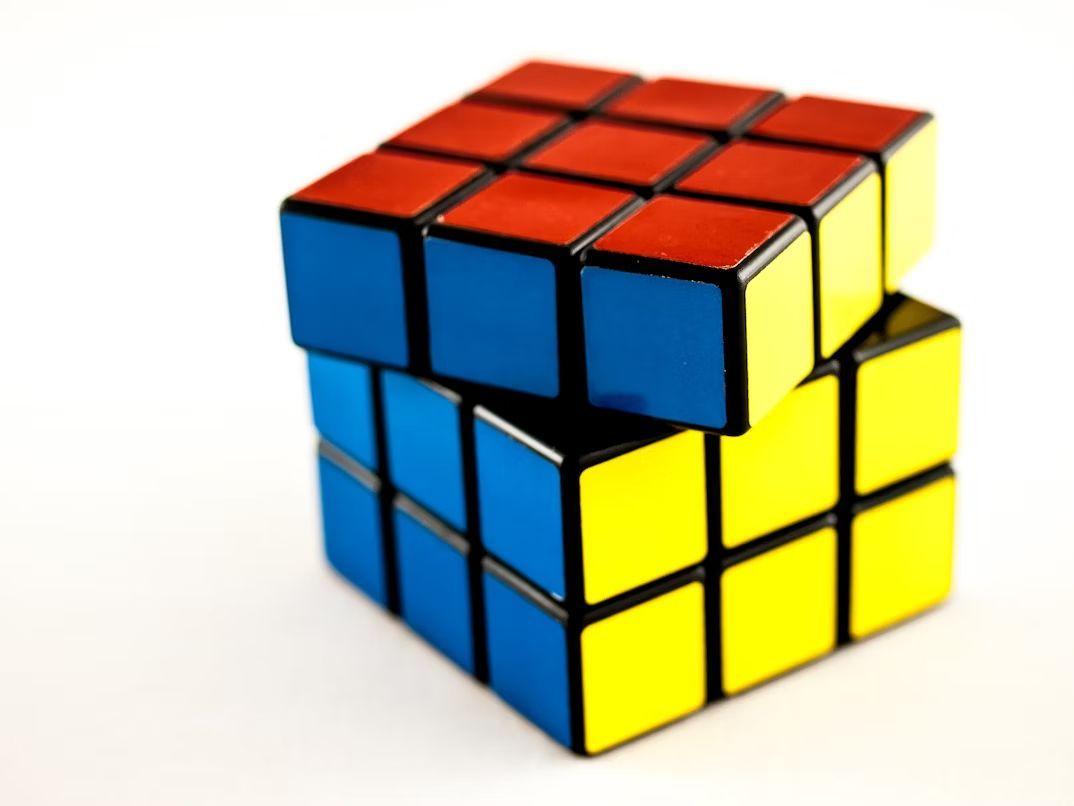
The Rubik's Cube became a sensation in 1980, and suddenly everyone was twisting and turning those colorful squares, trying to get each side to match. Some kids could solve it in minutes; most of us just peeled off the stickers and stuck them back on in the right places (come on, you know you did it).

Original Rubik's Cubes from the early '80s, especially early editions made in Hungary, have become collectible. While standard cubes aren't worth a fortune, vintage ones in pristine condition with original packaging can sell for $50 to $150 . Special editions, like the original wooden prototype or cubes signed by inventor Ernő Rubik, are worth much more.

10
Care Bears

Image: Oxana Lyashenko

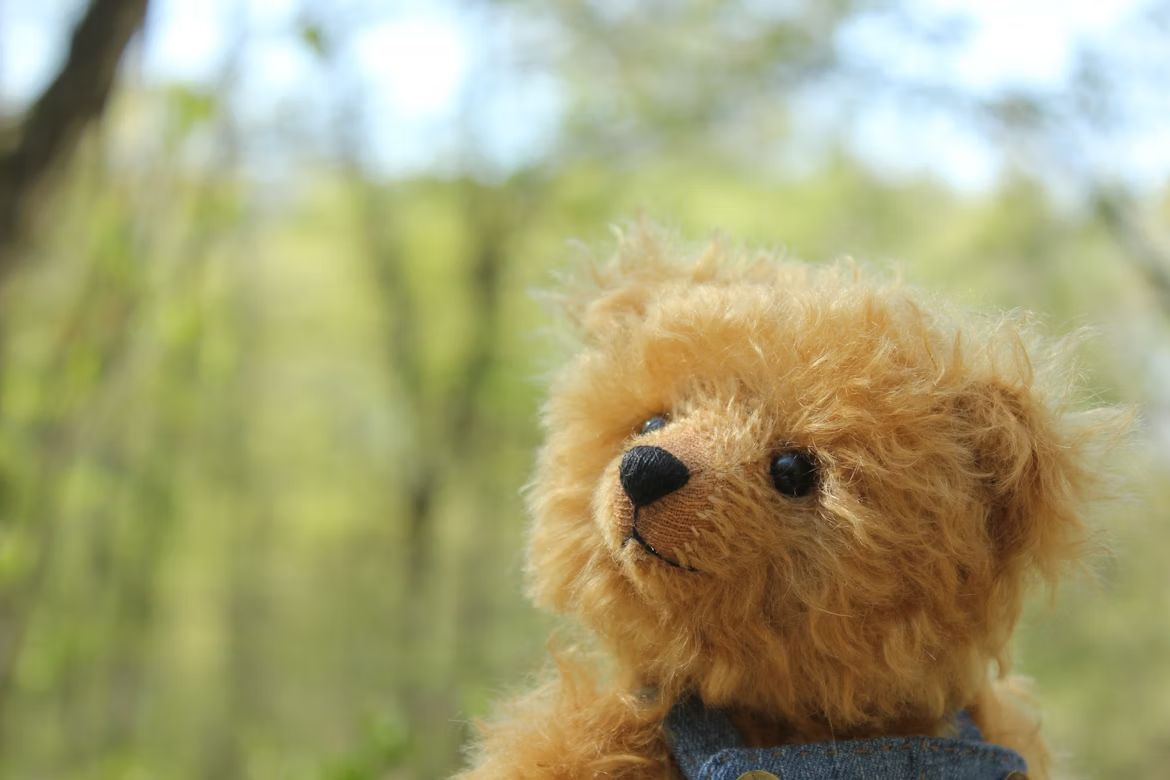
These huggable bears with symbols on their bellies taught us about feelings and friendship. Each Care Bear represented a different emotion or value: Tenderheart Bear had a heart, Grumpy Bear had a rain cloud, and Cheer Bear had a rainbow. The stuffed animals, along with the TV shows and movies, made Care Bears a phenomenon.

Vintage Care Bears from the original 1983 Kenner line are now sought-after collectibles. Plush bears in excellent condition with their original tags can sell for $30 to $100, while rare bears or special editions can go higher. Complete sets, limited editions like the birthday bears, or bears with rare belly badges are particularly prized.

Explore more American facts

Choose your favorite category!

General
General

As American as apple pie—the very best America has to offer!

Culture
Culture

Delve into the astounding richness of American lore.

Geography
Geography

Hop in and explore vast and diverse American landscapes.

History
History

Discover the key moments that shaped the United States.