History History 5 min read

Nostalgia alert

Where do bell-bottoms really come from? Flashback to the '70s and '80s!
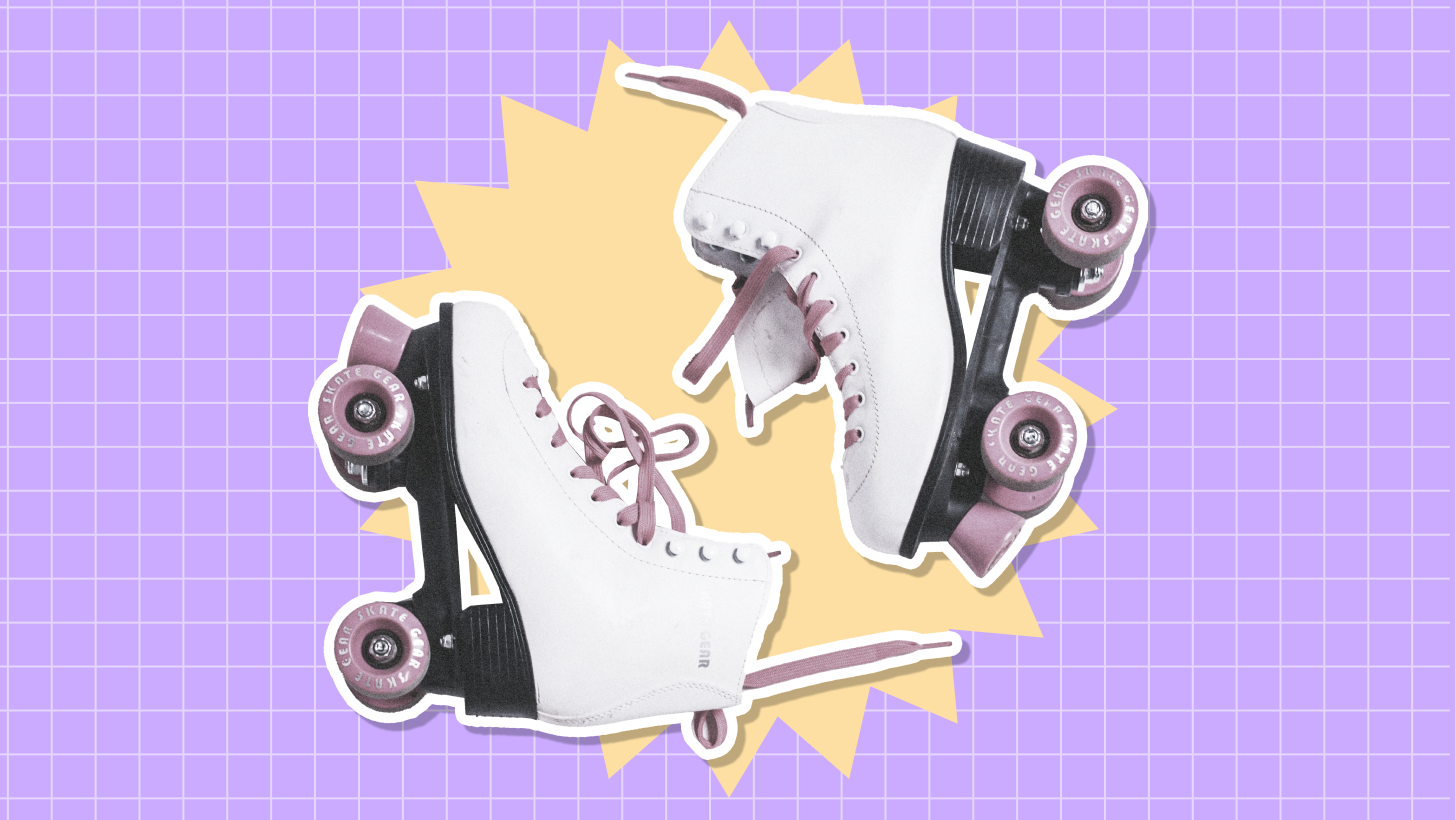
Image: Rachel Moore

Those of us who grew up during the 20th century know what we mean when we say that some decades had a lot to celebrate. From disco music to the early video game craze, the 1970s and 1980s left behind countless moments, objects, songs, and fads that we still remember today. If you're a true nostalgic like us, this article is for you. Join us as we explore the 10 things we miss most about the 1970s and 1980s. Let's get started!

1
Bell-Bottom Pants

Image: Annie Spratt

If you're attending a 1970s-themed costume party, what would you wear? Beyond your personal style, no '70s wardrobe could be complete without a good pair of bell-bottom pants.

These pants were everywhere back then. Available in all colors and styles, they were worn by young and old alike. While their stardom spanned from the late 1960s to the early 1980s, bell-bottoms actually emerged much earlier. When? In the 19th century!

The first to wear this style of pants were American sailors in the 1800s. But their purpose wasn't to look trendy. Sailors implemented them because the wide design made it easy to roll them up when it was time to get their feet in the water.

2
Polaroid Cameras

Image: Josh Carter

Your current cell phone camera is probably better than the analog cameras of the 20th century. But let's be honest—there's nothing quite like holding a physical photo you just took, right?

Okay, we admit it: nostalgia is kicking in. But still, who can deny that a picture is a beautiful memory that gives a sweet, homey touch to your house? Thanks to Polaroid cameras, those of us who grew up in the 1970s and 1980s know this all too well.

Although Polaroid cameras first emerged in the late 1940s , it wasn’t until 3 decades later that they reached their peak popularity, becoming an unmistakable symbol of the era.

3
Music videos

Image: Jakob Owens

While music videos existed before the 1980s, that decade turned them into a global sensation.

One song marked a major turning point in the world of music videos. You probably already guessed it: we’re talking about Michael Jackson’s "Thriller." Released in 1983, this was one of the first music videos to feature substantial production value and investment, making it worldwide famous and setting a trend that would influence the industry for decades. Other unforgettable examples from the era include the animated masterpiece "Take On Me" by A-ha (1985) and the vibrant aerobic-themed "Physical" by Olivia Newton-John (1981).

While music videos remain a key part of the music industry today, they’ve evolved to be shorter and more dynamic, often prioritizing quick impact over storytelling.

4
Synthesizer Sound

Image: Orkun Azap

One of the most iconic and recognizable features of '70s and '80s music is the use of synthesizers.

First introduced in the 1960s, synthesizers grew in popularity over the following decades, until they became part of nearly every sound of the era—from rock and funk to pop, disco, and electronic music.

A great '70s example is Stevie Wonder 's "Superstition," which showcases the innovative use of synthesizers. By the '80s, the synthesizer sound had reached new heights, thanks to bands like Depeche Mode and Duran Duran , who helped define the decade's musical identity.

5
Disco Balls

Image: Greyson Joralemon

If there's one thing that screams 1970s, that's undoubtedly disco music. With icons like the Bee Gees, KC The Sunshine Band, and Donna Summer, disco emerged in America and quickly got the whole world onto the dance floor.

In addition to platform shoes and satin shirts, one of the objects that went hand in hand with this type of music was the famous mirror ball, also called the disco ball. Discotheques often showcased spectacular disco balls, and famous artists included them in their music videos, making those shiny spheres the stars of the era.

6
Roller Skates

Image: Nick Fewings

Disco wasn’t the only sensation of the era—roller skates were a big deal, too. In fact, the two often combined: during the '70s and '80s, roller discos became a hit, where people danced on wheels!

Roller skates were so popular at the time that they made their way into films and music videos, including the 1980 cult classic Xanadu and Cher’s iconic 1979 music video for "Hell on Wheels."

Although roller skates were invented in the 18th century, it was the 20th century that catapulted them to the height of their fame. Were you lucky enough to strap on a pair and join the fun?

7
Arcade

Image: Carl Raw

If you were young in the '80s, you probably had a joystick or an arcade token in your hands, as arcades were the ultimate hangout spots for teenagers back then.

We bet you remember titles such as "Space Invaders," released in 1978, or the legendary "Pac-Man," which arrived to revolutionize the entire industry in 1980. Other unforgettable classics included "Donkey Kong" and "Frogger," both released in 1981.

So, what was your high score? Did you dominate the leaderboard or keep coming back for just one more game?

8
Atari 2600

Image: Senad Palic

What do you usually do when you're bored at home? For most of us, it's watching a movie or scrolling through our phone screens. But a few decades ago, the entertainment industry looked entirely different.

In 1977, home recreation changed forever with the arrival of the Atari 2600, one of the first home gaming consoles. From that moment on, gamers could enjoy their favorite games without ever leaving the comfort of their homes.

9
Slang

Image: Buse Doga Ay

But it wasn't just about fashion, music, and games. We can't forget the prominence of slang during these two emblematic decades.

One of the first terms that comes to mind is "groovy," remember that one? It was used to describe something cool or excellent. Maybe you remember a friend saying, "I love your outfit, super groovy!" Another memorable expression from the era was "Gag me with a spoon," used to convey disgust or displeasure, as in "That's so cheesy! Gag me with a spoon!"

Other unforgettable slang words included "bummer," "rad," "hip," and "tubular," each capturing the spirit of the '70s and '80s in its own unique way.

10
Cabbage Patch Dolls

Image: silvia trigo

If you didn't have one at home, you probably knew someone who did—or maybe even had more than one. We're referring to the famous Cabbage Patch Dolls, the toy that caused a sensation during the early 1980s.

Launched in 1982, the Cabbage Patch Dolls quickly made their way into most American homes. Their popularity was so massive and abrupt that they are remembered as one of the most iconic trend crazes of the 20th century. People would form long lines outside toy stores just to hug one of these dolls. In fact, the craze was so intense that the media dubbed it the "Cabbage Patch Kid Frenzy."

Culture Culture 3 min read

Which one is your favorite?

Tigers, cheetahs & more: 12 advertising mascots turned cultural icons

Image: Erik Mclean

From cereal boxes to car commercials, advertising mascots are a big part of our pop culture. These characters aren't just selling products—they’ve become household names. Whether it’s a talking gecko or a grinning doughboy, mascots help brands stick in our minds. Can you recognize these 12?

1
Colonel Sanders

Image: Aleks Dorohovich

Colonel Sanders, the iconic KFC mascot, is based on Harland Sanders, the chain's founder . He received the honorary title of "Colonel" from Kentucky's governor in 1935.

Sanders embraced the persona, adopting a white suit, goatee, and bow tie, creating the famous image that still represents KFC today.

2
Energizer bunny

Image: Jerry Wang

The Energizer Bunny debuted in 1988 as a parody of Duracell’s "Drumming Bunny." Designed with sunglasses, flip-flops, and a bigger drum, it stood out as a bold contrast to its competitor’s mascot.

The campaign grew into a long-running success, and, obviously, a trademark battle followed, ultimately ending with Energizer securing exclusive rights to the pink bunny in the U.S. and Canada.

3
GEICO gecko

Image: Hunter Masters

The GEICO Gecko debuted in 1999 during an actors' strike, when live talent was unavailable. The idea stemmed from people mispronouncing "GEICO" as "Gecko," inspiring a quick lizard doodle during a brainstorming session.

In his first ad, the Gecko held a press conference asking people to stop confusing him with the company. The quirky concept quickly became a memorable and enduring mascot.

4
Jolly Green Giant

Image: Jun Weng

The Jolly Green Giant began in 1925 with the Minnesota Valley Canning Company’s "Green Giant" peas. The original mascot was a stern, fairy tale–like figure.

In 1936, ad legend Leo Burnett redesigned him with a leafy toga and a friendly smile, making him "jolly." The company later adopted the Green Giant name, and the mascot became a lasting icon.

5
Pillsbury Doughboy

Image: Sonia Nadales

The Pillsbury Doughboy, named Poppin' Fresh, was created in 1965 by ad copywriter Rudy Perz. The idea came to him as he imagined a dough character popping out of a can in his kitchen .

First seen in stop-motion animation, the Doughboy became a cheerful brand icon, starring in over 600 commercials since his debut.

6
Chester Cheetah

Image: Erik Mclean

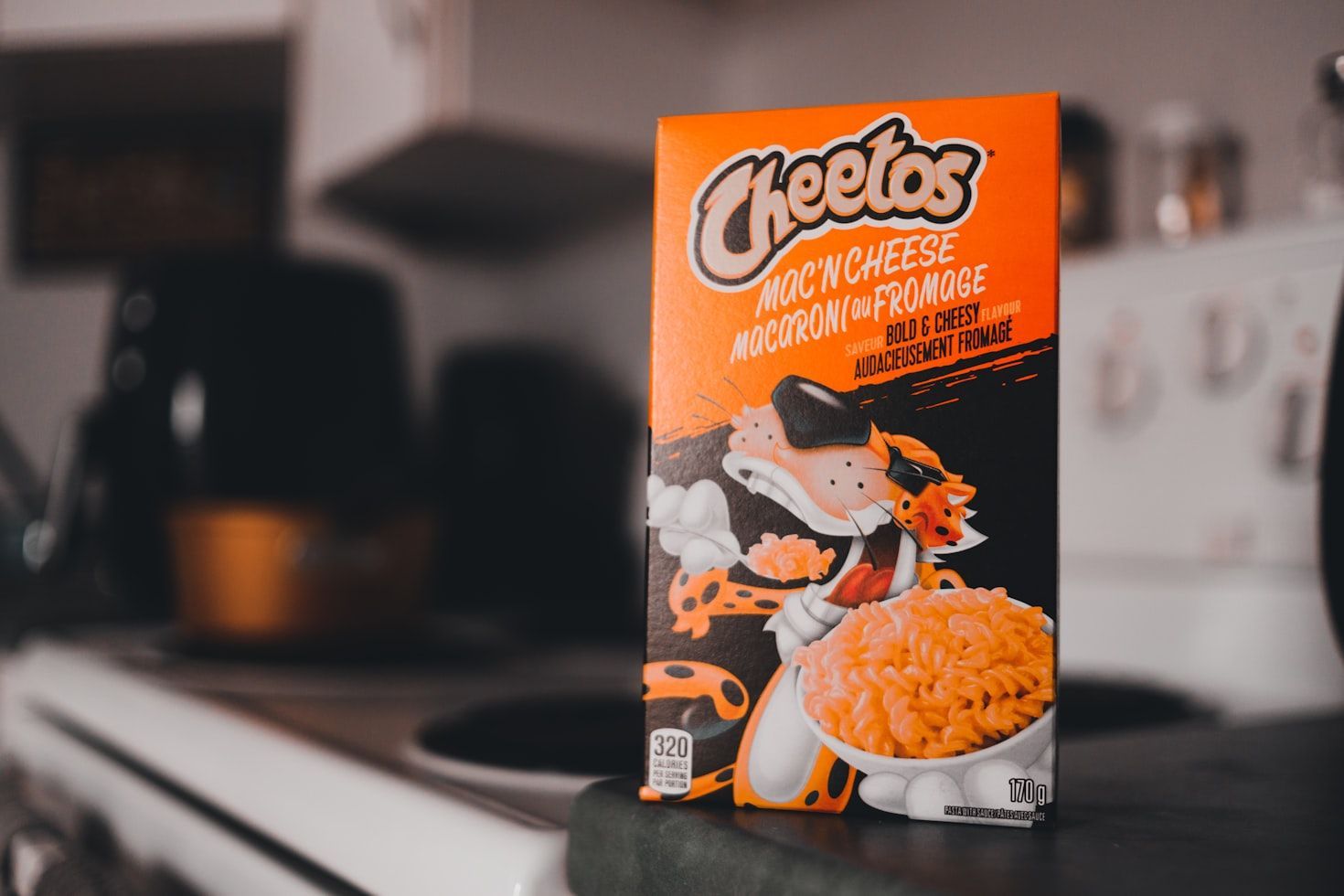
Chester Cheetah became the face of Cheetos in 1986, replacing the original Cheetos Mouse. He debuted as a cool, animated cartoon character in TV ads.

Known for his smooth voice, catchy rhymes, and laid-back style, the character is depicted as a "cool cat" with a strong craving for Cheetos.

7
Kool-Aid Man

Image: Fotografía de Alimentos

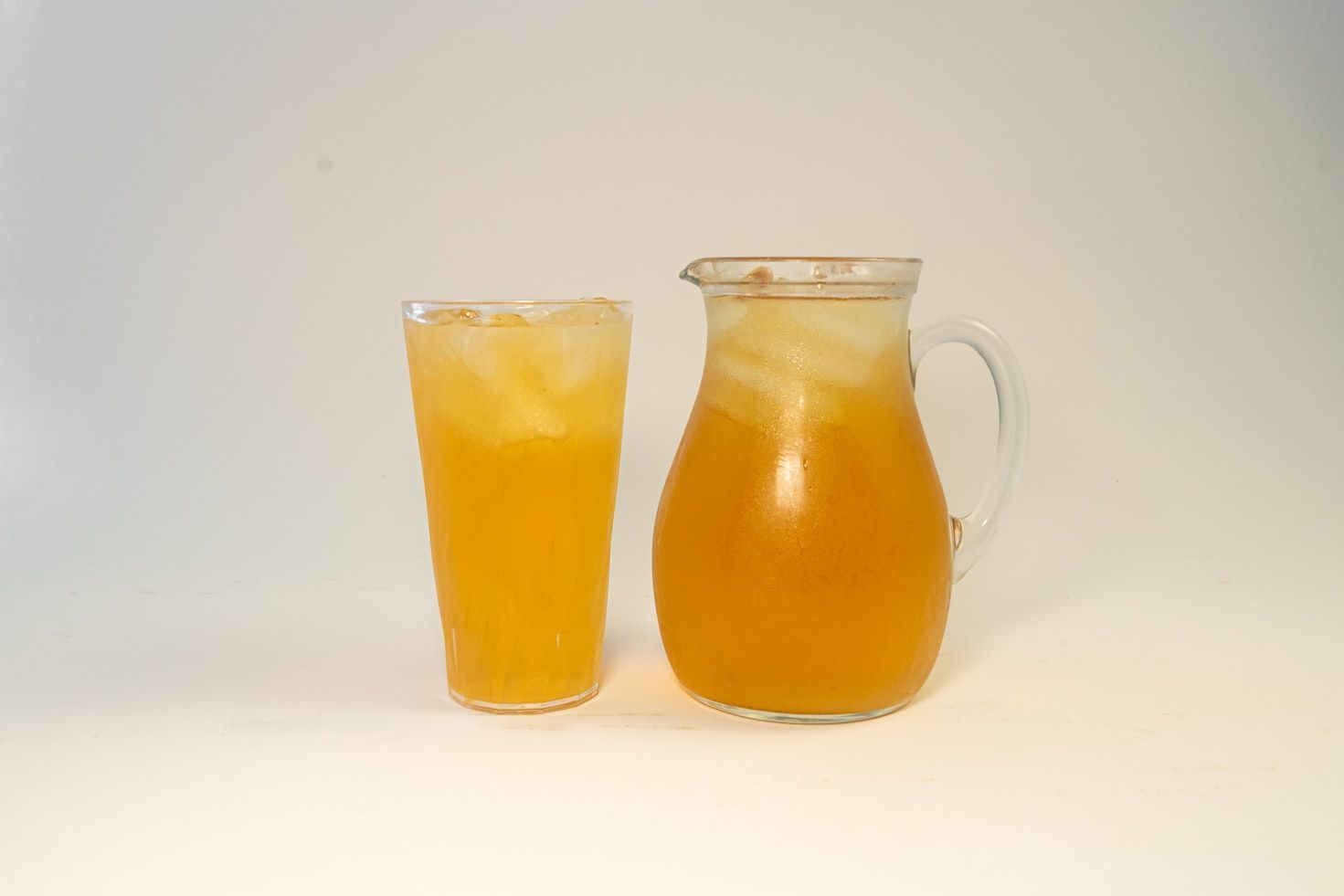
The Kool-Aid Man, a smiling pitcher of Kool-Aid, evolved from earlier iterations and became the brand’s mascot after General Foods acquired the company in the 1950s. He quickly stood out in ads with his dramatic entrances.

Known for crashing through walls and shouting "Oh yeah!", this mascot became instantly recognizable.

8
Tony the Tiger

Image: Dom .

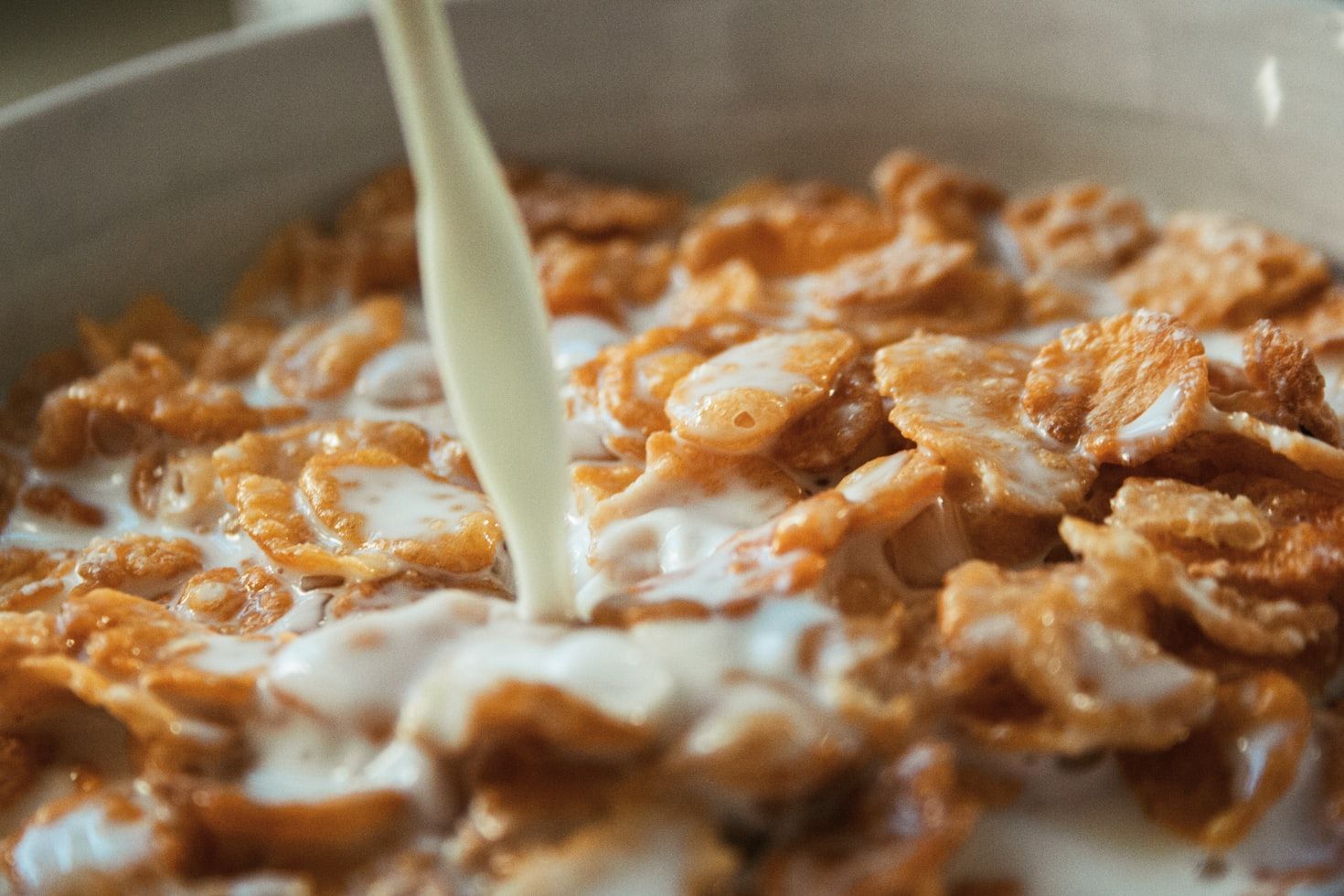
Tony the Tiger has been the mascot for Frosted Flakes since 1952, known for his upbeat catchphrase, "They’re gr-r-reat!" and his iconic presence on cereal boxes. He has also represented other cereals, such as Tony’s Cinnamon Krunchers.

9
Planters

Image: aboodi vesakaran

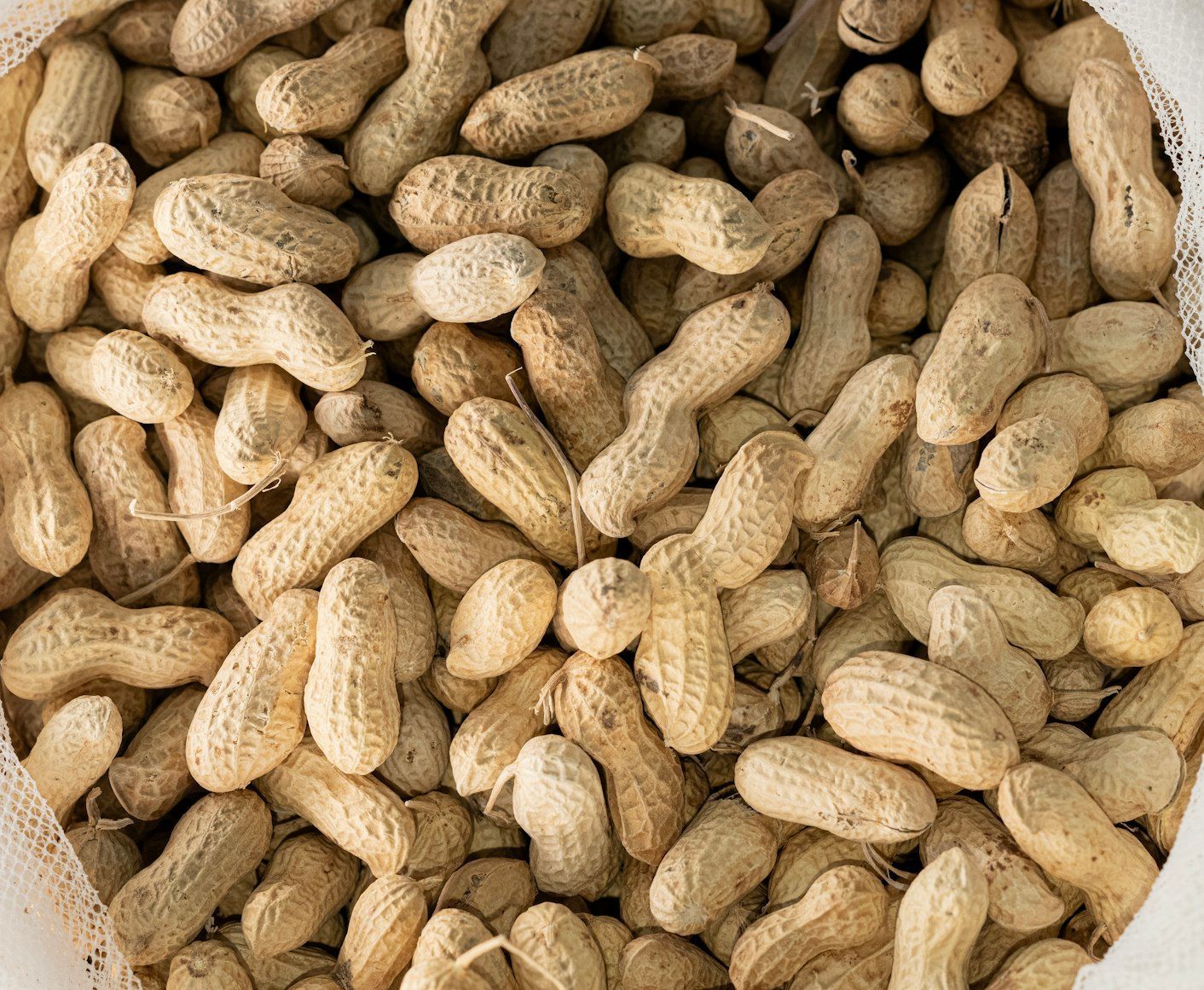
Mr. Peanut was created in 1916 by Antonio Gentile, a schoolboy who entered a design contest held by Planters. His original drawing featured a peanut with arms, legs, and a cane .

A commercial artist later refined the character by adding a top hat, monocle, and spats , transforming it into the classic Mr. Peanut mascot we know today.

10
Mr. Clean

Image: Clay Banks

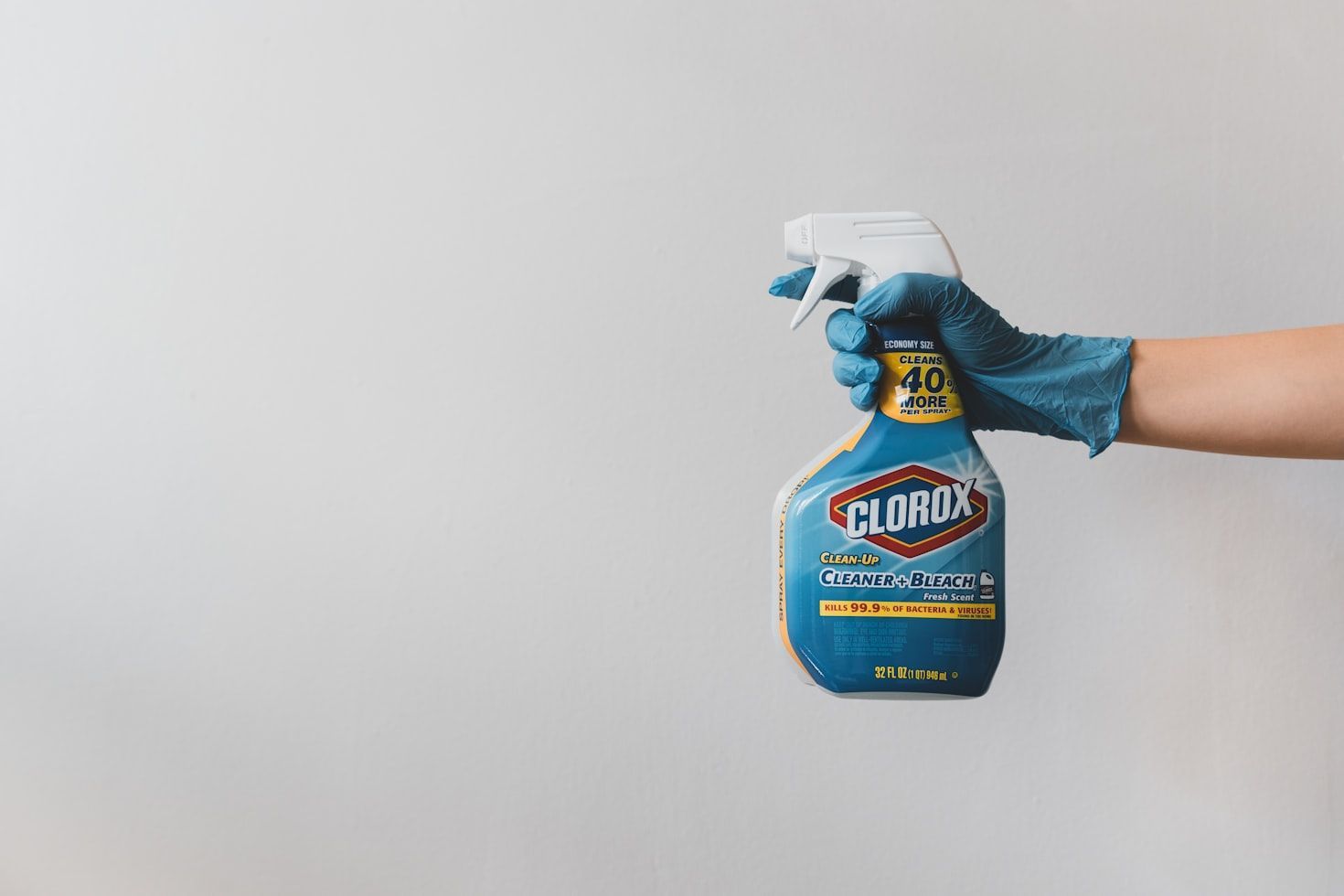
Mr. Clean was created in 1957 by an ad agency for Procter & Gamble. Originally conceived as a genie, he evolved into a muscular, bald man dressed in white, sporting an earring and folded arms. Inspired by a Navy sailor, he became a symbol of powerful cleaning.

11
Toucan Sam

Image: Zoshua Colah

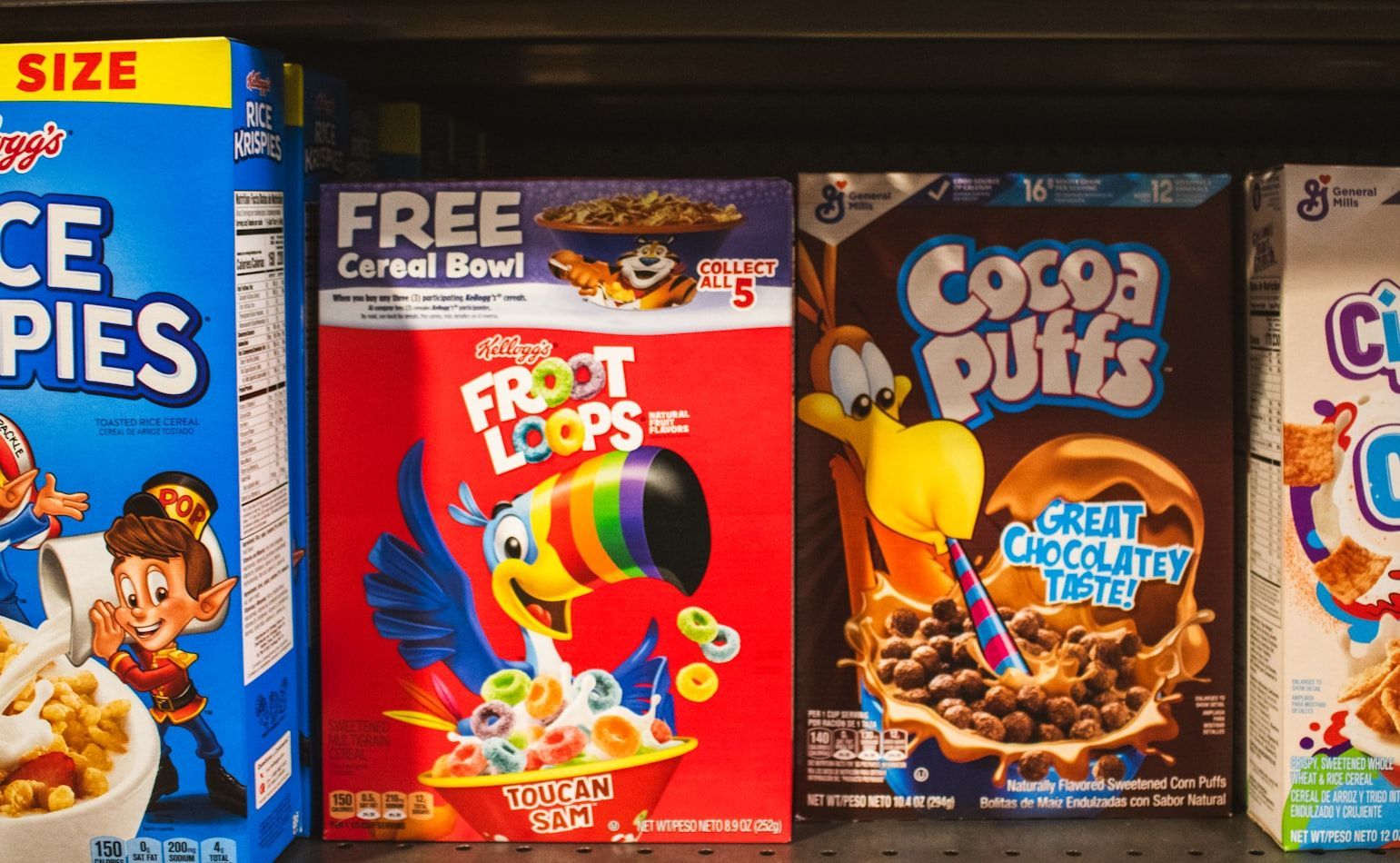
Toucan Sam, the colorful blue-and-orange mascot for Froot Loops, was created in 1963. Known for his catchphrase, "Follow my nose!" and his ability to "smell" Froot Loops from afar, Sam’s voice and design have evolved over time, making him a beloved cereal icon.

12
Ronald McDonald

Image: Erik Mclean

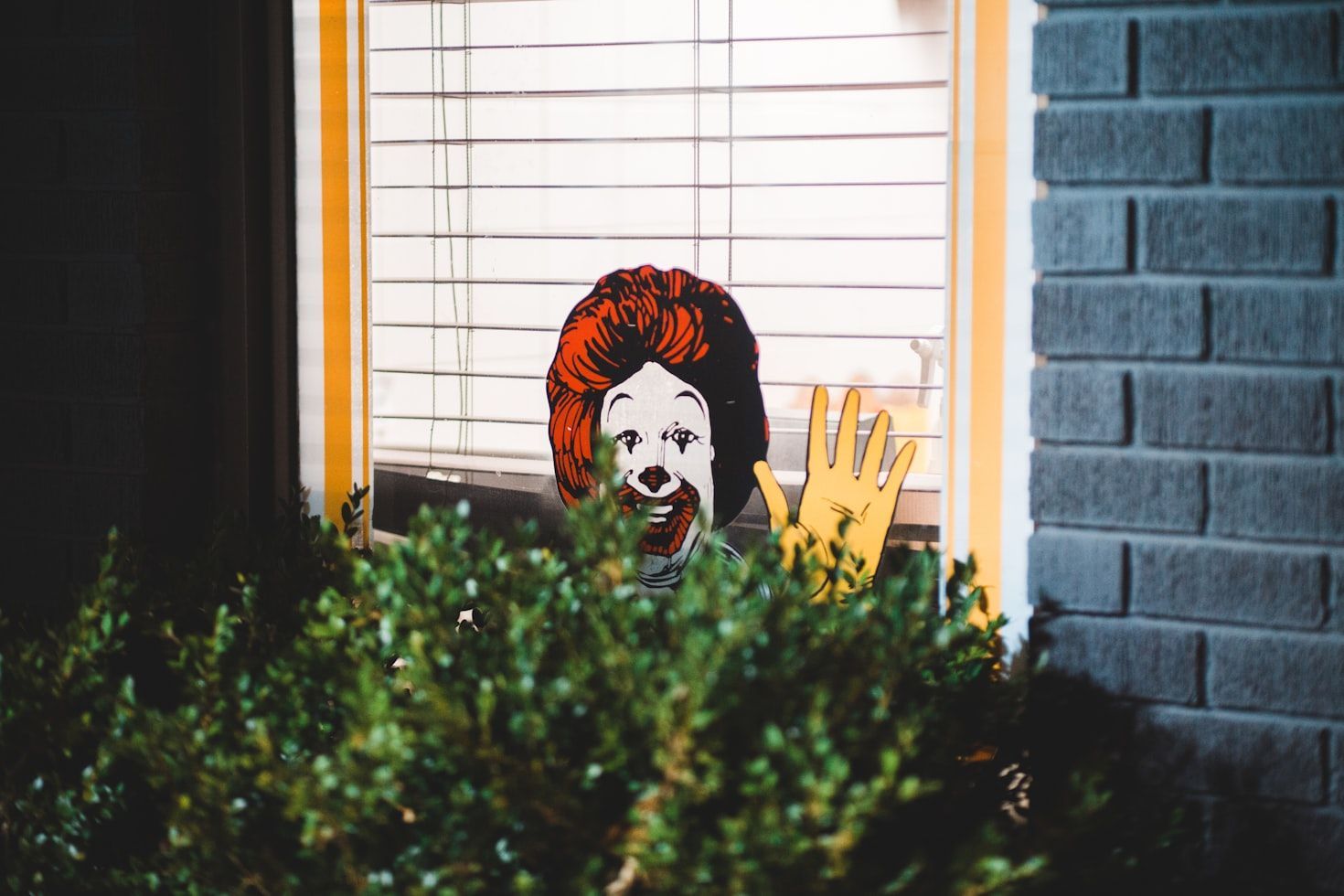
Ronald McDonald first appeared in 1963 in local TV ads in Washington, D.C., portrayed by actor Willard Scott. He was created by the Oscar Goldstein ad agency.

In 1965, McDonald's expanded Ronald’s role to national commercials with a slightly altered look. He became a key figure in McDonaldland, interacting with other characters . Over time, Ronald’s image and advertising style evolved, with updates to his outfit and overall presence.

General General 4 min read

Strangest movie title translations

You'll never believe what they called "Jaws" in France!

Image: Markus Spiske

Hollywood movies travel far and wide, but sometimes, their titles don’t make the journey intact. When films are released in other countries, they often get wildly different names: Some are literal, some are hilarious, and some even spoil the plot! Did you know Grease became Vaseline in Argentina? Or that The Sixth Sense revealed its big twist in China? Let’s take a look at some of the most entertaining, bizarre, and downright confusing movie title translations from around the world!

1
The Teeth of the Sea

Image: Kelsey K

Steven Spielberg’s Jaws terrified audiences with its simple but chilling title. But in France, the name was softened to The Teeth of the Sea . Are we watching a horror movie or a National Geographic documentary?

Don’t get us wrong, the title still conveys the idea of a deadly shark, but it lacks the punch of the original. Can you imagine the famous Jaws poster with this title instead? Not the same impact!

2
Mom, I Missed the Plane

Image: Alsu Vershinina

Can you guess which movie we’re talking about? Of course, it’s Home Alone ! We all know this movie as the classic Christmas comedy about little Kevin McCallister, whose family accidentally leaves behind.

But in France, the title suggests that Kevin missed the flight himself, as if this was his own fault! Mom, I Missed the Plane shifts the blame away from his forgetful parents, making it sound like he had one job and messed it up. That’s a different movie!

3
The War of the Stars

Image: Emmanuel Denier

It’s hard to imagine Star Wars being called anything else, but in France, it became The War of the Stars , and in Spain, it was The War of the Galaxies . That’s not too far off, but some translations went a bit crazy.

For example, in Germany, Han Solo’s ship, the Millennium Falcon, became the Speeding Falcon. In France, Han himself was renamed Yan Solo, and Chewbacca was Chico. And their ship? The Millennium Condor! We feel confident in saying that the Force was not with those translators.

4
Super Power Dare Die Team

Image: Lance Grandahl

The 2016 Ghostbusters reboot wasn’t a huge hit, but it would have had an even stranger fate in China. The translated title was Super Power Dare Die Team , which sounds more like an extreme sports competition than a paranormal comedy, don’t you think?

In reality, the movie was never officially released in China due to censorship laws against supernatural themes. But if it had made it, fans would have been left wondering just what kind of movie they were about to watch!

5
A Very Powerful Whale Runs to Heaven

Image: Gabriel Dizzi

The heartwarming story of a boy helping a whale escape captivity became something far more dramatic in some countries.

Free Willy was translated to A Very Powerful Whale Runs to Heaven in China. This movie sounds like a spiritual journey rather than an animal rescue mission. While the whale does leap to freedom, it doesn’t quite run anywhere, and it definitely doesn’t go to heaven, at least not in the movie! That’s an odd twist!

6
A Twin Seldom Comes Alone

Image: Alexander Grey

The Parent Trap was a fun family film about separated twin sisters and their adventurous reunion . But it became something oddly deep in Germany.

The title was translated to A Twin Seldom Comes Alone , which sounds more like an ancient proverb than a Disney remake, right? Maybe they were making a poetic statement about how twins always come in pairs. We don’t know, but we think it’s a pretty dramatic title for a lighthearted comedy!

7
He’s a Ghost!

Image: Tandem X Visuals

The Sixth Sense , by M. Nigh Shatamalan, is famous for its shocking twist ending , unless you were in China, where the title literally gave it away.

Instead of the mysterious The Sixth Sense , the movie was released as He’s a Ghost! , ruining the entire plot before the opening credits even rolled. Spoiler is the understatement of the century here!

8
The Boy Drowned in the Chocolate Sauce

Image: Pete Wright

Denmark took a grim approach to Willy Wonka & the Chocolate Factory : They renamed it The Boy Drowned in the Chocolate Sauce . While it’s true that Augustus Gloop’s chocolate river mishap is one of the film’s most memorable moments, it makes the movie sound more like a crime drama than a whimsical adventure.

Meanwhile, Portugal softened the title to Charlie’s Wonderful Story , and Spain went with A Fantasy World . Denmark gets the prize for morbid and hilarious, anyway!

9
Vaseline

Image: JUNHYUNG PARK

John Travolta and Olivia Newton-John’s beloved musical Grease got a slick new name in Argentina: Vaseline . Can you guess the logic behind this choice?

Grease refers to the oily hair product used by 1950s greasers, so Vaseline was the closest match. While it technically makes sense, it definitely changes the feel of the movie. The Musical doesn’t quite have the same ring to it!

10
Fantastic Emotional Turmoil

Image: Dean Gibbons

Pixar’s Inside Out was a clever way to teach kids about emotions, but in Thailand, the title got extra dramatic . The movie was released as Fantastic Emotional Turmoil , which makes it sound like a high-stakes psychological thriller. We know the human experience can be difficult, but this is too much!

Other countries struggled with the translation too: in China, for example, it was The Great Team Inside the Head . Clearly, Pixar’s abstract concept wasn’t the easiest to put into words!

Explore more American facts

Choose your favorite category!

General
General

As American as apple pie—the very best America has to offer!

Culture
Culture

Delve into the astounding richness of American lore.

Geography
Geography

Hop in and explore vast and diverse American landscapes.

History
History

Discover the key moments that shaped the United States.