History History 5 min read

FORGING OF A NATION

10 Key Moments in the Fight for American Independence
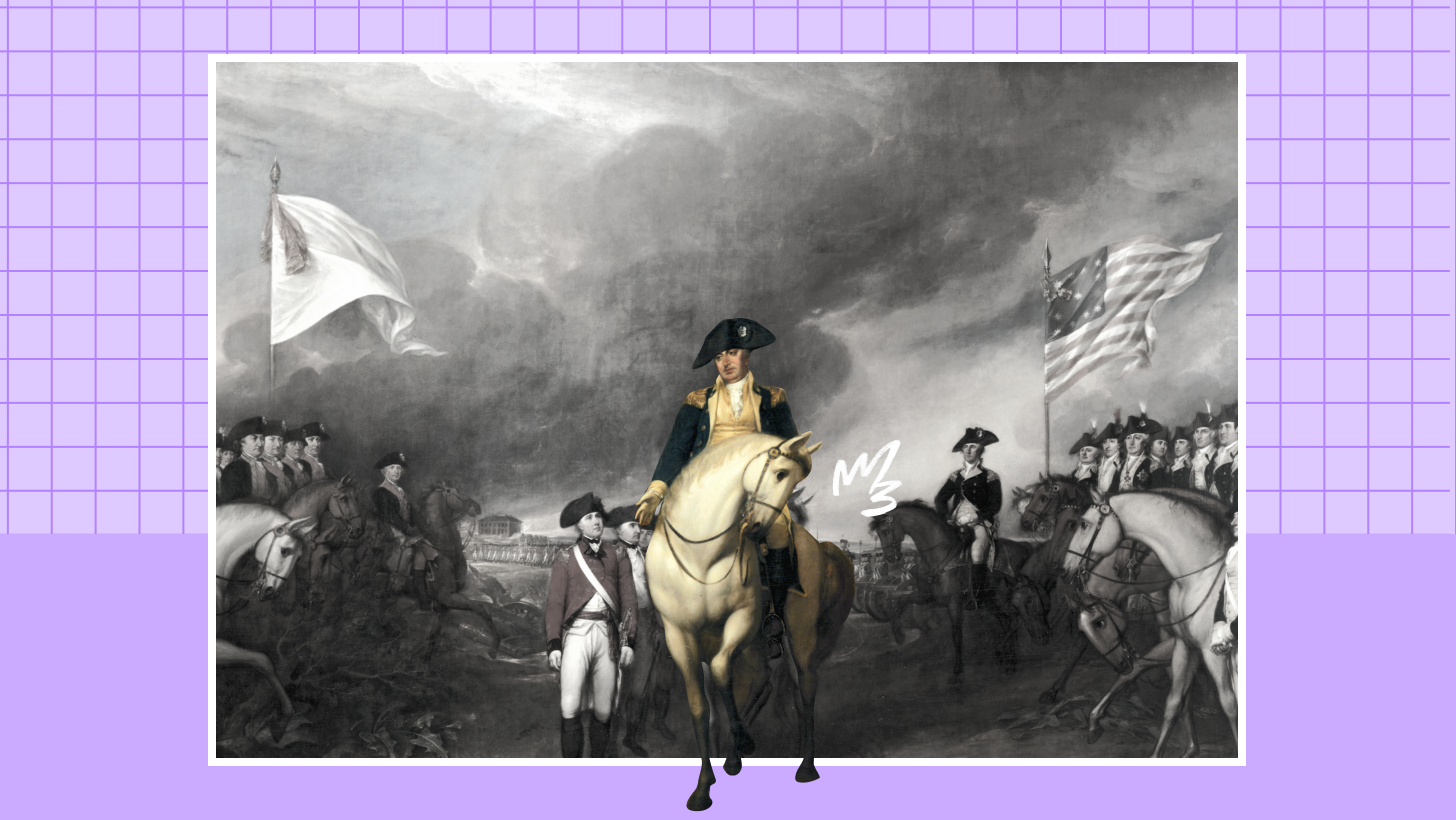
Image: John Trumbull

A pivotal period in our history, the American Revolutionary War saw the original thirteen colonies break free from British rule and establish an independent nation. This era was crucial not only for the struggle that liberated the country from colonial rule but also because it was when the nation and its ideals were conceived and envisioned. Here are 10 key moments that defined the American Revolution, shedding light on our forefathers' immense bravery and genius.

1
No Taxation Without Representation

Image: Board of Stamps

After the French and Indian War in 1763, American colonists were surprised to find that, instead of being rewarded for their efforts, the British Parliament raised their taxes and enacted new ones, such as the Stamp Act and Townshend Acts. Soon, these burdensome laws sparked widespread protests and boycotts under the rallying cry of "No Taxation Without Representation."

Initially, most colonists only wanted to be recognized as rightful British citizens. However, the brutal reaction of the Crown—sending troops to contain the unrest and force compliance—convinced many that independence was the only way to achieve their rights. The tragic incident known as the Boston Massacre on March 5, 1770, was the tipping point in this chain of events, inflaming anti-British sentiment.

2
Boston Tea Party

Image: W.D. Cooper

The Tea Act, enacted on May 10, 1773, granted the British East India Company a monopoly on tea sales in the colonies, further enraging the already weary colonists. This led a group of rebel colonists, known as the Sons of Liberty, to take matters into their own hands. In direct response to the Tea Act, they boarded British ships and dumped 342 chests of tea into Boston Harbor, worth £9,659 (equivalent to $1,700,000 today).

This act of defiance, later known as the Boston Tea Party , was a bold statement against British taxation and control. However, it also prompted the British government to further restrict colonial autonomy by implementing the Intolerable Acts (also known as the Coercive Acts).

3
The Midnight Ride

Image: National Archives and Records Administration

The British government's punitive measures only fueled the burgeoning revolutionary movement. In 1774, the First Continental Congress was convened, with representatives from each colony attending. During these meetings, the delegates agreed to coordinate militia training and resistance.

The situation remained tense for a year until King George ordered British troops to seize the rebels' weapons and arrest their leaders. However, the colonial militia was warned of the approaching British forces the night before, thanks to the heroic midnight ride of Paul Revere and other patriots. Their ride was crucial in mobilizing the Minutemen and ensuring they were prepared for the British assault.

4
Shot Heard 'Round the World

Image: William Barnes Wollen

The first shots of the American Revolutionary War were fired on April 19, 1775, in Massachusetts. British troops aimed to seize colonial arms, but the Minutemen refused to comply and confronted them, leading to a series of skirmishes known as the Battles of Lexington and Concord. These clashes demonstrated the colonies' determination to fight for their rights and ignited an all-out war.

The first significant military encounter of the American Revolutionary War, it resulted in a resounding American victory that encouraged other colonists to support and join the revolutionary efforts. Due to its significance and lasting consequences, the event was later referred to as the "shot heard round the world," a phrase that stems from the first stanza of Ralph Waldo Emerson’s 1837 commemorative poem.

5
Raising the Banner

Image: Winthrop Chandler

The Battle of Bunker Hill, fought on June 17, 1775, proved that the colonists could stand up to the British army. As Loyalist forces sought to capture the strategically important hills surrounding the besieged city of Boston, Patriot Colonel William Prescott directed his troops to occupy these positions in advance.

Though the battle was technically a British victory, the colonial forces inflicted heavy casualties on the British—approximately 1,000 British soldiers compared to around 500 American casualties. This showed the Crown that quelling the fight for independence would be a long and costly campaign, while simultaneously boosting American morale and convincing many that victory was within reach.

6
A Declaration of Independence

Image: John Trumbull

Emboldened by their success, on July 4, 1776, the Continental Congress—at the time the de facto unified colonial government representing each of the former colonies—adopted the Declaration of Independence .

Drafted primarily by Thomas Jefferson, the document declared the colonies' separation from Britain and articulated a vision of liberty and democracy , rejecting monarchy and aristocracy. It was a bold assertion of the colonies' right to self-governance, inspiring similar revolutionary movements around the world and influencing future generations.

7
Crossing the Delaware

Image: Emanuel Leutze

On Christmas night of 1776, General Washington led a daring and successful surprise attack across the icy Delaware River. This bold maneuver demonstrated both Washington's genius and leadership, as well as the Continental Army's resolve to defeat the British forces at any cost.

The subsequent victory at the Battle of Trenton significantly boosted morale and reinvigorated the revolutionary cause across the continent. Despite the British having considerable advantages, including a highly trained and battle-tested army, they systematically underestimated the revolutionaries, believing them to be merely a group of renegades whose defeat would restore loyalist allegiance to the Crown.

8
Turning the Tide

Image: John Trumbull

The American victory at the Battle of Saratoga in late 1777 marked a turning point in the war. Not only did American forces manage to capture a large British invasion army and halt the British advance in the north, but the triumph also resonated across Europe.

When news of General Burgoyne's surrender reached France, it convinced King Louis XVI to join the conflict as an ally to the Americans, providing much-needed military support and resources. This alliance significantly bolstered the American cause and forced the British to view the war as part of a larger global campaign, further straining their already depleted resources.

9
The French Connection

Image: Eugène Delacroix

The Siege of Yorktown in 1781 was the last major land battle of the Revolutionary War. American and French forces, led by General Washington and General Rochambeau, successfully trapped British General Cornwallis's army.

The Franco-American alliance proved decisive, compelling Cornwallis to surrender and prompting the British government to negotiate an end to the increasingly costly conflict. This effectively ended major combat operations and marked the beginning of the end for British rule in America.

10
Negotiating Peace

Image: John D. Morris & Co. after Wilhelm Anton Seiler

The Treaty of Paris , signed on September 3, 1783, officially ended the Revolutionary War. Negotiated by American diplomats Benjamin Franklin, John Adams, and John Jay, it recognized American independence and established borders for the new nation. The treaty delineated the boundaries between British North America, later known as Canada, and the nascent United States.

Although British efforts to undermine the American colonies persisted for decades, eventually leading to the War of 1812, the treaty granted legitimacy to the revolutionaries' efforts on the world stage and marked the beginning of a new era.
History History 4 min read

After the golden spike

The driving force that built America: 12 milestones in railroad history

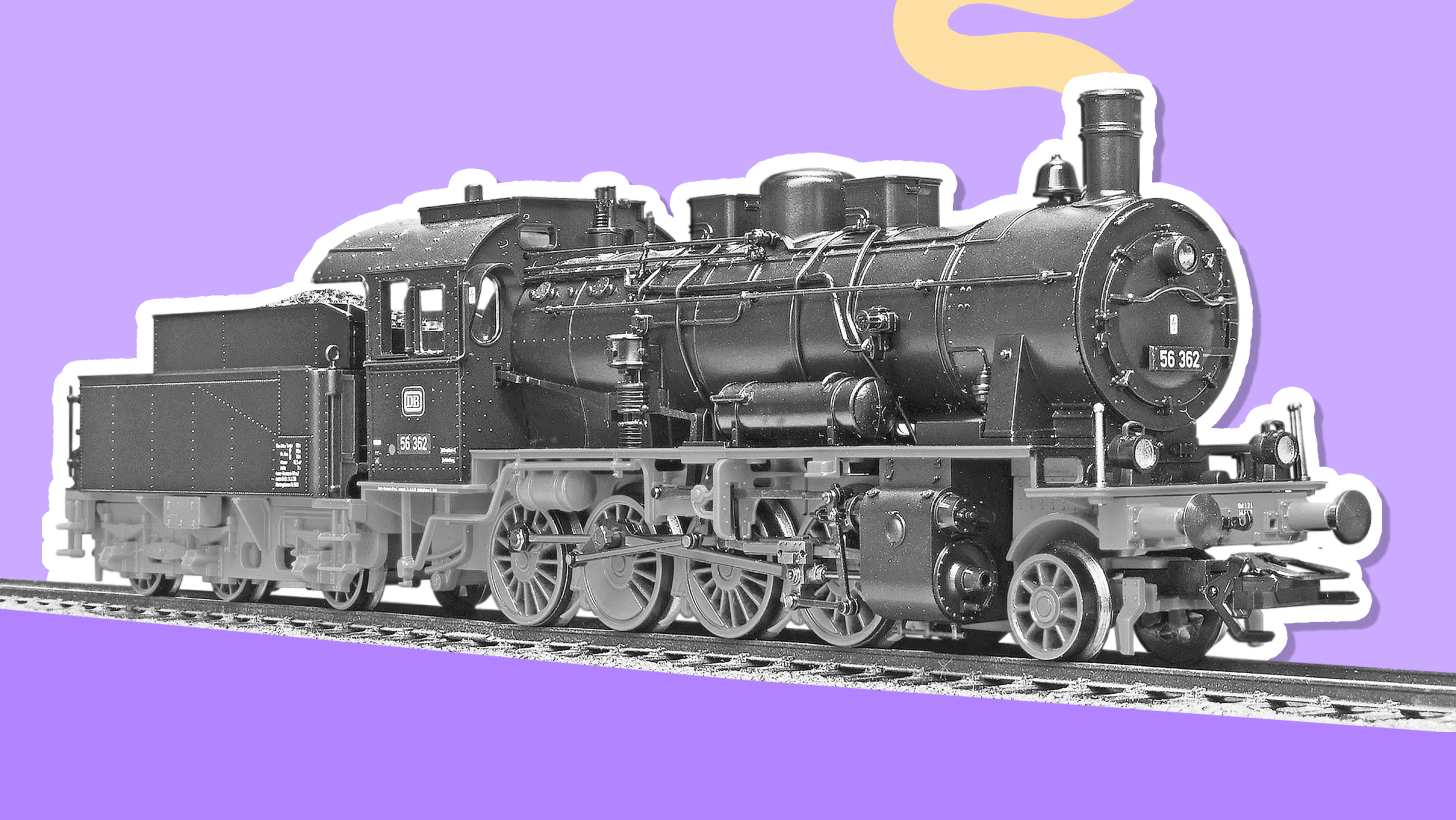
Image: jean52Photosstock

Today, we often take trains for granted, but that wasn’t always the case! The history of railroads is deeply intertwined with American history, shaping the nation’s growth every step of the way. Rail lines helped modern cities blossom, boosted trade across the country, and allowed Americans to explore even the most remote corners of the nation . From the first tracks to today’s massive freight industry, join us as we journey through 12 pivotal moments that defined America’s railroad legacy.

1
First tracks laid

Image: Tim Wildsmith

Date: 1827

The Baltimore and Ohio Railroad (B&O), chartered in 1827, became America’s first common carrier railroad. Construction began the following year, introducing horse-drawn carriages on iron rails. While rail lines existed before, most were privately owned or served specific industries.

2
Tom Thumb’s race

Image: K. Mitch Hodge

Date: 1830

Shortly after the establishment of the B&O’s chartered line, American industrialist and inventor Peter Cooper designed the first American steam locomotive, Tom Thumb , to convince the railroad’s owners to adopt steam power. To prove the technology’s potential, a race was organized between the locomotive and a horse. Although the horse won after Tom Thumb suffered a mechanical failure, the demonstration successfully proved the superiority of steam engines, marking a turning point in railroad history.

3
The railroad boom

Image: Museums Victoria

Date: 1840s to 1850s

With the rise of steam locomotives, railroads expanded rapidly, connecting major cities and driving unprecedented economic growth. By 1850, the U.S. had built 9,000 miles of railroad tracks . These rail lines played a crucial role in transporting goods—particularly agricultural products—to markets, revolutionizing commerce and travel across the country.

4
First transcontinental charter

Image: Alex Boyd

Date: 1862

The Pacific Railroad Act, signed by Abraham Lincoln in 1862, authorized the construction of the first transcontinental railroad, connecting the East and West coasts. The legislation empowered the Union Pacific and Central Pacific Railroads to undertake this monumental task, offering land grants and bonds to support the project. Beyond its technological significance, the act also demonstrated the federal government’s commitment to uniting the nation, fostering economic growth, and solidifying the country’s infrastructure.

5
Driving the Golden Spike

Image: Matt Benson

Date: 1869

On May 10, 1869, the Union Pacific and Central Pacific Railroads met at Promontory Summit, Utah, completing the first transcontinental railroad. During the ceremony, a 17.6-karat golden spike was ceremonially driven in —then promptly removed to prevent theft. This historic achievement connected the nation like never before, reducing cross-country travel time from months to days and forever transforming America's transportation landscape.

6
Standardized time zones

Image: Igor Savelev

Date: 1883

Another transformative effect of railroad expansion and faster travel times was the need for standardized timekeeping. To address the confusion caused by varying local times, the system of time zones was introduced. This not only revolutionized rail scheduling but also transformed travel and commerce across the country, helping synchronize operations nationwide and ensuring greater efficiency and coordination.

7
The Pullman revolution

Image: Jennifer Latuperisa-Andresen

Date: 1867

In 1867, George Pullman introduced the first luxury sleeper cars, offering passengers unmatched comfort on long-distance journeys. Pullman cars featured plush seating, fine dining, and exceptional on-board service, elevating the railroad experience to new heights. These innovations set a standard for first-class travel that extended far beyond railroads.

8
Connecting the South

Image: Oxana Melis

Date: 1870s

During the American Civil War, railroads were a strategic asset, enabling the swift movement of troops and supplies. After the war, Southern rail development played a key role in integrating the South into the broader U.S. economy, facilitating trade and mobility in the Reconstruction era. The Southern rail network expanded from 11,000 miles in 1870 to 29,000 miles by 1890, breaking the region's isolation and fostering economic growth.

9
Electric rail debuts

Image: Museums of History New South Wales

Date: 1888

Richmond, Virginia, became the site of America’s first electric streetcar system, forever revolutionizing urban transit. The system had a significant impact on the emerging electric trolley industry, with its design serving as a model adopted by many other cities. This shift marked the beginning of modern public transportation, transforming urban landscapes and mobility for generations to come.

10
The Golden Age

Image: Marco De Luca

Date: Early 20th Century

From 1900 to 1930, railroads dominated American transportation, carrying nearly all freight and passengers . During this period, innovations in track systems, signaling, and luxury amenities reinforced their status as the nation’s lifeblood. The industry thrived unchallenged until the rise of automobiles and airplanes reshaped the transportation landscape.

11
Amtrak takes over

Image: Jan Canty

Date: 1971

During the post-World War II economic boom, airlines and Interstate highways pushed many railroads out of business . As passenger rail declined, the U.S. government created Amtrak to sustain intercity travel, consolidating struggling private lines into a national service. While freight rail remained strong, Amtrak preserved passenger trains’ legacy, ensuring their continued role in America’s transportation system.

12
Modern freight titans

Image: Akshay Nanavati

Date: Present Day

Finally, we've reached the last station on our railroad journey! While the railroad landscape has drastically changed since its golden era, trains remain a vital backbone of the country’s economy. Freight railroads now dominate the industry, transporting over 1.7 billion tons of goods annually. The U.S. boasts one of the world’s largest and most efficient freight rail systems , transporting everything from coal to electronics and continuing to drive commerce and industry.

Culture Culture 5 min read

The ultimate playlist

Two better than one: The 12 greatest music duets of all time

Image: isaac macdonald

Why record a song alone when you can amplify your voice alongside another great artist? That’s surely what Diana Ross and Lionel Richie thought when they released "Endless Love" in 1981 . Music history is filled with memorable duets that have captured the hearts of listeners around the world. When talented artists come together, magic happens—and the result is often a timeless masterpiece. Here are 12 of the best duets and musical collaborations that have left a lasting mark on American culture.

1
Diana Ross & Lionel Richie: "Endless Love"

Image: Ethan Smith

Did you know that this pop music classic was actually composed for a movie? Diana Ross and Lionel Richie recorded "Endless Love" for the Motown label, and it was used as the theme song for the 1981 film of the same name, starring Brooke Shields and Martin Hewitt.

Produced by Richie, the song was released as a single from the film’s soundtrack. Although the film was a flop, the song became the top hit single in the United States that year. It reached number one on the Billboard Hot 100 chart and remained there for nine consecutive weeks.

2
Sonny & Cher: "I Got You Babe"

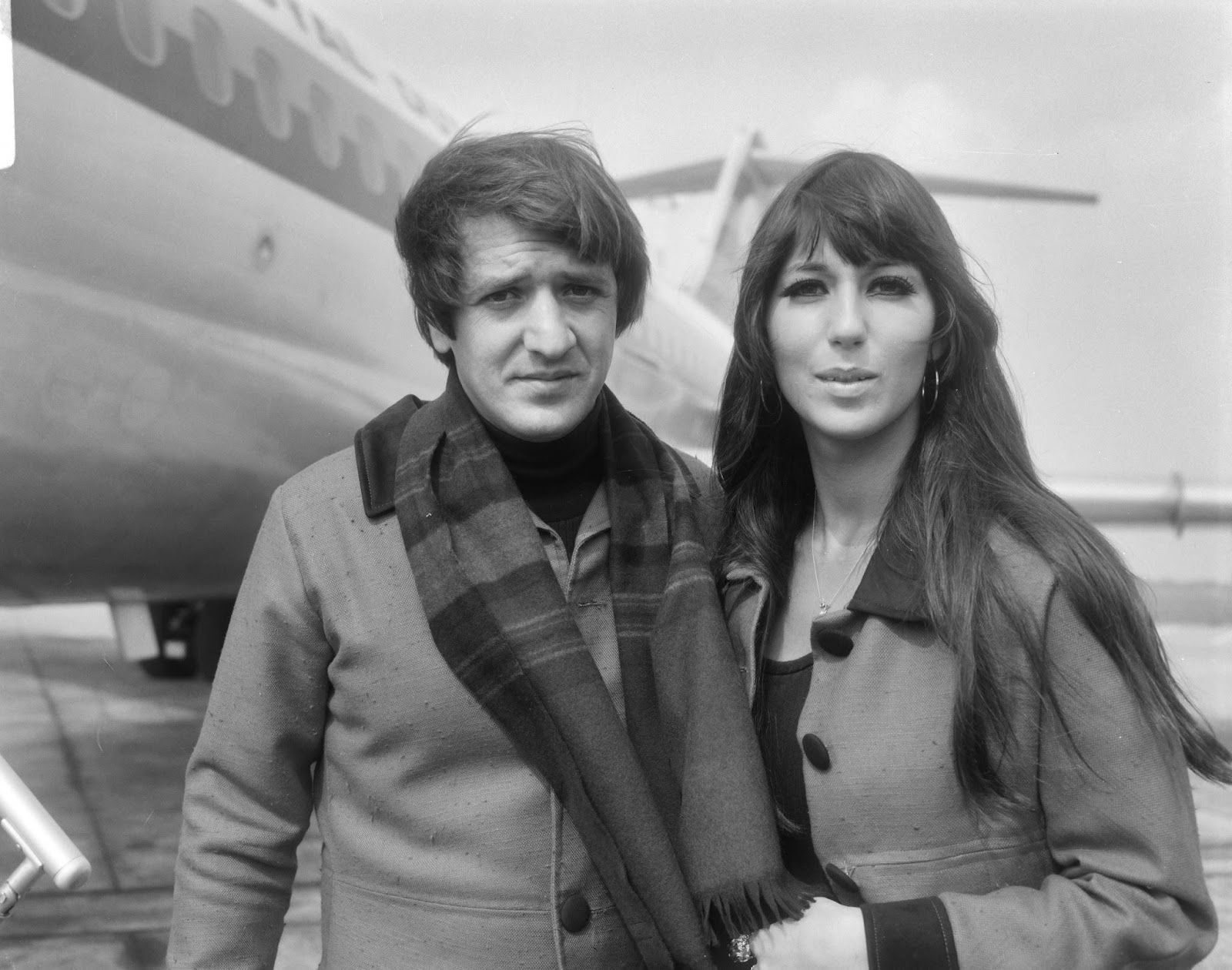
Image: Joop van Bilsen / Anefo, CC0, via Wikimedia Commons

"I Got You Babe" is arguably the biggest hit by Sonny & Cher, one of the most iconic musical duos in history . Sonny Bono wrote it late one night in their basement for his wife, Cher.

Recorded in 1965, the song became a smash hit, reaching number one on the Billboard Hot 100 chart. "I Got You Babe" is a beautiful hymn to love and loyalty , and it has been covered by various artists over the years.

3
Barbra Streisand & Donna Summer: "No More Tears (Enough Is Enough)"

Image: Gritte

Considered one of Donna Summer’s standout songs , "No More Tears (Enough Is Enough)" was recorded with Barbra Streisand in 1979. The song became so popular that several vocalists have recorded their own versions over the years.

Neither Donna nor Barbra ever performed the duet live together, but Streisand sang an excerpt during her Back to Brooklyn concert tour in 2012. At the time, she remarked that if Donna were still alive, she would have loved to perform it with her.

4
Michael Jackson & Paul McCartney: "Say Say Say"

Image: Pavel Danilyuk

The former Beatle had already collaborated with the King of Pop on "The Girl Is Mine," featured on Jackson’s Thriller album. The song was so successful that they teamed up again to record "Say Say Say," the lead single from McCartney’s fourth solo album , Pipes of Peace .

Jackson wrote most of the lyrics, and the legendary George Martin produced the track. It was released in 1983 , along with a music video in which the duo plays a pair of con men selling a miracle potion. The video also featured cameos by Linda McCartney and La Toya Jackson.

5
Aretha Franklin & George Michael: "I Knew You Were Waiting (For Me)"

Image: melojordan94

Did you know this song wasn’t originally written as a duet? It was composed by Dennis Morgan and Simon Climie with Tina Turner in mind . Eventually, Aretha Franklin got the job, and the label later suggested a collaboration with George Michael.

Aretha and George released "I Knew You Were Waiting (For Me)" in 1987. Both artists later stated that they had a great time recording the song and the music video that followed. And it shows, because the tune reached number one on the Billboard Hot 100 and topped charts around the world.

6
Bill Medley & Jennifer Warnes: "(I’ve Had) The Time of My Life"

Image: Chris Duan

Performed by Bill Medley and Jennifer Warnes, "(I’ve Had) The Time of My Life" was released in 1987 as part of the soundtrack for the movie Dirty Dancing . This pop ballad, with rock and soul influences, conveys a sense of celebration and joy, highlighting the importance of special moments that leave lasting memories.

The song was such a huge hit that it reached number one on the Billboard Hot 100 chart and won the Oscar for Best Original Song , the Golden Globe for Best Original Song, and the Grammy for Best Pop Performance by a Duo or Group with Vocals.

7
Nancy & Frank Sinatra: "Somethin’ Stupid"

Image: Elviss Railijs Bitāns

The original version of this song was recorded in 1966 by C. Carson Parks and his wife, Gaile Foote, but it only became widely known in 1967 when Nancy Sinatra performed it with her father, Frank.

It may seem a little unusual for a father and daughter to sing a romantic duet, but their version of "Somethin’ Stupid" became a massive international hit . Although the song was revived in 2001 by another duo—British singer Robbie Williams and Australian actress Nicole Kidman—Nancy and Frank’s rendition remains the most iconic.

8
Kenny Rogers & Dolly Parton: "Islands In The Stream"

Image: 42 North

When the anti-disco backlash nearly ended their reign, the Bee Gees shifted their focus to writing hits for other artists. Originally, "Islands in the Stream" was intended as a soul song for Diana Ross or Marvin Gaye. However, it ended up becoming the quintessential country-pop duet—and one of the biggest hits of Kenny Rogers and Dolly Parton’s careers.

The song is named after Ernest Hemingway’s posthumous novel, but its lyrics speak to the joy of finding that one person you’ve been searching for your whole life. Pretty romantic, don’t you think?

9
Paul McCartney & Stevie Wonder: "Ebony And Ivory"

Image: Osman Rana

Paul McCartney and Stevie Wonder released "Ebony and Ivory" in 1982, and it was an instant hit. Written by McCartney, the song addresses racial integration , using the black and white keys of a piano—working together to create harmony—as a metaphor.

Fun fact: McCartney and Wonder filmed their parts of the music video separately due to scheduling conflicts, but the final result was seamless nonetheless.

10
Joe Cocker & Jennifer Warnes: "Up Where We Belong"

Image: Paul Seling

This powerful and emotional ballad, performed by Joe Cocker and Jennifer Warnes, was released in 1982. The song was created for the soundtrack of the movie An Officer and a Gentleman and captures the essence of overcoming challenges and transcending through love.

"Up Where We Belong" won several major awards, including the Academy Award for Best Original Song, the Grammy Award for Best Pop Performance by a Duo or Group with Vocals, and the Golden Globe Award for Best Original Song . The combination of Cocker’s and Warnes’ passionate vocal performances and the rich instrumentation has made this song an enduring classic.

11
Marvin Gaye & Tammi Terrell: "Ain't No Mountain High Enough"

Image: AndNowProjekt

There’s nothing like the charismatic and luscious voices of Marvin Gaye and Tammi Terrell to convince us of love’s healing power. "Ain’t No Mountain High Enough" was released as a single in 1967 and became a huge hit.

This romantic anthem is just one of the iconic collaborations by the duo that helped define the Motown era, thanks to their vocal harmonies and onstage chemistry . Their list of great soul duets also includes "Your Precious Love," "Ain’t Nothing Like the Real Thing," and "You’re All I Need to Get By," among others.

12
John Travolta & Olivia Newton-John: "You’re The One That I Want"

Image: Mesh

Anyone who has seen the movie Grease is probably a fan of this iconic tune. Immortalized on screen in 1978 by Olivia Newton-John and John Travolta, the song transcended the boundaries of cinema, topped charts worldwide, reached number one in several countries, and became one of the best-selling singles of all time .

Explore more American facts

Choose your favorite category!

General
General

As American as apple pie—the very best America has to offer!

Culture
Culture

Delve into the astounding richness of American lore.

Geography
Geography

Hop in and explore vast and diverse American landscapes.

History
History

Discover the key moments that shaped the United States.