Culture Culture 3 min read

Tom Waits approves

Did you know about these 12 bizarre American musical moments?

Image: Peter Herrmann

Music in America has never been afraid to get weird. From homemade instruments and oddball inventions to accidental hits and cosmic jazz, our country’s history is full of unexpected sound. These 12 examples prove that when it comes to music, sometimes stranger is better.
1
Singing Tesla coils

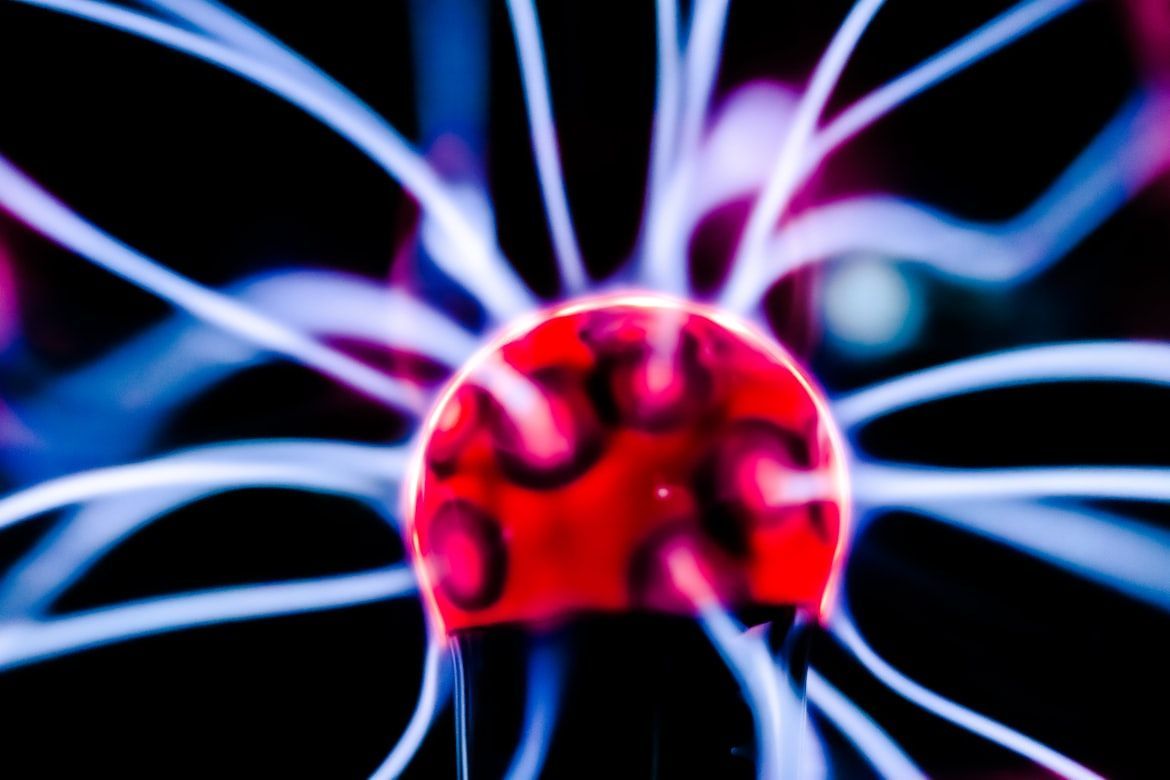
In the early 2000s, engineers discovered that Tesla coils could emit tones by modulating the sparks themselves. When programmed, they could play songs using bursts of lightning as notes.

Audiences watched and listened as glowing bolts of electricity "sang" familiar tunes like movie themes. These displays, part science and part spectacle, were a short-lived trend, but they were interesting while they lasted.
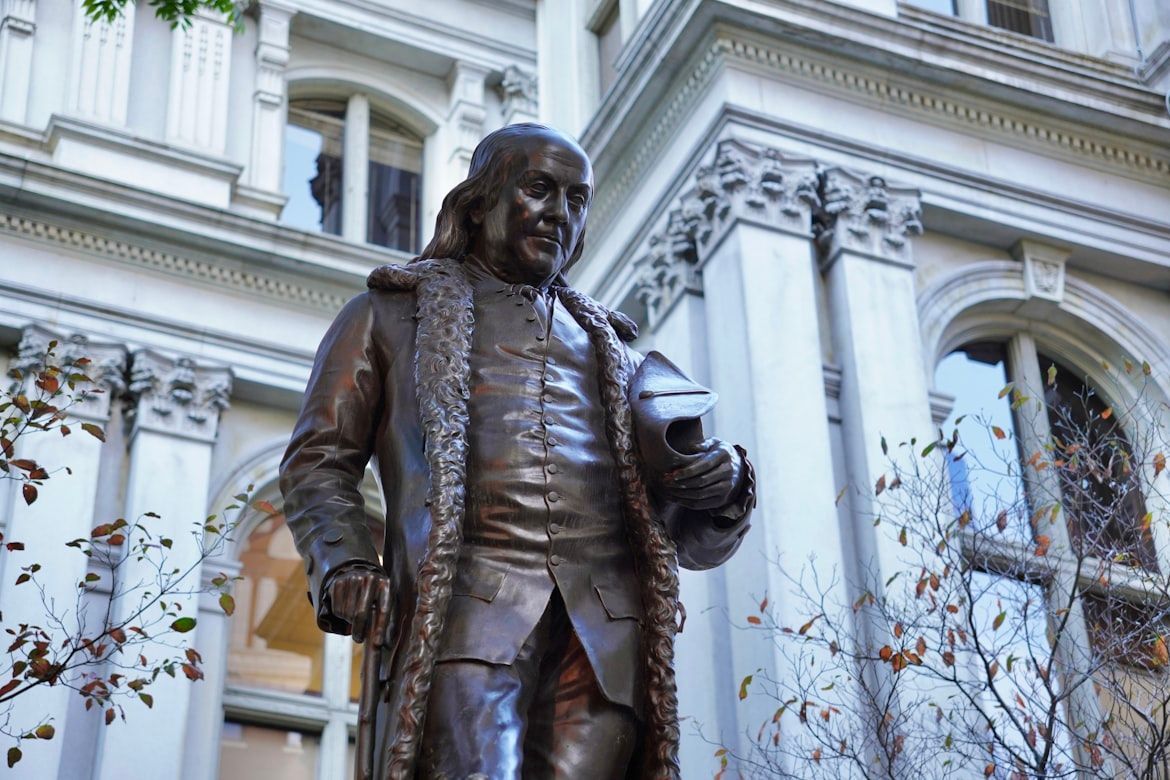
Image: Brett Wharton

2
Franklin’s glass armonica

Benjamin Franklin invented many things. Among them, a glass armonica, using spinning glass bowls tuned by size . Players touched the rims with wet fingers to produce pure, haunting tones that seemed to shimmer in midair.

Its ghostly beauty amazed 18th-century audiences. Yet rumors spread that the vibrations could cause fainting or madness, making the momentum of the instrument short-lived.
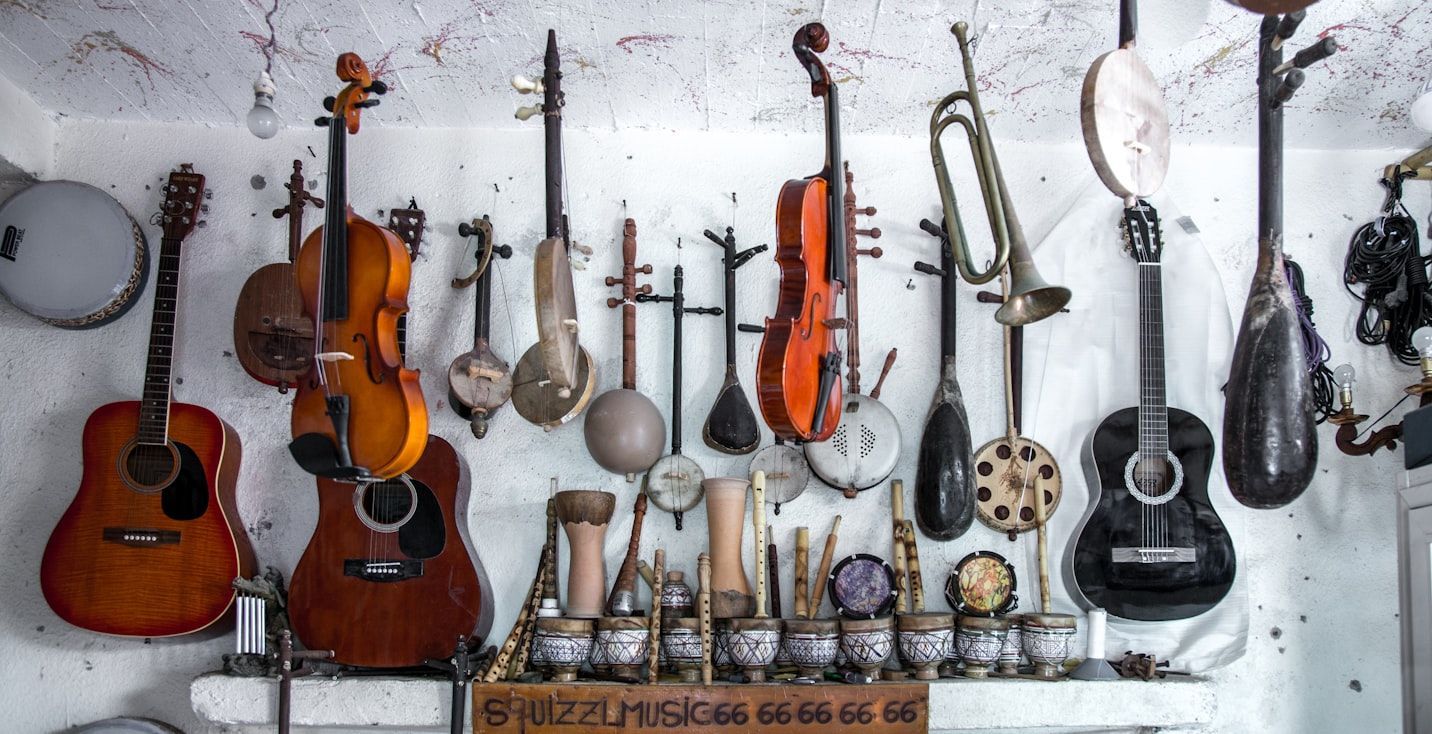
Image: Karim MANJRA

3
Harry Partch’s microtonal instruments

Frustrated with the limits of Western scales, composer Harry Partch built a system using forty-three tones per octave . He crafted odd instruments from glass, bamboo, and metal to play them.

Performers had to relearn music from scratch, producing sounds that felt alien and ancient at once. His homemade orchestra became a true milestone in America’s experimental environment.

4
The theremin craze
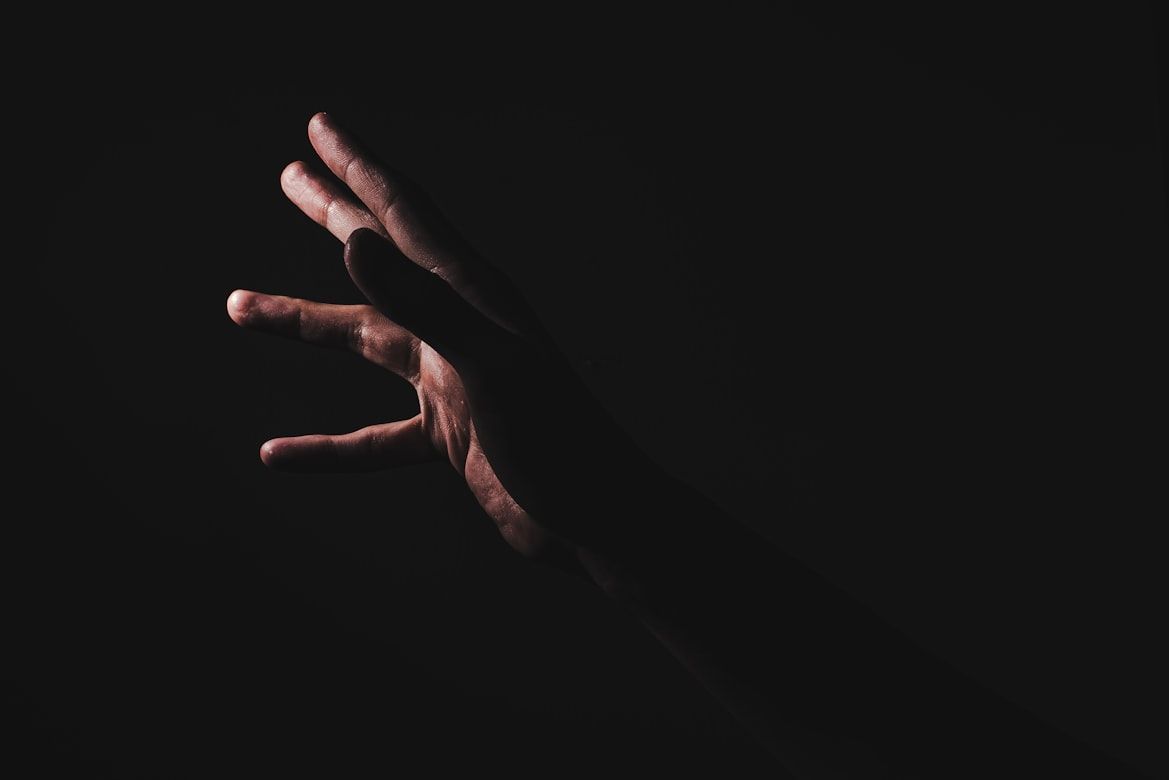
Image: Ryunosuke Kikuno

Invented in the 1920s, the theremin created sound from invisible electromagnetic fields, played by moving hands through the air . It was one of the world’s first electronic instruments.

By the 1950s, its eerie wails filled American sci-fi movies and radio shows. Home versions soon appeared, letting living rooms buzz with strange, ghostlike melodies.
5
The Stroh violin

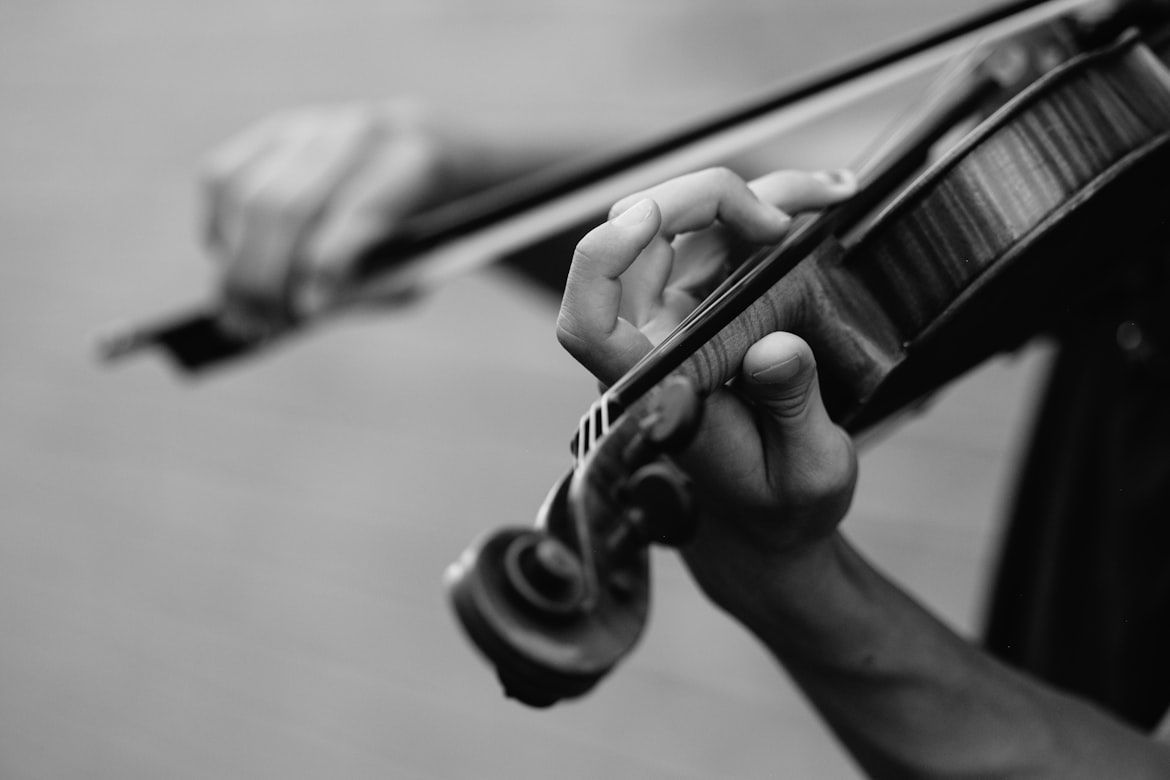
Back in the days when microphones were not so great at picking up sounds, early studios struggled to capture soft instruments. The Stroh violin solved that by replacing the wooden body with a brass horn that amplified sound directly .

Its brassy, nasal tone worked perfectly for primitive recording gear. Once technology advanced, the mechanical violin faded for good.
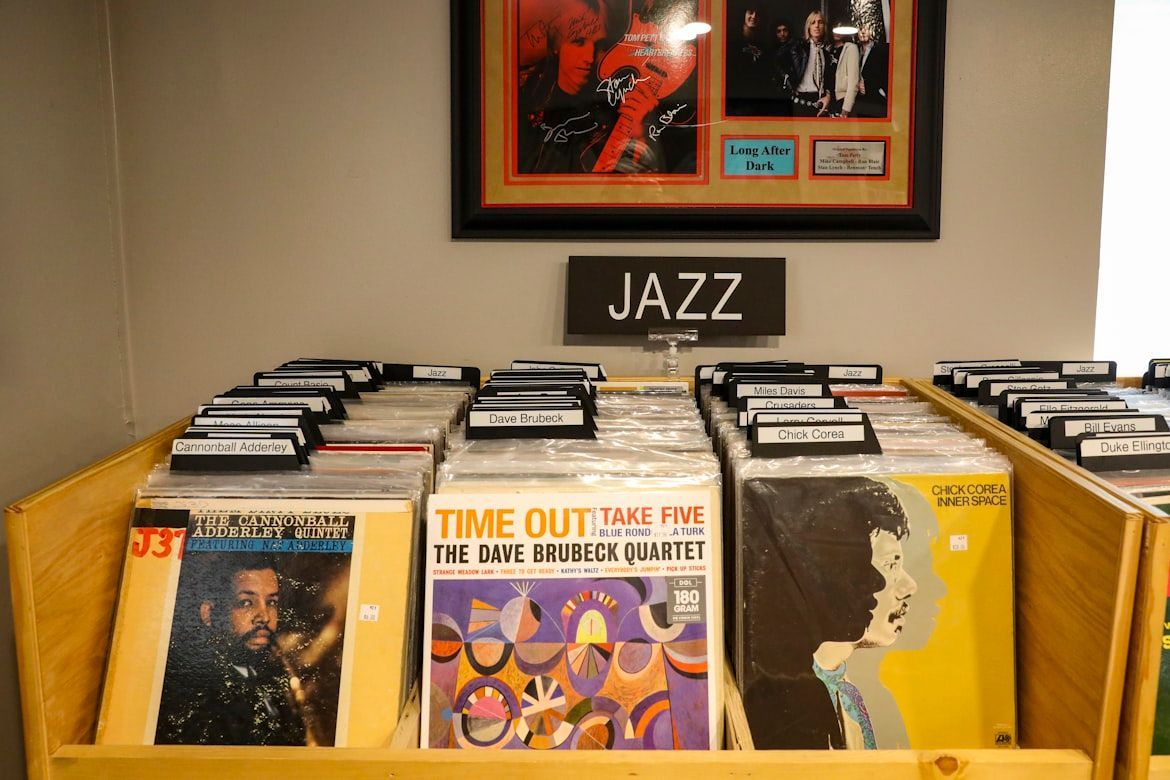
Image: Mick Haupt

6
Sun Ra’s cosmic jazz

Jazz mad scientist Sun Ra claimed he was born on Saturn and sent to Earth to spread peace through sound. His Arkestra mixed free jazz, chants, and futuristic costumes into wild multimedia performances .

Audiences never knew what to expect: space helmets, electronic keyboards, or cosmic sermons. His blend of myth, science, and swing launched Afrofuturism, a style of his own.
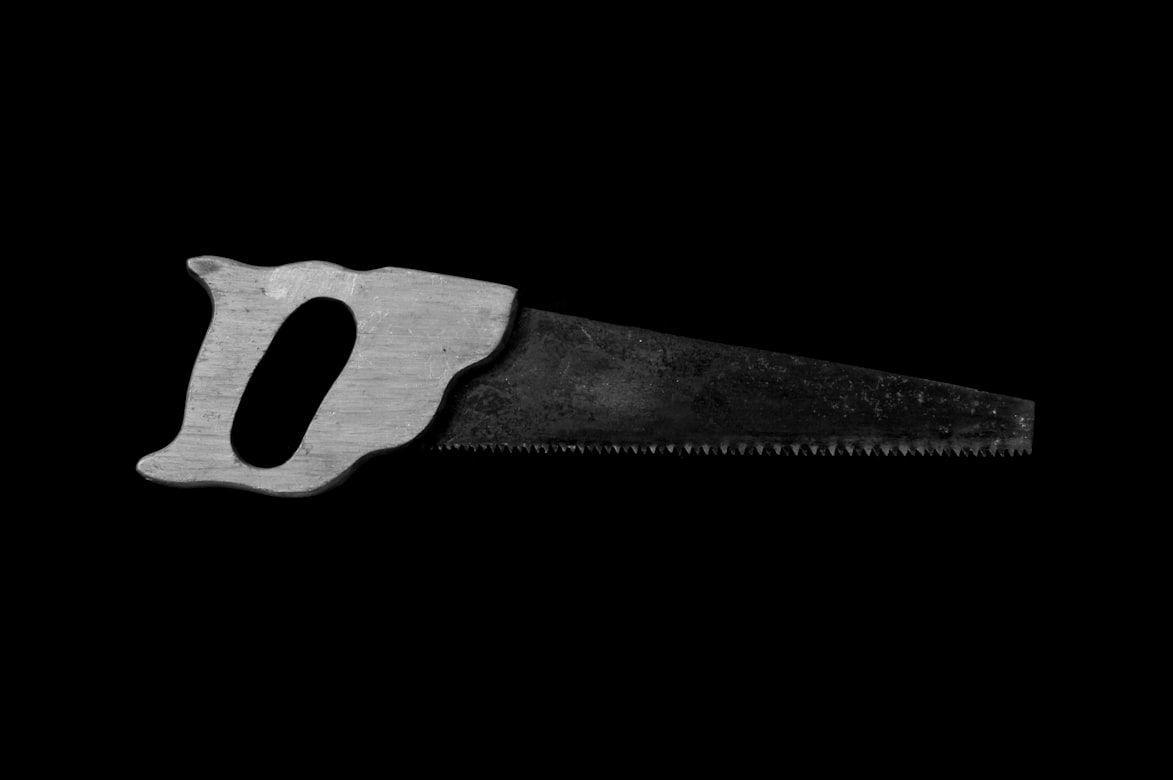
Image: Matt Artz

7
Singing saw

Rural American musicians once discovered that a regular handsaw could "sing" when bent and bowed like a violin . The flexible steel vibrated with a haunting, "human-like" voice.

The sound carried through old-time folk, gospel, and early film scores. Even today, the singing saw appears in grassroots festivals and soundtracks.

8
Prepared piano
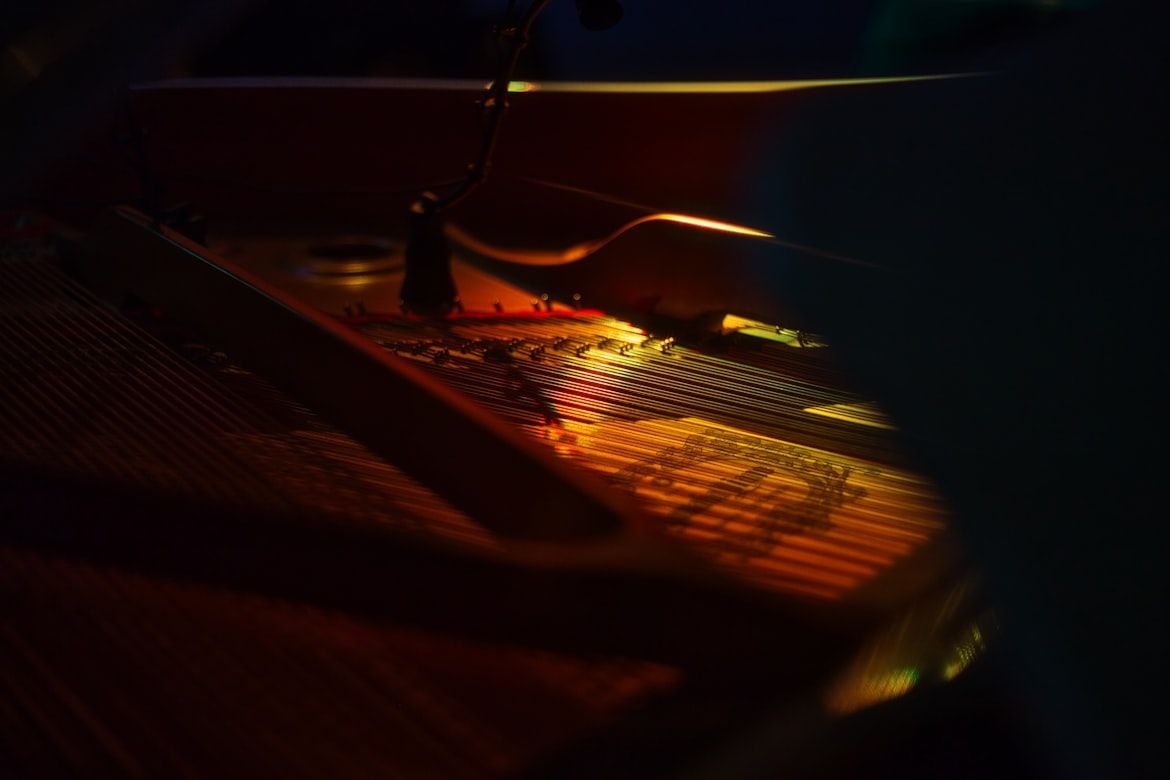
Image: Andrew Petrischev

Avant-garde composer John Cage inserted screws, bolts, and rubber between piano strings, turning each key into a new percussive sound . The result was bizarre but original.

He called it the "prepared piano." Audiences heard rhythms that clanged, thumped, and chimed like a whole percussion ensemble.

9
Moog synthesizer

Image: Adi Goldstein

The Moog was born in the late 1960s with its maze of knobs and wires , and it caused a sensation among musicians. Those who experimented found endless possibilities in its electronic tones .

From the Monterey Pop Festival to Wendy Carlos’s soundtracks for The Shining and A Clockwork Orange , the Moog’s strange bleeps reshaped American pop.
10
The Singing Nun

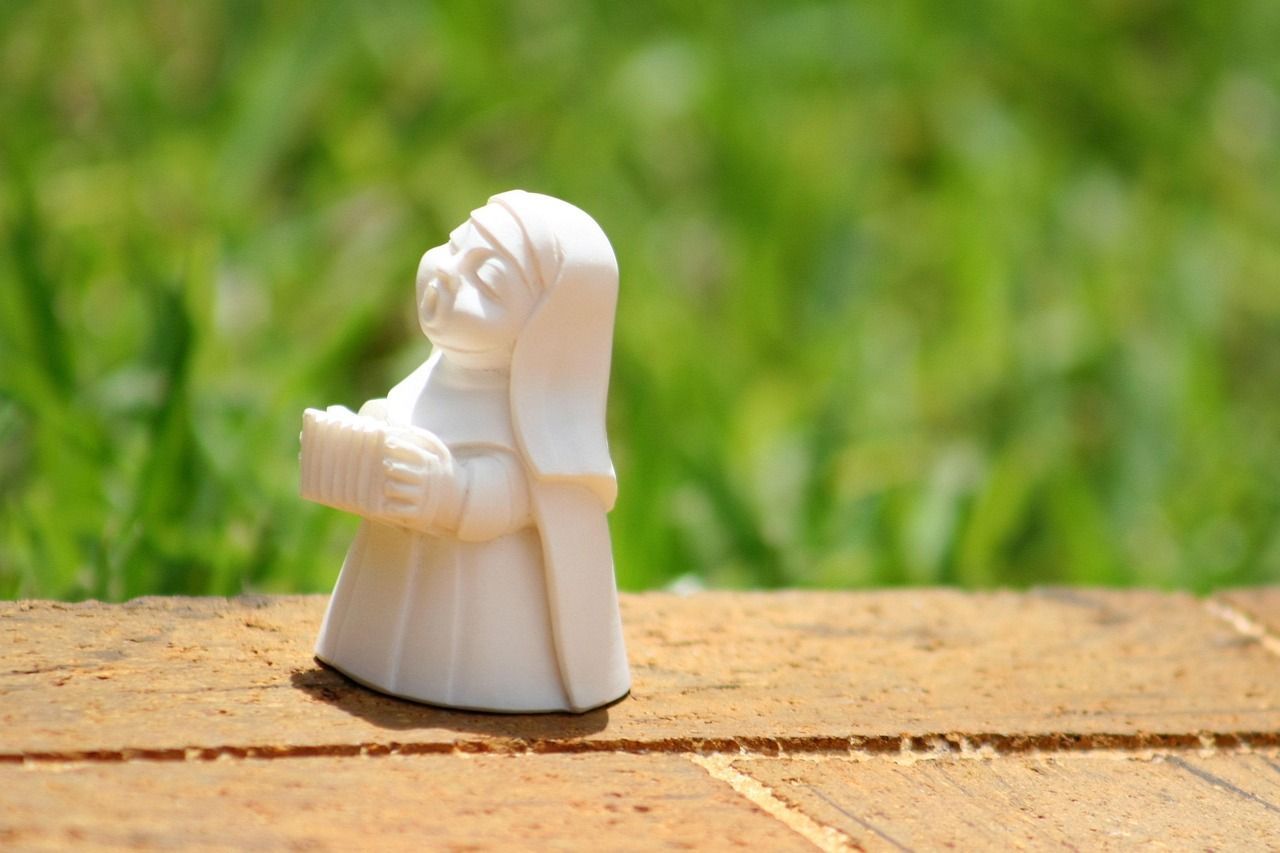
In 1963, a Belgian nun named Sister Luc-Gabrielle unexpectedly topped U.S. charts with "Dominique," sung in gentle French. Her purity and optimism charmed listeners across the country.

Her hit briefly outshone even the Beatles. Though her fame faded quickly, the story of a shy nun reaching number one remains a sweet oddity, for sure.
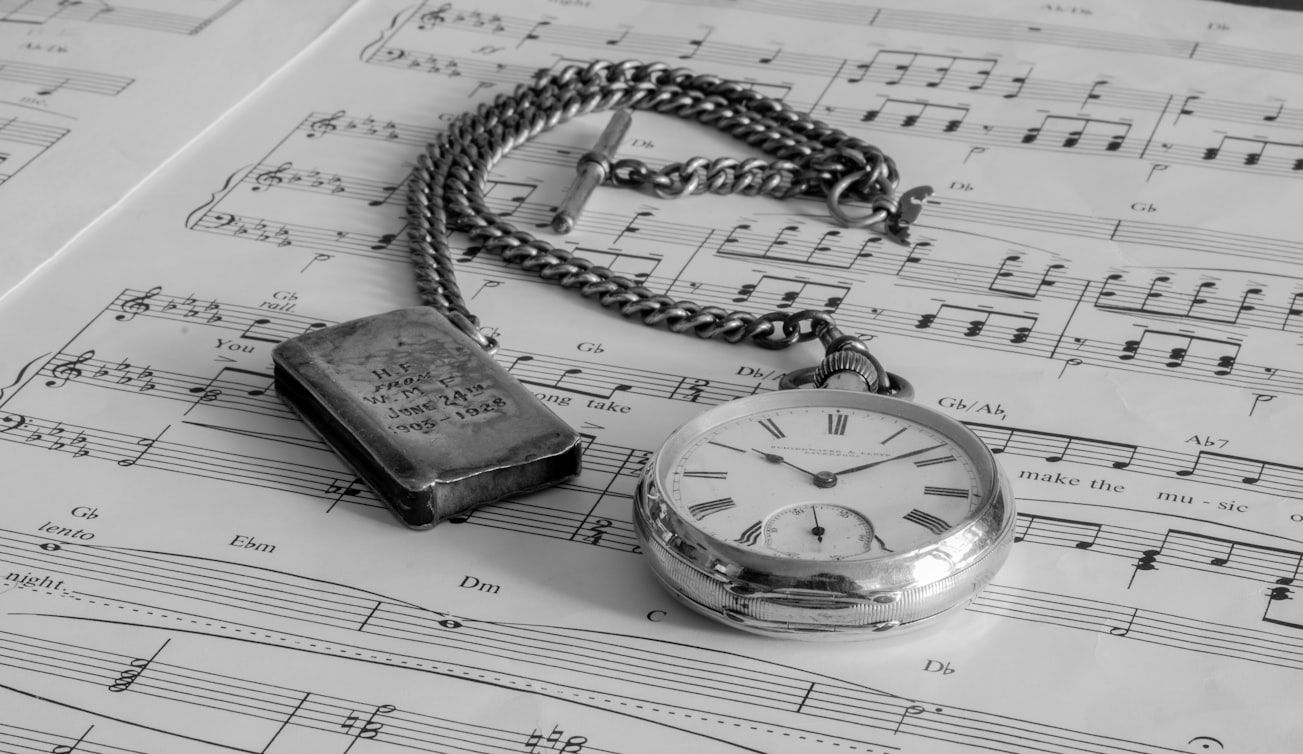
Image: Pete F

11
The "Longplayer" experiment

Launched in 1999, "Longplayer" is a music piece designed to play continuously for one thousand years without repeating . It was created by American artists who joined the project to maintain its endless cycle.

The music changes subtly with time, echoing life’s slow rhythm. Its creators call it "a conversation between centuries".

12
Hard-drive symphonies
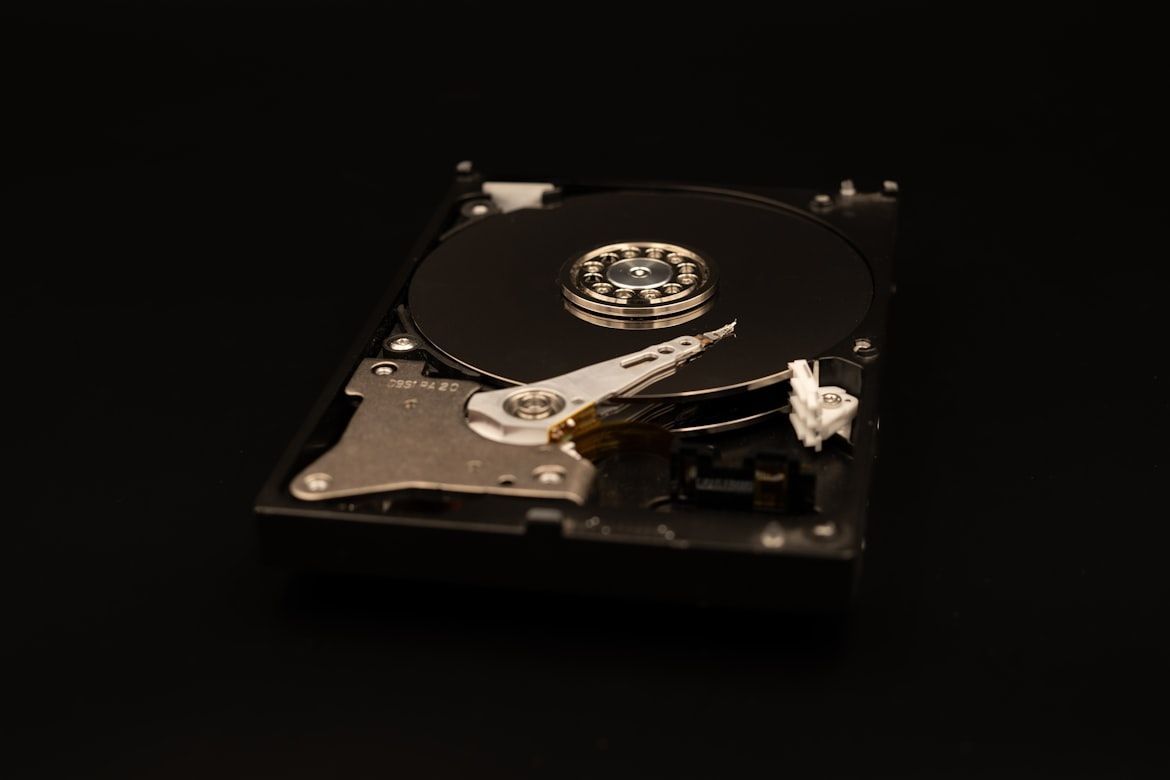
Image: Borja Verbena

In the 2010s, hobbyists reprogrammed old computer drives to "play" songs by spinning and clicking at different speeds . Each tone came from mechanical motion, not speakers.

Videos of clattering machines performing pop hits can still be found all over YouTube. These homemade orchestras turned computer nostalgia into an art.

History History 5 min read

The foundation of the American nation

The Founding Fathers of America: 10 interesting facts

Image: The New York Public Library

We all know who the Founding Fathers were, but we seldom think of them as human beings rather than heroes who gave shape to our country . Despite their amazing deeds, they still were a group of men of varied origins, ideologies, beliefs, and concerns, which led to more than one discussion and rivalry. Let’s learn some more about them!

1
There is no official ‘Founding Fathers’ list

Image: The New York Public Library

Who can be called a Founding Father? The term was coined by Senator Warren G. Harding in 1916 and is used to refer to the leaders of the Revolutionary movement, but there’s no set list . While it is mainly used for key figures such as George Washington, Thomas Jefferson, John Adams, Benjamin Franklin, Alexander Hamilton, John Jay, and James Madison, the term applies broadly to those who signed the Declaration of Independence and the Constitution .

2
4th of July deaths

Image: Stephanie McCabe

The legal separation of the Thirteen Colonies from the British Crown was voted by the Continental Congress on July 2nd, 1776, but was formally adopted on July 4th , immortalizing the date for the rest of American history. But did you know that it is also the death anniversary of three Founding Fathers?

Thomas Jefferson and John Adams both died July 4, 1826, on the 50th anniversary of the Declaration of Independence, while James Monroe died five years later, on July 4th, 1831. Interestingly, John Adams disliked the date chosen for celebrations, as he believed the day of the vote to be more significant.

3
Refusal to sign the Constitution

Image: Howard Chandler Christy, Public domain, via Wikimedia Commons

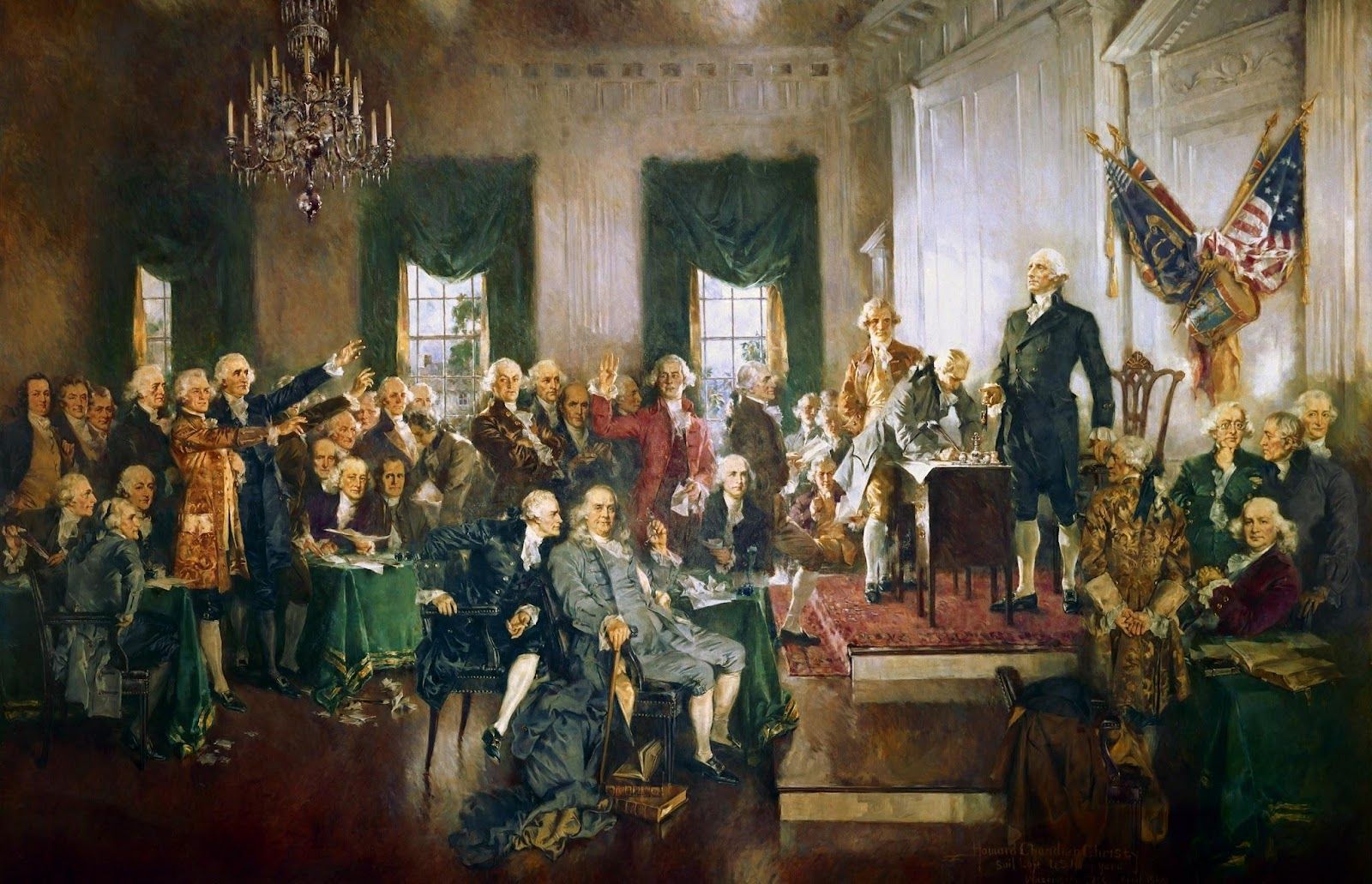
The Constitutional Convention took place in 1787, from May to September. The Constitution of the United States was presented on September 28, 1787 , but nearly two years had to pass for it to be ratified by all the states, superseding the nation’s first constitution, the Articles of Confederation.

Not all signing constituents agreed on the final seven articles, among them Benjamin Franklin, but three of them in particular —George Mason, Edmund Randolph, and Elbridge Gerry— flat out refused to sign the document . Mason suggested the addition of a bill of rights, but was denied, a suggestion that would ultimately inspire the drafting of the Bill of Rights by James Madison.

4
A lawyer for the enemy

Image: National Archives at College Park, Public domain, via Wikimedia Commons

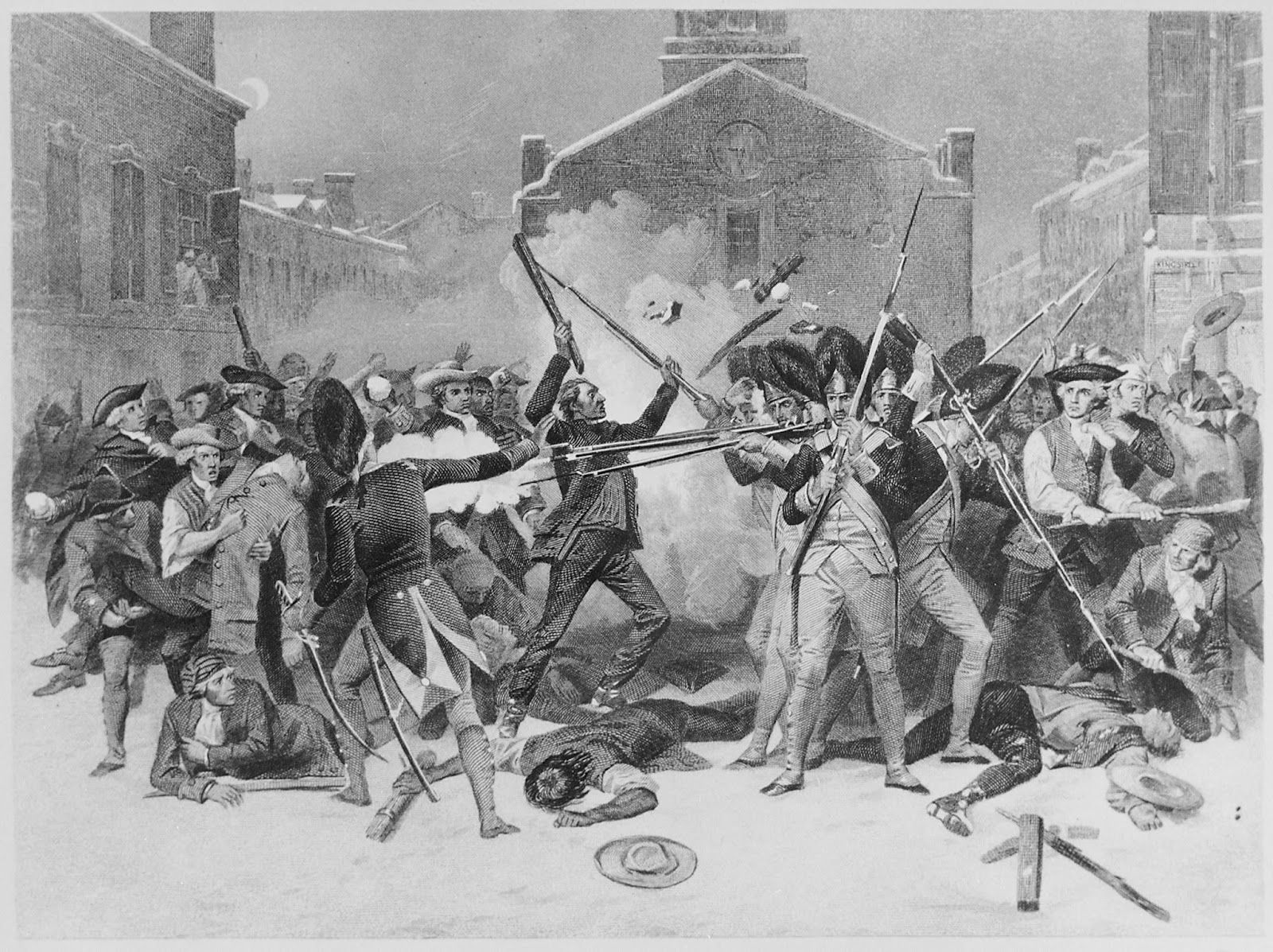
The Boston Massacre of 1770 was part of the incidents that prompted the start of the Revolutionary movement in the colonies. British soldiers stationed in Massachusetts to support the implementation of the Townshend Acts were confronted by an angry crowd. Overwhelmed, the soldiers opened fire without authorization, resulting in five deaths and six wounded.

During the subsequent trial, Founding Father John Adams worked as a defense lawyer for the British soldiers charged , a decision that prompted public criticism. However, he was a firm believer in the right to a fair trial for everyone, and argued that most soldiers had acted in self-defense. In the end, only two soldiers were convicted of manslaughter, a verdict Adams agreed with.

5
The origins

Image: Alex Boyd

None of the Founding Fathers was born an American (for obvious reasons), but most of them were born in the American colonies and had British origins . Out of the 56 signers of the Declaration of Independence, 47 were born in what is now U.S. territory.

The other nine? Eighth of them came from the British Isles : Two were English-born (Button Gwinnett, Robert Morris), three were Irish (George Taylor, Matthew Thornton, and James Smith), two were Scottish (James Wilson, John Witherspoon), and one was Welsh (Francis Lewis). The last one, Alexander Hamilton, was born in the British West Indies , now St. Kitts and Nevis.

6
The first signature

Image: David Nitschke

Have you ever wondered why people ask for a ‘John Hancock’ when they need a signature? It is all because of Founding Father John Hancock. One of the wealthiest men in the Thirteen Colonies, Hancock was a merchant (and smuggler) by trade, served as president of the Continental Congress, and as Governor of the Commonwealth of Massachusetts after the Revolution.

Why is he associated with a signature? John Hancock was the first person to sign the Declaration of Independence, and his signature stands out because it is visibly larger than the rest. According to legend, he claimed to have made it big so King George would be able to read it.

7
The anti-slavery clause that wasn’t

Image: Hussain Badshah

It is no secret that many Founding Fathers were slaveholders, but there was no unified opinion on the subject. Some, such as George Washington, freed their slaves in their wills, while others, such as Franklin, Paine, Hamilton, and Adams, were passionate abolitionists. Thomas Jefferson was a curious case: while he owned numerous slaves all his life, he was against the international slave trade and believed that America had to abolish slavery gradually to avoid civil unrest.

In his first draft of the Declaration of Independence, Jefferson included his conflicted views on slavery in a paragraph condemning King George III for his role in the Transatlantic Slave Trade and the affronts to liberty caused by this. Ultimately, this clause had to be removed due to the objections of many delegates who supported slavery.

8
The vice president

Image: Ian Hutchinson

When the Constitutional Convention considered the best way to choose a chief executive (a.k.a., the president), they weren’t even considering the figure of the vice president , and had decided that the Senate would elect its own president. After creating the Electoral College, they realized that, being a new country, state loyalty would most likely outweigh loyalty to the union. The solution? Each elector had to choose two candidates, one of which should be from a different state. The two most-voted candidates would be president and vice president, respectively.

The first elected vice president, John Adams, was not happy with the position . He had received a huge amount of votes, but George Washington had still won in a landslide. Although he regarded the position as the "most insignificant office that ever the invention of man contrived", he took on his role as President of the Senate with the utmost dedication.

9
Confidence in the Constitution

Image: Adam Nir

It is difficult to believe that any Founding Father thought the Constitution to be perfect. After all, not only did some refuse to sign it, but they also included the possibility of amending it to better protect the stability and liberties of the country.

Some Founding Fathers, however, lacked confidence in the Constitution as a document. Benjamin Franklin expressed his disapproval of certain clauses . Still, he was not sure they could write one better, so he decided to sign it, faults and all, preferring to doubt himself than halt the constitutional process. On the other hand, Washington believed the Constitution to be much better than the Articles of the Confederation, but he expressed his doubts about the document lasting for more than twenty years.

10
A varied group of men

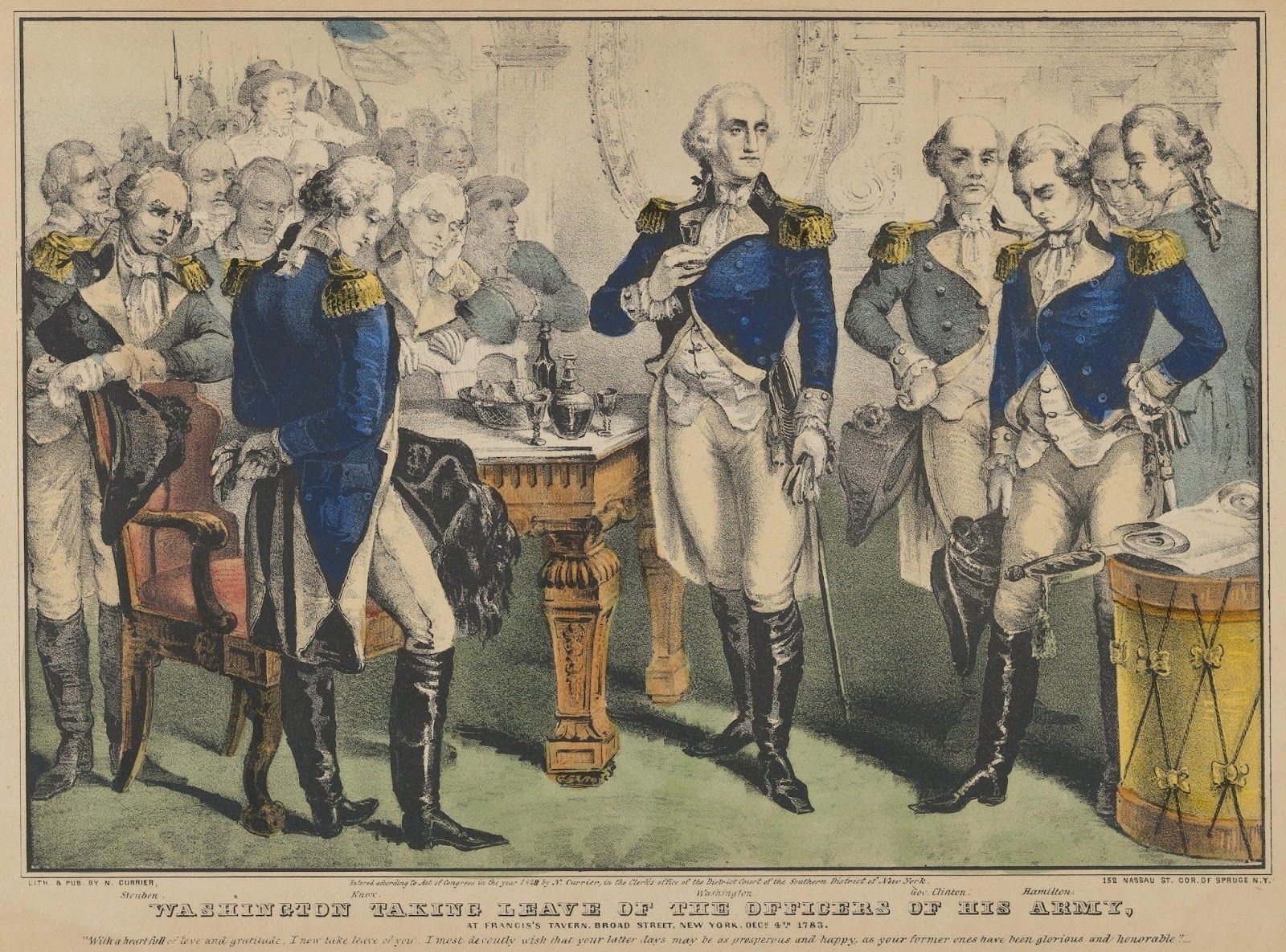
Image: Nathaniel Currier, CC0, via Wikimedia Commons

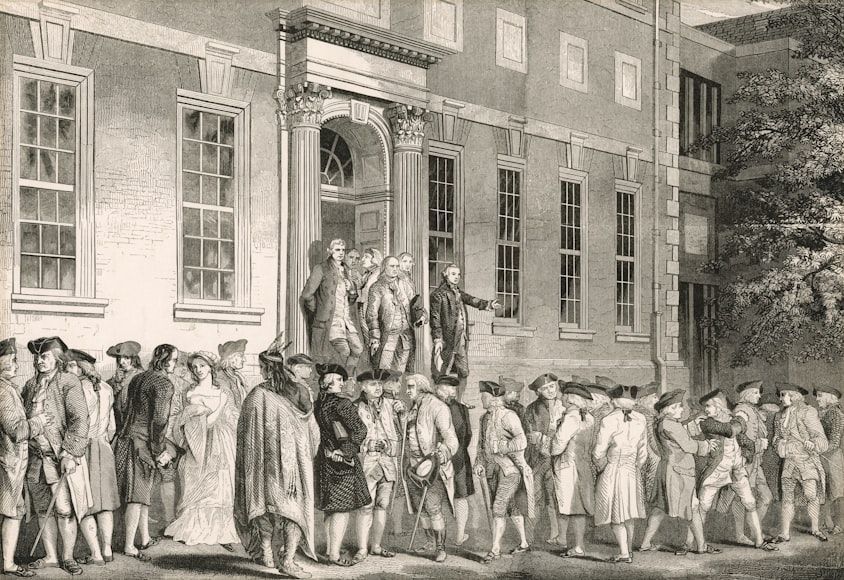
The centuries passed, and the wigs on the portraits have created the illusion of the Founding Fathers being a group of old men , but this is not exactly right. Although Benjamin Franklin was around 70 years old during the Revolutionary War, most Founding Fathers were young enough to fight and were between 30 and 45 years old.

The differences of age, background, and ideology between the Founding Fathers were the cause of many discussions, enmities, and rivalries, but these differences contributed to the foundation of the United States of America.

General General 5 min read

SUGAR RUSH!

These 10 American Candies Make Our Lives Sweeter!

Image: Jamie Albright

Got a sweet tooth? You are not alone. From the hundreds of brightly colored wrappers filling Halloween baskets to that delicious chocolate bar that makes a morning commute more pleasant, candy tends to play an essential role in the lives of most Americans. We have selected ten of the most iconic American candies that sweeten the days of both children and adults alike. Take a trip down this sugary road and enjoy!

1
Snickers

Image: Joshua Fernandez

We’ll start this article with an absolute classic. In the 1930s, Mars came up with a now-iconic candy bar packed with peanuts and covered in delicious chocolate. When it came the time to name it, inspiration came from an unlikely source: Snickers are named after the Mars family's favorite horse.

Snickers quickly became a global icon, becoming available in grocery stores and supermarkets worldwide. Nowadays, they come in a huge variety of flavors, including white and milk chocolate, as well as in different products like ice cream.

2
Hershey’s chocolate bar

Image: Janne Simoes

Known as "The Great American Chocolate Bar" , the Hershey’s bar is truly an American tradition. It was first sold in 1900, making it one of the oldest chocolate bars in the United States. However, they continue to be a delicious treat long past their one-hundredth anniversary.

This chocolate bar’s origin is rather interesting. In 1893, Milton Hershey visited the Chicago World’s Fair, where he was impressed with the chocolate manufacturing machinery displayed by the German delegation. The following year, he founded the Hershey Chocolate Company, which developed its own kind of chocolate products.

3
Twizzlers

Image: Filip Mroz

Let’s step away from the chocolatey goodness of our previous entries (don’t worry, there’s a lot more chocolate to go on), and focus on the delightful "Twist You Can't Resist". Twizzlers are one of the most unique candies out there: Their distinctive flavor and fun shape truly set them apart from other products in the market.

You might be surprised to learn that Twizzlers are made by one of the oldest confectioneries in the country: Young and Smylie, the company behind their creation, was founded as far back as 1845. Another fun fact is that, while only their black flavor contains ingredients from the licorice plants, Twizzlers as a whole are considered licorice-type candy.

4
M&Ms

Image: Christopher Ott

Many surveys state that M&Ms are the most popular candy in America. And, to be honest, anyone who has tried these brightly colored pieces of chocolate confectionary probably agrees. With their classic slogan "the milk chocolate that melts in your mouth, not in your hand", M&Ms have been a beloved part of American life since 1941.

Just as cherished as M&Ms themselves are their iconic mascots, which are anthropomorphized pieces of candy. These colorful "spokescandies" have been the company’s representatives since the ‘90s, and have grown to be considered icons of American pop culture.

5
Jelly Belly

Image: Patrick Fore

Choosing a single brand of jelly beans to include in this article was no easy task, but we ultimately decided to give Jelly Belly this spot. After all, they were famously the most beloved snack of Ronald Reagan, and share a long and fun history with our 40th President.

This love story began in the 1960s when Reagan decided to quit smoking and turned to jelly beans as a replacement. By the time he reached the White House, Jelly Belly had become the de-facto presidential snack: A jar filled with jelly beans was regularly seen on the president’s desk.

6
Baby Ruth

Image: Ric Matkowski

No one can deny that Baby Ruth is a popular product: This delicious nougat-filled candy bar has been around since 1920. However, did you know that they were originally called "Kandy Kakes"? Not only that, there’s a small controversy related to the current name we know and love.

According to the Curtiss Candy Company, the name "Baby Ruth" was inspired by Ruth Cleveland , daughter of President Grover Cleveland. However, it doesn’t take a keen observer to realize that this is particularly similar to the name of baseball legend Babe Ruth, whose fame was skyrocketing in the 1920s. "The Sultan of Swat" even sued the candy company for using his name, but ultimately lost the case.

7
Candy corn

Image: Debby Hudson

This is perhaps the most polarizing piece of candy on this list. With its distinctive shape and bright colors, Candy Corn is either beloved or hated. In any case, it is one of the most popular candies during Halloween, becoming synonymous with this festivity.

Candy Corn is also one of the oldest candies in America, having been produced since the 1880s by the Wunderle Candy Company. It was originally known as " Chicken Feed " because of its resemblance to corn kernels used to feed poultry.

8
Sour Patch Kids

Image: Vinicius Amano

We’ve been mostly focusing on sweet products so far, so let’s take a small jump in the opposite direction. Sour Patch Kids, known for their slogan "Sour Then Sweet" , are famous for their initial tart and sharp taste that gradually gives way to a sweeter flavor. The contrast of both sensations is what makes this soft candy so iconic, which has been standing strong for almost 40 years.

Created in the 1970s, Sour Patch Kids were originally named "Mars Men". However, by 1985 the product was rebranded to the name we now know, possibly to capitalize on the popularity of the Cabbage Patch Kids, an extremely popular toy at the time.

9
Reese’s Peanut Butter Cups

Image: Heather Barnes

We would like to take a moment to honor the innovator who realized that peanut butter and chocolate are a match made in heaven : Whoever you are, good sir or madam, we salute you. And while we can’t celebrate this anonymous hero, we can thank the man who brought us the quintessential pairing of these ingredients: H. B. Reese, creator of Reese's Peanut Butter Cups.

In 1928, the H.B. Reese Candy Company started selling their peanut butter cups, at the time known as " Penny Cups " since they were sold for one cent. Reese, who formerly worked at a Hershey dairy farm, used Hershey chocolate in all his products. By the 1960s, the company merged with the Hershey Chocolate Corporation, which continues to produce these delicious cups.

10
Milk duds

Image: Moritz Kindler

Milk Duds are truly living proof that mistakes can lead to wonderful opportunities. These delicious pieces of chocolate candy are known for their irregular shape , which is a direct result of a lucky accident.

In 1928, Hoffman and Company of Chicago attempted to create a perfectly spherical chocolate-covered candy but failed in every attempt to achieve this shape. These failed attempts were called "duds", which is a term used to describe a device or equipment that failed to work as intended. Over time, these duds inspired the name of this product and eventually evolved to become our beloved Milk Duds.

Explore more American facts

Choose your favorite category!

General
General

As American as apple pie—the very best America has to offer!

Culture
Culture

Delve into the astounding richness of American lore.

Geography
Geography

Hop in and explore vast and diverse American landscapes.

History
History

Discover the key moments that shaped the United States.