History History 3 min read

High data

Discover the secrets of the Empire State Building!

Image: Kit Suman / Ofuss

The Empire State Building may be an immense structure that's hard to miss, but its history holds events, quirks, and surprising facts that most people have never heard! From lightning constantly striking it to water invading from below, let's uncover 10 things no one ever told you about this iconic American skyscraper.

1
25 times a year
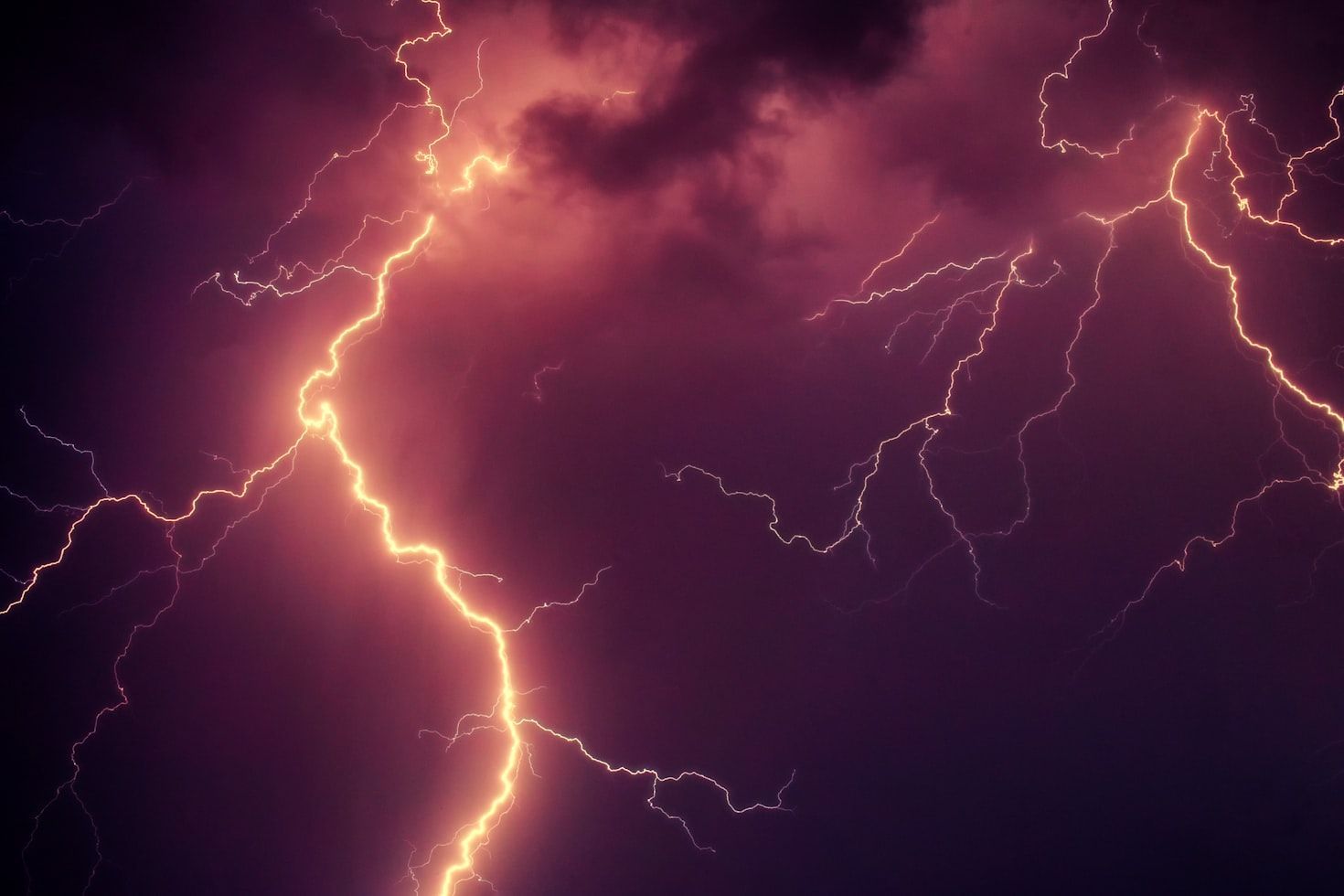
Image: Johannes Plenio

Its tall, elegant steel structure is definitely captivating; no wonder thousands of photographers, painters, and filmmakers have chosen the Empire State Building as the backdrop for their work. However, that imposing height comes with something a little scary: it's estimated that the building is struck by lightning about 25 times a year! Fortunately, it was designed to handle these strikes, so it's completely safe.

2
Really fast

Image: Guilherme Cunha

There are buildings that took decades to complete. But this is not the case with the Empire State Building. In fact, this is one of the fastest skyscrapers ever built: It took only one year and 45 days to erect such an architectural masterpiece. That means it was built at a rate of an incredible 4.5 floors per week!

3
Unlikely survivor
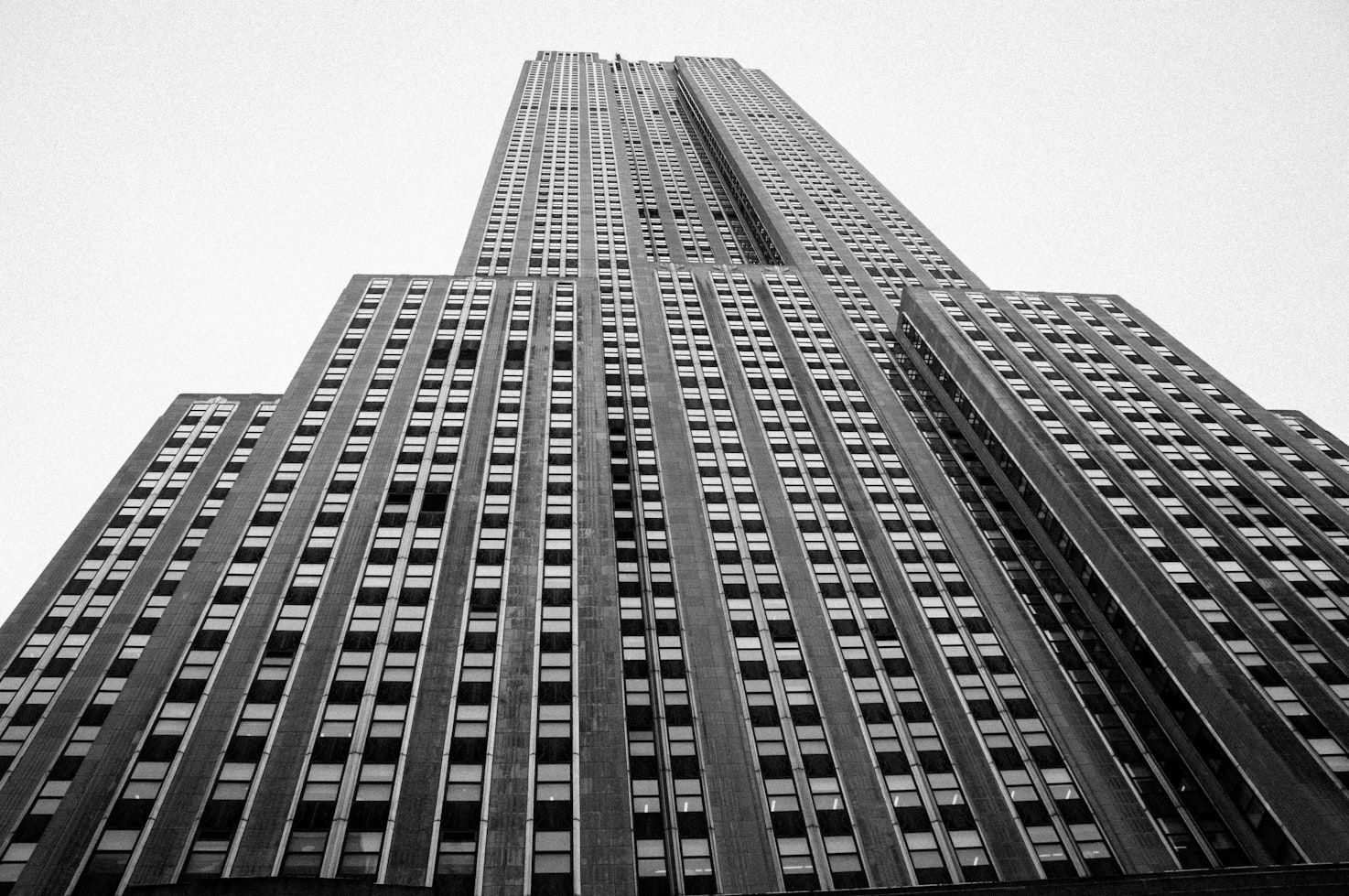
Image: Melanie Dretvic

It was 1945 when the Empire State Building was accidentally struck by a B-25 Mitchell bomber due to the thick fog that covered NYC. A worker named Betty Lou Oliver was on the 80th floor when the plane crashed into the 79th. She was severely injured, but incredibly, she survived. Hours later, while being rescued in an elevator, the damaged cables gave way, and Betty fell 75 floors to the basement. She survived that too!

4
40 million dollars

Image: Pepi Stojanovski

A tremendous building like the Empire State couldn't be built on a shoestring budget. When it was constructed —in the midst of the Great Depression, no less— it cost about $41 million . That's a hefty sum, even today! Adjusted for inflation, that would be around $600 to $700 million in 2025. Wow!

5
Secret floor

Image: roemer overdiep

If you are afraid of heights, be prepared: the Empire State Building has two public observation decks, one on the 86th floor and another on the 102nd. But there's another one, and it's even higher! It's located on the 103rd floor, but it's not open to the public and is mostly used for VIPs or special occasions.

6
High security

Image: Pawel Czerwinski

Although an incredible 4 million people visit the building each year on average, getting in isn't easy. Many visitors say it feels like going through airport security, with X-ray machines and metal detectors everywhere. Visitors must also pass through a security checkpoint before reaching the observation decks, and the building is constantly monitored by cameras and security guards.

7
King Kong
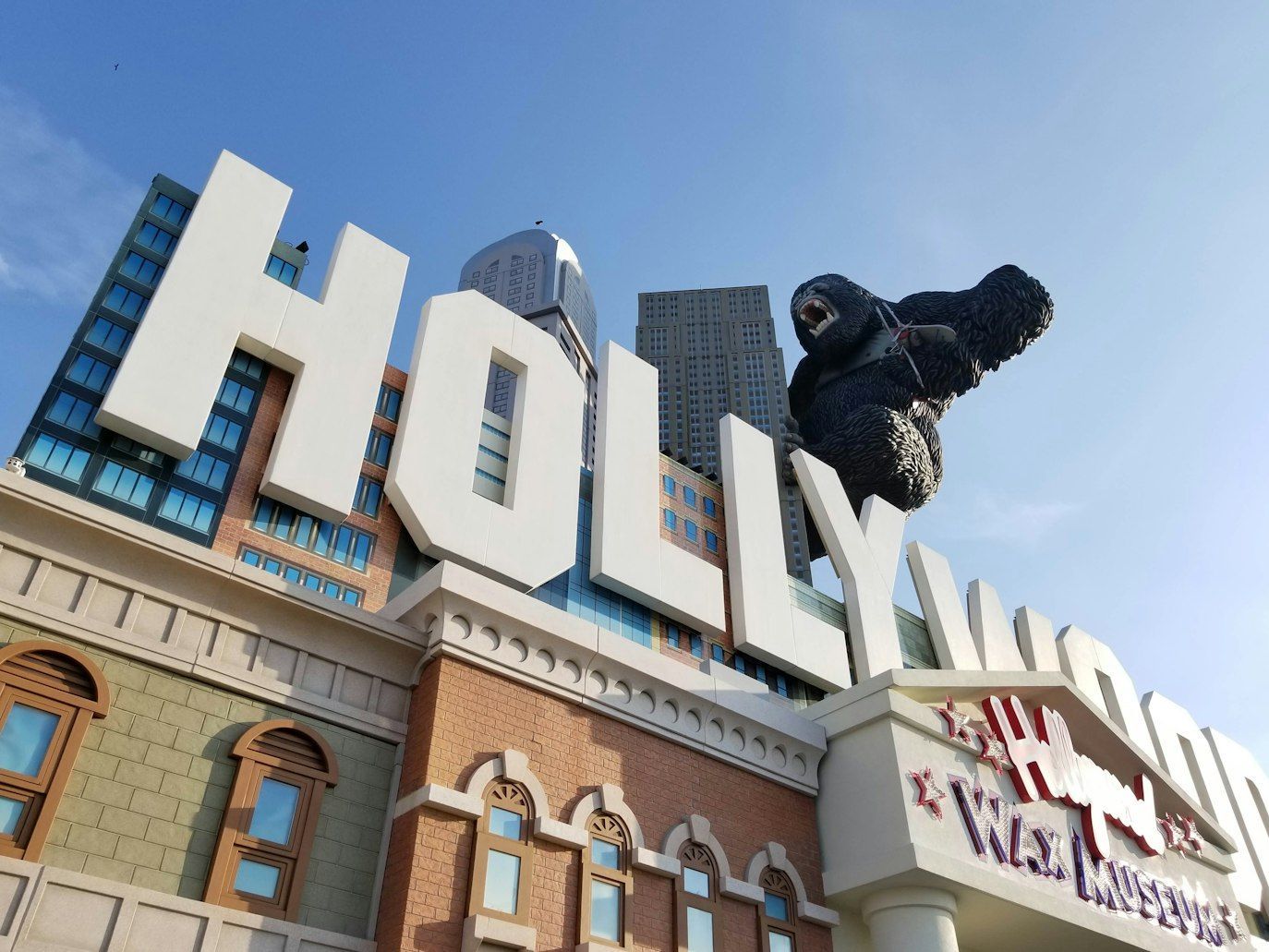
Image: Simon Ray

We all remember the iconic scene of the imposing King Kong climbing the towering mast of the Empire State Building. And while that image lives on in our minds, there's one detail many people overlook: When the original King Kong movie premiered in 1933, the Empire State Building was less than two years old! Plus, at the time, the building still held the title of tallest in the world, making King Kong's climb even more epic.

8
Underground waterways
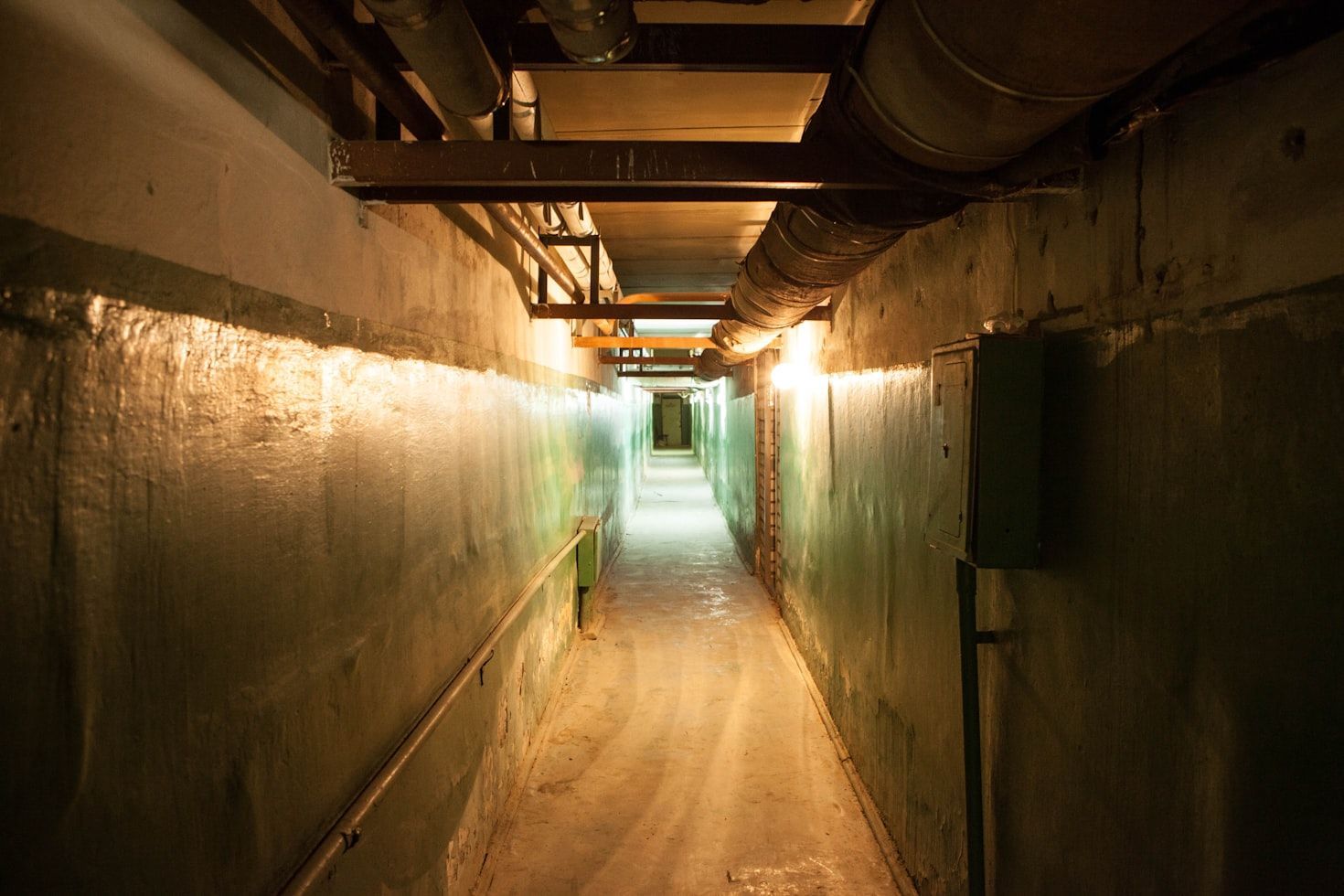
Image: Evgeniy Smersh

Beneath what is now NYC, there was a network of streams and rivers that flowed freely before Manhattan and other boroughs covered them. The land below the Empire State Building is no exception, and these old underground waterways still occasionally cause complications. For example, during heavy rains, water can rise and seep into the building's wind tunnels, sometimes flooding areas with up to two feet of water.

9
The original plans
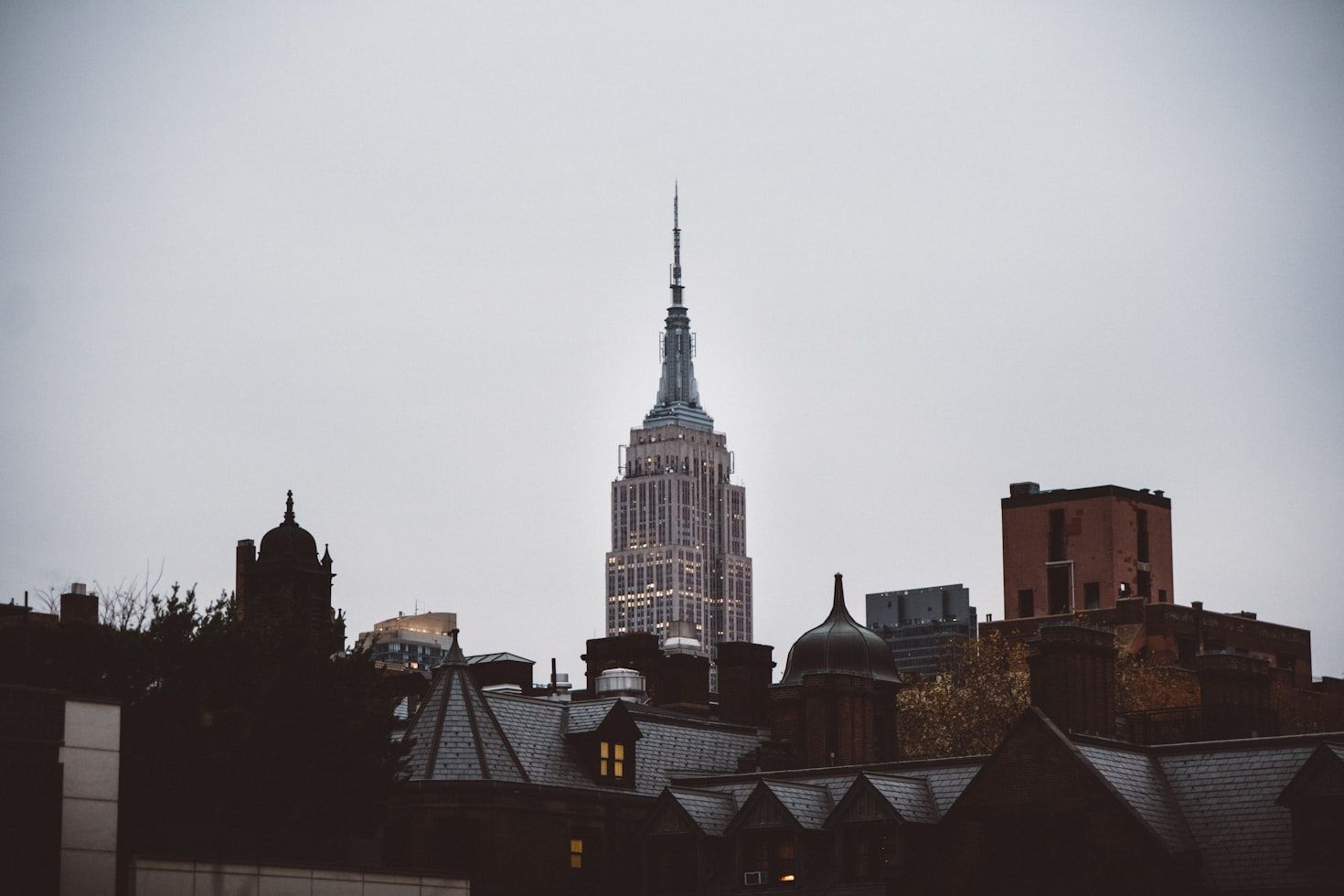
Image: Jaunt and Joy

The Empire State Building was originally supposed to have a dirigible anchor! That's right; the mast at the top of the building was meant to serve as a mooring post for dirigibles, with a docking platform and a door for passengers to disembark. However, due to the extreme height, high winds, and overall potential danger, the idea was discarded. Today, the mast is used for antennas and other communications equipment.

10
Green building
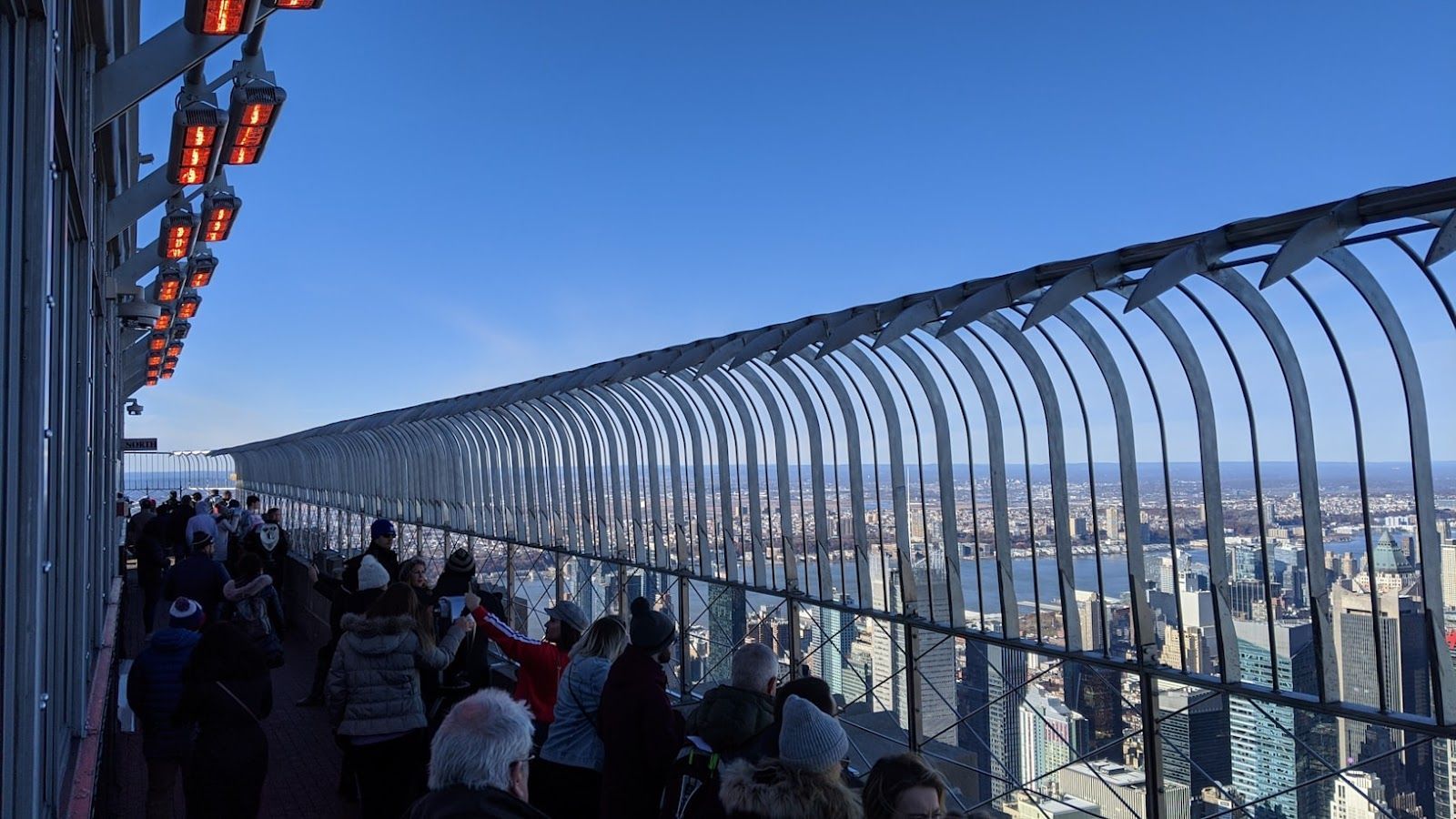
Image: Chris Ladouceur

This iconic building that defines New York's skyline is considered a "green building." And no, it has nothing to do with the color of its walls; it's about something much more meaningful. The sustainability modifications that the Empire State has undergone over the years have made it one of the most energy-efficient buildings of its size, minimizing its environmental impact and earning it the title of "green building."

General General 5 min read

What’s in a team’s name?

No Grizzlies in Tennessee: Decoding 10 NBA team nicknames

Image: Abhay siby Mathew

What could knickerbockers, animals, and mechanical engineering have in common? Well, plenty, if you ask an NBA fan. The naming of basketball teams has involved whole fan communities, local polls, and a lot of state industry pride. Nuggets, Pistons, Pacers—some evoke local wildlife, while others dig centuries back into historical roots. Ever wondered why Tennessee has Grizzlies or how Miami’s team ended up simply as "Heat"? Let’s dive into the stories behind the league’s most iconic—and surprising—team names.

1
Knicks

Image: Kelly Sikkema

"Knicks" is the shorter, catchier version of "Knickerbockers." The New York team name was chosen in the 1940s because of its association with Dutch settlers in the city. In Washington Irving's satirical book A History of New York , the author used "Diedrich Knickerbocker" as a fictional narrator. Over time, the term came to symbolize the city’s colonial heritage.

One of the oldest teams in the NBA, the Knicks never changed their worldwide-known name or their headquarters. They also boast one of the most iconic sports arenas in the world: Madison Square Garden . The Knickerbockers brand became so well-established that it intentionally opted to never introduce a team mascot, to preserve its classic image.

2
Nuggets

Image: PIX1861

The Denver Nuggets don’t allude to any form of food. Let’s look at the team’s history before explaining its name. Originally, as members of the American Basketball Association, they were called the Denver "Rockets" in reference to one of the owner’s businesses. However, when the team prepared to join the NBA in the 1970s, they had to change their name because Houston already had a team named the Rockets.

After a fan contest, the name "Nuggets" was chosen as a nod to Colorado’s gold and silver mining heritage , where prospectors sought valuable "nuggets" of precious metals. The team adopted a logo featuring a miner holding a pickaxe, and the name has stuck ever since.

3
Rockets

Image: NASA

So, why did Houston name its team The "Rockets"? Technically, it didn’t. The team was founded in San Diego in the 1960s as an NBA expansion team. The name "Rockets" was chosen through a fan contest, inspired by San Diego’s slogan at the time, "A City in Motion," and its ties to the aerospace industry.

Less than 10 years later, the team relocated to Houston, Texas. It was understood that a name change wasn’t necessary: "Rockets" fit seamlessly with Houston’s role as NASA’s space center and its nickname, "Space City."

4
Pistons

Image: Tim Mossholder

The Pistons were originally founded in Indiana as the Fort Wayne Zollner Pistons . Their owner, Fred Zollner, also owned a manufacturing company that produced pistons for automotive and railroad engines. The team carried the last part of the name forward when they joined the NBA, and later moved to Detroit.

Detroit, known as "Motor City" for its global reputation as the center of the American auto industry, was the perfect fit for the Pistons name. The concept that the Pistons symbolized "horsepower" was what inspired the introduction of their mascot, Hooper, a horse wearing the Pistons’ jersey.

5
76ers

Image: Jimmy Woo

The Philadelphia 76ers derive their name from an entirely different source than most other teams. Honoring the city’s insignia as the birthplace of the Declaration of Independence in 1776, the team’s name pays tribute to this pivotal moment in American history.

In its inception, the team was based in Syracuse, New York, and was known as the "Syracuse Nationals." It was one of the NBA’s original franchises. When it moved to Philadelphia, though, a fan contest was issued to select the best possible name. "76ers" was selected and it quickly became the popular consensus to shorten it to the nickname "Sixers."

6
Grizzlies

Image: Greg Johnson

Everyone’s first reaction upon hearing where the Grizzlies are based is the same: "But are there any grizzlies in Tennessee?" The answer is, none that we know of. But the team was founded far from those lands, in Vancouver, British Columbia. In the mountainous regions of western Canada, grizzly bears are indeed a thing.

However, the team faced financial difficulties and fan support challenges in Vancouver, leading to their relocation to Memphis in the early 2000s. At the time, there was some debate about whether to change the name. Ultimately, the NBA and team management decided to keep "Grizzlies" to maintain a connection to the team’s origins and avoid the costs of rebranding.

7
Heat

Image: Maxim Tajer

As many people observe, it’s unusual for a team name not to be a plural word. "Heat" is as fiery as it is accurate, belonging to the hottest state in the U.S. The city’s tropical weather inspired one of the most abstract names in the NBA, often symbolized by fire and the colors red, orange, and black.

The Miami "Heat" name was designated after winning a fan contest, beating other options like "Sharks" and "Barracudas." Fans also suggested names such as "The Beaches" and "The Miami Vice."

8
​​Timberwolves

Image: Andrew Ly

There may be no grizzlies in Memphis, but there are certainly timber wolves in Minnesota. In fact, the state has the largest population of timber wolves in the contiguous United States. The name for Minneapolis’ team was chosen through a statewide contest as a nod to Minnesota’s wilderness and natural wildlife. It was an instant hit.

The other finalist in the contest was the option "Polars," but it seems people found "Timberwolves" to be more unique. In later years, the team introduced its mascot, Crunch , a wolf often seen at events around the city.

9
Pacers

Image: Rui Alves

The Pacers emerged and remained in Indiana. The name was chosen mostly to pay homage to Indiana’s rich racing heritage: pace cars were used in the iconic Indianapolis 500 auto race , which evolved from horse races held annually in the state. However, it can also be considered a pun on the "fast-paced" style of playing that the team hoped to live up to.

In fact, one of the investors of the Pacers franchise was Chuck Barnes , who represented three legendary race car drivers: Mario Andretti, A.J. Foyt, and Rodger Ward. The team proudly retained the name when they joined the NBA in the 1970s after achieving remarkable success in the ABA.

10
​​​​Cavaliers

Image: PublicDomainPictures

Lastly, Cleveland’s "Cavaliers" is another example of a team name chosen through a fan vote. A local fan suggested the term, which refers to gentlemen trained in arms and horsemanship, for its associations with boldness, a fighting spirit, and a certain elegance. This option won, and over time, enthusiastic fans began referring to the team as "the Cavs."

Other contestants in the row were "Jays," "Foresters," and "Presidents." The "Cavs" nickname gained significant popularity during the LeBron era , as the star player’s success helped the team gain a stronger national following. Interestingly, the best-known rivalry for the Cavs is none other than the Golden State "Warriors."

General General 5 min read

PIZZA TIME!

Want a Slice? Enjoy These 10 Tasty Facts About American Pizza!

Image: Quin Engle

Who doesn’t love pizza? This tasty Italian treat is truly the great equalizer: If there is something that can bring every American from across the aisle together, that is a good old slice of delicious pizza.

The United States has a proud pizza history that encompasses the better half of the 20th century, and continues to this very day. Let’s take a look at different styles, iconic parlors, and fun facts about America’s favorite street food.

1
New York-style Pizza

Image: Alex Haney

Let’s start with a city synonymous with excellent pizza . New York-style pizza is an iconic variety, universally recognizable for its thin crust, delicious sauce, and melted mozzarella cheese. Nothing says New York City as folding a mouth-watering slice and enjoying this delicacy while the sounds of "The City that Never Sleeps" seem to fade in the background.

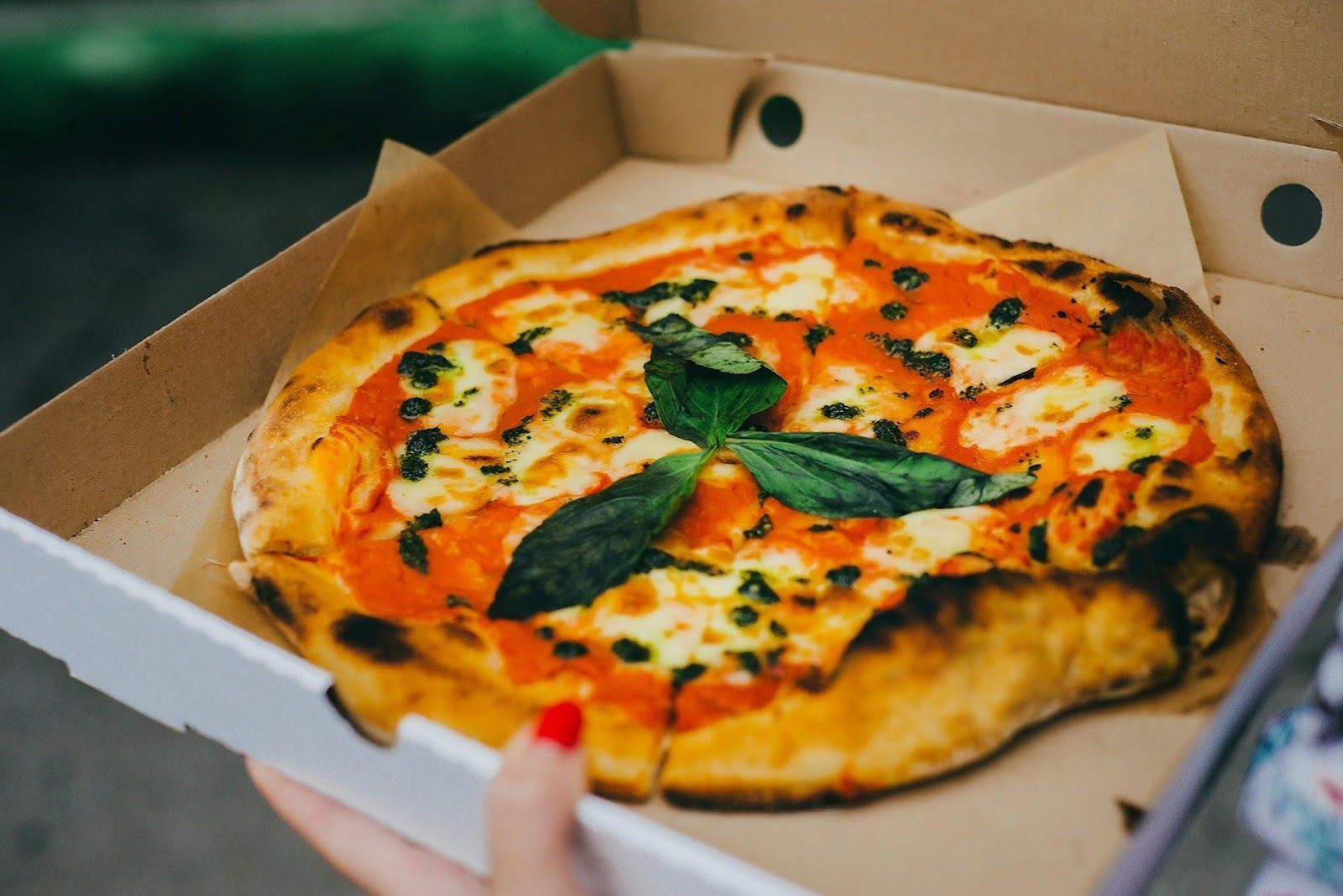
New York style is remarkably similar to the Neapolitan style, an Italian recipe considered by many to be close to perfection . Many historians believe that Naples is the birthplace of pizza, so it seems almost poetic that what many consider to be the first truly American style was inspired by this iconic city.

2
Chicago-style pizza

Image: Marit & Toomas Hinnosaar

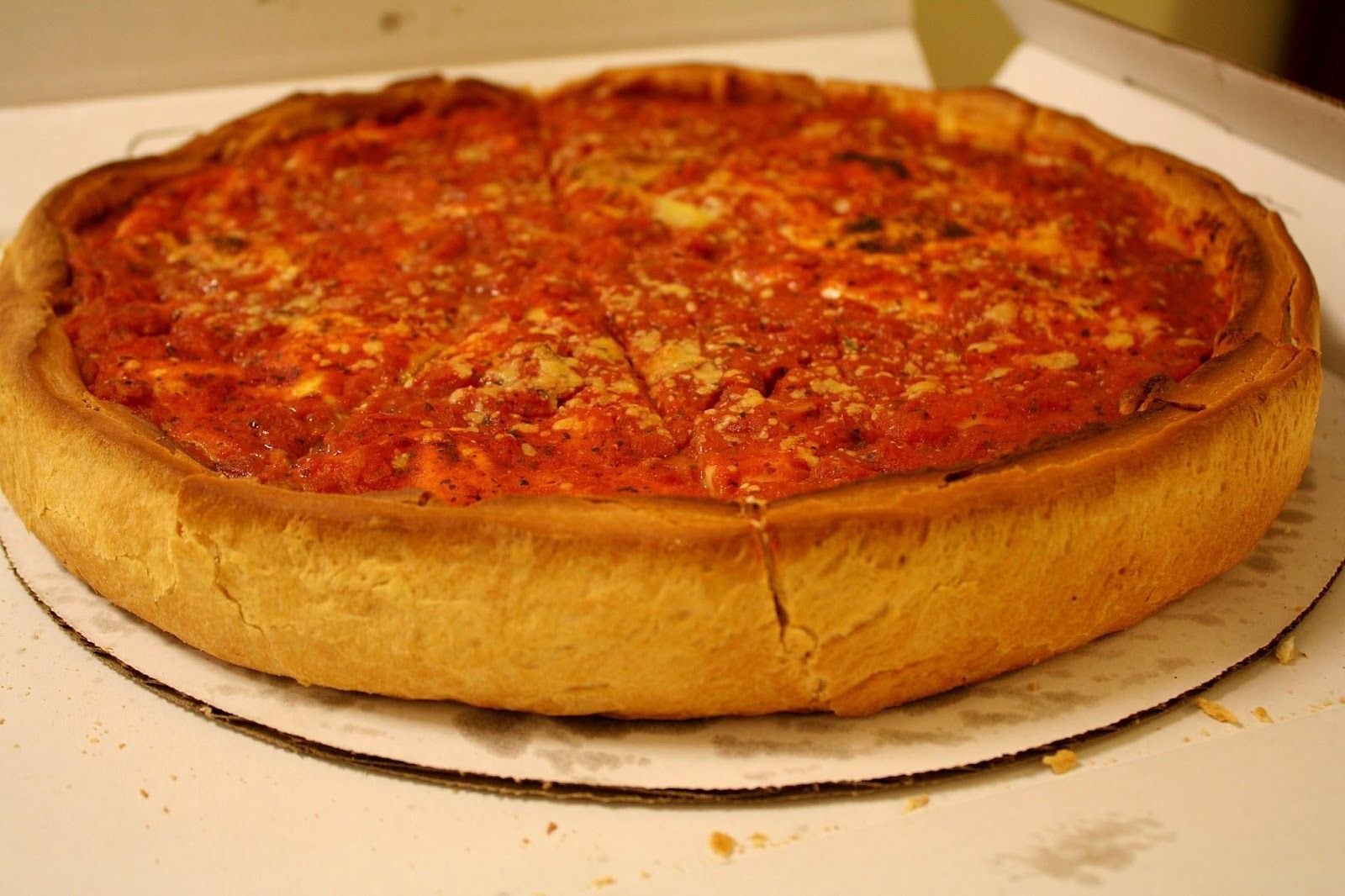
Unlike its New York City counterpart, the Windy City’s pizza has no Italian ancestor. While its exact origins are still debated, we do know that Chicago-style pizza was developed at some point between the 1920s and 1940s. However our Italian friends might feel about this style, the good people of Chicago proudly stand by this beloved deep-dish, high-edge cheesy treat.

One of the most interesting things about Chicago-style pizza is how it turns around the traditional way in which pizza ingredients are placed: Its chunky tomato sauce covers the copious amounts of cheese used. The result is a hearty and delicious meal , sought after by both locals and tourists alike.

3
Pepperoni

Image: Alan Hardman

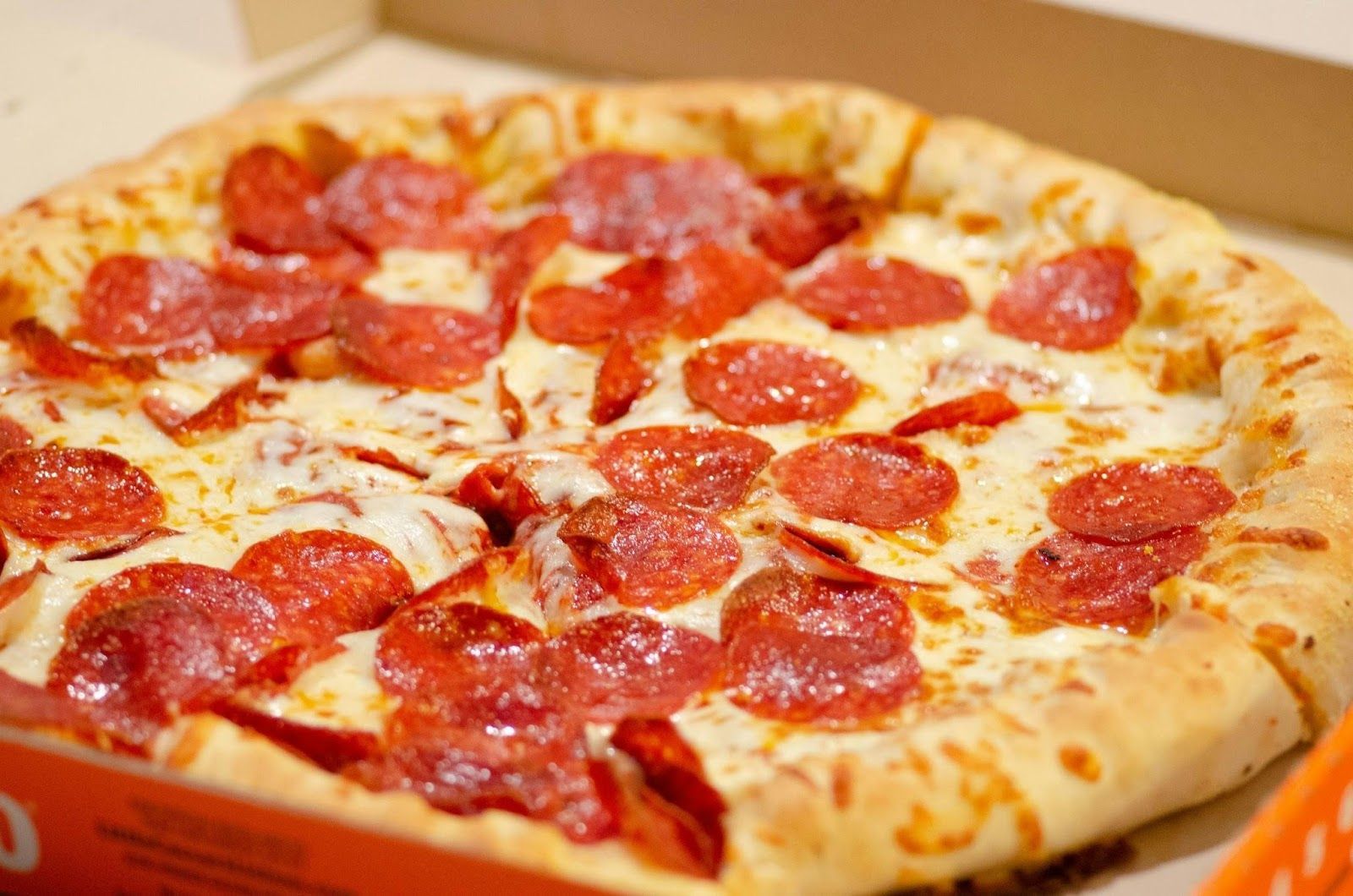
While no one can deny that Italy is the birthplace of pizza, this delicious ingredient comes straight from America . Granted, it is a variation of the Italian salami invented by immigrants in New York City at the start of the 20th century, but it has grown to become one of the most iconic toppings associated with American pizza.

Pepperoni comes from " peperoni ," which is the Italian word for "bell peppers". This spicy sausage is fairly similar to the salamis from Southern Italy, like " salsiccia" or " soppressata ."

4
California style pizza

Image: Prayitno

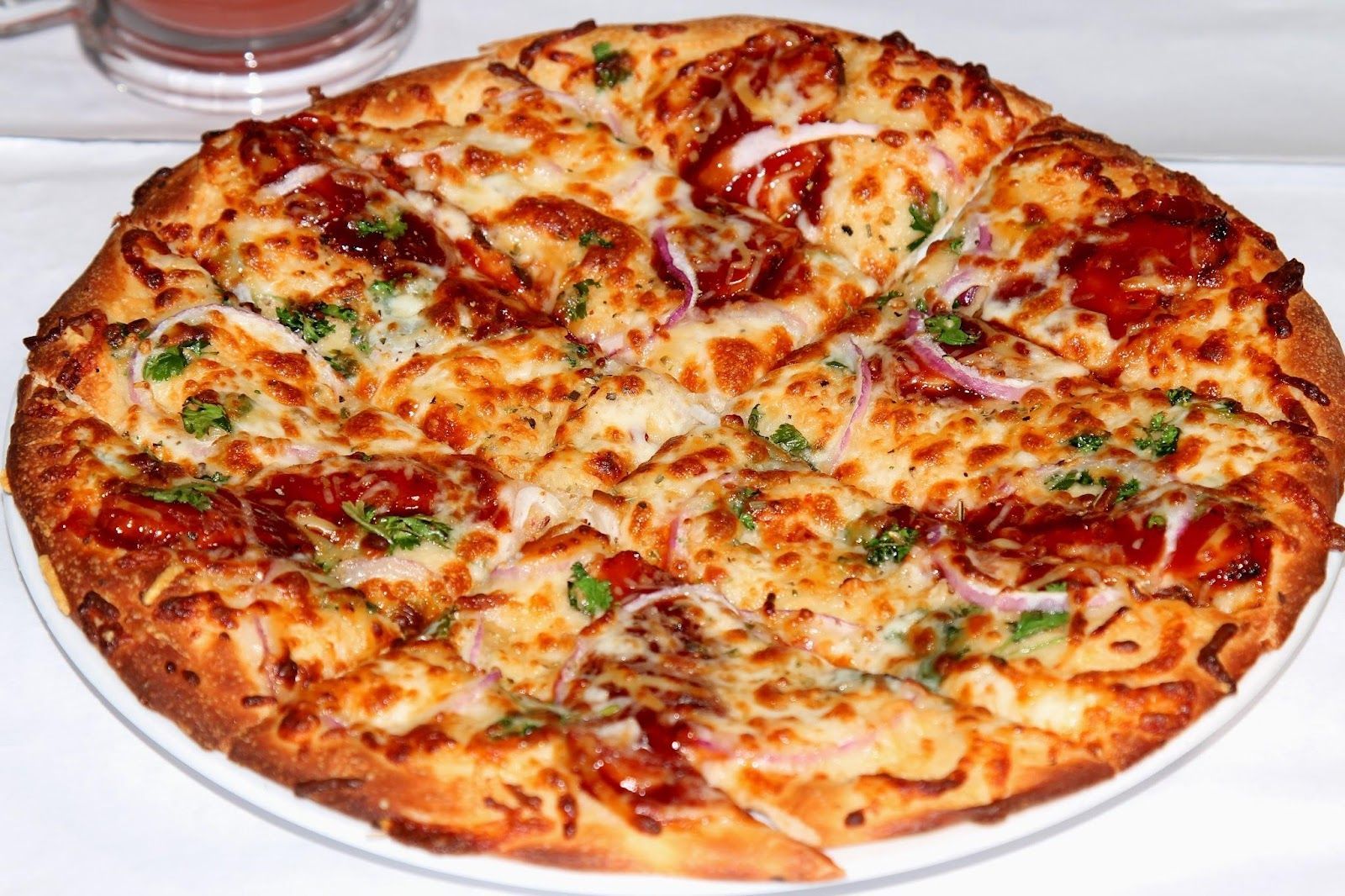
This is one of the youngest entities on this list. In the 1980s, several California chefs simultaneously came up with a new idea for pizza: a pie that combines New York’s thin crust with traditional toppings from California cuisine. The result is known as the California-style pizza, an amalgamation of traditional characteristics and innovative new flavors .

Among the many toppings that might be included in this type of pizza, a few that particularly stand out are zucchini flowers, smoked salmon, eggs, and bacon. However, perhaps the most well-known contribution from this style is the now-iconic barbecue chicken pizza , created by chef Ed LaDou in 1985.

5
Detroit Style

Image: Parker Hilton

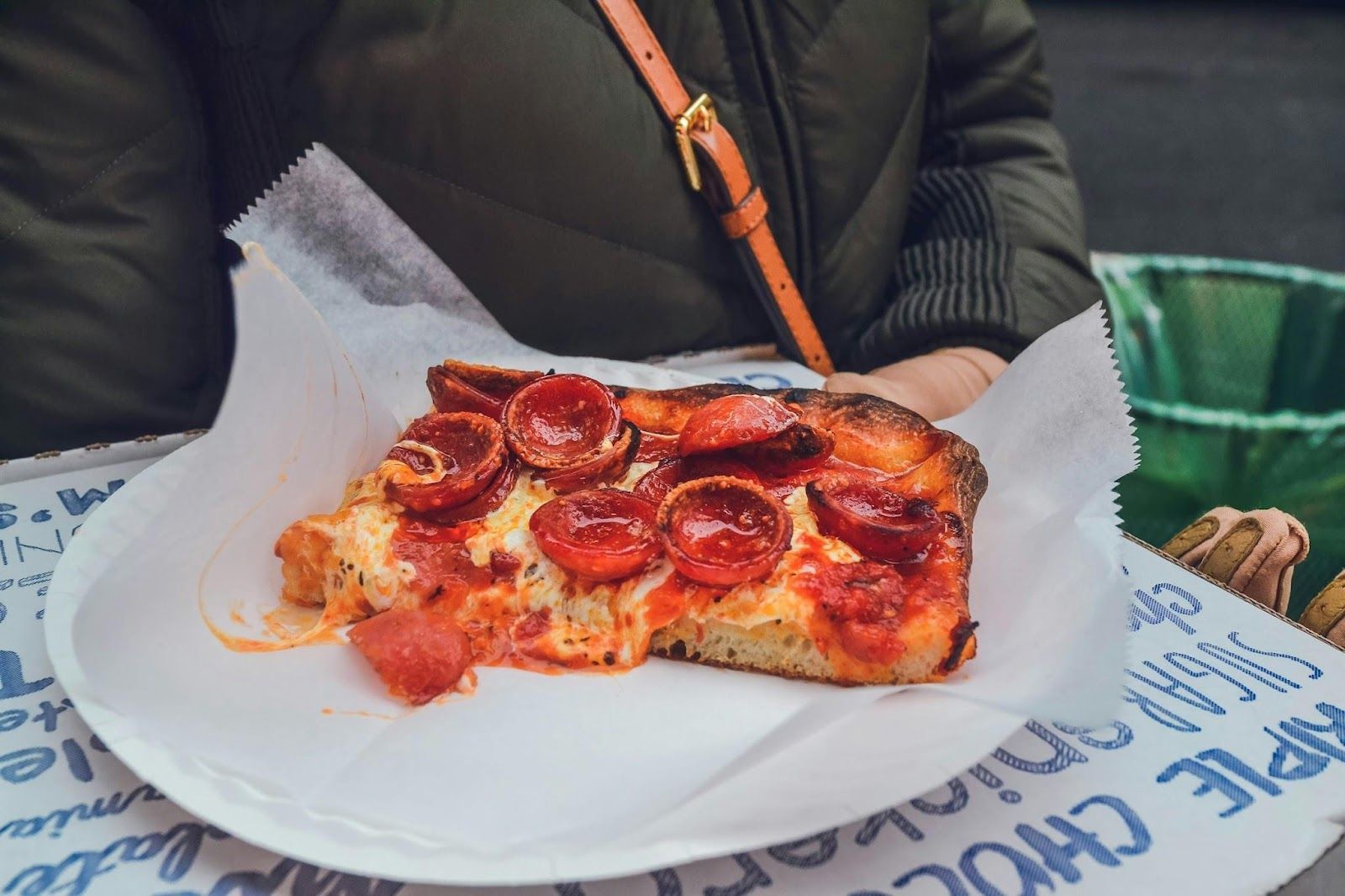
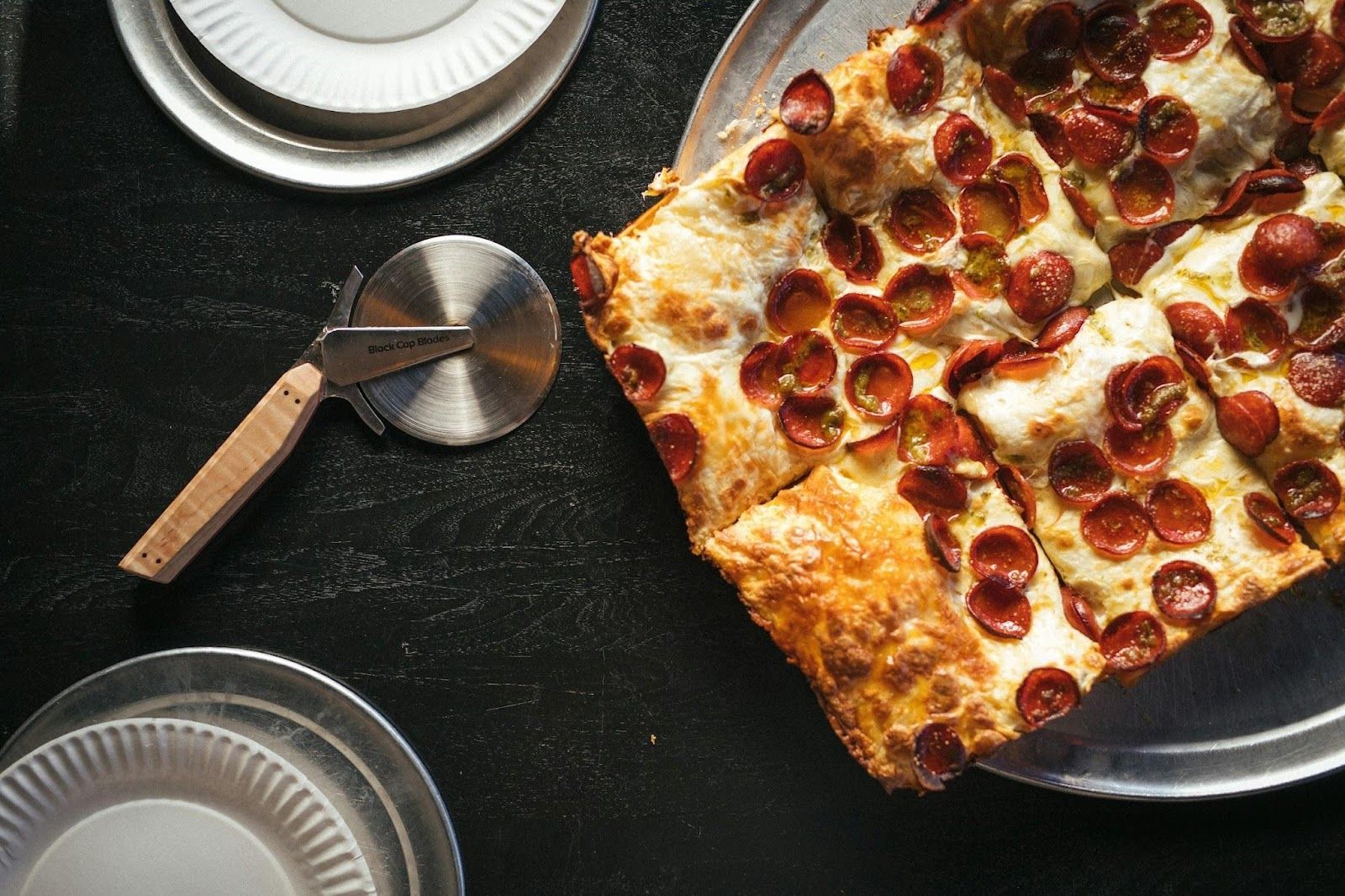
If Detroit-style pizza teaches us anything, is that pizza is delicious no matter which shape it’s in . Known for its characteristic rectangular shape, this variety’s crust resembles a typical focaccia , a type of Italian bread. It was created in the 1940s, allegedly invented in a former speakeasy at the corner of Six Mile Road and Conant Street.

Interestingly, the unusual shape of this delicious pizza is associated with Detroit’s impressive automotive industry. Many believe that the first pies of this style were baked in steel trays used in car factories, either as dripping pans or to hold small parts.

6
Famous Pizza Places

Image: Dylan Mullins

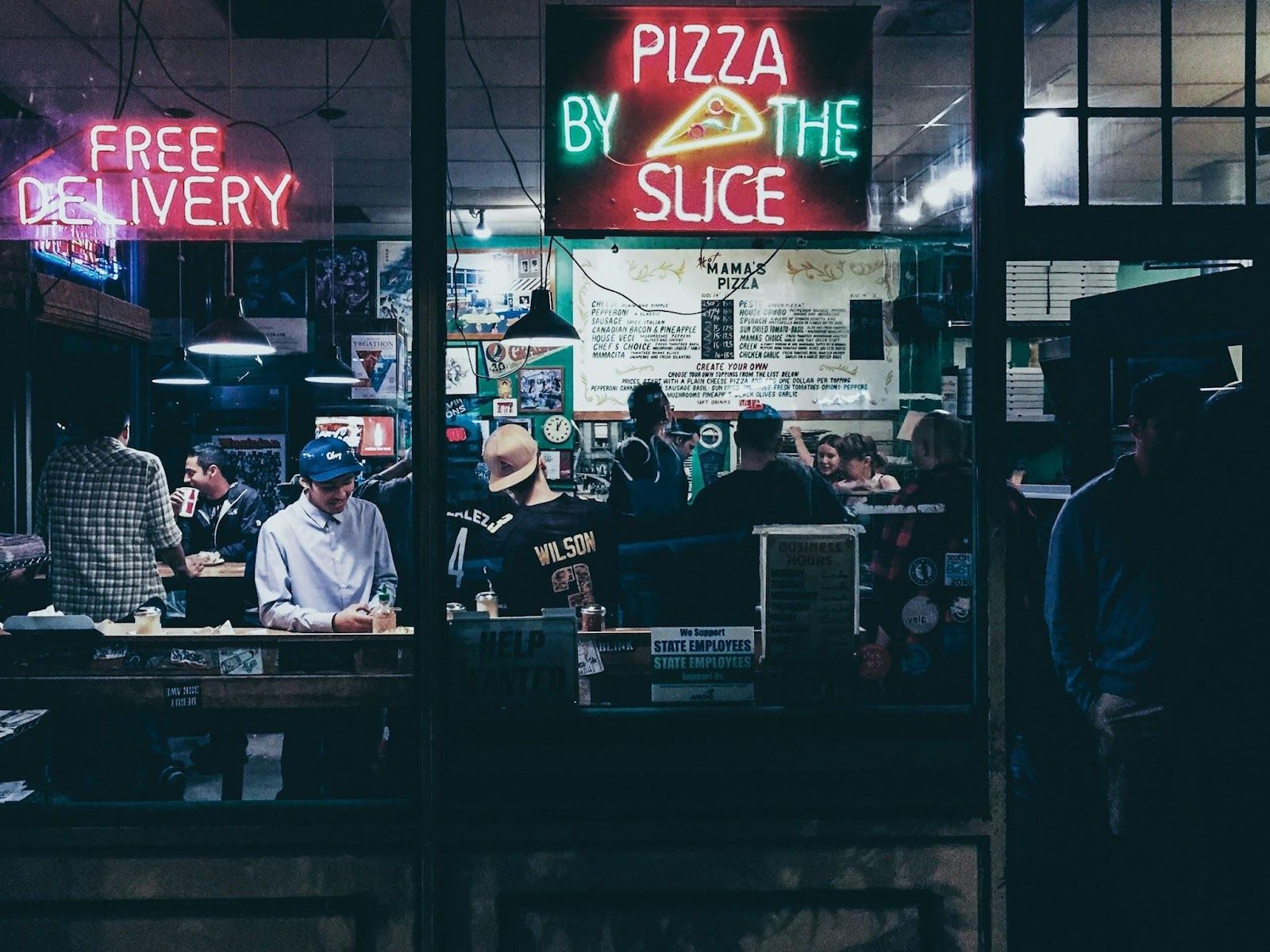
In 1905, Italian immigrant Gennaro Lombardi opened the very first pizza restaurant in America, located in the heart of Manhattan. And while the still-operational Lombardi’s was the first American parlor, it certainly wasn’t the last. Let’s take a memento to recognize a few of the very best pizza places America has to offer.

If you are looking for an unusual yet unforgettable pie, you might want to visit Frank Pepe's in New Haven, Connecticut, and try their unique clam pizza, topped with olive oil, garlic, and freshly shucked clams. Should you want a nice deep-dish pizza, try the original Uno Pizzeria & Grill, which claims to be the birthplace of Chicago-style pizza . Or, if you want to stick with a classic, you can always visit Lombardi’s and try their 119-year-old recipe.

7
Hawaiian pizza

Image: bckfwd

The origins of this pizza are controversial , and almost as divisive as this peculiar flavor is. For starters, let’s start with the elephant in the room: This pizza was not invented in America. It was created by Sam Panopoulos, a Greek-born Canadian cook who wished to experiment with sweet and savory flavors and decided to try adding bits of pineapple to a ham pizza.

However, this pizza is named after America’s 50th state for a reason, since pineapples are probably Hawaii’s most iconic product . In fact, Panopoulos named his creation after the brand of canned pineapple he was using at the time. In any case, the matter of whether Hawaiian pizza was a hit or a miss is still debatable. Some praise its unique taste, while others openly loathe it.

8
Pizza Chains

Image: Alexandra Gorn

After the American public was introduced to it in the 20th century, pizza unsurprisingly became an extremely profitable consumer good. In the 1960s, many now-massive pizza chains came into existence, providing the market with a massively popular and easily produced fast food.

Just to name a few, brands like Pizza Hut, Domino’s or Little Caesar’s became household names in no time. Besides their massive success and worldwide locations, these pizza chains share a common characteristic: they all started as small businesses, that eventually became beloved behemoths through hard work and resilience.

9
Tomato pie

Image: NASA

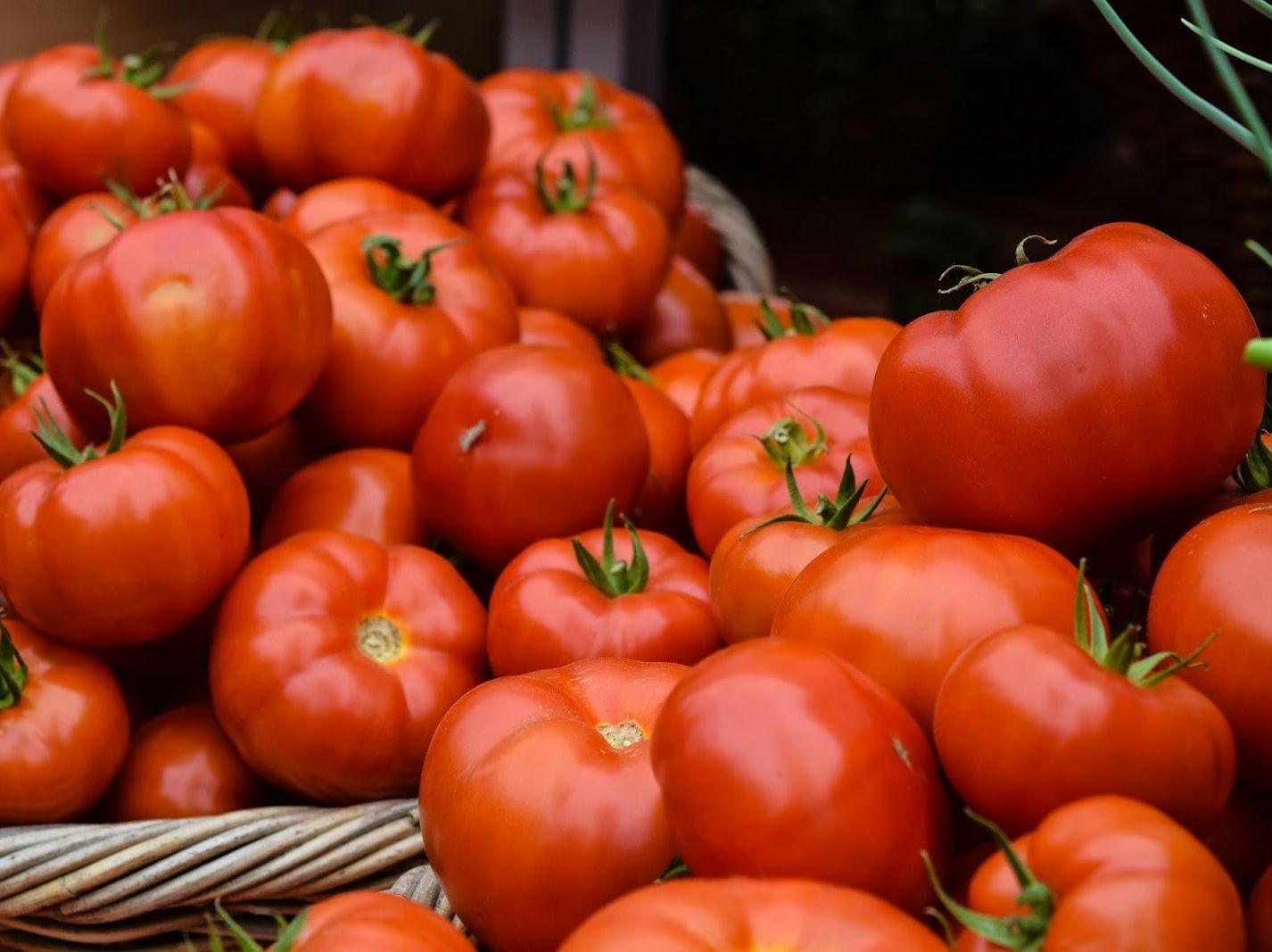
Just like with Hawaiian pizza, prepare for a controversial subject , which can be summed up into a single, self-contained question: Are tomato pies pizzas? Let’s see the arguments for both sides. On one hand, tomato pies are usually not served straight from the oven, and in some areas, they are even completely cheeseless. On the other, we can take an "if it looks like a duck" mentality regarding tomato pies: If they look like pizza and taste like pizza, then how can we consider them anything else but pizza?

In any case, whatever classification this tasty treat might fall into, it should be said that tomato pies are a must-try delicacy while visiting the Northeastern United States. They are also known as bakery pizza and church pie in Rhode Island and Philadelphia.

10
Pizza Delivery

Image: Rowan Freeman

The history of pizza wouldn’t be complete without the advent of this game-changing innovation. Deliveries allowed us to enjoy all the cheesy goodness of pizza in the comfort and convenience of our homes. A lot could be said about the unsung heroes who made pizza and movie nights possible, so we’ll pay tribute to them by retelling two turning points in pizza delivery history.

In 1994, Pizza Hut made history by launching the very first viable online ordering system. While primitive, this service registered thousands of orders: To this date, Pizza Hut claims that the very first online purchase ever was a Pizza Hut pizza. Not content with this record, in 2001 Pizza Hut decided to go against "the Final Frontier" and delivered a salami pizza to the International Space Station, the very first pizza successfully delivered to outer space.

Explore more American facts

Choose your favorite category!

General
General

As American as apple pie—the very best America has to offer!

Culture
Culture

Delve into the astounding richness of American lore.

Geography
Geography

Hop in and explore vast and diverse American landscapes.

History
History

Discover the key moments that shaped the United States.