Culture Culture 5 min read

Uncovering the genius

What was Einstein's first job? Discover 10 fun facts about the scientist!

Image: Raghav Modi

On March 14, 1879, the famous Albert Einstein was born in Ulm, Germany. While we all recognize him as a major figure in the history of science and appreciate his many contributions to the fields of physics and quantum mechanics, there are many colorful facts about Einstein's life that you probably haven't heard before. From his first job and hobbies to his love affairs and preferred clothing, we'll uncover 10 surprising facts about the author of the Theory of Relativity!

1
Smart boy

Image: Benjamin Smith

It's definitely not a secret that Albert Einstein was an exceptionally intelligent child. However, his achievements were extraordinary, and we're not just talking about him getting A's in school; he was teaching himself complex subjects as a preteen just for fun!

At just 12 years of age, his curious and powerful mind led him to become an autodidact. While other children were naturally playing on the playground, Einstein taught himself algebra and geometry in a single summer!

2
Scientific teen

Image: Camille Orgel

That genius child became a teenage scientist. At 16 years old, most of us were dealing with high school, but Einstein was doing something a bit different: he was writing his first scientific paper, titled "On the Investigation of the State of the Ether in a Magnetic Field."

The paper was inspired by his compass and examined the force of magnetism. Although it wasn't published, this research reveals the passion, dedication, and great intellect that Einstein displayed from a very young age.

3
A hobby

Image: Providence Doucet

But calculus and science weren't the only interests of the young Einstein. One of his other great passions was music. And, of course, he stood out in that field too.

It turns out that his mother, Pauline, was a talented pianist, and she encouraged Albert to play music from an early age. At 5 years old, Albert received a violin as a gift and began his lessons immediately.

It's said that, at first, he struggled a bit due to the instrument's complexity—yes, probably because he was only 5—but by the age of 13, he had become a skilled violinist, playing compositions by classical composers such as Bach and Mozart.

4
First job

Image: Andrew George

Einstein graduated from the Polytechnic Institute in Zurich in 1902 at the age of 23. Surprisingly, despite his impressive intellectual ability and broad knowledge, he was rejected for many of the academic positions he applied for after graduation. Faced with this situation, the scientist accepted a job at the Swiss Patent Office in Bern.

Later, Einstein stated that taking that job was "a salvation," as it provided a stable income and, at the same time, gave him free time to commit to his ongoing scientific research fully. Thanks to this key decision, by 1909, Einstein had already become a renowned scientist, celebrated for his contributions to physics.

5
Another passion

Image: Ian Keefe

With such a wonderful mind, it's no surprise that Einstein would have multiple and varied passions and hobbies.

One of those was sailing. Although he developed this interest as an adult, he was still very young when he discovered that sailing had a calming effect on him.

Sailing became one of his favorite activities, allowing him to escape the intensity of his work and appreciate nature—and his relationship with it—from a different perspective. He would often spend entire days on lakes and rivers, both during his time in Europe and later in the United States.

6
Almost a president

Image: Kate Macate

Among Einstein's varied accomplishments, there is one that many people don't know about: he almost became a president!

In 1952, the genius received a formal invitation from Israel to become the country's president. By that time, Albert was already a recognized and respected physicist, making him an ideal figure for that leadership role. However, Einstein politely declined the offer, claiming that he didn't have the political experience needed for the position and that his desire was to continue working in the scientific field. Once again, his wisdom stood out.

7
100 against him

Image: Igor Omilaev

Standing out in a field and introducing new ideas can often turn many against you. That "hate" we see today on social media isn't something entirely new. Some public figures had to deal with hate long before the internet became part of our daily lives.

Something like that happened to Einstein. As is well known, the publication of his Theory of Relativity brought a lot of uproar, both positive and negative. In 1931, a group of scientists published a collection of essays called One Hundred Authors Against Einstein (a bit aggressive, right?), in which they opposed the new ideas and discoveries of the German scientist.

8
Gossip

Image: Jarvik Joshi

The 20th century had something for everyone. In the 1950s , while Einstein was immersed in his theoretical physics work, Hollywood was at one of its peaks, with stars like Audrey Hepburn, Elizabeth Taylor, Grace Kelly, and Marilyn Monroe gracing the screen. While it may seem that science and entertainment are separate realms, rumors and gossip brought these two worlds together.

Legend has it that our well-remembered scientist had a brief romantic affair with none other than Marilyn Monroe, one of the most talented and beautiful women the world has ever seen. Although it's true that both figures met at several public events in the United States, there's not enough evidence to support this rumor.

9
The marriage

Image: Marc A. Sporys

There is a romance involving Einstein that was somewhat controversial but definitely confirmed. We're talking about his second marriage.

Einstein was married twice in his life. In 1903, he tied the knot with Mileva Marić, his colleague at the Polytechnic Institute in Zurich, Switzerland. Just like him, she was also noted for her brilliance. After 16 years, the marriage began to weaken, and the couple divorced in 1919.

That same year, Einstein married for the second time, this time to his first cousin , Elsa Löwenthal. The marriage was controversial due to their familial connection, but the union lasted for 17 years, until Elsa's death in 1936.

10
Free ankles

Image: Mockup Graphics

We all have our fashion quirks, right? Some hate turtlenecks, others choose the quality of their shirts carefully, and others may pay attention to details like accessories.

It turns out that Albert Einstein also had a little quirk when it came to clothing, but it's probably not what you're expecting. In fact, Einstein didn’t pay much attention to clothes or fashion. However, there was one particular item he found totally annoying and useless: socks . It’s said that he often wore mismatched socks for several days in a row, and at one point, he simply stopped wearing socks altogether.

General General 5 min read

20th-century marvels

Architecture in the Jazz Age: 10 Art Deco buildings that shaped America

Image: Kit Suman

Characterized by sleek lines, geometric shapes, and luxurious materials, the Art Deco style was a favorite among American architects during the 1920s and 1930s. They designed opulent skyscrapers and glamorous buildings that celebrated progress and modernity. Join us to learn more about this Jazz Age style, explore its fascinating history, and tour 10 of the most beautiful Art Deco buildings in the United States.

1
Empire State Building, New York City

Image: William Wachter

Undoubtedly, the Empire State is the most famous building in New York City. Every year, about 2.5 million people visit it, and it has been featured in countless movies and TV shows. Designed by American architect William F. Lamb, it was inaugurated in 1931.

For forty-one years, the Empire State Building was the tallest skyscraper in the world. The symmetry, limestone façade, huge windows, and the monumental and luxurious lobby are some of its main features. The design of this Art Deco masterpiece is so spectacular and breathtaking that in 1986 it was designated a National Historic Landmark.

2
The Carlyle, Miami Beach

Image: Luis Erives

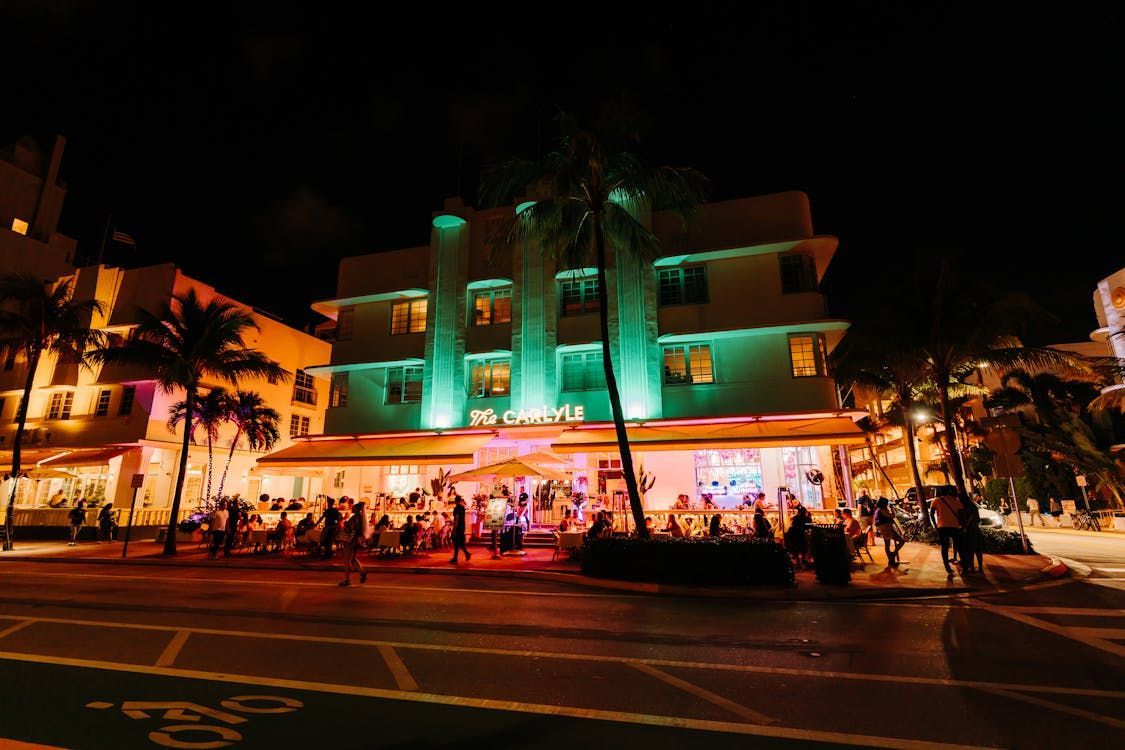
Miami has the largest concentration of Art Deco buildings in the world. The city has a remarkable collection of around 800 structures built in this style. Visiting the Art Deco district along Collins Avenue, Ocean Drive, and Washington Avenue is like traveling back in time. And perhaps the Carlyle, for its sophisticated combination of horizontals and verticals, is one of the most emblematic.

It was built in 1939 by German-American architect Richard Kiehnel, and its façade has barely changed since then. Its interior, on the other hand, went from hotel rooms to apartments.

3
Boston Avenue United Methodist Church, Tulsa

Image: Quang Vuong

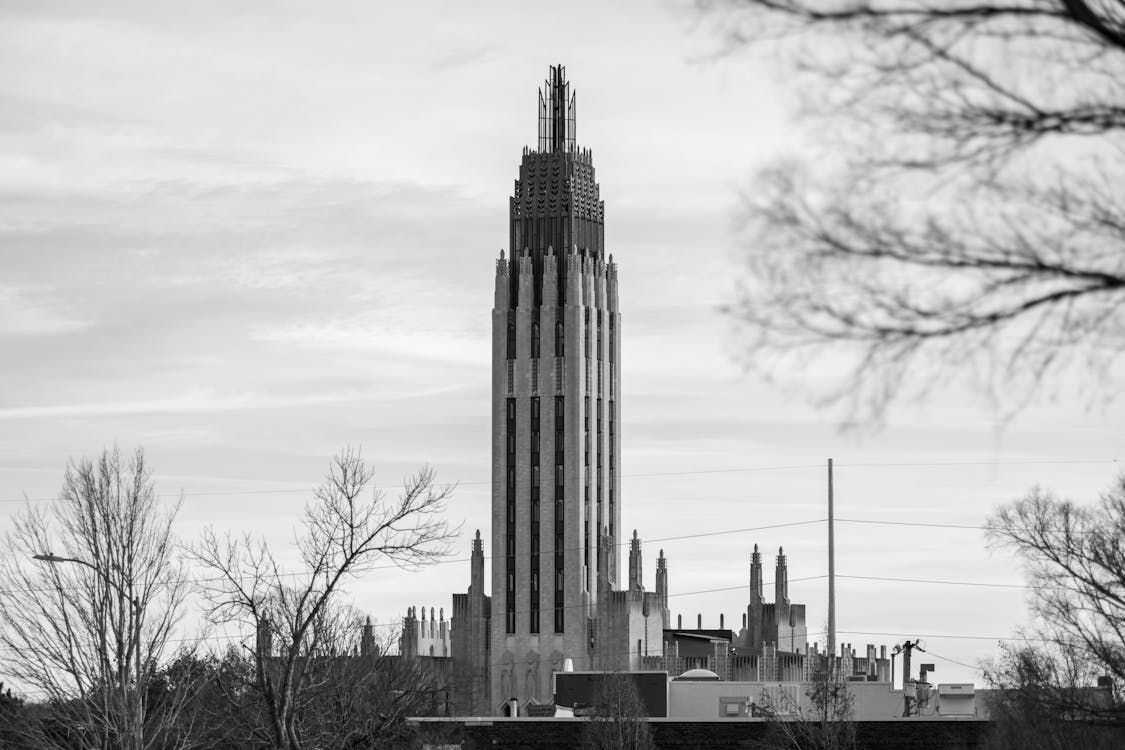
The Boston Avenue United Methodist Church in Tulsa, Oklahoma, is one of the few examples of an Art Deco church. Beginning in the 1920s, little Tulsa became the oil capital of the U.S., and the sudden influx of resources encouraged investors to build increasingly grandiose buildings. Thus, this church is considered the first ecclesiastical building strictly designed for an emerging automobile culture.

Constructed from Indiana limestone, the church features a steel-frame tower topped with a copper and glass lantern. A seven-pointed star symbolizes seven virtues: patience, purity, knowledge, suffering, kindness, love, and truth. The complex also includes a sanctuary, a small chapel, and offices, while the lobby serves as a social center.

4
Union Terminal, Cincinnati

Image: Fred Copley

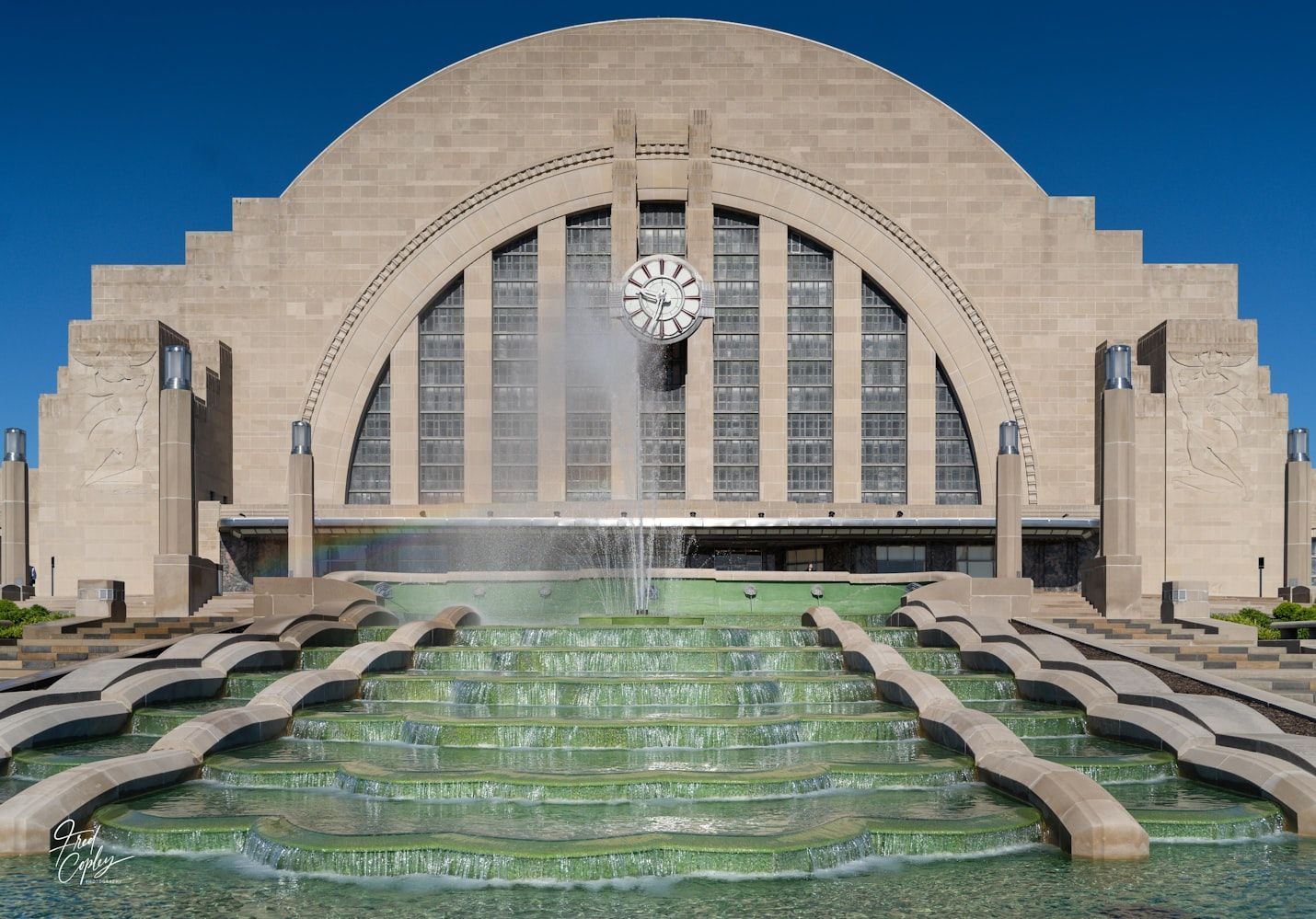
Cincinnati Union Terminal in Ohio is one of the finest examples of Art Deco architecture in the United States. Its green terrazzo floors, fine-grained Indiana limestone façade, and vast rotunda adorned with industrial murals by Winold Reiss make the station a true architectural masterpiece. In fact, it is considered the pinnacle work of Alfred T. Fellheimer, who had previously designed Grand Central Terminal in New York.

Unfortunately, Union Terminal began construction in 1928, during one of the worst periods in the country's economic history. The Great Depression was marked by a decline in train travel, and the opulent Union Terminal was considered a white elephant. In 1972, it was finally closed. Years later, however, the building regained its former luster. Today, it is served by Amtrak’s Cardinal line, while the rest of the complex houses several museums.

5
Carbide & Carbon Building, Chicago

Image: Anthony Fomin

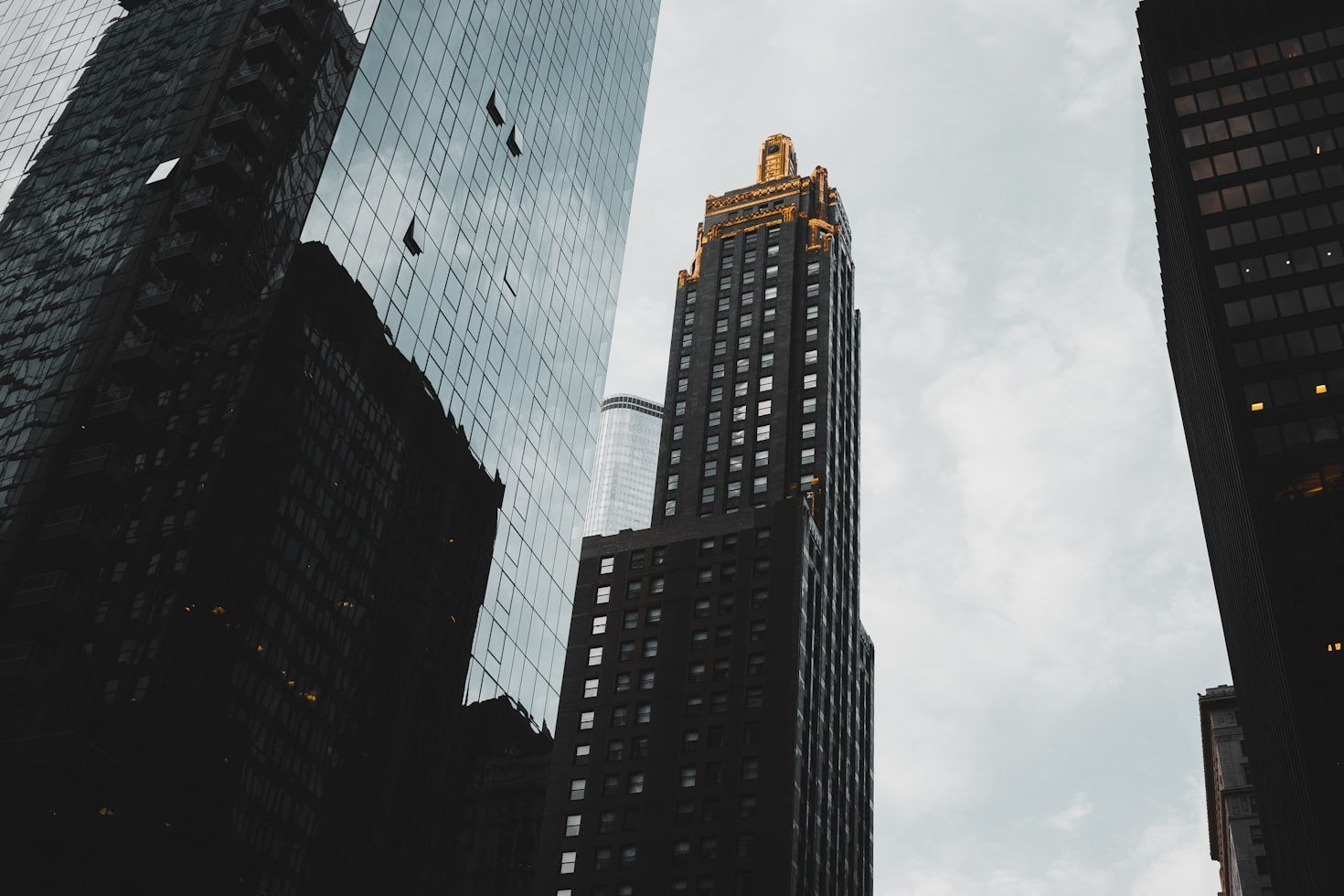
The Carbide & Carbon Building, a 37-story skyscraper completed in 1929, is one of Chicago's most striking architectural achievements. A bold example of Art Deco design , the building is clad in black granite and green terra cotta, with genuine gold leaf adorning its tower.

It is so luxurious that the Burnham Brothers architectural firm is said to have designed it to resemble a champagne bottle. In 1996, it was designated a Chicago Landmark, and in 2021, it was renovated and reopened as the Pendry Chicago Hotel.

6
The Guardian Building, Detroit

Image: G + L

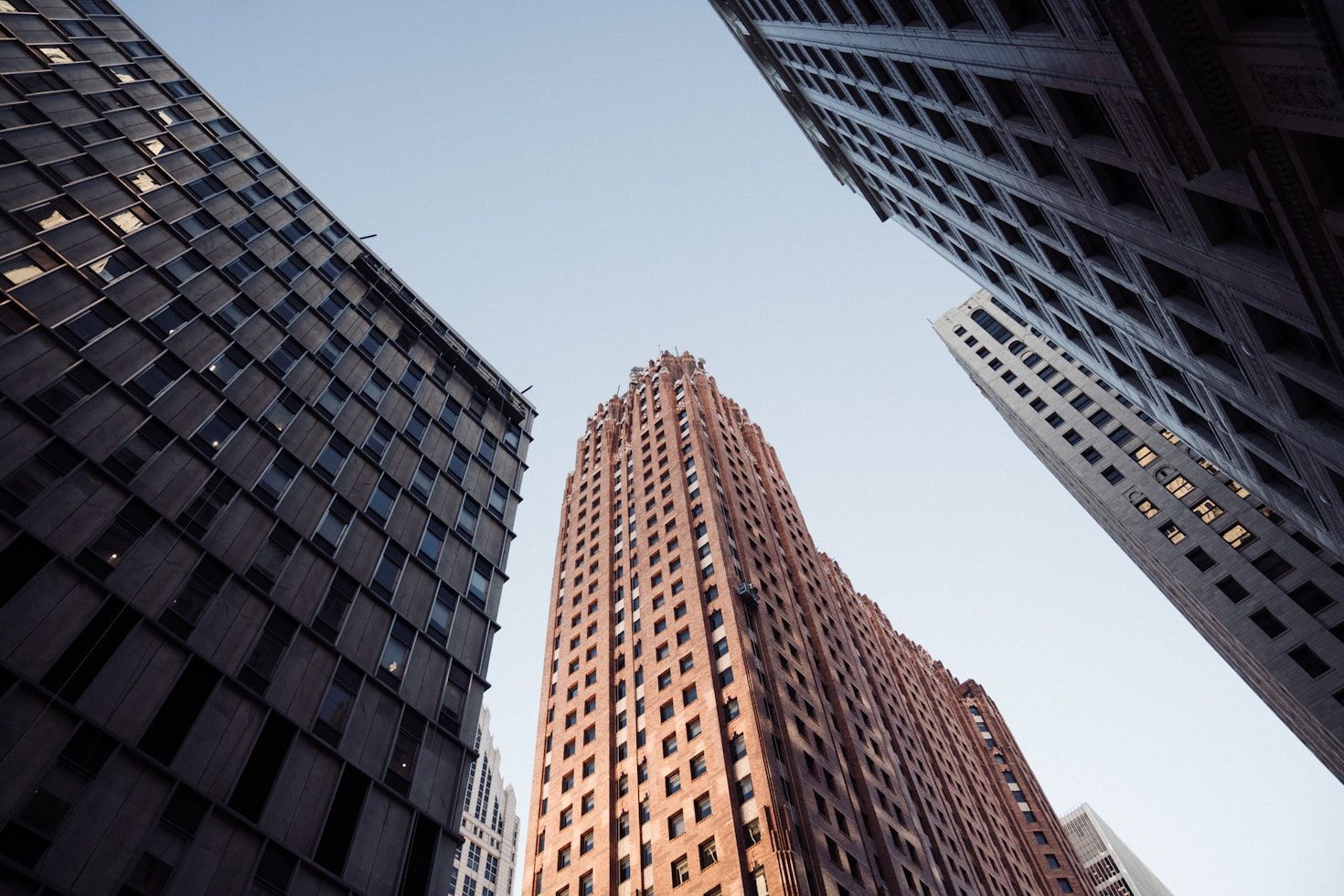
This 43-story Art Deco skyscraper is located in downtown Detroit, Michigan. Nicknamed the Cathedral of Finance , it was planned by architect Wirt C. Rowland and completed in 1929. Both the interior and exterior feature numerous modern decorative elements, including mosaics, murals, stained glass, and even a historic Tiffany clock.

Forty craftsmen worked on its design and construction, which required granite, stone, terra cotta, and more than two million distinctive "Union Guardian Orange" bricks. In 1989, the Guardian Building was designated a National Historic Landmark.

7
Chrysler Building, New York City

Image: William Wachter

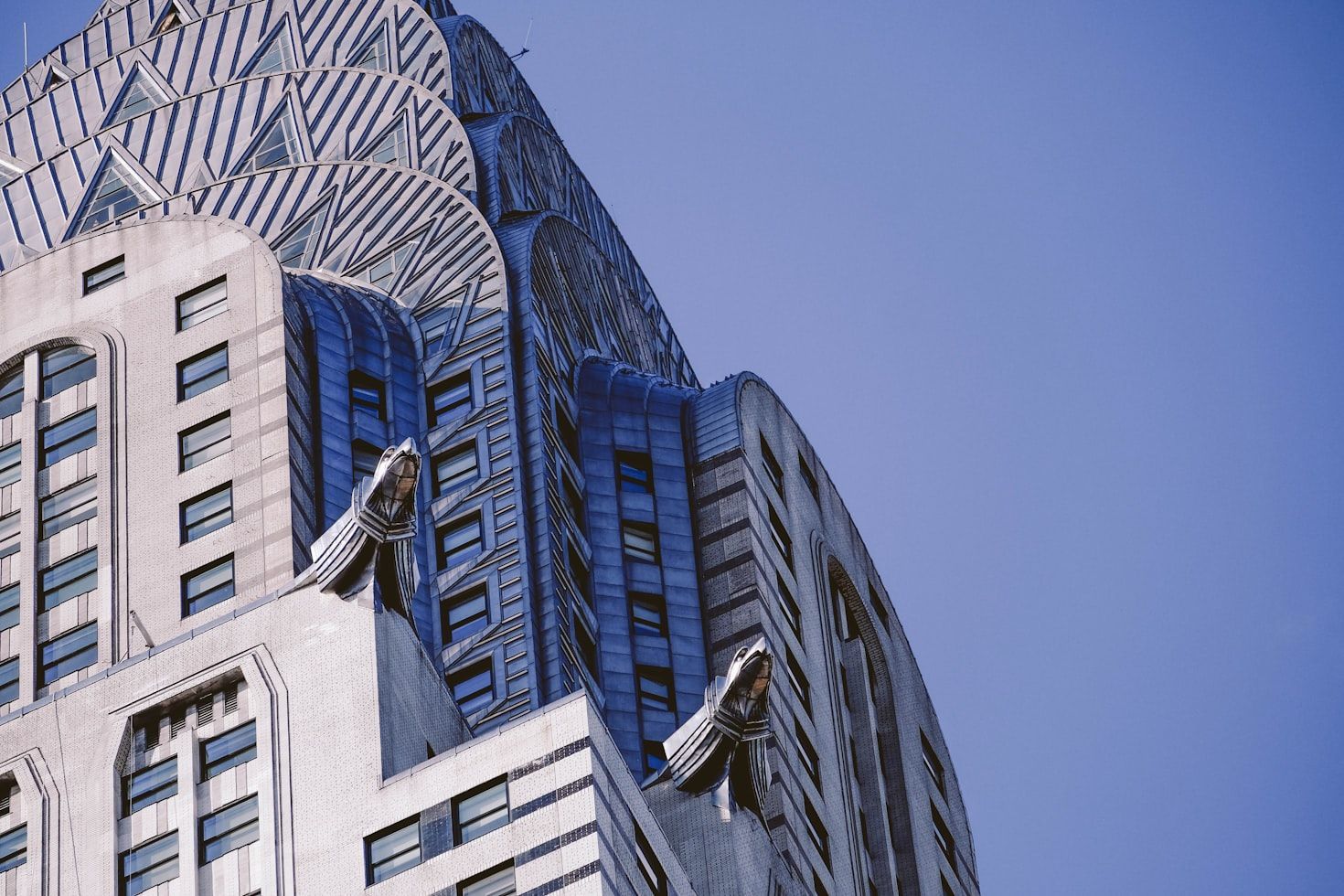
The Chrysler Building in New York City is one of the greatest examples of the Art Deco style in the world. It was designed by architect William Van Alen at the request of industrial magnate Walter Percy Chrysler and completed in 1930.

The building exhibits great attention to detail, featuring many elements that mimic Chrysler automobile pieces, such as the ostentatious ornamentation of the tower. In the lobby, the ceiling mural—once the largest in the United States—was painted by artist Edward Trumbull. Following the building’s automotive theme, it depicts scenes of progress, transportation, and energy.

8
Eastern Columbia Building, Los Angeles

Image: Jordan Rubin

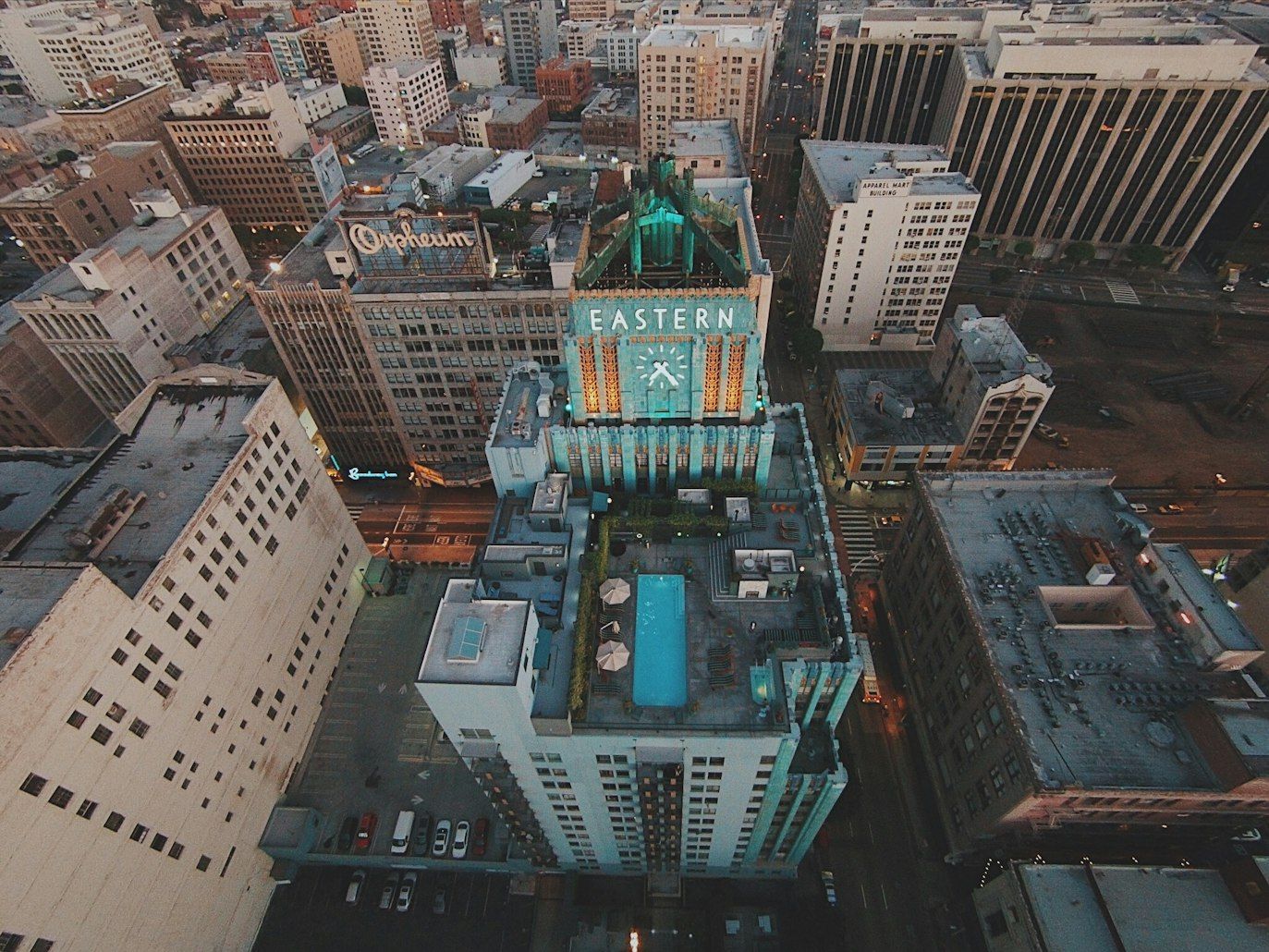
Located in downtown Los Angeles, this emblematic 1930s building features a striking turquoise terra cotta exterior. The Eastern Columbia Building was designed by renowned architect Claud Beelman, who also created several of the city’s notable Art Deco structures. At the time of its construction, the building was so unique that the city allowed it to exceed the maximum height limit.

Its unique color, majestic vertical lines, iconic clock, and golden ornamentation attracted Hollywood moguls and stars from the beginning. It was first used as office space and was later converted into luxury apartments. In 1985, the Eastern Columbia Building was declared a Historic-Cultural Monument.

9
Circle Tower, Indianapolis

Image: Alejandro, CC0, via Wikimedia Commons

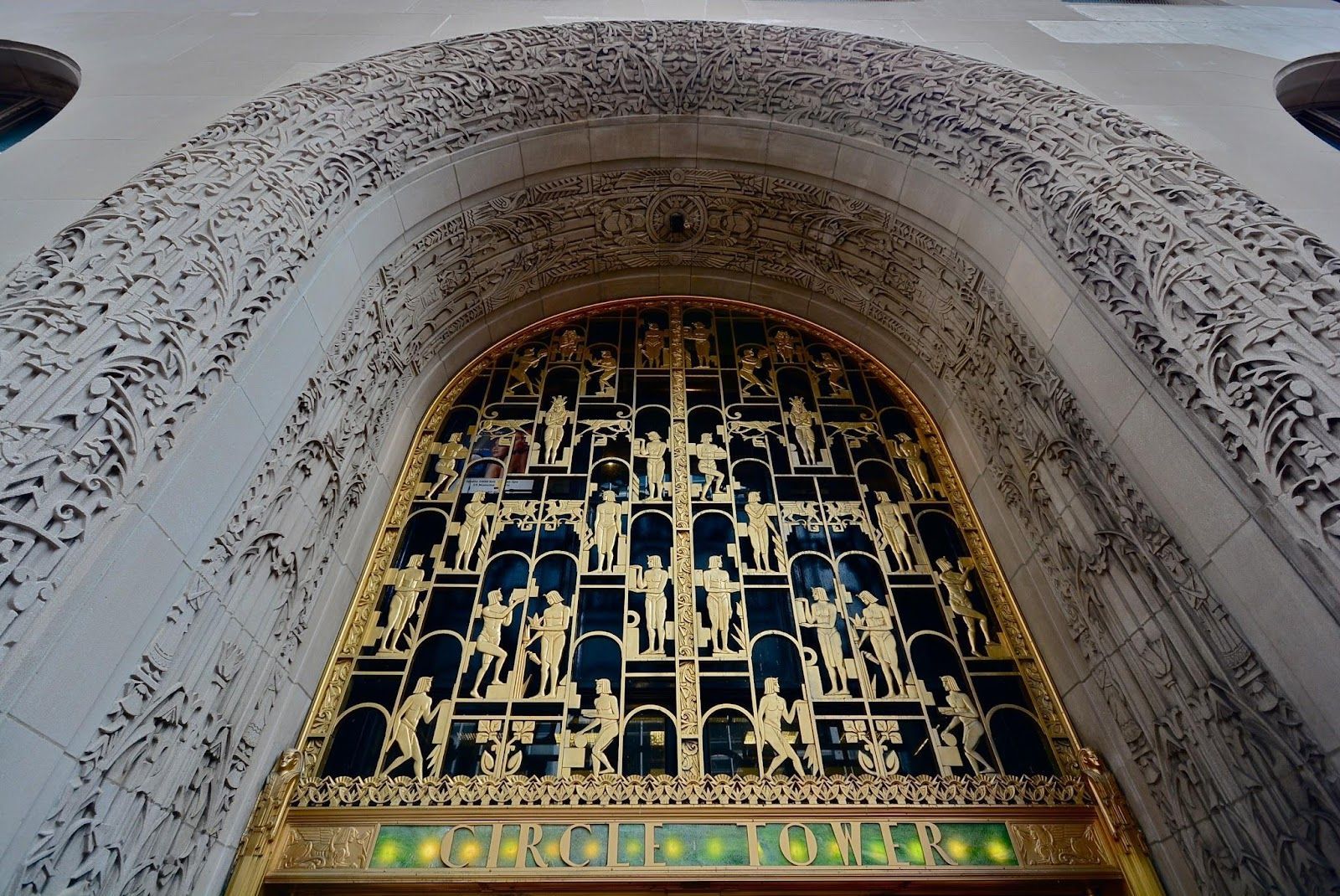
The construction of a 14-story skyscraper in Indianapolis was a major news event in the early 20th century. "Circle Tower Is Rising," declared the Indianapolis Times in 1929. Circle Tower stands as a magnificent example of Art Deco architecture.

Built of ornately carved granite and limestone and decorated with Egyptian figures, Circle Tower has a unique, trapezoidal shape. This unusual silhouette was promoted as an icon of luxurious office space. The interior, on the other hand, features marble and terrazzo floors, bronze elevator doors, geometric flowers, zigzags, and concentric swirls. Details in the lavishly marble-clad lobby exude elegance.

10
Griffith Observatory, Los Angeles

Image: David Vives

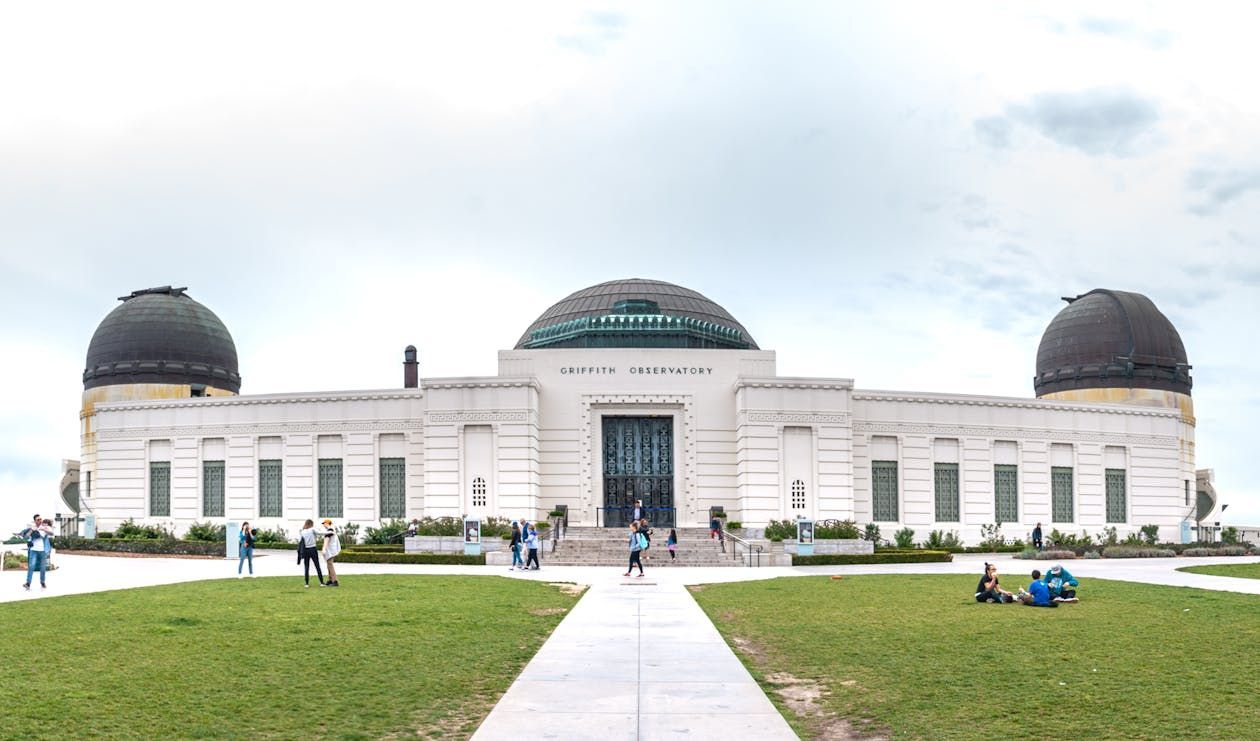
The Griffith Observatory is one of Los Angeles’ most important cultural attractions. This Art Deco icon opened in 1935 and was designed with a revolutionary idea in mind: the cosmos should be accessible to everyone, not just astronomers.

Built of reinforced concrete on a 3,015-acre site donated by Colonel Griffith J. Griffith, it is a blend of modern design and Greek and Beaux-Arts influences. The building's most emblematic feature? The planetarium in the central dome!

Geography Geography 6 min read

THE STRANGE AND THE UNUSUAL

10 Quirky Museums to Visit in America

Image: Liza Rusalskaya

If your idea of a museum involves dusty paintings and ancient artifacts behind glass, it is time to broaden your horizons.

America, with its boundless creativity and penchant for the peculiar, is home to some of the most bizarre and fascinating museums you can imagine . From the absurdly specific to the downright strange, these offbeat institutions offer a refreshing and often hilarious take on the concept of a museum.

Buckle up and join us as we go through 10 of the weirdest museums across the United States , from the Neon Museum to the Museum of Bad Art. Prepare to be amused, amazed, and utterly bewildered!

1
Neon Museum - Las Vegas, Nevada

Image: 李林Alwen

Let’s kick off this list with the Neon Museum in Las Vegas. The location seems just about right since Las Vegas is always bright and shining with luminous signs.

This museum, founded in 1996, holds a collection of over 250 historic signs from the city. It is located a few blocks away from the iconic Las Vegas Strip and exhibitions and projections display signs that once adorned the venue. Moreover, you will be able to see some paradigmatic signs restored like the Silver Slipper and Benny Binion’s Horseshoe.

2
International Spy Museum - Washington, D.C.

Image: Marten Newhall

Haven’t we all dreamed of becoming an international secret spy? Well, you can make your dream come true, at least for a few hours, at the International Spy Museum in Washington.

This museum was established in 2002 and it features the largest collection of international espionage artifacts ever displayed. From spy gadgets and concealed weapons to covert operations and famous espionage cases, you’ll get inside the life of a true spy.

Furthermore, it is an interactive museum so visitors can test their own skills with the experiences offered within the establishment.

3
National Mustard Museum - Middleton, Wisconsin

Image: Simona Sergi

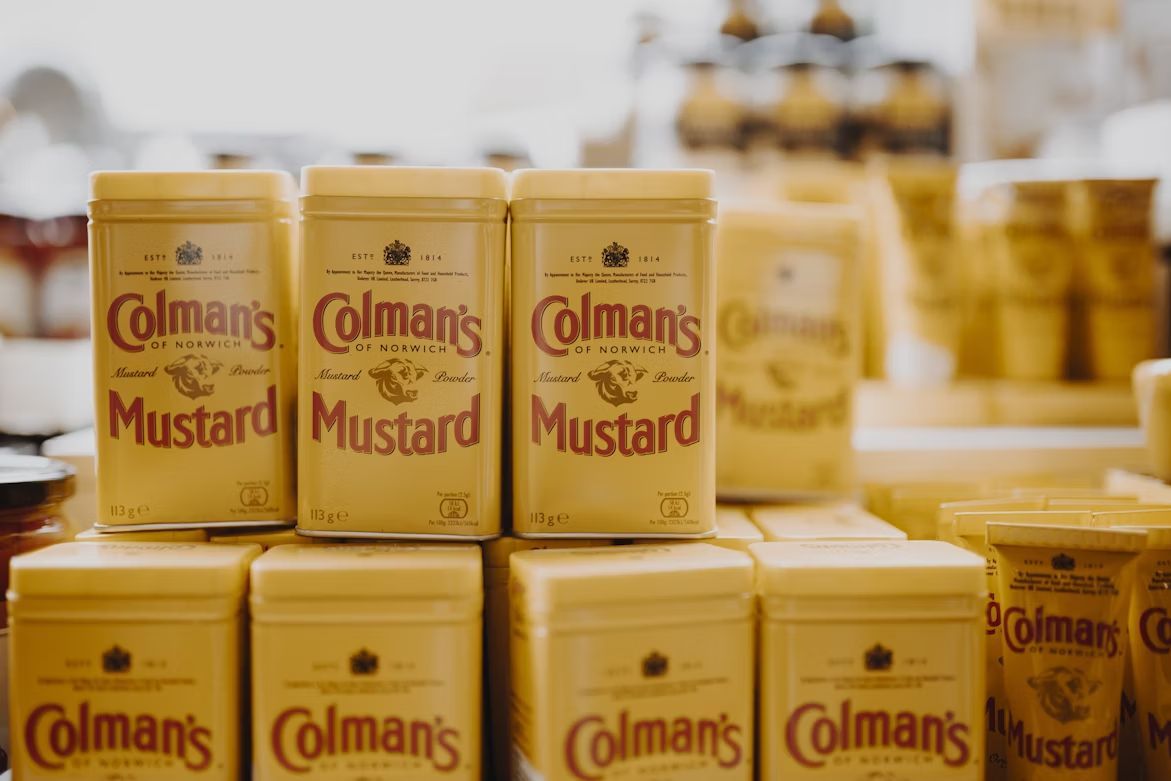
Mustard is so much more than just a condiment, and if you think it is not, the National Mustard Museum is here to challenge that notion.

Founded in 1992 by Barry Levenson, this quirky museum celebrates all things mustard with the world’s largest collection of mustards and mustard memorabilia. It showcases over 6000 mustards from over 70 countries and visitors can learn about the mustard history and take a look at antique elements like tins, mustard pots, vintage signs, and advertisements.

If you are a foodie or a culinary curious, you can’t miss this museum!

4
Idaho Potato Museum - Blackfoot, Idaho

Image: Lars Blankers

Idaho’s love and pride for potatoes is so big, that they had to build a museum to display it and they are waiting for you!

The Idaho Potato Museum is a spud-tacular tribute to the beloved potato, fittingly located in the "potato capital of the world." Housed in the former Oregon Short Line Railroad Depot, this space of over 5,500 square feet offers exhibits on the history, cultivation, and nutritional value of the humble tuber.

Highlights include one of the world’s largest collections of potato mashers and the biggest potato crips ever made. Visitors can even perform experiments in the Potato Lab and savor a freshly baked potato in the museum’s cafe.

5
International UFO Museum and Research Center - Roswell, New Mexico

Image: Danie Franco

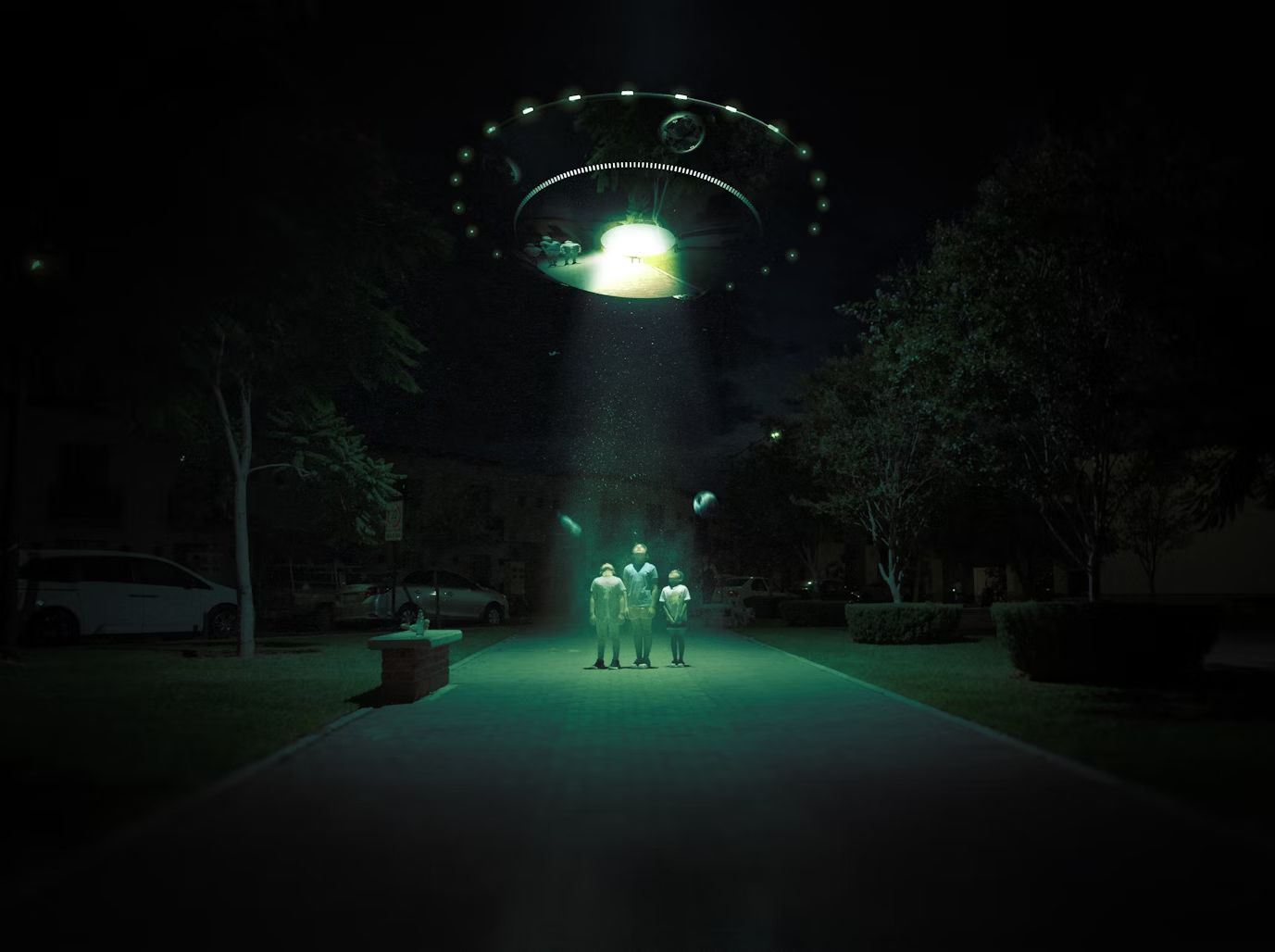
UFOs have always raised curiosity and the theories behind sightings and paranormal activities are one too many, right? Or at least enough to create a museum devoted to exhibiting all things UFOs.

The International UFO Museum and Research Center offers an intriguing exploration into the world of UFOs, and it is housed in a former movie theater. The creation of the museum was inspired by the Rosewell incident in 1947, a crash of a flying saucer, and it presents a variety of written, audio, and visual materials.

This museum is pet friendly and visitors can enjoy exhibits like a spinning UFO with aliens and an outdoor "Rosewell Belevies" mural. When are you paying a visit?

6
National Museum of Funeral History - Houston, Texas

Image: panyawat auitpol

There’s no denying it, we are going to die eventually. However, is death enough of an intriguing topic to open a museum devoted to it? Apparently, it is, and you can find one in Houston.

The National Museum of Funeral History houses the country’s largest collection of funeral service items, including caskets, coffins, and hearses.

The museum is over 30,000 feet and it features 19 permanent exhibits covering topics that range from embalming to the history of cremation and mourning photography. To make it even more interesting, the museum offers a unique look at funeral traditions and culture from ancient Egypt to modern times around the world.

7
Museum of Bad Art - Somerville, Massachusetts

Image: Rainer Bleek

Even if art is not for everyone, we can all agree there are standards for what is considered good or bad, right? Well, The Museum of Bad Art is here to prove us wrong!

Located in Somerville, the Museum of Bad Art is a delightful celebration of artistic mishaps and quirky creativity. What began in 1993 in a Boston basement has now expanded to the Somerville Theater’s basement in Davis Square.

This unique museum boasts over 700 pieces from artists, amateurs, and anonymous creators, featuring donations, thrift store finds, and gifts from the artists themselves. Despite its impressive collection, only about 25 works are displayed at a time , ensuring a fresh experience with each visit. Best of all, it’s free! For a fun and offbeat adventure, this is the place you need to visit!

8
National Bottle Museum - Ballston Spa, New York

Image: James Cousins

Here’s a museum you never thought would exist! But considering bottles are part of our everyday life, have you ever stopped and thought about how bottles are made? Wonder no more, better visit the museum!

The National Bottle Museum is a charming three-story brick building and it showcases over 3,000 bottles on its first floor alone! With seven permanent exhibits, you can marvel at pre-machine-made bottles from every state and even see glowing uranium glass!

Don’t miss the quirky temporary exhibits that go from Coca-Cola bottles to shot glasses, and spa bottles! And, if you are a bottle collector yourself, you’ll love the extensive library available!

9
Sindecuse Museum of Dentistry - Ann Arbor, Michigan

Image: Jonathan Borba

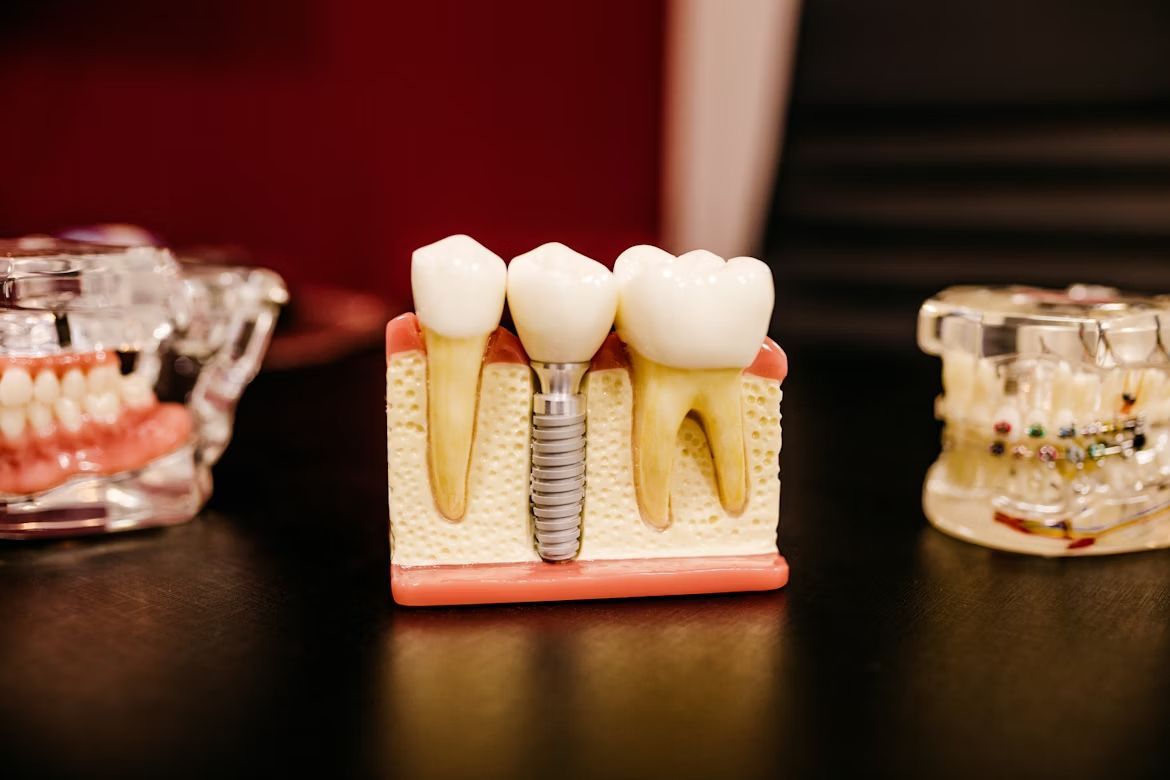
Teeth are the subject of contrarian opinions! Some love it, some find it disgusting. But that wasn’t enough of a reason to prevent Michigan from having a museum devoted to dentistry.

The Sindecuse Museum of Dentistry in Ann Arbor is a hidden gem tucked away in the atrium of the University of Michigan School of Dentistry. It’s one of the few museums in the world dedicated entirely to dentistry!

With over 25,000 objects on display, you will find everything from antique dental tools to quirky historical products dating back to the 18th century. The museum also features fascinating temporary exhibits and engaging programs. Plus, admission is free, so you can enjoy this unique journey through dental history without spending a dime.

10
Museum of Jurassic Technology - Los Angeles, California

Image: Mauro Sbicego

You read that right, the words "Jurassic" and "technology" are part of the same name and they have nothing to do with Spielberg’s millionaire production.

The Museum of Jurassic Technology in Los Angeles is an enigma wrapped in a mystery. Despite its name, there’s nothing particularly Jurassic about it. Instead, this delightfully bizarre museum leads you through dimly lit halls filled with curiosities, from mini models of Napoleon and Daffy Duck to oil portraits of Soviet space dogs.

It’s a wonderfully chaotic mix that keeps visitors scratching their heads and smiling. Perfect for those who love a good mystery, the museum’s quirky collection is as baffling as it is fascinating. Come ready to be amused and bewildered!

Explore more American facts

Choose your favorite category!

General
General

As American as apple pie—the very best America has to offer!

Culture
Culture

Delve into the astounding richness of American lore.

Geography
Geography

Hop in and explore vast and diverse American landscapes.

History
History

Discover the key moments that shaped the United States.