Culture Culture 6 min read

From pages to heart

Jay Gatsby or Tom Sawyer? 10 unforgettable American literary characters!

Image: Chris Lawton

Whether you're a book lover or not, there are certain books that everyone has read, and they've touched the hearts of many Americans. Between meticulous descriptions, unique stories, and unforgettable dialogues, these books have something that particularly stands out: their characters . From classics like Huckleberry Finn and Tom Sawyer to iconic names such as Jay Gatsby and Atticus Finch, these literary characters have become a fundamental part of American culture , and for excellent reason. Today, we're celebrating 10 beloved characters from American literature!

1
Huckleberry Finn

Image: Pedro Forester Da Silva

Mark Twain has given us some of the most iconic characters in our country's literature, and Huckleberry Finn is one of them.

He stole our hearts as the main character of The Adventures of Huckleberry Finn (1884), where his experiences and charm made him unforgettable. Adventurous, independent, rebellious (rightly so), and very smart, "Huck," as he is called in the novel, surprises us with reflections and critiques on the society of his time.

Huck not only escapes an abusive home but also makes an incredible journey down the Mississippi River in search of freedom. Along the way, he forms deep connections with those he meets, making it impossible not to feel attached to him.

2
Atticus Finch

Image: Scott Graham

When discussing classics of American literature, it is impossible not to include in the list the Pulitzer Prize-winning novel To Kill a Mockingbird (1960) by Harper Lee.

And if there's one thing this novel has to offer, it's some unforgettable characters. At the center of it all is none other than Atticus Finch. Atticus is described as an honorable lawyer with a profound commitment to justice and equality, serving as a moral beacon in a society defined by its lack of both. He always stands up for his principles , even when they go against the dominant norms.

One of his most iconic lines in the novel is a phrase that defines him very well: "The one thing that doesn't abide by majority rule is a person's conscience."

3
Holden Caulfield

Image: Hiroyoshi Urushima

J.D. Salinger's novel The Catcher in the Rye (1951) is undoubtedly a landmark of American literature. And one name that has stayed with us forever is Holden Caulfield, the novel's unforgettable protagonist.

With his characteristic red hat , Holden Caulfield is the definitive teenager: rebellious, curious, somewhat cynical , selfish, and mischievous. As he roams New York City after being expelled from several prep schools, we are witnesses of his intense and often smartly critical thoughts and experiences. However, despite his disillusionment with the world, Holden demonstrates a deep sensitivity .

4
Jay Gatsby

Image: Hardini Lestari

Published almost 100 years ago, F. Scott Fitzgerald's The Great Gatsby (1925) has become one of our classics , portraying life during the Roaring Twenties and inspiring many film adaptations. Jay Gatsby, with his ambition, idealism, and charisma, gets all the attention in this novel as an enigmatic character who is proof of the majesty of its author.

Much like Dante's Beatrice, the character of Daisy Buchanan inspires in Jay Gatsby an almost obsessive love that drives him to make key decisions and take powerful actions throughout the novel. It is this passion that fuels his rise to wealth and eventually leads to his downfall.

5
Tom Sawyer

Image: Lawrence Chismorie

Endlessly reproduced in other art forms, Tom Sawyer by Mark Twain is one of the most representative characters of American literature.

The first and most famous book featuring the Missouri boy is, of course, The Adventures of Tom Sawyer (1876), but we also see him in the sequel named after his friend, a character we have already talked about: The Adventures of Huckleberry Finn (1884).

Despite his mischievous nature and penchant for getting into trouble with his tricks and pranks, Tom is a clever and independent boy who constantly seeks out new adventures.

6
Scarlett O'Hara

Image: Lizelle De Wit

Gone with the Wind (1936) by Margaret Mitchell is a title everyone has heard of, whether you've read the book or not. Its characters have also become famous beyond the pages of this iconic novel.

One of them is none other than Scarlett O'Hara, the central character of this story. The novel portrays the American South during and after the Civil War , where Scarlett O'Hara, shaped by her circumstances, appears as a self-centered and spoiled character. However, as the story progresses, Scarlett evolves, showcasing her tenacity , determination, and protective spirit when she sets her mind to something. You probably remember the iconic line, "Tomorrow is another day."

7
Dean Moriarty

Image: Rémi Jacquaint

A fundamental member of the so-called Beat Generation , Jack Kerouac gifted us with one of the most famous novels in American literature: On the Road , published in 1957.

One of his most remembered characters is Dean Moriarty, who was based on a real person , Neal Cassady, a close friend of the author. Moriarty embodies some of the most outstanding characteristics of the Beat Generation, portraying an enthusiastic, adventurous, free-spirited, energetic, and charismatic character. With such a personality, it's no surprise that Dean Moriarty creates unforgettable moments and becomes an important figure in the story.

8
Hester Prynne

Image: Chris LaBarge

Hester Prynne, from Nathaniel Hawthorne's acclaimed novel The Scarlet Letter (1850), is undeniably one of the earliest and most significant female characters in our country's literature.

Hester defies the norms of her time by having an illegitimate child, making her a target of dramatic criticism and punishment from her contemporaries. Set in 17th-century Puritan Massachusetts, the story unfolds in a society defined by strict rules and oppression. In this context, Hester Prynne appears as a strong woman who endures the severe judgment of her time with courage.

Despite her harsh circumstances, Hester Prynne is described as a powerful, dignified, and empathetic character with extraordinary sensitivity.

9
Santiago

Image: Anastasiya Chervinska

Another undisputed classic is Ernest Hemingway's The Old Man and the Sea , published in 1952.

Santiago is the central character in this novel, which explores various aspects of the human condition in depth. Santiago, the old man of the title, is a fisherman who has gone many days without catching a single fish. Faced with diverse challenges and, above all, his own physical limitations , Santiago is described as a strong character of great constancy , dignity, and resilience who has a strong bond with the sea and its mysteries.

The character's perseverance shines through in his battle with the giant marlin , which stands as one of the most important moments in this story.

10
Ishmael

Image: Richard Sagredo

Continuing our journey along the sea, let's talk about one of the most iconic narrators in American literature: Ishmael. His name is perpetuated in the very first line of Herman Melville's great novel, Moby-Dick (1851). Who could forget the iconic opening: "Call me Ishmael" ?

Ishmael serves as the first-person narrator of one of the most memorable tales in literature, a sailor distinguished by his profound, analytical, and reflective personality.

Though he shares few details about his background or appearance, Ishmael masterfully narrates the events aboard Captain Ahab's whaling ship , giving us a unique perspective on the events.


History History 4 min read

Do you practice any of these?

From RSVPs to sunglasses: 12 etiquette rules that deserve a comeback

Image: Artem Beliaikin

Etiquette may sometimes seem old-fashioned, but there are a few rules from the past that deserve a comeback. Little things like taking off your sunglasses indoors, standing up when greeting someone new, or writing a thank-you note after receiving a gift may feel a little dated, but they’ve got a charm that’s hard to ignore. Do you think these 12 small rules should be brought back?

1
Pulling out the good china

Image: Zoshua Colah

In the past, people often had a set of special dishes reserved for holidays or important guests to make meals feel more memorable.

Today, many people use just one set of dishes and often eat casually, sometimes even standing over the sink. Taking the time to create a pleasant dining experience can show respect not only for your guests but also for yourself .

2
Good table manners

Image: Noah Samuel Franz

Good table manners are often mistaken for being overly formal or pretentious, but that couldn’t be further from the truth.

The true purpose of practicing polite dining habits is to make sure everyone enjoys a relaxed and pleasant meal together , and it’s often easier to practice than most people realize.

3
Not taking off your shoes in public

Image: Beth Macdonald

Recently, there’s been a noticeable trend of people going shoeless in places like airplanes and restaurants. As society grows more casual, some even put their bare feet on seats, armrests, or tables.

However, it's best to keep your shoes on in public unless your host specifically asks you to remove them.

4
Standing when greeting someone new

Image: Musemind UX Agency

When meeting someone for the first time or welcoming someone into a group, it's polite to stand as a gesture of acknowledgment .

This simple act, expected of both men and women, conveys both warmth and respect.

5
Making introductions

Image: Elevate

Making introductions is becoming less common, yet it remains one of the most valuable social skills. Even if you forget someone’s name, it’s always better to ask than to risk letting them feel left out in a group.

Good manners are all about helping others feel at ease , and introductions don’t have to be uncomfortable or awkward when done with a little thought and effort.

6
Thank-you notes

Image: Kelly Sikkema

While everyone enjoys being thanked, it has become rare for people to express gratitude in a lasting way. Any form of thanks, including a text or email, is appreciated, but a handwritten thank-you card remains the most meaningful .

The personal touch of seeing your handwriting shows thoughtfulness, and many people cherish and keep these cards, something that’s much harder to do with digital messages.

7
Asking permission

Image: Dias ^

In a society where people often say, "It’s easier to apologize than to ask for permission," many act without asking, whether it’s hugging someone, posting their picture online, or taking a bite of their food.

However, it’s always more polite to ask before doing anything that involves or affects someone else . A simple question like "Are you okay with this?" can go a long way toward showing respect without taking up much time.

8
Opening doors for men and women

Image: Jan Tinneberg

Chivalry may have some outdated interpretations, but politeness is something everyone can practice, regardless of gender . Simple acts like holding the door open are easy to do and appreciated by everyone.

9
Holding the elevator

Image: Derrick Treadwell

In today’s world, many people are either too wary of strangers or adopt a "not my problem" attitude when seeing someone struggle in public. But as long as there’s no safety concern, it's important to continue practicing simple courtesies, like holding the elevator door for someone in a hurry .

10
Returning phone calls

Image: Hassan OUAJBIR

As society evolves, so does etiquette, especially with the rise of new technology, but some shifts aren't always for the better. A common example is responding to a phone call with a text message.

While some people may prefer texting over speaking on the phone, it’s still considered polite to return a call with another phone call , particularly when someone has taken the time to reach out to you.

11
No sunglasses indoors

Image: Lucas George Wendt

These days, it’s common to see people wearing sunglasses everywhere, even in places like movie theaters, but it raises a question: Are we avoiding others, or simply hiding behind our shades?

Eye contact is essential for effective communication, as it demonstrates respect and facilitates understanding. While it's fine to wear sunglasses outdoors, it’s best to take them off indoors to engage properly with others.

12
RSVP’ing promptly

Image: Artsy Vibes

With the rise of casual invites, often sent by email or social media, RSVPing has become increasingly rare. Failing to respond to an invitation is not only poor etiquette but also inconsiderate.

Hosts put significant time and effort into planning events, from buying food to organizing entertainment. Not RSVPing or waiting until the last minute only makes their job harder.

General General 5 min read

Native marvels

What 600-pound animal climbs trees? 10 amazing American animals

Image: Bryan Hanson

America is home to a rich tapestry of unique wildlife found nowhere else on Earth. These species thrive in diverse ecosystems, from mountains to oceans, and form an integral part of our natural heritage. Some have even become national icons, symbolizing the spirit of our country. From the majestic bald eagle to the resilient black bear, discover 10 animals that embody the wild essence of our nation.

1
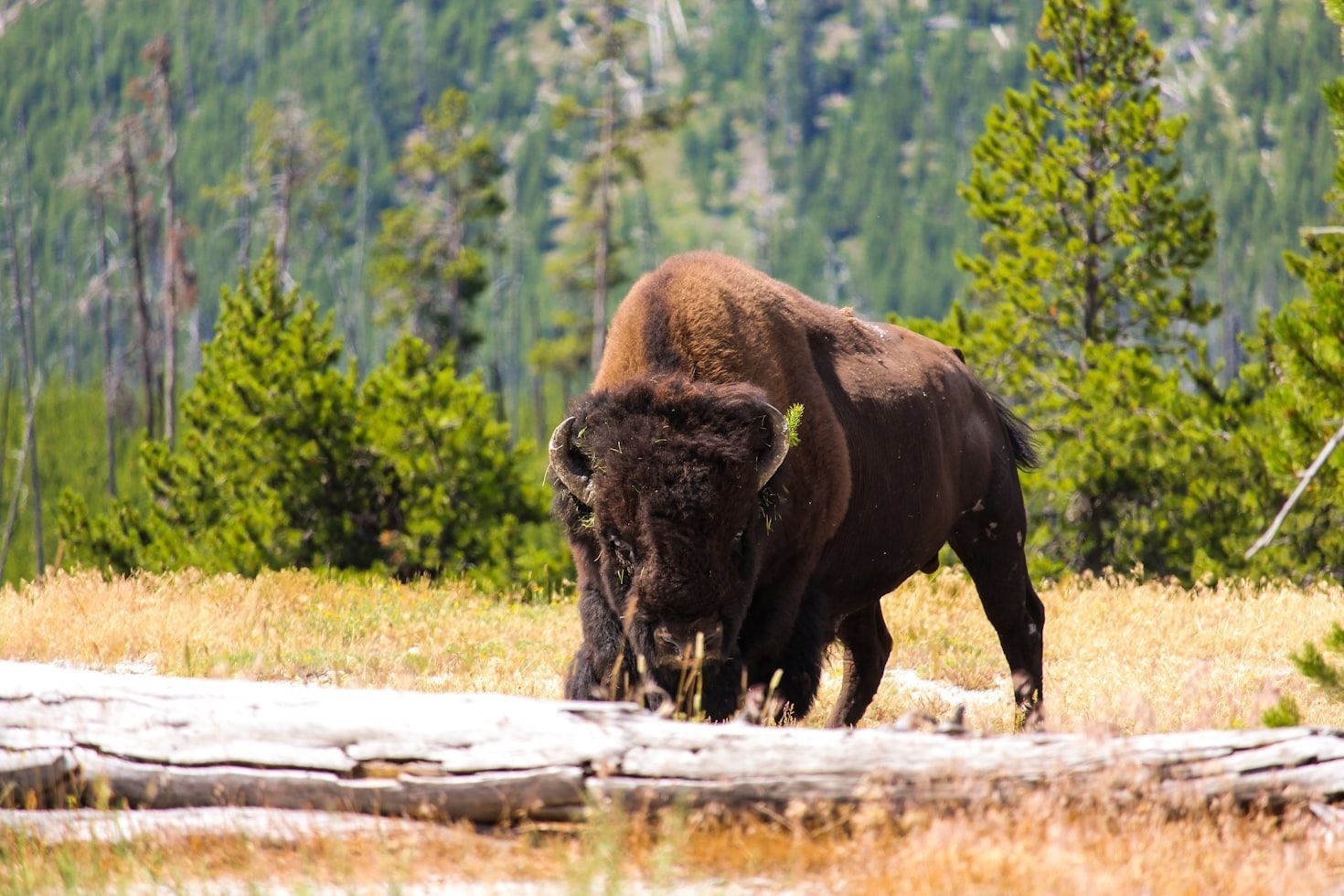
American Bison

Image: Chloe Leis

The American bison once roamed the Great Plains in vast herds, a true icon of the American West. These massive mammals can weigh up to 2,000 pounds and stand 6 feet tall at the shoulder. Due to overhunting and habitat loss in the 1800s, their numbers dwindled dangerously low, with the species being driven to the brink of extinction.

Fortunately, thanks to dedicated conservation efforts, bison populations have rebounded miraculously and now roam freely through many of the United States' national parks, particularly in Yellowstone, where they have lived continuously since prehistoric times.

2
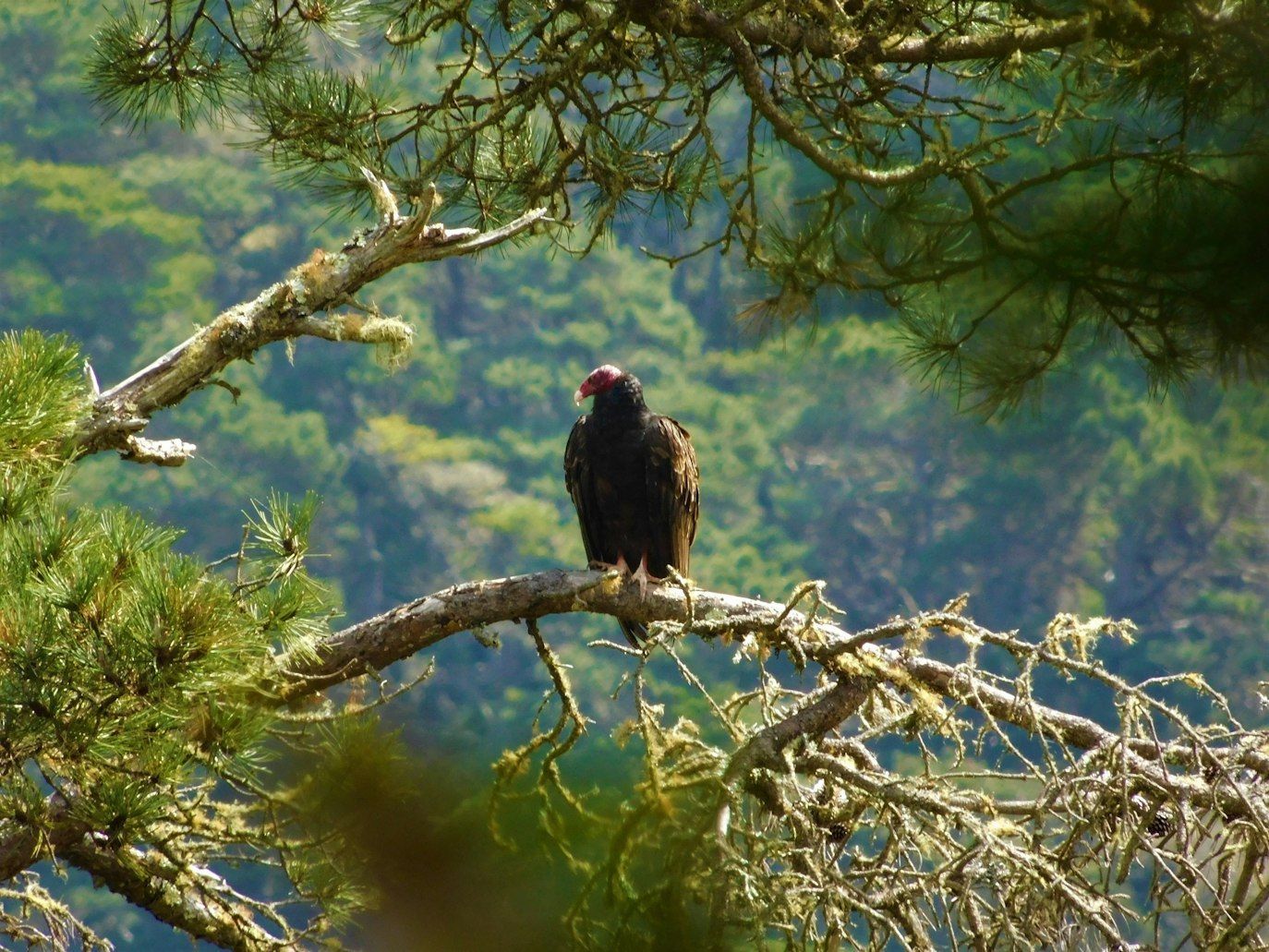
California Condor

Image: Kacie Long

The California condor is North America's largest flying land bird, boasting an impressive wingspan of nearly 10 feet. In the 20th century, populations dramatically declined due to various threats, including DDT and lead poisoning, poaching, and habitat loss. By 1987, only 27 individuals remained, with the species facing near-extinction.

Rigorous conservation efforts, including captive breeding programs, have increased the condor's numbers, and many individuals have been reintroduced to their natural habitats near the Grand Canyon area, Zion National Park, and the coastal mountains of California.

3
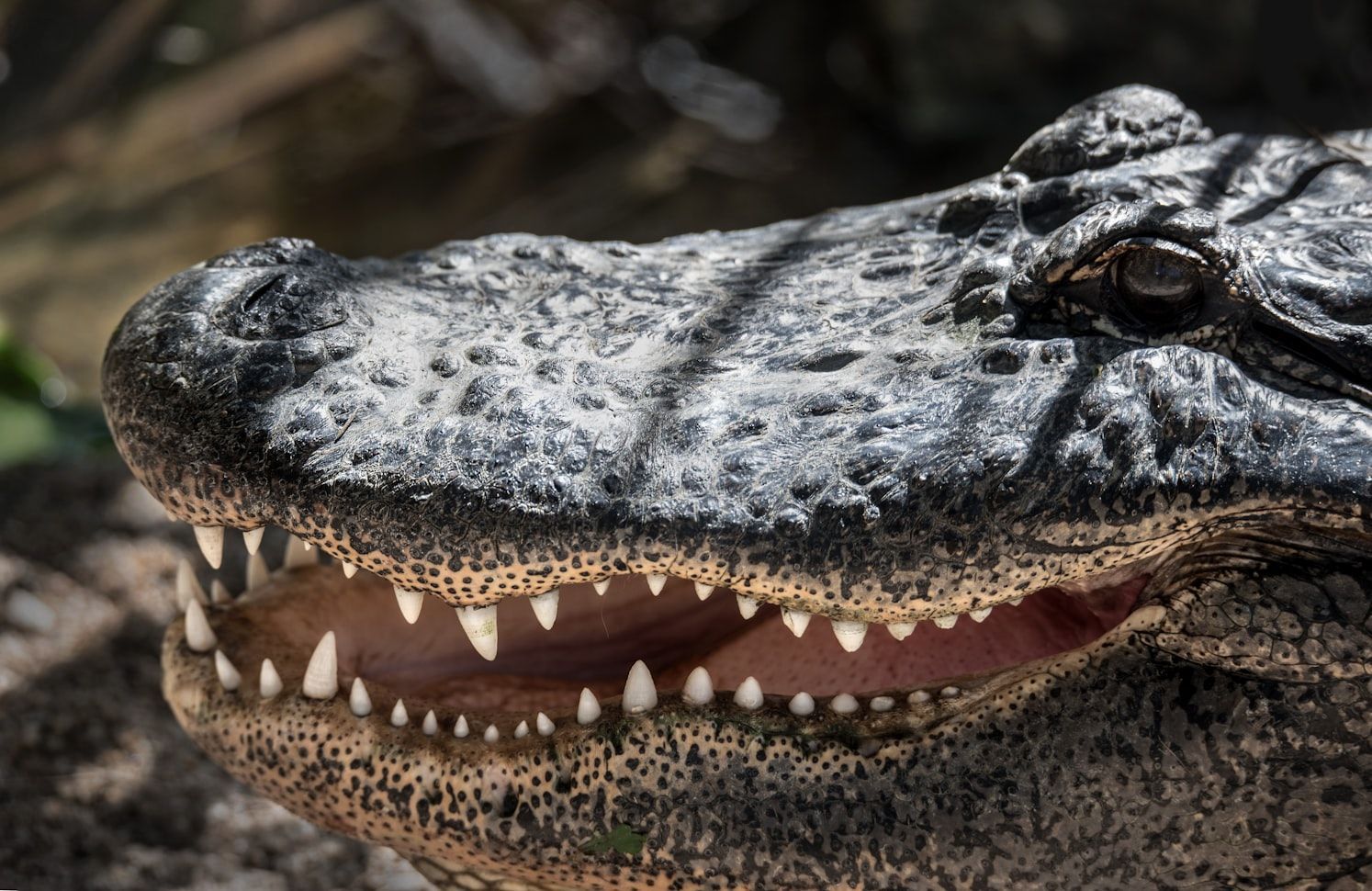
American Alligator

Image: David Clode

The American alligator, a formidable reptile, is native to the southeastern United States. As apex predators, they consume a wide range of prey, including fish, amphibians, reptiles, birds, and mammals. These powerful creatures can grow up to 15 feet long and weigh over 1,000 pounds.

Once hunted nearly to extinction for their hides, American alligators have made a remarkable comeback thanks to strict protection laws. Today, they thrive in swamps, marshes, and rivers, where they play a crucial role as ecosystem engineers. By constructing small ponds known as alligator holes, they create both wet and dry habitats that support a variety of other organisms.

4
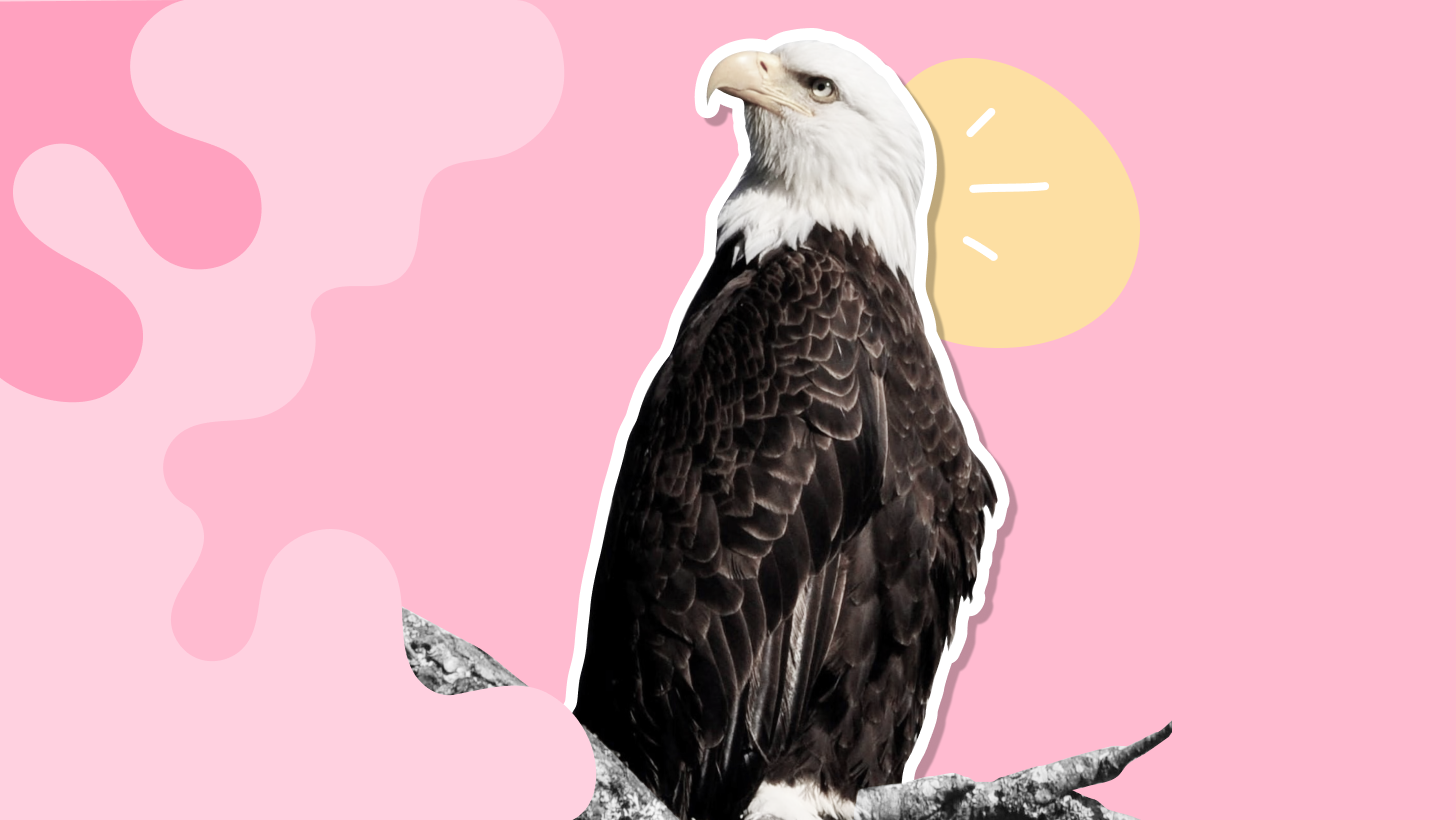
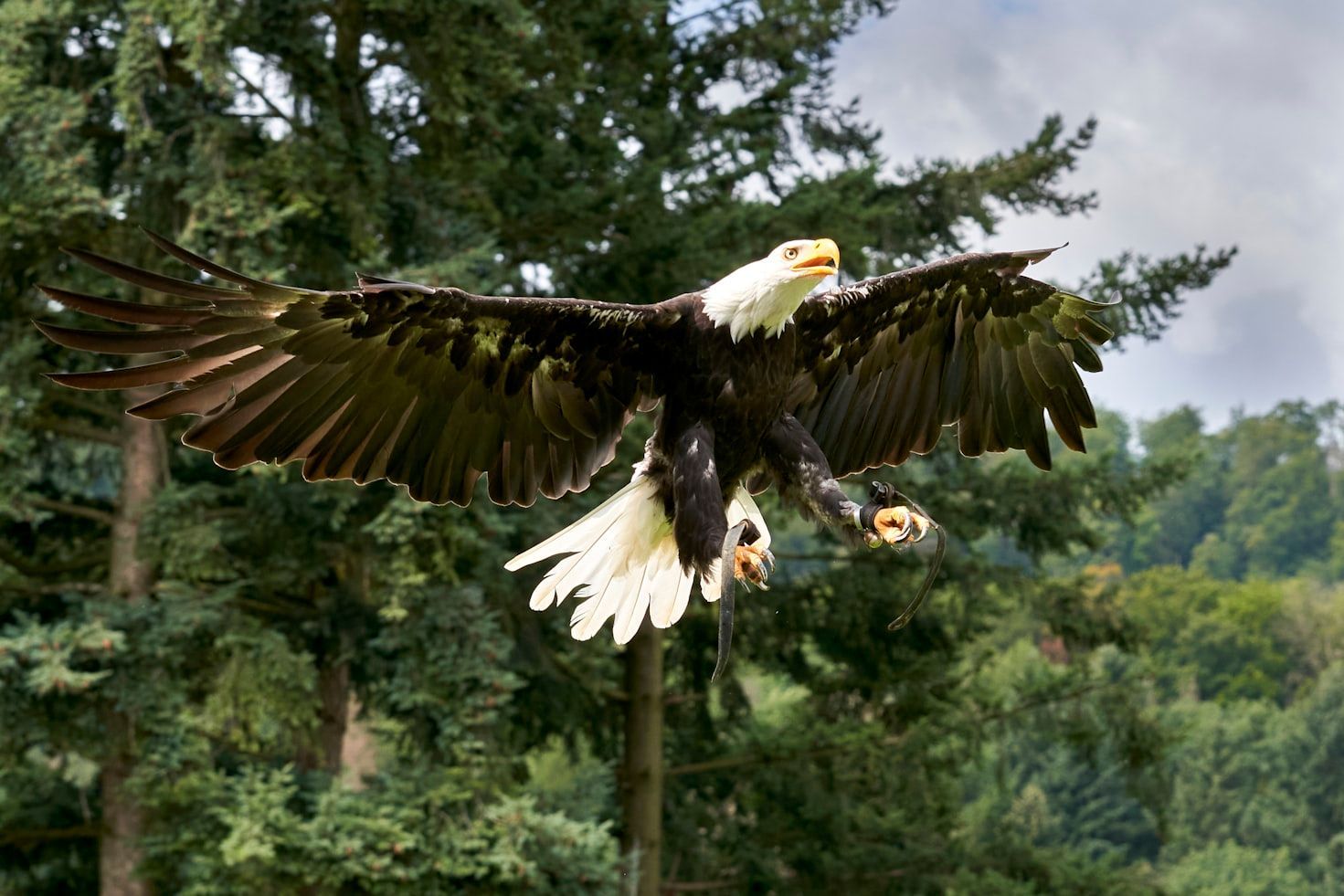
Bald Eagle

Image: Ingo Doerrie

The bald eagle is not only America's national bird but also a powerful symbol of freedom all over the world. An opportunistic feeder that primarily subsists on fish, it is classified as a type of sea eagle, closely related to the European white-tailed eagle. Found throughout North America, this majestic bird has a wingspan of up to 7.5 feet and uses its sharp talons to snatch prey from the water.

Despite its name, the bald eagle is not actually bald. The name comes from an older use of the word "bald," which used to mean "white-headed." This bird of prey is also known for building the largest nest of any North American bird—a structure that can be up to 13 feet deep, 8 feet wide, and weigh almost 1 metric ton on average.

5
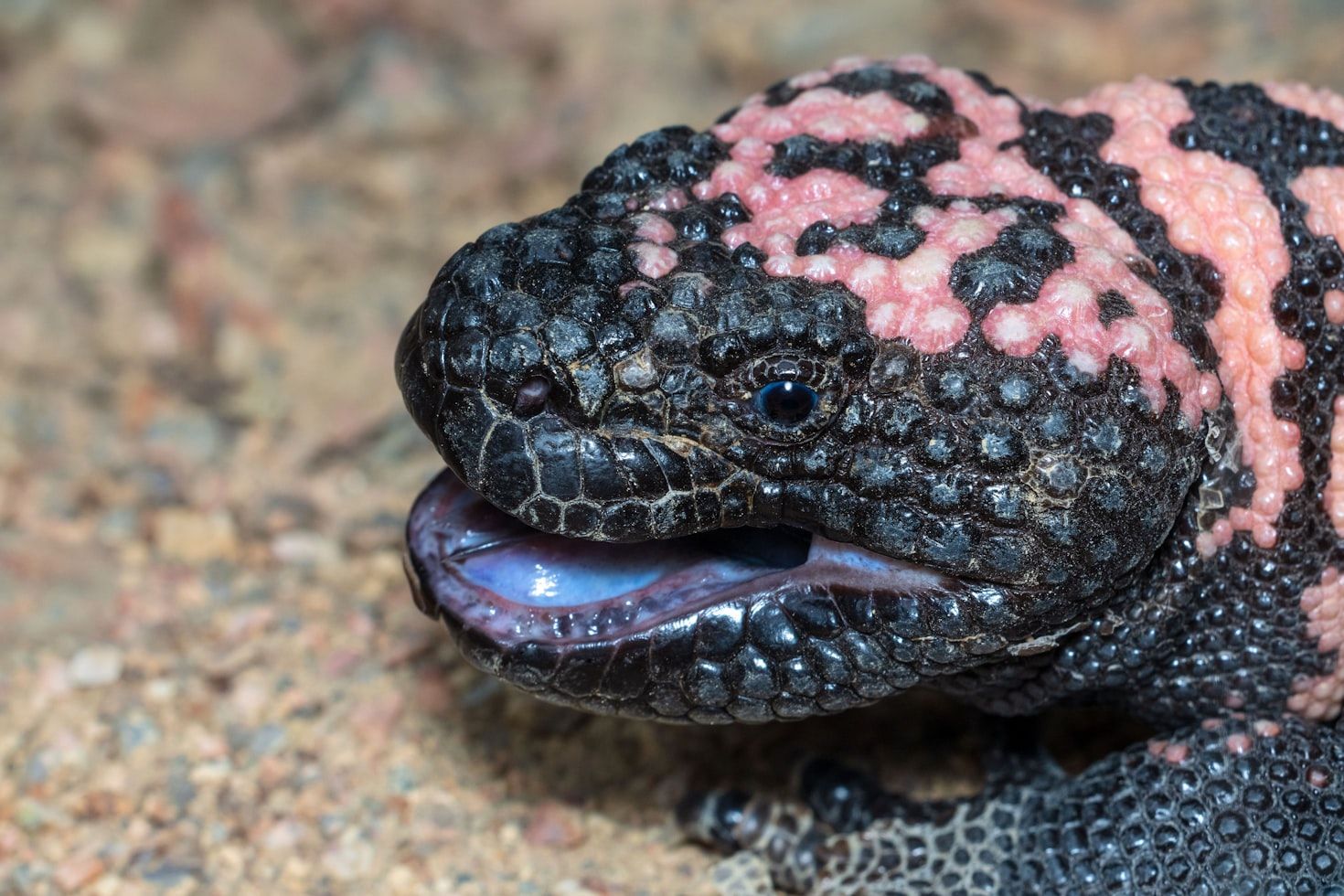
Gila Monster

Image: David Clode

The Gila monster, native to the southwestern United States, is one of the few venomous lizards in the world. These brightly colored reptiles are slow-moving and rarely attack humans, but they can deliver a powerful bite if threatened or mishandled. Gila monsters are a unique part of America's desert fauna, often inhabiting burrows or sheltering under rocks where conditions are favorable.

The name "Gila monster" refers to the Gila River Basin in Arizona and New Mexico, where these lizards were once abundant. Because the species has remained relatively unchanged morphologically since at least the Miocene, they are occasionally regarded as living fossils.

6
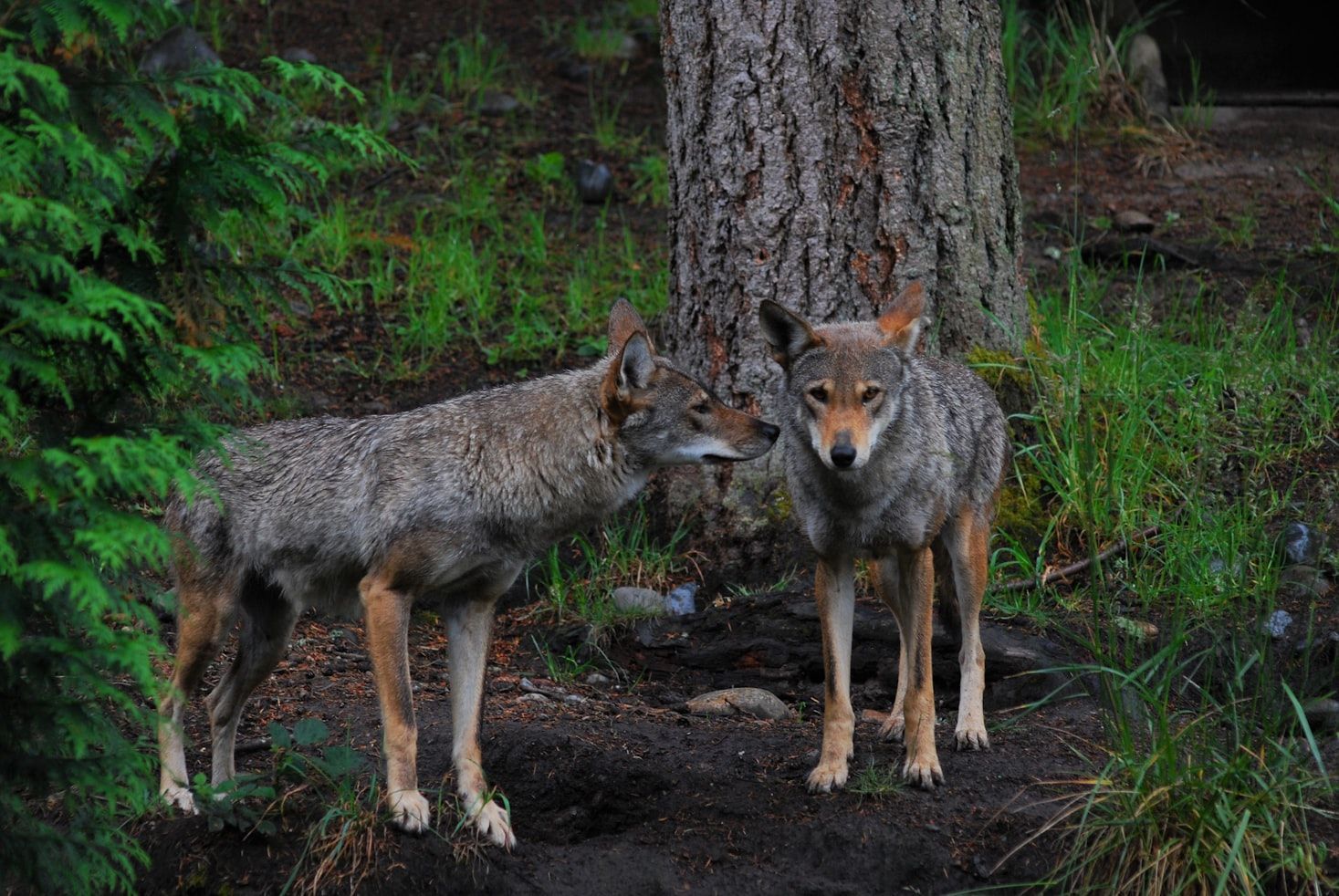
Red Wolf

Image: Patrick Fobian

A canid native to the southeastern United States with a size that falls between a gray wolf and a coyote, the red wolf is often classified either as a subspecies of the gray wolf or as a type of coywolf (a genetic hybrid of wolf and coyote). Despite their size, red wolves play a crucial role in their ecosystem as apex predators.

While their original range covered the southeastern United States to as far north as the state of New York, the species is currently critically endangered, with fewer than 20 individuals remaining in the wild. Efforts to save the species include captive breeding and reintroduction programs aimed at restoring their presence in the wild.

7
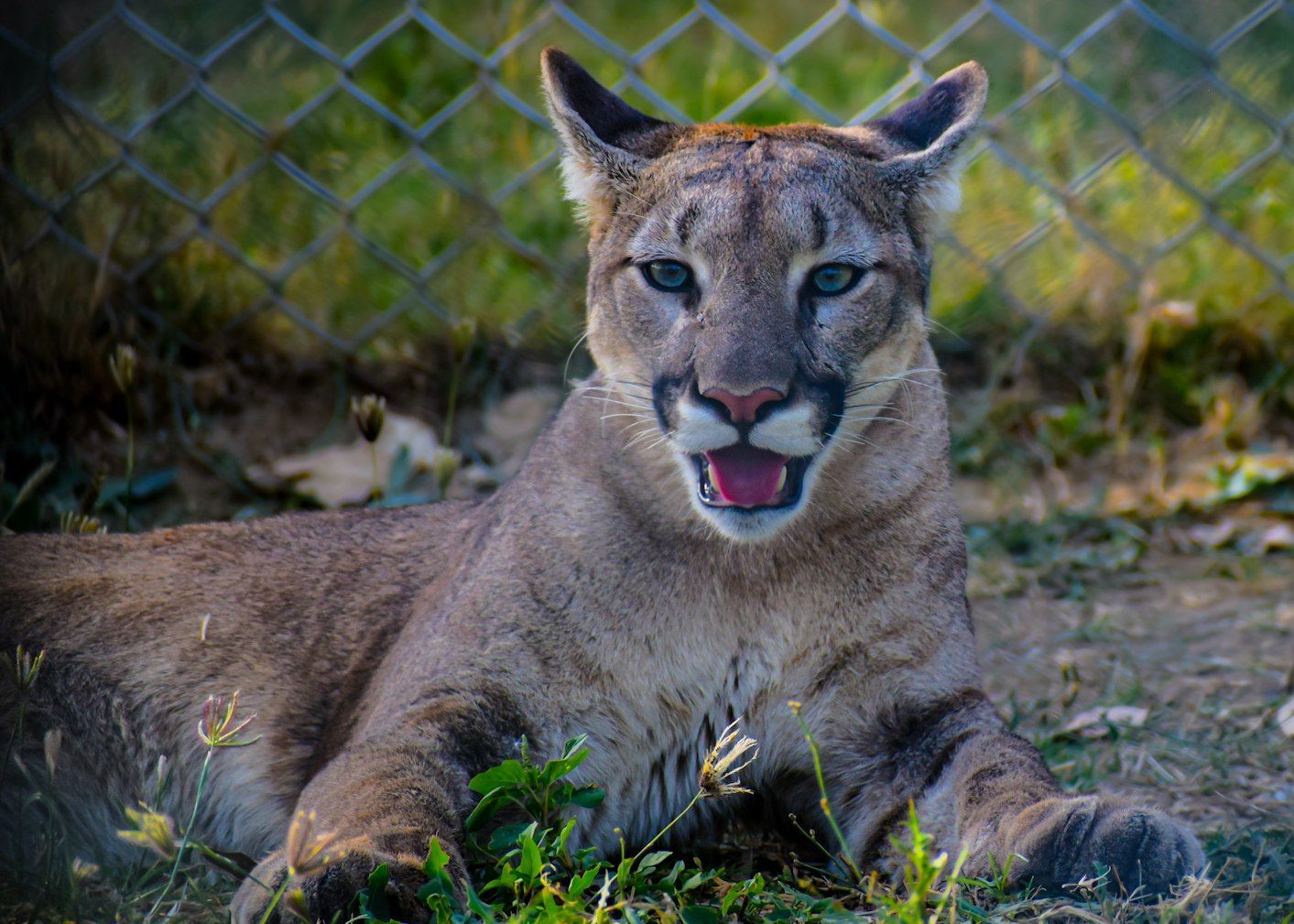
Florida Panther

Image: Maheera Kulsoom

The Florida panther, a subspecies of the cougar, roams the forests and swamps of southern Florida. Its modern range includes national parks and natural reserves such as the Big Cypress National Preserve and Everglades National Park. With only around 200 individuals left in the wild, these solitary and elusive cats are considered endangered and currently occupy only 5% of their historic range.

Conservation efforts focus on habitat preservation and reducing vehicle collisions, the leading cause of death for these big cats. Since 1982, this majestic feline has been officially recognized as Florida’s state animal.

8
Hawaiian Monk Seal

Image: Sebastian Coman Travel

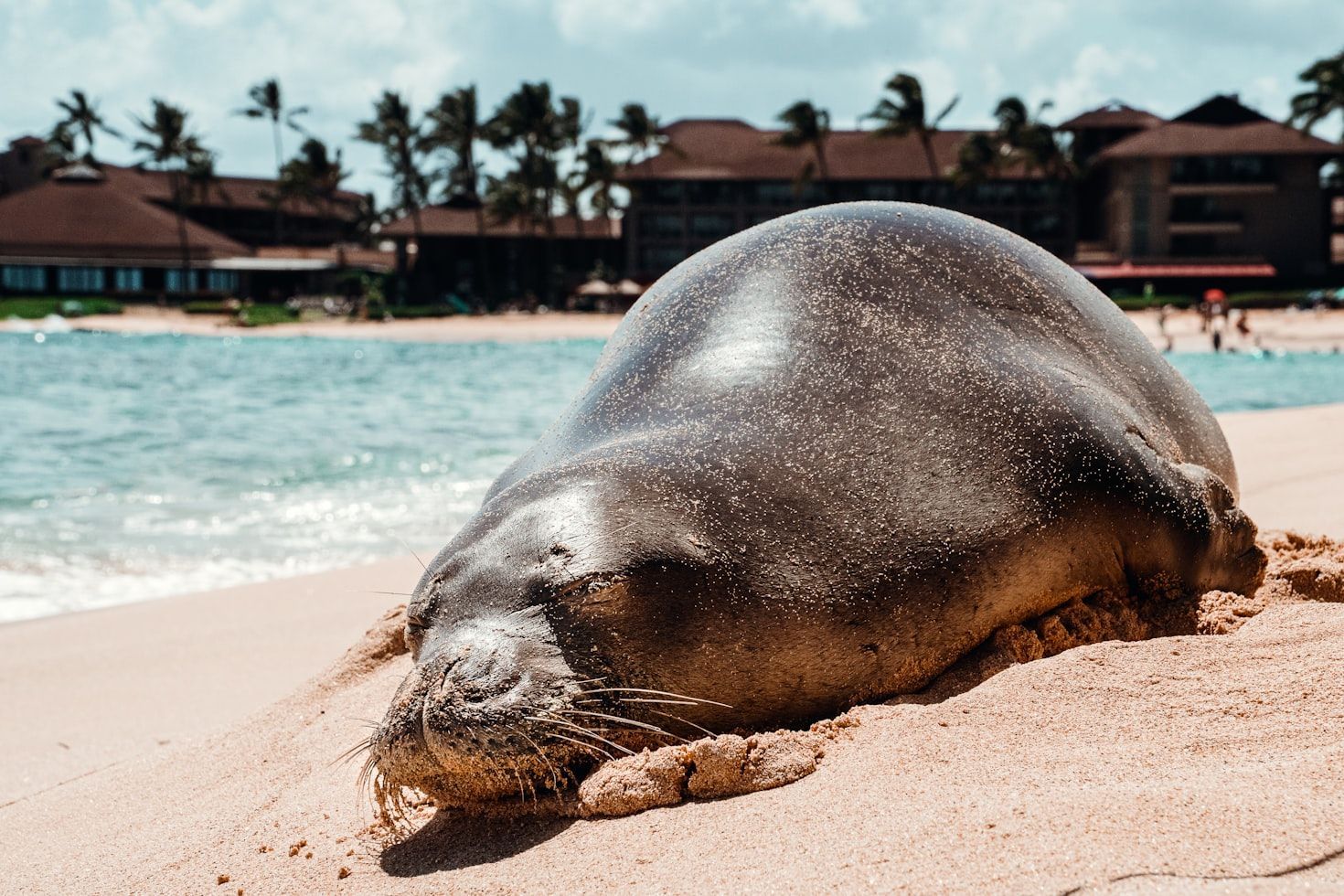
Found only in the Hawaiian Islands, the Hawaiian monk seal is one of the only two mammals endemic to the islands, alongside the Hawaiian hoary bat. Its common name comes from the short hairs on its head, resembling a monk's tonsure, but native Hawaiians know it as ʻIlio-holo-i-ka-uaua, which translates to "dog that runs in rough water."

Considered one of the most endangered marine mammals in the world, with a population of about 1,400 individuals, these seals are protected by the Marine Mammal Protection Act and the Endangered Species Act.

9
Pronghorn

Image: Patrick Hendry

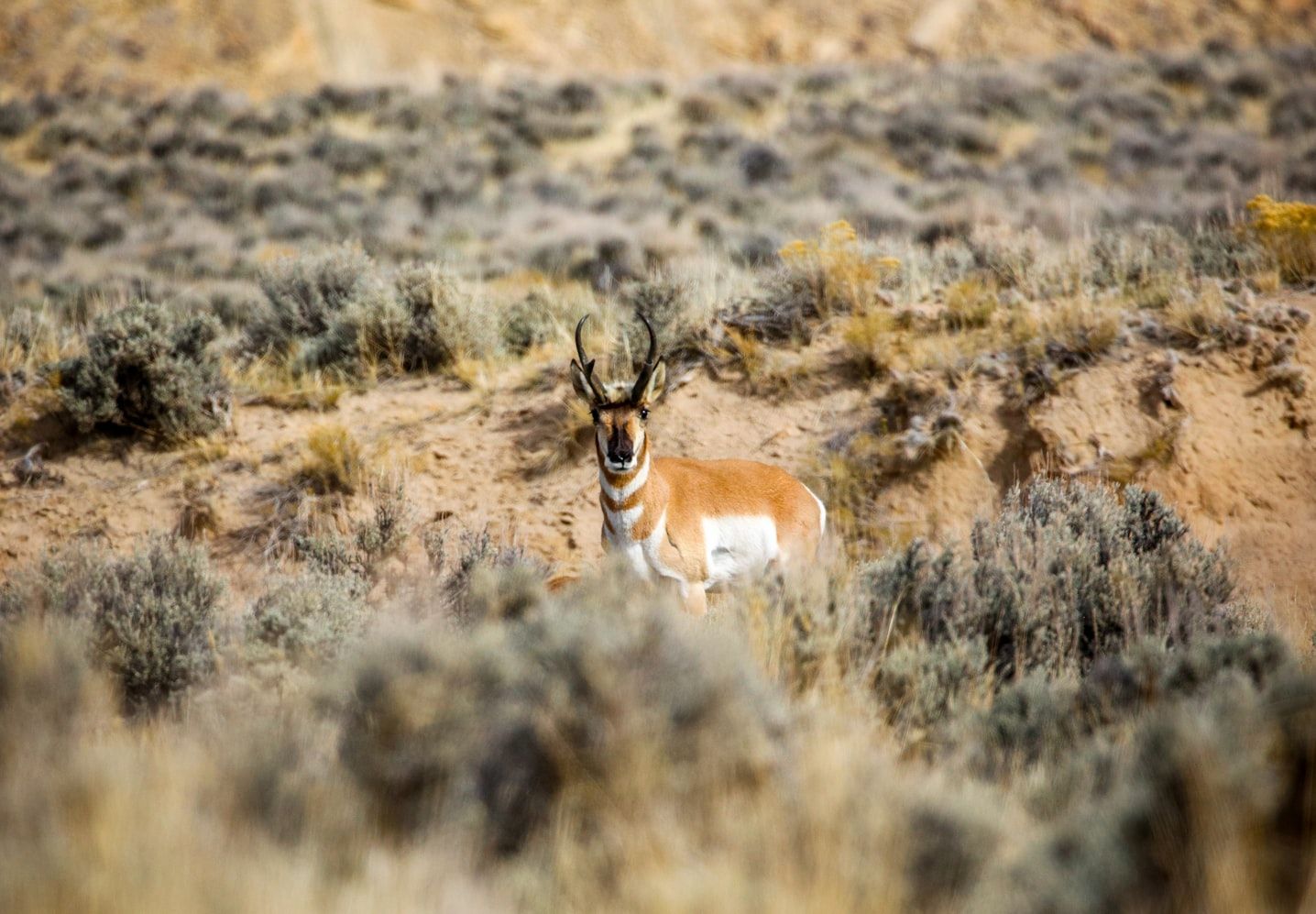
The pronghorn, native to North America's grasslands, is the second fastest land animal in the world, capable of reaching speeds up to 55 mph. Often mistaken for antelopes, pronghorns are actually unique to the American continent and are not related to Old World antelope species.

In fact, the pronghorn's closest living relatives are the giraffe and okapi. Remarkably, their incredible speed evolved as a defense mechanism against now-extinct predators, such as Miracinonyx , commonly known as the American cheetah.

10
Black Bear

Image: Robert Thiemann

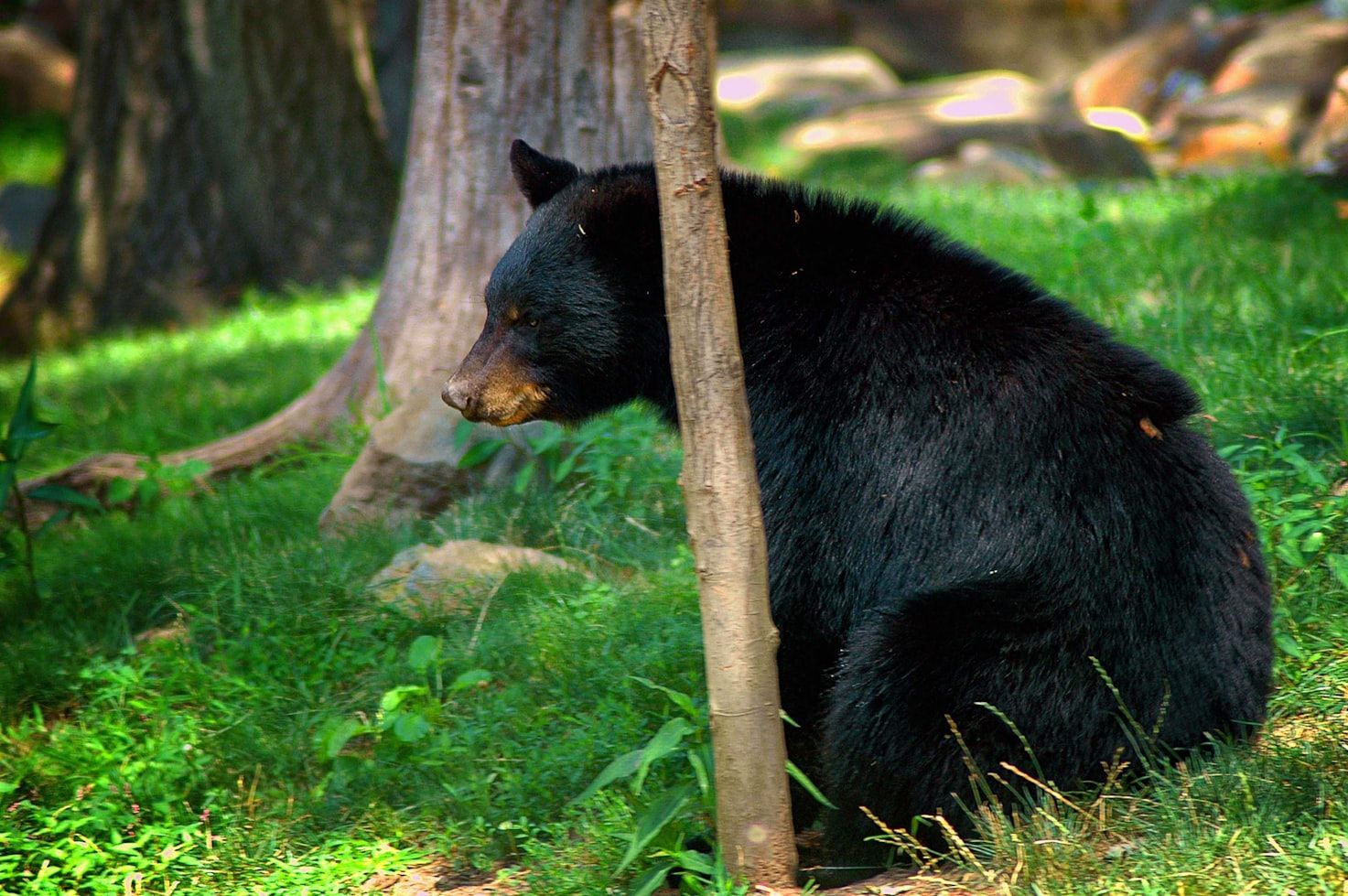
The black bear, the most widely distributed bear species in North America, is found in forested areas from Canada to Mexico. These adaptable omnivores can weigh up to 600 pounds and are skilled climbers and swimmers.

Not related to grizzly or polar bears, black bears share more genetic similarities with the Asian black bear than with any other species. And before the migration of brown bears to the continent, American black bears were likely the only bear species present in much of North America. Despite their size and strength, black bears are generally shy and tend to avoid human contact whenever possible.

Explore more American facts

Choose your favorite category!

General
General

As American as apple pie—the very best America has to offer!

Culture
Culture

Delve into the astounding richness of American lore.

Geography
Geography

Hop in and explore vast and diverse American landscapes.

History
History

Discover the key moments that shaped the United States.